If you’re wondering what’s on in Malaga in August, the honest answer is more than any other month of the year.
My first summer here, August was a blur of Sunny days, Cartojal and Feria. And every Summer since as well.
August is about late dinners, free cinema on the sand, sea at 25 degrees, and a nine-day street party in the middle of the month.
In this guide I’ll show you what’s on, what’s free, what to book months ahead, and how to make the heat work for you instead of against you.
Is It Worth Going to Malaga in August?
Yes, if you can embrace the heat and work around it.
August is the busiest, hottest and most expensive month of the year, but it’s also the only month with the Feria de Málaga, the warmest sea, and a run of free outdoor events almost every night.
The catch is the timetable. If you come expecting to sightsee at noon, you’ll find the city has other ideas, because the streets empty by 2pm and the beaches fill fast.
Follow the local timetable instead. Out early, a long rest through the worst of the afternoon, then back out from 7pm when the air finally gives a little.
Do that, and August stops feeling like a place you’re enduring and starts feeling like it was designed for you. If you’re still deciding on the month at all, my honest take on whether Malaga is worth visiting and my best time to visit Malaga guide both go deeper on the trade-offs.
Book accommodation as early as you can, especially for Feria week. Hotels within walking distance of the centre double in price and sell out months ahead.
What Is There to Do in Malaga in August?
Plenty, and most of the best of it happens after dark. The headline is the Feria de Málaga in the middle of the month, but around it you get free beach cinema, rowing regattas in the port, late-opening museums, flamenco, and the warmest swimming of the year.
The trick is matching the activity to the hour. Mornings are for beaches and day trips, the punishing midday hours are for air-conditioned museums, and evenings are for the Feria, rooftops and dinner at 10pm.
I’ve laid this guide out roughly in that order, starting with the Feria and the dated events you’ll want to plan around, then the beaches, food, museums and day trips that fill the gaps.
For the year-round list that isn’t tied to August, my things to do in Malaga guide covers the rest of the calendar.
The Feria de Málaga: the August Fair
The Feria de Málaga is the city’s biggest annual celebration, nine days in mid-August when the historic centre becomes one enormous outdoor party and a fairground on the city’s edge runs until dawn every night. In 2026 the fun starts with fireworks at midnight on Saturday 15 August and runs through the following week.
If you’re anywhere near Malaga during those dates, you go. This is the event the whole month is built around.
It commemorates the city’s reconquest on 19 August 1487, which is why 19 August is a local public holiday and the busiest day of the lot. The opening firework display fires more than 6,000 shells from the Port, and half the city walks down to the seafront to watch.
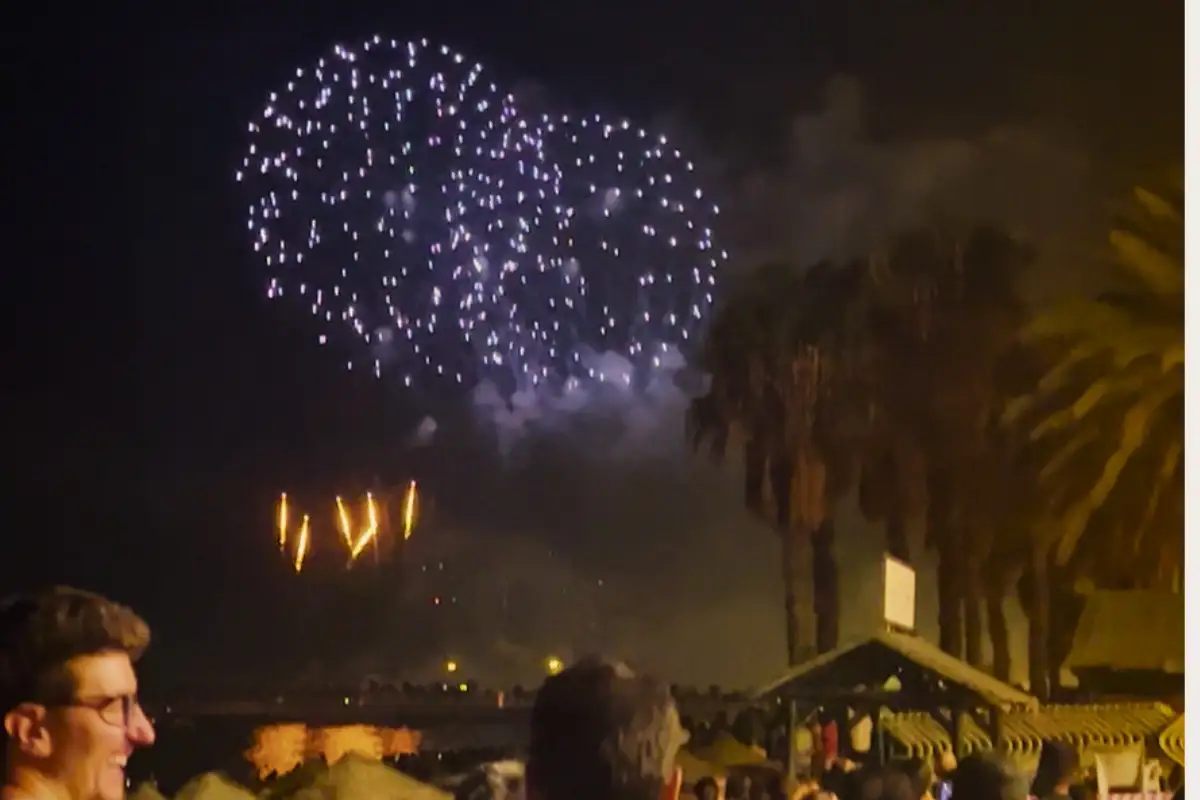
The Feria has a day side and a night side, and they barely resemble each other. Here’s how each half works.
The daytime Feria in the historic centre
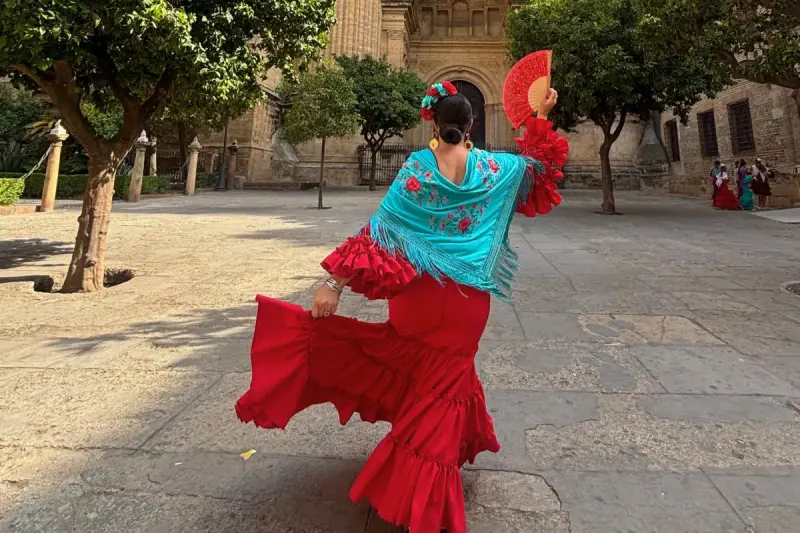
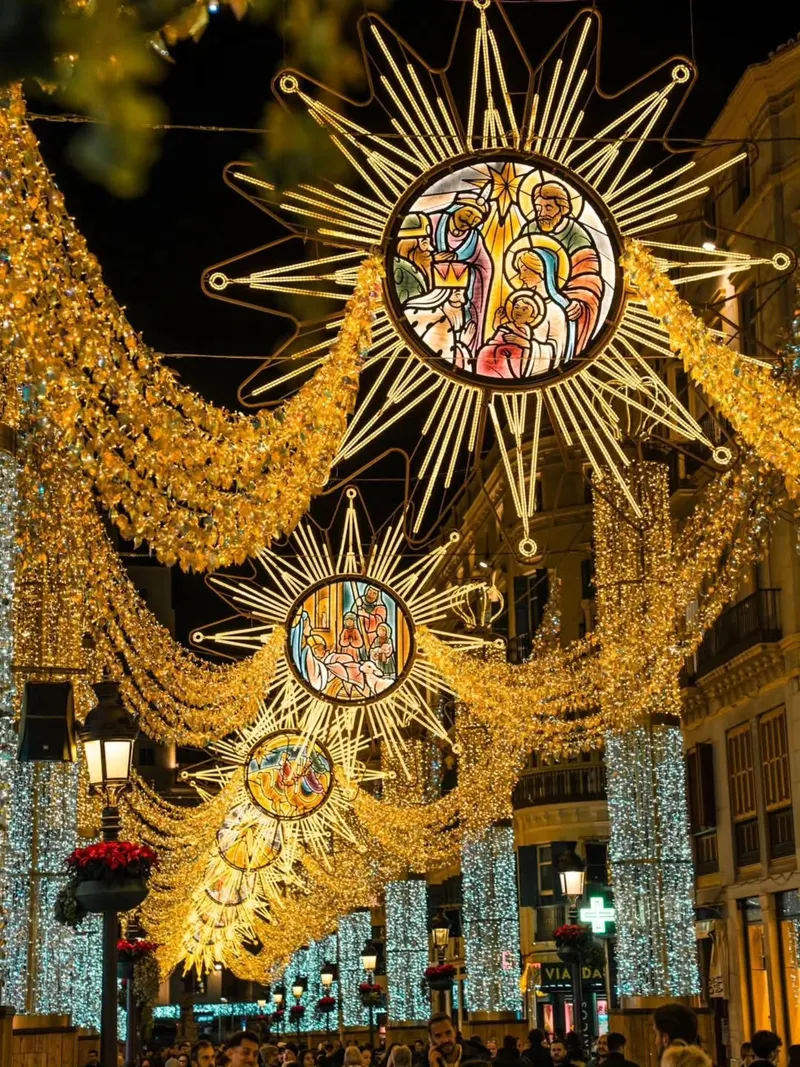
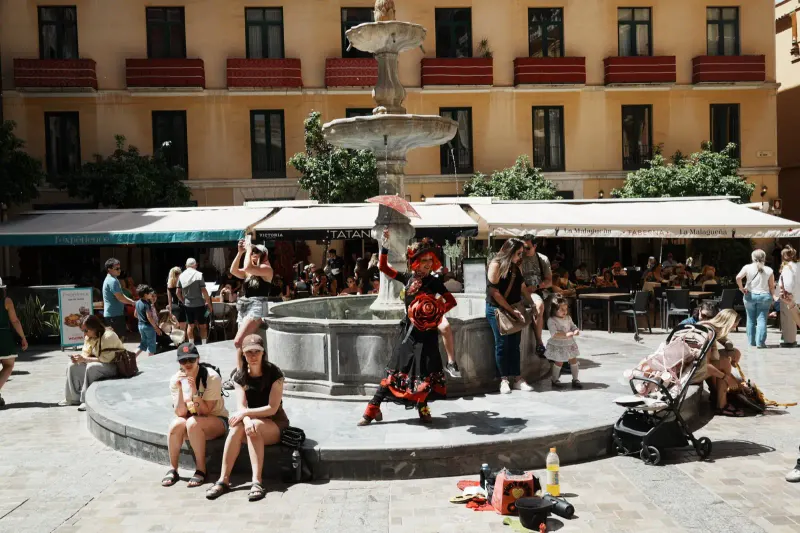
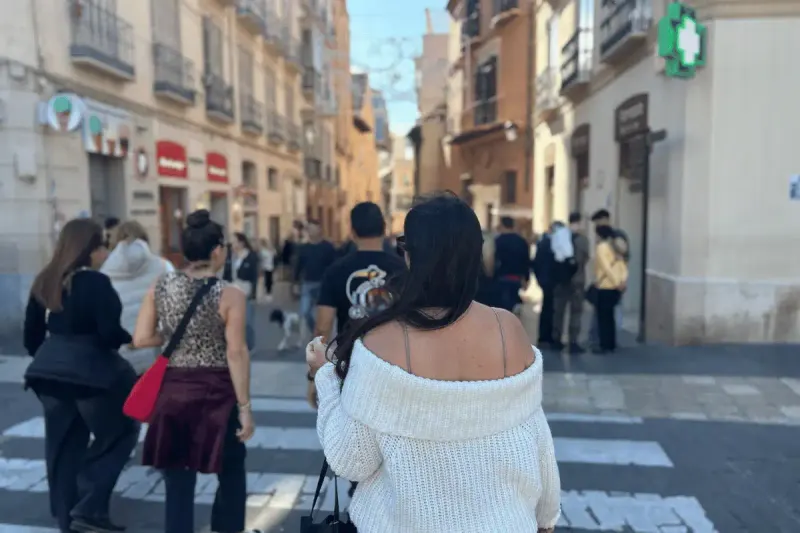
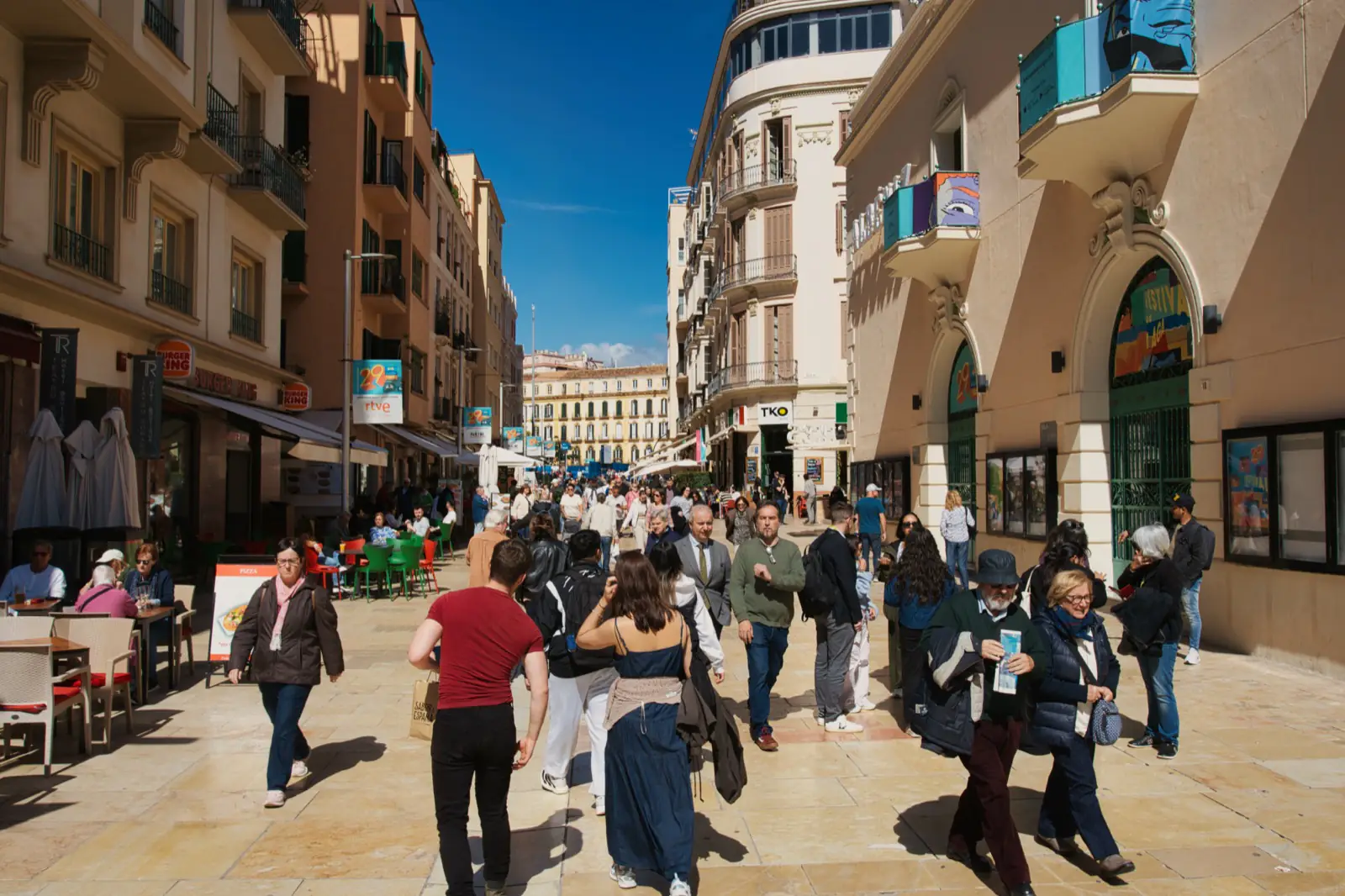
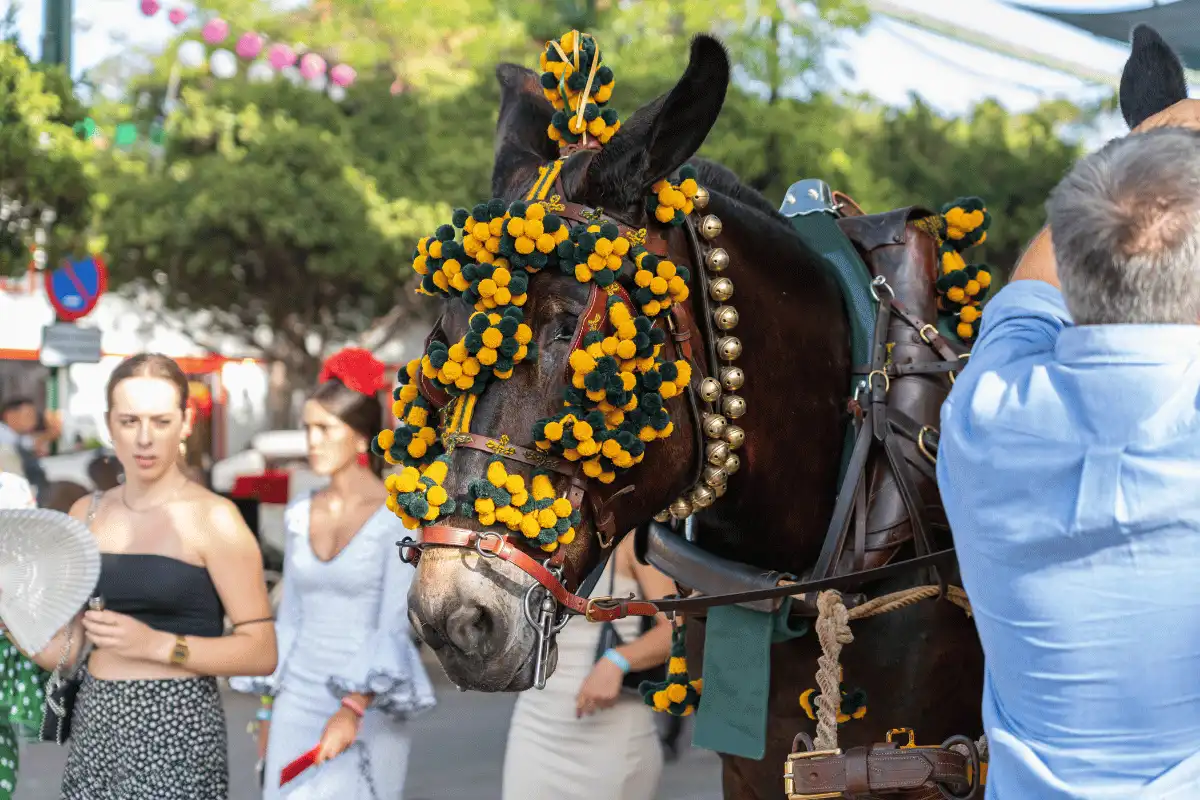
The daytime Feria takes over the centro histórico from around noon. Calle Larios and the streets around it fill with stalls, live music comes from every direction, and locals turn up in full flamenco dress for the horse and carriage parades.
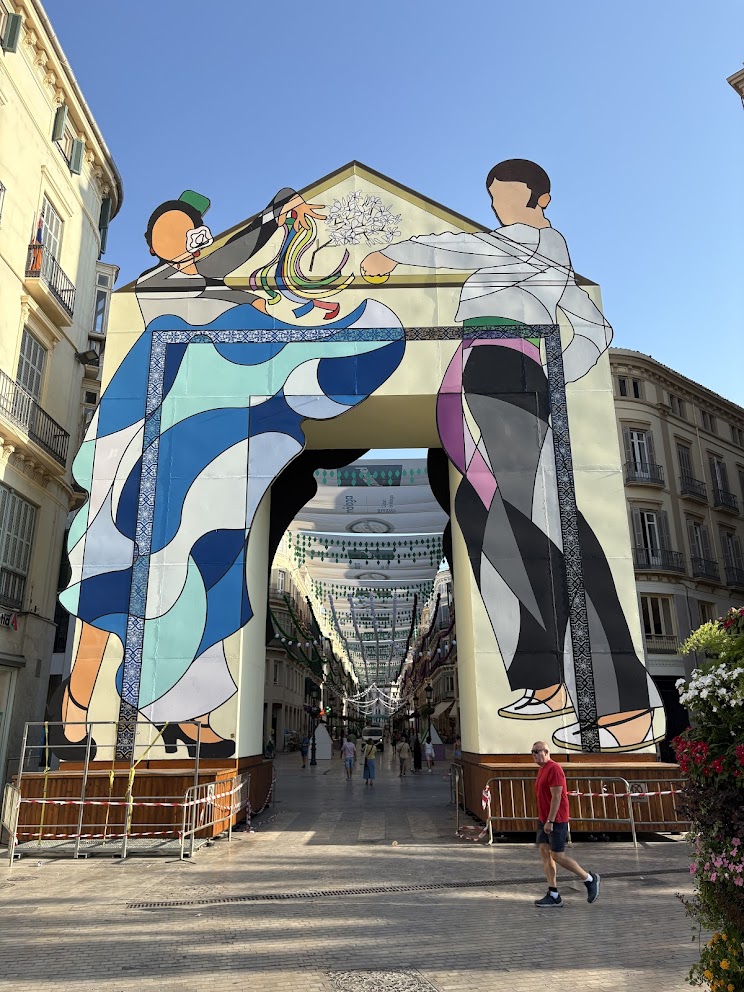
Every bar sets up outside and serves rebujito, a mix of dry sherry and lemon soda that is very easy to keep drinking in 33-degree heat. The wine to ask for is Cartojal, a sweet pale Malaga white you’ll see in bright pink bottles everywhere during Feria week.
I love the daytime version for how unforced it feels. Nobody’s performing for tourists, they’re just doing what they do every August, and you can walk straight into the middle of it.
Go before the early afternoon if you can. By 3pm the heat and the rebujito have thinned the crowd out, and everyone drifts home to rest before the night version begins.
The night Feria at the Recinto Ferial
The night Feria is a different animal entirely. The Recinto Ferial at Cortijo de Torres, out towards the west of the city, opens after dark and doesn’t close until five or six in the morning.
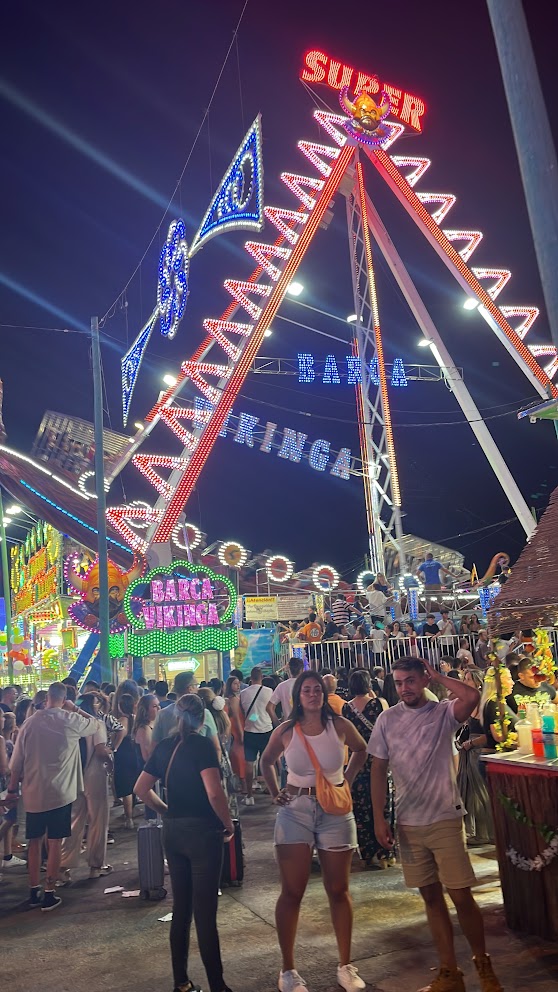
This is the fairground part with rides, food stalls, and rows of casetas, the large marquees where the real dancing happens with live music and free-flowing drinks all night. Most casetas here are open to the public and entry to the Recinto itself is free, which surprises people who assume it’s a ticketed event.
My honest recommendation for first-timers is to do both, but not back to back. Start with an hour or two of the daytime Feria in the centro, rest through the evening, then head out to the Recinto late.
Doing the day fair and the night fair in one unbroken stretch, in August heat, wears most people out. Take the afternoon off like the locals do.
Flamenco, horse shows and free concerts
The Feria is also the best week of the year for free live performance, if you know where to look. Flamenco runs daily at the fairground’s Auditorio Municipal at 4pm and 10pm, and at the Caseta Municipal at 2pm and 11pm.
In the centre, look for the verdiales groups on Calle Larios in the early afternoon, a raw, older style of folk music specific to the Málaga countryside that most visitors have never heard of. The Peña Juan Breva flamenco club also puts on daily shows around 2pm through Feria week.
There are free concerts on Plaza de la Constitución through the middle of the day too, usually from noon. The programme changes every year, so check the boards near the plaza when you arrive.
If you want to see a horse and carriage competition properly, the parades move through the centre during the daytime Feria. Get a spot in the shade on Calle Larios by mid-morning, because the good kerbside spots go early.
Free Outdoor Cinema and Open-air Concerts
Some of the best things on in Malaga in August cost nothing at all. The city runs a programme of free open-air cinema through the first half of the month, with screenings starting around 10:15pm once the heat has finally dropped.

Recent summers have screened films like Emilia Pérez, Parthenope and Flow at the Eduardo Ocón Auditorium in the Paseo del Parque, and CineAbierto puts free screenings on beaches and in neighbourhood squares across the city. I’ve been to the beach screenings a few times, and watching a film on the sand with the sea a few metres away is exactly what August evenings here should look like.
The Ocón Auditorium also hosts free concerts through the month, usually around 8:30pm, alongside the cinema nights. For the full year-round list of what’s free in the city, my free things to do in Malaga guide has it covered.
Down at Muelle Uno, the port promenade puts on free open-air concerts on select evenings around 9pm. If you’d rather something ticketed and indoors with air conditioning, the candlelit concerts at the Gran Hotel Miramar start from around €17.50 and are a genuinely lovely way to spend a hot evening.
Programmes shift year to year, so the specific films and dates change. The pattern doesn’t: free cinema and music, most nights, from around 10pm.
August’s Beach Sporting Events
August brings a cluster of traditional water events to the Malaga seafront that most tourists never hear about. They’re free to watch, they happen right on the city beaches, and they’re a good excuse to be by the water at the right time of day.
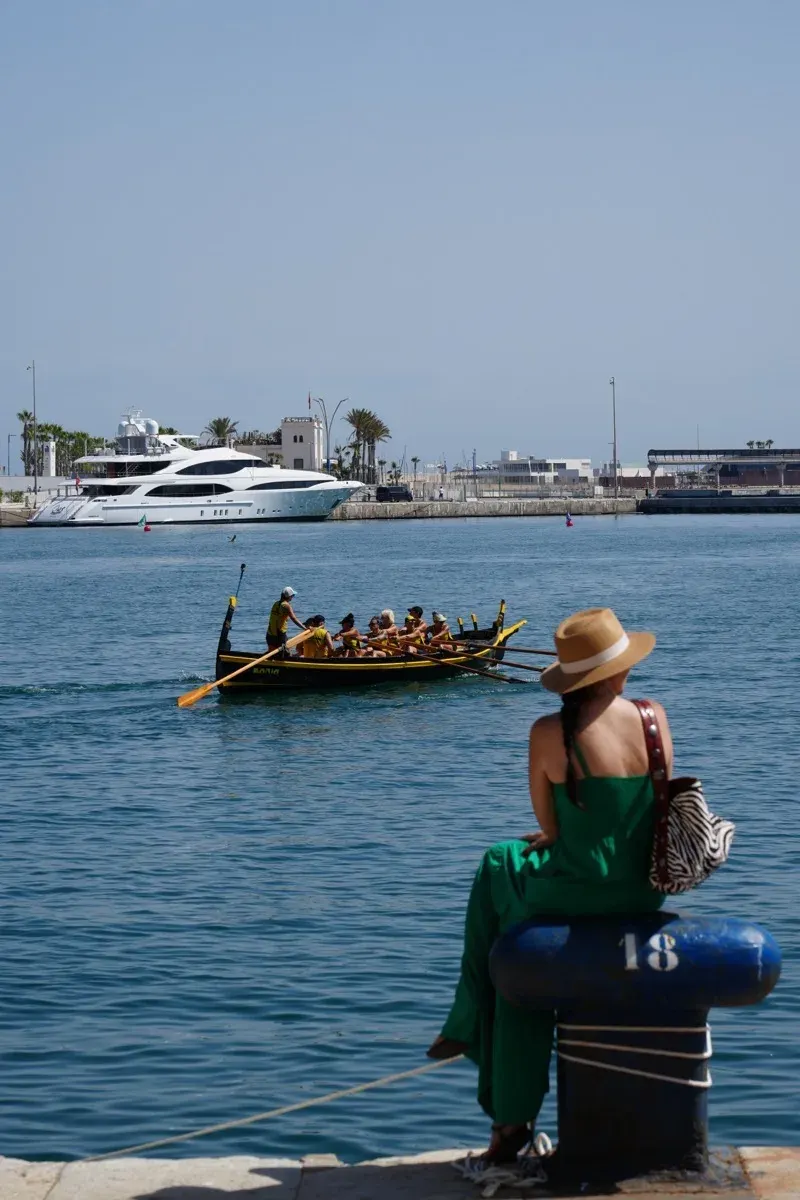
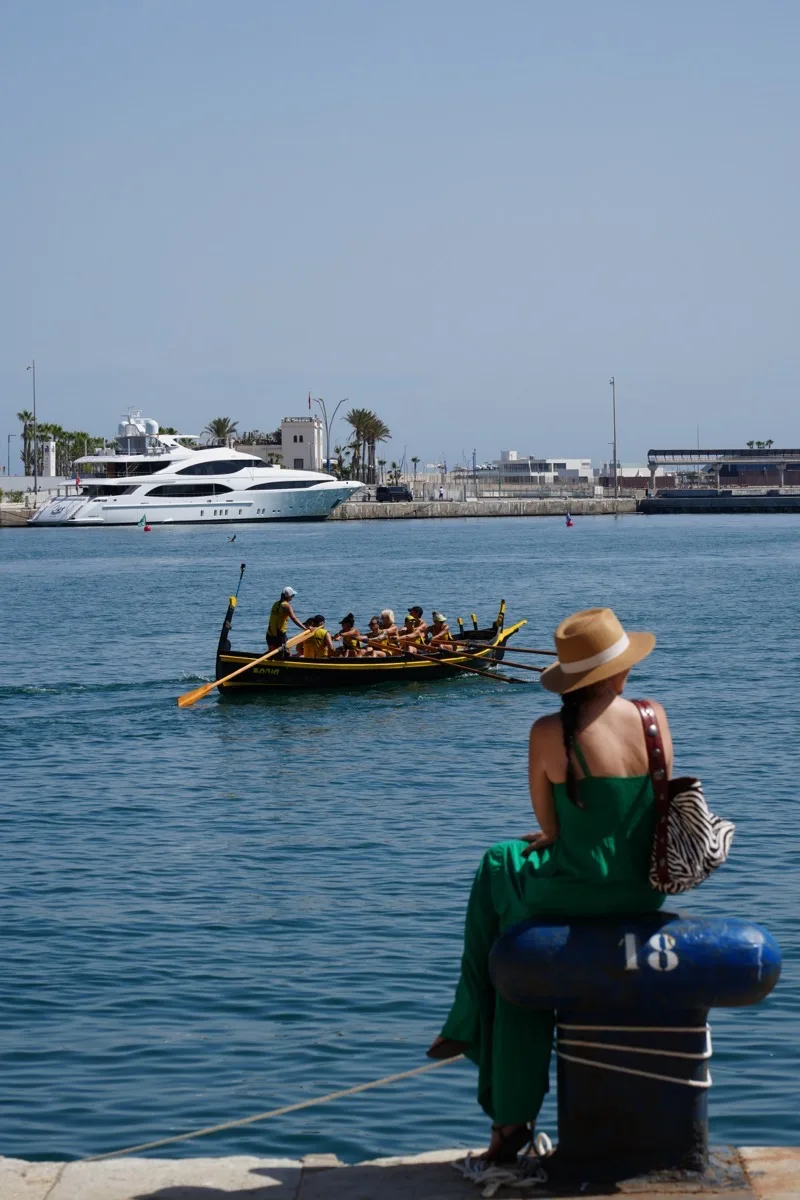
The one to catch is the jábega regatta in the Port, which reached its 89th edition in recent years and starts around 4:30pm on a Saturday early in the month. Jábegas are the long, narrow wooden fishing boats unique to this coast, rowed by crews from the old fishing barrios, and seeing ten of them race is a proper slice of local Málaga.
The Malaga Port swimming race follows the next morning, a 1km open-water course with around 500 competitors setting off from the port at 9am. There’s also Espeto Beach Running, an evening run along La Misericordia beach that starts once the sand has cooled off, usually around 10pm.
Dates move by a week or two each year, so check the local listings once you know your travel dates. All three are worth timing a beach morning or evening around rather than making a special trip for.
Malaga’s Beaches in August
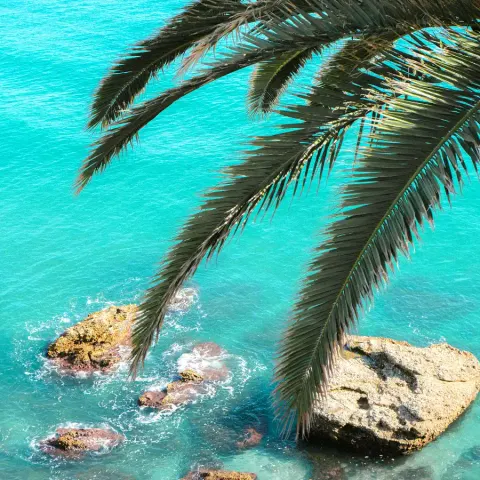
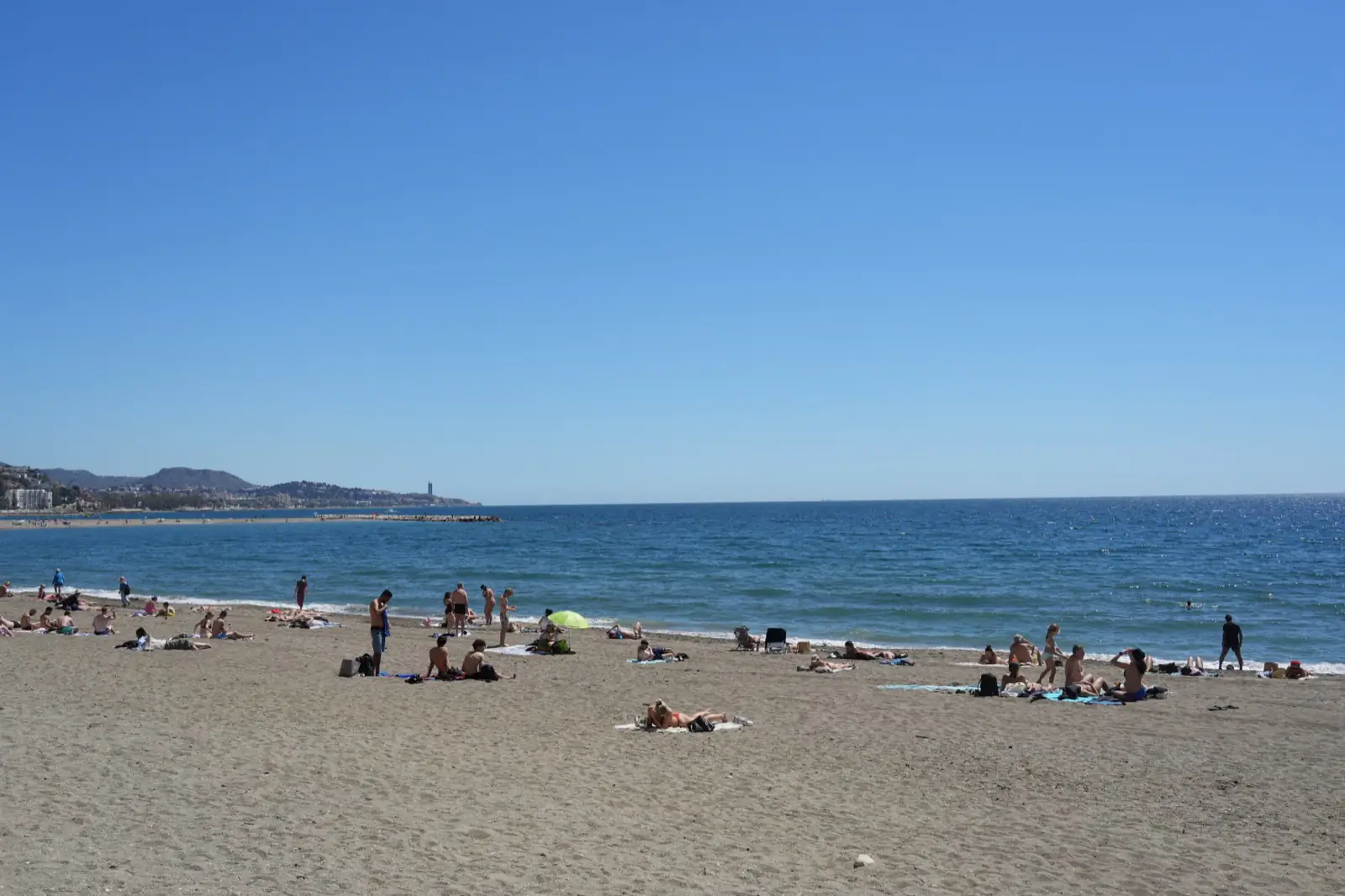
The beaches in Malaga are at their absolute best in August. The Mediterranean reaches 24 to 25°C, which sounds like marketing copy until you’re actually in it, and it really is that warm.
Playa de la Malagueta is the closest beach to the centre and the obvious choice, but by 10am in August it’s already packed. I go before 9am, when families are still having breakfast on the sand and the light is doing something beautiful over the water.
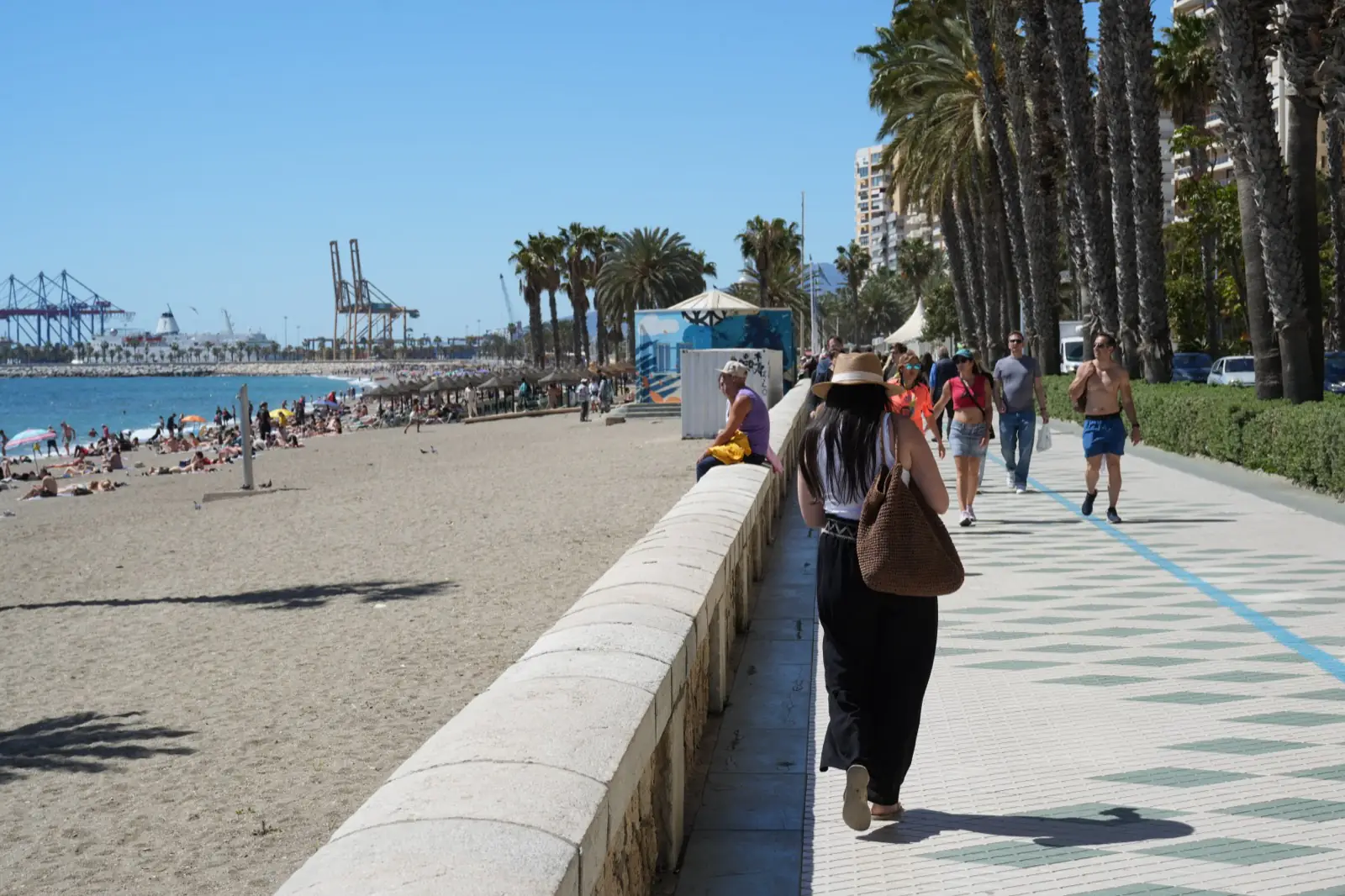
For somewhere more local, head east to Pedregalejo or El Palo, residential barrios where the chiringuitos have been grilling espetos for the same customers for decades. The beaches are narrower than Malagueta but the atmosphere is less tourist-facing, and coffee and toast at a beach bar at 8am is one of those simple things that makes the heat worth it.
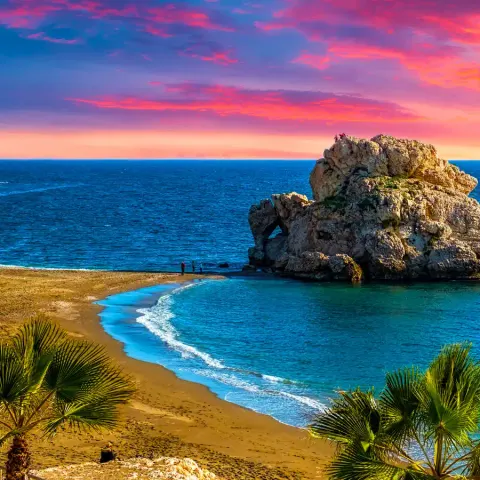
Further east again, Playa del Peñón del Cuervo is my go-to when I want a quieter stretch. It’s rockier and less well known, which in August is exactly the point.
Whatever beach you choose, the rule is the same. Go early or go late, because the midday hours are punishing and the sand is at its most crowded, but from around 7pm the temperature drops and everyone comes back for a sunset swim.
Espetos, Chiringuitos and Eating in August
Eating in Malaga in August is an event in itself, and long lunches at a chiringuito from 2pm are the norm for me personally.
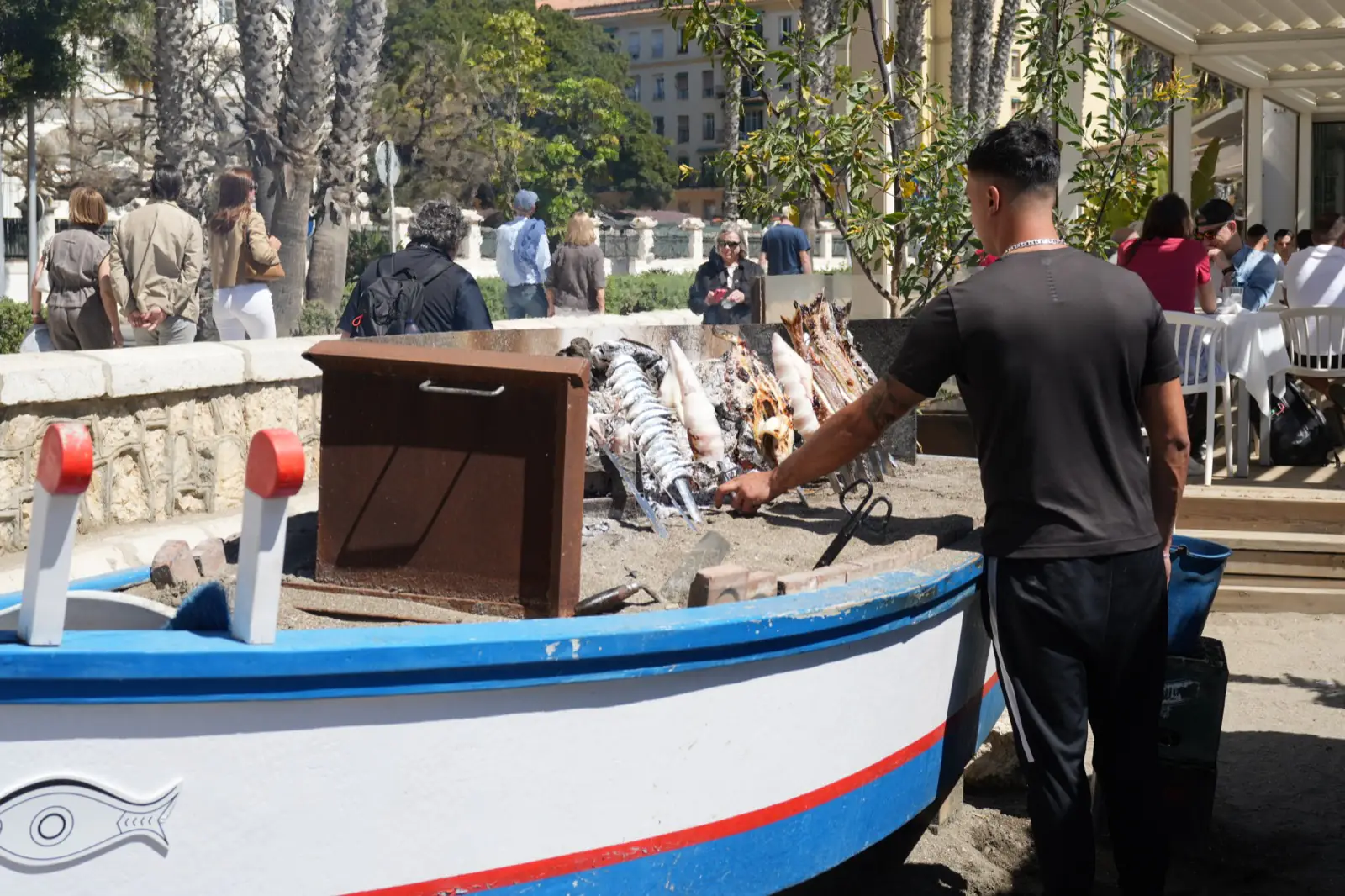
Espetos de sardinas are the dish of the month. Dating to the 1880s in the fishing barrios of El Palo and Pedregalejo, they’re sardines skewered on a cane and cooked over wood embers in a sand-filled half-boat right on the beach.
The best ones have a slight char you never get from an indoor grill. Order a plate with cold local wine and start with ajoblanco if it’s on, a chilled almond and garlic soup that’s as native to this coast as the espetos themselves.
El Tintero, out in El Palo, is the big seafood restaurant on the beach. Dishes come round on trays, you take what you like, and the bill is worked out from your plates.
Go at lunch rather than dinner and get there before 2pm, because it’s at its most chaotic in August. For cold, cheap relief on a hot afternoon, order a blanco y negro, a Malagueño coffee ice cream, at an old-school parlour like Casa Mira.
In the evenings, the tapas bars of the old town don’t really get going until 11pm, and dinner at 10pm in August is normal, not late. If you’re travelling on a tight budget, my guide to cheap eats in Malaga has the spots I fall back on when money’s tight.
Museums and Escaping the Midday Heat
For its size, Malaga has an unusually dense museum scene, which turns genuinely useful in August when the alternative is standing in 35-degree heat. My museums in Malaga guide covers them all, but a few earn priority in this month.
The Picasso Museum is where most people start, and rightly so. It holds 236 works donated by Picasso’s family, from early student sketches to full Cubist paintings, and in August you really do need to book online to skip the queue in the sun.
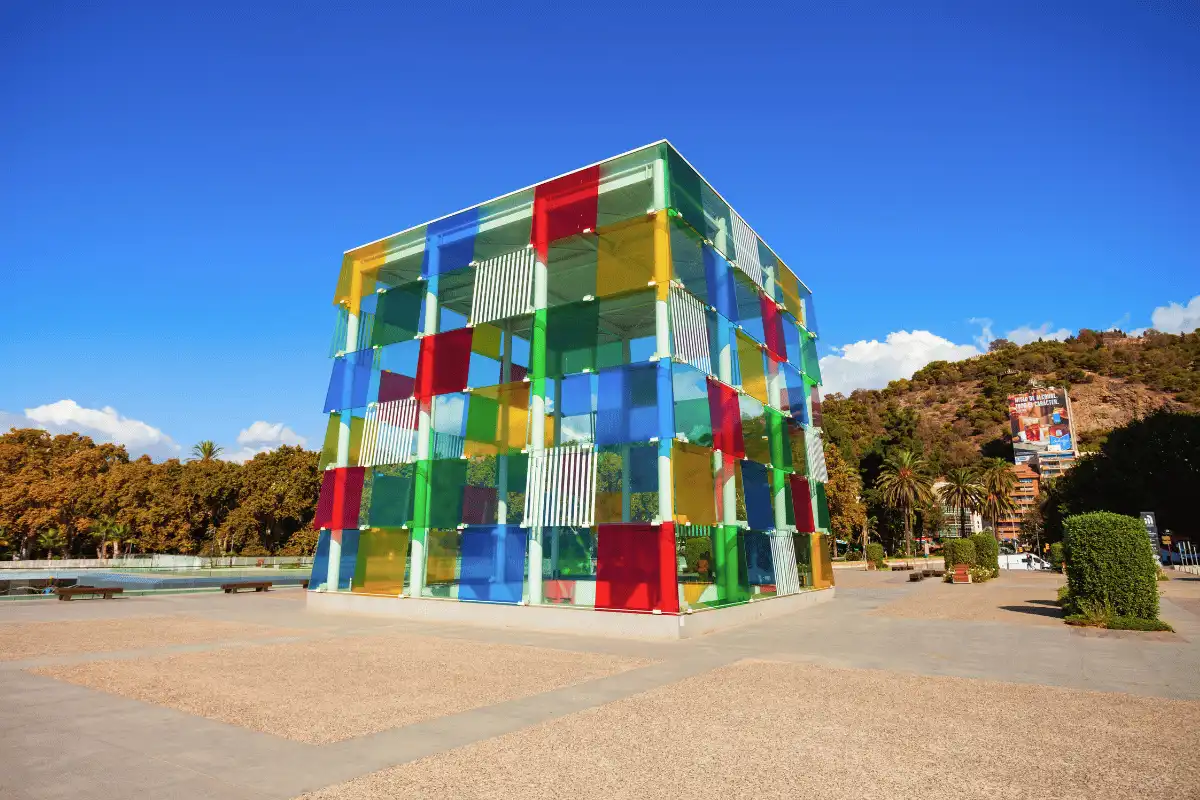
The one that surprises visitors is the Centre Pompidou Málaga, one of only three Pompidou centres outside Paris, sitting right on the port under its glass cube. The rotating contemporary collection is a completely different experience to the Picasso, and pairing it with a harbour-side lunch makes a good morning out of the worst heat.
For a free option, the Museo de Málaga inside the Palacio de la Aduana is one of the largest fine arts and archaeology museums in Andalusia, and consistently quieter than the Picasso. The Museo Carmen Thyssen opens free on Thursday evenings in summer from 8pm to 11pm (in 2026 the last two were 6 and 13 August), with the terrace bar upstairs open, which is one of the nicest cheap evenings in the city.
If you’re set on the Alcazaba, go before 11am. Built by the Hammudid dynasty in the early 11th century, it predates most of Málaga’s skyline by eight centuries, and the climb is brutal once the sun is high.
Most of the main museums, along with the Alcazaba and Gibralfaro, also drop to free entry on Sunday afternoons.
Shopping for the Feria and August Markets
If you want to throw yourself fully into the Feria, a flamenco dress is the way locals do it, and Malaga is a good place to buy one. Calle San Juan in the centre has several shops covering the full range from budget to serious, and my guide to where to buy a flamenco dress in Malaga breaks down the options.
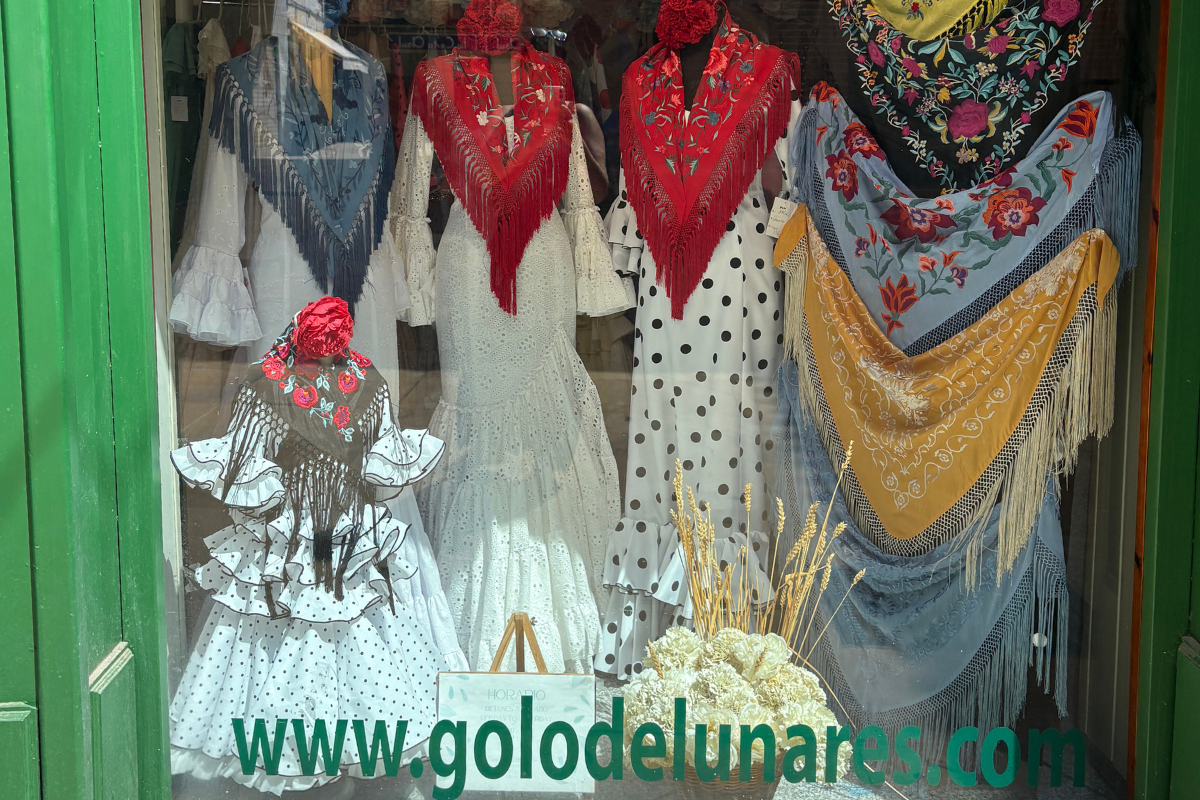
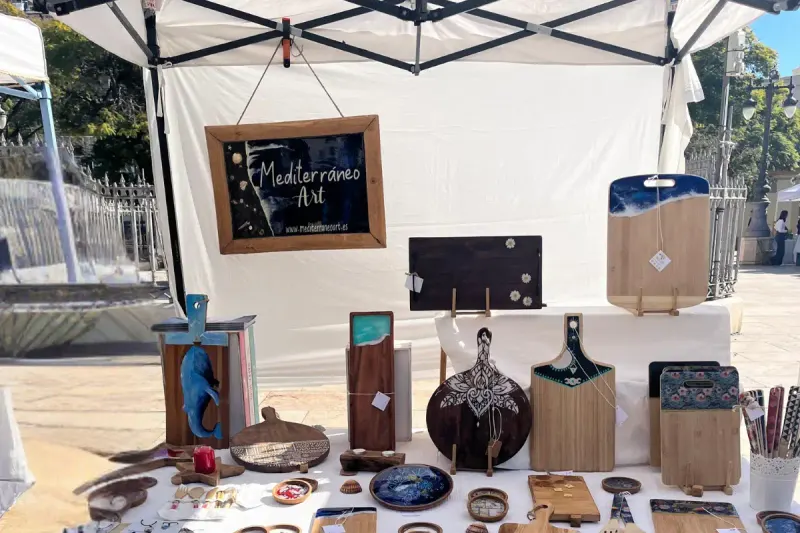
For something cheaper, the Cudeca charity shops on Calle Compañía and around Plaza de la Merced often have secondhand dresses for a fraction of the price. It’s where a lot of locals pick up a dress they’ll only wear for one week a year.
Away from the Feria, the city’s markets are worth an early-morning wander before the heat builds. The Mercado Atarazanas, the grand 19th-century iron market hall near the centre, is best around 9 to 10am when the produce stalls are full and the little tapas counters at the back start serving.
Go for the market, stay for a cold beer and a plate of whatever’s fresh at one of those counters. By late morning in August it empties out fast as the temperature climbs.
Málaga’s Botanical Gardens by Night
One of the more unusual things on in Malaga in August is the after-dark programme at the La Concepción botanical gardens, on the northern edge of the city. On summer evenings the gardens open for guided night visits, which is a genuinely different way to experience one of the best tropical gardens in Europe.
Some nights run dramatised historical tours around €17, where actors bring the 19th-century estate’s story to life as you walk. Other nights are simpler garden-and-palace-by-night tours from around €8.40, usually starting at 9pm and lasting about 90 minutes.
I did one of the evening visits and the temperature up there is noticeably cooler than the centre, and walking the paths in the dark with the plants lit up is a world away from the midday version. Book ahead, because the summer night slots are capped and sell out.
Take the number 2 bus or a taxi, as the gardens are a few kilometres north of the centre and not walkable. Bring a light layer, because on the rare cooler August night the gardens genuinely drop a few degrees below the city.
August Evenings: Sunsets, Rooftops and the Paseo
August evenings are when the city repays everything the daytime put you through. The sun sets between 8:45pm and 9:20pm through the month, and the sky stays light well after, so you end up eating dinner in daylight and walking home in warm dark air.
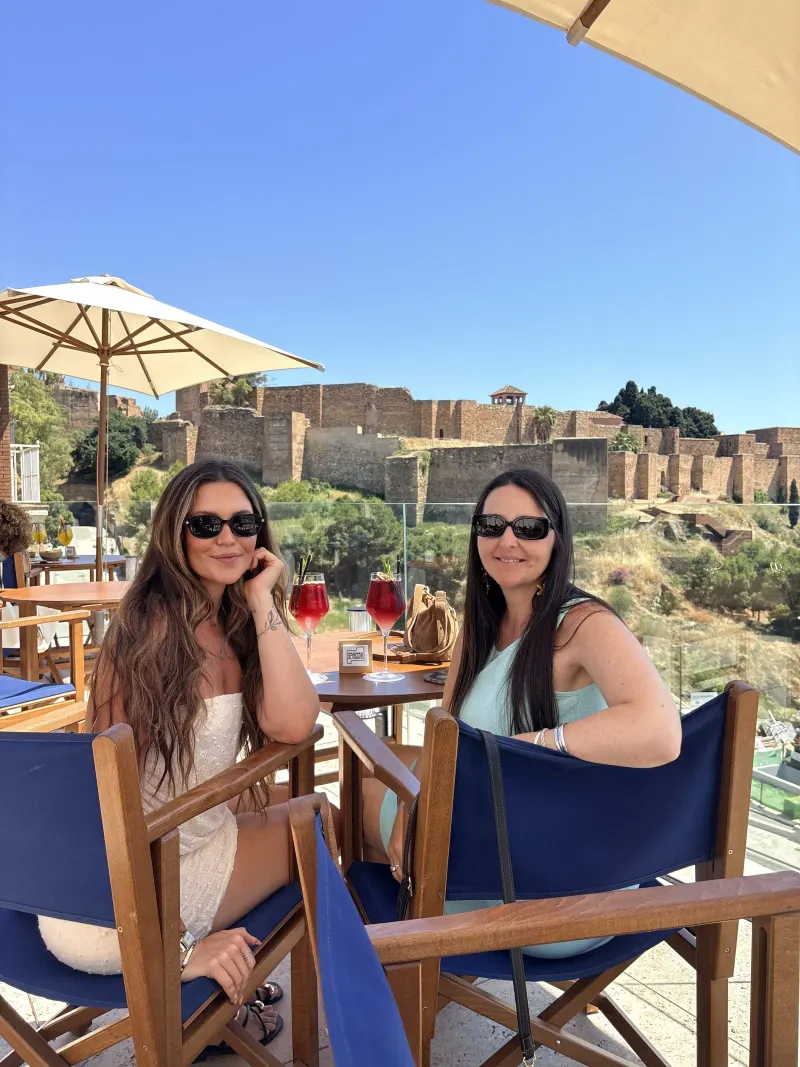
The pattern I’ve settled into is simple. Out around 7pm once the heat lifts, up to one of the rooftop bars for a drink while the light drops, then dinner in the old town from 9:30pm.
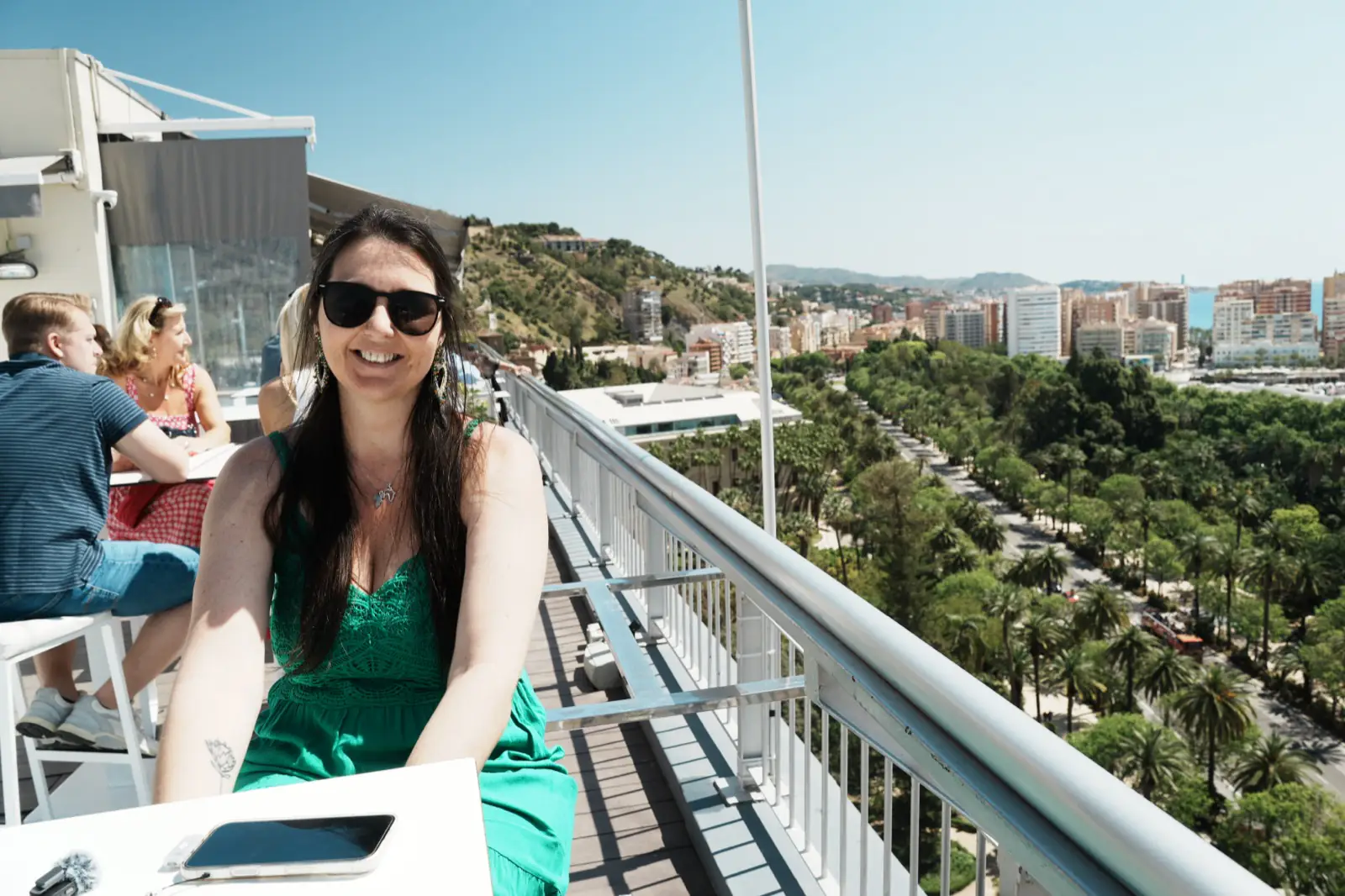
For the sunset itself, the climb up to Gibralfaro hill gives you the full panorama of the city and the bay, and that 9pm light from up there in August is worth the sweat. My sunsets in Malaga and best viewpoints guides map out the alternatives if the climb isn’t for you.
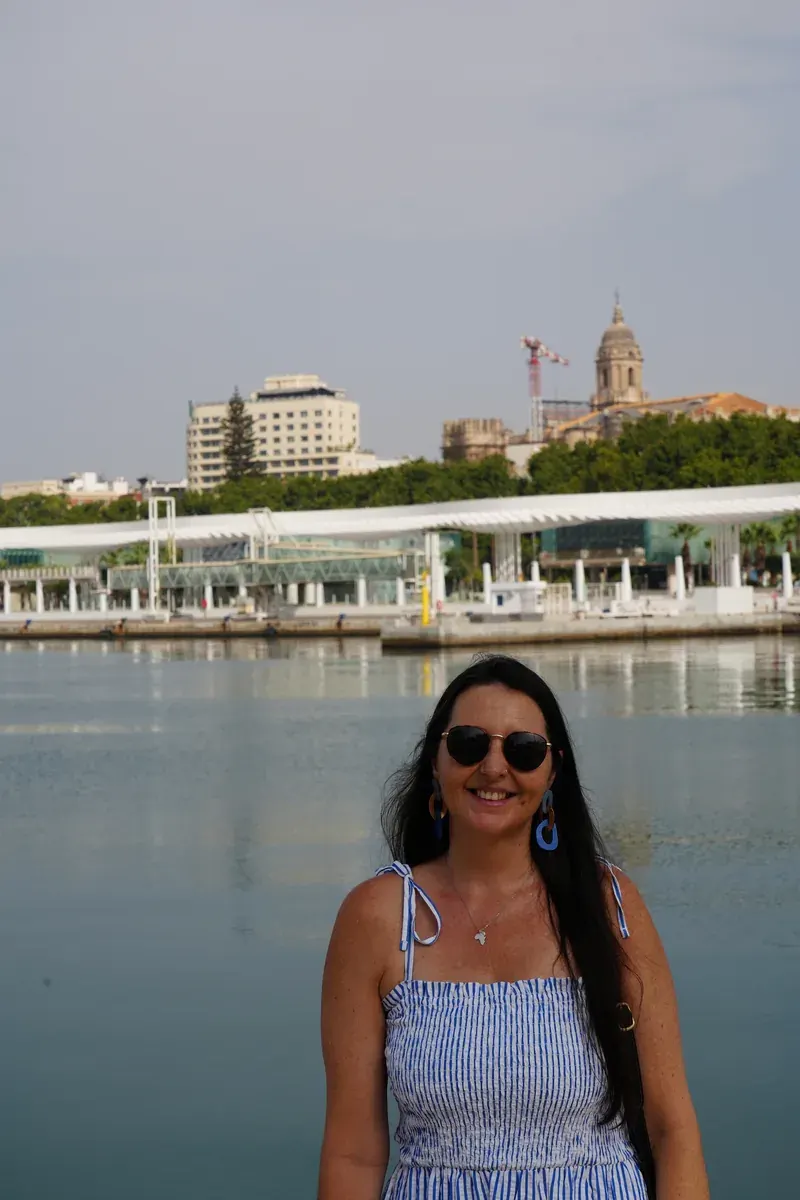
Down at sea level, the Paseo Marítimo along the seafront fills with families and locals from around 8pm, doing exactly what the heat wouldn’t let them do all day. Muelle Uno, the port area below the old town, is where a lot of the evening gravitates, with the bars spilling outside and the light off the water at its best around sunset.
Whatever you do, don’t plan a big evening meal before 9pm. Turn up to a restaurant at 8 in August and you’ll have the place to yourself, which tells you everything about when locals actually eat.
Day Trips to Escape the Coastal Heat
In August the logic of a day trip changes. The question isn’t just what’s worth seeing, it’s what’s worth seeing when the coast is sitting at 34°C, so altitude, shade and anything indoors suddenly matter more.
My full day trips from Malaga guide covers the range, but here’s how I’d weight them in this month.
Nerja is the obvious first choice, and not only for the beaches. The Nerja Caves hold a constant 18 to 19°C inside all year, which after a hot morning feels remarkable, and there’s plenty more to fill a day among the things to do in Nerja.
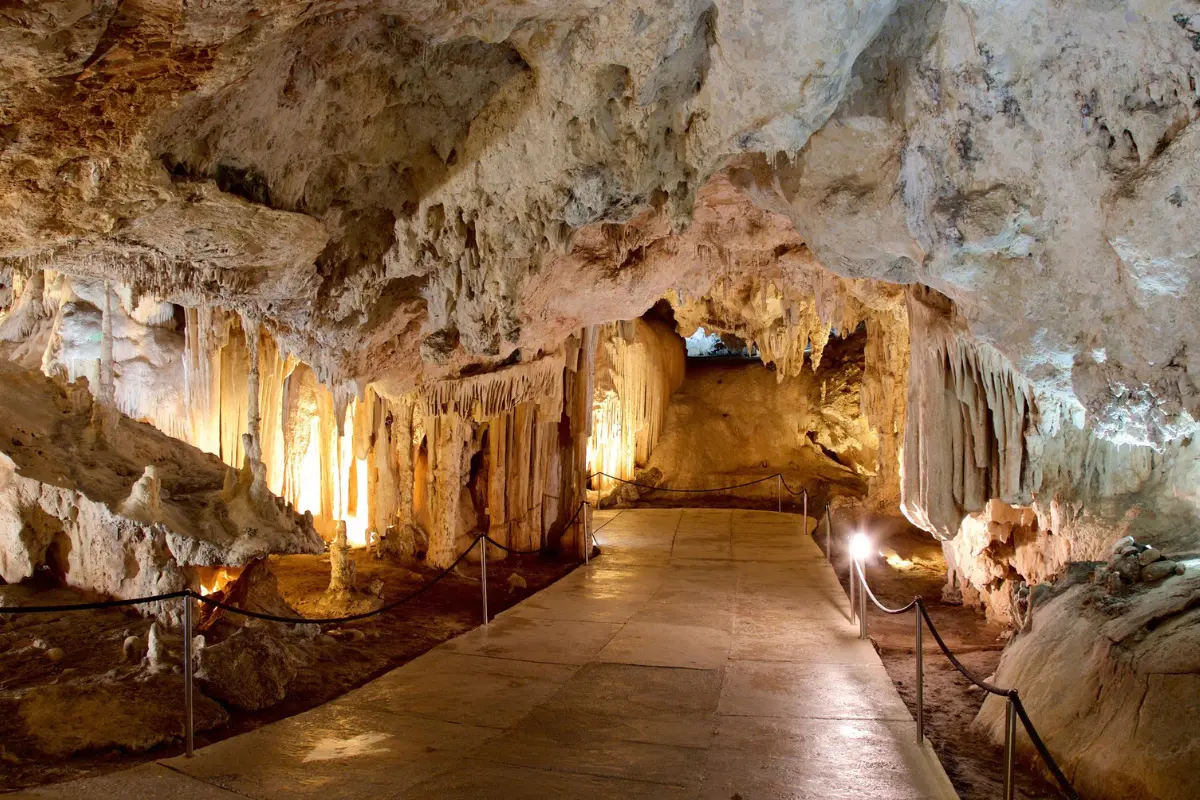
If you’d rather be in the water, the Maro waterfall just east of town is best reached by kayak in the summer heat.
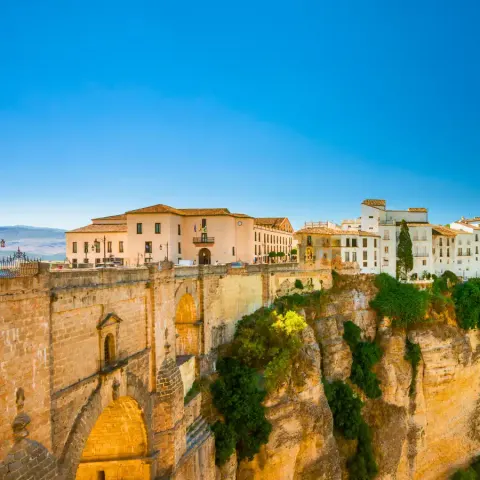
Ronda sits at 750m and runs a solid 5 to 8°C cooler than the coast on most August days. The Puente Nuevo and the old town are genuinely worth the drive, and there’s a full list of things to do in Ronda once you’re up there.
Frigiliana, in the hills above Nerja at around 300m, offers a smaller version of the same effect, with streets narrow enough to hold shade through the morning.
The Caminito del Rey is the one to think twice about. The gorge walk is spectacular but largely exposed, and by midday in August it’s punishing, so book the first slot at 9am and go on a weekday or leave it for a cooler month.
What Festivals Are in Malaga in August?
The big one is the Feria de Málaga, the nine-day August Fair in the middle of the month that dominates the city’s summer calendar. Around it sit the neighbourhood verbenas, smaller street parties that each barrio throws through August with live music, outdoor bars and dancing in the local square, usually free and running into the early hours.
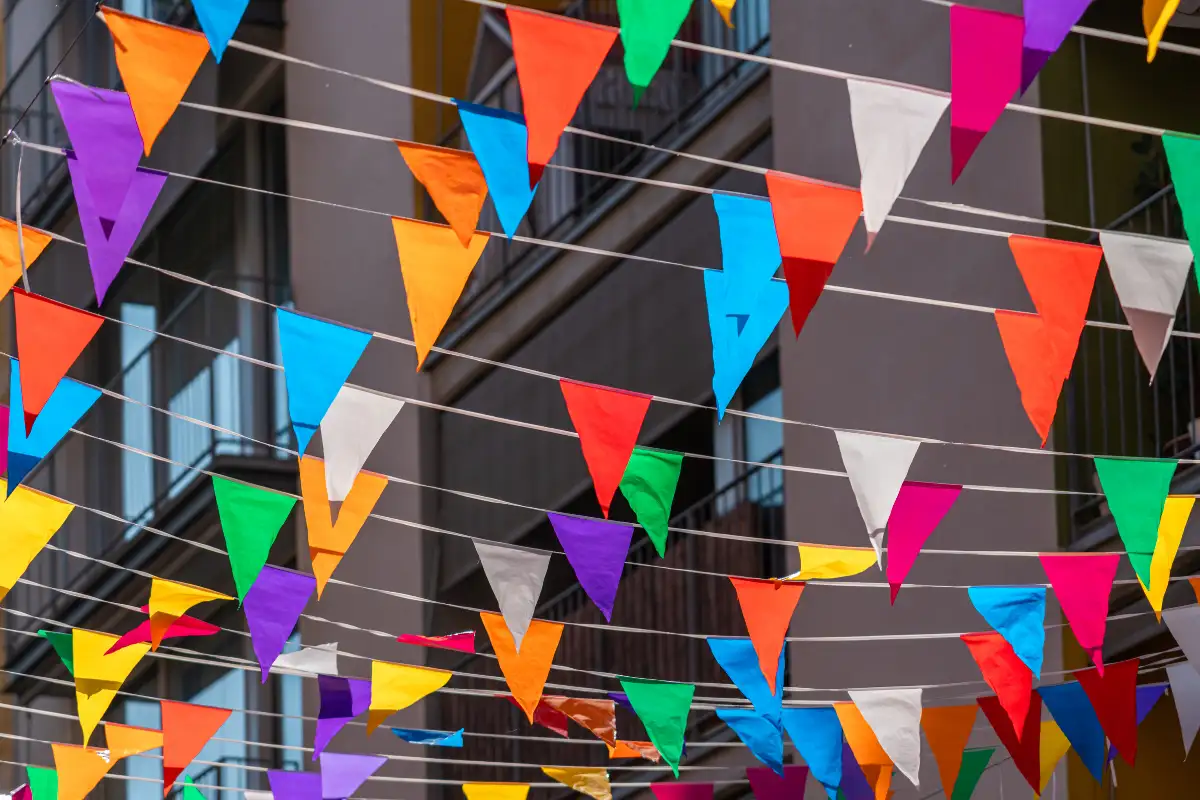
Two public holidays fall in the month. The Asunción on 15 August is a national holiday, and 19 August is a local Málaga holiday marking the 1487 reconquest, which lands mid-Feria and is the busiest day of the fair.
August is also strong for food festivals, from the summer gazpacho and ajoblanco promotions in the chiringuitos to local tomato and produce fairs in the surrounding towns. These are smaller and less publicised, so ask at your accommodation or check local listings when you arrive.
For festivals beyond Malaga, my roundup of unique festivals in Spain covers the ones worth planning a whole trip around. But for August in this city, the Feria is the one you build everything else around.
How Hot Is Malaga in August?
Malaga in August is hot and dry, with daytime temperatures holding at 31 to 35°C and the occasional terral wind from the interior pushing it past 40°C for a day or two. The UV index sits at 10 to 11, among the highest anywhere in Europe, the sea peaks at 24 to 25°C, and rain is close to nonexistent at around 5mm for the whole month.
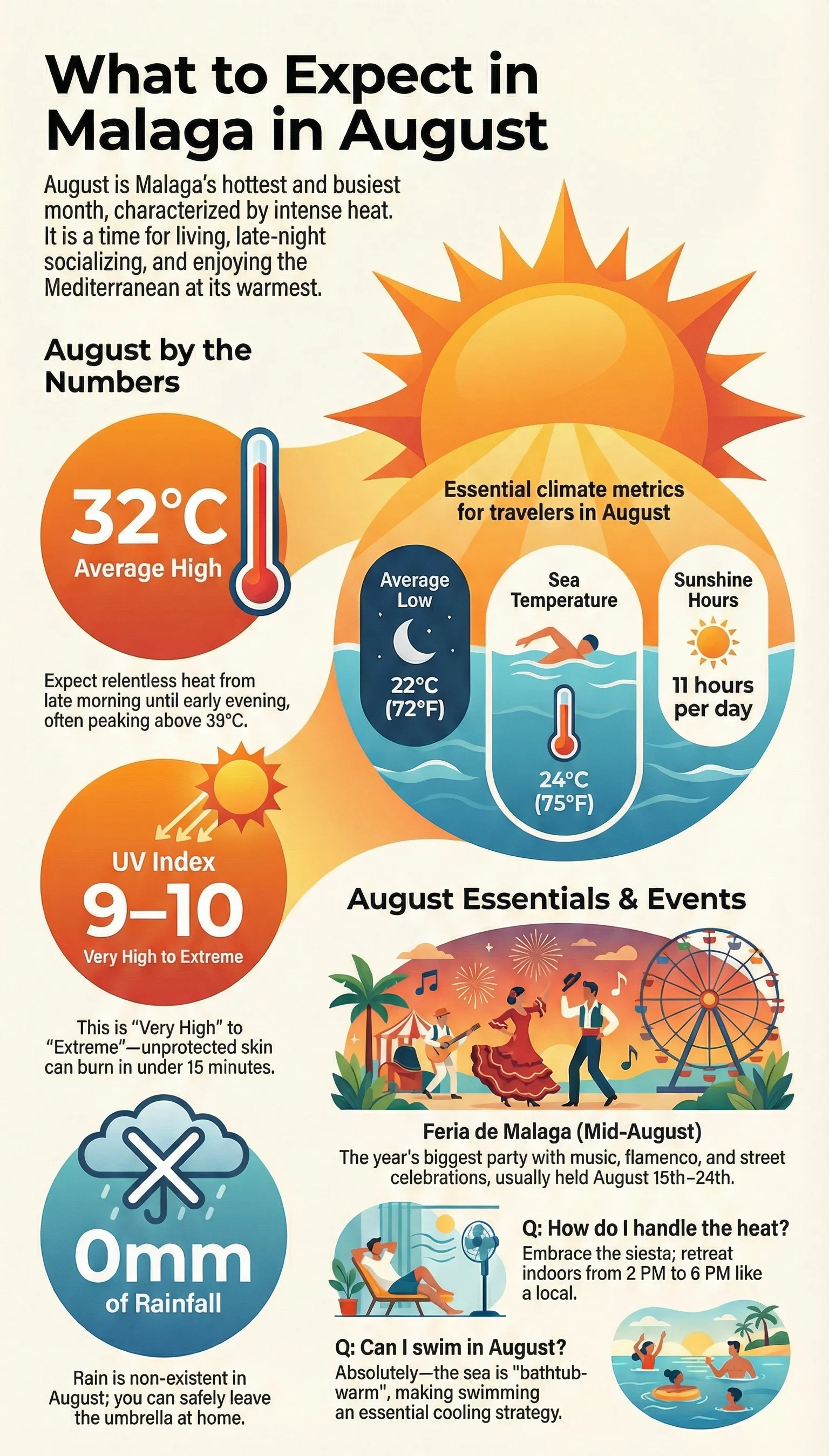
Expect roughly 11 hours of sun a day. Unprotected skin can burn in under 15 minutes around midday, so this is a health issue, not just discomfort.
The heat is very manageable once you stop fighting it. I put factor 50 on my face every single day in August, even for a ten-minute walk to the market, and I carry water everywhere, refilling at the free public fountains scattered through the old town.
The local rhythm exists for a reason. Out before 10am, somewhere cool between noon and 5pm, out again from 7pm when the air finally eases.
Loose linen, covered shoulders if you’re walking more than an hour, and shoes you can actually move in, because the cobbles around the Alcazaba hold the heat and sandals that felt fine at breakfast will punish you by noon. For a month-by-month breakdown of how August compares, my best time to visit Malaga guide lays it all out.