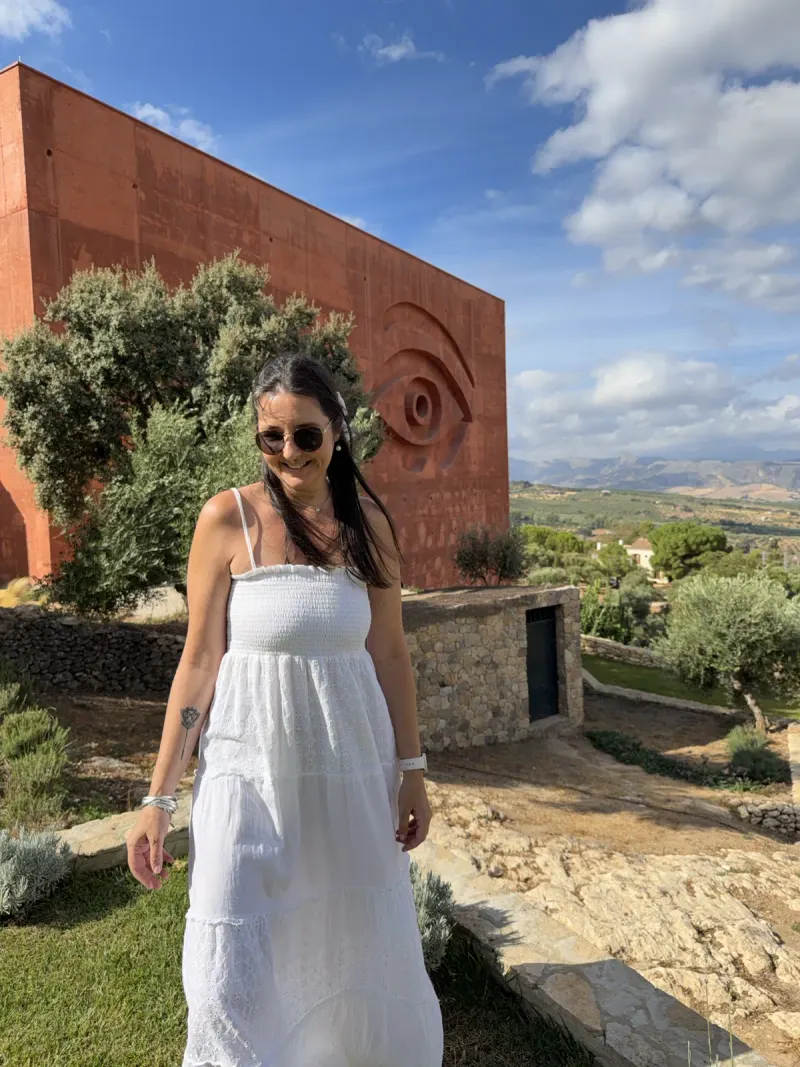
Fifteen minutes, give or take. That’s how long it took me to walk through the museum at LA Almazara, an olive oil mill just outside Ronda, and I’d driven an hour and a half from Málaga to get there. I’d seen the red cube on Instagram, and that’s why I wanted to visit, so I’d gone in expecting more.
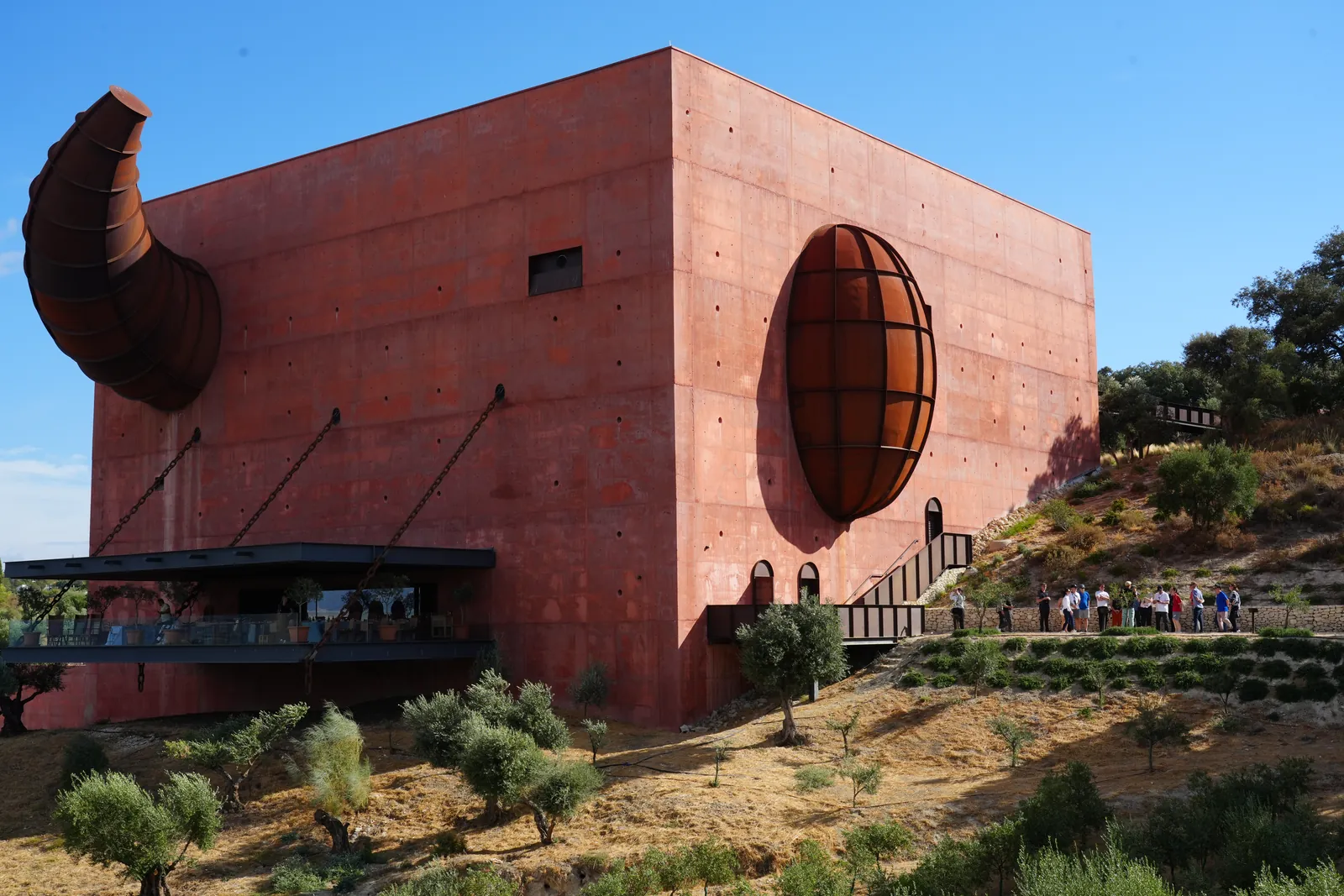
What I liked was the building, a big red cube designed by Philippe Starck, and the view from the mirador. I thought it was beautifully designed.
I went on Saturday 3 October 2026 with a ticket I’d booked online for €15. Tickets sell out, especially the guided tours, and this post covers what that ticket includes, the tour options and how to get there.
One mill, two names
You search for LA Almazara, find a booking page that says Almazara El Toro, and wonder if you’ve got the right place. You have. It’s one mill with two names, and Philippe Starck, the French designer, is the one who drew it.
LA Almazara is what the LA Organic olive oil brand, the press and the booking platforms call it. Almazara El Toro is the name on the official booking site and on maps, so that’s what to type in when you’re driving.
It opened in October 2024, after about 14 years of work. The late investor Pedro Gómez de Baeza started it with Santiago Muguiro, the chief executive of LA Organic.
It’s a working mill as well as a museum, about 2.5 km from Ronda on the A-367 at km 39.5. On the booking site you pick a date and a time slot, so choose both before you set off.
⭐ Staying the night? >> Where to stay in Ronda, my picks
Philippe Starck’s red cube
Walking in
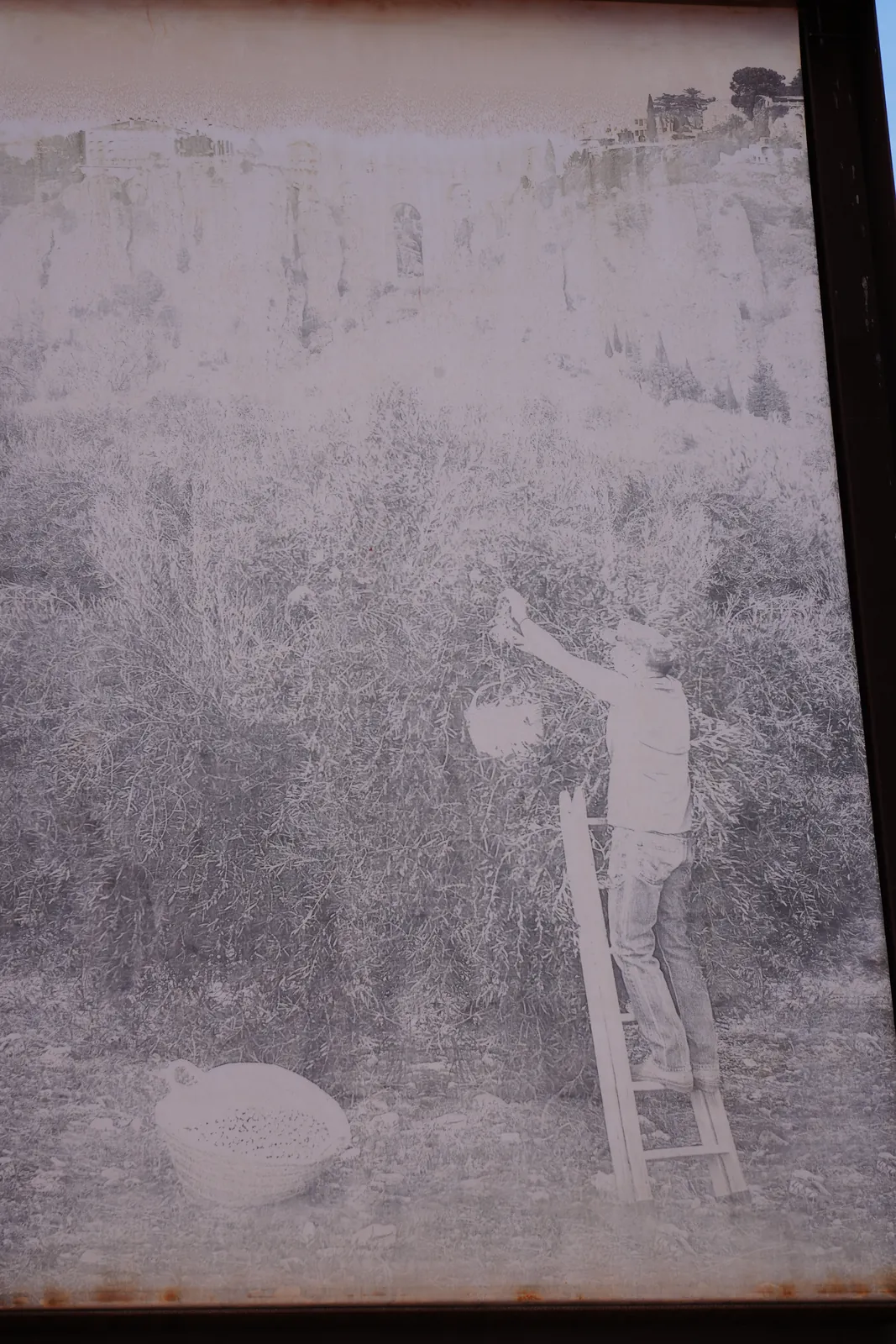
The first thing I noticed in the large car park was a row of old photos of the mill, faded by the sun.
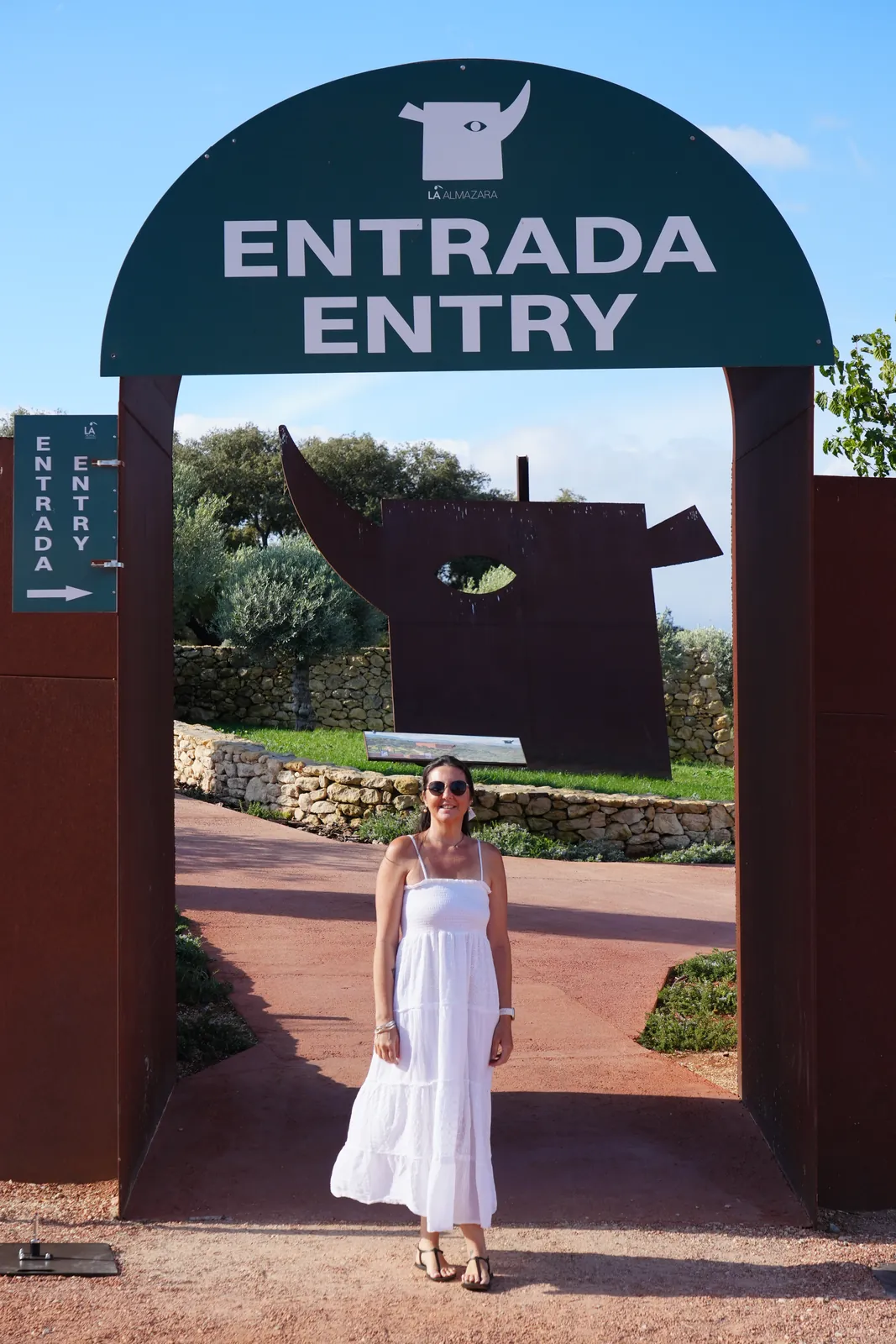
The way in is a tunnel through the fence, and then you’re in the gardens.
Walking toward the building, I saw the large conveyor belt first, with a pipe going straight into the side of the building. It’s almost like a walkway.
It reminds me of the drawbridge that gets lowered from a castle.
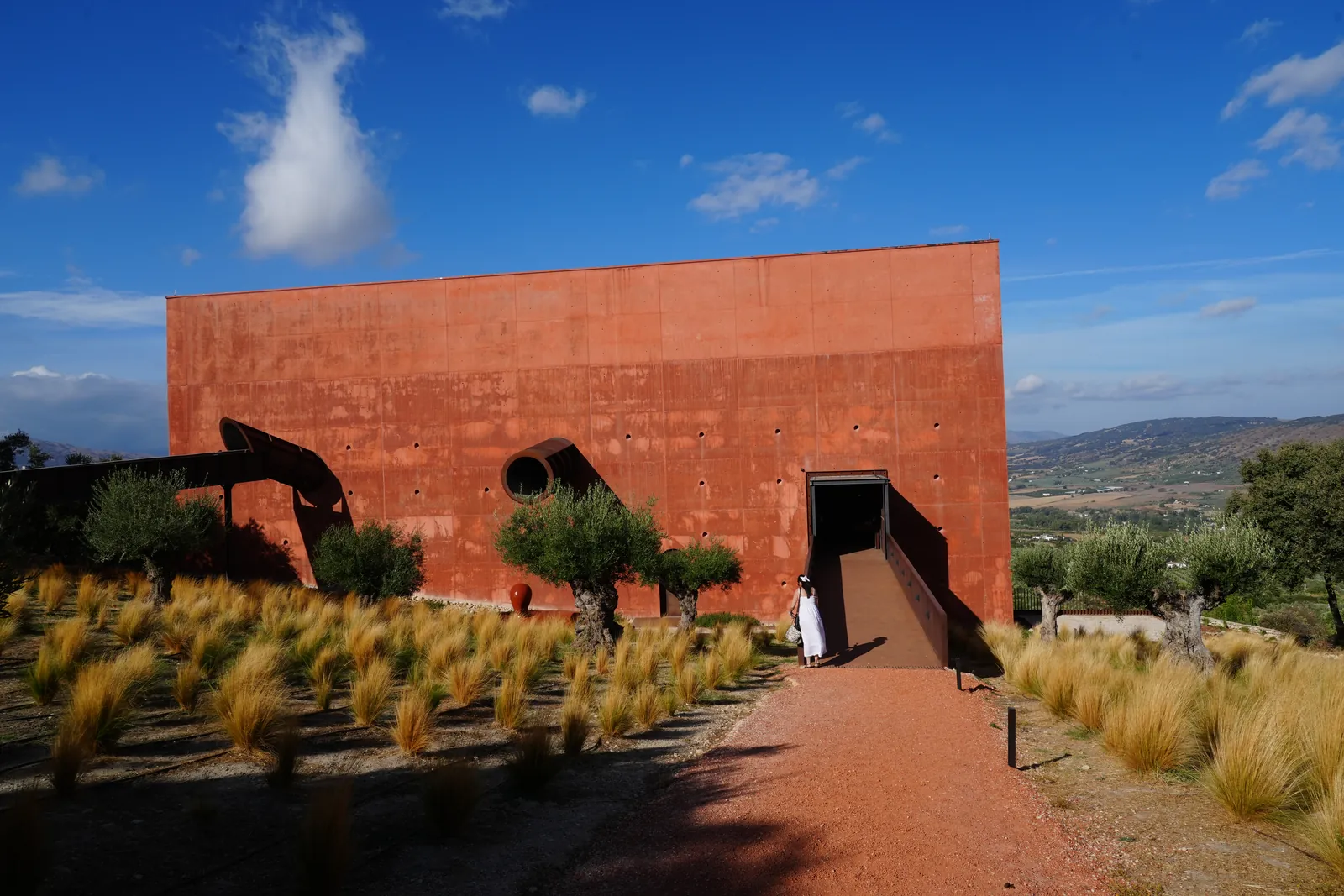
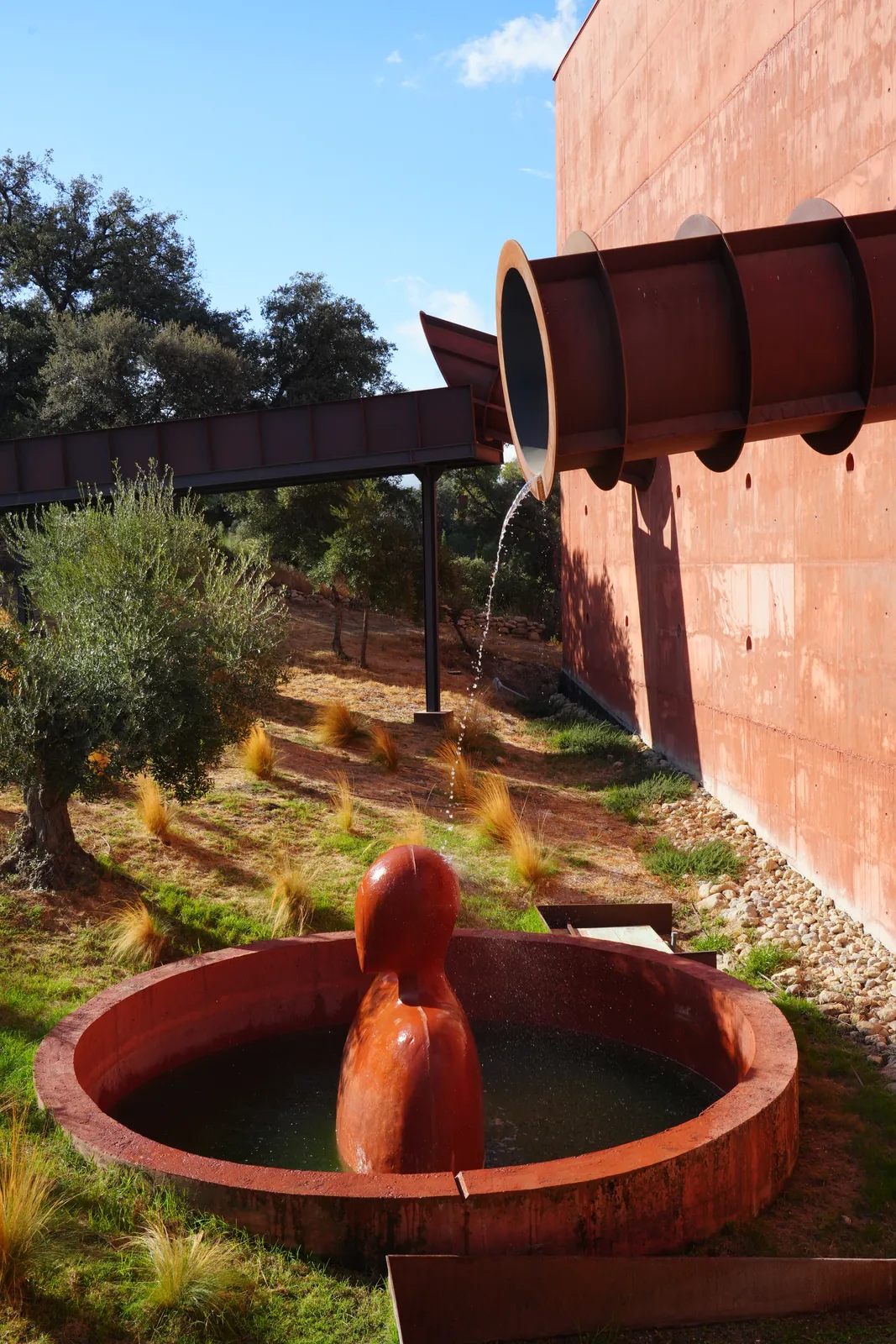
There’s also a little trickle of water. The pipe closest to the door has water coming out of it, and it seems to fall on a man’s head, but it’s a statue that mimics a human.
Inside the mill
The belt brings olives into the building. A funnel collects them and sends them down to the mill below, and on the main floor there’s glass around the funnel so you can look into the mill. It wasn’t running when I got there, so I was looking down at machines.
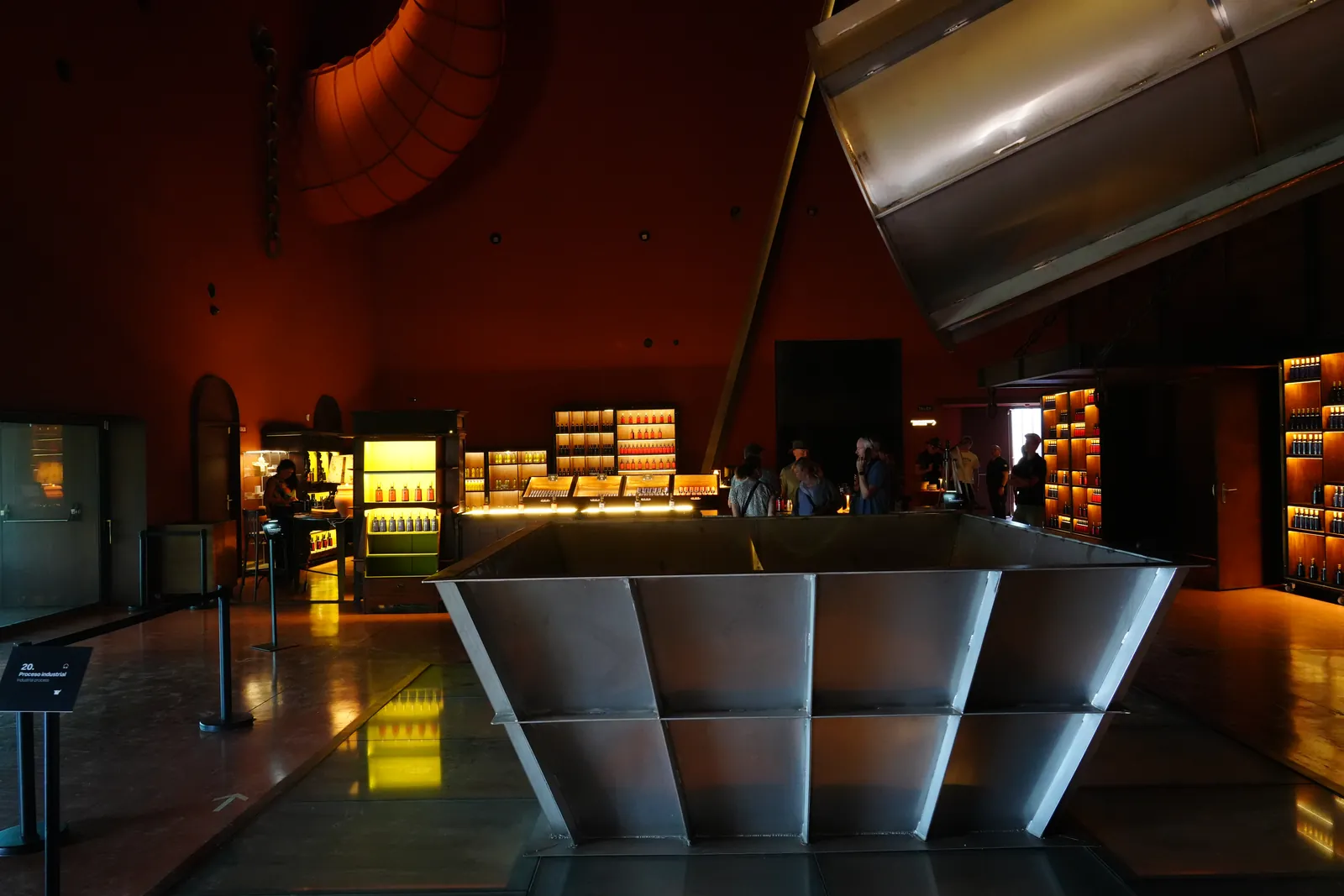
A guide was walking a tour group around them.
Inside is dark, deliberately. There are horns inside and outside, an olive on the outside, and a painting that covers the whole ceiling, 900 square metres of it, by Ara Starck, the designer’s daughter. Look up when you walk in. It’s said to be full of symbols, including bulls, olives and wings.
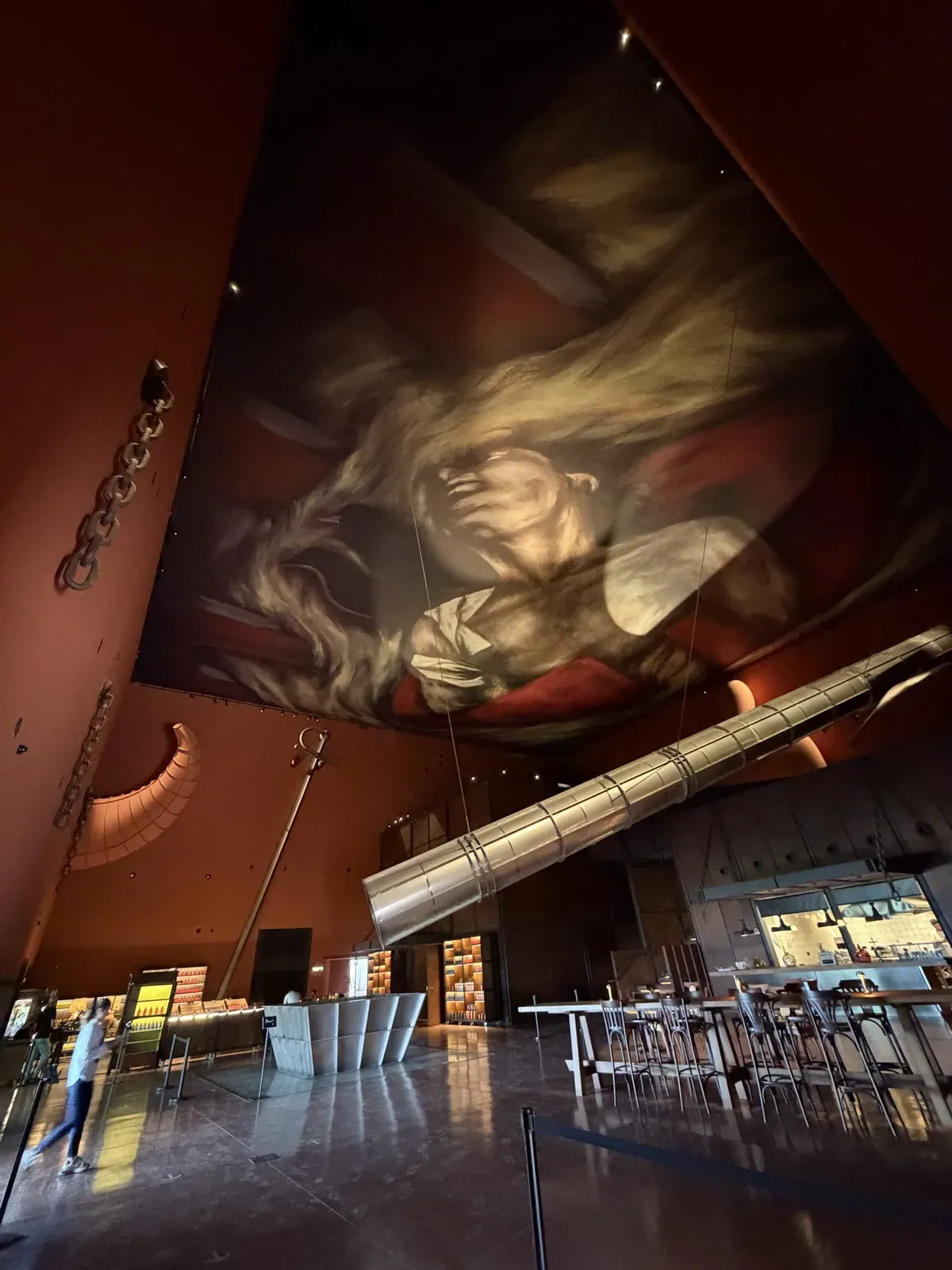
The sword is in the far left corner of that photo. The long steel pipe across the hall is a metal tube that runs from the portrait of the inventor down to the funnel, which feeds the real mill below ground. In Starck’s telling, the olives symbolically empty out of the portrait.
The balcony
On the balcony I took some great pictures and got the view, while they set up for an olive oil tasting. You wouldn’t know it’s held up by chains unless you looked, and they look like huge ship chains hung from the other side of the building.
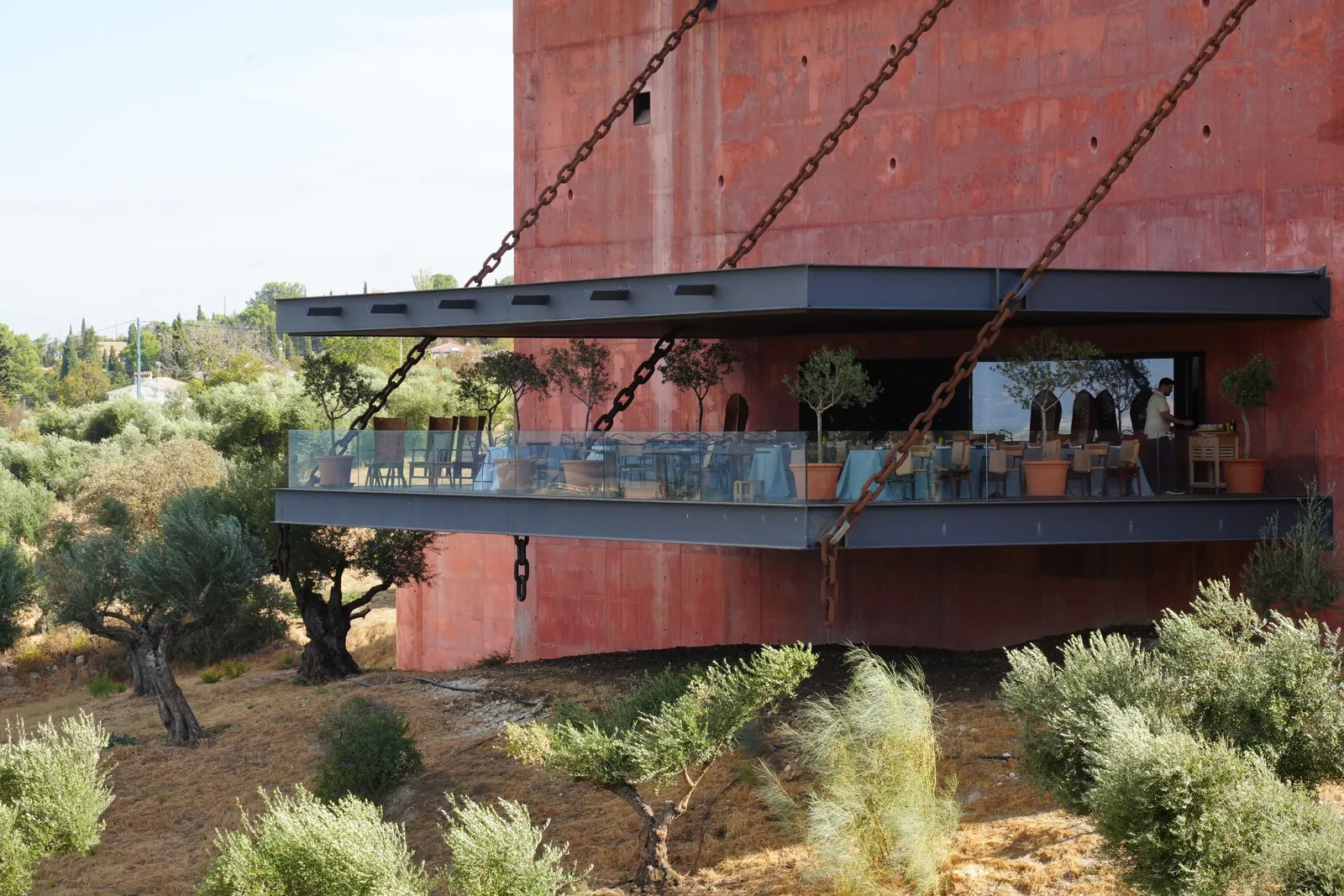
I thought the building itself was beautifully designed, and the balcony is worth the detour on its own.
What the building symbolises
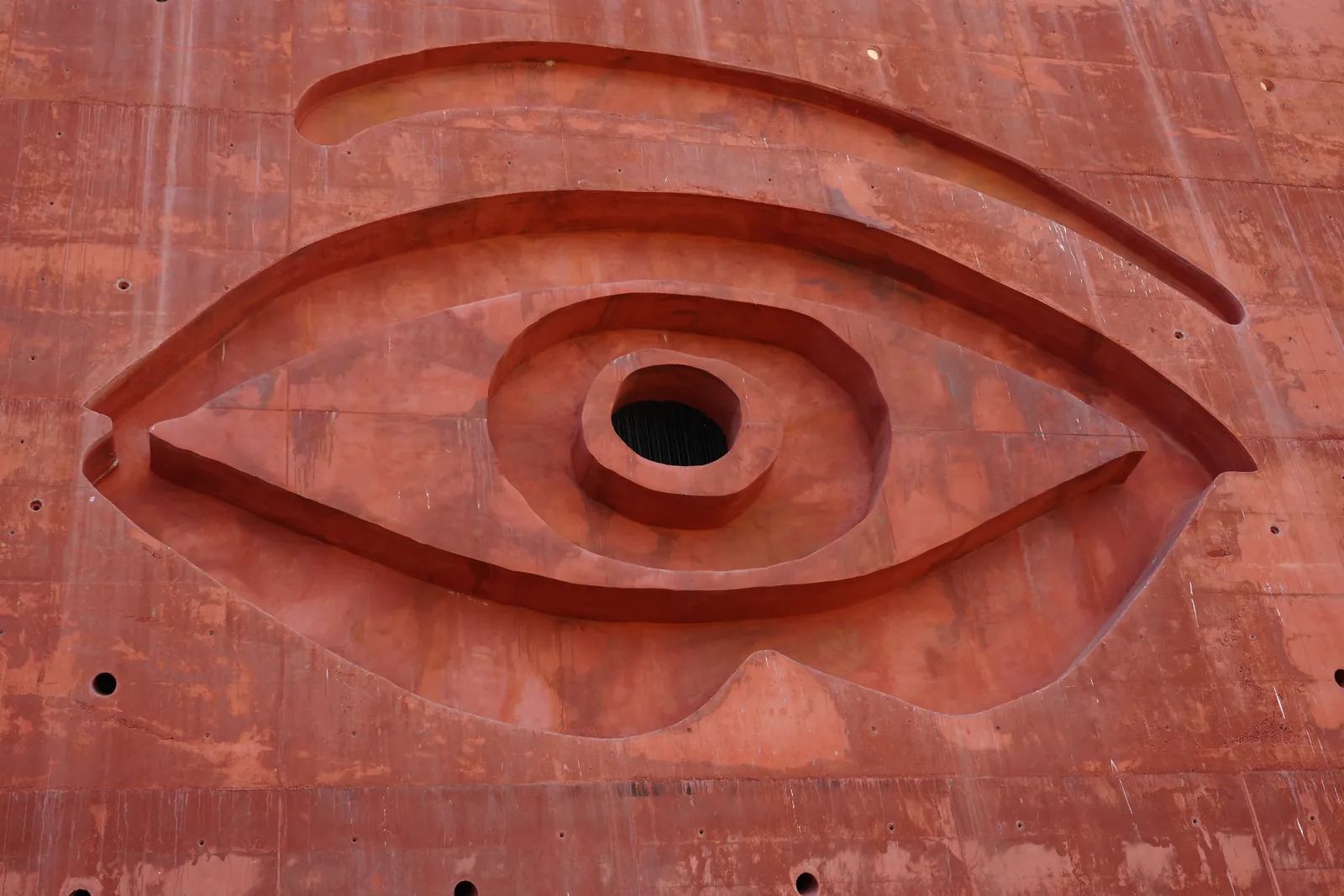
It’s Andalusia seen through Picasso, Dalí and surrealism. Starck took his inspiration from them, and to me the whole building is a play on Dalí and Picasso.
The bull’s horn nods to Ronda’s bullfighting history. The giant concrete eye, with black smoke coming out of the pupil, is a nod to surrealism and Picasso. A half olive is set into the rusted steel wall, for the olive that keeps the mill alive.
Inside there’s a huge bullfighting sword and a large portrait of a matador. Starck has said he’s against bullfighting, and that the symbols are about Andalusian passion and culture.
The horns, the eye and the sword were beautiful to me.
What the ticket covers
€15 gets you the museum, the mill, the olive grove and a tasting, all on one ticket. Mine was the “Plus, General Visit” from the official site (price checked October 2026). The full list:
- Entrance to the olive oil museum
- A general visit to the mill
- A visit to the olive grove
- An audio guide
- A tasting of olive oils
- 5% off in the shop if you show your QR code
On the official site it’s listed at about 1 hour 30 minutes. First entry is 10:00 and last entry is 16:30.
The museum
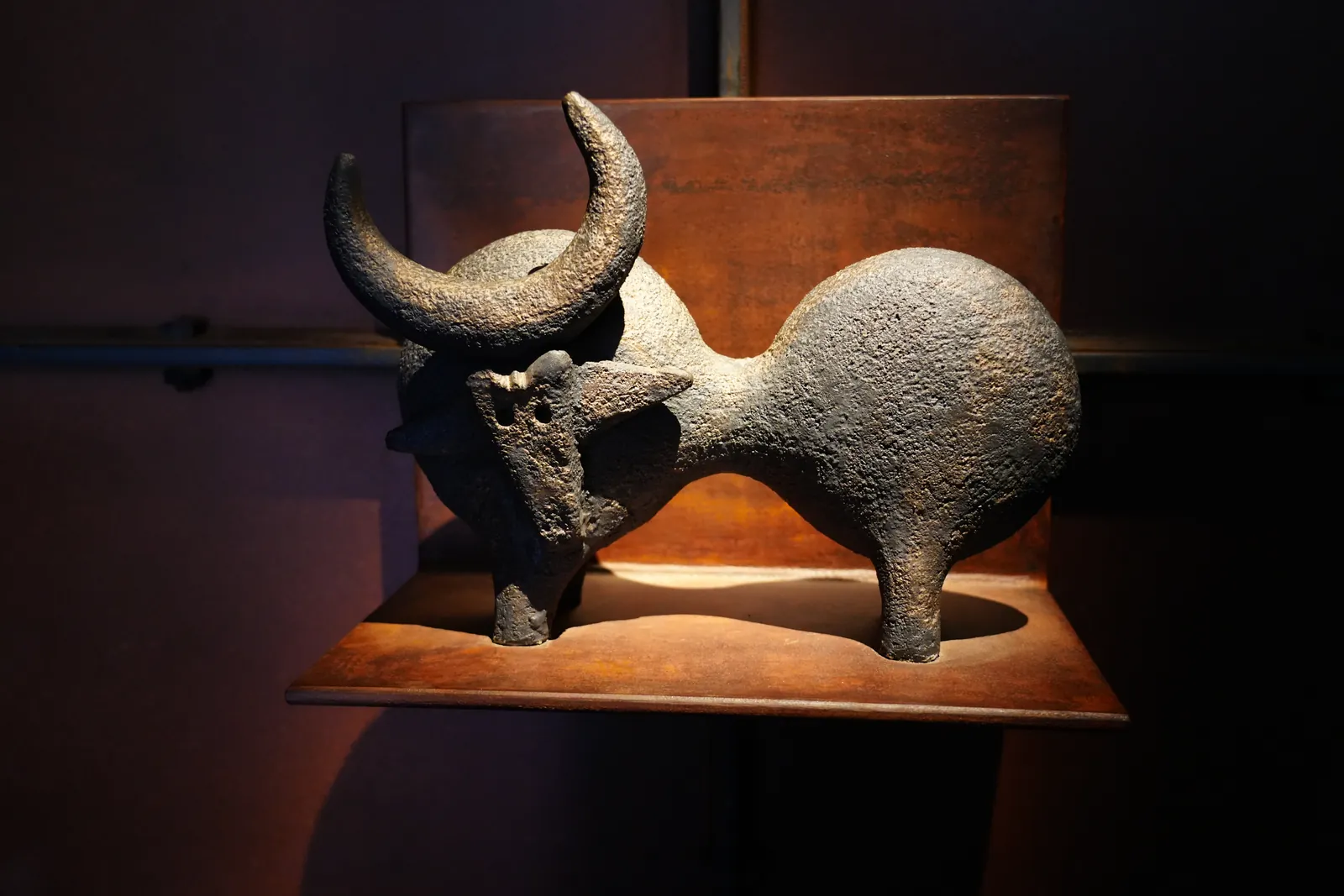
I headed into the museum first, audio guide on. Old pottery, history, how they used to store the olive oil, the history of when it started, and the stones they used to crush the olives.
The groves and the mirador
Then I went on into the rest of the building and out through the olive groves. The audio guide keeps talking out there, about the history of olive oil and the different trees in the garden, so don’t take it off at the museum exit.
I’ll be honest, I enjoyed walking around outside, learning about the olive trees and their history, more than I enjoyed the museum. I didn’t listen to all of the audio guide, so I’d guess I would have learned more if I had.
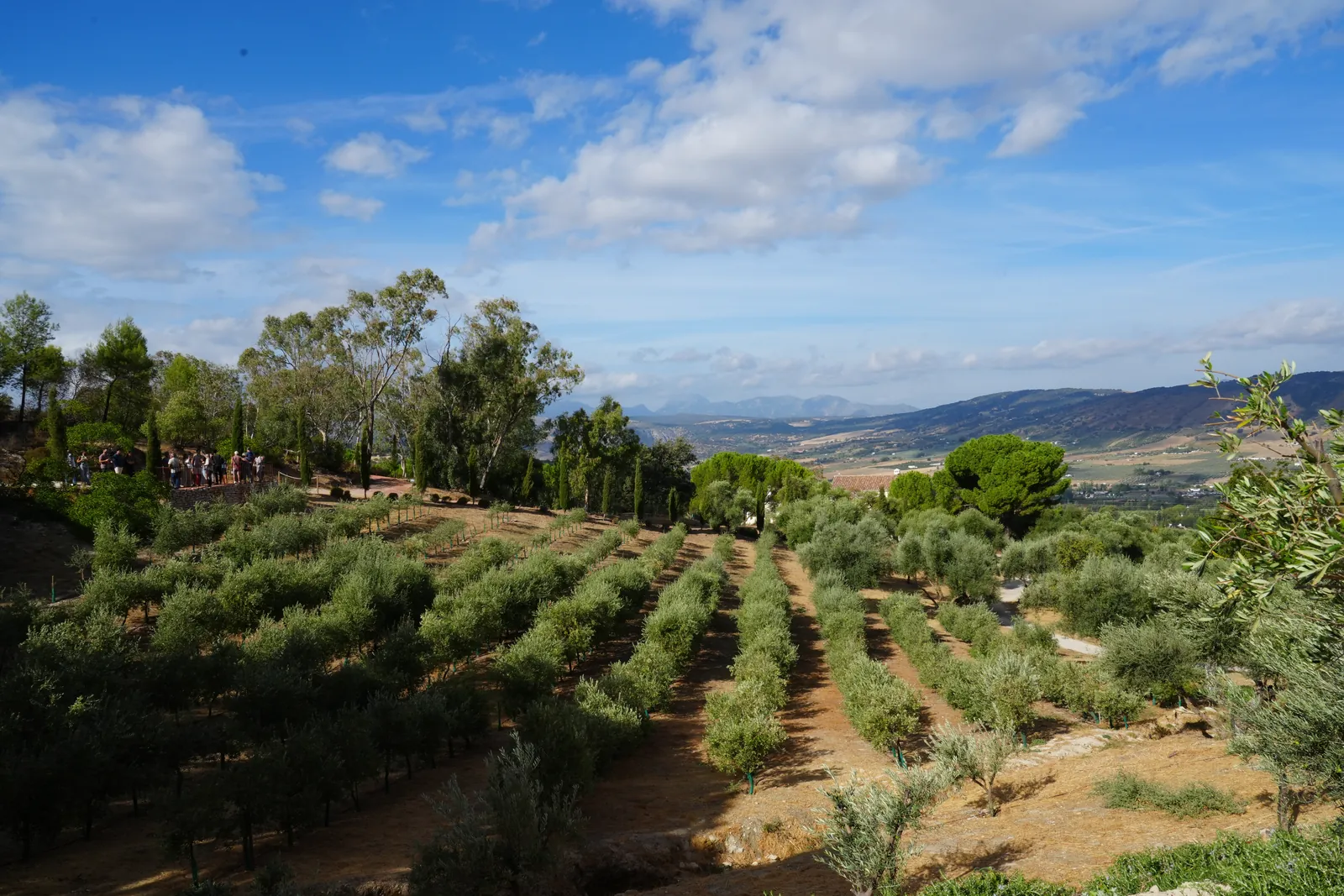
The path finishes at the mirador, the viewpoint, which is where you get the photo of the building. I took great pictures.
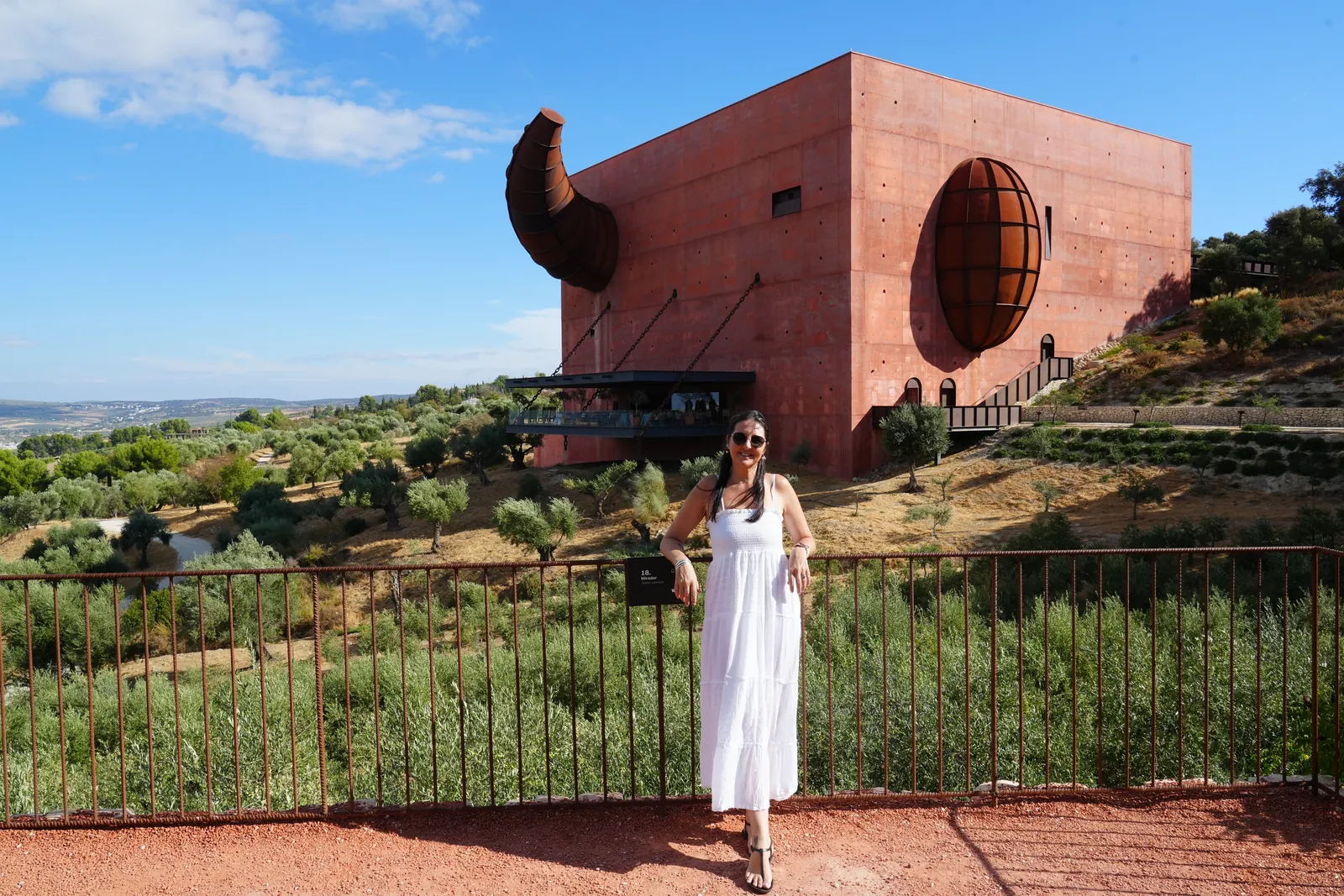
My honest verdict is that the museum was a little sparse, and I was through it in about 15 minutes. The building made up for it. Don’t skip the groves and the viewpoint.
The olive oil tasting
The tasting is at the shop, and it’s free with your ticket. You taste two olive oils, and you sip them straight out of small cups. Apparently that’s how it’s supposed to be done, and it was my first time.
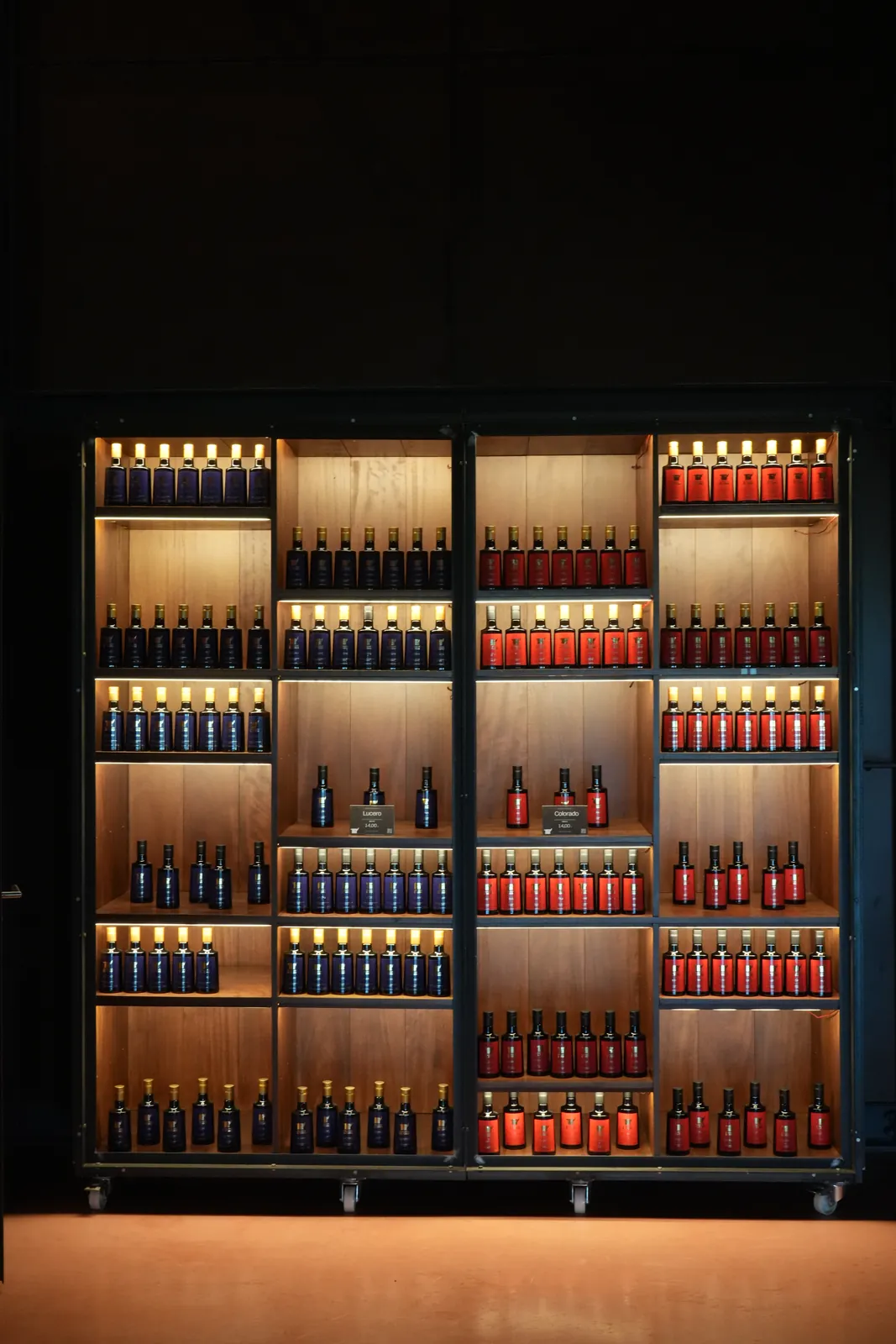
A guide talked me through it, so you won’t be left wondering what to do with the cup.
As for what the oils tasted like, I’m not saying. I’ll leave this as a surprise, I don’t want to taint your perspective. Taste them and see.
Book ahead: tickets sell out
You book a date and a time slot online, and I’d do it before you even start the car. I booked ahead for my visit.
The official site says capacity may be full, and the GetYourGuide listing for the guided tour carries an “It runs out easily” label.
The €15 Plus visit is open Wednesday through Sunday, so not Monday or Tuesday. First entry is 10:00 and last entry is 16:30. That ticket is sold on the official booking site.
Which olive oil tour to book
It costs from €15 for the self-guided visit, up to €525 plus VAT for a private tour. Every price here is a “from” price, checked in October 2026, and there are four options.
- Plus, General Visit, from €15: self-guided, with the museum, the mill, the olive grove, an audio guide and a tasting of oils. This is the one I did.
- Premium, Guided Tour, from €28: a guided group of up to 25 people, about 1 hour 30 minutes, with visits at 10:30 and 12:30. It covers the museum, the mill and the industrial process, the olive grove, and a guided tasting of extra virgin olive oil with artisan bread.
- Private visit, from €525 plus VAT: a private guide and a private guided tasting, subject to availability. Groups of more than 20 get discounts, and you book by getting in touch with them.
- Exclusive visit, price on request: a helicopter trip to the mill, a private guide, a picnic among the olive trees and live music, about 4 hours. Again, you contact them.
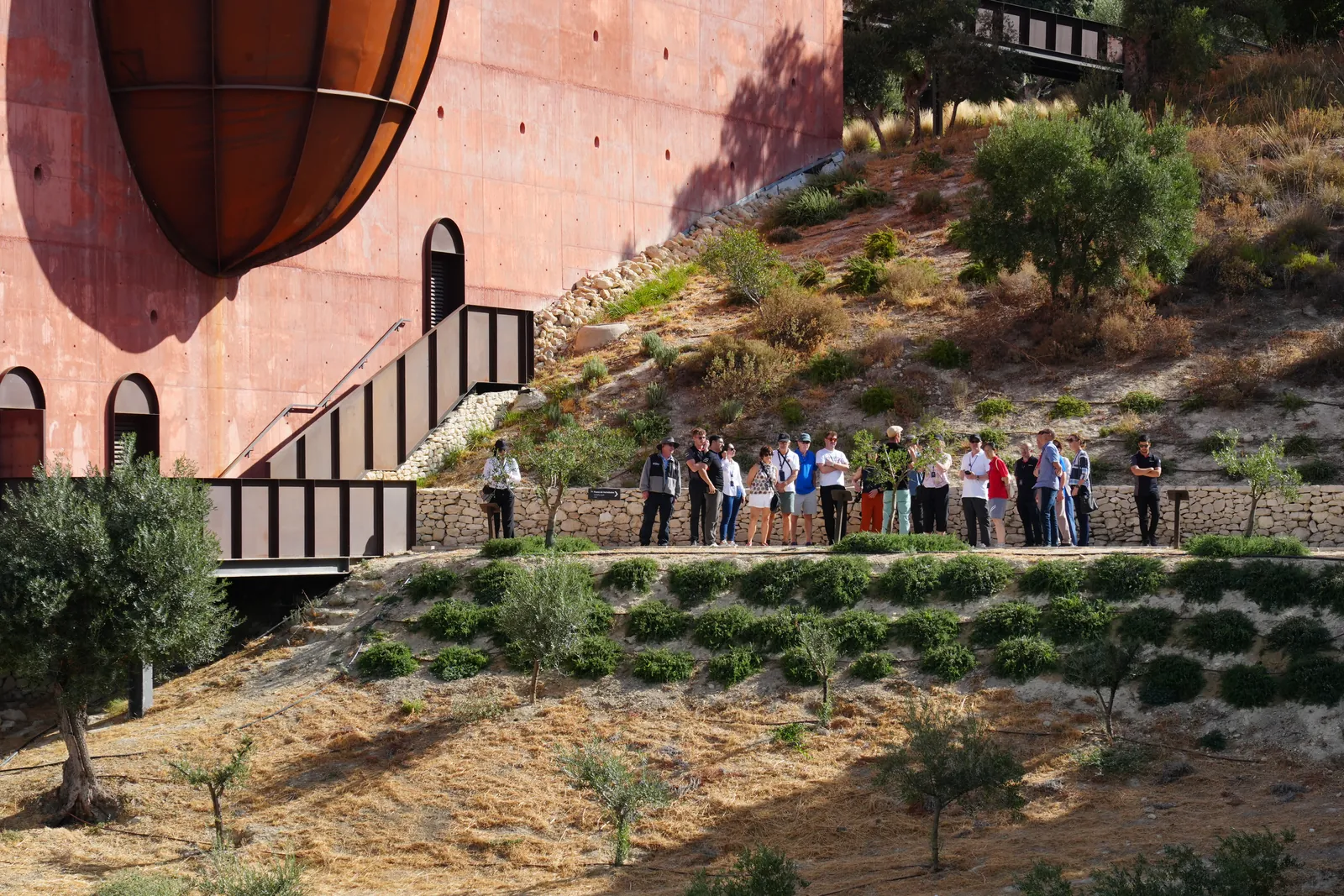
GetYourGuide sells the Premium tour too, listed as “Ronda: Philippe Starck’s olive oil mill, tour and olive oil tasting”. The listing has 4.7 stars from 509 reviews, free cancellation up to 24 hours before, and a live guide in English or Spanish. Check the language box before you book, because it defaults to Spanish.
Which one I’d book
If you want to see how the oil is made, the guided tour is the one that includes the industrial process. When I went, the machines were there but the mill wasn’t running.
Next time I’d book the guided tour, because they give you more information.
Children 0 to 7 are free, with family discounts on top. And I’ll say it plainly: the €15 ticket is on the official site, and this blog earns nothing from it.
Getting there and parking
You drive, and parking is free. I drove from Málaga and it took about an hour and a half.
There’s a large car park on site. The mill is about 2.5 km from Ronda, on the A-367 at km 39.5 (Carretera Ardales-Ronda), and if you search for Almazara El Toro on maps it’ll take you straight there.
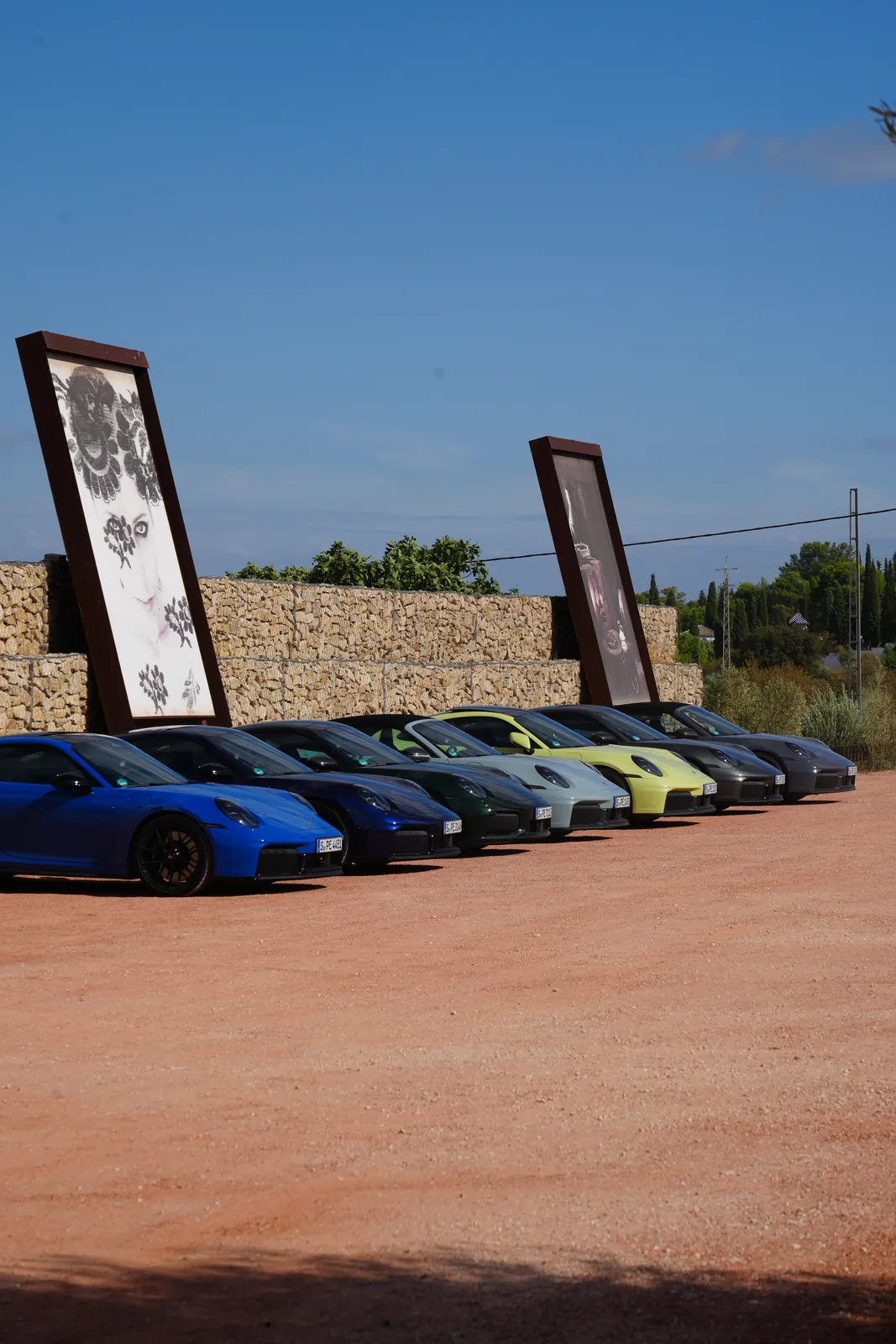
Public transport out there is limited, so a car is the easy way, and if you don’t have one you can rent one with Discover Cars. It’s the same drive I’d make for a day trip from Málaga. I haven’t looked into buses or taxis, so I can’t tell you what they’d cost or how often they run.
READY TO PLAN YOUR RONDA DAY?
🚗 Rent a car: I use Discover Cars
🎟️ Best guided tours: I use GetYourGuide
🏨 Accommodation: Find hotels in Ronda
🛡️ Travel insurance: I use SafetyWing
A private tour from Málaga
I got talking to Linda from Winederlust, who runs private tours from Málaga. She collects you in a van and has an entire day planned.
From what I understand, it includes the olive oil mill, a wine tasting, and tapas and drinks afterwards. I’m not one hundred percent sure, and it could differ from tour to tour. I haven’t done this tour myself, so everything here is what Linda told me, and there’s no price because I don’t have one.
Still, I think it’s the better option. It has a wine tasting, and you don’t want to be drinking and driving. You’d also see so much more of Ronda with an expert beside you.
Contact Linda through Winederlust for details. I did a tasting with her too, which I wrote up in my post on unusual things to do in Málaga.
Is it worth the detour?
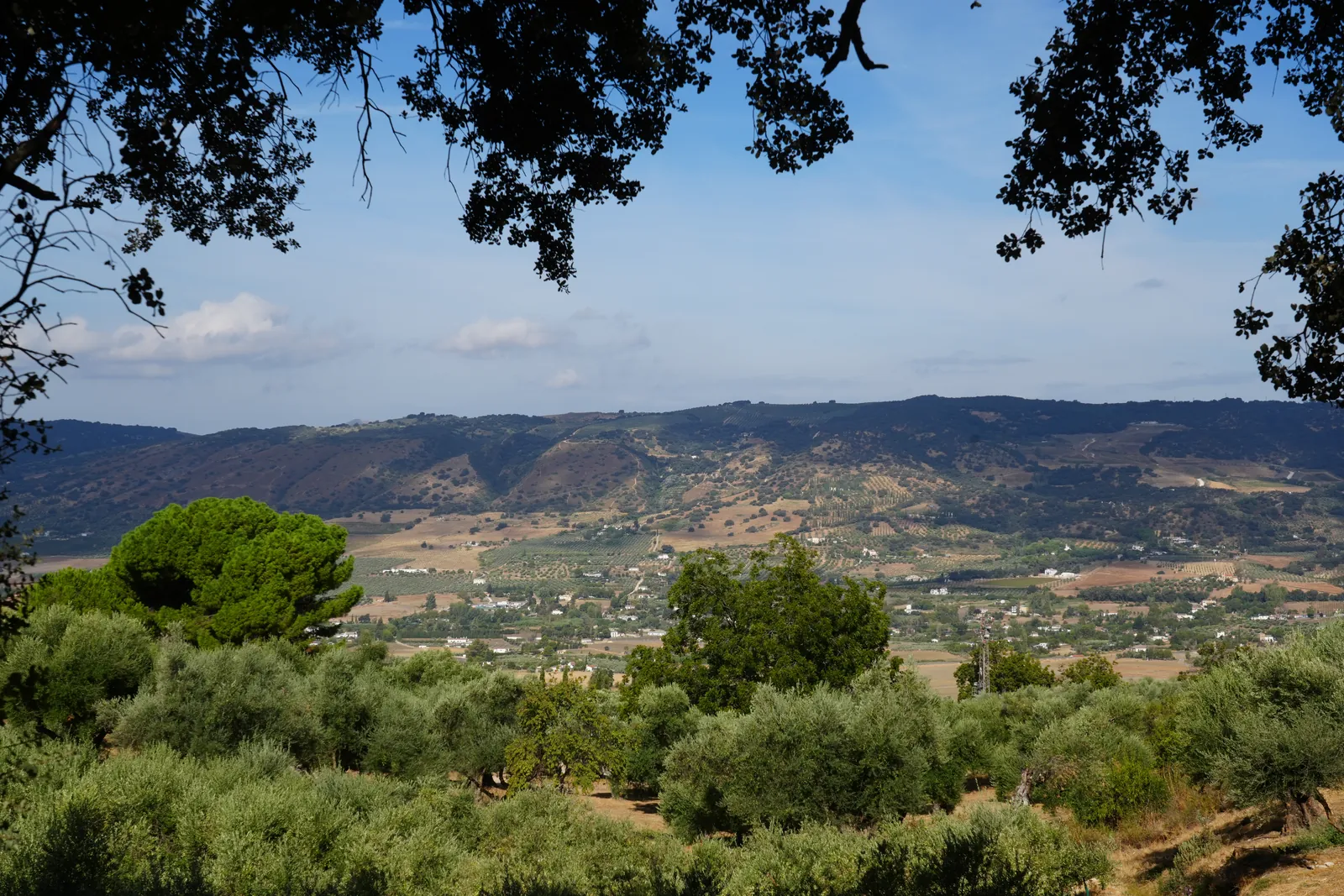
It’s worth it as part of a Ronda day, not as a drive of its own. I’d tell you honestly that I wouldn’t make the hour and a half from Málaga just for this, unless I had something else planned nearby.
The museum was a little sparse, but the building made up for it, and I thought it was beautifully designed. It’s €15, parking is free, and it’s only 2.5 km from Ronda. If you only care about a museum, it’s thin. The reasons to go are the building and the view from the mirador.
It slots in easily alongside the things to do in Ronda, and since Ronda rewards an overnight, you can look at hotels in town. If you’re parking in town afterwards, where to park in Ronda will save you circling.
If I went back, I’d book the guided tour, because they give you more information. Book your slot first, then go.