Málaga is worth visiting, but not quite in the way most people expect. Most visitors fly in to get somewhere else, Ronda, the coast, Granada, and treat the city itself as a stopping point.
I moved here from South Africa, new to European cities, and nothing prepared me for the marble streets or the cathedral peeking around the corner of every second alley. What I didn’t know then is that a city could feel that way every single day.
The pull to go back into it, for a coffee, a festival, to meet friends, or to tick off museum fifteen of the forty-plus the city has to offer, doesn’t go away. I’ve lived here for years and I’m still not done with it.
It has two very distinct sides. In daylight it belongs to explorers and history-seekers; after dark it transforms, running well past midnight on most nights of the week.
In this guide I’ll give you the honest version: what Málaga is actually like, who it suits and who it doesn’t, how many days you’ll need, and when to go.
Need somewhere to stay? The Old Town (Centro Histórico) is the best base for first-timers. Soho suits anyone who wants something quieter and more local-feeling. La Malagueta is the right choice if you’re here for the beach.
Is Malaga Worth Visiting?
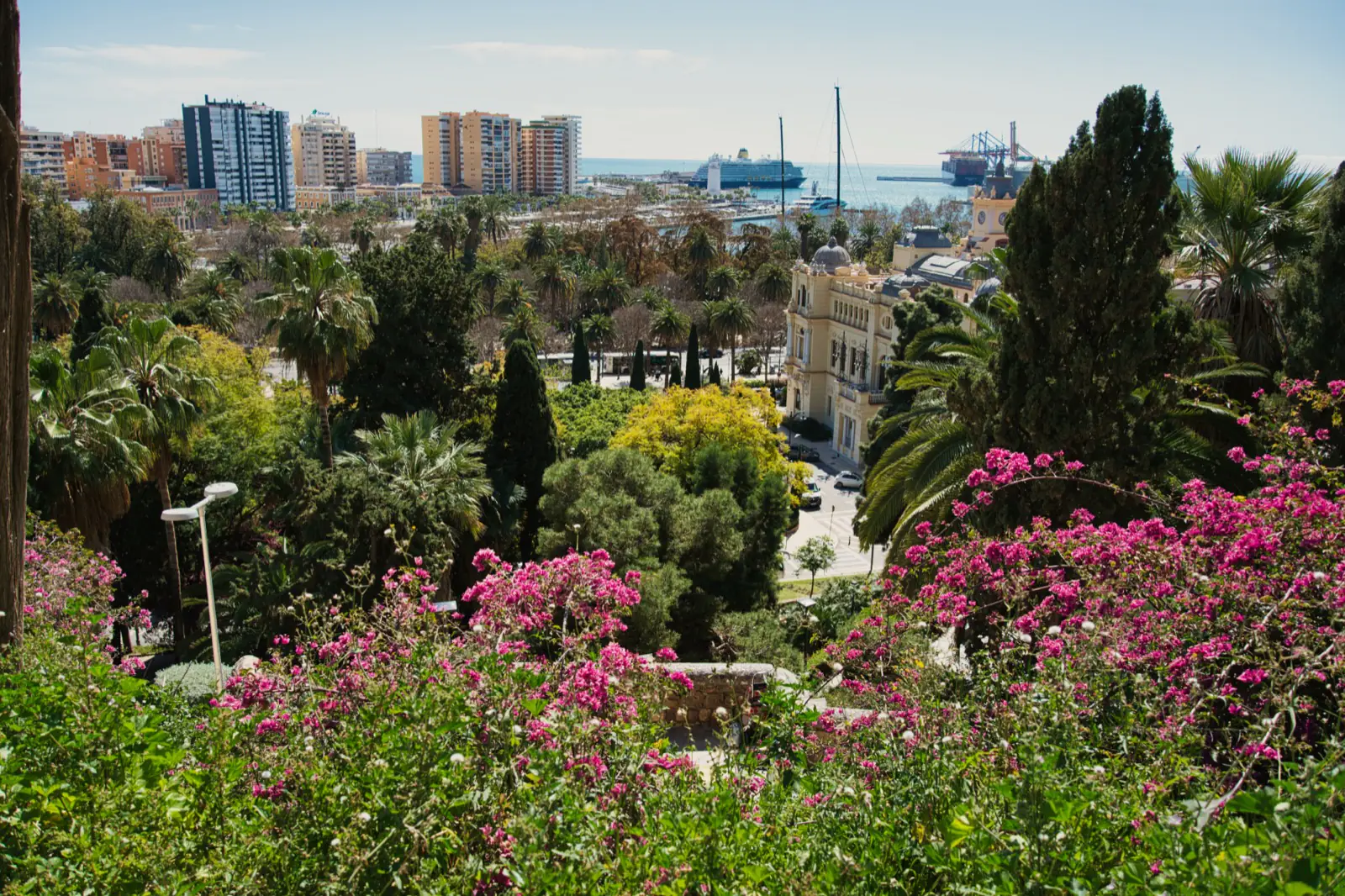
Yes, Málaga is worth visiting. It’s one of the most complete city-break destinations in southern Spain, with enough museums, beaches, food, and street life to fill a week without running dry.
The honest qualifier is that Málaga is not a quiet escape. It’s a busy, working city of close to 600,000 people, and something is always happening: festivals, religious processions, stag parties, street events that arrive without warning.
If you’re looking for the calm of a sleepy Italian hill town, this will feel like the wrong choice.
But if you want somewhere to pack a full day, every day, with genuinely different things to do, Málaga delivers. Museums in the morning, beach in the afternoon, tapas and wine after dark, and a different festival on the calendar most months.
Rinse and repeat for a week and you still won’t have finished. Over 12 million tourists visit the province each year, and most of them still treat the city itself as an afterthought.
What Is Malaga Actually Like?
Málaga sits somewhere between Granada’s intensity and the pure resort strip of the Costa del Sol, and that gap is what makes it interesting. It’s genuinely historic and cultured, the birthplace of Pablo Picasso on 25 October 1881 and home to more than forty museums, and yet it’s also somewhere people canwalk around in flip-flops without anyone raising an eyebrow.
That’s rarer than it sounds. Málaga is the sixth largest city in Spain, with around 580,000 people, but it never feels like it’s performing for tourists.
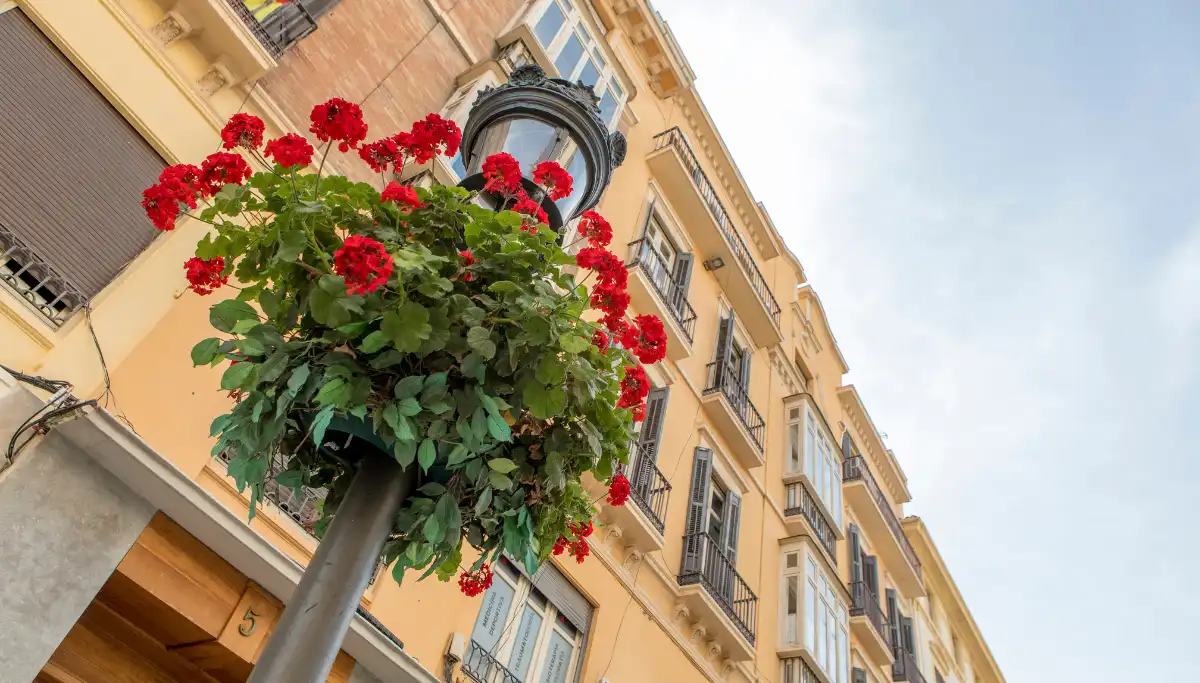
It just gets on with it.
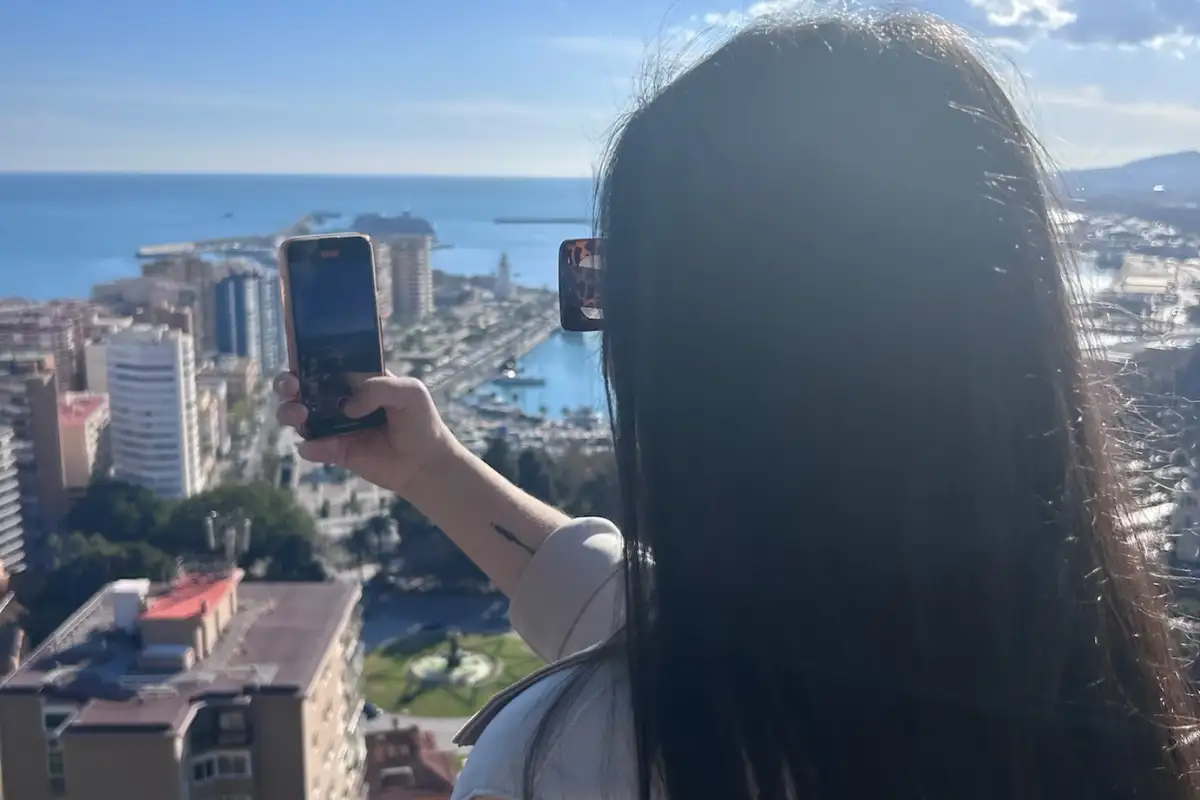
What surprised me most is how compact the centre is. The old town, the port, the beach, the Alcazaba, and a contemporary arts district are all within about thirty minutes on foot of each other.
Most visitors cover the highlights in a day. The difference is that there’s always something you didn’t quite get to.
The restaurant scene reflects that same energy. Traditional tapas bars and modern Spanish kitchens work alongside international alternatives and a covered market that draws as many locals as visitors, all within the same square kilometre.
For more on what the city actually feels like to live in rather than just visit, Life in Malaga goes into more detail.
Things to Do in Malaga
Málaga’s main attractions are packed into a compact old town, and the list is longer than most first-time visitors expect. For the full breakdown with opening times and booking tips, 25 Best Things to Do in Malaga covers the ground in more depth.
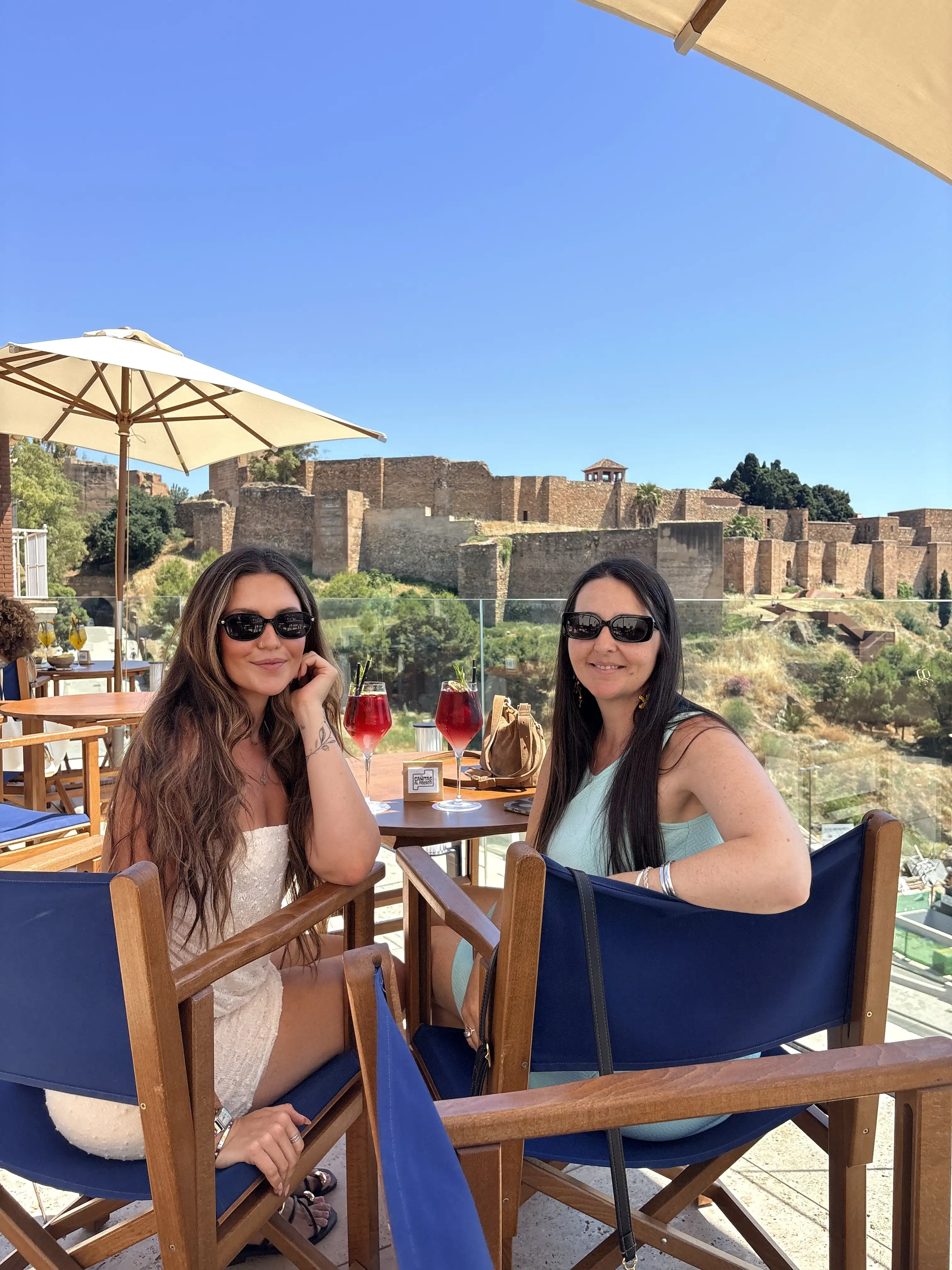
The Alcazaba and Gibralfaro
Built in 1057 on the foundations of an earlier settlement, the Alcazaba is one of the best-preserved Moorish fortresses in Spain, and the views over the city from the top are worth the effort alone. Gibralfaro castle sits higher still, connected by a walled pathway.
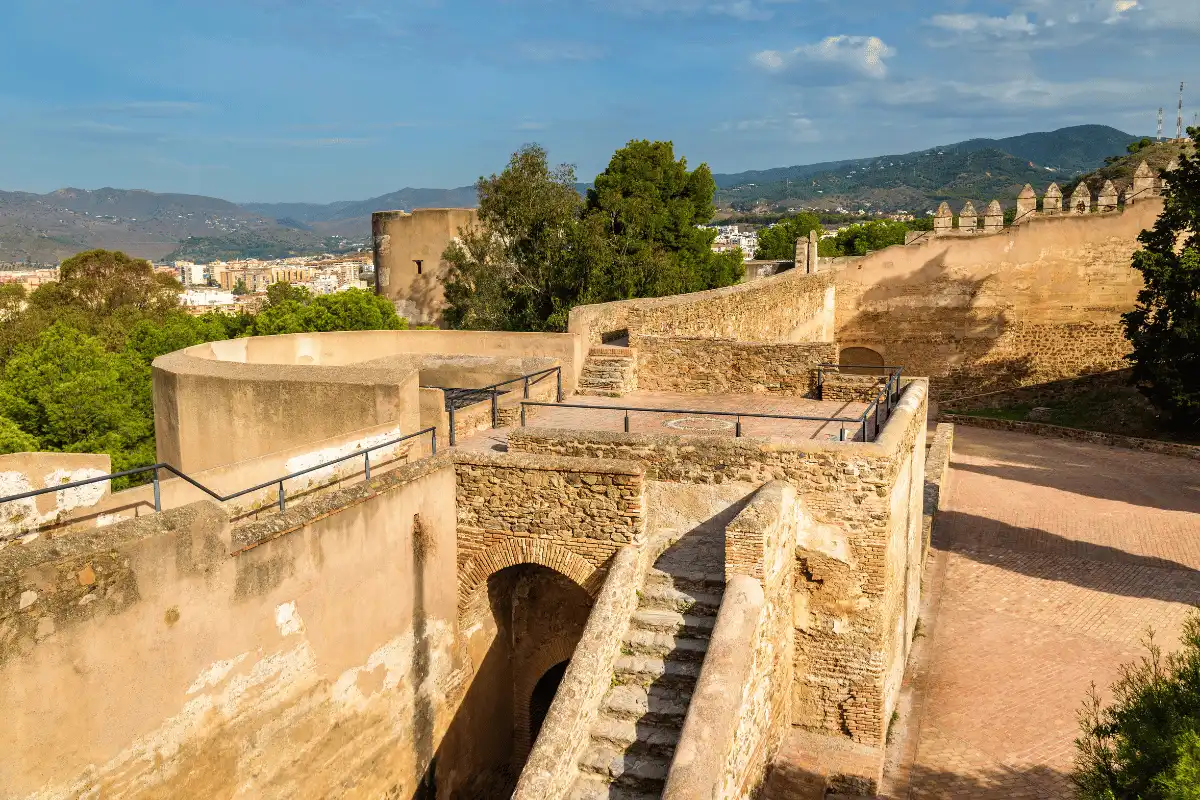
My advice is to do both, but in the right order. Take a taxi or the gentler path up to Gibralfaro first, then walk down through the Alcazaba rather than climbing in the heat.
If you time it right, ending at the top for sunset is one of the better decisions you can make in Málaga. The Parador hotel right next to Gibralfaro has a terrace for a drink as the light drops over the port.
Entry is €3.50 for a combined ticket, with free entry every Sunday from 14:00.
The Picasso Museum
Pablo Picasso was born in Málaga on 25 October 1881, and the Museo Picasso Málaga houses 233 works across a beautifully restored 16th-century palace. The building alone is worth stepping into.
What makes the Picasso Museum genuinely compelling is the progression. You can trace how his style shifted decade by decade, shaped by the people who moved in and out of his life, and watching that evolution unfold across 233 works is fascinating in a way I didn’t entirely expect.
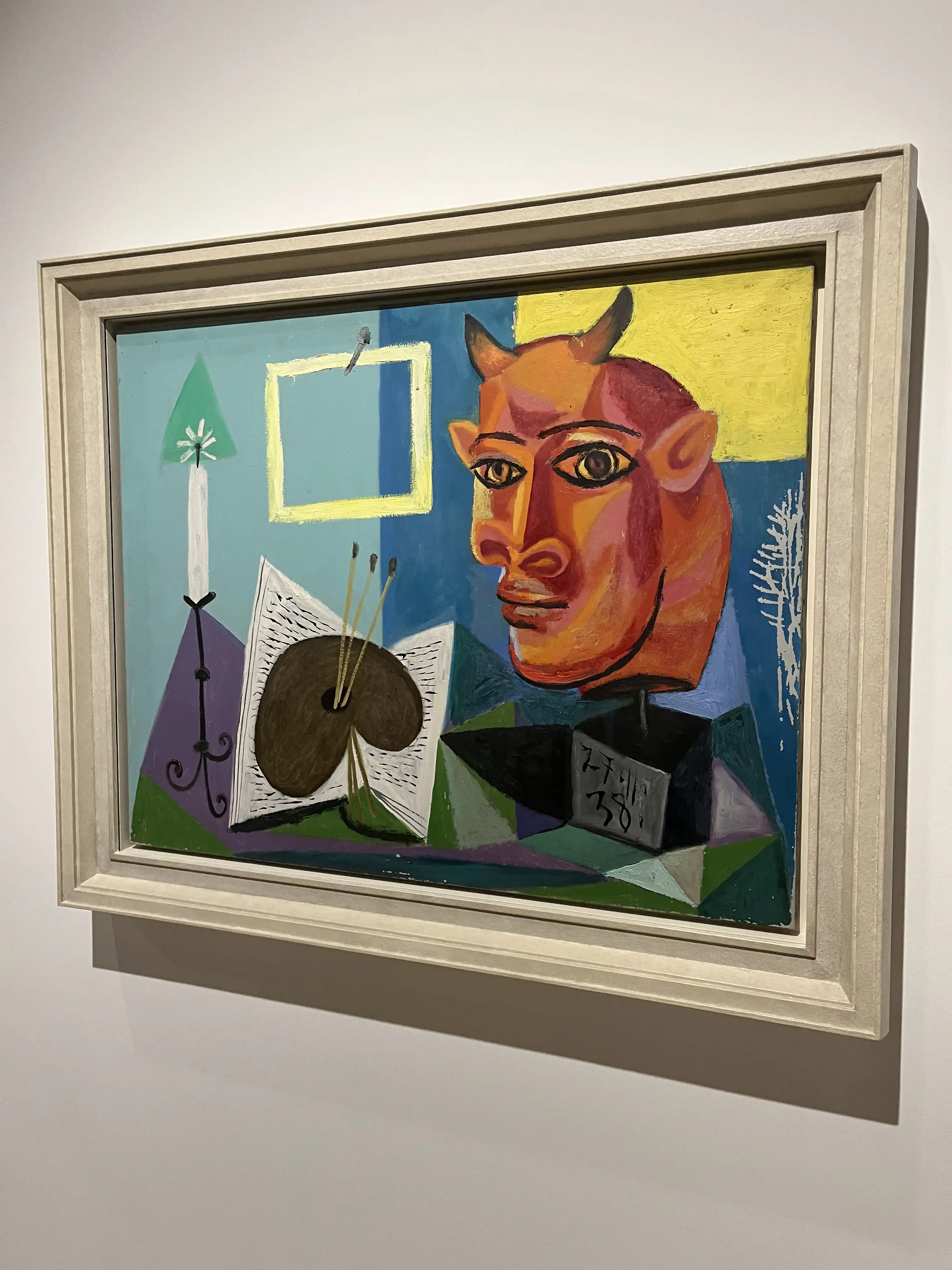
If you love art and want to understand Picasso’s arc, it’s genuinely excellent. If you’re not particularly arty and history museums leave you cold, it might not be the essential stop people make it out to be.
Entry is free on Sunday afternoons, but the queues get extremely long. Book online during the week if you want to avoid both.
The Cathedral and Roman Theatre
Two millennia of history sit within about thirty metres of each other here. The Roman Theatre, built in the 1st century BC and rediscovered during construction work in 1951, is free to visit and viewable from street level.
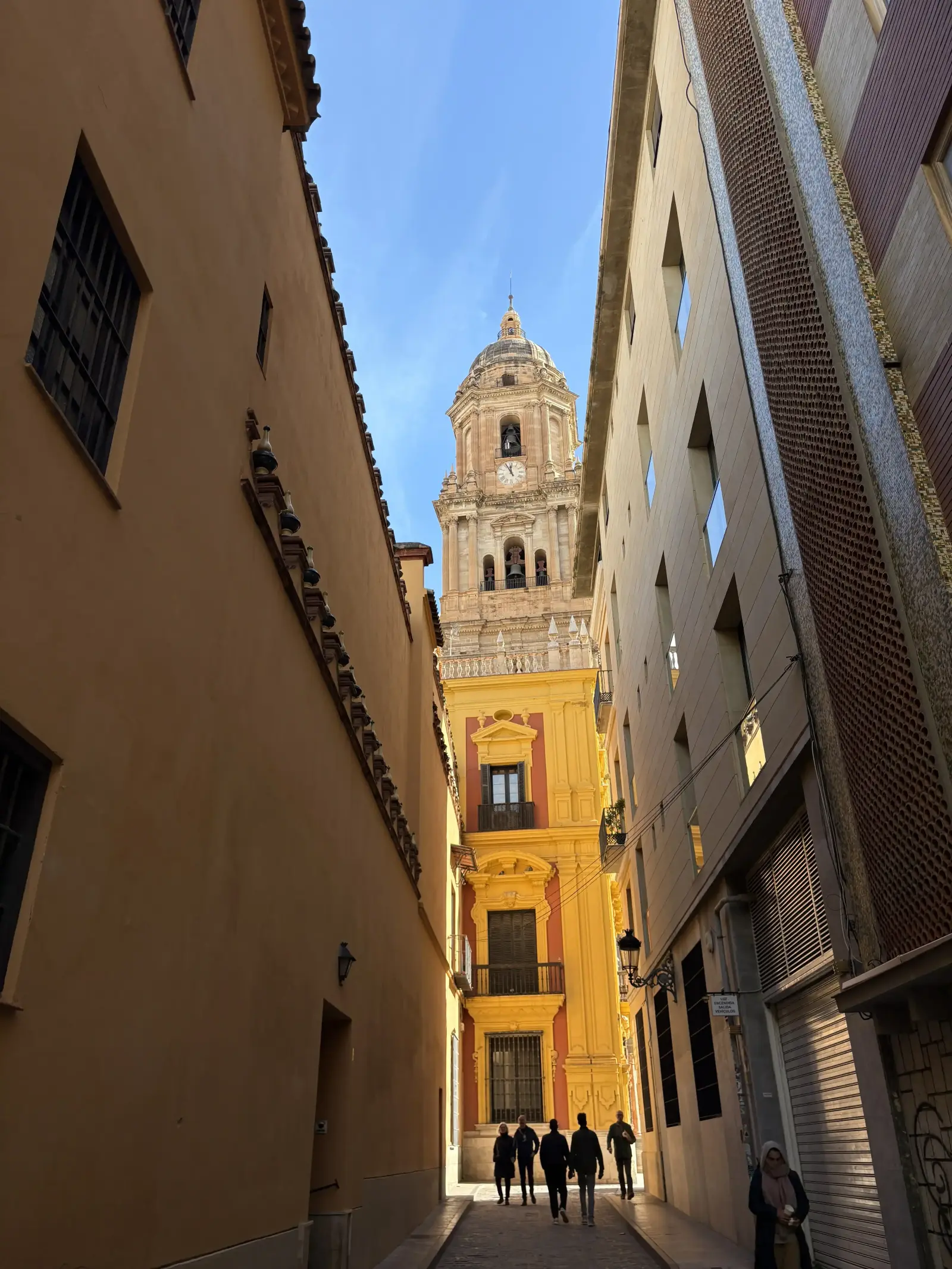
The Cathedral is the bigger surprise. Known locally as “La Manquita,” the one-armed lady, because one of its towers was never finished, it looks manageable from the outside.
Inside, it’s vast. There’s a beautiful garden at the front entrance, and the side views of the pillars from the street are worth slowing down for.
The back exterior has less to offer, so don’t circle it expecting more.
The Port
The port promenade, Muelle Uno, is worth an hour. Semi-rooftop bars and restaurants look out over the marina and the mega-yachts, though the strip leans touristy.
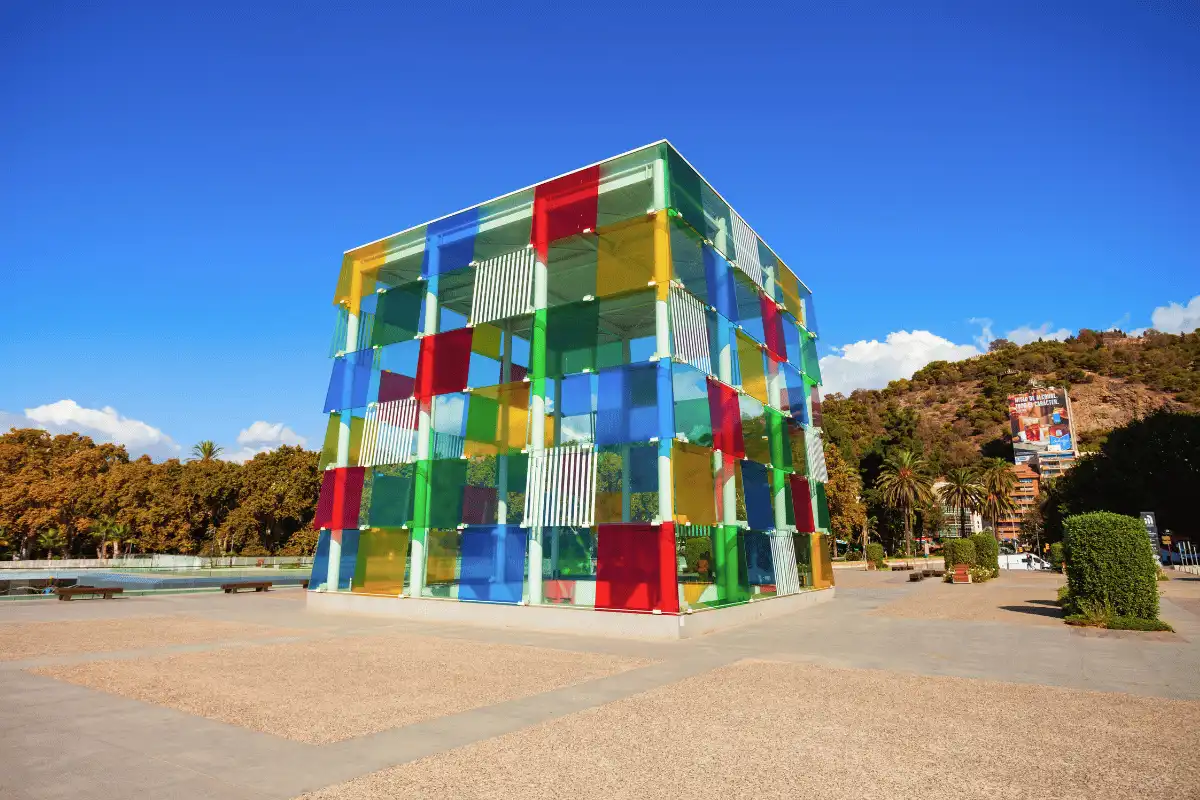
The Centre Pompidou Málaga sits on the waterfront in a striking glass cube. It’s serious contemporary art, not a highlights reel.
The Beaches
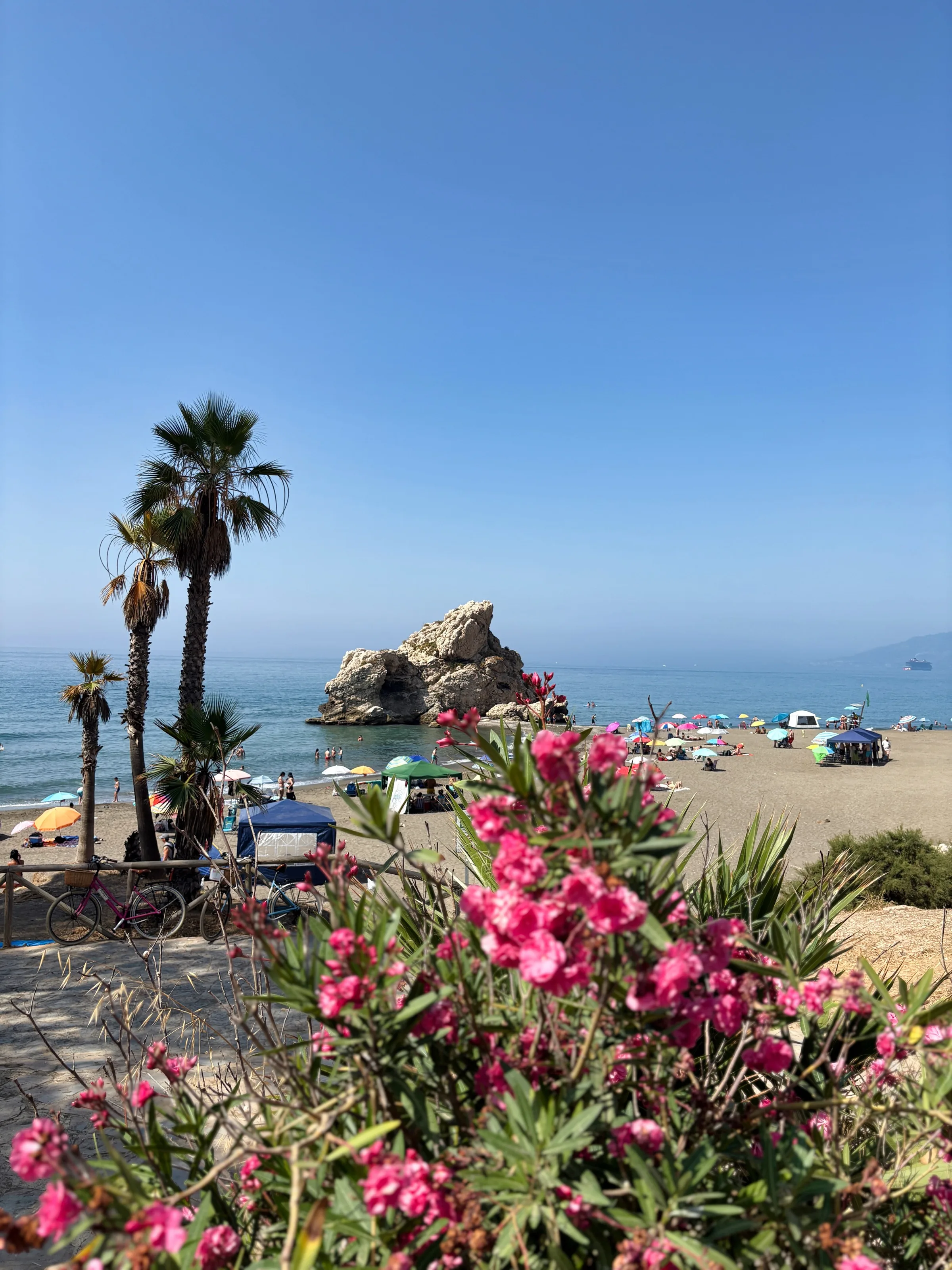
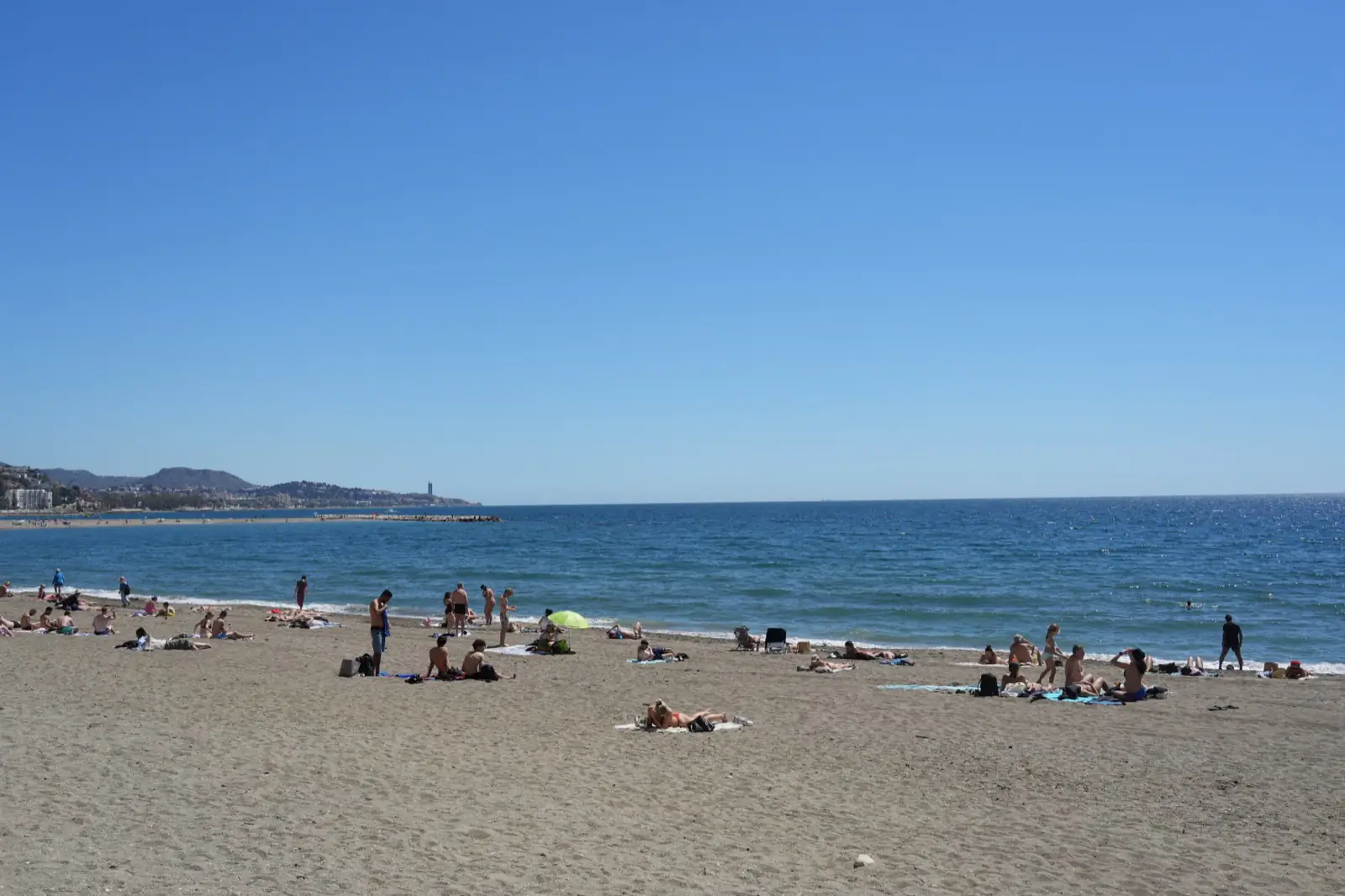
Playa de la Malagueta is the one I keep coming back to. It’s ten minutes on foot from the old town, which makes it easy to fold into a full day rather than treat as a separate trip.
Most of the chiringuitos along the city beaches look and feel similar, and the water quality is generally fine. The experience is urban rather than wild, which is part of what makes it so usable.
Pedregalejo, a few kilometres east, is worth the trip if you want a quieter, more local feel. The restaurants there are better for a long lunch, and the further from the centre you go, the calmer the beach gets.
For more on what’s worth your time by the water, Malaga Beach Guide covers all the options.
The Old Town and Atarazanas Market
The Mercado de Atarazanas stands on the site of a 14th-century Nasrid shipyard, and the iron facade at the entrance is the original Moorish stonework. Most people walk straight past without knowing either of those things.
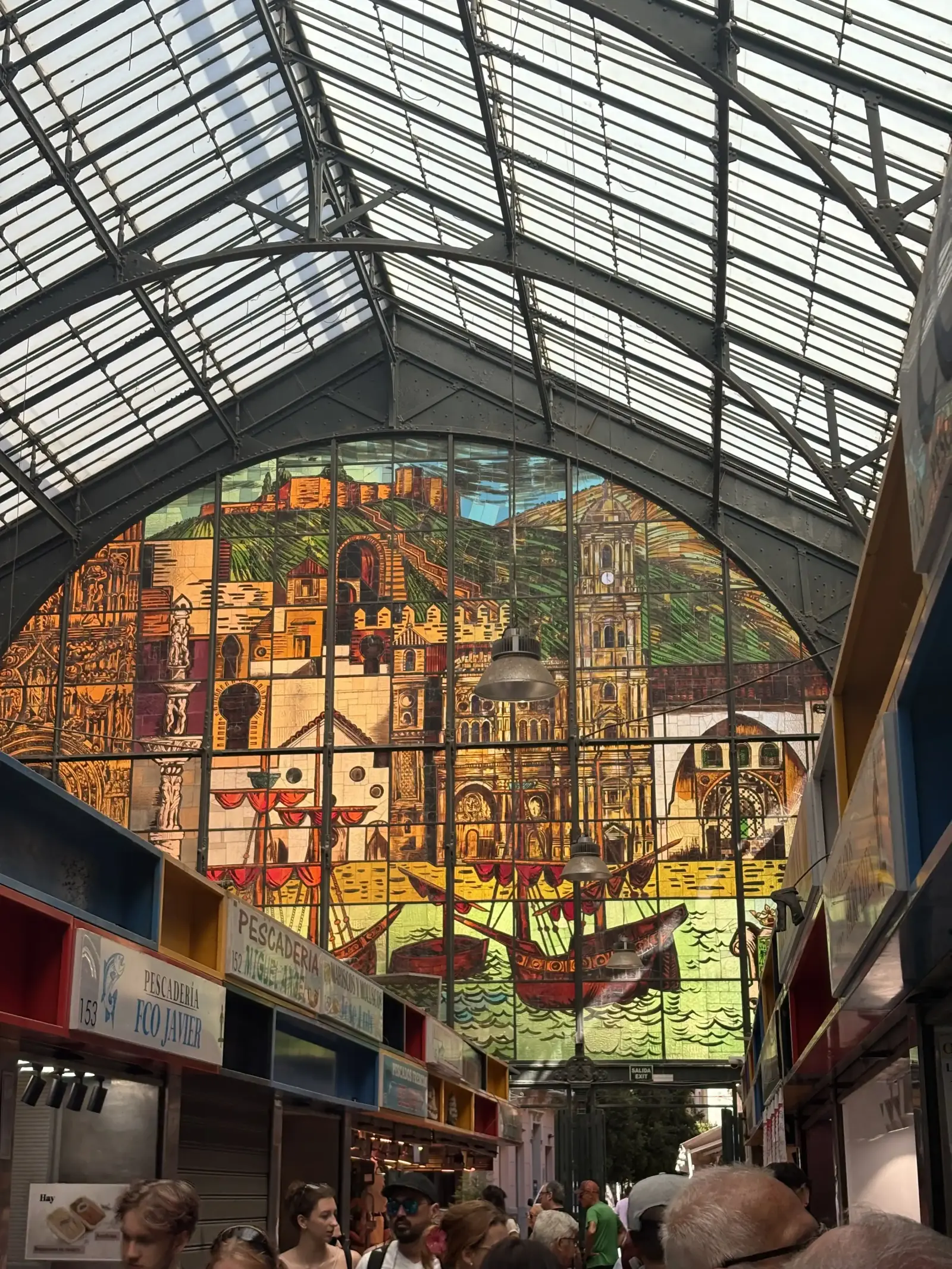
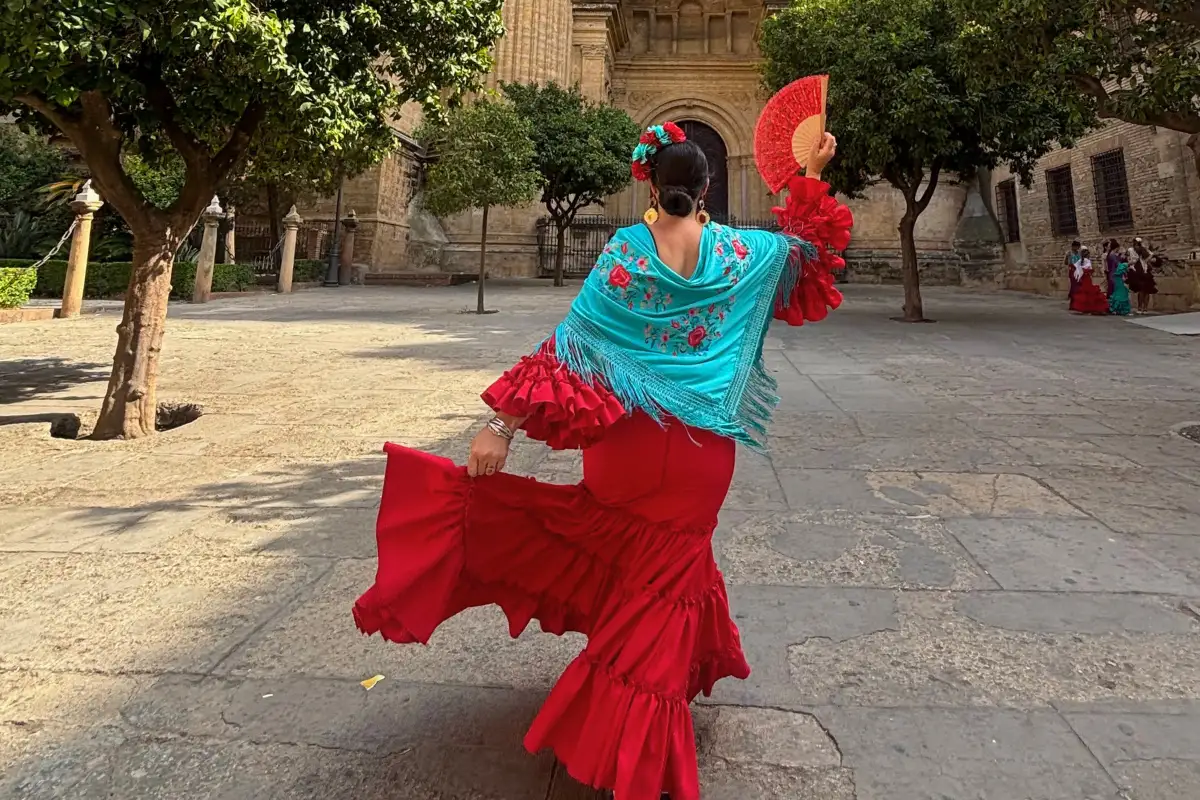
My favourite thing about the old town isn’t any single attraction. It’s the habit of turning a corner and finding something already happening: street dancers, a religious procession, a pop-up market, a band set up on the pavement.
Get there early for the market itself. The stalls start setting up while it’s still dark, and the best produce and the fewest crowds are always in that first hour.
For the full guide to the streets and hidden spots, Malaga Old Town is worth a read before you go.
The Food
The one thing I’d tell anyone visiting Málaga to eat before they leave is espeto de sardinas. Sardines skewered on a cane reed and grilled over a wood fire on the beach, it’s a registered local tradition, and nothing like sardines from a tin.
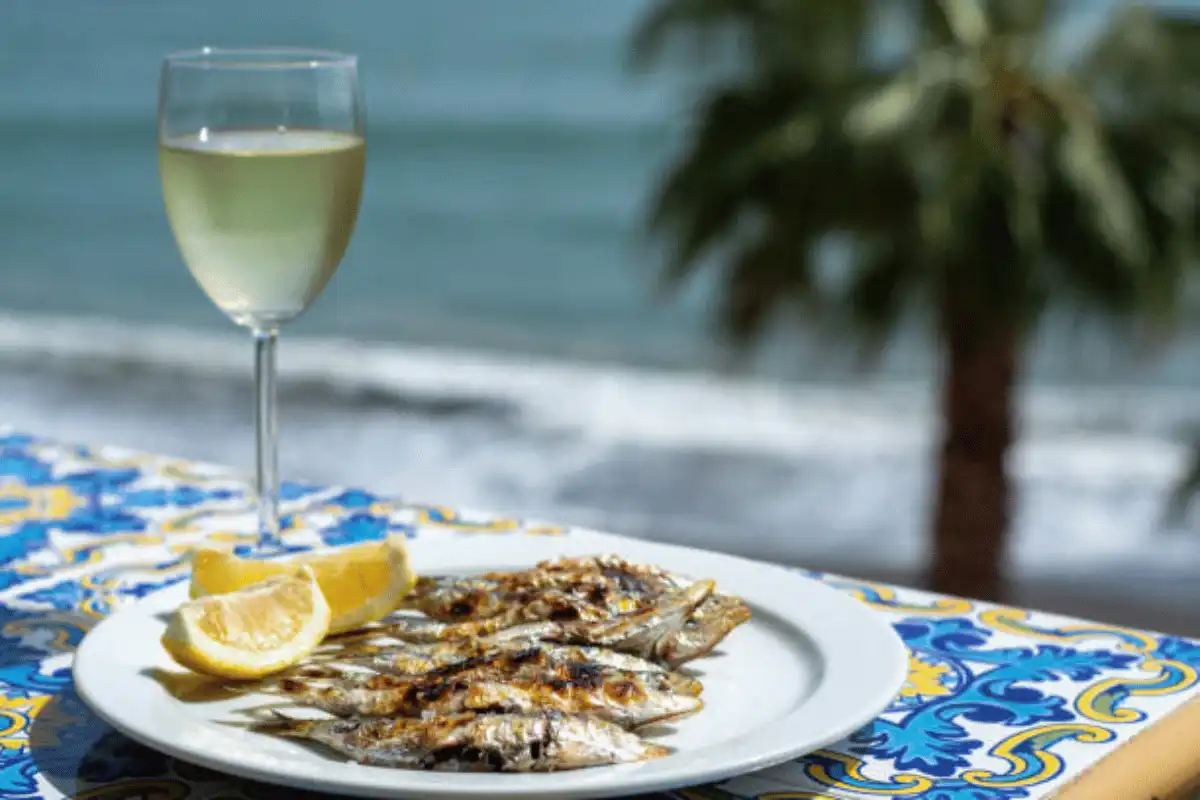
The best ones come from the chiringuitos along Pedregalejo, where local families have been doing this for generations. Order them with a glass of Málaga moscatel, the local sweet white wine most of the world has never heard of, and eat them with your hands.
Two other dishes worth ordering before you leave: boquerones en vinagre, fresh anchovies marinated in vinegar and olive oil, completely different from the tinned variety. Berenjenas con miel, fried aubergine strips drizzled with honey, sounds strange and tastes completely right.
My favourite place for a long breakfast, any time of year, is the stretch along Plaza de la Merced. The sun hits it early, the terraces are unhurried, and it never feels like you’re being rushed through.
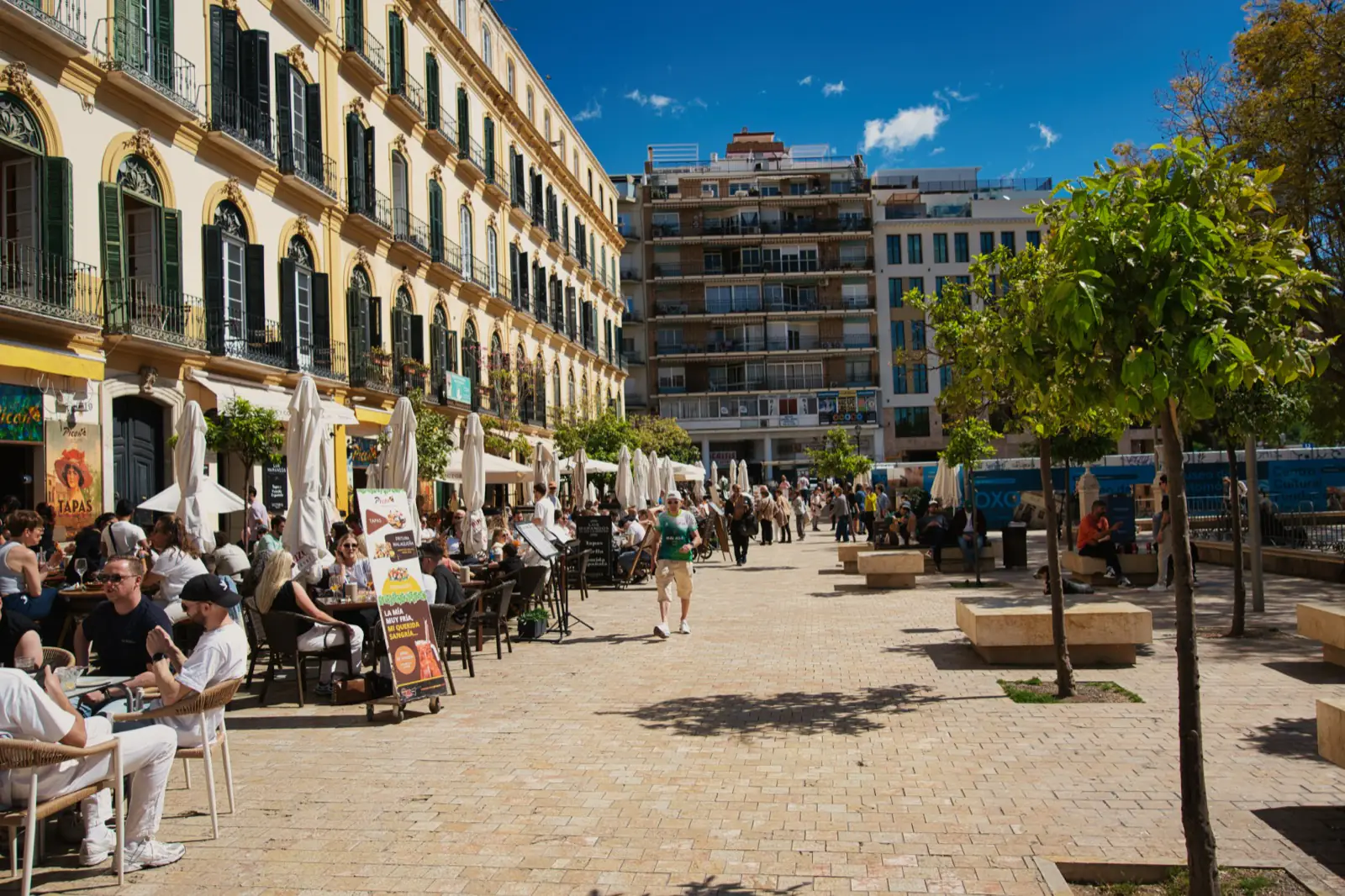
I also keep going back to Bar Picasso for tapas, which sits just off the plaza and gets it right every time. The prices stay fair even when the area around it fills up.
El Pimpi is the most famous bodega in Málaga, and it genuinely deserves a visit, just not necessarily for the food. The building is the reason to go: a rambling old bodega spread across several rooms, barrels signed by visiting celebrities, and a courtyard that feels more like a private club than a restaurant.
My suggestion is to explore it, order a drink at the bar, and then eat somewhere else. Service complaints are common, and Málaga has too many better options nearby.
For something properly sit-down, Casa Lola in the old town is the place I take every friend or family member who visits. It’s a tapas-style restaurant that manages to be excellent without being expensive: two people eat well for around €35, which in that part of the old town isn’t a given.
Málaga is genuinely affordable if you eat like a local. The Cathedral area charges tourist prices (€8 for a glass of wine is not unusual), but two streets back coffee costs €1.20 and the tables fill with locals.
One thing worth knowing before you go: you’ll read that Andalusia gives you a free tapa with every drink. Málaga is more hit and miss than Granada or Almería on this front, so don’t plan your budget around it.
100 Montaditos isn’t glamorous, but it earns its place for anyone watching costs. Small rolls and cheap pitchers come to under €15, and normal bars in the old town charge around €4-5 for a beer.
For the full guide to where to eat and drink, Best Tapas in Malaga Old Town covers the best spots with specific addresses.
The Honest Cons
The heat in July and August is genuinely difficult. Temperatures regularly hit 38°C in peak summer, with occasional stretches beyond 40°C, and the marble streets reflect that heat straight back at you.
If you’re visiting in those months and plan to walk all day, plan around it. Early mornings and evenings only, with a long stop somewhere cool in the middle hours.
Cruise ship days can transform the old town in under an hour. Málaga port receives around 700 cruise calls per year, and when two or three dock on the same morning, the narrow streets around the Cathedral and Alcazaba fill fast.
The ships typically leave by early evening, so if you’re staying in the city rather than just passing through, the timing works in your favour.
The blocks immediately around the main tourist sights have made the standard shift to tourist-facing prices. The affordable, local version of the city is about two minutes’ walk from the worst of it.
Noise in the old town, particularly on Friday and Saturday nights, is real. Málaga’s nightlife runs very late, and if you’re staying in the historic centre and value an early night, check your accommodation’s location before booking.
How Many Days Do You Need in Malaga?
It depends on why you’re coming, but three days is the honest minimum. One day in Málaga is possible, and One Day in Malaga maps out a workable route, but you’ll feel the compression.
The city has the Alcazaba, Gibralfaro, the Cathedral, a beach ten minutes from the old town, 40-plus museums, the port, decent shopping, and a food scene that rewards slow exploration. You can cover the headlines in a day and leave with a surface read of the place.
Three days changes that. You have time to hit the main sights on day one, go slower on day two, decide what you actually want more of, and then do it.
If you’re planning day trips to Nerja, Ronda, or Caminito del Rey, add at least a day per trip. A week based in Málaga with two or three day trips is a genuinely good use of time, and most people who do it say they wished they’d booked longer.
Is Malaga Safe?
Málaga is generally safe for tourists. Spain consistently ranks among the top 25 countries on the Global Peace Index, and Málaga has the same profile as most major Spanish cities: low violent crime, with petty theft the main thing to watch.
Pickpocketing happens in the places you’d expect: around the Cathedral, in the Atarazanas market, on the beach, and in festival crowds. Keep your phone in a front pocket and don’t leave bags unattended at chiringuitos.
The old town is safe to walk at night, including as a solo woman. The area around the bus and train stations is worth being alert in late at night, though that’s standard urban caution rather than a specific Málaga problem.
Scooter bag-snatching has been reported in parts of the city, as in other Spanish cities. Keep bags on the inside, away from the road, if you’re walking near traffic.
Is Malaga Walkable?
Yes, and that’s one of its strongest arguments as a city-break destination. The old town, the port, the beach, the Alcazaba, and the contemporary arts district all sit within roughly a 30-minute walk of each other, which means a full day is entirely manageable on foot.
Calle Larios, the main pedestrian boulevard, runs through the heart of the old town and connects most of the central sights. The marble paving looks beautiful but gets slippery in wet weather, so flat shoes with grip are worth packing.
The one exception is the Alcazaba and Gibralfaro, both of which involve a real climb. Do them early in summer before the heat sets in, and consider taking a taxi up to Gibralfaro then walking down through the Alcazaba, which is the easier direction.
For a full walking route with specific directions, Malaga on Foot maps out the main circuit.
Is Malaga Expensive?
Compared to Barcelona or Madrid, no. Compared to other Andalusian cities, Málaga sits somewhere in the middle: not as cheap as Jaén or Almería, slightly more expensive than Granada, but very manageable if you eat and drink like a local.
The best value meal in the city is the menú del día: a set lunch of two courses, bread, a drink, and often dessert, currently around €12.50 at most decent places. Vino Mio, near the old town, does one of the best versions in the city.
Museum entry runs from €3.50 for the Alcazaba to around €6-10 for the bigger collections, but most major museums offer free entry on Sundays. The beaches are all free, and so is the Roman Theatre and most of the old town’s street life.
A comfortable day out (one museum, lunch, a couple of drinks, and dinner) typically runs €50-80 per person depending on where you eat. Budget travellers who stick to the menú del día and local bars can do it for noticeably less.
Accommodation is the biggest variable. Hotels in the old town cost significantly more than comparable options in Soho or Pedregalejo, and if cost matters, Where to Stay in Malaga breaks down the neighbourhoods by price.
When Is the Best Time to Visit Malaga?
Málaga gets over 300 days of sunshine per year and averages 17°C in January, which makes it genuinely worth visiting in winter if you want mild weather without paying summer prices. Most cultural attractions are easier to access out of season, and the city feels like itself rather than a tourist event.
December is worth singling out: the Christmas lights on Calle Larios are genuinely spectacular, and the city goes all out. The displays have become one of the better Christmas experiences in Spain and are worth planning a trip around.
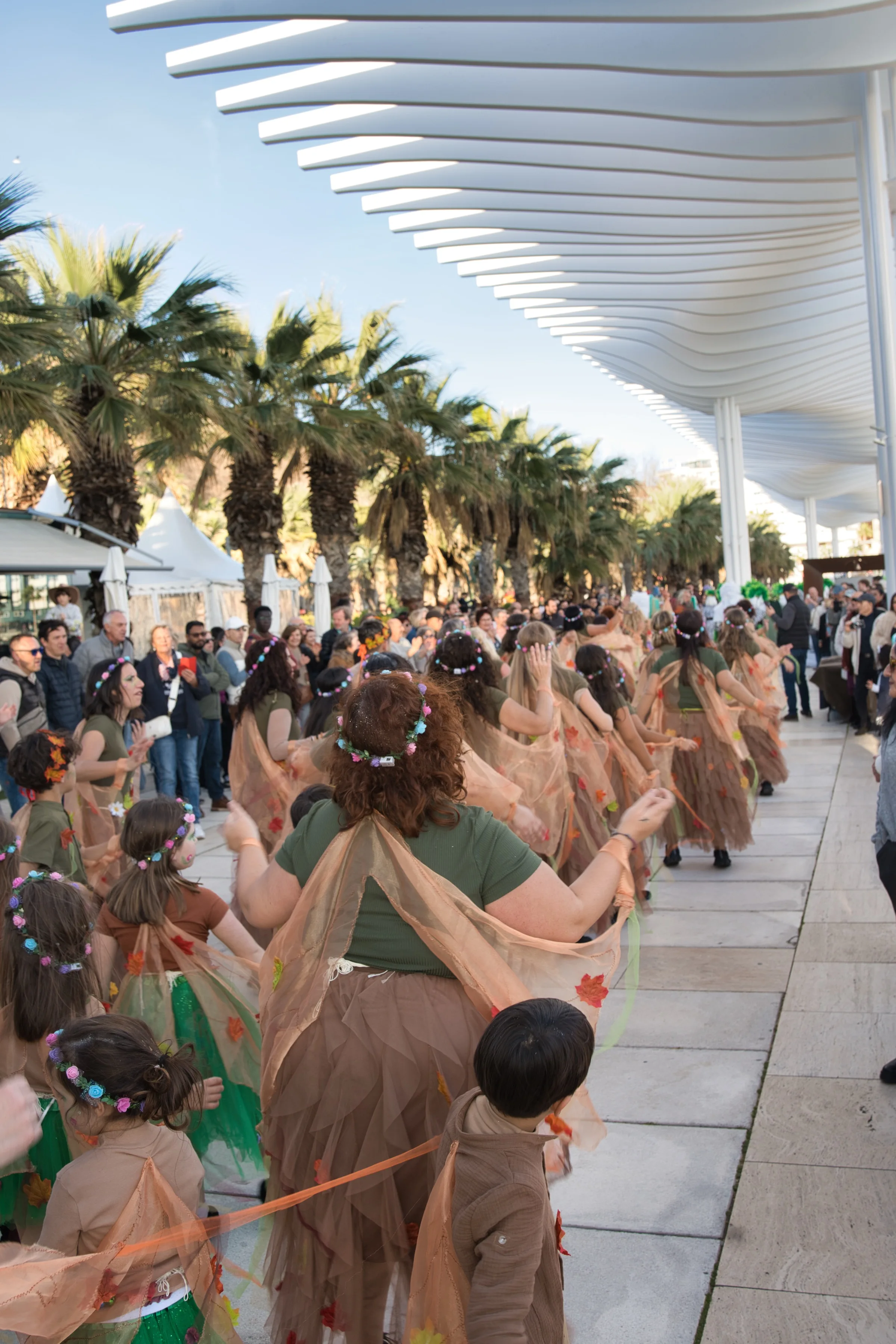
Carnival in February is another strong reason to come out of season. The parades and street singing run for several days, and the finale, the Burial of the Sardine, sees a giant sardine float set on fire in the street, which sounds odd and looks extraordinary.
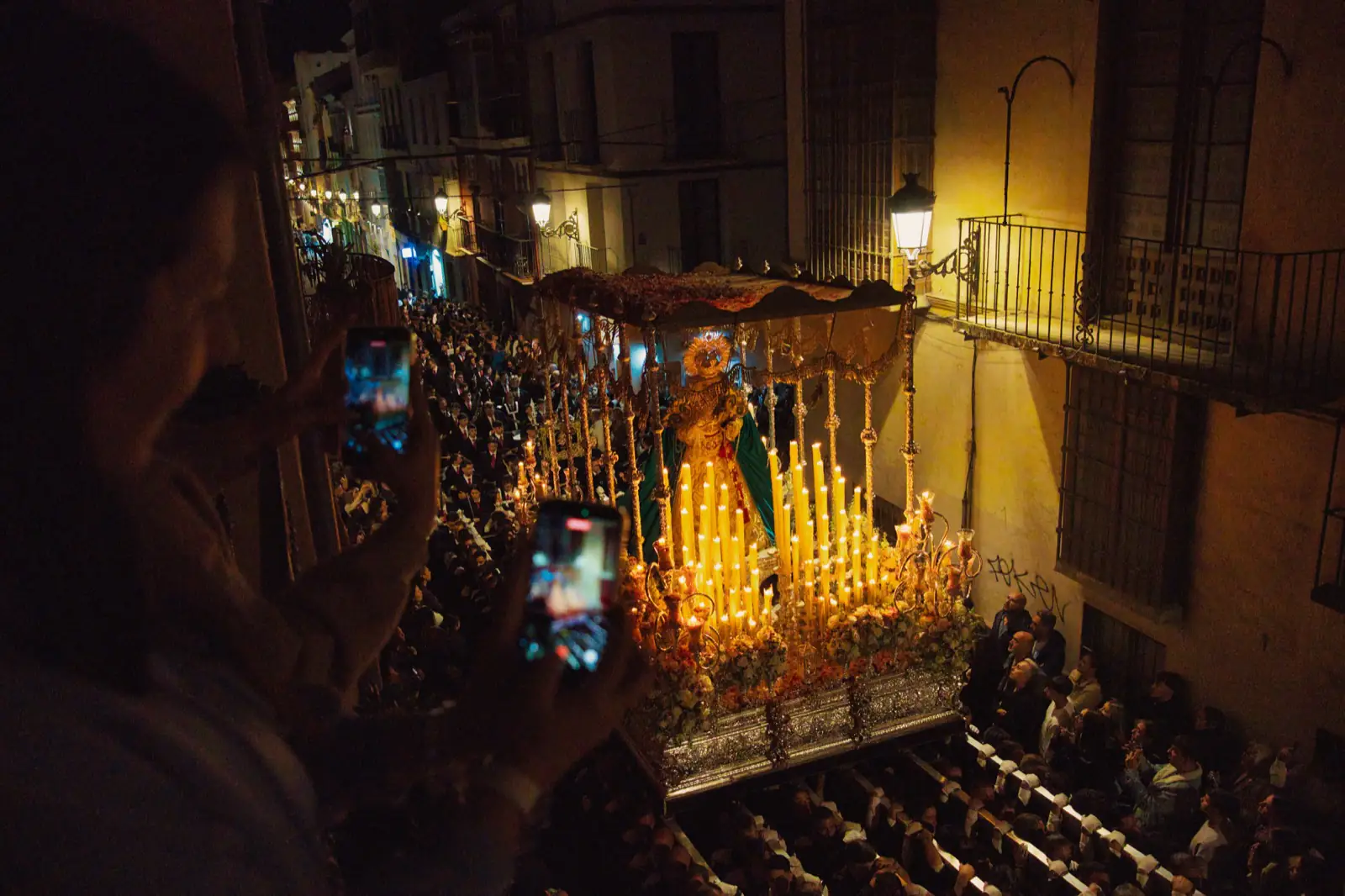
Spring, roughly March to May, is the most comfortable for sightseeing, and if your timing lines up with Holy Week, Semana Santa is one of the most extraordinary things you will witness anywhere in Andalusia. Forty-five Catholic brotherhoods take part; each float is carried by around 250 faithful, with three marching bands accompanying every procession.
The processions run all day and all night for roughly seven days. I live on a road where around 20 of them pass my front door every year, and it never stops being remarkable.
The dates shift with Easter each year, so check before you book. Accommodation fills fast and prices rise sharply during Holy Week.
Summer is high season for good reason: the beaches are warm and the nightlife runs even later. July averages around 29°C in the city; August regularly goes higher, and the Feria de Málaga, a ten-day city festival of music, flamenco, and food, takes over in mid-August.
If heat bothers you, June is the sweet spot before the real intensity arrives. September and October are equally good, with the sea still warm, the crowds thinned, and temperatures ideal for long days outdoors.
For a month-by-month breakdown with specific events and weather data, The Best Time to Visit Malaga covers every month in detail.
If you’d like a second local opinion, Joanna’s month-by-month guide at Guide to Malaga is the one I’d read next, and her weather figures come straight from AEMET, the Spanish met office.
Day Trips from Malaga
One of the strongest arguments for staying in Málaga rather than along the coast is how much sits within reach. All four of the following are under two hours away, and Easy Day Trips from Malaga maps out the logistics for all of them.
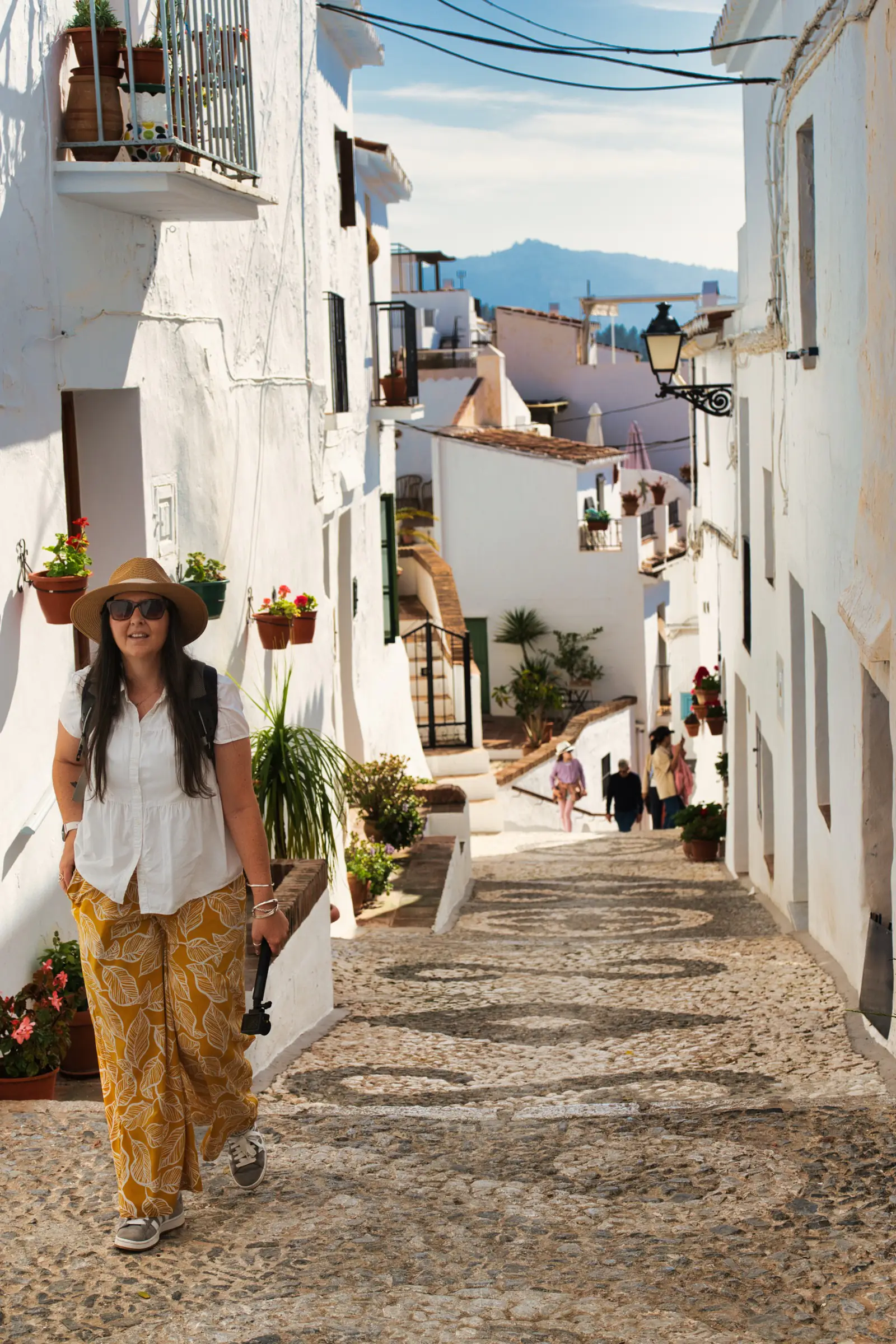
- Nerja: whitewashed village above the sea, the best beach day trip from Málaga
- Ronda: clifftop town with a 120-metre gorge running through the centre
- Caminito del Rey: 7.7km walkway pinned to a gorge wall, one of Spain’s most dramatic walks
- Granada: the Alhambra, free tapas, and a city that tends to reorder your priorities
Where to Stay in Malaga
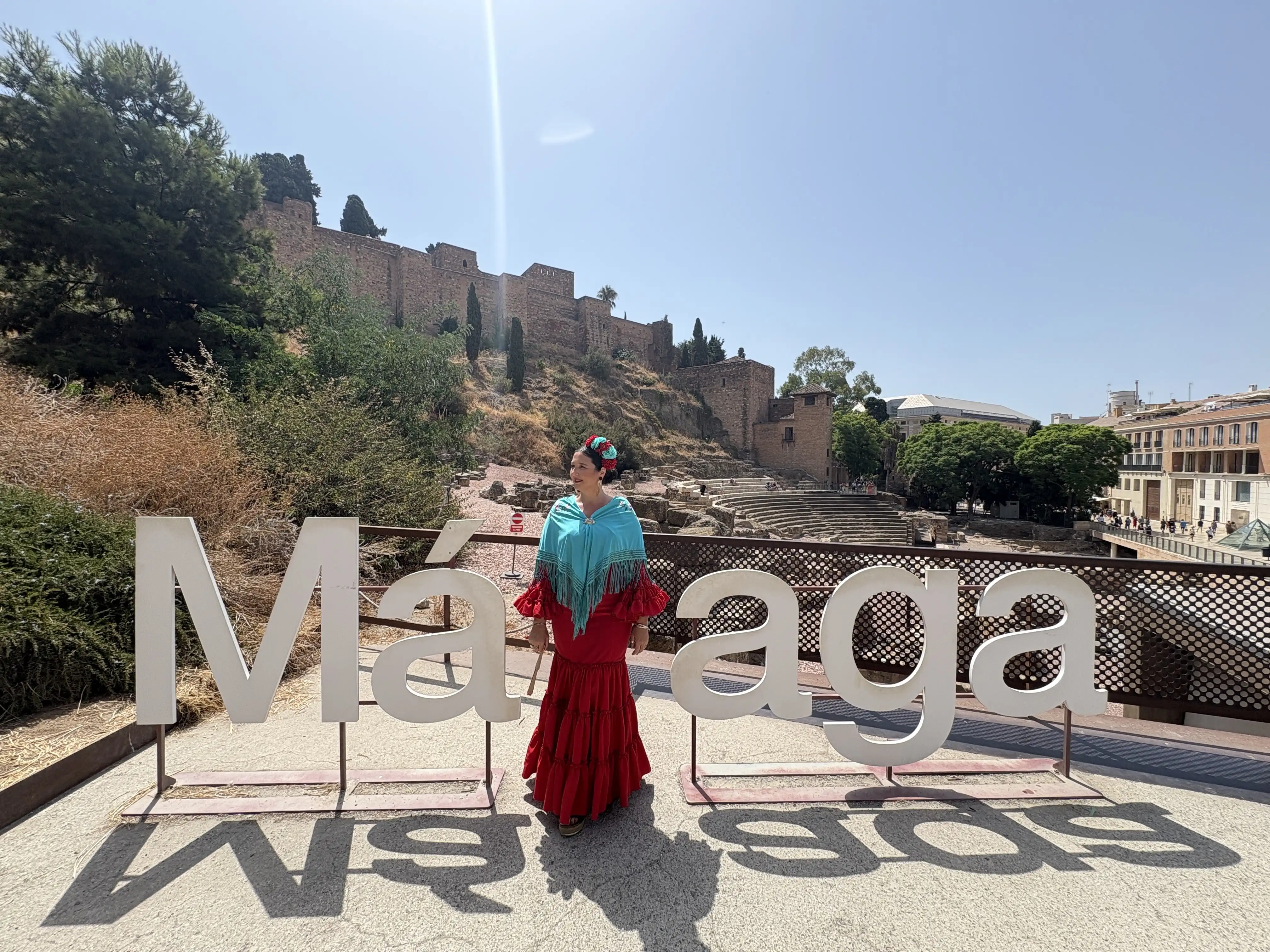
The area you choose shapes the whole trip. For first-timers, the Old Town (Centro Histórico) is the strongest base: you’re within ten minutes on foot of the Alcazaba, Cathedral, Picasso Museum, and the port, which means no taxis and no early morning logistics.
The trade-off is noise. Friday and Saturday nights in the old town run past midnight, and if you’re a light sleeper, check your hotel’s exact location before booking.
Soho, the arts district just south of the old town, gives you a slightly calmer atmosphere while keeping the same walking access to the centre. It tends to be better value and has some of the city’s better design hotels.
Pedregalejo, 20 to 30 minutes east by bus, suits anyone who wants to wake up by the sea rather than in the middle of the city. It’s quieter, more local, and the best area for families.