If you’re weighing up Málaga vs Marbella, the honest answer is that they suit two different kinds of trip. Málaga wins for culture, food and having something to do around every corner; Marbella wins for beaches, the port and beach clubs.
I live in Málaga and drive the 60km down to Marbella most weekends, so I know both sides of this well. Marbella’s old town is genuinely lovely, all whitewashed streets and orange trees, and people actually live in it rather than just visit.
But once you’ve walked those streets, there isn’t a great deal to do. Málaga hands you a museum, a Roman theatre or a rooftop every time you turn a corner, and that’s the gap that decides it for most people.
This guide compares the two head to head, so you can pick the right base for the trip you actually want.
Málaga vs Marbella at a Glance
Here’s the quick version before the detail. Málaga is a full working city of around 580,000 people; Marbella is a coastal resort town of roughly 150,000, sitting 60km down the coast.
| Málaga | Marbella | |
|---|---|---|
| Best for | Culture, food, city breaks, exploring | Beaches, luxury, resort relaxation |
| Vibe | Real Spanish city, historic, busy | Polished resort, glamorous in parts |
| Things to do | Endless: museums, sights, day trips | Old town, beaches, then thin |
| Beaches | Urban city beaches | 27km of coast, blonder sand |
| Food | Tapas, markets, great value | International, several Michelin stars |
| Nightlife | Bars, live music, late city nights | Beach clubs, Puerto Banús glamour |
| Price | Cheaper across the board | 30 to 50% pricier |
| Getting there | 15 min from the airport, on the train line | 40 to 50 min from the airport, no train |
If you only take one thing from this table, it’s that Málaga is the better base and Marbella is the better beach day. For the longer case on the city itself, I’ve written a full is Málaga worth visiting guide.
How Far Is Marbella from Málaga?
Marbella sits about 60km southwest of Málaga, which is a 45-minute drive or a bus ride of roughly an hour to an hour and fifteen. There’s no direct train, so it’s the car or the coach either way.
You’ve got two roads. The free A-7 hugs the coast and some days we take it just for the scenic route past the resort towns, though it slows through every roundabout.
The toll AP-7 is the fast way and it’s what we usually take on the way home when we’re tired. The one thing that still catches me out is the price of that toll: €9 for a short stretch, which feels steep for the time you save.
Factor in parking at the far end, because Marbella’s central car parks fill up fast on summer weekends. For the old town we park down near the Dalí statues on the seafront, and for Puerto Banús there’s plenty of paid parking right by the entrance to the port.
City Character: Two Very Different Places
Málaga and Marbella sit close on the map but feel like completely different holidays. Málaga is a real working city of around 580,000 people, founded by the Phoenicians nearly 2,800 years ago, which makes it one of the oldest cities in Europe.
That history is stacked right on top of you. A castle crowns the hill, the Gibralfaro, with the Alcazaba fortress at the bottom and a Roman theatre wedged between them, and the port and the beach all within a 15 to 20 minute walk.
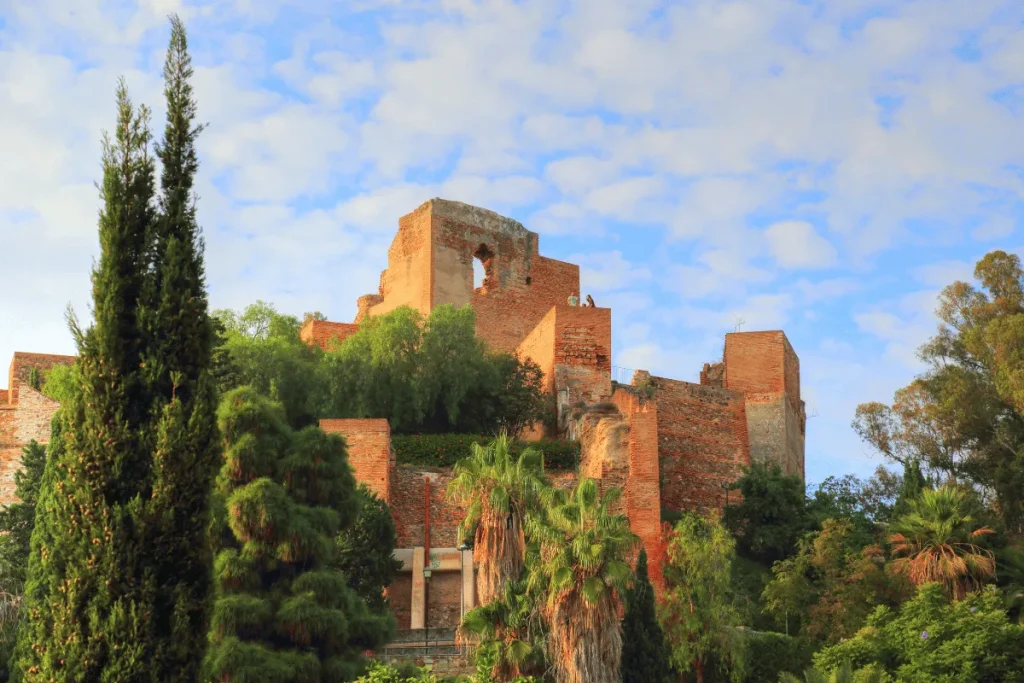
What that closeness gives you is choice. Museums, restaurants, rooftop bars and the seafront all fall inside the same compact centre, so there’s something for anyone, from grandparents to toddlers, without once getting in the car.
Marbella works differently. Its old town is genuinely pretty, a knot of boutique shops, one main church, a run of old castle wall and a lot of restaurants, and you can walk the lot in an afternoon.
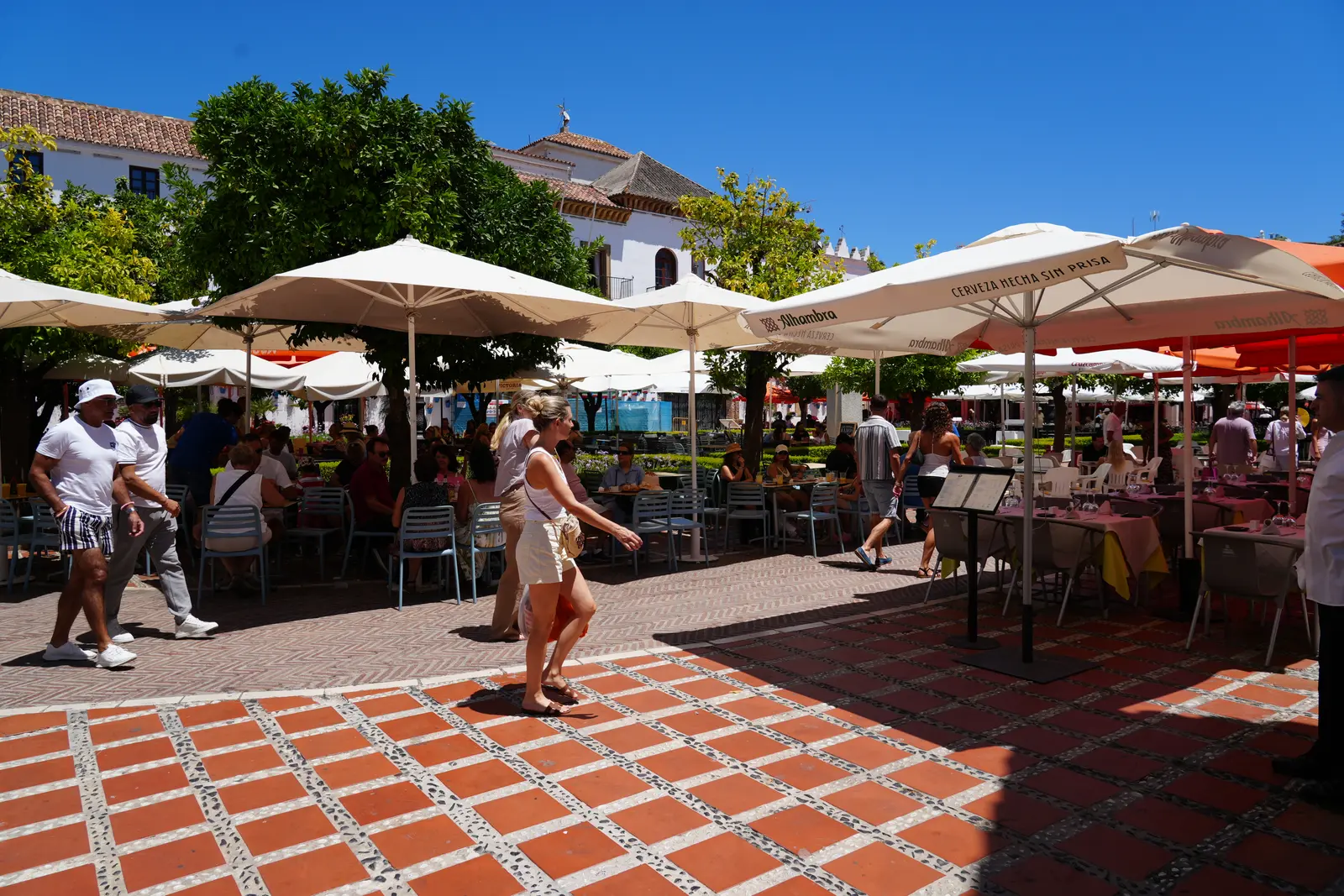
The catch is there isn’t much beyond it. Once you’ve browsed the shops and had lunch under the orange trees, the old town is more or less done, and with all the cobbles and terrace steps it isn’t especially child-friendly.
Marbella is also spread out in a way Málaga isn’t. The beaches nearest the centre are walkable, but the parts people actually come for, Puerto Banús and the Golden Mile, need a bus or a car to reach.
If you like stepping out of the hotel and walking to whatever’s next, Málaga does that far better. In Marbella, plan on a car or the local buses to string the highlights together.
Culture and Things to Do
This is where Málaga pulls clear. It has over 40 museums, and my honest advice is to ignore the tick-everything urge and pick the ones that genuinely interest you.
The three I send every visitor to are the Gibralfaro castle, the Alcazaba fortress below it, and the Picasso Museum. Picasso was born in Málaga in 1881, and the museum holds around 285 of his works inside a restored 16th-century palace.
Beyond those you’ve got the Roman theatre, the cathedral, the Pompidou and the Carmen Thyssen, all walkable from one another, which is why my full things to do in Malaga guide runs so long. You could fill three or four days on culture alone and still not run dry.
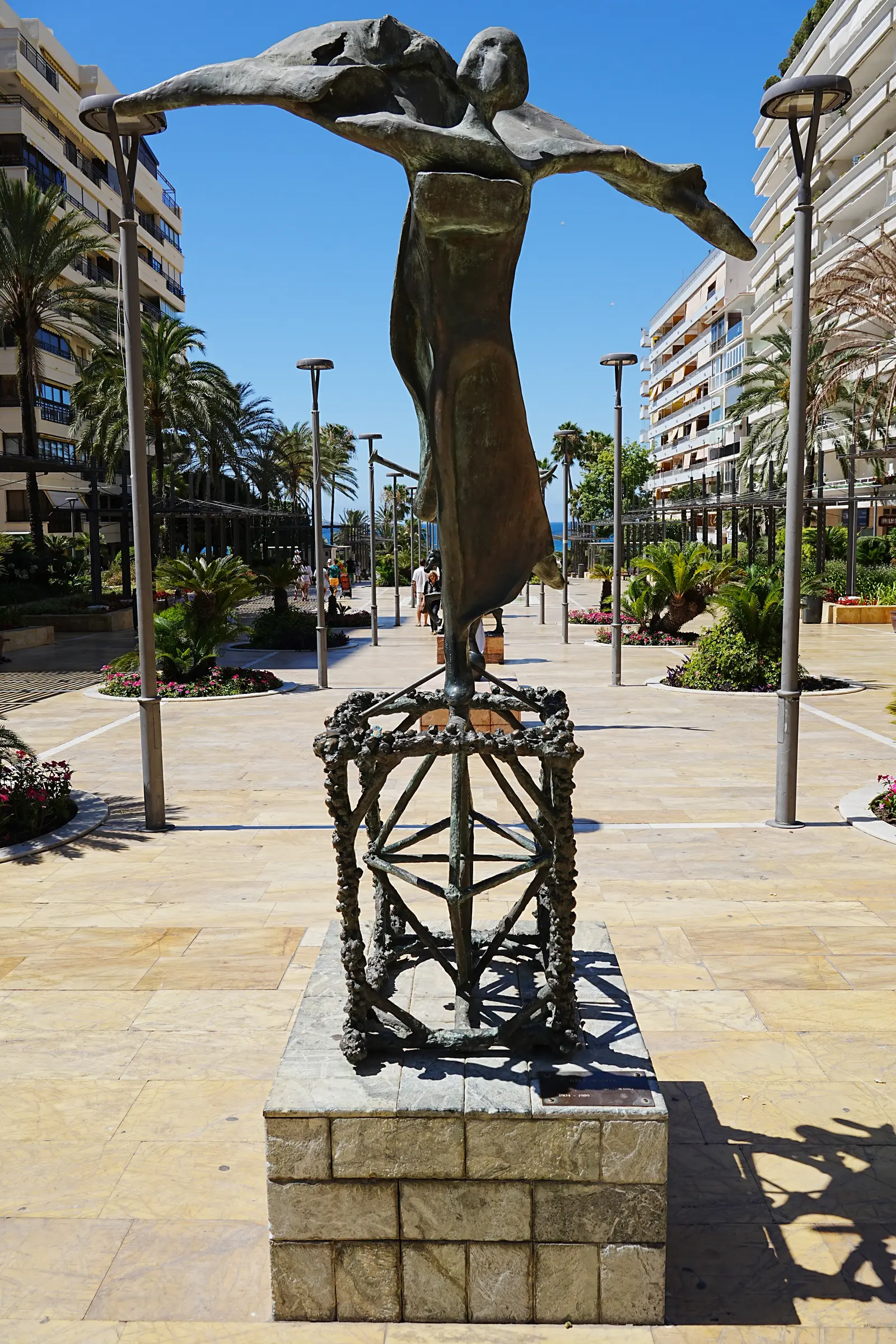
Marbella can’t match that volume, but it isn’t empty either. The old town is the main event, and along the seafront the Avenida del Mar is lined with ten bronze Salvador Dalí sculptures, which is an odd and lovely thing to walk into.
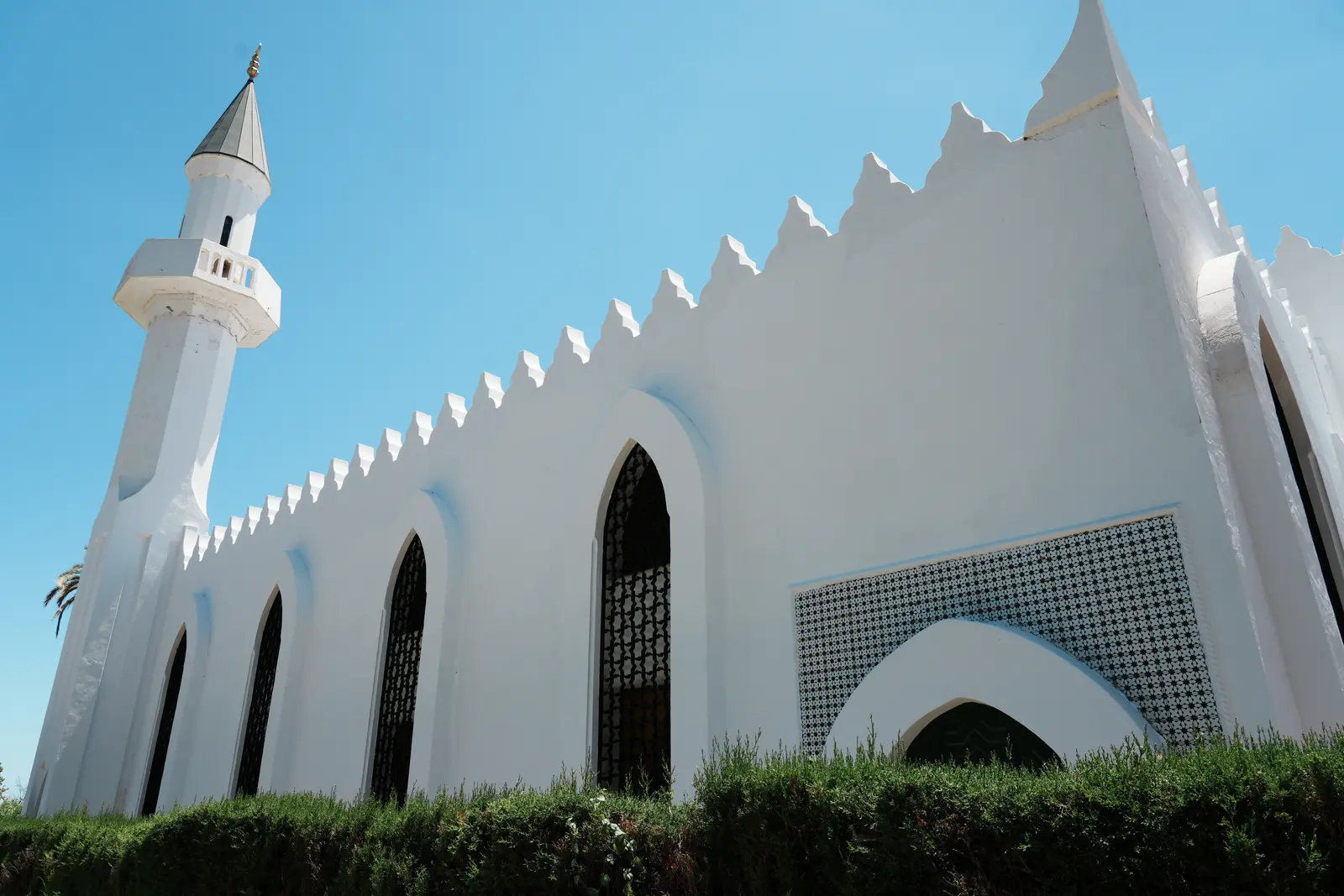
The real surprise for us was the mosque on the Golden Mile. The King Abdul Aziz Mosque opened in 1981 and was the first mosque built in Spain since the Reconquista in the 15th century, a beautiful building with a history worth reading up on before you visit.
We’d also planned to see a small sound museum in the old town and misjudged the timing badly. We rolled up at 2:25 to be told they shut at 2:30, and five minutes was never going to cut it.
If you want to get inside Marbella’s smaller museums, go before 2pm, since several close for the afternoon and don’t reopen. My separate things to do in Marbella guide has the full list of what’s worth your time.
Beaches
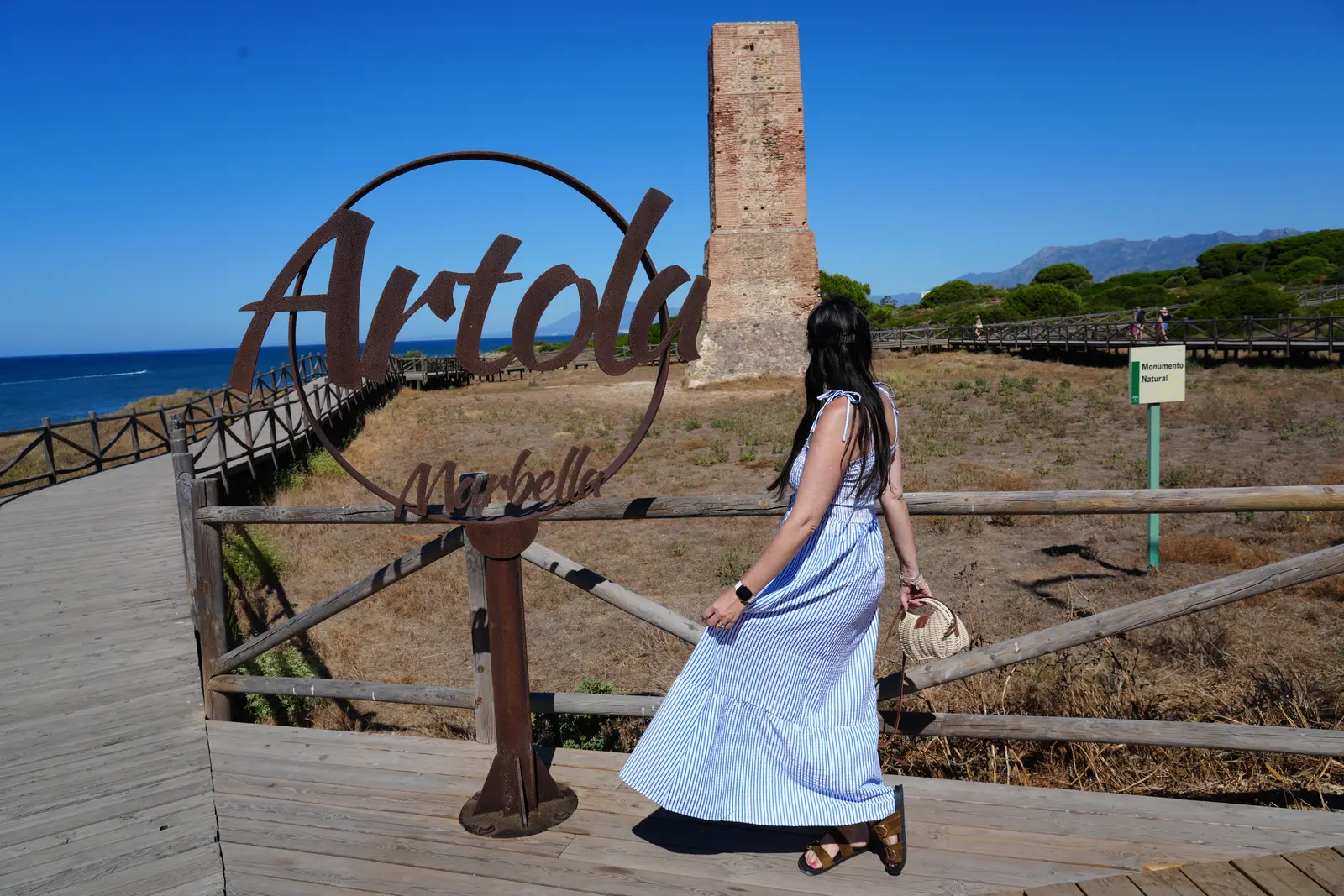
If beaches are your priority, Marbella has the stronger hand on paper. It runs to around 27km of coastline with more than 20 separate beaches, so you can pick a quiet stretch or a lively one depending on the day.
Málaga’s beaches are more of a city affair. La Malagueta is the busy central one, about a 10-minute walk from the old town, which makes it easy to fold a swim into a normal sightseeing day rather than build a whole trip around it.
Here’s my honest confession: I’ve never spent a full day on a Marbella beach. I live in Málaga and the sea is ten minutes from my door, so there’s never been much reason to drive down just to lie on the sand.
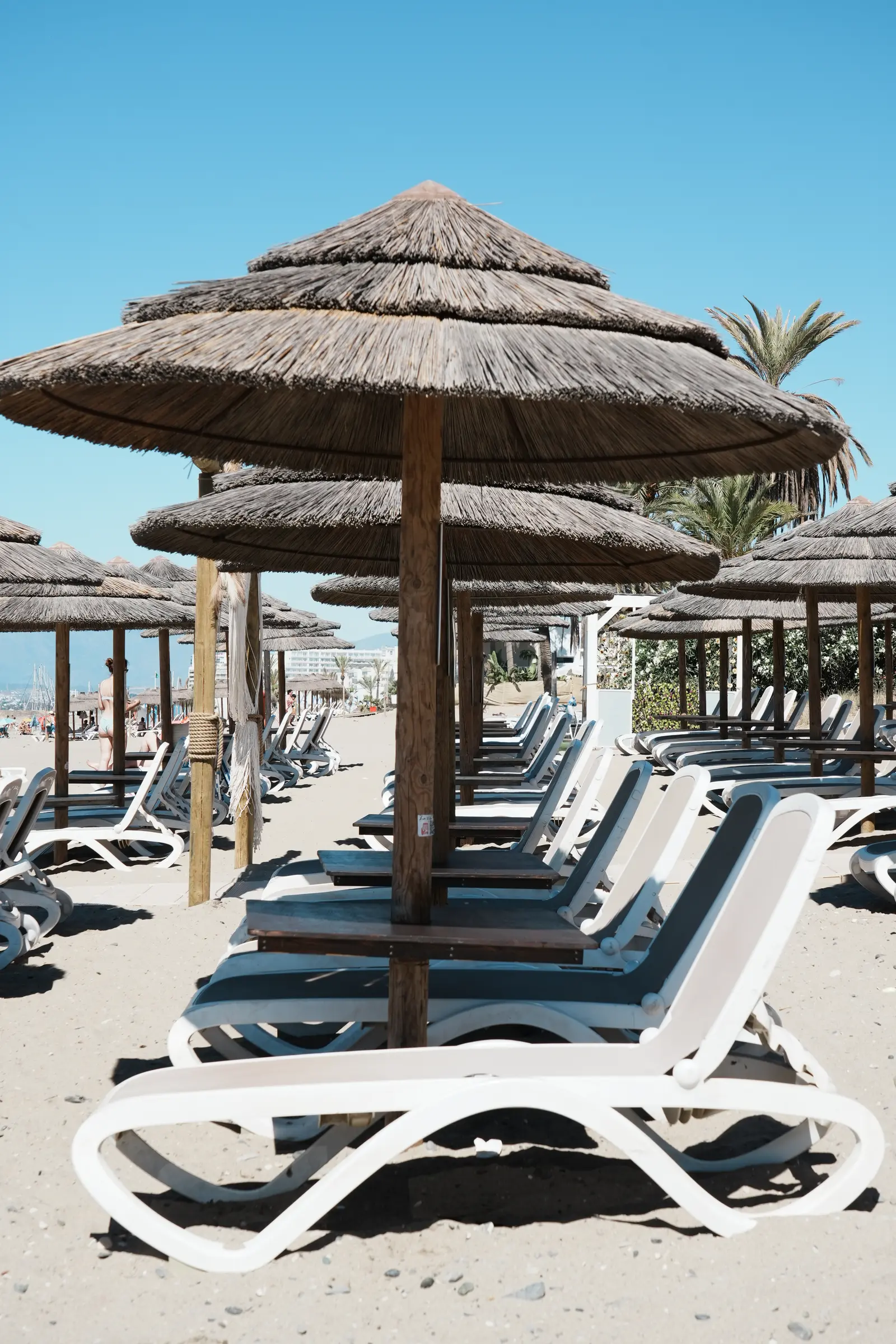
What I can tell you is that the sand and water are much the same in both towns. Both get raked and cleaned every morning, both are lovely in the shoulder seasons, and both are packed to the edges through July and August.
Where Marbella genuinely pulls ahead is the beach clubs. The daybed-and-DJ scene around Puerto Banús and the Golden Mile is a different thing entirely, and it’s the main reason people choose Marbella over Málaga for a beach holiday.
For Málaga specifically, my Malaga beach guide breaks down which stretches are worth the walk, from the central sands to the quieter coves east of the city.
Food and Dining

Food splits the same way as everything else. Málaga does value and tradition, Marbella does polish and price, and both are good at what they aim for.
In Málaga the thing to eat is espeto de sardinas, sardines skewered on a cane and grilled over a wood fire on the beach, and the set-lunch menú del día runs about €12 to €13 at most decent places. You can eat brilliantly here for very little.
The Atarazanas market and the old-town tapas bars are where I take everyone, and my best tapas in Malaga guide lists the ones I actually go back to. Two people can eat well for around €35.
Marbella plays a different game. This is where the Costa del Sol keeps its fine dining, with names like Dani García and Nobu, and Skina in the old town holding two Michelin stars.
If that’s your kind of night out, Marbella does it better than Málaga. A tasting menu here is a proper occasion rather than just an expensive dinner.
The honest catch is the port. Restaurants right on Puerto Banús trade on the view and the yachts, and you can pay a lot for fairly ordinary grilled fish.
My tip is to eat in Marbella’s old town rather than on the marina, where the cooking is better and the prices are closer to sane. You’ll still spend more than you would in Málaga, but you’ll get more for it.
Nightlife
Nightlife is the one category I can only half-judge from experience. We go out in Málaga constantly and I’ve never actually had a night out in Marbella.
What I know for certain is that Málaga’s version is relaxed and affordable. The bars around Soho, Calle Larios and the old town run late most nights of the week, and you can drift from tapas to cocktails to a live-music bar without a plan or a big budget.
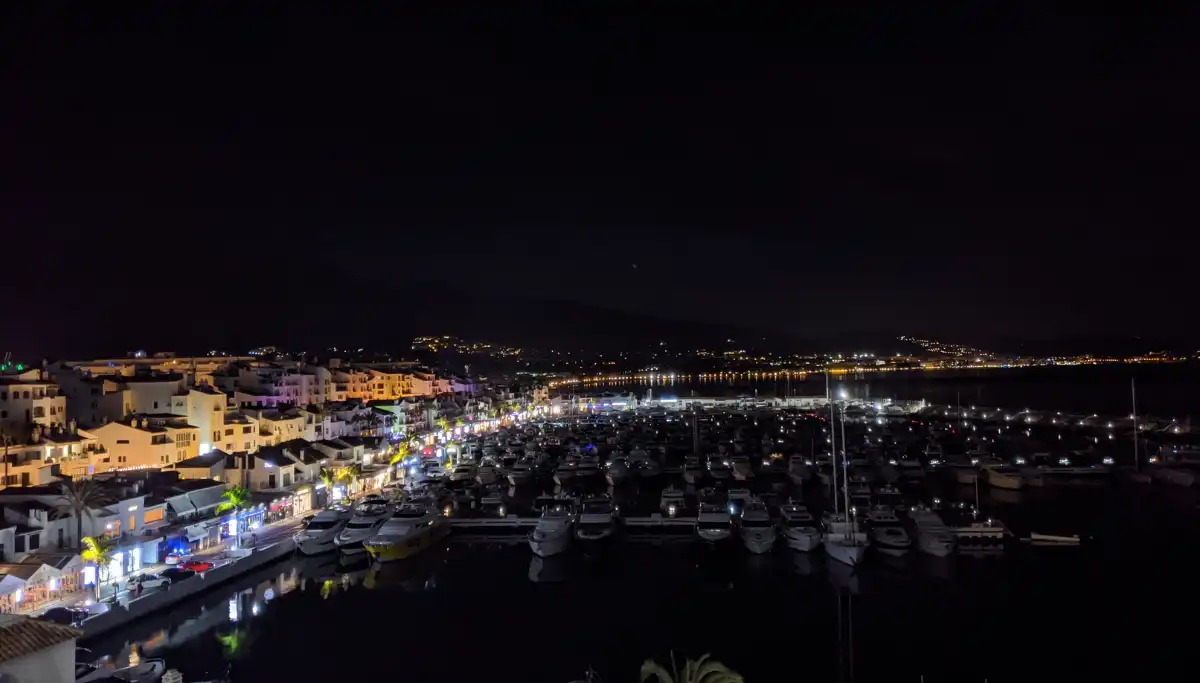
Marbella, by reputation, is a different animal. The scene centres on Puerto Banús and the Golden Mile, where beach clubs like Ocean Club and La Sala roll from daytime daybeds into evening parties, and the old Olivia Valère club has reopened for 2026 as Bonbonniere.
This is bottle-service territory, dressier and a lot more expensive, aimed at a crowd that wants glamour rather than a cheap round with friends.
If you want a spontaneous, low-cost evening, Málaga is the easy pick. If you’re dressing up for the water and the beach clubs, that’s Marbella, and you’ll want to book the big venues ahead in summer.
Which Is Cheaper: Málaga or Marbella?
Málaga is the cheaper of the two by a clear margin. As a rough rule, expect Marbella to run 30 to 50% more expensive across hotels, dining and drinks.
Accommodation is where you feel it most. A mid-range hotel in Málaga sits around €100 to €180 a night, while the equivalent in Marbella is closer to €180 to €300, and the luxury end climbs far higher again.
The gap shows up in the small things too:
- Coffee or a beer: a euro or two more in Marbella’s tourist spots
- Lunch: Málaga’s €12 to €13 menú del día is much harder to find in Marbella
- Dinner for two: comfortably under €40 in a Málaga tapas bar, easily double that near Puerto Banús
The honest nuance is that Marbella isn’t expensive everywhere. Its old town has normal cafés and reasonable tapas bars, much like anywhere else in Andalusia.
Where the prices jump is Puerto Banús and the Golden Mile, both built for a wealthy international crowd and priced to match. Sit down at a marina restaurant and a cocktail alone can run €15 or more.
If budget is the deciding factor, Málaga wins it outright and a trip stretches much further there. Base yourself in the city, treat Marbella as a day out, and you sidestep the resort mark-up while still seeing both.
Getting There and Around
This is another clear win for Málaga, and it starts at the airport. Málaga’s airport is about 15 minutes from the city centre, with a Cercanías train running straight into town, so you can skip the taxi rank entirely.
Málaga is also a proper transport hub. The María Zambrano station puts you on high-speed AVE trains to Seville, Córdoba and Madrid, and we generally use the train to get around rather than the car.
For the full breakdown of tickets, zones and routes, my Malaga public transport guide covers how it all fits together.
Marbella is the opposite story. There’s no train station at all, and the town sits about 40 to 50 minutes from Málaga airport, so you arrive by bus, taxi or hire car.
That sounds like a bigger problem than it is. The Avanza bus from Málaga is frequent and cheap, and it’s honestly good enough for a day trip or a short stay without a car.
Where you’d feel the missing train is if you wanted to base yourself in Marbella and explore wider Andalusia. Everything beyond the coast means a bus or a drive, whereas from Málaga the rest of the region is a train ride away.
If you’re flying in and don’t plan to hire a car, that difference alone is a strong argument for making Málaga your base.
Day Trips from Each
Both make decent bases for exploring, but they point in different directions. Málaga opens up the whole province, while Marbella is better placed for the western Costa del Sol.
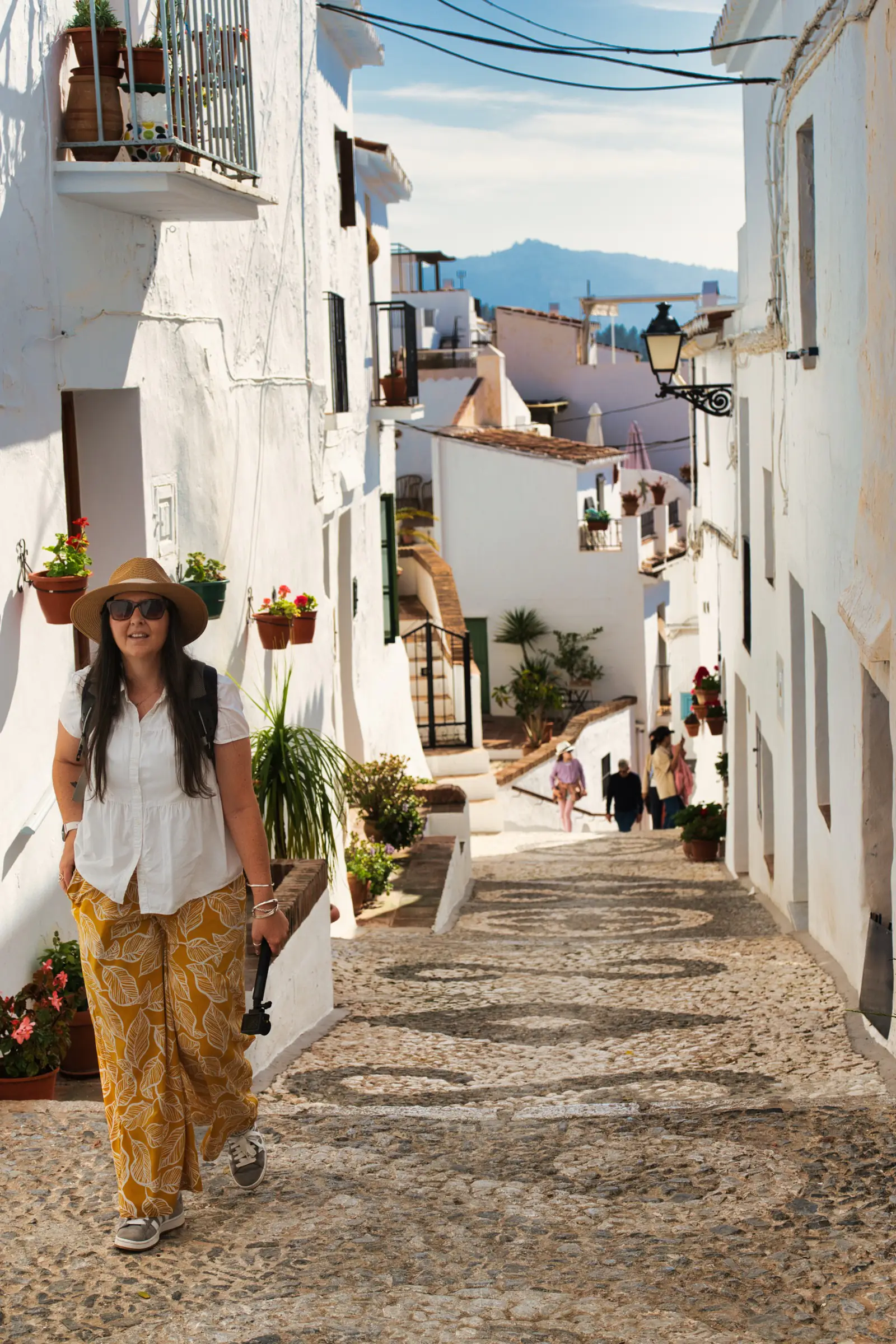
From Málaga the range is huge. Nerja and Frigiliana are an easy hour east, the Caminito del Rey walkway is about an hour north, and Ronda and Granada are both roughly 90 minutes away.
That spread is the real advantage of a Málaga base, and my day trips from Malaga guide maps out the logistics for each. With the train and bus network you don’t even need a car for most of them.
Marbella’s options are more concentrated but still good. I’ve done Ronda, Estepona and Mijas Pueblo from this side of the coast, and all three make comfortable half or full days.
On the “which is closer to Ronda” question, Marbella wins narrowly. It’s about an hour up through the mountains, against roughly 90 minutes from Málaga.
Gibraltar is the other big Marbella day trip, around an hour west, though I’ll admit I still haven’t made it there myself.
If your wish-list is Nerja, Caminito del Rey or Granada, Málaga is the obvious base. If it’s Ronda, Estepona and Gibraltar to the west, Marbella holds its own, and a hire car makes either side easier.
Where to Stay
Where you base yourself shapes the whole trip, and the logic differs in each town.
In Málaga, first-timers should stay in the Centro Histórico. You’re within a ten-minute walk of the Alcazaba, the cathedral, the Picasso Museum and the port, so you barely need transport at all.
If you want somewhere quieter, Soho just south of the old town has better-value design hotels while keeping the same walking access. La Malagueta is the pick if the beach comes first, and my where to stay in Malaga guide breaks the neighbourhoods down by budget.
Marbella is more spread out, so the choice matters more. The Old Town is the loveliest base for atmosphere, walkable and close to the seafront, and it’s where I’d send anyone who wants charm over flash.
The Golden Mile is the luxury strip between the centre and Puerto Banús, lined with the big resort hotels. Puerto Banús itself suits anyone here for the nightlife and the marina scene, while Nueva Andalucía behind it is calmer and better for families.
For the full rundown of areas and hotels, my where to stay in Marbella guide covers each one.
If you’re only booking one base and want a mix of both, Málaga’s old town is the safer choice, since it keeps everything walkable and leaves Marbella an easy day trip away.
So, Which Is Nicer: Málaga or Marbella?
If a friend asked me straight, my answer is Málaga. It’s the one I’d tell almost anyone to choose, and not just because I live here.
Málaga gives you more of everything that fills a trip: history, museums, food, walkable streets and a different day trip every morning. It works for couples, families, culture lovers and anyone who prefers a real city to a resort.
Marbella is nicer for one specific holiday, the beach-and-glamour week. If your ideal trip is a daybed at a beach club, dinner by the marina and little else on the agenda, Marbella does that better than Málaga ever will.
For most people, though, Málaga is the fuller and better-value choice, with more to see and less to pay for.
You don’t really have to pick. The two are only 45 minutes apart, so base yourself in Málaga, choose a warm, clear day with my best time to visit Marbella guide, and drive down for the beach whenever you fancy it.
Málaga vs Marbella FAQs
Is Málaga or Marbella Better for Families?
For families, Málaga is the better pick. It’s walkable with the beach ten minutes from the old town, plus an aquarium and museums that work for kids, whereas Marbella’s cobbled old town and car-dependent attractions make harder work with little ones.
Is Málaga or Marbella Better for Couples?
Both suit couples, just differently. Marbella leans romantic and glamorous, all marina dinners and beach-club sunsets, while Málaga gives you candlelit old-town restaurants, rooftop bars and plenty of culture between meals.
Can You Visit Málaga and Marbella in One Trip?
Yes, easily. The two are only 45 minutes apart, so most people base themselves in Málaga and take Marbella as a day trip, which is exactly what my one day in Marbella guide is built around.
Is Marbella Too Touristy?
Parts of it are. Puerto Banús and the Golden Mile are unashamedly touristy and geared to a wealthy crowd, but the old town and the wider town feel far more normal, and Málaga stays a real working city throughout.
Is Málaga or Marbella Better for a First Visit to Spain?
For a first trip to Spain, choose Málaga. It hands you history, food, beaches and a proper Spanish-city feel in one walkable place, with the train and flight links to add Seville, Granada or Córdoba without hiring a car.