The best month to go to Marbella is July or August, when the town becomes exactly what it was built for. Beach clubs run at full capacity, rooftop restaurants fill every night, and the golf courses along the coast are packed from first tee time.
This is when Marbella comes alive, with visiting DJs, open-air festivals, live shows, and a nightlife scene that doesn’t wind down until sunrise.
Practically speaking, the shoulder seasons make more sense. May, June, September, and October all have good weather, lower prices, and fewer crowds.
But Marbella isn’t really a “practical” destination. It’s a town designed for peak summer, and the energy during July and August is what draws people back year after year.
In this guide, I’ll walk through what each season actually looks and feels like, so you can pick the right month for what you want to do. I cover weather, crowds, prices, and the festivals worth timing your trip around, based on what I’ve seen living on the Costa del Sol.
If you’re still deciding what to fill your days with, I’ve put together a separate guide to the best things to do in Marbella.
⭐ Don’t miss >> Where to stay in Marbella, my honest area-by-area picks
What Is the Rainiest Month in Marbella?
November is the rainiest month in Marbella, with around seven days of rainfall on average. December runs close behind.
The rest of the year is remarkably dry, with almost no rain at all between June and September.
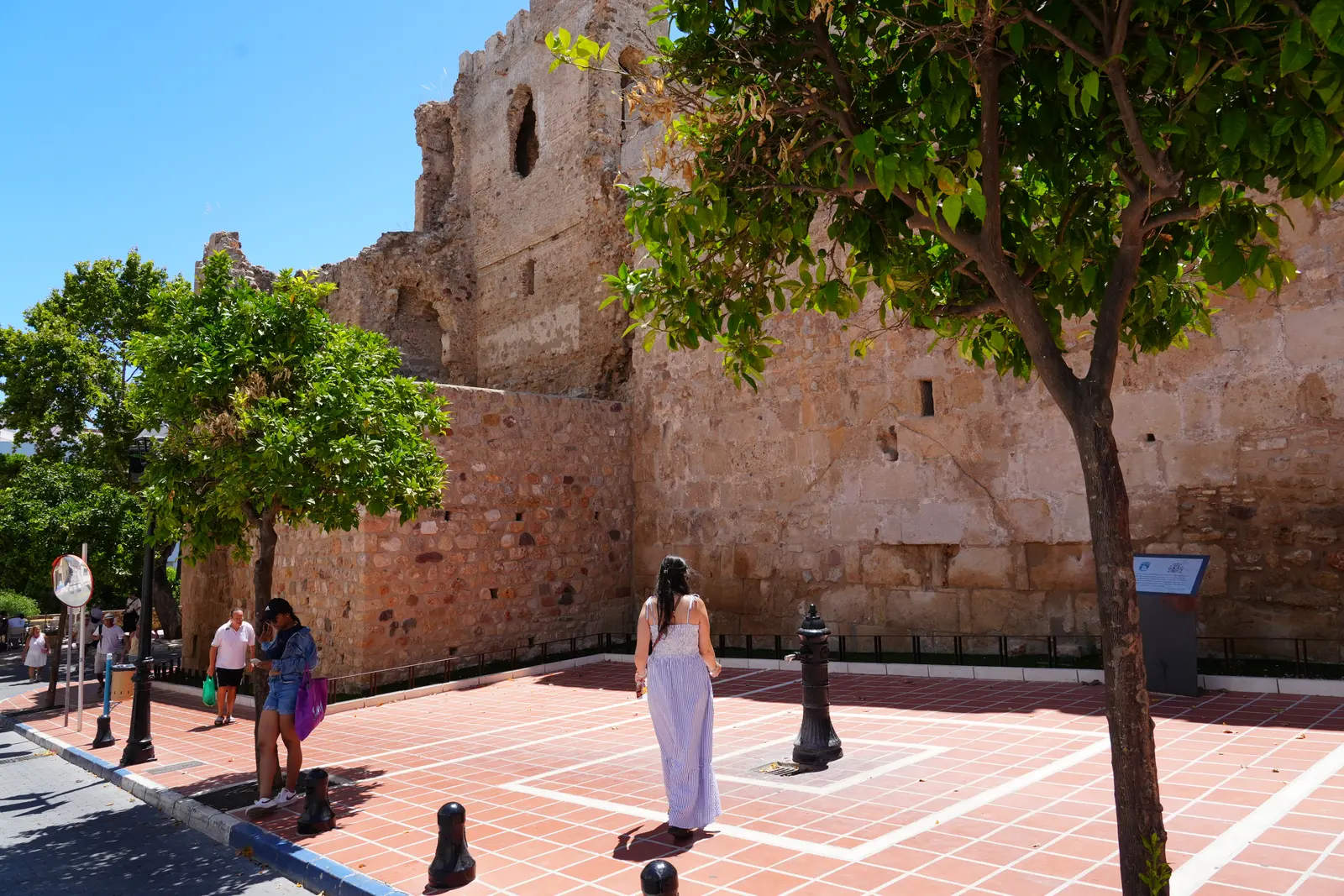
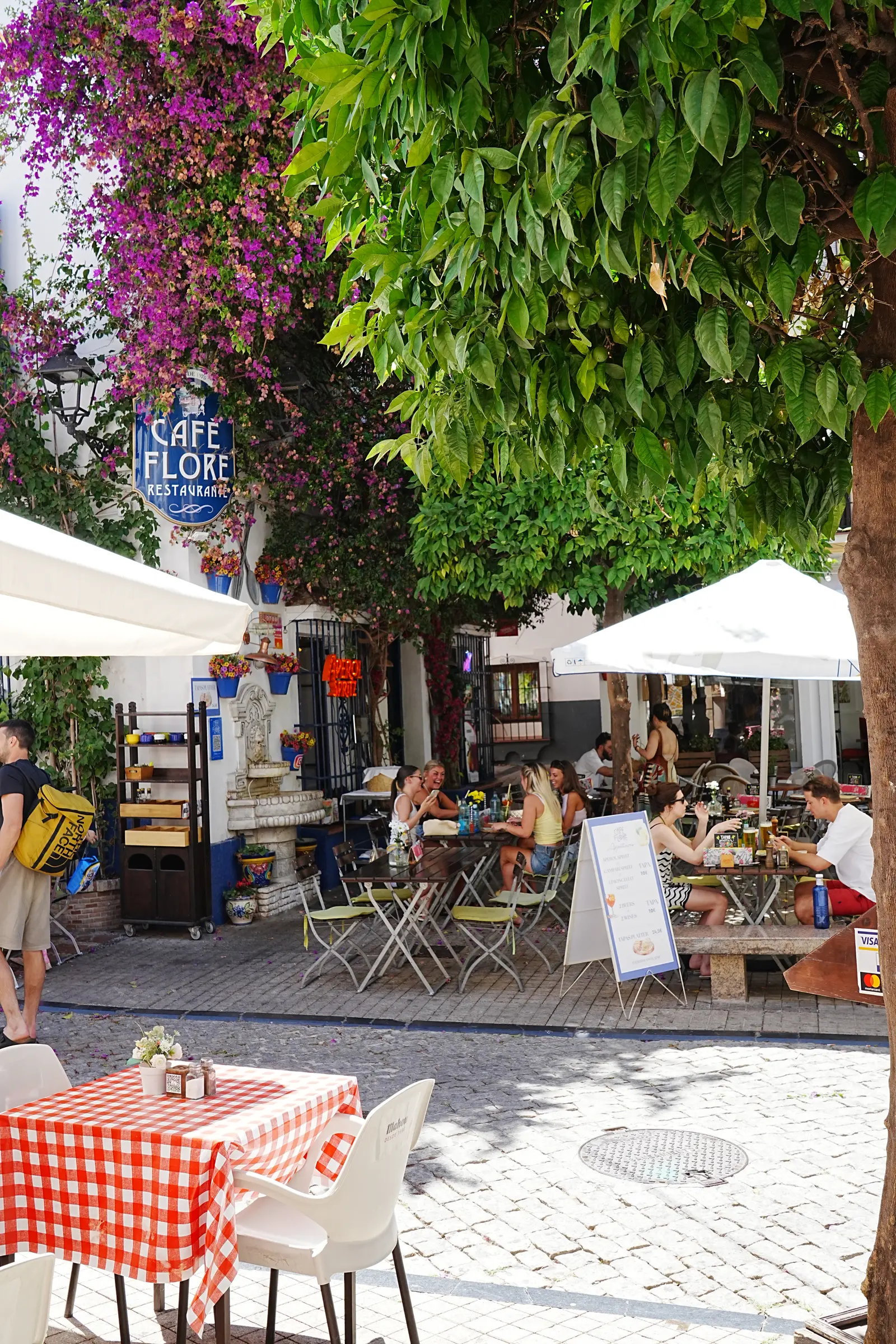
Marbella isn’t made for the rain. The old town is completely open, and most of the popular spots, like Plaza de los Naranjos, are entirely outdoors.
Even a short downpour doesn’t just get you wet. It leaves you a long way from your car or apartment with nowhere to shelter.
Many of the restaurants still have indoor seating, but the experience of sitting in an empty, rain-soaked plaza is a different trip entirely.
If rain genuinely bothers you, avoid November and December. Any month from April through October is a safe bet, and July and August are practically guaranteed dry.
What Is Off Season in Marbella?
Off season in Marbella runs from November to March. The beach clubs close, the nightlife thins out, and hotel prices drop 30 to 50 percent compared to July and August.
Most of the town’s energy disappears with the summer crowds.
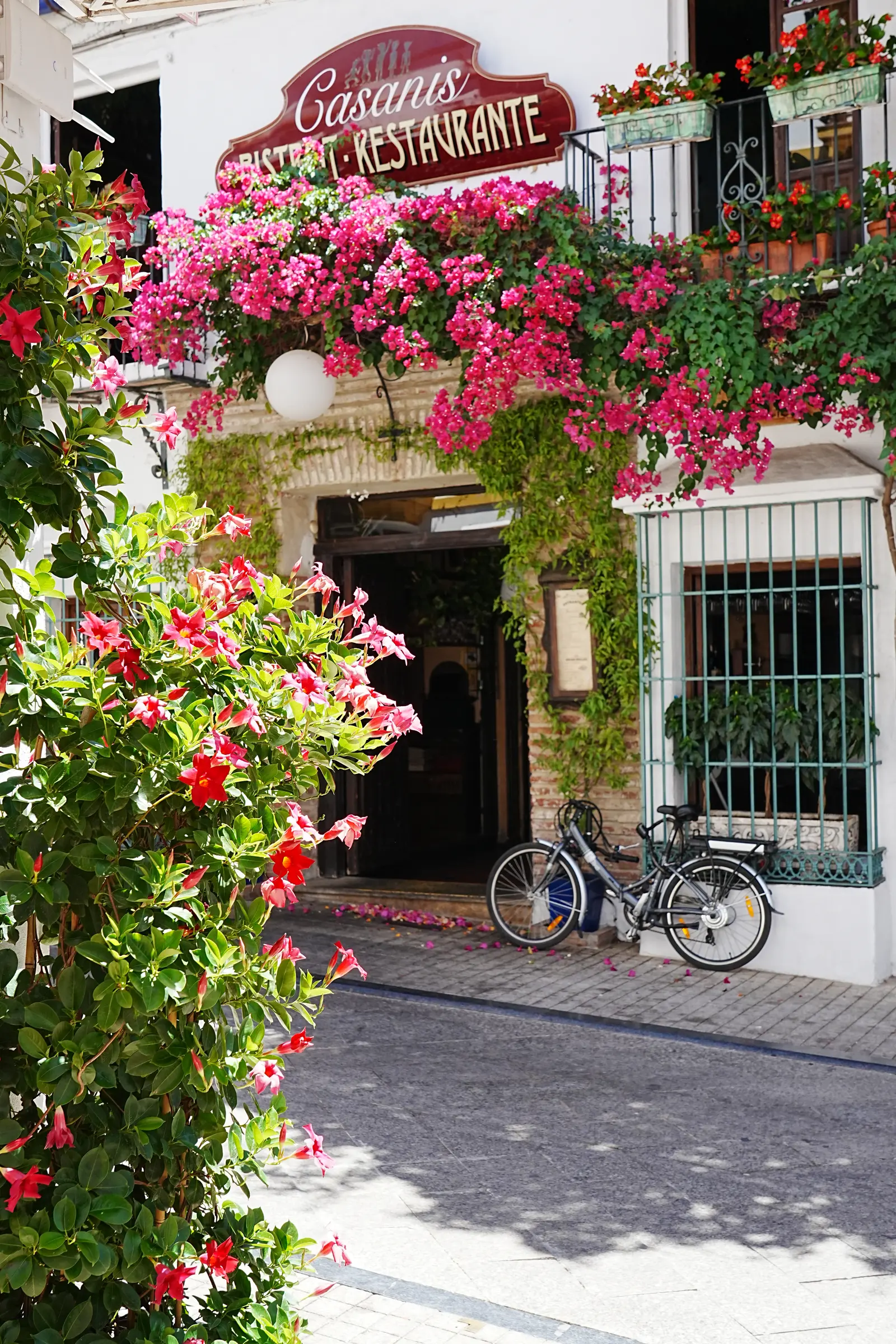
That said, Marbella doesn’t go dead the way some coastal towns do. The old town stays open year-round, and restaurants like the ones around Plaza de los Naranjos keep serving through winter.
La Concha mountain blocks the cold north winds, giving Marbella a microclimate that averages 320 sunny days a year, milder even than Málaga. A winter day often sits around 16°C to 18°C, which is jacket weather but perfectly fine for walking and eating outdoors at lunch.
If you want Marbella for what it’s famous for, the beach clubs, the golf, the nightlife, off season isn’t the time. But if you’re after cheap hotels and quiet streets with decent weather, November to March has its own appeal.
A 30 to 50 percent swing between seasons means the same hotel is a very different decision in March and in August. These are the ones I’d compare:
🏘️ Old Town >> Hotel Claude, a boutique conversion that stays open and pleasant all winter.
🏖️ Beachfront >> Gran Meliá Don Pepe, a five-star on the sand, and the off-season rates are a different world.
⭐ Golden Mile >> Marbella Club Hotel, the original 1954 resort and closest to the winter golf.
🛥️ Puerto Banús >> Hotel PYR Marbella, the best value if you’re here for the summer nightlife.
Is Marbella Still Hot in October?
Yes, Marbella is still warm in October, though it’s not the full-blast heat of summer. Daytime temperatures sit between 20°C and 26°C, and the sea holds enough warmth from the summer months that swimming is comfortable, at least through the first half of the month.
October is actually one of my favourite times on this stretch of coast. The Spanish school holidays end after September 15, so the crowds drop noticeably, but the weather hasn’t turned yet. You can still eat outside in the evening without a jacket, and the beaches feel like they belong to you again.
The catch is the second half of the month. By late October the days shorten fast, temperatures dip into the low 20s, and there’s a real chance of a rainy day or two as November approaches.
If you’re coming specifically for the beach, aim for early October. If you just want pleasant weather and a quieter town, the whole month works.
Spring in Marbella (March to May)
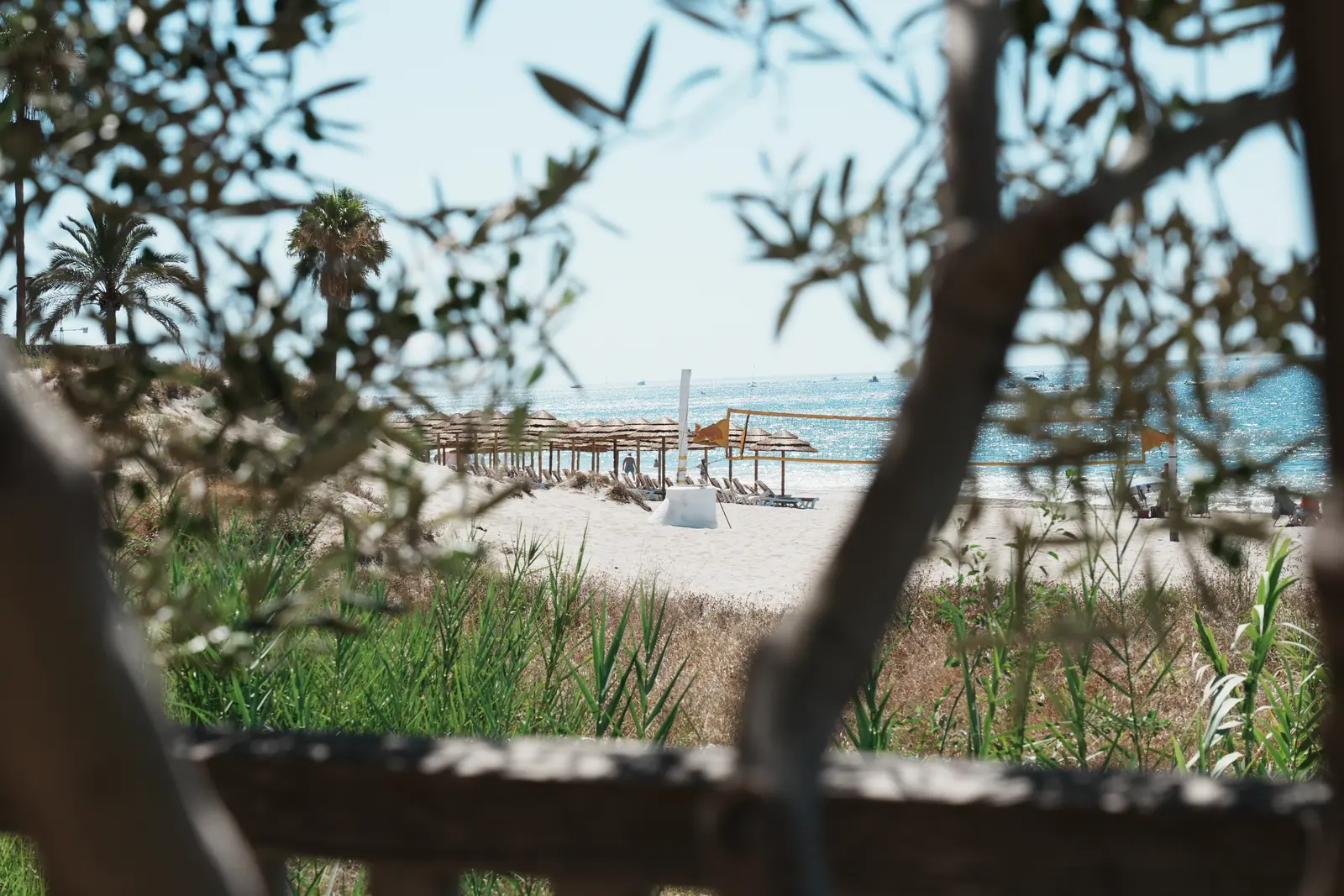
Spring is when Marbella starts to wake up. March can still feel quiet, almost like an extension of winter, but by April the temperature climbs to around 20°C to 23°C and the terraces start filling again.
May is the sweet spot. The days are long, the sea is warming up, and the town has energy without the crush of peak season.
Semana Santa, usually falling in late March or April, brings processions through the old town and a noticeable spike in Spanish visitors. Hotels fill up for that week and prices jump, so if you’re on a budget, book early or avoid that window entirely.
Outside of Easter week, spring prices are noticeably lower than summer.
I like spring in Marbella for the things that get harder once the heat arrives. Walking the old town for a couple of hours is genuinely pleasant at 22°C but miserable at 35°C.
The same goes for day trips from Marbella to places like Ronda or Mijas, where you’re on your feet most of the day. The beach clubs start opening in late April and early May, though the sea is still cool enough that most people stick to the pools.
If you want warm weather and lower prices but don’t need the full summer experience, May is probably the best month on this list for the money.
🚗 Spring is the season the day trips actually make sense, and Ronda, Mijas and the white villages are all a car job rather than a bus job. I book through Discover Cars, which compares the major companies for the best price.
Summer in Marbella (June to August)
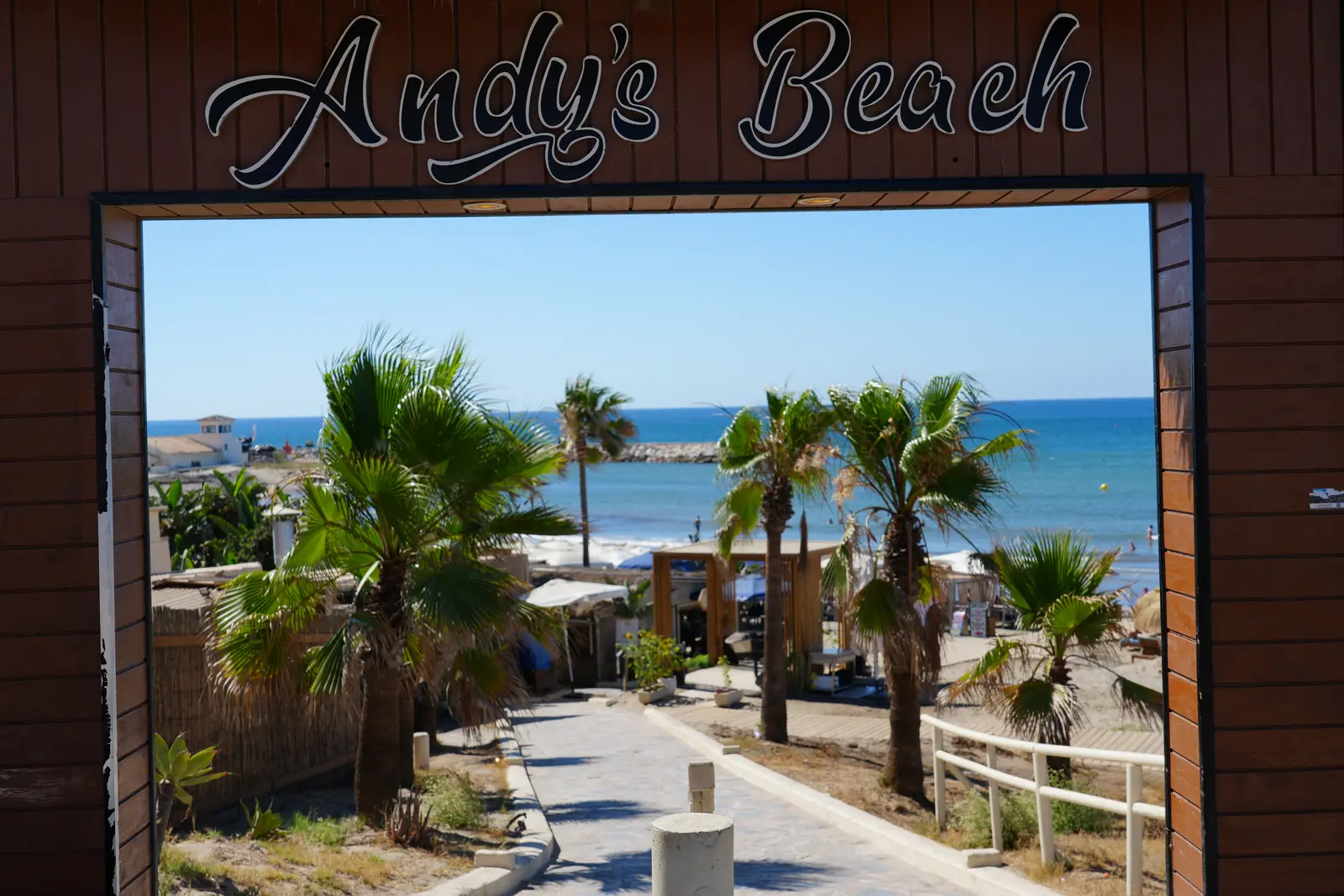
This is Marbella at full volume. Temperatures sit between 28°C and 34°C through June and July, and August regularly pushes past 35°C, sometimes touching 40°C on the worst days. The sea finally feels properly warm, the beach clubs are heaving, and the promenade from Marbella to Puerto Banús fills with people from late afternoon until well past midnight.
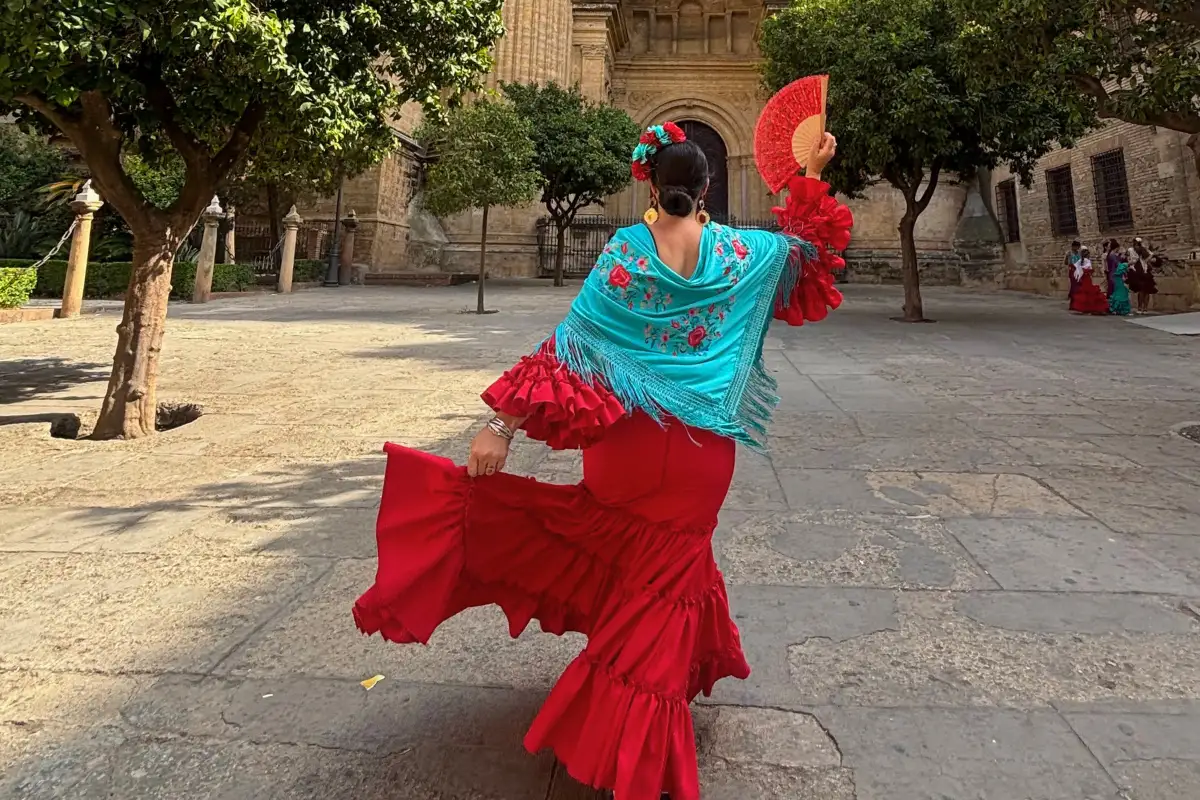
June opens with the Feria de San Bernabé, Marbella’s main summer fair, which runs for about a week in the first half of the month. There’s a fairground, flamenco, late-night eating, and a caseta culture that’s worth seeing even if you’re not Spanish.
Later in June, the Noche de San Juan on June 23rd brings bonfires to the beaches up and down the coast. In mid-July the Virgen del Carmen festival sees a decorated float carried into the sea at the port, a tradition shared by fishing towns across southern Spain.
I won’t pretend summer is comfortable. Walking around at midday in August is genuinely unpleasant, and I’ve learned to plan my days around the heat.
Mornings on the beach, lunch somewhere with air conditioning, and then back out from about 6pm onwards when the light softens. That golden hour before sunset in Marbella is the best part of a summer day here.
The trade-off is price. Hotels, flights, and restaurant bills all peak between mid-June and mid-September.
A room that costs €50 in March goes for €100 or more in August. But if you want the version of Marbella you see in the magazines, this is when it happens.
READY TO PLAN YOUR TRIP TO MARBELLA?
🏨 Where to stay: Find hotels in Marbella
✈️ Flights: I compare on Kayak
🎟️ Guided tours: I use GetYourGuide
🚗 Rent a car: I use Discover Cars
🛡️ Travel insurance: I use SafetyWing
Autumn in Marbella (September to November)
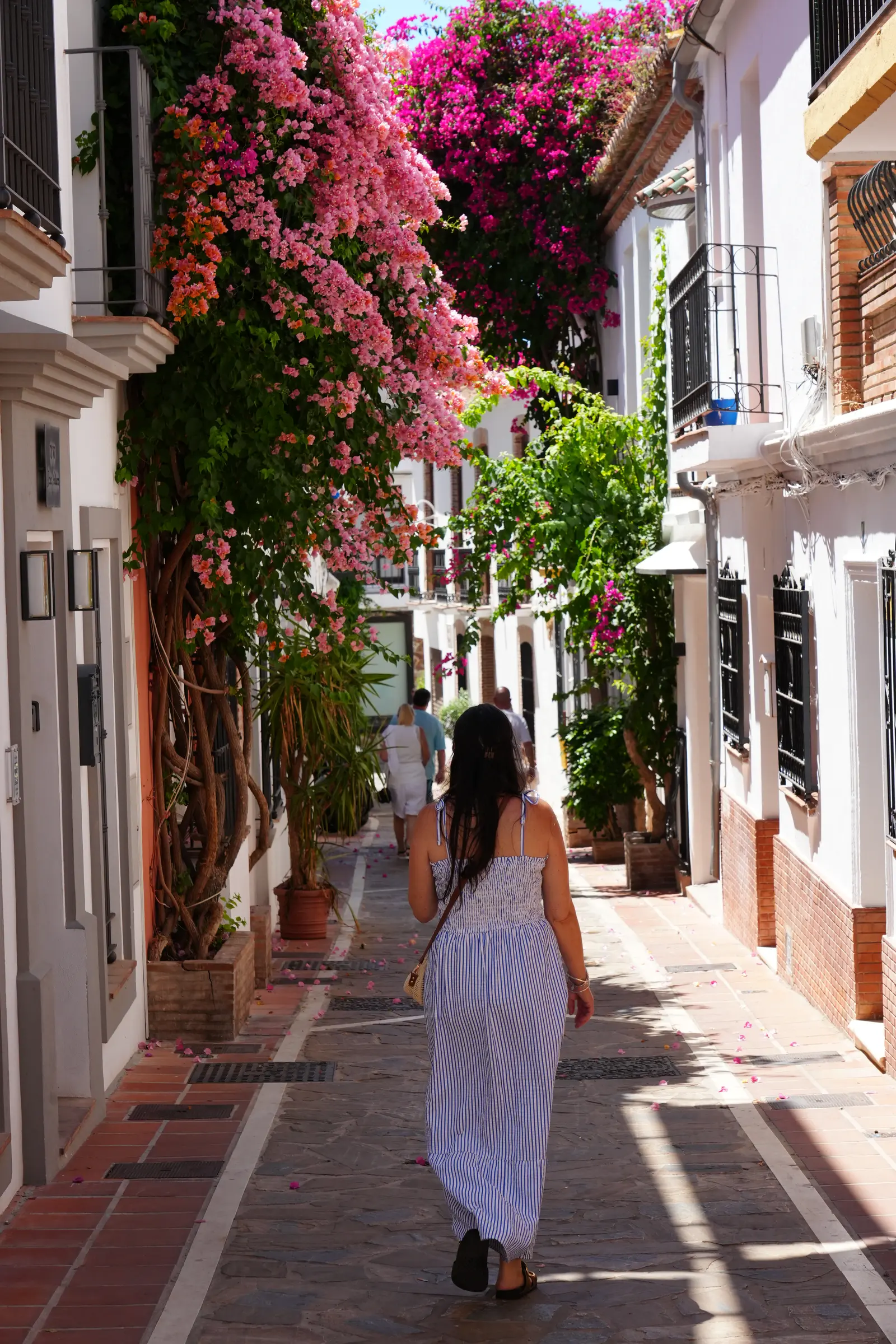
September is summer’s quieter twin. The temperatures are still in the high 20s, the sea is at its warmest after months of sun, and the Spanish families have gone home.
I’ve had some of my best days on the coast in September, sitting on a beach that was packed two weeks earlier and now has space everywhere.
Early October carries that same energy. The weather holds, the restaurants are open, and the prices start dropping.
It’s the window where you get most of what summer offers for significantly less money. If you’re watching the budget, I’ve broken down exactly what things cost in my guide to Marbella on a budget.
The shift happens around mid-October. Days get shorter, evenings turn cool, and the beach clubs start closing for the season.
By November the town feels noticeably different. Some of the seafront restaurants scale back their hours, and the nightlife scene contracts to a handful of year-round spots.
Rain becomes a real possibility, with November averaging around seven wet days.
If I had to recommend one autumn month, it’s September. You still get the summer weather without the summer prices, and the town hasn’t started winding down yet.
October is a gamble that usually pays off. November is for people who genuinely prefer quiet.
🎟️ September is the month I’d actually book things in, because the sunset sails and the boat trips are still running daily but no longer sell out the way they do in August. You can see what’s running on GetYourGuide.
Winter in Marbella (December to February)
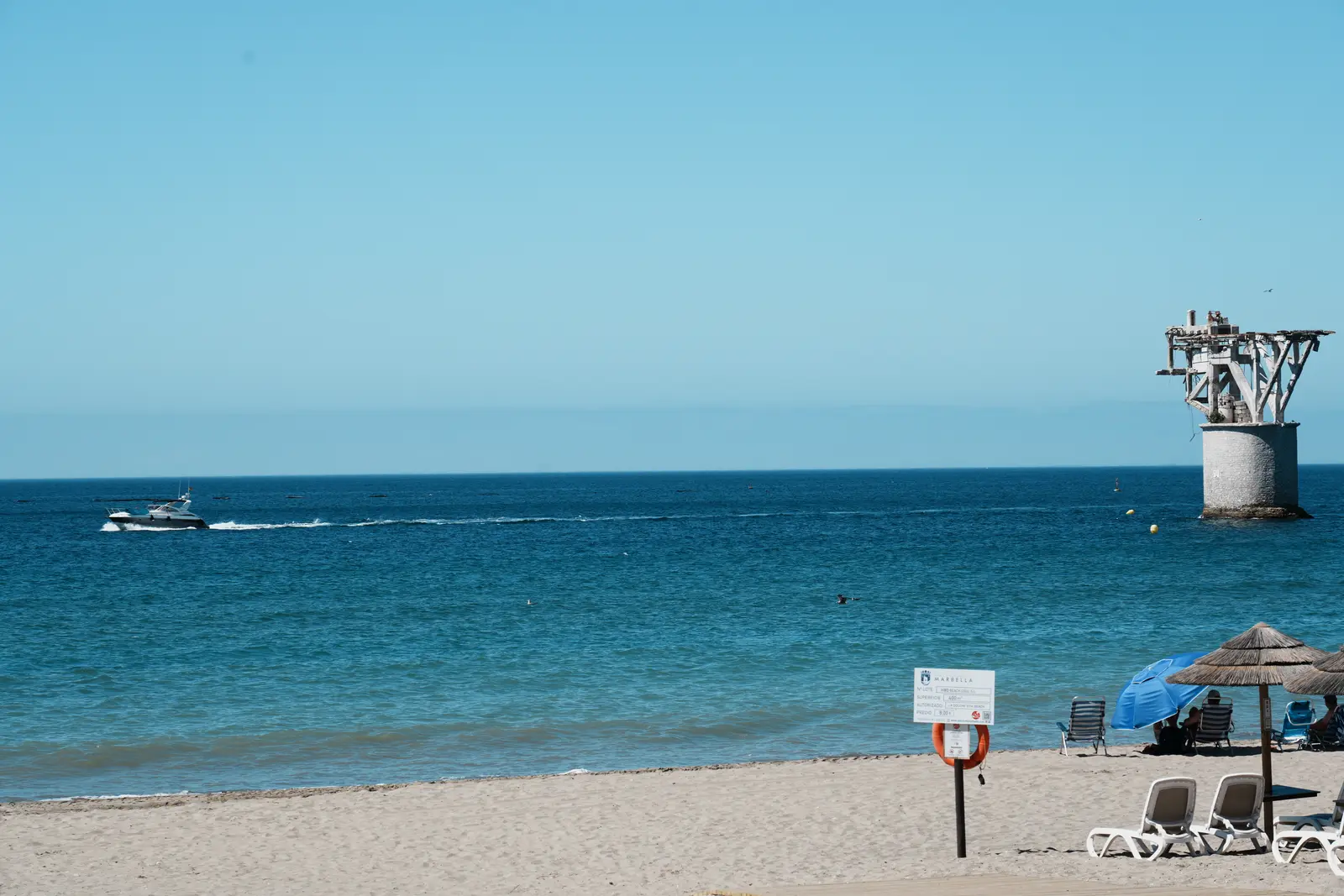
Winter in Marbella is mild by any northern European standard. Daytime temperatures hover between 14°C and 18°C, and while that’s not beach weather, it’s comfortable for walking, eating, and exploring without breaking a sweat.
I’ve had plenty of December days sitting outside in a t-shirt at lunchtime, something you’d never manage in most of Europe.
The town is quiet. Beach clubs are closed, nightlife is minimal, and some of the seasonal restaurants shut entirely until spring.
What stays open is the old town, which honestly feels more pleasant without the crowds. You can wander the narrow streets, sit in Plaza de los Naranjos with a coffee, and actually hear yourself think.
Christmas brings a brief lift. The old town puts up lights, there’s a small Christmas market, and Spanish families come down for the holidays.
New Year’s Eve has its own tradition here, eating twelve grapes at midnight on the plaza, one for each bell toll.
For golfers, winter is the best time. The courses are green, the temperatures are perfect for a round, and tee times that cost a premium in July are suddenly available at half the price.
If you’re choosing where to stay in Marbella for a winter golf trip, the Golden Mile and Nueva Andalucía put you closest to the main courses.
The honest downside is that Marbella in winter isn’t really Marbella. It’s pleasant, it’s cheap, and the weather is fine. But the energy that defines the town, the beach clubs, the late nights, the crowds dressed up on the promenade, all of that is gone until April or May.
🛡️ Whichever month you land on, sort the cover before you fly rather than after. I use SafetyWing, an affordable subscription policy you can buy even after you’ve already left home.
When Does Marbella Season Start?
Marbella season starts in late May and runs through to mid-September. That’s the window when the beach clubs are open, the nightlife is in full swing, and the town operates at the level most visitors expect.
The build-up begins earlier though. By April the terraces are busy at weekends, and the first beach clubs open their doors around the last week of April or early May.
The real shift happens in June, when the Feria de San Bernabé kicks off and the summer crowd arrives in force. From that point until mid-September, Marbella runs at peak capacity.
After September 15, when the Spanish school holidays end, the town noticeably quiets down. Some beach clubs stay open into October, but the season, in the way most people mean it, is over.
If you’re timing a trip around the full Marbella experience, aim for June through September.
Best Time to Visit Marbella for Nightlife
July and August. There’s no close second.
Marbella’s nightlife scene runs year-round in a handful of old town bars, but the version people travel for, the clubs, the rooftop parties, the late-night marina scene, only really exists in peak summer.
Puerto Banús is the centre of it. From late June through August, the bars and clubs along the marina front fill every night, and the bigger venues bring in guest DJs and promoters.
The energy doesn’t start until around midnight and carries on until 5 or 6am.
June and September have decent nightlife too, but it’s scaled back. You’ll find open venues and a good atmosphere on weekends, but the midweek scene thins out.
Outside of those months, Marbella’s nightlife is a few cocktail bars and not much else.