Whenever family or friends come to stay, the first place I take them is the Alcazaba. Málaga has two castles, and the one up on the hill, Gibralfaro, was more of a fortress, built to hold the army and the guns. The Alcazaba was made for a princess, and it made me feel like one.
After that, it’s always a day trip to Ronda. I’ve lived in the city centre since August 2022 and walk almost everywhere, and every place in this list is one I’ve been to myself.
The one thing I’d warn you about is the queues. The Alcazaba and the famous museums get long ones, so I book my tickets online.
Below you’ll find the things to do in Málaga I’d point a friend to: the old town sights, the beaches, gardens and museums, evenings out (tapas, a rooftop, flamenco), three day trips, the free-entry times and planning tips. If you’re still deciding, start with is Málaga worth visiting, and there’s plenty more in my Málaga guide.
The big sights in the old town
If you only see three things in the old town, make it these. Two of them even share a ticket.
1. Alcazaba & Roman Theatre
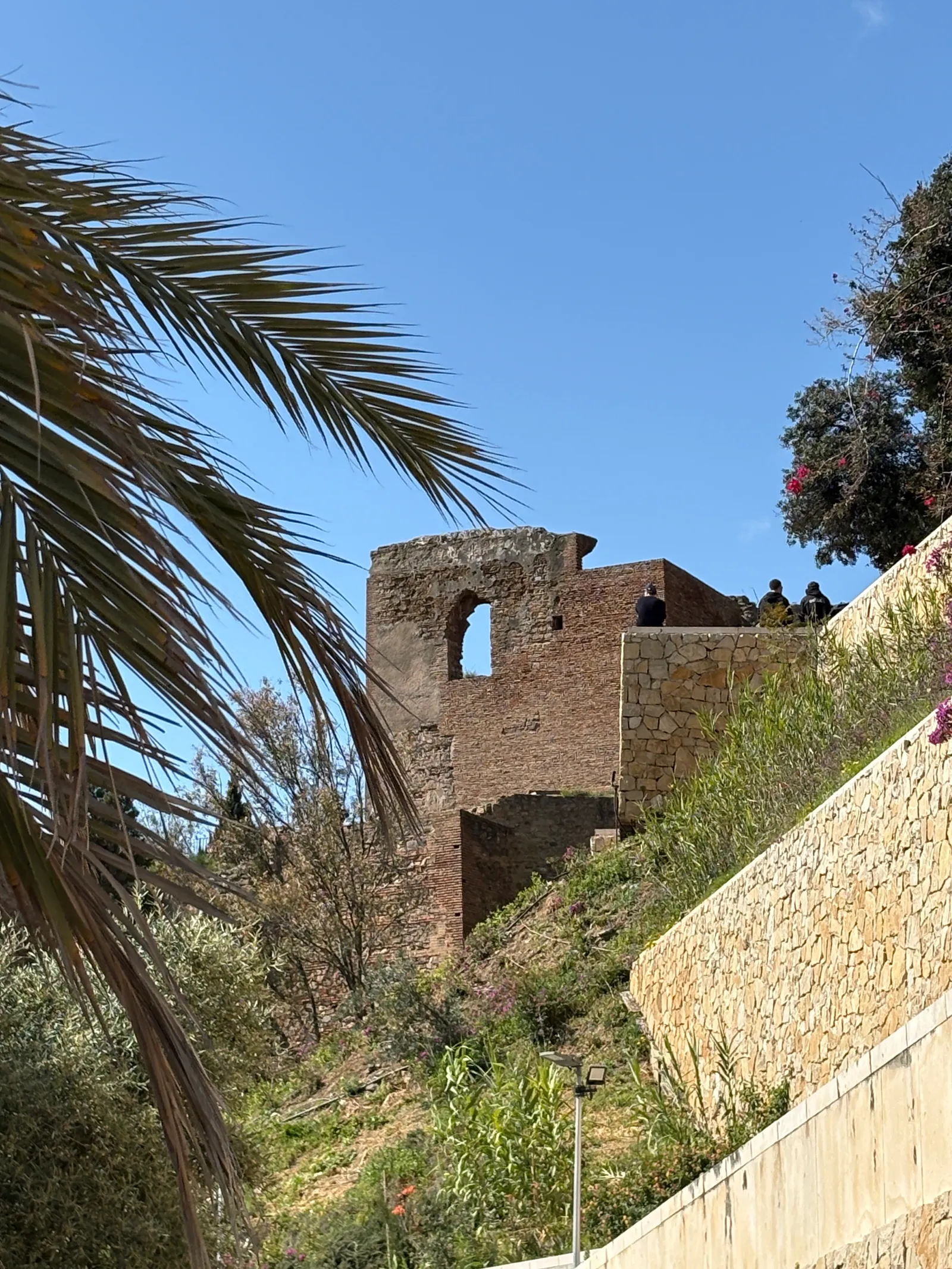
Of Málaga’s two castles, the Alcazaba is my favourite to visit. Inside, it’s courtyards, gardens, fountains and arches, and the Hammudids built it between 1057 and 1063, and the name comes from the Arabic al-qasbah, citadel.
Down at its foot is the Roman Theatre, from the 1st century BC. It’s closed on Mondays, so keep that in mind if you want to see both on the same day.
Tickets are €7 for the Alcazaba, or €10 if you add Gibralfaro, and it’s free on Sundays from 2pm. I’ve seen how long the ticket queues get, so book online on the official site to skip the line. You can also book a guided Alcazaba tour if you’d like the history explained as you go.
2. Gibralfaro Castle
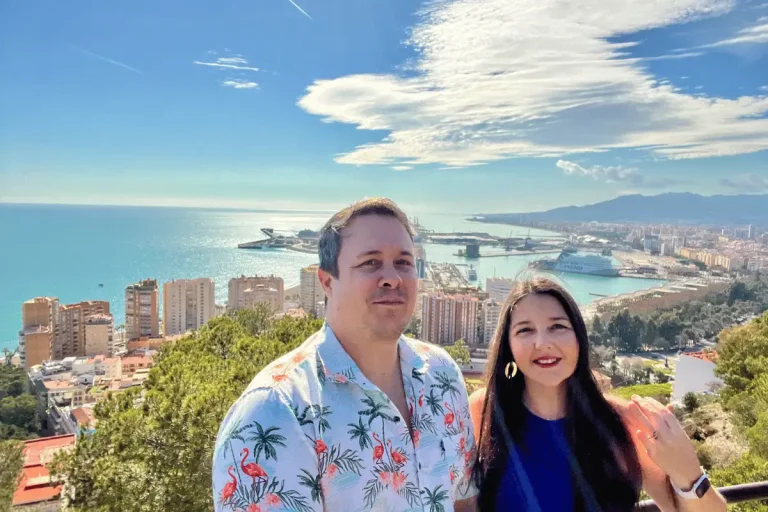
Halfway up the official path to the Mirador de Gibralfaro there’s a restaurant with views back over the city, where I stop, get my breath back and have a coffee. The path climbs steadily, with buskers playing at intervals and someone always selling cold water. I’ve done this climb many times, and I’ve taken the shortcut through the tunnel by Plaza de la Merced too. It’s quicker and easier on the legs, but you miss the views on the way up.
I once took my best friend up, and we were both in cute sandals with no grip. Going up was a nightmare, and coming back down was worse. The hill is steep, so wear practical shoes, for the descent as much as the climb.
The Mirador is free, just outside the castle walls, and the views from up there are the best in the city, over the bullring, the port, Paseo del Parque, the cathedral and the coast. People sit down and take in the view, and nobody rushes around for photos. It’s the best free sunset spot in Málaga. If you want to sit with a cocktail, a rooftop is better, and there’s more in my Málaga sunset guide. I often end with a drink on the Parador terrace next door.
The castle was the one for the army and the guns, built in the 14th century to defend the Alcazaba below, and its interpretation centre covers that military past. It’s €7, or €10 with the Alcazaba, and free on Sundays from 2pm. Take a taxi up (or bus 35 from the centre) and walk down through the walls.
3. Málaga Cathedral (La Manquita)

Stand in front of the cathedral and look up, and you’ll notice the south tower was never finished. The story told locally is that the money went to support American independence, which is where the nickname La Manquita, the one-armed lady, comes from.
I’ve been inside many times, and my one tip is to use the audio guide. Otherwise you’re just walking around another cathedral. It gives you all the history and info, and it’s included in the €10 ticket.
It was built on the site of a mosque, with a Renaissance structure and Baroque decoration.
You can go in for free Monday to Saturday from 8:30am to 9am, and on Sunday from 8:30am to 9:30am, but there’s no audio guide then and there’s usually a long queue. If you’re planning a visit, buy your ticket online.
The rooftop tour is suspended while the roof is being repaired. Check the official cultural visit page before planning around it.
4. Museo Picasso & Plaza de la Merced
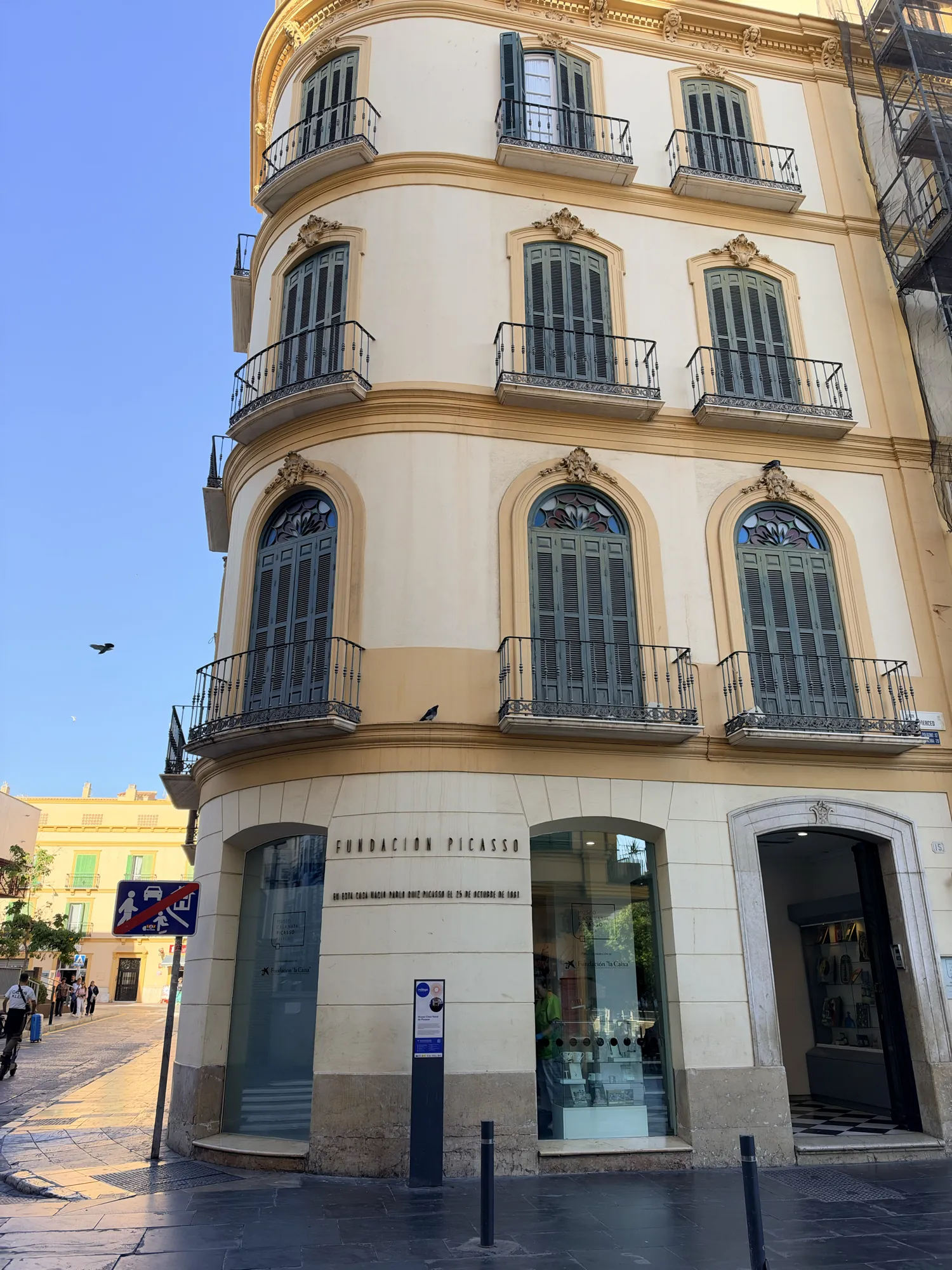
From home, it’s about five minutes’ walk to Plaza de la Merced. Picasso was born on this square in 1881, and the house he was born in is now a museum too.
The main Museo Picasso is in the Buenavista Palace, which dates from the 16th century, and the heart of the collection is 233 works donated by his family. I loved seeing his artwork for the first time. Walking the rooms, you can follow the progression, from portraits in oil to trying different mediums, and you can see his style change again when he remarried.
A general ticket is €13, and since I’ve seen the queues, I book online. It’s free for the last two hours on Sundays (4pm to 6pm from November to February, 5pm to 7pm from March to June and in September and October, 6pm to 8pm in July and August), but capacity is limited.
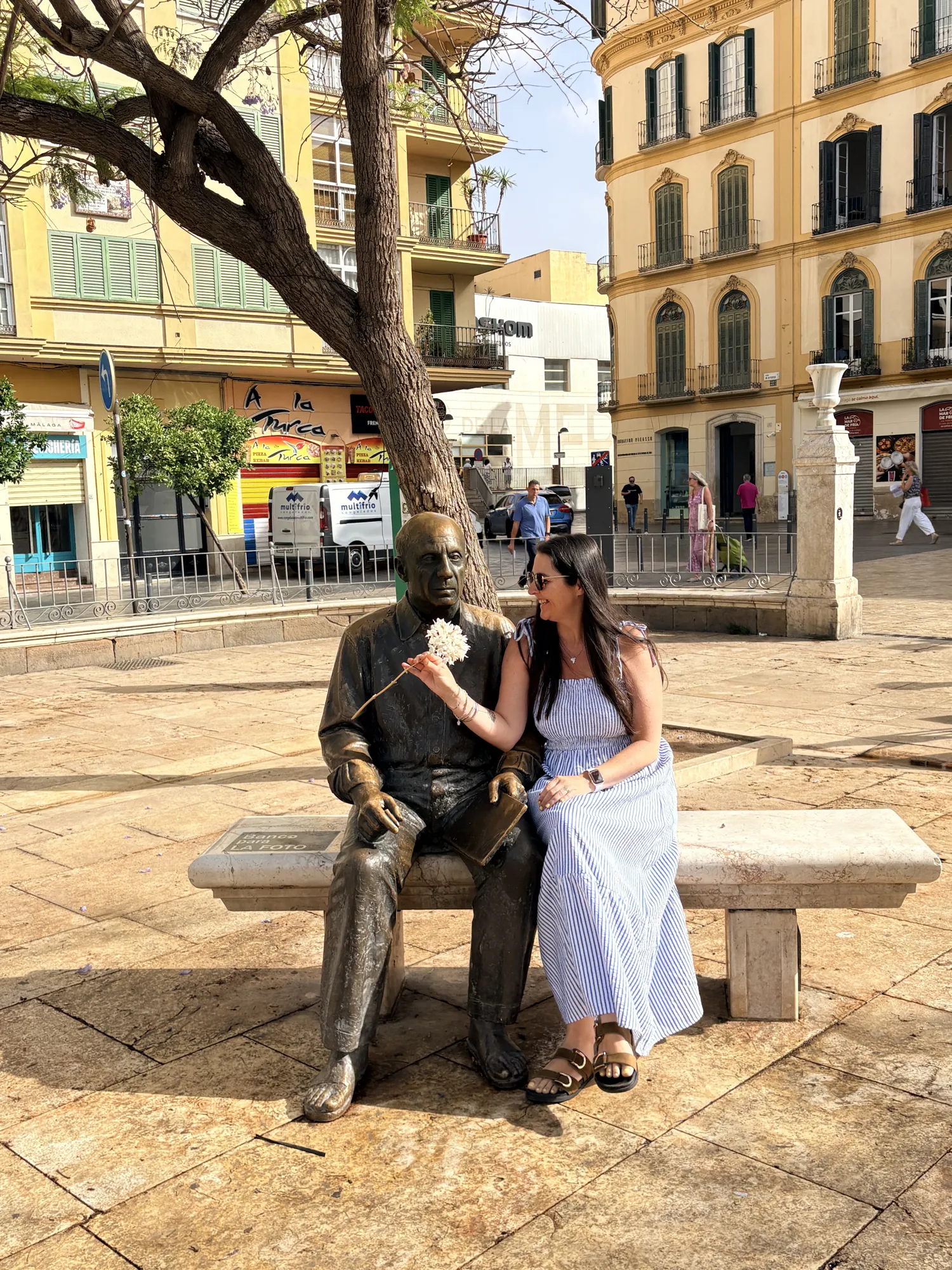
Back on the plaza, there’s a bronze Picasso sitting on a bench. The bench beside him is the one for photos (a plaque says so), and sitting on the statue itself isn’t allowed. The rest of the city’s collections are in my guide to the museums in Málaga.
5. Carmen Thyssen Museum

You don’t need a museum ticket to walk into the shop at the Carmen Thyssen, which sells prints of the paintings in the collection. I bought a small print of Boy with a Hen by Manuel Benedito Vives there for around €12 to €20.
There’s also a lovely coffee shop with a terrace and an indoor section, where you can enjoy some good coffee. I’ve photographed the courtyard, and the nativity scene at Christmas.
The museum is in the Palacio de Villalón, a 16th-century palace on Calle Compañía. Inside, it’s all 19th-century Spanish and Andalusian painting, from romantic landscapes to costumbrismo (scenes of everyday life).
A general ticket is €12, or €8 reduced, and it’s free on Sundays from 4pm. Times and exhibitions are on the official site.
6. Atarazanas Market
Every September, without fail, I come here for Moscatel grapes.
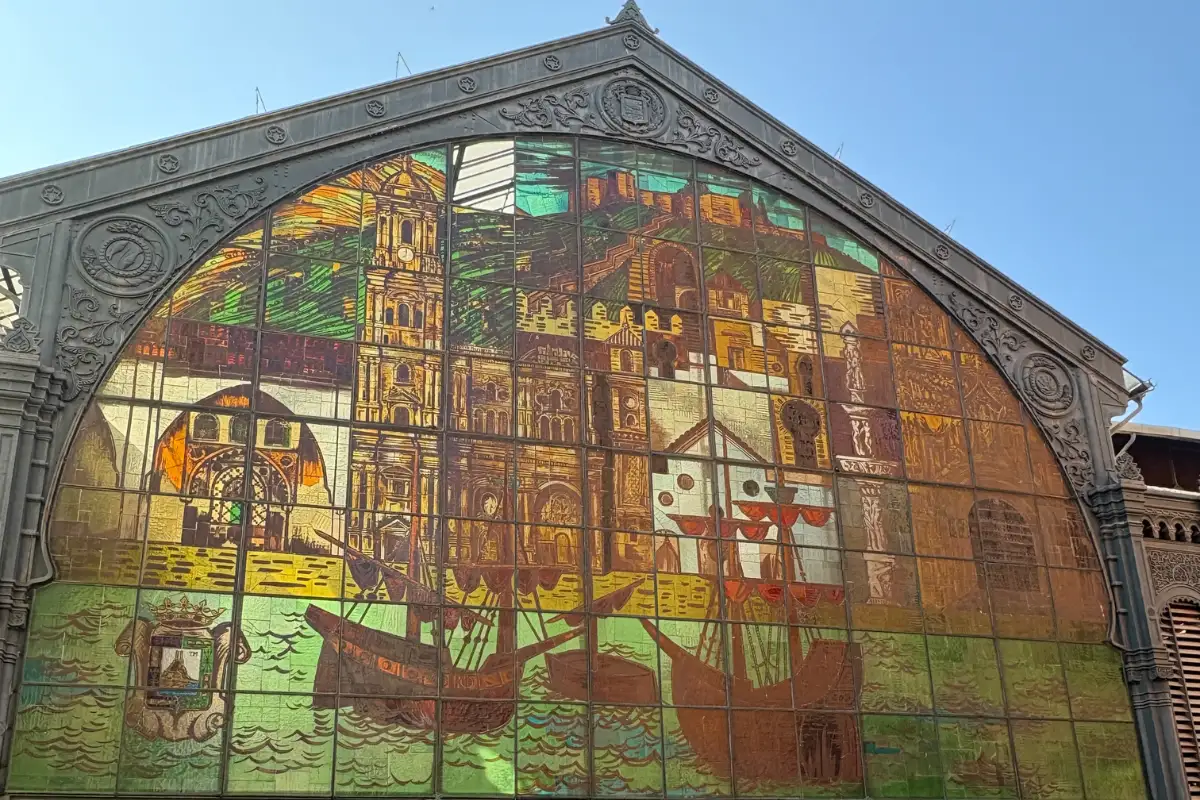
The iron-and-glass hall went up in the 19th century where a Moorish shipyard once stood (atarazanas means shipyard), and the old Moorish marble gateway is still there at the entrance. Inside, look up at the huge stained-glass window with scenes of the city.
The stalls sell fish, seafood, ham, cheese, olives, fruit and nuts, and there are tapas counters where you can eat. My pick is the pulled pork sandwich at El Capricho, the butcher’s stall at puestos 190 to 194. They slow-braise pork belly in a tray with vegetables, spices and a splash of Victoria beer until it shreds, then put it on bread baked in the market.
It’s open Monday to Saturday from 8am to 3pm and closed on Sundays, so go in the morning.
For a sit-down lunch, Bar Los Pueblos is directly opposite the market and has been going since 1955. It’s my top menú del día pick, at around €13 (it was €12.90 when I checked). There’s a queue for a reason.
Calle Larios & the streets around it
Start on Calle Larios and work your way out. Most streets are accessible, there’s just the odd cobblestone one, and if you can’t make it down a specific street, there are many others to choose from.
7. Calle Larios & the old town
Head down Calle Larios, the city’s main pedestrian shopping street, and you’re on polished marble from Plaza de la Constitución towards the port.
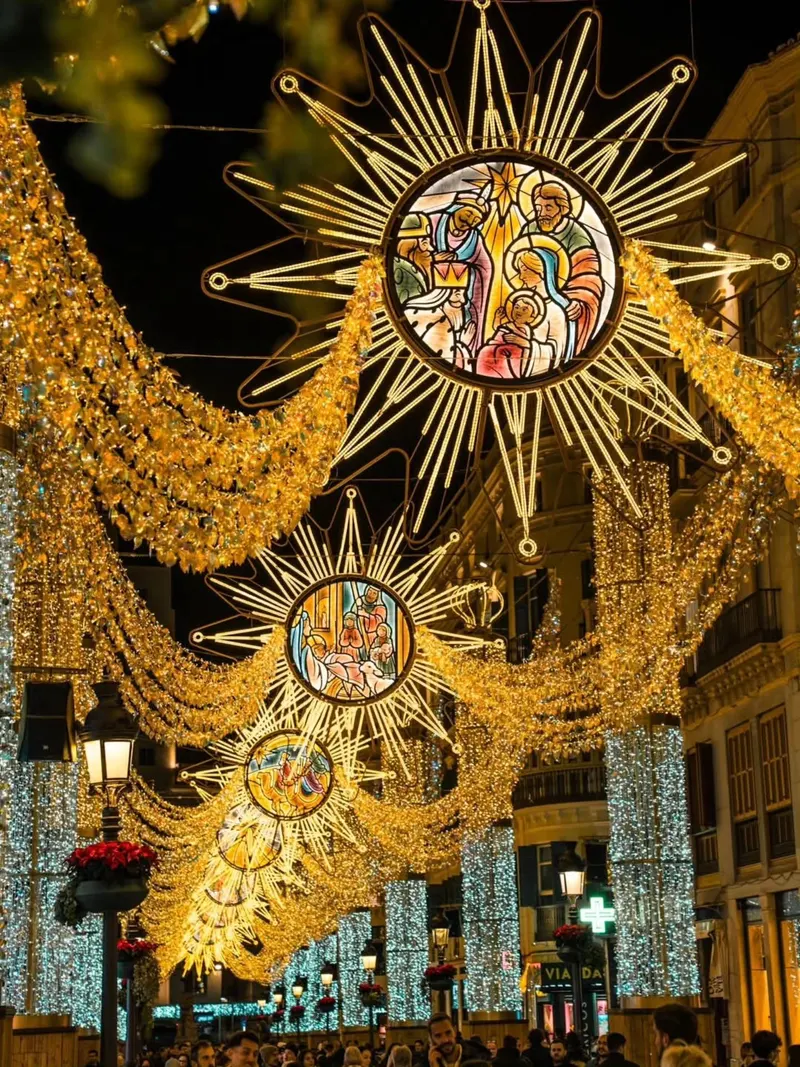
Come at Christmas if you can, because being under the Larios lights, watching and singing with everyone, is the best of it. I don’t like crowds, so I often watch from a rooftop.
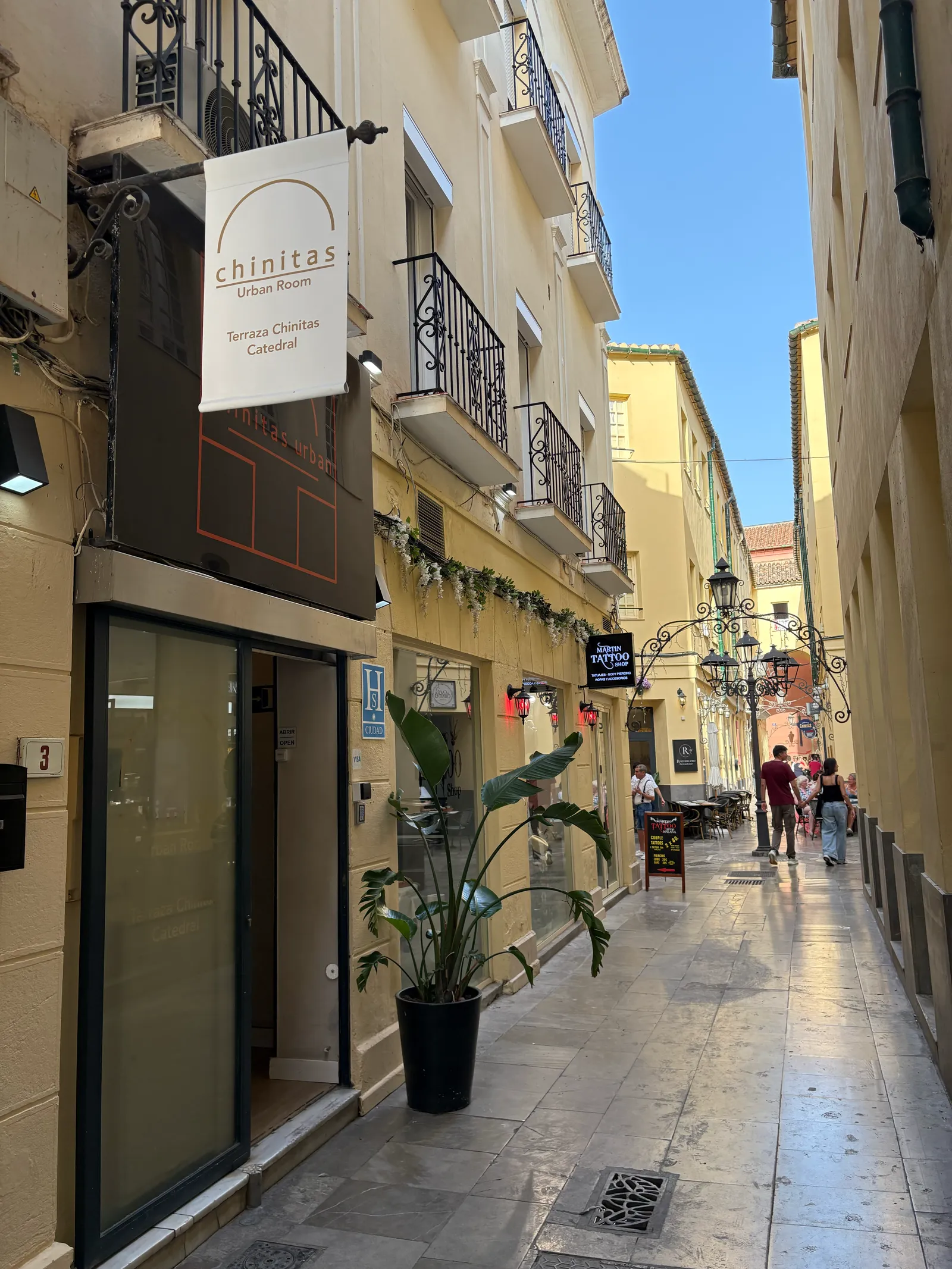
Before you leave the plaza, duck into Pasaje de Chinitas. It was once home to a famous 19th-century café cantante (flamenco café), and it’s quiet now.
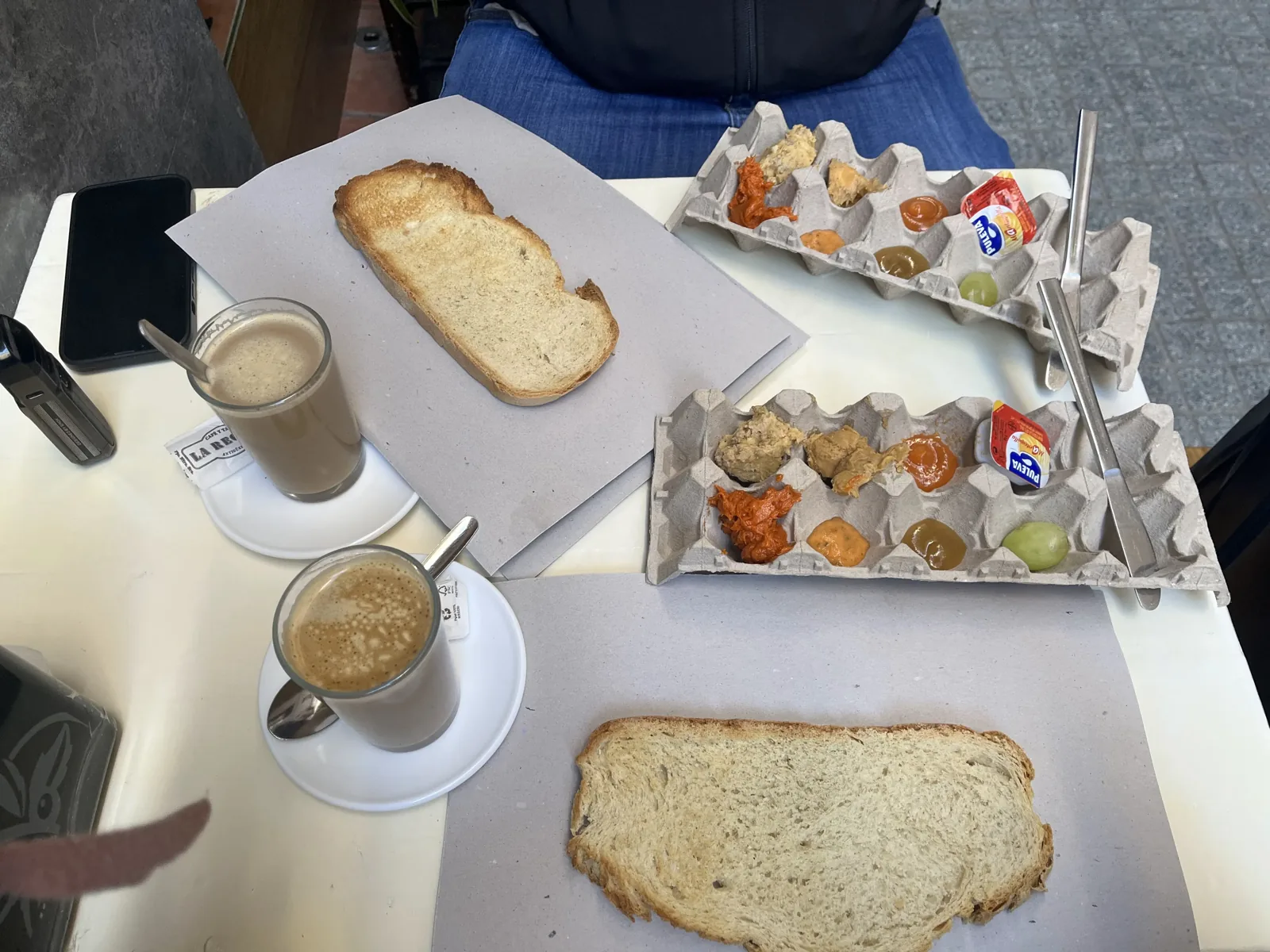
For food, La Recova sits in a little passage off Plaza de San Juan. It’s a quirky shop with tables around it (the tables are for sale), and everything’s home cooked. I got there at around 11:30 or 12, expecting lunch, and they were still on breakfast. I had ensalada rusa, boquerones en vinagre (anchovies in vinegar), a glass of house red and a coffee, and it was really good. It’s open from 8:30am until mid-afternoon, closed Sundays, and the menú del día was €11 last year.
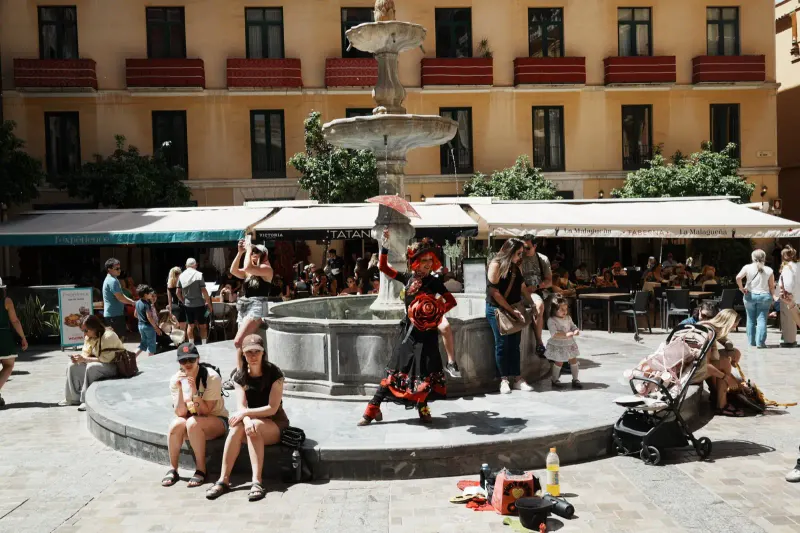
I also like sitting in the sun at Picas on Plaza de la Merced. More in my Málaga old town guide.
8. A free walking tour
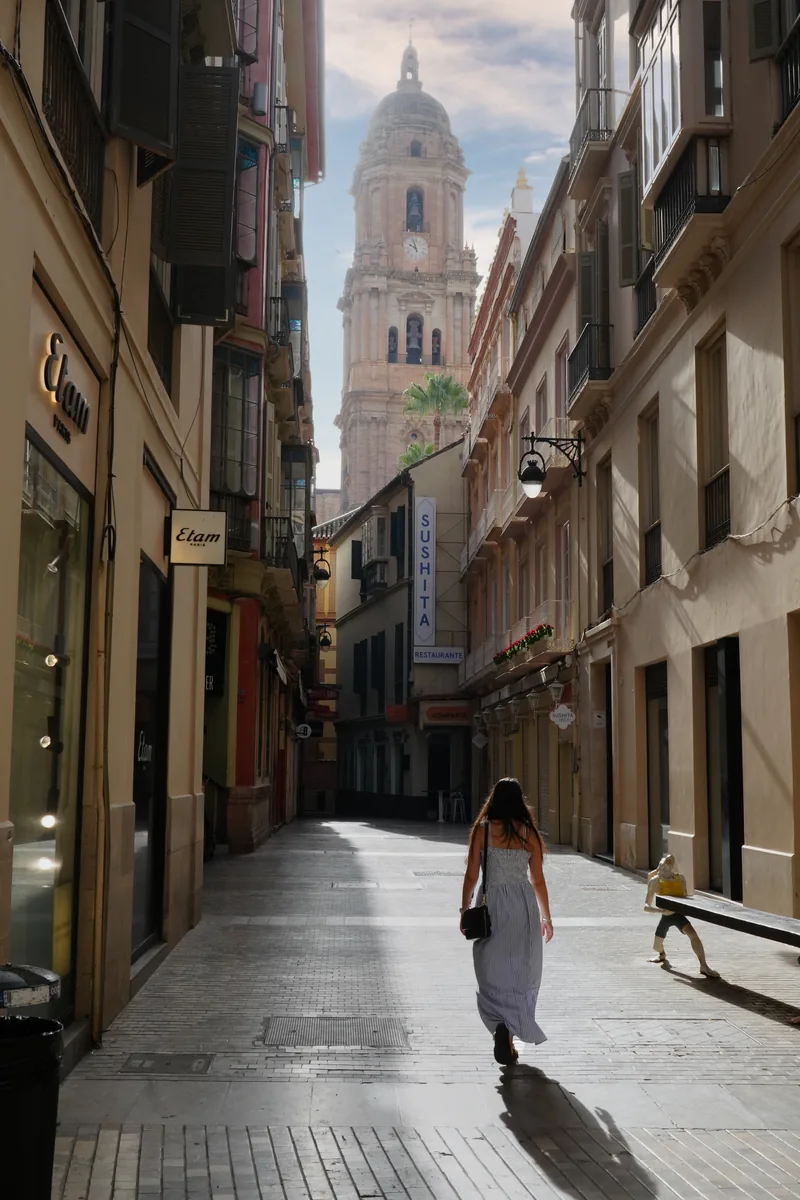
I’ve done free walking tours in several cities, and Málaga’s is the one that stood out for its history.
Pay-what-you-like tours leave from Plaza de la Constitución, and you don’t pay up front. At the end, you tip the guide what you think it was worth, and that’s how they’re paid, so it’s worth tipping fairly if the guide was good.
Have a look at Explora Málaga and Free Tour Málaga. Between them, there are routes through the old town and Soho, plus one on the Inquisition and the darker side of the city’s history, if you’ve already seen the main sights.
9. Soho & Lagunillas street art
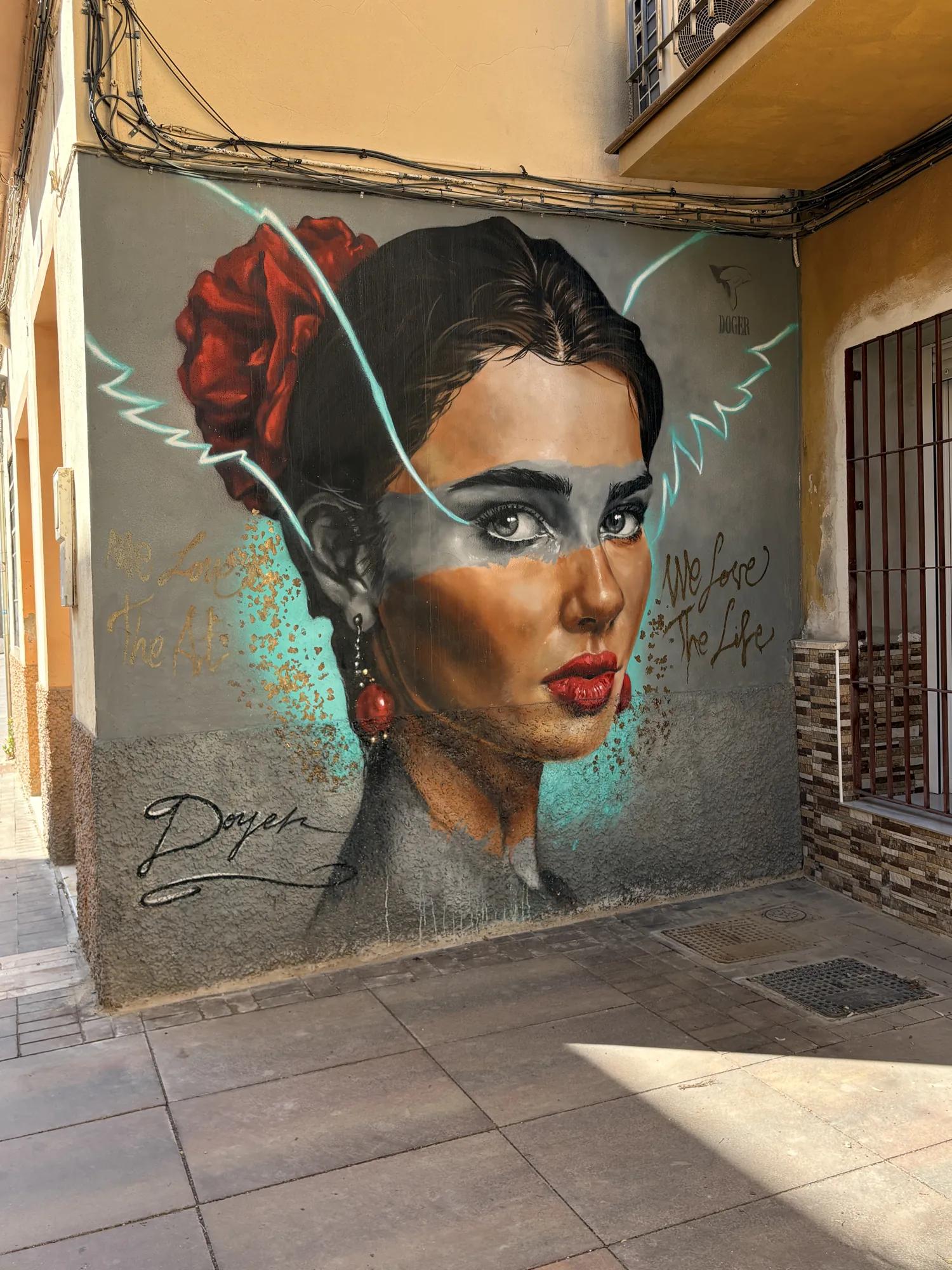
I often wander the streets of Lagunillas to see the art, since it’s just behind my home. Local artists paint whatever’s there, garage doors, walls, even ruins, so it’s far more grassroots than the murals in Soho.
Soho, between the old town and the river, is the bigger-name side of things. Its murals came through MAUS (Málaga Arte Urbano Soho), and you’ll find work by Obey (Shepard Fairey) and D*Face.
Search “MAUS Málaga” in Google Maps to find them yourself, or join a street art walking tour for the stories behind them. I’ve also written about the area in my guide to unusual things to do in Málaga.
10. Museo del Vidrio y Cristal

I pass the Museo del Vidrio y Cristal on my evening walk almost every night.
I’ve been inside, and it’s stunning. I loved the style of the glass and the design of the home, which is a restored 18th-century house furnished in period style.
The collection is private, about 3,000 pieces of glass running from Roman times to the 20th century. Tickets are €8, and that always includes a guided visit, with the guide walking you through the rooms one by one.
Plan around the closing days: it’s shut on Mondays and for the whole of August.
Down by the water
You don’t need to leave the city to spend a day by the sea. Start at the port and head east.
11. Muelle Uno & the Centre Pompidou
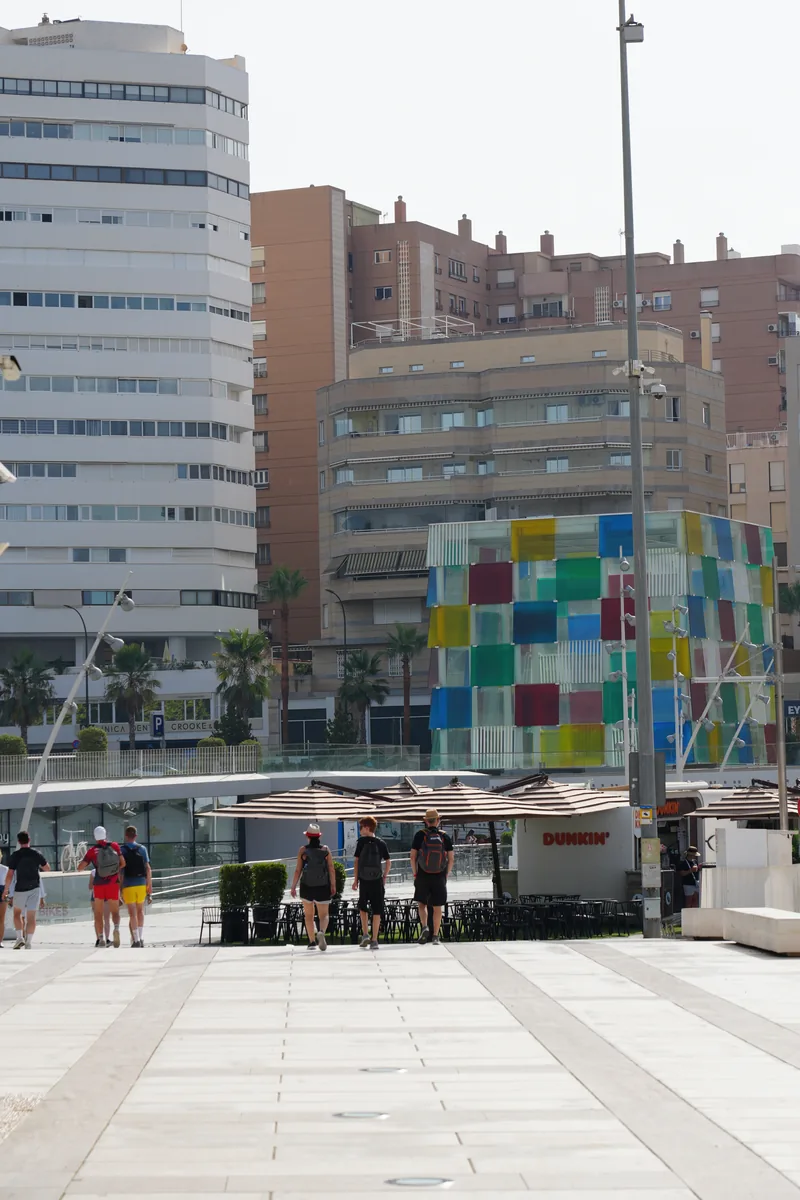
The port is where my spring walk through Parque de Málaga finished, and it’s an easy place to end up on any walk through the centre.
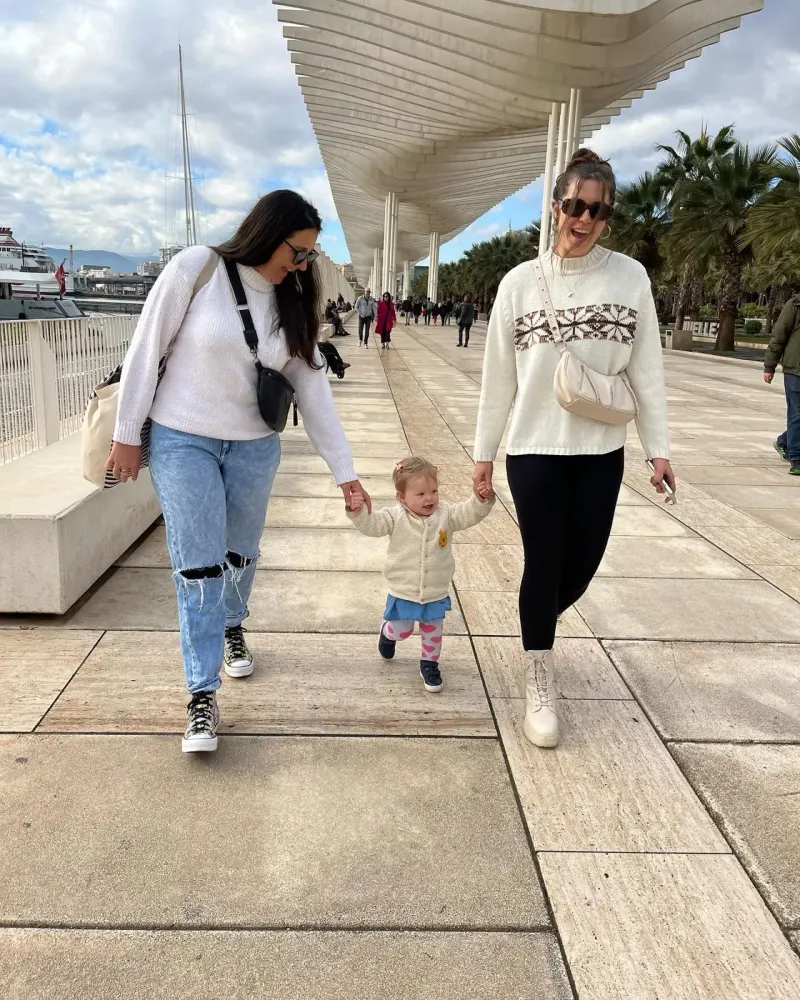
Muelle Uno is the redeveloped part of the port, with shops, restaurants and the Palmeral de las Sorpresas, a long white pergola walkway that runs along the water.
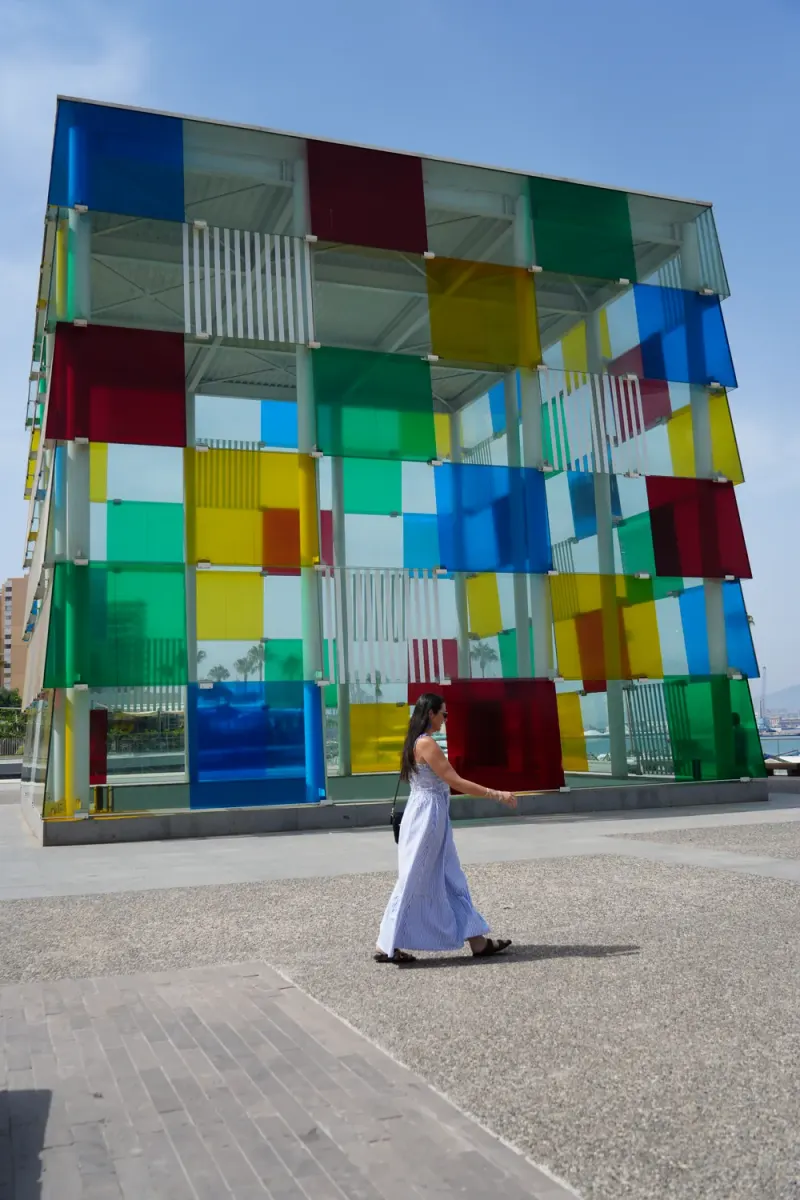
Then there’s the multicoloured glass cube, El Cubo, and yes, there are photos of me standing beside it. It’s a skylight for the Centre Pompidou Málaga, the first branch of the Paris Pompidou outside France, with the galleries hidden underground.
I’ve been inside, and a ticket is €9. It’s open from 9:30am to 8pm except on Tuesdays, when it’s closed, and on Sundays it’s free from 4pm.
If you’re thinking of basing yourself near the port, my guide on where to stay in Málaga will help.
12. La Malagueta
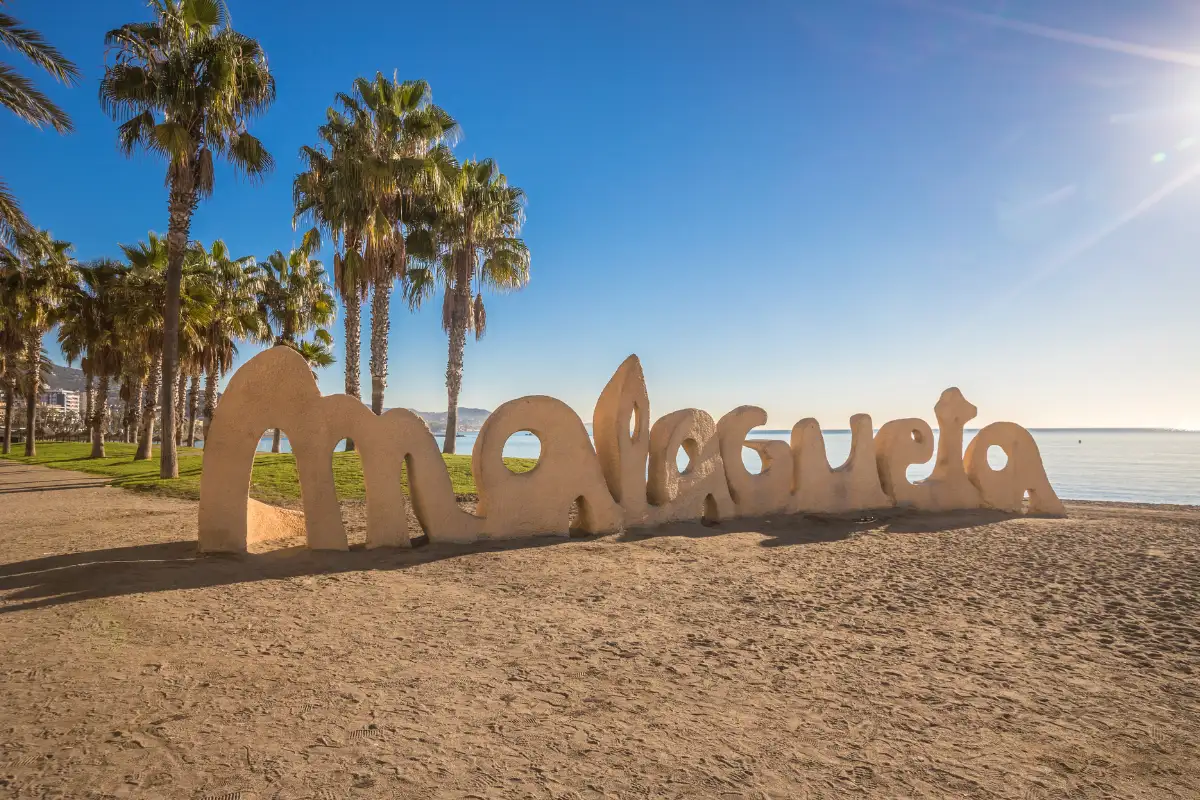
I’ve sat on Malagueta with a book in December, warm in the sun. Not in a swimsuit, but warm.
It’s the beach I always send people to when they ask me which one. It’s walkable, only 15 minutes, and it’s famous, with the big MALAGUETA letters right there on the sand. Being the closest beach to the centre also makes it the busiest, so don’t expect it to yourself.
My usual plan is a picnic and a lazy half day. Beaches in Spain are public, so you can bring whatever food you like and nobody will mind.
There are plenty more to choose from, and I’ve covered them in my guide to the beaches in Málaga.
13. Pedregalejo & El Palo
From home I walk out along the beach, or I cycle from the centre, and you can start anywhere along the beach. Buses 3 and 11 also run from the Alameda / Paseo del Parque if you’d rather ride.
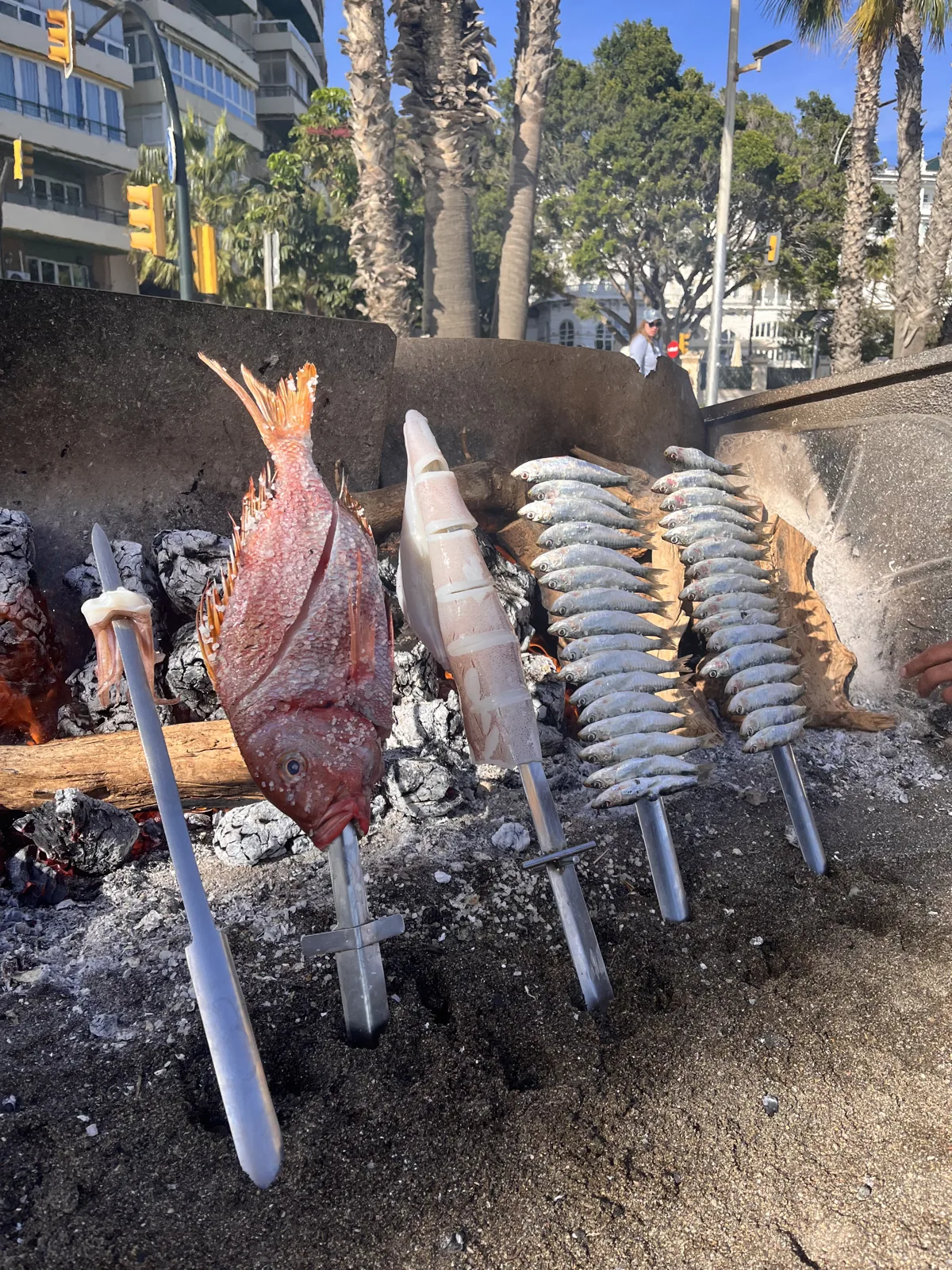
Pedregalejo was once the fishermen’s quarter, and now the promenade is one long line of chiringuitos (beach restaurants). I don’t book anything here. I wander, and when something looks or smells good, I stop and eat. Watch for the espetos, sardines on skewers grilled over a fire inside an old boat filled with sand.
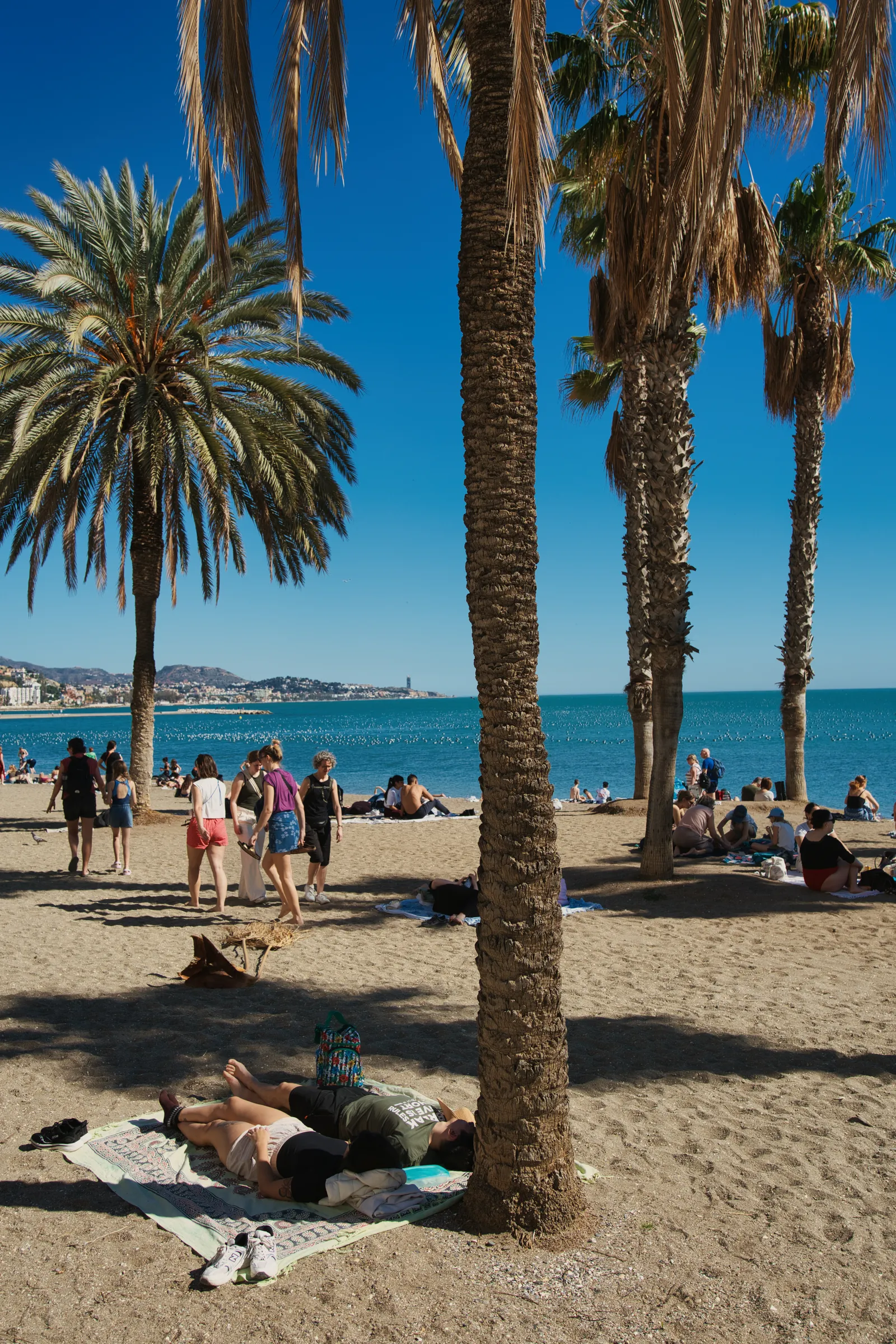
Keep going and you’ll reach El Palo. It’s a tiny fishing village with the old boats on the sand, and it’s not very built up, YET. The beaches are beautiful and untouched, and there are some amazing chiringuitos.
The best one is El Tintero, on Playa del Dedo at the far end of El Palo. The waiters walk out of the kitchen calling out the dish on their plate, and you flag down what you want, like a food auction. It’s LOUD, but lovely, and it’s open from noon to midnight.
Hotel La Chancla is a family-run place on the sand in Pedregalejo, if you want to stay out here.
14. Peñón del Cuervo
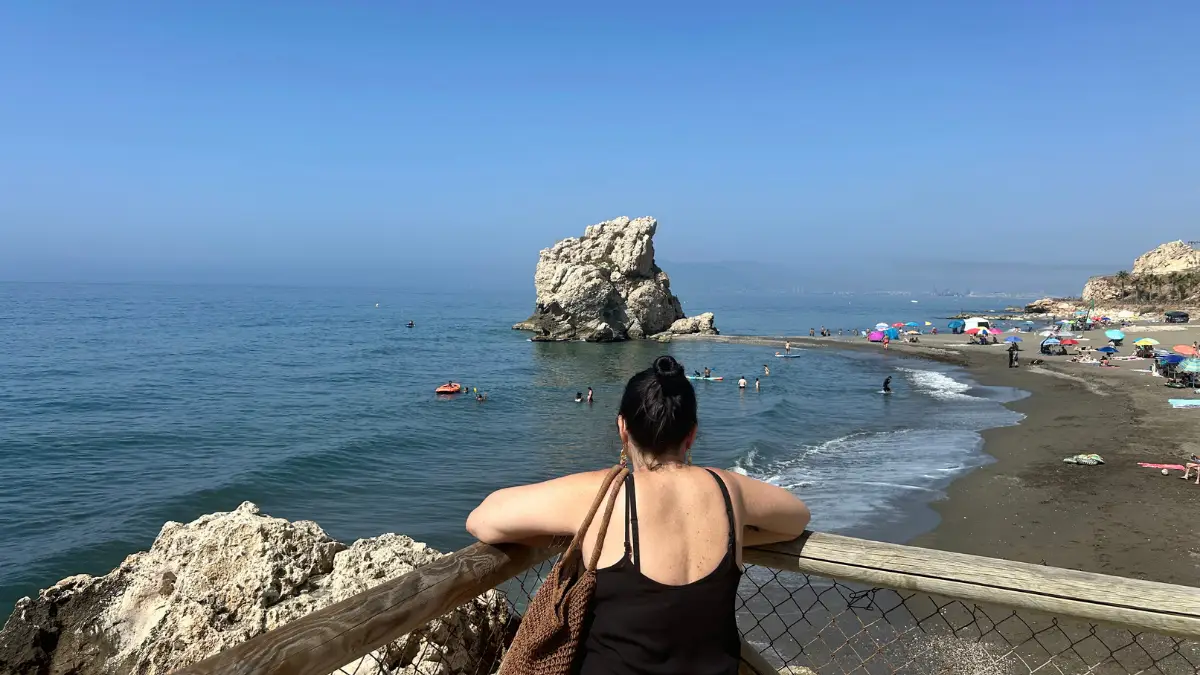
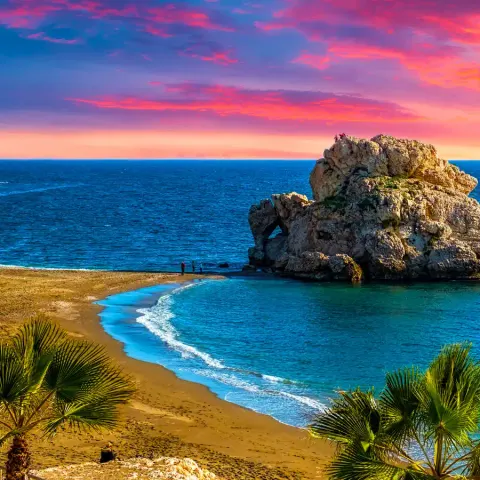
Ask me for a local beach and I’ll direct you to my favourite, just east of El Palo. Peñón del Cuervo is a small one, with a big dark rock (the peñón) sitting right at the water’s edge.
I’ve been by car and by bike. Without either, take bus 11, which carries on east past El Palo to Playa Virginia, the nearest stop.
It never used to have sunbeds, and now there are rows of them.
Gardens, games & a rainy afternoon
Not every day in Málaga is a beach day. Some call for shade and a bit of green, and some just call for a roof.
15. La Concepción Botanical Garden
I paid €5.20 to get into La Concepción, up on the northern edge of the city. You can get there on bus 20 from the centre.
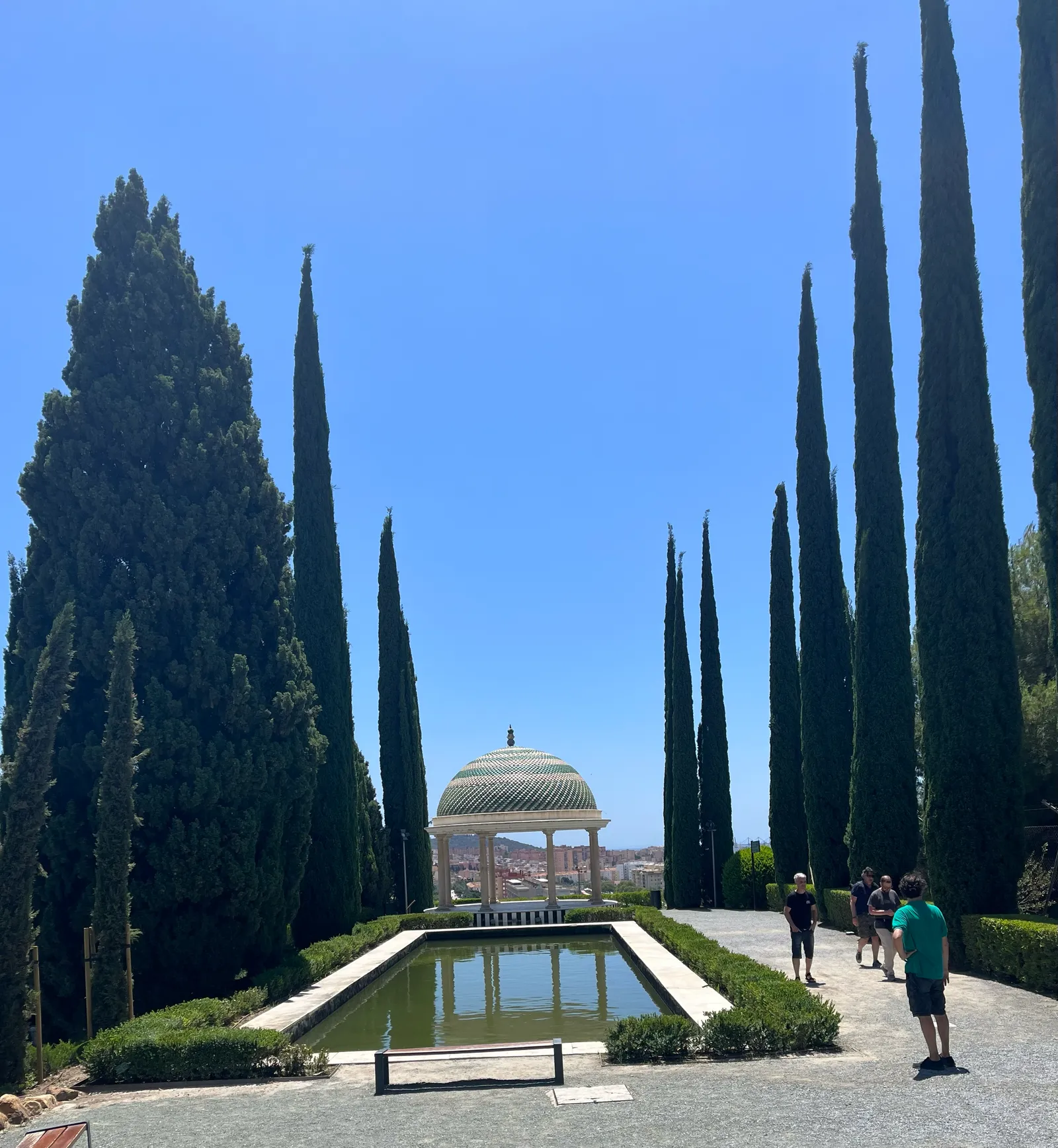
It started life in 1855 as a private estate for a Málaga family. Today it holds more than 2,000 plant species, with lots of tropical and subtropical trees. Make sure you find the pavilion and pond between the cypresses, and if you’re here in spring, the wisteria walk will be in flower. The higher paths give you views back over the city.
Want to skip the €5.20? Come on a Sunday afternoon, when it’s free from 2pm to 5:30pm (October to March) or 4:30pm to 8:30pm (April to September). It’s closed on Mondays, so don’t make the trip then.
The garden also puts on a Christmas light show, and I’ve been to that too.
16. OXO Video Game Museum

Rainy day, kids in tow? That’s exactly when I’d point you to the OXO Video Game Museum. I’ve been, and it’s my top pick for a wet day in Málaga.
It’s right in the old town on Plaza del Siglo, and it’s open every day from 11am to 10pm. Inside there are hundreds of consoles and arcade machines you can actually play, plus exhibits on the history of games and how they’re designed.
Tickets cost €15 online or €17 at the door, so it’s worth booking before you go.
For more ideas when the weather turns, have a look at my guide on what to do in Málaga when it rains.
Málaga after dark
Spaniards eat late, so dinner here doesn’t really get going until about 8:30pm. That leaves plenty of time to work your way through a few bars first.
17. A tapas crawl
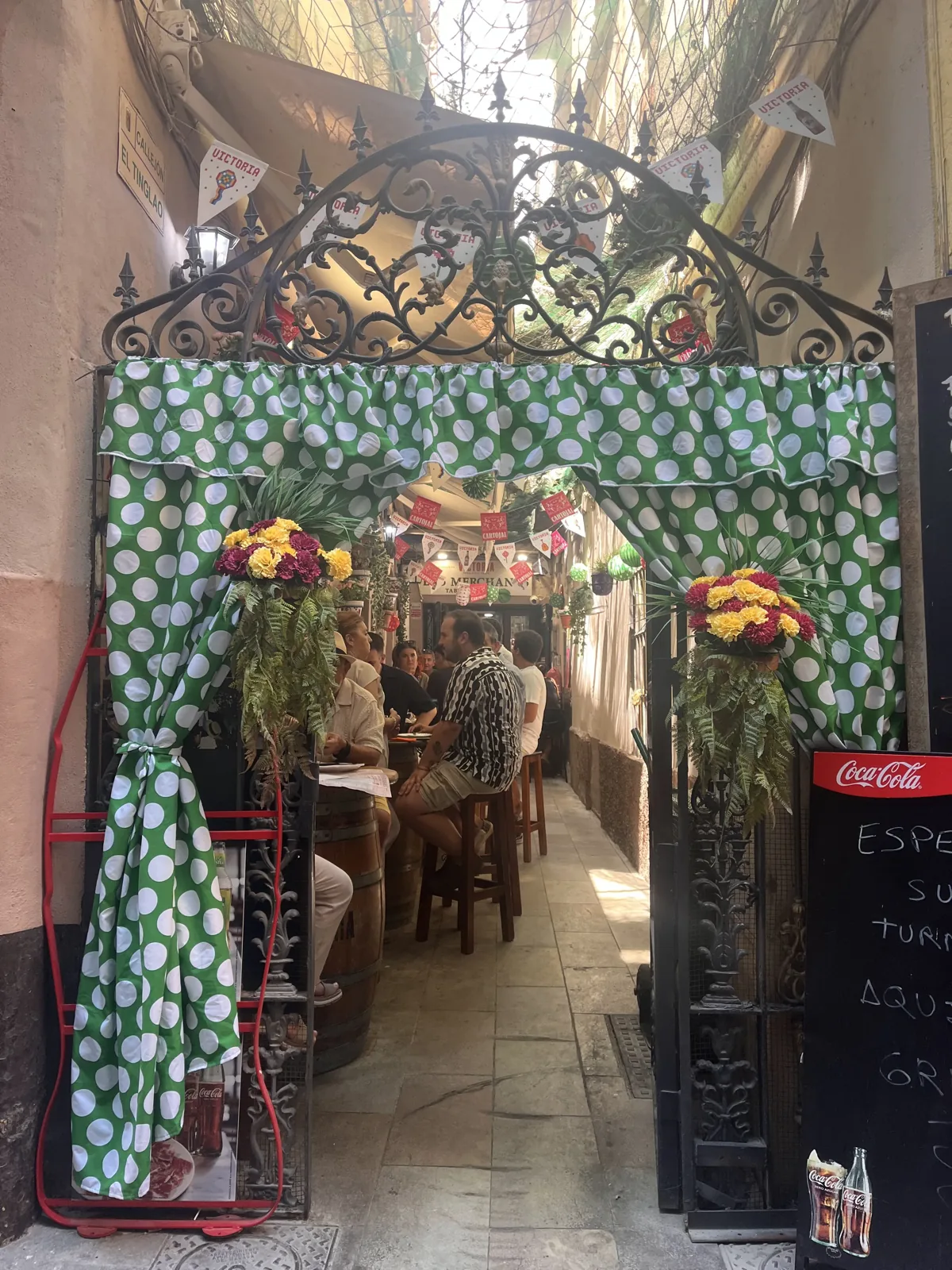
I like sitting at Picas on Plaza de la Merced when the sun’s on the square.
For something different, find Las Merchanas. It’s two taverns, one on Calle Mosquera and one on Calle Nosquera, and both are full of Semana Santa (Holy Week) memorabilia. It’s a pretty awesome place to eat and one of the most unique restaurants in Málaga, and there’s normally a queue.
Squeeze into La Tranca on Calle Carretería if you don’t mind standing, because it’s small and usually packed. El Tapeo de Cervantes on Calle Cárcer has only about 28 covers, and it’s closed on Mondays.
Lunch is roughly 1pm to 4pm, and you’ll usually pay for your tapas in Málaga, since free tapas with a drink is a Granada thing.
There are plenty more in my Málaga tapas guide.
18. El Pimpi
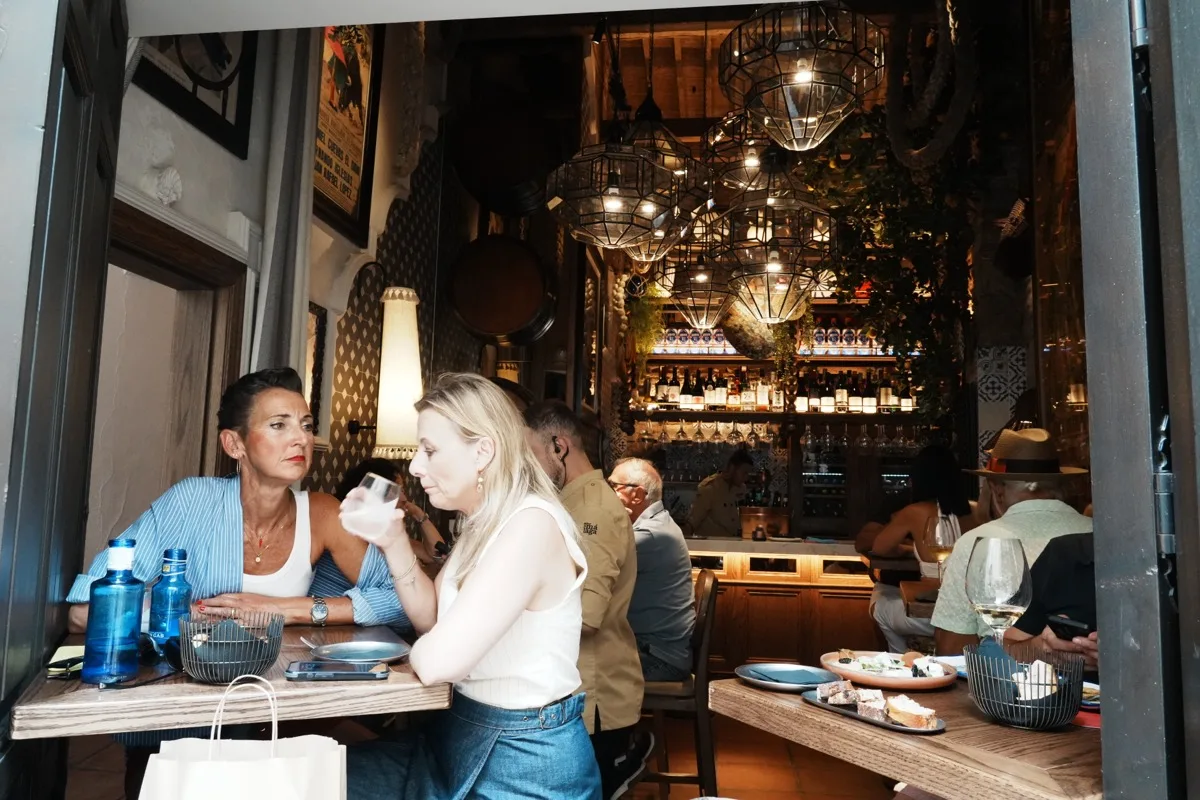
Walk past the Roman Theatre, right below the Alcazaba, and you’ll find yourself at the door of El Pimpi. It opened in this old house in 1971, and the building has several parts.
There’s the outside terrace, a more intimate dining room upstairs, indoor seating near the famous barrels (all signed by famous visitors), a large traditional Spanish bar where you can get cheaper tapas and drinks, another smaller area to eat on the opposite side of the building, and the indoor courtyard. You do have to find the romance in El Pimpi, and with that many rooms you’ve got a few places to look.
Antonio Banderas is also a shareholder, and you’ll often find him having a meal with family and friends when he’s in town. Picasso, on the other hand, never ate here, whatever people assume. He died in 1973 and never came back to Spain.
Order a glass of sweet Málaga wine, which is the classic here. I’ve got more places to drink in my guide to the best bars in Málaga.
19. Sunset on a rooftop
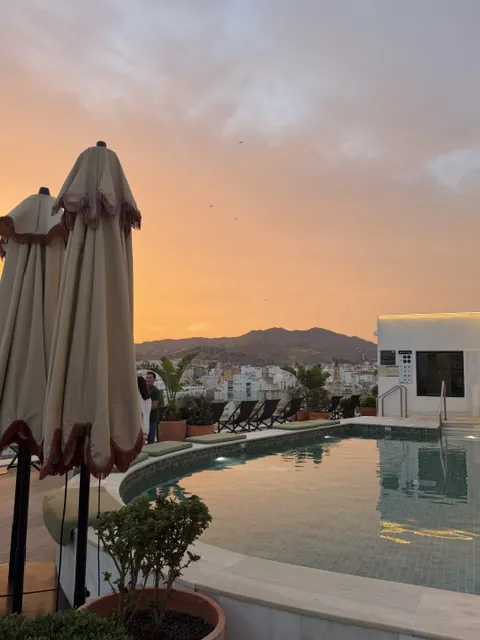
When the sun starts to drop, my way of watching it is from a rooftop bar with a tinto de verano (red wine with lemon soda) in my hand.
My pick is the H10 Croma, because the rooftop and pool are, in my opinion, one of the biggest and prettiest in Málaga.
For a view over the city’s landmarks, head up to the rooftop at the AC Hotel Málaga Palacio, which looks out over the cathedral and the port.
Whichever one you choose, get there early, because rooftops fill up before sunset.
I’ve listed more options in my guide to the rooftop bars in Málaga, and if you’d rather keep it free, my Málaga sunset guide covers where else to watch it.
20. A flamenco show
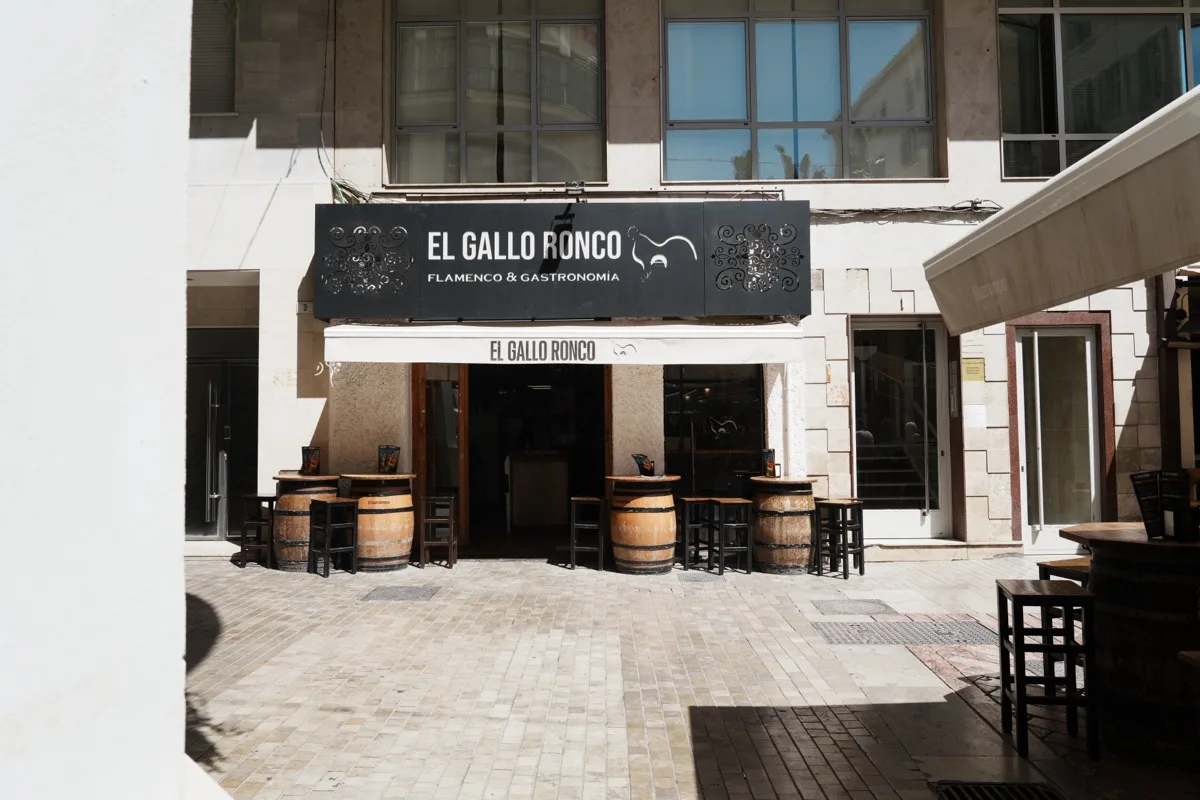
I’ve seen a flamenco show at El Gallo Ronco, and it was superb, so I highly recommend it.
You’ll find it on Plaza de las Flores, just off Calle Larios. It’s a restaurant and flamenco tablao (a small flamenco venue), and there are shows every day that last about an hour. Ticket sellers list sessions at 6:30pm and 8:30pm, from about €24, and you can book a flamenco show online.
Flamenco is Andalusian, so this is the part of Spain to see it, and a small venue like this puts you a few metres from the dancer.
If you’d like dinner and a show, my other suggestion is Vino Mío, a restaurant near the Teatro Cervantes. There’s live flamenco during dinner from Tuesday to Sunday at 8pm and 9:30pm, and it’s €10 a person on top of your meal.
Day trips worth the early start
These are the three I recommend first when someone asks what’s worth leaving Málaga for. Each one takes the whole day, and my full list is in day trips from Málaga.
21. Caminito del Rey
If you only do one day trip from Málaga, make it the walkway pinned to the Gaitanes gorge, and book ahead because tickets sell out. Everything else is in my full Caminito del Rey guide.
22. Ronda & Setenil de las Bodegas
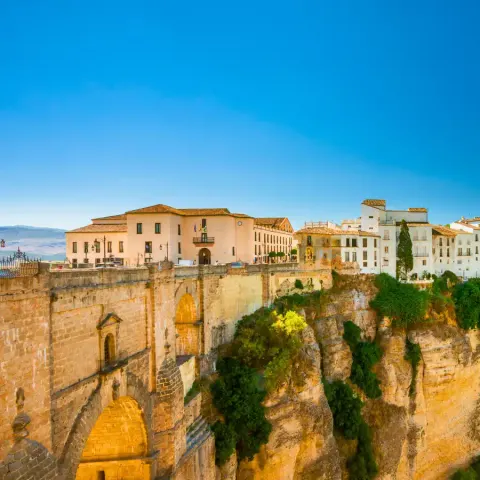
The Puente Nuevo is the reason I always take visiting family to Ronda, and Setenil’s rock-roofed streets are 20 minutes on. See things to do in Ronda and my Setenil de las Bodegas guide.
23. Frigiliana & Nerja
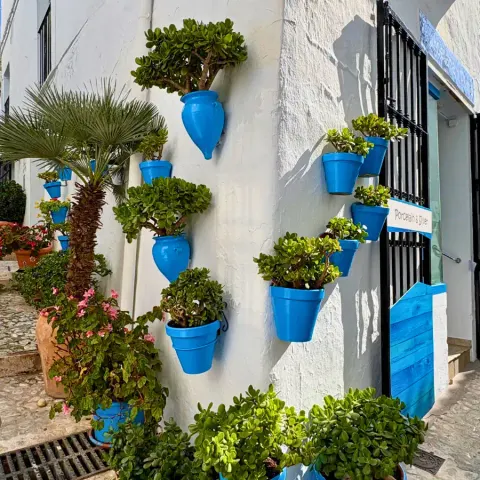
Frigiliana’s blue doors make it my favourite white village, and I pair it with Nerja on the coast. See things to do in Frigiliana and things to do in Nerja.
Free entry, day by day
Wait until Sunday afternoon and most of Málaga’s big sights stop charging, and the cathedral, MUPAM and MuCAC have free times too. The full list of days, hours and prices is in my guide to free things to do in Málaga.
Planning your days
How many days
If you’ve only got one full day, that’s enough for the highlights. Here’s the order I’d do it in:
Morning: the Alcazaba and the Roman Theatre, then the Picasso Museum.
Lunch: somewhere near Atarazanas.
Afternoon: Calle Larios and the cathedral, then Muelle Uno.
Sunset: Gibralfaro, or a rooftop.
Dinner: by the sea in Pedregalejo.
The full route is in my one day in Málaga post.
With two to three days, you’ll get through the main sights, a beach and a good amount of eating. Stay four or more and you’ve got room for day trips to Ronda or the Caminito del Rey.
Getting in & around
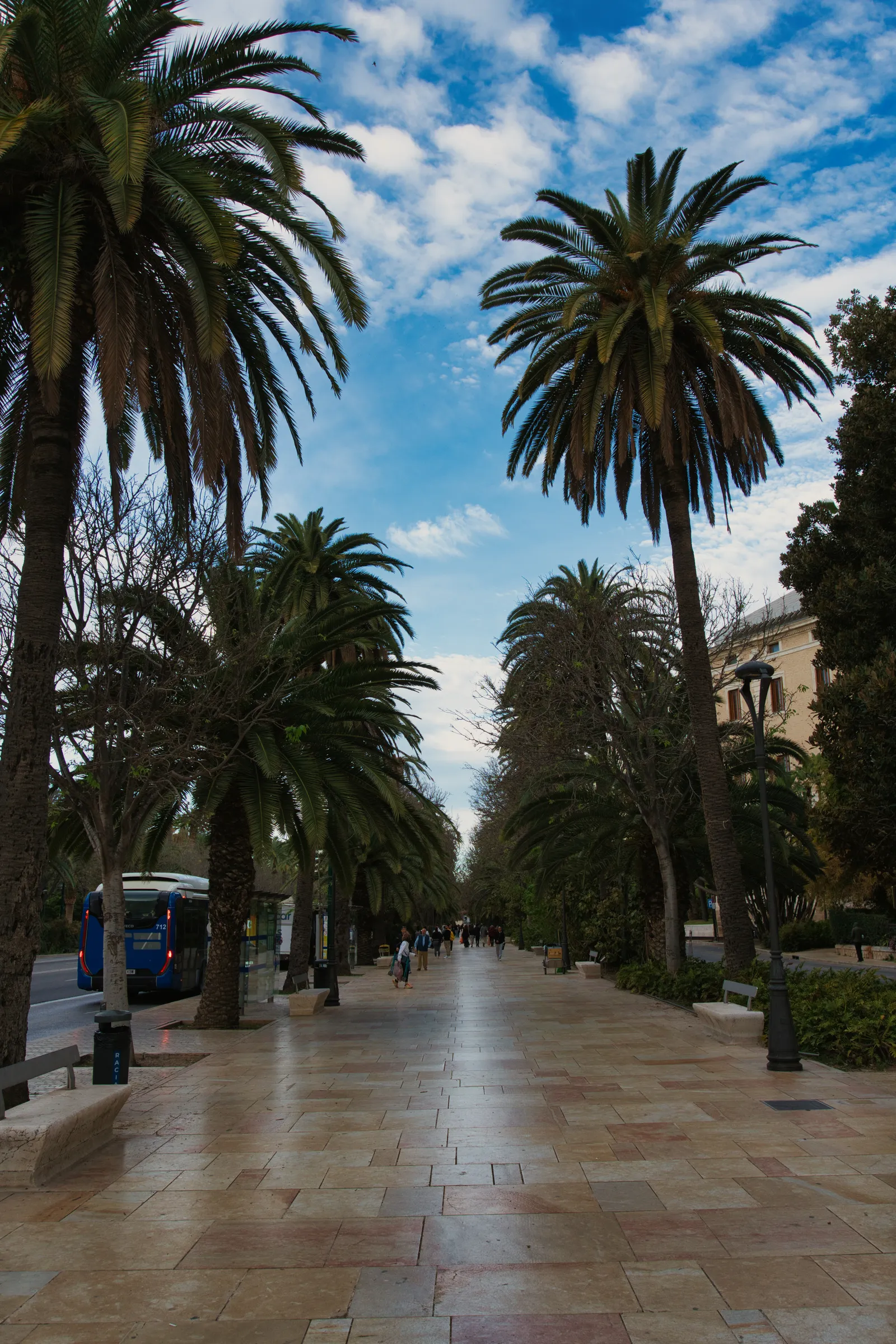
Málaga is so walkable that I prefer to walk. It sometimes even works out quicker than taking the bus, because the centre is small.
When I first moved here, I didn’t have a car for about a year and a half, so I used the train all the time.
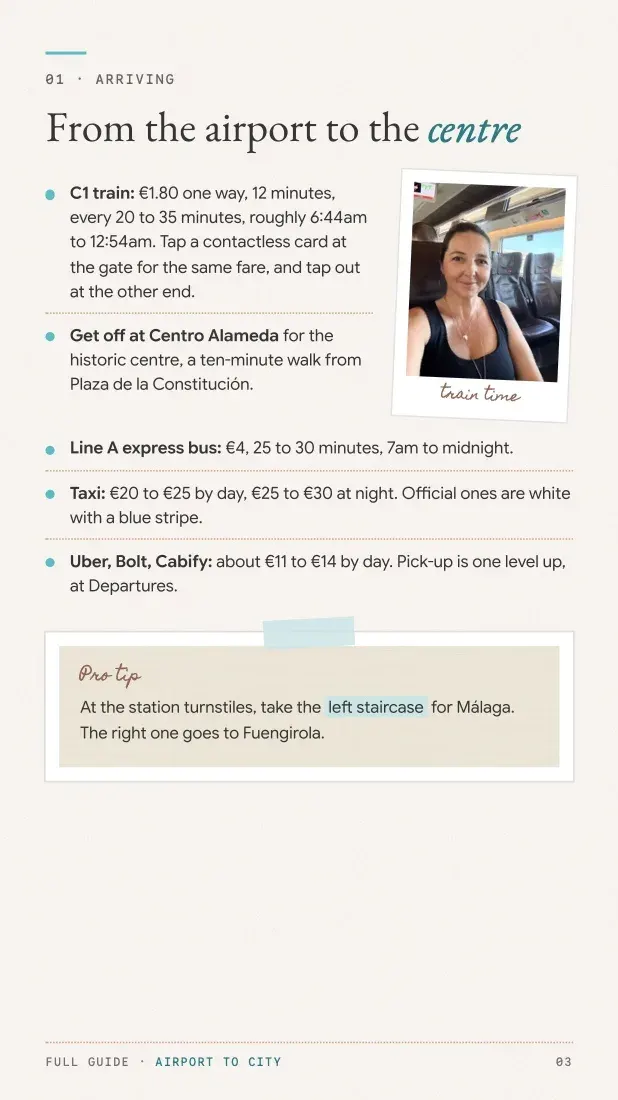
From the airport: the C1 train gets you to Málaga Centro-Alameda in about 12 minutes, for under €2. Tap your card in and out.
Taxis: they wait outside arrivals.
City buses: the EMT buses cost €1.40 a ride.
For routes and tickets, see my Málaga public transport guide.
When to come
I’ve read on the beach in the sun in December, which tells you most of what you need to know about winter here. It’s mild and quieter.
Spring (April and May) and autumn (September and October) bring warm days and cool evenings. Summer is hot, and July and August are the busiest.
I hate the cold, and I never check the weather here because it so rarely rains.
What’s on through the year
February: Carnival, which ends with the burial of the boquerón (a giant anchovy).
✝March or April: Semana Santa, Holy Week, with processions through the old town.
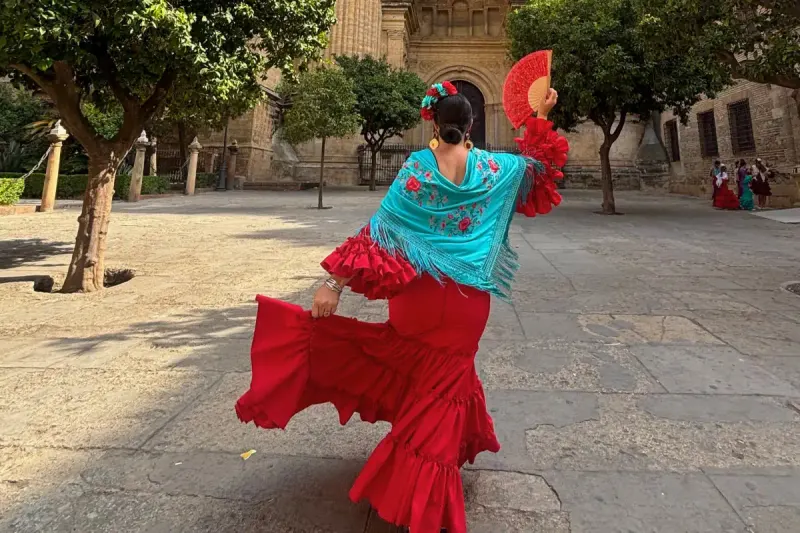
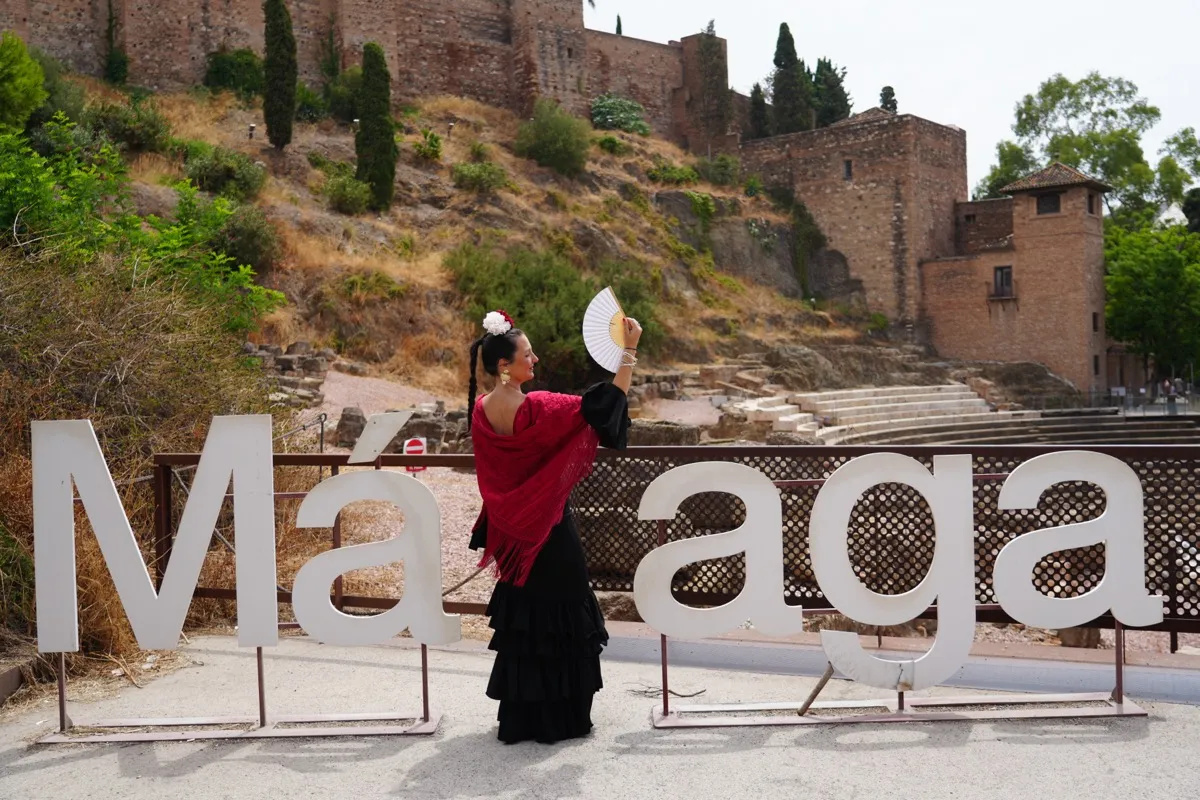
Mid-August: the Feria de Málaga, for about a week. There’s a daytime fair in the old town streets and a night fair at the Cortijo de Torres fairground. I wore a red flamenco dress to it in 2025 and a black one in 2026.
Late November to early January: the Christmas lights on Calle Larios. They’re the thing. Christmas 2026 is my fifth here, and because I’m claustrophobic, I often watch them from a rooftop. My Christmas in Málaga guide has the rest.