Spain has some of the most unique festivals in the world. Baby jumping, wine fights, flaming brooms, mock funerals, and a town-wide tomato battle that’s been running for decades. These Spanish celebrations and traditions range from centuries-old village rituals to internationally famous events that draw millions.
We’ve been living in Malaga for years, and every time we sit down with Spanish friends, someone mentions a festival we’ve never heard of. This list covers 18 of the most unusual and unforgettable ones, from local village traditions to famous celebrations in Spain that you can plan a trip around.
Whenever we make it to one of these, we’ll update this post with what we saw. For now, here’s what to know about each one.
What Is the Most Famous Festival in Spain?
That depends on who you ask, but Las Fallas in Valencia, San Fermin (the Running of the Bulls) in Pamplona, and La Tomatina in Bunol are the three that most people outside Spain have heard of. Within Spain, Semana Santa (Holy Week) in Seville is the most revered of the lot, drawing hundreds of thousands of people each year.
But Spain’s lesser-known festivals are often the most memorable. The ones in small villages with traditions dating back centuries are where you’ll see something truly unique.
How Many Festivals Does Spain Have?
Spain has more festivals per capita than almost any country in Europe. Every village, town, and city has its own annual fiesta, often tied to a patron saint or a centuries-old tradition. Estimates put the total somewhere above 3,000 across the country.
That’s not counting national holidays like Semana Santa, which plays out differently in every region. In practice, you could visit Spain any week of the year and stumble into a local celebration somewhere.
Unique Spanish Festivals You Probably Never Heard of
El Colacho, Castrillo de Murcia
Date: Early June
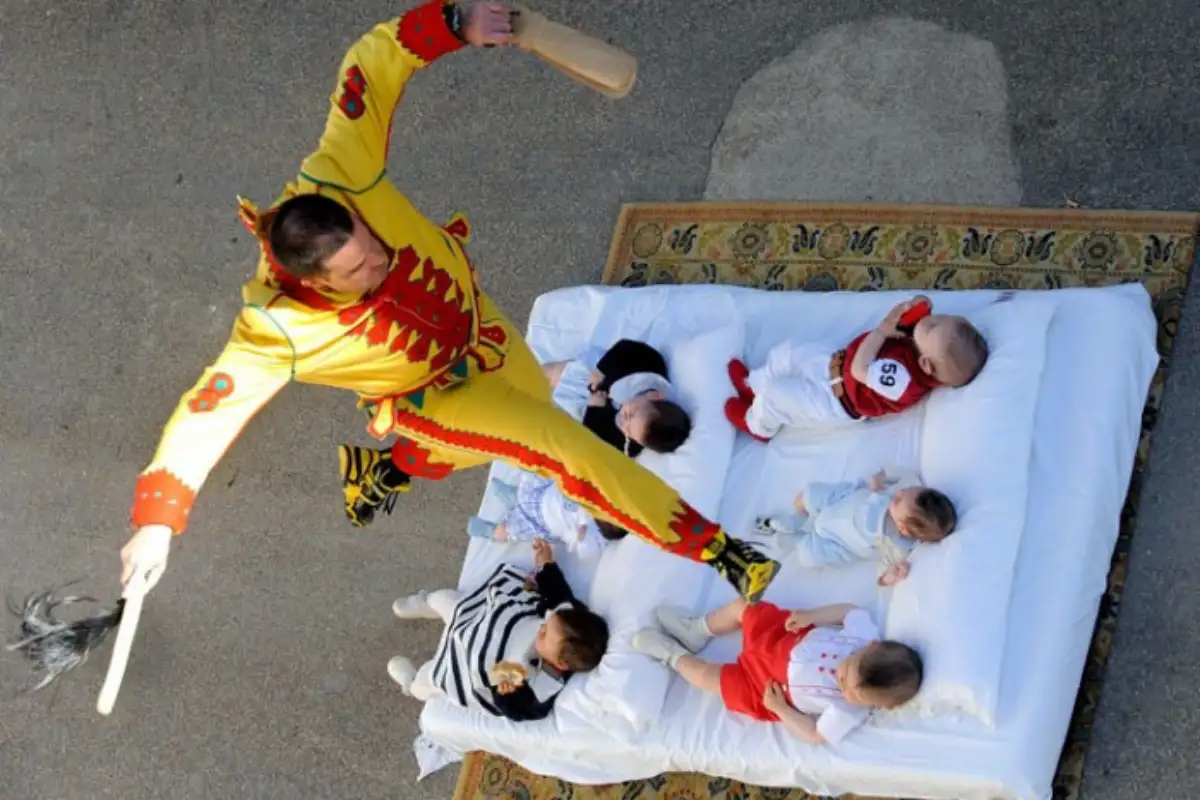
Picture grown men dressed as devils, leaping over rows of babies lying on mattresses. Welcome to El Colacho.
Held in the village of Castrillo de Murcia, this centuries-old tradition is believed to ward off evil spirits and bring good luck. The custom dates back to the 1600s and is meant to cleanse newborns of original sin. According to records, no babies have ever been hurt.
It’s bizarre, bold, and something you have to see to believe.
Fiesta de Santa Marta de Ribarteme, Las Nieves
Date: July 29th
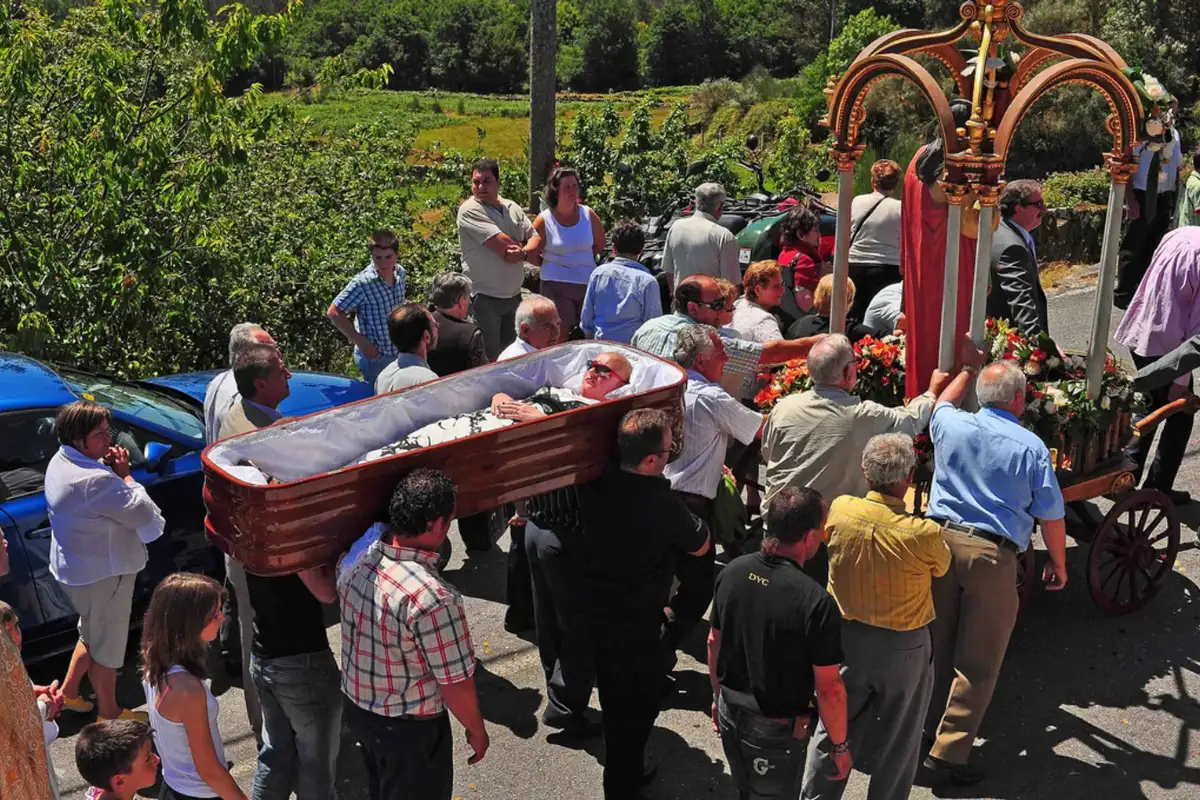
In the town of Las Nieves, people who’ve had near-death experiences climb into coffins and are carried through the streets in a strange but heartfelt procession. It’s their way of giving thanks for surviving a brush with death.
Despite the theme, this isn’t sombre. It’s a celebration of life, complete with music, fireworks, and plenty of food.
Entroido, Laza, Galicia
Date: February (Carnival Season)
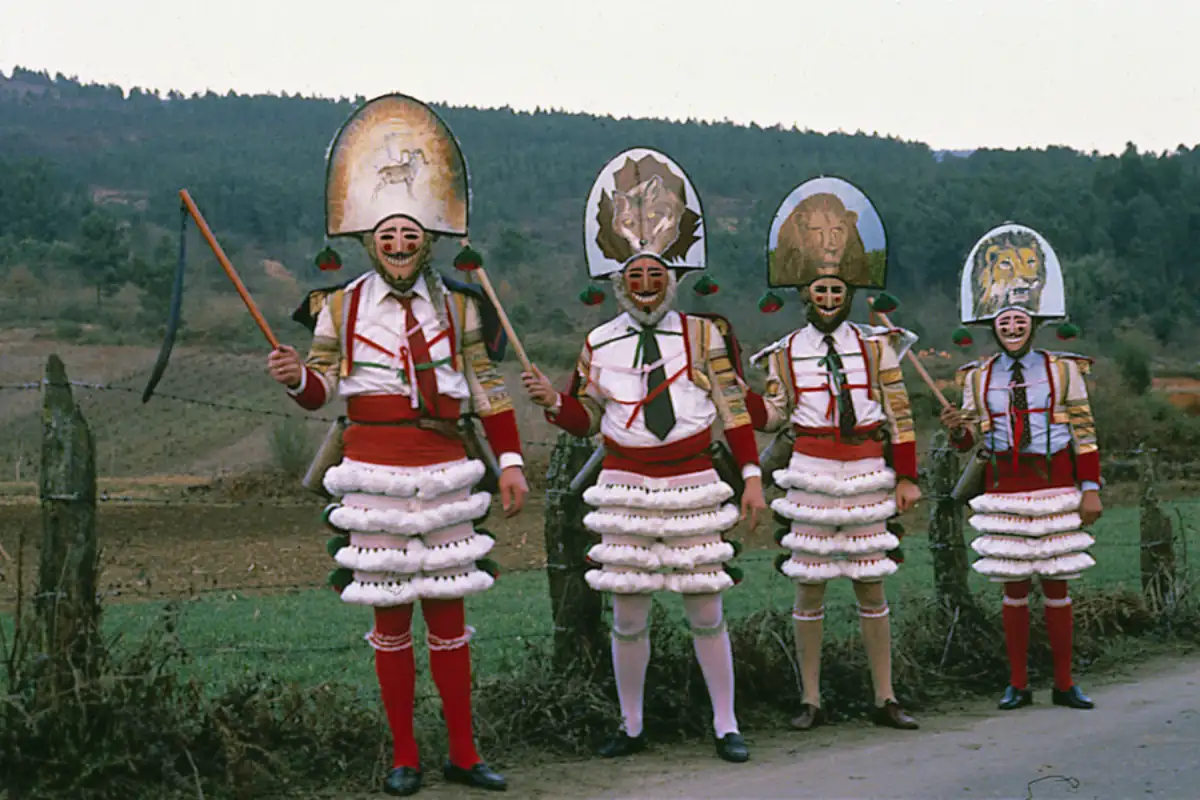
Entroido in Laza isn’t your typical carnival. Locals smear themselves in mud, then chase each other through the streets.
Others collect ants, shake them up, and toss them at unsuspecting passersby. It’s messy, itchy, and completely off the wall.
If you go, wear old clothes and pack insect repellent.
La Fiesta de los Enharinados, Ibi, Alicante
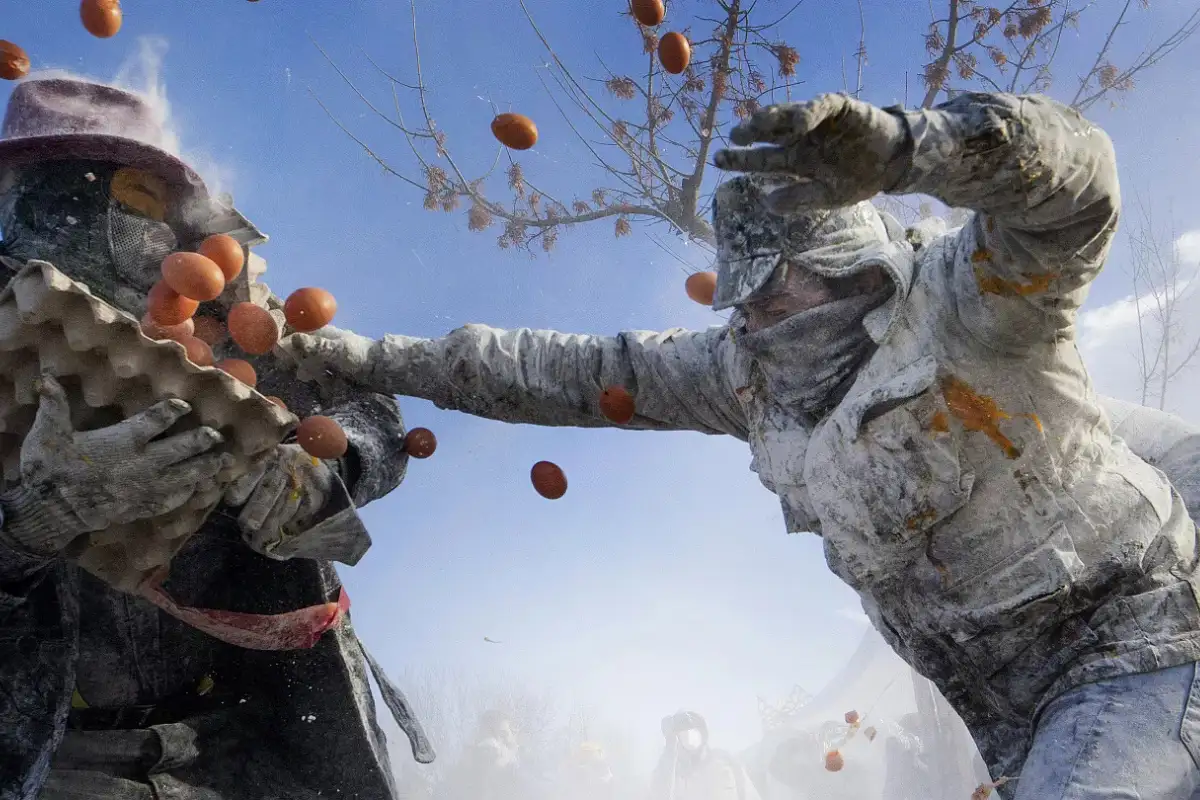
Date: December 28th
In the town of Ibi, locals stage a full-blown battle of flour and eggs. It’s a day of chaos where participants stage a playful coup and “fight” for control of the town. The tradition dates back over 200 years.
Expect white clouds of flour, eggs flying through the air, and plenty of shouting and laughter. Bring a bandana to cover your nose and mouth. Breathing in flour all day isn’t as fun as it sounds.
La Rapa Das Bestas, Galicia
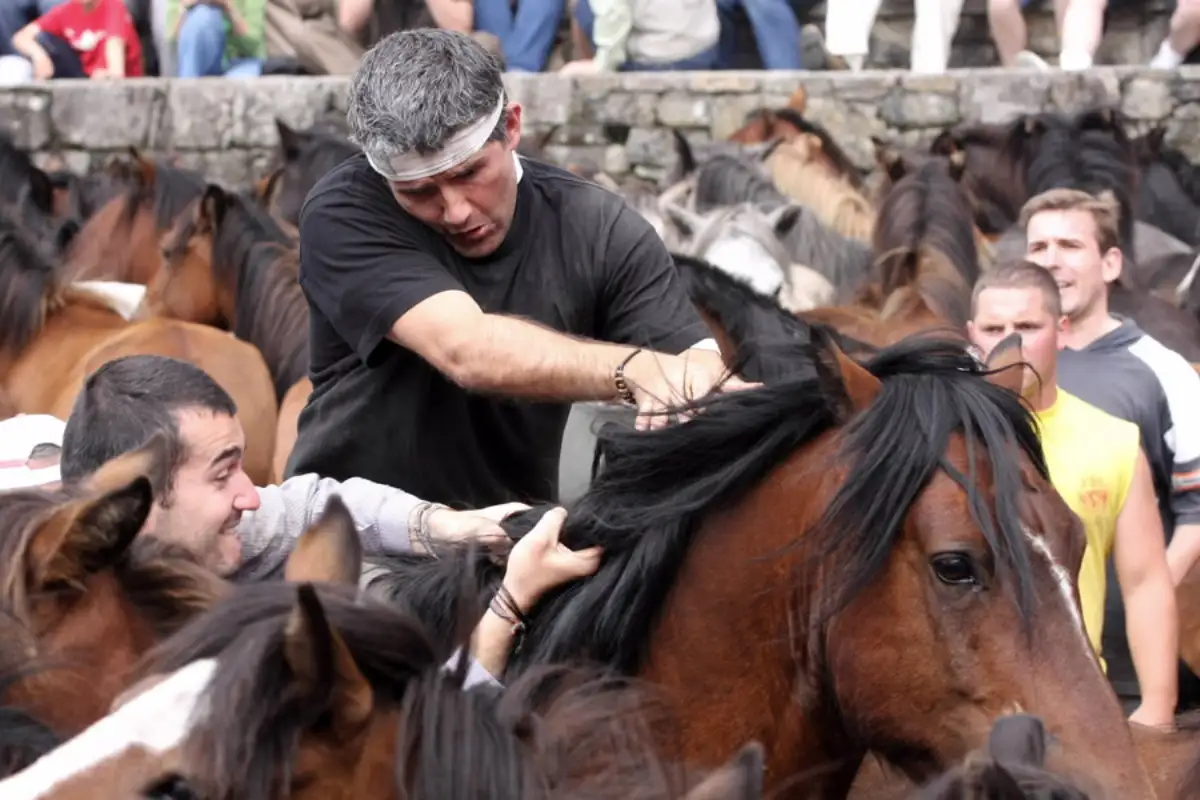
Date: First weekend of July
La Rapa das Bestas is a centuries-old tradition where locals wrestle wild horses to the ground to trim their manes and tails. Galicia is home to around 10,000 wild horses today, though it used to be closer to 22,000.
During the event, the animals are herded into town and the trimming is done entirely by hand, with no ropes, no tools, just strength and tradition. It’s intense, physical, and unlike anything else you’ll see in Spain.
Los Escobazos, Jarandilla de la Vera
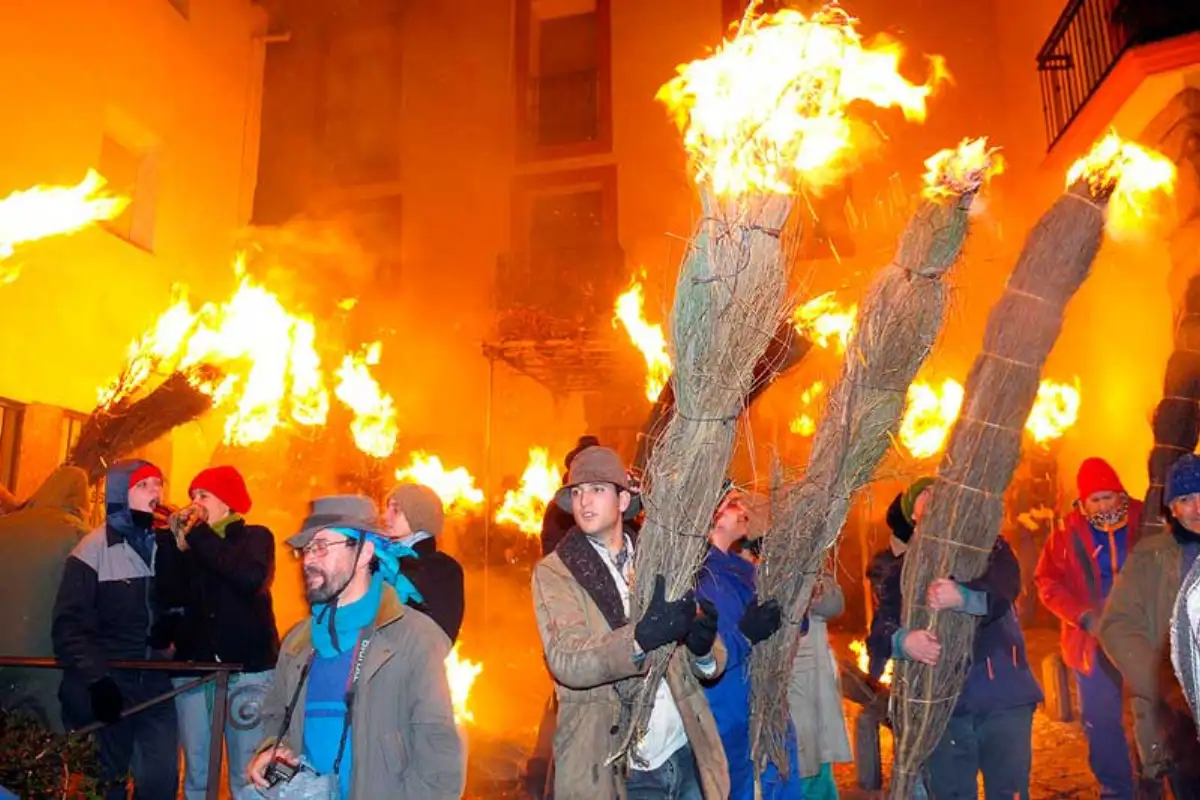
Date: December 7th
In Jarandilla de la Vera, locals celebrate Los Escobazos by lighting bundles of branches and tapping each other on the legs in a fiery, good-natured tradition. It’s said to release sadness and bring people together. What starts with flames ends in music, dancing, and shared laughter.
It might sound intense, but injuries are rare and locals take care to keep things fun.
Batalla del Vino, Haro, La Rioja
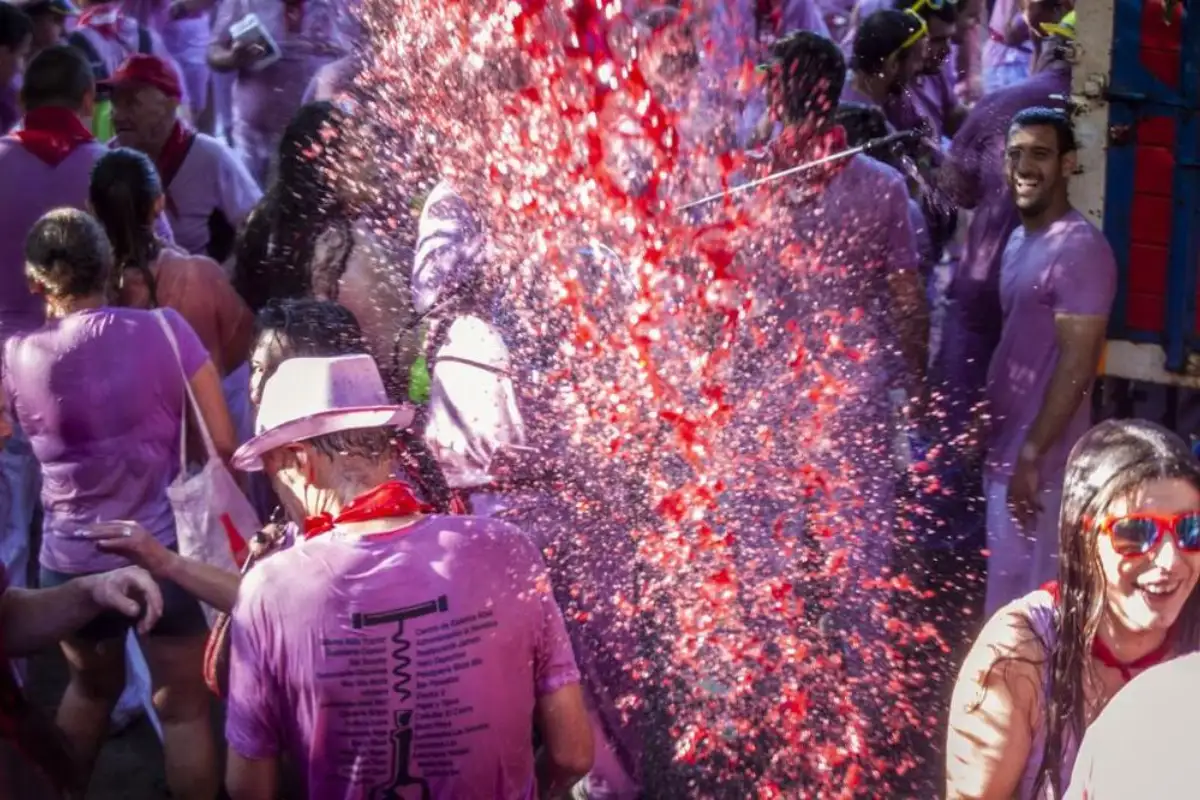
Date: June 29th
In Haro, the Batalla del Vino is a full-scale wine fight. Dressed in white, participants arm themselves with buckets, bottles, and water guns filled with red wine. The result is a wild, purple-stained party that takes over the town.
Wear white clothes you don’t mind ruining. You’ll be drenched in wine and loving every second.
La Vijanera, Silio, Cantabria
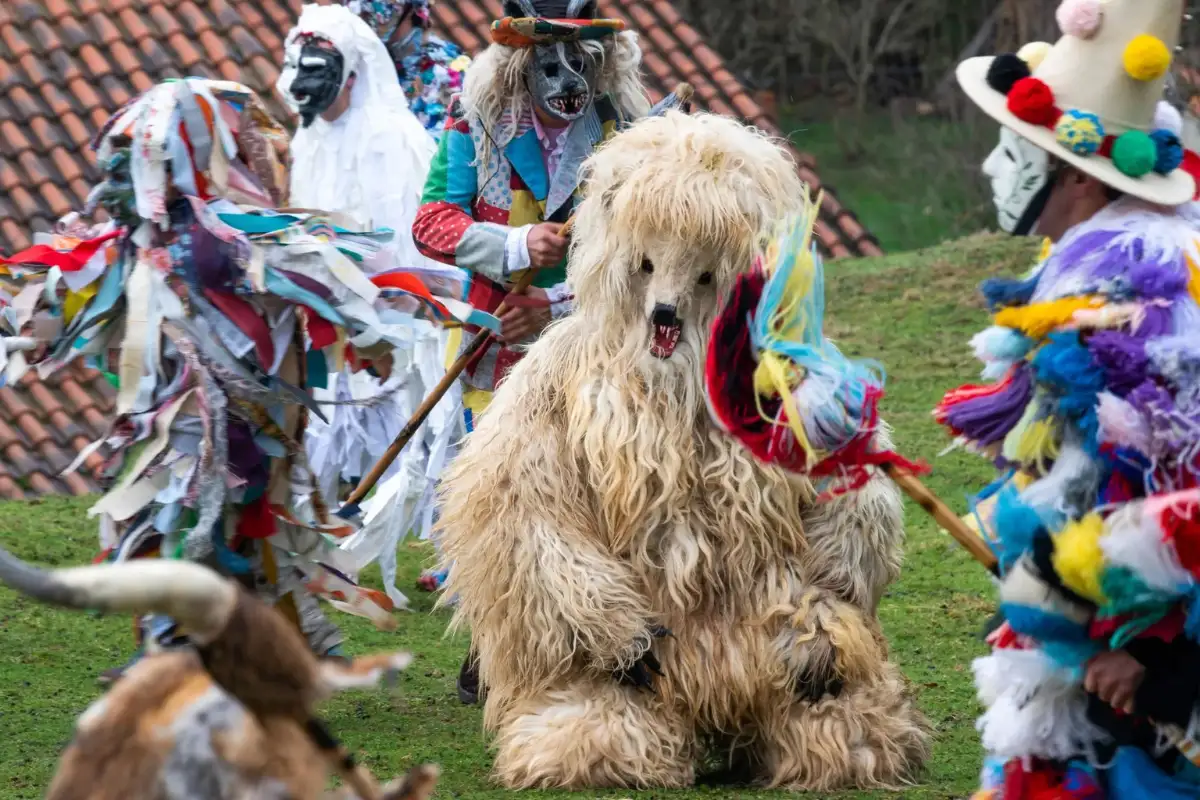
Date: First Sunday of January
La Vijanera marks the start of the new year with a colourful masquerade rooted in tradition and symbolism. Held in the village of Silio, locals dress in elaborate costumes and masks, parading through the streets to chase away bad spirits.
One of the most striking figures is the “zarramacos,” men dressed in black and covered with bells, who jump and shout to ward off negativity.
Romeria Vikinga, Catoira, Galicia
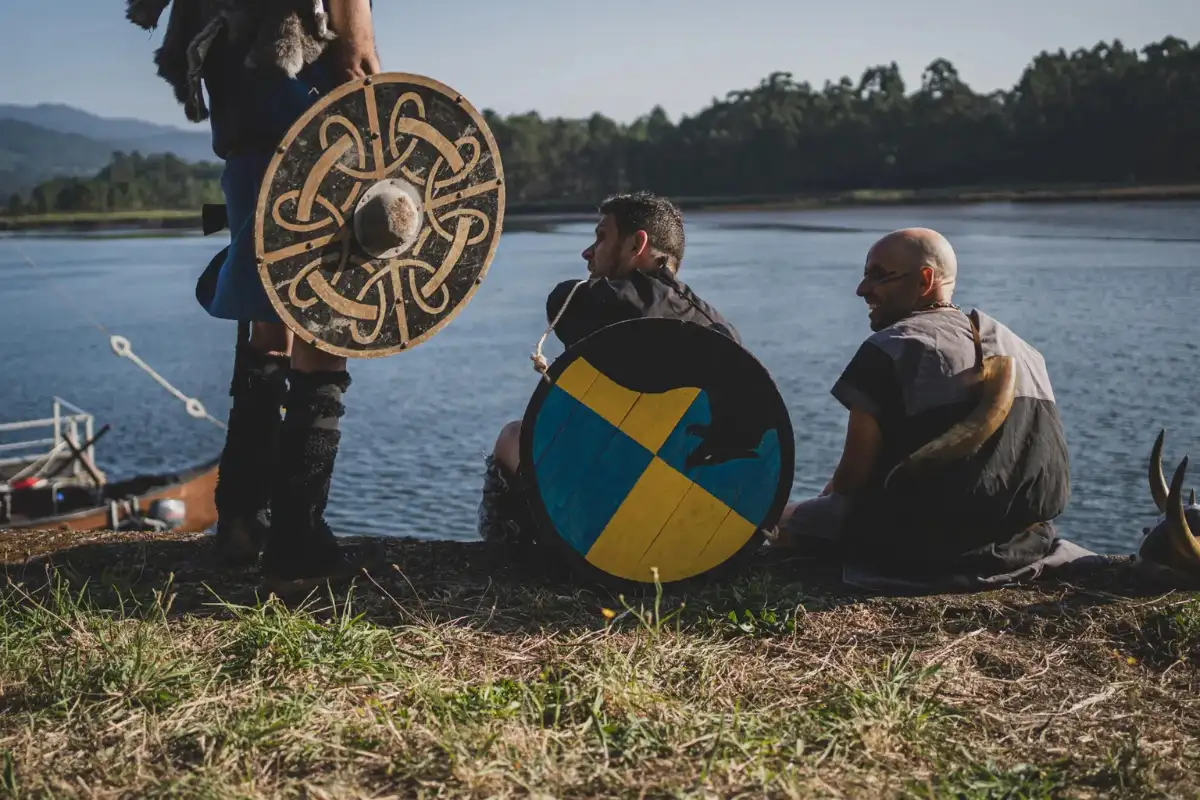
Date: First Sunday of August
In a nod to its Viking past, the town of Catoira hosts a lively reenactment where locals dressed as Vikings arrive by ship and stage a mock battle with the townspeople. Expect music, laughter, and the occasional splash of wine.
Danza de los Zancos, Anguiano, La Rioja
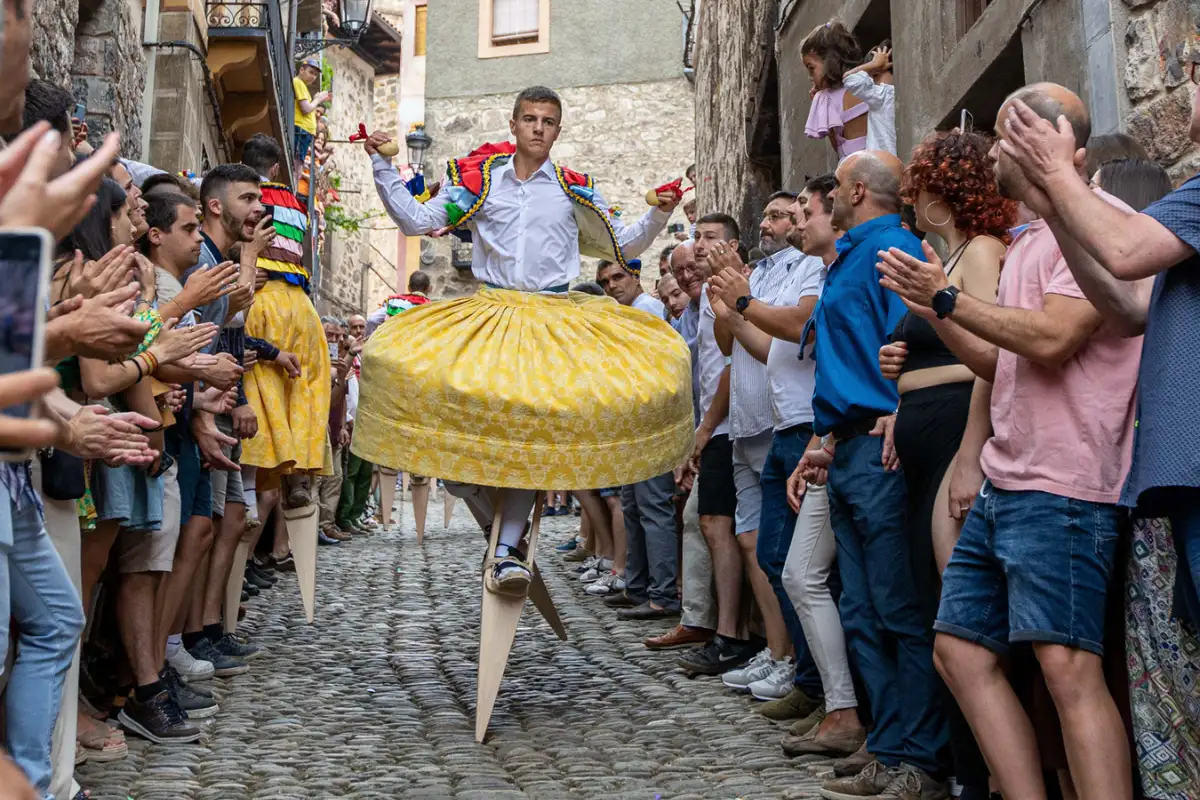
Date: Late June
In Anguiano, dancers take to the streets on tall wooden stilts, spinning at high speed down a steep cobblestone slope. This centuries-old tradition honours Saint Mary Magdalene and puts both balance and courage to the test.
Find a good vantage point and keep your distance. Those spinning stilts have been known to clip an unsuspecting spectator.
El Entierro de la Sardina (Burial of the Sardine)
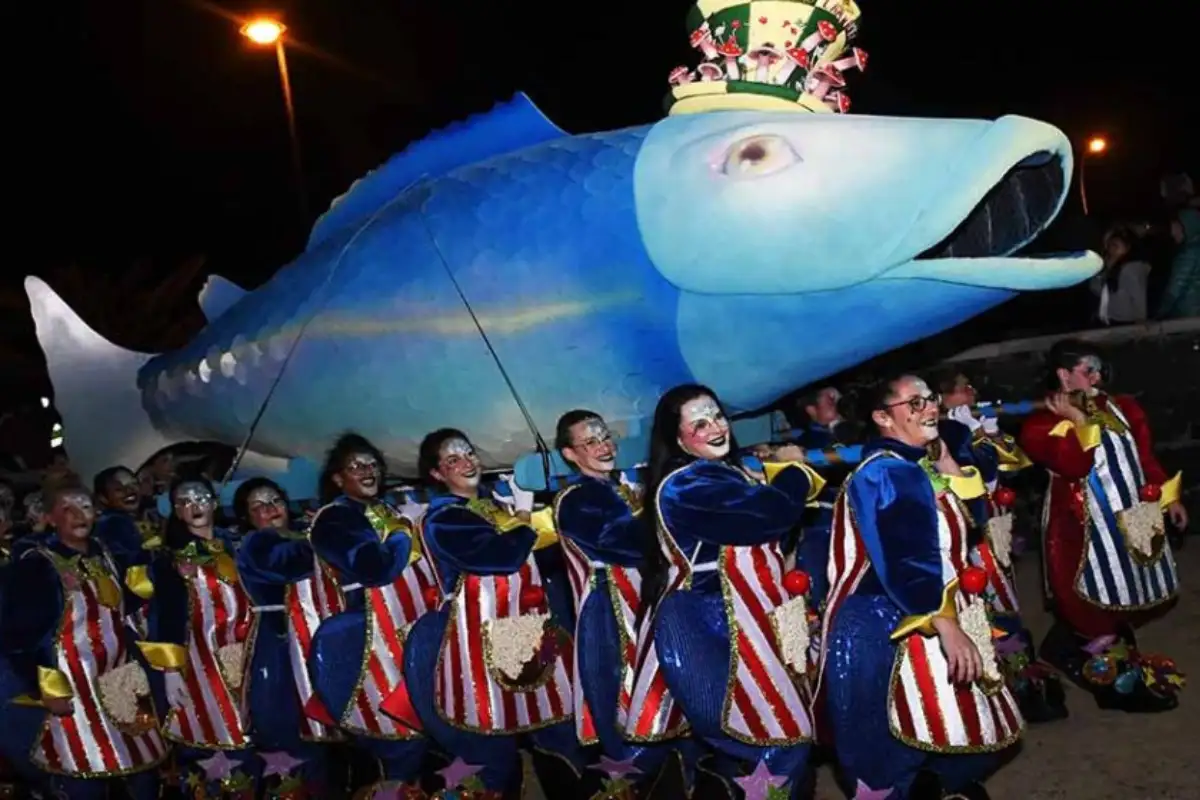
Date: Ash Wednesday (End of Carnival)
El Entierro de la Sardina is a theatrical mock funeral where a giant papier-mache sardine is paraded through the streets and then set on fire. This tradition marks the end of Carnival and the start of Lent, blending satire, music, and over-the-top costumes.
It happens in cities across Spain, including Malaga, where the carnival celebrations are lively and well attended.
La Patum de Berga, Catalonia
Date: During Corpus Christi (May or June, varies yearly)
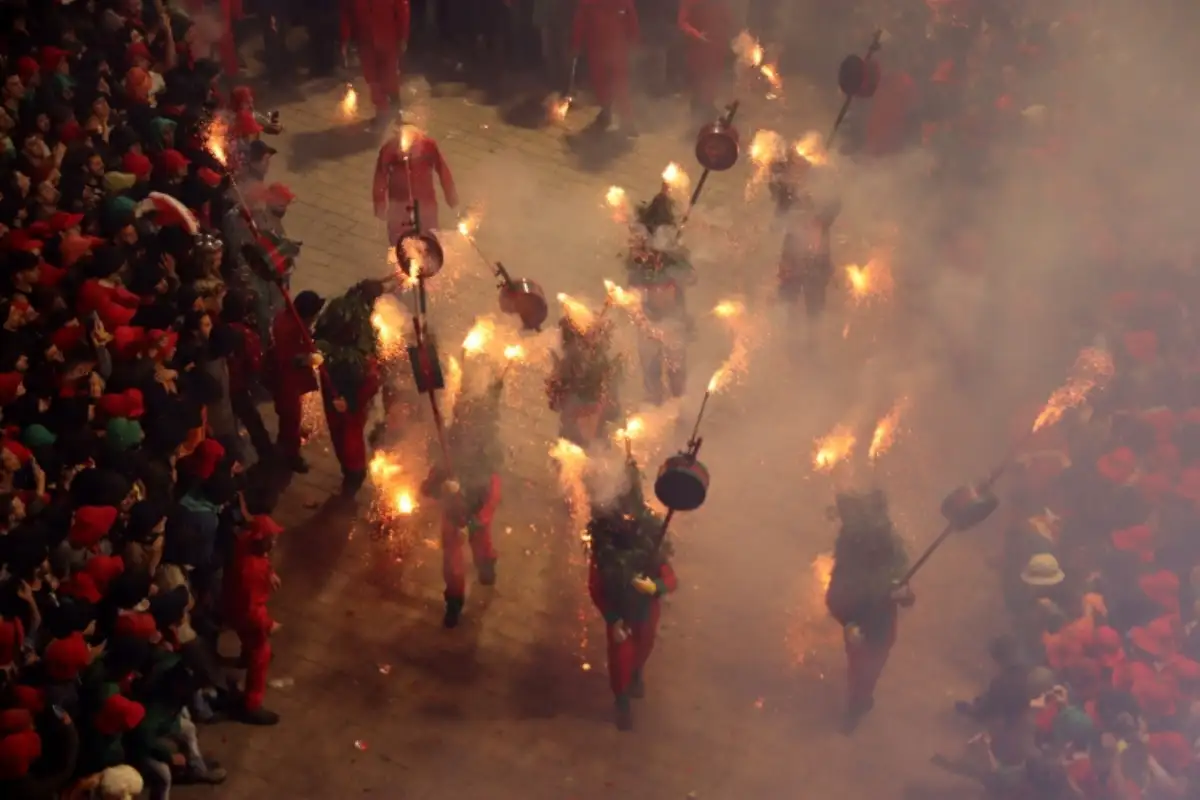
La Patum de Berga transforms this Catalan town into something out of a medieval dream. The streets fill with towering papier-mache figures, fire-spitting creatures, and relentless drumming. UNESCO recognised it as a Masterpiece of the Oral and Intangible Heritage of Humanity in 2005.
Don’t miss the Salt de Plens, when costumed figures with fireworks strapped to them fill the square with a storm of sparks. It’s loud, chaotic, and breathtaking.
La Tamborrada, San Sebastian
Date: January 20th
For 24 hours straight, the streets of San Sebastian fill with the sound of drums. Over 100 groups march through the city, drumming non-stop from midnight to midnight. It’s the city’s patron saint celebration, and the noise is incredible.
The tradition dates back to the early 1800s and has become one of the Basque Country’s most iconic events. If you’re in northern Spain in January, it’s worth the trip.
Los Hombres de Musgo, Bejar
Date: During Corpus Christi (varies yearly)
In Bejar, men cover themselves head to toe in moss and march through the town in silence. The tradition commemorates a medieval battle where locals disguised themselves in vegetation to sneak up on Moorish defenders.
It’s eerie, beautiful, and completely unlike any other festival in Spain.
El Dia de los Inocentes, Nationwide
Date: December 28
Spain’s take on April Fool’s Day. Though its origins come from a biblical story, the modern celebration is all about pranks, hoaxes, and lighthearted mischief.
Even major news outlets publish fake stories. No one is off-limits, so stay sharp.
Famous Spanish Festivals
La Tomatina, Bunol
Date: Last Wednesday of August
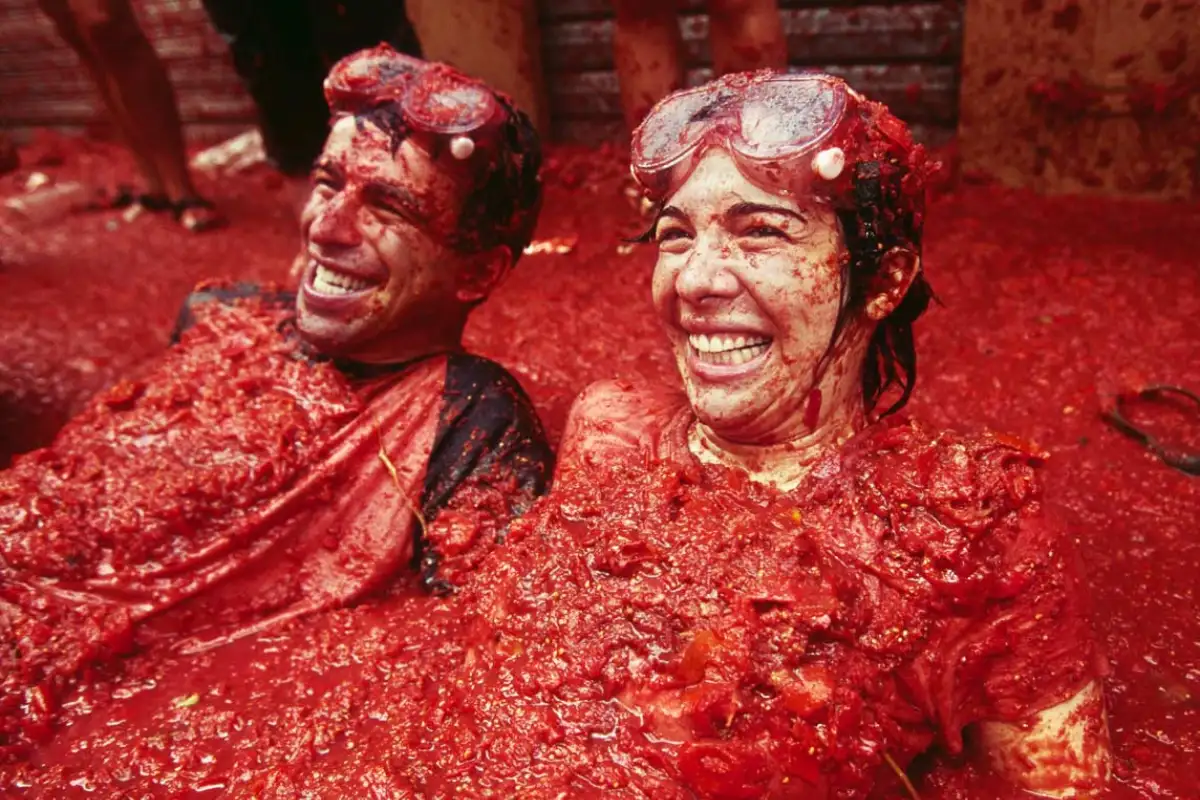
The world’s biggest food fight. In the small town of Bunol, thousands of people launch overripe tomatoes at each other in a chaotic, hour-long battle that leaves the streets soaked in pulp.
Wear old clothes and protective goggles unless you fancy tomato pulp in your eyes. Tickets sell out, so book well in advance.
Carnaval de Cadiz
Date: February or March (varies with Lent)
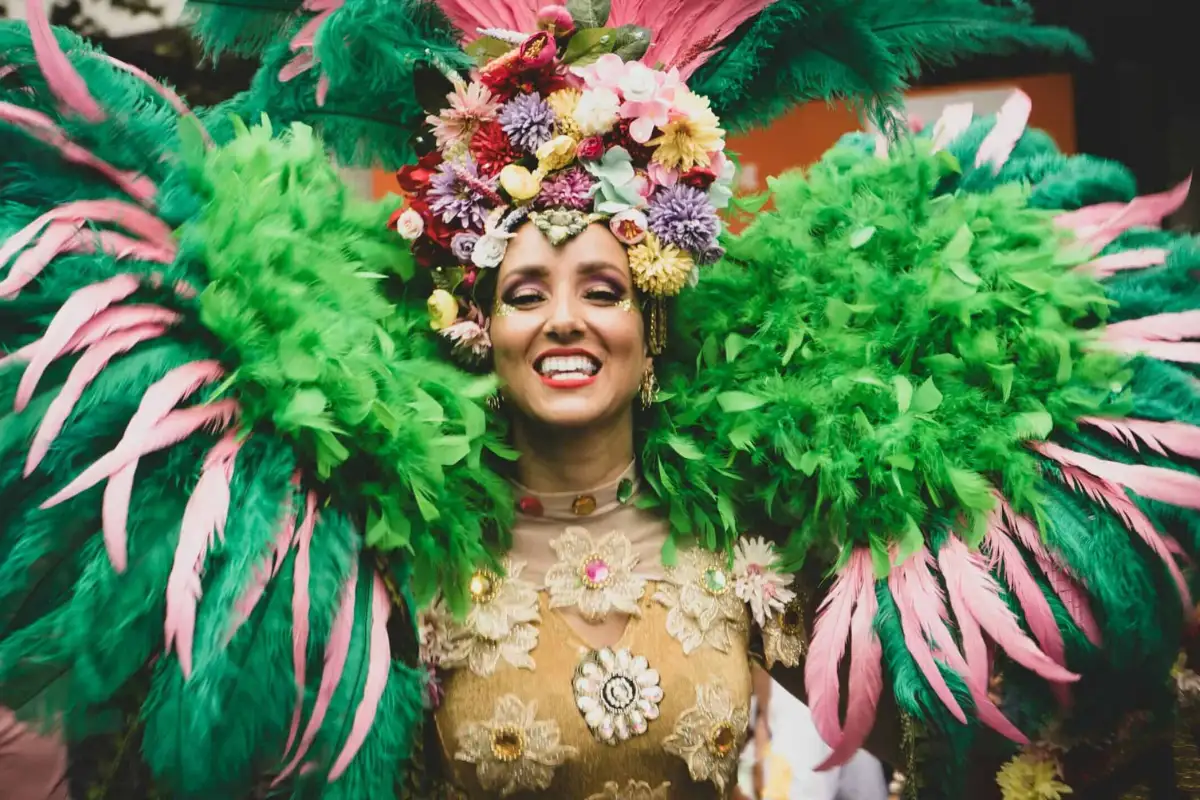
For wit and humour, nothing beats the Carnaval de Cadiz. Groups known as “chirigotas” perform comedic musical acts in the streets, poking fun at politics, pop culture, and everyday life. The more outrageous the costume, the better.
Cadiz is one of the most characterful cities in **Andalusia, and carnival is the best time to see it at its most alive.
San Fermin (the Running of the Bulls), Pamplona
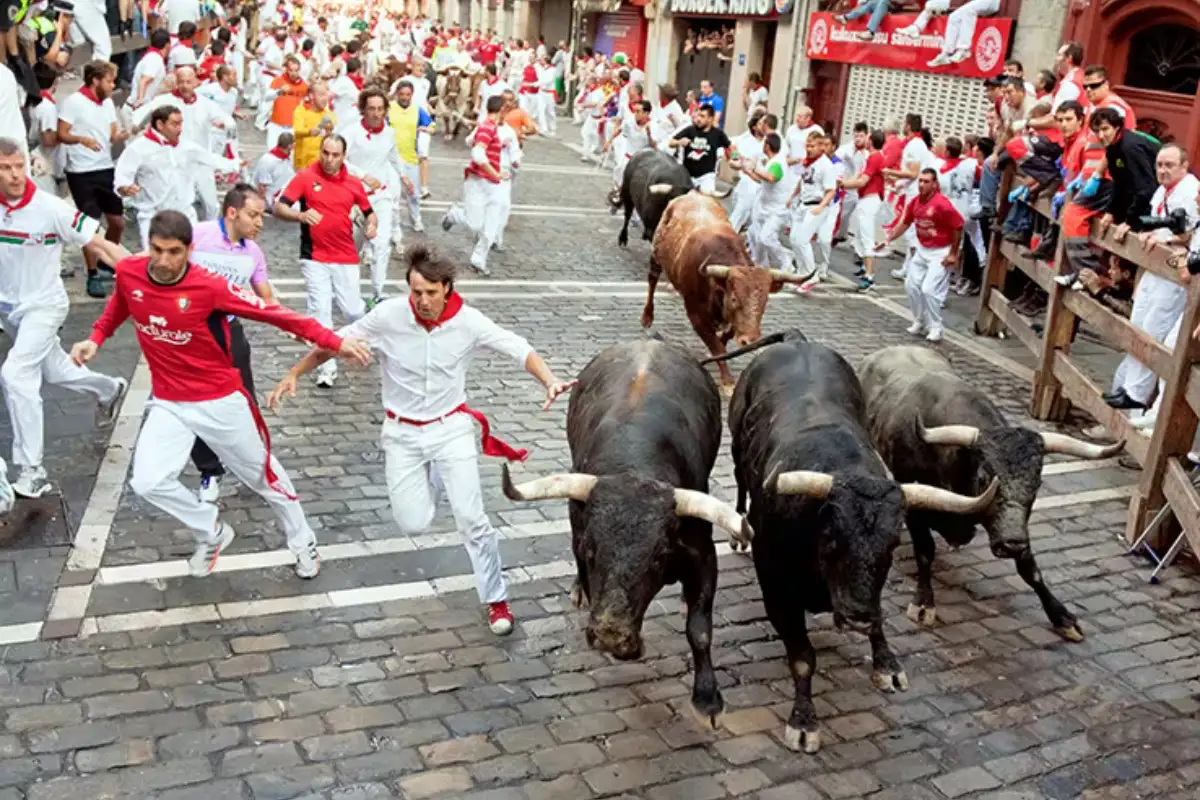
Date: July 6 to 14
Few festivals match the adrenaline of San Fermin. Each morning in Pamplona, runners sprint through narrow streets alongside half-ton bulls.
But the festival is more than just the bull run. It’s a week-long celebration packed with parades, traditional dances, fireworks, and plenty of food.
Don’t miss the “Chupinazo” on July 6, when a rocket is fired from the town hall to officially kick off the week.
Las Fallas, Valencia
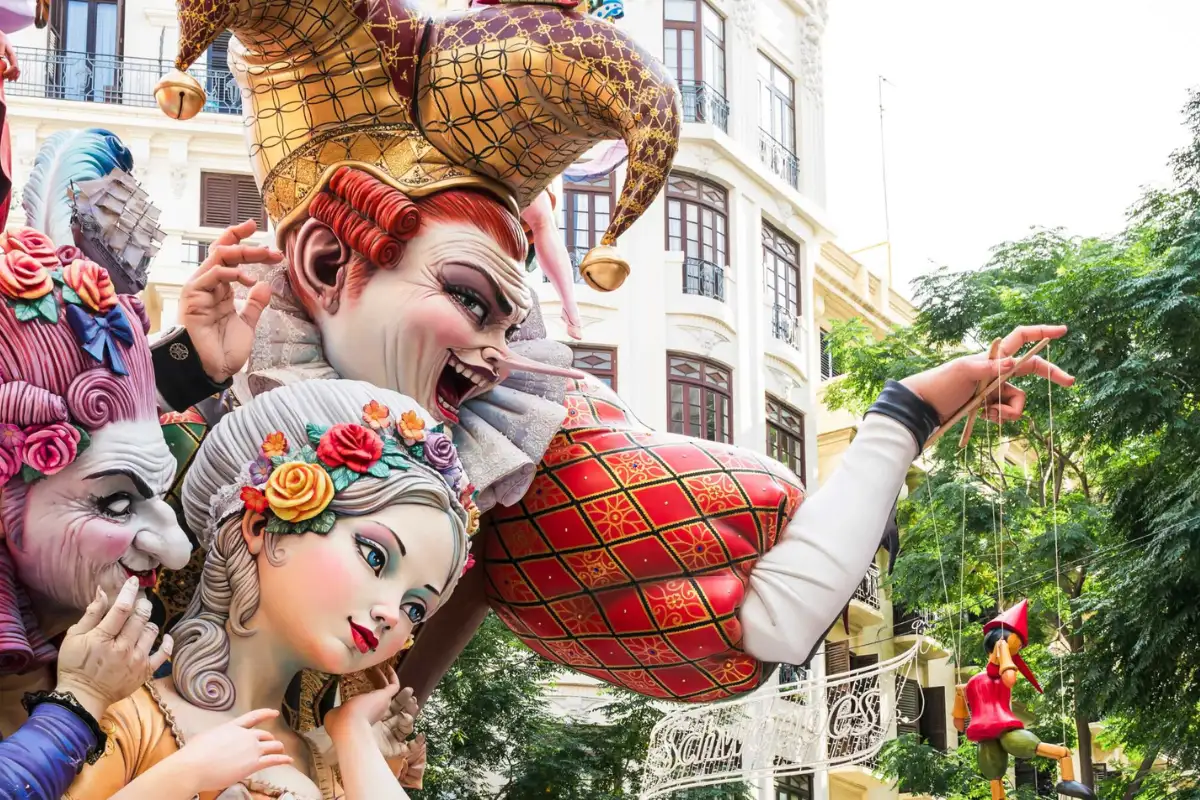
Date: March 15 to 19
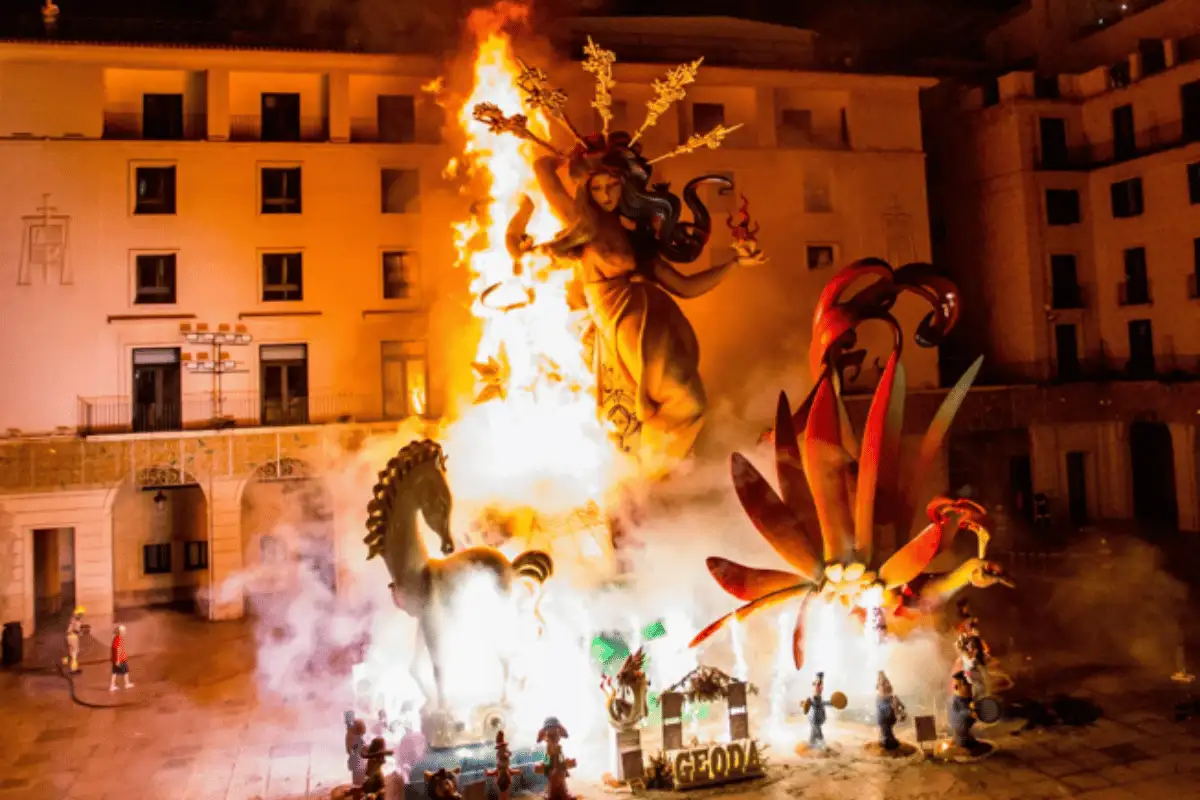
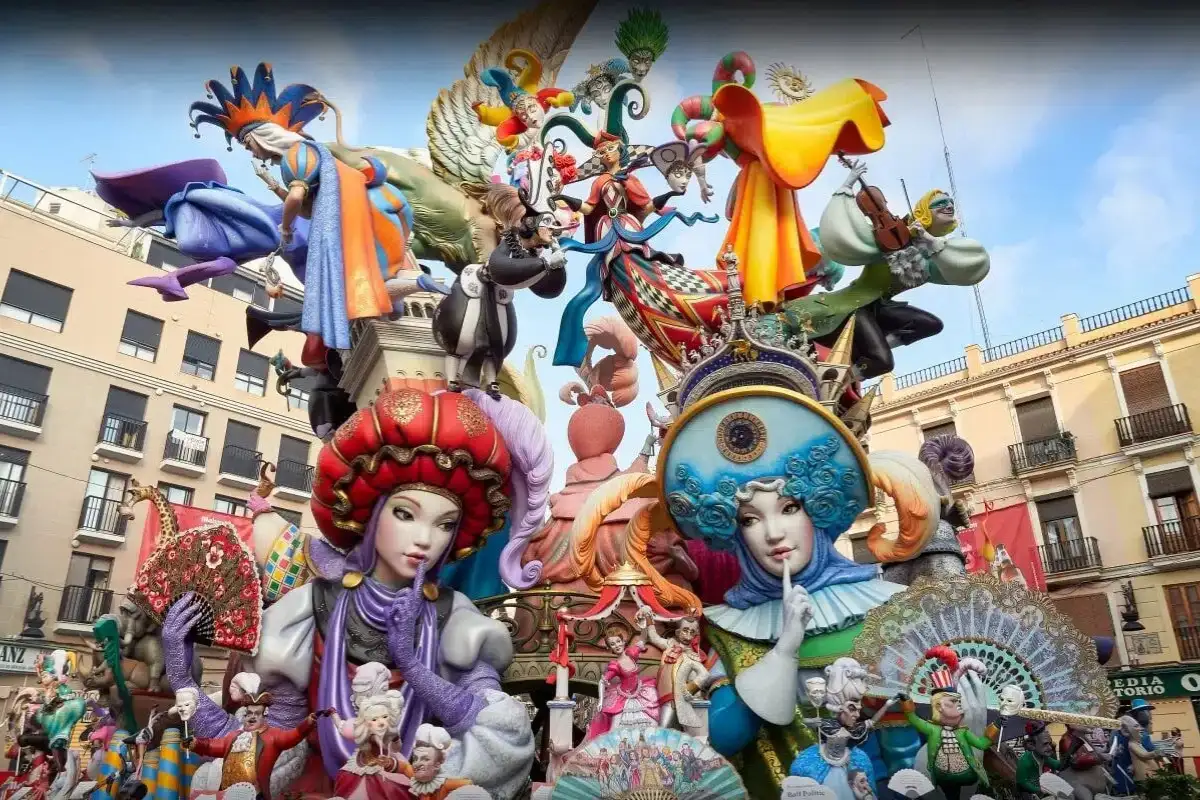
Las Fallas is one of Spain’s most spectacular festivals. Massive hand-crafted sculptures called “fallas” tower over the streets of Valencia, many satirical and poking fun at celebrities and politicians. UNESCO added Las Fallas to its Intangible Cultural Heritage list in 2016.
They’re on display for several days before the grand finale, when every sculpture is set on fire in a dramatic nighttime blaze. Don’t miss “La Crema” on March 19, when the fallas burn in an unforgettable spectacle.
What Is Spain’s Oldest Festival?
Many of Spain’s festivals claim roots that go back centuries, but some of the oldest documented ones include La Patum de Berga (first records from the 14th century) and El Colacho (1620s). La Vijanera in Cantabria is considered one of the oldest winter carnival celebrations in Europe, with pre-Roman origins.
What makes Spain different from much of western Europe is that many of these ancient traditions survived intact. Villages kept them going through generations, and today they look remarkably similar to how they did hundreds of years ago.
When Is the Best Time to See Festivals in Spain?
Spain has festivals year-round, but they cluster around certain periods. Here’s a rough calendar:
| Month | Notable Festivals |
|---|---|
| January | La Tamborrada (San Sebastian), La Vijanera (Cantabria) |
| February/March | Carnaval de Cadiz, Entroido (Galicia) |
| March | Las Fallas (Valencia) |
| April/May | Semana Santa (nationwide), Cordoba Patio Festival |
| May/June | El Colacho, La Patum de Berga, Los Hombres de Musgo |
| June | Batalla del Vino (Haro), Hogueras de San Juan |
| July | San Fermin (Pamplona), Santa Marta de Ribarteme, Rapa das Bestas |
| August | La Tomatina (Bunol), Romeria Vikinga |
| December | Los Escobazos, La Fiesta de Los Enharinados, El Dia de los Inocentes |
Spring is the sweet spot for the most variety, with Semana Santa, Las Fallas, and the Cordoba patios all falling between March and May.
Are Spanish Festivals Free to Attend?
Most are free. Village festivals like El Colacho, Los Escobazos, and the Burial of the Sardine don’t charge anything. You just show up.
A few of the bigger ones charge for entry. La Tomatina sells tickets (they sell out quickly), and some seating at the Carnaval de Cadiz requires a ticket. San Fermin’s bull run is free to watch from the route, but the bullfights in the evening are ticketed.
The biggest cost is usually accommodation. Festival weekends push hotel prices up significantly in small towns. Book well ahead.
Tips for Attending Festivals in Spain
Arrive early. Parking disappears fast in small towns, and the best viewing spots go quickly.
Dress for the occasion. If the festival involves tomatoes, wine, flour, or mud, wear clothes you can throw away. Bring a plastic bag for your phone.
Learn a few phrases. Even basic Spanish goes a long way at village festivals where nobody speaks English.
Stay aware of your belongings. Big festivals attract crowds, and crowds attract pickpockets.
Keep valuables hidden. For more on this, read staying safe in Spain.
Eat like a local while you’re there. Festival food stalls often serve regional specialities you won’t find elsewhere.