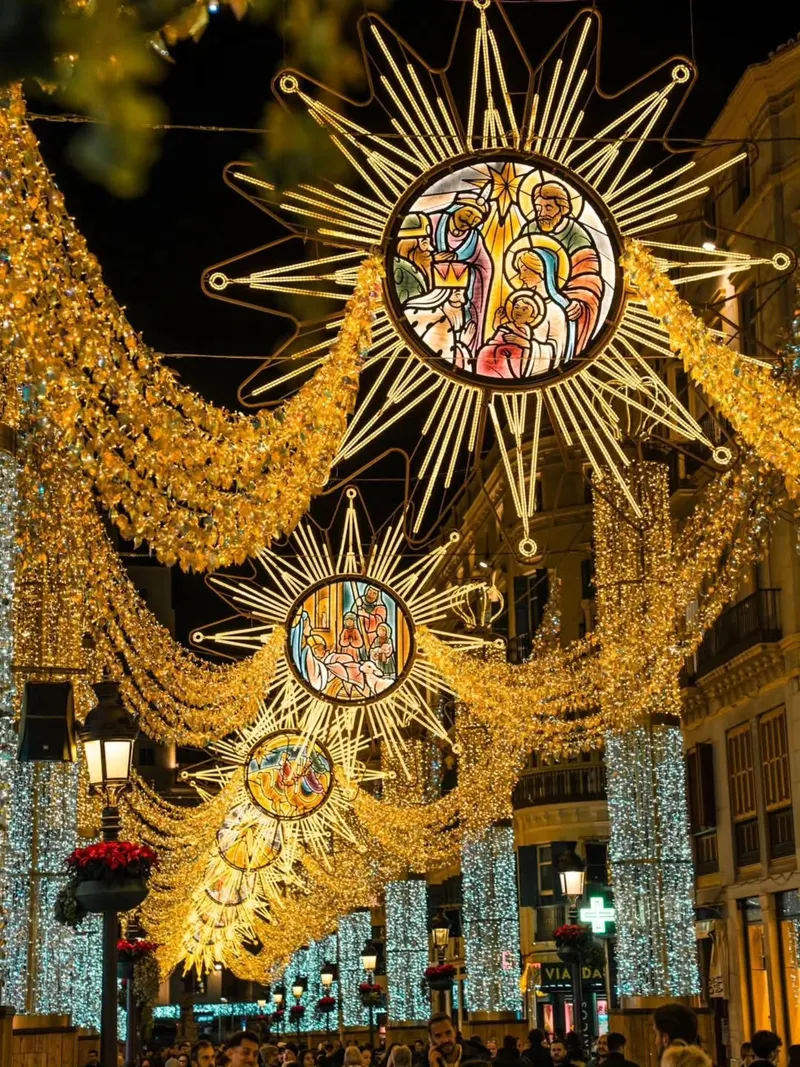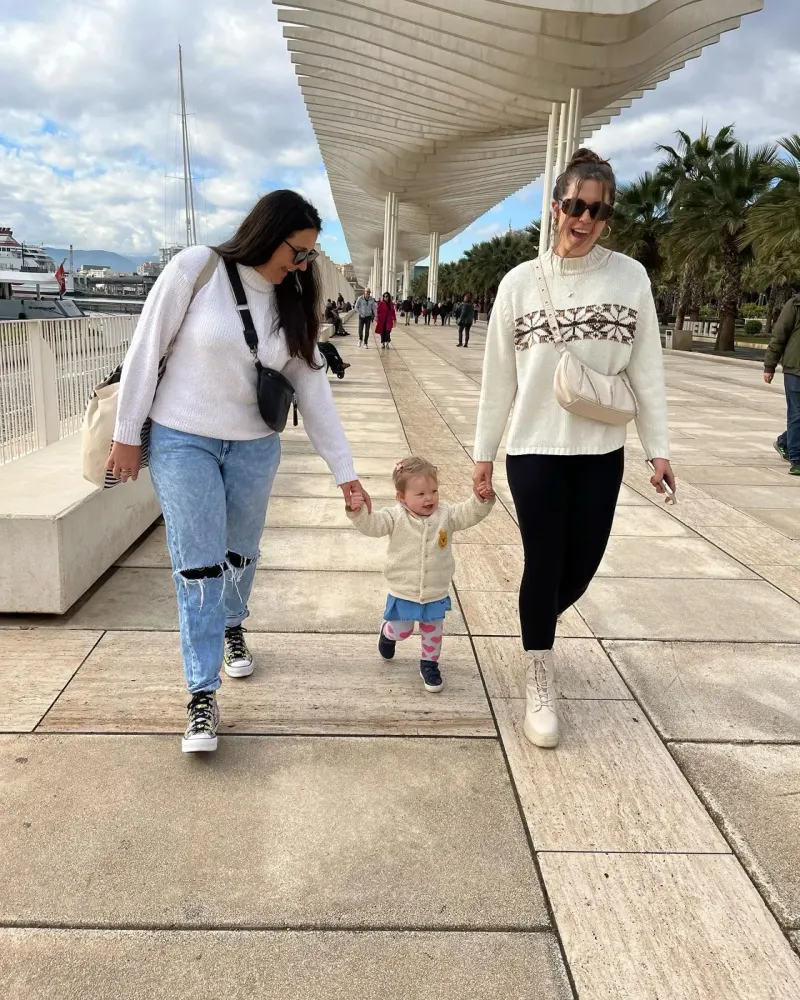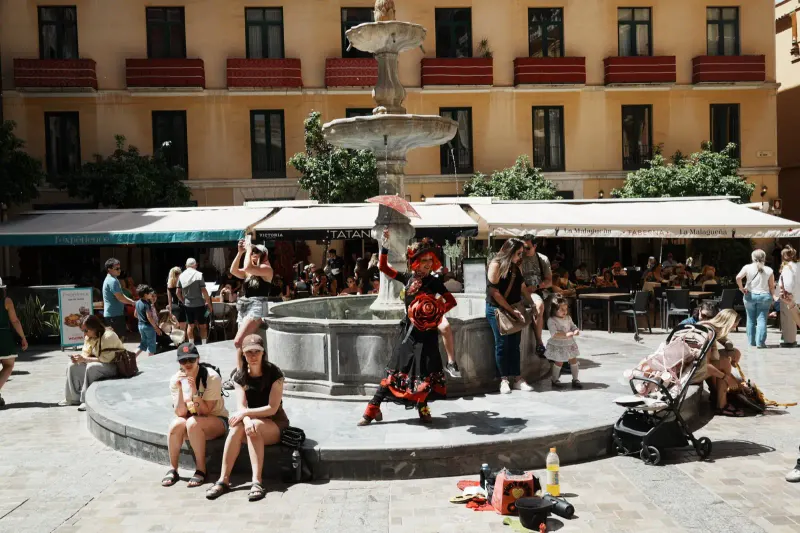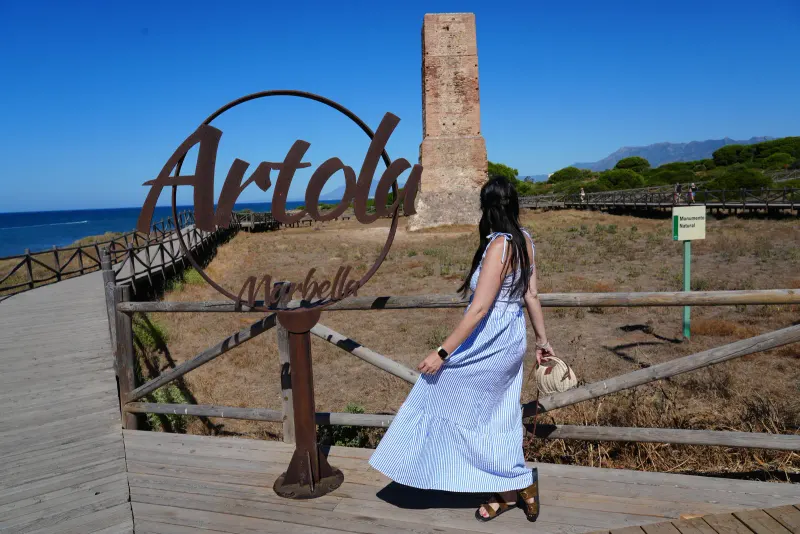
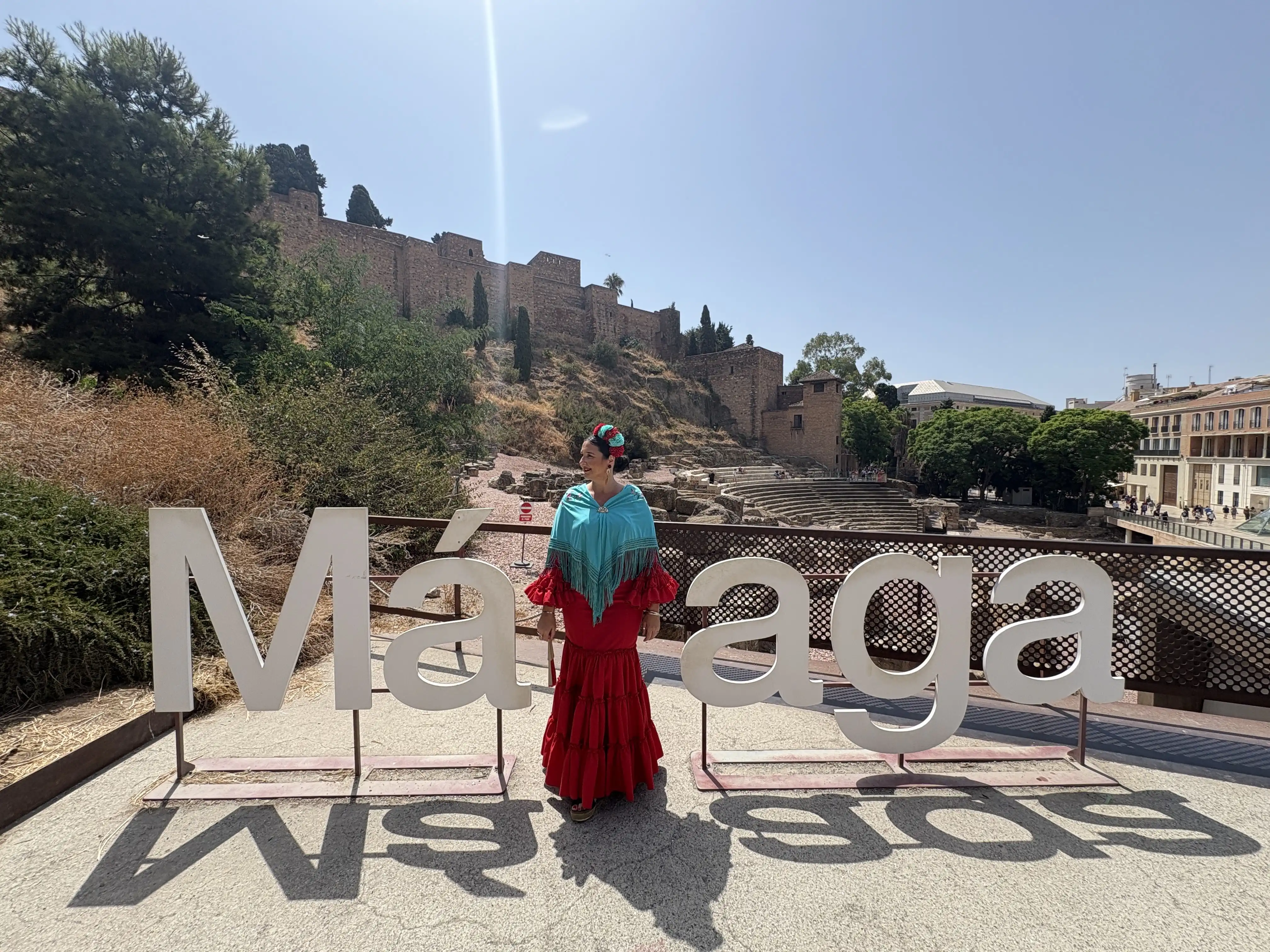
What’s on in Malaga in July is essentially everything, all at once, mostly after dark. I live here, and July is the month the city stops fighting the heat and just moves the whole programme outdoors instead.
Beaches in the morning, nothing much in the afternoon, and the entire city awake and out from about 8pm until well past midnight.
That’s when July happens. Sea processions, open-air cinema in cemeteries and castle grounds, free concerts in the parks, ferias in the towns nearby, and fortress walls turned into a concert stage.
This guide covers what’s genuinely worth catching in July, what’s free, when things actually start, and the honest tips that make the heat a non-issue instead of a problem.
Is It Worth Going to Malaga in July?
Yes, as long as you come for the summer rather than fight it. July gives you warm sea, long light evenings, and the fullest events calendar of the year, with something on almost every night across the city and the coast.
The trade-off is the midday heat and the crowds. Daytime temperatures sit at 30 to 34°C, the popular restaurants fill on weekends, and Caminito del Rey tickets sell out days ahead.
None of that ruins the trip. It just changes when you do things.
If you want the best time to visit Malaga with slightly more breathing room, June and September are gentler, still warm and still swimmable. But for beach life, late dinners, and the biggest run of festivals and concerts, July is the month.
The one thing I’d flag: this is not the month for a packed walking-sightseeing itinerary. Plan around mornings and evenings and you’ll love it.
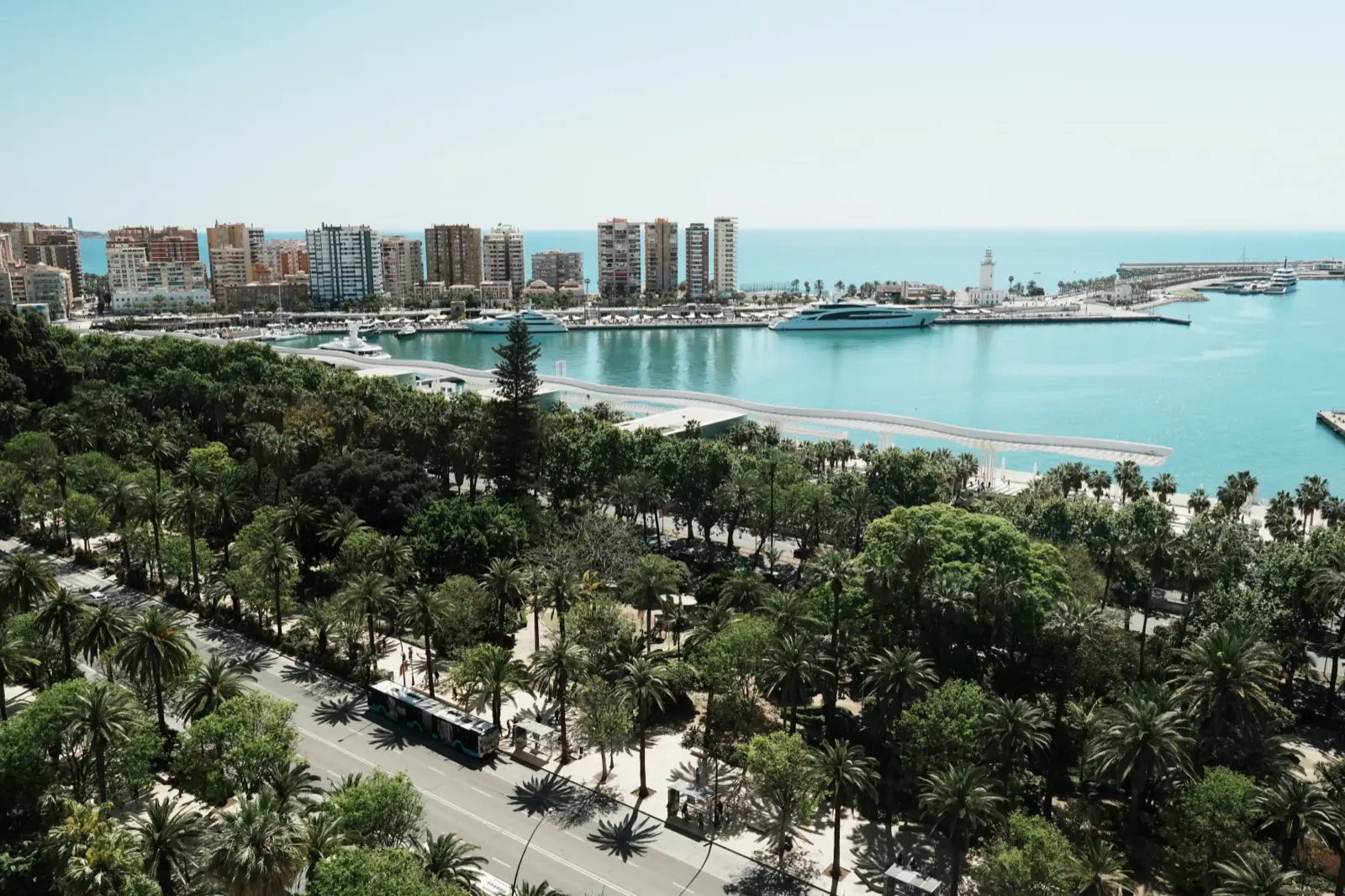
What Is There to Do in Malaga in July?
The short answer is beaches and water by day, culture and events by night.
July layers a full summer programme on top of the usual city, so on any given day you can swim in the morning, hide in a museum through the afternoon, and pick from cinema, concerts, or a rooftop after dark.
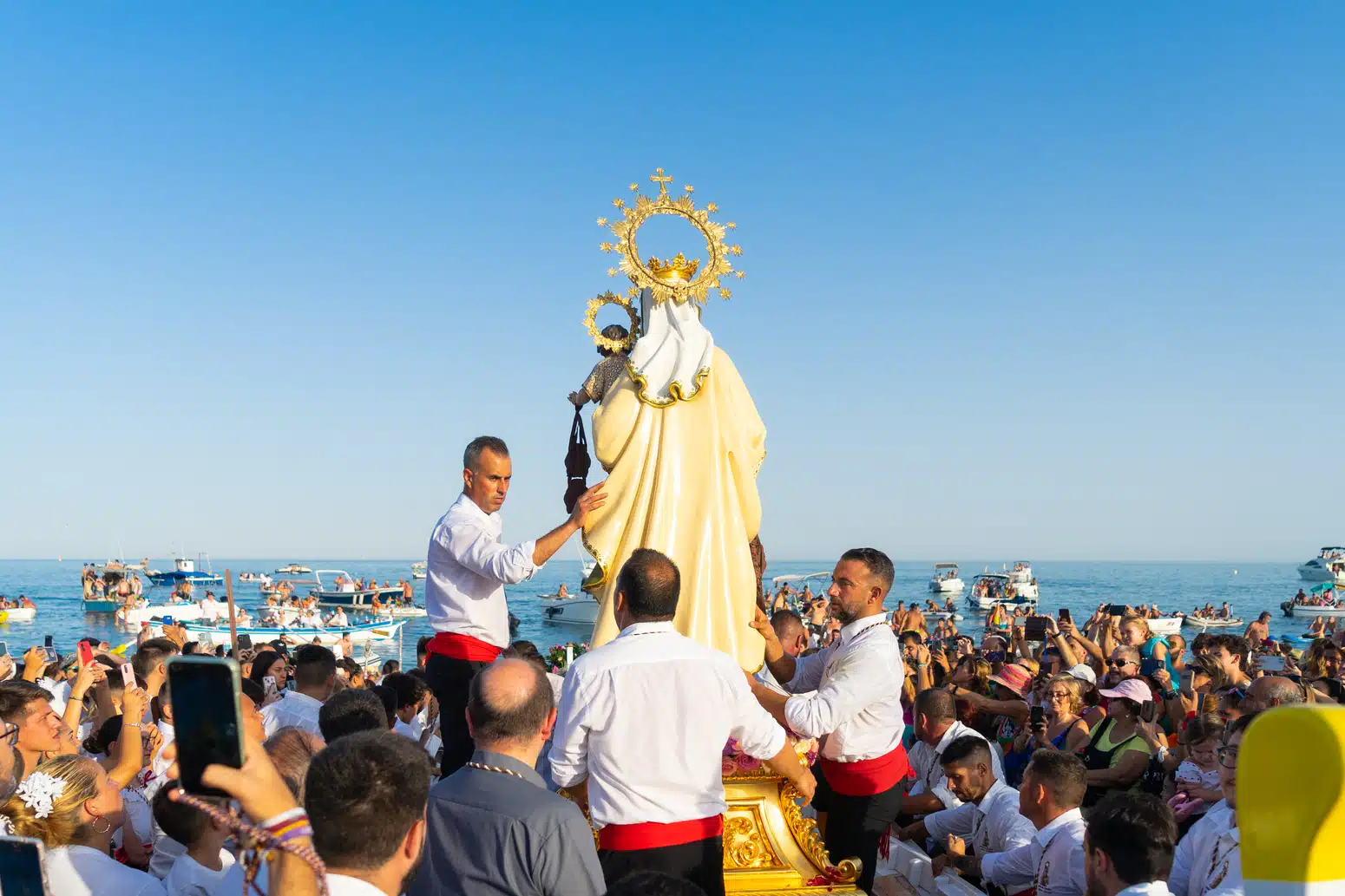
The signature event is the Virgen del Carmen sea procession on the 16th, when statues are carried onto fishing boats and taken out to bless the water.
Around it runs everything else.
Fortress concerts at the Alcazaba and Gibralfaro, free open-air cinema in parks and castle grounds, big music festivals up and down the coast, night visits to the botanical garden, and ferias in the towns within an hour of the city.
I’ve broken all of it down below, event by event, with the recurring dates and honest notes on which are worth your evening.
Further down you’ll also find the beaches, the museums worth the air conditioning, the rooftops, and the day trips that survive the heat.

Virgen del Carmen: Malaga’s Big July Event
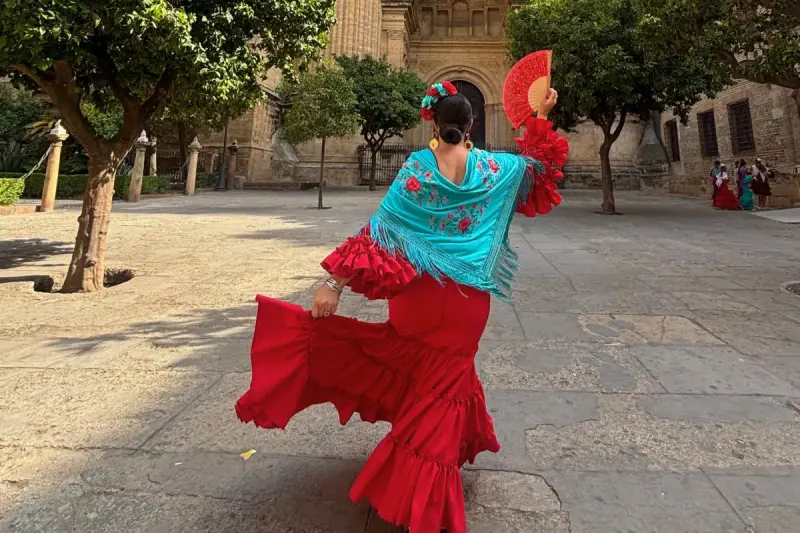
If July has one unmissable date, it’s the 16th. The Feast of the Virgen del Carmen, patron saint of fishermen, is when coastal Malaga carries her statue down to the water and out to sea on a decorated fishing boat to bless it, and it’s one of the more unusual things I’ve seen in this city.
It doesn’t just happen in Malaga city. Every fishing town on the coast holds its own version, so wherever you are on the 16th and the weekend around it, there’s a procession within reach.
In the city, the neighbourhood beaches do it best. El Palo and Pedregalejo hold theirs on the evening of the 16th, smaller and more local than the central beach, where the crowd can feel more performative than devout.
The processions run across several days. Around the 16th you’ll also find them in El Perchel and Huelin over the following weekend, plus Estepona, Fuengirola, Torremolinos, Benalmádena and Nerja all holding their own.
One thing worth knowing before you plan around it: this, not a big city feria, is the defining July festival. Malaga’s own giant fair, the Feria de Málaga, is a mid-August event, so if that’s what you’re picturing, you’re a month early.
Arrive early wherever you go. The processions start in the late afternoon or early evening, and the beach fills up long before the statue appears.
Julio Musical: Concerts at the Alcazaba and Gibralfaro
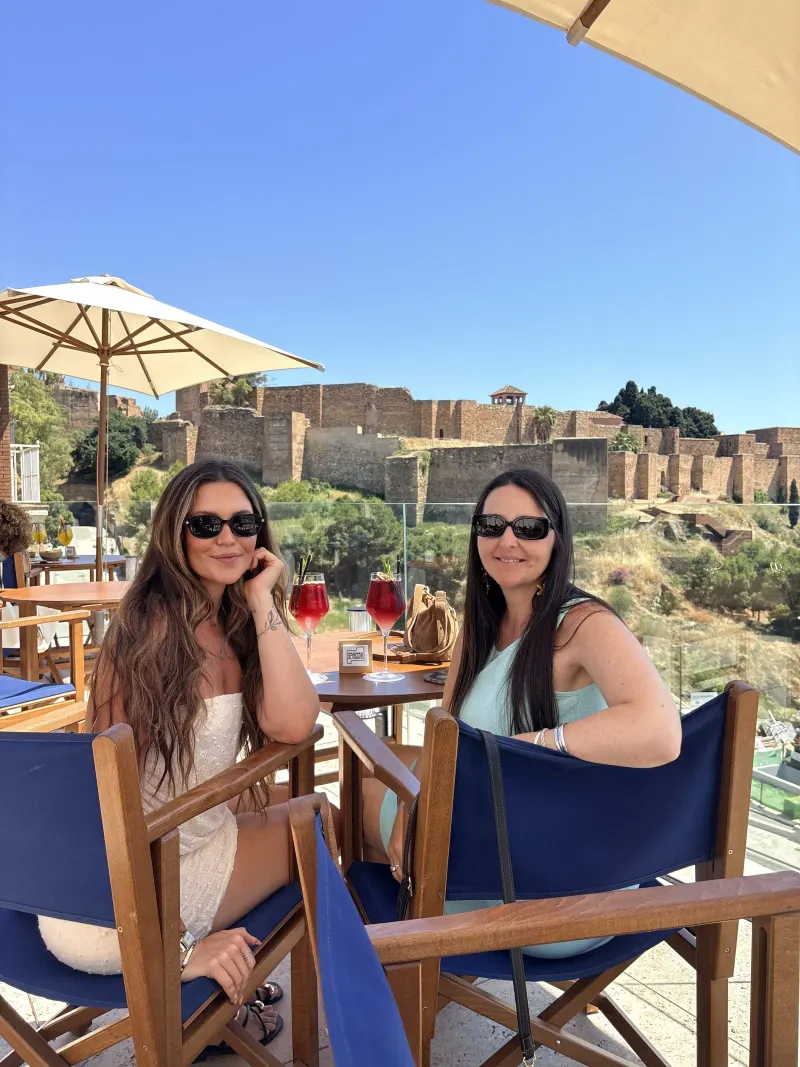
For a few weeks each July, Malaga turns its two hilltop fortresses into concert venues, and it’s the best-value ticket in the city. The Julio Musical series, sometimes billed as Noches de la Alcazaba, runs roughly from the 8th to the 19th, with performances starting at 10pm once the walls have cooled and the light has gone.
Built by the Hammudid dynasty in the early 11th century, the Alcazaba is the older of the two fortresses, and hearing music inside walls that old is the whole point. The programme mixes flamenco, classical, jazz and Spanish song across the run.
Tickets start from around €15, which for the setting is close to a giveaway. They go on sale a couple of weeks beforehand and the better nights sell out, so book as soon as the lineup appears.
If you only catch one ticketed event in July, I’d make it this. A concert on the Gibralfaro or inside the Alcazaba at 10pm, with the city lit up below, is hard to beat for the money.
Free Open-Air Cinema and Concerts
The thing most visitors don’t realise about July is how much of the best programming is free.
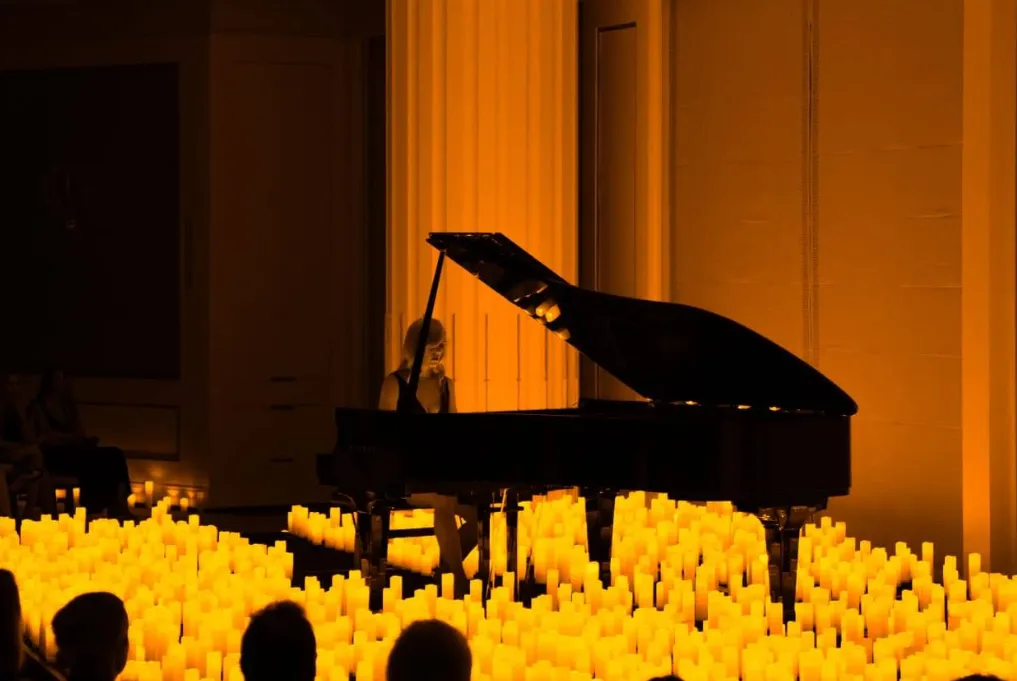
The city runs an open-air cinema season called Cine Abierto from early July into August, screening films in parks, castle grounds, cemeteries and down on the port, with most showings starting around 10pm when it’s finally dark.
The lineup mixes Spanish-language and international titles, and Muelle Uno runs its own strand of classics on the waterfront on midweek evenings. Some screenings cost a few euros, but a lot of them are simply free.
Running alongside the cinema is a whole free-concert programme.
The Malaga Municipal Band plays Sunday evenings in spots like the English Cemetery and the Gibralfaro patio, the Ocón auditorium on Paseo del Parque hosts free evening sets through the month, and Plaza de la Constitución fills for the Festival Malagueña de Fiesta in the first week, with local groups singing and dancing the malagueñas from about 9:30pm.
The catch with all of it is that the schedule changes every year and isn’t always easy to find in advance. Check the city council listings and the free things to do in Malaga guide closer to your dates, and turn up early for the free concerts, because the good spots go.

The Big Music Festivals Near Malaga
July is peak festival season on the whole coast, not just in the city.
If you want a proper night out with a headline act, the biggest names play a string of venues within an hour of Malaga, and it’s worth knowing which is which.
Starlite in Marbella is the marquee one, set in a purpose-built amphitheatre carved into a quarry called Cantera Nagüeles in the hills above the town. The stone walls on three sides and a capacity of around 3,000 give it an intimacy bigger arenas never manage, and past editions have drawn Tom Jones, Sting, Jennifer Lopez and Lionel Richie.
It isn’t cheap. Tickets run from around €40 to €60 for smaller shows and well over €100 for headliners, and Marbella is about 45 minutes from Malaga.
Marenostrum in Fuengirola is the other main option. The stage goes up in the grounds of Sohail Castle, a 10th-century Moorish fortress right by the beach, and the lineup leans more towards Spanish-language artists, which makes it feel less tourist-facing.
Getting there is easy and cheap. The C-1 train from Malaga to Fuengirola runs regularly and costs around €2 each way, which is worth knowing if you plan to drink.
For festivals proper, Weekend Beach takes over Torre del Mar for three days in early-to-mid July, and the port of Malaga itself hosts the Brisa Festival across a weekend late in the month.
An electronic festival, Dreambeach, lands on the Vélez-Málaga fairgrounds right at the end of July into the start of August.
If one of the acts is someone you’d travel to see anyway, the setting makes it worth the effort. If not, the free fortress concerts and open-air cinema give you a summer night out for nothing.
The Botanical Garden and Alcazaba After Dark
Two of Malaga’s best daytime sights are better in July after the sun goes down, and both open specially for it.
The La Concepción Botanical Garden runs evening visits through the summer, and on a warm July night with the temperature finally dropping, it’s a different place from the daytime version.
Established in 1855 by the Loring family on land just north of the city, the garden covers 23 hectares and holds plant species from five continents.
There are usually two flavours of evening ticket. A straightforward night walk for around €8.40, and a dramatised visit with performers weaving through the gardens for closer to €17.
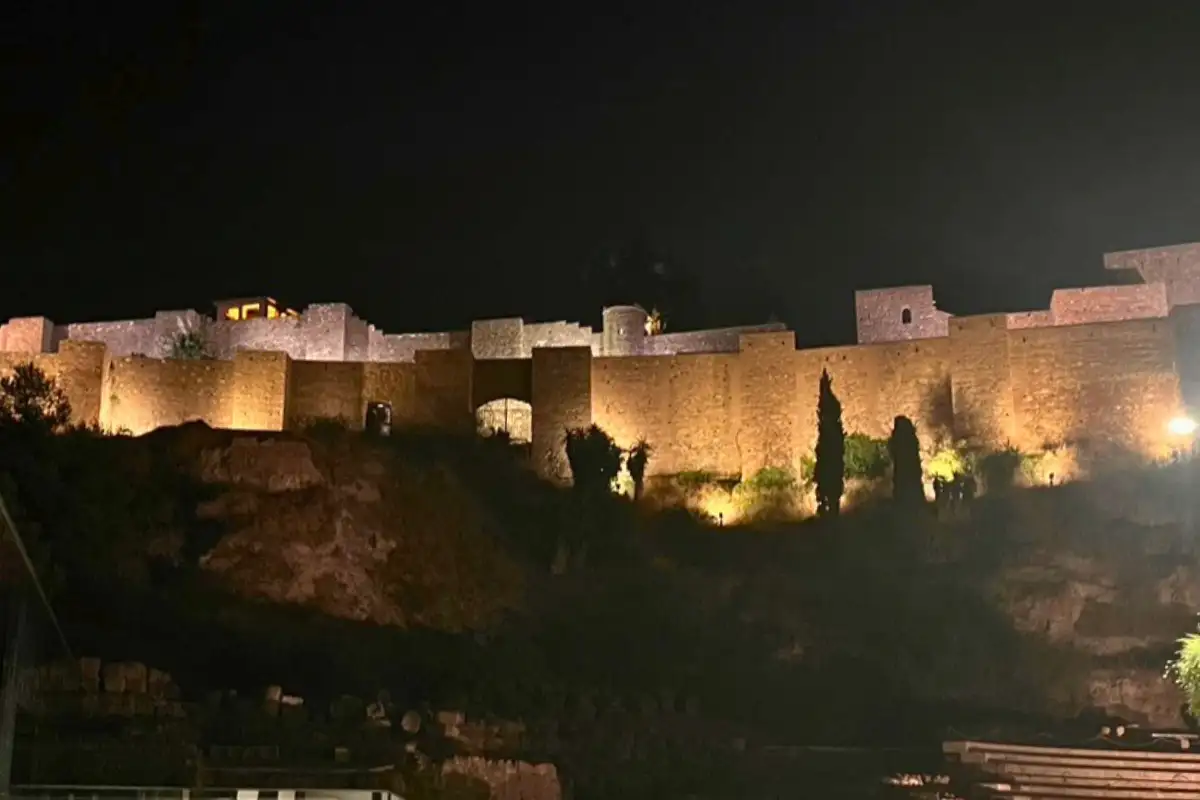
Down in the centre, the Alcazaba runs dramatised night visits on specific summer weekends that turn the fortress into something quite different from the daytime tour.
The nights typically feature archers, historical fencing, Andalusian musicians and actors in period costume walking you through the illuminated walls. Most are free or low-cost, and they book out fast, so check ahead as soon as you know your travel window.
By day the Alcazaba is still worth the €7 entry, and the Roman Theatre at its foot is always free (closed on Mondays). But in July, the after-dark versions are the ones to aim for.
Local Ferias and Town Fairs Around Malaga
Some of the best July nights out aren’t in Malaga city at all. Almost every town within an hour holds its own feria during the month, a local festival running several nights with a fairground, live music, dancing, food stalls and a great deal of tinto de verano.
Torremolinos holds its feria in early July and is only 20 minutes away on the C-1 train.
Estepona’s fair is one of the coast’s biggest and most Andalusian, running several days in the first half of July, with a huge fairground and a proper old-town daytime side.
Further along, the village of Sayalonga holds its fair over five days around the 16th to the 20th, and Sabinillas turns its seafront promenade into a six-day medieval market in the same window.
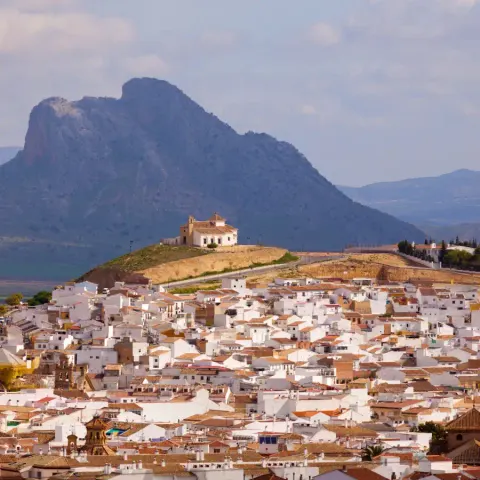
For something a bit different, Antequera runs its Festival de la Luz over the second weekend of July, a free outdoor light show that starts from 8:30pm and pulls people in from across the province. It’s about 45 minutes from Malaga by bus or car, and easy to fold into a day out around Antequera’s other sights.
Check the exact dates before you build a night around one, because they shift each year. If you can time a visit to land on a local feria, take it, because it’s the most authentic evening you’ll have all month.
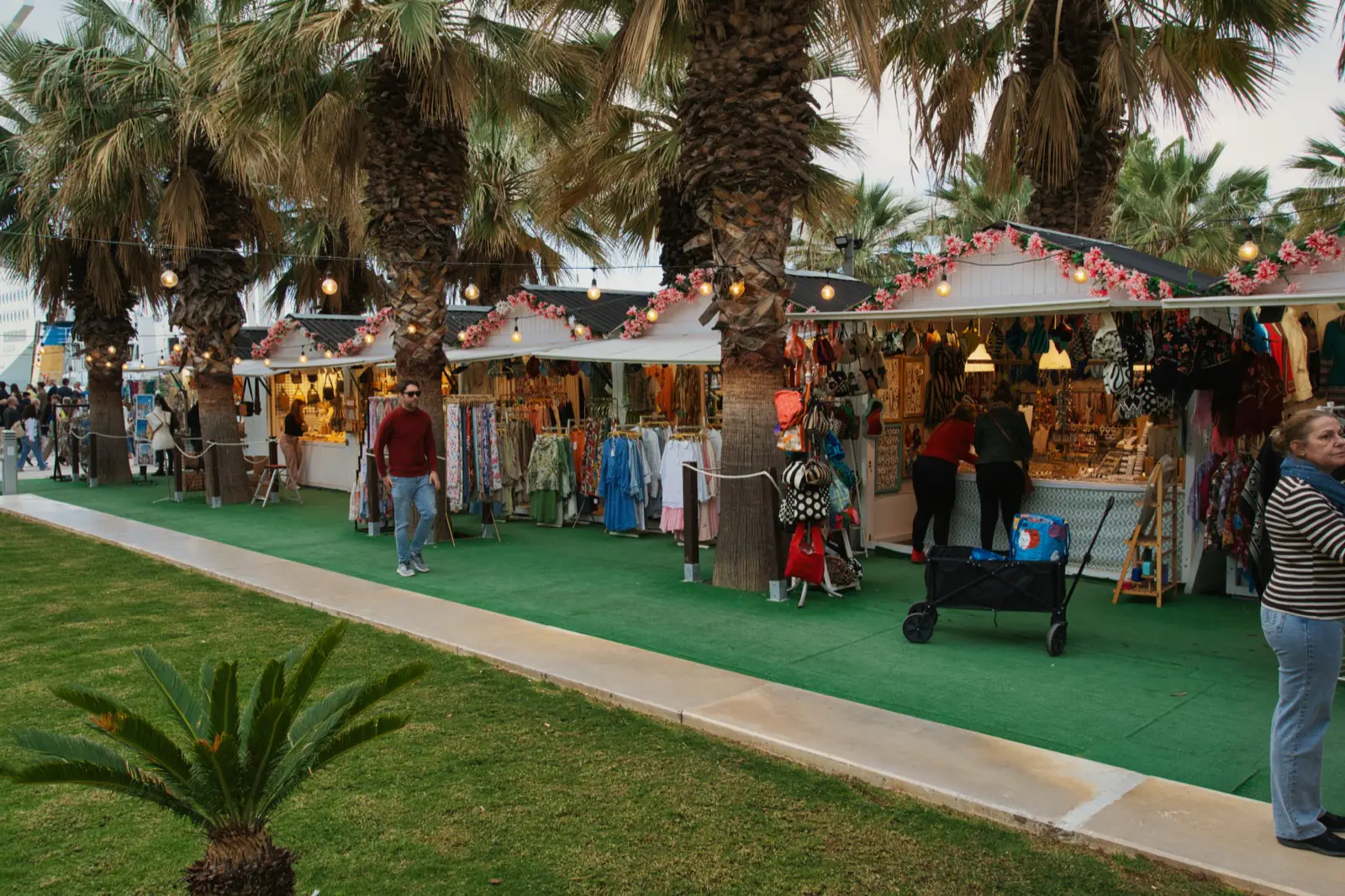
Markets in Malaga in July
The city’s monthly markets run right through July on their usual weekends, heat or no heat, and they’re one of the easier free things to build a morning around.
The two to know are the Mercado Artesanal de La Merced and the Soho rastro, both free.
La Merced fills Picasso’s home square on the first Sunday of the month, 11am to 7pm, with local ceramics, leather and prints and street musicians between the stalls.
The Soho version takes over Calle Tomás de Heredia on the fourth Sunday, same hours, surrounded by the district’s murals and food trucks.
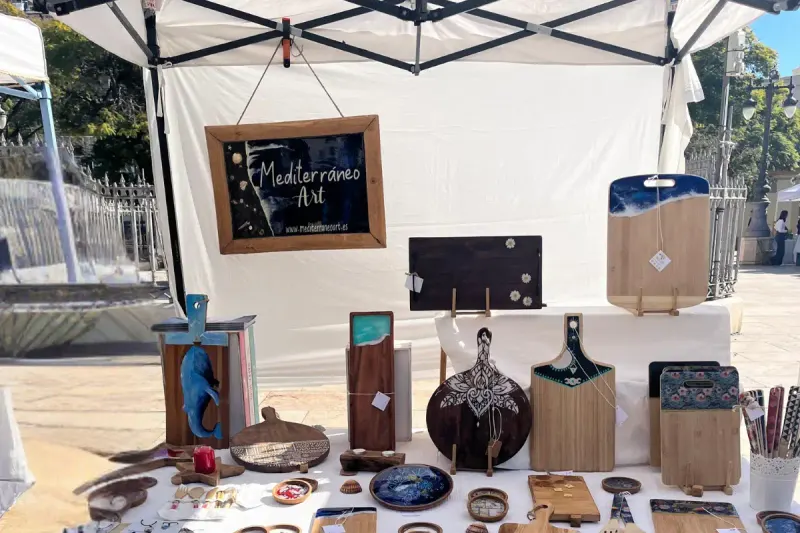
Down on the port, Muelle Uno runs a daily summer market and a Sunday arts-and-crafts strand called El Zoco, which is handy if your visit doesn’t line up with the monthly dates.
There are also organic farmers’ markets a couple of Saturdays a month over near Huelin and Calle Cervantes.
By late morning in July the sun is over the stalls and the better pieces have already gone, and the full markets in Malaga calendar has the exact weekends if you want to plan around one.
Beaches, Chiringuitos and Espetos
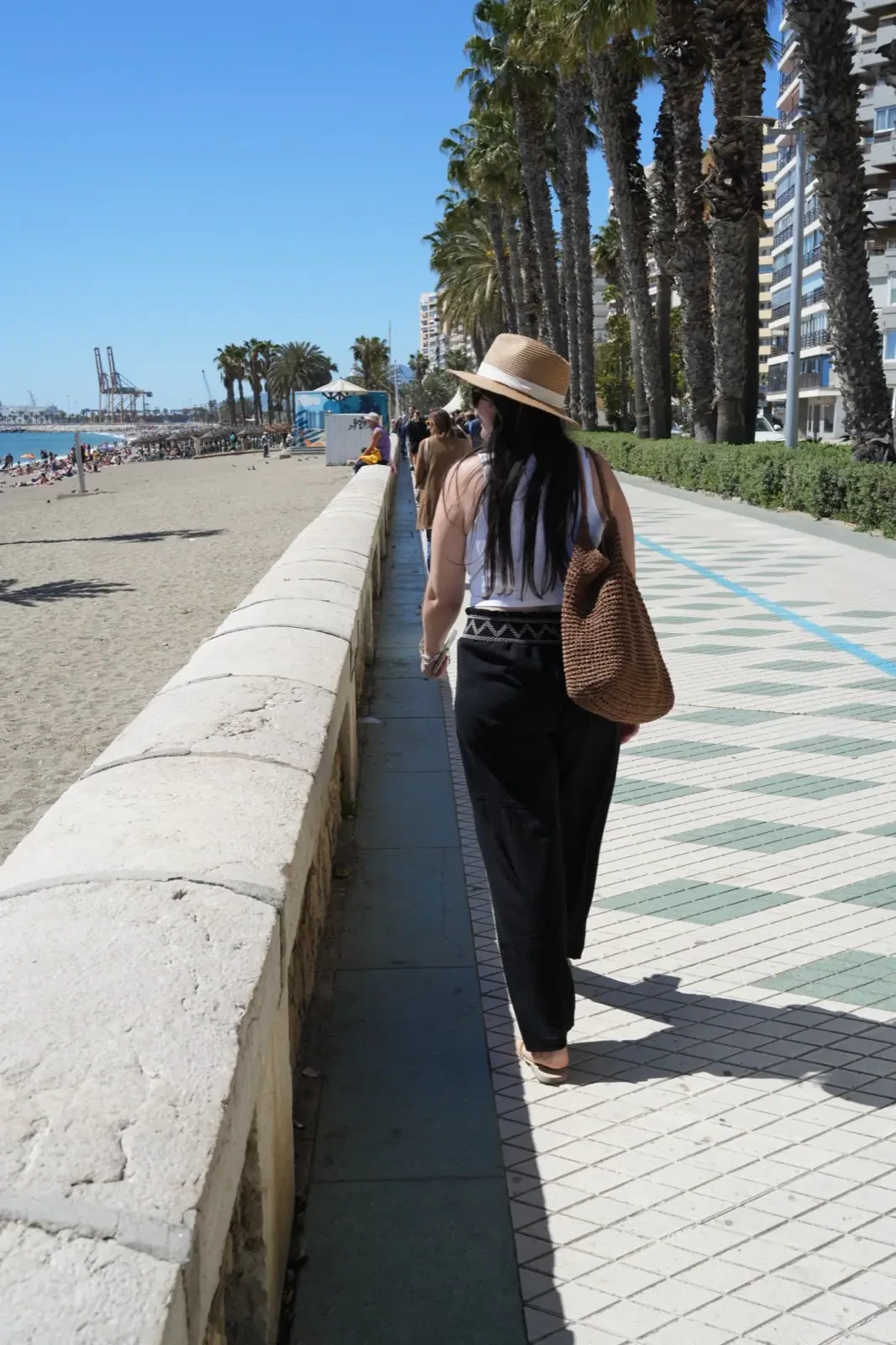
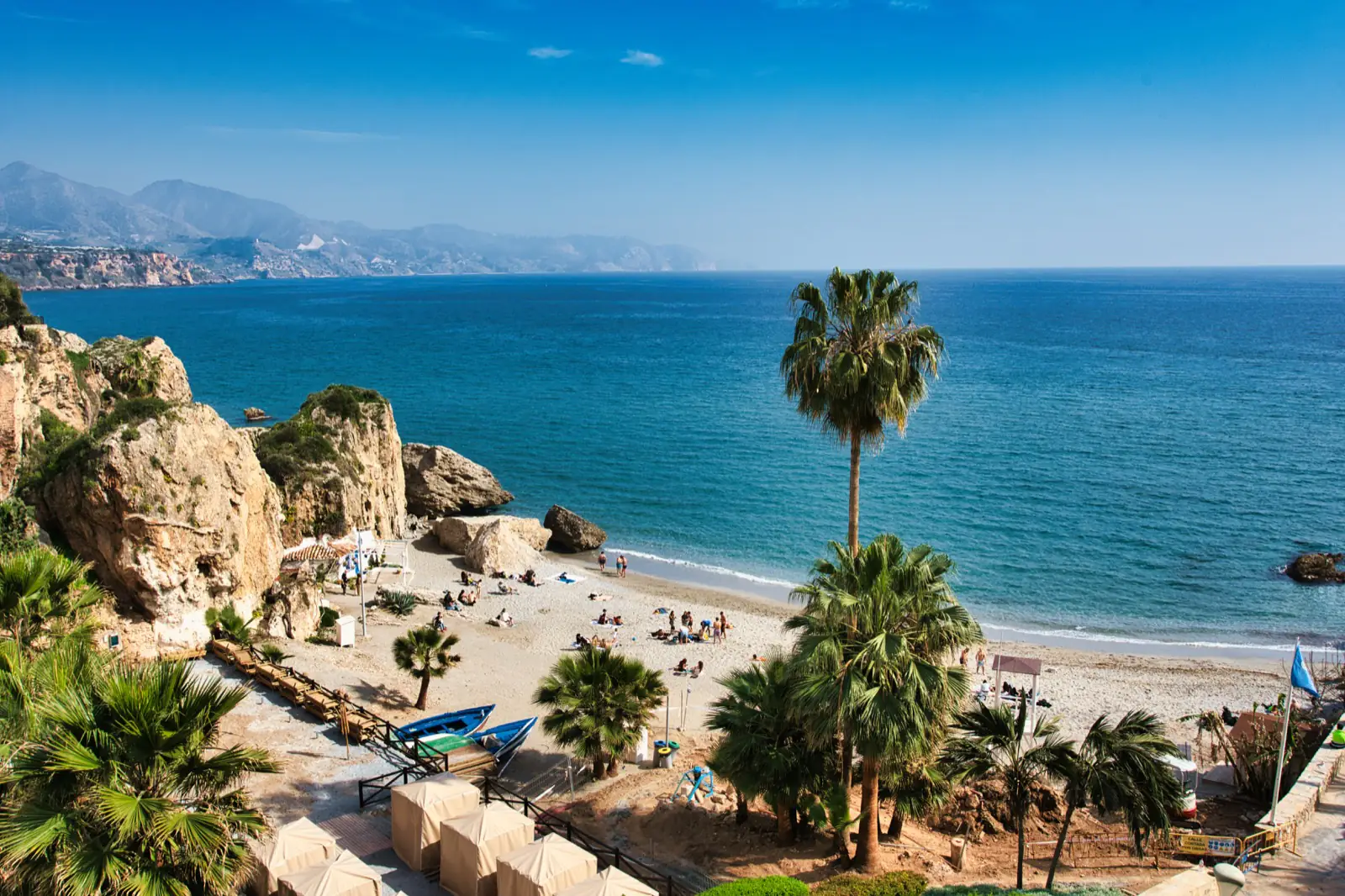
For all the events, July in Malaga still belongs to the beach, and the beach belongs to whoever gets there first. By 10am at Malagueta the loungers are claimed and a clear stretch of sand is down to luck, so I go before 9am when the sea is already warm and the light is at its best.
La Malagueta is the central option, 1.2km long and walkable from the old town, with chiringuitos opening early for coffee and tostadas. East of the centre, El Palo and Pedregalejo feel more like the local beaches they actually are, quieter and with less of a resort edge.
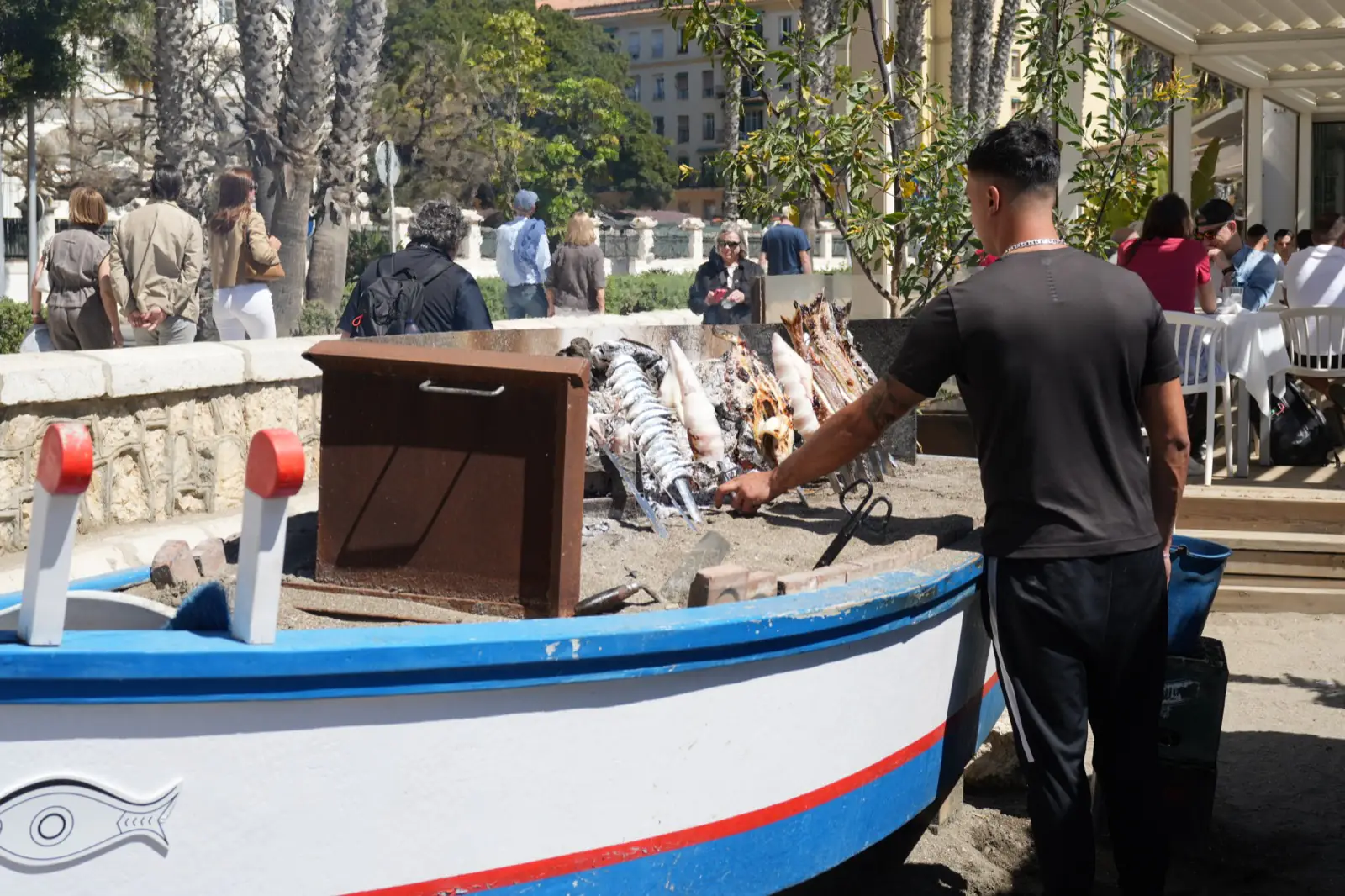
The real July ritual is the espeto. At the chiringuitos in Pedregalejo and El Palo, sardines are skewered on a bamboo cane and grilled over charcoal in the hull of an old fishing boat sitting on the sand, a tradition that dates to the 19th century along this coast.
I’ve lived here for years and I still feel unreasonably pleased when a plate lands. A skewer of six sardines runs about €6 to €8, best eaten at lunchtime in the shade of a terrace with a cold beer, which I’ve never managed to make work as well at dinner.
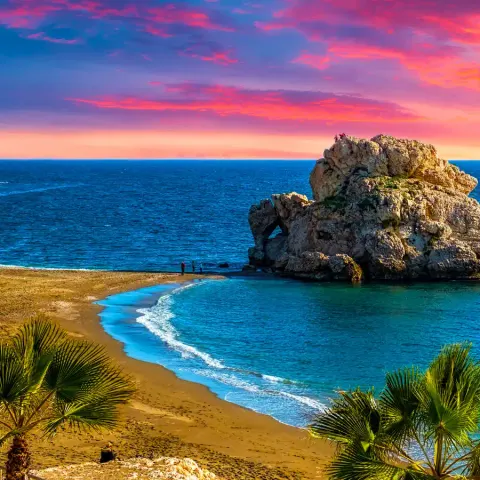
If you want somewhere wilder, Playa del Peñón del Cuervo is the one I send people to, rockier and less manicured and popular with Malaga families who avoid the central beaches in high season. The full beaches in Malaga guide covers the rest, but the honest rule for July is simple: be on the sand by 9am, off it by noon.
Museums and Escaping the Afternoon Heat
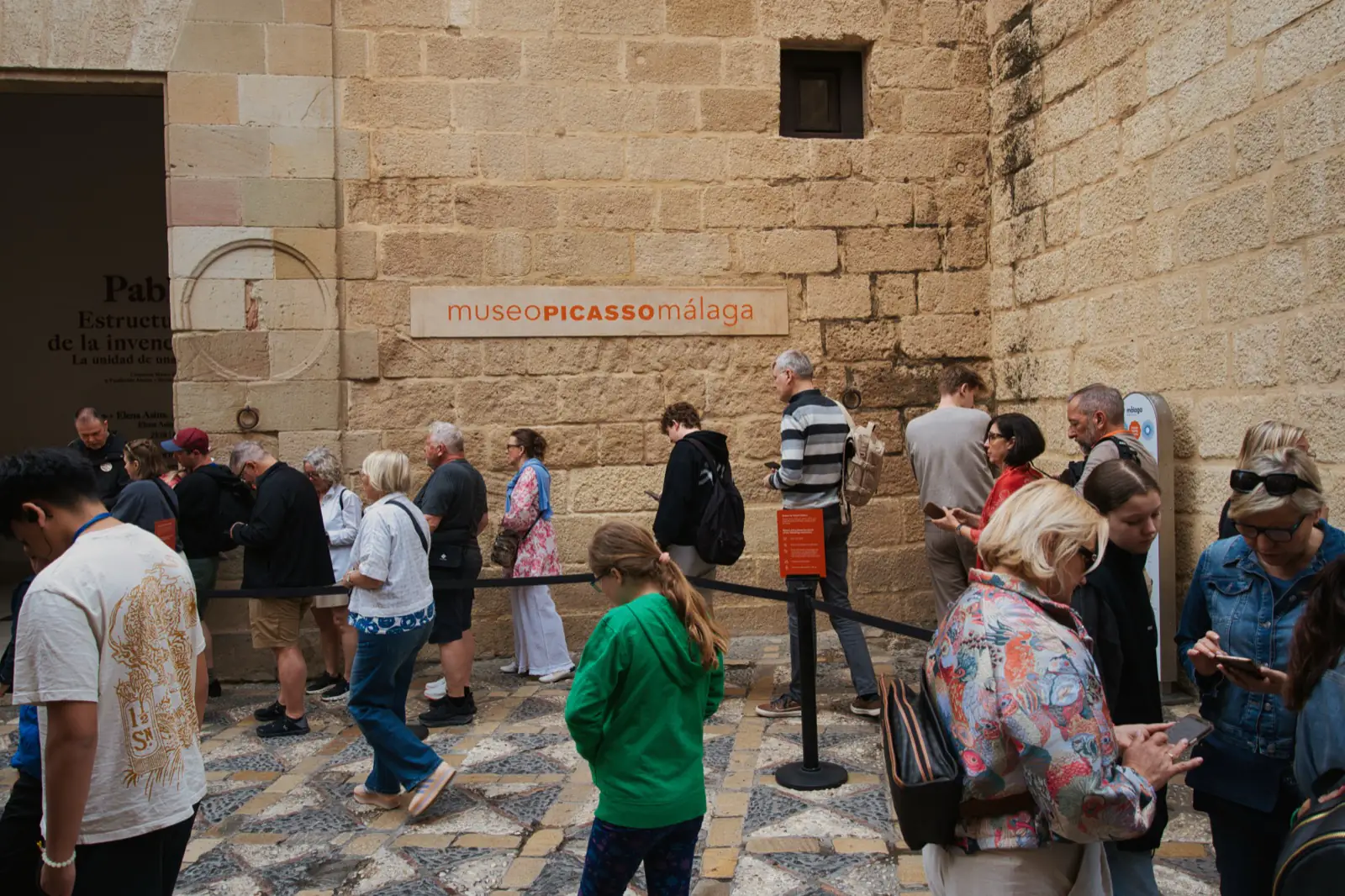
Between roughly 2pm and 6pm in July, the streets empty and the smart move is to follow the locals into somewhere with air conditioning. The museums in Malaga are genuinely good rather than a fallback, and the afternoon heat is the reason to finally use them.
The Picasso Museum on Calle San Agustín holds 233 works donated by the Picasso family, inside a 16th-century Renaissance palace, and it’s better than most people expect from a regional museum. The Carmen Thyssen sits just off the cathedral square.
The Thyssen also opens free on Thursday evenings from 8pm to 11pm through July and into August (2 July to 13 August in 2026), which is the sort of thing worth planning an afternoon around.
The Centre Pompidou down on the port is smaller, with rotating exhibitions, and the Roman Theatre beneath the Alcazaba is always free (closed on Mondays) and takes about 20 minutes. Between them you can lose the hottest part of the day without much effort.
Don’t try to do three museums in one afternoon in July. Pick one, take your time, and find a café with air conditioning before you head back out into it.
Rooftop Bars and the Long July Evenings
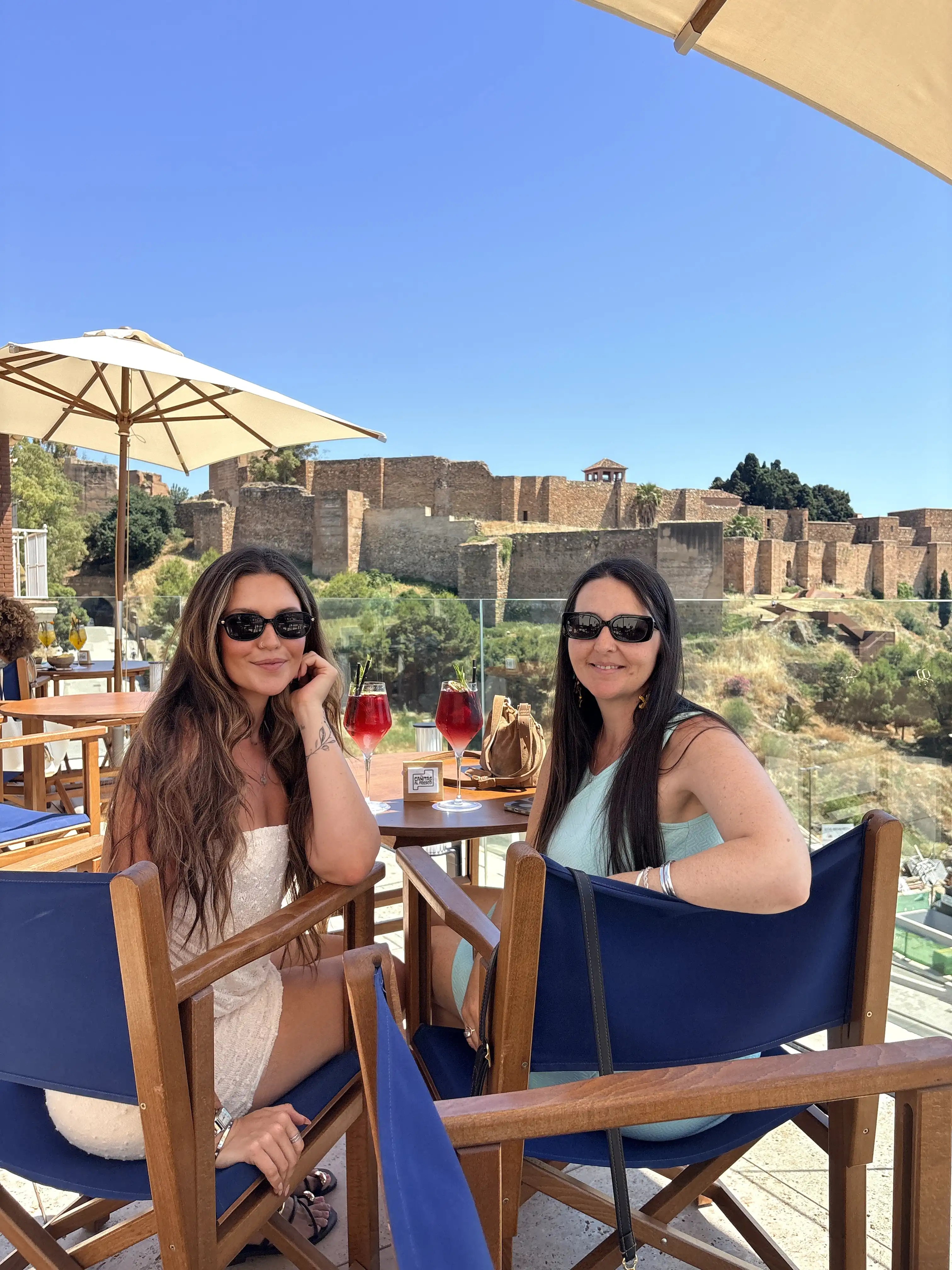
The part of July most visitors underestimate is how long the evenings run. The sun doesn’t set until between 9:15 and 9:45pm, so the city stays in full golden light at what would normally feel like dinner time, and the whole day shifts later to match.
By 8pm the heat has dropped to something bearable and the old town comes back to life. The tapas bars in Malaga around the cathedral are where evenings start, and El Pimpi on Calle Granada is the courtyard wine bar everyone visits first, genuinely good and busiest after 9pm.
Orellana, a short walk away on the same street, is the one I keep going back to, with a tighter menu, generous portions, and easier tables than El Pimpi. Both sit in the old town streets that are worth wandering with no destination once the light turns.
For sunset, Malaga has more than 30 rooftop bars, so the problem is choosing, not finding. Because sunset falls so late in July, you can have dinner and still catch the last of the light from a terrace afterwards.
July is peak season, so the popular rooftop bars fill on weekends. Book ahead or arrive before 8:30pm, and bring nothing warmer than a light layer, because it rarely drops below the low 20s after dark.
Day Trips That Actually Work in July
Not every day trip from Malaga makes sense in July. The question isn’t which places are worth seeing, it’s which ones survive being visited at 34°C, and a few genuinely don’t.
Nerja is the most reliable. It’s about an hour east by bus or car, the beaches are better than anything in the city, and the town is small enough to move around without planning every step around the heat.
Frigiliana, the white village in the hills just above Nerja, is worth adding if you leave early. It sits higher and cooler than the coast and takes a couple of hours to explore, which makes a morning there and lunch back down in Nerja a good pairing.
The Caminito del Rey is worth doing but needs planning in July. The 7.7km walkway clings to the cliffs of the El Chorro gorge about 60km north of the city, and by 11am the gorge bakes, with the sun hitting sections of the path directly, so book the first entry slot and go on a weekday.
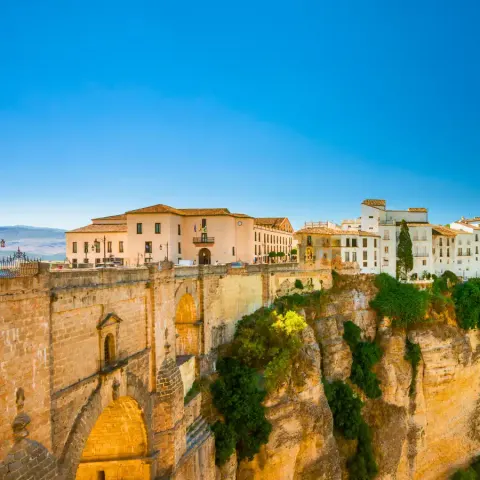
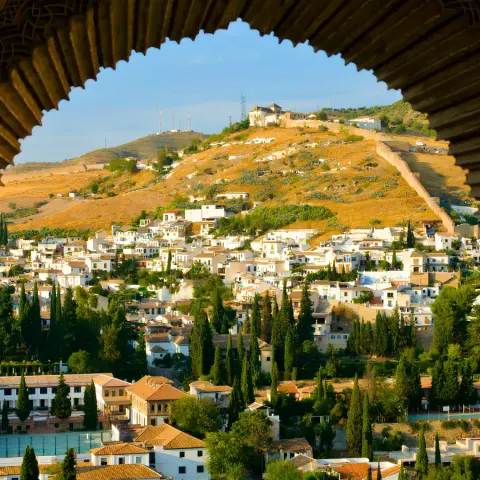
Two I’d handle with care: Ronda and Granada. Ronda is inland, hotter than the coast and at its most crowded in summer, so I’d save it for autumn; Granada regularly hits 34 to 36°C but the Alhambra earns the trip if you book first-entry tickets well ahead and stay into the cooler evening.
For something closer and cooler, the Montes de Málaga are 25 minutes north of the city, where the altitude drops the temperature noticeably and lunch on a terrace with a view over the coast is one of the better things you can do on a July afternoon.
What Festivals Are in Malaga in July?
The defining festival is the Virgen del Carmen sea procession on July 16, when coastal neighbourhoods carry the patron saint of fishermen out to sea on decorated boats. Around it, July packs in the Julio Musical fortress concerts at the Alcazaba and Gibralfaro, the free Cine Abierto open-air cinema season, and local ferias in Torremolinos, Estepona and beyond.
Add the big music festivals along the coast, Starlite in Marbella, Marenostrum in Fuengirola, Weekend Beach at Torre del Mar and Brisa at the Malaga port, and there’s a genuine event on almost every night of the month.
The one common mix-up worth clearing up: the giant Feria de Málaga, the week-long street party people often picture, is not a July event. It runs in mid-August, so if that’s what you’re after, you want what’s on in Malaga in August instead.
For the free end of the calendar, the municipal band concerts, the plaza malagueñas and much of the open-air cinema cost nothing at all. Exact dates shift each year, so check the council listings once your travel window is set.
How Hot Is Malaga in July?
July is hot, dry and sunny, with daytime temperatures of 30 to 34°C and very little relief in the way of rain, which falls close to never all month. The sea is at its best of the year, sitting around 23 to 24°C, warm enough to stay in for as long as you like.
The number that catches people out is the UV index, which runs at 9 to 10 through July. Unprotected skin burns in under 15 minutes at that level, and I learned that the hard way my first summer here.
The heat peaks between about 1pm and 4pm, and occasionally the Terral wind blows in off the interior and pushes it well past 34°C for a day or two. On those days the city slows right down, and so should you.
Evenings are the reward. The temperature drops into the low 20s after dark and stays there, which is why the whole social life of July happens after 8pm.
For clothes, pack for full summer: shorts, linen, cotton dresses, sandals and a swimsuit worn under everything so the beach is never a trip back to the hotel. The only layer you’ll want is something light for the late evening, and the non-negotiables are factor 50, sunglasses and a brimmed hat, on before you leave the room rather than once you’re already pink.
If you genuinely struggle above 30°C, or you’re travelling with small children who don’t, June or September give you the same warmth and sea with more forgiving afternoons.