I went to Antequera expecting to see the Dolmens and maybe grab lunch. What surprised me was that I ran out of time.
Antequera is beautiful in a way that sneaks up on you.
The Moorish fortress, the winding streets full of history, the views across endless olive groves, and the remarkably affordable food kept me there all day. I found myself racing to El Torcal Natural Park just to make sunset.
This is Andalusia without the tourist crush.
While visitors flock to Ronda and Granada, Antequera remains genuinely Spanish. Locals chatting on benches, old men playing cards in the plaza, life moving at a slower pace. It sits at the geographic heart of the region, surrounded by UNESCO sites, yet somehow stays off most itineraries.
That’s about to change for you. Here’s everything worth doing in one of Andalusia’s most underrated towns.
⭐ Don’t miss >> Where to stay in Antequera, my honest hotel picks
Is Antequera Worth Visiting?

Yes, absolutely.
The dolmens alone justify the trip.
These 5,000-year-old megalithic tombs predate Stonehenge and are completely free to visit. Add the Alcazaba fortress with its sweeping views, El Torcal’s otherworldly limestone landscape, and some of the best-value food in Andalusia, and you have a destination that rivals the famous names without the crowds.
Antequera also works brilliantly as a base. Granada is an hour away.
Córdoba is 1.25 hours. Málaga is 45 minutes.
The Caminito del Rey walkway is 40 minutes. You can explore the region’s biggest attractions while returning each evening to authentic prices and empty restaurants.
Antequera’s central position earned it the nickname “the heart of Andalusia.” Historically, this made it a strategic prize fought over by Moors and Christians. Today, it makes your day trips incredibly easy.
Here are the places I’d actually book if you’re basing yourself here:
🏛️ Best value in the old town >> Hotel Coso Viejo, a restored building steps from Plaza de San Sebastián.
🌄 Best views >> Parador de Antequera, with a terrace and pool looking straight out over the vega and the dolmens.
🏊 For boutique style >> Hotel Infante Antequera, a rooftop pool over the old town rooftops.
💶 On a budget >> Hotel Plaza San Sebastián, right on the main plaza.
What Is Antequera Famous for?
Antequera is famous for its 5,000-year-old dolmens and the lunar limestone of El Torcal, but locals will tell you it’s just as known for its churches and its food. The town is said to have more churches per resident than anywhere else in Spain.
That church record is easy to believe. The skyline is a thicket of bell towers, crowned by the golden angel weathervane that spins above the Iglesia de San Sebastián.
Then there’s the food. Porra antequerana, the thick cold tomato soup, was invented here, and the convents are famous for the handmade sweets that cloistered nuns still sell through a revolving wooden hatch, a tradition that has all but disappeared elsewhere in Spain.
A Brief History of Antequera
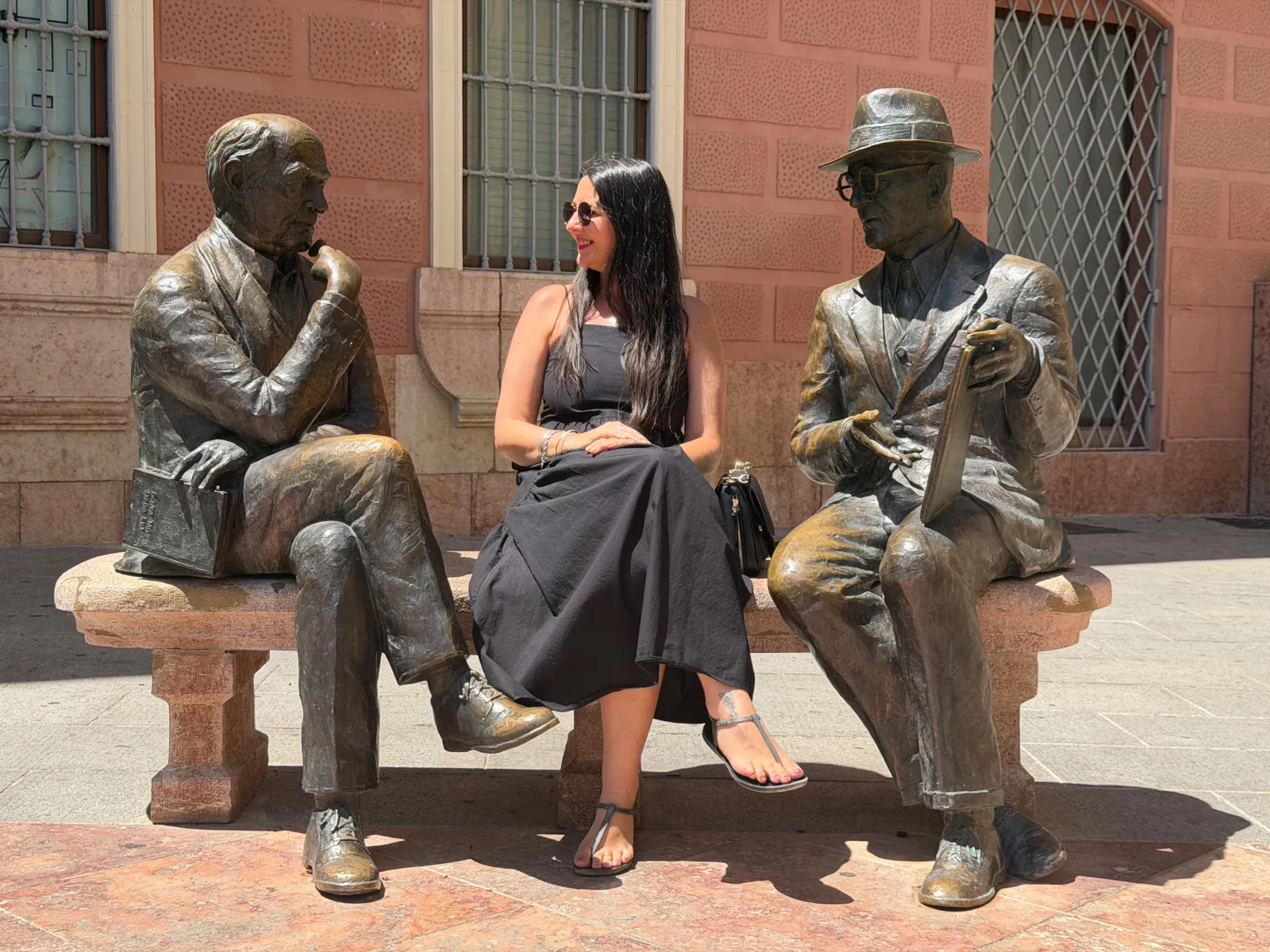
Antequera has been lived in for thousands of years, and you feel that layering as you walk it. The dolmens date back over 5,000 years to the Neolithic, long before the Romans arrived.
Under Rome the town was called Antikaria, and fragments of that era still surface, including the Roman baths near Santa María and the Efebo bronze now in the museum.
The Moors built the Alcazaba on the hilltop and held it through the medieval period, until 1410, when the fortress fell to the forces of the Infante Ferdinand of Aragon. That capture came nearly 80 years before Granada surrendered, which is why Antequera counts itself among the earliest Christian towns in the region.
Its position at the crossroads of Málaga, Granada, Córdoba and Seville made it a prize worth fighting over, and that same central location is what makes it such an easy base today.
The Best Things to Do in Antequera
1. Antequera Dolmens Site (UNESCO World Heritage)
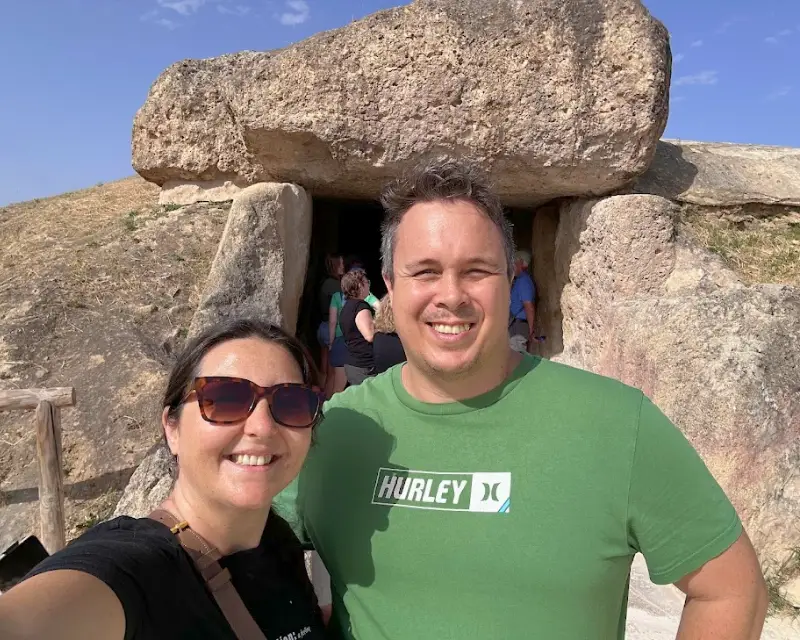
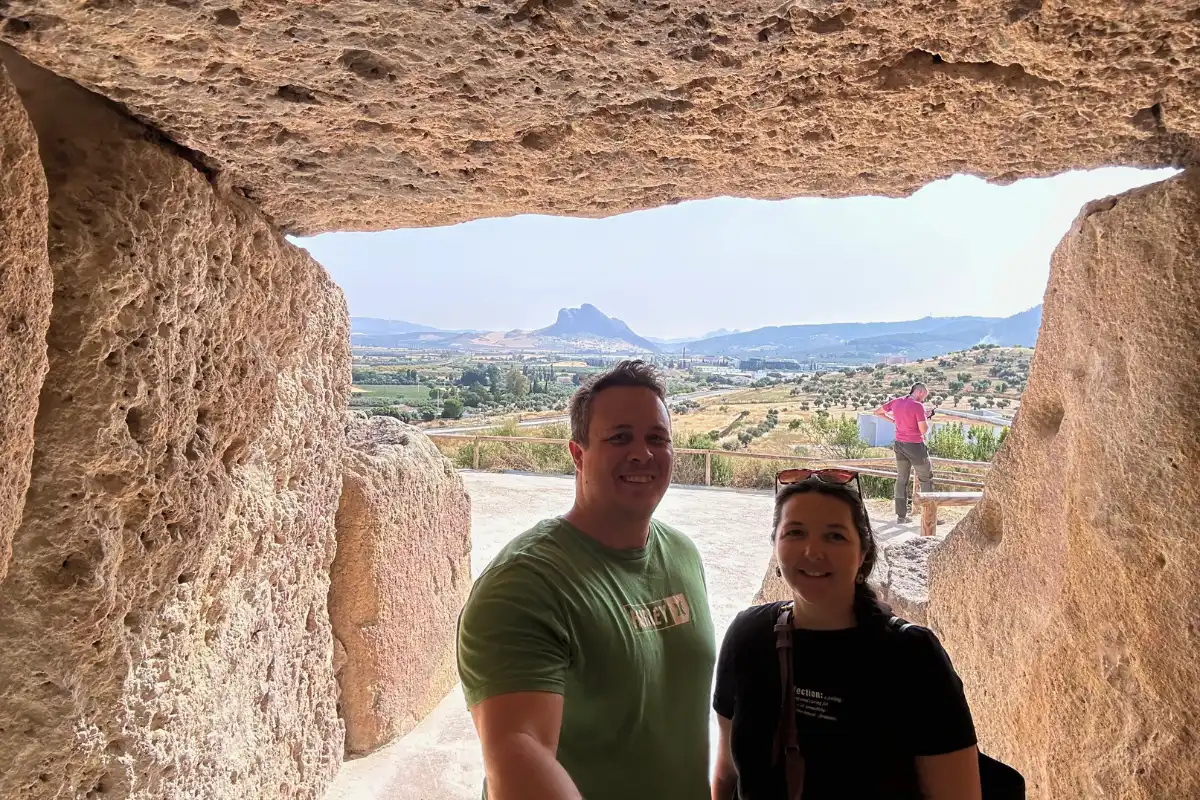
Start your day here. The Menga, Viera, and El Romeral dolmens are a trio of colossal Neolithic burial chambers built over 5,000 years ago, older than Stonehenge and older than the Egyptian pyramids.
These megalithic monuments were declared a UNESCO World Heritage Site in 2016, and entry is completely free. Menga is the largest dolmen in Europe, its largest capstone weighs around 180 tonnes, and how Neolithic people moved it remains a genuine mystery.
I arrived soon after opening and was already in line. Tour groups can monopolise the narrow entrances, so don’t come too late.
They’re open Tuesday to Sunday, 9am to 6pm (summer until 9pm), and free to enter. Allow 1 to 1.5 hours. The site is about 2km from the centre, walkable or a short drive.
The dolmens are aligned with specific astronomical events. Menga points directly at Peña de los Enamorados (Lovers’ Rock), while El Romeral aligns with El Torcal. Ancient people chose this location for reasons archaeologists are still uncovering.
2. El Torcal Natural Park
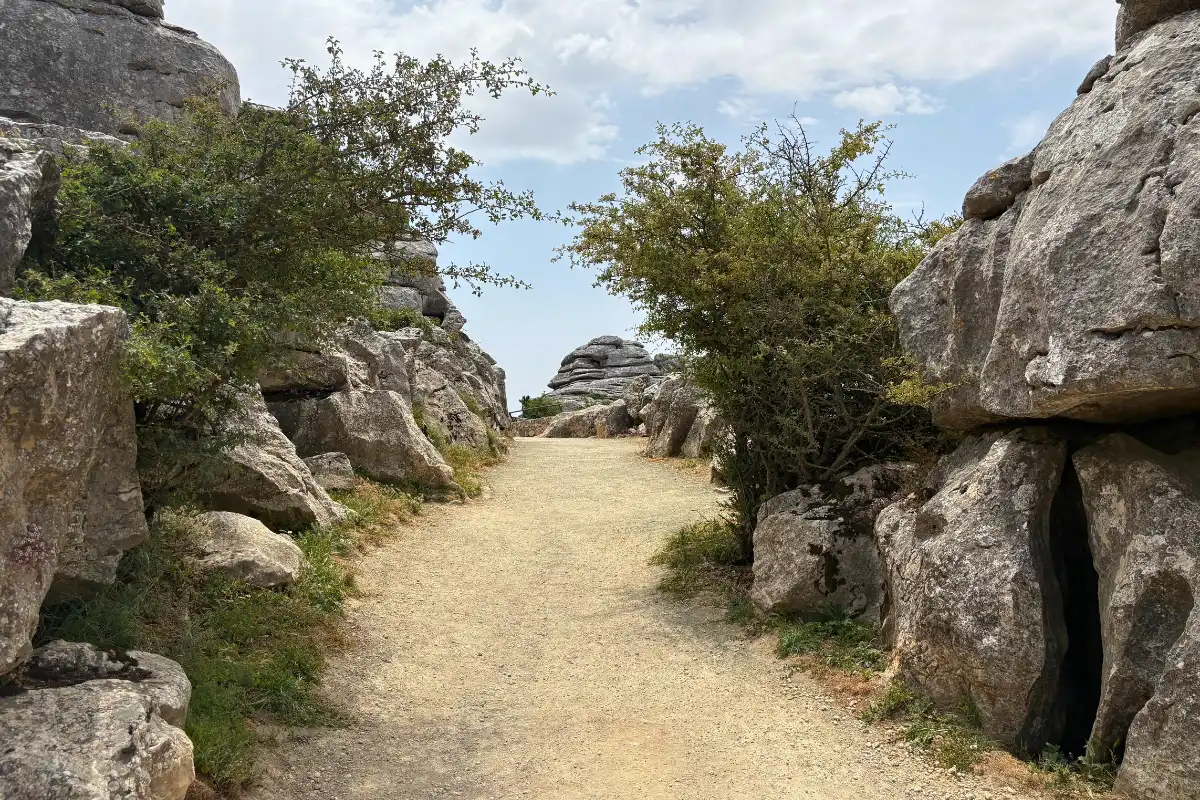
If you only have time for one activity beyond the town, make it El Torcal. This UNESCO-protected landscape looks like another planet, with bizarre limestone formations sculpted by 150 million years of erosion into towers, arches, and shapes that defy description.
The drive up is steep but the reward is extraordinary.
Walking between formations that dwarf you, spotting fossils embedded in the rock, watching the light change. It’s unlike anywhere else in Spain.
There are two marked trails. The Green Trail is a 1.5km easy loop taking about 45 minutes through the most impressive formations. The Yellow Trail is 2.7km and takes around 2 hours, heading deeper into the park with more unusual shapes and fossil opportunities.
The best times to visit are sunrise and the two hours before sunset, when angled light brings out the texture in the rock. Midday light is flat, and summer midday can be dangerously hot with no shade.
El Torcal is also an official Starlight Reserve with exceptionally clear skies. You can book stargazing tours that end at an actual observatory. If you made sunset, consider staying for the stars.
The plateau sits at around 1,200 metres, so it stays noticeably cooler than the town and the weather can turn quickly, worth a layer even in summer.
It’s 15km from Antequera, about a 20-minute drive. Entry is free, though parking costs €2.
There’s a visitor centre with a café and toilets. Allow 1.5 to 3 hours.
🛡️ The limestone at El Torcal is uneven and the plateau is high enough that the weather turns fast, which is exactly the kind of place a twisted ankle happens. I use SafetyWing, an affordable subscription policy you can buy even after you’ve already left home.
3. The Alcazaba
No visit to Antequera is complete without climbing to the Alcazaba, the Moorish fortress that crowns the town. You can spot it from everywhere in the city, and the views from the top justify the climb.
The fortress was built in the 14th century during the Islamic period, designed to defend against Christian armies pushing south. In 1410 it fell to the forces of Ferdinand of Aragon after a long siege, nearly 80 years before Granada itself surrendered, which is why Antequera calls itself one of the first Christian towns in the region.
It’s not as grand as Granada’s Alhambra, but you won’t share it with thousands of tourists.
From the ramparts, the views open out across Antequera’s terracotta rooftops, the surrounding hills of olive groves, and the distinctive profile of Peña de los Enamorados in the distance.
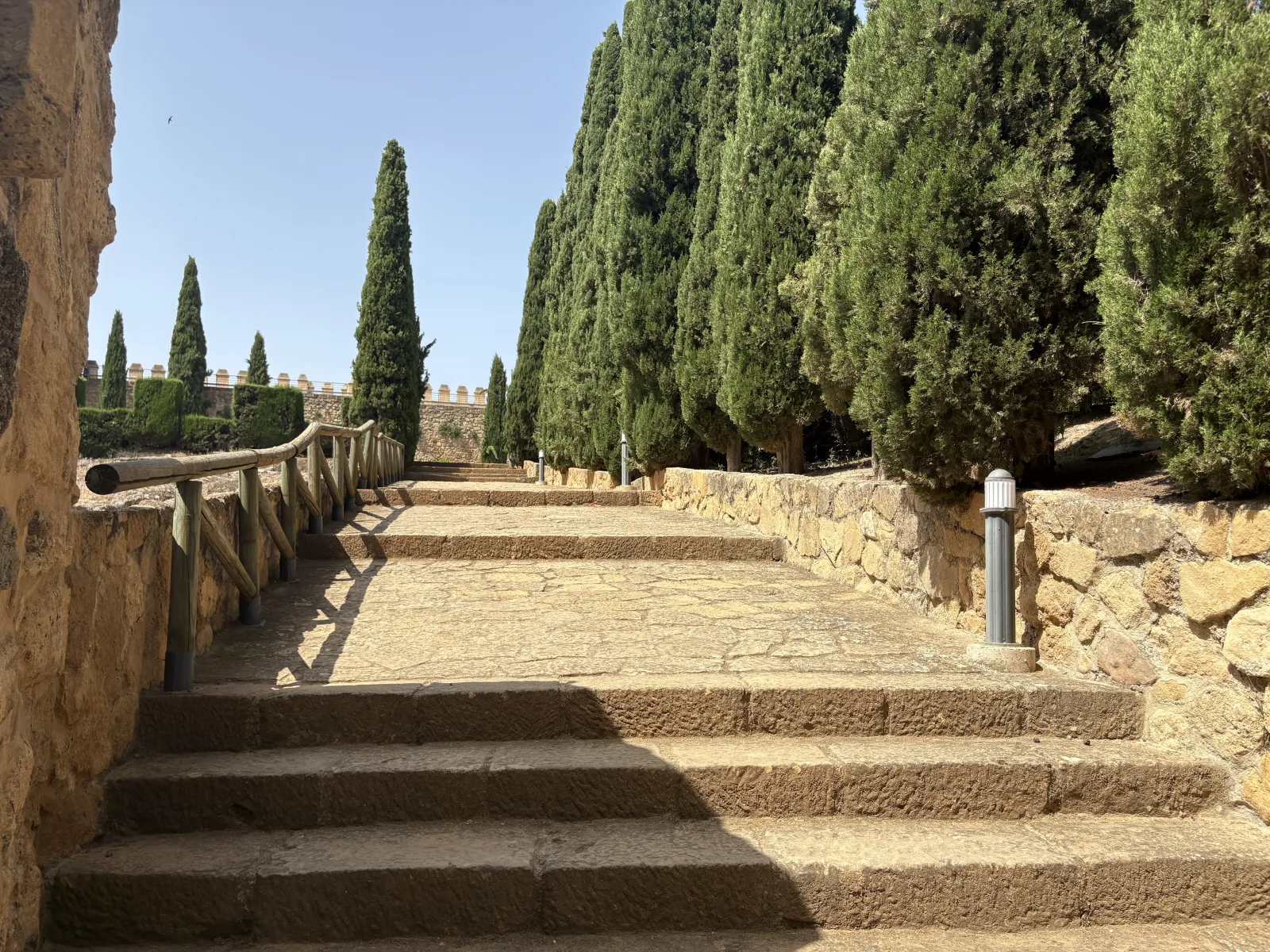
Inside, there aren’t many exhibits, so I’d recommend joining a guided tour or using the audio guide to understand the history you’re walking through.
It’s open Tuesday to Sunday, 10am to 6pm. Entry costs €6, or €8 for a combined ticket with the Collegiate Church.
You’ll need about 45 minutes to an hour.
4. Royal Collegiate Church of Santa María La Mayor
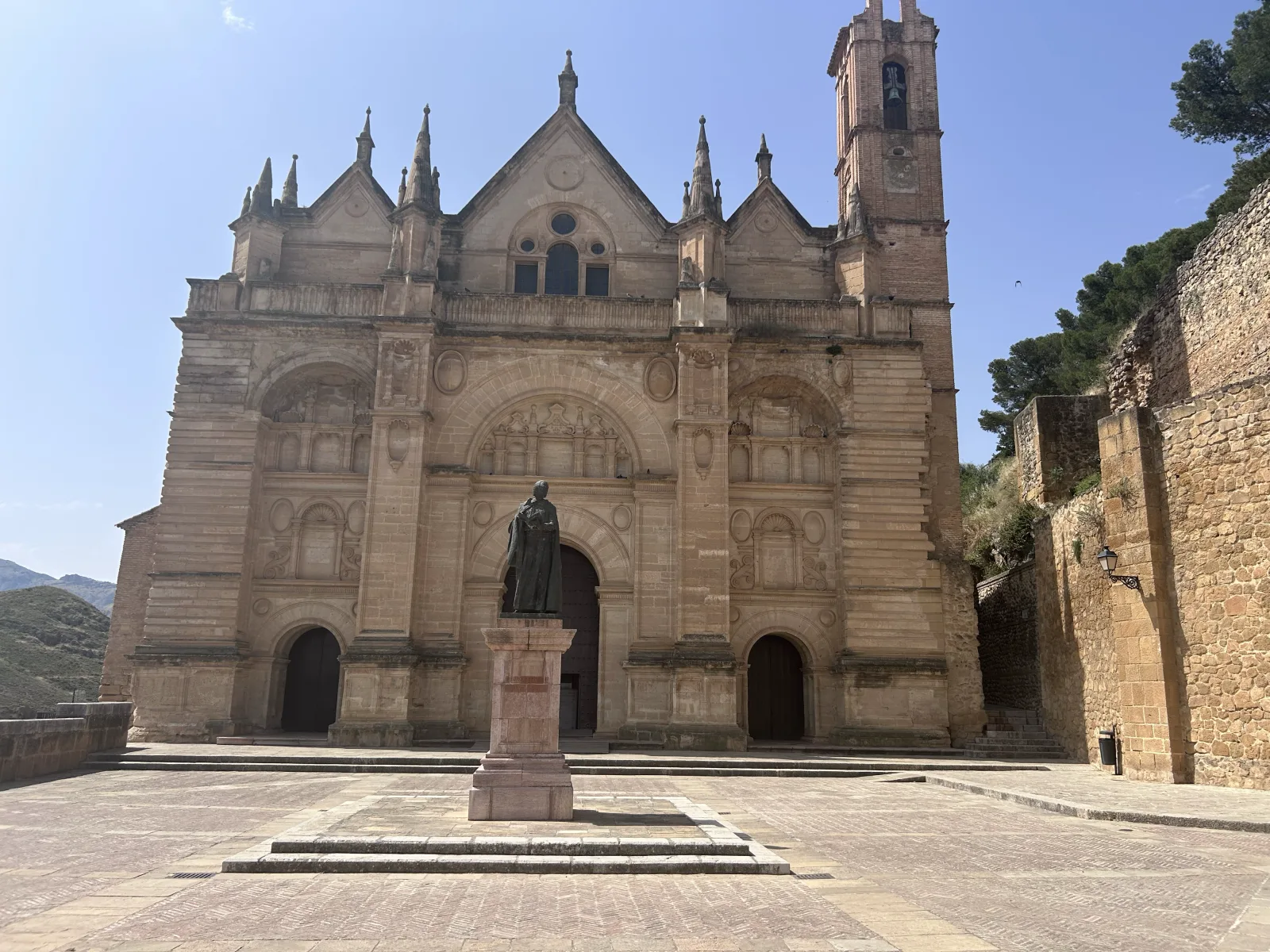
Just steps from the Alcazaba stands one of Antequera’s most beautiful buildings. Most people call it the “cathedral” (I did too at first), but it’s technically a collegiate church that was never fully consecrated.
What makes it special is the architecture.
This was the first Renaissance-style building in Andalusia, dating to the early 1500s. The mix of Gothic and Renaissance elements, the soaring columns, and the ceiling that makes you stop and look up the moment you walk in. It’s genuinely impressive.
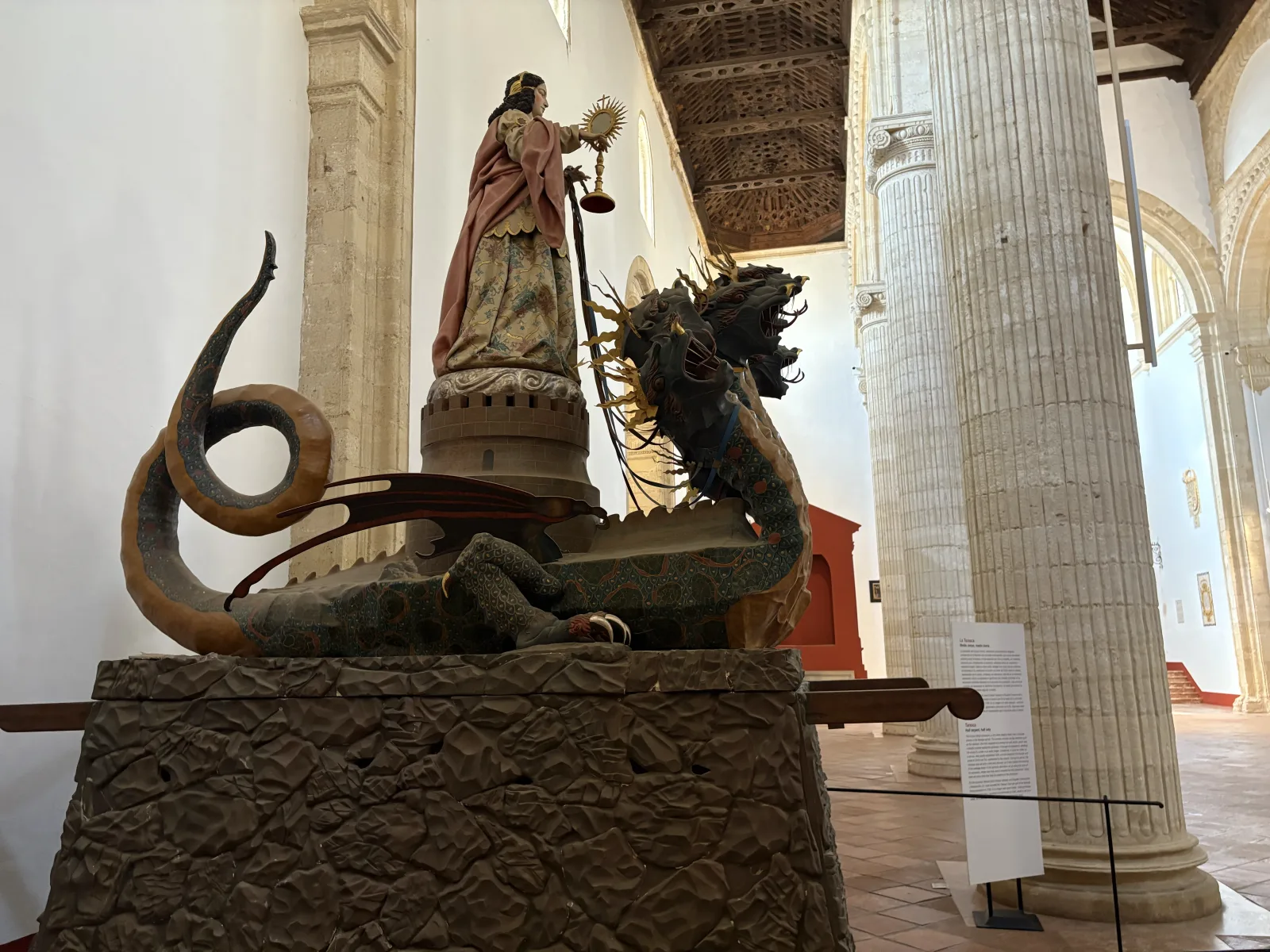
Inside, I found the “Tarasca,” a figure that is half serpent and half woman that formed part of the Granada Corpus procession in 1760. Strange and wonderful.
It’s open Tuesday to Sunday, 10am to 6pm. Entry is €3, or €8 combined with the Alcazaba. Allow 30 to 45 minutes.
🎟️ The €8 combined ticket is the one to buy, but a guide is what turns those bare Alcazaba rooms into a story. The El Torcal geology walks and the observatory stargazing sessions are the other two worth booking rather than winging, and you can see what’s running on GetYourGuide.
5. Peña de los Enamorados (Lovers’ Rock)
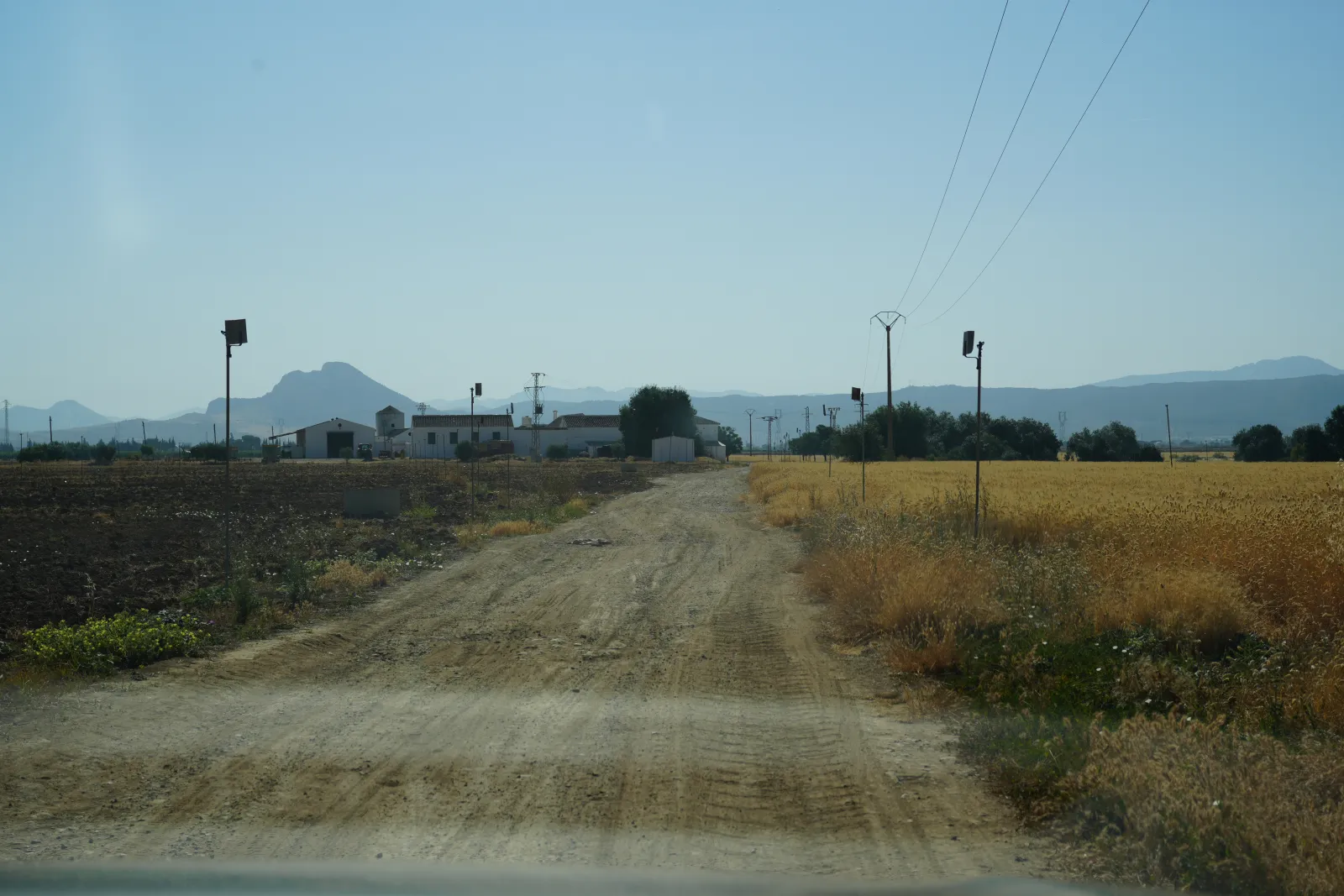
This distinctive mountain rises about 880 metres over the plain around Antequera, and its profile, which locals say resembles a sleeping face, comes with one of Andalusia’s most tragic legends.
According to the story, during the Moorish period, a Christian girl and a Moorish boy fell in love.
When their families tried to separate them, they climbed the mountain and leapt to their deaths rather than be apart. The “Lovers’ Rock” has carried the legend ever since.
The best views are from the dolmens site or from the road approaching Antequera from Málaga. The Menga dolmen is perfectly aligned with the mountain’s profile, a connection ancient people made 5,000 years ago.
6. Municipal Museum of Antequera
The Museo de Antequera occupies the elegant Palacio de Nájera on Plaza Coso Viejo, one of the town’s finest squares.
I wasn’t sure what to expect, but this museum surprised me. It’s one of the most complete in Malaga province.
Across three floors, you’ll find archaeological artefacts, Roman sculptures, religious art, and 18th-century paintings.
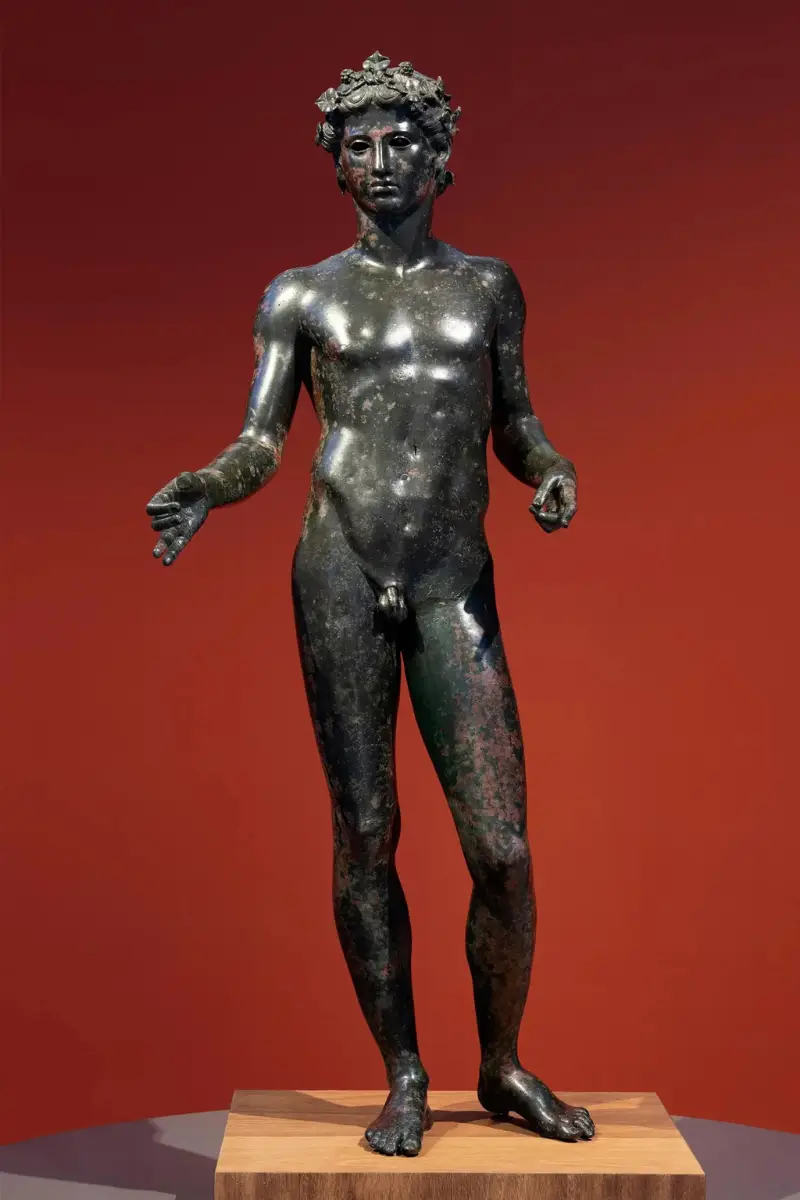
The highlight is the Efebo de Antequera, a small bronze statue from the Roman period considered one of the most important pieces of classical art in Spain. It was found by farmers in 1955.
The museum is open Tuesday to Sunday, 10am to 6pm. Entry is free. Allow about an hour.
7. Buy Sweets from the Nuns
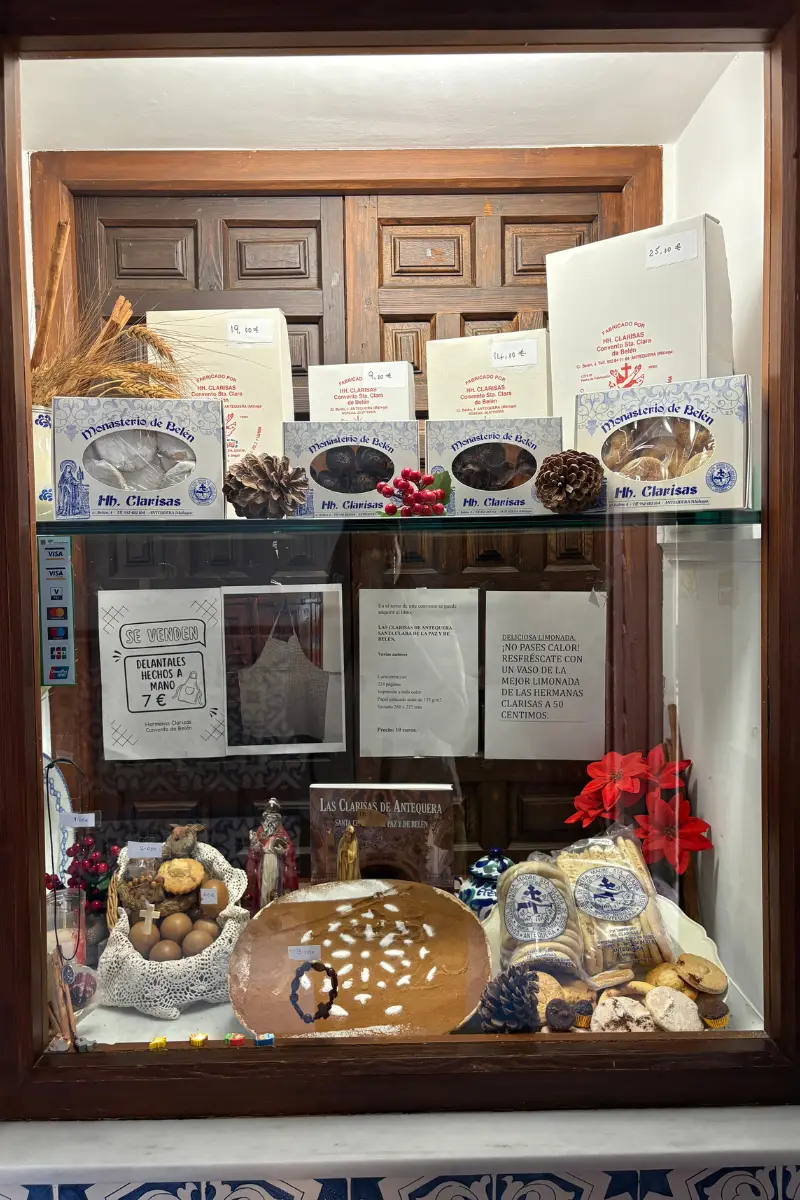
I was in such a rush to make sunset at El Torcal the first time that I skipped this. On a return trip I made a special stop just for it, and it was worth it.
Several convents in Antequera still make traditional sweets and sell them through a torno, a revolving wooden door that allows the cloistered nuns to sell without being seen.
You ring the bell, a voice asks what you want, you place your order, put money in the tray, and the sweets appear. It’s a uniquely Spanish experience.
The Convento de Carmelitas Descalzas is the most famous, but ask at the tourist office which convents are currently selling. Look for bienmesabe (almond and egg dessert), angelorum, and traditional Spanish biscuits.
📖 Read next >> My one day in Antequera itinerary, which puts all of this in the right order, and the quirky day trip loop just north of town.
8. Wander the Historic Old Town
One of my favourite things about Antequera is that it feels lived-in, not overrun by tourism. Locals go about their day, old men chat on benches, and life moves at a slower pace.
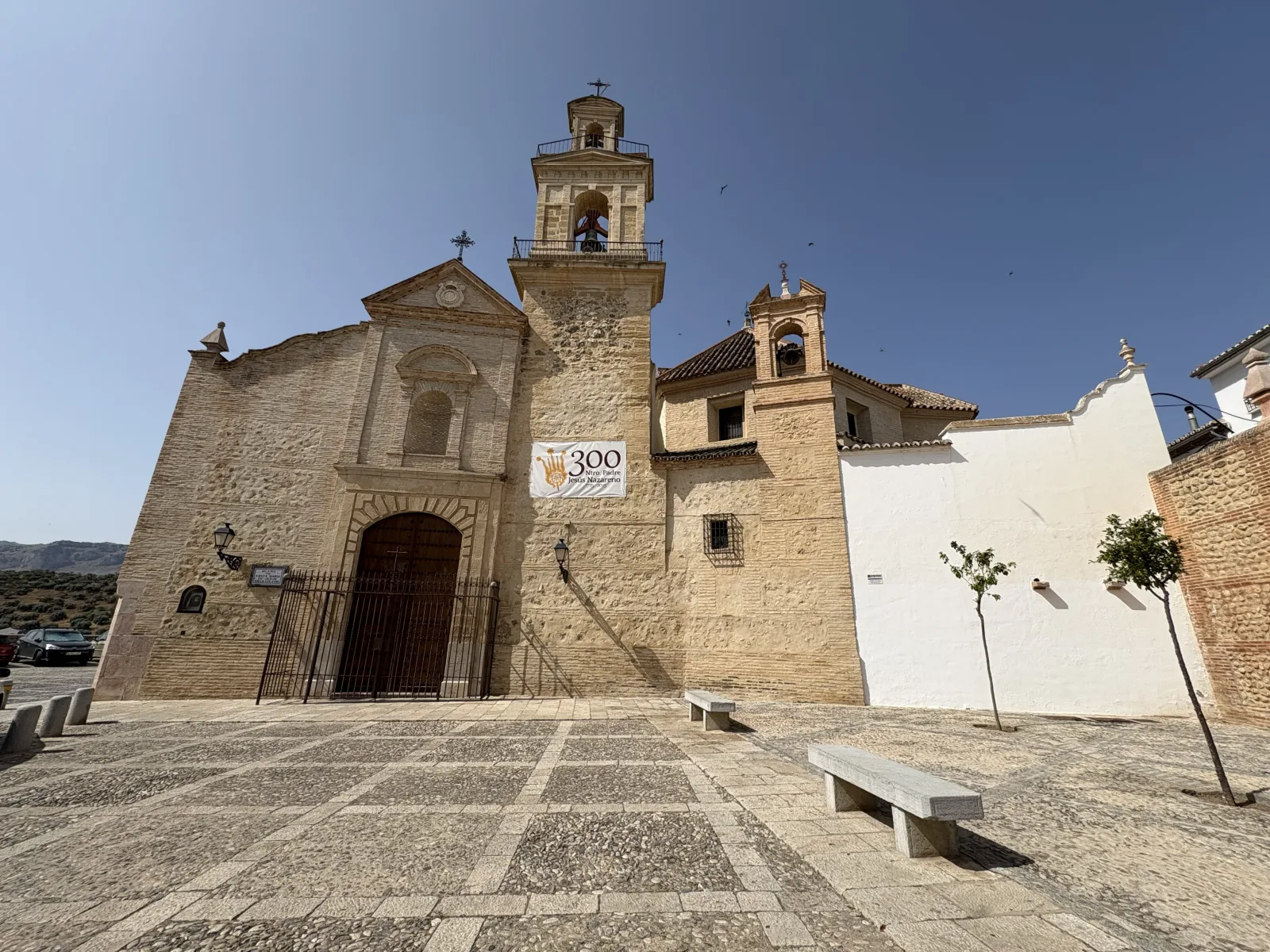
The town is stacked with churches, 33 of them by most counts, which is said to be the highest number per inhabitant anywhere in Spain. You turn a corner and there’s another bell tower.
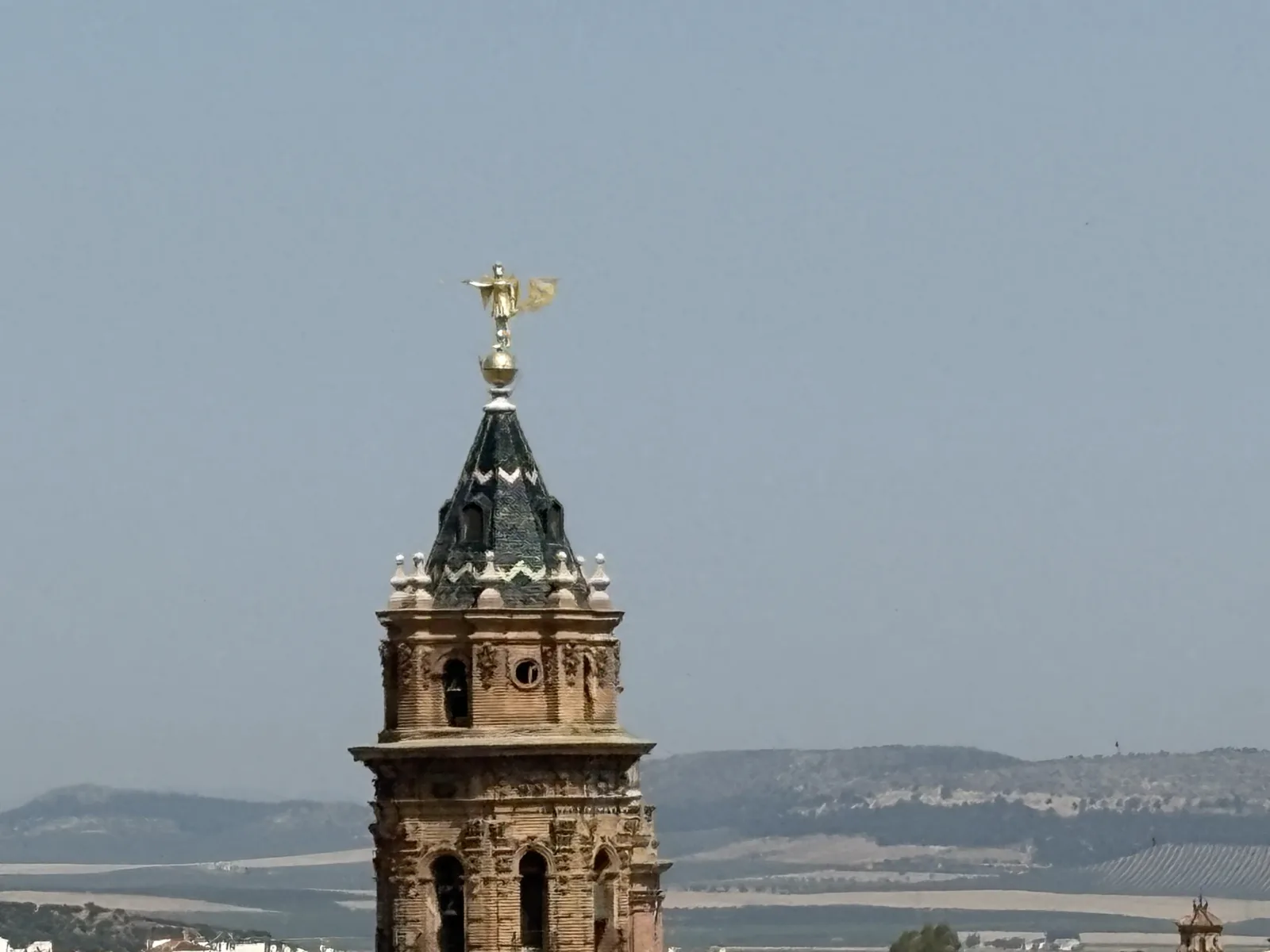
There’s no need for a rigid itinerary here, but a few spots are worth aiming for as you wander.
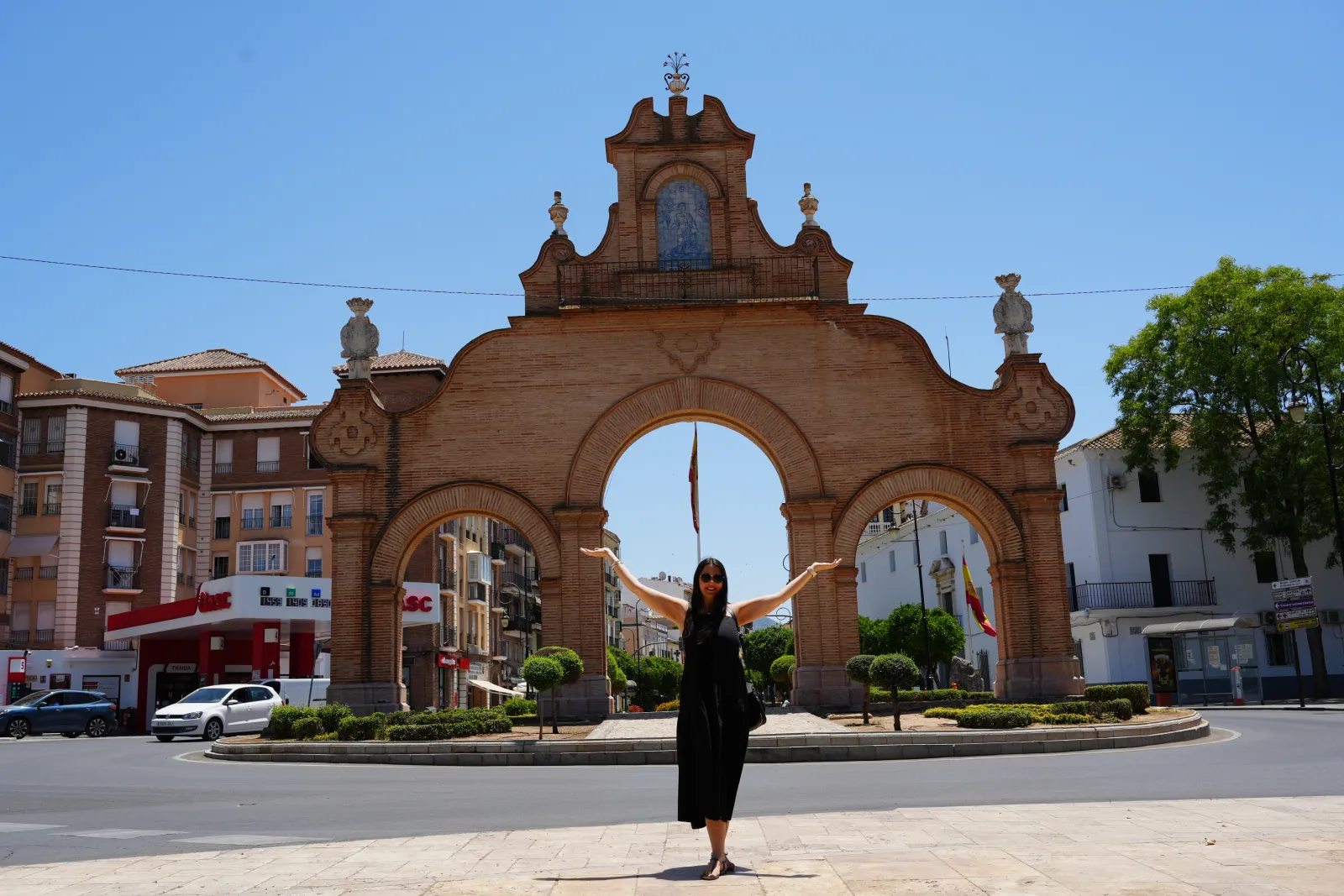
The Arco de los Gigantes is the one I’d point you to first. This stone gateway was built in 1585 near the top of the old town, set with Roman inscriptions and coats of arms salvaged from the town’s earlier walls, and it frames the Alcazaba beautifully as you walk through.
Just beyond it, the Mirador de las Almenillas is the viewpoint to catch your breath at. The whole town spreads out below, with the Peña de los Enamorados sitting on the horizon, and it’s the best free view in Antequera.
The Iglesia del Carmen is the church to prioritise if you only step inside one. Its baroque altarpiece is carved and gilded from floor to ceiling, and the building is a national monument, though opening hours are limited so check before you climb up to it.
For squares, Plaza de San Sebastián is the main one, ringed with cafés and a good place to start the day. Plaza Coso Viejo, the cobbled square beside the museum, is the prettier spot for lunch, with outdoor terraces and easy people-watching.
The Puerta de Estepa, the historic gate marking the old town entrance, is worth a look on your way in or out.
9. Plaza de Toros (the Bullring)
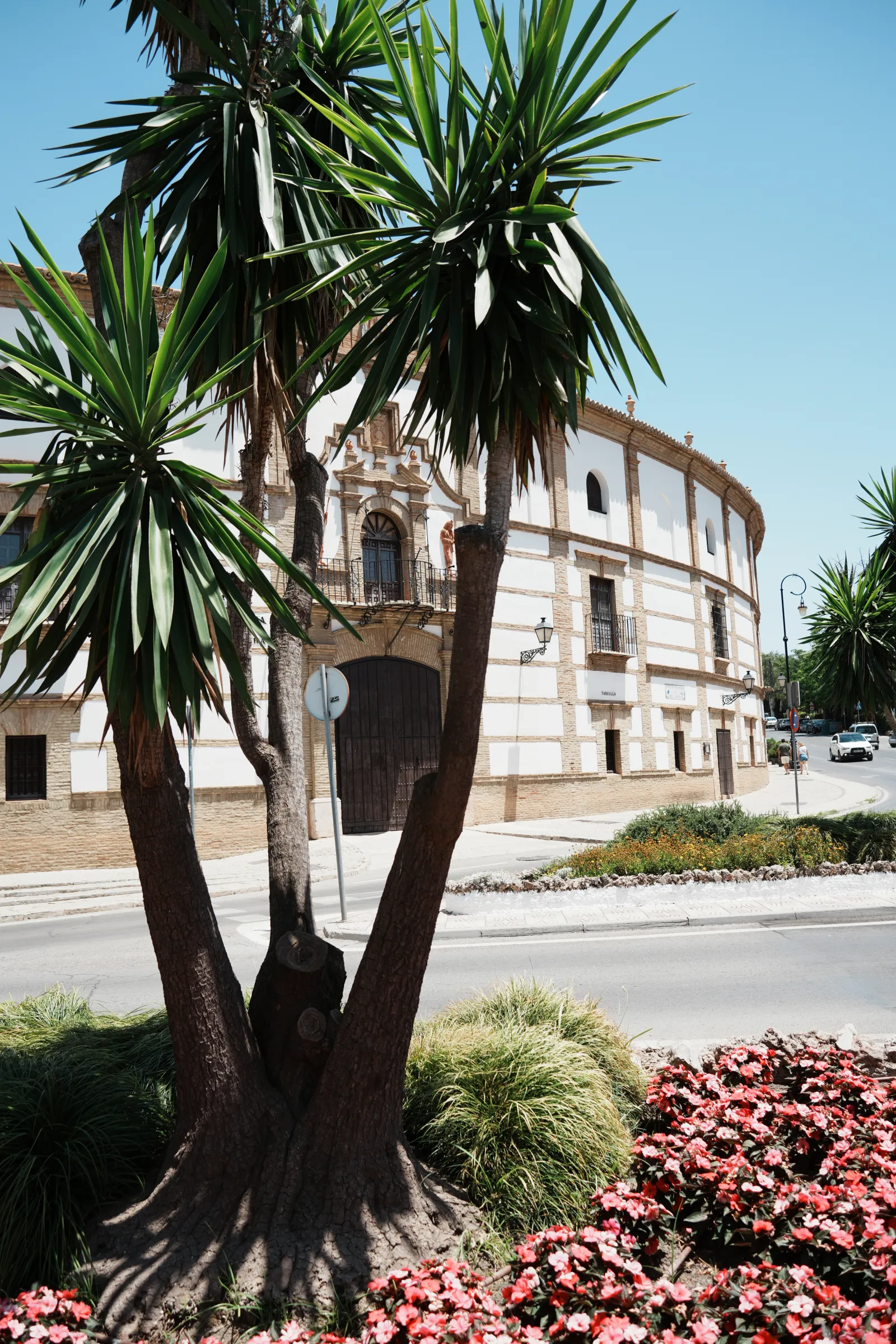
Antequera’s Plaza de Toros dates from 1848 and remains one of Spain’s older bullrings. Even if bullfighting isn’t your thing, the architecture and atmosphere are worth a look.
Better yet, the Restaurante Plaza de Toros inside offers dinner with genuine atmosphere. Steak, seafood, rice dishes, and excellent local wines surrounded by the ring’s whitewashed walls.
READY TO PLAN YOUR TRIP TO ANTEQUERA?
🚗 Rent a car: I use Discover Cars
🏨 Where to stay: Find hotels in Antequera
🎟️ Guided tours: I use GetYourGuide
🚆 Trains and buses: I book through Omio
🛡️ Travel insurance: I use SafetyWing
10. Breakfast at Bar La Socorrilla
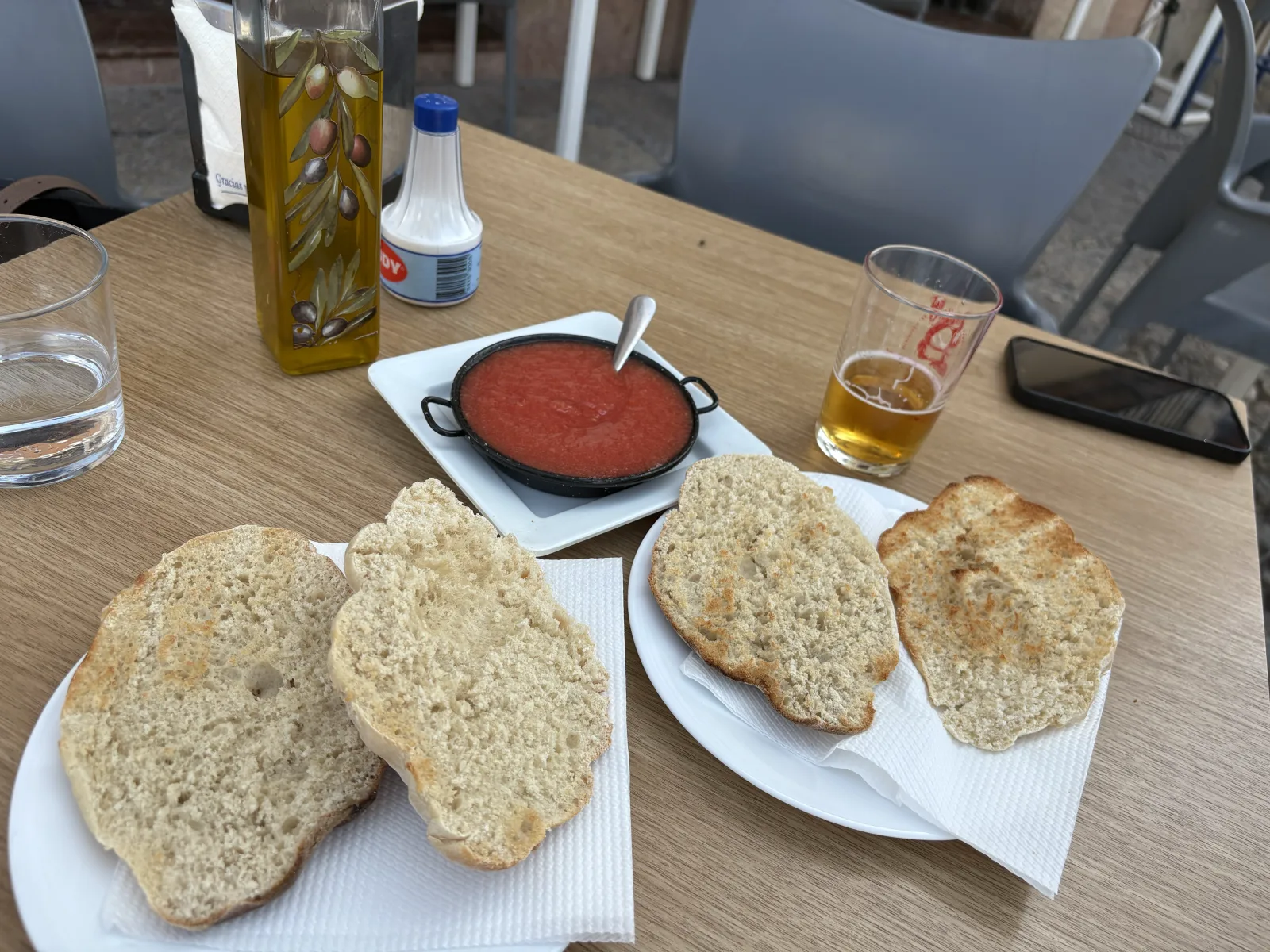
This no-frills local bar near the cathedral perfectly captures everyday Antequera. Order a traditional mollete with tomato (the soft local bread rolls topped with crushed tomato and olive oil) and wash it down with a caña (small draft beer), all for around €2.
It sits across from a beautiful old church, which makes for great photos while you sip your coffee. This is the proper start to a day exploring.
11. Try Porra Antequerana
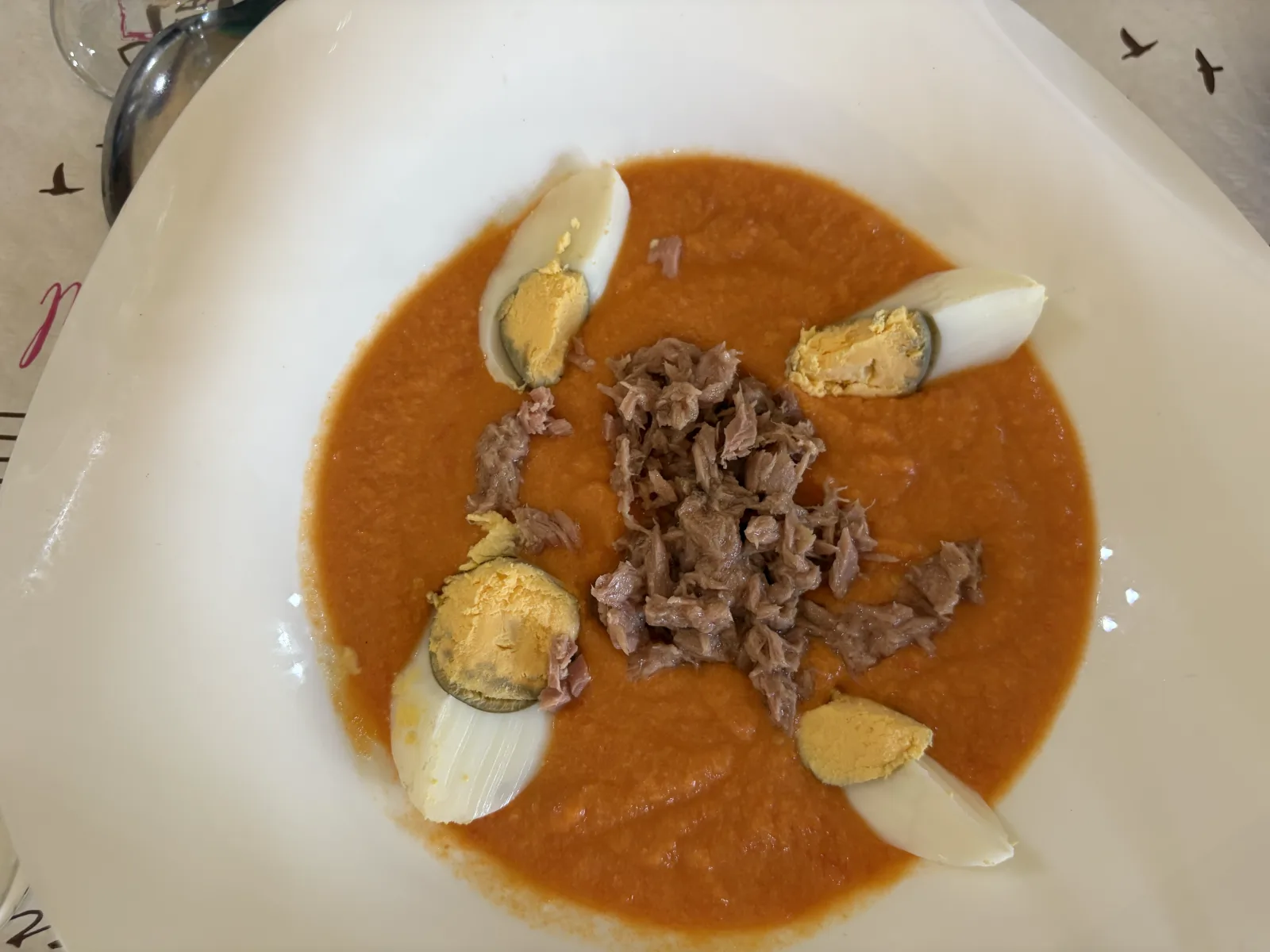
You cannot visit Antequera without trying its signature dish. Porra antequerana is a cold soup similar to salmorejo but thicker and richer, made from tomatoes, bread, garlic, and excellent local olive oil. The topping changes from bar to bar, usually flaked tuna or jamón with hard-boiled egg.
Locals will tell you it’s better than Cordoba’s salmorejo. Whether that’s true is for you to decide, but eating porra where it was invented feels right.
12. Fuente de Piedra Flamingo Lagoon
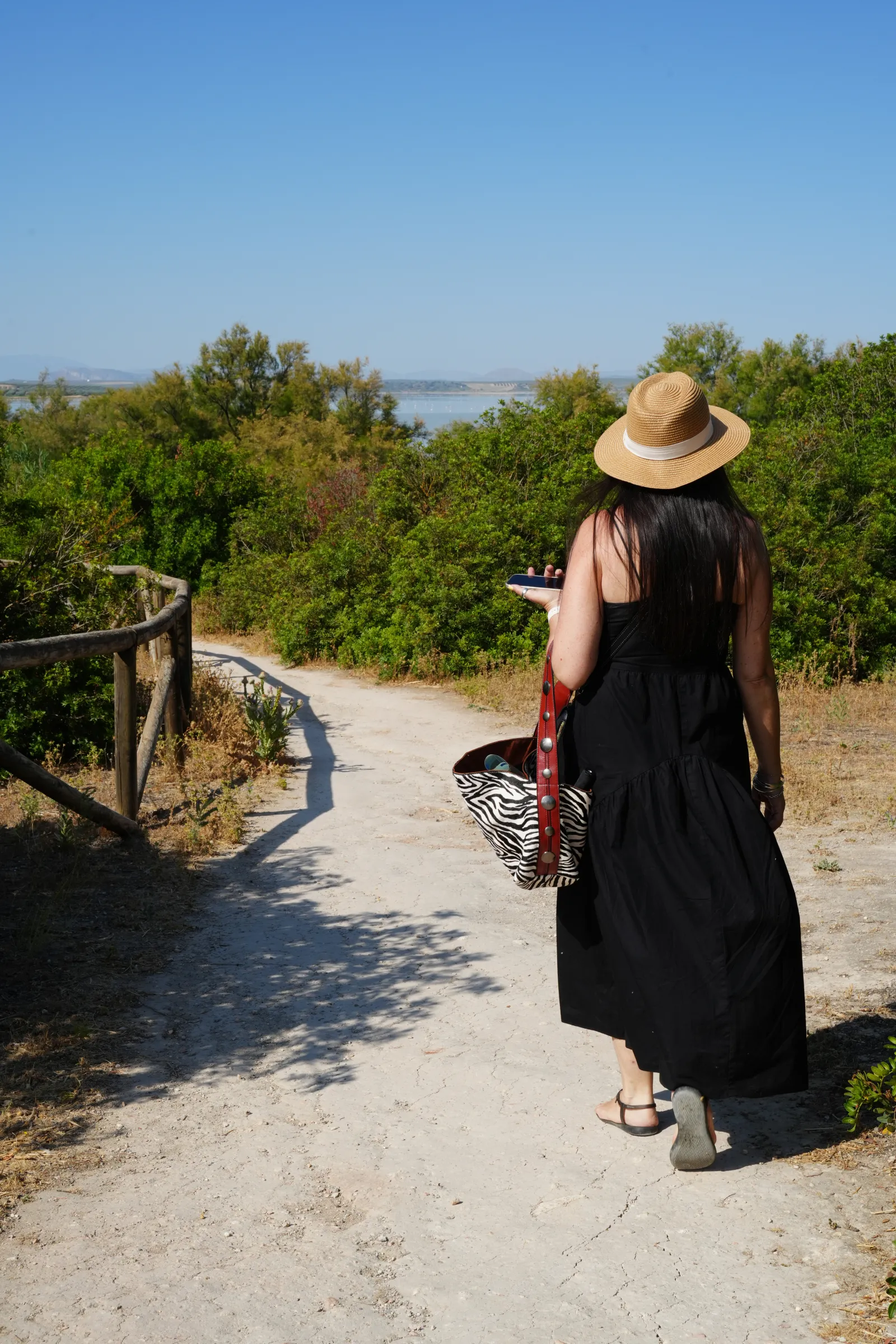
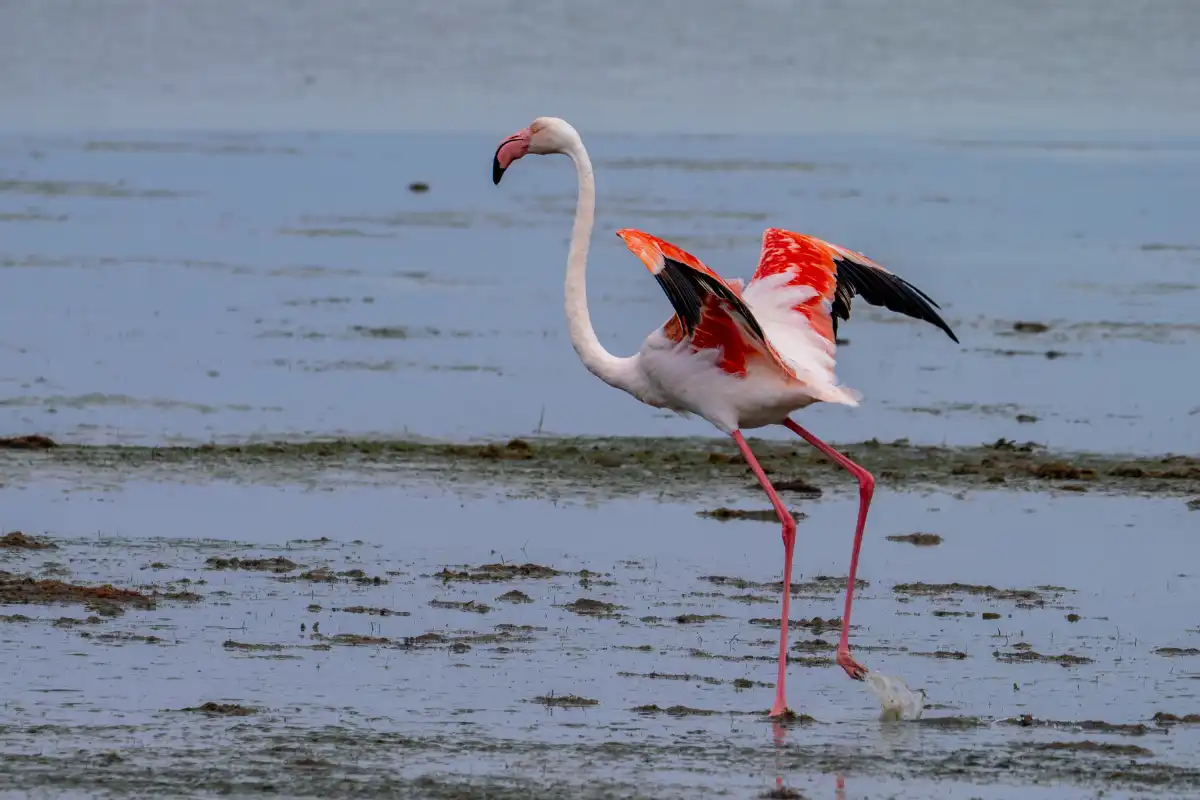
About 20km from Antequera lies Laguna de Fuente de Piedra, the largest natural lake in Andalusia and one of Europe’s most important flamingo breeding grounds.
Between March and August, thousands of pink flamingos gather here to breed.
The sight of thousands of birds turning the shallow waters pink is extraordinary. Outside breeding season, flamingo numbers vary, so check locally before visiting.
The lagoon is a 20-minute drive from Antequera and free to visit. The best months for flamingos are March to August. There’s a visitor centre and several bird hides along the shore.
Just 9km from the lagoon is Laberintus Park, Spain’s largest hedge maze, which pairs perfectly with a morning of flamingo watching. Nearby Mollina is also home to the International Nativity Scene Museum, an easy add-on to the same trip.
13. Day Trip to Caminito del Rey
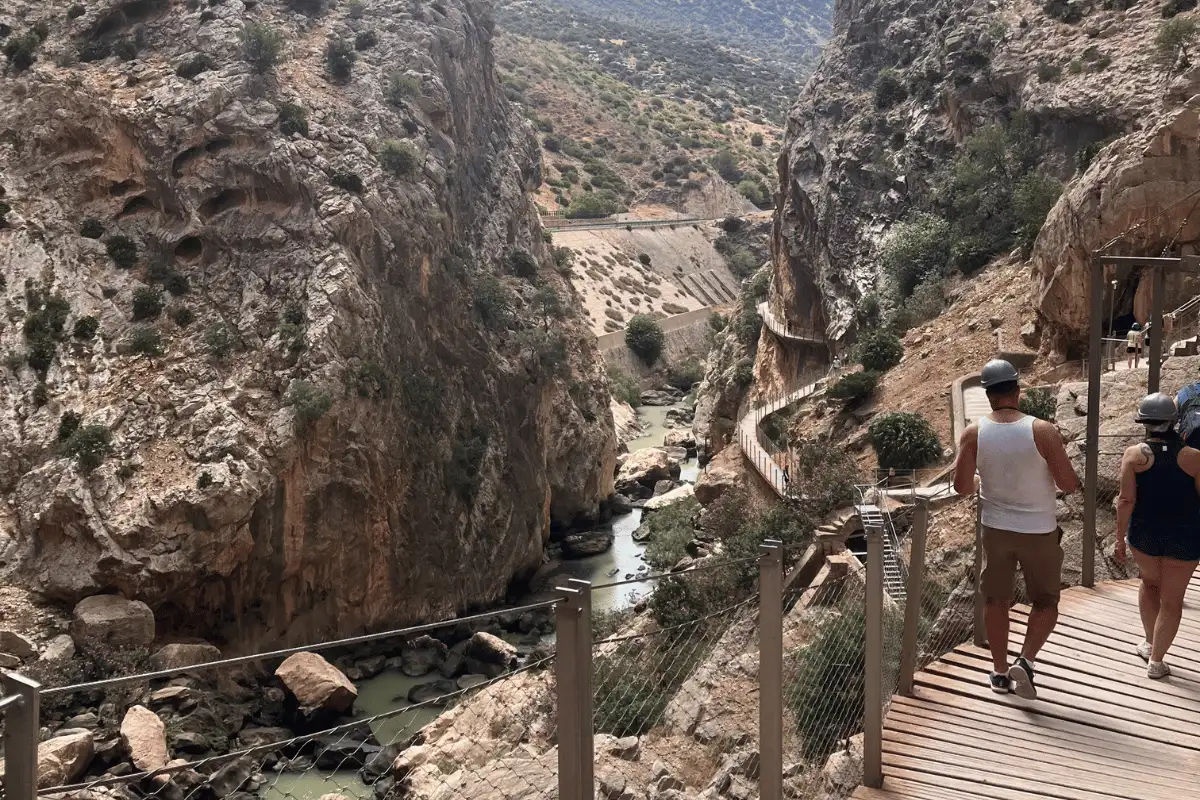
The famous Caminito del Rey, the cliff-side walkway that clings to the walls of the Desfiladero de los Gaitanes gorge, is just 40 minutes from Antequera.
Once called “the world’s most dangerous path,” it’s now been restored as a spectacular (and safe) hiking experience. The 7.7km route passes through tunnels and crosses bridges up to 100m above the river.
Book tickets online well in advance, as they sell out weeks ahead. The walk is one-way, so arrange transport between the two access points.
14. Lobo Park (Wolf Sanctuary)
About 15km from Antequera, Lobo Park offers a different kind of wildlife experience. This sanctuary houses wolves, foxes, and other animals in semi-natural enclosures.
Guided tours explain wolf behaviour and conservation.
It’s particularly good for families or anyone interested in wildlife beyond birds. Evening “wolf howl” experiences let you hear the pack communicate at dusk.
15. Watch the Sunset at El Torcal
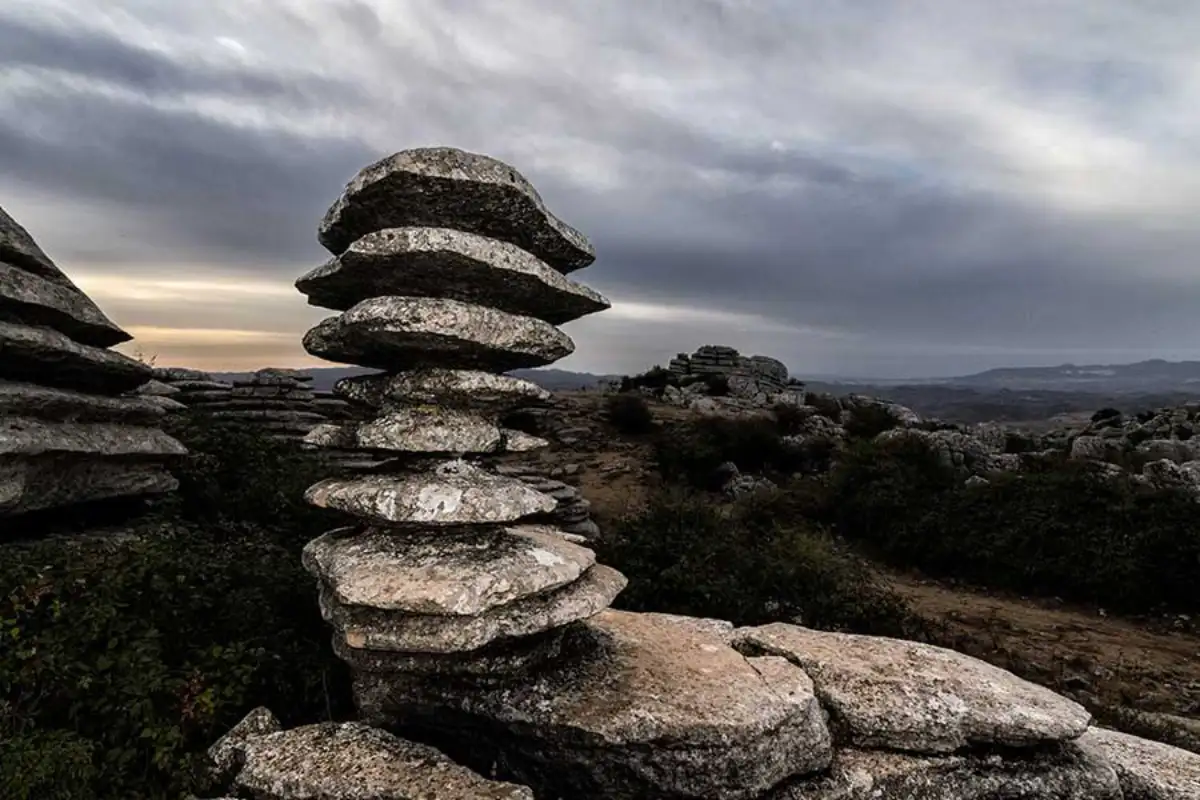
I’m listing this separately because it deserves emphasis. If you can only visit El Torcal once, make it late afternoon.
As the sun drops, the limestone formations glow gold, then orange, then pink.
Shadows lengthen through the rock maze. The temperature cools.
The crowds thin. It’s one of the best sunsets I’ve experienced in Spain.
Stay after dark if the sky is clear. El Torcal’s Starlight Reserve status means exceptional stargazing.
How to Get to Antequera
By car is easiest. Antequera sits about 45 kilometres north of Málaga, roughly a 45-minute drive via the A-45 motorway, with no tolls and straightforward parking in town. I book rentals through Discover Cars, which compares the major companies for the best price.
By train, you have two options. High-speed AVE trains from Málaga take 25 to 30 minutes but arrive at Antequera-Santa Ana station, 15km from the centre.
You’ll need a taxi (around €20) or a connecting bus. Slower Media Distancia trains take 55 to 75 minutes but drop you at Antequera-Ciudad station, much closer to the old town.
By bus, ALSA runs regular services from Málaga’s bus station. The journey takes just over an hour and costs €5 to €8.
Getting Around Antequera
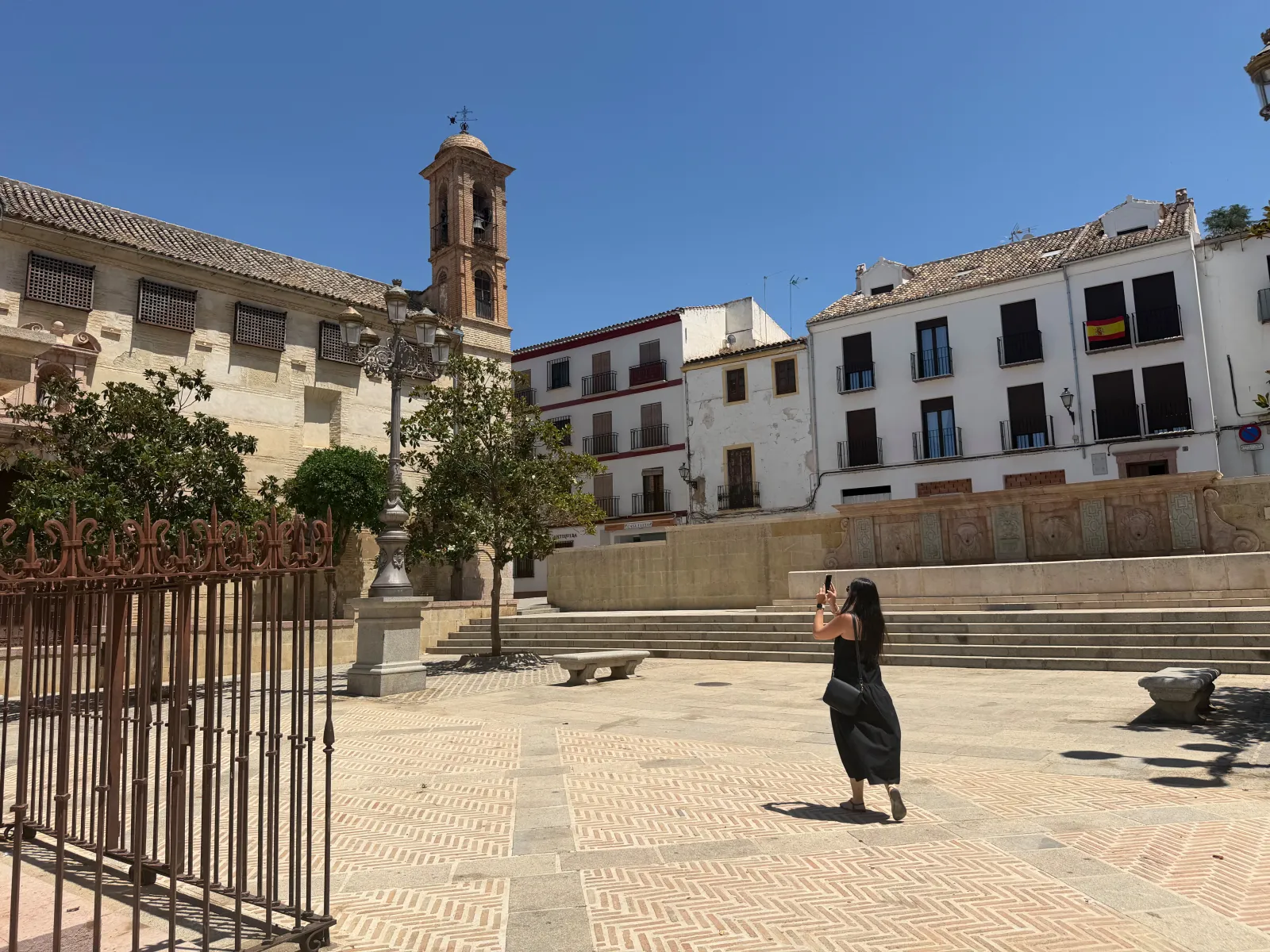
The town divides into two sections: the lower walkable centre, and the upper hill with the Alcazaba and Collegiate Church. The dolmens are 2km outside the centre, walkable but easier by car.
If you’re driving, use it strategically.
Start at the Alcazaba before it gets hot, then drive down to avoid the steep climb back up. Parking is plentiful and usually free, with free street spaces around the lower town; if those fill up, the central Plaza Castilla underground car park runs to roughly €5 for the day.
Without a car, be ready to walk.
There aren’t many taxis, and no buses run the hills. But every metre of the climb is beautiful.
Guided Tours and Day Trips in Antequera
You don’t need a tour to enjoy Antequera, but a few are genuinely worth it. The dolmens run free guided visits from Tuesday to Saturday, including atmospheric night tours in summer, and booking ahead through the tourist office is wise in peak season.
El Torcal is the other place where a guide pays off. Guided walks explain the geology and fossils you would otherwise miss, and evening astronomy sessions end at the park’s own observatory under some of the clearest skies in Andalusia.
For the bigger days out, organised tours to the Caminito del Rey and the Fuente de Piedra flamingo lagoon run from both Antequera and Málaga, which saves arranging one-way transport yourself. If you would rather stay independent, my things to do near Antequera guide maps the whole day-trip loop by car.
Where to Eat in Antequera
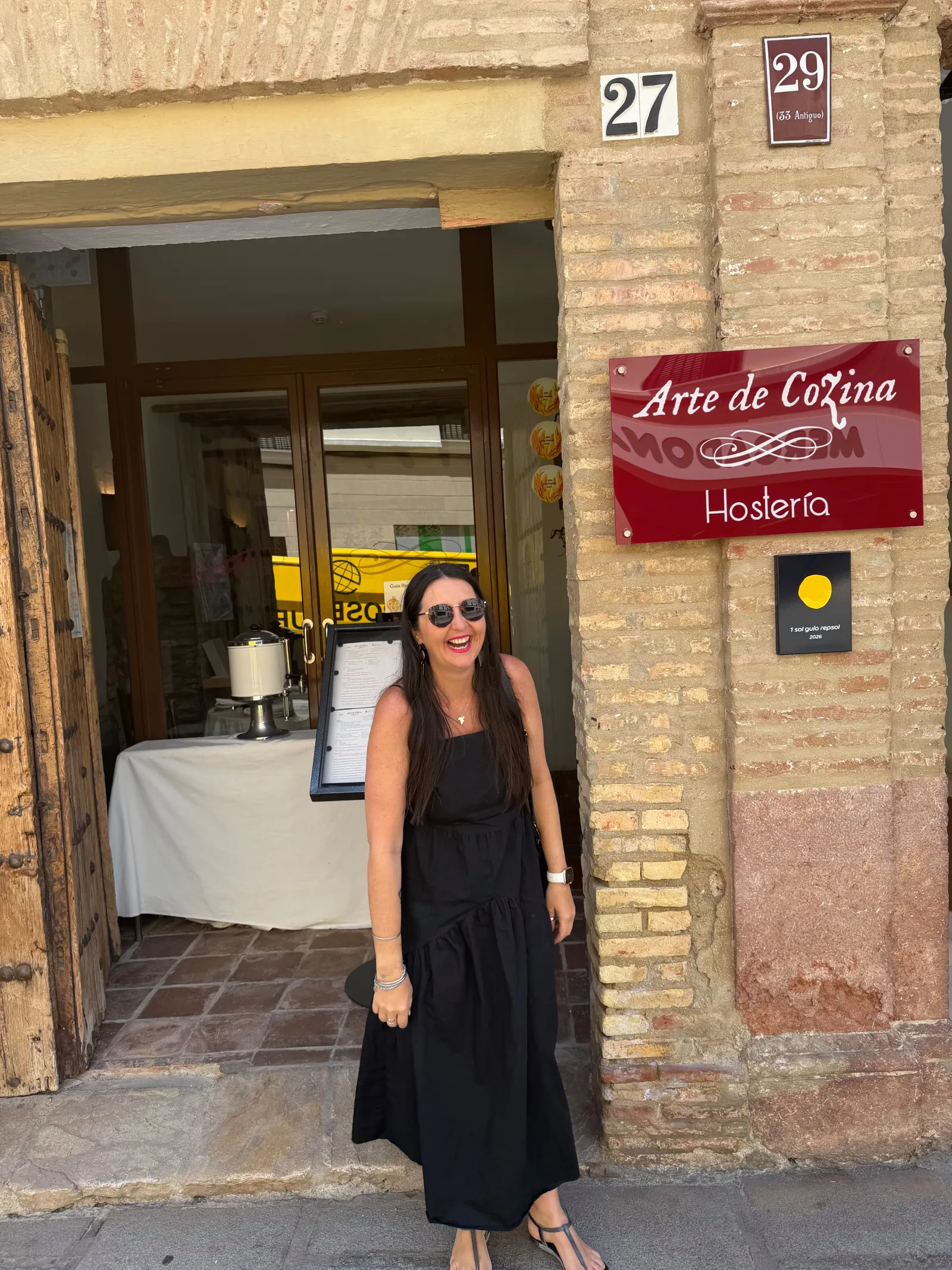
Arte de Cozina serves creative Andalusian cuisine in an 18th-century inn. Bar La Socorrilla is the local breakfast spot for perfect molletes.
Taberna El Rincón de Lola does excellent tapas, especially the secreto ibérico. Mesón Restaurante Reina is the place for traditional porra antequerana. And Restaurante Plaza de Toros offers atmospheric dining inside the bullring.
For the full list, see my restaurant guide for Antequera.
Where to Stay in Antequera
Parador de Antequera is the modern Parador with views over the dolmens. Hotel Coso Viejo is the best value in the old town. Convento La Magdalena is a converted convent with character.
For more options, see my accommodation guide for Antequera.
Best Time to Visit Antequera
Spring (March to May) and autumn (September to November) are ideal, with comfortable temperatures for hiking El Torcal and climbing the Alcazaba. Spring brings wildflowers, autumn brings golden light.
Summer is hot, often 35 to 40°C. Visit early morning and evening only.
Winter is cool but pleasant for exploring the town on foot.
Antequera FAQs
How Many Days Do You Need in Antequera?
One full day covers the highlights: dolmens, Alcazaba, old town, and El Torcal, which I’ve mapped out in my one day in Antequera itinerary. Two days lets you explore properly without rushing and perhaps add a day trip to the Caminito del Rey, Fuente de Piedra, or more things to do near Antequera.
Can You Visit Antequera Without a Car?
You can, but it’s limiting. The town itself is walkable and buses connect to Málaga. But El Torcal and efficient exploration of the surrounding area really require a car.
What Is Porra Antequerana?
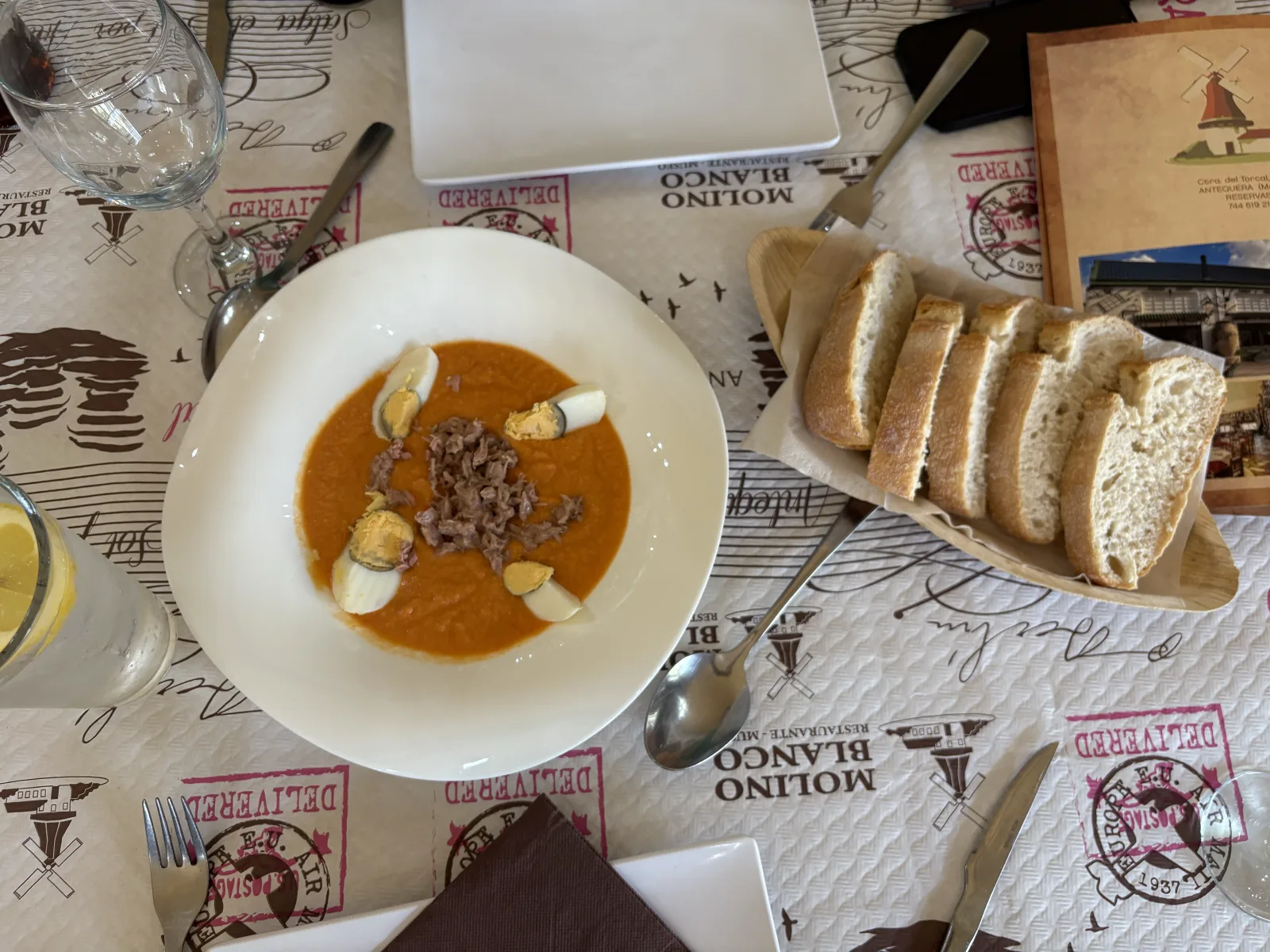
It’s Antequera’s signature dish, a cold soup thicker than gazpacho, made from tomatoes, bread, garlic, and plenty of local olive oil.
What goes on top depends on where you eat it. Some places finish it with flaked tuna, others with jamón, and almost always a scattering of hard-boiled egg. Try it here where it was invented.