Antequera is one of the best day trips from Malaga, and most people underestimate how much there is to see.
I thought I’d be done by lunchtime. Instead I spent the full day exploring UNESCO Dolmens, climbing the Alcazaba, eating porra antequerana, and racing to El Torcal just to catch sunset.
This itinerary covers everything you can fit into one day in Antequera, in the right order, with practical details on timing, transport, and food.
⭐ Don’t miss >> Where to stay in Antequera, my honest hotel picks
Is Antequera Worth Visiting for a Day Trip?
Yes. The UNESCO Dolmens, the Alcazaba, and El Torcal Natural Park alone justify the 45-minute drive from Malaga.
What makes Antequera special is that it doesn’t feel touristy. You’ll eat well for under 15 euros, wander streets that haven’t changed in centuries, and visit a convent where nuns sell sweets through a revolving door.
One day is enough to see the highlights. Two days would let you slow down and explore El Torcal properly. For a deeper look, see my full guide to things to do in Antequera.
If one day turns into two, here are the places I’d actually book in Antequera:
🏛️ Best value in the old town >> Hotel Coso Viejo, a restored building steps from Plaza de San Sebastián.
🌄 Best views >> Parador de Antequera, with a terrace and pool looking straight out over the vega and the dolmens.
🏊 For boutique style >> Hotel Infante Antequera, a rooftop pool over the old town rooftops.
💶 On a budget >> Hotel Plaza San Sebastián, right on the main plaza.
The Best Things to Do in Antequera in One Day
Antequera Dolmens Site
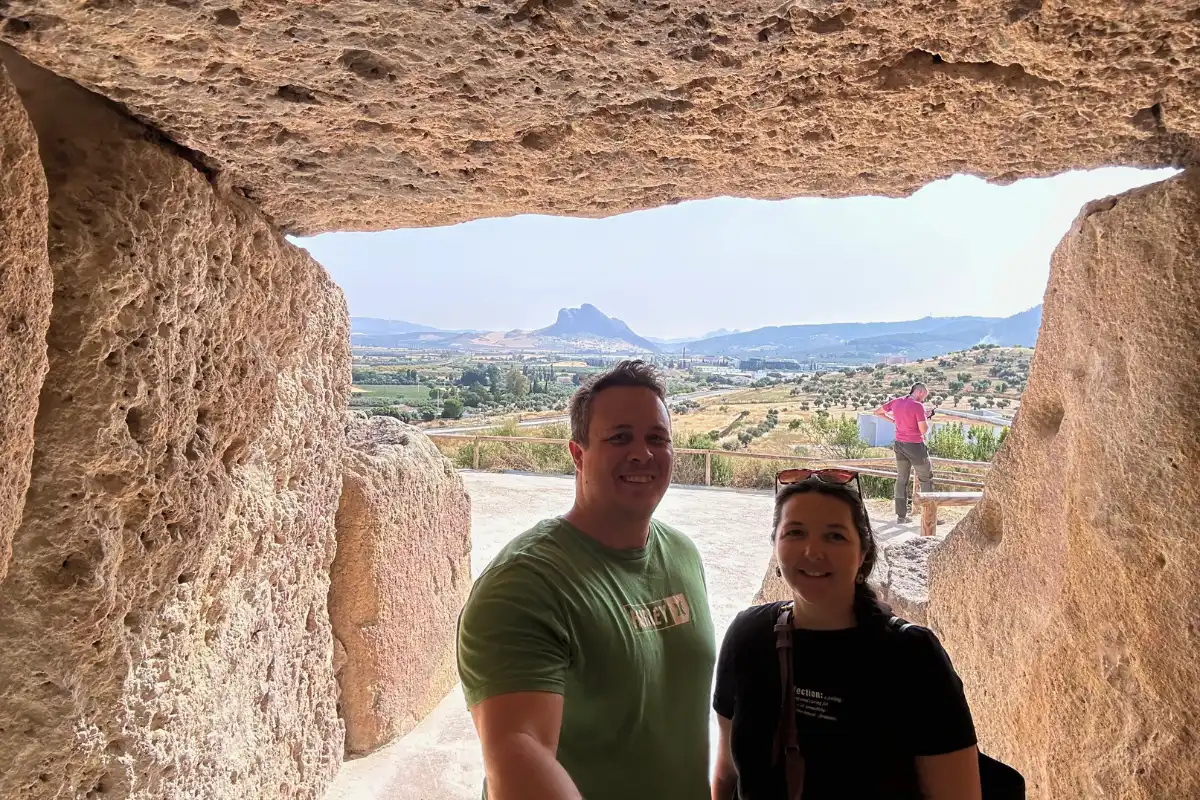
Start your day at the Dolmens. Entry is free, but you need to arrive early because visitor numbers are limited and tour groups take up slots fast.
The Menga, Viera, and El Romeral Dolmens are a trio of Neolithic tombs built over 5,000 years ago, older than Stonehenge. Menga is the largest dolmen in Europe, and all three were declared a UNESCO World Heritage Site in 2016.
I arrived soon after opening and was already queuing. Aim for 9am if you can.
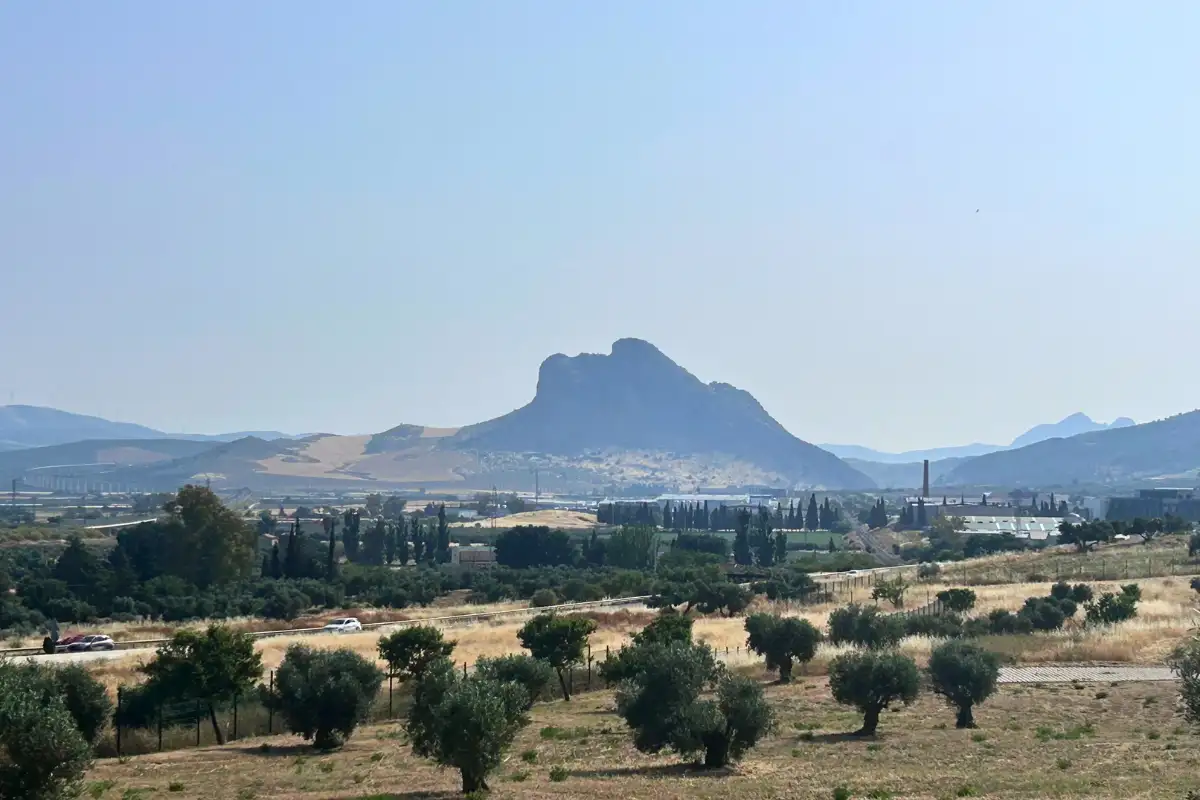
If time permits, take a short drive to the nearby viewpoint for a closer look at Pena de los Enamorados. According to local legend, the rock tells a tragic love story of a Christian girl and a Moorish boy who leapt from the cliff rather than be separated, giving the formation its name: Lovers’ Rock.
🚗 This itinerary only works in a day if you drive. The Dolmens sit outside the centre and El Torcal has no bus at all. I book my rentals through Discover Cars, which compares the major companies for the best price.
Breakfast at Bar La Socorrilla
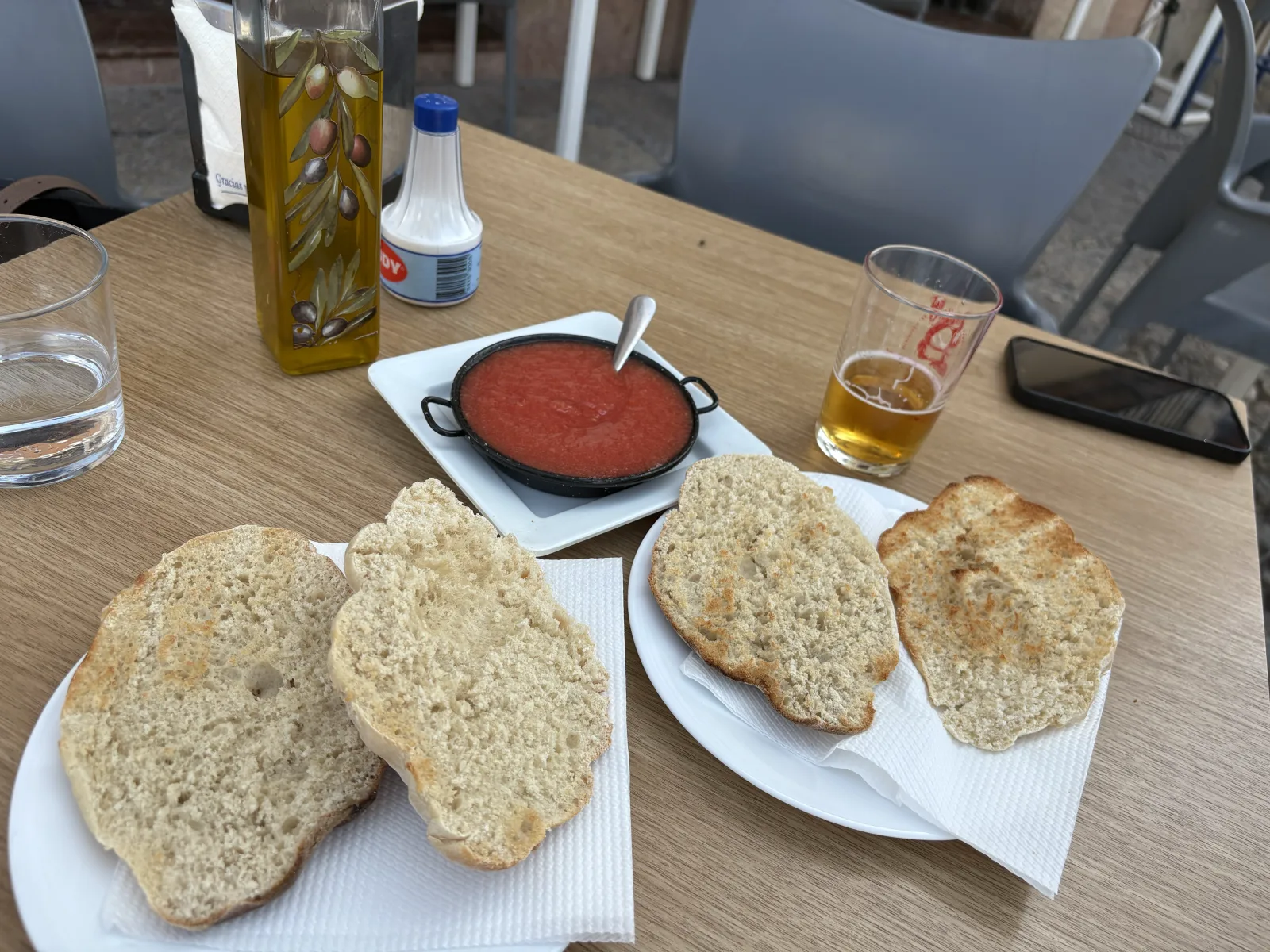
After the Dolmens, head towards the Alcazaba and cathedral. Both take a while to explore, so fuel up first.
Just around the corner from the cathedral entrance is Bar La Socorrilla, a no-frills spot loved by locals. It sits across from a beautiful old church, which makes for great photos while you sip on coffee.
Order a traditional mollete with tomato and a cana (small draft beer). The whole thing costs around two euros per person.
Alcazaba
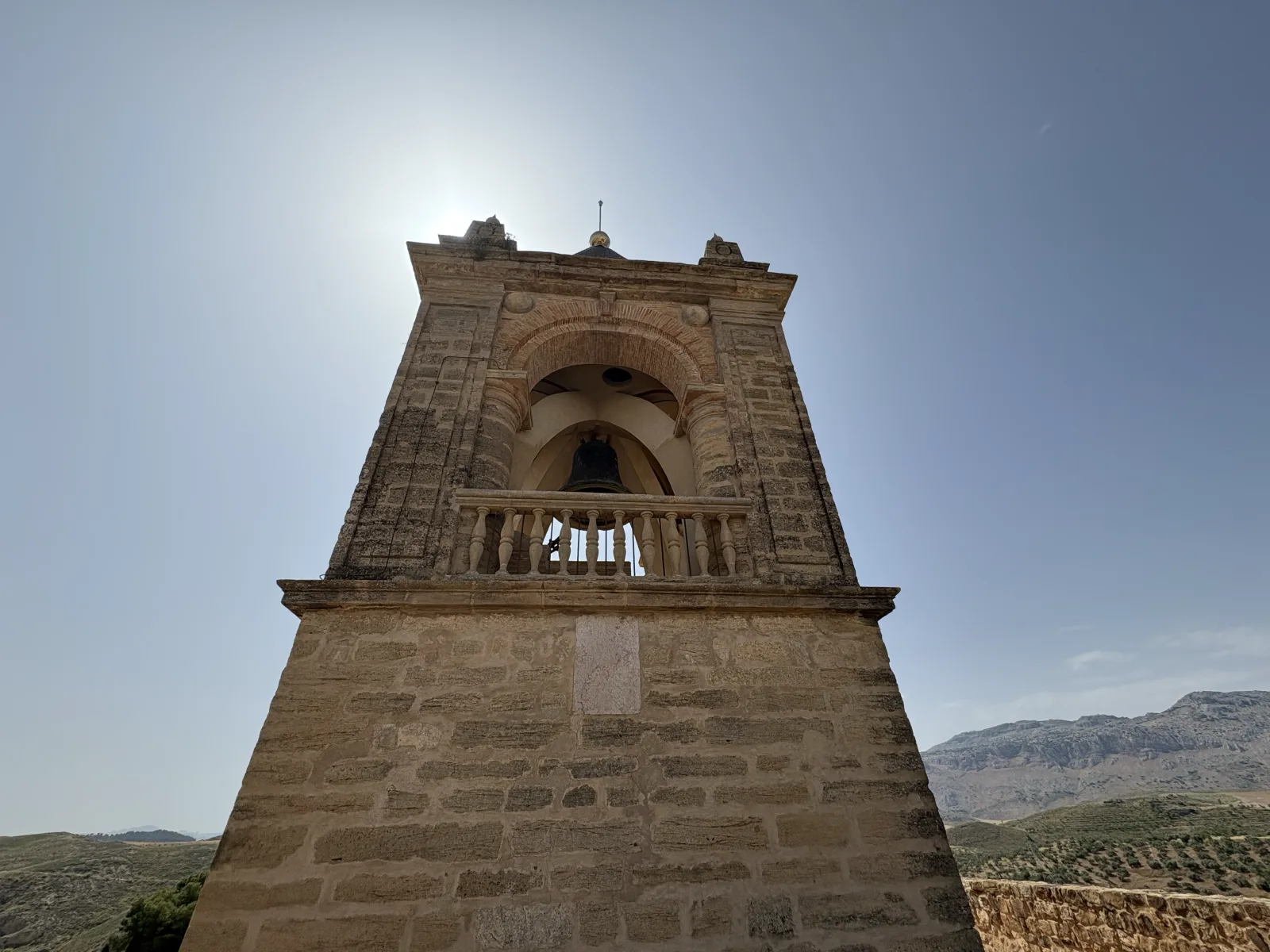
No visit to Antequera is complete without the Alcazaba, a Moorish fortress that stands over the town. You can spot it from almost anywhere in the city.
Built in the 14th century during the Islamic period, it was designed to defend the town from Christian armies. In 1410 it fell to the forces of Ferdinand of Aragon after a long siege, nearly 80 years before Granada surrendered.
It’s not as grand as the Alhambra in Granada, but it has real character and a fraction of the crowds.
From the top, you get sweeping views of Antequera’s rooftops, the surrounding hills, and the famous Pena de los Enamorados in the distance. Entry costs around 6 euros, and you can bundle it with a cathedral ticket for a discount.
If you’re short on time, at least walk along the ramparts. The views alone are worth it.
🎟️ There’s very little signage inside the Alcazaba, so a guide is the difference between walls and a story. The El Torcal geology walks and the stargazing sessions at the observatory are the other two worth booking ahead, and you can see what’s running on GetYourGuide.
Arco de los Gigantes
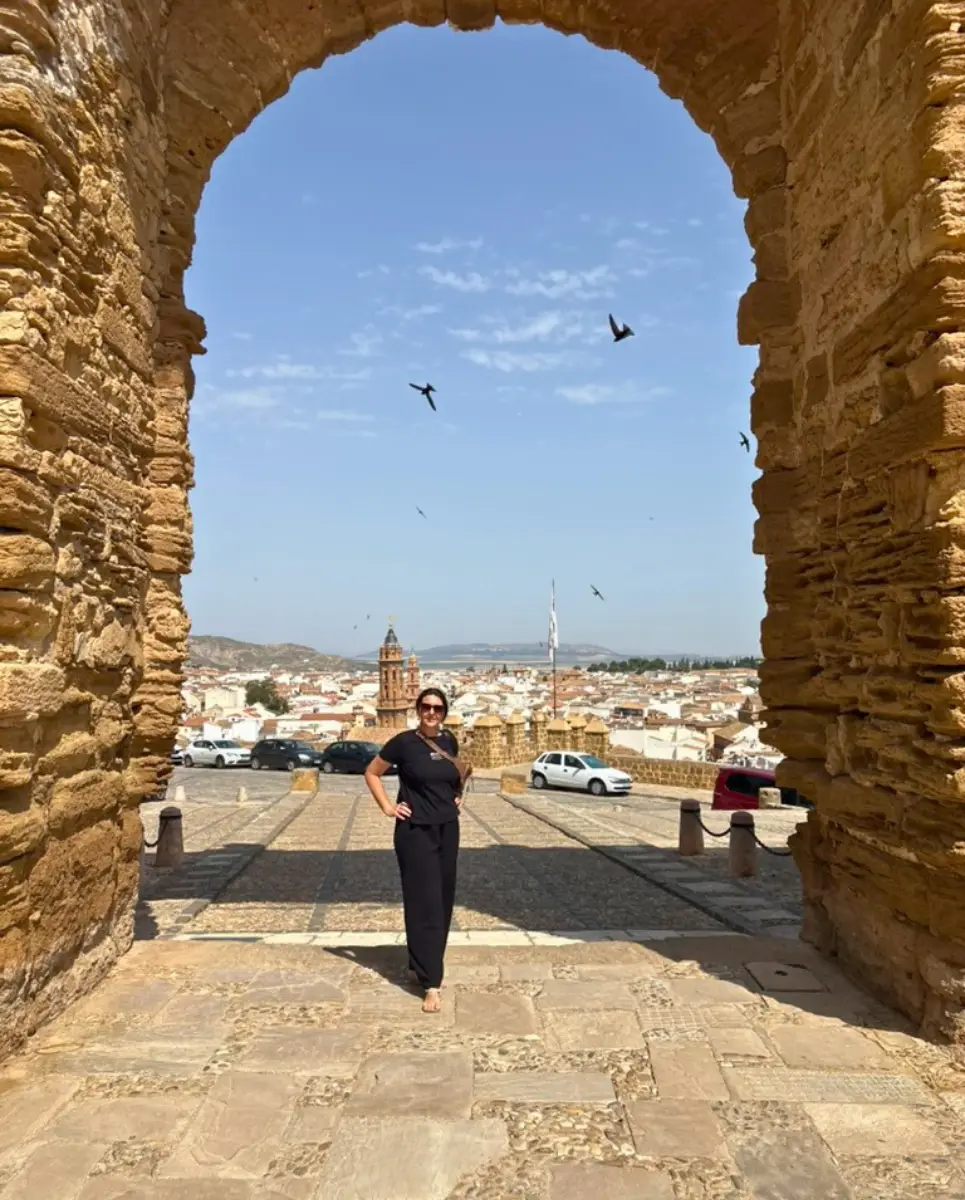
On the walk from the Alcazaba down to the church, you pass under the Arco de los Gigantes, and I stopped to look. This monumental stone gateway was built in 1585, set with Roman inscriptions and coats of arms salvaged from the town’s earlier walls.
It frames the Alcazaba from one side and the rooftops from the other, so it’s worth the minute even on a tight schedule.
Royal Collegiate Church of Santa Maria La Mayor
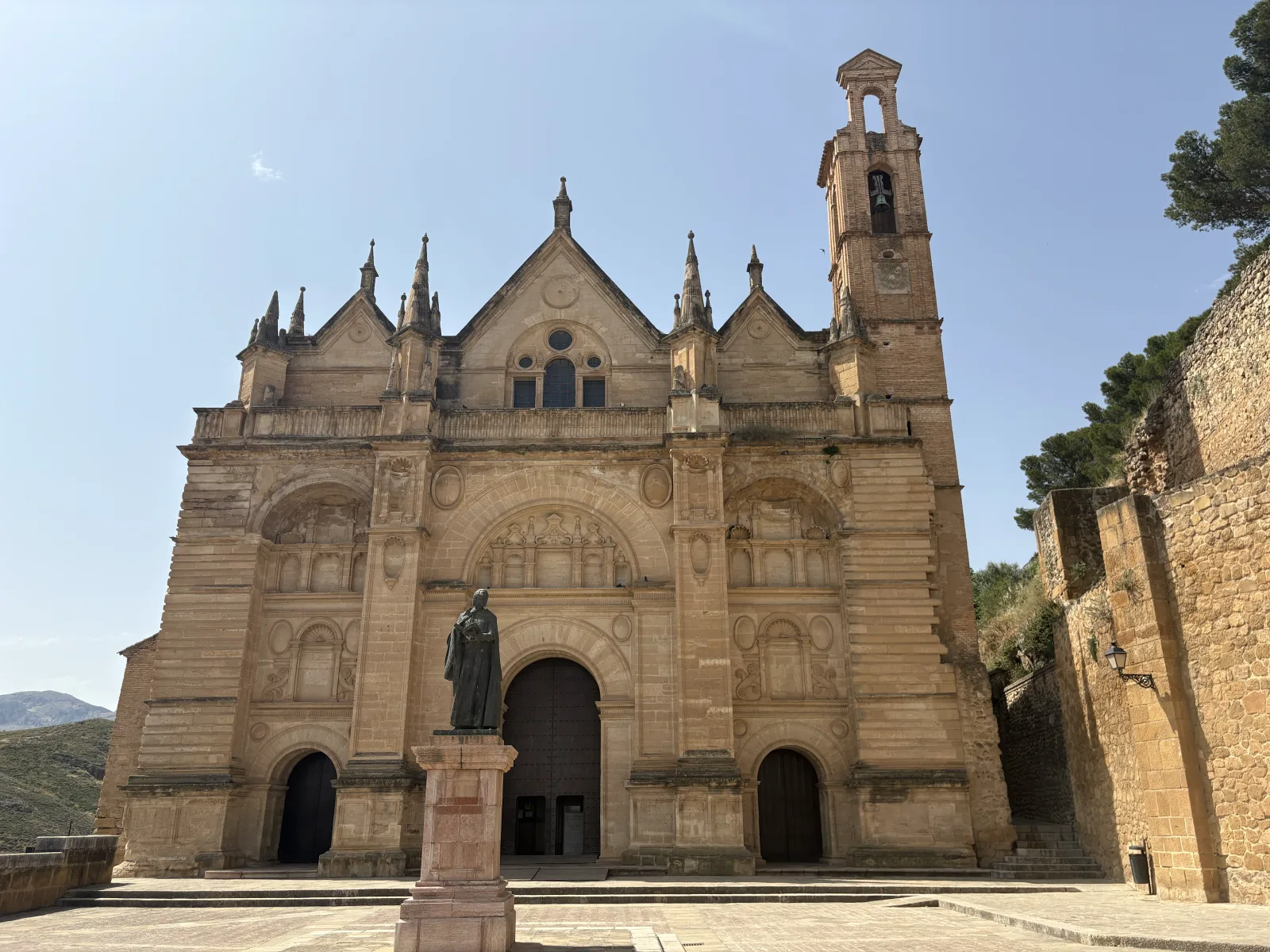
Just a short walk from the Alcazaba, this is one of Antequera’s most impressive buildings. Even if you’re not big on churches, this one is worth stepping inside.
It’s actually considered the first Renaissance-style building in Andalusia, dating back to the early 1500s. The mix of Gothic and Renaissance architecture, with soaring columns and a vaulted ceiling, makes you stop and look up the moment you walk in.
Technically, it was never fully consecrated as a cathedral, so it’s a collegiate church. Most people (myself included) call it the cathedral anyway.
Inside, I found the “Tarasca,” a figure that is half serpent and half woman. It formed part of the Granada Corpus procession in 1760.
Municipal Museum of Antequera
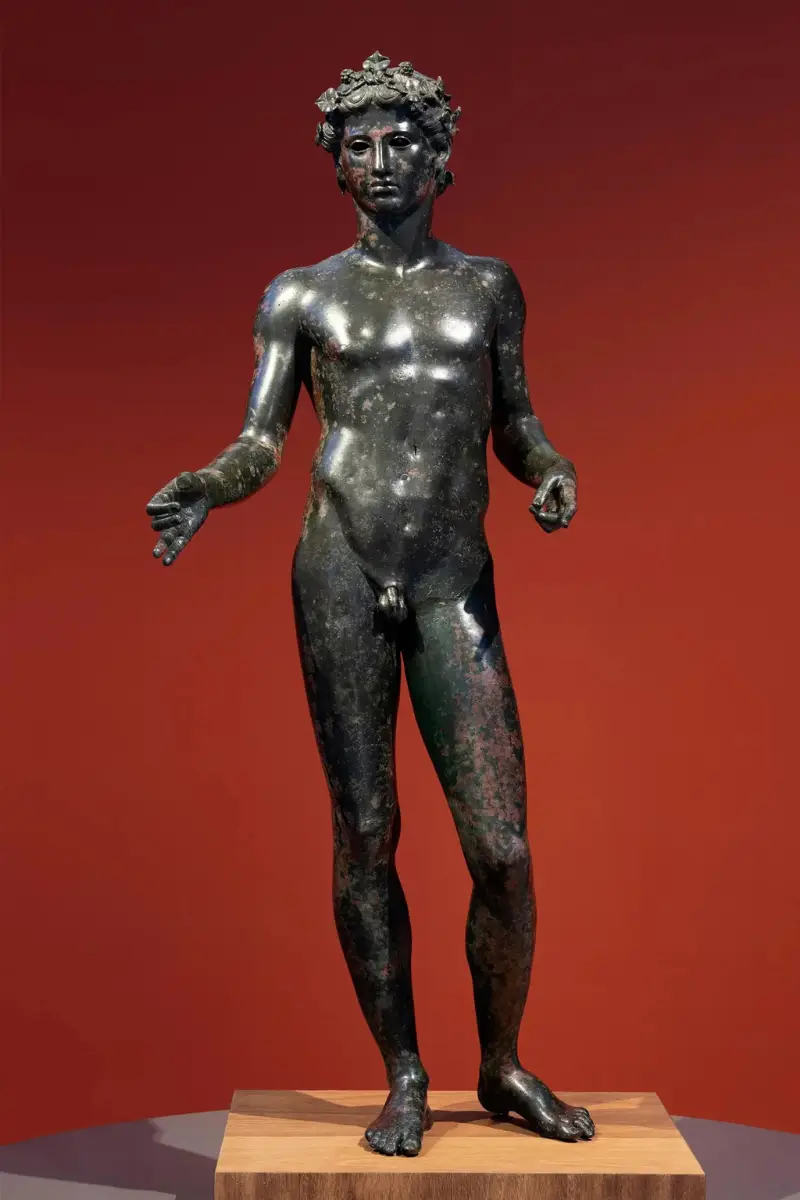
From the church, it’s a short stroll downhill to the Museo de Antequera in the Palacio de Najera on Plaza Coso Viejo. Entry is free.
This is one of the most complete museums in Malaga province. Across three floors you’ll find archaeological artefacts, Roman sculptures, religious art, and 18th-century paintings.
The highlight is the Efebo de Antequera, a small Roman bronze statue considered one of the most important pieces of classical art in Spain. It was found on a farm in the Vega Antequera region around 1955.
Lunch in the Old Town
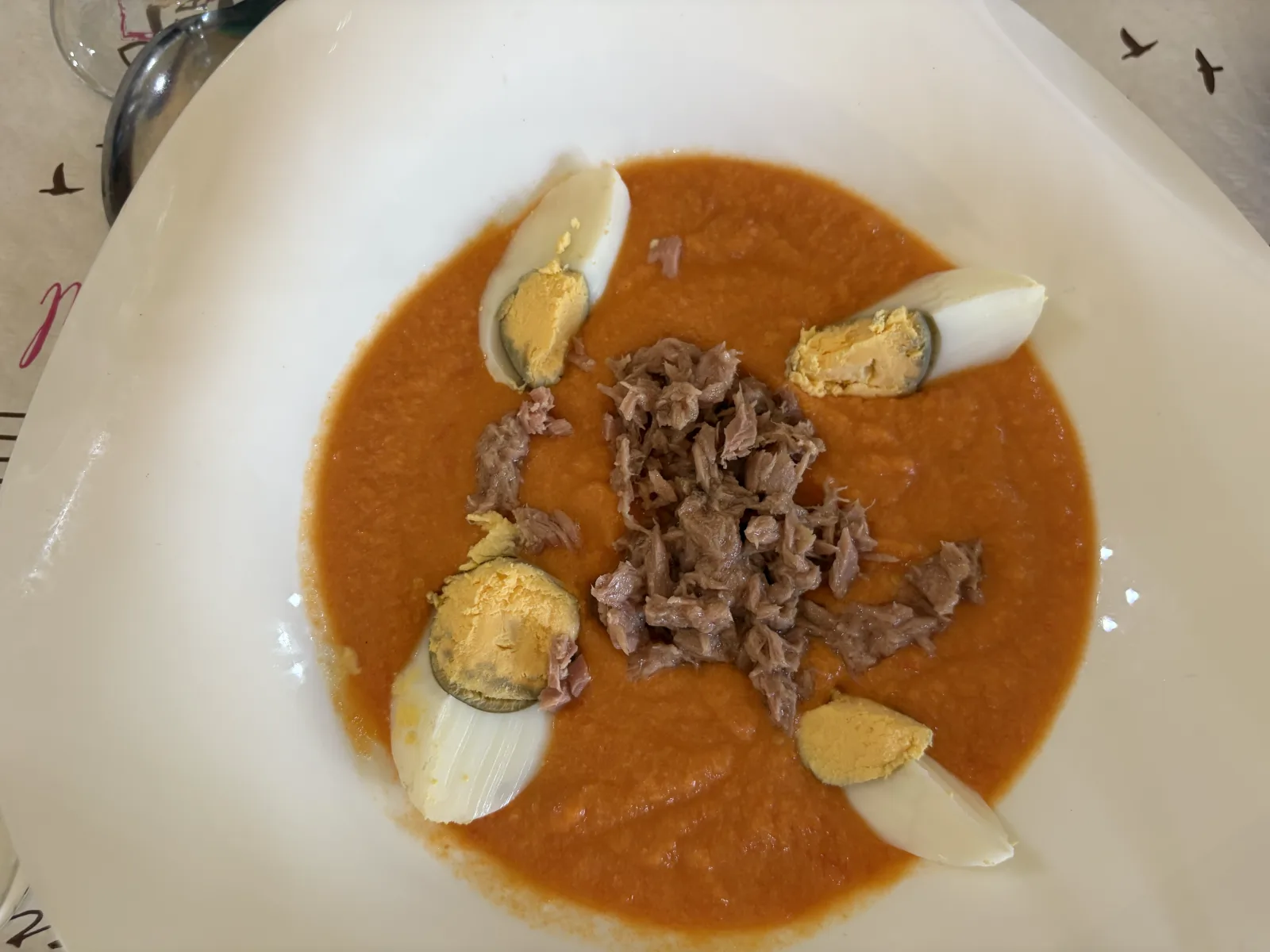
After the museum, head into the heart of the old town for lunch. The zone around Plaza del Coso Viejo has cobbled streets and cafes with outdoor terraces, ideal for people-watching. The streets around Plaza de San Sebastian are equally good, with several restaurants and a relaxed feel.
Order these local dishes if you see them on the menu:
- Porra Antequerana: a cold soup similar to salmorejo but thicker, topped with hard-boiled egg and ham
- Mollete Antequerano: a soft, oval bread roll served with tomato, jamon, or olive oil
- Bienmesabe: a sweet almond, egg, and cinnamon dessert
For more restaurant recommendations, see my guide to where to eat in Antequera.
Buy Sweets from the Nuns
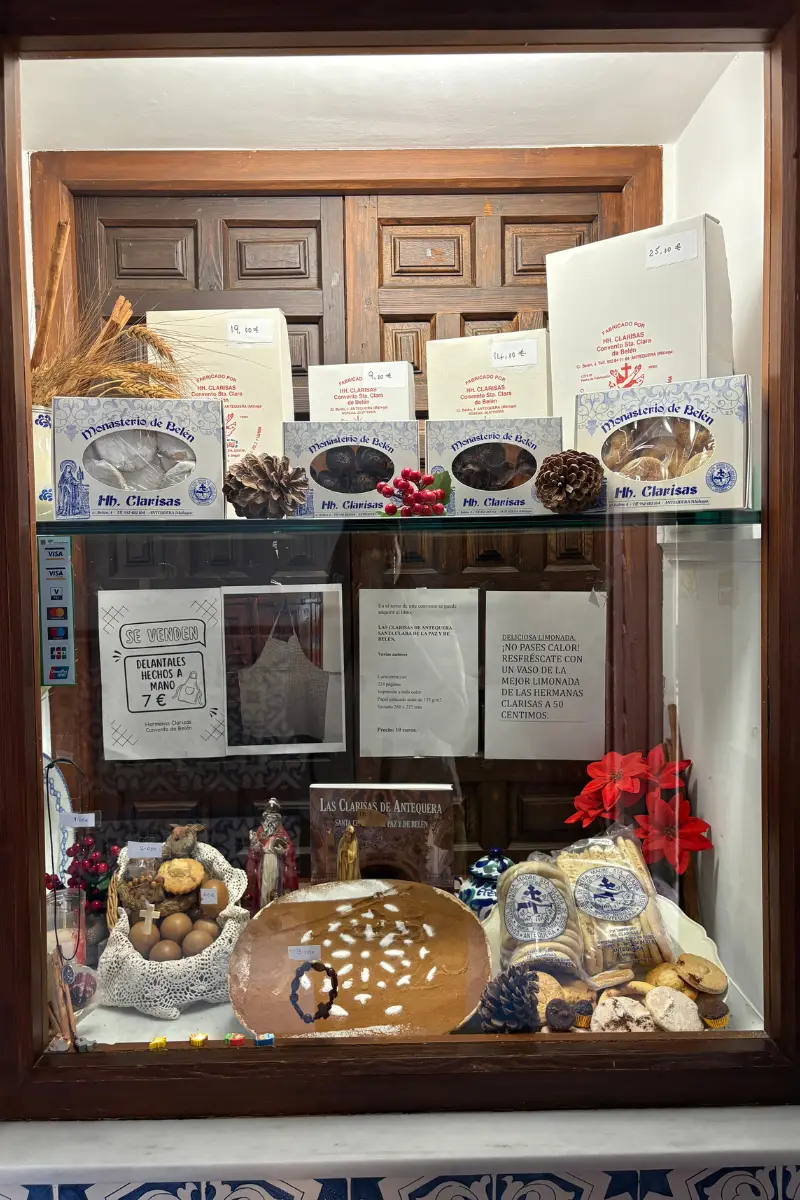
I was in such a rush to make sunset at El Torcal that I skipped this the first time. On the return leg of another trip to Jaen, I made a stop just for this.
At the Convento de Carmelitas Descalzas, you put money in a hole in the wall, and nuns pass you sweets through a revolving door. I went with the typical Spanish biscuits. It’s a brilliant and very old-fashioned experience.
READY TO PLAN YOUR DAY IN ANTEQUERA?
🚗 Rent a car: I use Discover Cars
🏨 Where to stay: Find hotels in Antequera
🎟️ Guided tours: I use GetYourGuide
🚆 Trains and buses: I book through Omio
🛡️ Travel insurance: I use SafetyWing
Stroll Antequera’s Historic Centre
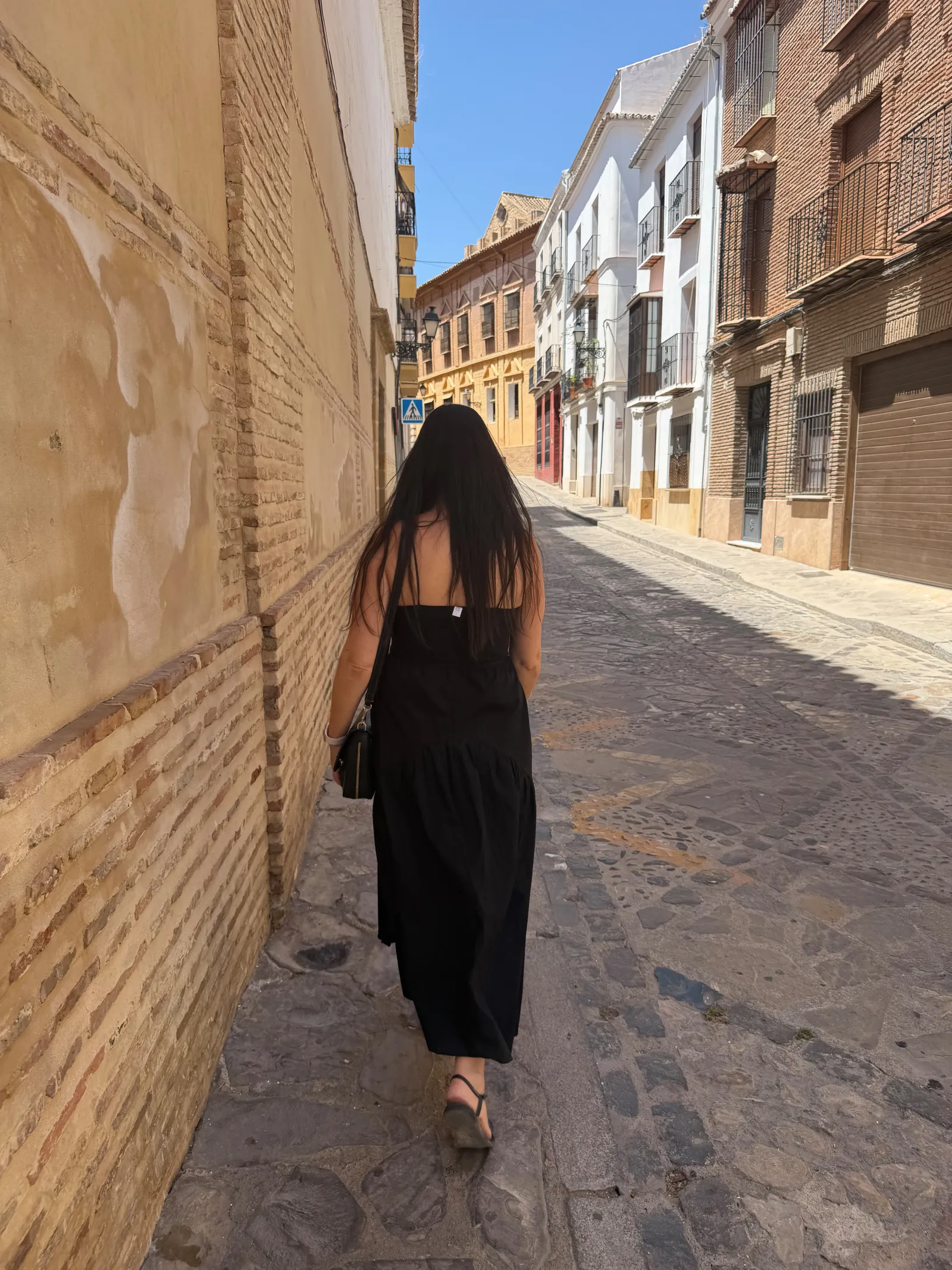 One of my favourite things about Antequera is that it feels lived-in, not overrun by tourism. Locals go about their day, old men chat on benches, and life moves at a slower pace.
A few spots to look out for as you wander:
- Plaza San Sebastian
- Iglesia del Carmen
- Puerta de Estepa
- Mirador de las Almenillas
- Plaza Coso Viejo
Don’t rush this part. One of the best ways to enjoy Antequera is to wander without a plan.
El Torcal Natural Park
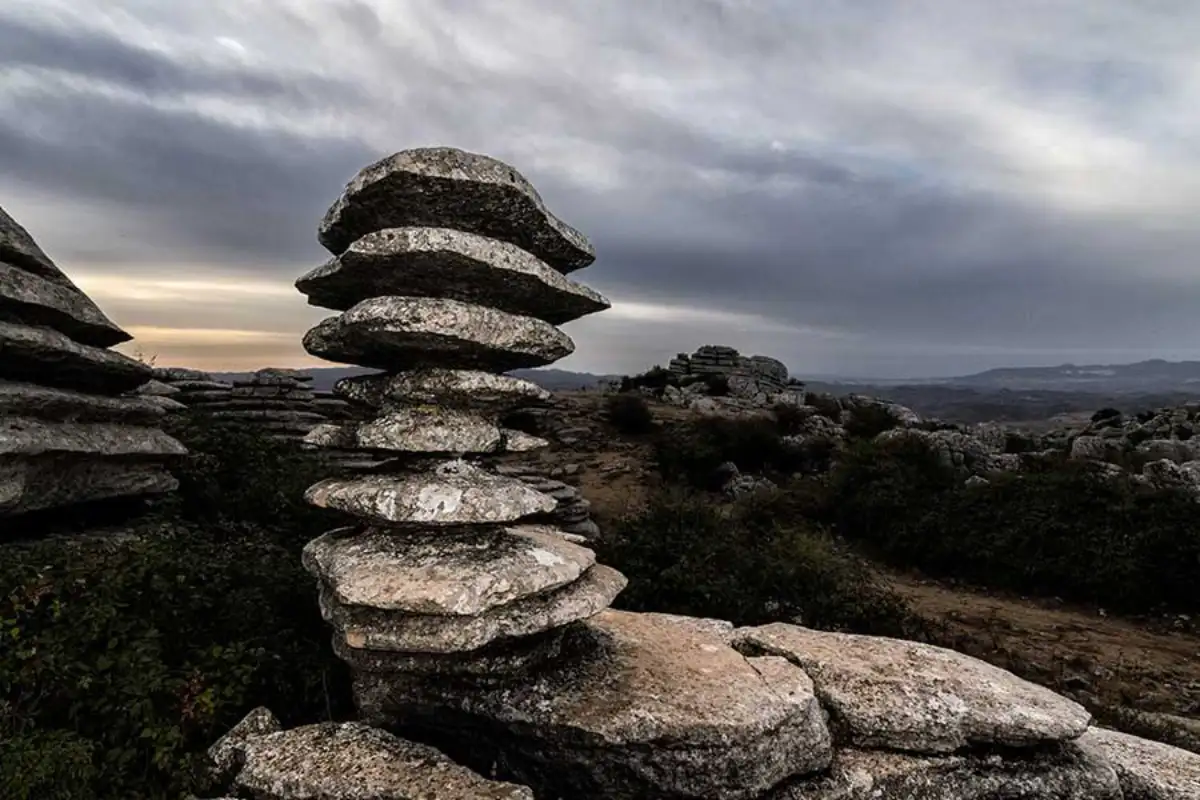
I’d strongly recommend finishing your day with a 25-minute drive to El Torcal Natural Park. Entry and parking are free.
El Torcal is a karst landscape shaped by 150 million years of natural erosion, its plateau sitting at around 1,200 metres. The limestone formations are extraordinary, and the views from the top stretch for miles.
Two marked trails run through the park:
- Green Trail (Easy): a short loop with dramatic views
- Yellow Trail (Moderate, 2.7 km): takes you deeper, with more unusual rock shapes and chances to spot fossils
Wear proper shoes. The terrain is uneven and rocky.
🛡️ A rolled ankle on the El Torcal limestone is the sort of thing that ruins a trip, and the plateau sits at 1,200 metres where the weather turns fast. I use SafetyWing, an affordable subscription policy you can buy even after you’ve already left home.
Stargazing at El Torcal
If you made it to the park for sunset, consider staying a little longer. El Torcal is an official Starlight Reserve, recognised for its exceptionally clear skies.
You can book a stargazing tour that ends at an actual observatory where you look through a powerful telescope. It’s a memorable way to end a day in Antequera.
How to Get to Antequera from Malaga
The easiest way to reach Antequera is by car. The drive from Malaga takes around 45 minutes via the A-45 motorway, with no tolls.
Trains from Malaga Maria Zambrano offer two options:
- High-speed AVE: 25 to 30 minutes to Antequera-Santa Ana station, which is 15 km from the centre. You’ll need a taxi (around 20 euros) or a local bus connection.
- Media Distancia: about 55 to 75 minutes, but drops you much closer to the old town at Antequera-Ciudad station.
ALSA runs regular buses from Malaga’s bus station. The trip takes just over an hour and tickets cost between 5 and 8 euros.
Getting Around Antequera
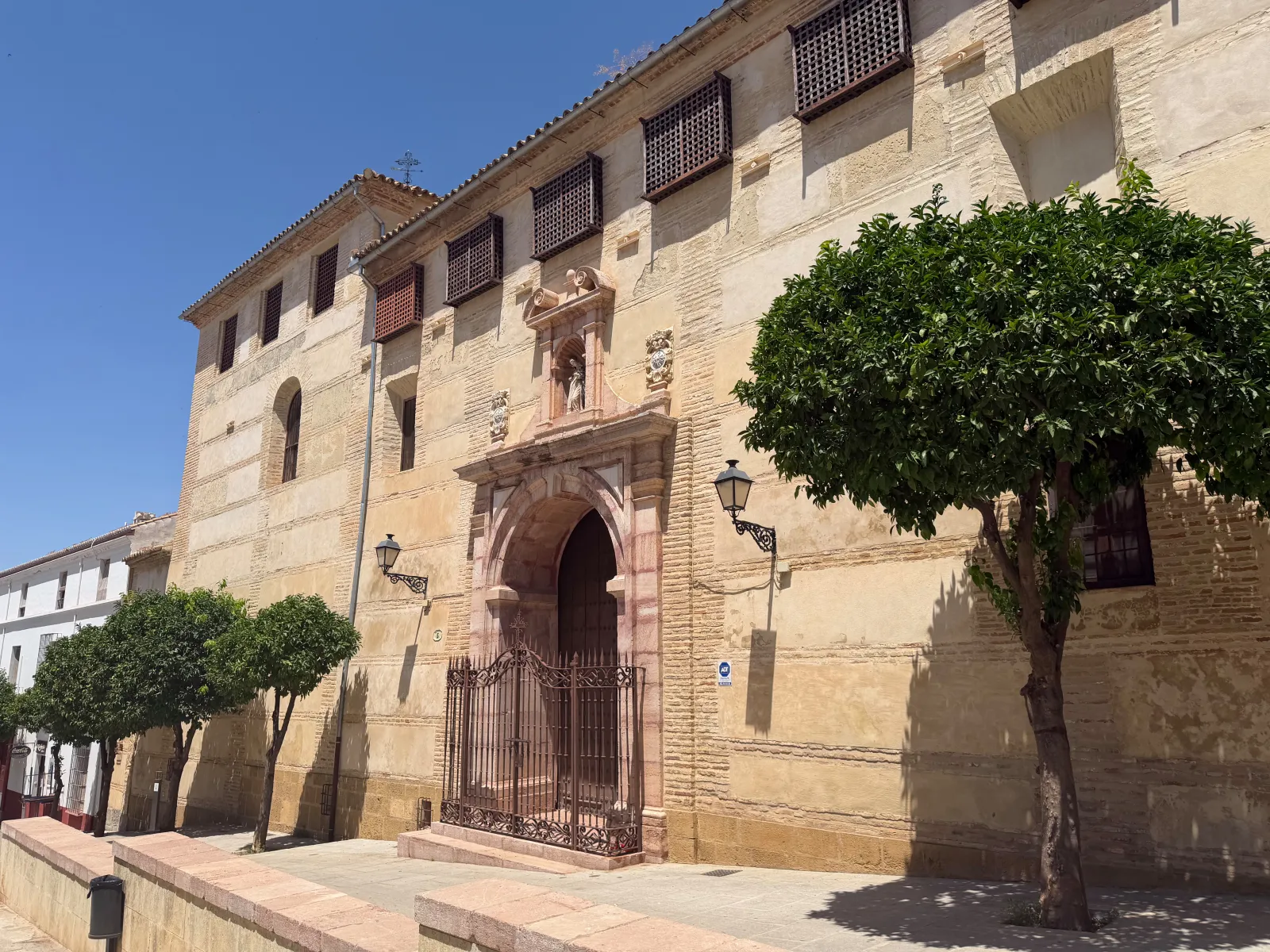
The town splits into two parts: the lower half, which is flat and walkable, and the upper half on the hill where the Alcazaba and cathedral sit.
The Dolmens are outside the historic centre, about a 30-minute walk away.
If you have a car, use it wisely. Start at the Dolmens, then drive up to the Alcazaba and cathedral before the heat builds.
After that, drive down to the lower town for lunch and walking. This saves you the steep climb.
If you came by bus or train, be prepared for a workout. There aren’t really any taxis or local buses running through the historic centre, so you’ll be walking up the hill.
Antequera is very parking-friendly. Even in summer, I never struggled to find a spot.
Is One Day Enough in Antequera?
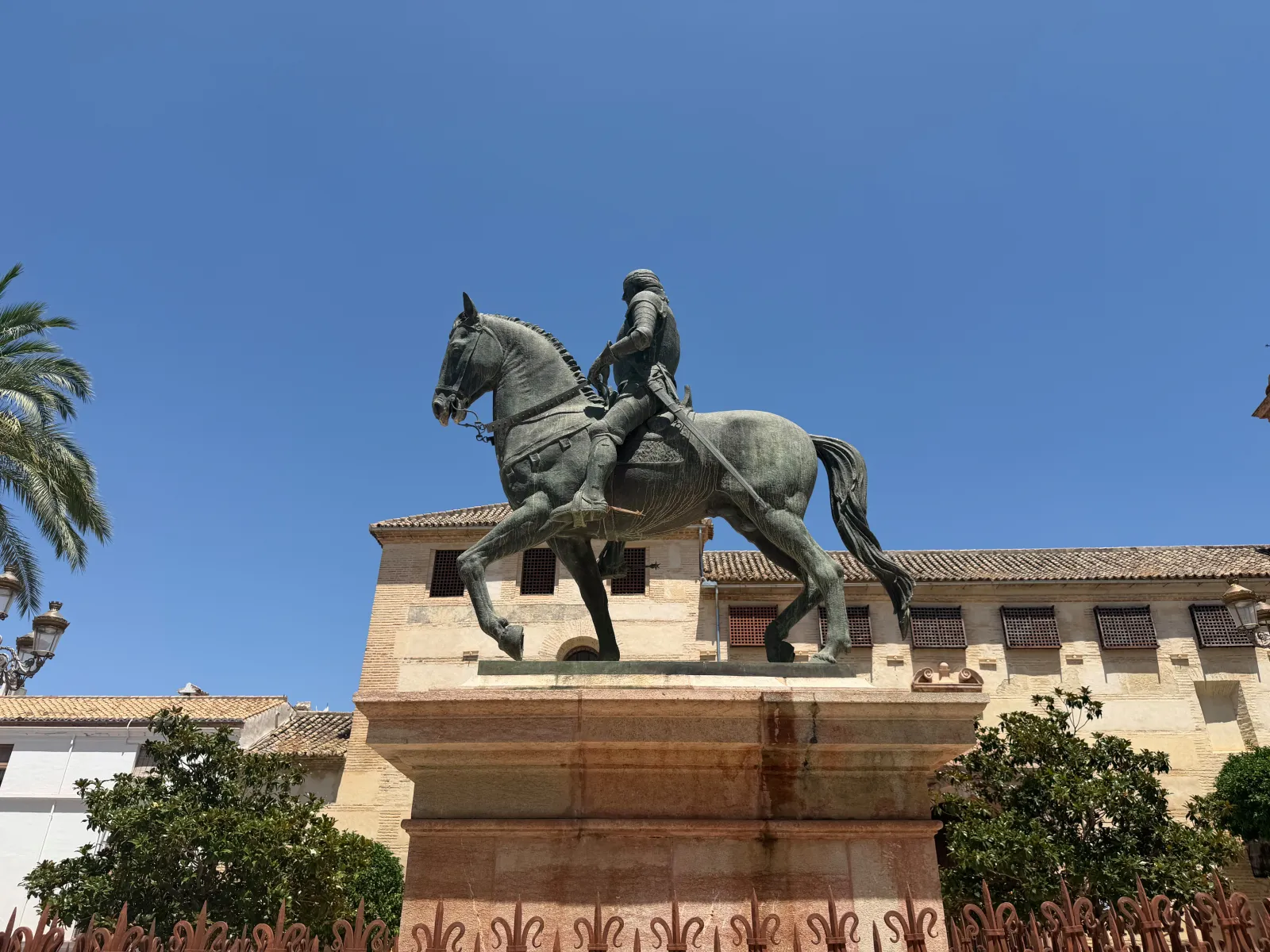
Yes, one full day is enough to see the Dolmens, the Alcazaba, the old town, and El Torcal, as long as you start early and keep moving.
Two days would be better if you want to hike the longer Yellow Trail at El Torcal, visit the flamingo lagoon at Fuente de Piedra (20 minutes away), the hedge maze at Laberintus Park, or the International Nativity Scene Museum at Mollina. My things to do in Antequera guide breaks down exactly how many days you need to see everything.
If you’re staying overnight, check my guide to where to stay in Antequera.
Are the Antequera Dolmens Free to Visit?
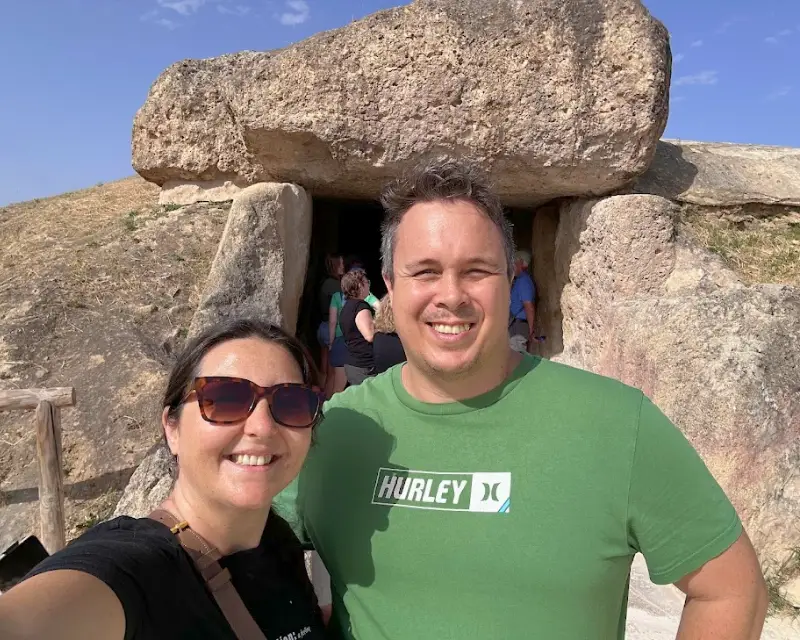
Yes, entry to the Dolmens is completely free. The site includes a modern visitor centre with free parking.
Opening hours change by season. From April to mid-June the Dolmens are open Tuesday to Saturday 9am to 9pm, and Sundays 9am to 3pm.
In winter (January to March), they close at 6pm on weekdays. The site is always closed on Mondays.
You don’t need to book in advance, but visitor numbers inside each dolmen are limited. Arrive early to avoid waiting behind large tour groups.
Where to Eat in Antequera
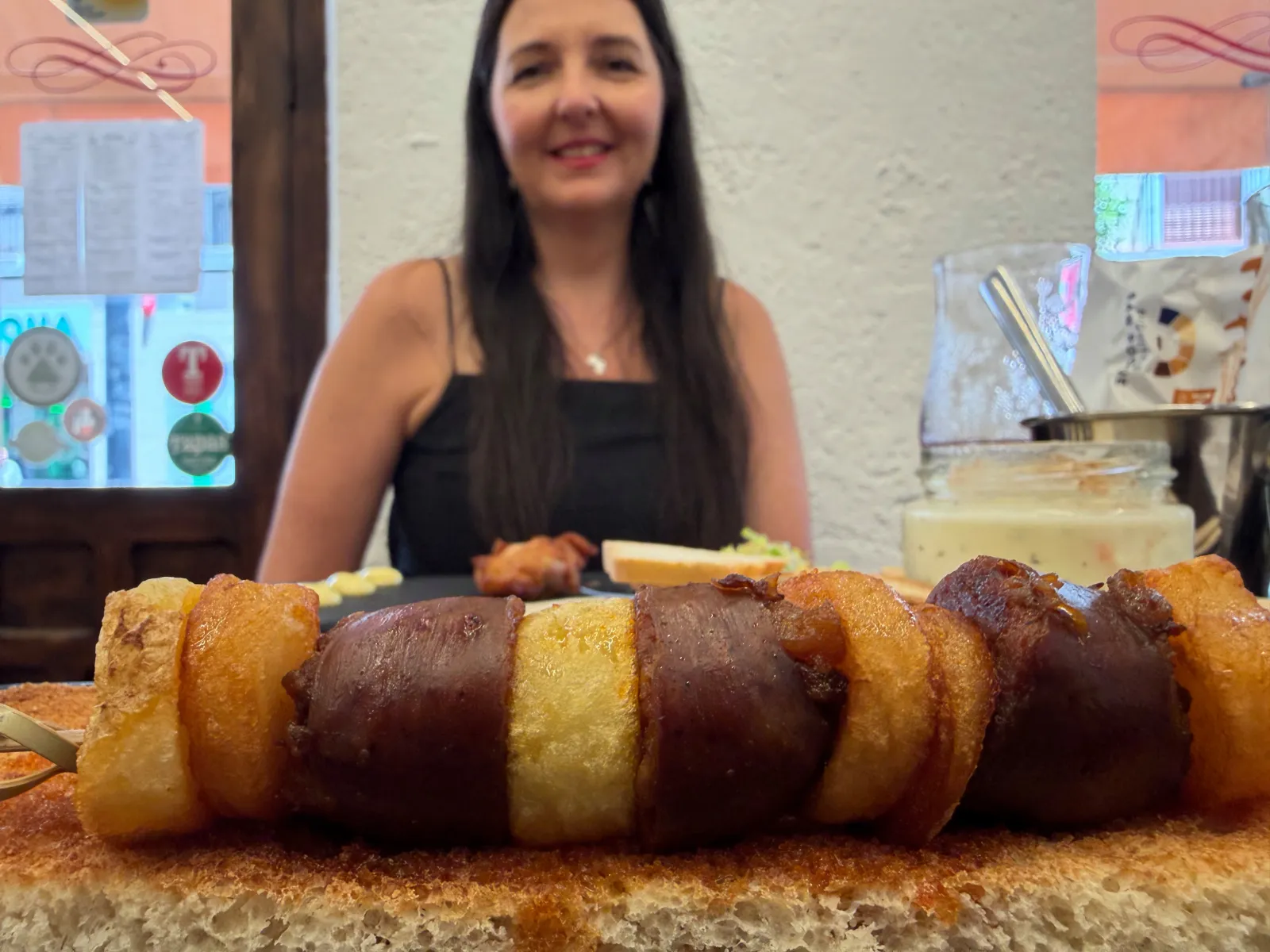
- Arte de Cozina: an atmospheric restaurant inside an 18th-century inn, serving elevated Andalusian heritage cuisine. Try the porra antequerana or rabbit with almonds.
- La Antequerana: beloved local cafe-bakery famous for molletes and sweet treats. A good stop for a light lunch or late morning snack.
- Taberna El Rincon de Lola: cosy tavern near Plaza de San Sebastian with excellent tapas, cold vermouth on tap, and grilled secreto iberico.
- Casa Diego: family-run restaurant with courtyard seating and regional classics like oxtail stew and spinach with chickpeas.
- Bar Carrera: classic Spanish bar on Calle Infante Don Fernando, known for cheap beer, fried fish, and people-watching from outdoor tables.
For my full list, see where to eat in Antequera.
Where to Stay in Antequera
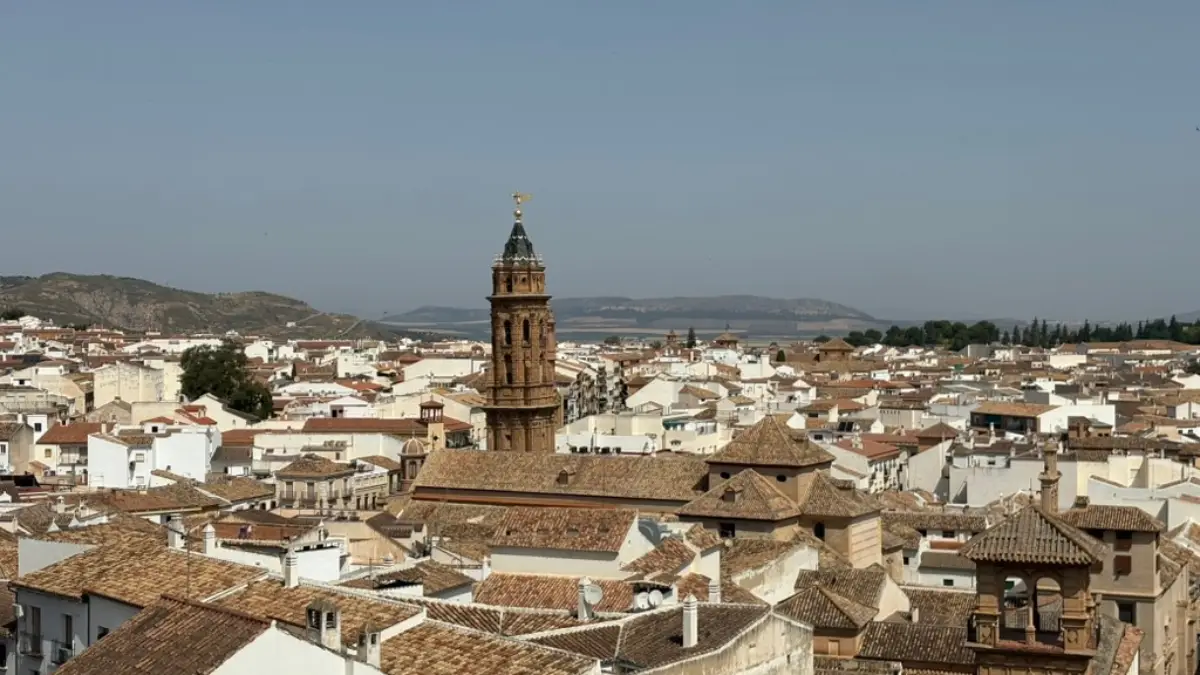
- Parador de Antequera: modern hotel on the edge of town with sweeping views, a pool, and easy parking. Great base for both the city and surrounding sites.
- Hotel Infante Antequera: restored 18th-century mansion near the old town with antique furniture and tiled courtyards. Steps from the Alcazaba.
- Coso Viejo Hotel: centrally located on the main square with spacious rooms. Easy walking distance to restaurants, museums, and the Dolmens.
- Hospederia Colon Antequera: clean guesthouse near the train station with basic but comfortable rooms. Great value for solo travellers or a quick stopover.
For more options, see where to stay in Antequera.
When to Visit Antequera

Spring (March to May) is the best time. Wildflowers blanket El Torcal, the plazas buzz with local life, and temperatures hover around 18 to 25 degrees. Perfect for walking, dolmen visits, and cafe-hopping.
Autumn (September to early November) is a close second. Still warm, fewer tourists, and golden light that makes Pena de los Enamorados glow.
Summer (June to August) can be sweltering, with highs often above 35 degrees. But early risers can beat the heat and enjoy nearly empty sites.
Winter (December to February) is cool but rarely cold. Ideal for peaceful museum visits and hilltop wanders with crisp air and clear skies. Check opening hours in advance, as some sites run shorter schedules.
If you want to catch local events, time your visit around Semana Santa (Holy Week) or the August Feria for processions, flamenco, and full Andalusian atmosphere.
Is El Torcal de Antequera Worth Visiting?
Yes. Even if you’re not a big hiker, the short Green Trail loop takes under an hour and the views are spectacular.
The steep drive up made me nervous, but once you’re at the top, the limestone formations are unlike anything else in Andalusia. Walking through them was one of my favourite parts of the day.
El Torcal is also a designated Starlight Reserve, so it’s one of the best spots in southern Spain for stargazing.
For more on what to see nearby, check my guide to visiting Antequera.