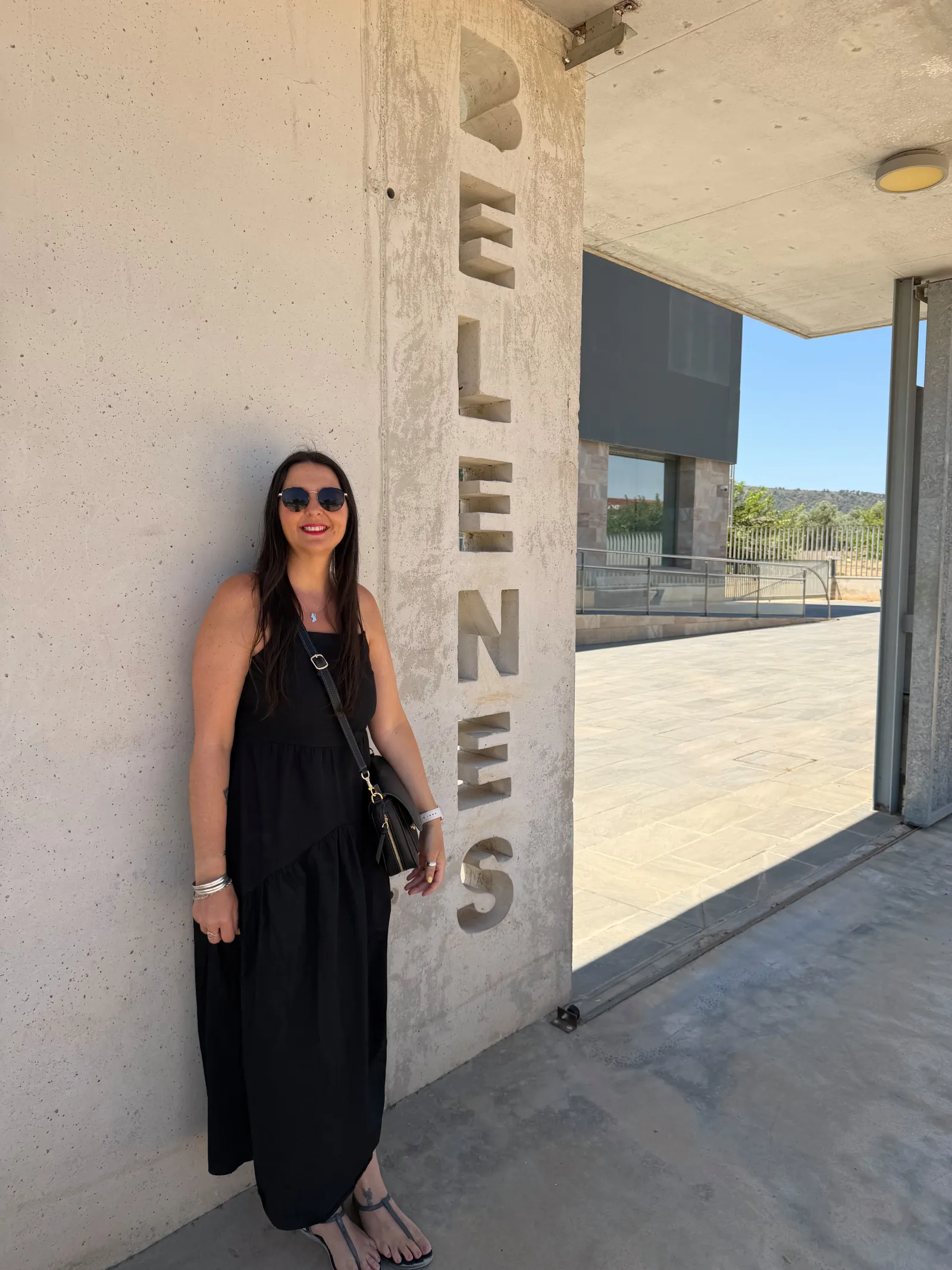
The International Nativity Scene Museum near Antequera is the largest belén museum I’ve ever seen, with more than 70 nativity scenes spread across 5,000 square metres in the village of Mollina.
I wasn’t planning to go.
I was driving out to the flamingos at Fuente de Piedra when I spotted the sign on the roundabout, and the building behind it was enormous.
A quick check on Google Maps said nativity museum, so I turned in on a whim.
The belenes turned out to be masterpieces, with more craft in them than I thought possible, and one puts the whole scene on the bridge of the Starship Enterprise.
Here’s what a visit is actually like.
⭐ Don’t miss >> Where to stay in Antequera, my honest hotel picks
Is the Nativity Scene Museum in Mollina Worth Visiting?
Yes, it’s worth visiting, especially if you appreciate craft and detail. This is the largest museum of its kind, with more than 70 nativity scenes across 5,000 square metres, and the level of work in them is extraordinary.
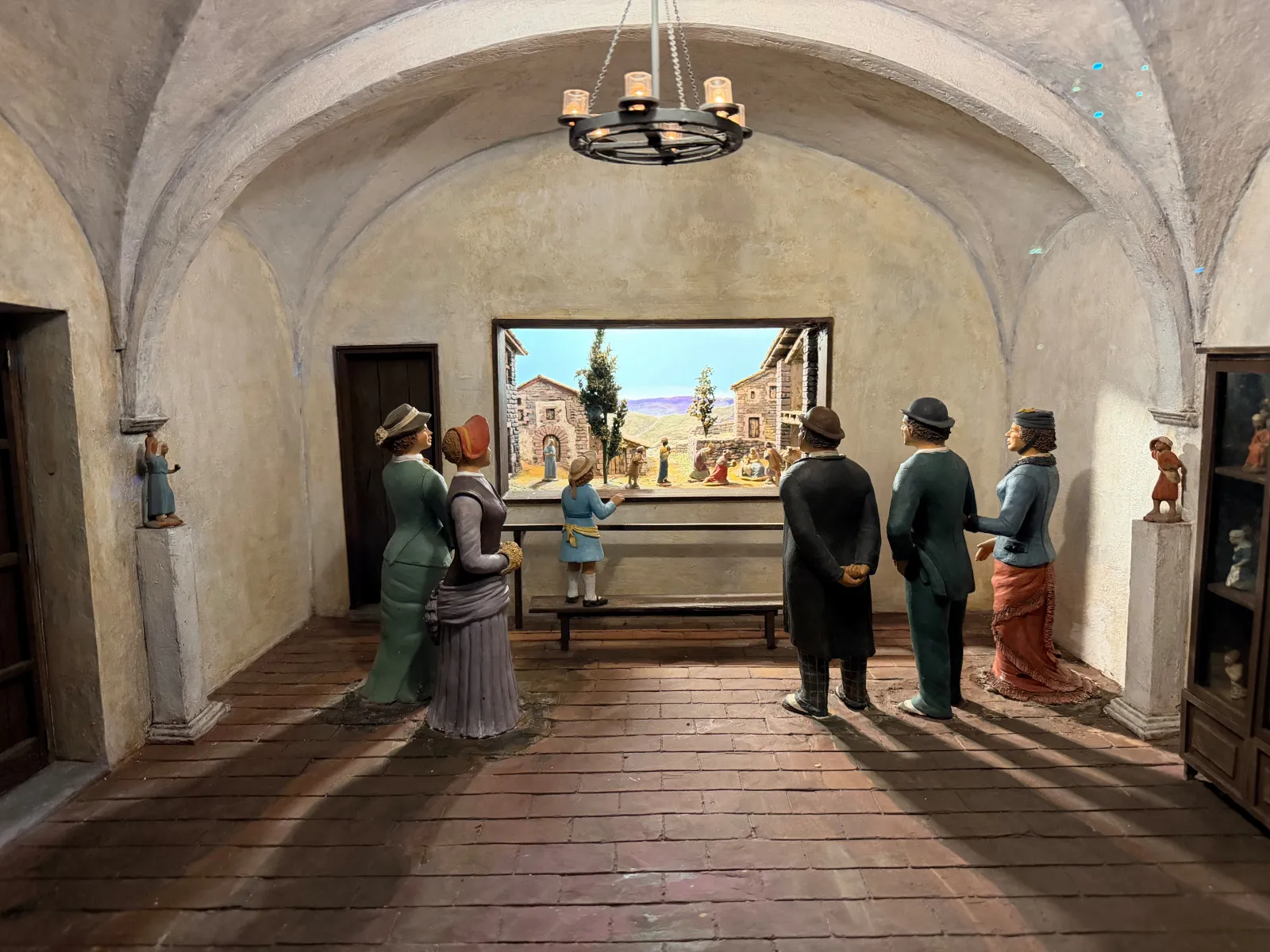
I went in summer, and it was a perfect escape from the midday heat.
I arrived around 1pm and spent a slow, cool half hour wandering the galleries, and could happily have stayed longer.
Adults get the most from it.
Kids will enjoy spotting the scenes, but if they haven’t grown up with belenes they can find it slow, so it suits older or patient children more than toddlers.
The only reason I left when I did was a lunch booking in Antequera.
Mollina is a village, so Antequera is where you’d actually sleep, 18 km down the road. These are the places I’d book:
🏛️ Best value in the old town >> Hotel Coso Viejo, a restored building steps from Plaza de San Sebastián.
🌄 Best views >> Parador de Antequera, with a terrace and pool over the vega and the dolmens.
🏊 For boutique style >> Hotel Infante Antequera, a rooftop pool over the old town rooftops.
💶 On a budget >> Hotel Plaza San Sebastián, right on the main plaza.
What Is the Museo de Belenes?
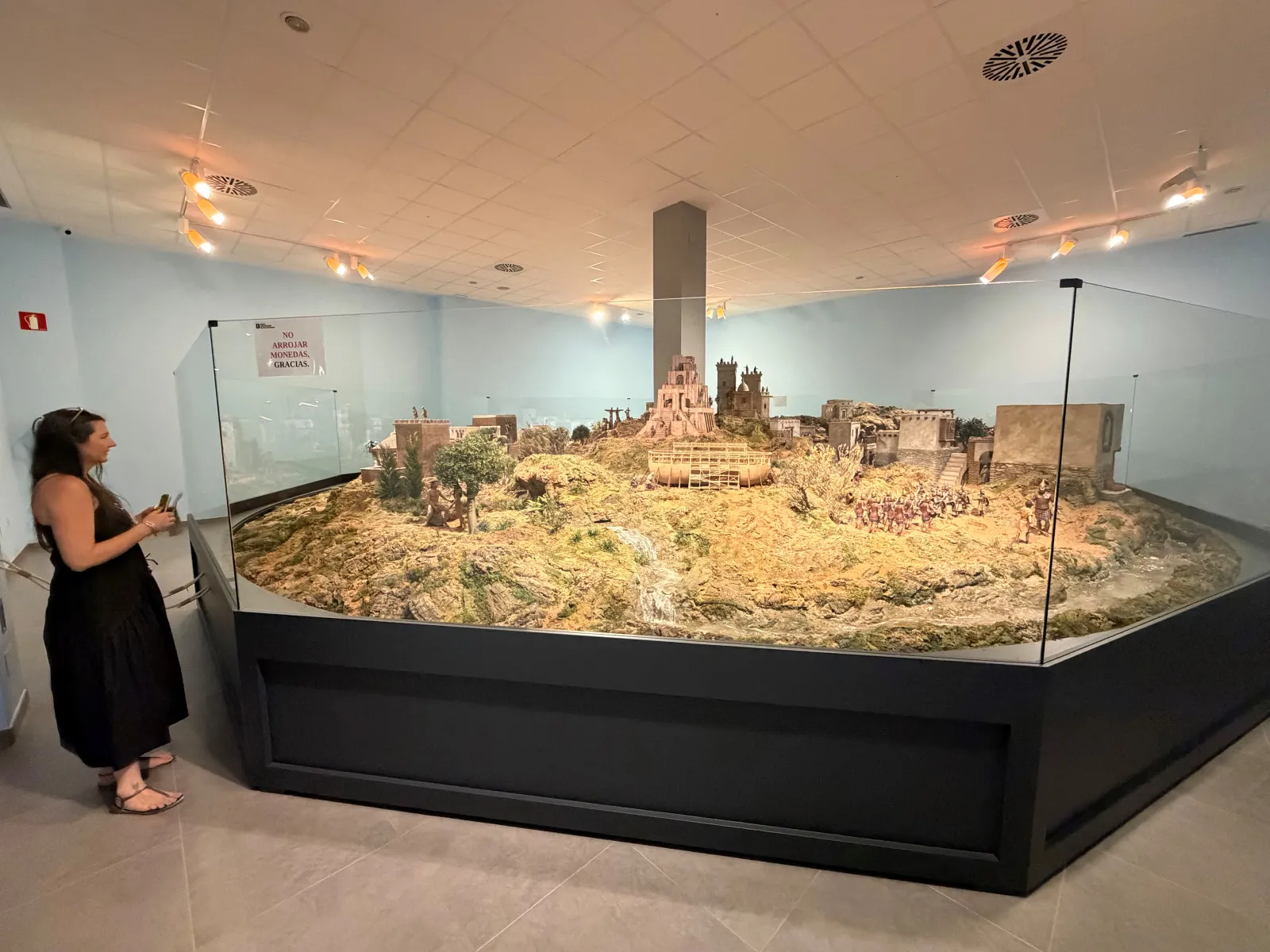
The Museo de Belenes is a museum devoted entirely to belenes, the nativity scenes Spanish families build at Christmas. These are not the small stable-and-manger sets you might picture, but full three-dimensional worlds, some spanning whole villages and landscapes.
It opened in December 2017, built by a local couple, Antonio Díaz and Ana Caballero, whose collection now fills seven exhibition rooms across 5,000 square metres.
Each belén sits under its own spotlight in a darkened gallery, which makes every scene feel like a discovery.
Beside each one is an information panel, in a couple of languages, telling you who created it and what it shows.
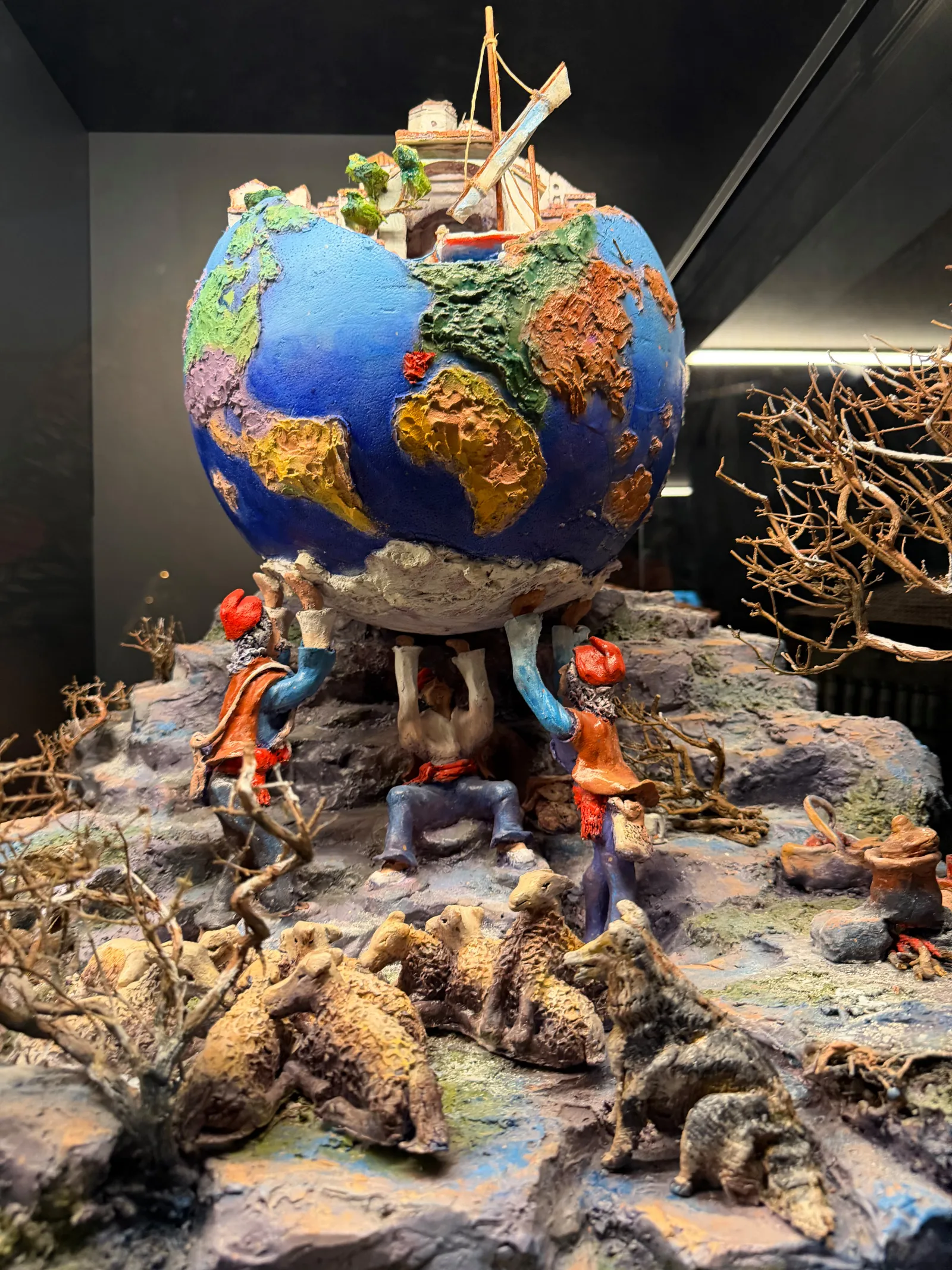
The craft is genuinely hard to take in.
My favourites were the Three Kings scenes, showing the kings who arrive at Christmas busy making their gifts and reading the letters children had sent them.
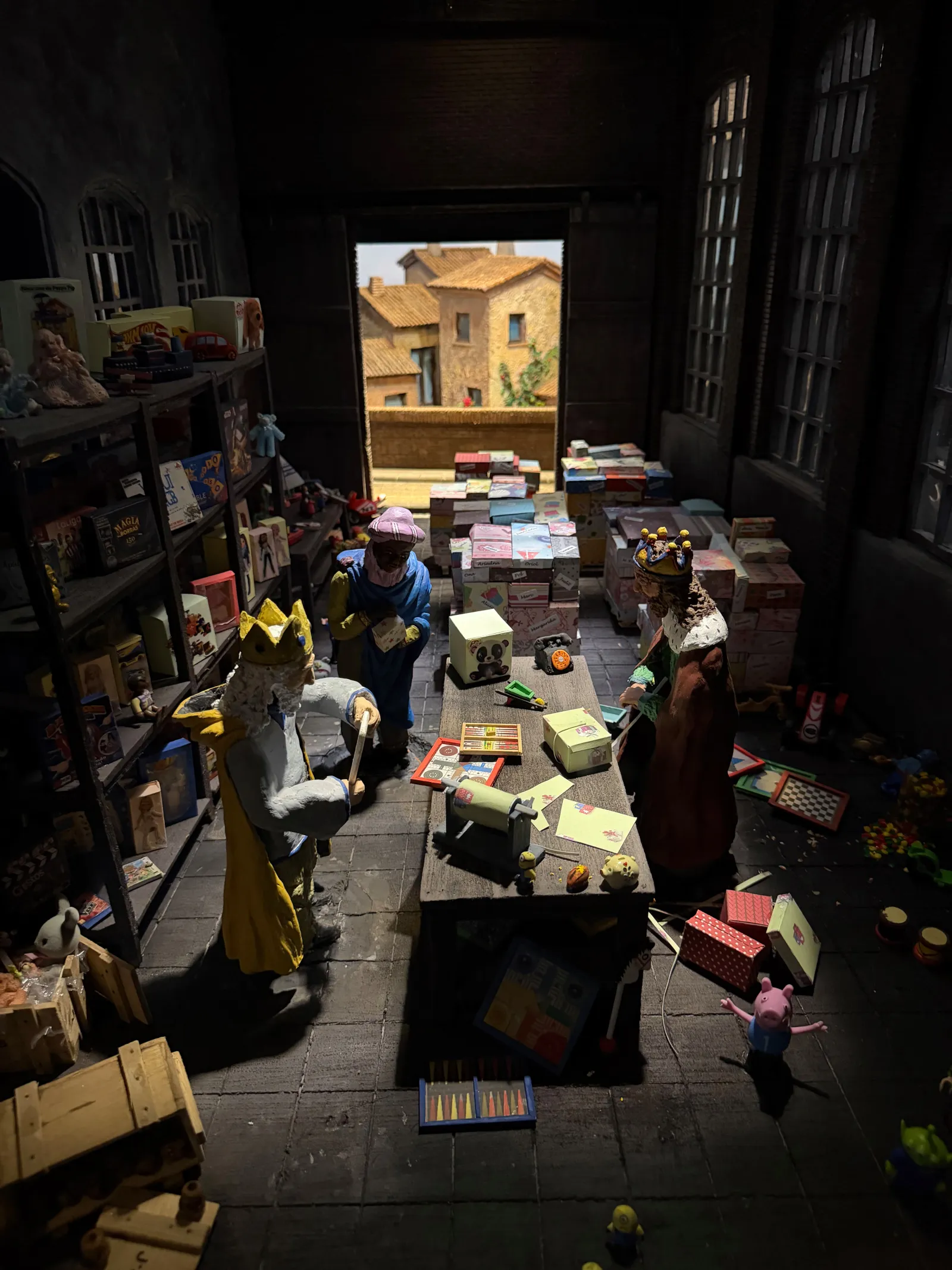
I could have spent an hour on a single belén, following the tiny details, and still missed things.
If you like detail, slow down here rather than rushing the rooms.
📖 Read next >> The three-stop day trip near Antequera, which pairs the museum with the flamingo lagoon and Spain’s largest hedge maze, all within 20 minutes of each other.
Where It Is and How to Get There
The museum sits in Mollina, a small wine village 65 km north of Málaga and about 18 km from the Antequera Dolmens. It’s right beside the A-92, which is how I spotted it from the roundabout before I knew what it was.
I drove from Málaga, and it took around 50 minutes on the motorway. If you need a car for the trip, I book through Discover Cars, which compares the major companies for the best price.
It’s well signposted as you get close, and the building is far too big to miss.
Parking is easy. There’s a road running right alongside the museum with free spaces, so I parked a few steps from the entrance and walked straight in.
If you’d rather not drive, ALSA buses from Málaga, Antequera, Granada and Seville stop about 400 metres away.
The nearest train station is Antequera-Santa Ana, roughly 11 minutes away by car or taxi.
Mollina makes an easy add-on to a day in town, and there’s plenty to build a trip around in my guide to things to do in Antequera.
One arrival tip: the museum shuts for a few hours in the early afternoon, so aim for late morning or after 4pm.
READY TO PLAN YOUR ANTEQUERA DAY OUT?
🚗 Rent a car: I use Discover Cars
🏨 Where to stay: Find hotels near Antequera
🎟️ Guided tours: I use GetYourGuide
🛡️ Travel insurance: I use SafetyWing
What You’ll See Inside
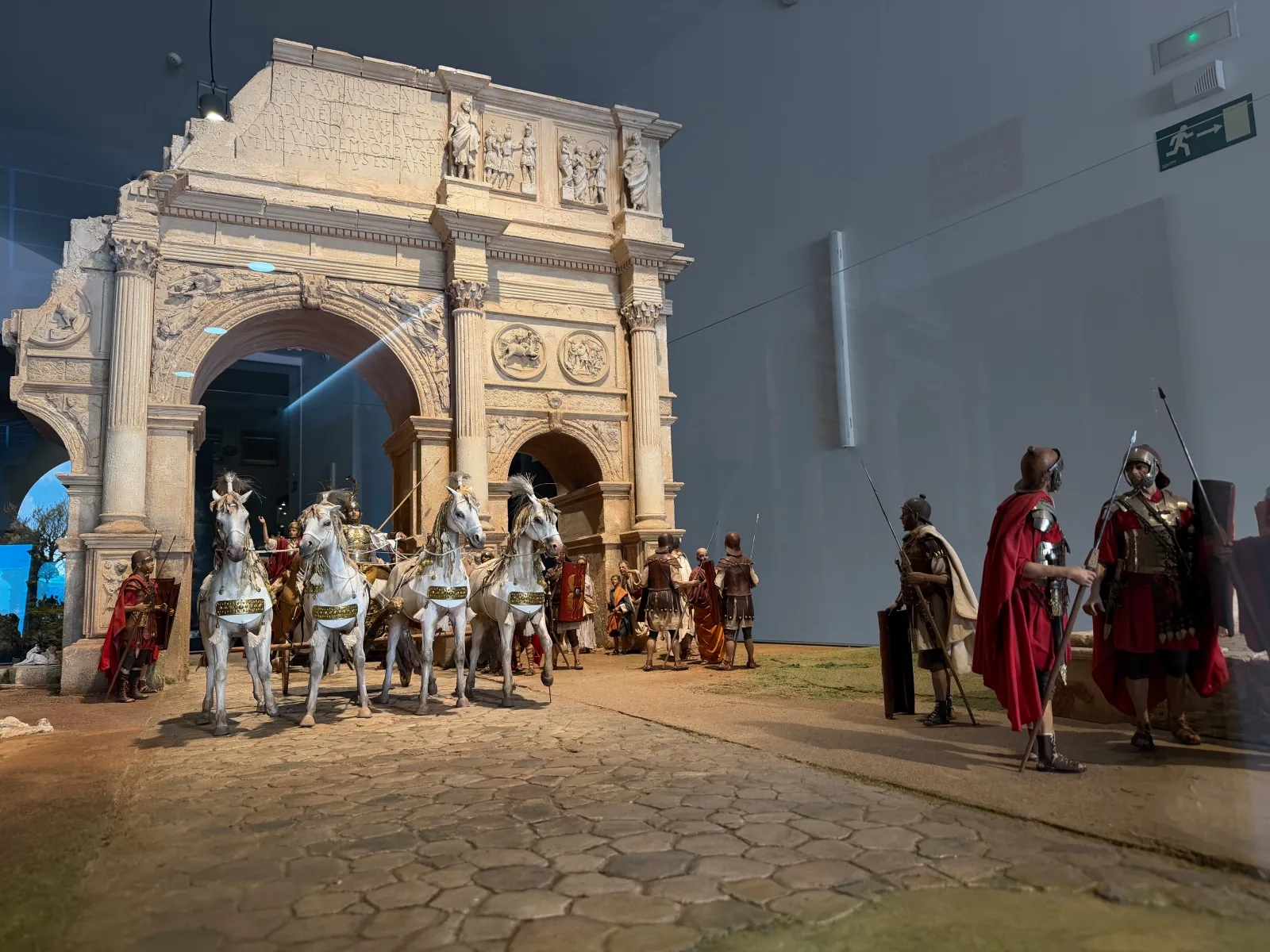
The scenes start strong. As you walk in, a nativity set among Roman ruins stopped me in my tracks, with broken columns and stone archways framing the figures.
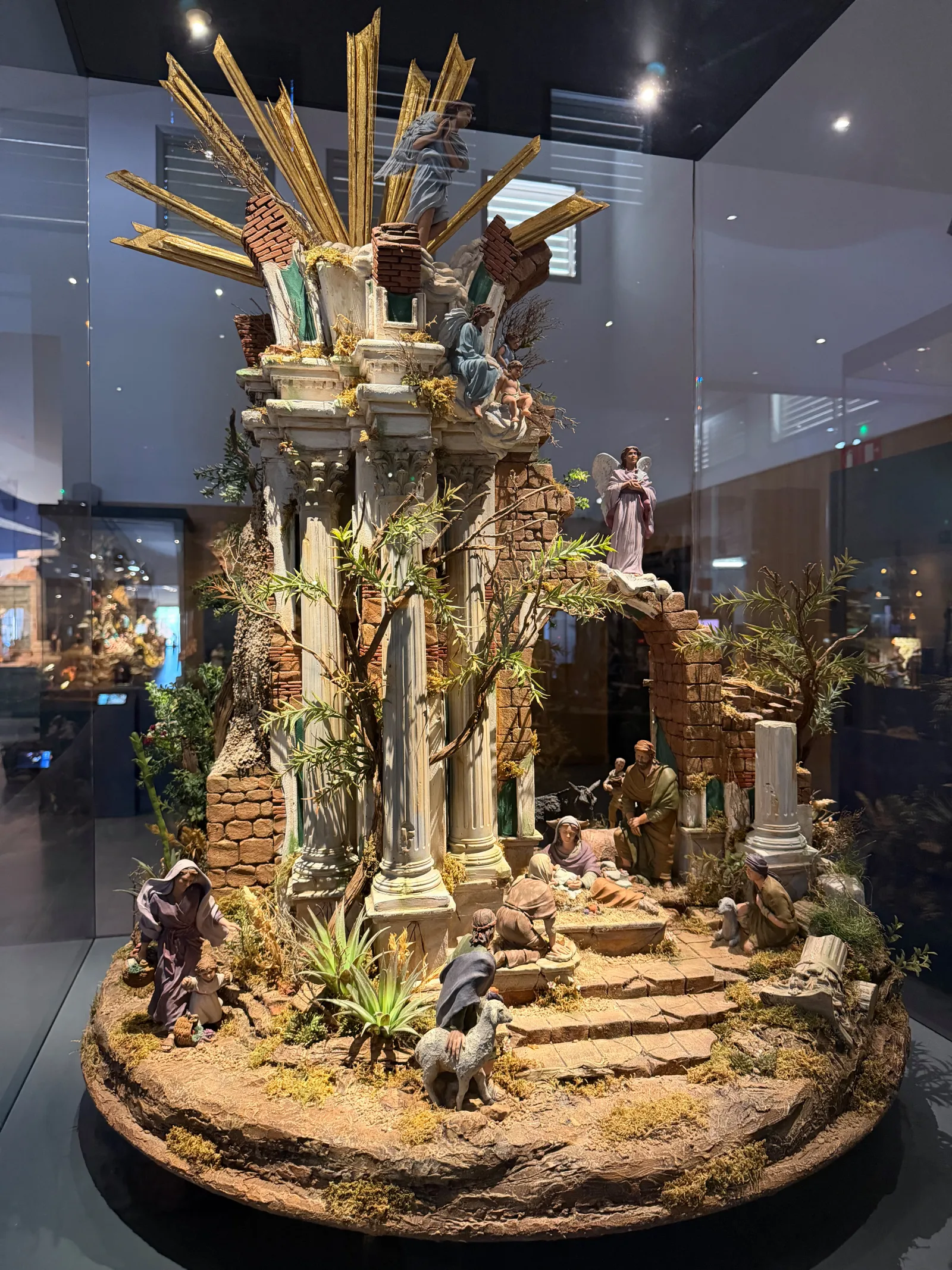
It sets the tone straight away, because these are not stables in a box.
Some belenes are small enough to lean in close to, while others sprawl across a whole room with running water, painted skies and hundreds of figures.
I kept crouching to look through tiny doorways and windows, where a lit fireplace or a sleeping cat had been tucked in for anyone paying attention.
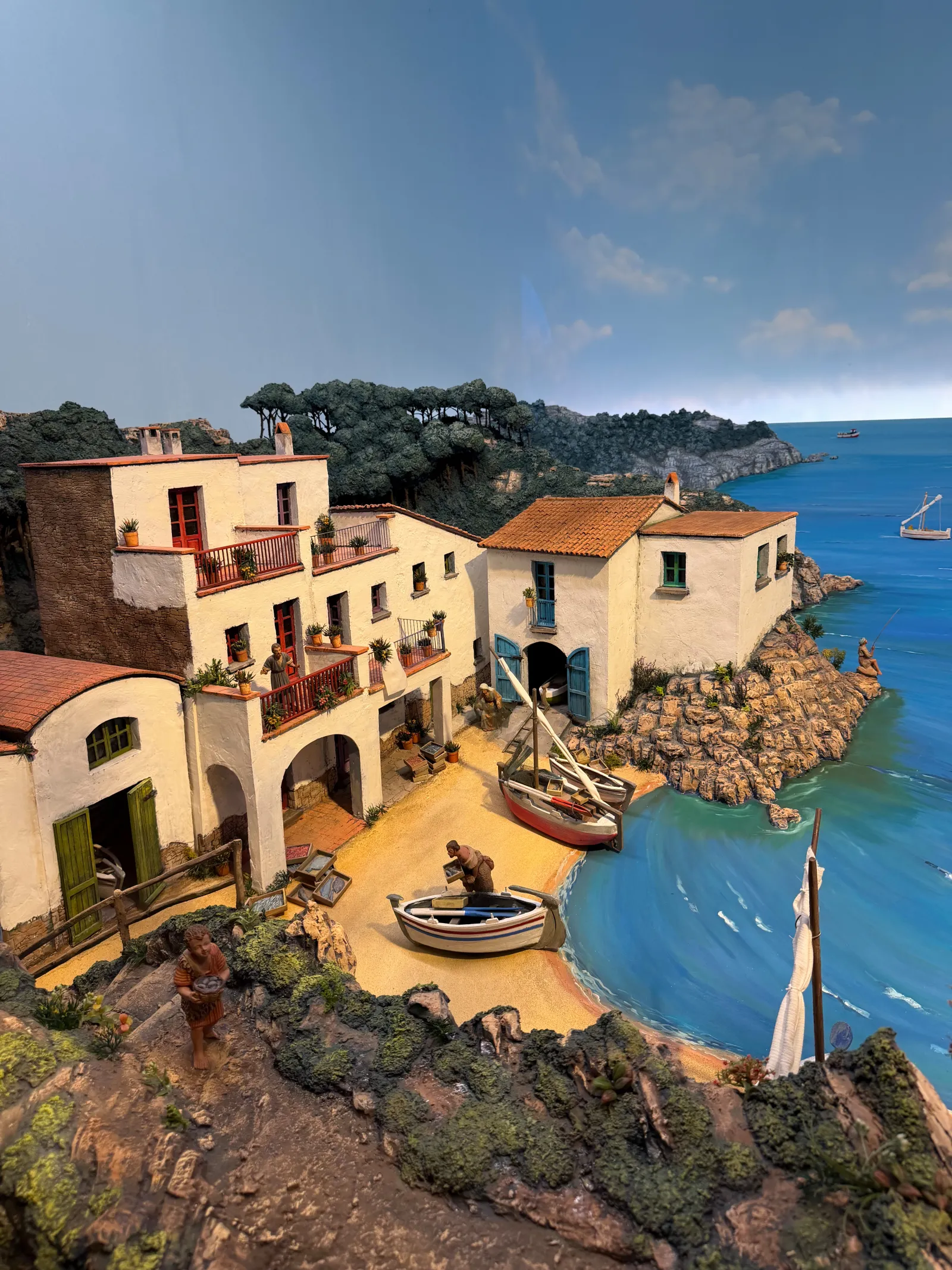
One of my favourites was a coastal fishing village, its little harbour opening onto a painted ocean behind it.
The Star Trek belén, though, was the one I went home talking about.
The familiar crew stand on the bridge of the Enterprise alongside the ancient figures of the nativity, and the scene is lit so the lights flick on and off.
It sits a few rooms in, and after a corridor of traditional belenes it made me laugh out loud.
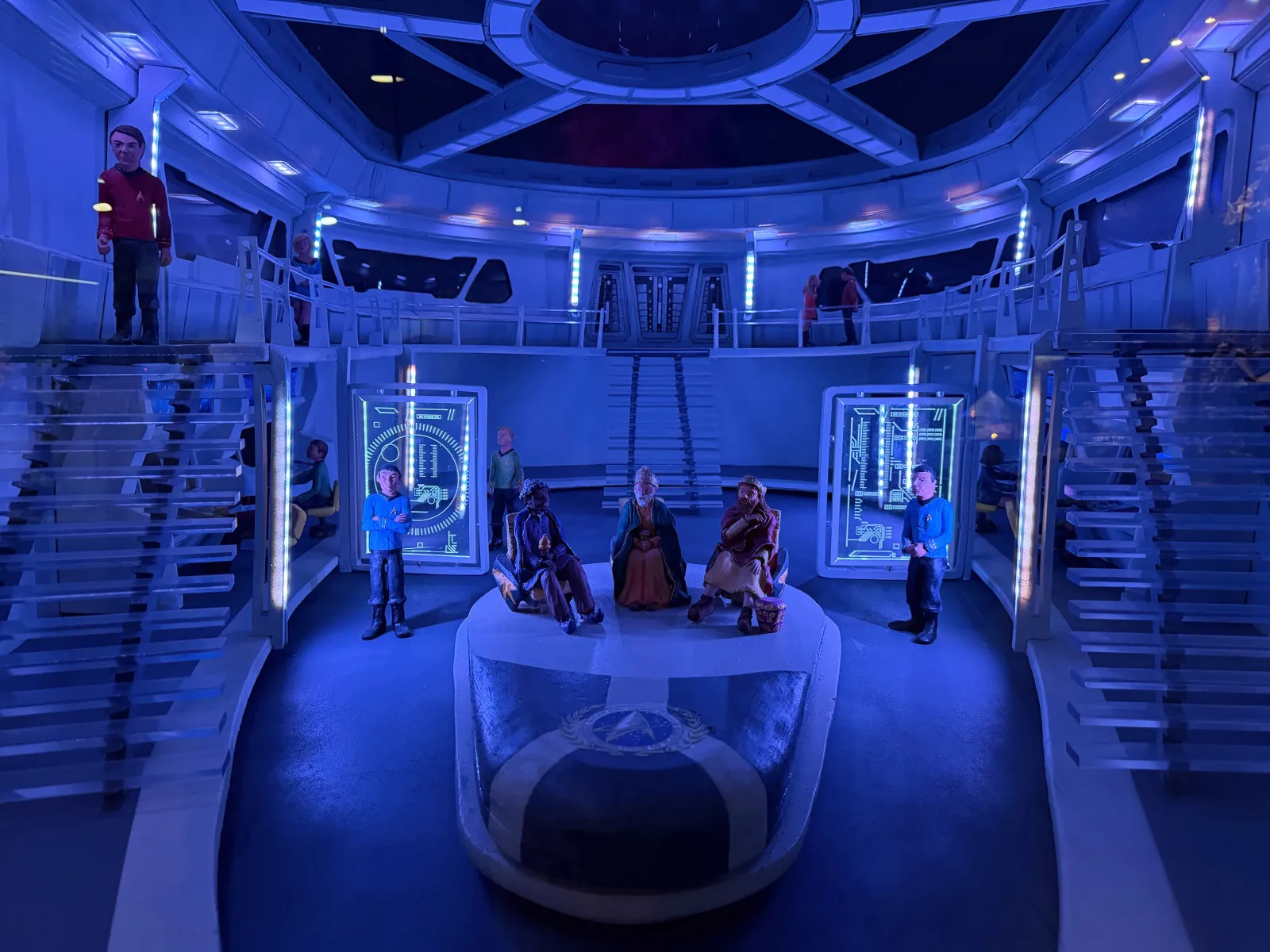
It shouldn’t work, and it’s easily the highlight of the museum.
At the back is a huge section given over to Andalusia’s cities, with detailed dioramas of Cádiz, Málaga and Seville among the larger ones.
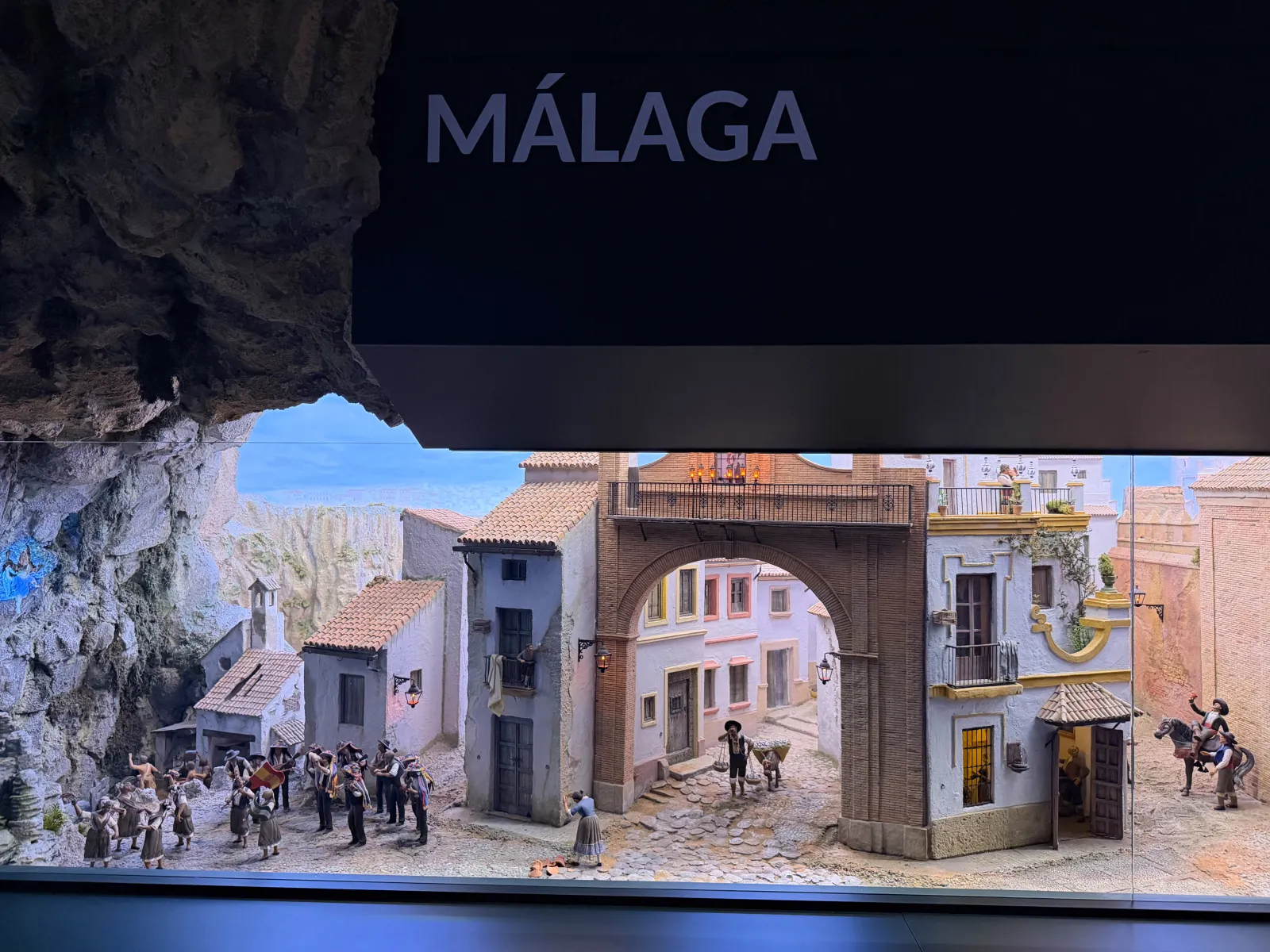
Each one works in landmarks you can recognise, and I kept stopping to pick out buildings I’d stood in front of myself.
There is meant to be an outdoor area too, with old oil mills and a traditional Andalusian house.
I never found the way out to it, so I can only vouch for the indoor rooms, which took all the time I had.
Give yourself longer in the darker galleries, where the spotlighting hides small details you’ll walk straight past if you hurry.
🎟️ The museum sells its own tickets at the desk, so there’s nothing to book through me here. The rest of the day is where a guide earns its money, and the Antequera dolmens and El Torcal walks are the ones I’d look at. You can see what’s running on GetYourGuide.
Opening Hours and Tickets
The museum opens Wednesday to Sunday, from 10am to 2pm and again from 4pm to 7:30pm, and it stays open all year rather than only at Christmas. In November and December it extends to daily opening.
Entry is free on Tuesdays between 6pm and 7pm.
Tickets are inexpensive for what you get:
| Ticket | Price |
|---|---|
| Adult (13 to 64) | €6 |
| Senior (65+) | €5 |
| Child (4 to 12) | €4 |
| Under 4 | Free |
I paid 6 euros and put it on a card at the desk on arrival.
In summer I had the place entirely to myself, so there was no need to book ahead.
Christmas is the exception, when it gets busy and booking online through museodebelenes.com is worth doing.
Remember the long afternoon break from 2pm to 4pm, so arrive in the late morning or early evening.
🛡️ This museum is usually one stop on a day that also involves motorway driving and a lot of heat, which is the part worth being covered for. I use SafetyWing, an affordable subscription policy you can buy even after you’ve already left home.
When to Visit and How Long You Need
Budget an hour, and closer to two if you like reading the panels and lingering over the detail. I did it in a rushed 30 to 40 minutes and left wanting more.
Any time of year works, because it stays open year-round rather than just at Christmas.
The festive season is the obvious fit and the museum leans into it, but I went in high summer and it was still worth every minute.
This is a privately built passion project, and it deserves the visitors, so my honest advice is simple: go, and support it.
If you’re making a proper trip of it, Mollina pairs well with a night nearby, so have a look at my guide to where to stay in Antequera.
It suits anyone who likes craft, art or something a little different, and it doubles as an easy, air-conditioned break in the heat of the day.
What Else to See Nearby
The museum works best as one stop on a loop through this corner of Andalusia. I did the whole day in one order, and it flowed well.
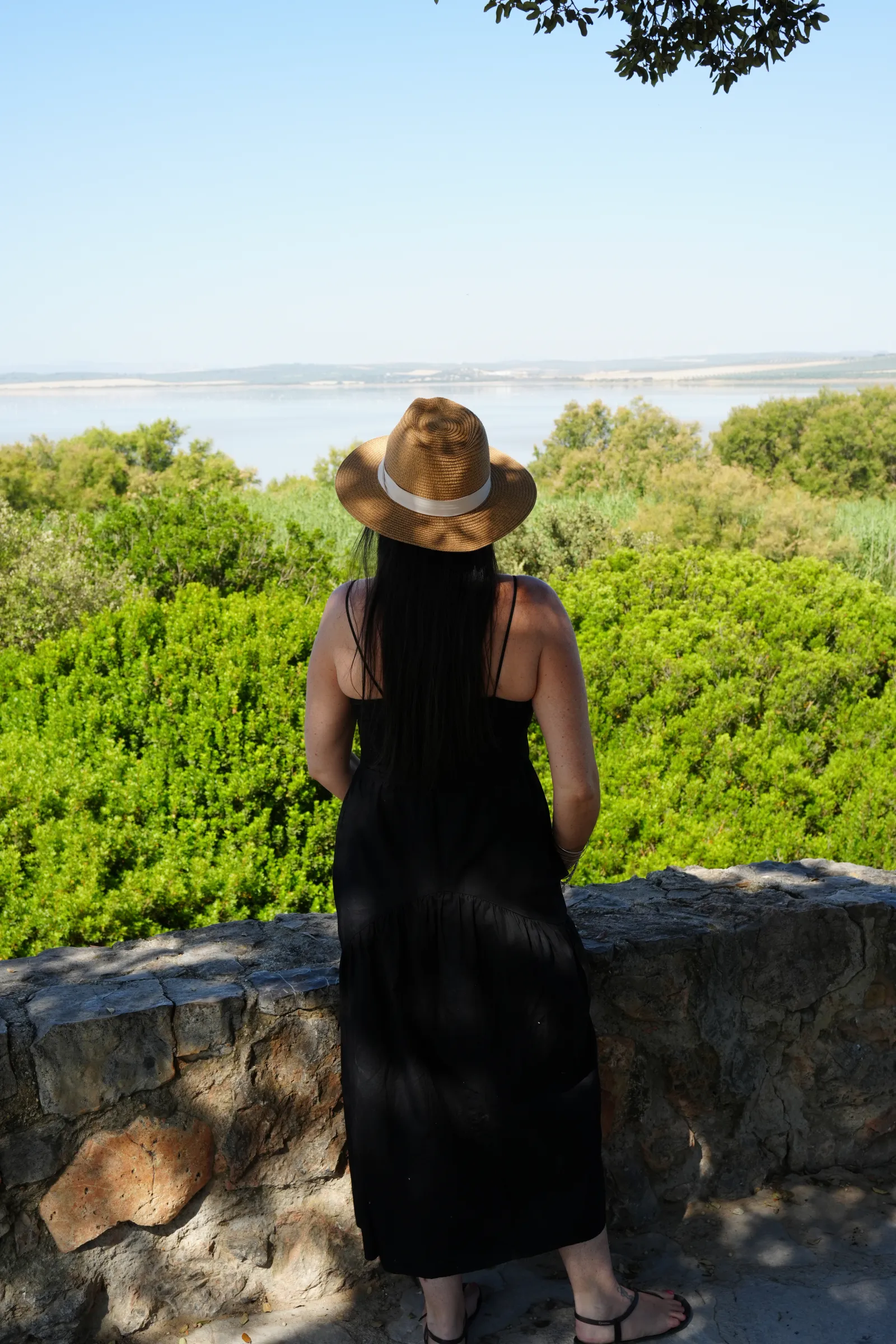
I started at the Fuente de Piedra flamingo lagoon, the largest natural lake in Andalusia, which is only a few minutes up the road.
From there I drove to Laberintus Park, Spain’s largest hedge maze, before finishing at the belén museum in the early afternoon.
The three sit within a short drive of each other and fill a relaxed day, which I’ve laid out in my guide to things to do near Antequera.
Antequera itself is about 18 km away, with its UNESCO dolmens and old town, and there’s a full run-through in my things to do in Antequera guide.
If you only have a single day, my one day in Antequera itinerary shows how to slot the museum in.
Further out, the Caminito del Rey walkway is around 47 km away and makes a natural second day.
I’d do the outdoor stops first while it’s cooler and save the air-conditioned museum for the hottest part of the afternoon.