Most people don’t put February in their Málaga plans. They’re holding out for summer, or at least April.
That’s exactly why it works. The almond trees across the hills are in full bloom, the Alcazaba has no queue, and in the middle of the month, the city gives itself over to Carnival.
I’d underestimated this month for years. February in Málaga is genuinely mild, the old town is unhurried, and there’s more going on than most visitors realise.
In this guide, I’ll cover the 13 best things to do in Málaga in February: the events worth planning around, the free museum days, and the places that are simply better without summer crowds.
Is February a Good Time to Visit Malaga?
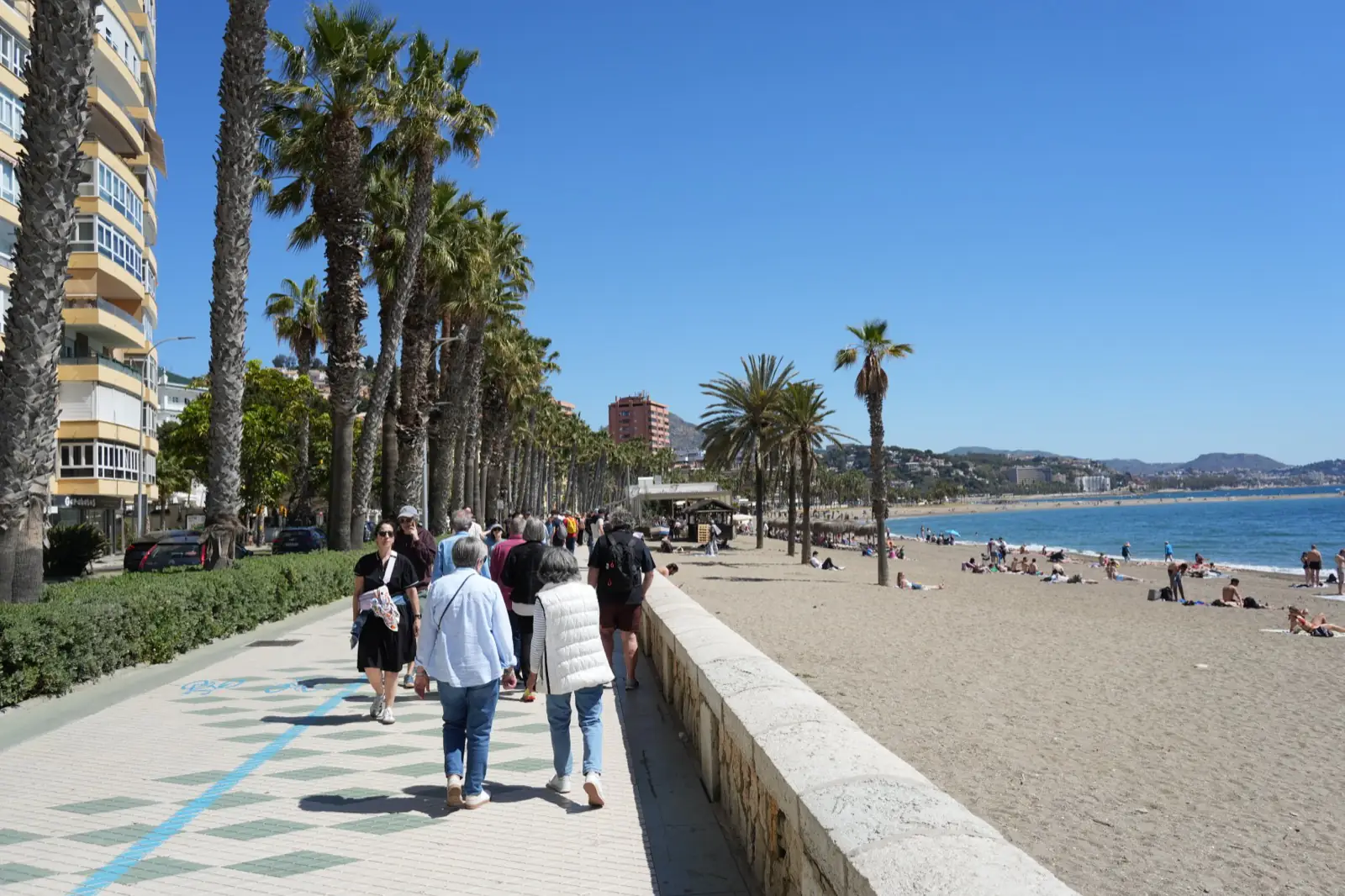
Yes, genuinely. February is one of the best months to visit Málaga if culture and food are your priorities rather than the beach.
Daytime temperatures reach 17–18°C, there are around six or seven hours of sunshine per day, and outside of Carnival week, the crowds are as thin as they get all year. Hotels cost less, restaurants don’t need booking, and the Alcazaba, the Picasso Museum, and the Cathedral are all walk-in.
The honest caveat is that swimming is off the table. The sea sits at 15°C in February, which is cold, and the beaches are pleasant for a walk but not for lying on. If a beach holiday is the main draw, April or May will serve you better. My best time to visit Málaga guide breaks down every month if you’re still weighing it up.
February does have more rain than the summer months, typically four to six rainy days spread through the four weeks. They tend to be short showers that clear quickly rather than all-day downpours. A light waterproof and a jacket for the evenings are enough.
Carnival in Malaga
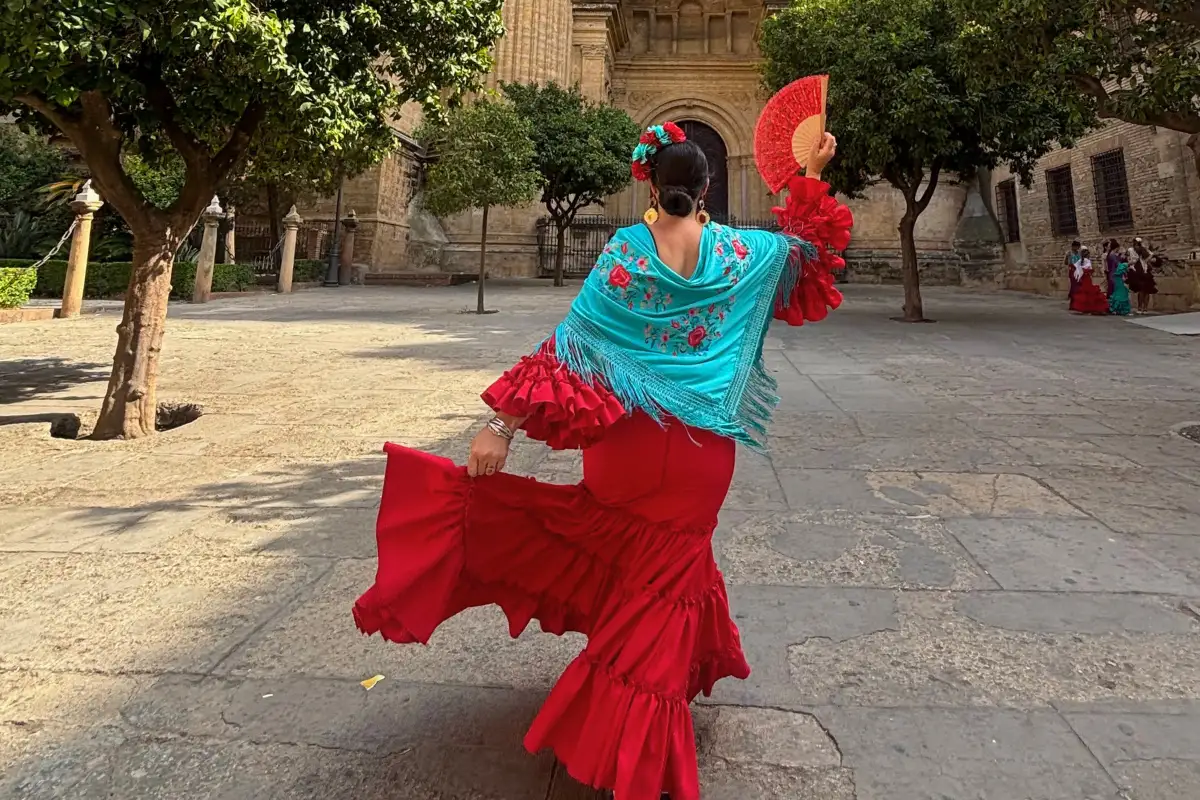
For nine days in mid-February, Málaga gives itself completely over to Carnival. In 2026 it ran from February 7 to 15, closing with the Burial of the Anchovy on Malagueta Beach.
Is it worth timing your trip around? I’d say yes, if you like music, costumes, and genuine street energy rather than a polished tourist spectacle.
I spent an entire day walking the city during Carnival this year and didn’t run out of things to watch. The part that surprised me most was the mobile singing groups. Chirigotas and comparsas move through the streets in full costume, performing satirical songs about local politics, celebrities, and whatever is making the news. They perform for each other and for locals rather than for visitors, which is exactly why they’re worth watching.
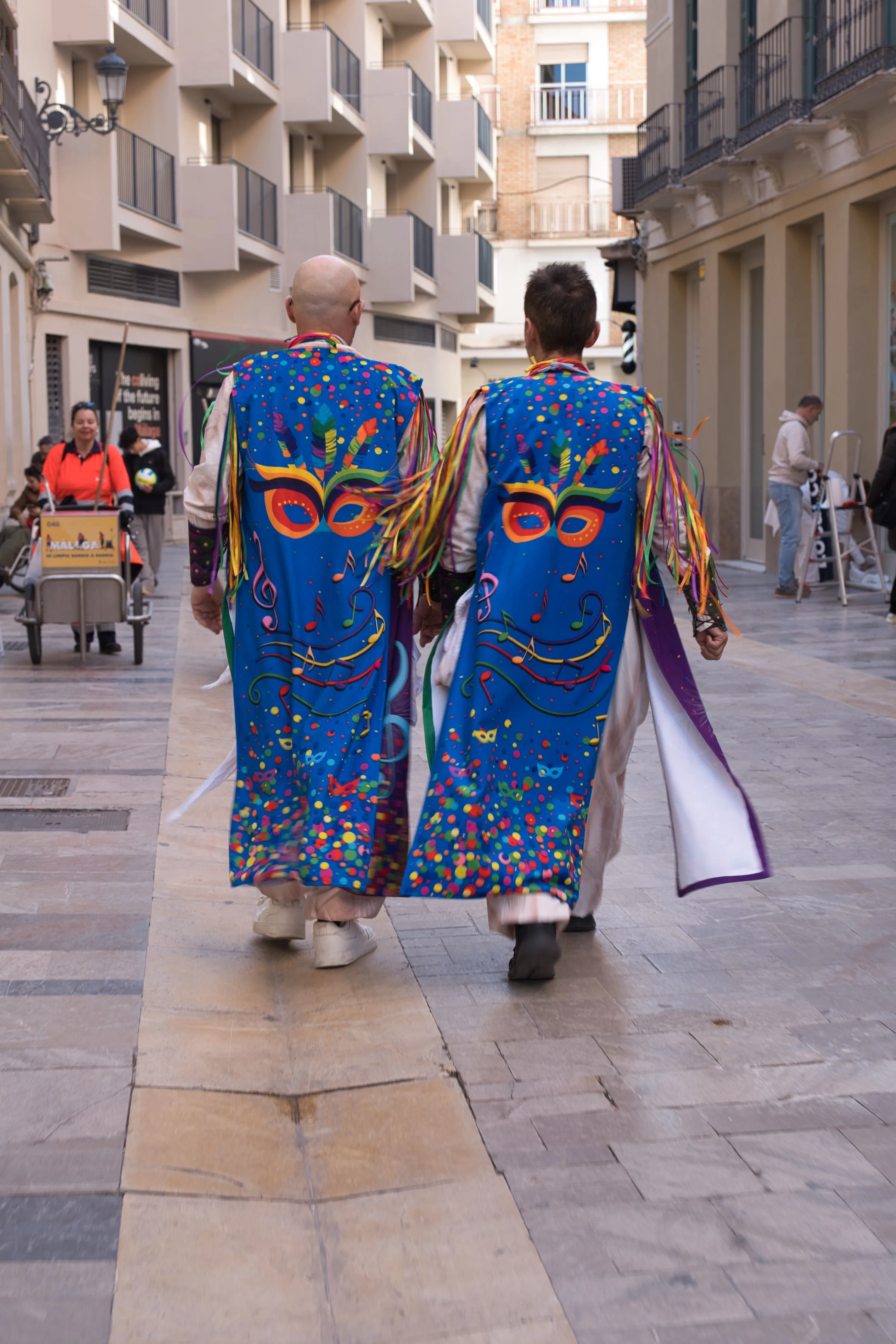
The grand parade is the headline event. It’s a long procession along Calle Larios where floats, costume groups, and singing ensembles pass for hours. Get there at least an hour early if you want a decent view or to take pictures. Calle Larios fills completely once it begins, and the crowd from ground level can be impenetrable.
One practical note: hotels close to the centre fill up fast during Carnival week and prices reflect the demand. If Carnival is the specific reason you’re visiting, plan accommodation months ahead. My full Málaga Carnival guide covers the complete schedule, parade routes, the free neighbourhood food tastings, and the closing ceremony.
See the Almond Blossoms on a Day Trip
There’s about a three-week window each February when the hills behind the coast turn white and pink with almond blossom, and it’s one of those things that genuinely stops you in your tracks. Mid-February is usually the peak, though it shifts a few days earlier or later depending on how cold January was.
The best area is the Axarquía, the hilly region east of Málaga that runs inland from the coast. Villages like Alfarnate and Alfarnatejo sit at around 1,000 metres and the almond trees here are dense, old, and spectacular in bloom.
The drive through the winding mountain roads is the experience itself; the trees cover the slopes on both sides, the ground is carpeted with fallen petals, and the scent on a warm afternoon is something you don’t forget.
Guaro, a small village about 45km west of Málaga, holds an annual Almond Blossom Day each February with two marked walking routes through the orchards: a long route of around 10km and a shorter one of 4km. It’s a free local event, well-attended by Malagueños, and a completely different experience from anything the city offers that week.
The Montes de Málaga Natural Park is just 15 minutes from the centre and also has almond trees in flower through February, making it a good option if you’re without a car or short on time. The paths are well-marked and a circular walk takes a couple of hours with good views back over the city.
Most of the best blossom spots require a car. My day trips from Málaga guide has routes and timings if you’re planning a full day in the hills.
Explore the Old Town Without the Crowds
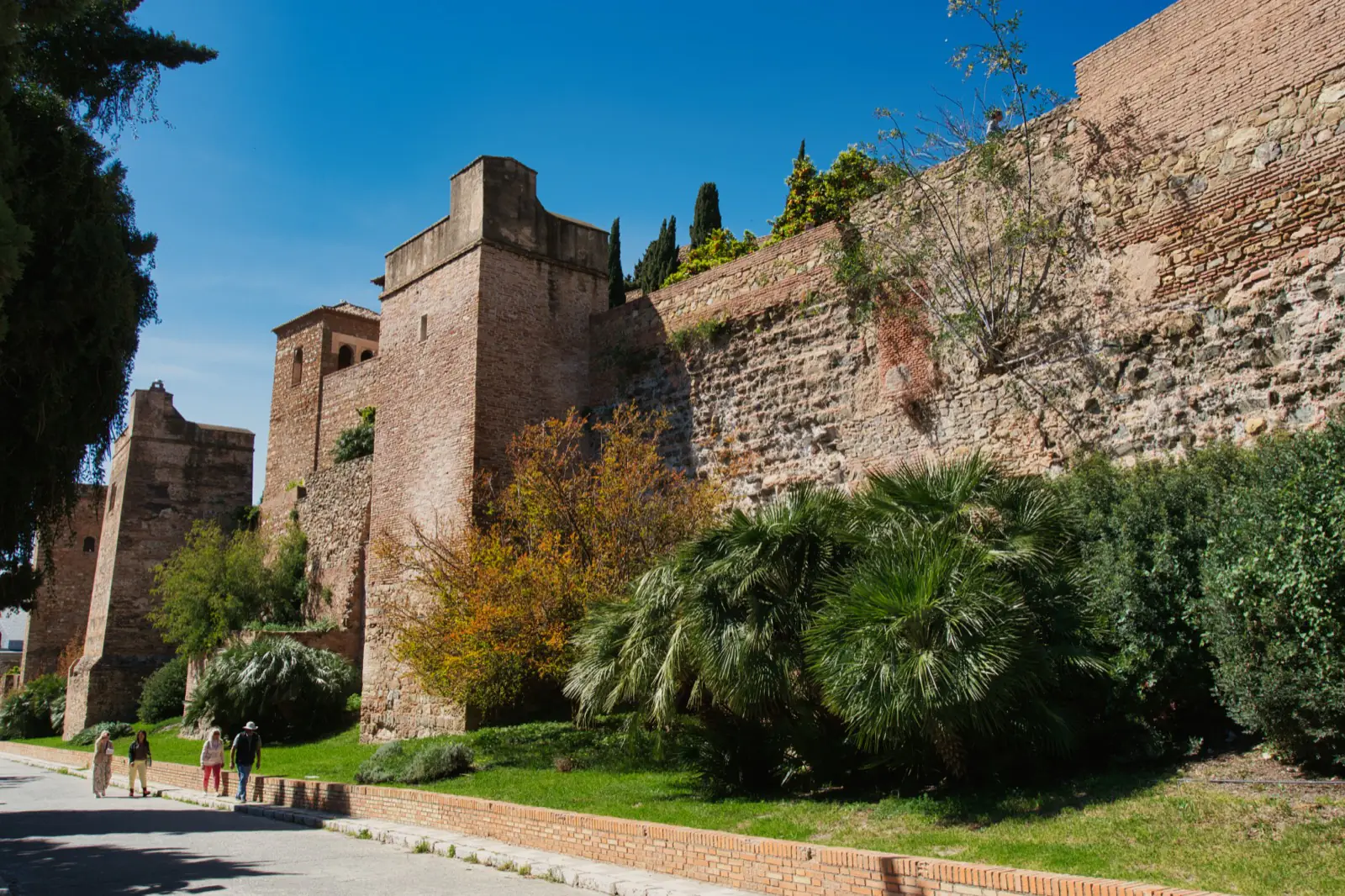
February is when Málaga’s old town actually feels like a place people live rather than a set designed for visitors. The monuments are open, the streets are quiet, and you can move through all of it in one day without rushing.
The Alcazaba and Gibralfaro
Built by the Hammudid dynasty in the early 11th century, the Alcazaba is one of the best-preserved Moorish fortresses in Spain, and in February it’s walkable without elbowing past anyone. The site is layered: Roman remains at the base, Moorish palace rooms and courtyards above, with views over the port opening up as you climb.
Gibralfaro, the castle at the summit connected to the Alcazaba by a long fortified rampart called the coracha, has less interior detail but the best panoramic views in the city. I’d do both together on a clear morning. Entry to the Alcazaba is around €3.50, and both sites are free every Sunday.
The Picasso Museum
Opened in 2003 in Picasso’s birth city, the museum holds 233 works drawn from his personal collection and family donations, which gives it a different weight from the big Picasso collections in Paris or Barcelona. What’s here is personal: the pieces he kept, the works he gave to family.
In February you can walk in without booking, which in summer you definitely cannot. The collection is displayed chronologically and takes around 90 minutes at a sensible pace. If your visit falls on February 28, the Day of Andalusia, entry is free.
The Cathedral and Roman Theatre
Just below the Alcazaba, the Roman Theatre dates to the 1st century BC and is always free to visit. It’s one of those places that stops you: a genuine 2,000-year-old open-air theatre at the edge of the old town, with the Moorish fortress rising directly behind it.
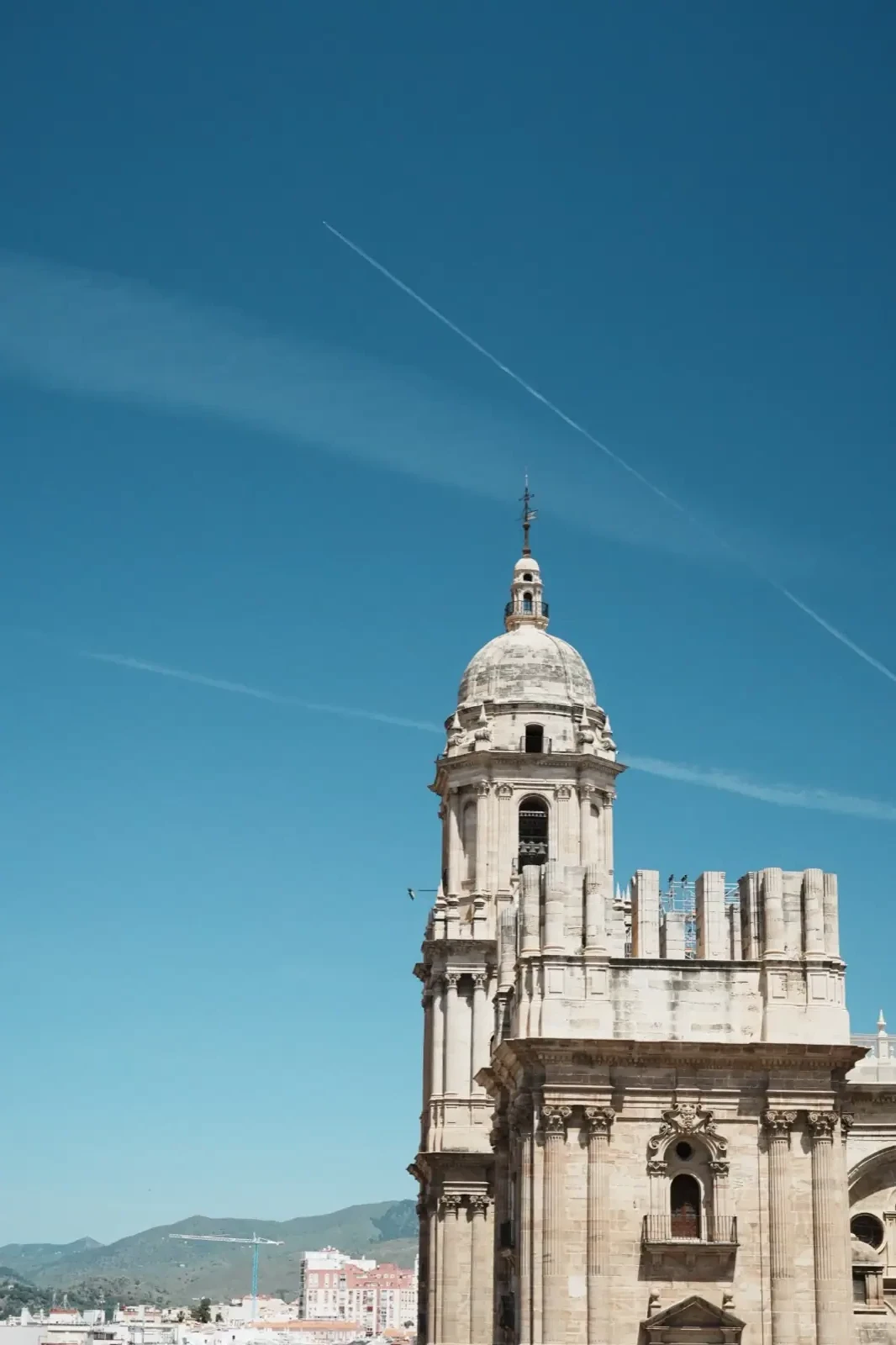
The Cathedral sits a short walk away, its unfinished south tower earning it the nickname La Manquita, “the one-armed lady,” after the construction fund ran out in the 18th century and was never resumed. Entry is around €6; doing the Roman Theatre and Cathedral back to back covers two thousand years of the city’s history in about an hour.
Free Entry Days in February
Málaga has more museums per square kilometre than almost any city in Spain, which makes the free Sunday policy genuinely worth planning around. Most state-run museums open without charge on Sunday afternoons, including the Museum of Málaga, the Alcazaba, and Gibralfaro.
The Roman Theatre is free every day of the year, and the Botanical Gardens at La Concepción are free on Sundays. My free things to do in Málaga guide covers everything else that won’t cost you anything in the city.
February 28 is the Day of Andalusia, a regional public holiday that catches a lot of visitors off guard. The Picasso Museum offers free entry for the full day on this date, not just the usual Sunday afternoon window.
Some bars and restaurants run lunch specials, the old town is livelier than a typical February weekday, and the terraces fill up from midday. It’s a good day to stay in the city rather than doing a day trip.
Sunday afternoons can be busier than you’d expect even in February, as locals take advantage of free museum entry. If you want the Alcazaba to yourself, a Tuesday or Wednesday morning at opening time is more reliable.
Hike the Caminito del Rey in February
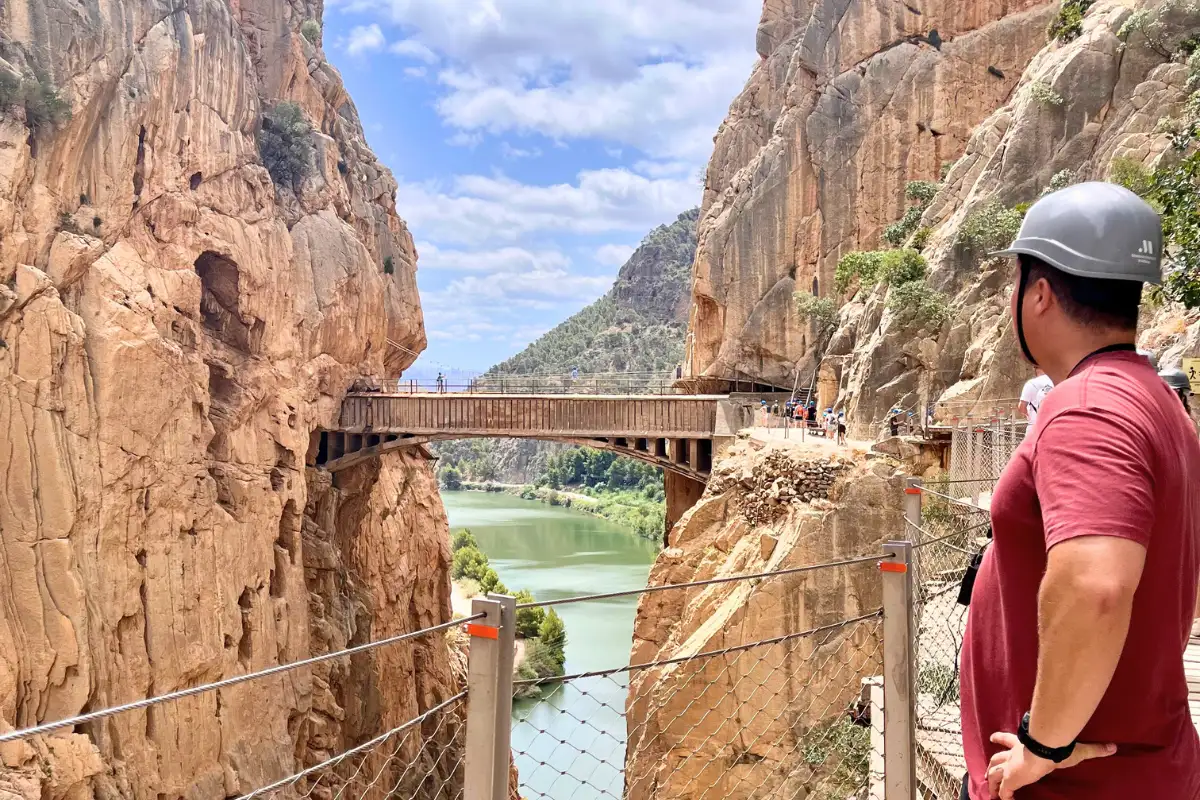
February is, genuinely, one of the best months of the year to walk the Caminito del Rey. The gorge is cool rather than hot, the hills around El Chorro are green from winter rain, and the crowds are nothing like what you’d encounter in summer.
The route is a 7.7km walkway built into the vertical walls of the Desfiladero de los Gaitanes gorge, about 60km northwest of Málaga near the village of Álora. It was originally constructed in the early 20th century to give hydroelectric workers access to the dams being built in the gorge.
By the time it was restored and reopened in 2015, it had become notorious as one of the most dangerous paths in the world. The restored version is safe, well-maintained, and one of the most spectacular walks in southern Spain.
The cliff-face section, where the path is pinned directly to the rock above the river, takes about three to four hours at a comfortable pace. In summer, heat and direct sun make it tiring by midday. In February, you’re walking in 15–18°C with shade through much of the gorge.
Booking is essential year-round. Slots fill up weeks in advance from spring onwards, but February gives you a better chance of availability closer to the date. Don’t leave it to chance, though: book at least two weeks ahead and check dates before committing to travel plans.
Markets Worth Going to in February
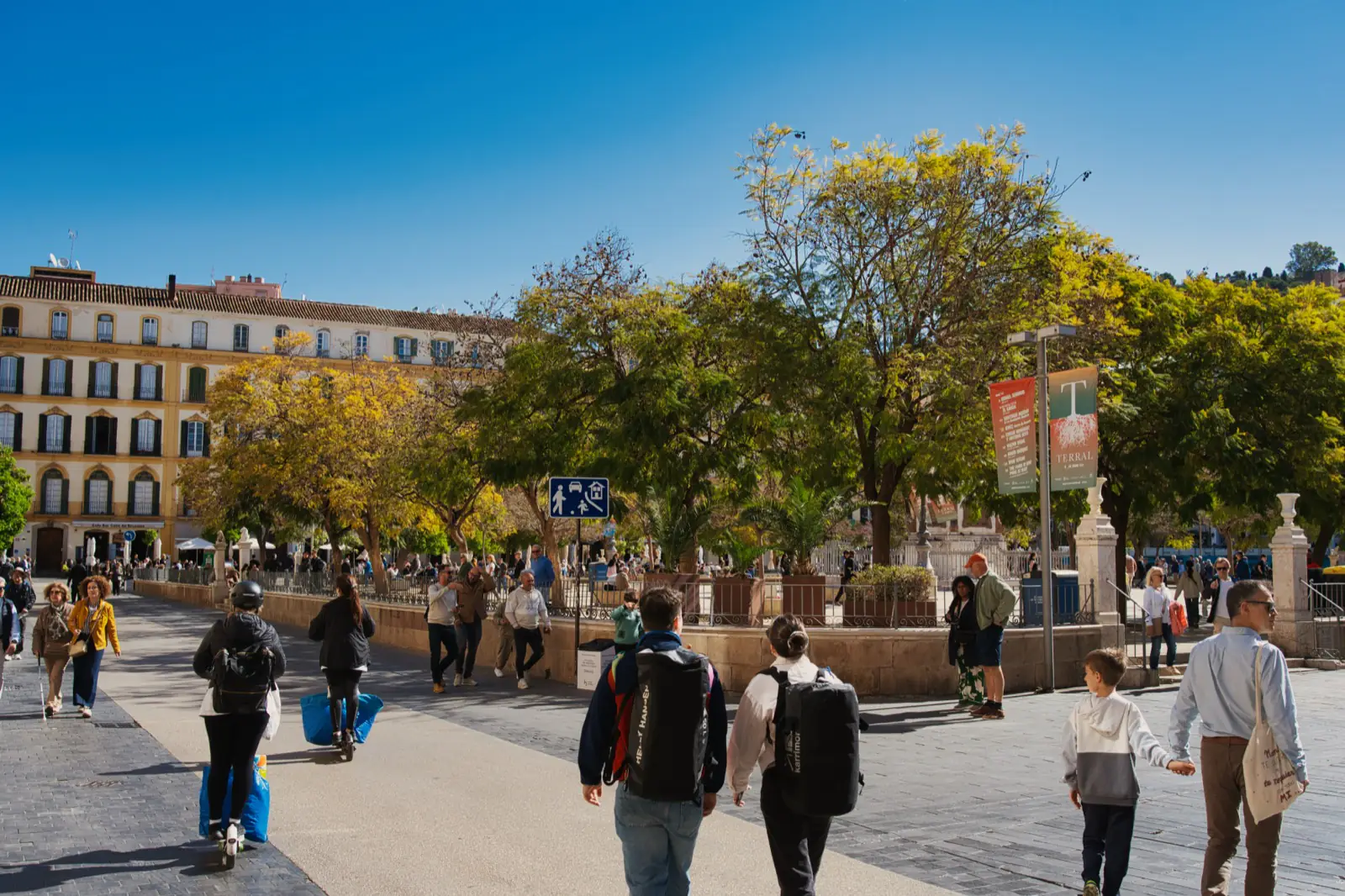
The markets in Málaga run year-round, and February is a decent month for them: the weather is cool enough to browse comfortably and the stalls aren’t competing with tour groups for space.
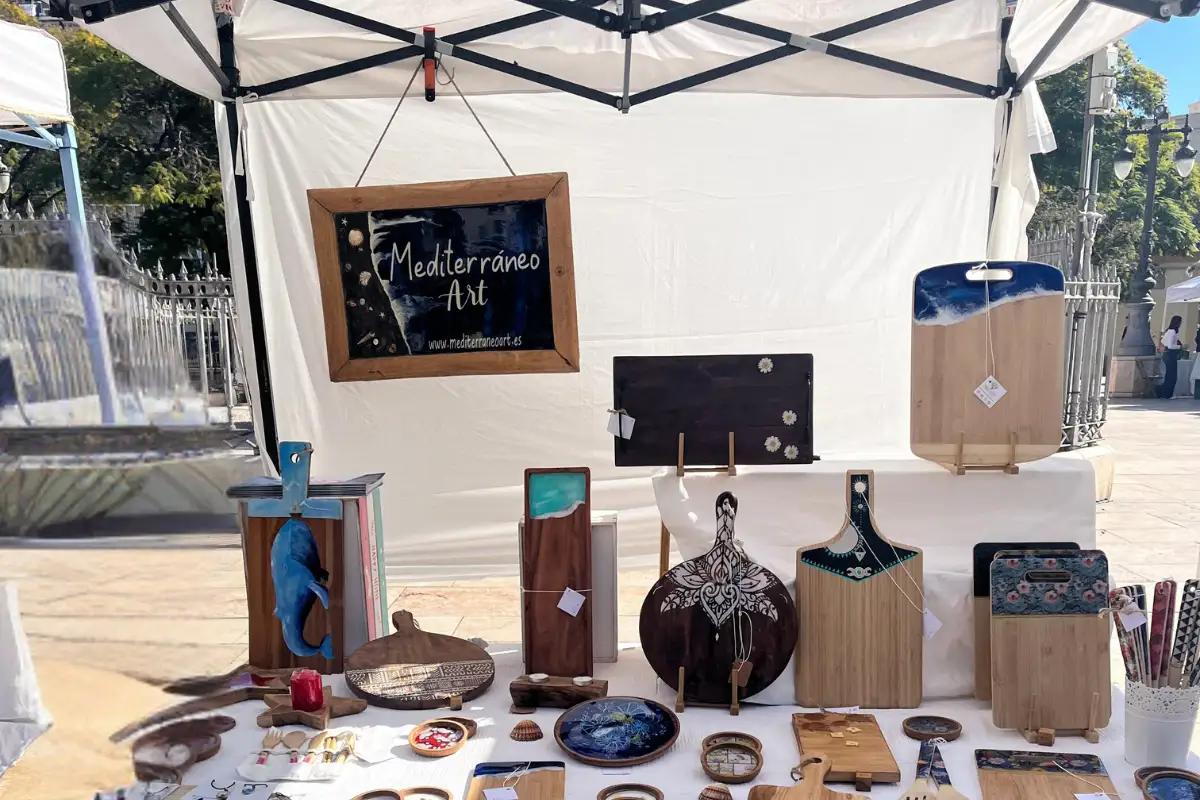
The La Merced Artisan Market runs on the first Sunday of every month in Plaza de la Merced, which is Picasso’s birthplace square. It’s a small, well-curated market with local crafts, jewellery, and ceramics. Not enormous, but worth an hour if you’re already in the old town that morning.
The English Cemetery Market happens on the second Sunday of the month and has a different feel entirely: vintage clothes, secondhand books, old prints, and the odd unexpected find among the Victorian graves. It’s free to enter and genuinely one of the more unusual markets in the city.
For fresh produce, Atarazanas Market in the central market hall is open every morning except Sunday. It’s not a tourist market: it’s where locals buy fish, fruit, and vegetables. The seafood counter alone is worth a visit.
Day Trips from Malaga in February
February is one of the more comfortable months for day trips from Málaga. Temperatures are mild enough to walk for hours without overheating, and the villages and towns that fill up in summer are easy and unhurried.
Nerja
Nerja sits 52km east along the coast road, and February is genuinely one of the nicest times to visit. The beach bars are closed, but the old town is easy to walk, the seafood restaurants have tables without booking, and the white cliffs look their most dramatic in low winter light.
The Balcón de Europa, the sea-facing terrace at the heart of town, was named by King Alfonso XII in 1885 following an earthquake that struck the region during a royal visit. It’s the best starting point before heading down to the coves below.
Getting there takes around an hour by car or direct bus from Málaga. It works as either a half-day or a full day depending on how far you walk the coastline.
Ronda
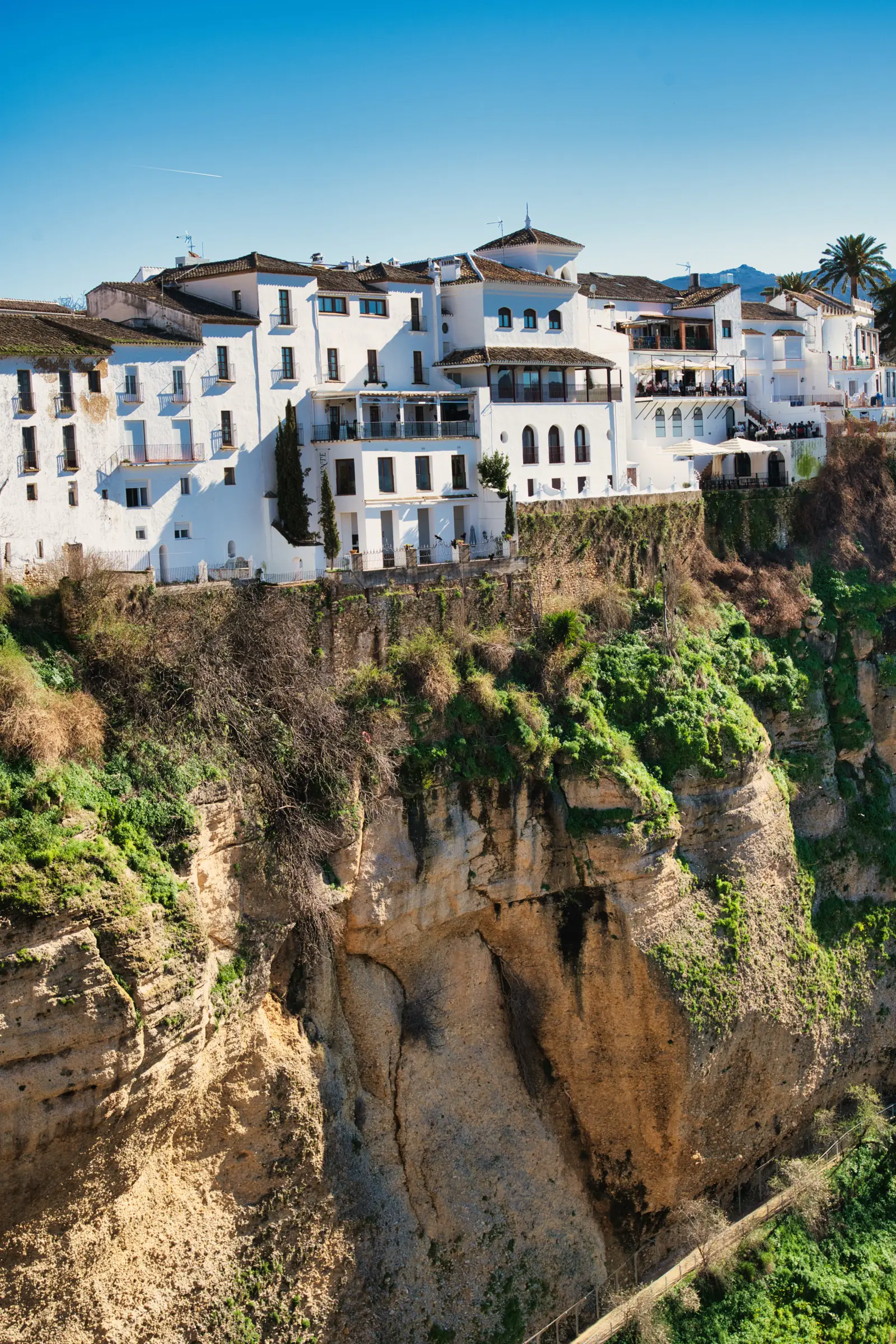
Ronda is 100km inland and worth the drive even in February, when the town runs cold and the gorge occasionally disappears into cloud. On a clear morning, the Puente Nuevo bridge spanning the El Tajo gorge at 120 metres is as dramatic as anything in Andalusia.
Ronda sits at around 750 metres elevation, so pack a layer. The old town is compact and without summer crowds the bullring, the Arab baths, and the clifftop walk are actually enjoyable rather than rushed.
Allow around 90 minutes each way by car. February is when Ronda rewards a slow visit rather than a photo stop.
Antequera
Antequera sits 50km north and is one of the most overlooked day trips in the province. The Dolmens of Antequera, a UNESCO World Heritage Site comprising three megalithic burial chambers, Menga, Viera, and El Romeral, are among the oldest monuments in Europe and completely free to visit.
Torcal de Antequera, the limestone karst natural park just outside town, sits at 1,200 metres and has marked walking routes through rock formations that look like they belong somewhere other than southern Spain. February wildflowers are starting to come through on the lower paths.
The drive from Málaga takes around 45 minutes. Antequera town in the morning and Torcal in the afternoon makes a full and very good day.
Valentine’s Day in Malaga
In 2026, Valentine’s Day falls on February 14, which is day eight of Carnival. That specific day brings the Battle of Flowers to Calle Larios, where flower-covered floats move through the street and the crowd throws carnations. It’s the most photogenic event in the entire Carnival calendar and it happens to land on the most romantic evening of the year.
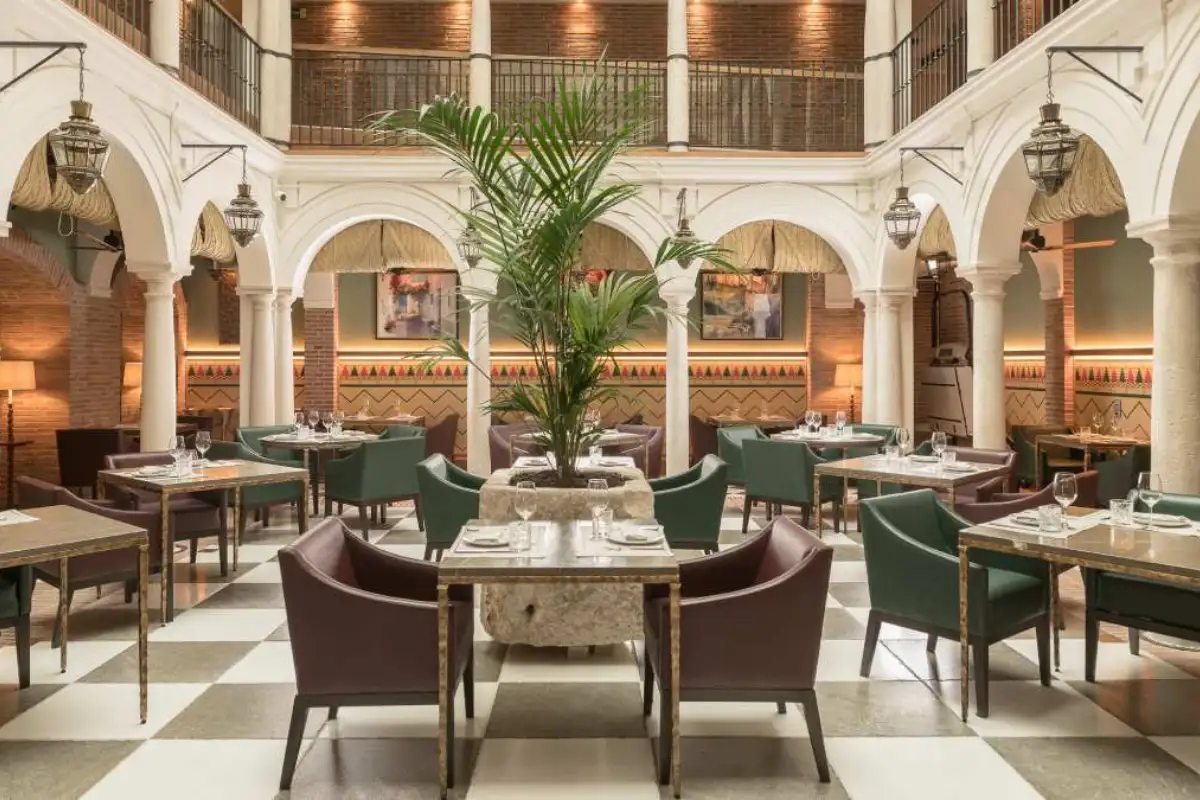
For dinner, the romantic restaurants in Málaga guide covers the best options across the city, from rooftop tables above the port to quieter spots in the old town. Book a week or two ahead: Valentine’s Day during Carnival week means most good restaurants fill up.
Watching the Battle of Flowers first and sitting down for dinner after is the natural order. The parade finishes by early evening, which gives you time to walk to a restaurant without rushing.
Tapas, Food, and Eating Out in February
February is the best month to eat well in Málaga without any of the friction. The tapas bars that get three-deep in August have room at the counter, and the restaurants in the old town that fill up by 9pm in summer are relaxed and quiet.
One thing visitors often miss is the free tapa. In many bars in the centro histórico, away from the main tourist street of Larios, every drink ordered comes with a small plate of food. It’s not a promotion, it’s just how it works, and it’s one of the things I love most about eating out here.

For a proper tapas crawl, Calle Granada and the streets around Calle Compás de la Victoria are where I’d start. These are the bars where locals eat, not the ones with laminated menus at the door.
February is also worth noting for seafood. Anchovies, boquerones, are the signature fish of Málaga and the friture here, the mixed fried fish platter, is something you should eat at least once. The cold weather keeps the terraces quieter, but they’re still open on any afternoon with sun.
What’s the Weather Like in Malaga in February?
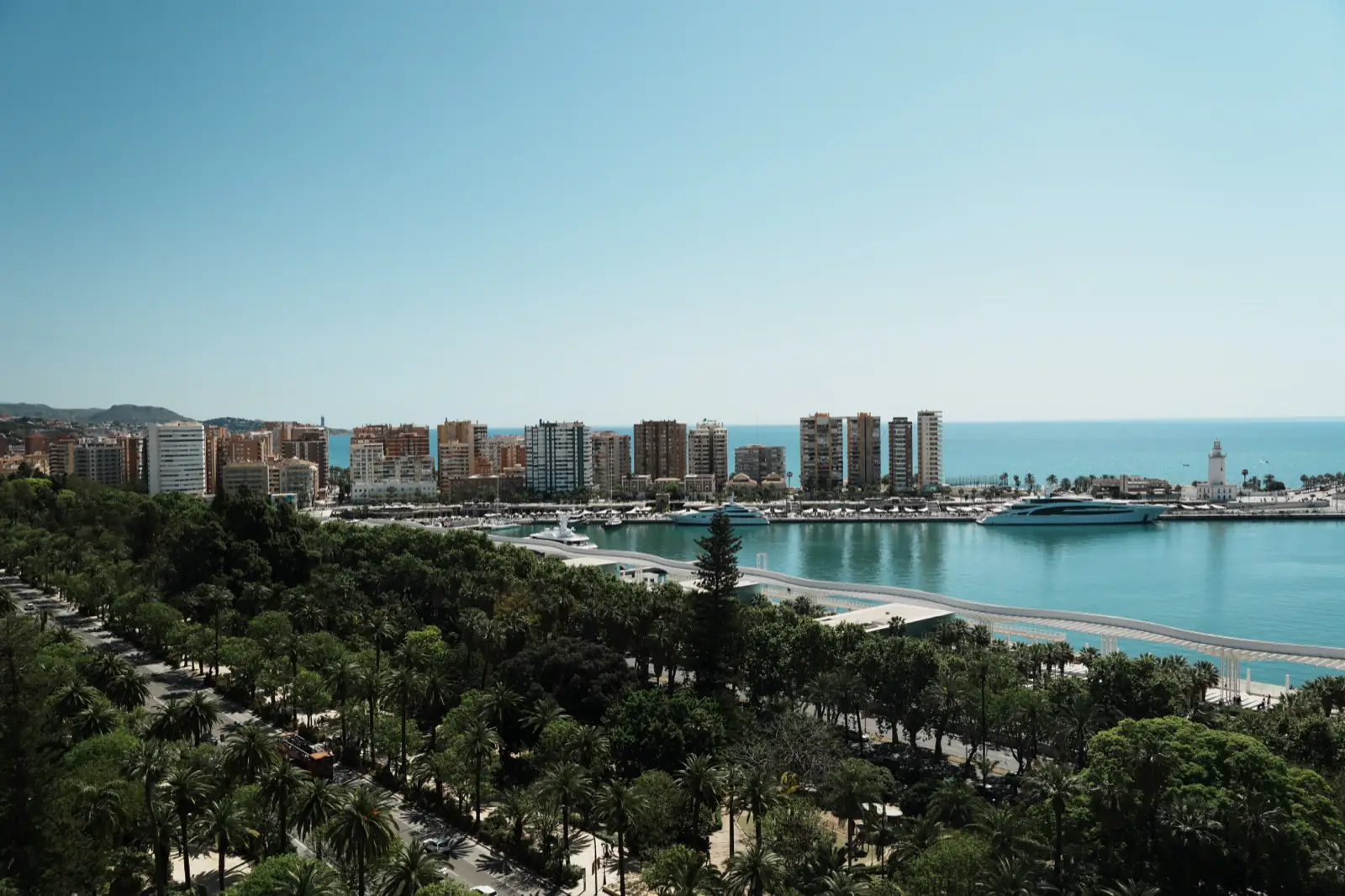
Mild and mostly sunny, with occasional rain. Daytime temperatures reach 17-18°C in February, evenings drop to around 9°C, and there are typically six to seven hours of sunshine per day. My best time to visit Malaga guide has the month-by-month breakdown if you’re still weighing up when to go.
The sea sits at 15°C, which rules out swimming for most people. The beaches are good for a walk but not for lying on.
Rain does happen. A typical February brings four to six rainy days spread across the month, and they tend to be short showers rather than full-day downpours. A light waterproof jacket is enough.
The UV index in February runs at 3 to 4, which is low enough that most people won’t burn during a normal day out. If you’re spending long hours outside hiking or at the Caminito del Rey, a light sunscreen is still sensible.
For packing: layers are the main thing. Mornings and evenings feel properly cool, but midday can be warm enough for a single layer in the sun. Comfortable walking shoes, a waterproof layer, and something warm for after dark will cover everything February throws at you.
More Things to Do in Malaga Throughout the Year
- 15 Best Things to Do in Malaga in January
- Things to Do in Málaga in March: Events, Hikes and Local Tips
- Things to Do in Malaga in April (Including Semana Santa)
- 15 Things to Do in Malaga in May (by a Local)
- Things to do in Malaga in June: what’s worth your time
- Things to Do in Malaga in July: What’s Actually Worth It
- 12 Things to Do in Malaga in August: my local picks
- Things to Do in Malaga in September: Events, Beaches and Day Trips
- 20 Things to Do in Malaga in October
- Things to Do in Malaga in November
- 12 Things to Do in Malaga in December