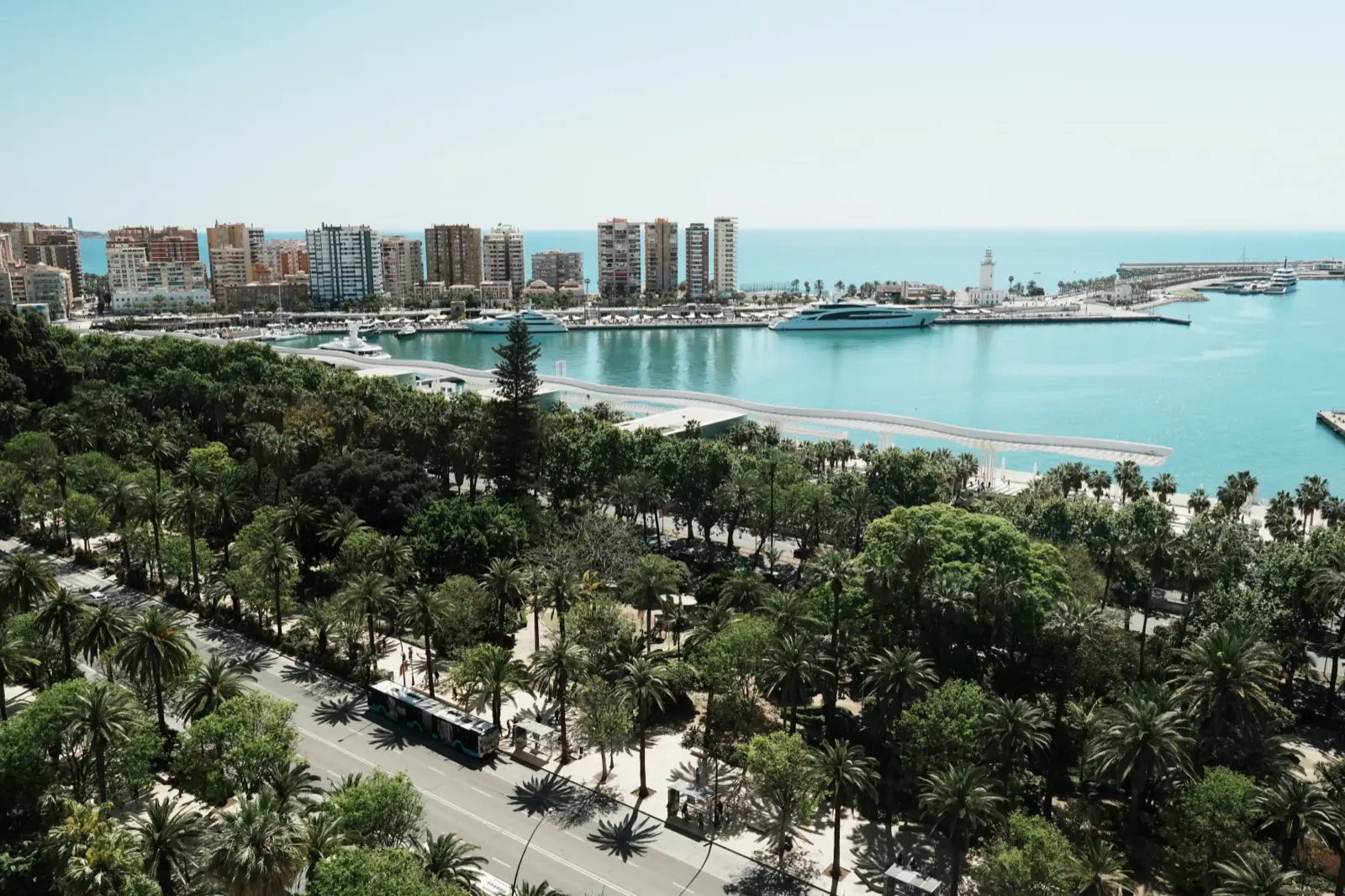
The things to do in Malaga in January come in two parts: a handful of highlights that make the month unmissable, and a quieter backdrop that makes everything else better.
Christmas lights stay up through the first week. The Three Kings parade fills Calle Larios on January 5th, and then the city exhales.
The days are mild enough to sit on the beach with your face in the sun. But the nights are cooler than most visitors expect, so don’t pack just a cardigan.
Here’s everything worth your time.
The Three Kings Parade (and Why January 5th Matters)
The Cabalgata de Reyes on the evening of January 5th is the reason to be in Malaga at the start of the month. This is not a minor local event.
It draws tens of thousands of people into the city centre, and in Spain, it carries more cultural weight than Christmas Day itself. Most visitors don’t know this: Spanish children receive their gifts on January 6th, not December 25th.
The Three Kings, Melchior, Gaspar, and Balthasar, are the gift-givers. The parade on the evening of the 5th is when they arrive in the city, riding elaborate floats through the old town.
Malaga’s parade is one of the largest in Andalusia. The floats take months to build, and attendants in elaborate costumes throw sweets into the crowd as the Kings pass.
The route moves through Calle Larios and the main shopping streets. Children hold out bags to catch the sweets, and the noise and colour of it make for one of the most joyful things I’ve seen in this city.
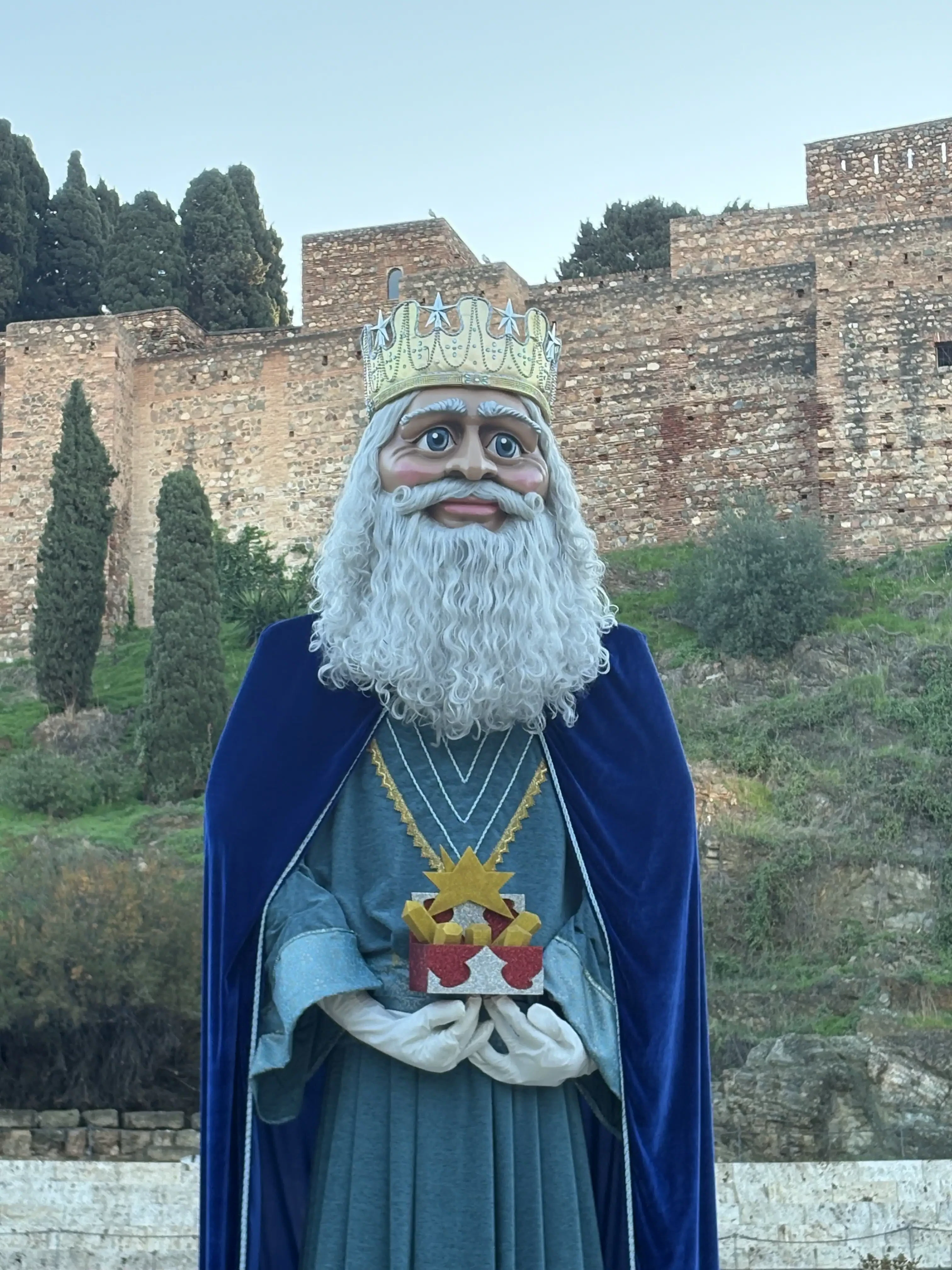
If you’re watching with children, front-row spots along Calle Larios fill up an hour or more before the parade starts. Arrive by late afternoon if you want a good view.
Those who leave it until the last minute end up watching from behind a wall of shoulders. Even without kids in tow, it’s worth staying up for.
The streets are packed in a way you won’t see again until Semana Santa or August. January 6th is a public holiday, so plan a quiet day after the late night.
Is January a Good Time to Visit Malaga?
Yes, genuinely. Daytime temperatures sit at 16-18°C, and you’ll walk into any museum or monument without queuing.
If you’re after mild weather, low prices, and an authentic local atmosphere, January delivers all three. The caveat is the evenings.
Temperatures drop to around 7-9°C after dark, which catches a lot of visitors off guard. The sea sits at around 15°C, so swimming is off the table for most people.
You get roughly 10 hours of daylight, which is enough for a full day of sightseeing or a day trip out of the city. The January light is one of the best things about the month: clear skies, no summer haze, and sunsets that photograph well.
It’s a good month for city-breakers, culture lovers, and anyone who finds crowds exhausting. Families with young children will enjoy it for the parade and the quieter pace.
If you want guaranteed heat and beach days, January isn’t your month. But if you want the city largely to yourself, it’s hard to beat.
Explore the Monuments and Museums Without the Crowds
January is the best month of the year to visit Malaga’s monuments. The Alcazaba, the Picasso Museum, and the Cathedral attract long queues in summer.
In January, you walk straight in. For a full overview of what’s worth your time, take a look at my guide to the museums in Malaga.
The Alcazaba and Gibralfaro Castle
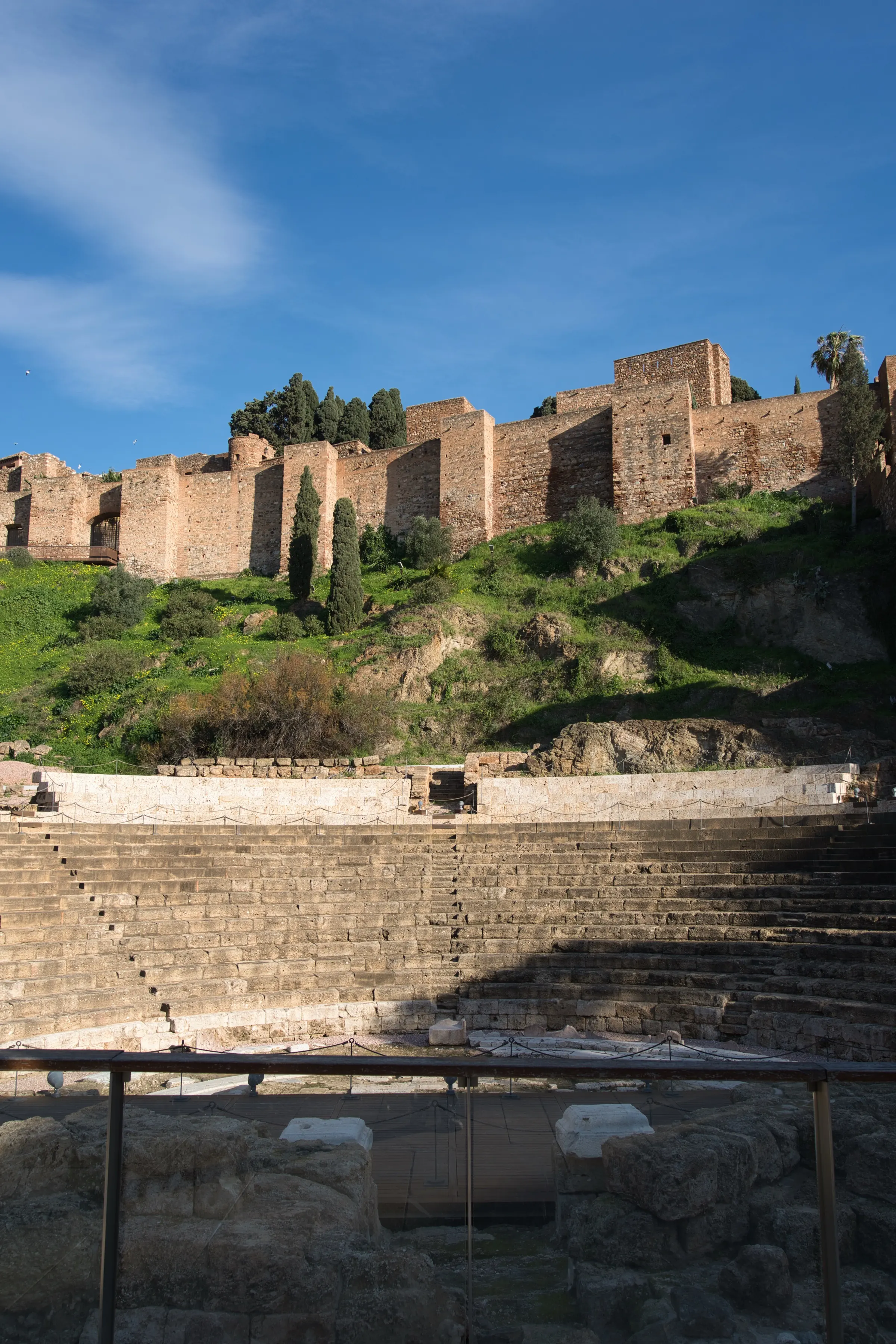
The Alcazaba is the Moorish palace-fortress that sits above the city centre, built in the 11th century and still one of the best-preserved in Andalusia. Gibralfaro Castle sits higher up the hill, originally constructed to protect the Alcazaba from sea attacks.
In January, you’ll have both almost to yourself. The combined ticket costs around €5.50, but if you time it right, entry is free: the Alcazaba is free from 2pm every Sunday, and Gibralfaro from 9am.
The views from the top of Gibralfaro over the port and the bullring are worth the climb alone. You can walk up from the Alcazaba in about 20 minutes, or take the number 35 bus if the steep path doesn’t appeal.
The Picasso Museum
Pablo Picasso was born in Malaga in 1881, and the museum dedicated to his work sits in the 16th-century Palacio de Buenavista in the old town. The permanent collection holds 285 works, covering everything from his Blue Period through Cubism.
Honestly, if you’ve been to the Picasso Museum in Paris or Barcelona, you’ll find this one smaller. But if this is your first, or if you love the early work, it’s absolutely worth a few hours.
In January, there are no audio-guide queues, no tour groups blocking your view, and you can linger in front of the pieces you want. Entry is free on Sundays between 6pm and 8pm.
Malaga Cathedral and the Roman Theatre
The Malaga Cathedral is one of those places locals walk past every day without quite registering how extraordinary it is. Construction began in 1528 and took over 250 years, ending with one tower still unfinished.
That missing tower is why locals call it La Manquita, the one-armed lady. You can go up to the roof, and in January the views are exceptional: no haze, clear skies, and a completely different perspective on the city.
The Roman Theatre directly below dates from the 1st century BC, built during the reign of Augustus. It’s always free to enter, and in January you can stand in it without a single other person around.
The Museum of Malaga
The Museum of Malaga occupies the old Aduana Palace, and it’s one of the largest museums in Andalusia. It holds both archaeological and fine arts collections under the same roof, and entry is free.
What most visitors miss: every Saturday at noon, the museum runs a free guided tour, each one on a different theme. In January the groups are tiny, which makes the whole thing feel more like a conversation than a tour.
Day Trips That Work Well in January
January is one of the best months for day trips from Malaga. The roads are quiet, the temperatures are comfortable for walking, and the most popular destinations are at their least crowded.
For a full list of options, take a look at my guide to day trips from Malaga.
Caminito del Rey
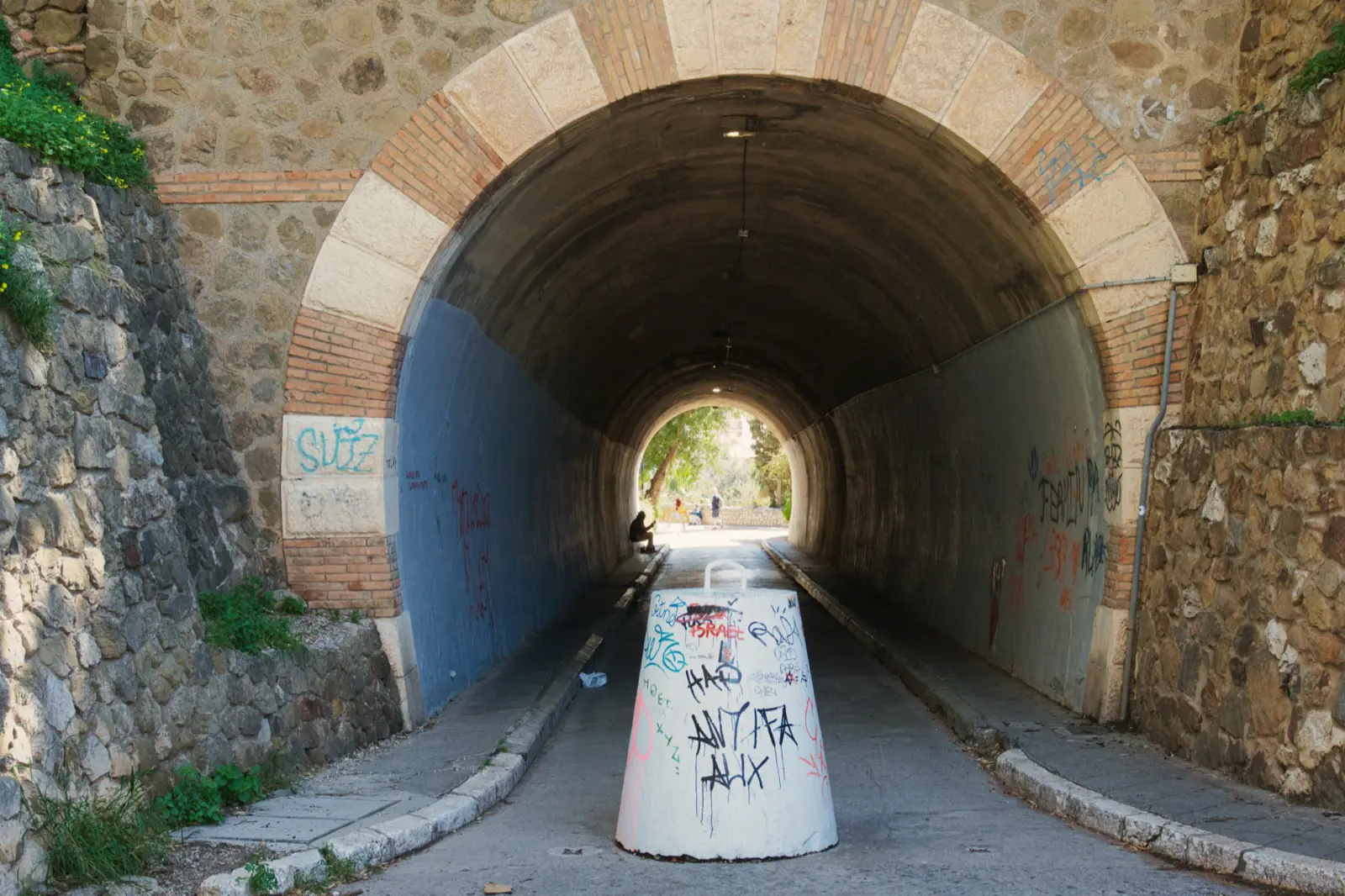
The Caminito del Rey is a 7.7km path that threads through the Desfiladero de los Gaitanes gorge, clinging to cliff faces up to 100m above the river below. It was renovated and reopened in 2015 after decades of disrepair, and it’s now one of the most popular walks in Spain.
In summer, tickets sell out weeks in advance. January is one of the few months where you can sometimes find availability a few days ahead, which makes it worth trying if you’ve been putting the walk off.
The route takes around three to four hours and is classified as moderate. Book online in advance through the official website, wear closed-toe shoes, and helmets are provided at the entrance.
Book an early slot to make the most of the winter daylight. My full guide to the Caminito del Rey covers everything you need to know before you go.
The White Villages
Ronda is the most dramatic day trip from Malaga in any season, but January gives it something extra. The town sits 744m above sea level, and in winter the gorge can fill with morning mist that makes the whole place feel genuinely otherworldly.
Frigiliana and Mijas Pueblo are both closer and easier to combine in a half-day. In January the streets are quiet, the cats outnumber the tourists, and the light on the whitewashed walls is clean and sharp.
These villages are best experienced without crowds, and January delivers exactly that. If you want something more remote, the drive through the Axarquía towards Comares or Cómpeta is worth it on a clear January day.
Sierra Nevada
On a clear morning in Malaga in January, you can see the snow on the Sierra Nevada from the city. The fact that you can be on a ski slope within two hours is something locals mention with quiet pride.
Sierra Nevada is the highest ski resort in Western Europe, sitting at 3,479m, with 110km of pistes across 106 slopes. Runs range from gentle beginner terrain to more demanding routes at altitude.
A day trip is absolutely doable. Leave Malaga by 7am and you’ll be on the mountain before the lifts get busy, with a drive of around 1 hour 45 minutes via the A-92.
Eat Like a Local in Winter
The food side of January in Malaga is genuinely one of its underrated pleasures. Restaurant tables are available without booking, tapas bars have breathing room, and the whole experience is more relaxed.
The dish to order is gazpachuelo. Don’t let the name confuse you: this has nothing to do with the cold gazpacho tourists expect in summer.
It’s a hot soup made with fish, potatoes, and a mayonnaise base, and it’s the kind of thing that makes you understand why Malaga locals actually enjoy winter. Look for it in traditional restaurants in the old town and along the seafront.
Casa Aranda on Calle Herrería del Rey has been serving churros and hot chocolate since 1932. It’s one of those places that feels entirely unchanged, with marble counters and a clientele ranging from schoolchildren to people who’ve been coming here for fifty years.
In January, you can actually get a seat without standing outside in the cold. Go mid-morning, after the first rush.
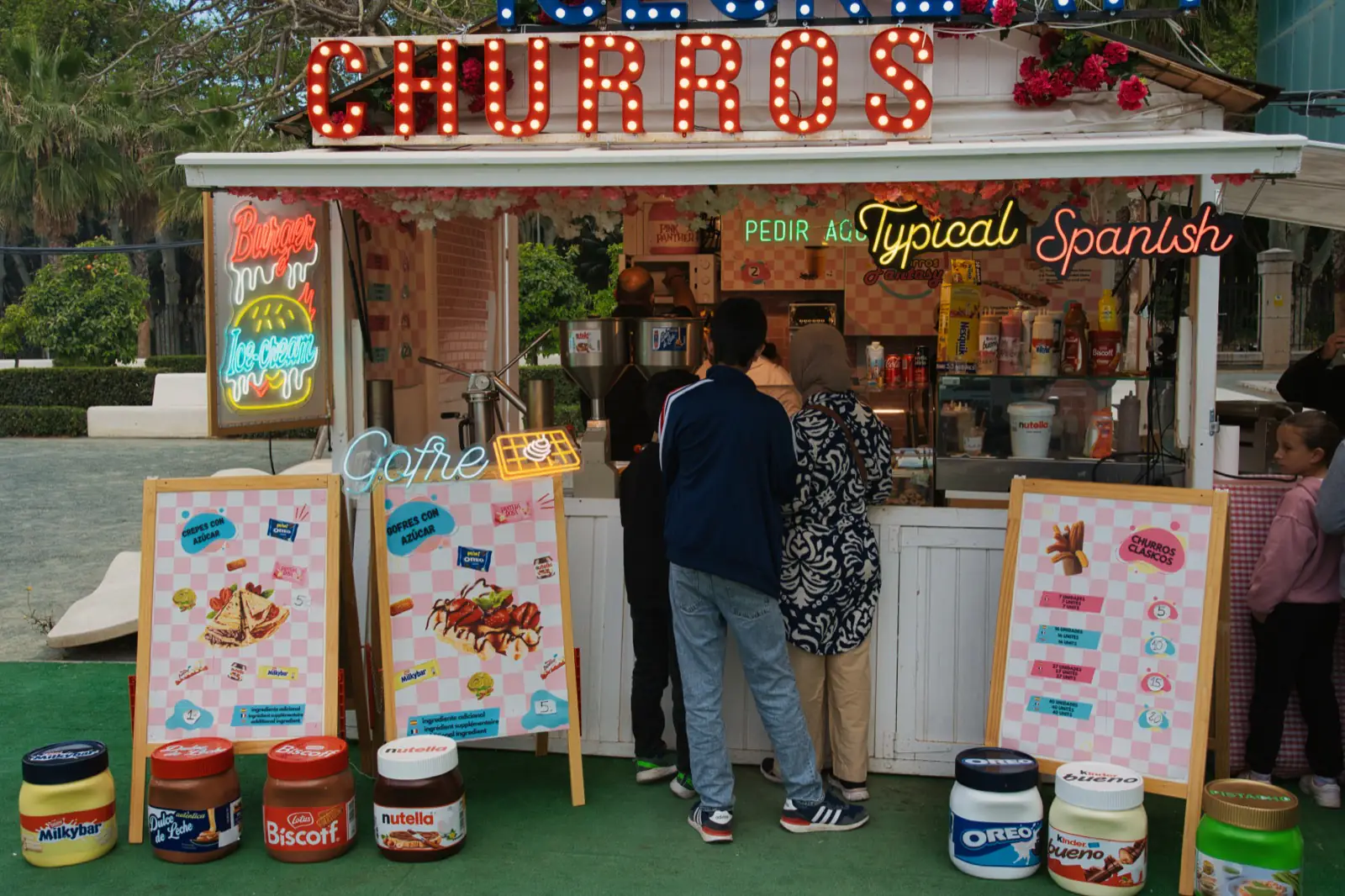
If you’re wondering about espetos, the sardines cooked over a fire on the beach, some of the chiringuitos at Pedregalejo and El Palo stay open through winter. It’s a very different experience from August, with the beach nearly empty and the smoke drifting across the promenade, but it’s one I’ve come to prefer.
For wine, January is when vino dulce makes the most sense. Malaga’s sweet wine, made from Muscat grapes and aged in the Axarquía, is the kind of thing you nurse at a bar table while the evening cools down outside.
El Pimpi in the old town is the most famous place to try it. Wherever you eat, ask for the menú del día at lunch: three courses, bread, and a drink for €12-15, and in January the restaurants are competing for your attention rather than turning tables.
For my full recommendations on where to eat, take a look at the best tapas bars in Malaga.
Markets Worth Visiting in January
Malaga has enough markets to fill a month’s worth of Sunday mornings, and January is when they revert to their natural state: local, unhurried, and not particularly interested in you as a tourist.
For the full overview, take a look at my guide to the markets in Malaga, but in January there are three worth planning around.
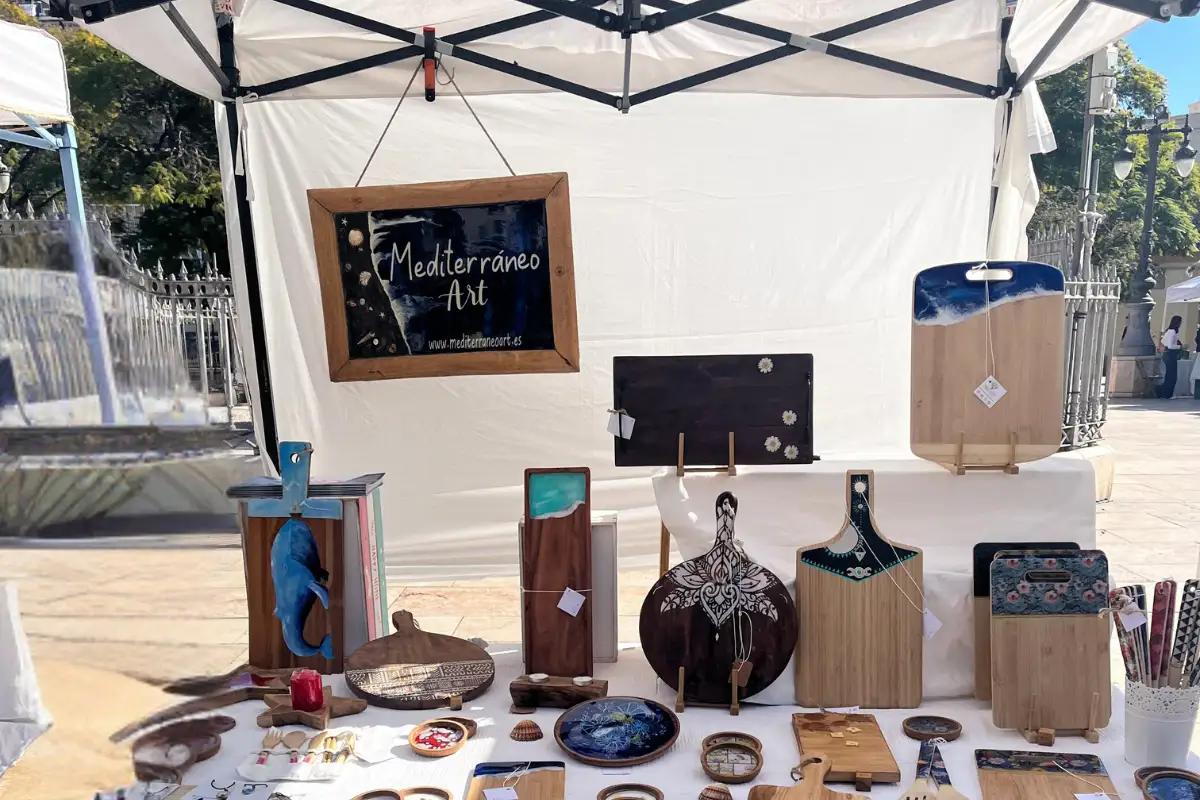
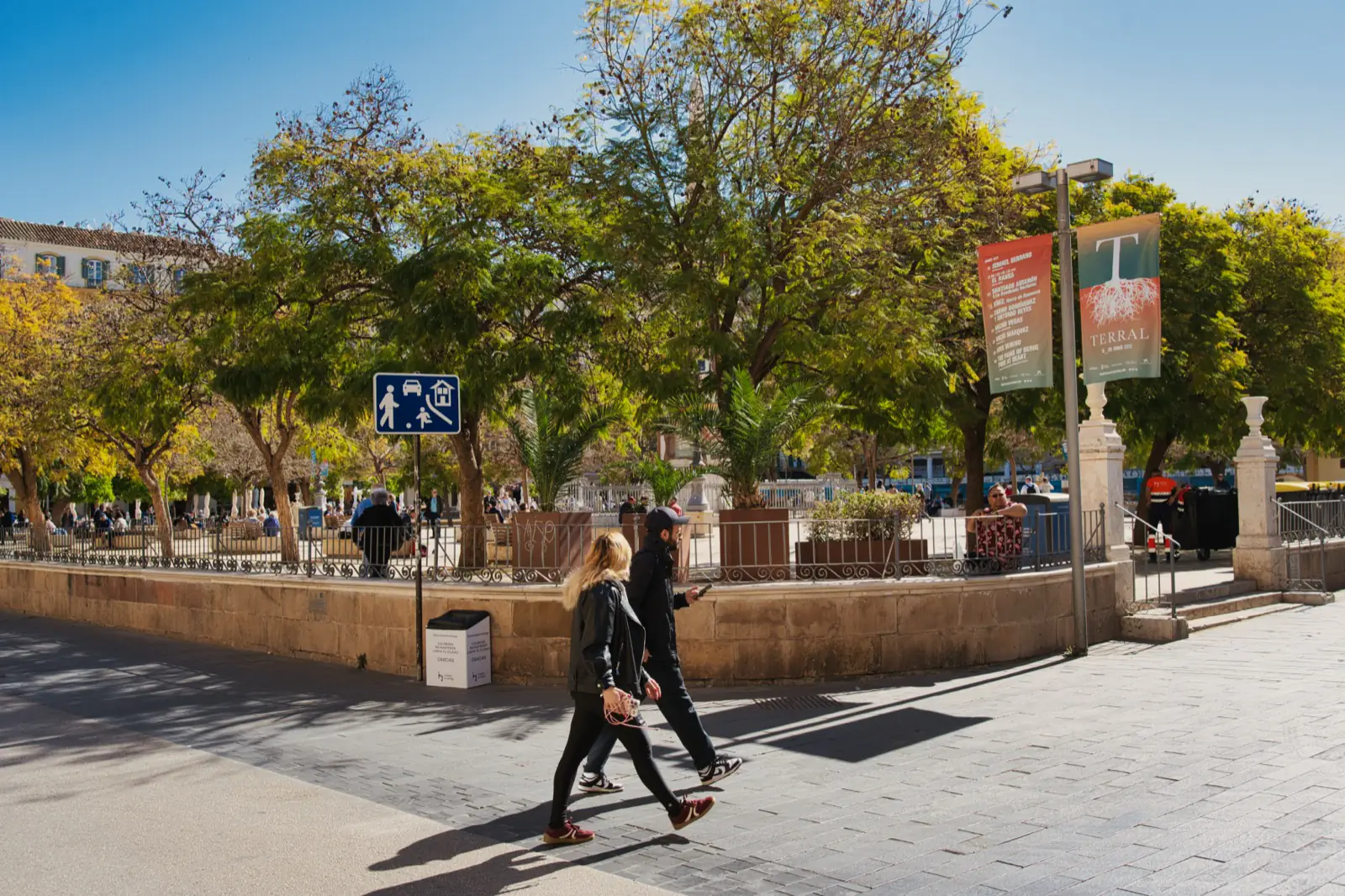
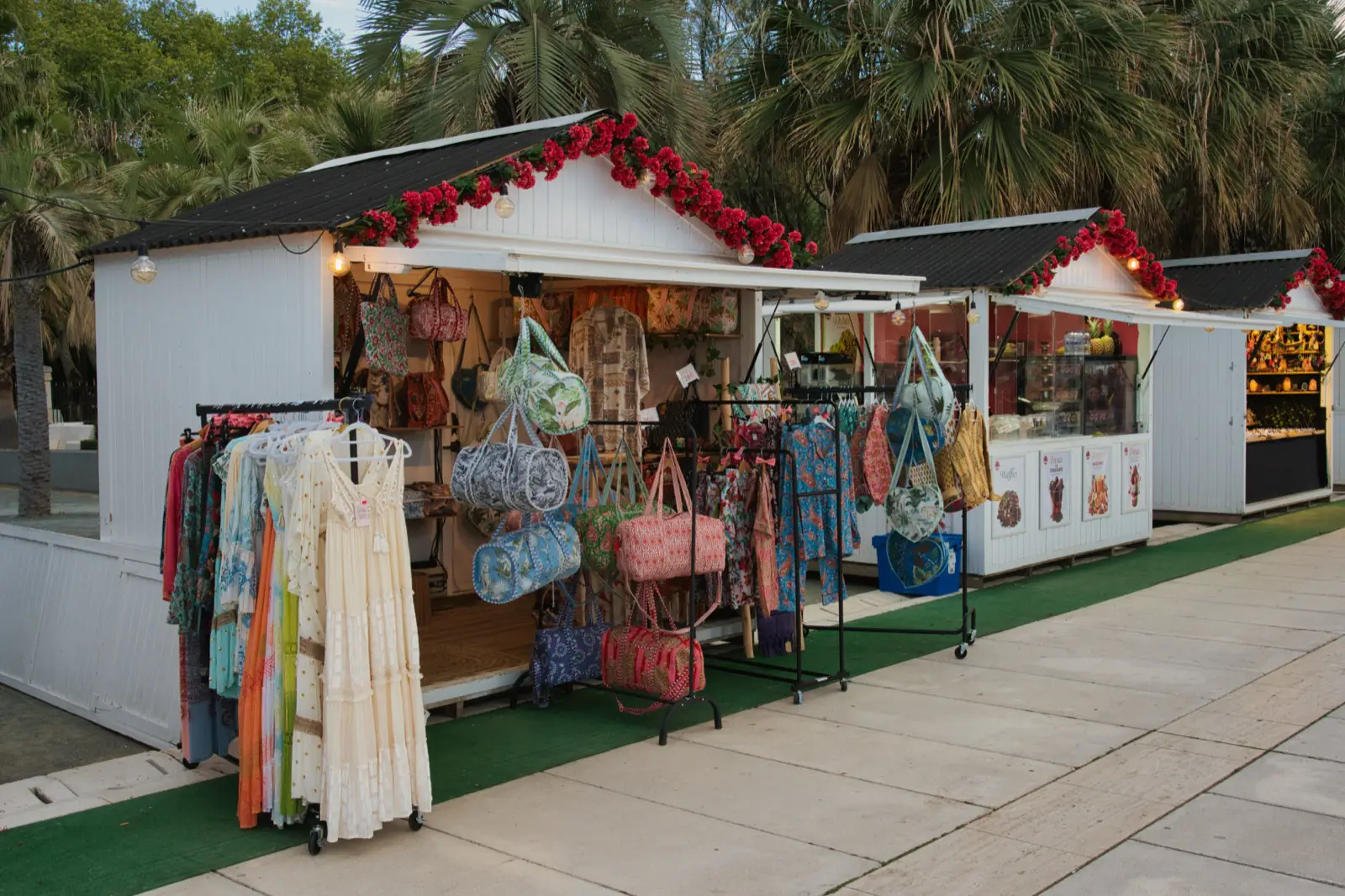
La Merced Artisan Market takes over Plaza de la Merced on the first Sunday of each month, the same square where Picasso was born. Stalls sell handmade jewellery, ceramics, leather goods, and local food, and it’s free to browse.
The English Cemetery Market runs on the second Sunday of each month at the Cementerio Inglés, which is the oldest non-Catholic cemetery on the Iberian Peninsula, established in 1831. The market is small and slightly eccentric, set among the graves and cypress trees.
It sounds odd, and I thought so too until I went. It’s one of the most memorable mornings you can spend in the city.
Atarazanas Market is the daily covered food market in the old town, housed in a building that incorporates a 14th-century Moorish gateway. In January, the stalls are stacked with winter produce: oranges, persimmons, and artichokes.
Go before noon on a weekday and it’s almost entirely locals doing their shopping. I go most weeks, and January is when Atarazanas feels most like itself.
The Theatre Festival and Winter Entertainment
The Festival Internacional de Teatro de Málaga runs from early January through to 1 February, spreading across Teatro Cervantes and Teatro Echegaray in the city centre. In its 43rd edition the festival featured 38 productions including 5 world premieres, drawing theatre companies from across Spain and internationally.
The honest caveat: most performances are in Spanish. If your Spanish isn’t strong, the festival itself is probably not for you.
But the atmosphere around it is worth something. The theatres fill up, bars around Calle Alcazabilla get busy before shows, and the city feels more culturally alive than at almost any other point in winter.
Teatro Cervantes is worth seeing regardless of the festival. Built in the late 19th century in neoclassical style, it’s one of the most beautiful buildings in the city, and the foyer alone is worth stepping into if the doors are open.
For non-Spanish speakers who want an evening performance, a flamenco show is the better January option. The shows at Flamenco Alegría run year-round and are performed for an audience rather than a local crowd.
Watching flamenco in January, with the city quiet outside, feels more concentrated than in summer. I’d recommend it over the theatre festival if you don’t speak Spanish.
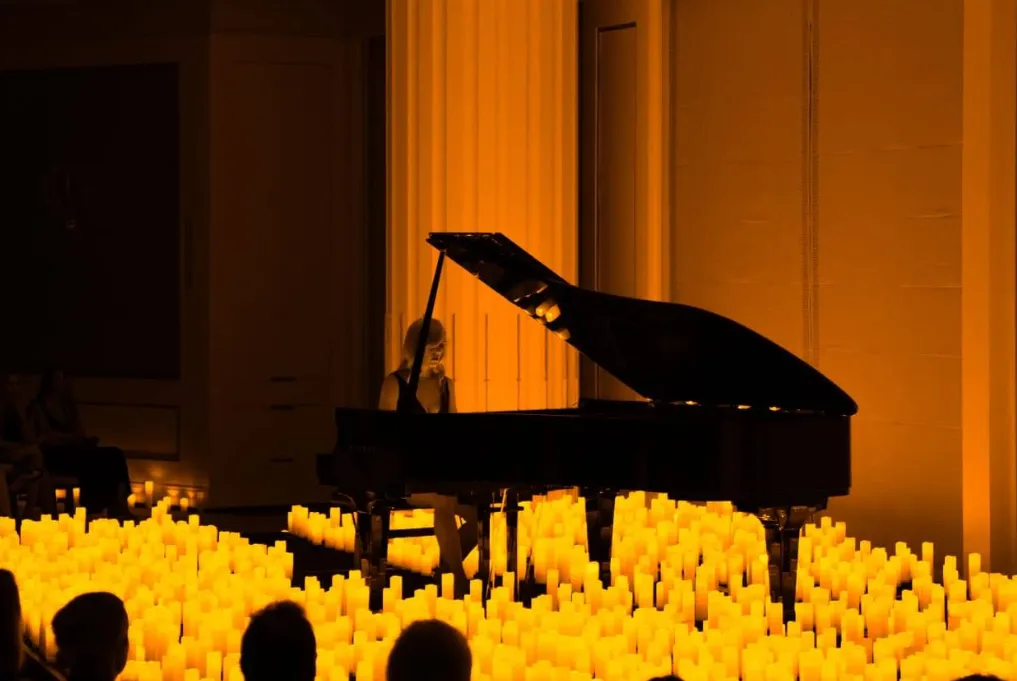
Candlelight concerts also run through January at various venues around the city, with classical and film score programmes. Check the listings closer to your travel dates, as venues and programmes change each year.
Walk the City: Beaches, Viewpoints, and the Old Town
January is the best month to walk Malaga on foot. The light is cleaner than at any other time of year, and photographers specifically seek out January light in southern Spain for its clarity and lack of haze.
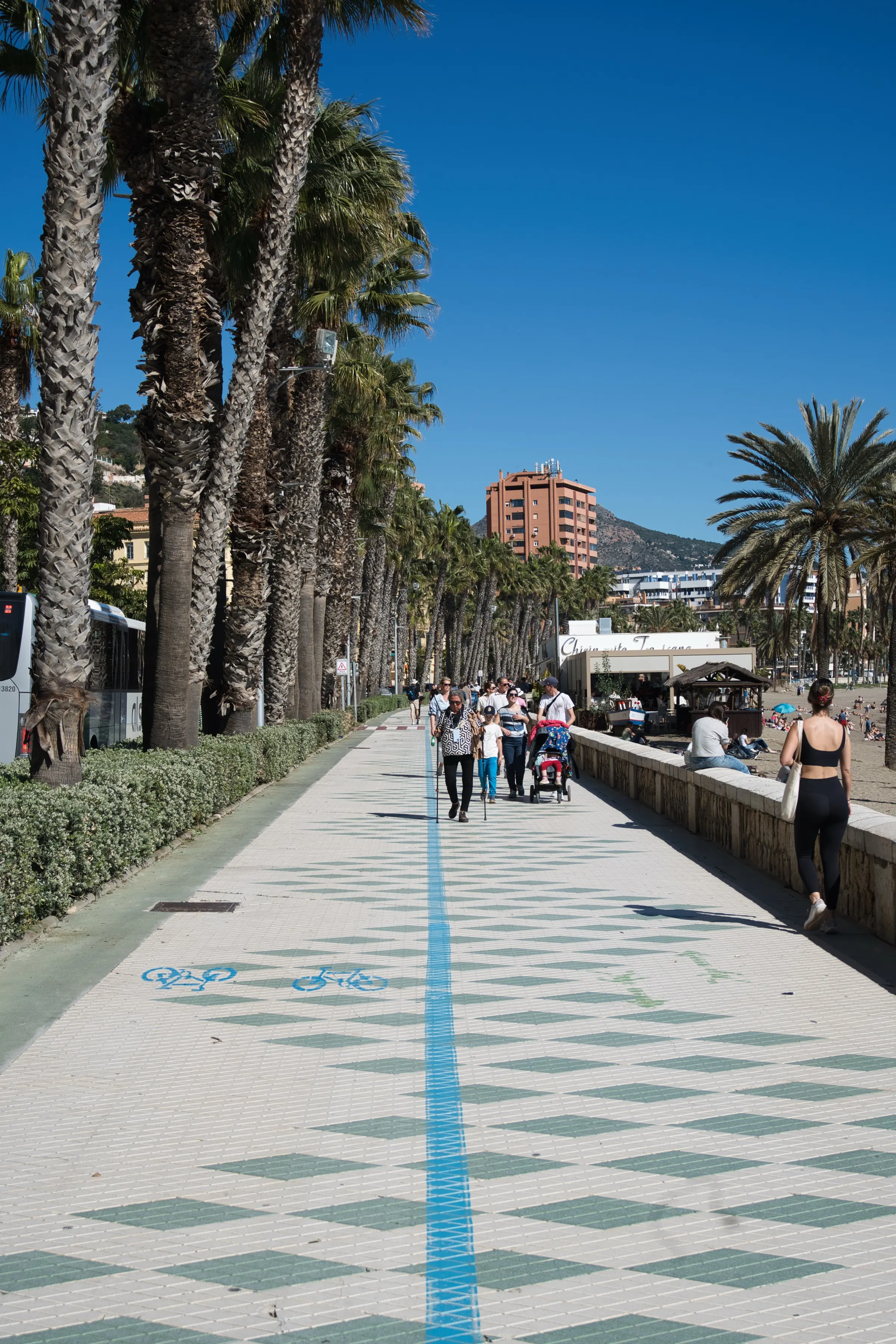
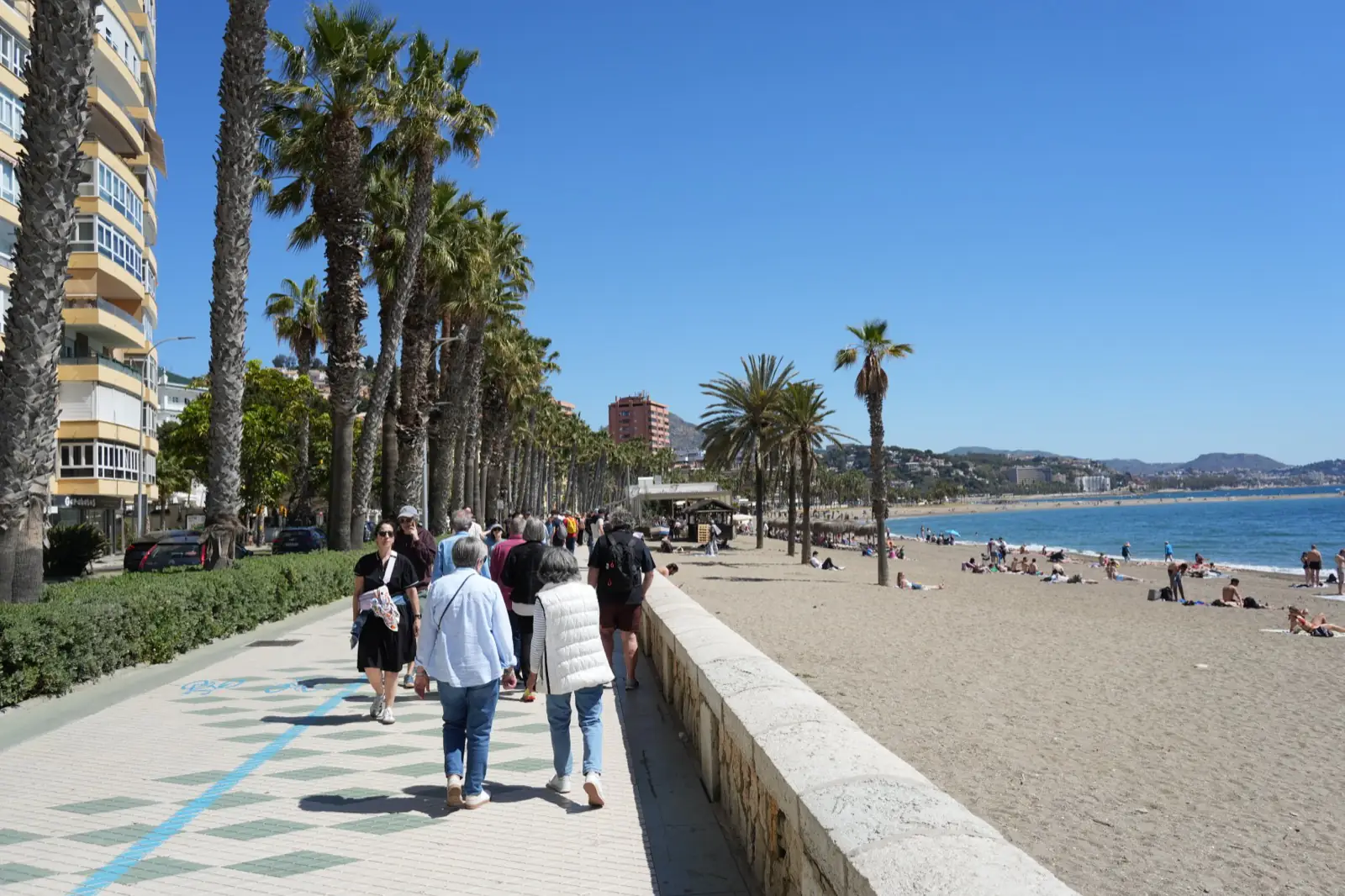
The most direct route for a first-time visitor is to start at Muelle Uno, walk the Paseo Marítimo along La Malagueta beach, and continue east towards Pedregalejo. In summer this walk is sweaty and crowded.
In January it’s calm, the sea is a deep winter blue, and on clear days the Sierra Nevada appears white on the horizon. You’ll share the path with joggers, dog walkers, and the occasional hardy swimmer.
For viewpoints, Gibralfaro is the obvious choice and still the right one. The panoramic view over the bullring, the port, the cathedral, and the coast is the defining image of Malaga from above.
In January, with no haze and low afternoon sun, the colours are sharper than I’ve seen them in any other month. The light between 3pm and 5pm is particularly good.
Muelle Uno, the waterfront development at the port, is a good spot to end an afternoon walk. The sun sets over the water between 6pm and 6:30pm in January, and the light on the castle from down here is worth stopping for.
For a full list of my favourite spots, take a look at the best viewpoints in Malaga.
The old town is at its most walkable in January. The narrow streets around the cathedral and Calle Granada are easy to explore when there are no tour groups forming human blockades.
Take a full afternoon to get properly lost. For the history and hidden corners, take a look at my Malaga old town guide.
January Sales and What Else to Know
The Rebajas (winter sales) begin on January 7th, the day after Three Kings Day, and run through February. Calle Larios fills up fast that first weekend, and El Corte Inglés runs its own promotions worth checking if you want homeware or fashion at a fraction of the usual price.
Most years, a replica of one of Columbus’s three ships docks in the port between January 9th and 25th, free to board daily from 10am to 6:30pm. It’s a short visit, around 20 to 30 minutes, but it’s the kind of oddly fascinating thing that January in Malaga seems to produce.
For a full list of what’s free this month, including museum entry times, guided tours, and outdoor events, take a look at my guide to the free things to do in Malaga.
More Things to Do in Malaga Throughout the Year
- 13 Things to Do in Malaga in February
- Things to Do in Málaga in March: Events, Hikes and Local Tips
- Things to Do in Malaga in April (Including Semana Santa)
- 15 Things to Do in Malaga in May (by a Local)
- Things to do in Malaga in June: what’s worth your time
- Things to Do in Malaga in July: What’s Actually Worth It
- 12 Things to Do in Malaga in August: my local picks
- Things to Do in Malaga in September: Events, Beaches and Day Trips
- 20 Things to Do in Malaga in October
- Things to Do in Malaga in November
- 12 Things to Do in Malaga in December