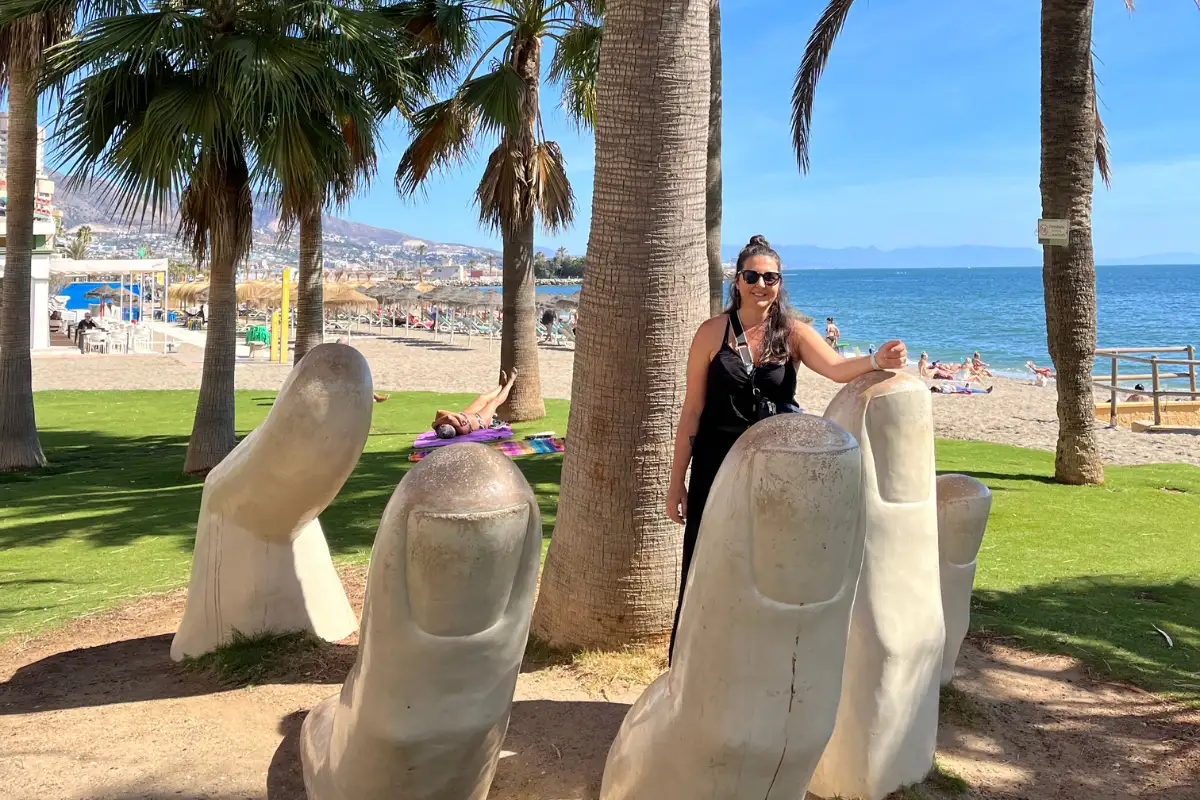
September is one of the best months for things to do in Malaga, and I say that as someone who lives here year-round.
After the August peak, most visitors assume September is just a quieter version of summer. It isn’t.
The beaches do empty out, but the events calendar fills up instead. Fashion week rolls out a 300-metre catwalk on Calle Larios, the grape harvest arrives at Atarazanas Market, and the villages around the city light up with fairs that most tourists never find.
In this guide, I’ll cover the events, the beaches, the day trips, and how the evenings work once the summer crowds have gone.
Is September a Good Time to Visit Malaga?
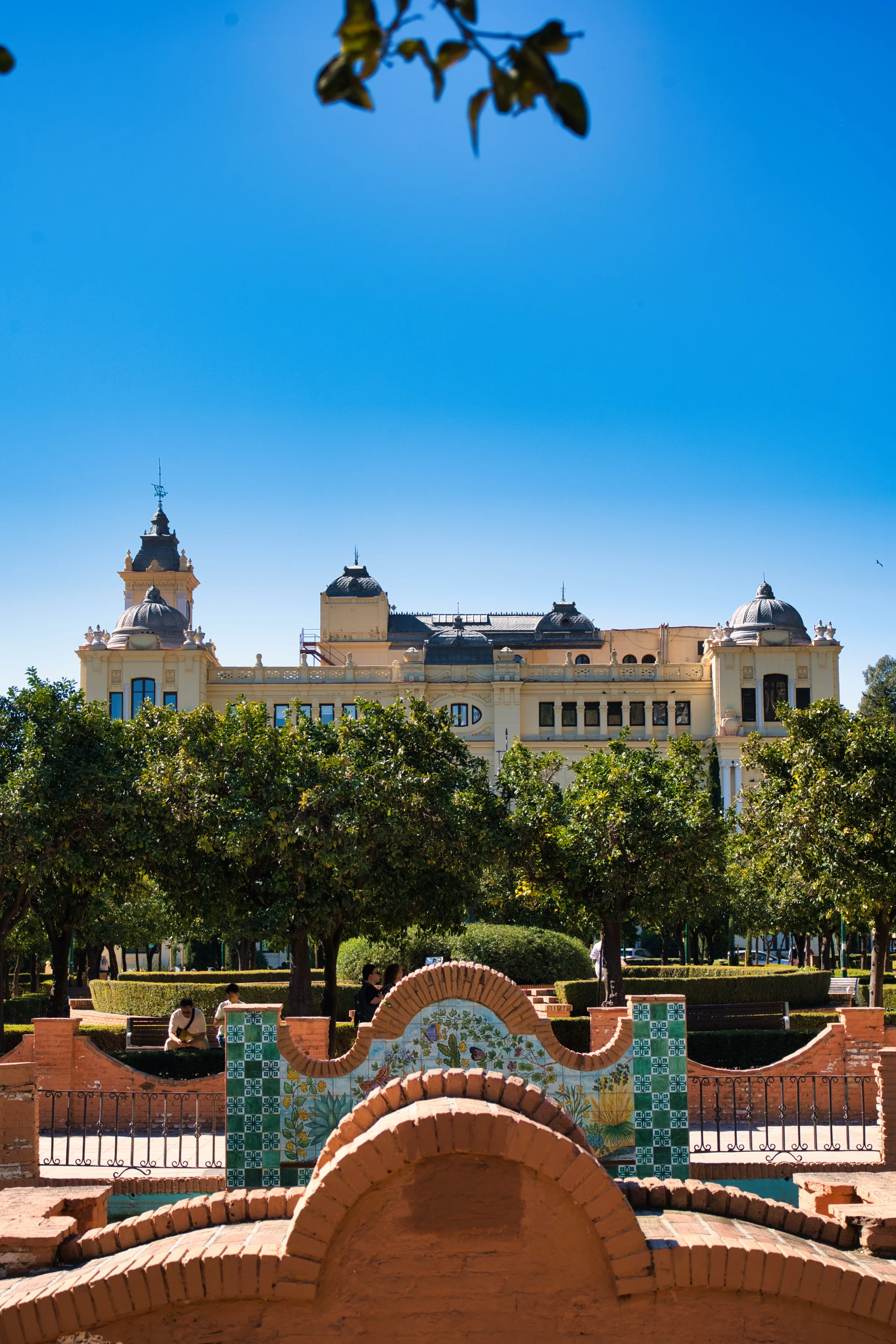
Yes, and honestly it might be the best month. The sea hits 23°C in September, the warmest it gets all year, and daytime temperatures settle around 27-30°C.
That’s summer heat without August’s edge.
The city changes noticeably after Spanish schools go back, usually around the 10th. The beaches are easier to be on, restaurants take walk-ins again, and the streets feel calmer without being quiet.
The honest trade-off is atmosphere. If you want the full summer beach party energy, late August has it and September doesn’t.
But for anyone who wants to enjoy the city properly, get into attractions without queuing in 34-degree heat, and eat dinner without booking two weeks in advance, September is the better choice.
September Events in Malaga
September is when the local events calendar finally gets interesting. These are the ones worth planning around.
Pasarela Larios: Fashion Week on Calle Larios
The most visible event of the September calendar, and one I genuinely look forward to. Pasarela Larios turns Calle Larios into a 300-metre catwalk for two evenings in mid-to-late September, when Spanish and Malaga-based designers send their collections down the city’s main pedestrian street in front of 15,000 or more spectators a night.
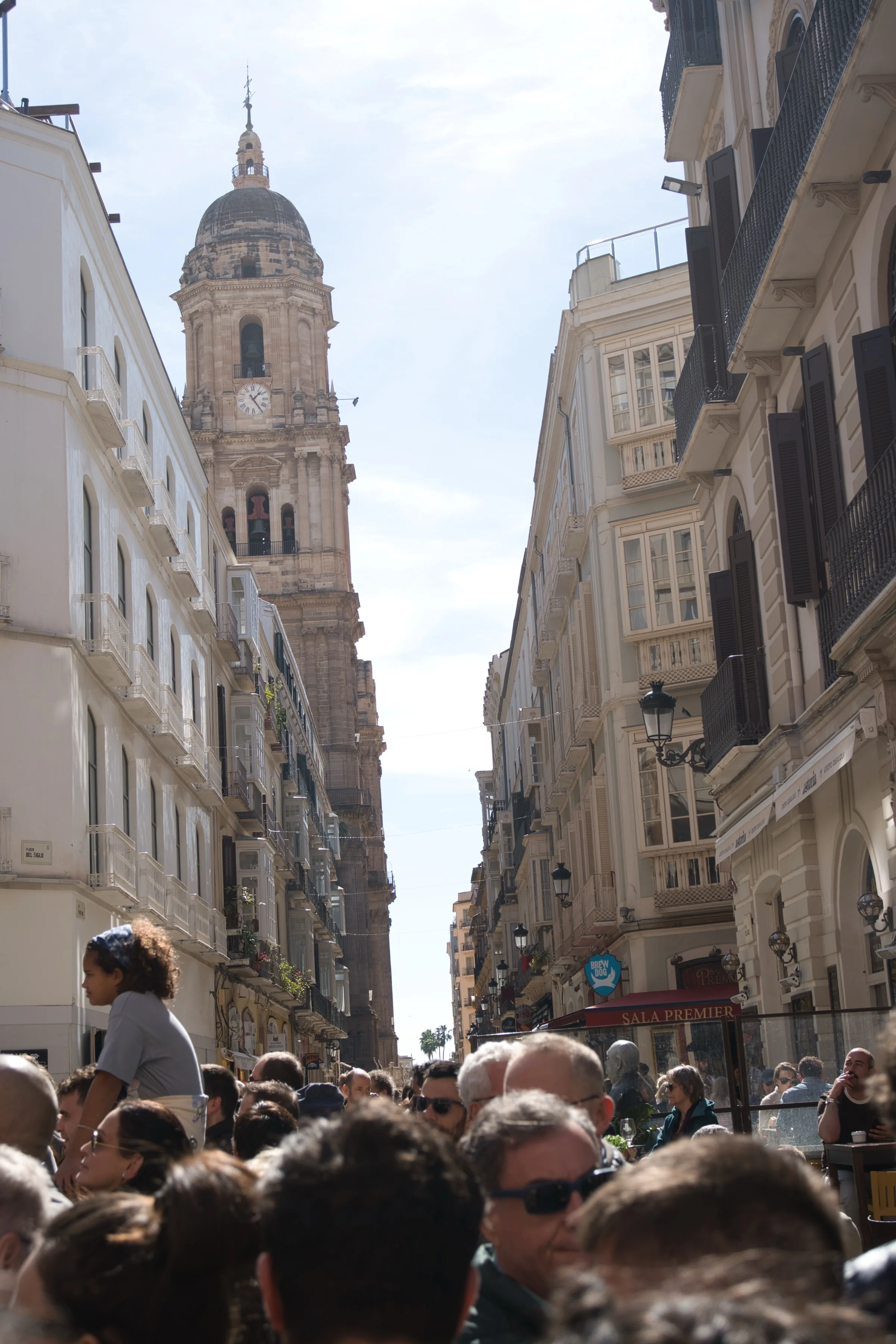
It’s free to watch from anywhere along the route, but arriving early makes the difference between a proper sightline and watching through someone else’s phone screen. I usually position somewhere near the middle of the street, where the models slow to turn and the lighting is at its best.
The show runs over two evenings, typically Friday and Saturday from around 8:30pm. One night is enough for most people. It’s been going for well over a decade and draws a genuinely mixed crowd: locals, visitors, people who’ve planned their September trip around it.
Luna Mora: The Festival of 25,000 Candles in Guaro
About 30 minutes inland from Malaga, the village of Guaro puts on one of the most atmospheric events in the province each September. Luna Mora lights 25,000 candles through the streets over two evenings, usually around the 12th and 13th, turning a small white village into something that barely looks real after dark.
The name translates roughly as Moorish Moon, and the festival leans into Andalusian-Moorish heritage with live music, artisan stalls, and performances running alongside the candle trail. It’s been going for over 25 years and the crowds reflect that.
The drive from Malaga takes about half an hour. The village gets very full, so going on the first evening rather than the second is generally easier for parking and movement. Arrive before dark to see Guaro in daylight, then stay once the candles are lit.
Grape Harvest and Wine Festivals
September is harvest season in the Malaga wine region, and it shows up in the city in the simplest possible way: the Moscatel grapes arrive at Atarazanas Market in the first two weeks of the month. They’re the same variety grown in the Axarquía hills east of Malaga, plump and sweet, and they disappear quickly.
For something more structured, the Manilva grape harvest fair takes place in early September, usually around the 6th or 7th, on the western Costa del Sol. Manilva is one of the province’s two main wine-producing areas, known for sweet whites, and the fair includes grape-stomping, local tastings, and general festivity.
(I buy the grapes at Atarazanas every September without fail. If you have a car and an afternoon free, the Axarquía villages like Cómpeta and Moclinejo have their own harvest celebrations worth exploring.)
San Miguel Fairs and Pilgrimage
The end of September belongs to San Miguel, and the biggest celebration is in Torremolinos. The San Miguel Fair runs for around five days from the 24th to the 28th, with the pilgrimage drawing over 200,000 people to walk, ride, or take a cart to the Ermita de San Miguel on the hill above the town.
It’s one of those events that people either know about or they don’t. If you’re staying in Torremolinos that week, you’ll be in the middle of it regardless.
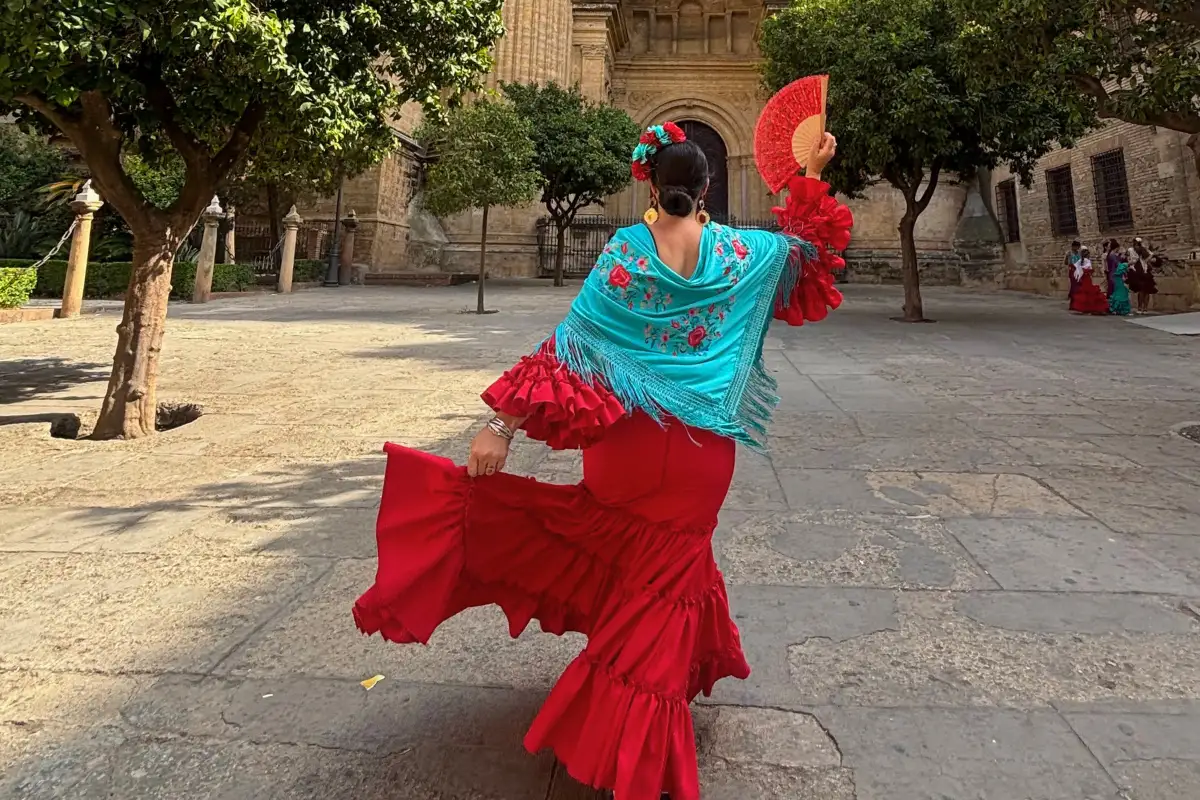
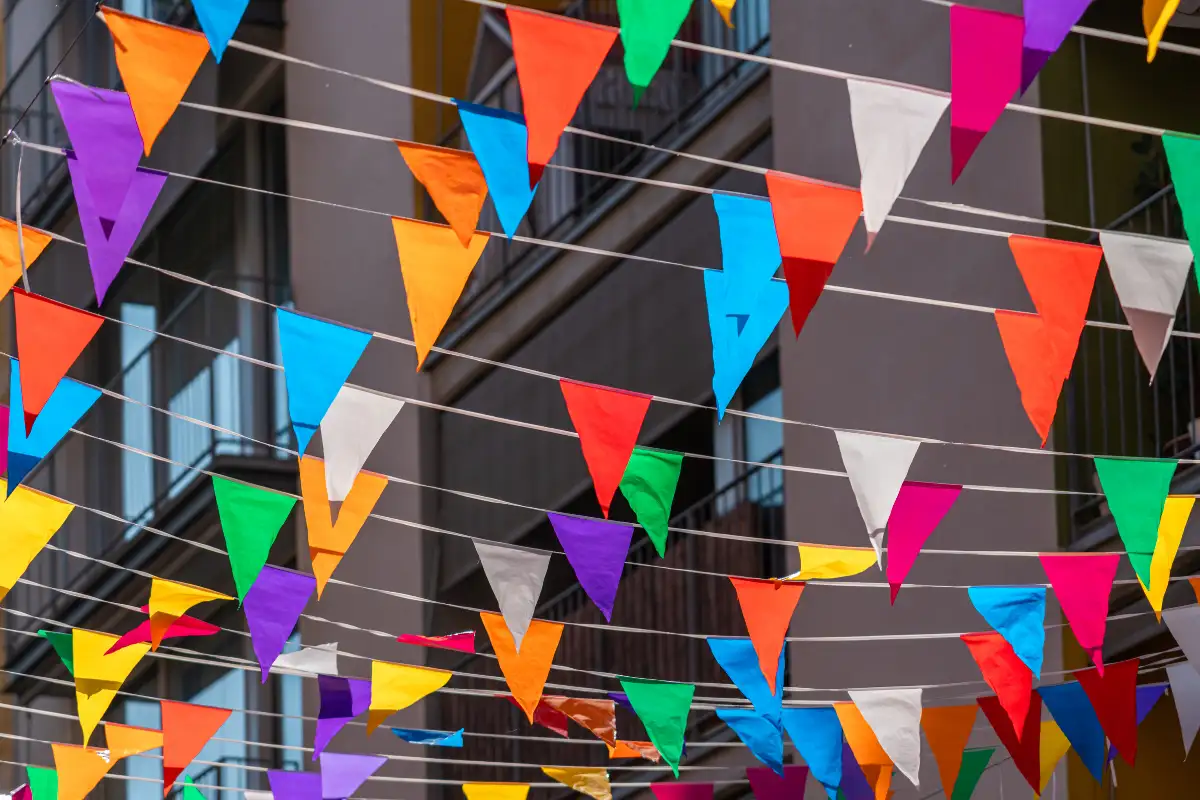
Mijas Pueblo also holds its annual fair in early September, usually from the 8th to the 13th, around the feast of the Virgen de la Peña. The cluster of fairs scattered across the province through September is one of the things I genuinely appreciate about being here in autumn rather than peak summer.
The Beaches in September
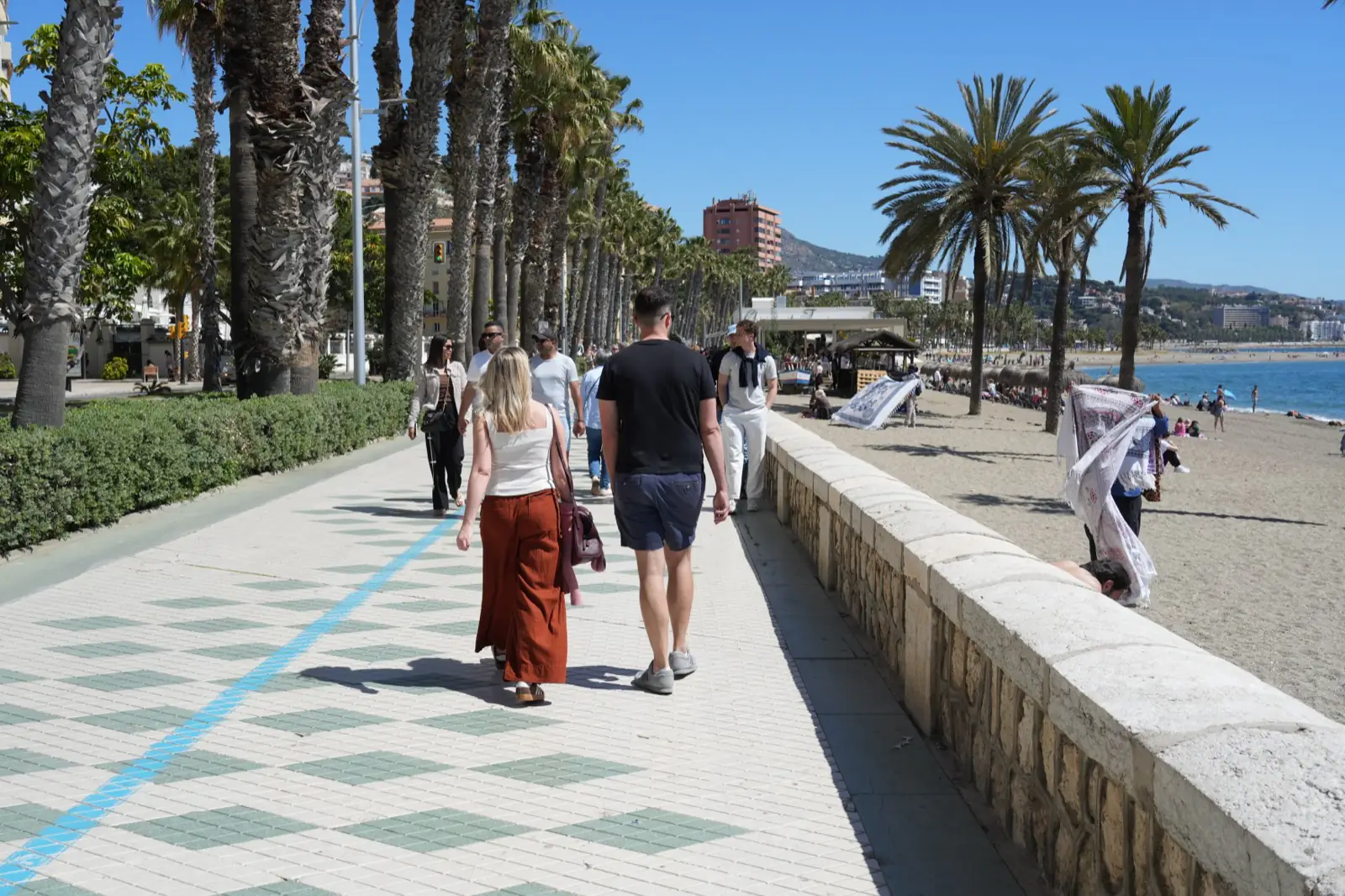
The beaches in Malaga are at their best in September, and the sea is the main reason. The Mediterranean reaches 23°C, the warmest it gets all year, which is the kind of warmth where you can stay in the water for an hour without noticing the time.
The crowds drop noticeably after Spanish schools return in the second week of the month. La Malagueta, the main city beach, goes from requiring an early arrival to being comfortable most of the day.
The eastern beaches at Pedregalejo and El Palo get even quieter. They’re more local in character anyway, lined with chiringuitos rather than sun lounger rental stalls, and September makes them genuinely relaxed.
For something away from the main stretch, Playa del Peñón del Cuervo is a ten-minute drive east of the city and feels far more like a neighbourhood beach than a tourist one. It sits between two rocky outcrops and the water tends to be calmer.
I’ve been going there for years. It genuinely changes the moment the August crowd leaves.
The beach bars stay open through most of September, which matters if you want lunch by the sea. Most start winding down in October, so this is one of the last months to eat with your feet in the sand. By late September the levante wind picks up occasionally, so if you’re particular about conditions, the first three weeks are more reliable than the last.
Sightseeing in September
Built by the Hammudid dynasty in 1057, the Alcazaba is Malaga’s oldest surviving monument and one of the finest Moorish fortresses on the Iberian Peninsula.
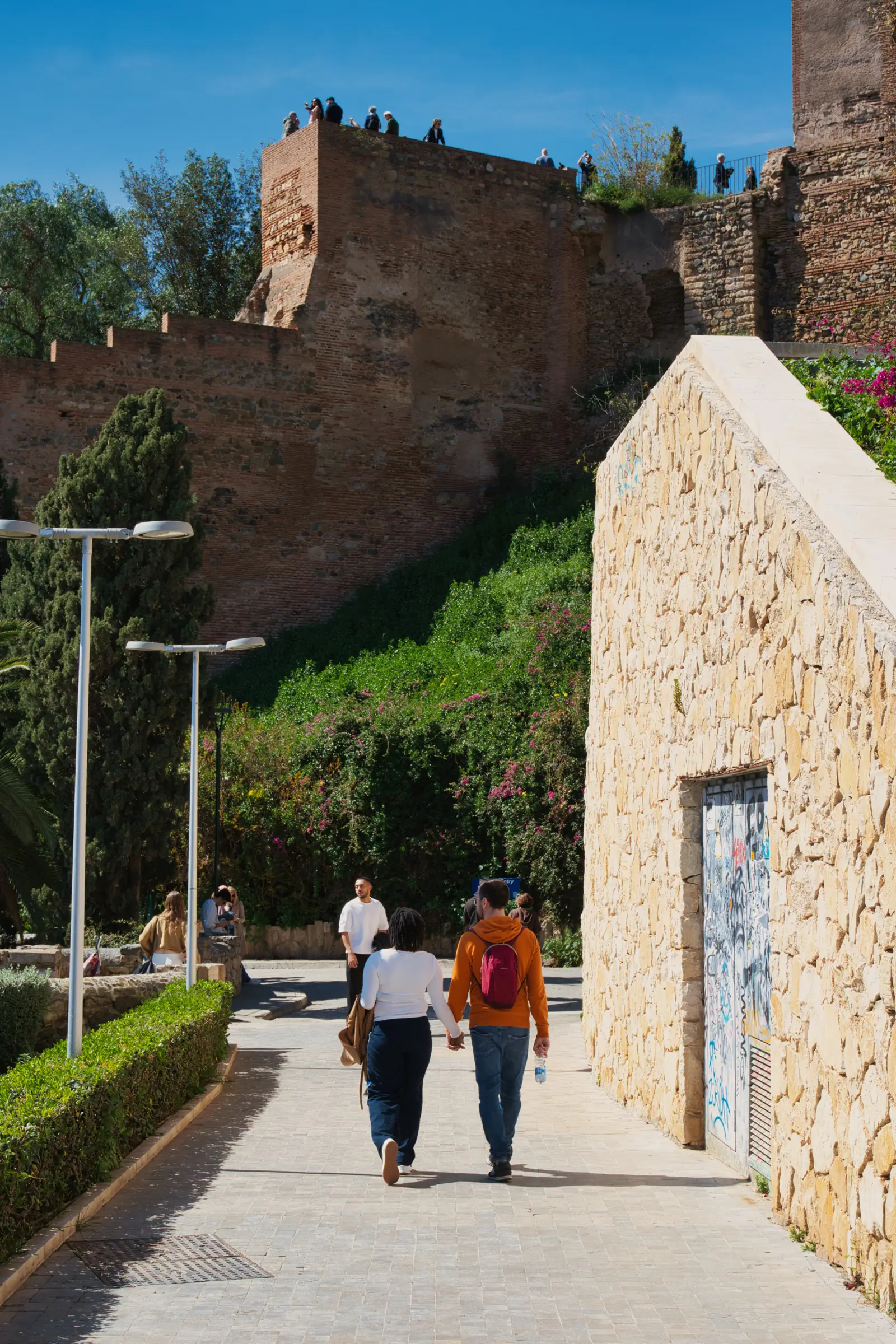
In August, visiting means queuing in 34-degree heat on an exposed hillside. In September, with temperatures a few degrees lower and crowds half the size, it becomes something else entirely.
The Roman Theatre directly below it is free year-round and routinely overlooked by people rushing up to the Alcazaba. It dates to the first century BC and the ruins are more substantial than they look from the street. Give it ten minutes on the way in.
For the museums in Malaga, September is a genuine sweet spot. The Picasso Museum and the Carmen Thyssen are quieter than they’ve been since spring, the queues are manageable, and the air conditioning feels earned rather than desperate.
On September 27, World Tourism Day, both the Picasso Museum and the Carmen Thyssen offer free entry. It’s worth planning around if your dates allow. I’d go in the morning before the word spreads.
The Gibralfaro Castle, connected to the Alcazaba by a fortified walkway, takes about 45 minutes to walk up from the city centre. The views from the top are the best in Malaga, and the late afternoon light in September is the best the city gets all year.
Day Trips in September
September is the month when the day trips that were uncomfortable in summer become genuinely good. The Caminito del Rey is the clearest example: a 7.7-kilometre path pinned to the walls of the Guadalhorce gorge, exposed to sun for most of its length, and punishing in August heat.
In September, with temperatures running 6-7 degrees cooler than peak summer, it becomes a completely different experience. The gorge stays shaded in the morning and the path is dry underfoot.
I’ve done it in both months. There’s no comparison.
Book tickets well in advance regardless of the season, but September is one of the better months to actually enjoy it rather than survive it.
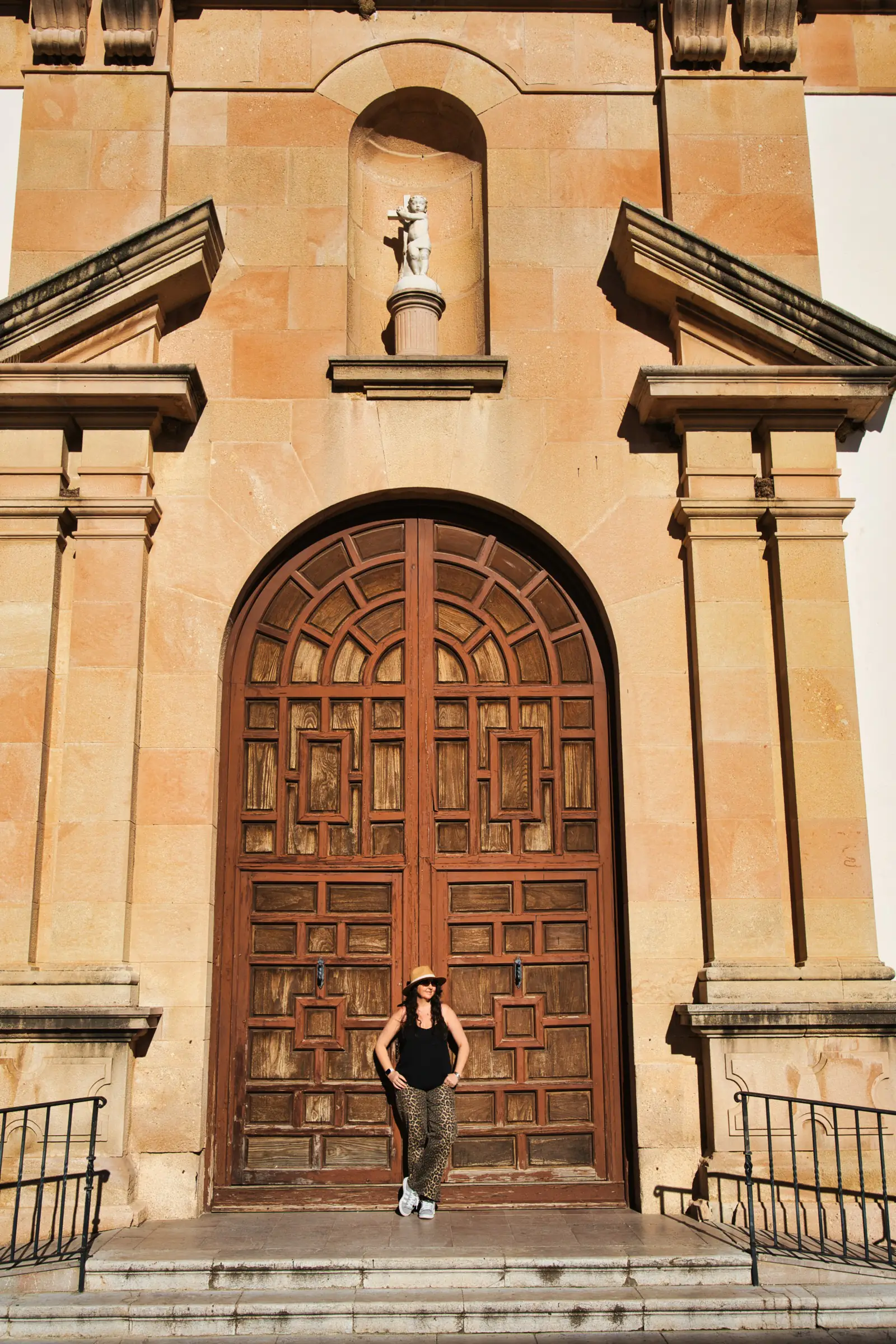
Ronda rewards September timing for different reasons. The town sits at over 700 metres in the Serranía de Ronda, which makes it cooler than the coast at the best of times, and the Pedro Romero Fair takes place in early September around the bullfighting season’s final corridas. If your visit overlaps, the old town is as lively as it gets.
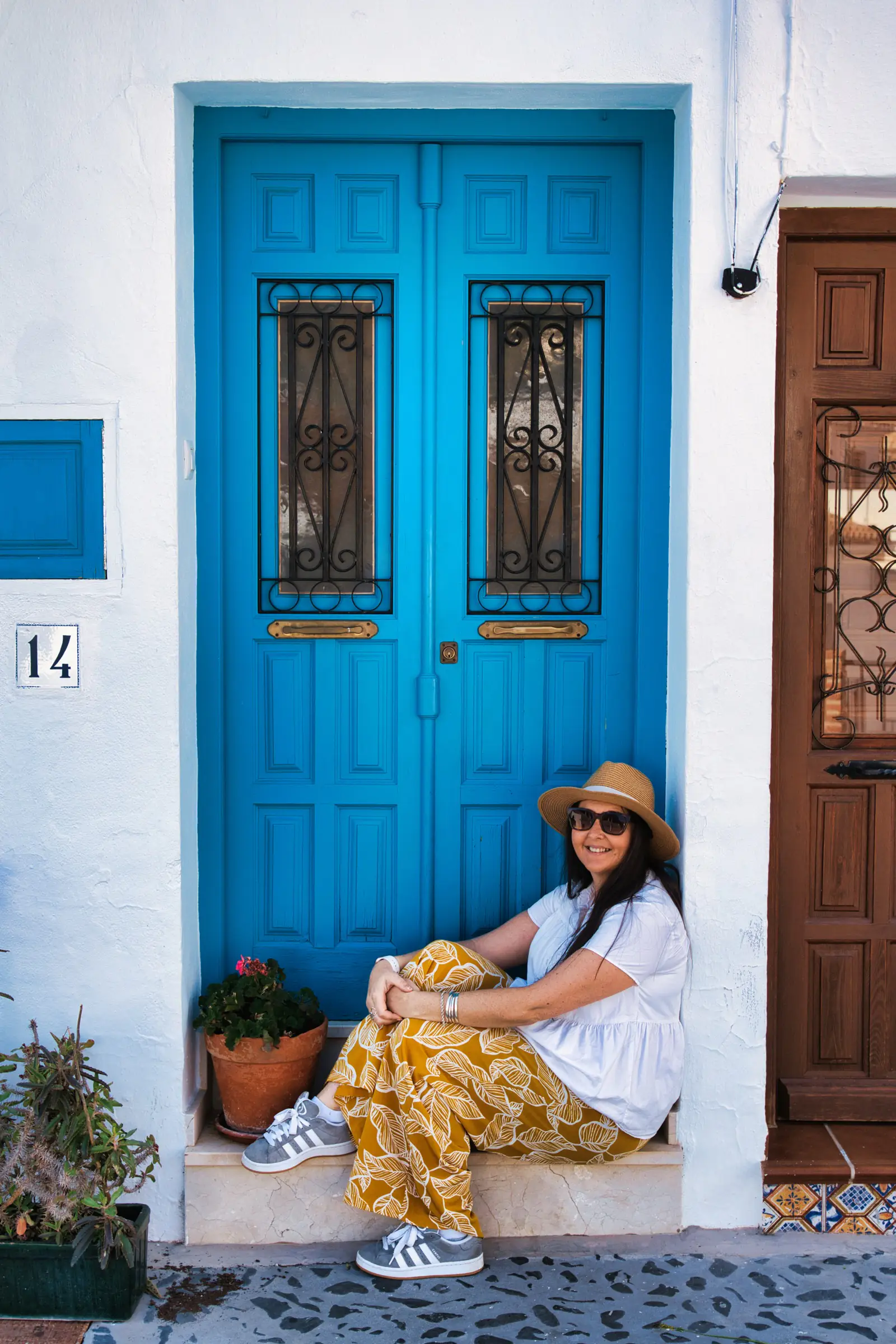
For something closer and slower, the Axarquía villages east of Malaga are at their most interesting during harvest season. The day trips from Malaga guide has the full picture, but Frigiliana and Cómpeta are both easy half-days with good food and, in September, the added draw of local wine events running alongside the grape harvest.
Evenings in September: Terraces, Tapas and Sunsets
The evenings are one of September’s greatest arguments for the month. The sun sets between 8:30pm at the start and around 7:30pm by the end, which means outdoor life and warm temperatures carry well into the night.
Every restaurant in the old town has its tables out. After a summer of fully-booked terraces, September brings walk-ins back, and the crowds along Calle Larios and around Plaza de la Merced are more relaxed than anything August produced.
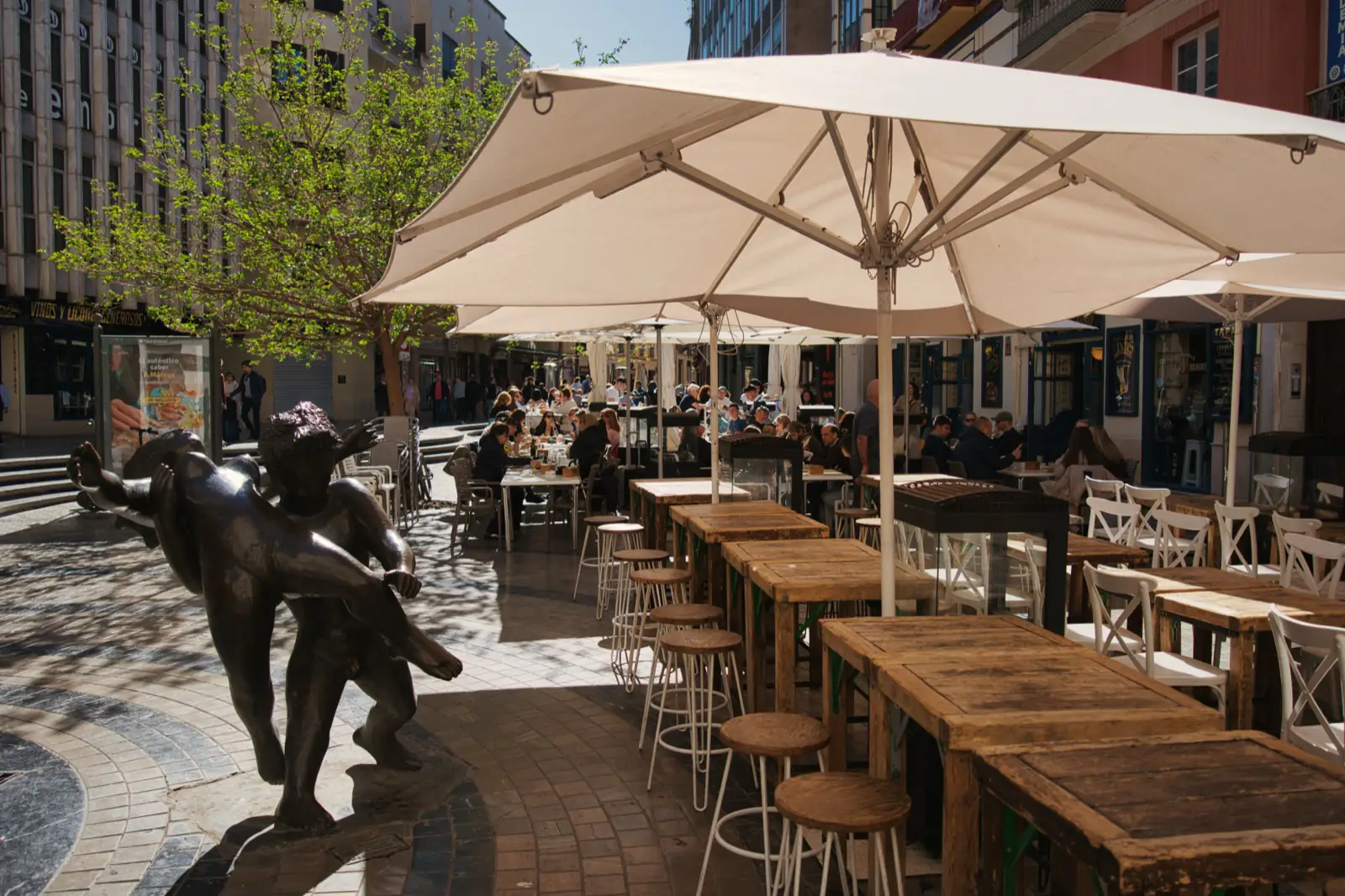
I often end up sitting at a table until 10pm without noticing the time has passed. That’s the September evening effect.
For the best view of the sun going down, the rooftop bars in Malaga are worth the extra cost at least once. The light over the port in the hour before sunset is genuinely good in September, cleaner than August’s haze.
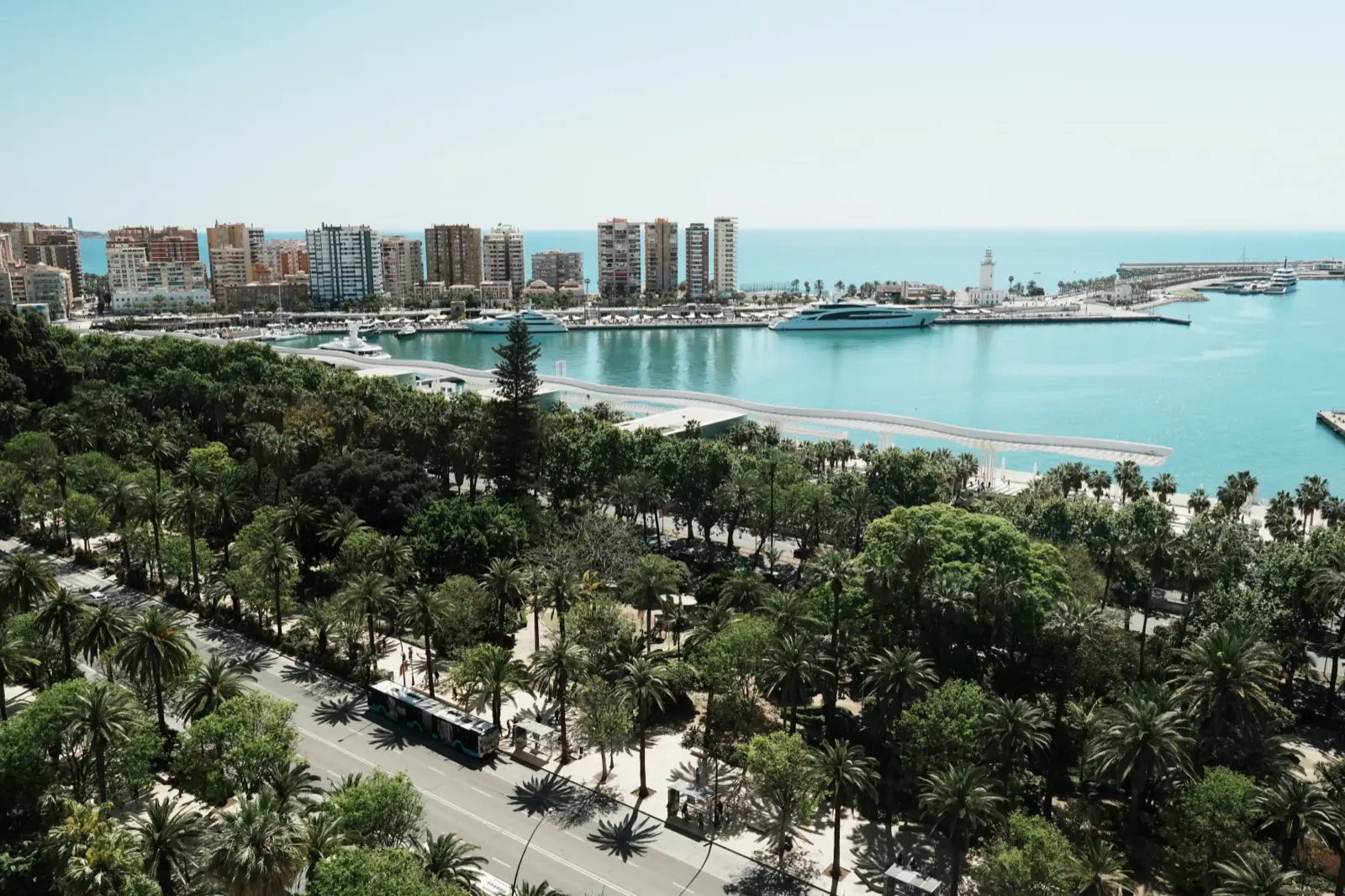
After that, the tapas bars in the old town are the natural next move. I’ve covered the ones I keep returning to in my best tapas bars in Malaga guide. By the last week of September the air cools slightly after dark, so a light layer is worth having for late nights out.
A Few Practical Notes for September
Accommodation in September is noticeably cheaper than August, sometimes significantly so. The hotels that spent the summer at capacity have availability again, and the central places near the old town and the beach become accessible at prices that feel like a different city.
The city quietens genuinely after Spanish schools go back, usually around the 10th. Before that date, September still carries a late-summer energy.
After it, the streets feel more like Malaga in spring than Malaga in August.
I’d check prices across both early and late September before booking if you have flexibility. The difference can be €30-50 a night on the same property. My where to stay in Malaga guide has neighbourhood recommendations across different budgets.
One practical note on events: dates shift year to year for most fairs and festivals. Check local sources for the specific September you’re visiting before planning anything around them.
More Things to Do in Malaga Throughout the Year
- 15 Best Things to Do in Malaga in January
- 13 Things to Do in Malaga in February
- Things to Do in Málaga in March: Events, Hikes and Local Tips
- Things to Do in Malaga in April (Including Semana Santa)
- 15 Things to Do in Malaga in May (by a Local)
- Things to do in Malaga in June: what’s worth your time
- Things to Do in Malaga in July: What’s Actually Worth It
- 12 Things to Do in Malaga in August: my local picks
- 20 Things to Do in Malaga in October
- Things to Do in Malaga in November
- 12 Things to Do in Malaga in December