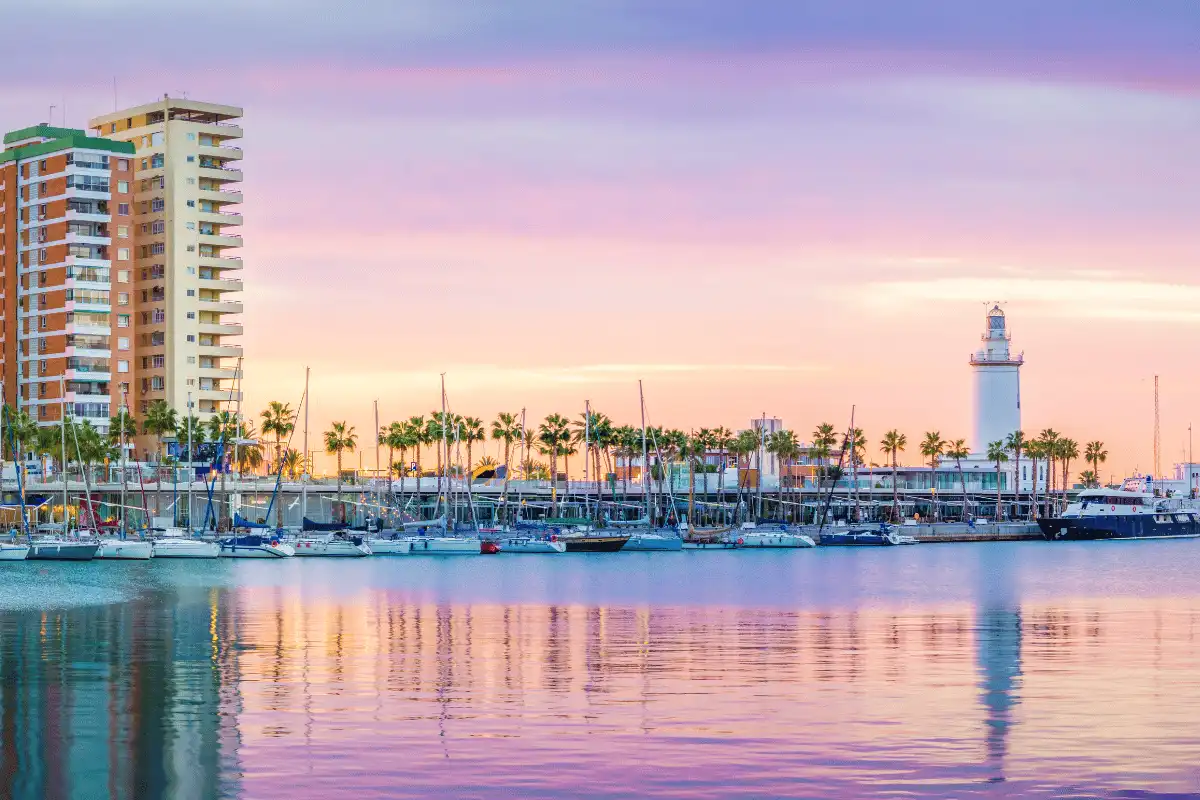
July is peak summer in Malaga, and things to do in Malaga in July look very different from what you’d plan in spring. The whole city shifts its day later.
Afternoons belong to the heat. Anyone with sense retreats to the beach or indoors until around 6pm.
Then Malaga comes back to life, and it doesn’t stop until well past midnight.
What I didn’t expect the first time I was here in July was how much the heat shapes the experience. I stopped fighting it, and the city rewarded me for it.
In this guide, I’ll walk you through what’s genuinely worth doing: the beaches, the summer festivals, the espetos, and the honest tips for getting the most out of the hottest month on the calendar.
Is July a Good Time to Visit Malaga?
Yes, genuinely.
July is one of the best months to visit Malaga if you’re here for beach life, long evenings, and the full Mediterranean summer experience. Daytime temperatures reach 30-34°C, the sea settles at 23°C, and it rains almost never.
In July, the UV index sits at 9-10, which means skin can burn in under 15 minutes. I learned this the hard way my second summer here, and I’ve been evangelical about sunscreen ever since.
Malaga’s summer rhythm takes some getting used to: beaches until noon, siesta from 2pm, then back out at 6pm for an evening that runs well past midnight. It sounds extreme until you’re actually living it.
Anyone who genuinely struggles in heat above 30°C should think twice. July middays are brutal, and the city basically switches off between 2pm and 6pm, which makes packed sightseeing schedules hard to stick to.
If you’re here to swim, eat late, drink cold wine on a rooftop, and wander a city that doesn’t properly start until 9pm, then July is hard to beat. June and September are better for anyone who wants a slightly lower intensity, still warm and sunny but with more breathing room.
Things to Do in Malaga in July
Hit the Beach Early
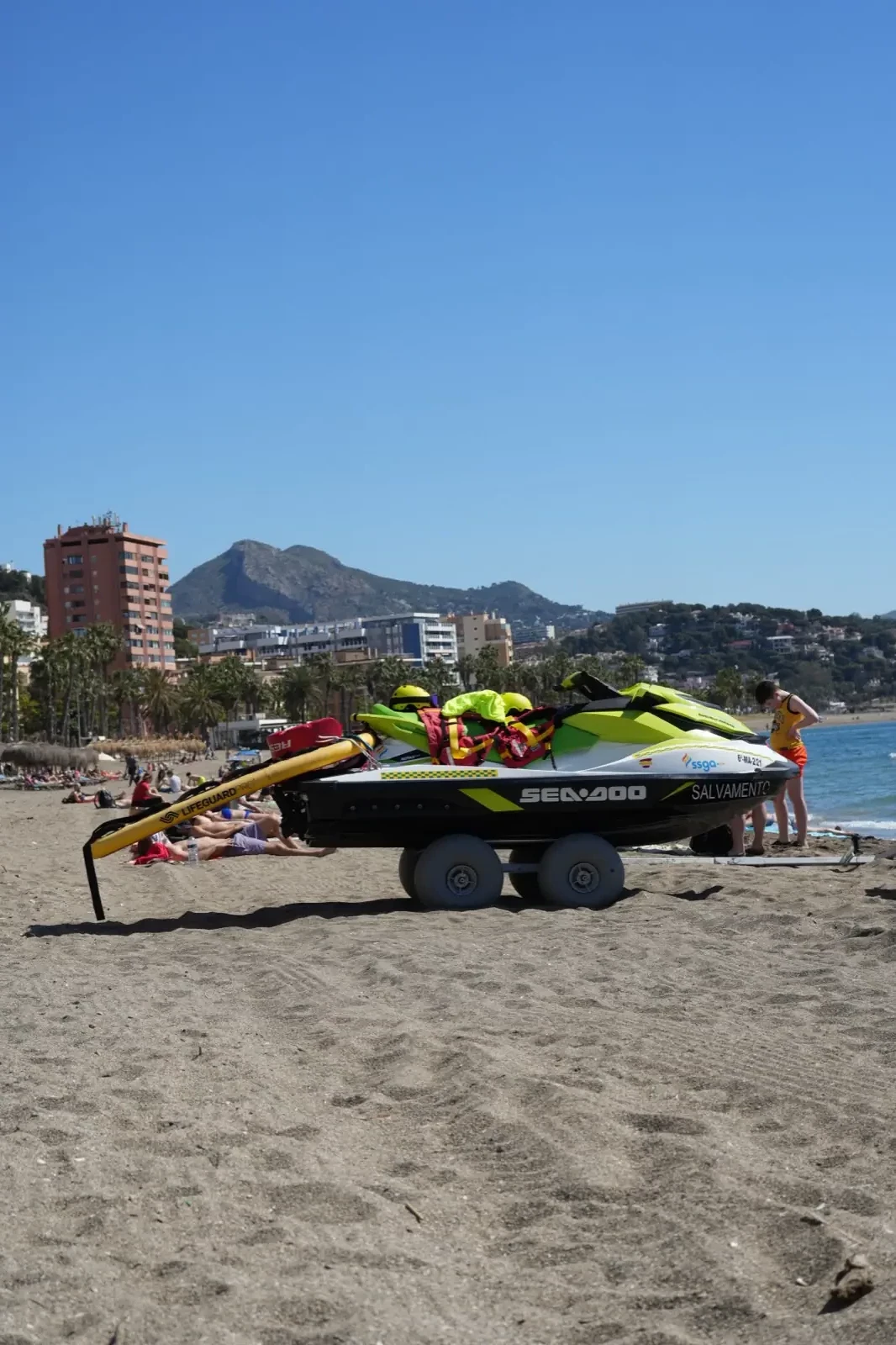
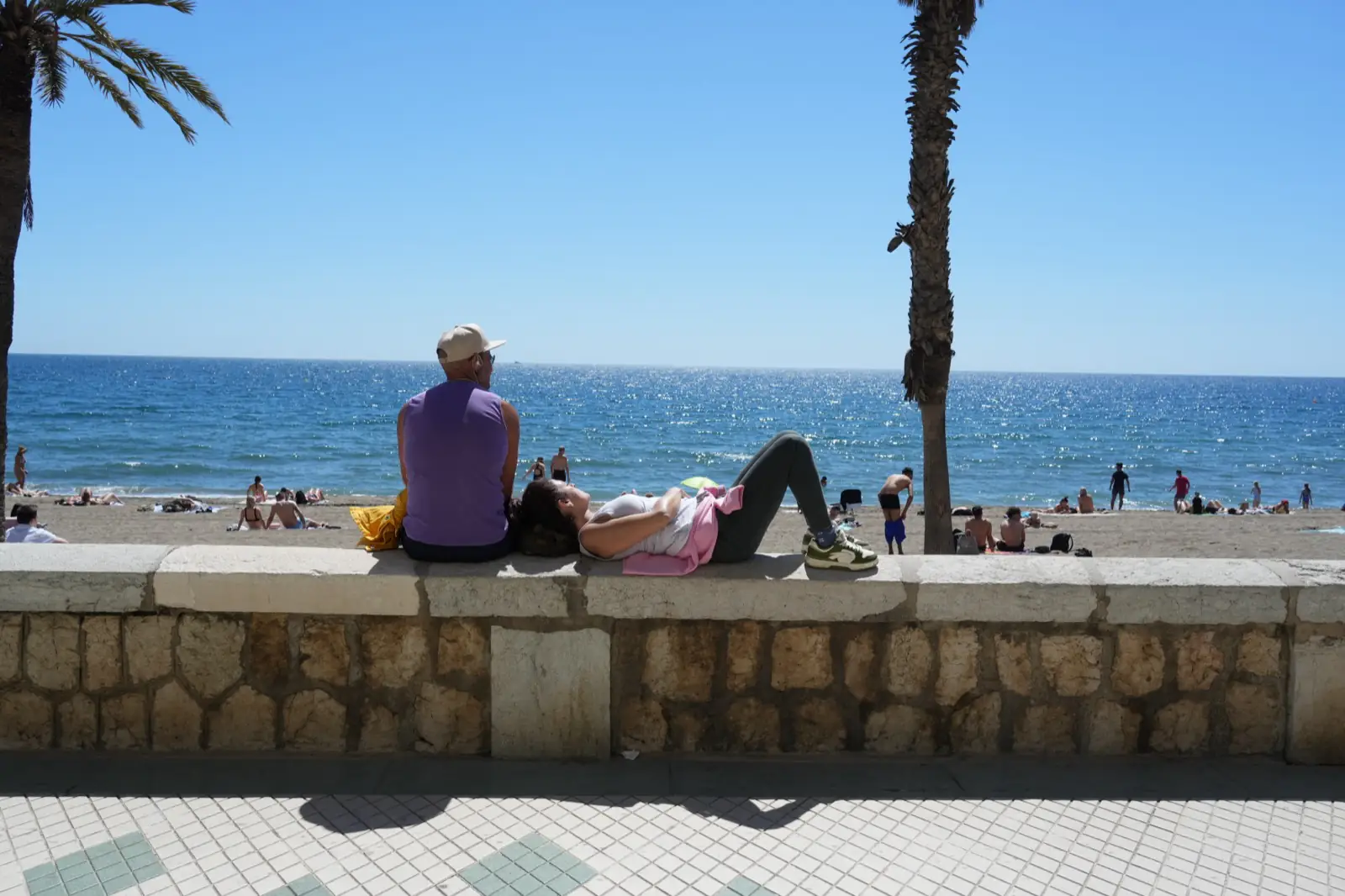
In July, the beach belongs to whoever gets there first. By 10am at Malagueta, the sun loungers are claimed and finding a stretch of sand that doesn’t involve immediate neighbours is a matter of luck.
I go before 9am. The sea is already warm, the light is at its best, and you have the water almost to yourself.
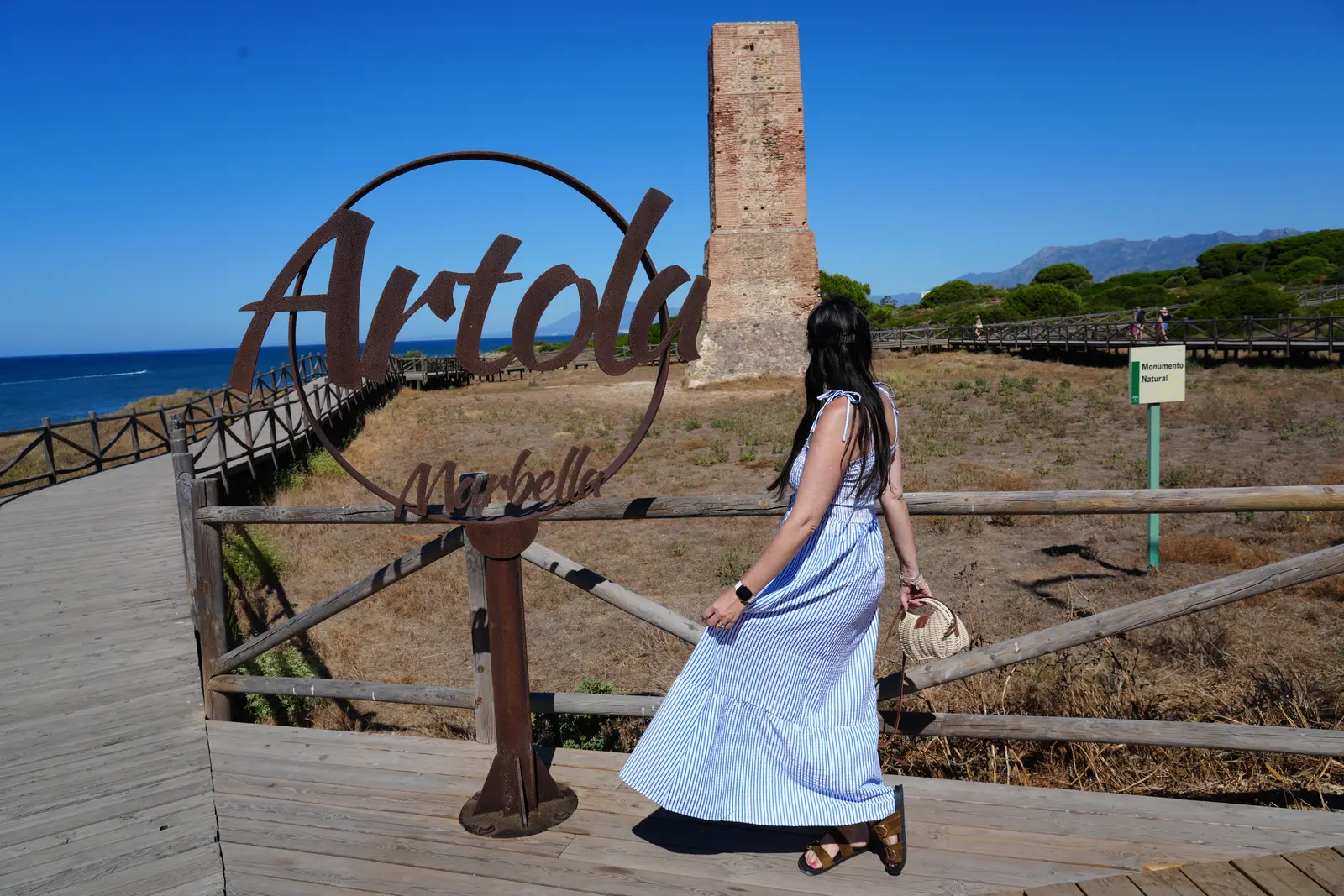
Malagueta is the one most visitors start with, and rightly so: it’s 1.2km long, walkable from the old town, and the chiringuitos open early for coffee and tostadas. El Palo and Pedregalejo feel more like the local beaches they actually are, quieter and with less of a resort feel.
Playa del Peñon del Cuervo is the one I send people to when they want something wilder. It’s rockier, less manicured, and popular with Malaga families who know to avoid the central beaches in high season.
By 11am you’ll want shade, and by noon you’ll want somewhere cold. Plan accordingly.
Eat Sardine Espetos at the Chiringuitos
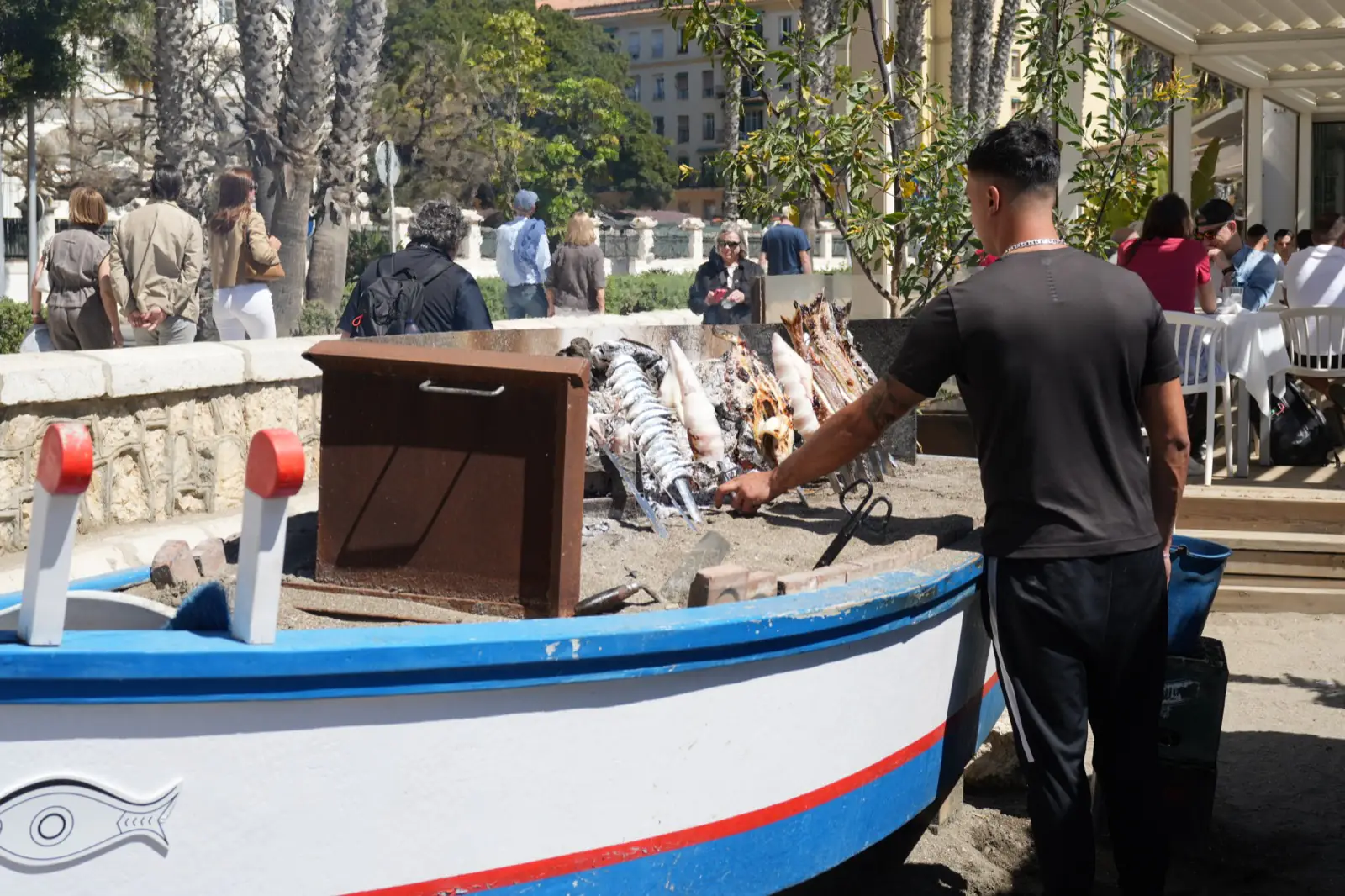
At the chiringuitos in Pedregalejo and El Palo, the sardines arrive from a fire burning in an old fishing boat hull filled with charcoal embers. It sounds theatrical because it is.
The espeto is a bamboo skewer with five or six sardines angled over the heat until the skin crisps. The tradition dates to the 19th century along this stretch of coast, and the split fishing boats filled with charcoal, called barcos de espetos, are one of the few things about the Malaga waterfront that hasn’t changed.
Go at lunchtime. There’s something specific about eating espetos in the midday shade of a chiringuito terrace, a cold beer alongside, that I’ve never managed to replicate at dinner.
(I’ve lived in Malaga for years and I still feel unreasonably pleased when a plate lands.)
A plate of six sardines costs around €6-8 depending on the chiringuito. The stretch of beach between El Palo and Pedregalejo has the best concentration. Any of them will do.
Watch the Virgen del Carmen Sea Procession
July 16 is the Feast of the Virgen del Carmen, patron saint of fishermen, and it’s one of the more unusual things I’ve seen in this city. The statue is carried from the church down to the beach, then taken out to sea on a decorated fishing boat to bless the water.
Every coastal town on the Costa del Sol holds the procession simultaneously, which means you can choose where to watch it. El Palo is one of the more local options, smaller and less crowded than the city beach.
The beach fills up early and the procession moves slowly. There’s a genuine reverence to it that separates it from the bigger tourist events in Malaga, and the moment the boat moves out to sea is worth staying for.
It’s not a spectacle in the same way as Semana Santa. But if you’re here on the 16th, it’s worth knowing about.
Take Refuge in the Museums
Between 2pm and 5pm in July, the streets of Malaga mostly empty out. The siesta is real here, the heat is serious, and the smartest thing you can do is follow the locals into somewhere with air conditioning.
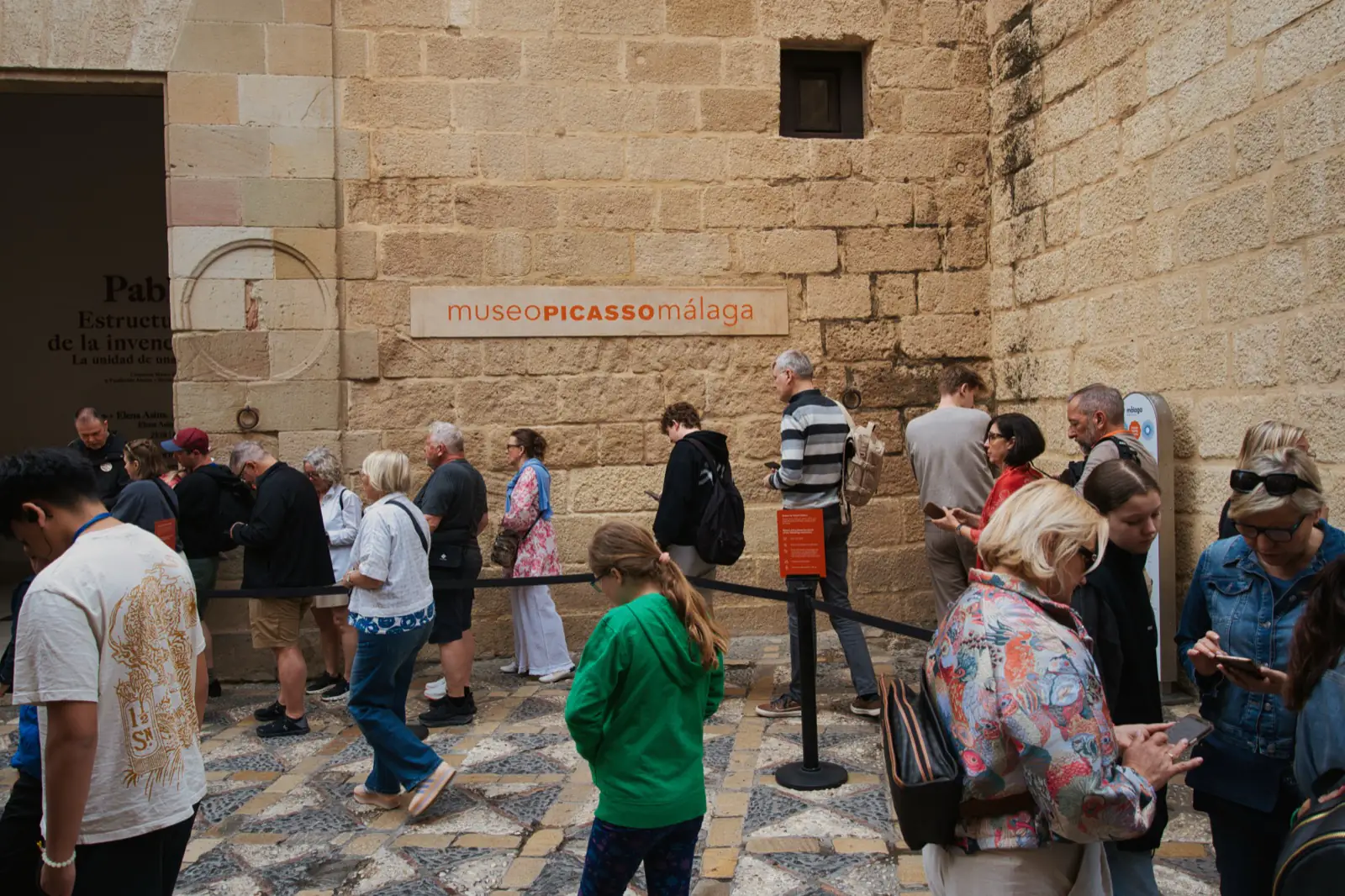
The museums in Malaga are genuinely good, not just a backup plan. The Picasso Museum on Calle San Agustín holds 233 works donated by the Picasso family and is better than most people expect from a regional museum.
The Centre Pompidou on the port is smaller, with rotating temporary exhibitions. The Carmen Thyssen, off the cathedral square, is the one I’d send a first-timer to first.
The Thyssen is free on Thursday evenings from 7pm to 11pm throughout July. The Roman Theatre at the base of the Alcazaba is always free and takes about 20 minutes at a comfortable pace.
Don’t try to do all three in one afternoon. Pick one, take your time, and find a café before heading back out.
Outdoor Cinema at Night
In July and August, the city runs an outdoor cinema programme called Cine Abierto that I think is one of the most underrated things about summer in Malaga. Films screen in parks, castle grounds, and cultural centres across the city, with most showings starting after 10pm when it’s finally dark.
Some screenings are free, others around €3-5. The lineup mixes Spanish-language films with international titles, and there are usually family screenings earlier in the evening.
I’ve been to screenings in the Botanical Garden grounds and at a venue near the port, and both times the setting mattered as much as the film. There’s something genuinely good about watching a movie outside in warm air at 11pm.
The schedule changes each year and the programme isn’t always easy to find in advance. Check the Malaga Film Festival website and the local council listings closer to your travel dates.
Night Visits to the Alcazaba
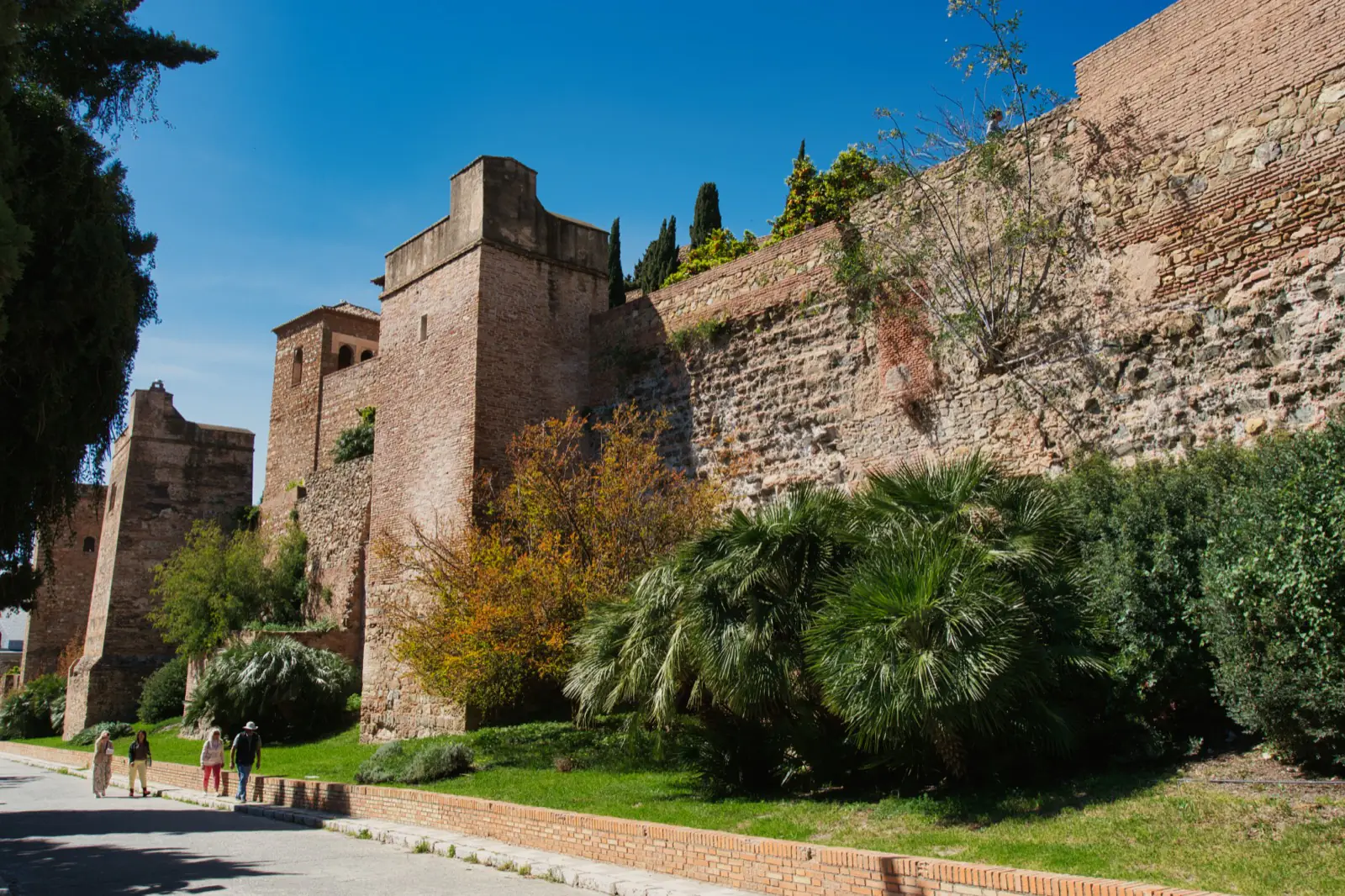
Built by the Hammudid dynasty in the early 11th century, the Alcazaba is the older of Malaga’s two hilltop fortresses and the one most worth exploring. In summer, the city runs dramatised night visits on specific weekends that turn it into something quite different from the daytime experience.
The nights typically include theatrical performances with archers, historical fencing demonstrations, Andalusian musicians, and actors in period costume walking visitors through the illuminated fortress. I went on one expecting something slightly cheesy and came out genuinely impressed.
Most events are free or low cost and appear on the free things to do in Malaga listings closer to the dates. They do book out, so check ahead as soon as you know your travel window.
During the day, the Alcazaba is worth visiting in its own right: entry costs €3.50 and the palace rooms and gardens are well preserved. But the summer nights are the better version.
Botanical Garden After Dark
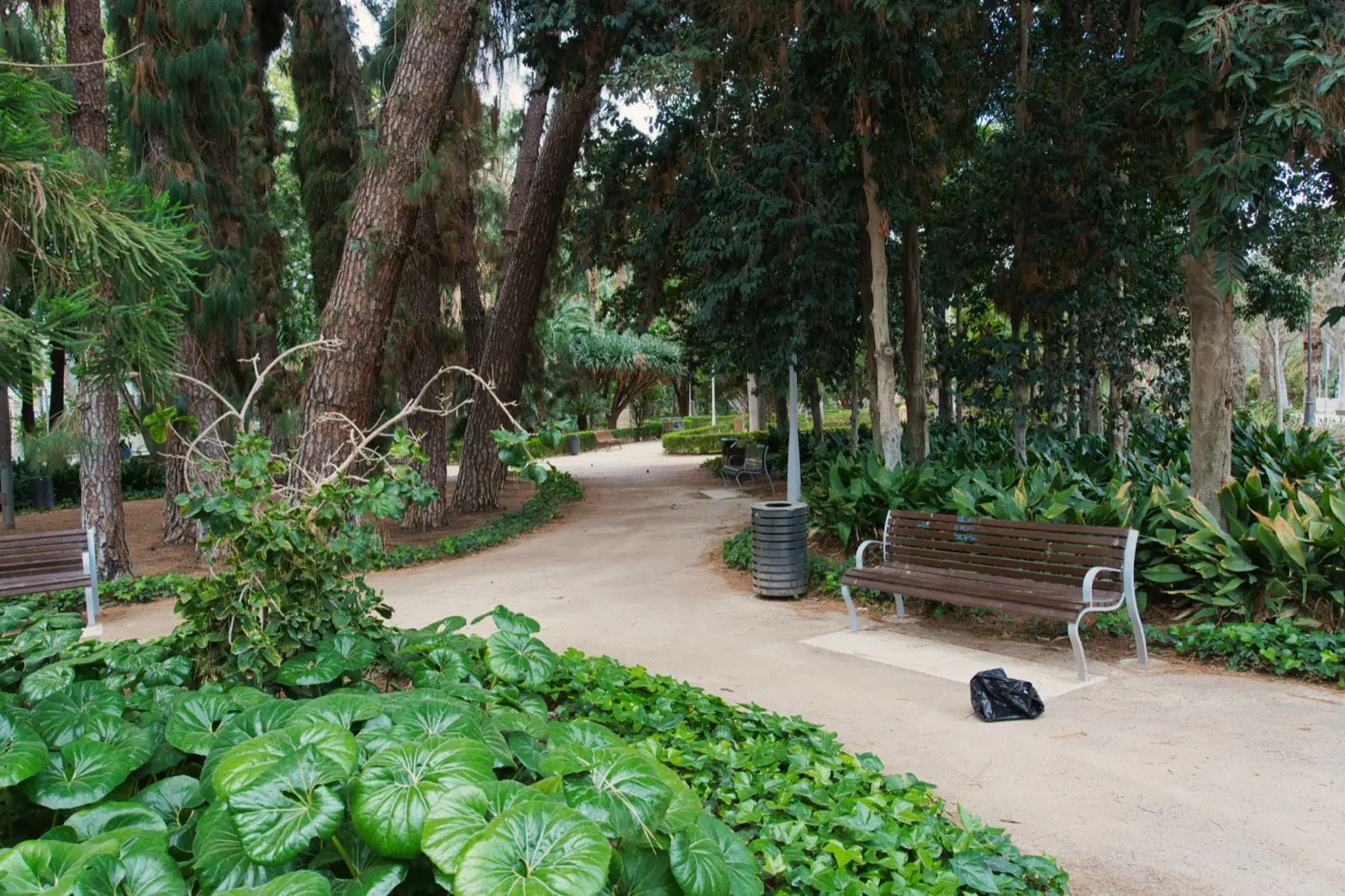
La Concepción is one of Spain’s oldest historical botanical gardens, established in 1855 by the Loring family on land just north of the city. In summer it opens for evening visits, which is when it’s worth going.
I’ve been in the day and the evening, and the evening version is genuinely different. The temperature is more forgiving, the light is softer, and there’s a quiet to it that the daytime crowds don’t allow.
The garden covers 23 hectares and contains plant species from five continents. It’s not the most obvious thing to put on a July itinerary, and I wouldn’t push it above the Alcazaba or the museums.
But on a warm July evening with the temperature finally dropping and the light going down, it’s the kind of walk that stays with you. Evening openings run through July and August; check ahead for specific dates and whether you need to book.
Evening Tapas and Rooftop Bars
By 8pm in July, the temperature has usually dropped to something bearable, and Malaga switches from siesta mode to something close to celebration. The old town fills up, the terraces fill out, and the streets around the cathedral become somewhere you actually want to be.
The tapas bars in Malaga old town are the starting point. El Pimpi on Calle Granada is the one everyone visits first: a large courtyard wine bar that gets going properly after 9pm and genuinely earns its reputation.
Orellana, a short walk away on the same street, has a smaller, tighter menu and is the one I keep going back to. The portions are generous and it’s easier to get a table than at El Pimpi.
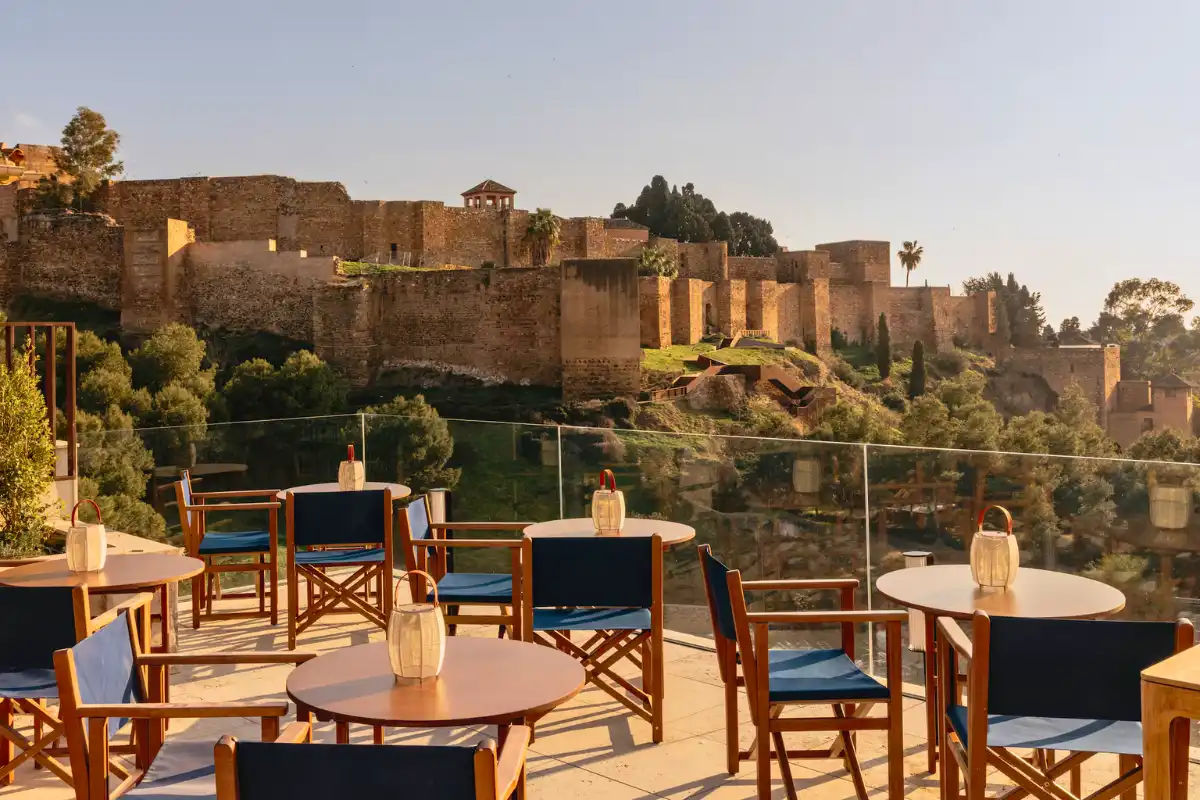
For a rooftop, sunset in July falls between 9:15pm and 9:45pm, which means you can have dinner and still catch the last of the light. Malaga has more than 30 rooftop bars, so the problem is choosing, not finding.
July is peak season. The popular spots fill up on weekends, so book ahead or arrive before 8:30pm.
Explore the Old Town at Night
After 7pm in July, the old town of Malaga becomes the best version of itself. The heat has softened, the light turns gold, and the streets around the cathedral fill up with a mix of locals and visitors that feels, for once, more or less balanced.
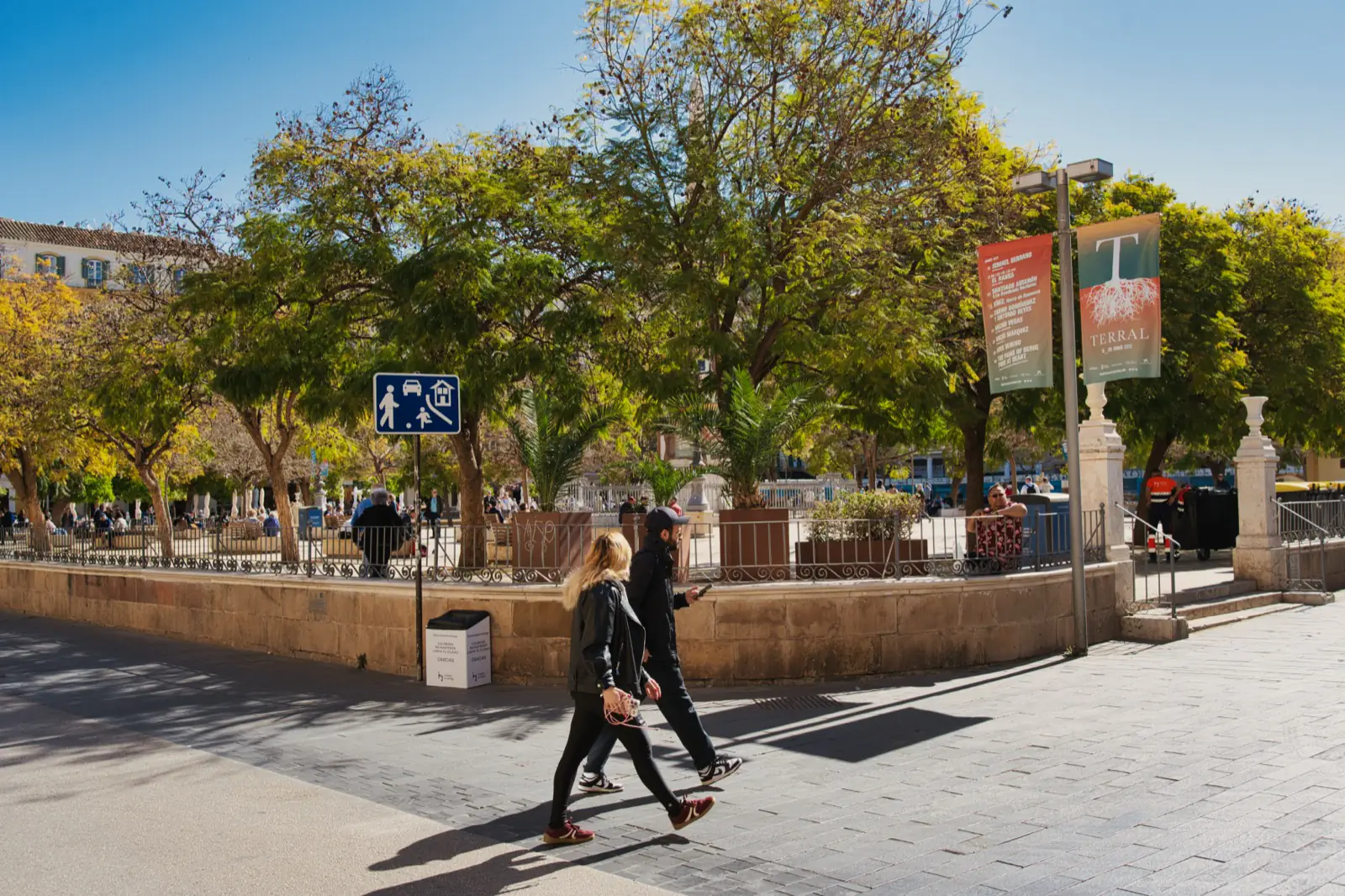
Calle Larios is where most evenings start: a wide pedestrianised boulevard running from Plaza de la Constitución toward the port. In summer it’s often used for outdoor events, markets, and occasional concerts, so there’s usually something happening even if you haven’t looked ahead.
Plaza de la Merced, a five-minute walk from the cathedral, fills up in the evening with people on the steps and benches doing very little in particular. It’s the most Malaga thing about a Malaga evening.
Walk without a destination. Start at the cathedral, go toward the Alcazaba, come back through the plaza and down Calle Larios to the port. The loop takes about 40 minutes and you’ll find something worth stopping for.
Events and Festivals in Malaga in July
Starlite Marbella
Set in a purpose-built outdoor amphitheatre carved into a quarry called Cantera Nagueles in the hills above Marbella, Starlite is the biggest summer concert series within reach of Malaga. The setting is genuinely good: steep stone walls on three sides, a capacity of around 3,000, and an intimacy that bigger venues rarely manage.
The lineup runs from June to September and covers a wide range: international pop and rock acts, flamenco artists, and major Spanish performers. Past editions have included Tom Jones, Sting, Jennifer Lopez, and Lionel Richie, alongside acts that are huge in Spain but less known internationally.
Marbella is about 45 minutes from Malaga. Tickets range from around €40-60 for smaller shows to well over €100 for headline acts.
It’s not cheap, and it’s firmly in tourist territory. But if one of the acts is someone you’d go and see anyway, the setting makes it worth it.
Fuengirola Marenostrum
The setting for Fuengirola’s summer concert series is one of the better things about it: the stage goes up in the grounds of Sohail Castle, a 10th-century Moorish fortress at the western edge of the town’s beach.
Marenostrum runs through July and into August and leans more heavily toward Spanish-language artists than Starlite, which makes it feel less tourist-facing and more like something the local population actually attends. Fuengirola is about 30 minutes west of Malaga by train or car.
Tickets tend to be more affordable than Starlite and the acts genuinely vary. If you’re in Malaga for a week and there’s something on that appeals, it’s a straightforward evening out.
The C-1 train from Malaga to Fuengirola runs regularly and costs around €2 each way. Worth knowing if you’re planning to drink.
Virgen del Carmen Sea Processions
The procession on July 16 doesn’t just happen in Malaga city. Every fishing town on the Costa del Sol holds its own version simultaneously, which means wherever you are on the coast that day, there’s something worth stepping out to see.
Estepona, Fuengirola, Nerja, and Marbella all hold their own processions. The smaller towns tend to have the most intimate versions, where the fishing community is still present enough that the event carries genuine meaning.
If you’re in Malaga city, El Palo has the most local feel of the neighbourhood options. The procession at the main city beach is larger but can feel more performative and less connected to the tradition.
Plan to arrive early wherever you go. The processions typically start in the late afternoon and the beach fills up well before the statue appears.
Local Village Ferias
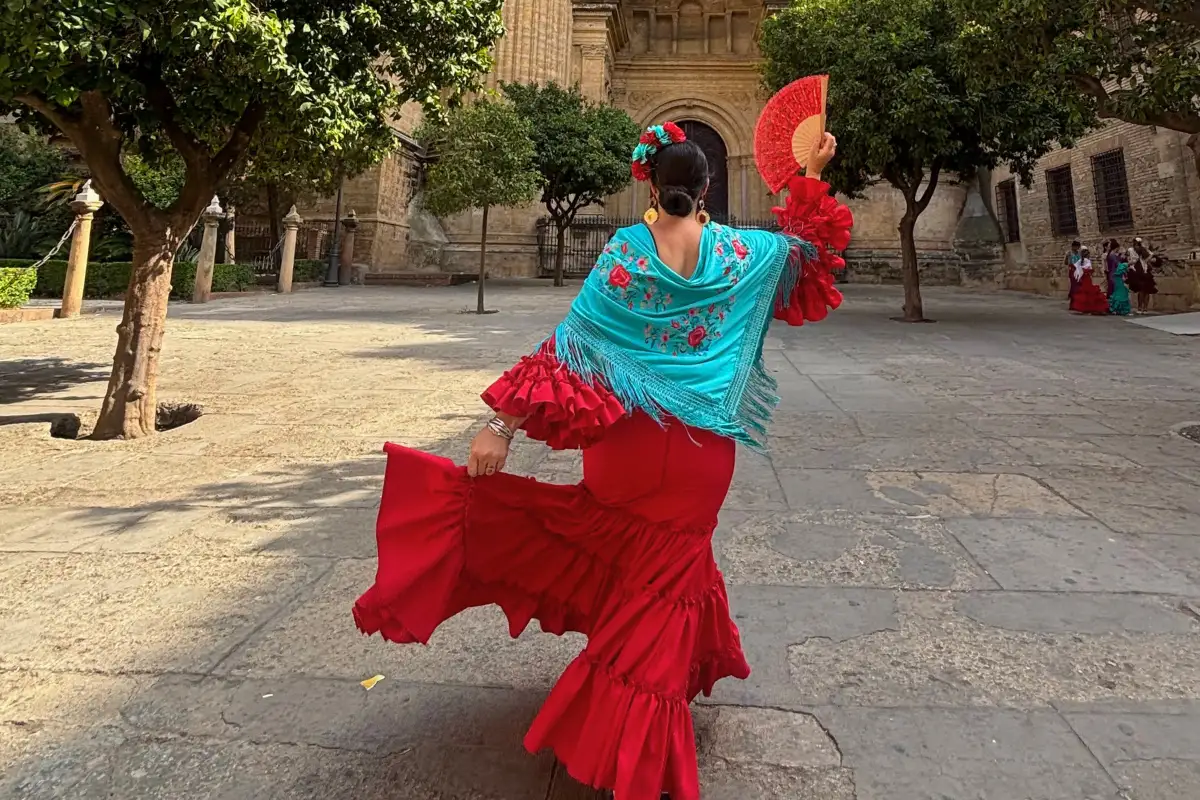
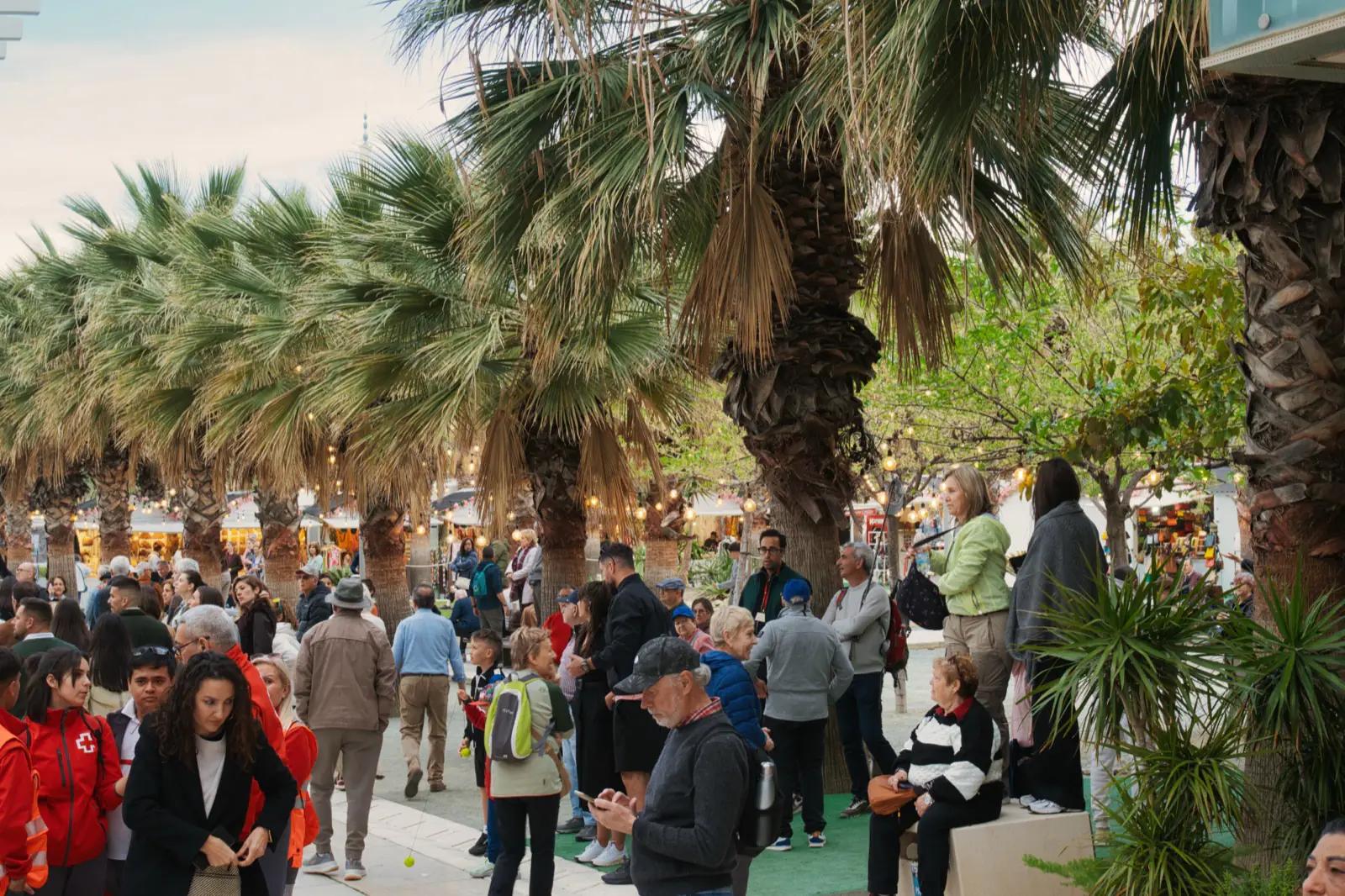
In July, almost every town within an hour of Malaga holds its own feria: a local festival running for several nights, usually with a fairground, live music, dancing, food stalls, and considerable amounts of tinto de verano.
Torremolinos holds its feria in early July and Estepona follows later in the month. Antequera runs its Festival de la Luz over the second weekend of July, a free outdoor light show that starts from 8:30pm and draws people from across the province.
These ferias are primarily for locals, not tourists, which is what makes them worth going to. The energy is different from a tourist event, more grounded and more genuine.
Torremolinos is 20 minutes from Malaga on the C-1 train. Antequera takes about 45 minutes by bus or car.
Day Trips from Malaga in July
Not every day trip from Malaga works in July. The question isn’t which places are worth seeing, it’s which ones make sense when it’s 34°C and climbing.
Nerja
Nerja is the most reliable option. It’s about an hour east by bus or car, the beaches are better than Malagueta, and the town is small enough to move around without planning every step around the heat.
Frigiliana
Frigiliana, the white village just above Nerja, is worth adding if you leave early. It’s cooler than the coast and takes about two hours to explore properly, which makes a morning there and lunch back in Nerja a good combination.
Caminito del Rey
The Caminito del Rey is worth doing but needs planning in July. The trail is 7.7km long, pinned to the walls of the El Chorro gorge, and the trailhead is about 60km north of Malaga. Book the first entry slot of the day and go on a weekday. By 11am the gorge is significantly hotter than the coast, and the July sun hits some sections of the walkway directly.
Ronda
Ronda is worth knowing about but not necessarily worth the drive in July. It’s inland, significantly hotter than the coast, and at its most crowded in summer. I’d save it for September or October when the heat drops and the trip actually makes sense.
Granada
Granada is a different calculation. It’s hot in July, regularly reaching 34-36°C in the city, but the Alhambra justifies the trip if you book first-entry tickets well in advance. The palace complex has gardens and shade that make it more manageable than you’d expect, and if you stay into the evening the city has excellent tapas and a cooler atmosphere once the sun goes down.
Montes de Málaga
Closer to Malaga, the Montes de Málaga are worth knowing about for a half-day. The drive north from the city takes about 25 minutes, the temperature drops noticeably with the altitude, and lunch on a terrace with a view over the coast is one of the better things you can do on a July afternoon.
Is It Too Hot in Malaga in July?
For most people, no. For some, genuinely yes.
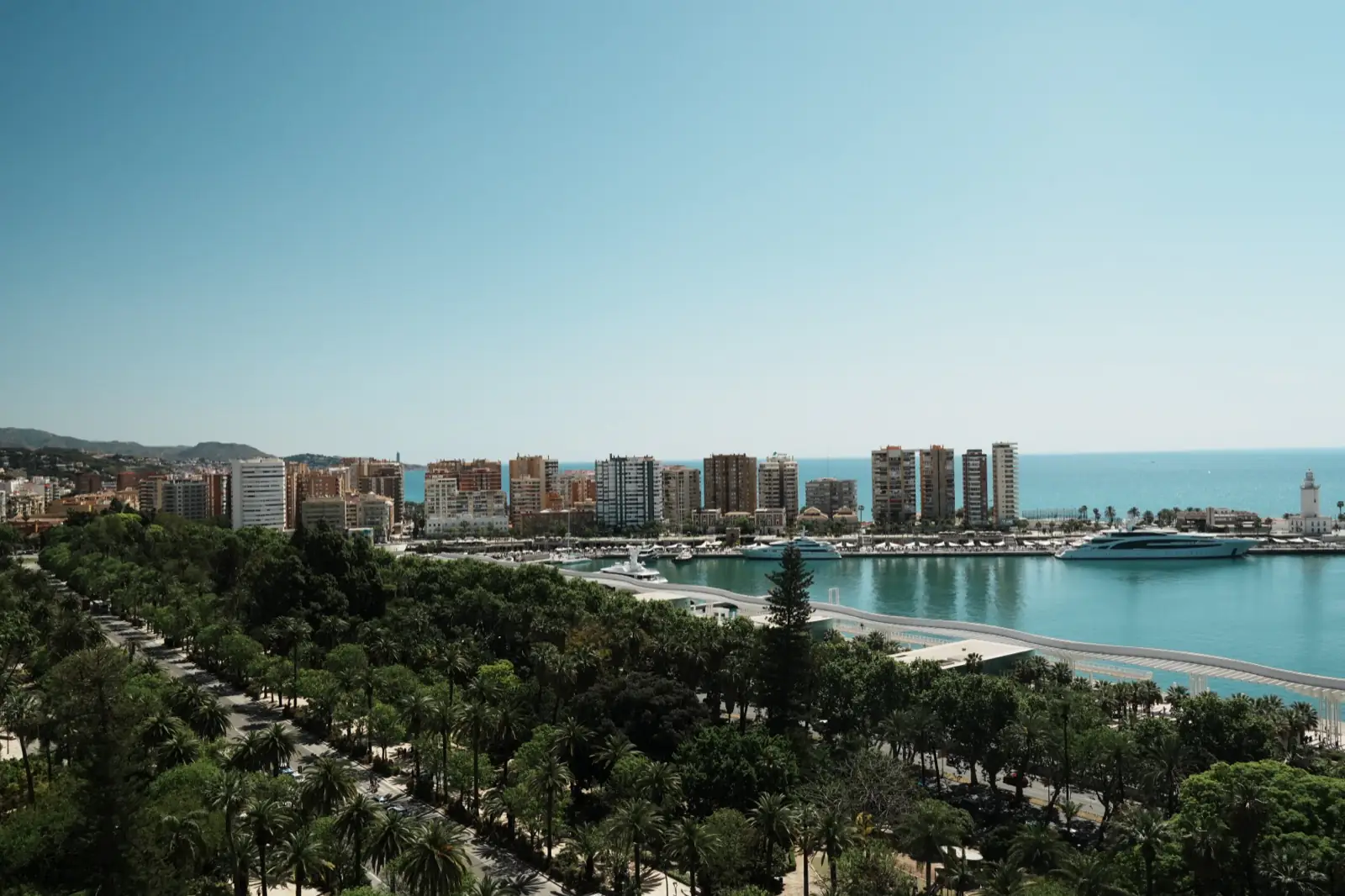
The daytime heat peaks between 1pm and 4pm, reaching 32-34°C on a normal July day and occasionally higher when the Terral wind blows in from the interior. The UV index sits at 9-10, which means unprotected skin burns in under 15 minutes. That’s not a warning you can ignore.
What the heat actually means in practice is that you can’t do a full day of walking sightseeing and enjoy it. Anyone who tries to hit the Alcazaba, the cathedral, and the old town in a single July afternoon will be miserable by 2pm.
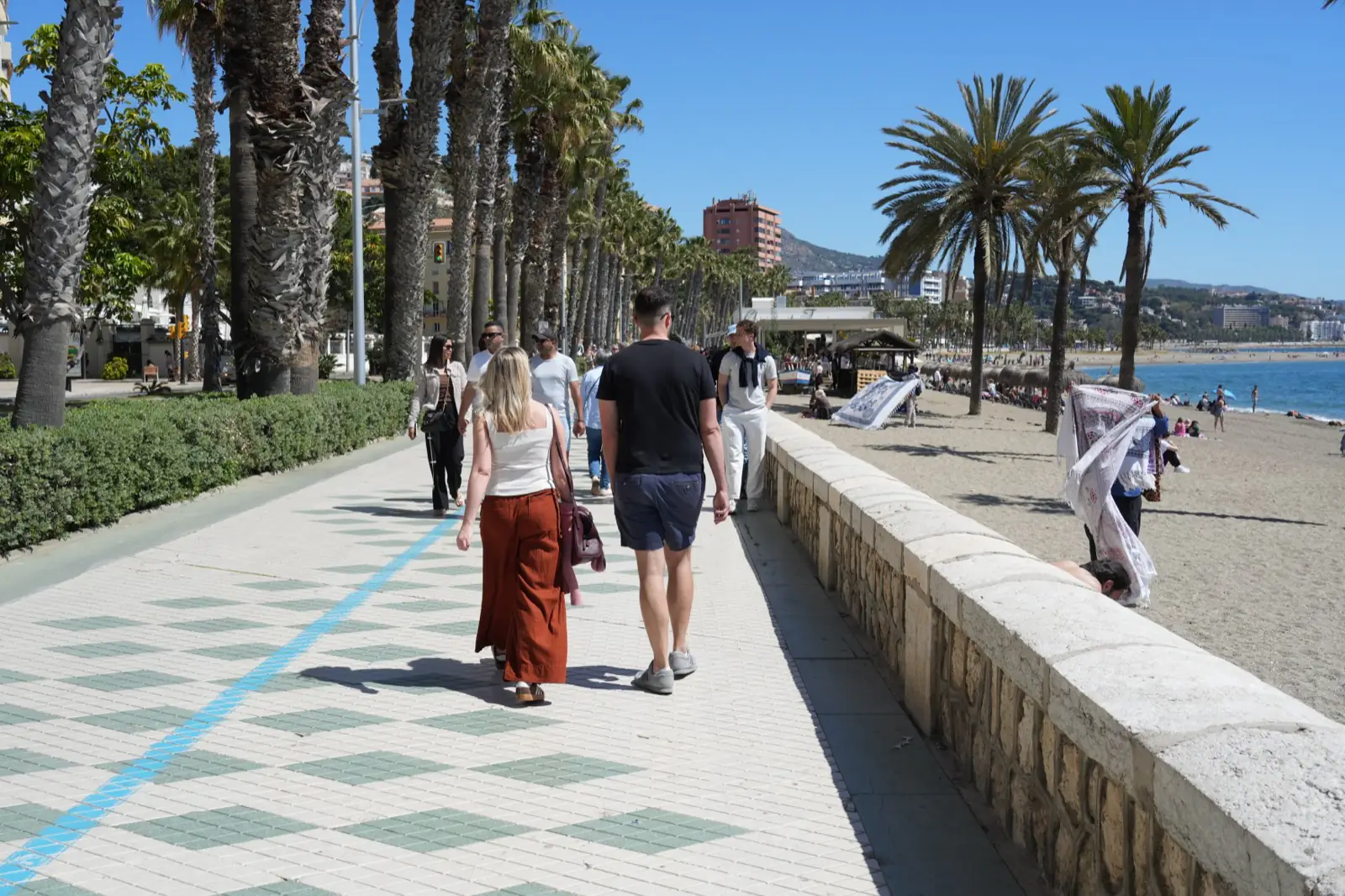
The city has its own answer to this: stop. Go to the beach in the morning, find somewhere cool in the early afternoon, and start again at 6pm.
If you follow that rhythm, the heat stops being an obstacle. July evenings in Malaga are warm and long and genuinely pleasant, and you’re not going to find that in June at anything like the same intensity.
If you genuinely struggle above 28-30°C, or you have young children who don’t do well in serious heat, June or September are the better months. They’re still warm, still sunny, and considerably more forgiving.
More Things to Do in Malaga Throughout the Year
- 15 Best Things to Do in Malaga in January
- 13 Things to Do in Malaga in February
- Things to Do in Málaga in March: Events, Hikes and Local Tips
- Things to Do in Malaga in April (Including Semana Santa)
- 15 Things to Do in Malaga in May (by a Local)
- Things to do in Malaga in June: what’s worth your time
- 12 Things to Do in Malaga in August: my local picks
- Things to Do in Malaga in September: Events, Beaches and Day Trips
- 20 Things to Do in Malaga in October
- Things to Do in Malaga in November
- 12 Things to Do in Malaga in December