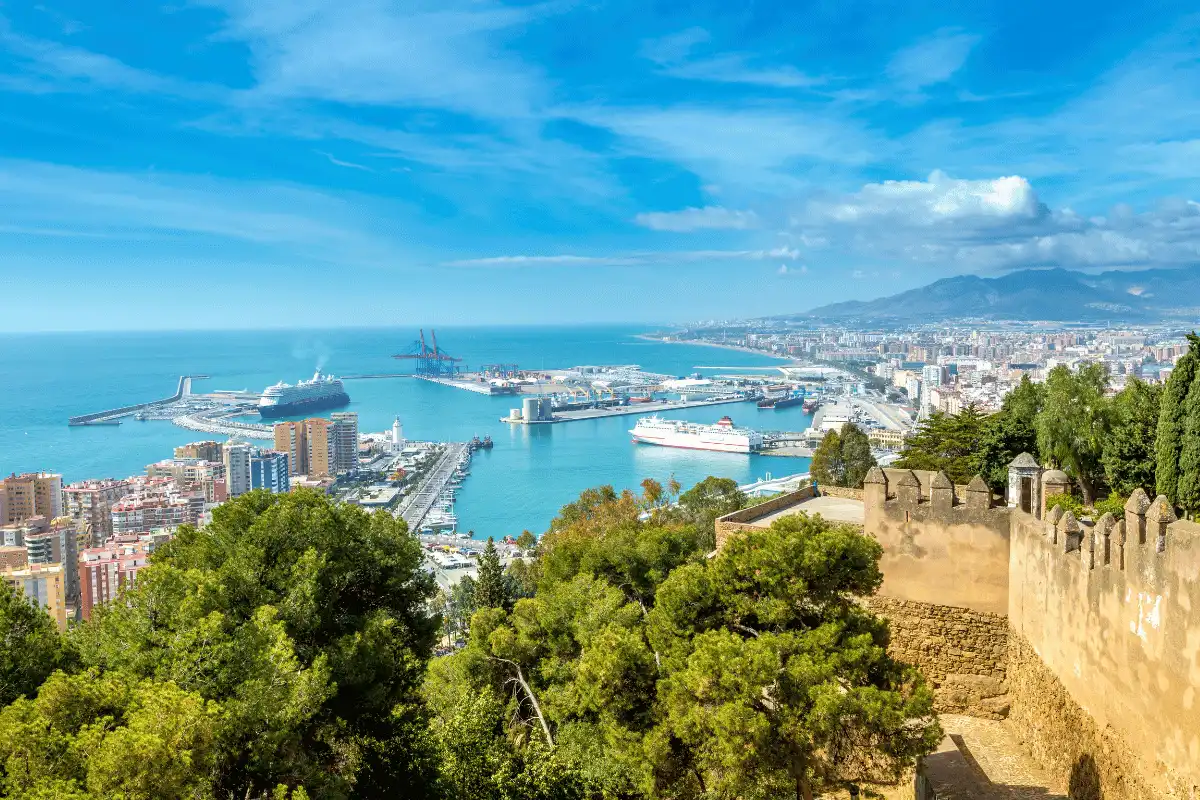
Most people book Malaga for summer, which means November belongs to those who know. I’ve spent a lot of time here out of season, and this month consistently surprises me.
The Jazz Festival fills the Cervantes Theatre, the Christmas lights go up on Calle Larios before the month is out, and the Alcazaba has shorter queues than any other time of year.
I didn’t appreciate how good November was until I stopped comparing it to August. In this guide, I’ll show you the best things to do in Malaga in November and which events are worth planning your trip around.
Is November a Good Time to Visit Malaga?
Yes, genuinely. November gives you mild weather around 20°C, the lowest hotel prices of the year, and a city that feels like it belongs to the people who actually live here rather than everyone who visited in August.
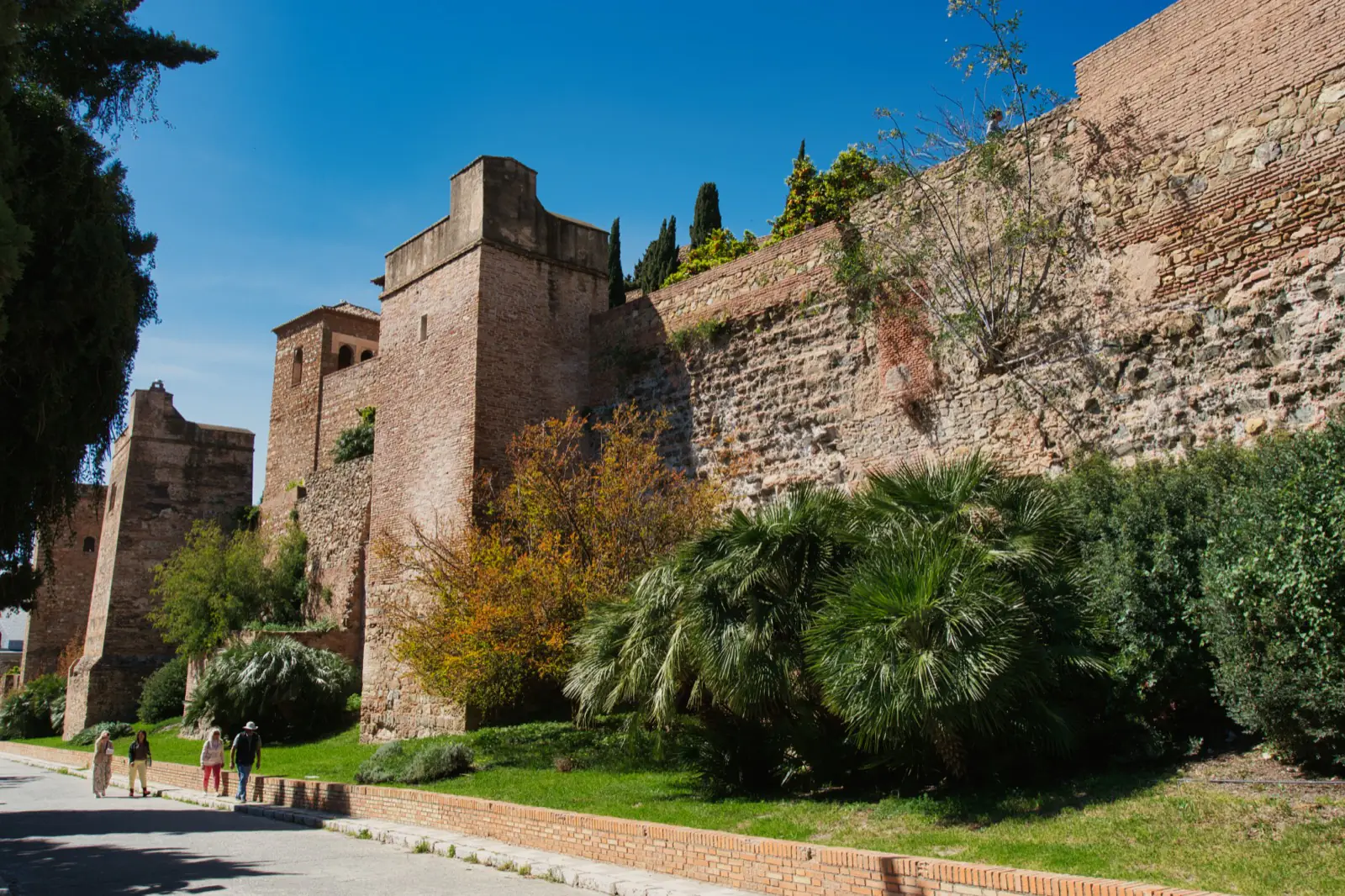
The crowds thin out significantly after mid-October and don’t return until Christmas. You can walk through the Alcazaba without queuing, get a table at most restaurants without booking, and move around the old town at your own pace.
Evenings cool to around 11-13°C, so you’ll want a jacket once the sun drops. And November is statistically Malaga’s wettest month, though that really just means a few grey afternoons rather than anything dramatic.
If you’re coming for beach swimming and guaranteed sunshine, this isn’t your month. But if sightseeing, food, and culture are the priority, November is one of the best times I know to visit.
For a full month-by-month comparison, see my best time to visit Malaga guide.
The Malaga Jazz Festival
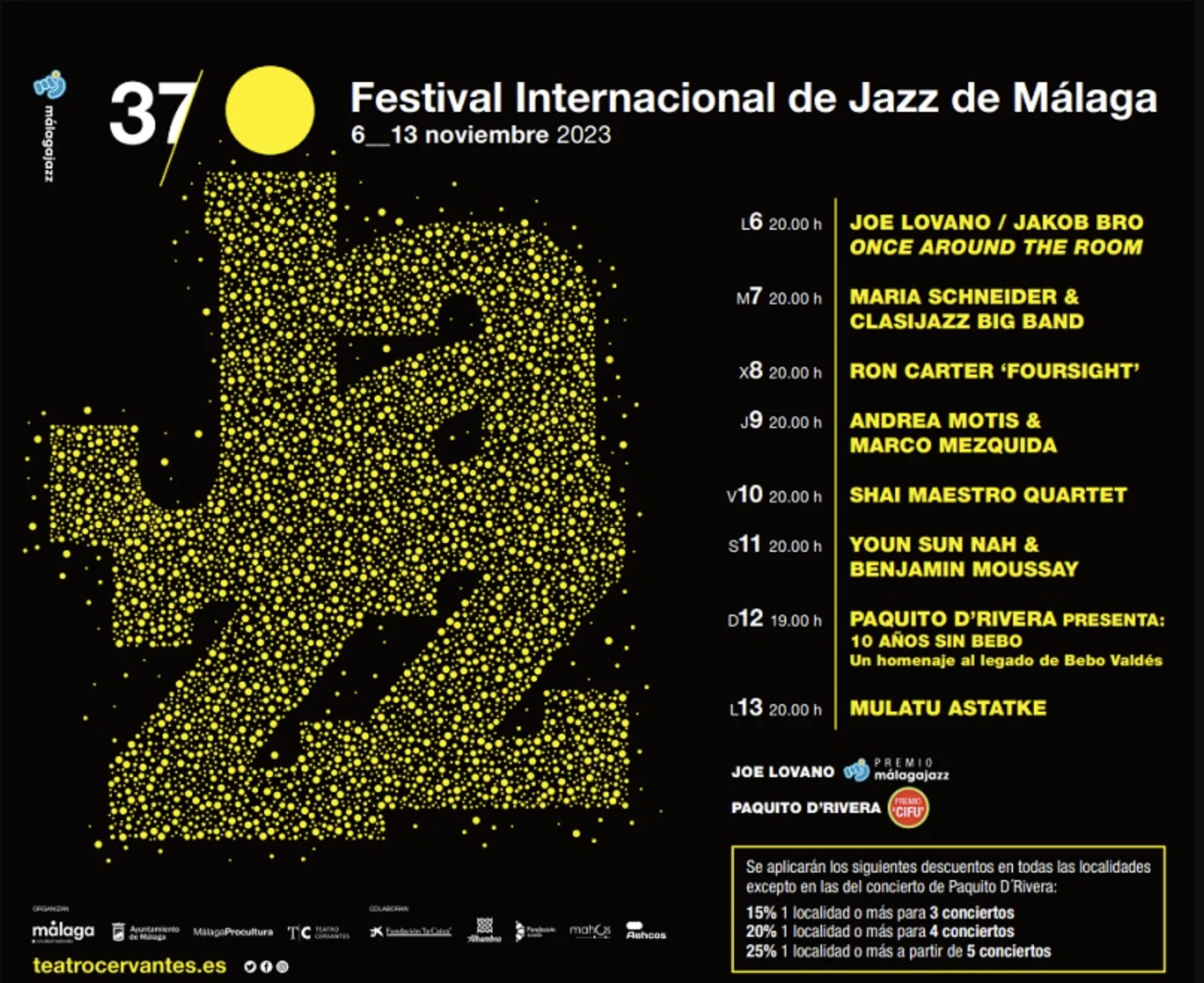
Every November since 1985, the Malaga Jazz Festival has brought international artists to the city’s main theatres. It’s one of the longest-running jazz festivals in Spain, and the lineup consistently punches above what you’d expect from a city of this size: past headliners have included Al Di Meola, Gustavo Santaolalla, and Cécile McLorin Salvant.
The festival runs across the Cervantes Theatre and the Echegaray Theatre, typically in the first two weeks of November. Not all of it is ticketed.
Free outdoor concerts and performances in smaller venues run alongside the headline shows, which means you can catch something even without planning ahead.
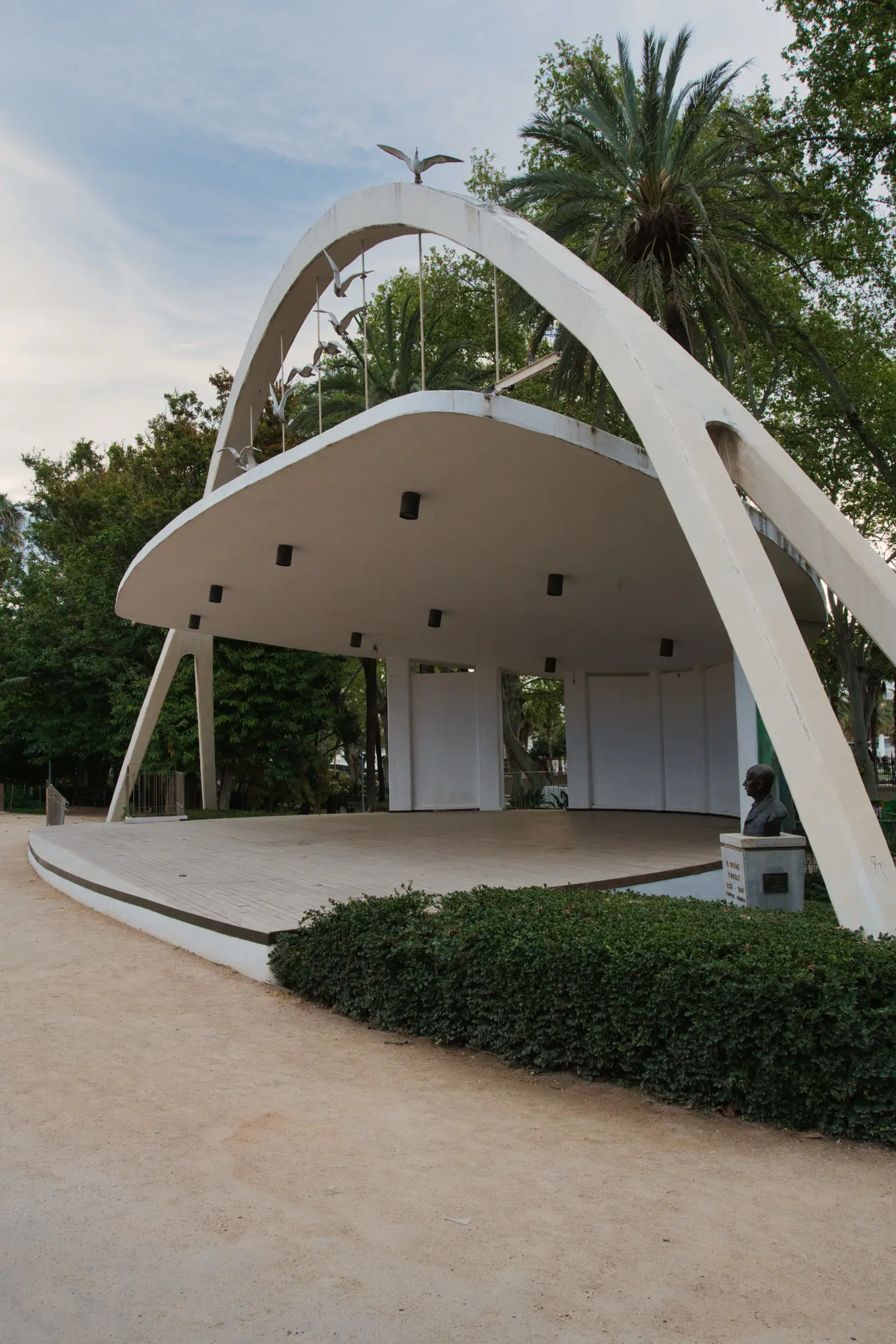
The atmosphere in the old town during festival week is genuinely different. Bars stay open later, live music spills out of side streets, and the city takes on an energy that, oddly, you don’t get in summer.
I’d recommend booking the main theatre shows in advance if there’s an act you want to see. Tickets sell quickly for the headline nights, and the Cervantes Theatre holds fewer seats than people expect.
The Cervantes Theatre itself is worth seeing regardless of the programme. Opened in 1870, it’s one of the most beautiful venues in the city, and a Jazz Festival night there feels like more than just a concert.
Dates shift slightly year to year, so check the programme in October. The festival website usually announces the lineup by September.
The Alcazaba, Gibralfaro, and the Roman Theatre
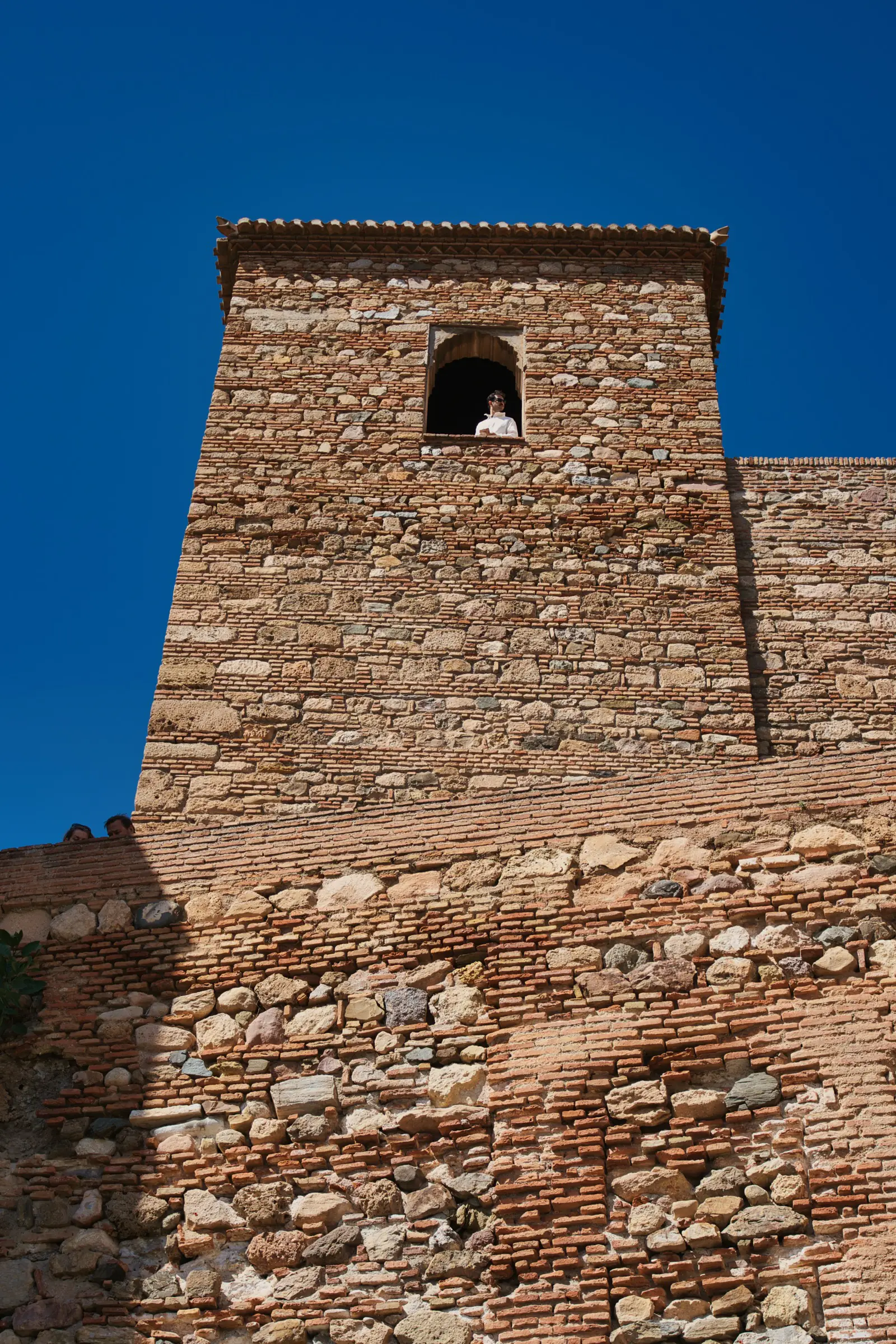
In summer, queues for the Alcazaba start before 10am. In November, you walk straight in.
Built in 1057 by the Hammudid dynasty on the site of earlier Roman and Phoenician fortifications, the Alcazaba is the older of Malaga’s two hilltop fortresses and, honestly, the more interesting one. The layering of civilisations here is unusually visible: Roman stonework reused in Moorish archways, gardens planted around 11th-century water channels.
From the Alcazaba, the path up to Gibralfaro Castle takes about 20 minutes on foot. The views from the top stretch across the port, the bullring, and on a clear November day, all the way to the mountains behind Marbella.
Down at the foot of the hill, the Roman Theatre is always free and almost always quiet. It dates to the 1st century BC and was only rediscovered in 1951, buried beneath a house.
You can stand right in it, which still surprises me every time.
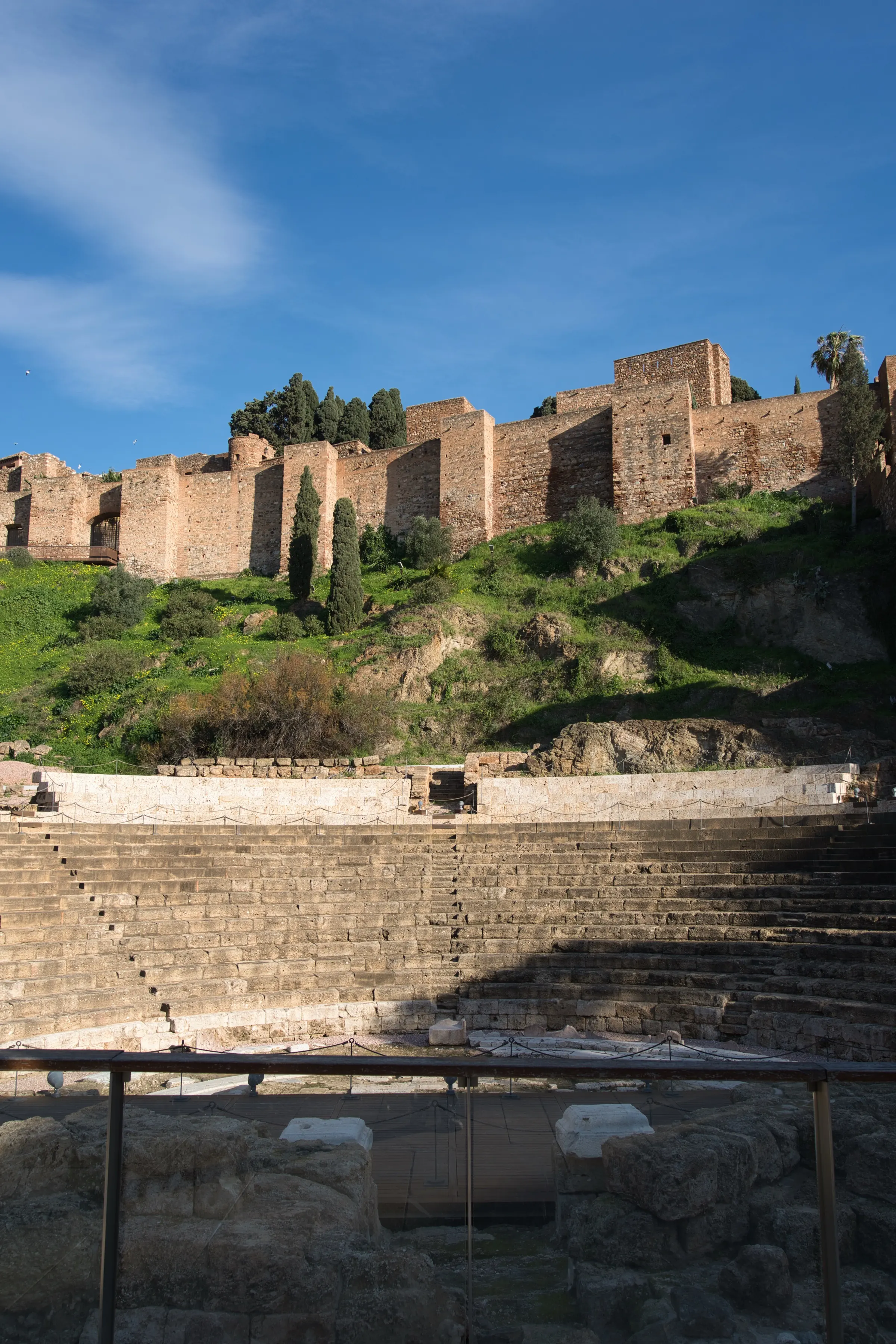
All three are free on Sundays, which makes a November Sunday one of the best-value days in the city. I’ve covered the full list of free entry days and times in my free things to do in Malaga guide.
Go on a weekday morning if you want them entirely to yourself. Even in November, Sunday afternoons draw locals.
The Picasso Museum
The Picasso Museum surprises most people, and not just because of the art. It’s housed in the Palacio de Buenavista, a 16th-century Renaissance palace with an Andalusian courtyard at its centre, and the building alone is worth the entrance fee.
The permanent collection holds 233 works, most donated by Picasso’s daughter-in-law Christine Ruiz-Picasso and his grandson Bernard. These aren’t the famous pieces you see on posters.
They’re the personal ones: family portraits, sketches, ceramics, works from across every period of his life. I always leave this museum thinking about Picasso the person rather than Picasso the brand.
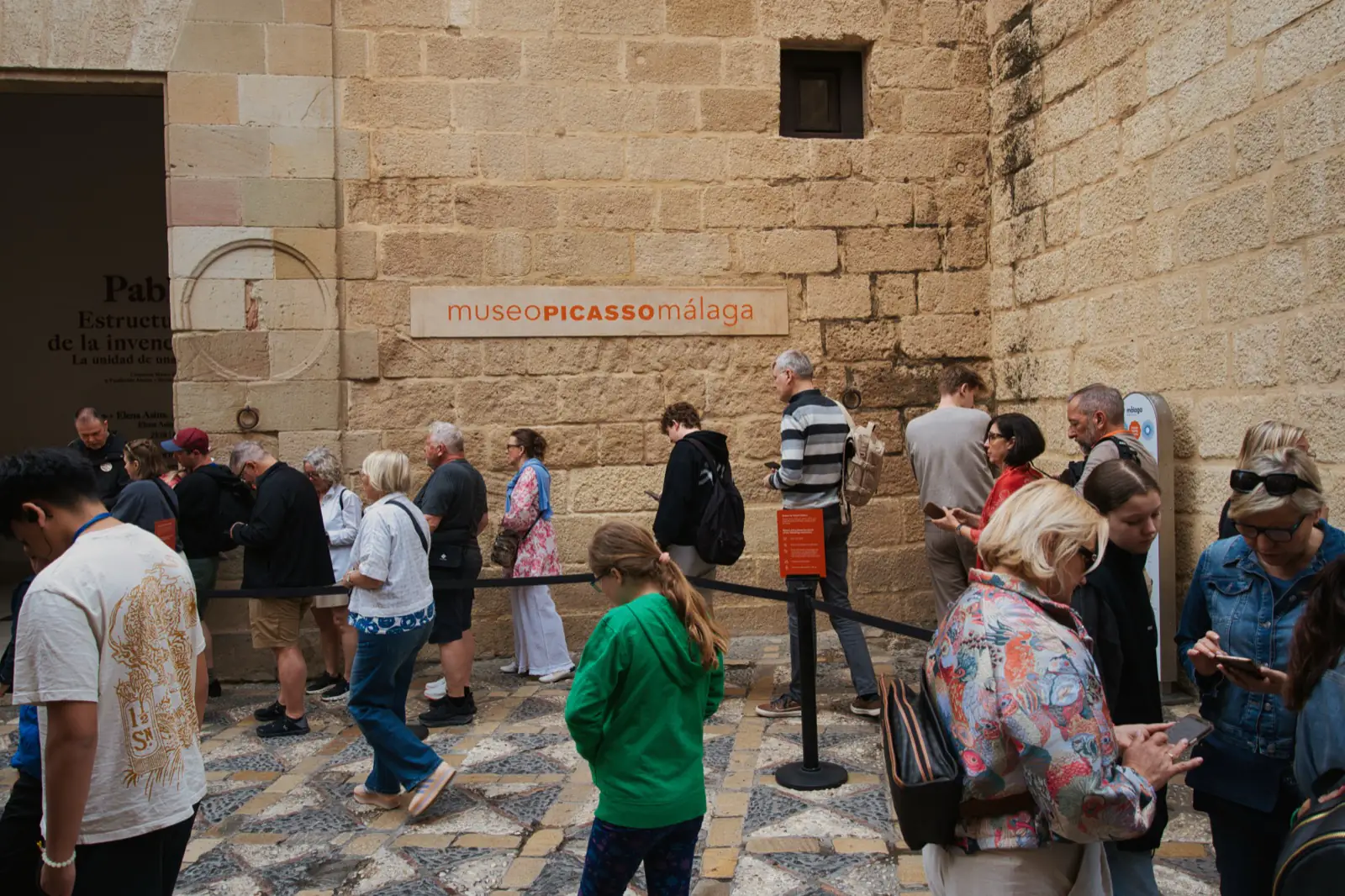
In summer the queue stretches along the street. In November there’s usually no queue at all, and the rooms are quiet enough to actually spend time with what you’re looking at.
Entry is free for the last two hours on Sundays, which fills up even in winter. A weekday morning in November is genuinely one of the best times to visit, and my museums in Malaga guide covers the full list if you want to plan a day around them.
FanCine: Malaga’s Fantasy Film Festival
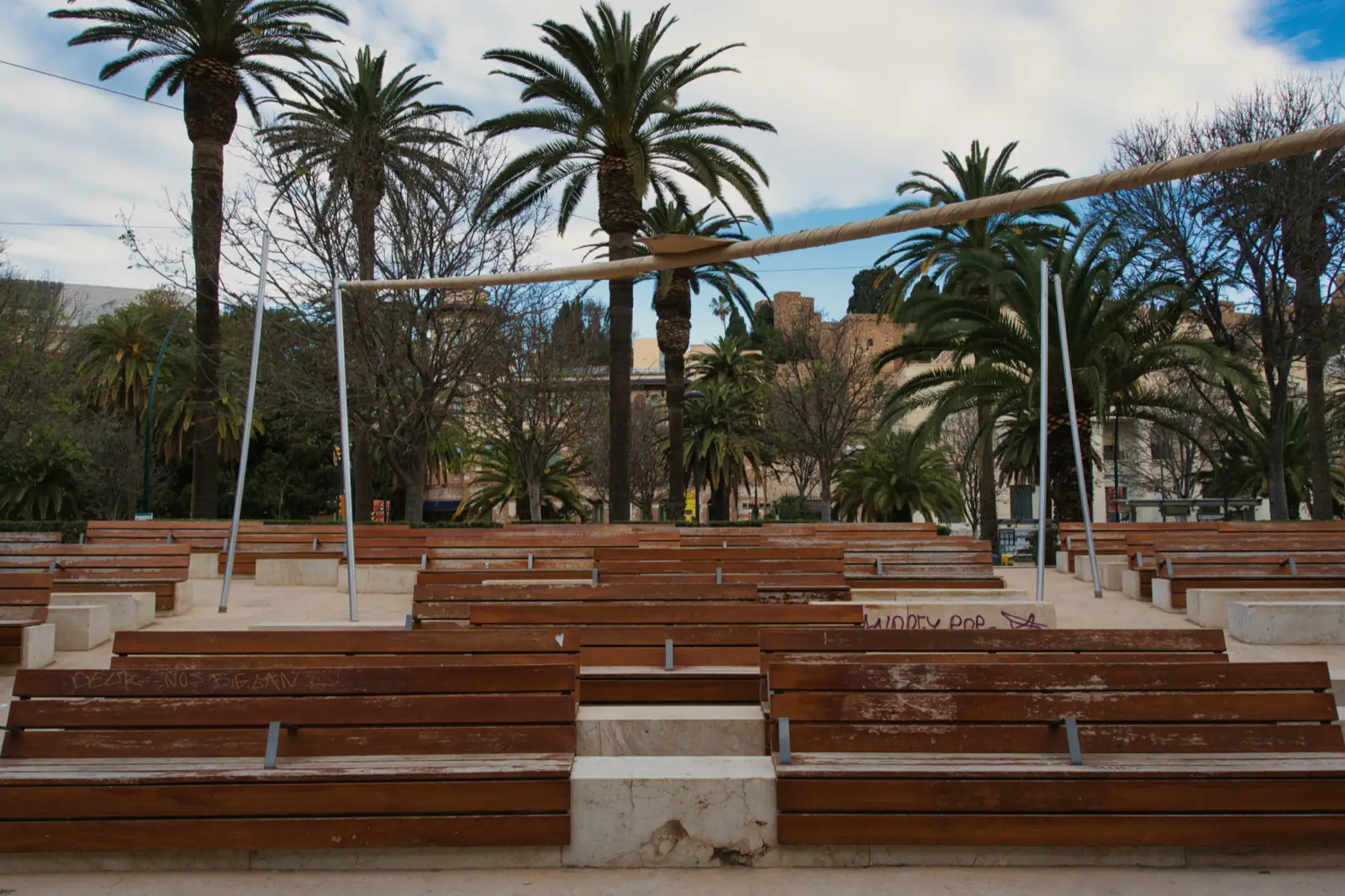
Not enough people know about FanCine. It’s the annual fantasy and science fiction film festival organised by the University of Malaga, and it’s been running since 1990.
The 35th edition took place in 2024. The festival runs for about a week in mid-November, typically 12-18 November, at cinemas and cultural venues across the city.
The programme mixes new international releases with retrospectives, and most screenings are in original language with subtitles. It draws a noticeably different crowd than the Jazz Festival.
Students, film people, and locals who actually live in the city rather than passing through. If you’re the kind of person who wants to go to a film festival in a city that isn’t Cannes, this is a genuinely good one.
Tickets are inexpensive and often available on the door. The programme goes up on the University of Malaga’s website a few weeks before the festival opens.
The Christmas Lights Switch-On
Malaga’s Christmas lights are famous across Spain, and Calle Larios is where the main installation goes up. The display is worth seeing regardless of when you visit in December, but the switch-on itself, typically around November 28th, is one of the most enjoyable nights of the year to be in the city.
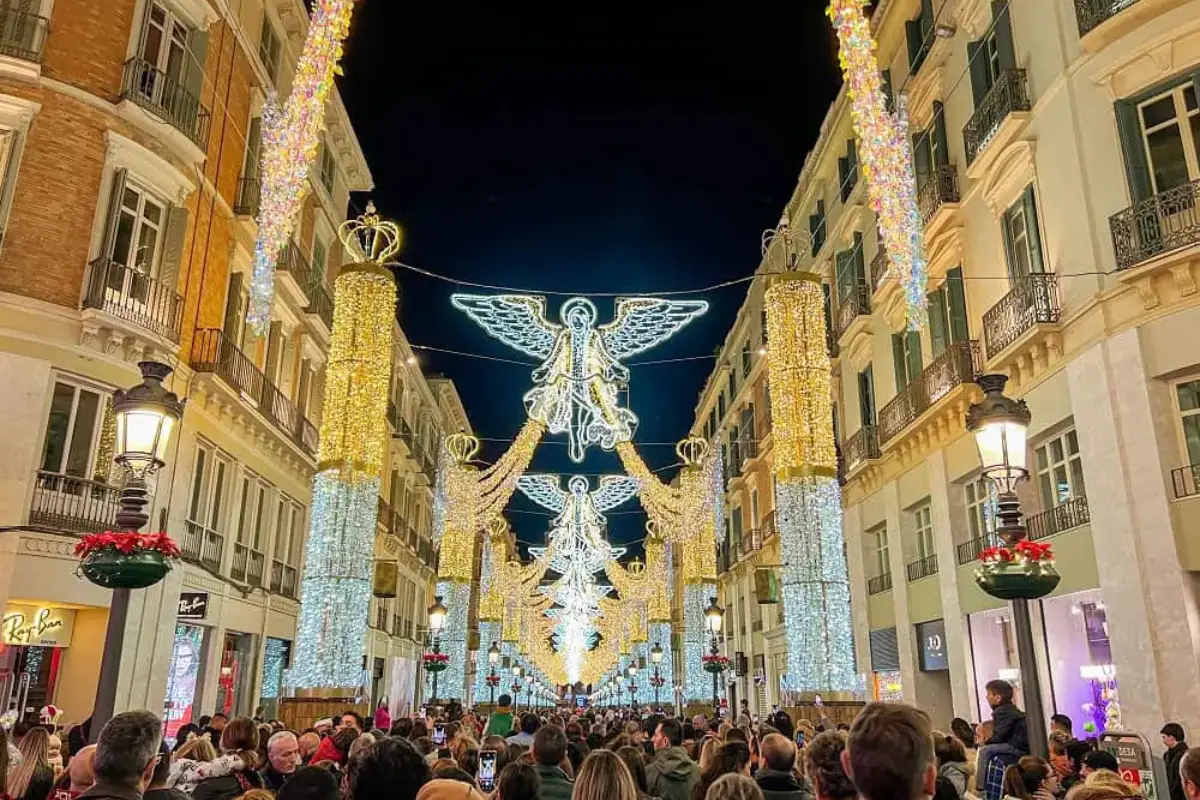
The whole street becomes a light show, timed to music, and it runs from early evening until midnight on weekdays and until 2am on weekends. It’s loud and crowded and completely over the top, which is exactly why it works.
The switch-on night draws enormous crowds, and the old town gets genuinely packed by early evening. If that’s not your idea of a good time, go on a quieter weekday night in December instead; the display is just as good and the streets are far more manageable.
I’ve written a full guide to Christmas in Malaga if you want to plan around the whole festive season. But catching the lights at least once in late November, even briefly, is something I’d recommend to anyone visiting at this time of year.
Day Trips from Malaga in November
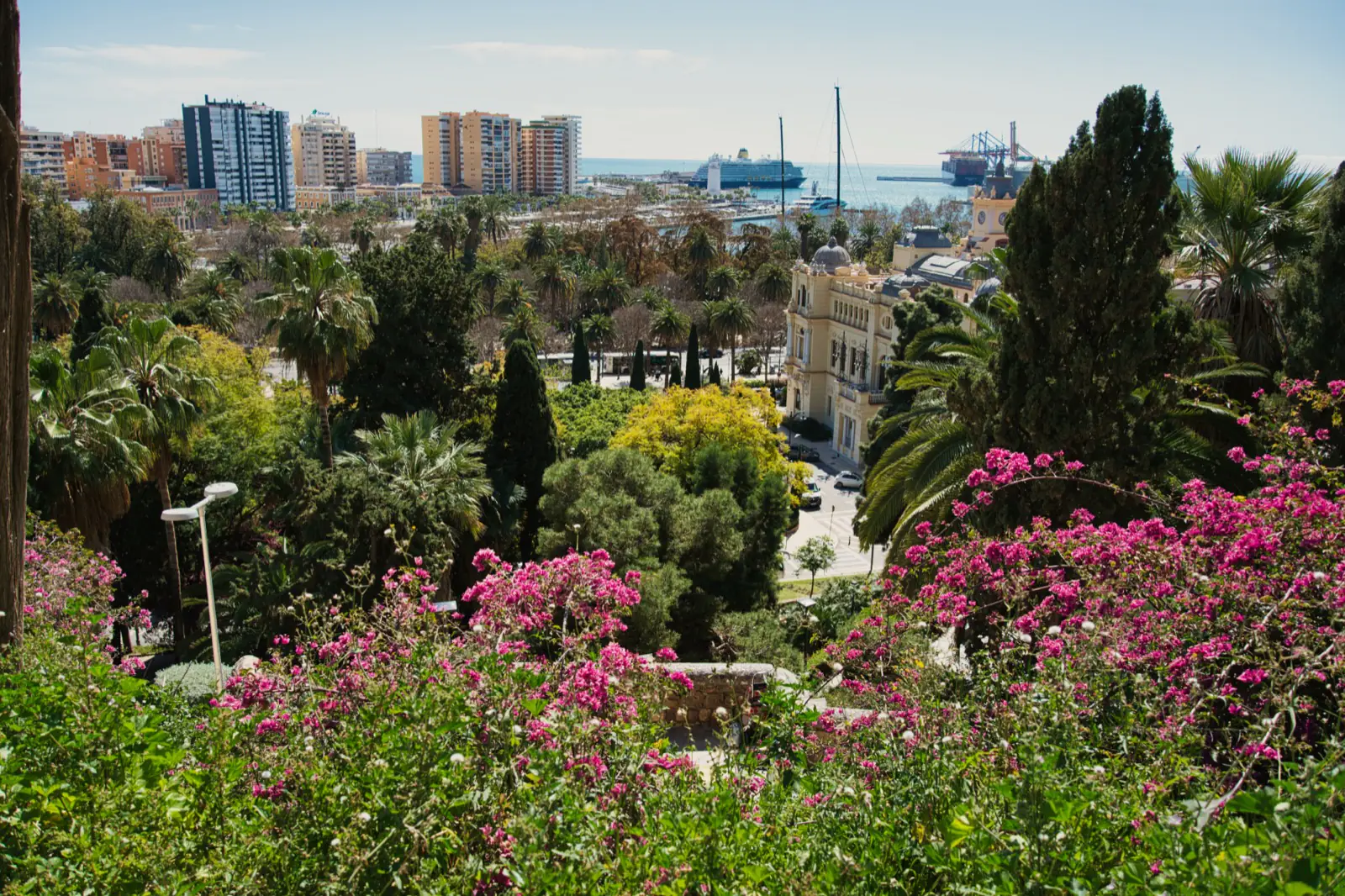
November is one of the best months of the year to leave the city for a day. The heat that makes outdoor exploring uncomfortable in July is gone, the tour buses have thinned out considerably, and the light in autumn has a quality that summer photos never quite capture.
Frigiliana in November
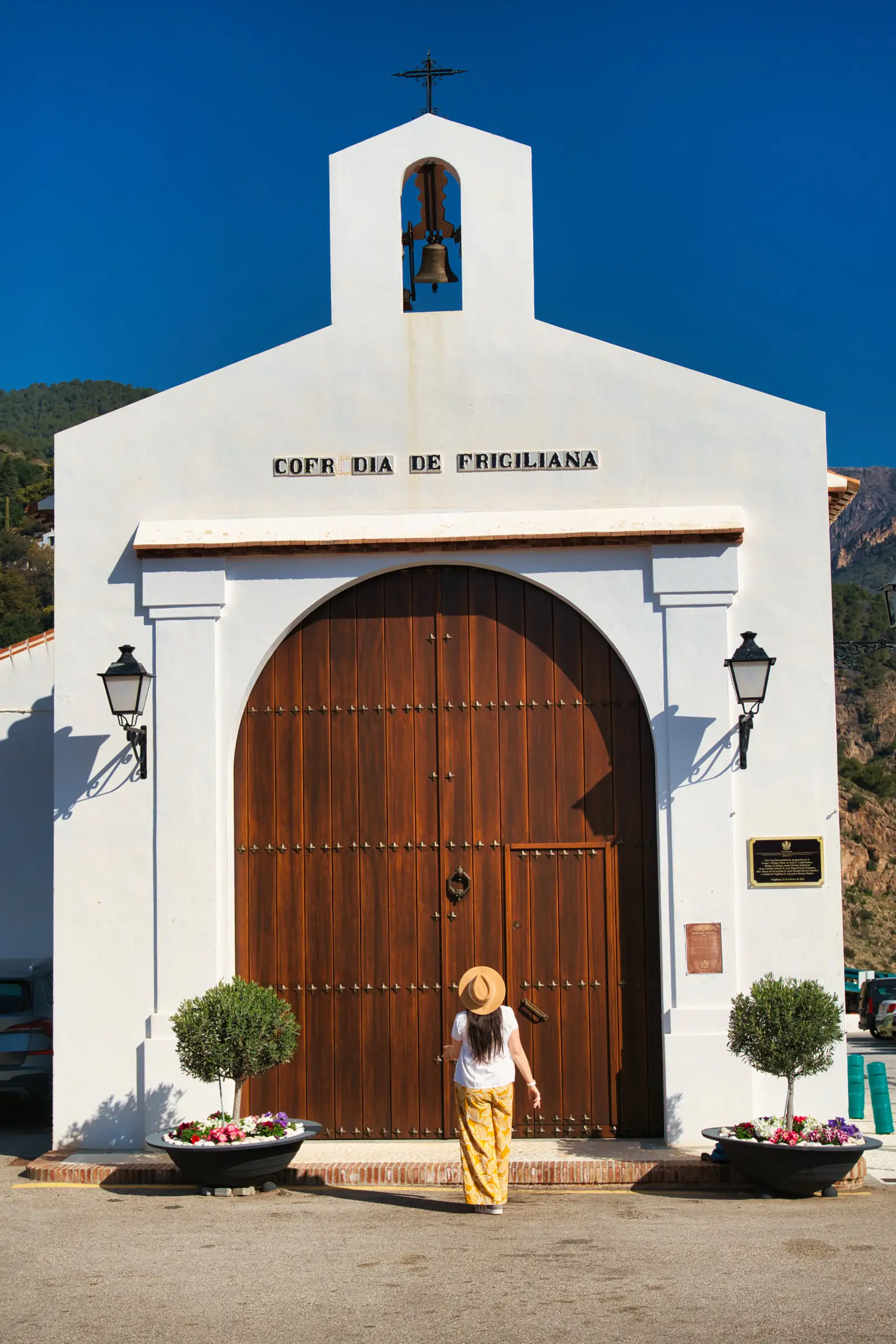
Frigiliana is one of the most photographed white villages in Andalusia, and in November it finally looks the way the photos suggest it should. The summer crowds that pack the main street in August are mostly gone.
The village sits about 7km inland from Nerja, roughly an hour from Malaga by car. The steep cobbled streets and the Moorish quarter take about two hours to explore properly, and the views out over the coast on a clear November morning are better than anything you’ll see with a haze of summer heat behind them.
Most of the cafés and restaurants stay open year-round. Go on a weekday if you want the village largely to yourself.
Caminito del Rey in November
The Caminito del Rey is a 7.7km walkway pinned to the walls of the El Chorro gorge, about 60km north of Malaga. In summer, the gorge traps heat and the route gets crowded with groups moving slowly in both directions.
In November, neither of those things is true. The temperature in the gorge is comfortable for walking, the crowds are smaller, and the autumn colours in the scrubland around El Chorro add something the summer version simply doesn’t have.
Book tickets in advance regardless of the season; the daily visitor numbers are capped. Mornings are better than afternoons for the light.
Ronda in November
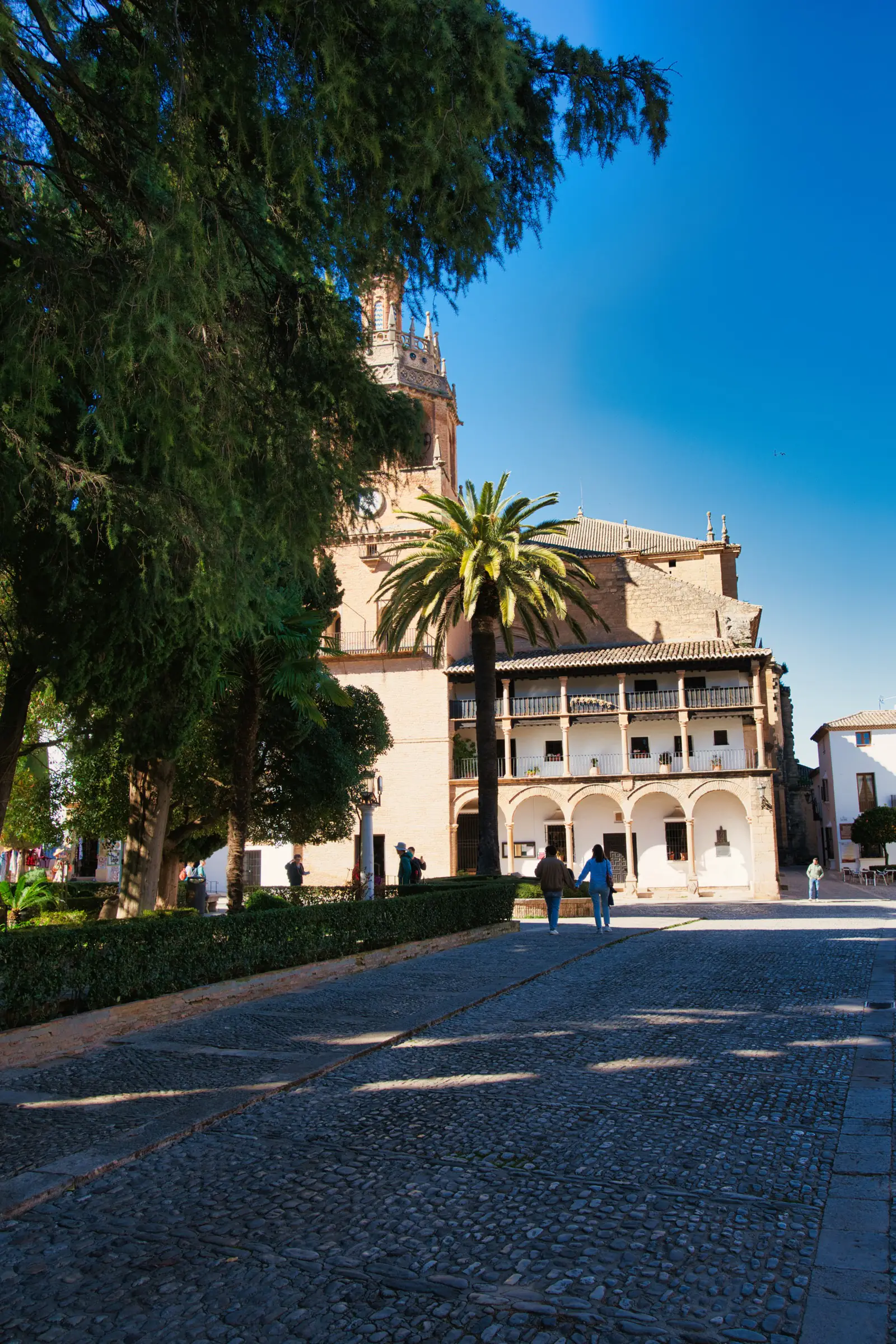
Ronda sits on a dramatic cliff edge about 100km west of Malaga, roughly an hour by car or a direct bus from the city centre. The Puente Nuevo bridge spans a 98-metre gorge that cuts the old and new towns in two, and the view from it on a clear November day, with cloud sitting in the valley below, is one of the most striking things I’ve seen in this part of Spain.
November mist makes the cliffs look more dramatic, not less. The town is busy enough to feel alive, quiet enough to be enjoyable, and the restaurants in the old town are easier to get into than in summer.
Chestnuts, Seasonal Food, and the Tostón Festival
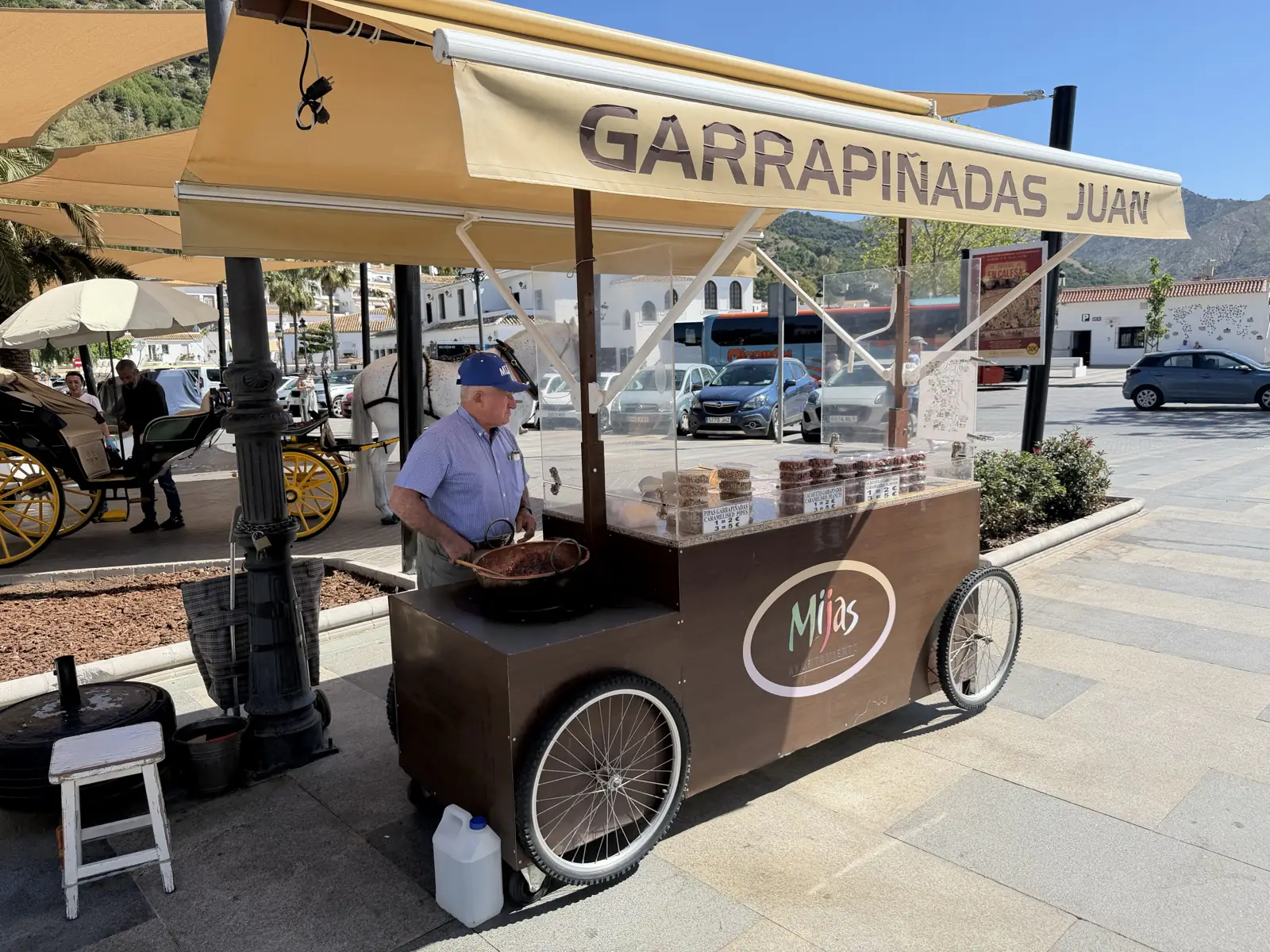
November has a food identity of its own in Andalusia. Street vendors start selling roasted chestnuts in late October and keep going until December, and the autumn menu in most Malaga restaurants shifts towards heartier dishes: plato de los montes (a mountain plate of eggs, chorizo, and potatoes), bean stews, and game.
The Tostón tradition is the most specific expression of this. On November 1st, the village of Ojén, about 17km inland from Marbella, distributes over 300 kilos of free roasted chestnuts in the streets.
It’s a proper village festival, tied to All Saints’ Day, and genuinely worth the detour if you have a car and happen to be in the area.
In Malaga city, you don’t need to travel anywhere. Chestnut vendors set up on the main pedestrian streets through November, and the smell of roasting chestnuts on a cool evening is one of those things that makes the city feel like itself.
For a proper sit-down meal, my guide to the best tapas bars in Malaga has the places worth booking ahead, some of which put specific autumn dishes on the menu from November.
The Botanical Garden La Concepción in Autumn
Most visitors to Malaga skip the Jardín Botánico La Concepción, which is a shame at any time of year but especially in November. Founded in 1855, it’s one of the oldest tropical gardens in Spain, and in autumn the palm collections, deciduous trees, and rambling paths look noticeably different from their summer versions.
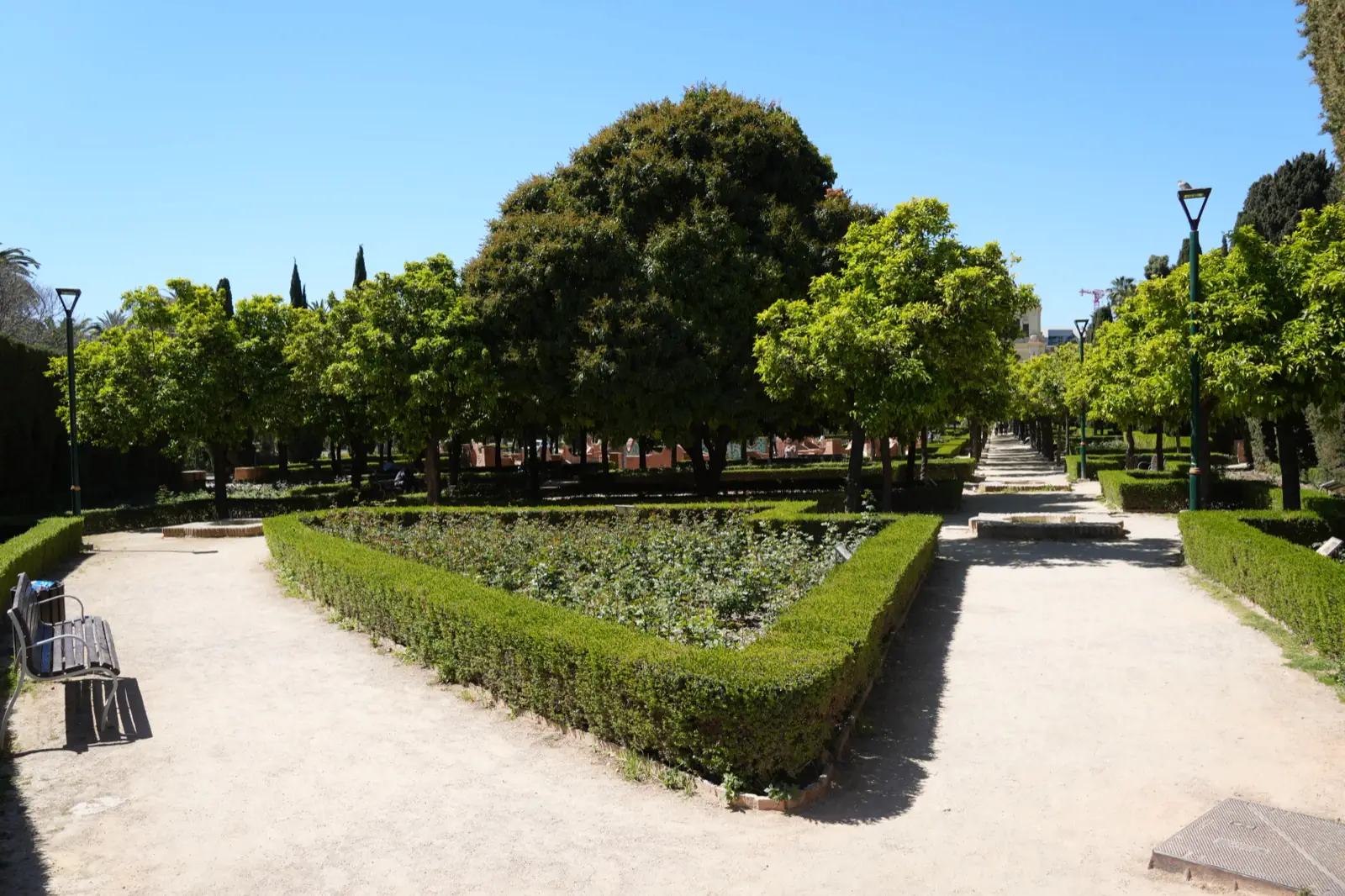
The colours aren’t the dramatic reds of northern Europe, but there’s a warmth to the garden in late October and November that the summer heat strips out. I find it easier to actually see the place in autumn, when the light is softer and the crowds are smaller.
From late November, the garden runs its Christmas Garden event: a 2.2km illuminated night route through the trees and tropical plantings. It opens around November 28th, runs through early January, and books up faster than people expect.
The garden is about 7km north of the city centre, easily reached by taxi or public bus. Entry to the main garden is around €5.20 for adults, and it’s free on Sundays.
What to Expect in November
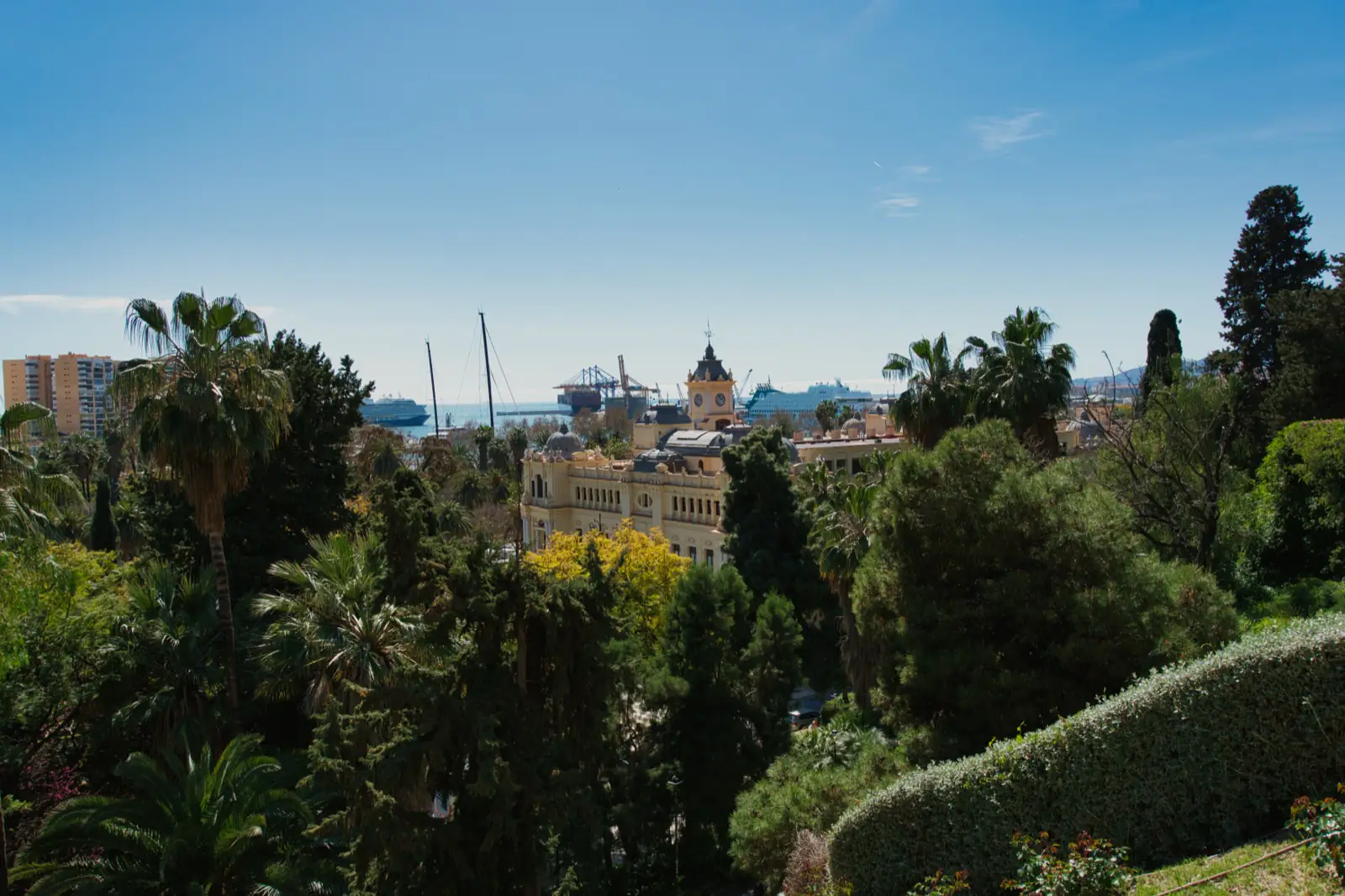
Daytime temperatures in November hover around 19-21°C, warm enough for a t-shirt at midday and comfortable for walking all day without the exhaustion that comes with August. Evenings drop to around 11-13°C, so bring a jacket for after sunset.
Can you swim in November? The sea temperature is around 18-19°C, which is just about possible in early November but noticeably cooler by month’s end.
Whether that counts as swimmable depends on who you ask. I’d say most people have put their swimwear away before the month is out, but I’ve seen braver souls than me in there in late November.
November is statistically Malaga’s wettest month, though the city only averages around four rainy days and showers tend to be brief rather than sustained. You’ll want a compact umbrella in your bag, not waterproofs.
Daylight runs to about 10 hours, with the sun setting between 6pm in early November and around 5:45pm by the end of the month.
More Things to Do in Malaga Throughout the Year
- 15 Best Things to Do in Malaga in January
- 13 Things to Do in Malaga in February
- Things to Do in Málaga in March: Events, Hikes and Local Tips
- Things to Do in Malaga in April (Including Semana Santa)
- 15 Things to Do in Malaga in May (by a Local)
- Things to do in Malaga in June: what’s worth your time
- Things to Do in Malaga in July: What’s Actually Worth It
- 12 Things to Do in Malaga in August: my local picks
- Things to Do in Malaga in September: Events, Beaches and Day Trips
- 20 Things to Do in Malaga in October
- 12 Things to Do in Malaga in December