The drive into Jaén tells you more than most travel guides do. For kilometres before you reach the city, the road cuts through olive grove after olive grove, past farm tracks and cave signs and hand-painted detours in Spanish.
So much of what makes Jaén what it is isn’t something you’d find on a map.
Jaén is still a real provincial city, not a tourist destination, and I genuinely hope it stays that way. I left, went home and did a lot of reading to prepare for my next visit, and these are the facts about Jaén that surprised me most.
Frequently Asked Questions About Jaén
- What is Jaén known for?
- Is Jaén worth visiting?
- What is the best time of year to visit Jaén?
- How do you pronounce Jaén?
- What does the name Jaén mean?
- What famous people are from Jaén?
- How much olive oil does Jaén produce?
- Can you get free tapas in Jaén?
- When was the Cathedral of Jaén built?
- What is an Arab bath?
- What is the oldest castle in Spain?
- Is Cazorla National Park worth visiting?
- What are popular festivals in Jaén?
- What is the architecture like in Jaén?
Jaén Produces More Olive Oil Than Italy
I spent almost two hours on the road from Málaga, and for the entire final stretch the landscape was nothing but olive grove after olive grove rolling over every hill in every direction. Locals call it the Mar de Olivos, the sea of olive trees.
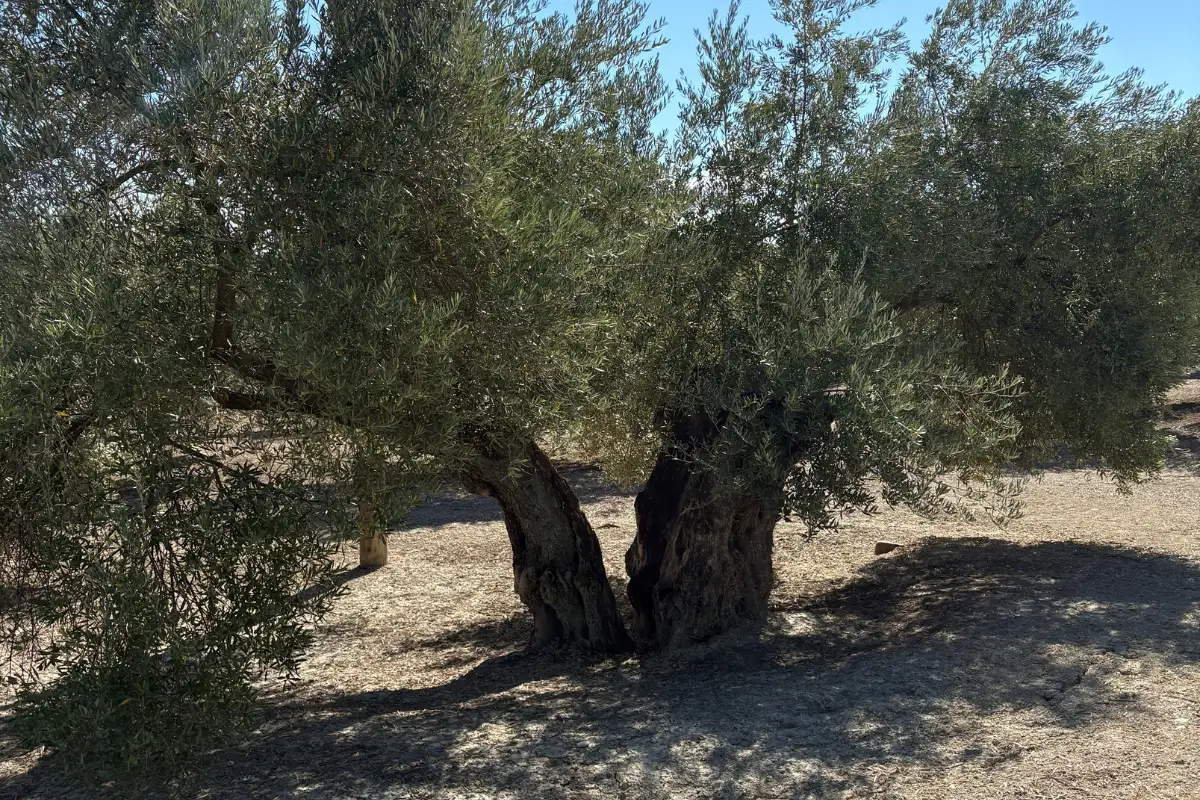
If you see a roadside factory, stop. More on the numbers in how much olive oil does Jaén produce.
The Name Jaén Comes from an Arab Caravan Route
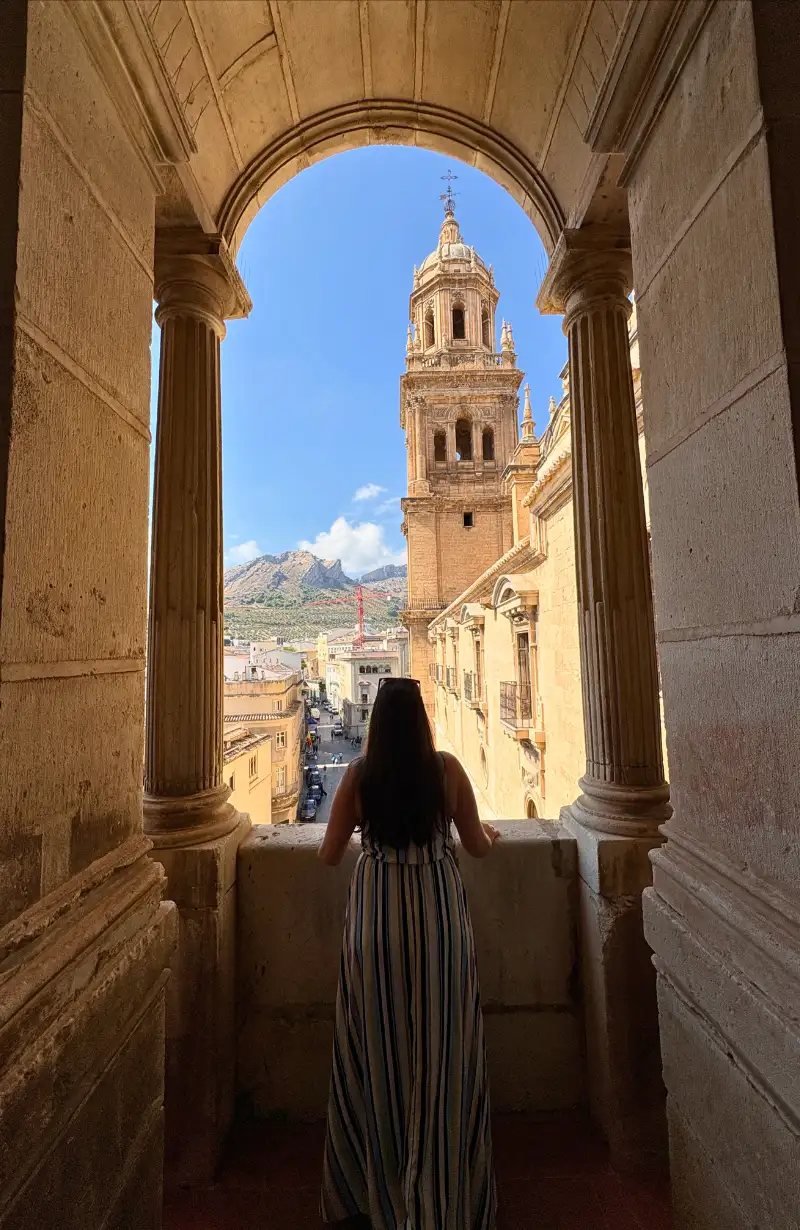
The city’s name is older than its beautiful cathedral, its castle and almost everything else you’ll see here. It tells you something about why this place existed at all, long before tourism and long before olive oil became a lucrative export. More in what does the name Jaén mean.
Jaén Was the Frontier Between Two Worlds
For most of its history, Jaén sat on the wrong side of a frontier. The city was the border between Christian Spain to the north and Moorish Spain to the south, a position that made it one of the most fought-over cities in Andalusia for more than two centuries.
In 1246, King Ferdinand III captured Jaén from the Moorish ruler Ibn-Nasr. The defeat had a direct consequence that reshaped the map of medieval Spain, because Ibn-Nasr retreated south and founded the Nasrid kingdom of Granada, which became the last Muslim emirate on the Iberian Peninsula and held out for another 246 years.
When Ferdinand and Isabella finally launched their campaign against Granada in 1492, they did it from Jaén. The city had spent centuries as a strategic base close enough to the front line to matter.
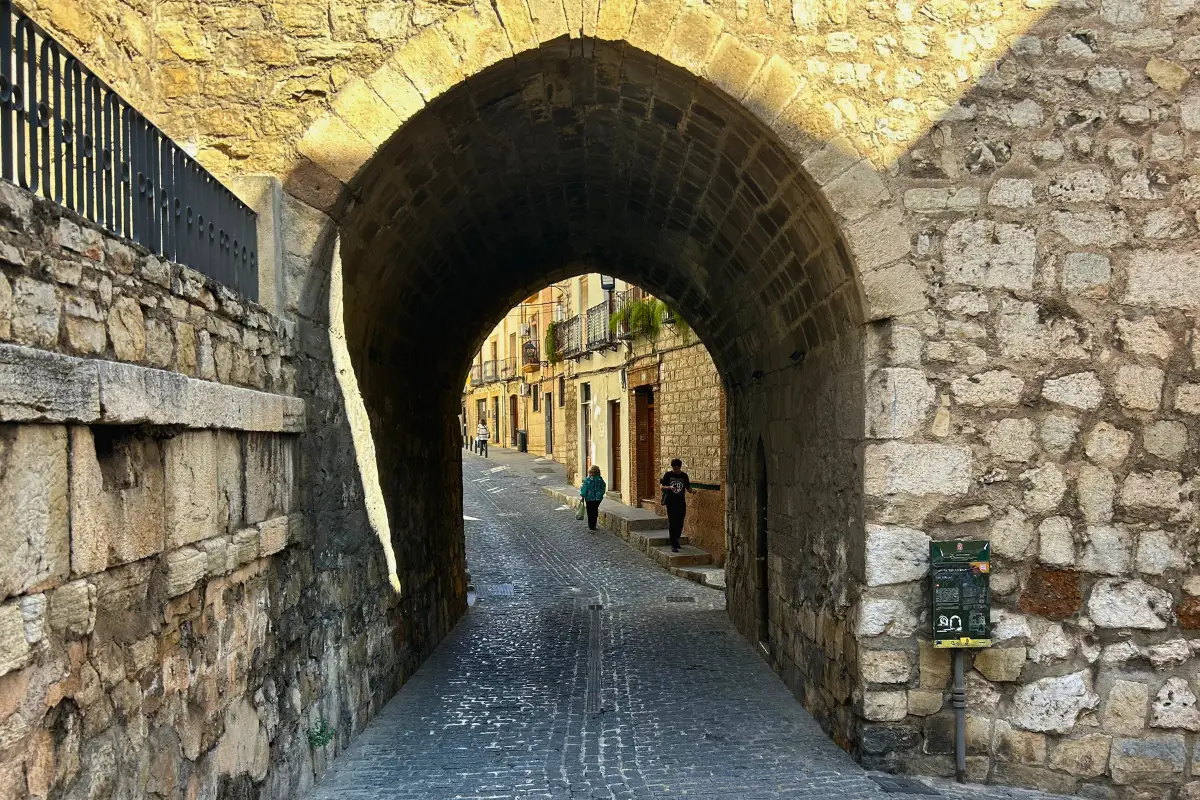
The neighbourhood called La Magdalena still carries the memory of this history. The area was once densely Moorish, filled with mosques and hammams, and when I walked through it I kept finding fragments of that past in doorways and courtyard walls that no sign bothered to explain.
If you’re planning to continue on to Granada after Jaén, seeing the city through this lens makes the Alhambra feel like an entirely different place.
The Province Has the Highest Concentration of Castles in Europe
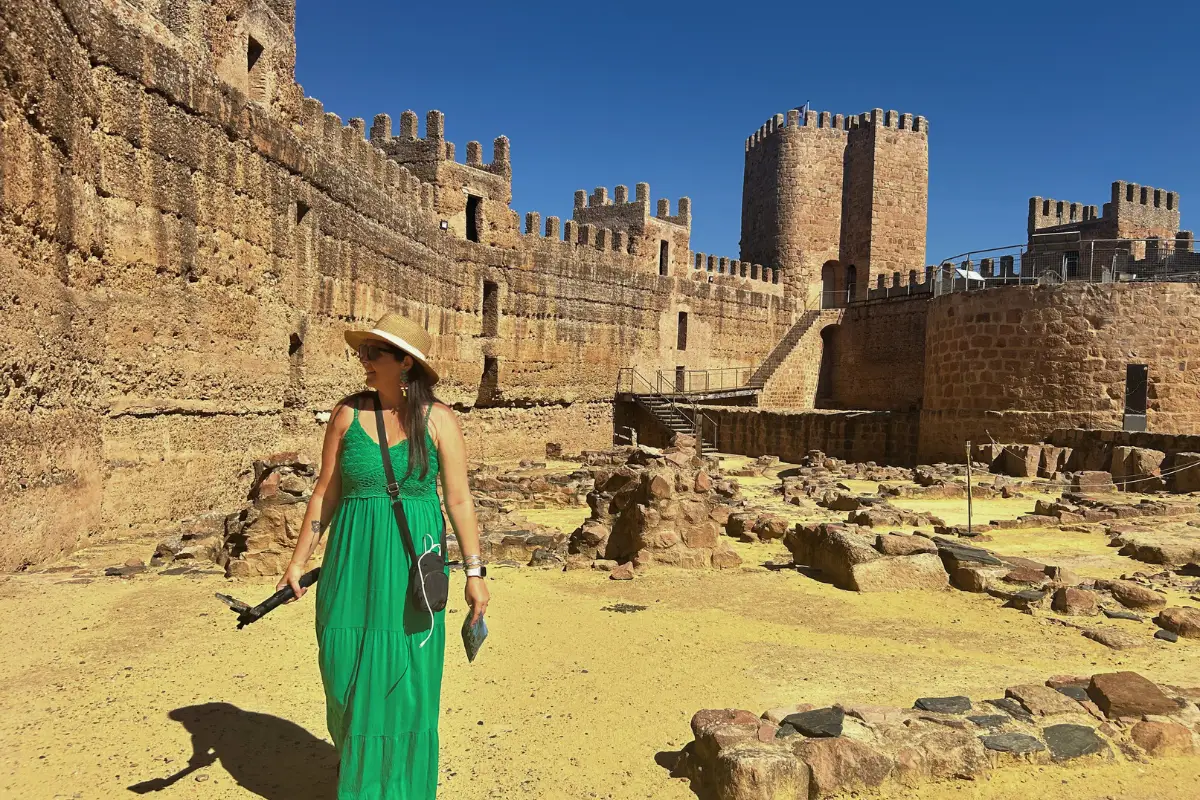
I drove to Burgalimar Castle from the city in about 40 minutes and had the entire place to myself, literally. The most dramatic is the Castillo de Santa Catalina, which watches over the city from a limestone ridge you can see from almost anywhere in the streets below.
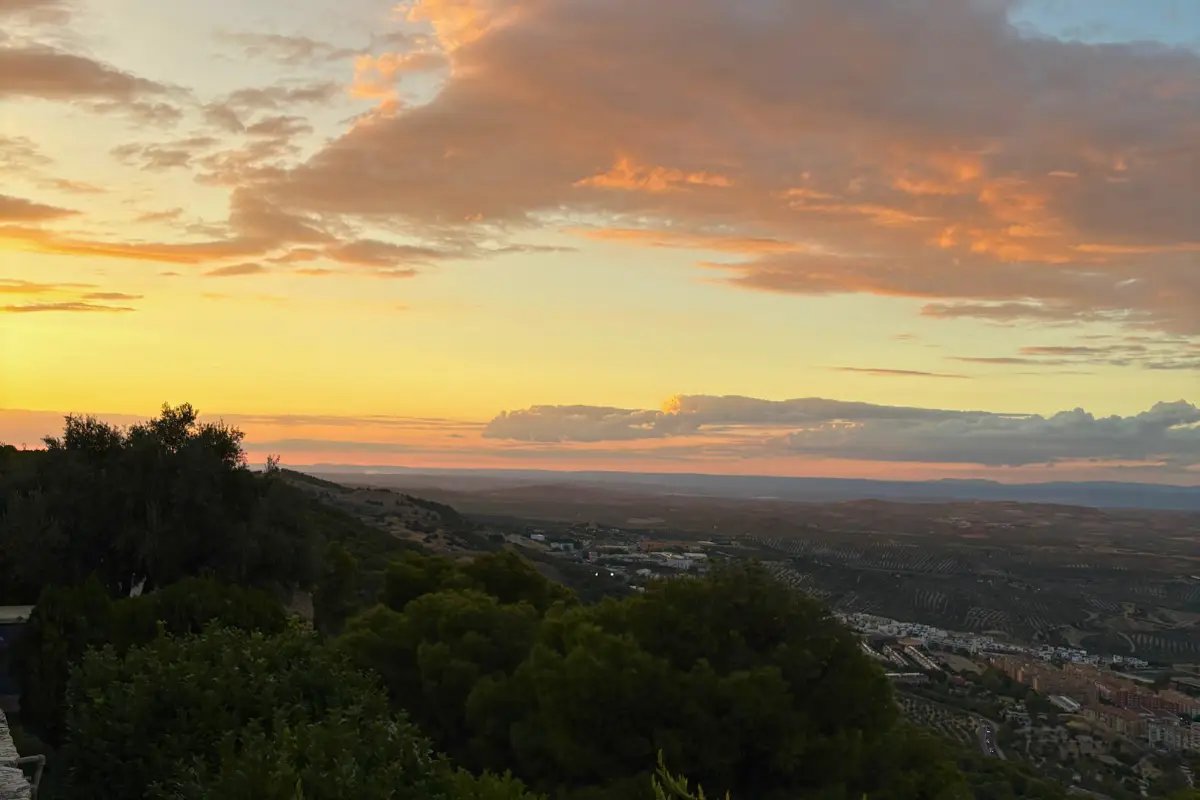
More on this in what is the oldest castle in Spain.
Jaén’s Population Is About 112,000
Around 112,235 people as of January 2025, which is small for a provincial capital and a fraction of Málaga or Seville. It’s part of why the city still feels like somewhere people live rather than somewhere built for visitors.
The practical effect is that the main sights rarely have a queue, which is not something you can say about Granada an hour down the road.
The Arab Baths Are the Largest in Spain
Most people walk straight past the plain building because nothing on the outside tells you what’s underneath. I walked out wondering why we don’t build like this anymore.
The baths are free to enter, which surprised me more than almost anything else I found in Jaén. They’re a lovely thing to stumble into.
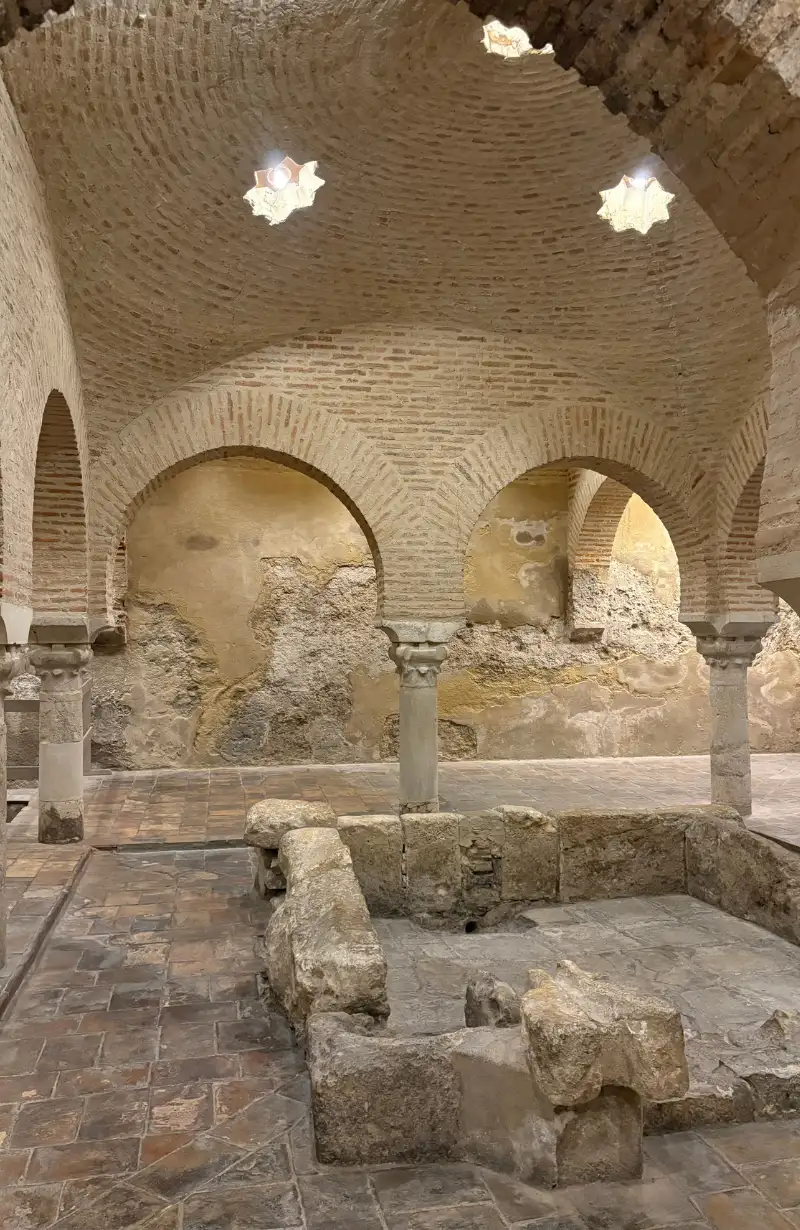
More on the history in what is an Arab bath.
The Cathedral Took 176 Years to Build
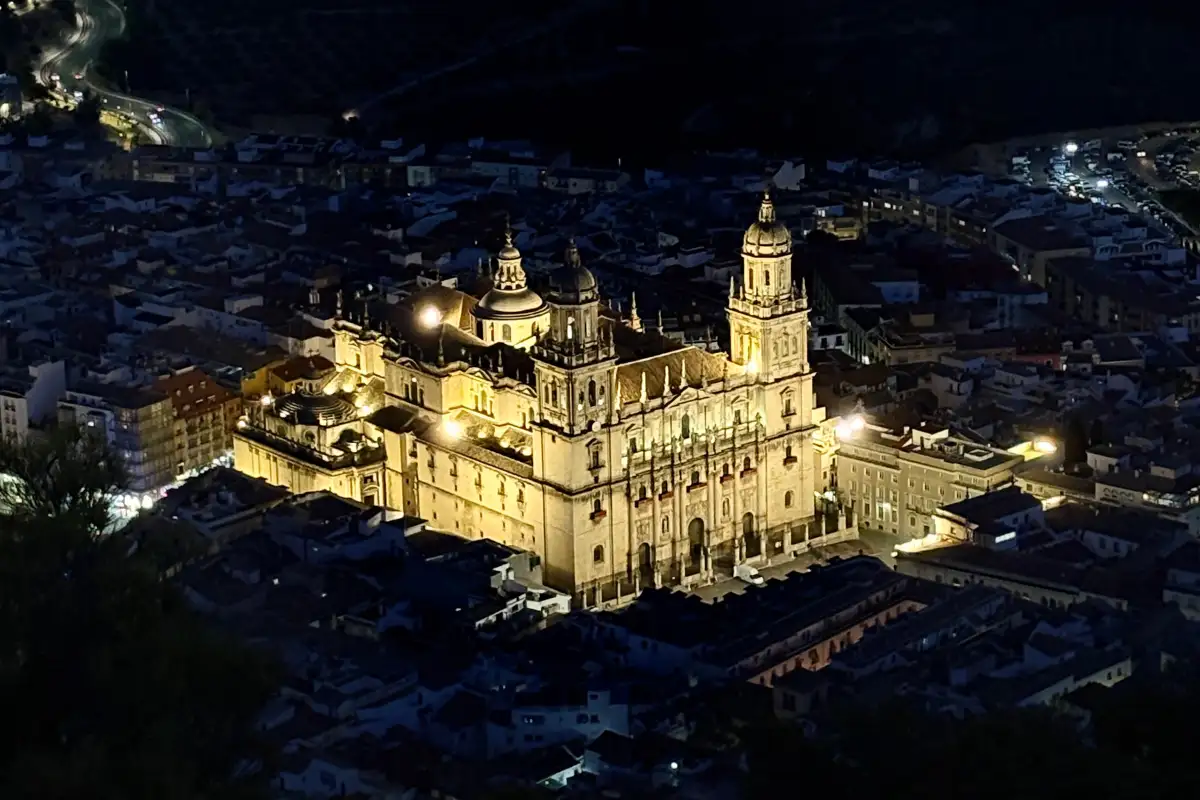
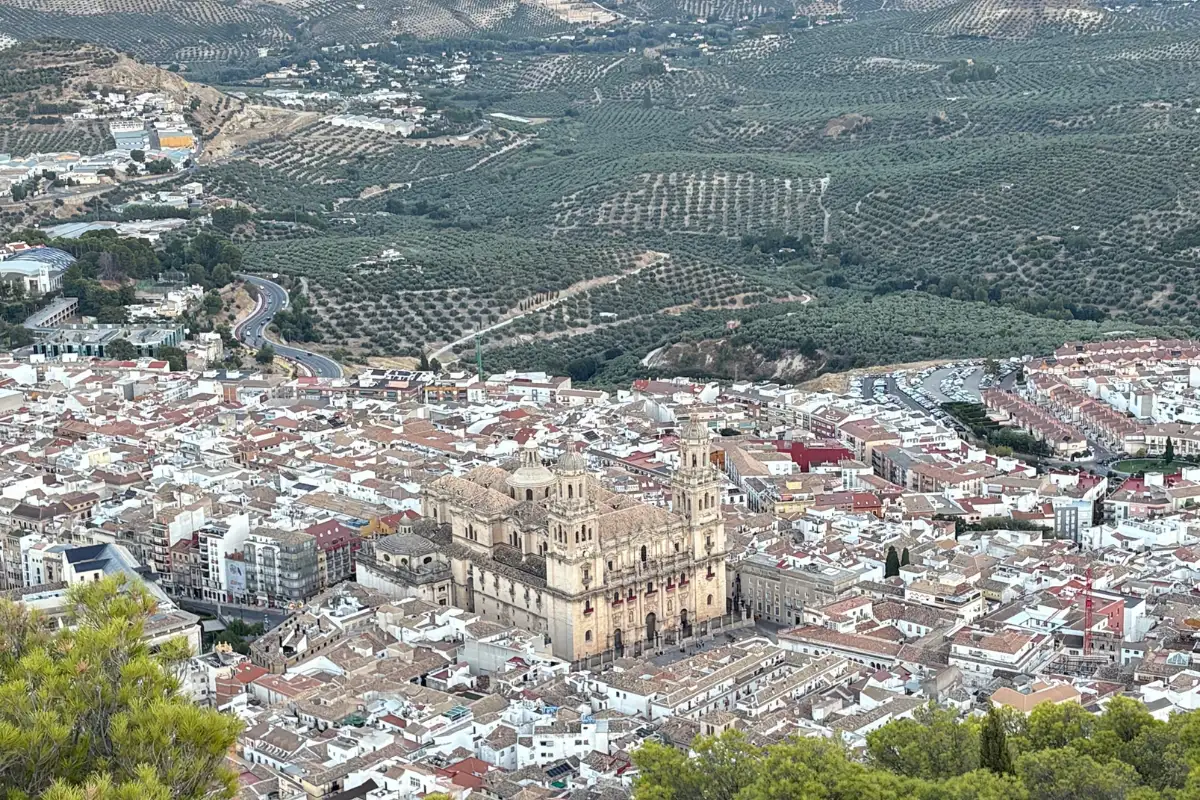
Even if you’ve visited a dozen cathedrals in southern Spain, this one is different. The crypt holds a gorgeous vault of gold and silver relics that you walk into rather than look at through glass, and the views from the roof were the best I got from any building in the city. More in when was the Cathedral of Jaén built.
Úbeda and Baeza Are UNESCO World Heritage Cities
In 2003, UNESCO granted World Heritage status to the twin Renaissance towns of Úbeda and Baeza, both within the province of Jaén. The designation recognised them as the finest surviving ensemble of Renaissance urban architecture outside Italy, a claim that sounds ambitious until you actually walk the streets.
Both towns are within easy reach of Jaén city, with Baeza about 30 minutes by road or bus and Úbeda around 45. Many people make them a day trip from Granada, but coming from Jaén makes more sense geographically and gives you time to do both in a single long day.
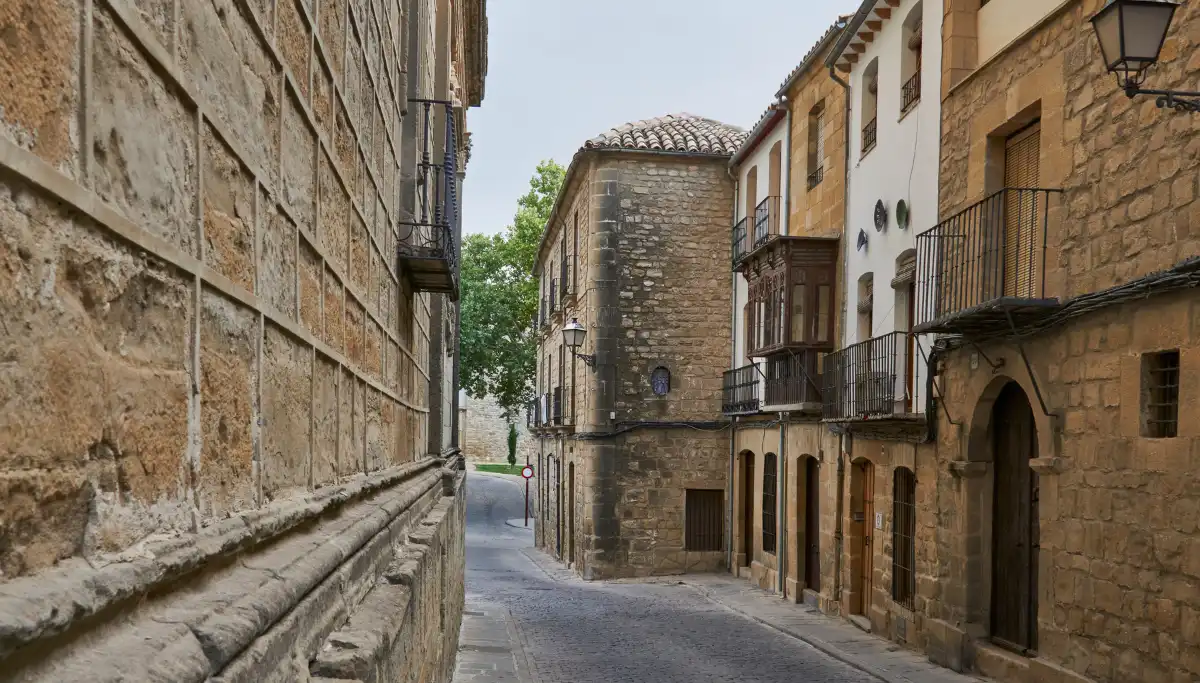
Baeza is the more compact of the two. Walking around it, I kept losing track of time in a way that doesn’t happen to me in cities that are more obviously set up for visitors.
Everything worth seeing is within a walkable area, and the streets are quiet enough that you can actually stop and look at things. My things to do in Baeza guide covers what’s worth your time there.
Sierras de Cazorla Is Spain’s Largest Protected Area
Most visitors to Jaén city never make it there, partly because it takes about an hour and a half to drive to the heart of the park. But there’s so much to see, with beautiful waterfalls, gorge hikes and crystal clear streams, and I’ve been planning a return trip specifically to walk in it.
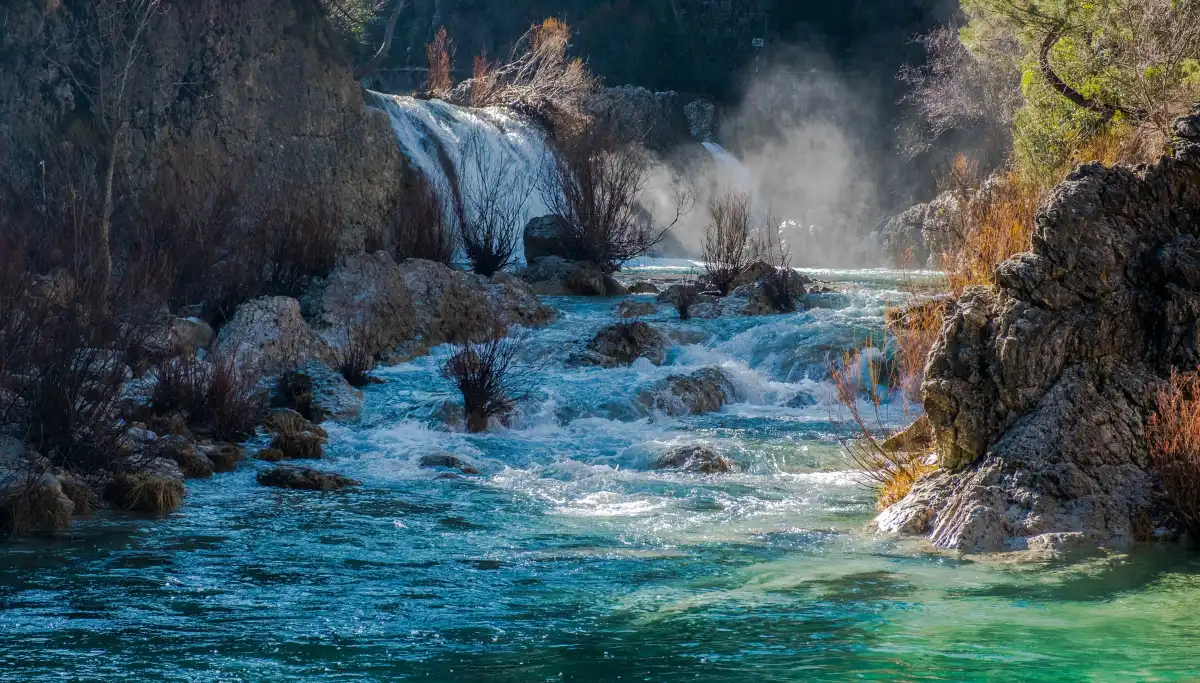
More in is Cazorla National Park worth visiting.
Guides to Jaén
- Things to do in Jaén, the full guide to the city’s sights
- Day trips from Jaén, covering Úbeda, Baeza, Cazorla, and the olive route
- Where to stay in Jaén, hotel picks by area and budget
- Getting around Jaén, walking, taxis, driving, and how to arrive
- Spain’s oldest castle, Burgalimar Castle in Baños de la Encina