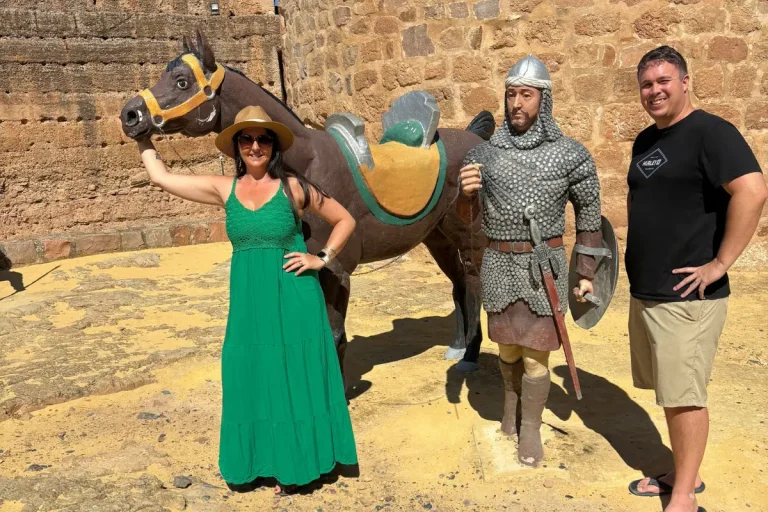
Burgalimar Castle is the oldest castle in Spain, built in 967 AD during the height of the Caliphate of Cordoba. Signposted locally as the Castillo de Burgalimar, it stands above the small town of Banos de la Encina, tucked into the olive-covered hills of Jaen province in eastern Andalucia.
While visiting Baeza on a trip to Jaen, we made the spur-of-the-moment decision to add the castle to our itinerary before returning home. It’s about a 30-minute drive from Baeza and 45 minutes from Jaen city, but it’s worth the trip if you want to see a true piece of Spanish history.
As a South African girl, castles were once just pages in fairy tales. Now, walking through Spain’s oldest fortress walls, I’m living the dream I never thought possible.
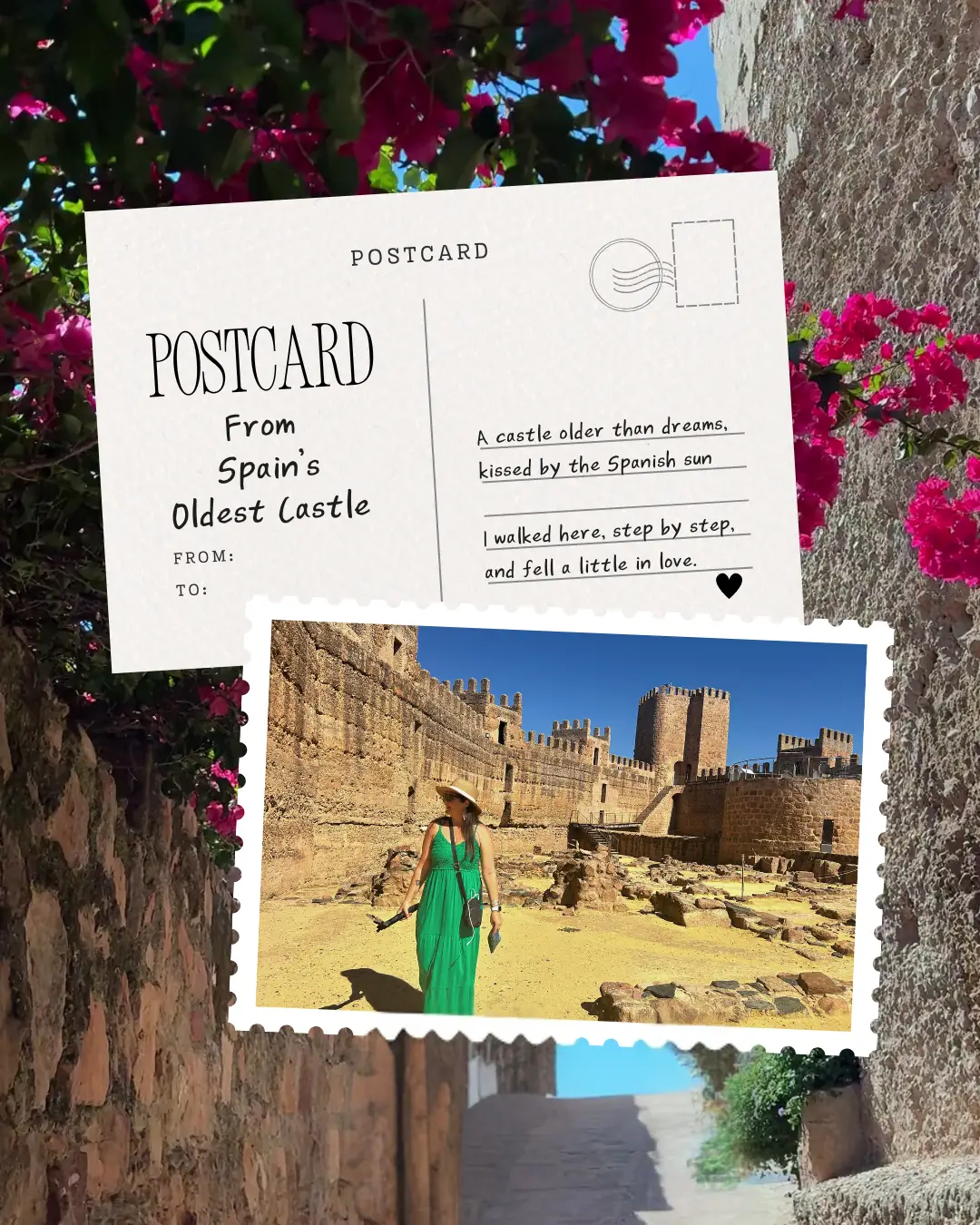
The town of Banos de la Encina is relatively small, but there are a few other attractions that make the trip worth the detour too.
This is everything you need to know if you’re wondering whether Burgalimar Castle should be on your Spain bucket list.
What Is the Oldest Castle in Spain?
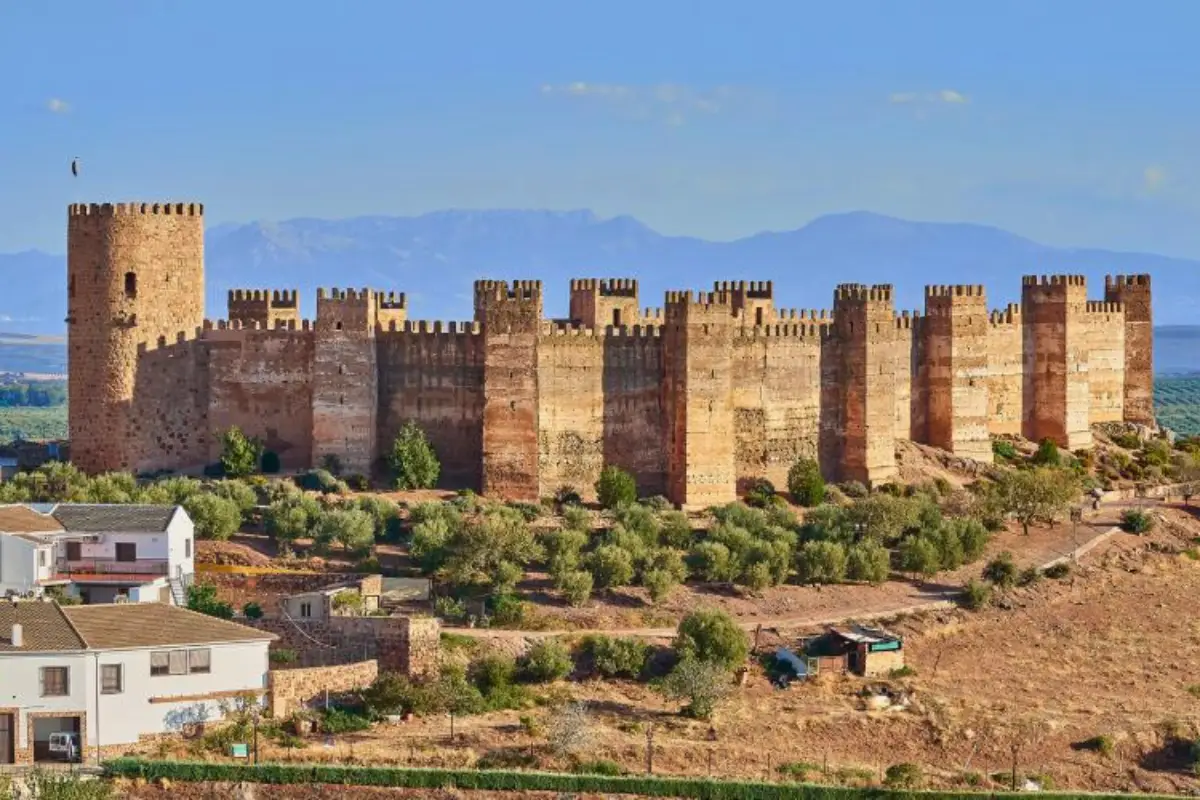
The title belongs to Burgalimar Castle, built in 967 AD during the height of the Umayyad Caliphate of Cordoba. The powerful Caliph Al-Hakam II ordered its construction as part of a line of strongholds protecting the southern frontier of Al-Andalus.
You’ll find it in the small Andalusian town of Banos de la Encina, just north of Jaen city and within easy reach of Granada and Cordoba.
The fortress has survived more than a thousand years, with its 15 towers still standing guard over the town. Most of its walls are made not of stone, but rammed earth (tapial), a type of ancient adobe strengthened with lime. It’s an incredible feat of engineering.
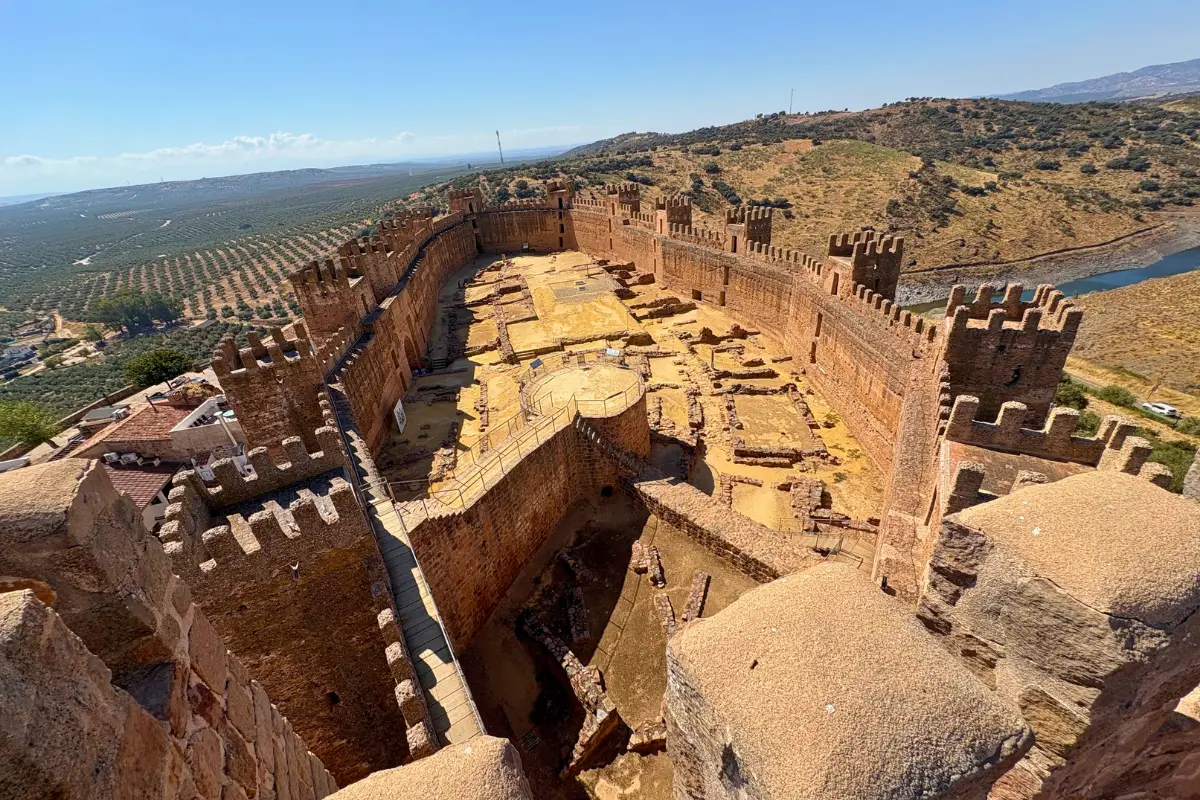
From above, the castle forms an elegant oval shape, about 100 meters long and 50 meters wide. It’s also known as the “Castle of the Seven Kings” because it has been ruled by seven different monarchs throughout its history. It’s the oldest preserved castle in Spain and the second oldest in Europe, behind only Chateau de Doue-la-Fontaine in France.
The seven monarchs behind that nickname ruled between 1126 and 1516, and they were Alfonso VII, Alfonso VIII, Alfonso IX, Peter II of Aragon, Sancho VII of Navarre, Ferdinand III, and Ferdinand the Catholic. Four of them took the castle by force from its Muslim garrison.
Alfonso VII captured it in 1147, lost it after his death in 1157, and it changed hands twice more, in 1189 and again three days after the Battle of Las Navas de Tolosa in 1212, before Ferdinand III’s forces held it for good in 1225.
Burgalimar Castle History
Before the first tower was ever raised, this hilltop had already seen millennia of life.
Archaeological finds reveal traces of Copper Age, Iberian, and Roman settlements. The story that gave the site its fame, though, begins with Al-Hakam II, whose vision for a chain of fortresses stretched along the northern edge of Sierra Morena, guarding the Guadalquivir valley approaches to Cordoba.
Only one other survives from that same chain, the ruined Castillo del Vacar near Espiel, which is part of what makes Burgalimar’s completeness so rare.
Built under the guidance of the general Galib, Burgalimar (originally “Bury al-Hamman,” or “Castle of the Baths”) was a symbol of caliphal power.
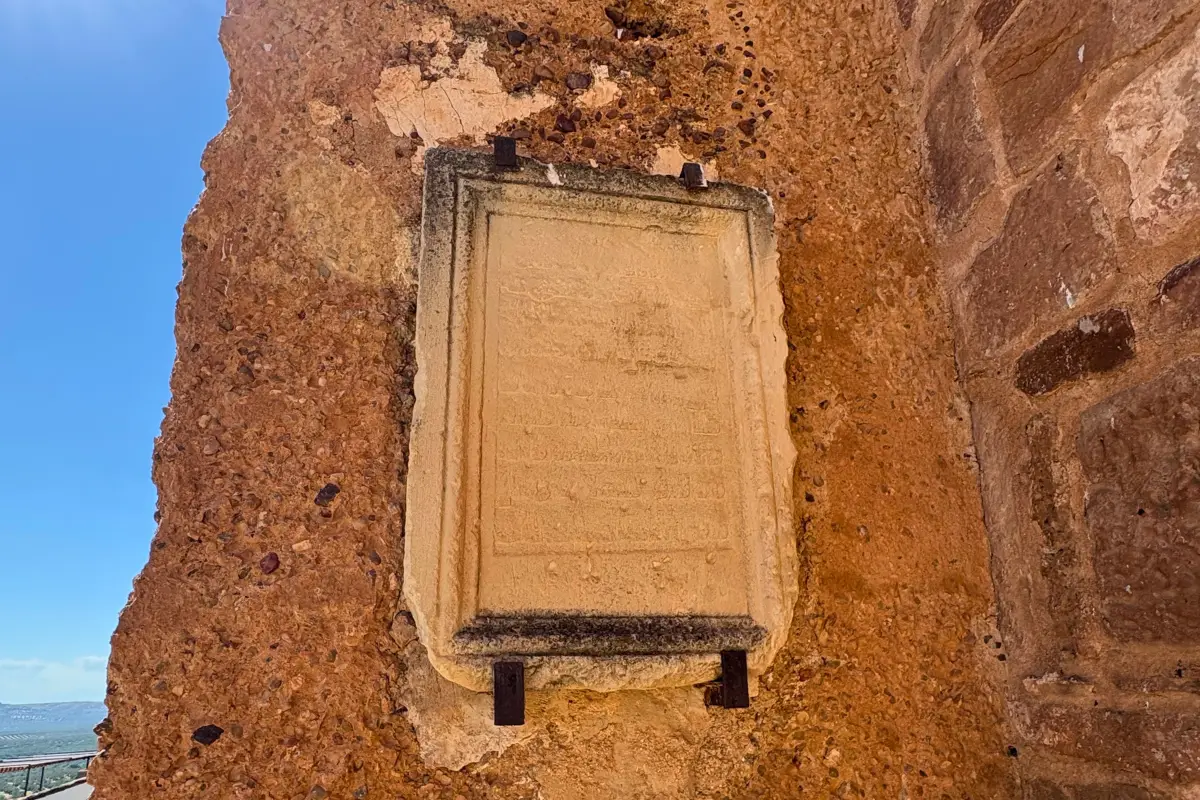
Its strategic position allowed control over the north-south routes crossing the mountains. A plaque that once hung on its door, now in the Archaeological Museum of Madrid, confirms the 967 AD construction date.
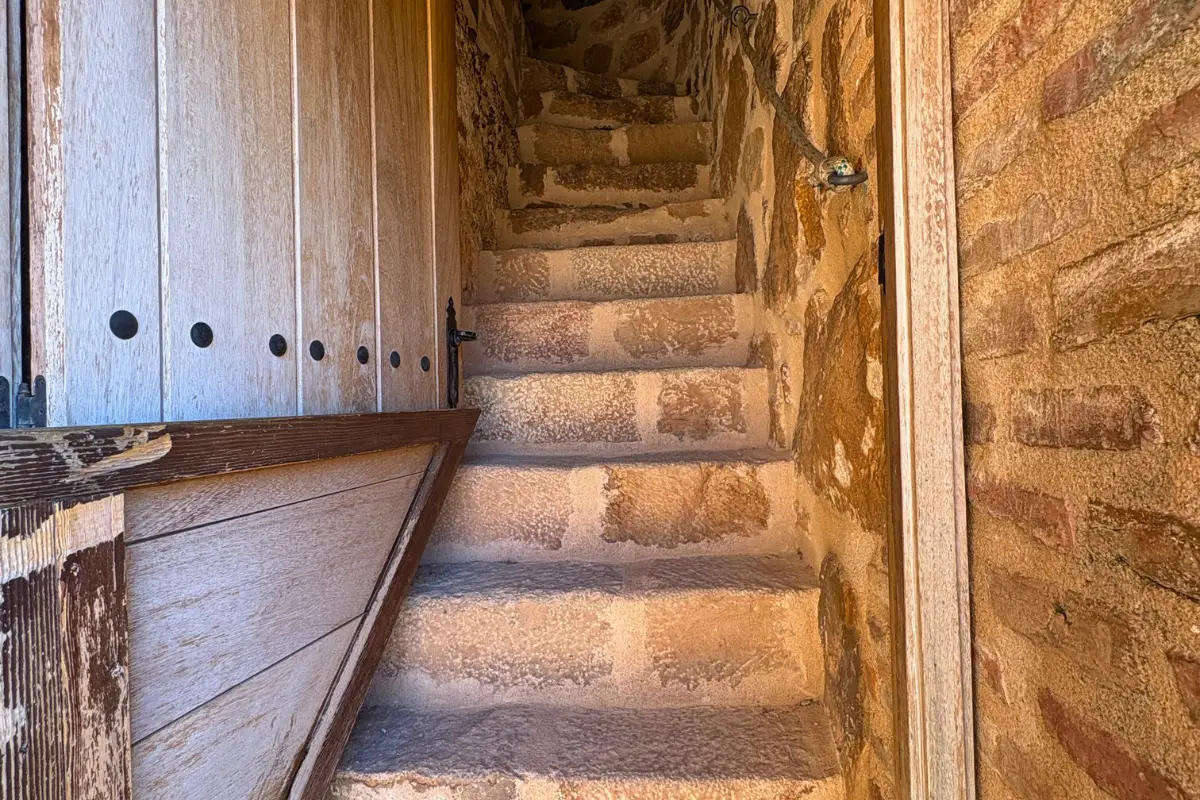
After the fall of the caliphate, the fortress changed hands repeatedly during the long Muslim-Christian conflicts of the 11th and 12th centuries.
Ferdinand III of Castile finally took it in 1225 and then granted it to the Order of Santiago. The Christians later added the Tower of Homage, the square keep you can still climb today for sweeping views of the surrounding olive hills.
Despite wars and invasions, Burgalimar was never destroyed.
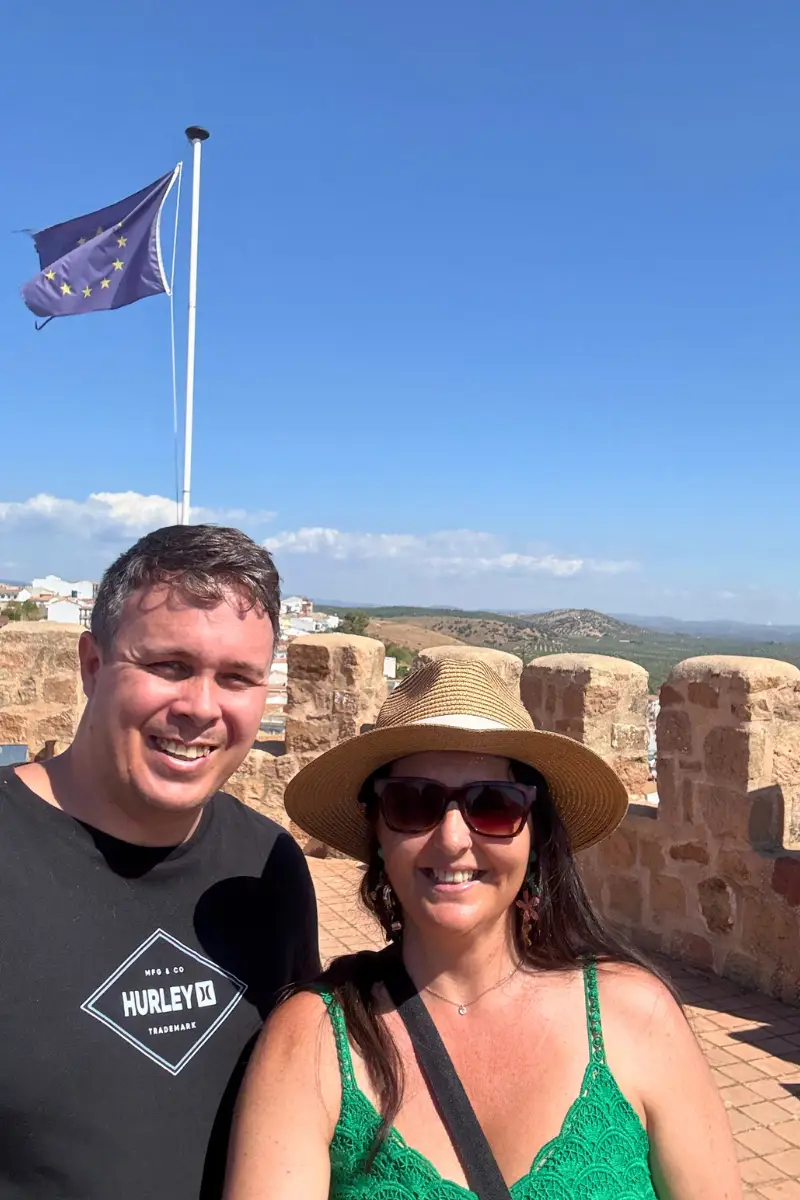
Declared a National Monument in 1931, it remains one of Spain’s best-preserved examples of Moorish military architecture. The castle is now recognized by the European Union as a site of exceptional heritage, and you’ll see the EU flag flying alongside the Spanish flag at the entrance.
Why Is Burgalimar Castle Made of Earth Instead of Stone?
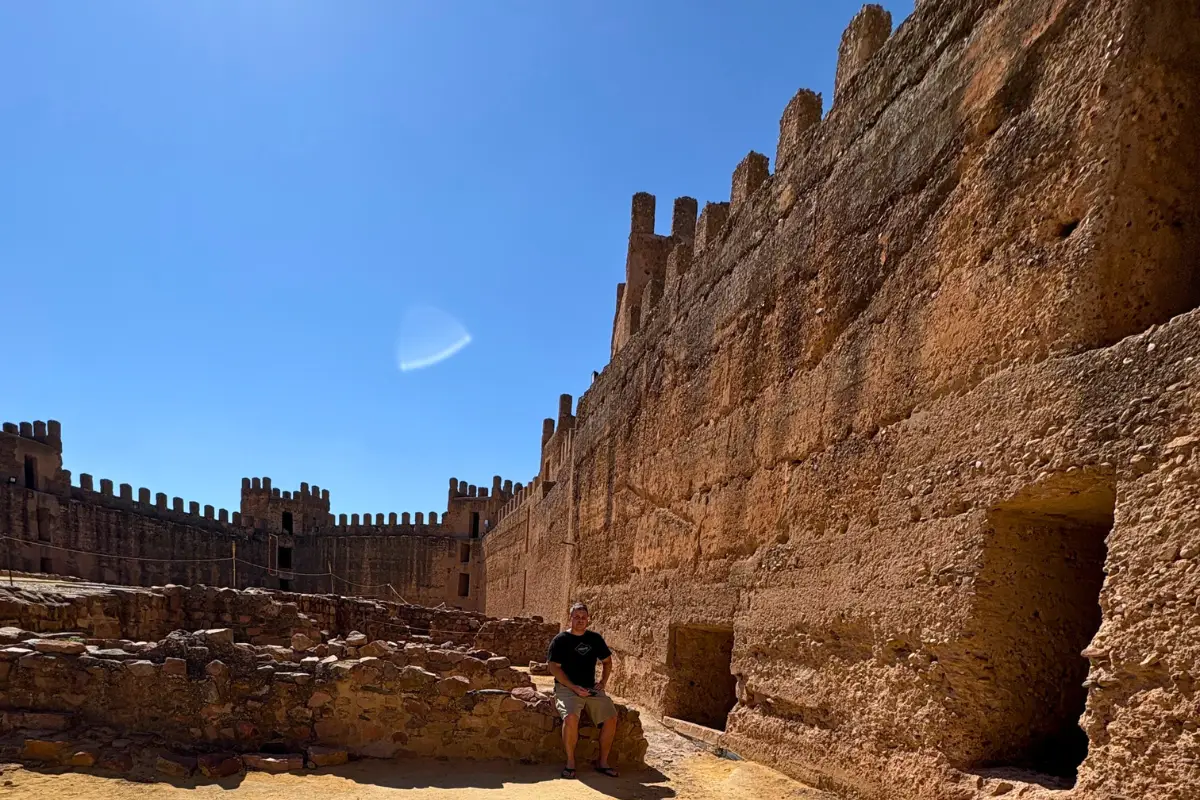
The castle was built using tapial, a type of rammed earth mixed with lime. This was a common Moorish construction technique in 10th-century Al-Andalus. Workers packed wet earth into wooden moulds, layer by layer, creating walls that hardened to near-stone durability.
The technique was faster and cheaper than quarrying stone, which mattered when you were building a chain of fortresses across a mountain range. What’s remarkable is how well it has held up. Over a thousand years later, the walls still stand largely intact.
Unlike the grand Alhambra or the clifftop fortresses of the coast, Burgalimar is raw and ancient. There are no intricate carvings or tiled courtyards. Just sun-baked earth, thick walls, and a thousand years of silence.
Is Burgalimar Castle Worth Visiting?
That’s a tricky one. The trip to the castle is as much about exploring and taking in the scenery as the castle itself.
The castle is beautiful and unlike any castle I’ve seen so far in Spain, making it one-of-a-kind, at least for me.
Once inside, the area is pretty bare. A wide, flat space without much to really poke around in and explore.
You can climb the stairs to the walls and then up to one of the four parapets, but that’s about it. The views from the Tower of Homage over the endless olive groves of Jaen province are stunning.
It’s a beautiful piece of history, with a few things to do nearby, but whether it’s worth the detour is up to you. If you’re already visiting Baeza, Ubeda, or Jaen, the 30 to 45 minute drive makes it an easy addition.
Burgalimar Castle Ticket Prices and Opening Times
Visiting the castle is surprisingly affordable. Adults pay 6.50 euros and children pay 3.50 euros, which includes a 45-minute guided tour.
They’re conducted in Spanish only.
Tours run several times a day and are worth joining for the historical context. Morning tours typically start at 10.30am, 11.15am and noon. Afternoon tours run at 7.15pm and 8pm.
The tours start at the Banos de la Encina Tourist Office, located just a short walk from the entrance. Inside, you’ll see the cistern, remains of medieval quarters, and the main parade ground, where soldiers once drilled beneath the sun.
Arrive 20 minutes early to buy tickets. Bring water and comfortable shoes. Opening times can vary seasonally, so check the official tourism website before visiting.
Can You Visit Burgalimar Castle Without a Guided Tour?
No. Visits are by guided tour only, departing from the Banos de la Encina Tourist Office.
The guide is the point rather than an obstacle. Without one you would miss the significance of most of what you’re looking at.
Allow an extra 30 minutes after the tour to explore the town and take photos. A full visit including nearby attractions like the windmill and church takes 2 to 3 hours.
How to Get to Burgalimar Castle
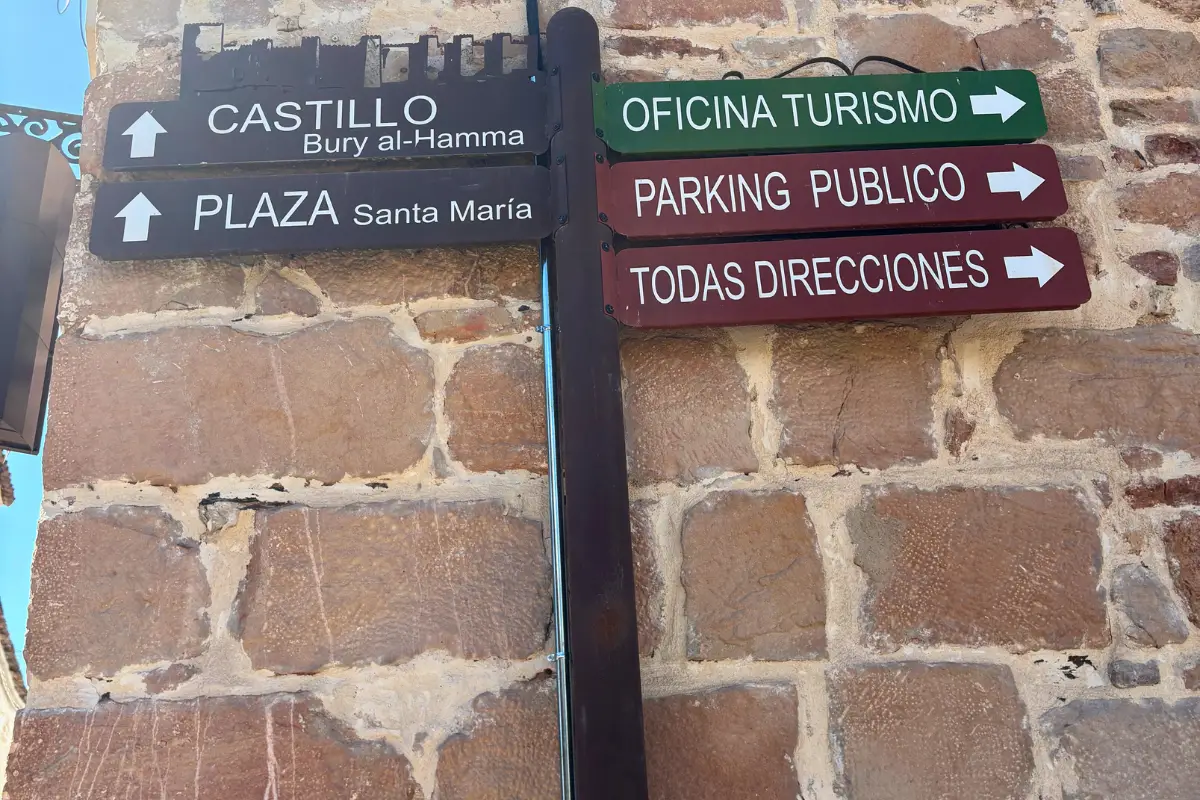
Banos de la Encina sits about 15 minutes north of Bailen, just off the A-4 motorway, making it an easy detour if you’re driving between Madrid and Andalusia’s southern cities.
Here are the approximate driving times from nearby cities.
- Jaen, 45 minutes
- Baeza, 30 minutes
- Cordoba, 1 hour 20 minutes
- Granada, 1 hour 40 minutes
- Madrid, 3 hours, directly on the A-4 route south
There’s no direct train or bus to the castle, so driving is the best option. If you’re renting a car, allow extra time for winding roads.
Once in Banos de la Encina, follow the signs uphill toward “Castillo de Burgalimar.” The road narrows near the top, so park before the steep final bend if the lot is full.
Where to Park
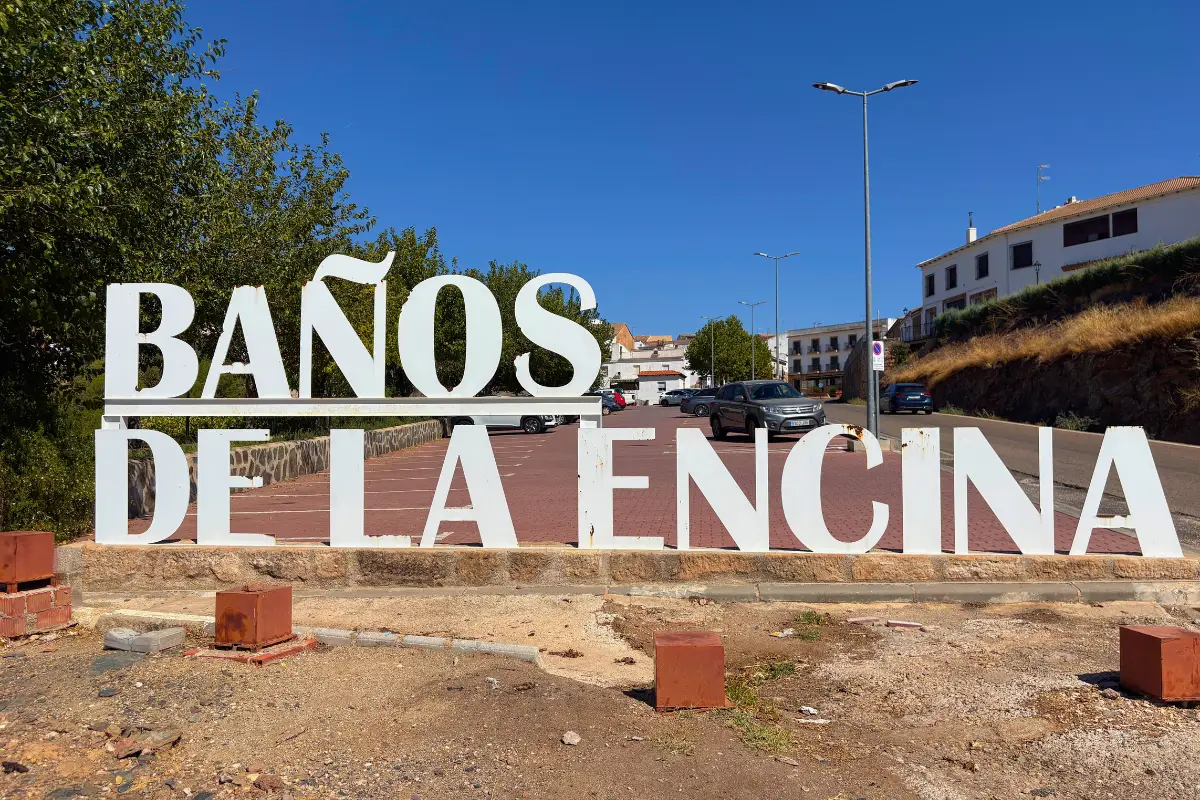
There’s free public parking in the lower streets of Banos de la Encina, near the Plaza de la Constitucion. From there, it’s a 5-minute uphill walk to the gate.
If you drive closer, you’ll find a few marked spots right below the castle entrance, though larger vehicles may struggle with the tight turns.
Other Things to Do in Banos de la Encina
Ermita del Jesus del Llano
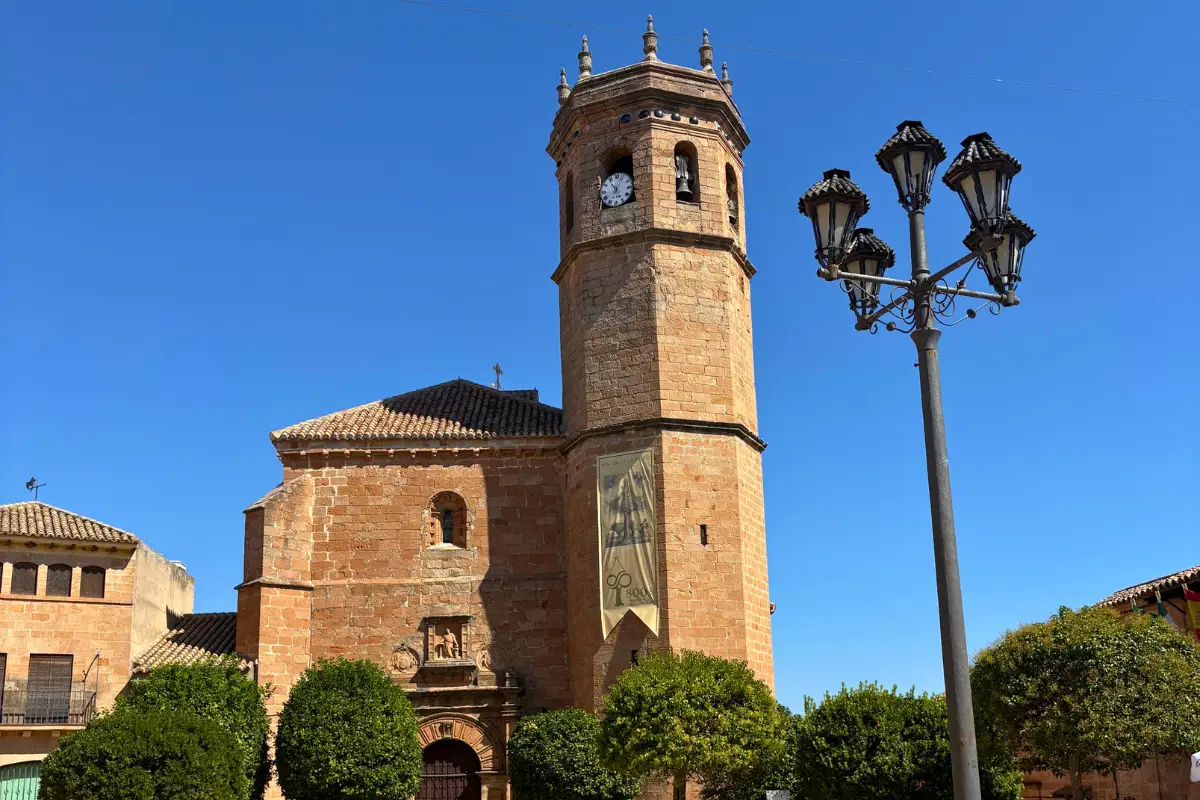
Just a few minutes walk down the road is the beautiful Ermita del Jesus del Llano church. We came at the wrong time, so we couldn’t get a look inside, but we did have a drink and free tapas (my favourite) at a tavern just outside in the lovely courtyard.
The Windmill
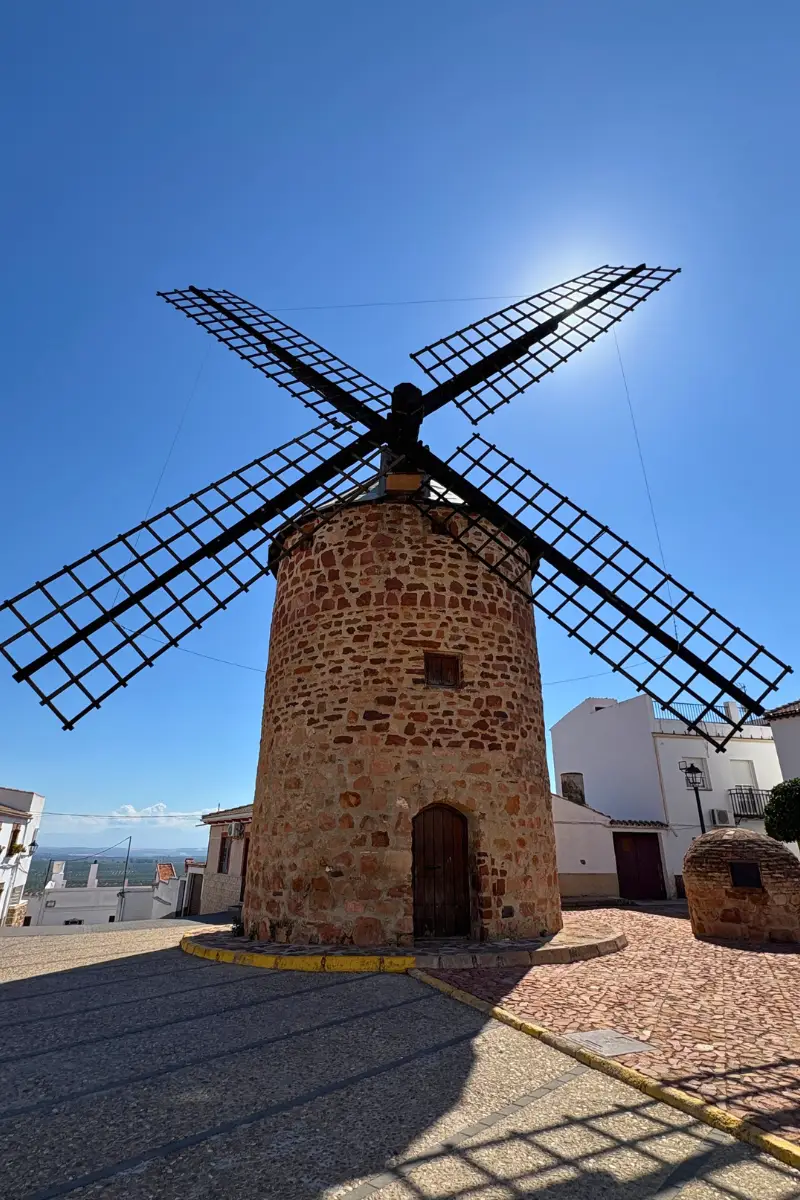
Perfect for a quick picture, and the views from the top were worth pausing for.
Ruta del Bronce to the Dam
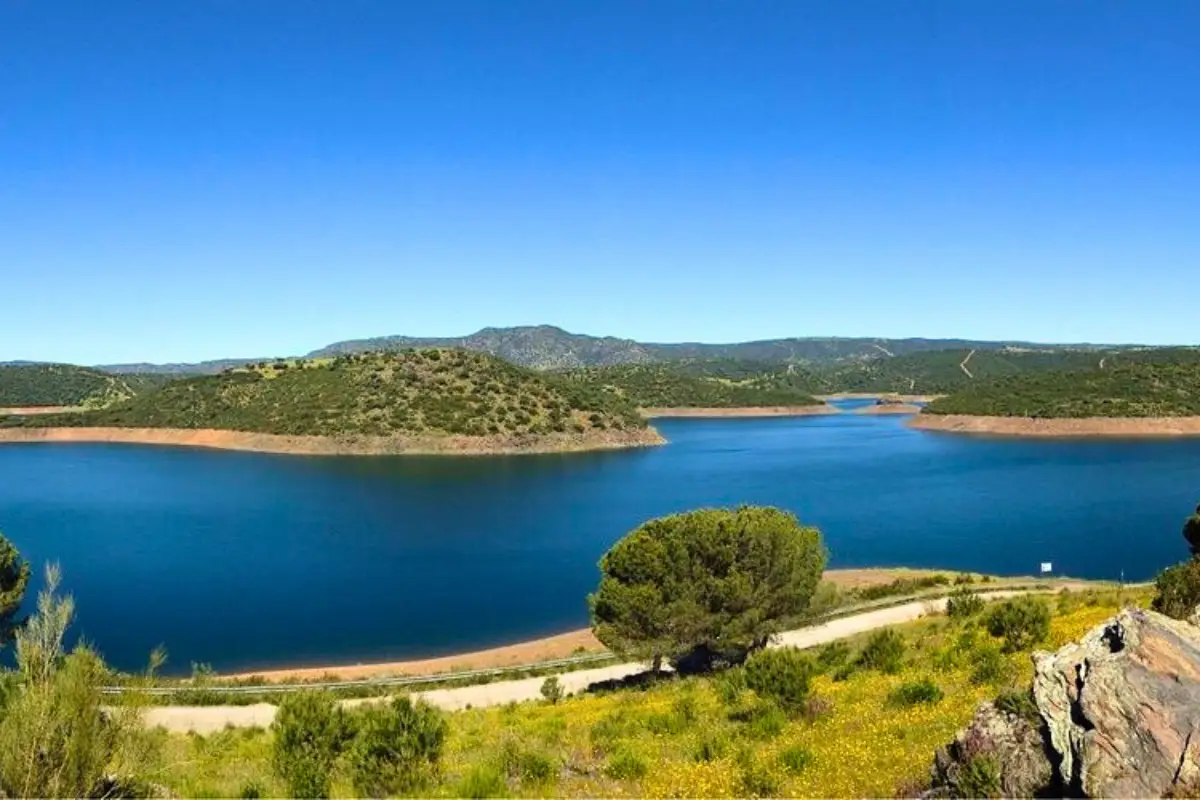
At the edge of the town is a short hike called the Ruta del Bronce.
If you visited the castle, you would have noticed the nearby dam. The route follows a small trail, at the end of which is a small dam where you can relax and dip your toes in the water.
At Tramujoso beach, you can rent a kayak or sit under the pines with a picnic.
Nearby Cities Worth Exploring
Jaen
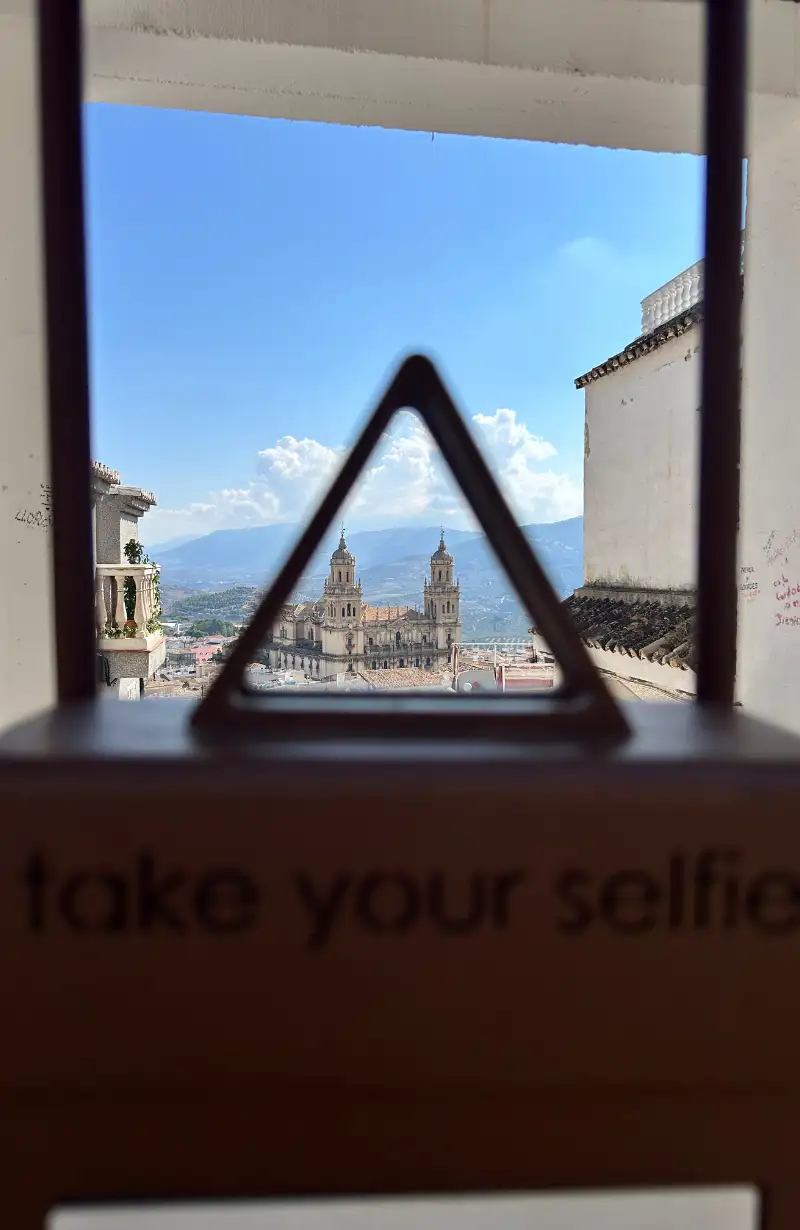
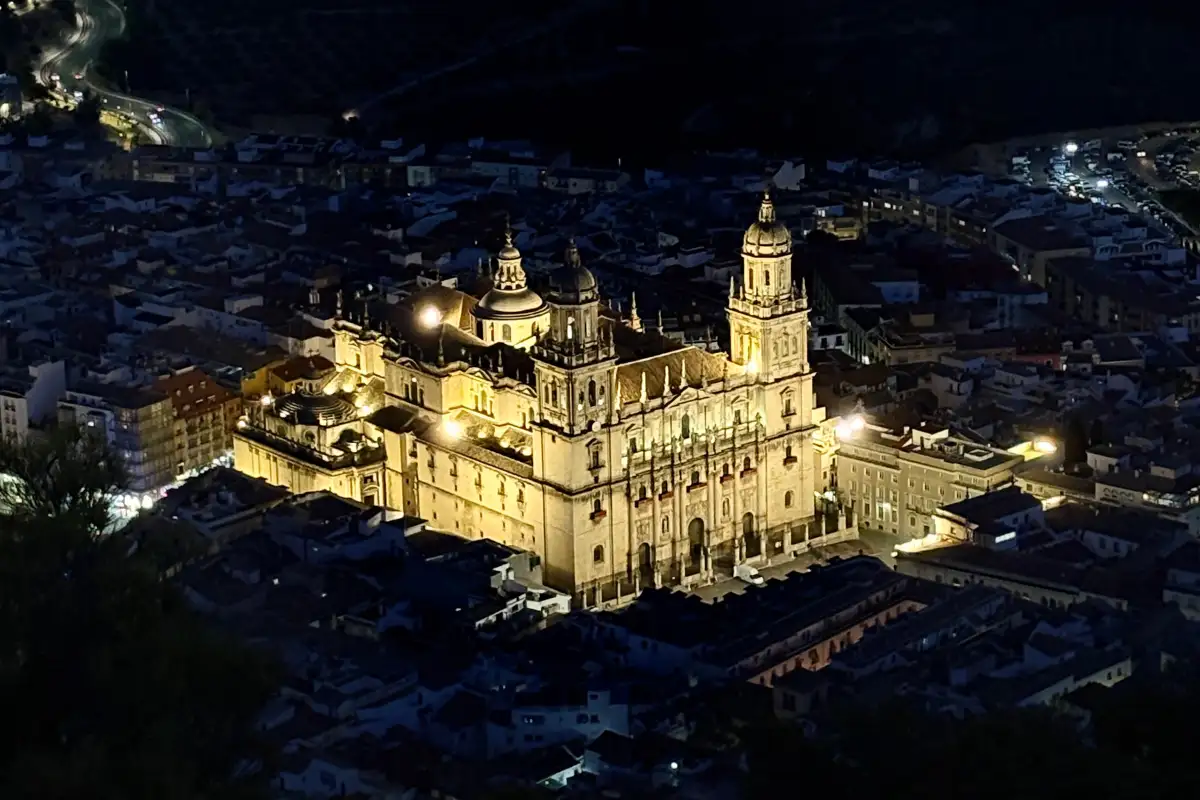
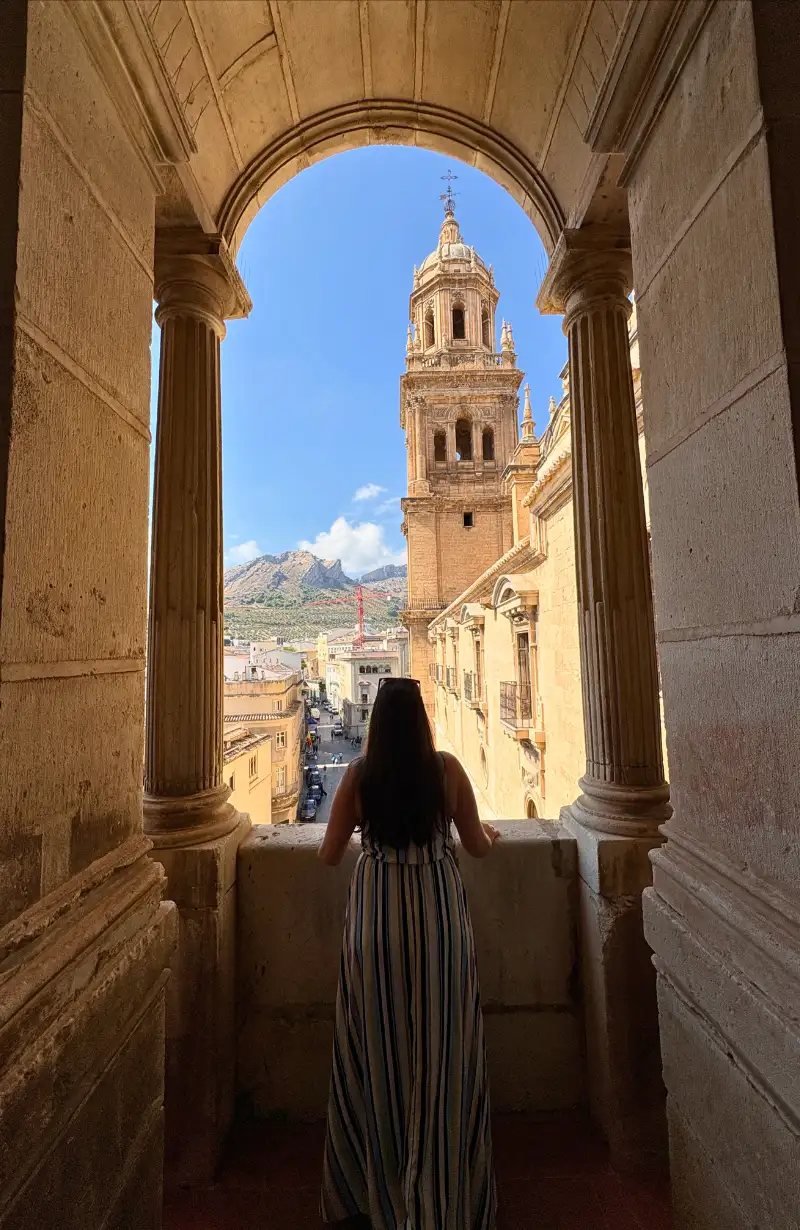
Jaen is the largest of the nearby cities, and as we discovered on a recent trip, it’s hard to cover in a single day. The attractions like the grand cathedral, Arab baths, museums, and more are spread all over the city.
If you have a full day or more, read my guide to things to do in Jaen to see why this city should be on your list.
Baeza and Ubeda
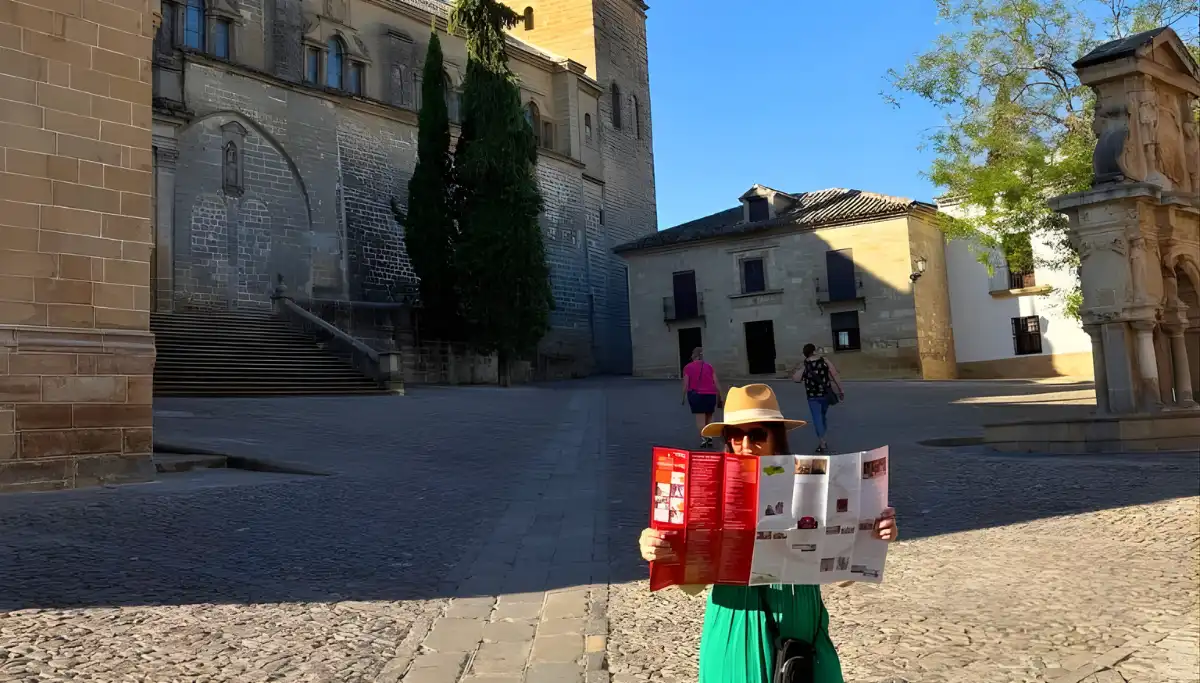
If visiting Spain’s oldest castle is something that excites you, then Baeza and Ubeda are strong contenders for your travel itinerary.
We only made it to Baeza on this trip, but both cities feel like they haven’t changed in a thousand years. This is one of the places where I have put down Google Maps and just wandered.
Read my things to do in Baeza guide for more.
Other Castles Near Burgalimar
If you’re exploring castles in Andalucia, here are some other fortresses worth visiting.
Santa Catalina Castle in Jaen is a dramatic hilltop fortress overlooking the city, now a Parador hotel with stunning views.
La Mota Fortress in Alcala la Real is one of the largest and best-preserved medieval fortresses in Andalucia.
Alcazaba de Antequera is a Moorish fortress with panoramic views and well-preserved walls. If you’re heading that way, read my guide to things to do in Antequera.
The Alhambra in Granada is the most famous palace-fortress in Spain and a UNESCO World Heritage Site.
Burgalimar is unique among these for being the oldest and for its rammed-earth construction. Most other Andalusian castles were built later using stone.
Frequently Asked Questions
What Is Europe’s Oldest Castle?
The title is debated.
Chateau de Doue-la-Fontaine in France, built around 950 AD, is generally considered the oldest castle still standing in Europe. In Germany, the Meersburg on Lake Constance claims a 7th-century origin, but it was heavily rebuilt over the centuries.
Burgalimar’s claim to being the oldest in Spain, and the second oldest in Europe, rests on the fact that its original 10th-century walls and towers survive largely as constructed, confirmed by the marble inscription plaque now in the Archaeological Museum of Madrid.
Which Province in Spain Has the Most Castles?
Jaen has the highest concentration of castles in Europe, with around 90 still standing. It’s a legacy of the centuries the province spent as the frontier between Christian and Moorish Spain.
The Castillo de Santa Catalina above Jaen city is the most visited of them. Most of the rest, Burgalimar included, sit quietly in small towns few visitors reach.
What Is the Most Famous Castle in Spain?
The Alhambra in Granada is the most famous castle in Spain and one of the most visited monuments in Europe. But it’s a 13th-century Nasrid palace, not a military fortress. For the oldest standing fortification, Burgalimar Castle in Baños de la Encina predates the Alhambra by around 300 years.
What Is the Largest Castle in Spain?
La Mota Fortress in Medina del Campo (Valladolid) is one of the largest castles in Spain by footprint. In Andalusia, the Alcazaba of Almería is the biggest. Burgalimar isn’t the largest, but its 15 original towers and complete curtain wall make it one of the best-preserved early medieval castles anywhere in Europe.
What Is the Oldest Place in Spain?
The archaeological site of Marroquíes Bajos in Jaén, just a few kilometres from Burgalimar, was the largest copper-age settlement ever found in Europe, dating to around 2500 BC. Much of it now lies beneath the modern city.
What Is the 7000 Year Old Site in Spain?
Los Millares in Almería province is a Chalcolithic settlement dating to around 3200 BC, making it roughly 5,000 years old. It’s one of the oldest fortified settlements in Western Europe and is open to visitors.
What City in Spain Is Over 3000 Years Old?
Cádiz is widely considered the oldest continuously inhabited city in Western Europe, founded by Phoenician traders around 1100 BC. In Jaén province, the Marroquíes Bajos site shows human settlement from around 2500 BC, though the modern city grew much later. There’s more in the same vein in my facts about Jaén.