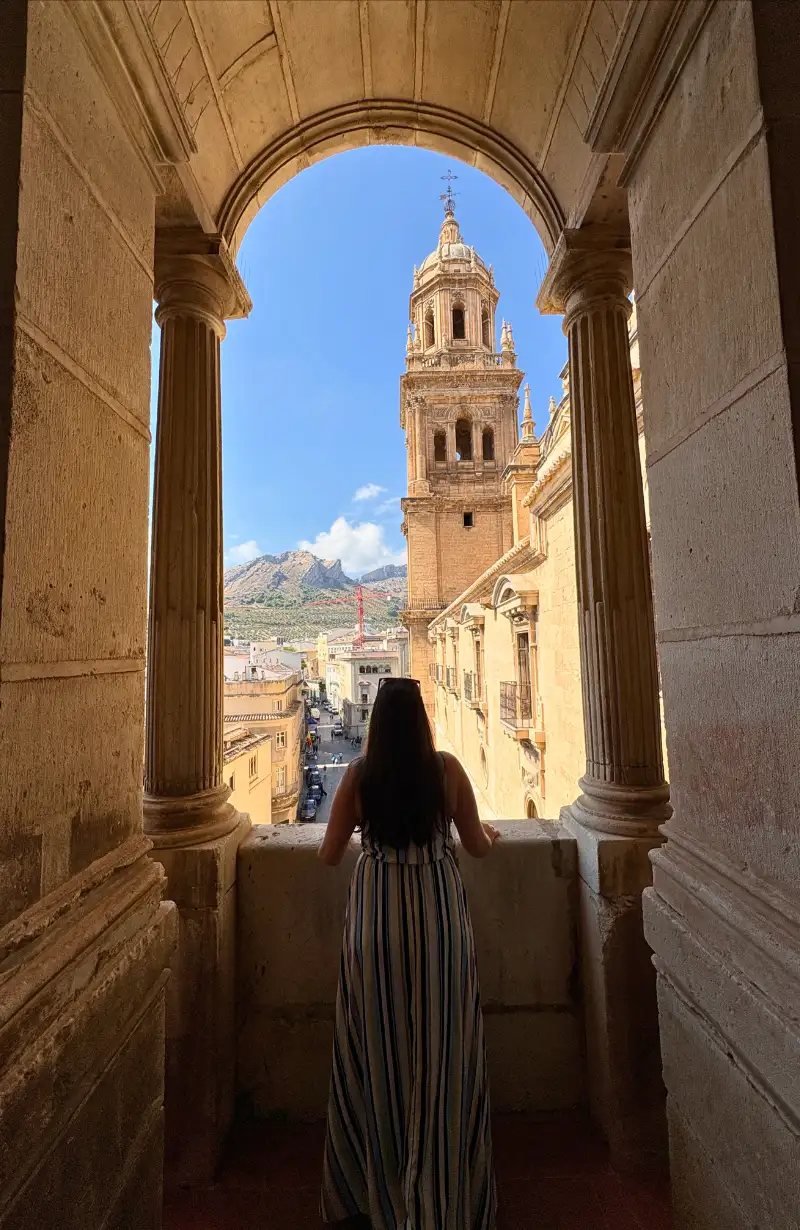
The best day trips from Jaén are the two UNESCO towns, and you don’t need a car for either. Úbeda is about 50 minutes away, with a Renaissance centre that genuinely rivals anything in Italy, although not in scale.
We combined Úbeda and Baeza in one day. They’re just 9km apart, both UNESCO-listed and almost entirely free of crowds, and the bus from Jaén runs ten times a day and takes 45 minutes.
Plaza Vázquez de Molina in Úbeda, anchored by the Sacra Capilla del Salvador, is one of the best squares in Andalusia. I was surprised by how much was packed into such a small area. Where Baeza is open and airy, Úbeda is tighter.
Granada is only an hour away, putting the Alhambra within easy reach. Córdoba and its Mezquita are about the same distance. And the Sierra de Cazorla is wilderness on a scale most people don’t anticipate until they’re already inside the park.
In this guide I cover all of them, with distances, what’s worth your time and how to get there.
Are Úbeda and Baeza Worth Visiting?
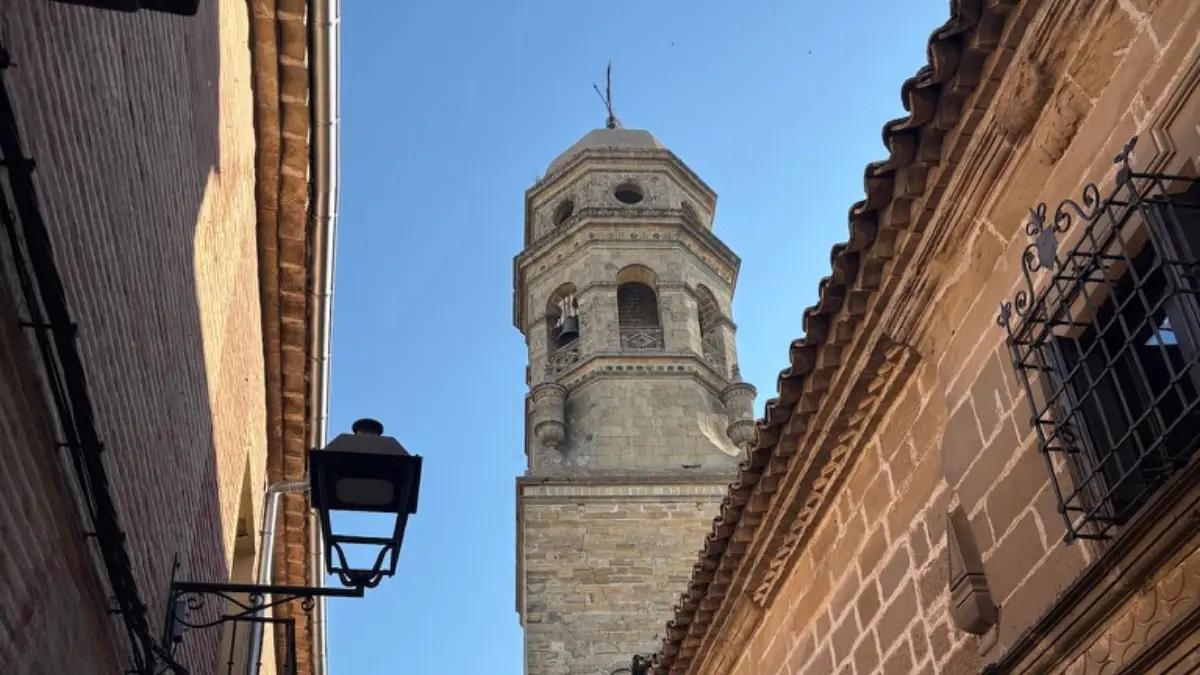
Yes, genuinely. Úbeda and Baeza were jointly inscribed as UNESCO World Heritage Sites in 2003, and you can see why. The Renaissance architecture is stunning, and the fact that both towns are still working towns rather than tourist sites makes them feel more authentic.
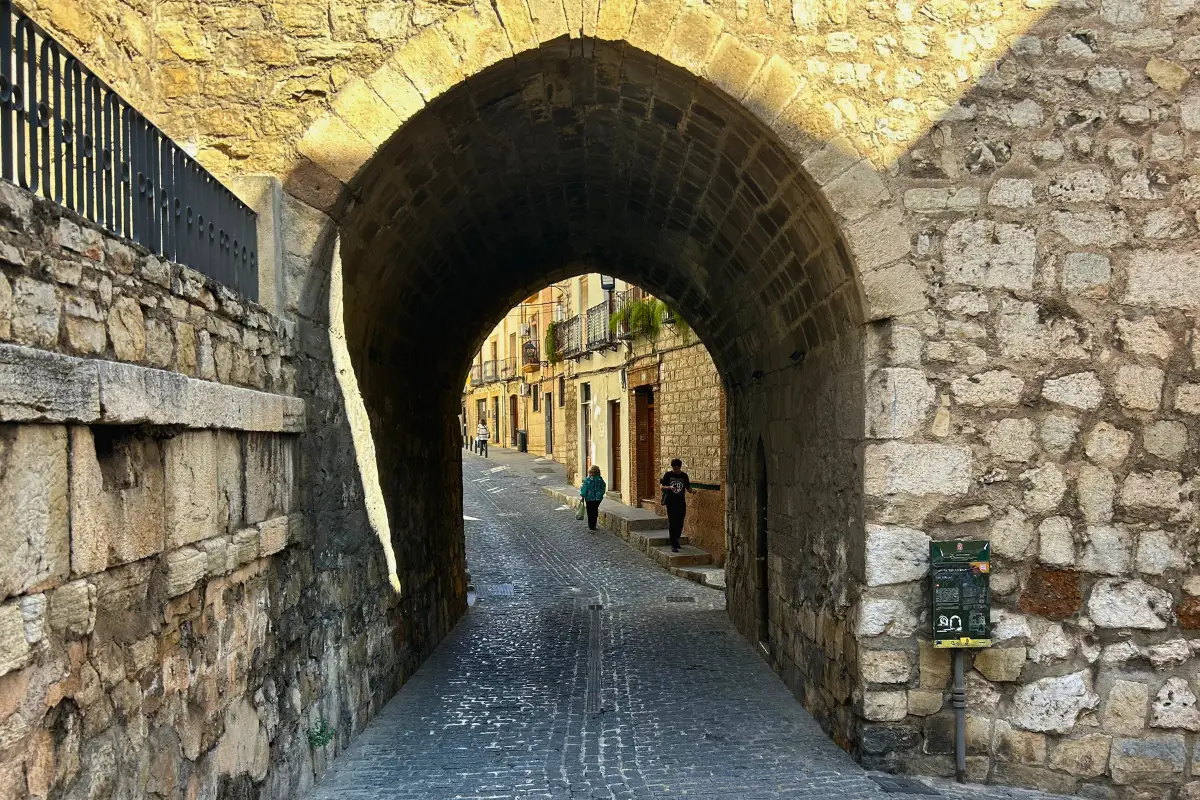
Both towns work like time machines in a way that more touristy cities can’t manage. The streets are lined with tall old stonework that closes you in, and you can get happily lost in a small section of either.
Nothing feels restored or prettied up for visitors. Everything has the weight of things that have simply been this way for a very long time.
For a full breakdown of what to see, my guide to things to do in Baeza covers the town in detail. Allow at least half a day for each.
Úbeda
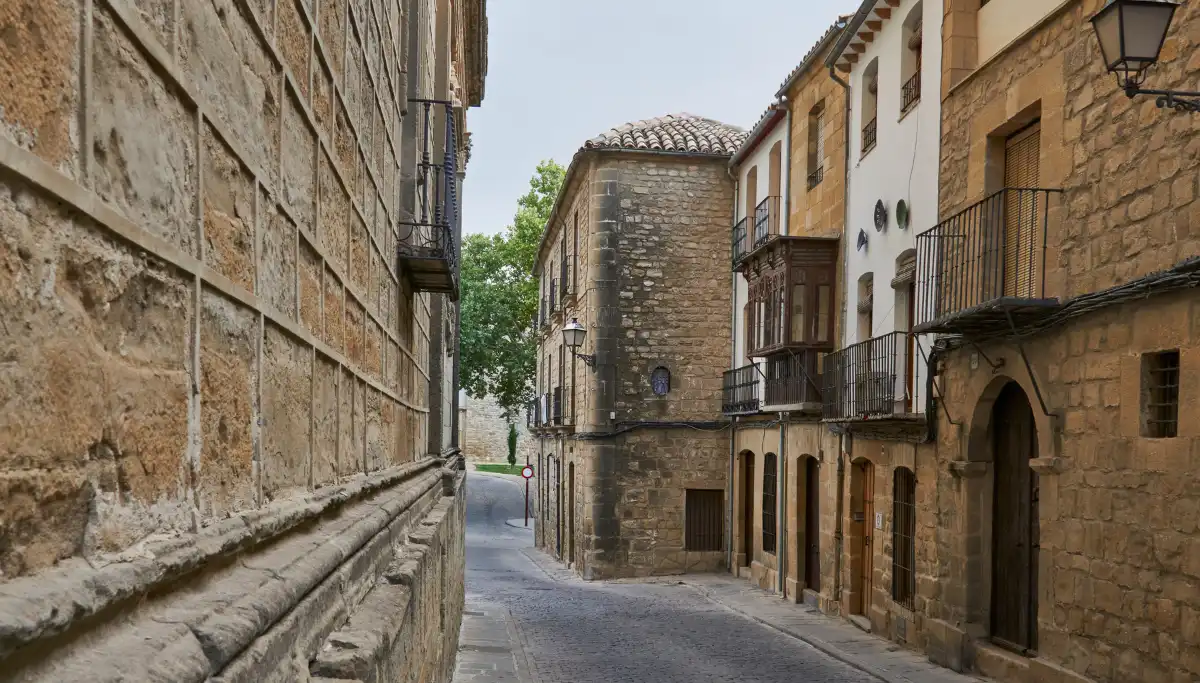
Úbeda owes most of what it is to one man. Andrés de Vandelvira was the 16th-century architect who spent his career in Jaén province, and between Úbeda and Baeza he left behind more Renaissance monuments than most cities ten times their size.
The Plaza Vázquez de Molina is surrounded by 16th-century palaces and churches, and feels like one large work rather than a collection of separate buildings.
At the eastern end of the square, the Sacra Capilla del Salvador was Vandelvira’s funeral chapel for a Spanish nobleman. The exterior stonework alone justifies the trip.
Walk down Calle Valencia for pottery workshops. Úbeda’s distinctive green-glazed ceramics are thrown here by hand, and the potters work in full view.
A medieval synagogue uncovered during renovations in 2007, the Sinagoga del Agua is now open for tours. Workers found it intact underground.
Start with Úbeda in the morning, then drive the 9km to Baeza for the afternoon. Both towns fit comfortably in a single day.
Baeza
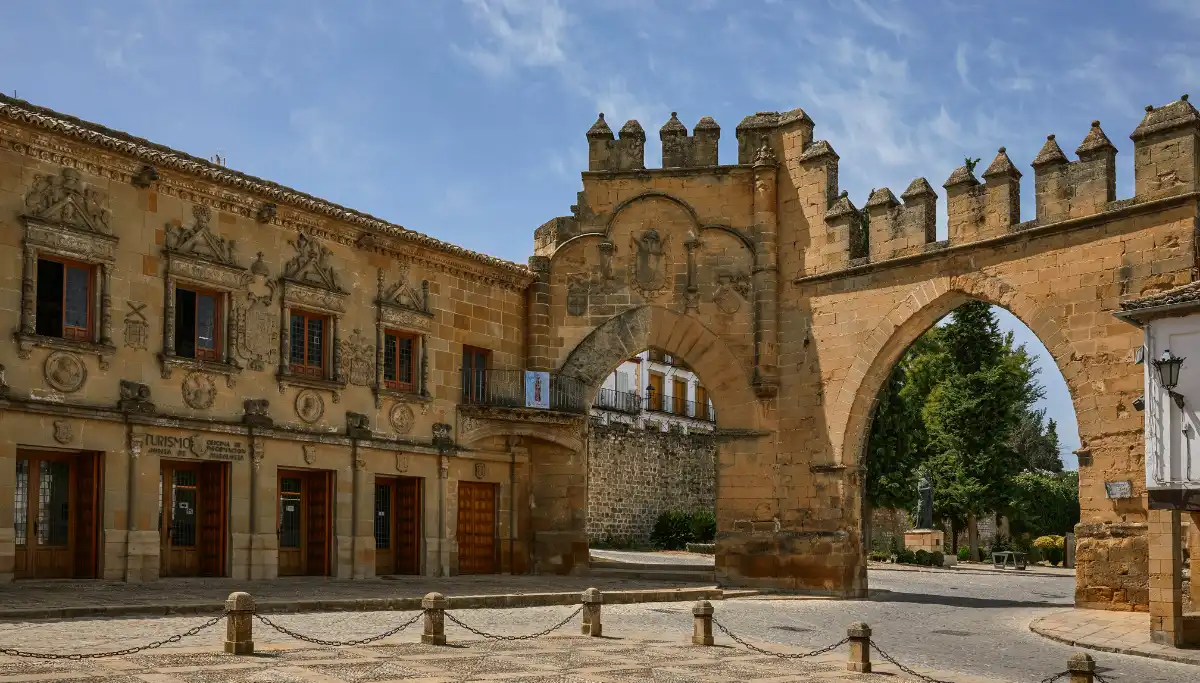
Smaller than Úbeda and quieter, Baeza has a different feel to it. The university has been here since 1538, and the poet Antonio Machado taught in it from 1912 to 1919, writing much of “Campos de Castilla” while living in the town.
I went straight to the cathedral. It’s not as grand as the one in Jaén, but the views from the top are some of the best in the province.
Book it together with the Jaén cathedral for a discount. Both offer 3D virtual tours that are worth doing.
The main square was heavily under construction when I visited in 2025, which was a shame. It should be finished by late 2026, so anyone heading there now will likely see it as it’s meant to be.
The Jabalquinto Palace, just off the main square, has one of the most elaborate late-Gothic facades in Andalusia. Machado’s classroom in the university is also preserved as a small museum.
The Plaza del Pópulo, the old market square, is worth finding if you want somewhere quiet to sit with a coffee.
Baños de la Encina
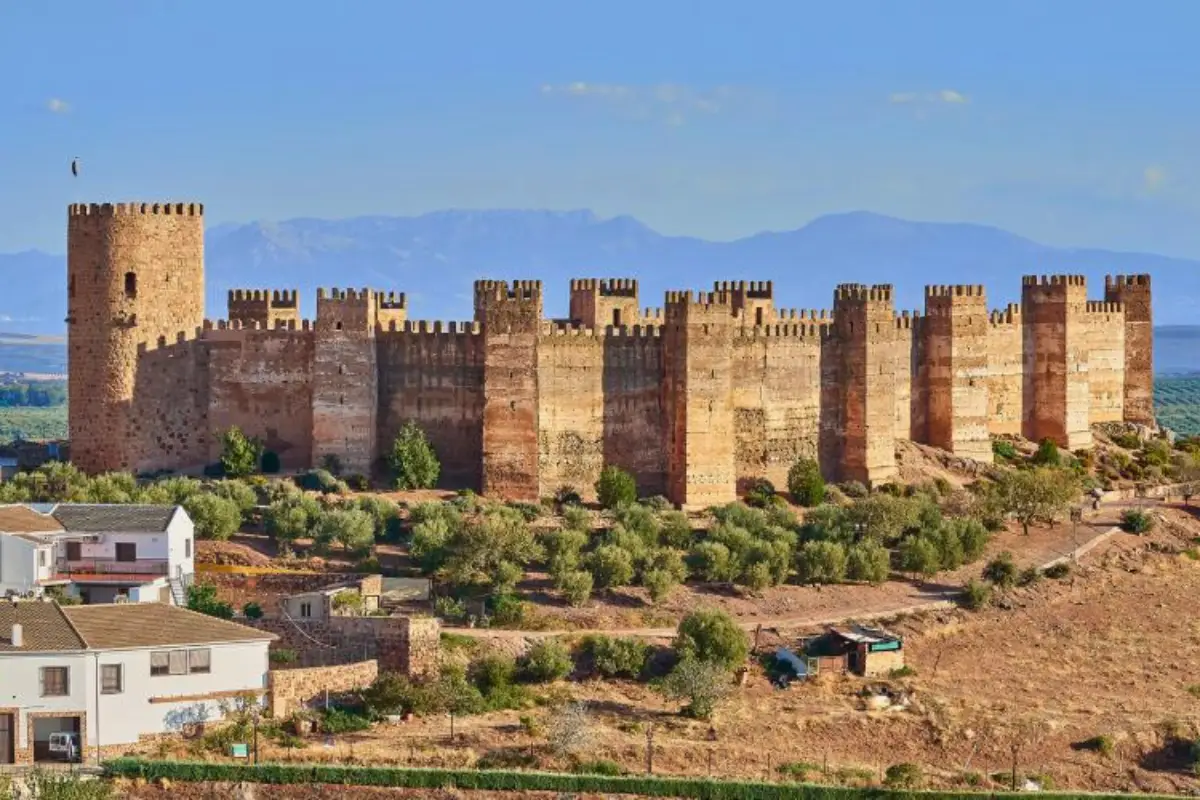
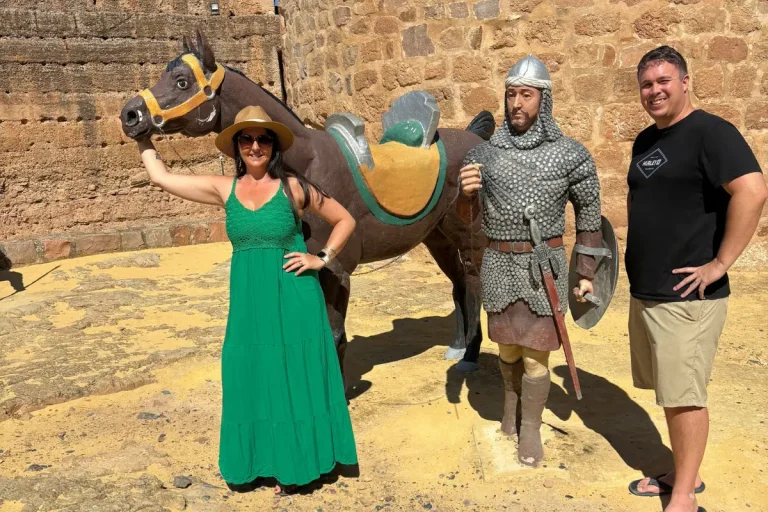
Baños de la Encina is about 30 minutes from Jaén and easy to underestimate until you arrive. The Castillo Burgalimar above the town was built in 968 AD, which makes it one of the oldest surviving Moorish castles in Spain, and the 14 original towers are still largely intact.
Some sections of the wall have visible cracks and you can’t walk the full circumference, but you can climb to the top of one of the turrets. From up there you can see walking trails threading through the surrounding countryside, and the views across the town and valley are worth the drive on their own.
The town centre is worth time once you’re done with the castle. We stopped in the stunningly beautiful main square for a quiet drink before walking to the windmill at the edge of town(I suggest you drive).
It pairs well with Baeza or the Olive Sea Drive on the same day.
Sierra de Cazorla
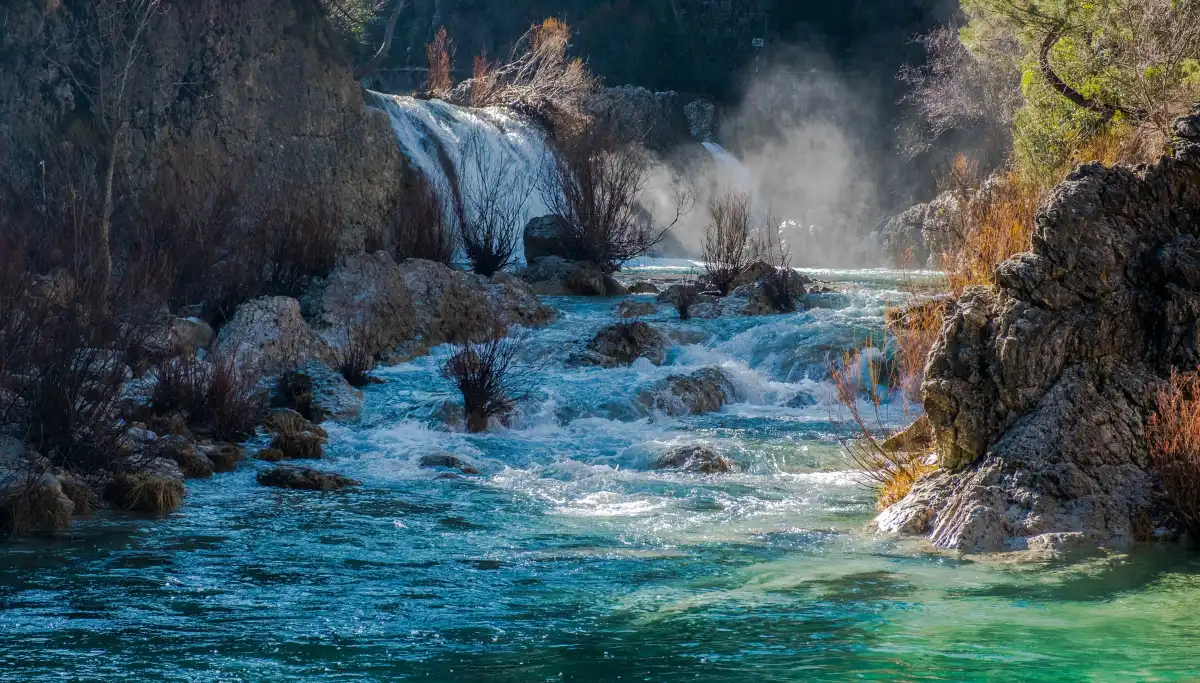
At 214,000 hectares, the Sierra de Cazorla is Spain’s largest protected natural area.
Mountains, pine forests, and deep river valleys stretch further than you can cover in a day, and the Guadalquivir, Spain’s great southern river, begins somewhere inside the park. It’s about 1.25 hours from Jaén.
Cazorla town makes a good base, with castle ruins above it and decent places to eat at the foot of the old quarter.
The Río Borosa gorge walk is the most popular trail in the park, following the river through a narrow limestone canyon on wooden boardwalks before reaching a pair of glacial lakes. Allow four to five hours return.
A shorter alternative is the walk to the Guadalquivir source, where the river begins as a spring in the pine forest.
The park is home to red deer, wild boar, griffon vultures, and reintroduced bearded vultures. It’s also one of the few places in Spain where Iberian lynx have been reintroduced, though sightings are rare.
The food in Cazorla leans heavily on game and mountain cooking. Expect venison stews, wild boar, and local cheeses. The restaurants around the main square in Cazorla town are reliable, nothing fancy but honest portions at fair prices.
The best time to visit is spring (April to June) or autumn (September to October), when temperatures are comfortable for hiking and the park is green. Summer can be scorching in the lower valleys, and in winter temperatures regularly drop below freezing at altitude, with snow on the higher ridges from December through February.
Fill the tank before you enter and don’t rely on mobile signal once you’re inside.
Olive Mill Tours
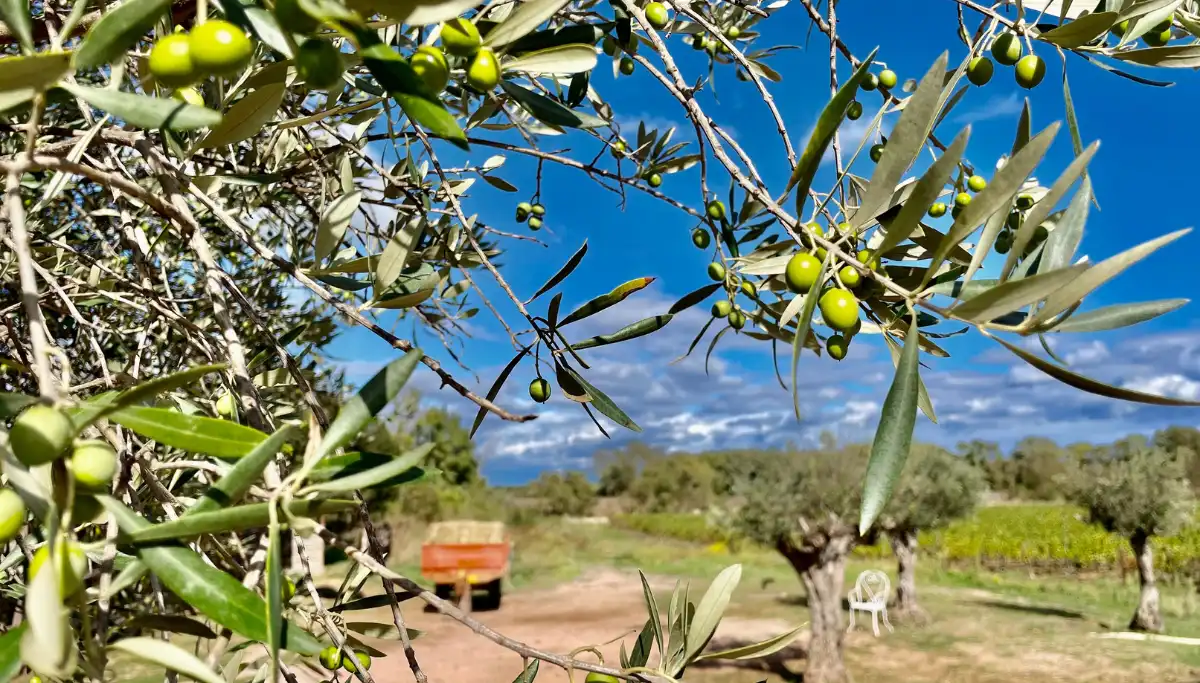
Jaén province produces more olive oil than any other region on Earth. Visiting a working mill to see production and taste fresh-pressed oil is one of the area’s essential experiences.
A typical tour includes the mill, the production process, a tasting of different varieties, and the chance to buy directly at producer prices.
Oleícola San Francisco in Begíjar is a family-run mill with good tours. Castillo de Canena is a premium producer with extensive grounds worth seeing on their own.
Try to visit during harvest season (November to January) to see the mills in full production. Fresh-pressed oil tastes completely different from supermarket bottles.
Oil pressed within the week is worth seeking out if you can.
Granada
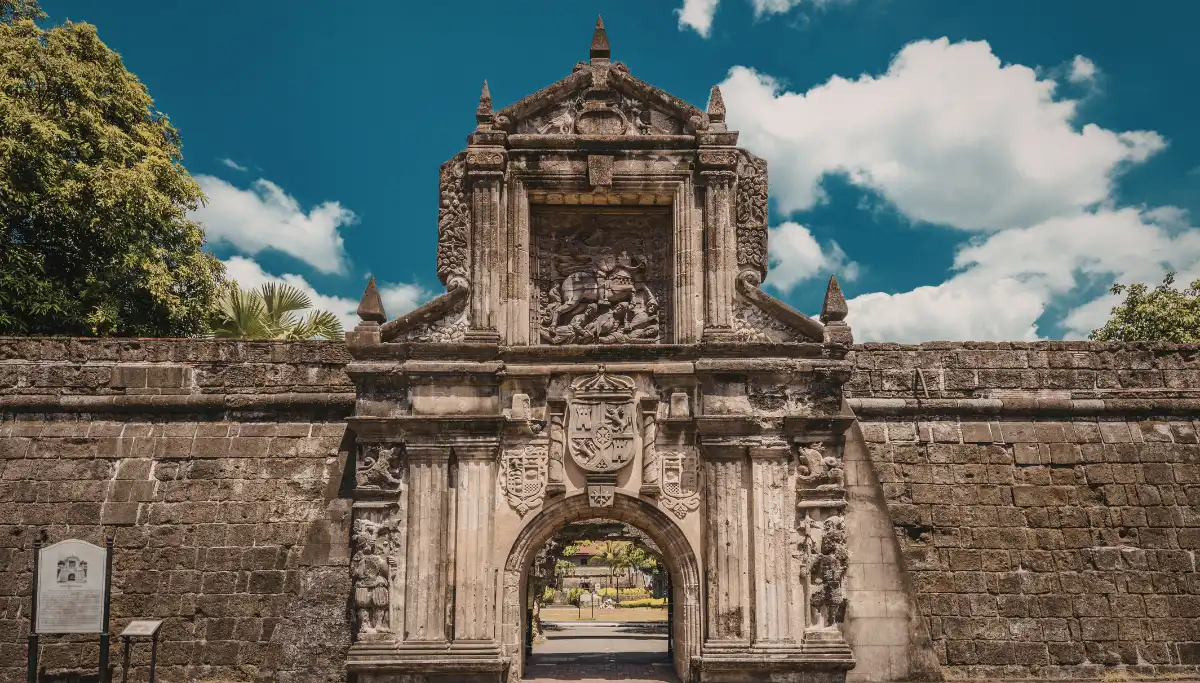
Granada is just an hour from Jaén, putting the Alhambra within easy day trip range. This Moorish palace complex is one of Europe’s most remarkable monuments.
Book tickets weeks in advance. The Nasrid Palaces have timed entry and slots sell out fast, even in winter.
After the Alhambra, my favourite thing to do in granada is wander the Albaicín neighbourhood for lunch and enjoy the views back to the palace.
Granada also has free tapas with drinks, although not nearly as generous as Jaen.
Córdoba
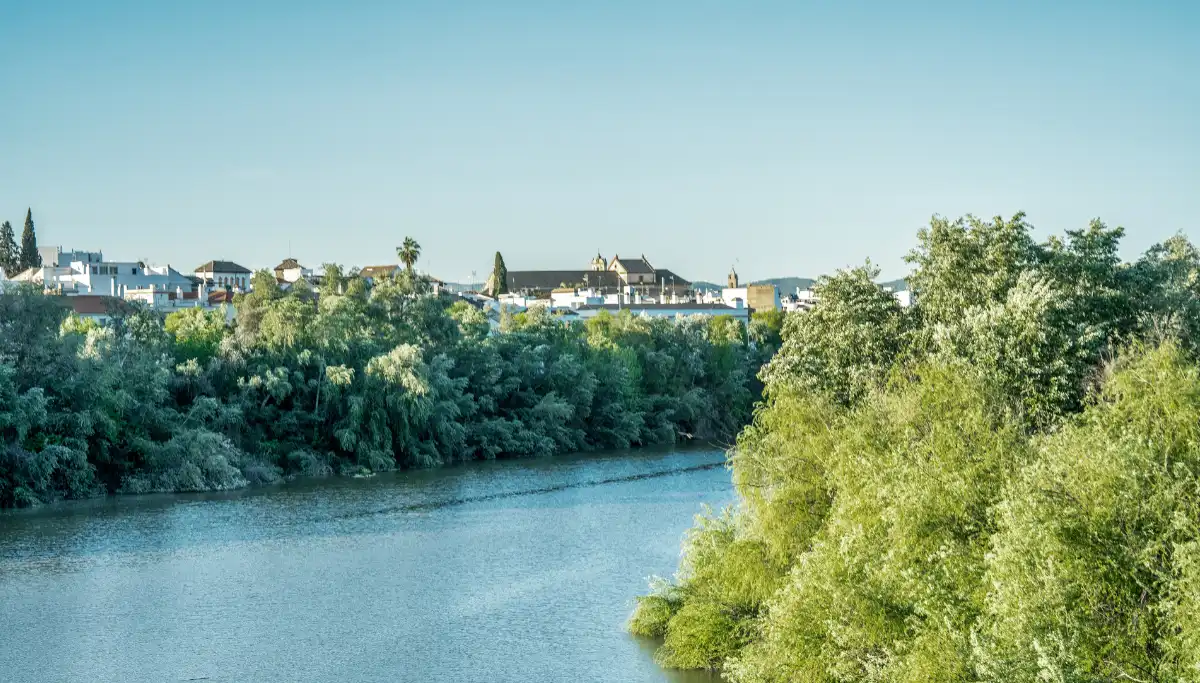
Córdoba is about 1.25 hours from Jaén, with one of Spain’s most extraordinary buildings, the Mezquita. A forest of red and white arches surrounds a Renaissance cathedral built inside a medieval mosque.
I recommend arriving early for the Mezquita when light streams through the arches and the crowds are smaller. Then wander the narrow streets of the Judería (Jewish Quarter) and the Alcázar de los Reyes Cristianos with its gardens.
If visiting in May, try to coincide with the Festival de los Patios, when residents open their flower-filled courtyards to visitors. It’s a UNESCO-listed tradition and genuinely beautiful.
Alcalá La Real
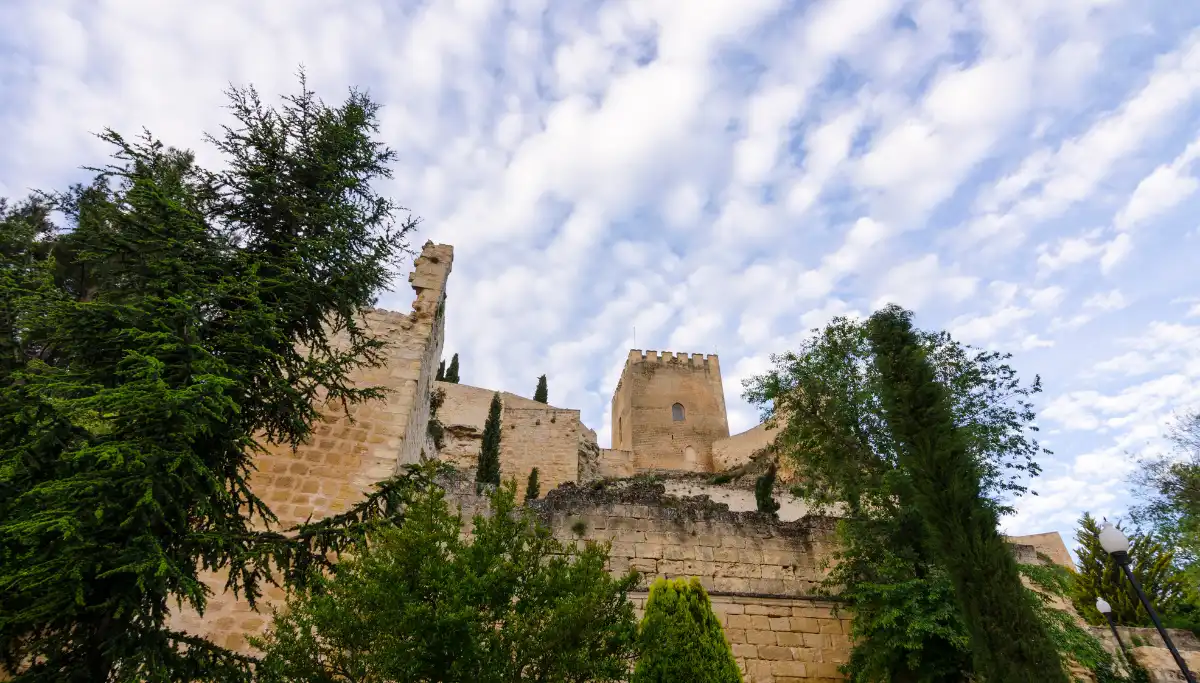
Alcalá la Real sits on the old frontier between Christian and Moorish Spain, crowned by the spectacular Fortaleza de la Mota. This was the launching point for the conquest of Granada, and the fortress commands views across to the Sierra Nevada.
The Fortaleza de la Mota is a complete medieval fortress-town, with walls, towers, an abbey, and views that explain why this location mattered.
Allow time to explore the entire complex. The town below has pleasant streets and squares for lunch.
Martos
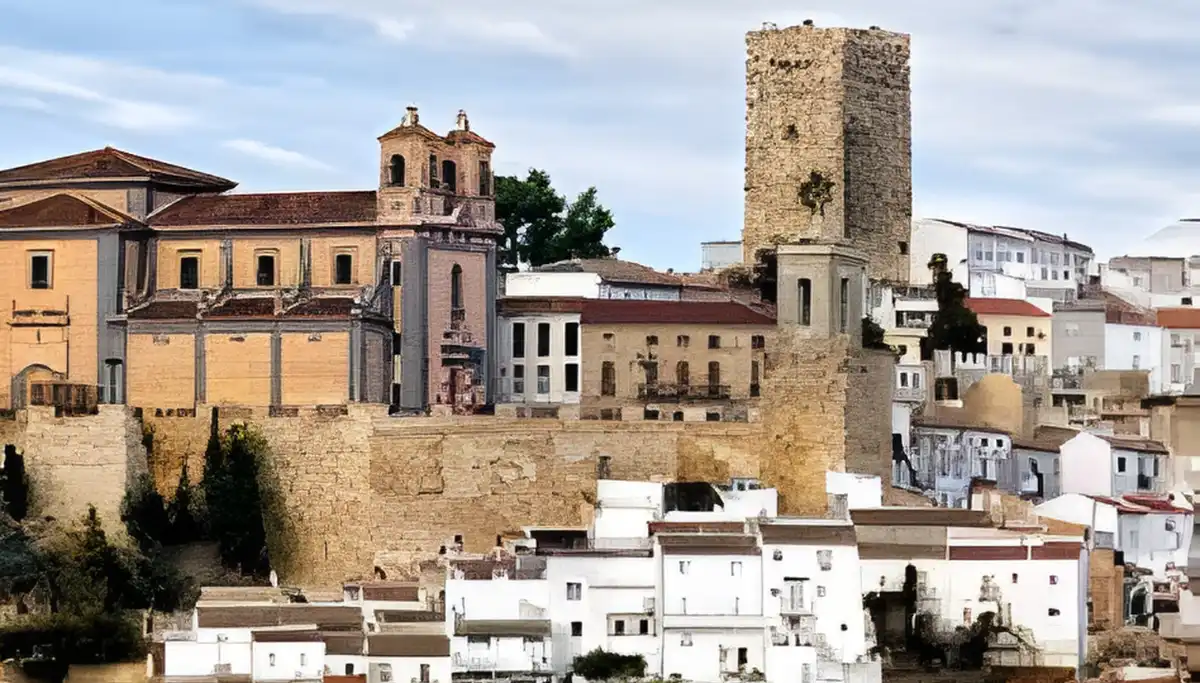
Martos claims to be the olive oil capital of the world, and it’s just 25 minutes from Jaén.
The La Peña fortress sits on a dramatic rock above town, with excellent views across the olive groves. The old town has pleasant streets and plazas, and several olive oil cooperatives offer tours and tastings.
Martos offers something the tourist towns don’t, a real Spanish working town where olive oil isn’t heritage but daily business. Combine it with a visit to a nearby mill for a half-day focused on liquid gold.
The Olive Sea Drive
For something different, spend a day driving through the olive groves. Start at Jaén and head to Martos (24km) for fortress views, then continue to Alcaudete (20km) for its castle and old town.
From Alcaudete it’s another 25km to Alcalá la Real for the frontier fortress. Return via the A-44.
The loop is around 100km total and fits in a half-day with stops, or a full day if you add lunch and time to walk the castle at Alcalá.
Getting Around
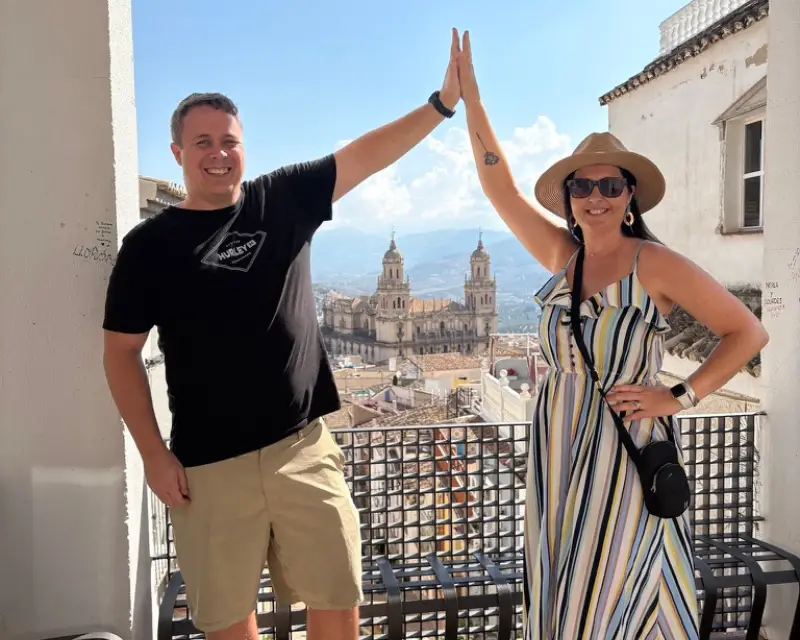
A car is essential for exploring Jaén province properly. Roads are generally good, though mountain routes into the Sierra de Cazorla can be winding.
Fill up in Jaén before you leave. Petrol stations are limited once you’re in the villages or inside the park.
Buses run from Jaén to Úbeda (roughly hourly, around €7, about 50 to 60 minutes) and to Baeza on a similar schedule. That route is workable without a car.
For Granada and Córdoba, buses and trains run from Jaén station and the journey is comfortable. For everything else, Sierra de Cazorla, the olive mills, Baños de la Encina, Alcalá la Real, you’ll need your own transport.
For more detail on getting around the city and province, see my Getting Around Jaén guide. And if you’re planning your time in the city itself, things to do in Jaén covers everything worth seeing, with the short answers to the things people ask most in facts about Jaén.