Jaén doesn’t quite feel like the Andalusian cities most visitors arrive expecting.
I drove in, which turned out to be the right call, and the first thing I noticed was the gradient, a gentle but persistent upward pull through streets that don’t flatten out.
Once I started exploring, the distances between the main sights were longer than I’d assumed. It sits closer to Granada in character than Seville or Córdoba, a real, working provincial city with some remarkable history inside it.
That is the thing to know about getting around Jaén. It doesn’t have a compact historic centre the way most Andalusian cities do.
The cathedral area is closest to the heart of things, but so much of what is worth seeing is spread across the city that there is no single neighbourhood close to everything. You will walk a lot and probably take the bus at least once.
There are also no ride-hailing apps, no tourist bus routes, and no shuttles. It’s walking, the occasional taxi, and a car if you’re planning to see the province properly.
In this guide, I’ll cover what transport actually works here, how to arrive, and what you’ll need if you want to go beyond the city.
Is Jaén Walkable?
Very much so. The cathedral, the Arab baths, the old Jewish quarter, and the main plazas are all within a compact enough area you can cover in a morning.
The streets are hilly but manageable. Comfortable shoes help on the uneven surfaces, but nothing here will test your fitness unless you decide to walk up to the castle, which I don’t recommend.
Jaén gets far fewer tourists than the coastal cities, which means the pavements are quiet, the pace is slow, and nobody is trying to sell you a segway tour.
Where Is Everything?
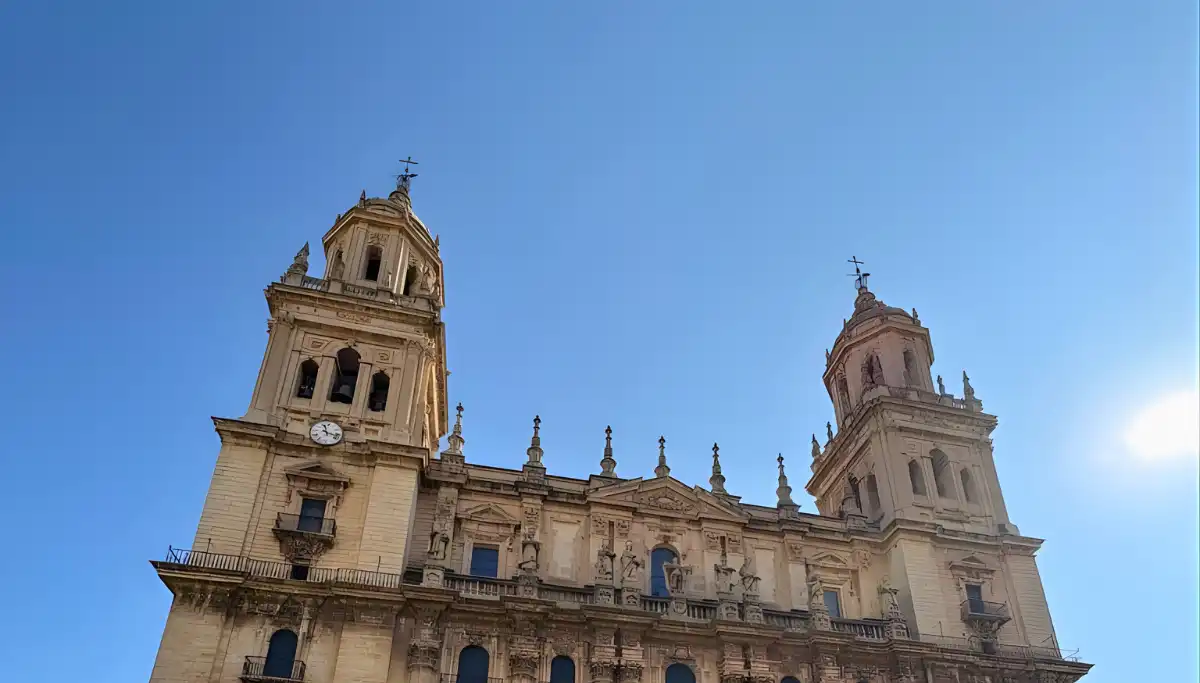
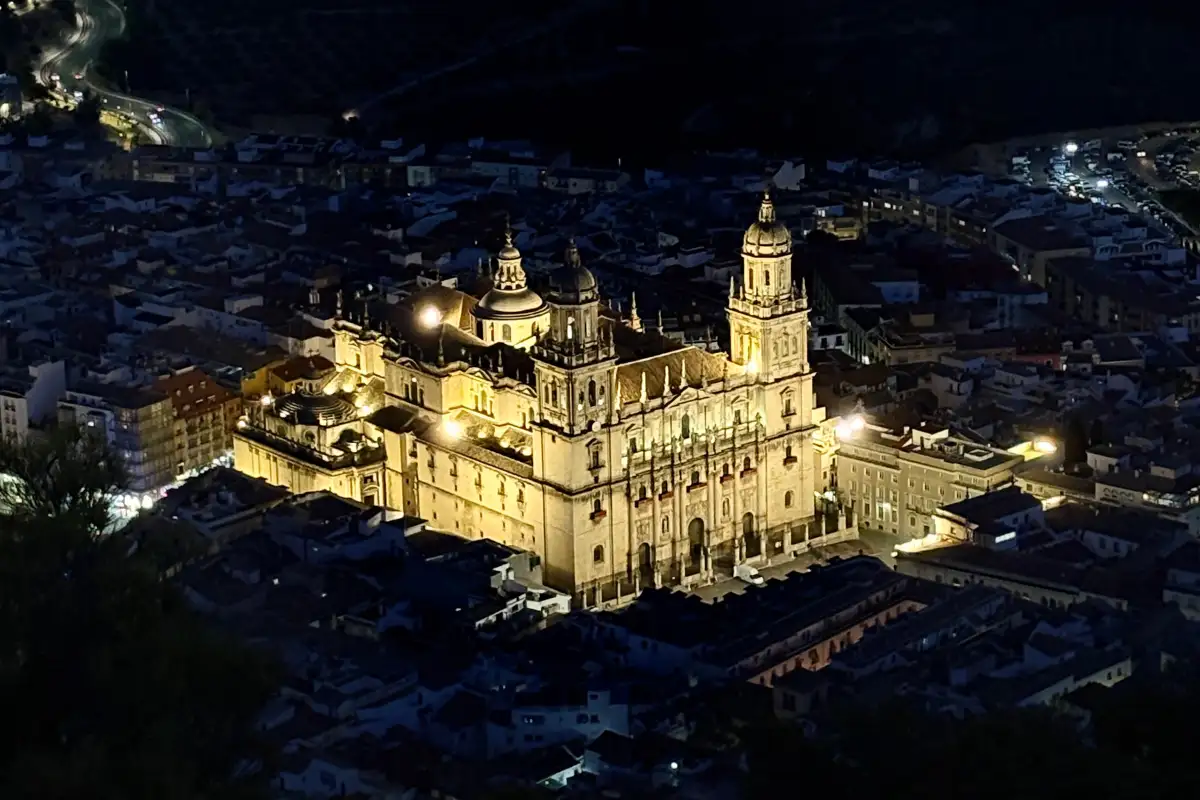
The cathedral sits at the heart of things. From there, the Arab baths are a five-minute walk, the Plaza de la Constitución is about eight minutes, and the old Jewish quarter is ten minutes up the hill.
The bus station is a short walk from Plaza de la Constitución. The train station is about 15 minutes on foot, mostly downhill.
If you’re still deciding where to stay in Jaén, the area around the cathedral puts you closest to most of the main sights.
Above it all, the Castillo de Santa Catalina looks down from the hilltop. It’s close as the crow flies, but the road up there is steep and winding. More on that below.
On Foot

Walking is how you should see Jaén. Not because there’s no alternative, but because you’ll find so many interesting things to discover.
Start at the cathedral and work your way through the old town towards the Plaza de la Constitución. The Jewish quarter is there and often completely empty.
You can wander for an hour without seeing another tourist.
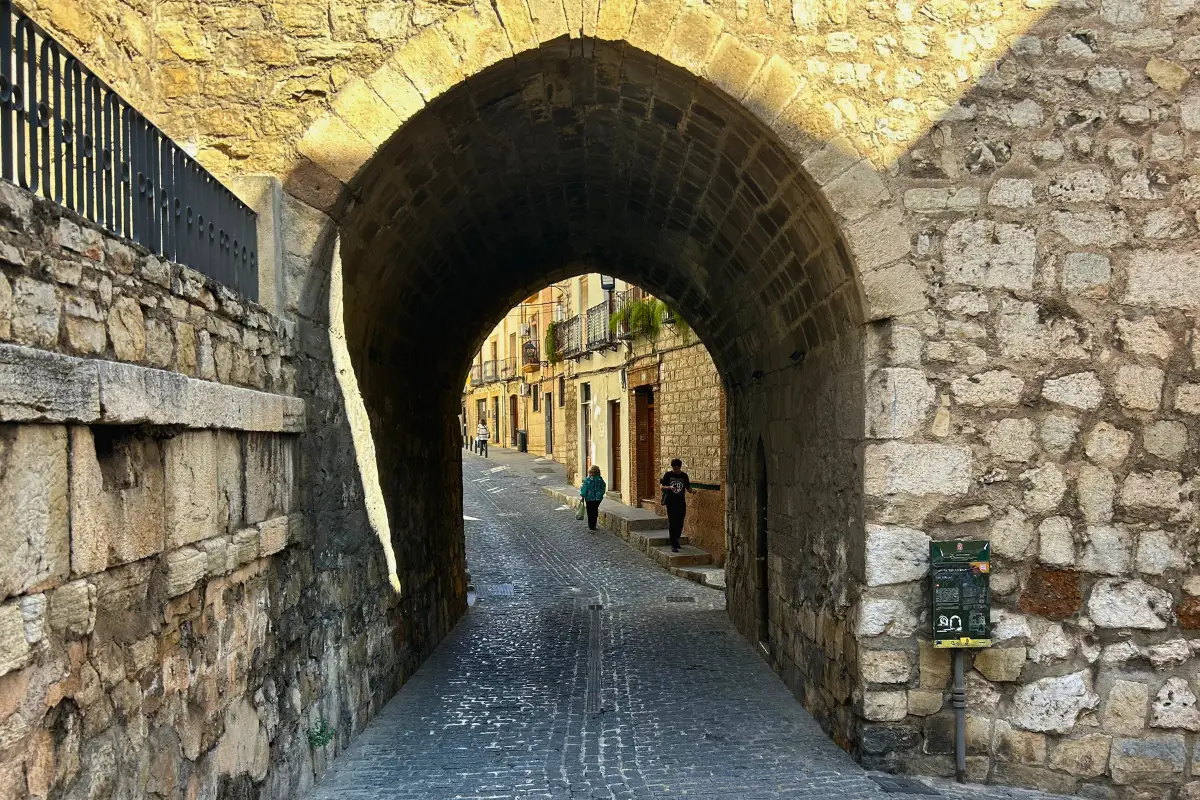
Wear sturdy shoes. The cobblestones are uneven in places, especially in the older streets around the Judería.
The best time to walk is early morning or late afternoon. In summer, midday temperatures can be brutal.
Find a bar, order a cold beer, and wait it out.
My things to do in Jaén guide has the full breakdown of what’s worth stopping for.
The Castle
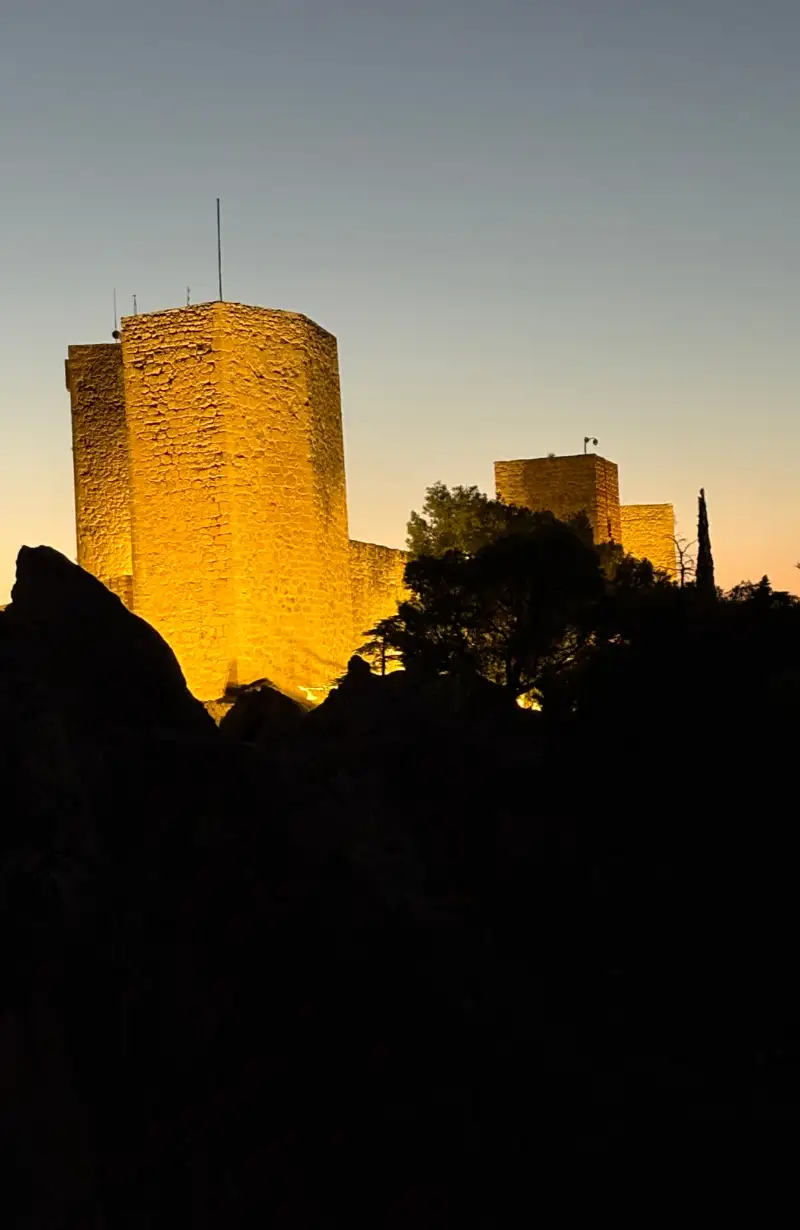
The Castillo de Santa Catalina sits high above the city with sweeping views over the olive groves. It’s worth visiting, but the climb is steep and exposed.
Walking up takes 30 to 40 minutes and it’s demanding, especially in warm weather. Unless you enjoy steep climbs, take a taxi.
It costs around eight to ten euros from the centre.
Getting to Úbeda and Baeza
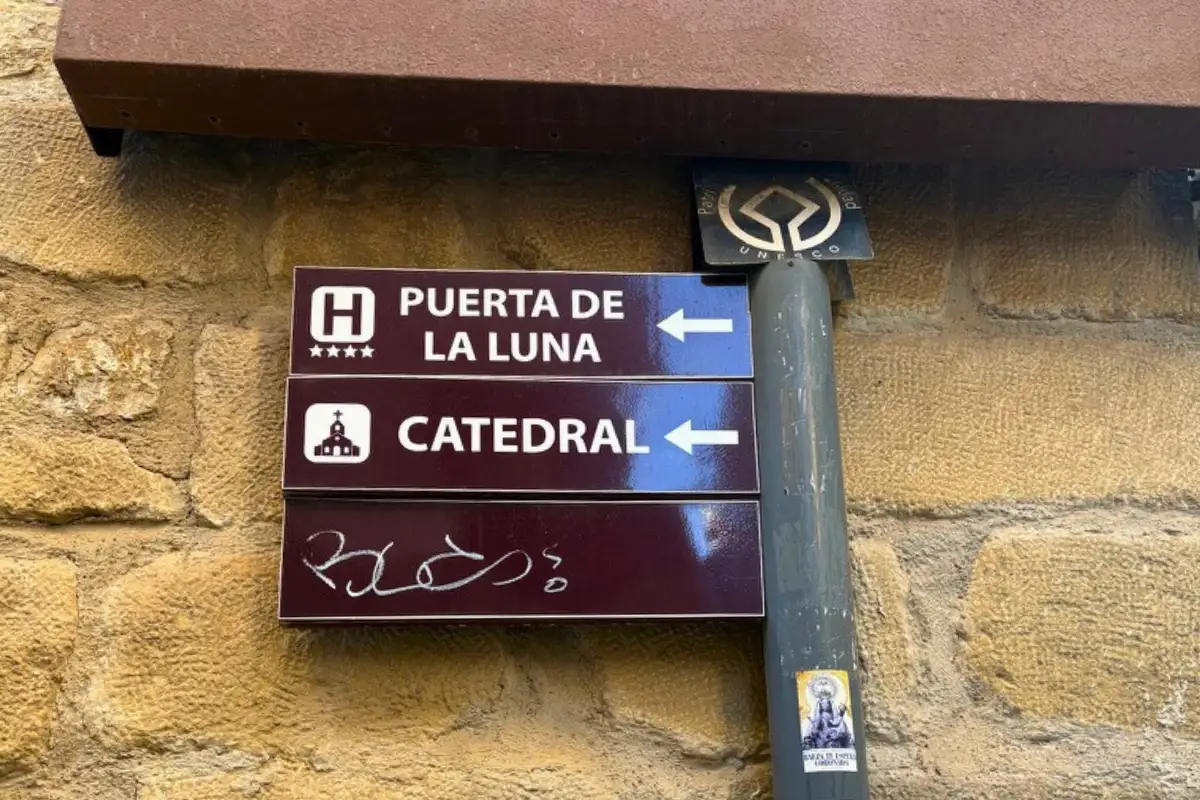
The twin UNESCO Renaissance towns are the main draw for most visitors to Jaén province, and they’re easy to reach.
Both are about 45 minutes from Jaén by bus or car. ALSA runs regular services, and the A-316 is a straightforward drive through olive groves.
Úbeda and Baeza are only 9km apart, so you can combine them in a single day. Regular local buses connect the two, or a taxi between them costs around 15 to 20 euros.
Allow a full day to do both justice.
If you’re visiting without a car, the bus from Jaén works well. Just check the return times carefully, because evening services can be limited.
The Sierra de Cazorla is another hour east by car. If you’re going without wheels, ALSA runs two buses daily from Jaén bus station directly to Cazorla.
Driving and Parking
A rental car is strongly recommended for Jaén province. Úbeda, Baeza, the Sierra de Cazorla, and the olive mills all require one, and the province’s best day trips from Jaén are difficult without wheels.
Traffic in the city is noticeably lighter than in most Andalusian cities. Street parking is easy to find outside the centre, and I never once felt concerned about leaving the car, which isn’t always the case elsewhere.
For blue zone street parking in the centre, expect around €0.50 to €1 per hour. There’s an underground car park near the Plaza de la Constitución for around €10 to €15 per day, and the castle car park at the top is free.
I wouldn’t drive into the historic centre itself. The pedestrianised areas make it confusing, and a bus or taxi from outside is quicker.
If you’re staying overnight, accommodation with parking makes life considerably easier. We satyed at the Infanta Cristina, which has a secure underground car park for guests. It’s a short walk from the cathedral and the main sights, and the parking was a huge relief.
How Far Is Jaén from the Coast?
Jaén is about 130 km from the nearest Mediterranean coast at Motril or Almuñécar, roughly 1.5 hours by car. The Costa del Sol around Málaga is about 150 km, or 1 hour 45.
It’s an inland province, and that distance from the coast is part of what keeps it off most tourist itineraries.
There’s no direct bus to the coast either. The one daily service toward Málaga Airport goes via Granada, so a beach day from Jaén is a driving day or it isn’t happening.
How Far Is Madrid from Jaén?
Madrid is about 330 km from Jaén, roughly 3 hours by car on the A-4 and A-44 motorways. Direct trains run in around 3.5 hours and ALSA buses take about 4, with three departures a day.
It’s a straightforward journey in either direction, and the bus station has more connections and better facilities than the train station if you’re choosing between them.
What If You Can’t Walk Too Far?
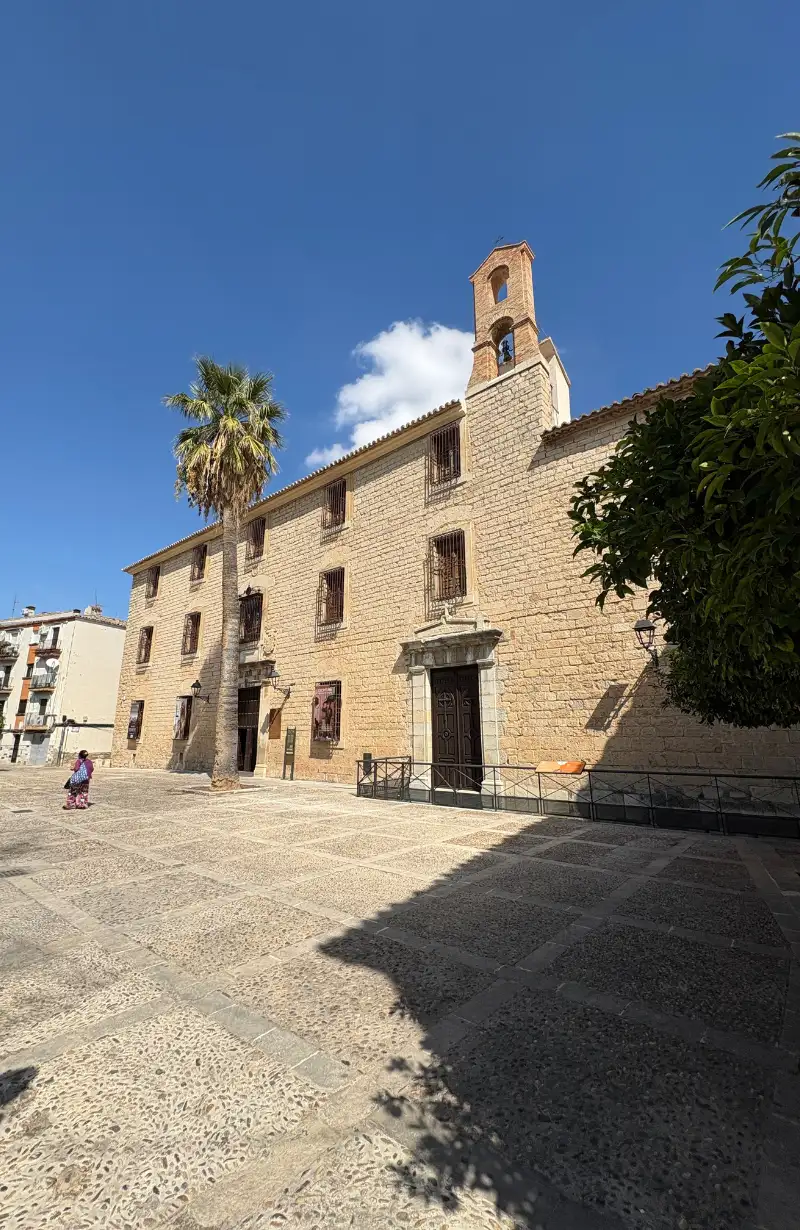
Jaén’s historic centre has the usual challenges of old Spanish cities. Many streets are hilly and cobbled, the Jewish quarter has steep narrow lanes, and the castle is not accessible without a vehicle.
If mobility is a concern, focus on the area around the cathedral and the main plazas. This is the flattest part of the centre, and you can see the Arab baths, the cathedral interior, and enjoy the restaurants without tackling any serious hills.
For the castle, take a taxi. The castle grounds have some accessible areas, but include uneven surfaces in places.
Taxis can accommodate some mobility aids and are easy to find in the centre.