What is the best time to visit Jaén? April to May, or October to November.
Both windows give comfortable walking temperatures, fewer crowds, and the city at its most enjoyable. Avoid July and August, because inland Jaén regularly tops 40°C in summer, with no sea breeze.
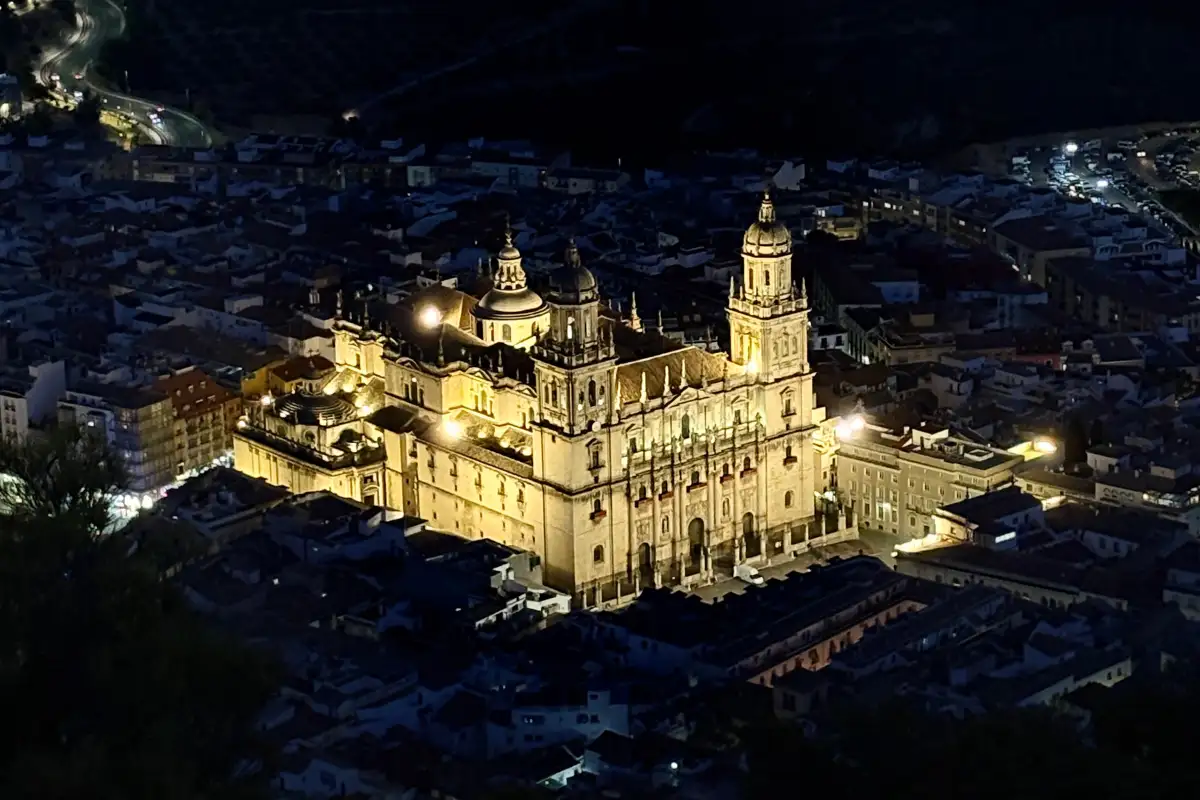
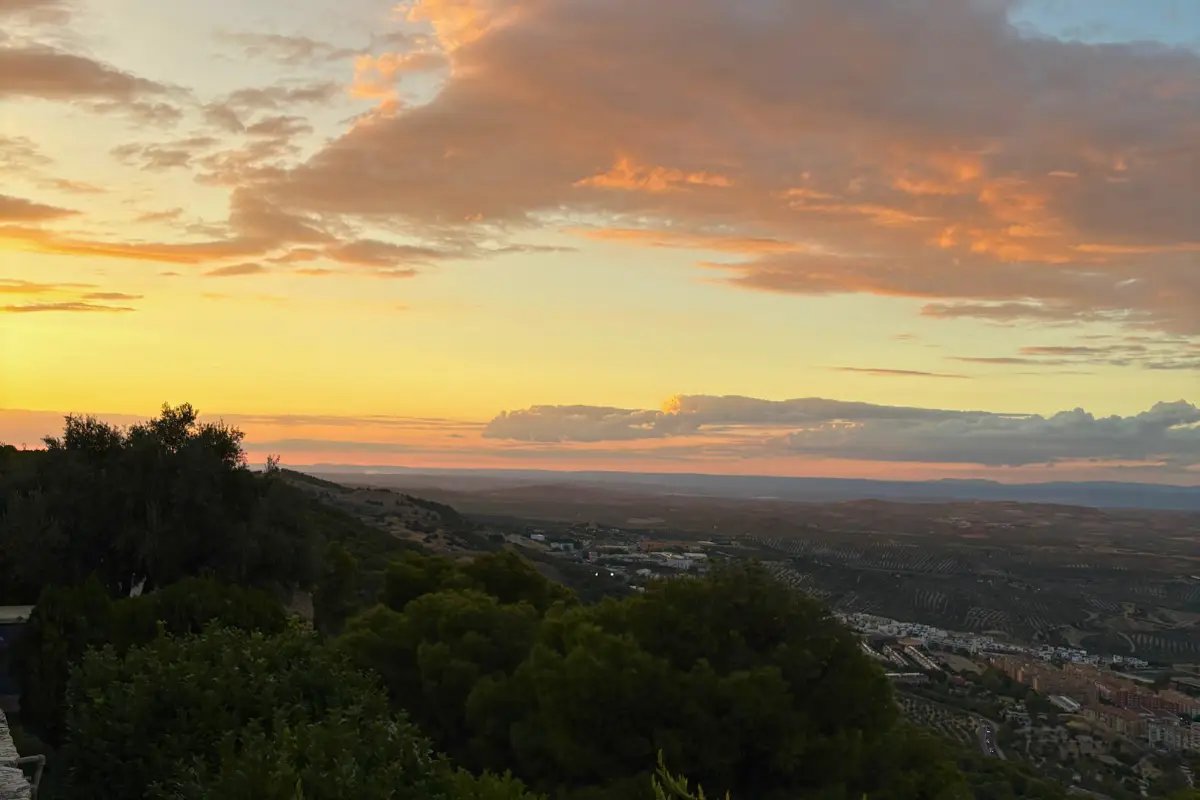
I visited in October and the temperature was still around 30 degrees during the day. The contrast surprised me. By 10pm on the castle viewpoint I was wishing I had a jacket.
Jump straight to planning your trip to Jaén.
Spring (April to May)
The best overall window. Mild temperatures, wildflowers across the Sierra de Cazorla, and the city at its most comfortable for walking. Days are warm, not punishing, and evenings are pleasant enough to sit outside.
Daytime highs run from the high teens in April to the mid-20s by May, with lows still cool enough after dark for a light jacket. April is also one of the wetter months on the calendar, so pack something waterproof just in case you get caught out.
Summer (June to August)
Hot. Seriously hot.
July and August regularly exceed 40°C, and the city empties as locals head to the coast. Many smaller businesses close or reduce hours.
If you must visit in summer, plan your days around the heat. Sightseeing in the morning, long siesta in the afternoon, and tapas after sunset.
Many attractions close at 2pm and reopen later in the afternoon. Build siesta time into your day and you’ll enjoy Jaén far more than if you fight against it.
Autumn (October to November)
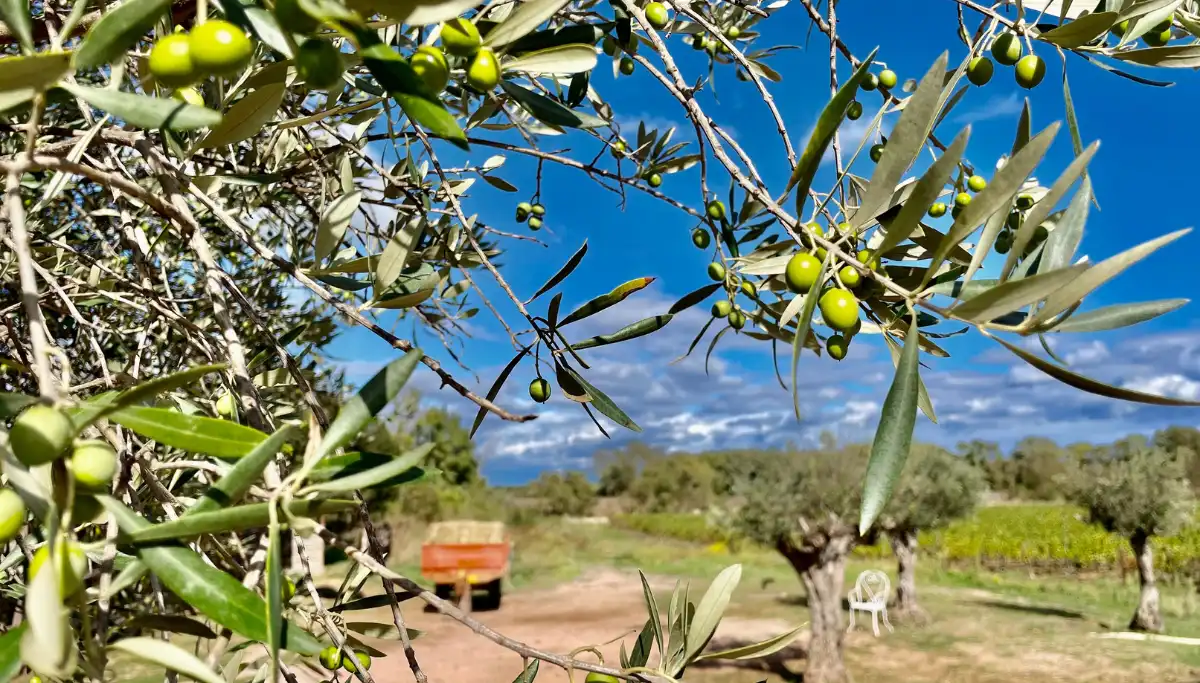
Excellent. The olive harvest begins in October and the province smells of fresh-pressed oil. Temperatures are comfortable, the light is golden, and prices drop.
The Feria de San Lucas runs in October, with rides, parades, and music. It’s one of the city’s biggest annual festivals, worth timing your visit around.
Daytime highs sit around 25°C in October and drop into the high teens by November, with rain still light until late in the month. It’s a comfortable stretch for walking the old town without a jacket during the day.
Winter (December to February)
Quiet and mild. Lows around 4 to 6°C with occasional frost, but nothing harsh. Prices are at their lowest and you’ll have the sights largely to yourself.
Semana Santa (Easter) is the exception. Jaén’s processions are significant, so book accommodation 1 to 2 months ahead if you’re visiting over Easter.
November and December are the wettest months of the year, so day trips into the Sierra de Cazorla are better planned for January or February once the rain eases.
What Is the Wettest Month in Jaén?
March, with around 11 rainy days on average, followed closely by November and December. July is the driest by far, averaging just one rainy day. Jaén gets about 456mm of rain a year, spread unevenly across the cooler months, so a light raincoat earns its space in your bag for a spring or autumn trip.
What Should I Pack for Jaén?
For summer, light, breathable cotton or linen, a wide-brimmed hat, sunscreen, and comfortable shoes for the hills.
For winter, a mid-season jacket and a scarf, because nights drop to 3 to 4°C. For spring or autumn, layer a t-shirt with a jumper and a light windbreaker, and pack an umbrella or light raincoat, especially in March.
Whatever the season, bring proper walking shoes. Jaén’s old town is built on slopes, not flat ground.
How Many Days Do You Need in Jaén?
Two full days is about right for the city itself. That gives you time for the cathedral, the castle, the Arab baths, and a proper tapas crawl without rushing.
Add a third day for the UNESCO towns of Úbeda and Baeza, both within 50 minutes by car or bus. A fourth for the Sierra de Cazorla or the olive mill route rounds out a longer stay.
Suggested Two-Day Itinerary
Day 1: Cathedral (book tower and crypt tickets in advance), Arab baths, Jewish quarter, tapas crawl around Plaza de la Constitución.
On the second day: head to Úbeda and Baeza, driving through olive groves to visit both UNESCO towns.
Day 3 (optional): Olive mill tour during harvest season, or drive to the Sierra de Cazorla for hiking.
For accommodation, see where to stay in Jaén.
The rest of the questions people ask about Jaén are answered in facts about Jaén.