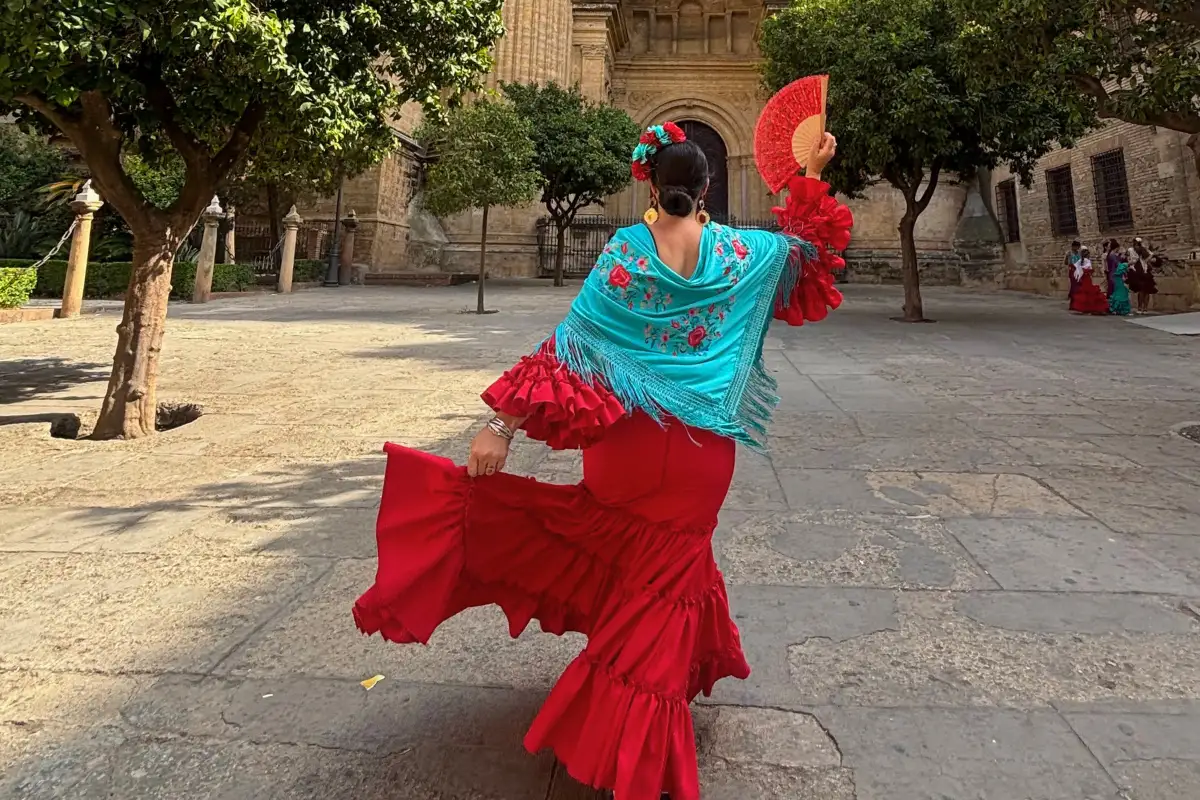
What are popular festivals in Jaén? The Feria de San Lucas in October, the Romería de la Virgen de la Capilla in June, and Semana Santa at Easter. Unlike the coast, these are local celebrations rather than tourist events, and the city feels genuinely different during each one.
If you’re timing a visit around a festival, October is the sweet spot. You get the fair, the olive harvest, and comfortable weather all at once.
The full answer is below, but if you’re ready to plan, here’s my complete Jaén guide.
Feria de San Lucas (October)
The main annual fair, running for around ten days in mid-October, centred on 18 October, the feast day of St Luke, its patron. Rides, parades, music, and casetas (temporary bars and dance halls) take over the fairground on the edge of the city. October also coincides with the start of the olive harvest, so you get the fair and the best seasonal food in a single trip.
October is also one of the best times to visit Jaén in general, with warm days, golden light and prices well below summer peaks.
Romería de la Virgen de la Capilla (June)
A traditional pilgrimage held on 11 June, honouring the Virgen de la Capilla, Jaén’s patron saint. Locally it’s the Feria Chica, the small fair, named to distinguish it from the bigger October one.
It opens with a floral offering before the procession winds through the city. Street food stalls, music, and crowds of locals follow. It’s one of the city’s oldest and most traditional events.
Semana Santa (Easter)
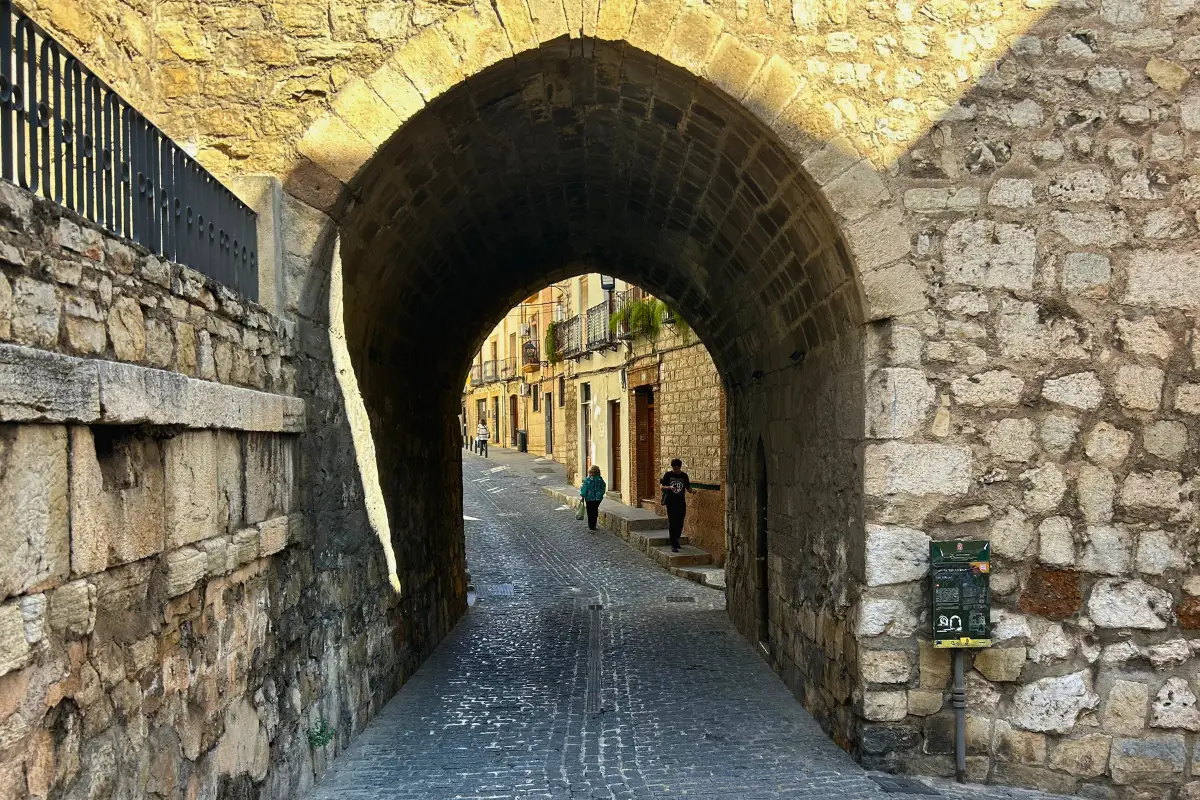
Jaén’s Easter processions are significant and deeply felt. Twenty-one hermandades (brotherhoods) carry elaborate floats through the narrow streets across 22 separate processions, and the atmosphere is solemn rather than festive. The city’s Semana Santa has been declared a Fiesta de Interés Turístico Nacional, the same national designation as the Feria de San Lucas.
If you’re visiting over Easter, book accommodation 1 to 2 months ahead because the city fills up. For hotel options, see where to stay in Jaén.
Día del Lagarto de la Magdalena (Late June)
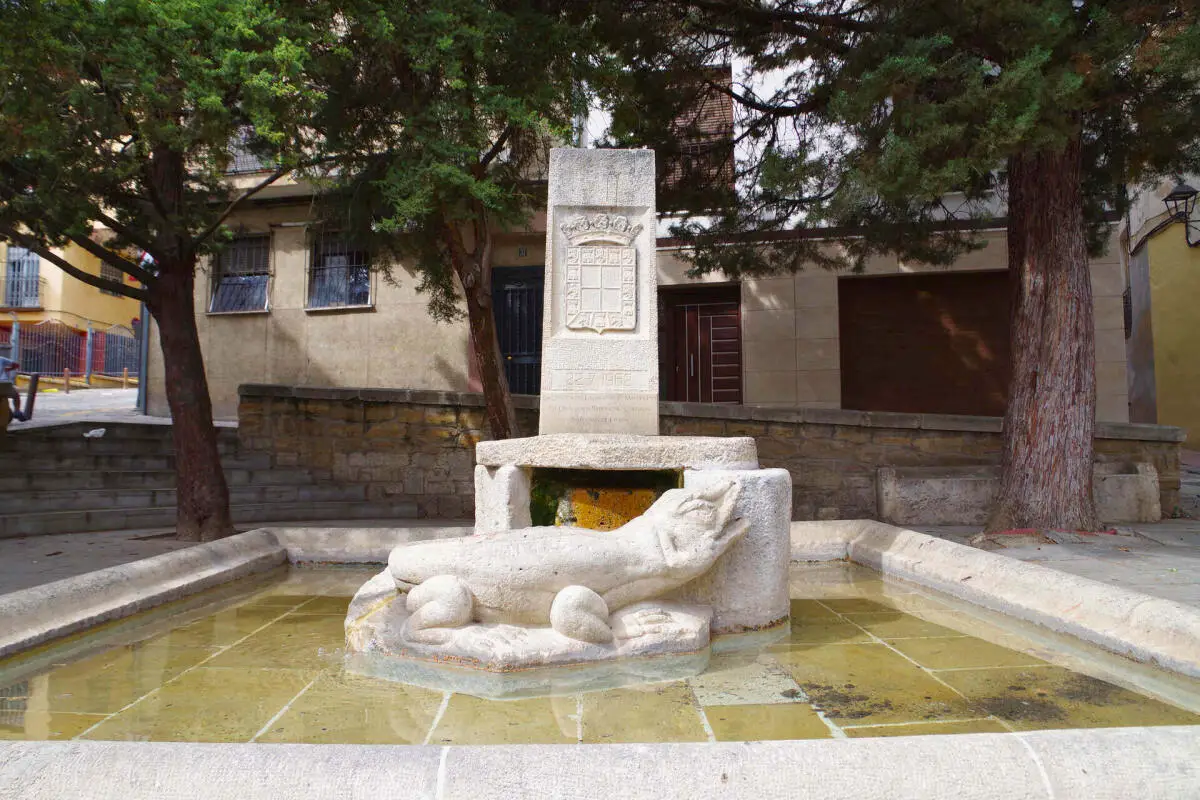
This one honours Jaén’s famous Lagarto (Lizard) legend. According to local folklore, a giant reptile once terrorised the city from a cave near the Fuente del Lagarto fountain.
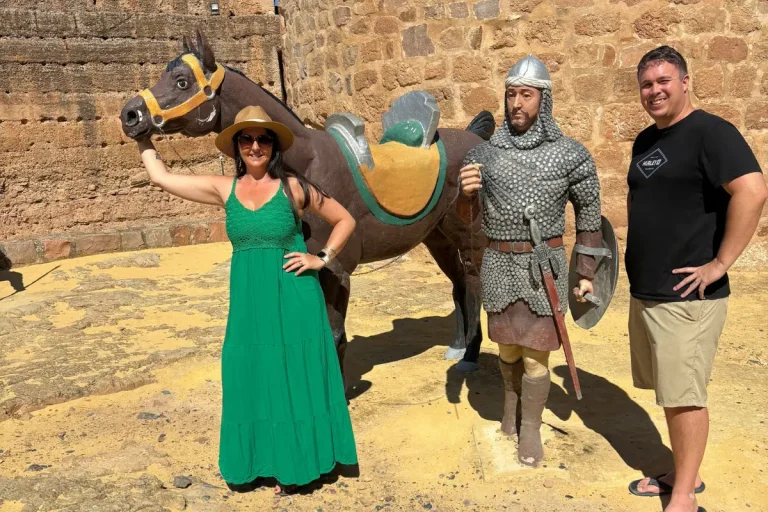
A prisoner trapped and killed it with a sack of gunpowder. Each year, in late June into early July, the city marks it with guided tours, a photo exhibition, medieval-style reenactments, a pasacalles procession through the old town, and tastings of “sangre del lagarto,” a themed treat, not literal blood. The fountain still stands in the La Magdalena neighbourhood and is worth a visit any time of year.
Fiesta de Santa Catalina (November)
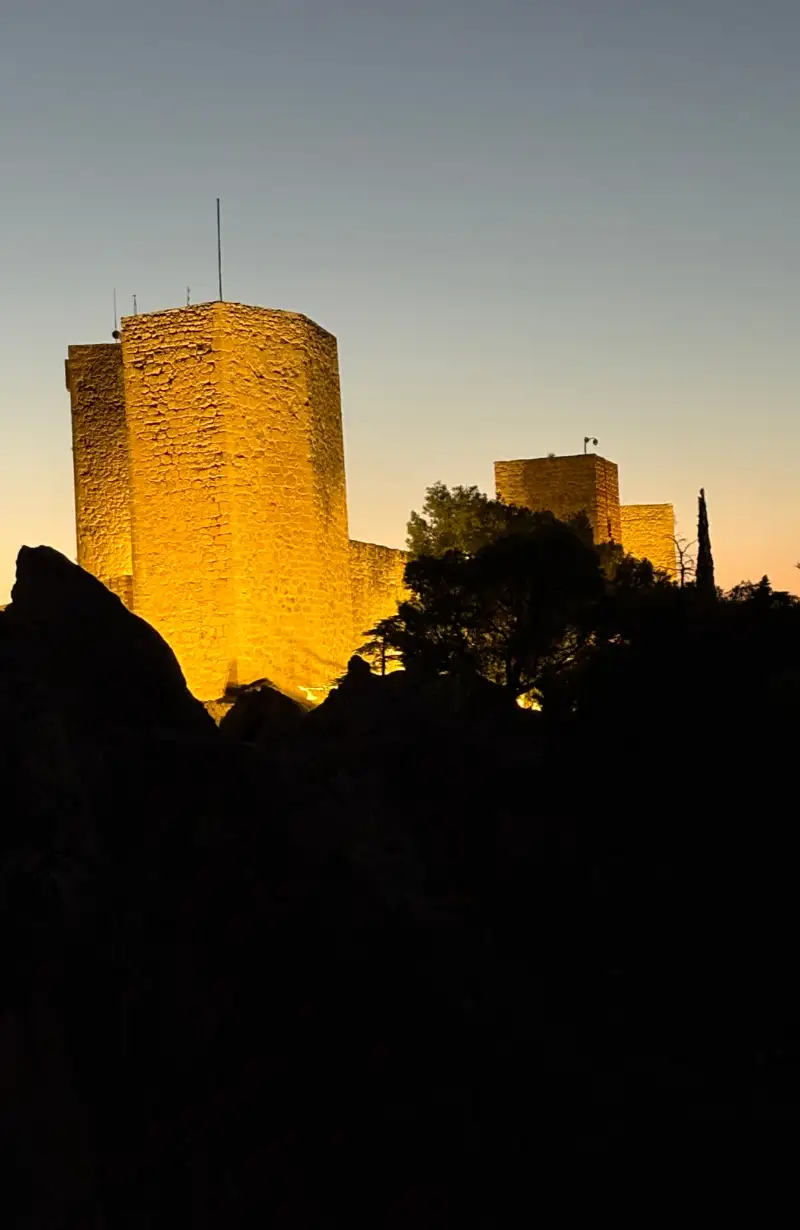
A smaller, neighbourhood-level celebration on 25 November marking the patron saint of the castle that overlooks the city. Locals gather for comida campera, an open-air country meal, around the Castillo de Santa Catalina, with the castle and its parador looking out over the whole city.
Fiestas de San Antón (January)
Held on the night of 16 to 17 January, this is one of Jaén’s oldest and best-loved traditions, and was declared a Fiesta de Interés Turístico Nacional in 2019. Neighbourhoods across the city light dozens of Lumbres de San Antón (bonfires, close to 40 of them in recent years), where locals gather for roasted squash, popcorn, and singing late into the night. An international night race, the Carrera Urbana Internacional Noche de San Antón, has run alongside the bonfires since 1984.
Olive Harvest Season (November to January)
Not a festival exactly, but it overlaps with San Antón and transforms the whole province. The mills are running, fresh-pressed oil is available for tasting, and the landscape takes on a different energy. Many mills offer tours and tastings during this window.
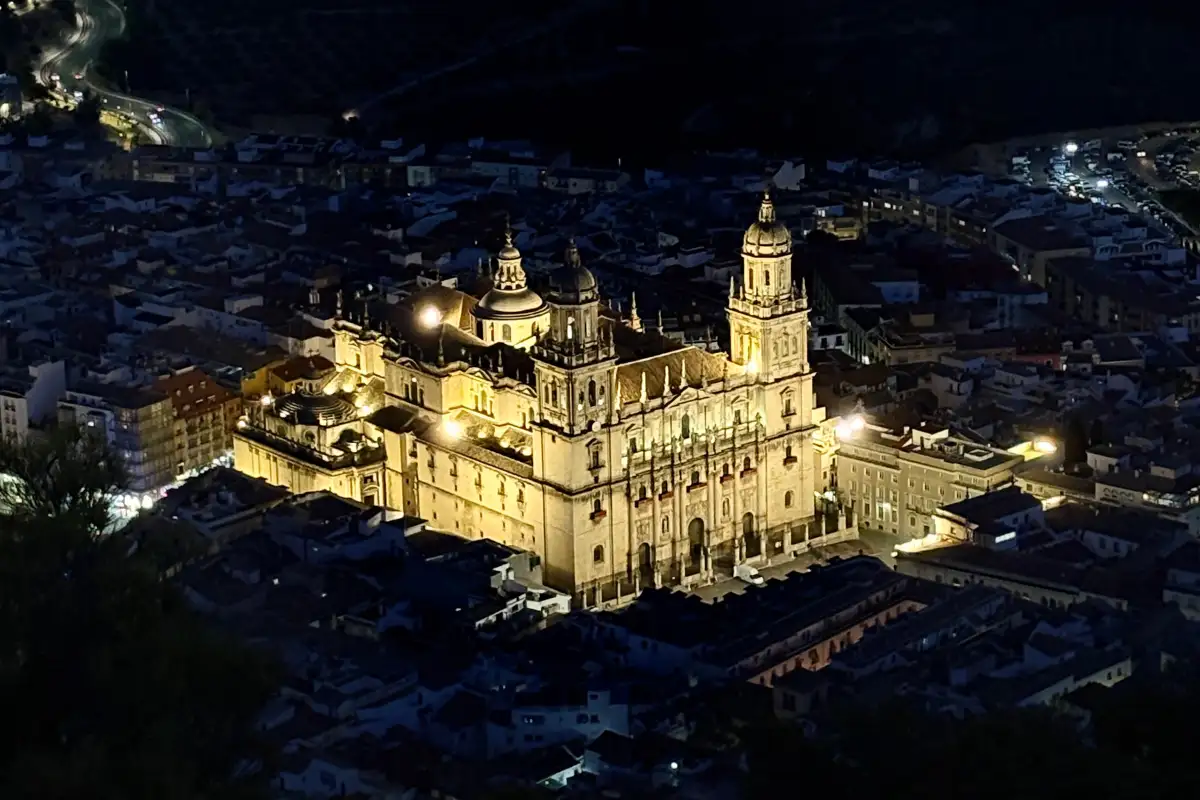
Many of these celebrations centre around the cathedral, which is the backdrop to most of the city’s processions.
The rest of the questions people ask about Jaén are answered in facts about Jaén.