Yes. Jaén is worth visiting if you want an authentic Andalusian city that hasn’t been shaped by tourism.
It has a Renaissance cathedral with a vault of gold relics beneath it, the largest Arab baths in Spain, a castle ridge with sunset views over endless olive groves, and a free tapas culture so generous I went two days without ordering lunch.
More on this below, or if you’re planning a visit, see our things to do in Jaén guide.
What Is Jaén Known for?
Olive oil. The province has 65 million olive trees and produces around 40% of the world’s supply, more than the entire country of Italy.
Beyond the groves, Jaén is known for Renaissance architecture shaped by the 16th-century architect Andrés de Vandelvira, and for a free tapas culture where a €1.50 beer comes with a proper dish. For more on the city’s identity, see what Jaén is known for.
What Makes Jaén Worth It
I drove in for the first time and honestly wasn’t sure I’d made the right call. It’s a working city, and nothing about the outskirts announces that you’re somewhere worth your time.
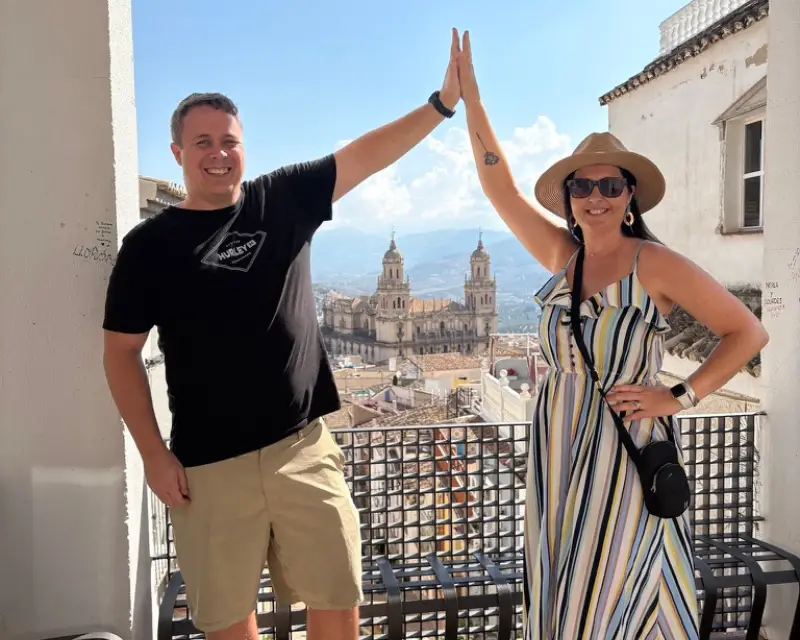
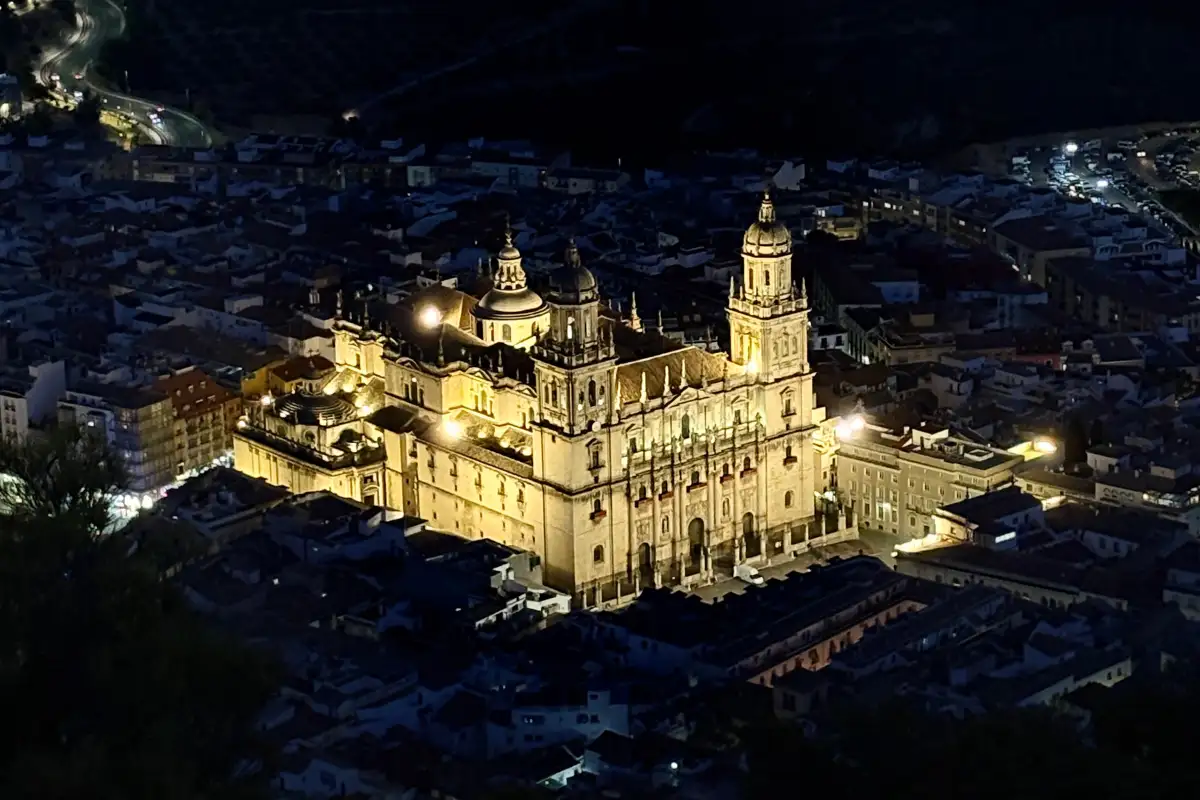
What changed my mind was the cathedral. It took 176 years to build, and beneath its main floor sits an actual vault of gold and silver relics.
I’ve been inside a lot of Spanish cathedrals. None had a crypt quite like this one.
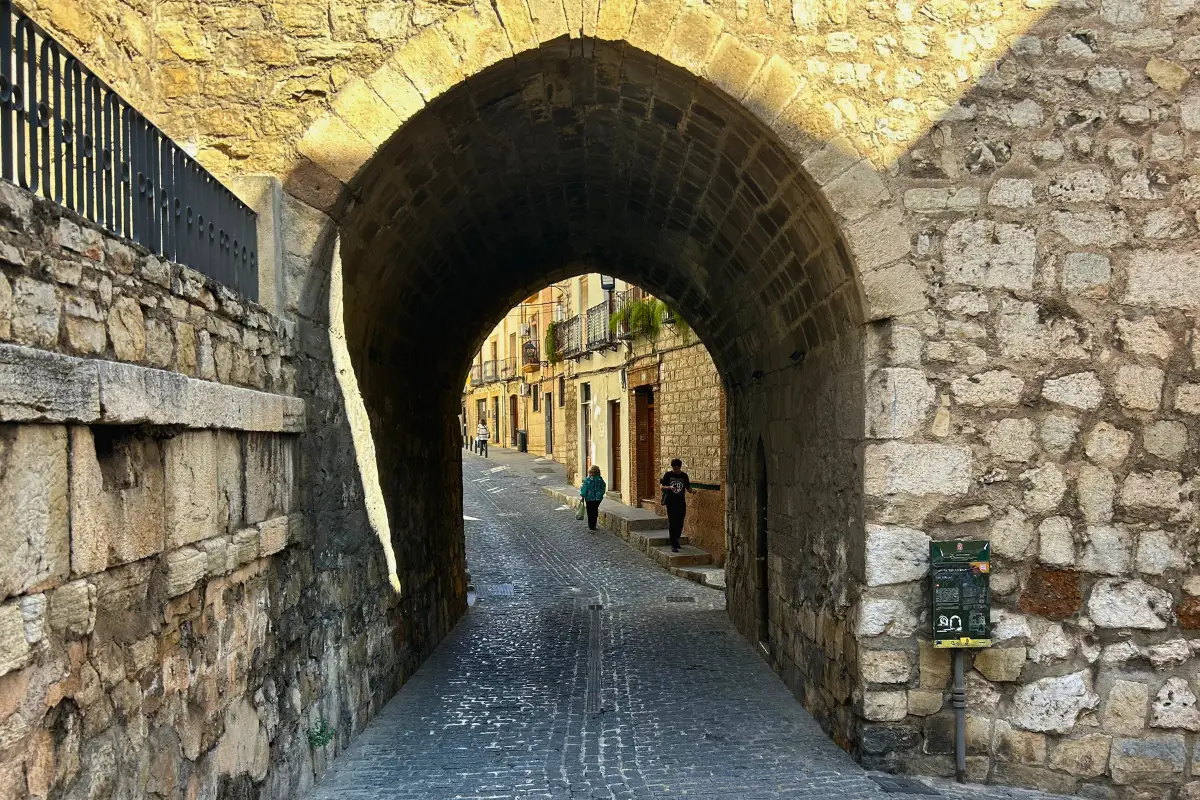
The Jewish quarter is empty enough to wander for an hour without seeing another tourist. Beneath the Palacio de Villardompardo, the Arab baths stretch across 450 square metres, the largest preserved Moorish baths in Spain, and they’re free to enter.
Then there’s the Castillo de Santa Catalina. I came up twice.
At night it was better. The cathedral lit up below, olive groves fading into the dark, and the whole ridge to myself.
Tapas alone justify the trip. With every beer, coffee, or glass of wine, a free tapa arrives.
Not olives or crisps. Croquettes, stews, toasted sandwiches.
I went a whole day without ordering food and never felt short. For the full rundown, see things to do in Jaén.
What Jaén Is Not
There are no tidy old-town circuits, no obvious tourist drag, no segway tours. The city doesn’t perform for visitors.
What it offers instead is something closer to real life: family-owned bars, fountains and art scattered between working streets, and prices that reflect local wages, not tourist demand.
How Long Should You Stay?
Two full days is about right. That gives you time for the cathedral, the castle, the baths, and a proper tapas crawl without rushing.
Build siesta time into your schedule. Many attractions close at 2pm and reopen later in the afternoon, and summer temperatures push past 40°C.
If you have a third day, the twin UNESCO towns of Úbeda and Baeza are both within 50 minutes by car or bus. For more options, see day trips from Jaén.
For hotel picks, the where to stay in Jaén guide covers every price point. And if you’re wondering when to go, see the best time to visit Jaén.
Is Jaén Safe?
Yes. Jaén is a quiet, low-tourism city where the biggest risk is sunburn in July.
I walked the old town, the Jewish quarter, and the castle ridge after dark without any concern. The streets are calm, locals are unhurried, and there’s none of the petty crime pressure you might feel in Seville or Barcelona.
Is It Hard to Get to?
Jaén has no airport, but it’s well connected by road and rail. Granada is just over an hour away, Córdoba about 1.25 hours, and Madrid roughly 3.5 hours by train.
ALSA buses run regular services to Granada and most major Andalusian cities. A rental car opens up the province properly, especially for the olive groves, castles, and Sierra de Cazorla.
For transport details, see getting around Jaén.