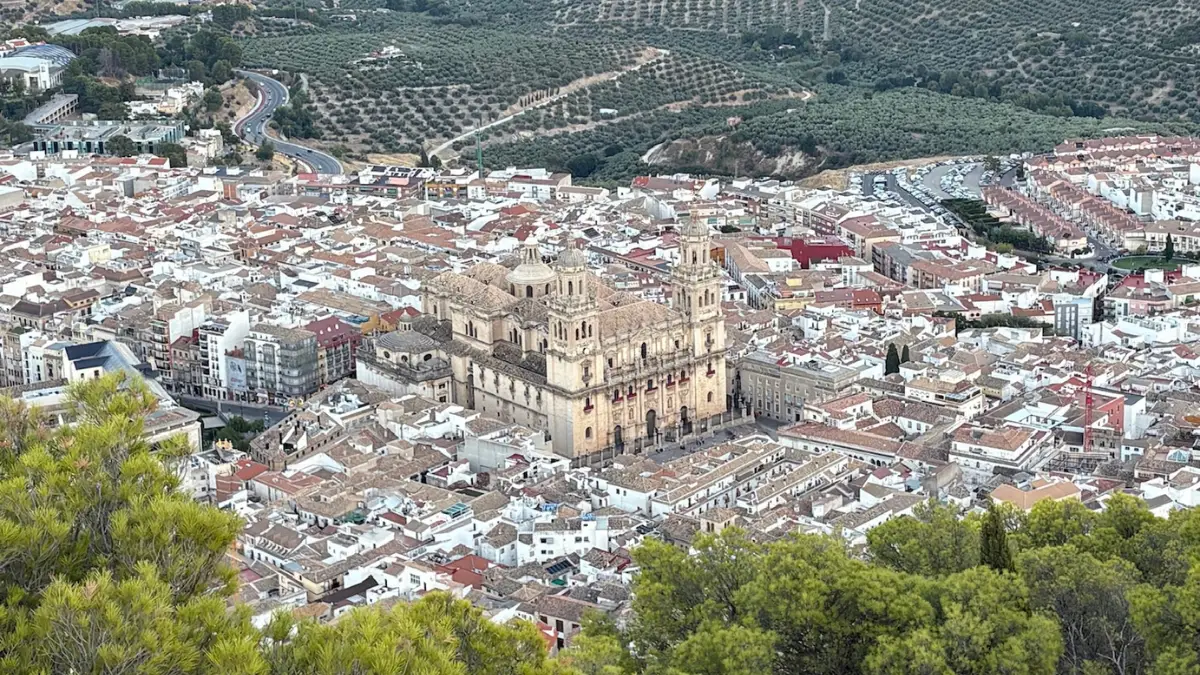
What is Jaén known for? Above all olive oil, with the province producing around 40% of the world’s global supply from 65 million trees, more than the entire country of Italy.
It is also home to the largest Arab baths in Spain, a Renaissance cathedral holding the Veil of Veronica, the highest concentration of castles of any province in Europe, and two UNESCO World Heritage towns. Most visitors to Andalusia skip it entirely, which is part of what makes it worth the detour.
Keep reading for the details, or explore what there is to see and do in Jaén.
Olive Oil
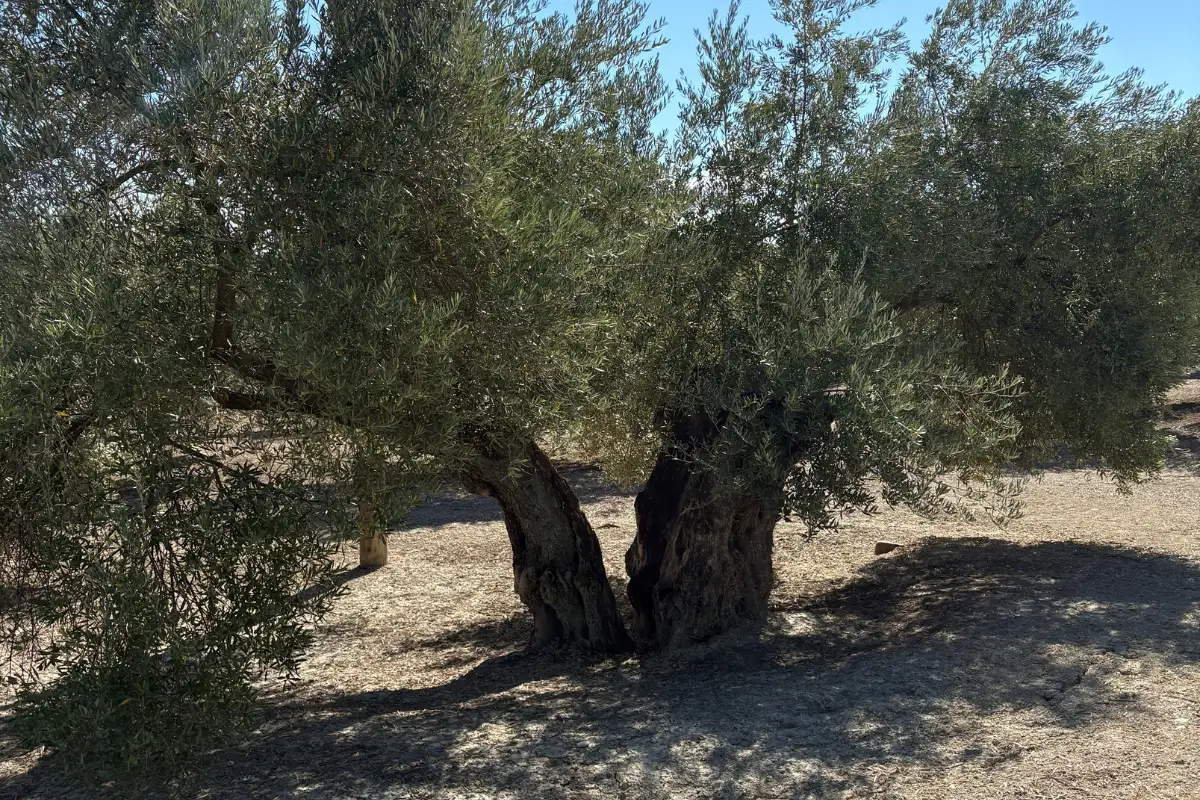
Locals call the landscape the Mar de Olivos, the sea of olive trees. The dominant variety is the Picual, which produces an intensely flavoured oil with a long shelf life. Some of the trees are over 1,000 years old and have been cultivated here since Roman times.
For decades, the region sold most of its oil in bulk to Italian and Spanish brands. That’s changing as local producers market their own labels, and olive oil tourism is growing around mill visits and tastings.
Prices at the source are still far lower than almost anywhere else in Europe. For the production numbers behind it, see how much olive oil does Jaén produce.
Castles
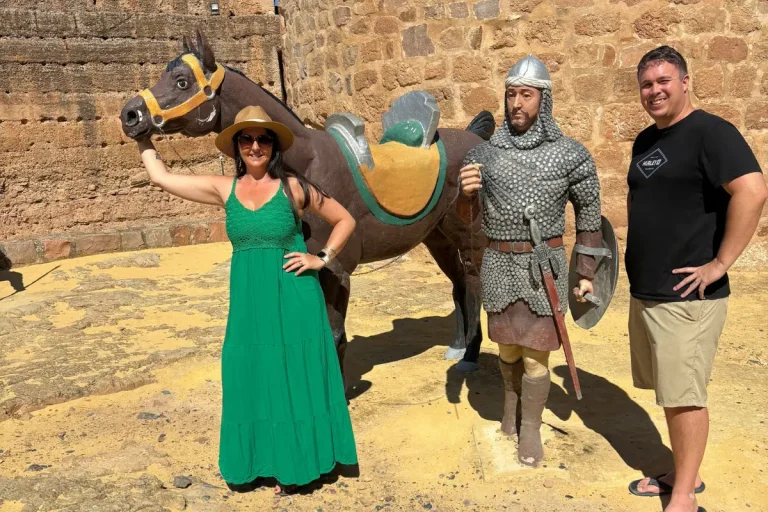
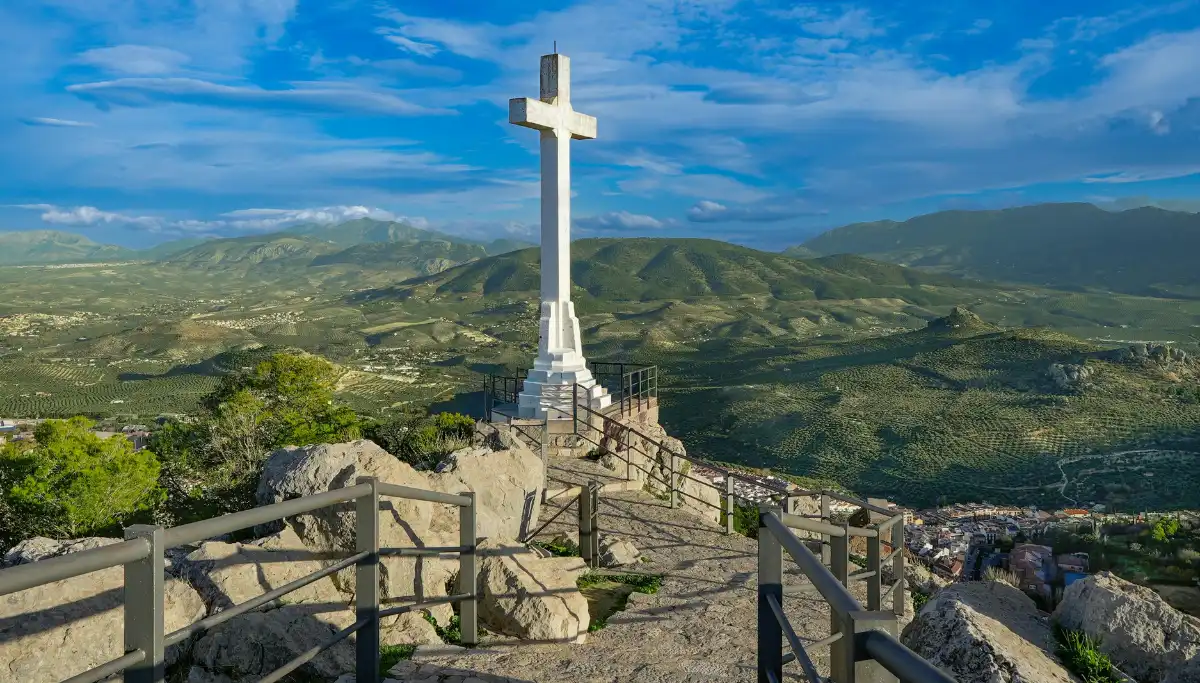
Around 400 castles and watchtowers were built across the province during centuries of Moorish and Christian conflict, and roughly 90 still stand. Jaén sat on the frontier between Christian Castile to the north and Moorish Granada to the south, which is why so many were concentrated here.
The oldest is Burgalimar Castle in Baños de la Encina, built in 968 AD with 14 original towers still largely intact. I drove there from Jaén city in about 40 minutes and had the entire place to myself. The most dramatic is the Castillo de Santa Catalina, now a Parador hotel overlooking the city from a limestone ridge.
The Cathedral
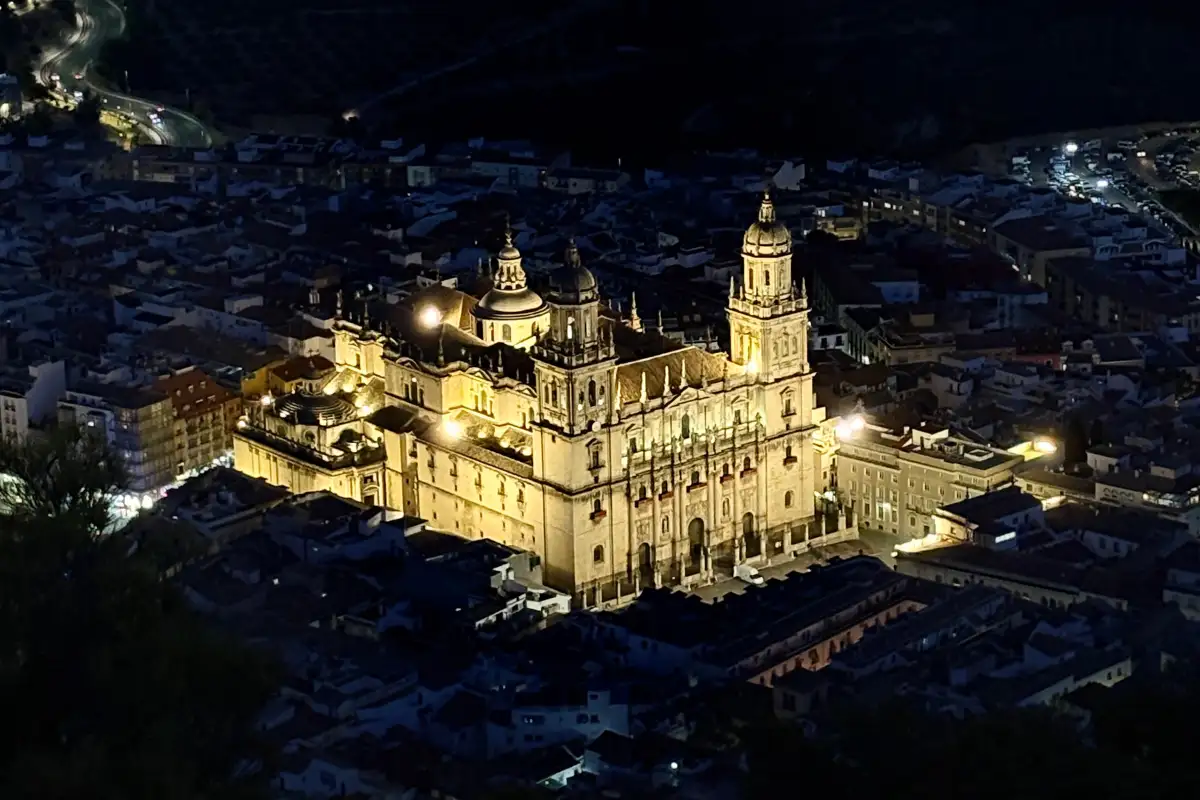
Jaén Cathedral was started in 1548 under Renaissance architect Andrés de Vandelvira and consecrated in 1724, replacing an earlier Gothic church on the same site. Inside, it holds a relic said to be the Veil of Veronica, displayed every Friday.
Vandelvira’s design influenced cathedrals across the Spanish colonies in Latin America, with echoes showing up in Lima, Cusco, and Puebla. Beneath the main floor, a treasury of gold and silver relics sits inside an actual vault that you walk into rather than view through glass.
Úbeda and Baeza
In 2003, UNESCO granted World Heritage status to the twin Renaissance towns of Úbeda and Baeza, both within the province of Jaén. The designation recognised them as the finest surviving ensemble of Renaissance urban architecture outside Italy.
Baeza is about 30 minutes from Jaén city by road, Úbeda around 45, and the two are only 9km apart, so most people do both in a day. Vandelvira, the same architect behind Jaén’s cathedral, designed many of their most important buildings.
You don’t need a car. Buses run ten times a day from Jaén and take about 45 minutes, which is covered in the day trips from Jaén guide.
What Else Jaén Is Known For
The baths beneath the Palacio de Villardompardo are the largest preserved Moorish bathhouse in Spain, three chambers of cold, warm, and hot water rediscovered under later building work and reopened only in the 1980s. Entry is free.
To the east, the Sierras de Cazorla, Segura y Las Villas Natural Park is Spain’s largest protected area, where the Guadalquivir begins as a mountain spring and the Iberian lynx has been reintroduced to the wild.
And every Holy Week, seventeen hooded brotherhoods carry floats through Jaén’s narrow streets in processions solemn enough that the city fills up. Book ahead if you’re visiting over Easter.
Free Tapas
Jaén is one of the last cities in Spain where a free tapa comes with every drink, and not a bowl of olives either. Proper dishes like croquettes, sausages and toasted sandwiches.
A beer costs around 1.50 to 2 euros, so a crawl through four or five bars replaces a restaurant meal entirely. You don’t order the tapa or choose it, which catches people out.
The rest of the questions people ask about Jaén are answered in facts about Jaén.