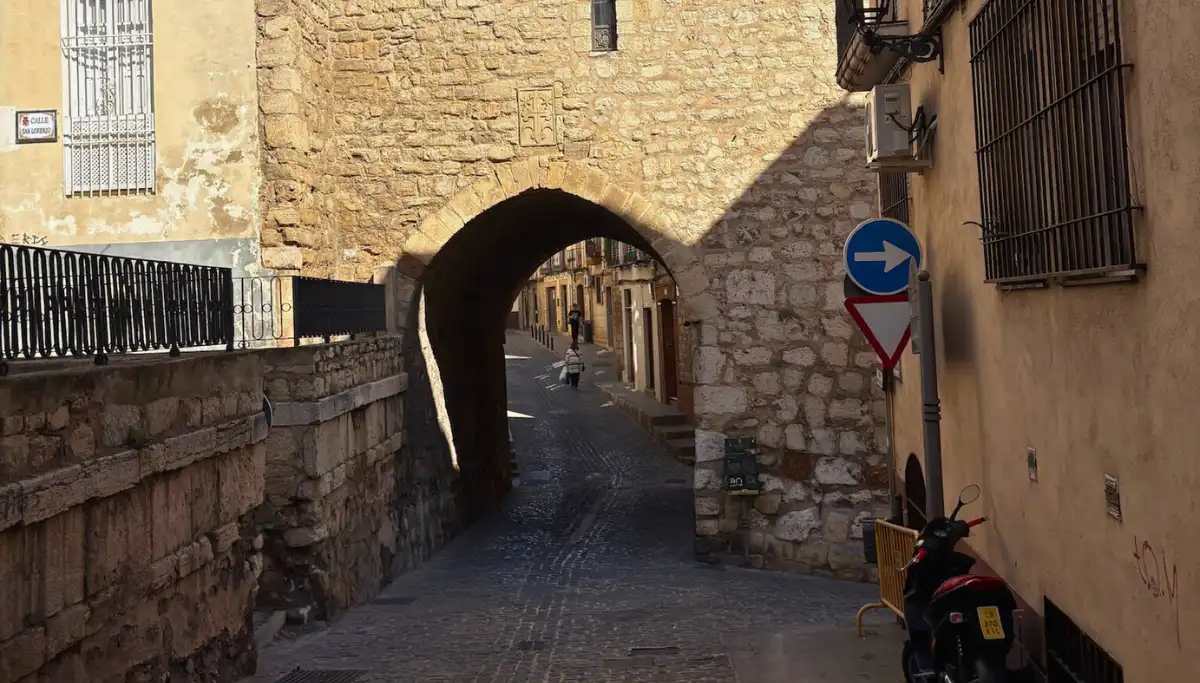
The Jaén meaning people are usually after is the Arabic one. The name comes from Jayyān (جيان), a stopping post on a caravan route. The city sits in the Guadalquivir valley, which made it a natural waypoint for traders crossing between the coast and the interior during the centuries of Moorish rule in southern Spain.
But the settlement, and its earlier names, go back much further than the Arabic period.
Read on for the detail, or head over to my things to do in Jaén guide.
What Does Jaén Mean in Arabic?
In Arabic, Jayyān translates roughly as “crossroads of caravans” or “stopping place.” The name first appears in Hispano-Arab written sources in the 8th century, after the Umayyad conquest of the Iberian Peninsula.
It described the city’s function rather than its appearance. A natural halt on the route between Córdoba and the coast, where the Guadalquivir valley narrows and the mountains begin.
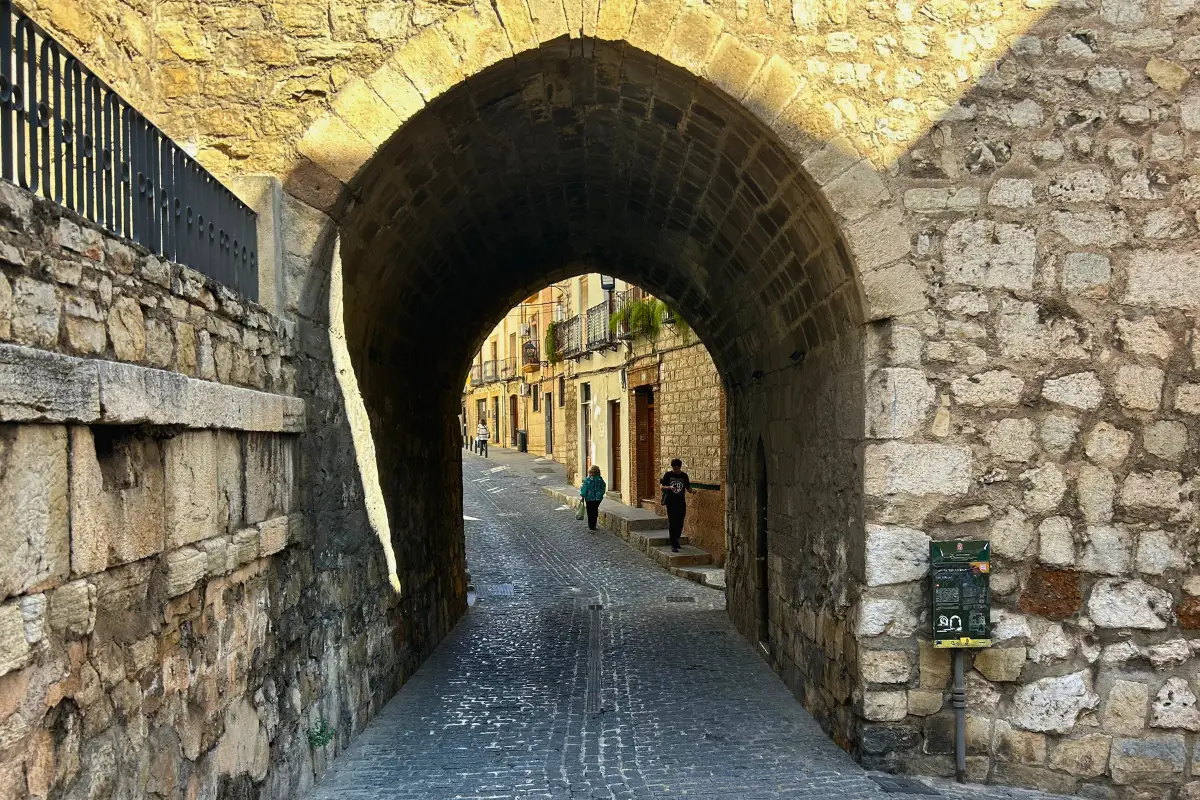
Walking through the old town today, that sense of a waypoint still holds. The steep streets funnel you uphill toward the castle ridge, and the layout feels like a city built for passing through on the way to somewhere else.
The Settlement Is Much Older Than the Name
The Arabic name dates to the 8th century, but the settlement itself is far older. The oldest traces of human presence in the area date to around 2500 BC. The archaeological site of Marroquíes Bajos, now partly beneath the modern city, was the largest copper-age settlement ever found in Europe.
That layering is part of what makes Jaén unusual. Most Andalusian cities have a clear Roman or Moorish identity that defines them. Jaén has both, plus a Neolithic foundation that most visitors never hear about because very little of it is visible above ground.
The Name Before Arabic, in Roman and Iberian Times
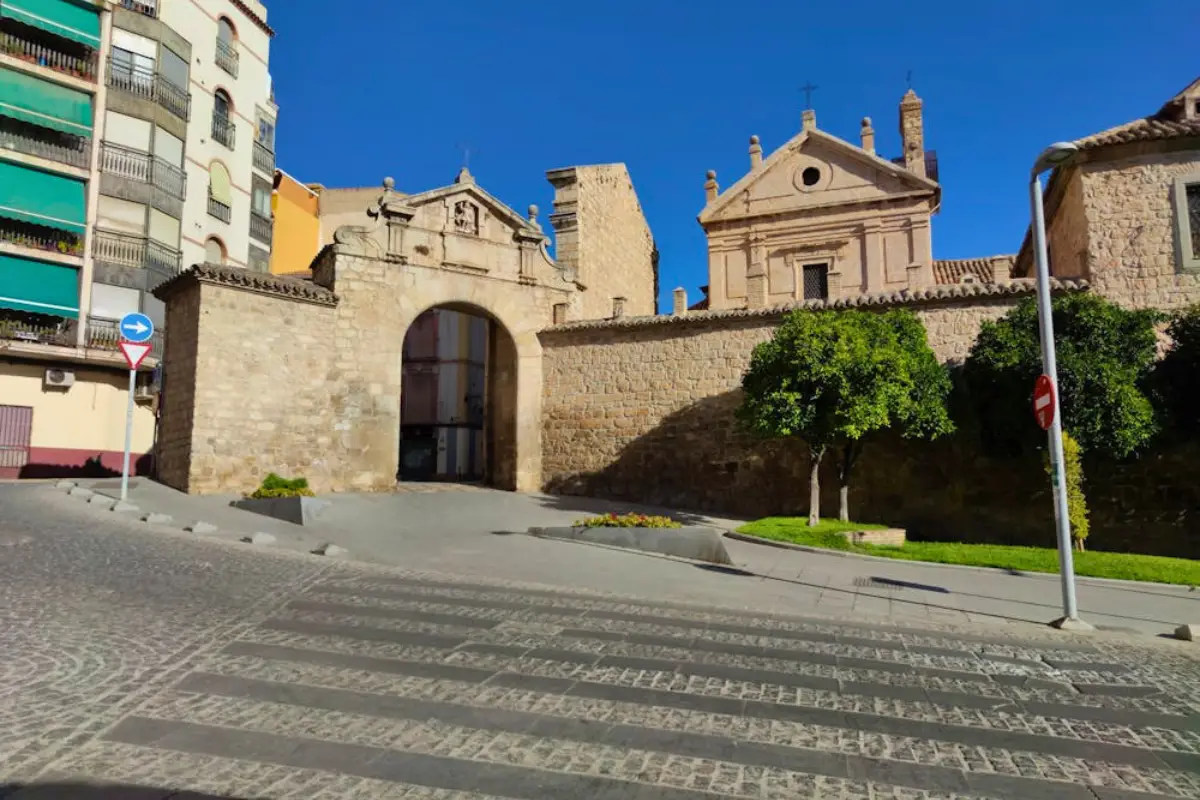
Before the Moors arrived, the Romans knew the city as Aurgi or Auringi. That name may derive from an even older Iberian word. Strabo and Polybius both recorded the settlement under slightly different names (Oringe and Elinga), and the geographer Pliny called it Oringis.
Under Roman rule, Emperor Vespasian granted it the rank of municipality in the 1st century AD, and it became known as Flavio Aurgitano. The Latin name Villa Gaiena, from the personal name Gaius, is another proposed root for the modern form.
From Aurgi to Jayyān to Jaén, each name reflects whoever held the city at the time.
A Frontier City
For most of its history, Jaén sat on the border between Christian Spain to the north and Moorish Spain to the south. In 1246, King Ferdinand III captured the city from the Moorish ruler Ibn-Nasr, who retreated south and founded the Nasrid kingdom of Granada, the last Muslim emirate on the Iberian Peninsula.
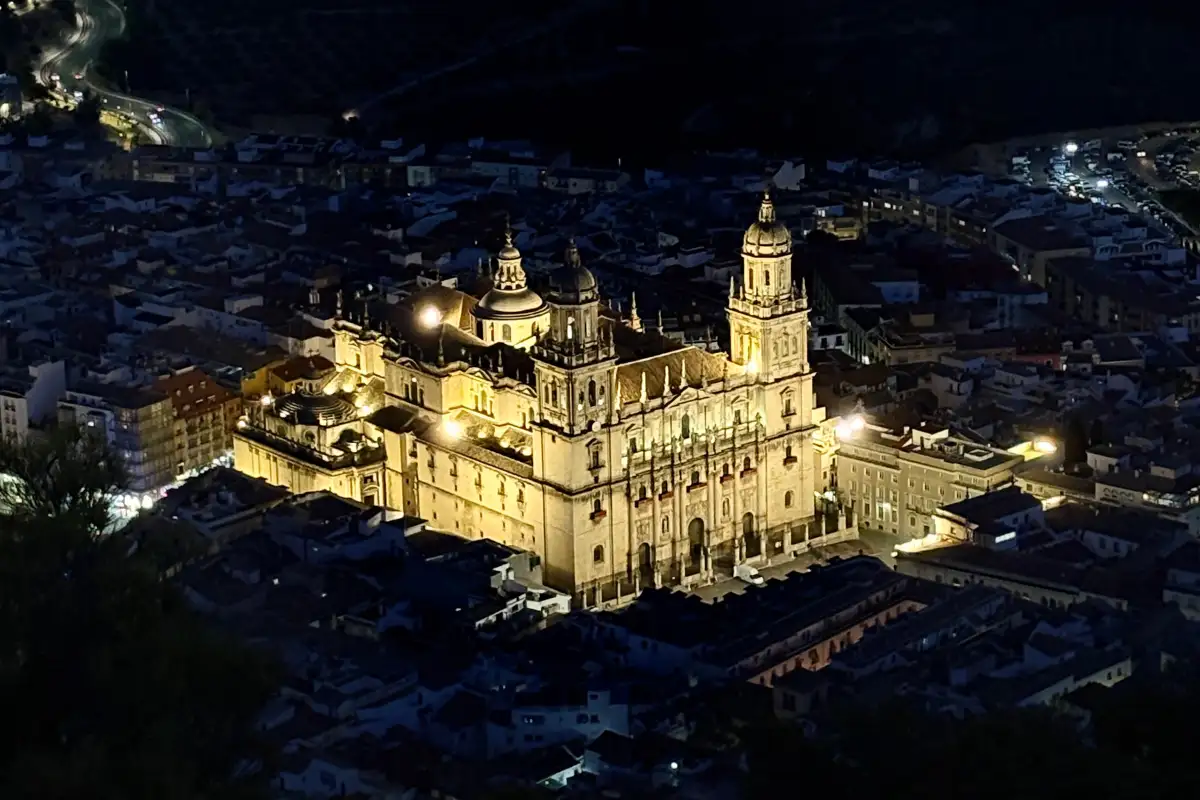
The neighbourhood called La Magdalena still carries fragments of this Moorish past in its doorways and courtyard walls. The Cathedral of Jaén, started three centuries after the conquest, was built directly over the old mosque as a statement of Christian permanence.
Jaén is still a natural crossroads today. For tips on reaching the city and navigating the province, see getting around Jaén.
Is Jaén a Surname?
Yes. Jaén is a habitational surname given to people who came from the city.
It first appears in Andalusian records in the 14th century and was adopted by Christian, Jewish and Muslim families alike. Today the surname is most common in Spain and the Philippines, a legacy of colonial-era migration.
The name trips up English speakers too. More on how to pronounce Jaén correctly.
The rest of the questions people ask about Jaén are answered in facts about Jaén.