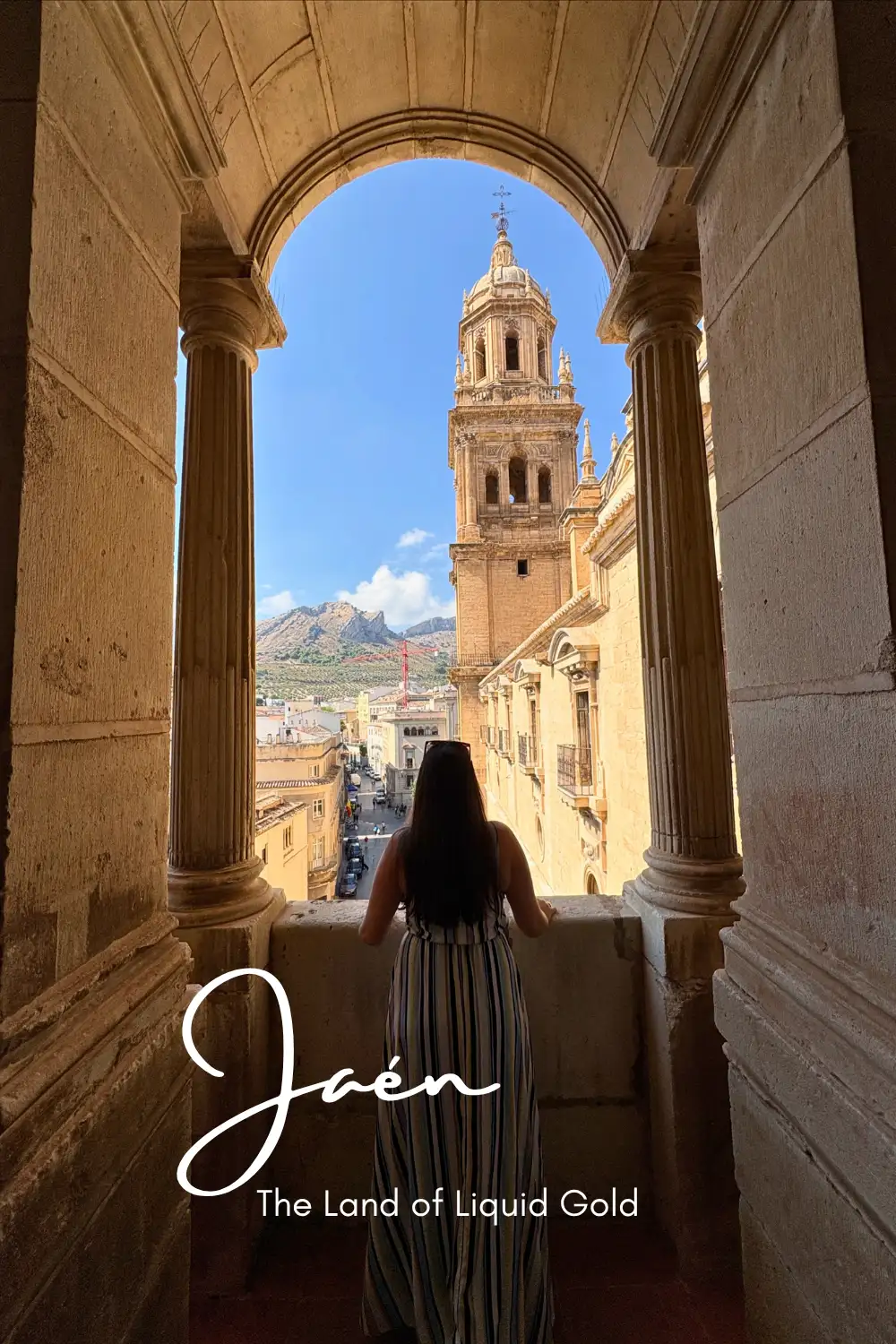
What famous people are from Jaén? The province has produced a wide range of notable figures. The Renaissance architect Andrés de Vandelvira shaped the cathedral and the UNESCO-listed towns of Úbeda and Baeza, and Joaquín Sabina, one of Spain’s most recognised singer-songwriters, grew up in Úbeda.
Andrés Segovia, who single-handedly turned the classical guitar into a concert instrument, was born in Linares. The province also claims a 10th-century Jewish diplomat, one of Spain’s best-selling pop singers, and a poet who wrote some of his finest work in a Baeza classroom.
There’s more to it than you’d think, and I’ll cover it all below. If you’re planning a visit, my Jaén guide is a good place to start.
Andrés de Vandelvira (1509-1575)
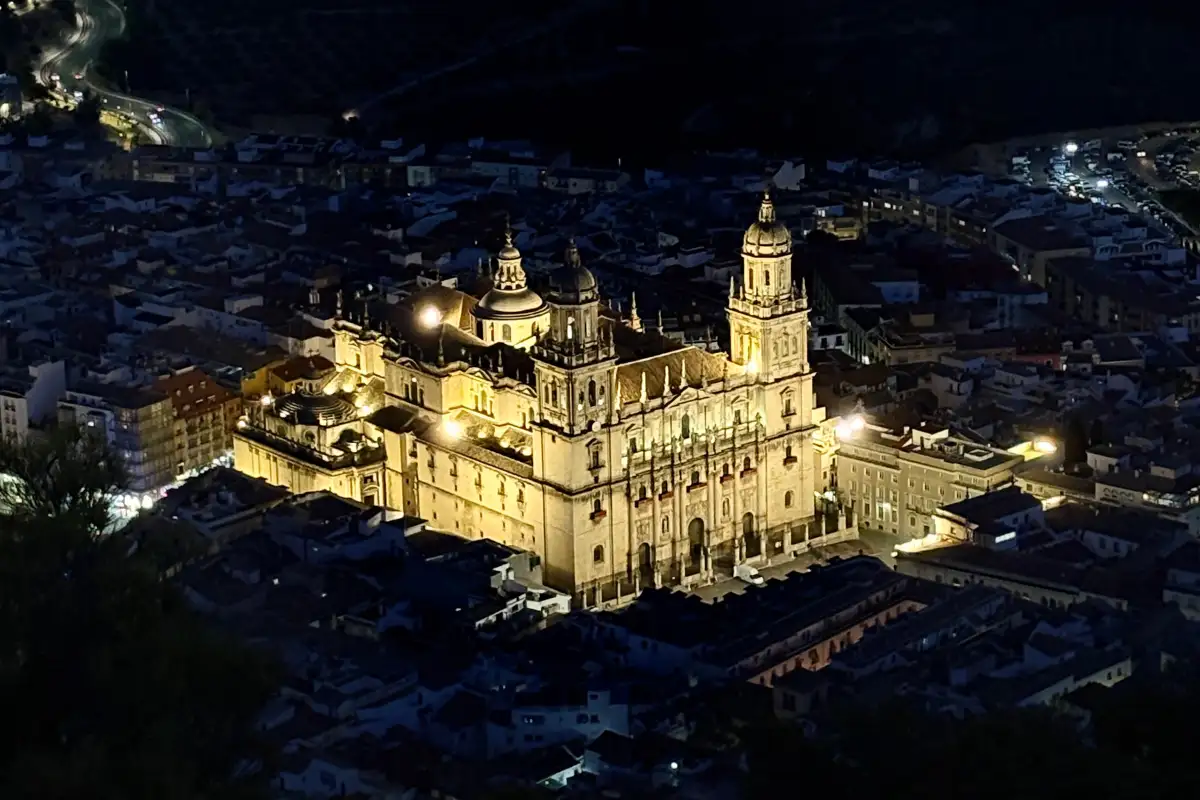
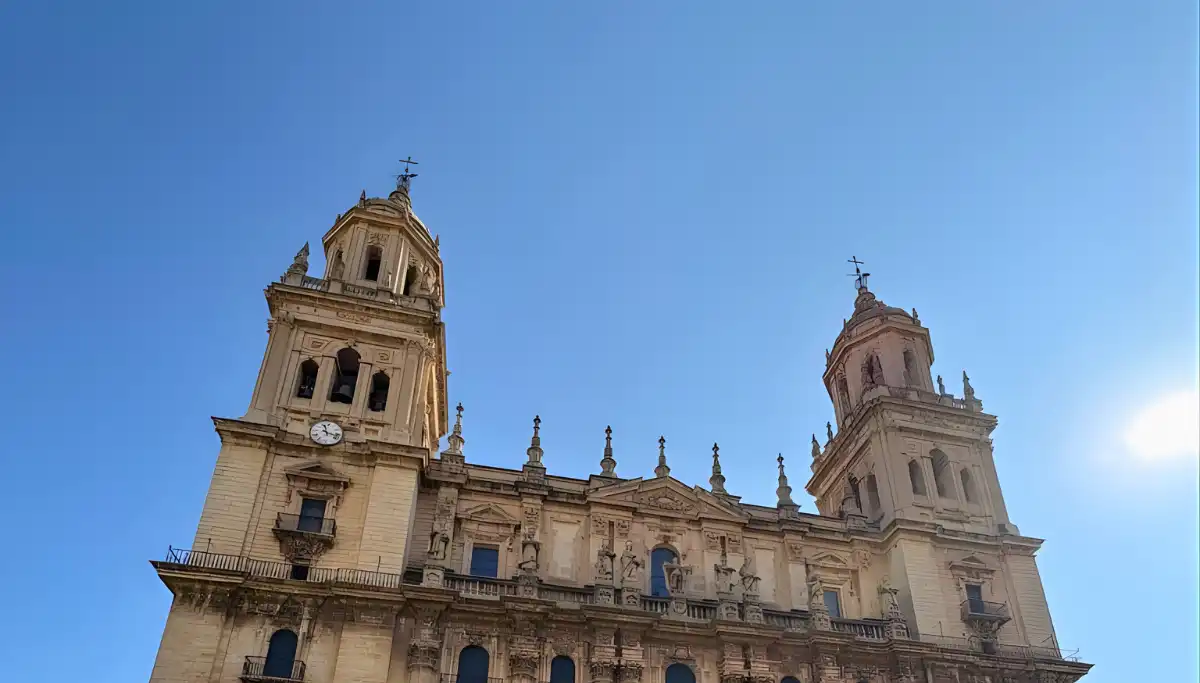
Vandelvira was born in Alcaraz, in the province of Albacete, but spent his entire career working in Jaén province. He was named Master Mayor of Works of the Diocese of Jaén in 1554 and designed the cathedral that took 176 years to complete after his death.
Between Úbeda and Baeza, he left behind more Renaissance monuments than most cities ten times their size. Much of it was funded by Francisco de los Cobos, the Úbeda-born Secretary of State to Emperor Charles V, who commissioned Vandelvira’s Sacra Capilla del Salvador as his own funeral chapel.
His designs became so influential that they were copied in cathedrals across the Spanish colonies, including Lima, Cusco, and Puebla.
Antonio Machado (1875-1939)
Spain’s most celebrated poet of the early 20th century lived and taught in Baeza from 1912 to 1919. He wrote much of Campos de Castilla while living in the town, drawing on the olive groves and quiet streets around him.
His classroom at the old university, founded in 1538, is preserved as a small museum on the ground floor of what is now the UNIA building. Baeza and Úbeda are both easy half-day trips from the city, covered in my day trips from Jaén guide.
Hasdai Ibn Shaprut (c. 915-970)
Born in Jaén’s Santa Cruz quarter, Hasdai became one of the most influential Jewish scholars and diplomats of 10th-century Moorish Spain. He served as personal physician and chief advisor to Caliph Abd al-Rahman III in Córdoba, and used that position to negotiate with the Byzantine and Holy Roman empires on behalf of the caliphate.
The Jewish community he came from thrived in Jaén until the expulsion of 1492.
Raphael (b. 1943)
Rafael Martos Sánchez, known simply as Raphael, was born in Linares in Jaén province. He has sold over 70 million records worldwide and represented Spain at Eurovision in both 1966 and 1967.
His career has spanned more than six decades, making him one of the best-selling Spanish-language artists of all time.
Joaquín Sabina (b. 1949)
Sabina grew up in Úbeda before moving to Granada and eventually Madrid. He is widely considered Spain’s most famous living singer-songwriter, with over 20 studio albums, more than 5,000 live concerts, and lyrics that have become part of the Spanish cultural vocabulary.
Úbeda named him Favourite Son in 2017. He started writing poems at 14, long before finding his own gravelly, literary voice.
Andrés Segovia (1893-1987)
Born in Linares, Segovia is widely credited with turning the classical guitar from a folk instrument into a serious concert instrument. He was entirely self-taught, never attended a conservatory, and built a repertoire where almost none had existed, transcribing Bach, Handel, and Scarlatti for solo guitar.
He was later named 1st Marquis of Salobreña and influenced a generation of classical guitarists, including Julian Bream and John Williams.
Rafael Zabaleta (1907-1960)
Zabaleta was born in Quesada, in the mountains east of Jaén. He studied in Madrid, then travelled to Paris where he met Picasso and discovered the work of Van Gogh and Cézanne.
In 1955 he won the UNESCO Prize at the Hispano-American Biennial in Barcelona. He always returned to Quesada between trips abroad, and after his death he donated the majority of his work to the town.
The Zabaleta Museum there now holds over a thousand of his pieces, alongside drawings by Picasso and prints by Miró.
Many of these figures shaped Jaén’s identity over centuries, and the city’s name itself tells a story that goes back even further. More on what the name Jaén means.
The rest of the questions people ask about Jaén are answered in facts about Jaén.