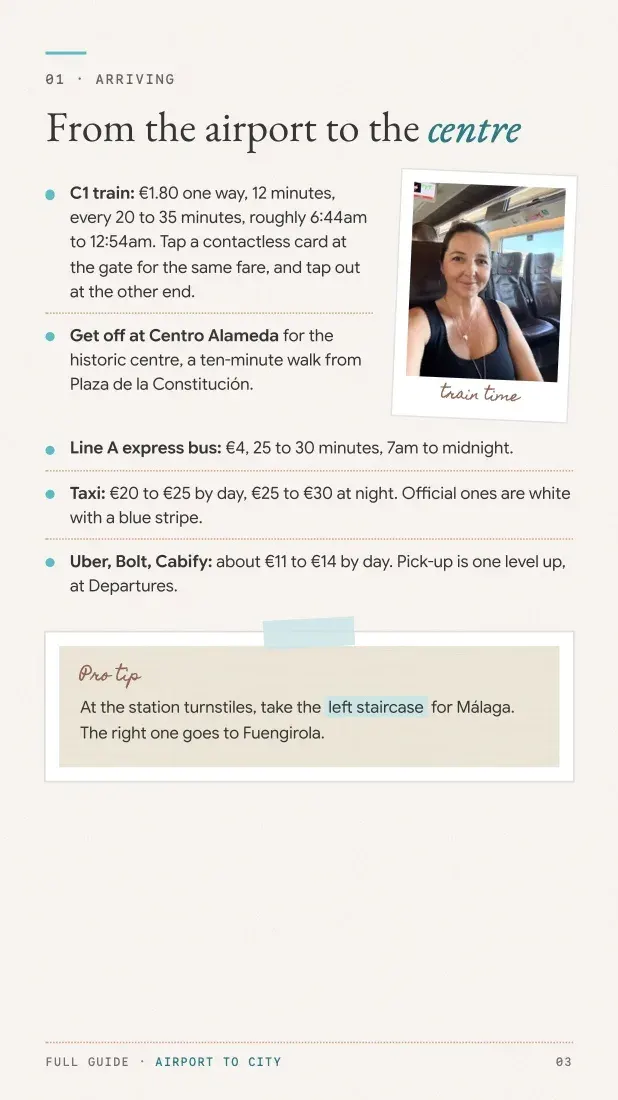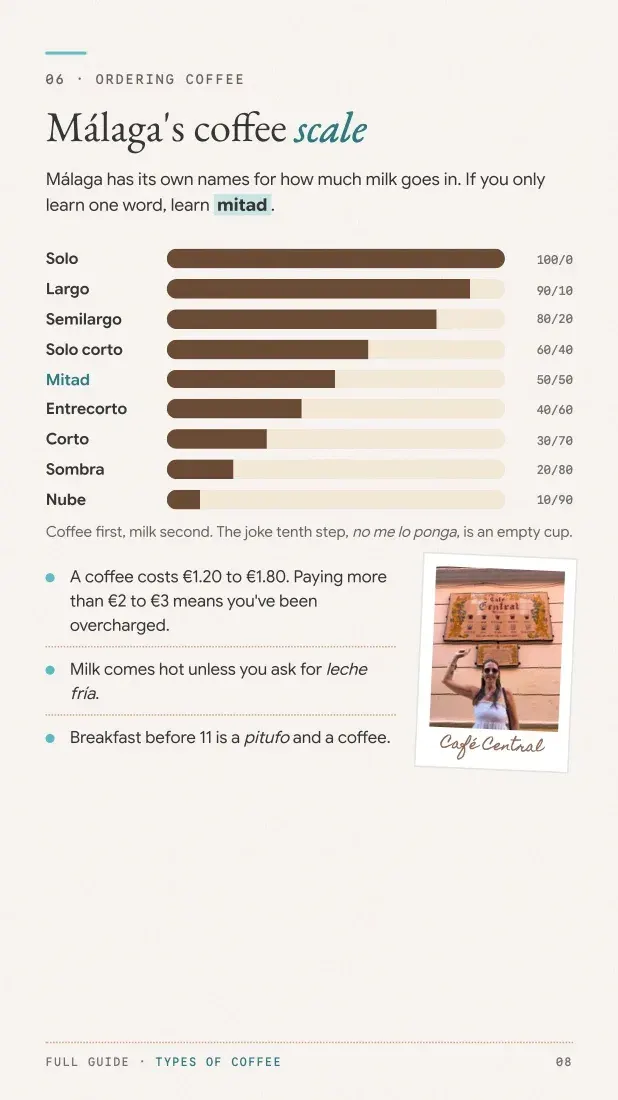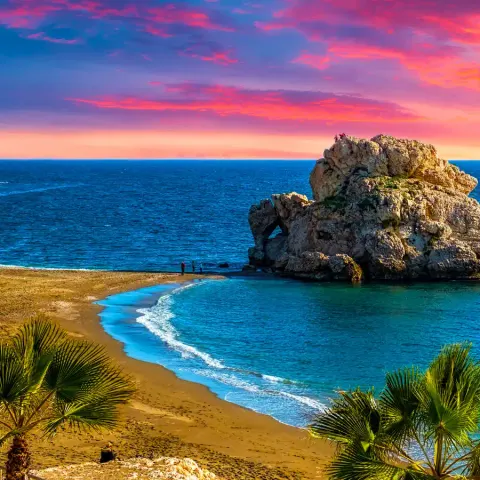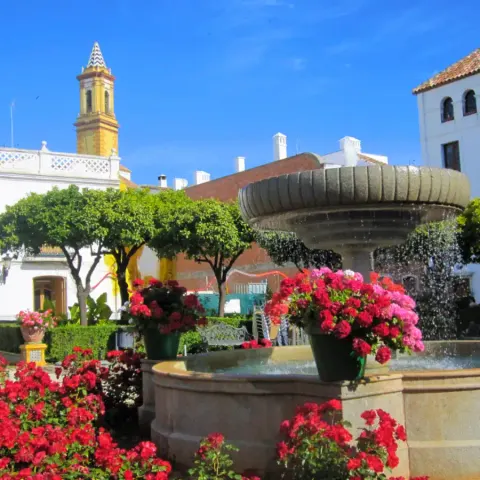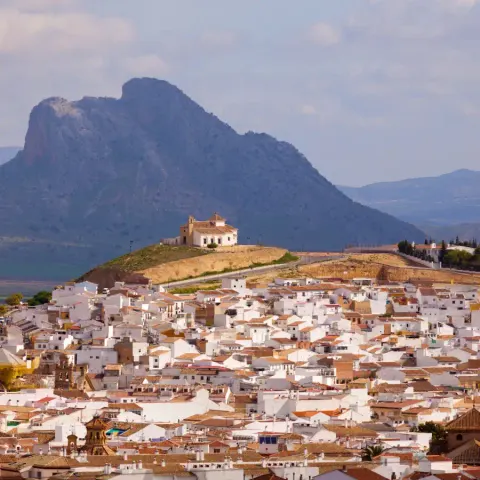
If you’re wondering what’s on in Málaga in February, the short answer is far more than you’d expect for the shortest, quietest month of the year.
My absolute favourite has to be Carnival, which I finally dedicated the full week to in 2026.
But there’s more than just Carnival in the streets.
In February you can expect a month-long film and culture festival, jazz and candlelight concerts, the almond hills turning white, and a string of village fiestas across the province that most visitors never hear about.
This guide covers every event worth planning around this month, plus the practical stuff on weather, festivals, and whether February is worth the trip at all.
READY TO PLAN YOUR TRIP TO MALAGA?
🚗 Rent a car: I use Discover Cars
🏨 Where to stay: Find hotels in Malaga
🎟️ Guided tours: I use GetYourGuide
🛡️ Travel insurance: I use SafetyWing
Is It Worth Going to Málaga in February?
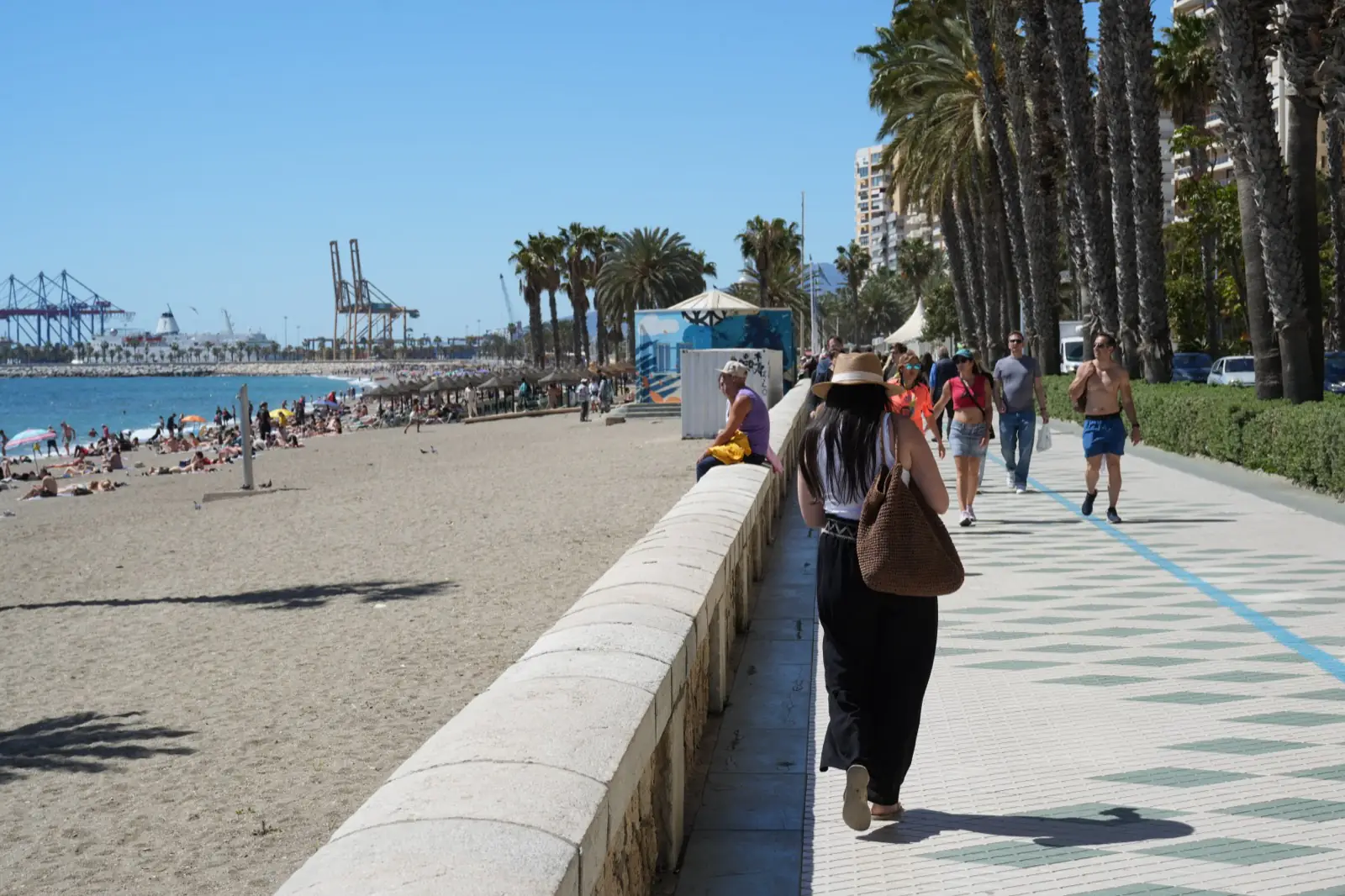
Yes, as long as you’re not coming for the beach. February is one of the best months to visit Málaga if culture, food, and events matter more to you than lying on the sand.
Daytime temperatures reach 17 to 18°C, there are six or seven hours of sun most days, and outside Carnival week the crowds are as thin as they get all year. Hotels cost less, restaurants don’t need booking, and the Alcazaba, the Picasso Museum, and the Cathedral are all walk-in.
Don’t expect the sea to be warm. It sits at 15°C, which rules out swimming for most people, and the beaches are for walking rather than sunbathing.
If a beach holiday is the whole point of your trip, April or May will serve you better, and my best time to visit Málaga guide breaks down every month. If culture and events are what you’re after, February is hard to beat.
What Is There to Do in Málaga in February?
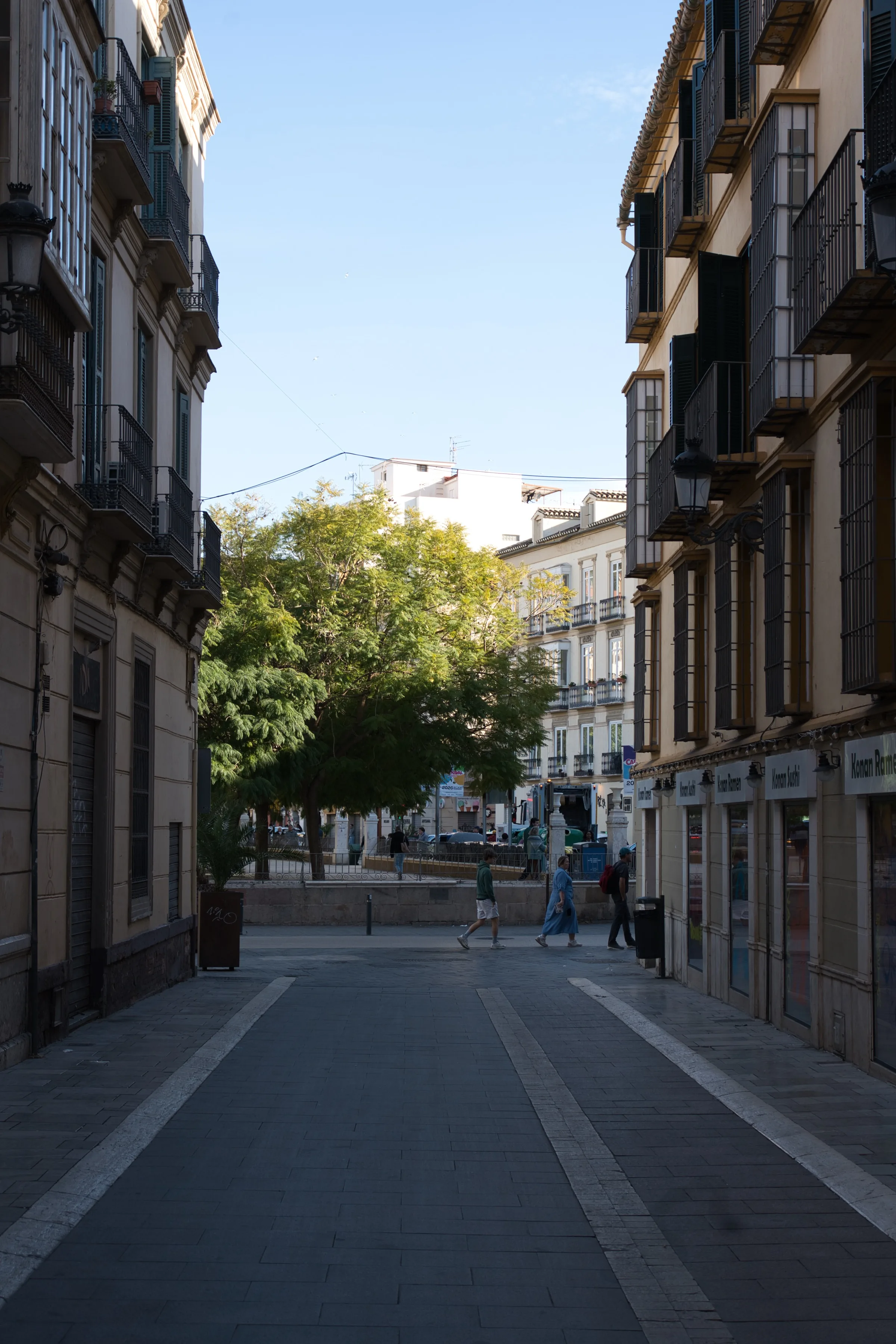
Plenty. The month is built around Carnival in the middle two weeks, but that’s just the headline.
Alongside it you get the MaF cultural festival across thirty venues, free jazz and municipal band concerts, flamenco fashion shows, and rotating winter exhibitions in the city’s cluster of museums. Out in the hills, the almond trees bloom and the villages hold their own gastronomic fiestas.
Then there’s everything Málaga does well year-round, only quieter. The old town is walkable without the summer crush, the Caminito del Rey is cool enough to enjoy, and the free museum days are genuinely worth planning a Sunday around.
I’ve laid the whole month out below, roughly in the order things happen. If you only have a few days, aim them at the middle of the month when Carnival and the festivals overlap.
Málaga Carnival: February’s Biggest Party
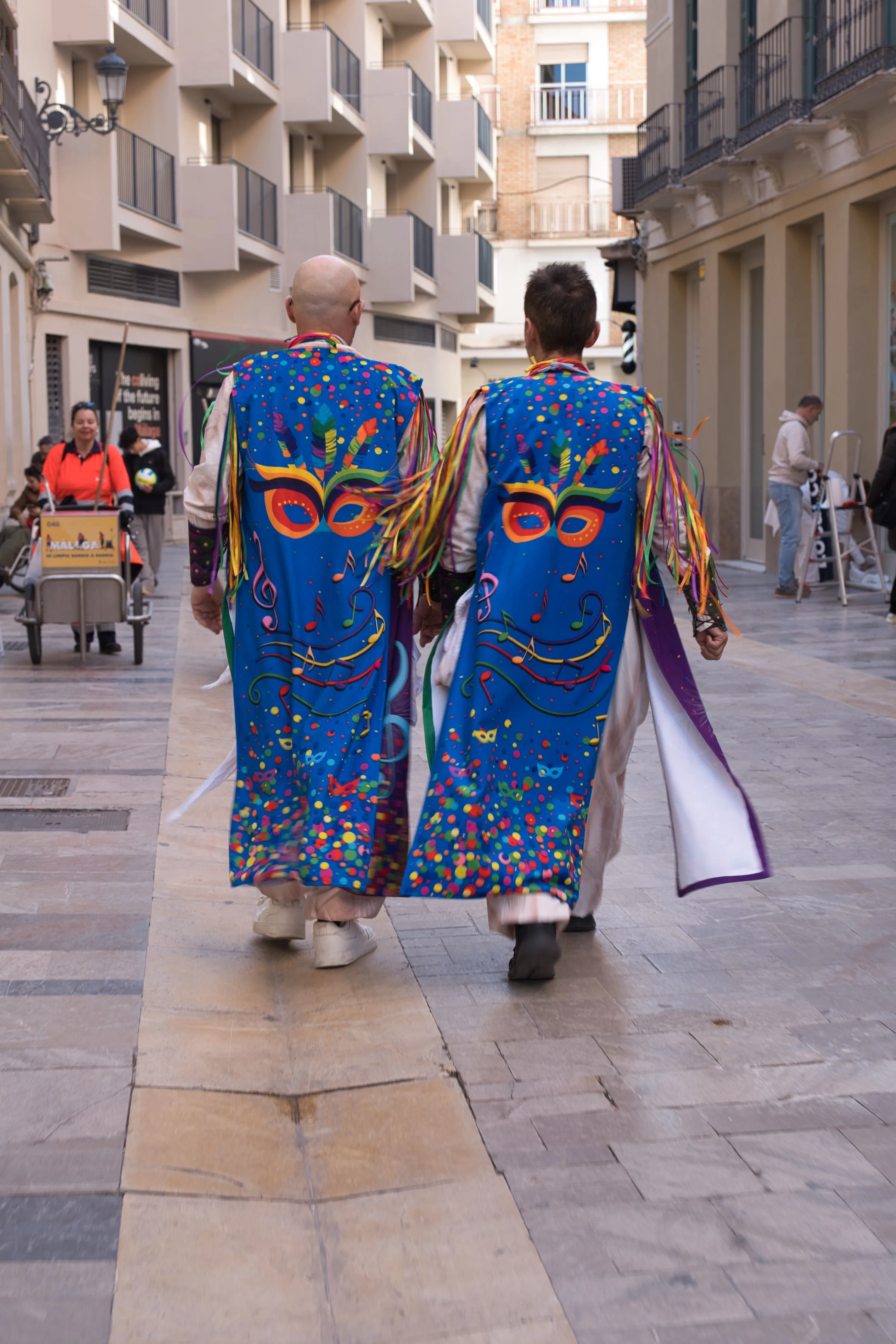
Carnival is the event that takes over Málaga in February. For nine days in the middle of the month the whole city gives itself over to it, and in 2026 it runs from 7 to 15 February.
The dates shift by a week or so each year because they’re tied to Lent, so always check before booking. What surprised me most wasn’t the parade, it was the mobile singing groups.
Chirigotas and comparsas move through the streets in full costume, performing satirical songs about local politics, celebrities, and whatever’s in the news that week. They perform for each other and for locals rather than for visitors, which is exactly what makes them worth stopping for.
I spent an entire day walking the city during Carnival and never ran out of things to watch. My full Málaga Carnival guide covers the complete schedule, the parade routes, and the free neighbourhood food tastings.
The Grand Parade and Battle of Flowers
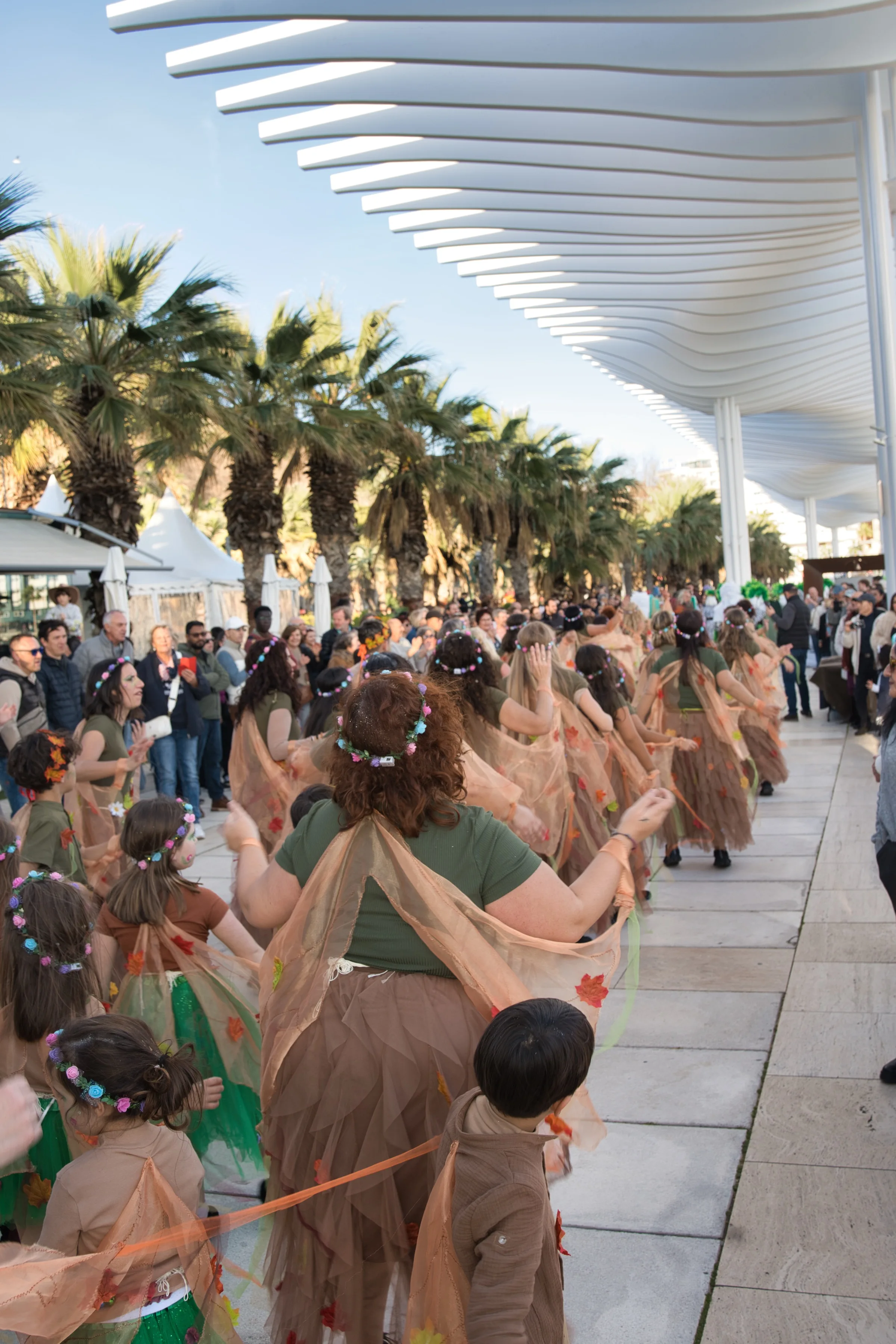
The grand parade is the headline, a long procession along Calle Larios where floats, costume groups, and singing ensembles pass for hours. Get there at least an hour early if you want a decent view or any chance of photos.
Calle Larios fills completely once it starts, and from ground level the crowd can be impenetrable. The most photogenic day is the Battle of Flowers, when flower-covered floats move down Larios and the crowd throws carnations at each other.
In 2026 that lands on 14 February, which is also Valentine’s Day. Hotels near the centre fill fast and prices climb during Carnival week, so if this is your reason for coming, book accommodation months ahead through my where to stay in Málaga guide.
The Burial of the Anchovy
Carnival closes with the Entierro del Boquerón, the Burial of the Anchovy, on Malagueta Beach. A giant model anchovy is carried through the streets in a mock funeral procession, then burned by the sea as Carnival wraps up.
It’s part satire, part bonfire, and completely Málaga. The boquerón, the local anchovy, is the city’s signature fish, so burying an oversized one is exactly the kind of joke this city enjoys.
It usually happens on the final Sunday evening. Head down to Malagueta after dark and follow the crowds and the drums.
MaF: Málaga’s Film, Music and Culture Festival
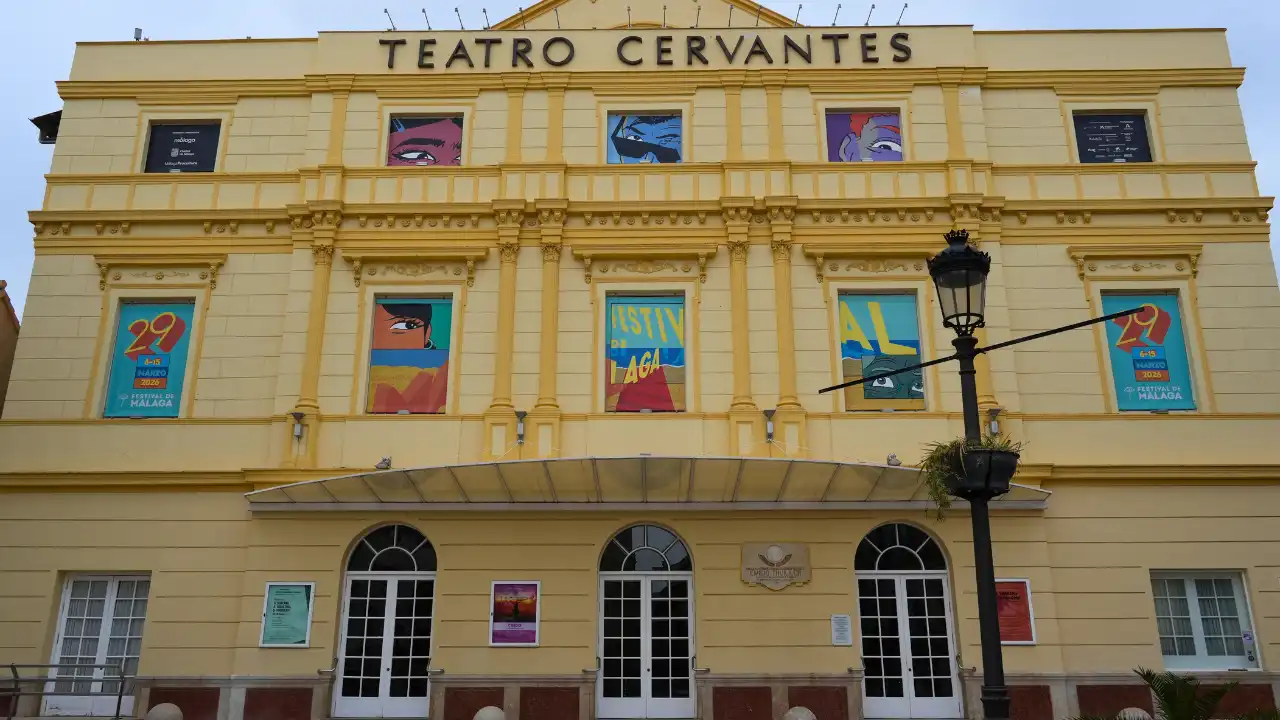
Málaga de Festival, known as MaF, runs from mid-February into early March and spreads more than 125 cultural activities across around thirty venues in the city.
In 2026 it runs from 12 February to 5 March. The programme mixes concerts, film screenings, workshops, and talks, and a lot of it is free or low-cost, which makes it one of the best-value things happening all month.
Within it sits Art Week Málaga, usually the last week of February, when more than fifty galleries, museums, and institutions open exhibitions, talks, and urban art events at once. The city genuinely turns into an open gallery for those days.
I’d treat MaF as a reason to check the official programme the week before you travel, because the line-up changes every year. Pick two or three events, book the ticketed ones early, and let the free ones fill the gaps.
Live Music, Jazz and Concerts in February

February is a strong month for live music in Málaga, partly because so much of it is free.
The Málaga Municipal Band plays free concerts through the month at the Museo de Málaga and other venues around the centre, and they’re a lovely, low-key way to spend an hour.
Late February usually brings a free jazz festival to the city’s cultural centres, with international trios and quartets playing across several nights. Reservation is free but often opens only a day or two before each concert, so watch the venue’s channels rather than leaving it to chance.
Candlelight concerts run all winter too, string quartets playing film scores and pop tributes by candlelight in venues like the Carmen Thyssen Museum and the Gran Hotel Miramar. These are ticketed and sell out, so book ahead if the programme tempts you.
Out along the coast, Torremolinos hosts the Rockin’ Race Jamboree in early February, one of Europe’s biggest rockabilly festivals, and Fuengirola runs an international jazz seminar late in the month. Both are easy day trips if a specific act pulls you.
Flamenco and Dance
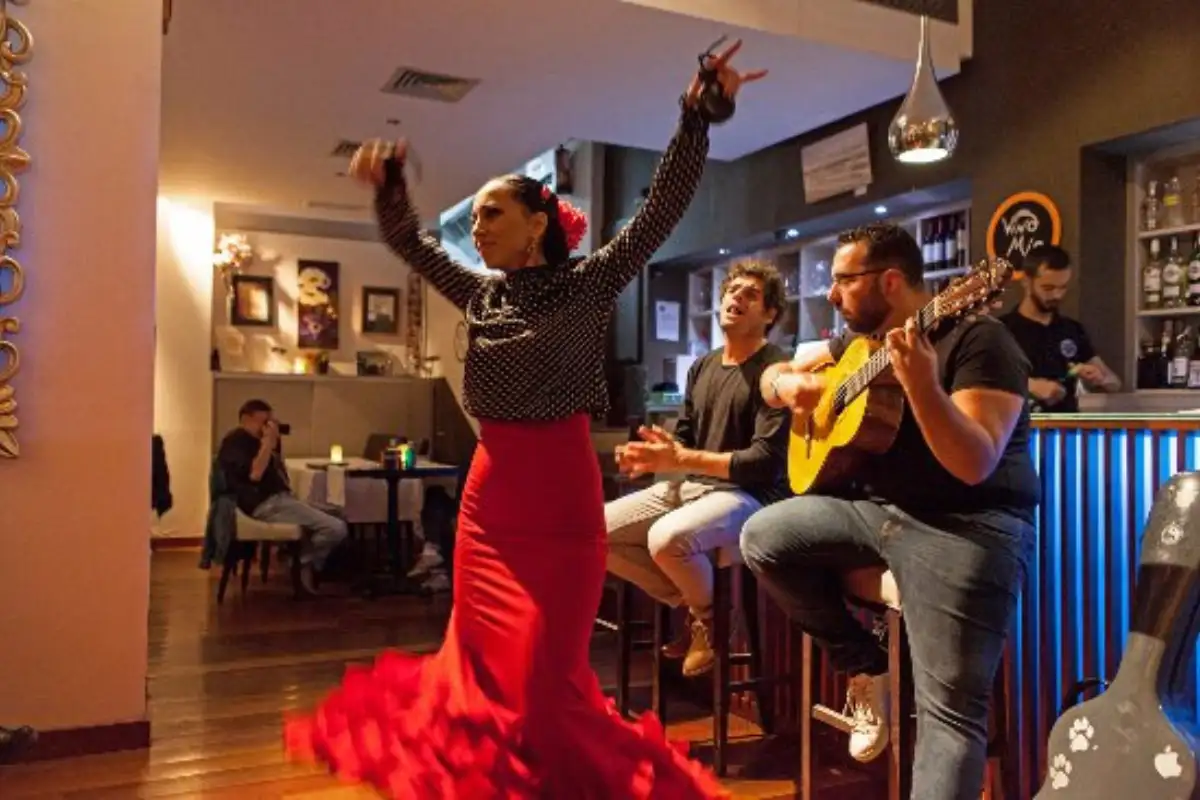
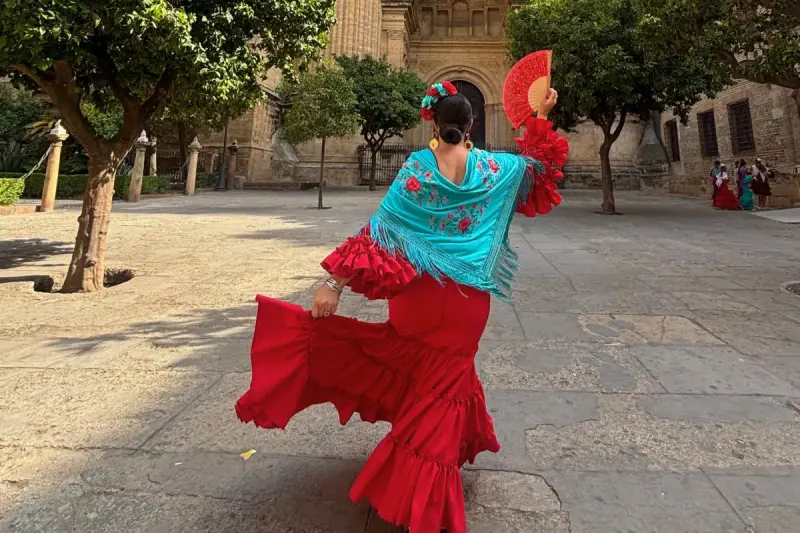
February is when flamenco moves indoors and gets interesting. The standout is the International Flamenco Fashion Show at the Automobile and Fashion Museum, usually held over Valentine’s weekend, where designers show the season’s flamenco dresses ahead of spring’s feria circuit.
Entry runs around €8 and the shows fill both days from midday to evening. It’s a very Andalusian afternoon, and a useful one if you’re thinking about buying a flamenco dress yourself before the spring fairs.
Alongside it, the city’s cultural centres programme free flamenco recitals and contemporary dance through the month. These aren’t the polished tablao shows aimed at tourists, they’re closer to what locals actually turn up for.
Check the MVA cultural centre and municipal listings when you arrive. The free dance nights in particular are worth catching if the timing lines up with your trip.
Winter Art Exhibitions and Museum Season
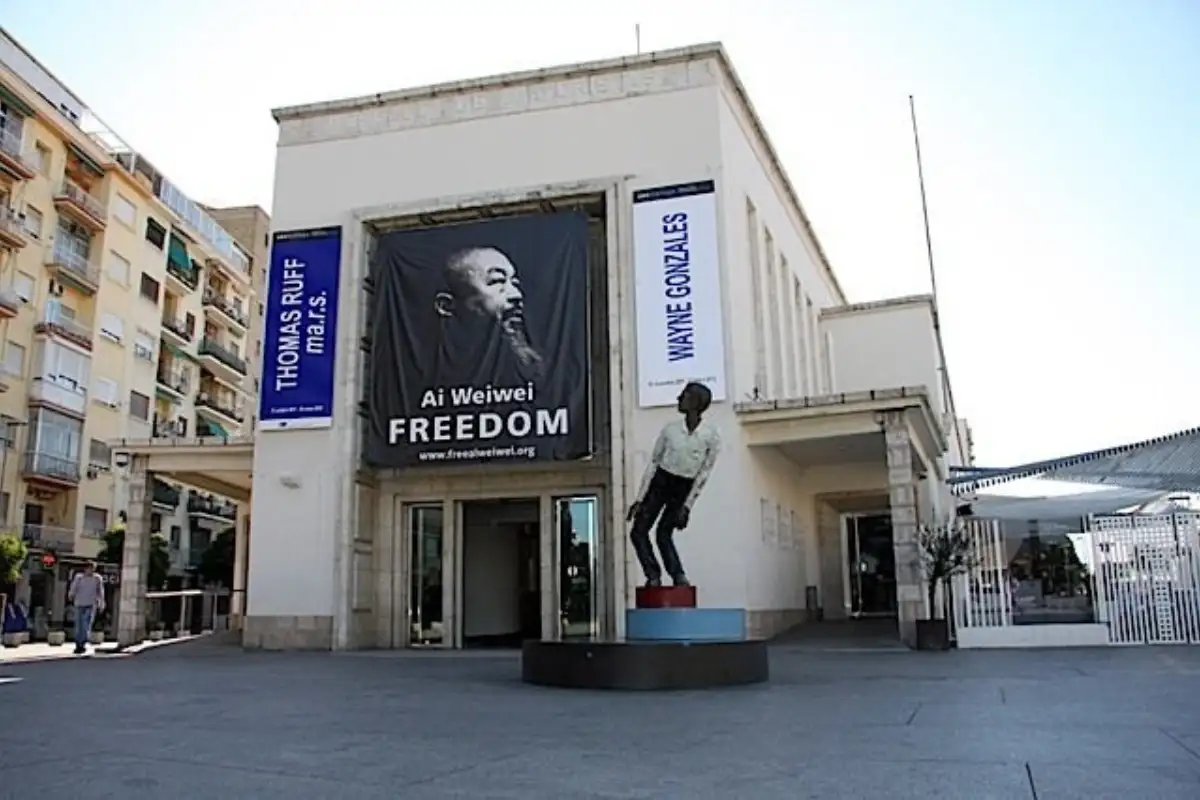
February is the museums’ season. With the tourist crowds gone, the city’s galleries launch their winter temporary exhibitions, and you can see them without queuing or booking.
For a city this size, Málaga has a lot of museums, and the winter shows rotate across the Picasso Museum, the Carmen Thyssen, the Centre Pompidou at the port, the Russian collection at the Tabacalera building, the MuCAC contemporary art museum at La Coracha, and the Jorge Rando.
Any given February you’ll find several major new exhibitions opening at once.
Because the programme changes yearly, I’d check each museum’s current exhibition before you go rather than trusting a list. My museums in Málaga guide covers which ones are worth your time and which you can skip.
Free Museum Days in February
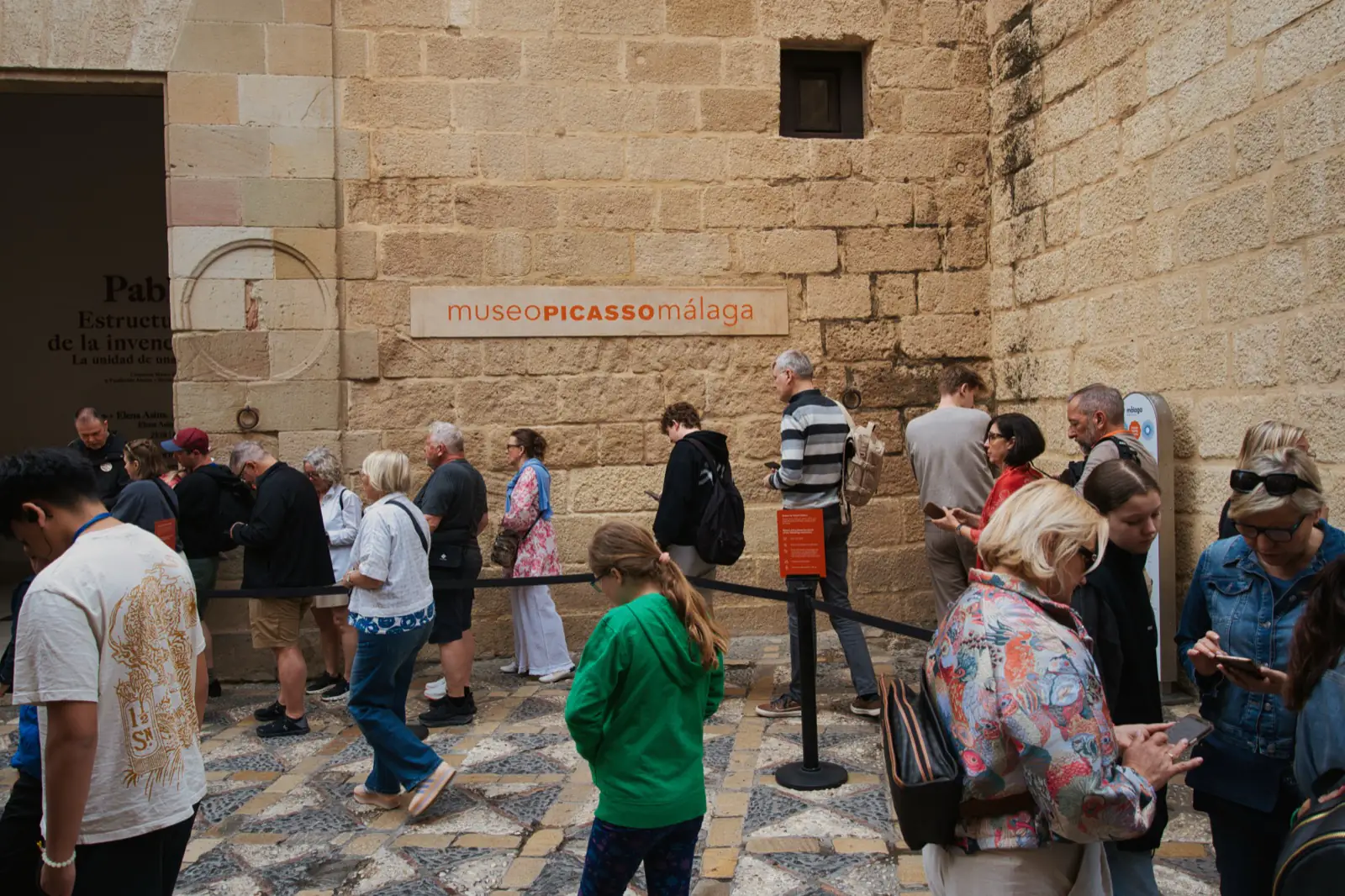
Most of Málaga’s museums open for free on Sunday afternoons, and February is the ideal month to use it because the galleries that queue in summer are walk-in on a winter Sunday. A few cost nothing any day of the week.
I’ve pulled the recurring free windows into one table so you can build a Sunday around them.
| Museum | Free entry | Normal price |
|---|---|---|
| Alcazaba | Every Sunday from 14:00 | €7 (€10 with Gibralfaro) |
| Gibralfaro Castle | Every Sunday from 14:00 | €7 |
| Picasso Museum | Sundays, last 2 hours (16:00 to 18:00 in February) | €13 |
| Casa Natal Picasso | Sundays from 16:00 | €4 |
| Carmen Thyssen Museum | Sundays from 16:00 | €12 |
| Centre Pompidou | Sundays from 16:00 | €9 |
| Russian Collection (Tabacalera) | Sundays from 16:00 | €8 |
| Museo de Málaga | Always free (EU citizens) | n/a |
| Roman Theatre | Always free, closed Mondays | n/a |
| Museo Jorge Rando | Always free, every day | n/a |
The Picasso Museum fills fastest in its free window, so arrive right at the start rather than drifting in near closing.
On 28 February, the Day of Andalusia, most museums offer free entry for the whole day rather than just the Sunday afternoon slot.
Sunday afternoons get busier than you’d expect even in winter, because locals use the free entry too. If you want the Alcazaba to yourself, a Tuesday or Wednesday morning at opening is more reliable, and the free things to do in Málaga guide covers the rest.
Valentine’s Day in Málaga
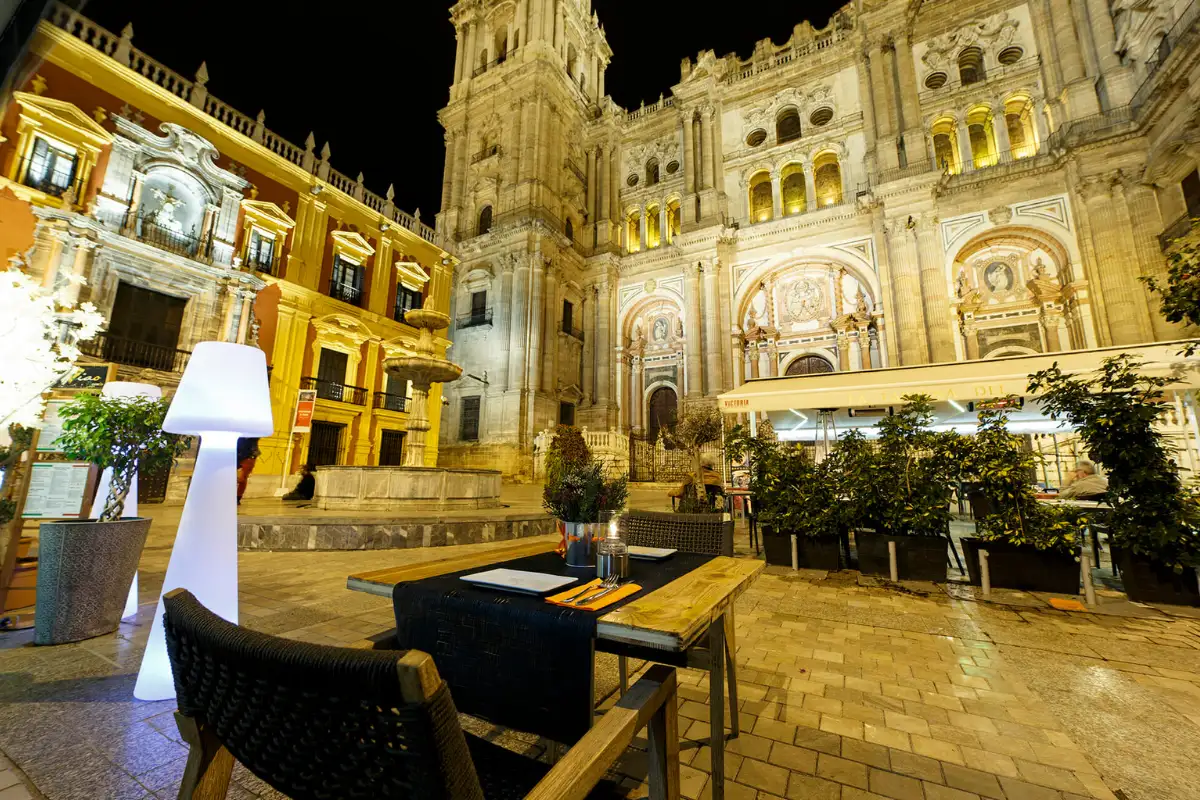
Valentine’s Day in Málaga is unusual because it lands inside Carnival.
In 2026, 14 February falls on day eight, the same day as the Battle of Flowers on Calle Larios, so expect Larios and the streets around it to be busy that evening.
For the meal itself, my romantic restaurants in Málaga guide covers the best options, from rooftop tables above the port to quiet courtyards in the old town.
Book a week or two ahead, because Valentine’s during Carnival week means the good places fill up.
There are usually smaller events too, like the romantic concert held at St George’s Church by the English Cemetery on the 14th. It’s a very different, quieter way to spend the evening if the Carnival crowds aren’t your thing.
Almond Blossom Season

For about three weeks each February the hills behind the coast turn white and pink with almond blossoms. Mid-February is usually the peak, though it shifts a few days depending on how cold January was.
The best area is the Axarquía, the hilly region east of Málaga.
Villages like Alfarnate and Alfarnatejo sit at around 1,000 metres and the almond trees here are old, dense, and spectacular in bloom.
Guaro, a small village about 45km west of the city, holds an Almond Blossom Day each February with two marked walking routes through the orchards, a longer one of around 10km and a shorter 4km loop. It’s a free local event, well attended by Malagueños, and completely different from anything the city offers that week.
If you’re without a car, the Montes de Málaga Natural Park is only 15 minutes from the centre and has almond trees in flower too. Most of the best blossom spots need a car though, and my day trips from Málaga guide has routes and timings for a full day in the hills.
Walking the Caminito del Rey in February
February is a great month to walk the Caminito del Rey. The gorge is cool rather than baking, the hills around El Chorro are green from winter rain, and the crowds are nothing like the summer.
The route is a 7.7km walkway clinging to the cliffs of the Gaitanes gorge, about 60km northwest of the city near Álora.
It was built in the early 20th century for hydroelectric workers, fell into ruin, and reopened in 2015 as one of the most spectacular walks in southern Spain.
The cliff-face section takes about three to four hours at a comfortable pace, and in February you’re walking in 15 to 18°C with shade through much of the gorge.
In summer the same walk is tiring by midday.
Booking is essential year-round, but February gives you a much better chance of a slot close to the date. Don’t leave it to chance though, book at least two weeks ahead and check dates before committing to travel plans.
Markets Worth Visiting in February
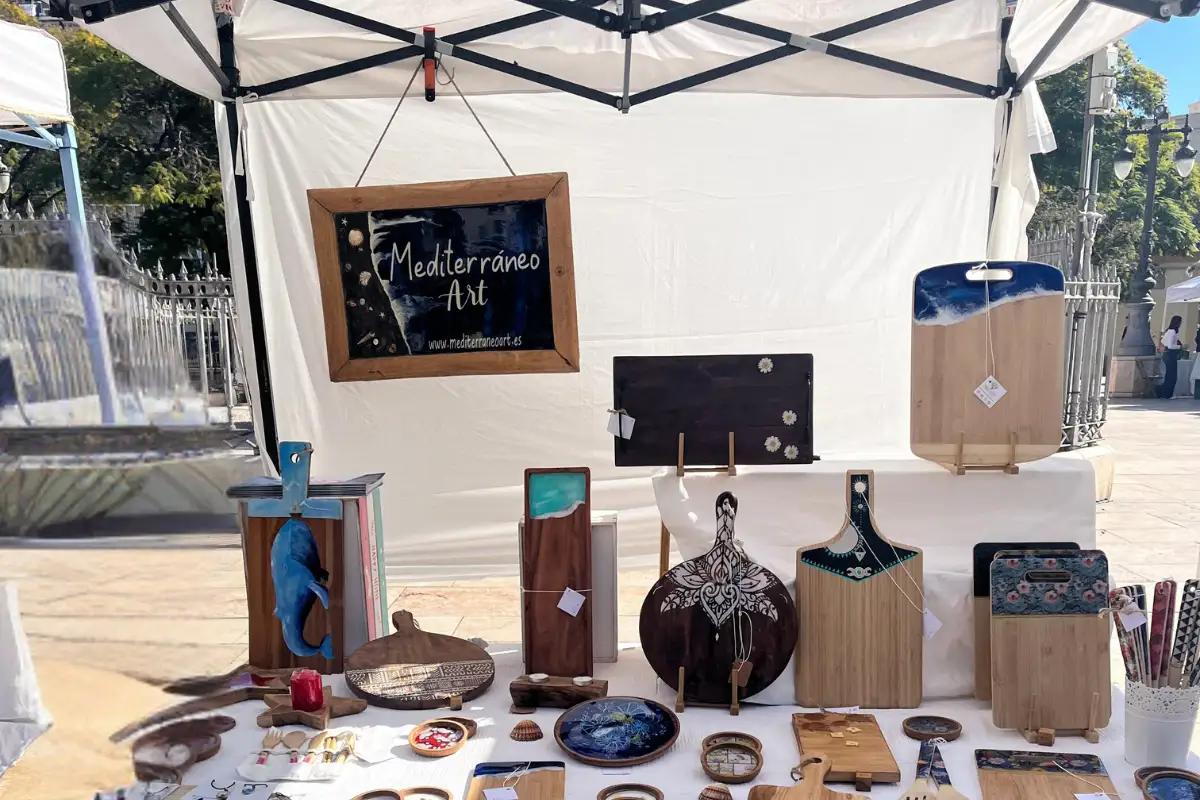
February is a good month for Málaga’s markets, cool enough to browse comfortably and without tour groups competing for space. The rhythm runs by the week.
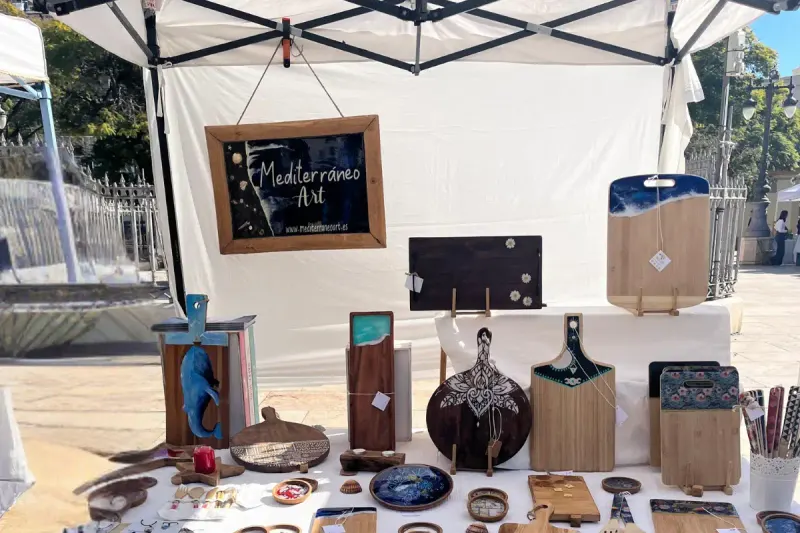
The La Merced Artisan Market fills Plaza de la Merced, Picasso’s birthplace square, on the first Sunday of the month from 11am to 7pm, a small, well-curated spread of local crafts, jewellery, and ceramics.
The Soho Urban Market takes over Calle Tomás de Heredia on the fourth Sunday, surrounded by street murals, with vintage clothing, ceramics, and small-batch design alongside food trucks and live music.
The English Cemetery Market, on the second Sunday, has a different feel entirely, with vintage clothes, old books, and prints turning up among the Victorian graves.
For fresh produce, the Atarazanas central market hall opens every morning except Sunday. This is where locals buy fish, fruit, and vegetables rather than souvenirs, and the seafood counter alone is worth the walk in.
Village Festivals Across Málaga Province
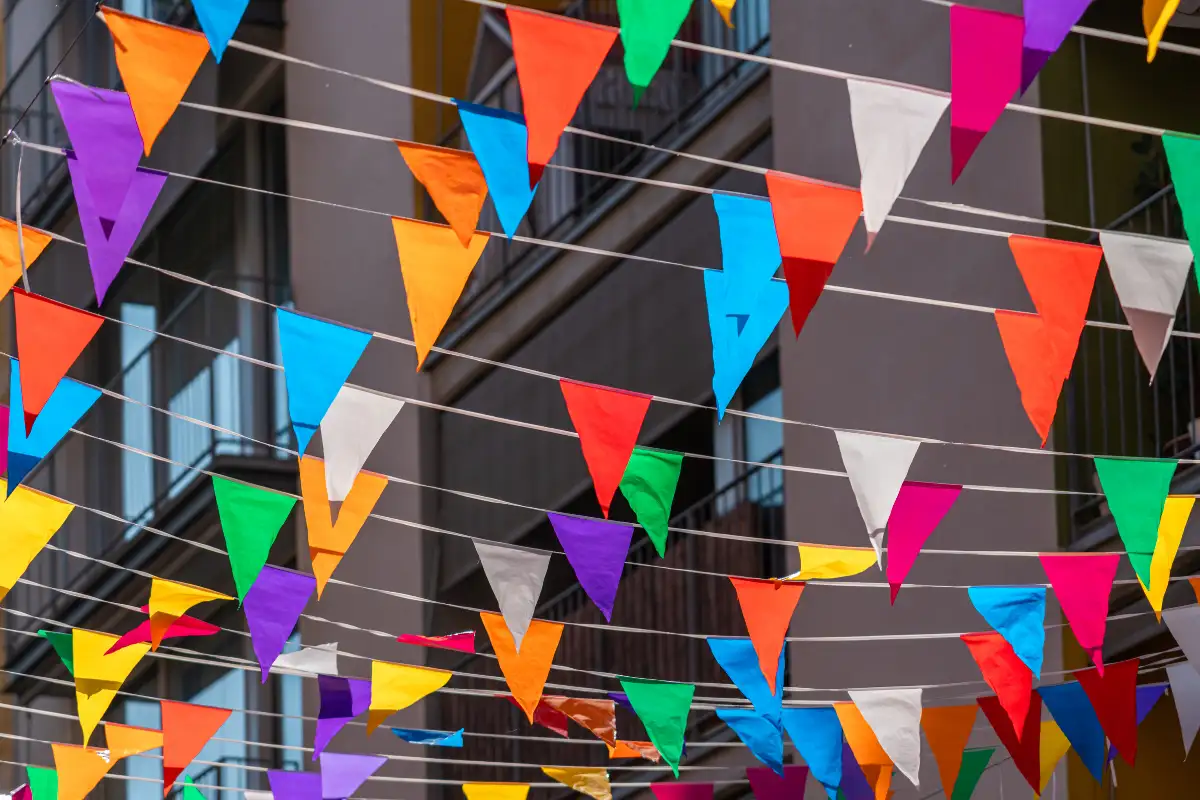
Some of the best of February happens outside the city.
The villages of Málaga province hold a run of small, old fiestas through the month, most of them built around food, and almost none of them touristy.
They shift dates year to year, so treat the timings below as a guide and check locally before driving out. A car makes all of these easy, and my day trips from Málaga guide covers the routes.
Gastronomic festivals worth the drive
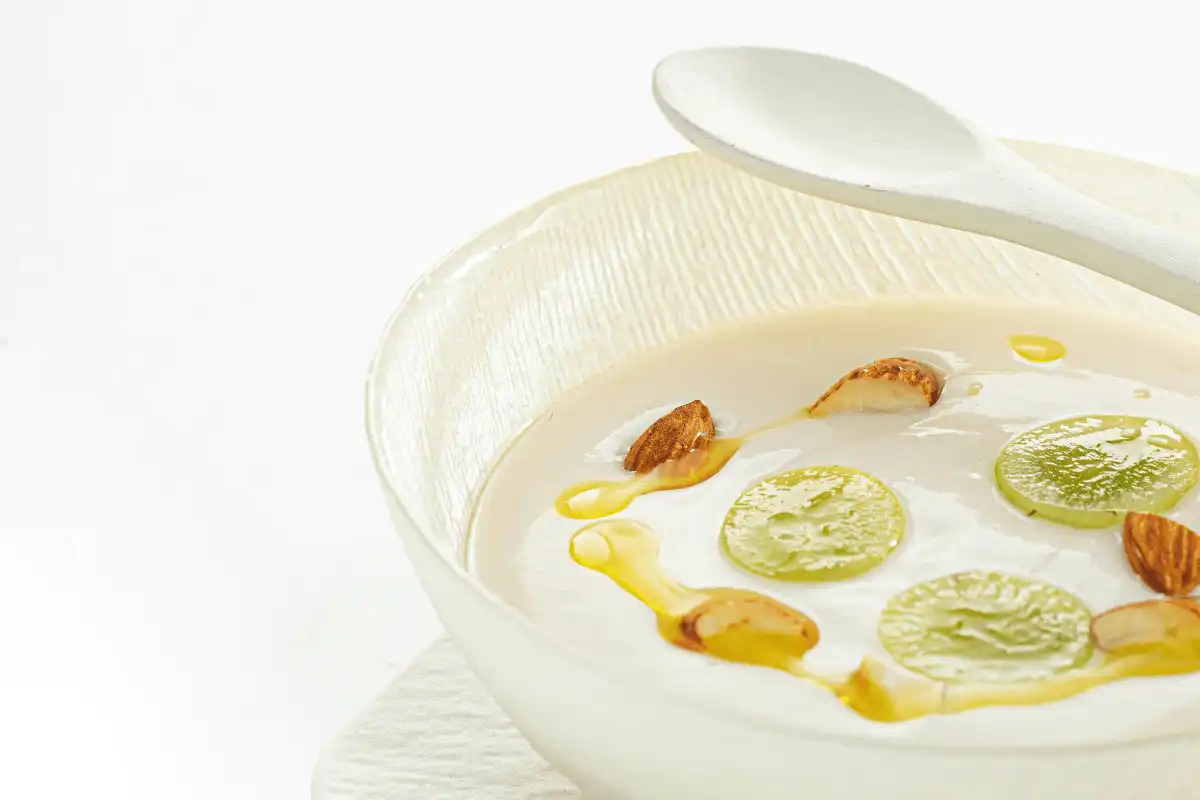
A handful of villages build a whole day around one dish or ingredient. Turn up, eat what the village is cooking, and you’ll end up talking to people. If you want a February that has nothing to do with tourism, this is it.
- Archidona: Olive Oil and Local Products Fair. A weekend in early February with tastings, cooking demonstrations, and guided visits built around the region’s extra virgin olive oil. A proper working-village fair, not a tourist event.
- El Burgo: Soup of the Seven Branches. Near the end of the month, a free communal meal of a traditional soup made from tomato, pepper, onion, garlic, bread, potato, and wild asparagus.
- Ardales: La Matanza. Early February, a traditional slaughter festival celebrating the old pork-curing traditions.
- Riogordo: Grinding Festival. Revives the old olive-milling process with live demonstrations and tastings.
The quirky ones
A few of the province’s festivals are stranger, and better for it. Alozaina holds a Flour Carnival in mid-February where the whole village ends up covered in flour, and nearby Tolox celebrates the Día de los Polvos, or Powder Day, where people throw talcum powder at each other in the streets.
If you’re travelling with children, these are a genuine highlight, and pair well with the calmer city options in my Málaga with kids guide. Just check the exact date before you go, because these move with Carnival every year.
Día de Andalucía on 28 February

The 28th of February is the Day of Andalusia, a regional public holiday that catches a lot of visitors off guard. Shops and some attractions keep reduced hours, but the city itself is livelier than a normal February weekday.
Most museums offer free entry for the full day, not just the usual Sunday afternoon window, which makes it the single best day of the month for culture on a budget. Terraces fill from midday and some bars run lunch specials.
Out in the villages you’ll find flag-raising ceremonies, communal breakfasts of toast with olive oil, and small local events marking Andalusian identity.
It’s a good day to stay in the city or pick a nearby town rather than attempt a long day trip, since some services run on a holiday timetable.
What Festivals Are in Málaga in February?
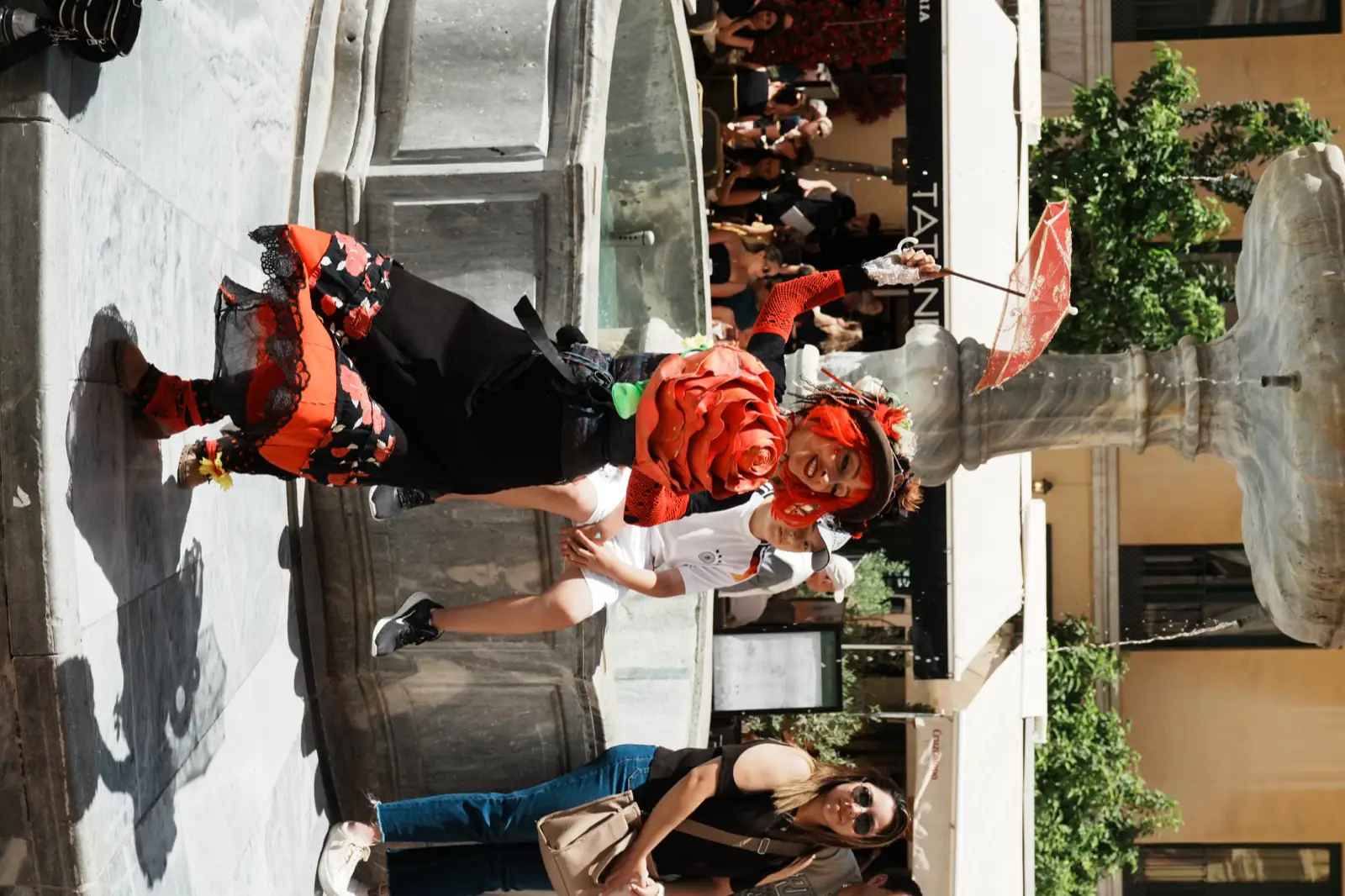
The main festivals in Málaga in February span the city and the province, and most of them cluster around Carnival week in the middle of the month.
- Carnival. The biggest, running nine days mid-month with parades, satirical singing groups, and the Burial of the Anchovy on Malagueta Beach.
- MaF cultural festival. Concerts, film, and Art Week spread across thirty city venues from mid-February into March.
- Day of Andalusia (28th). Closes the month with free museums and local celebrations.
- International Flamenco Fashion Show, plus a run of free jazz and ticketed candlelight concerts through the month.
- Village fiestas. Archidona’s olive oil fair, the Flour Carnival in Alozaina, Powder Day in Tolox, and food festivals in El Burgo, Ardales, and Riogordo.
If you can only time your trip around one thing, make it Carnival week in the middle of the month, when most of these overlap.
Can You Sunbathe in Málaga in February?
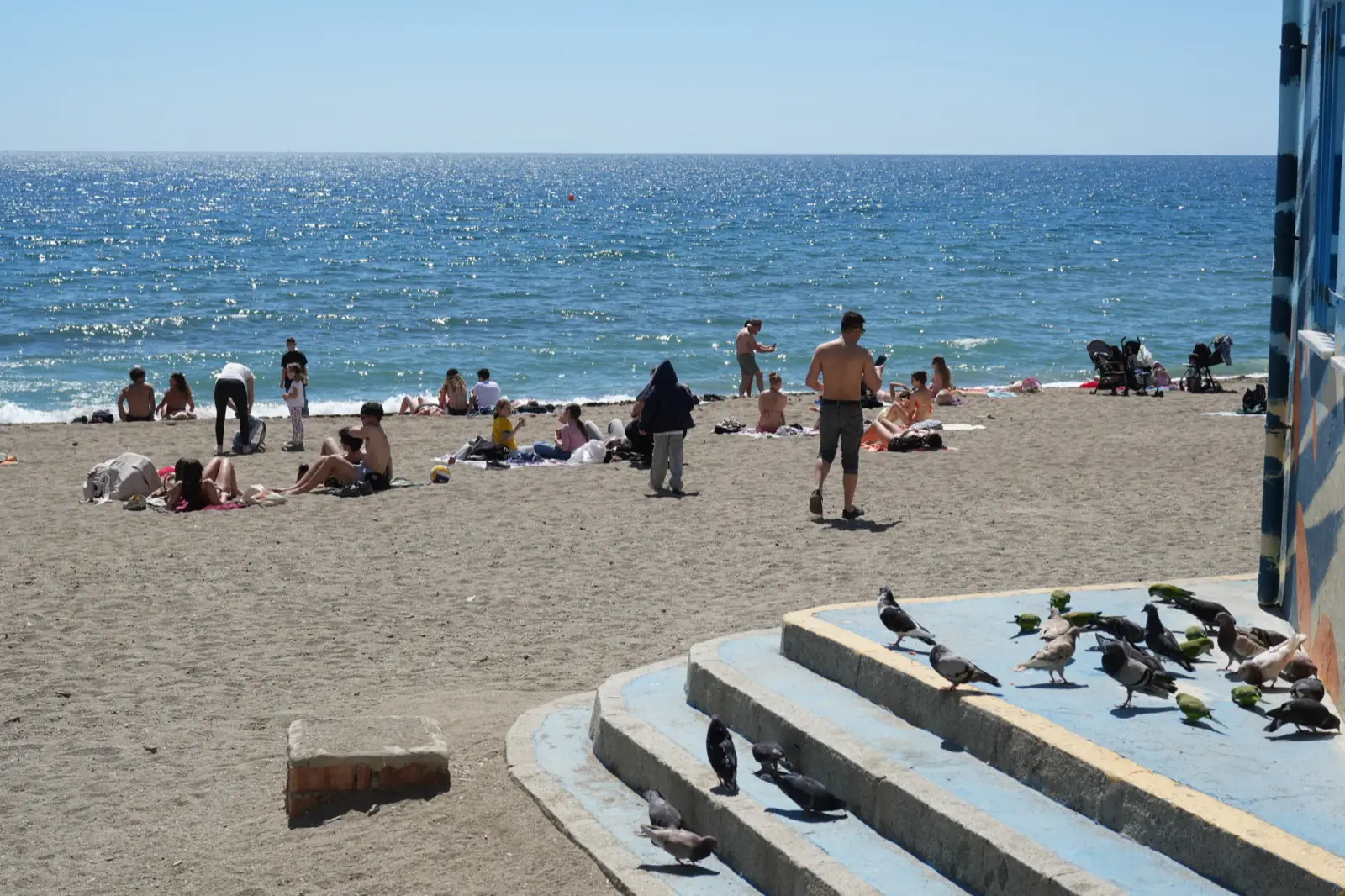
Not really. The sea sits at around 15°C, too cold for all but the hardiest swimmers, and even on a warm afternoon the air rarely climbs above 18°C.
You can absolutely sit out, though. On a still, sunny day the Malagueta promenade and the chiringuito terraces are pleasant for a long lunch in the sun.
For actual beach weather, wait for late May onwards. February is for walking the coast and eating espeto by the water, not lying on the sand.
If a wet afternoon does catch you out, my guide to what to do in Málaga when it rains has the indoor options that are actually worth it.
What’s the Weather Like in Málaga in February?
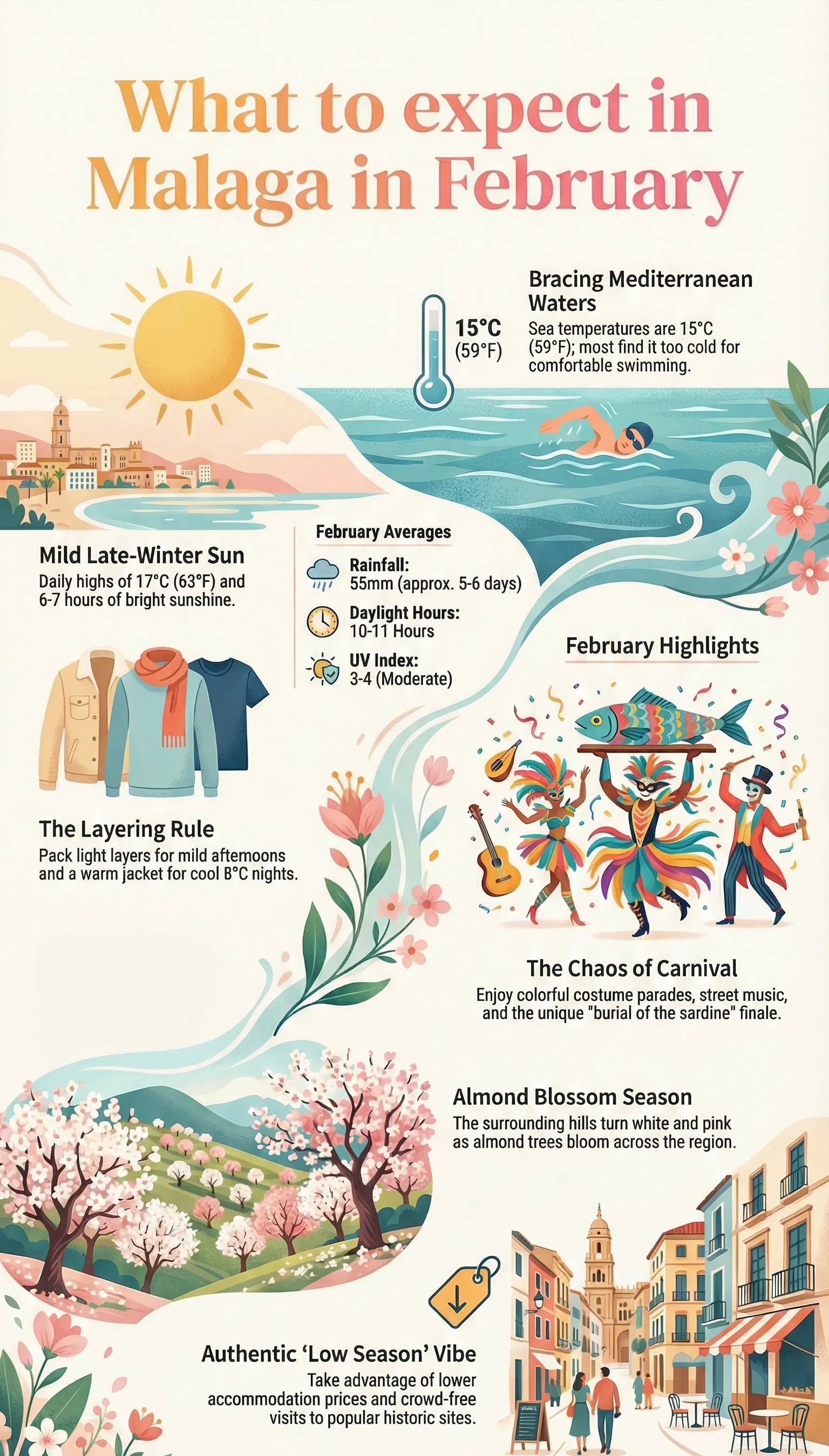
Mild and mostly sunny, with the occasional shower. Daytime highs reach 17 to 18°C, evenings drop to around 9°C, and you get six or seven hours of sunshine on a typical day.
| February in Málaga | Typical |
|---|---|
| Daytime high | 17 to 18°C |
| Evening low | around 9°C |
| Sea temperature | 15°C |
| Sunshine | 6 to 7 hours a day |
| Rainy days | 4 to 6 across the month |
| UV index | 3 to 4 (low) |
Rain does happen, usually four to six days spread across the month, and they tend to be short showers rather than all-day downpours. A light waterproof and a jacket for the evenings cover almost everything February throws at you.
The main thing is layers. Mornings and evenings feel cool at around 9°C, but midday in the sun can be warm enough for a single layer, so bring something you can take on and off, comfortable walking shoes, and leave the swimwear at home unless you swim in cold water.