Before I moved to Malaga, I assumed Spain would be strict. The kind of place where you’d get fined for peeing in the ocean. (Some cities in Spain really do have that rule.)
The truth is that Spain is genuinely relaxed, and most laws are enforced loosely most of the time. Botellón, the tradition of drinking outdoors in public, happens in squares across the city most weekends, despite being technically illegal in many places.
There are exceptions worth knowing about.
Driving is dangerous here, the rules around pedestrian crossings carry real consequences, and a handful of local ordinances do get handed out. Here’s what actually gets enforced in Malaga, what the fines are, and the tourist traps worth avoiding.
| Offence | Fine |
|---|---|
| Feeding pigeons | Up to 1,500 euros |
| Sitting on statues | 300 to 750 euros |
| Walking shirtless in the city | 100 to 300 euros |
| Scooting on the pavement | 200 euros |
| Dumping trash at the wrong time | 90 to 750 euros |
| Jaywalking | 200 euros |
| Noise disturbance | Up to 750 euros |
| Public drunkenness | Up to 750 euros |
Don’t Sit on the Statues or Monuments
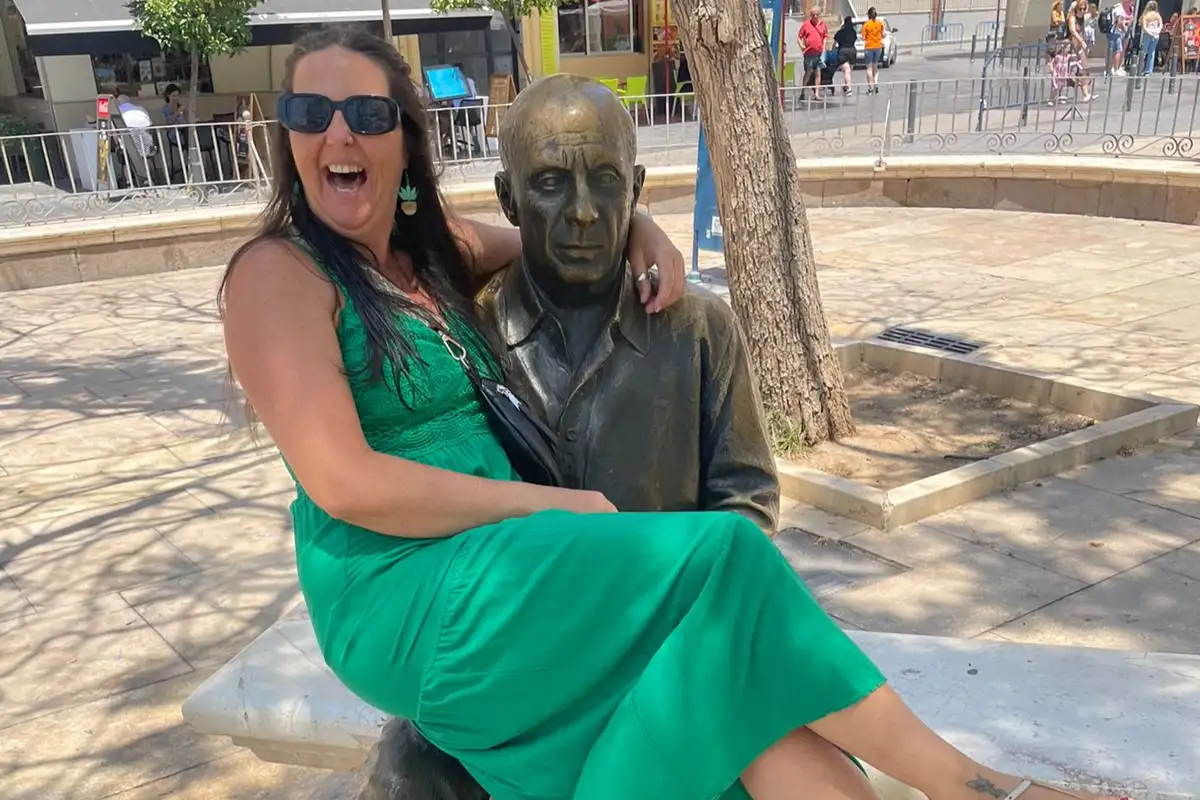
It might be tempting to pose with famous statues like the one of Picasso in Plaza de la Merced, but locals consider it disrespectful.
You can also catch a fine for it. Admire them, take photos, but no climbing or sitting. I wish I’d known that before taking this picture.
Don’t Feed the Pigeons
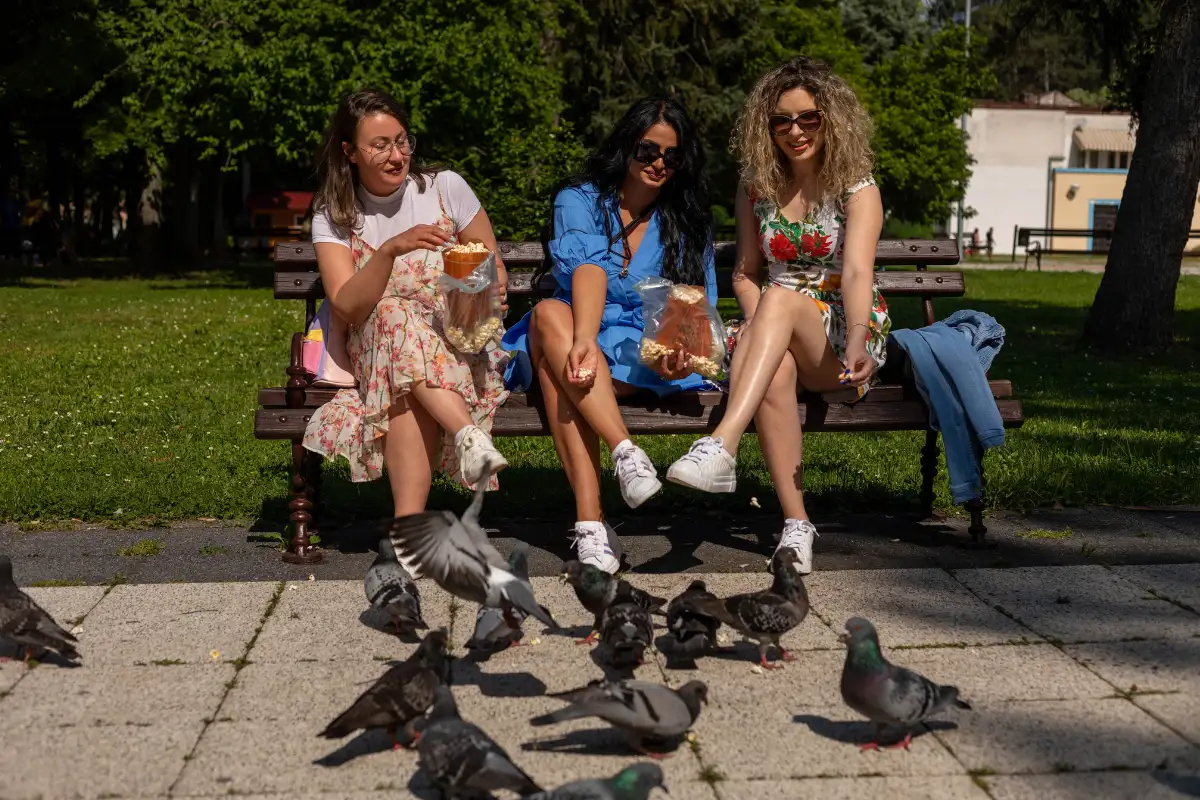
It might seem fun, but feeding pigeons, especially in places like Plaza de la Constitucion, is discouraged as it attracts more birds and creates a mess.
You could receive a fine of up to 1,500 euros for feeding pigeoons in Malaga.
Don’t Eat at Restaurants Right by Tourist Attractions
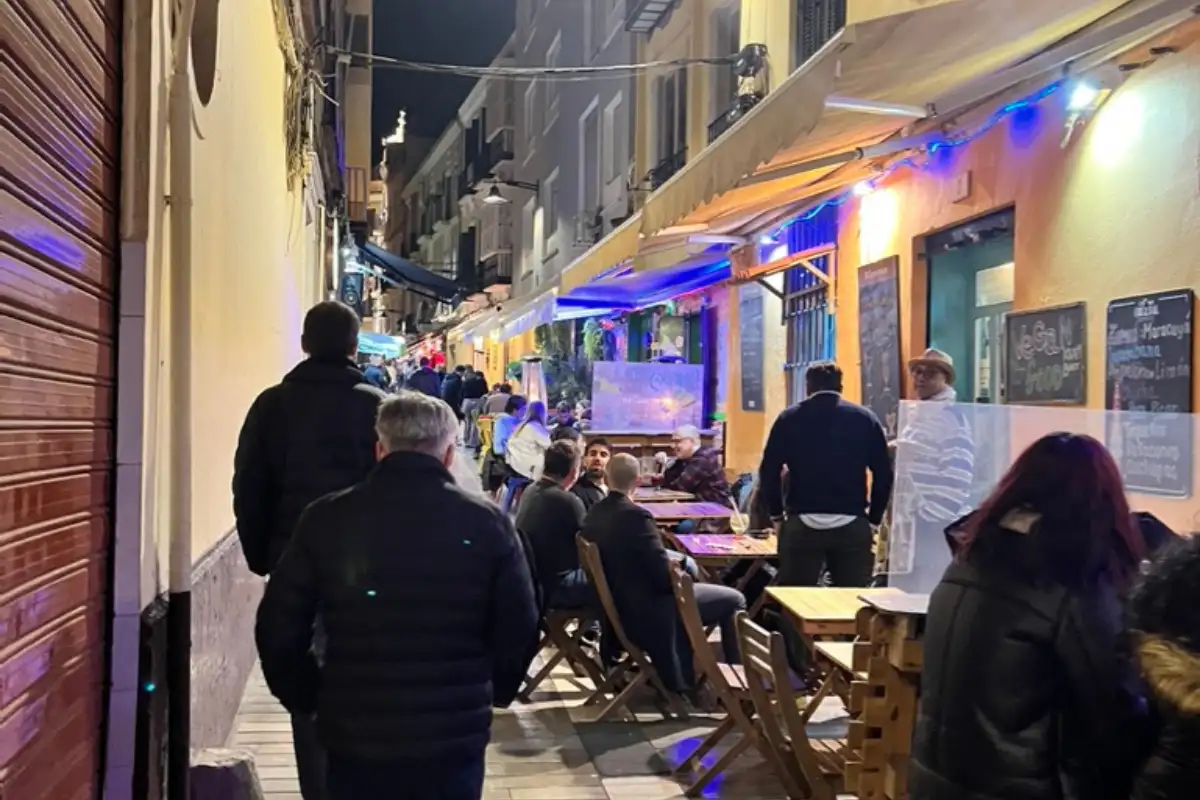
The food in tourist-heavy spots is often overpriced and pretty average. Restaurants along Calle Larios, around the cathedral, and in Muelle Uno (the port area designed for cruise tourists) are the worst offenders.
I was in Mijas Pueblo last week, sitting in a plaza acting like a regular tourist, and a laminated photo menu arrived on the table within seconds. The prices were almost double what you’d pay two streets back, and exactly the same thing happens in Malaga and every other main city on the coast.
The biggest red flag is that laminated photo menu in multiple languages.
Walk a few streets away and you’ll find more authentic meals at better prices. Head to Pedregalejo for seafood, the streets around Atarazanas market for tapas, or check the guide to cheap places to eat in Malaga.
One more thing while you’re planning: if the Alcazaba or the Picasso Museum is on your list, book online before you arrive. Both sell out in peak season, and turning up without a ticket on a summer weekend usually means no entry.
Don’t Forget About Siesta Time

Shops (except big chains) often close from about 2 pm to 5 pm. Don’t plan your shopping spree during siesta, or you’ll be staring at closed shutters.
Restaurants may also close between lunch (ending around 4 pm) and dinner service (starting around 8 pm). Post offices, banks, and most municipal offices follow the same pattern. If you need to get something official done, go in the morning.
Plan your shopping and sightseeing around these hours. The old town is best explored in the morning or late afternoon when everything is open.
Mondays Are Tricky Too
I was caught by this on my holiday this week.
On a trip to Benalmadena, the Estupa, Hindu Temple, and Castillo Colomares were all closed on Monday. I hadn’t checked the opening hours, and I definitely felt like a tourist that day.
If you want to visit any of the main attractions, check the opening hours before you go. Many are closed on Mondays, and some have reduced hours on Sundays too.
Don’t Skip the Sunscreen
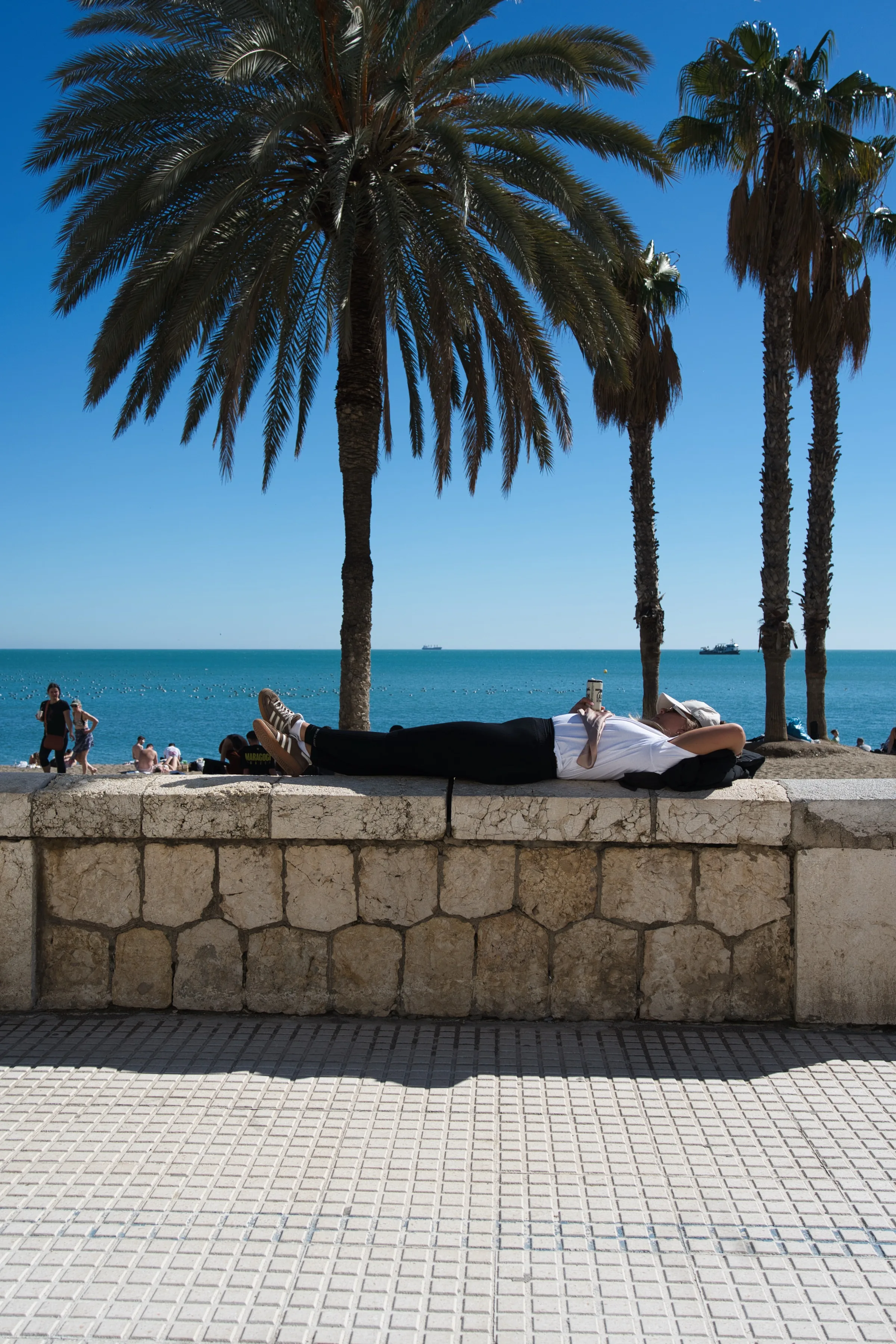
Even in winter, the UV index in Malaga can be surprisingly high.
Jethro loves whispering “lobster” all day long on the weekends while we walk down the streets.
The sun here is stronger than most northern Europeans expect, especially between 12 pm and 4 pm from May through September.
Wear SPF 30 or higher, reapply after swimming, and bring a hat if you’re walking around the city. Heatstroke is a real risk in July and August.
If you’re planning around the weather, the best time to visit Malaga guide has month-by-month UV and heat breakdowns.
Don’t Order Sangria

If you love it, go for it, but it’s a dead tourist giveaway. Spanish people don’t really drink it, which means you never know how good the quality will be.
Switch the sangria for tinto de verano and you won’t be disappointed. It’s red wine mixed with lemon soda, and it’s what locals actually drink in summer. Plus, it’s cheaper.
What Food Should You Not Order in Malaga?
Don’t avoid paella, but don’t order it at dinner either. It’s a traditional lunch dish, and any local will tell you the same.
Order it at midday, at a proper sit-down restaurant, and it can be excellent. A beachfront place pushing it at 8pm is a different story.
Instead, lean into what Malaga actually does well: espetos (grilled sardines on the beach), fritura malagueña (mixed fried fish), ajoblanco (cold almond soup), and a campero sandwich from a local bar. Tapas are an evening thing here, not lunch.
Most local restaurants close around 4pm and reopen for dinner around 8pm. Touristic places often just swap shifts and keep the doors open. If you want to eat where locals eat, the kitchen closing mid-afternoon is a good sign, not a bad one.
Don’t Eat Too Early
Spanish meal times are later than most visitors expect. Lunch runs from 2 pm to 4 pm. Dinner starts at 9 pm at the earliest, and many restaurants don’t fill up until 10 pm.
If you eat at 6 pm, you’ll be dining in a restaurant set up for tourists. Wait until 9 pm and you’ll share the room with locals, get better atmosphere, and often better food.
Don’t Scoot on the Pavement
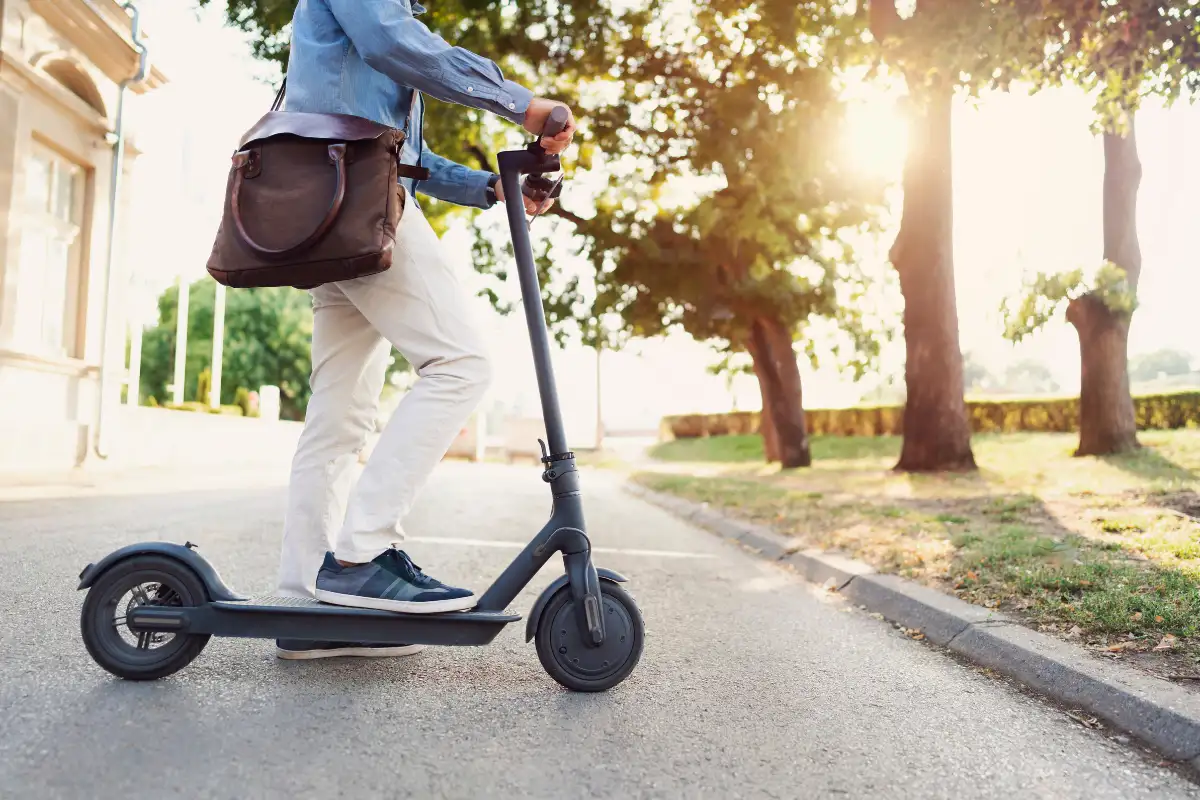
I do this whenever I rent one, but I do it with eyes wide open. I won’t tell you absolutely not to, but do it knowing that it’s an easy fine if caught by the local police. The fine is 200 euros.
If you’re renting a scooter in Malaga, stick to the bike lanes and road where possible. And if you’re driving into the city centre, check Malaga’s low emission zone rules before you go.
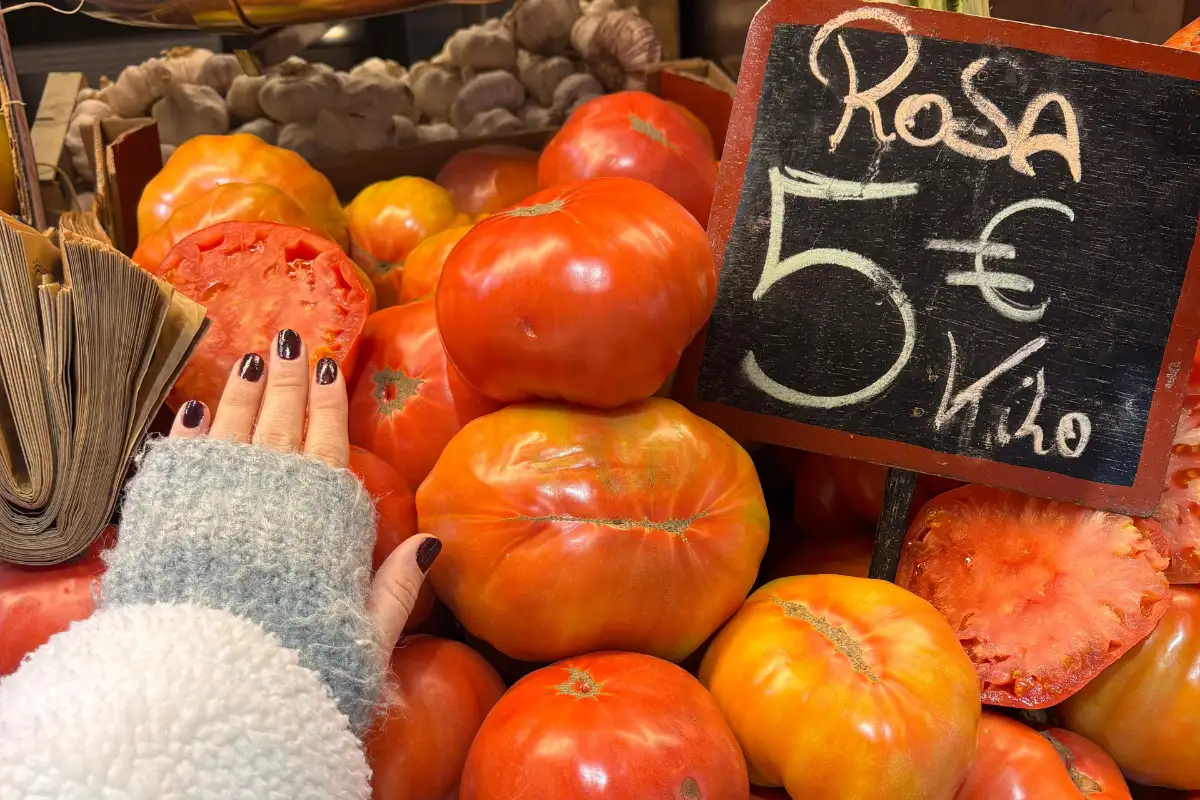
Don’t Touch the Produce at Markets

In local markets, it’s considered rude to handle fruits or vegetables yourself.
Let the vendor pick them for you. They know what’s freshest. If you prefer a different one, point and ask rather than grabbing.
Don’t Dump Your Trash Any Time

This one is a little tricky because sometimes it can’t be helped.
The official law in Malaga is that you should only dump trash between 8 pm and 11 pm to reduce odours and pest problems. There’s a fine for this, so keep your eyes open.
Don’t Walk Around Shirtless

Keep it on the beach.
I see stag groups walking shirtless through the centre most summer weekends, and the police do stop people. Throw a shirt on because the fines run between 100 and 300 euros.
The same goes for costumes and fancy dress. What works on the beach doesn’t work in the city centre.
Don’t Make Noise at Night
Malaga is not a quiet city. The Spanish use their car horns more freely than most nationalities, flats have paper-thin walls, and conversations happen at a volume that would pass for shouting anywhere north of the Pyrenees.
That said, there’s a line.
The city council launched the “Improve Your Stay” campaign in 2025, and noise disturbance in residential areas is one of its main targets. Shouting in streets, blaring music after hours, and public rowdiness can each carry fines of up to 750 euros.
The irony is that your neighbours will absolutely be loud at 2pm on a Sunday. Just not at 2am.
Don’t Ignore Pedestrian Crossings
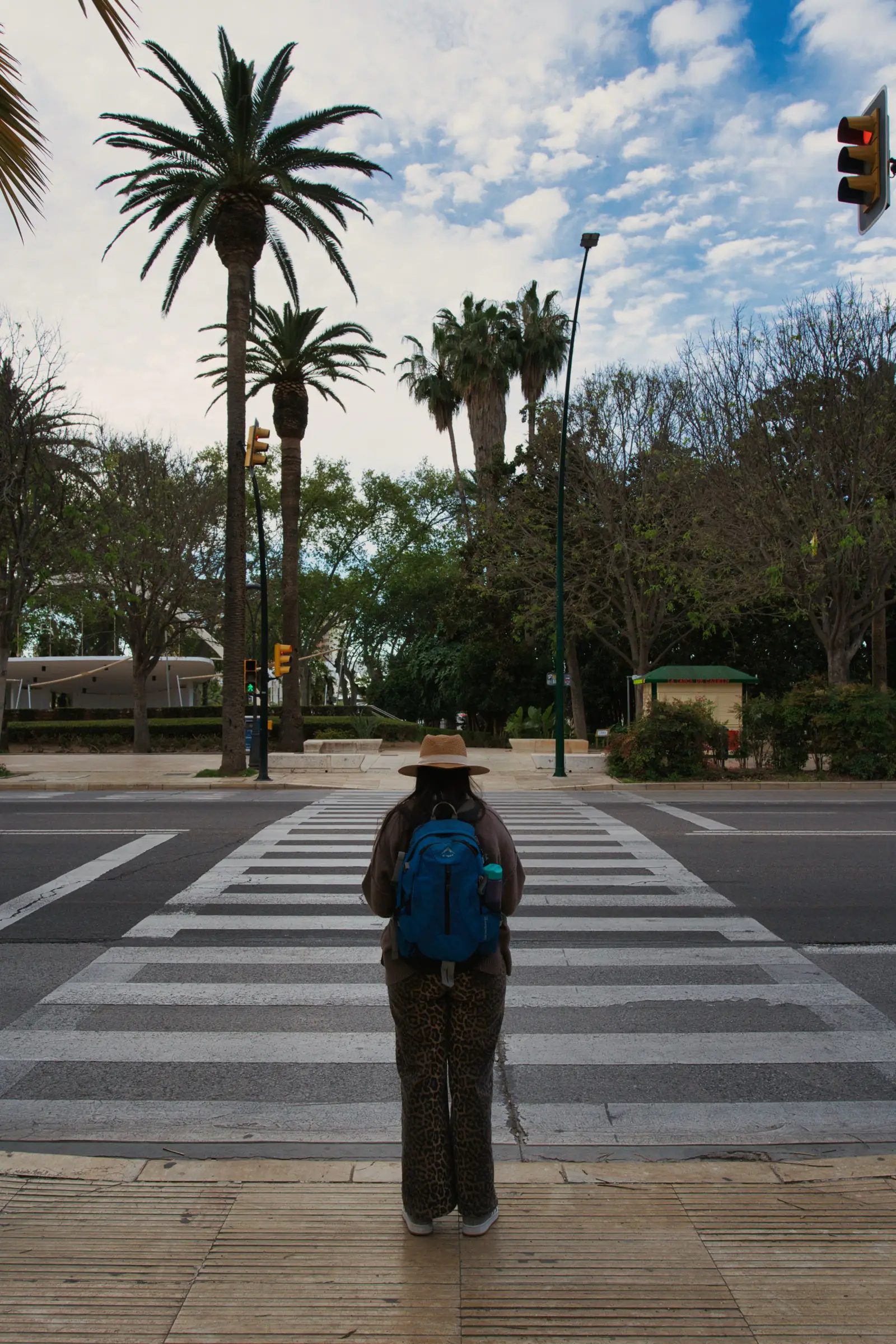
I’ve seen accidents at crossings more times than I’d like, and not just with cars. Electric scooters move fast and come from unexpected directions.
Use the crossings, wait for the green, and jaywalking carries a 200 euro fine regardless.
Don’t Fall for Common Scams
Malaga is safe, but it has the same petty scams as any tourist city.
The two most common are the “bird poo” scam (someone squirts something on you, then a helpful stranger offers to clean it while their partner picks your pocket) and the flower or bracelet scam (someone hands you something “free,” then demands payment).
If someone approaches you unprompted on the street with a story, keep walking. There’s a full guide to common tourist scams in Spain if you want to know what else to watch for.
Is It Safe to Walk Around Malaga at Night?
Yes. The main tourist areas are safe at night. The old town, Calle Larios, the beach promenade, Soho, and Pedregalejo are well-lit and busy until late.
A few areas are worth knowing about though.
Palma-Palmilla (District 5) north of the city centre has a reputation for higher crime rates. There’s no reason for tourists to visit, and it’s best avoided after dark.
La Trinidad and El Perchel near the train station are fine during the day but can feel sketchy late at night. Stick to main streets if you’re passing through.
Cruz Verde north of Plaza de la Merced can be quiet and poorly lit at night. Generally safe, but use common sense.
Be extra careful in crowded areas like Calle Larios, Atarazanas Market, and the beach. Keep bags in front of you, don’t flash expensive phones, and leave valuables in your hotel safe. For getting home late, the Malaga public transport guide covers taxis and night buses, or read more about staying safe in Spain.
Can You Get Fined in Malaga?
Yes, and the fines are real. In 2025 the city council formalised this with the “Improve Your Stay” campaign, a set of 10 official rules aimed at reducing friction between tourists and residents. The rules appear on city buses, billboards, and social media, and the fines that back them up are enforceable.
Here’s a summary of the most common ones:
- Feeding pigeons: up to 1,500 euros
- Sitting on statues or monuments: 300 to 750 euros
- Walking shirtless outside beach areas: 100 to 300 euros
- Riding scooters on pavements: 200 euros
- Jaywalking: 200 euros
- Dumping rubbish outside 8 to 11 pm: 90 to 750 euros
- Noise disturbance: up to 750 euros
- Public drunkenness: up to 750 euros
Police do enforce these, especially the scooter and shirtless rules in summer. They’re not trying to catch tourists out, but if you’re blatantly breaking the rules in front of them, they’ll act.
Final Thoughts
Most of this comes down to the same principle: Malaga is a real city, not a theme park, and the people who live here are going about their lives around you. The rules exist because the city asked for them.
If you’re still planning the trip, where to stay in Malaga and things to do in Malaga are good next steps.