things-to-do
Things to Do in Málaga in March: Events, Hikes and Local Tips
This post may contain affiliate links, which means I earn a small commission, at no extra cost to you. It helps keep the blog alive, and we really appreciate your support!

March is the month Málaga starts to wake up properly. The days stretch past 12 hours, the terraces fill again for the first time since autumn, and the city still feels like it belongs to the people who live in it rather than the people passing through.
I've spent several Marches here, and the month keeps delivering. The Film Festival brings red carpets to Teatro Cervantes, and when Easter falls early, Semana Santa fills the streets with pasos and processions from sunrise.
Most visitors assume spring doesn't properly arrive until April. In this guide, I'll show you the best things to do in Málaga in March: the events worth planning around, the outdoor activities that are genuinely better now than in summer, and the day trips that are easier before the crowds arrive.
Is March a Good Time to Visit Málaga?
Yes, March is one of the best months to visit. Daytime temperatures reach 18-21°C with around seven hours of sunshine a day, which means you can explore outdoors, eat lunch on a terrace, and do the main sights without overheating.
The crowds are a fraction of what arrives in summer. Hotels and flights cost noticeably less, the queues at the Alcazaba are manageable, and the city centre is actually pleasant to walk through rather than navigate.
The one honest caveat is swimming. The sea sits at around 15-16°C in March, which is cool enough that most people won't want to get in.
You can lie on the beach on warmer afternoons. But if warm-water swimming is the priority, March isn't the month for it.
For a full comparison of every month, my best time to visit Málaga guide has the detail.
March Events in Málaga
Two events make March unlike any other month here. Neither requires much planning. You can experience both just by being in the city centre at the right moment.
The Málaga Film Festival
The Festival de Málaga runs for ten days each March and screens around 200 Spanish-language films across venues throughout the city. Gala nights and red carpet events take place at Teatro Cervantes, and I can hear the crowd from my balcony when the cars arrive.
Some nights it's genuinely deafening. The honest truth is you probably won't recognise most of the celebrities unless you follow Spanish cinema closely, but the atmosphere around the theatre in the evenings is worth being part of regardless.
A lot of screenings are open to the public and tickets are affordable. Check the programme before you travel. The opening and closing galas book out fast.
Semana Santa in Málaga
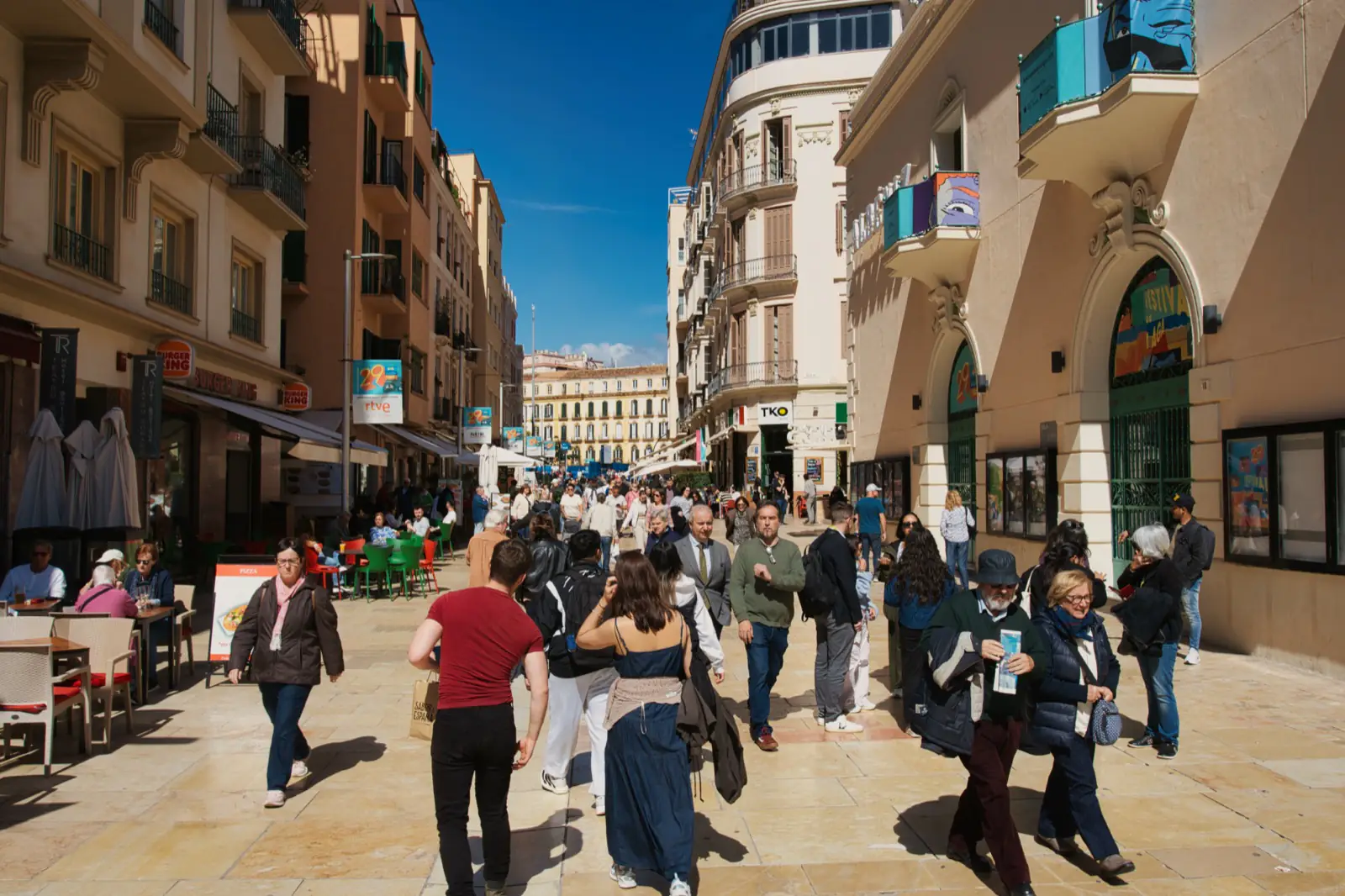
Semana Santa doesn't fall in March every year, but when Easter comes early, the processions begin on Palm Sunday and run through to Easter Sunday. In 2026, Holy Week runs from 29 March to 5 April.
The processions go past my window. I've stood in the street watching them too, and the experience is completely different when you're at ground level.
The pasos are enormous religious floats that can weigh several tonnes, carried through the narrow streets by costaleros who move in near-silence, broken only by the occasional drum. It's one of those things that sounds abstract until you're actually in it.
If it's your first time in Spain, plan around the procession routes. The streets close when they pass, which means getting across the city can take much longer than expected. Factor that in when booking restaurants or planning your days.
Outdoor Activities and Hiking
March is genuinely the best month of the year for hiking around Málaga. Summer heat makes most routes uncomfortable from late morning onwards, but in March you can start at 9am and still be walking at noon without any issues.
The Caminito del Rey is the obvious choice. The route is a 7.7km walkway pinned to the walls of the El Chorro gorge, about 60km north of the city, and March conditions are ideal: cool enough to walk at a steady pace, clear skies most days, and the gorge still green from winter rain. Book well in advance. The Caminito sells out weeks ahead even outside high season.
The Montes de Málaga natural park is much closer to the city and far less visited. The park covers around 5,000 hectares of Mediterranean forest just 7km from the city centre, with trails that give you open views over the coast in every direction.
In March the hillsides are properly green rather than the dry brown they turn come July. A half-day walk from the park entrance is enough to feel genuinely far from the city.
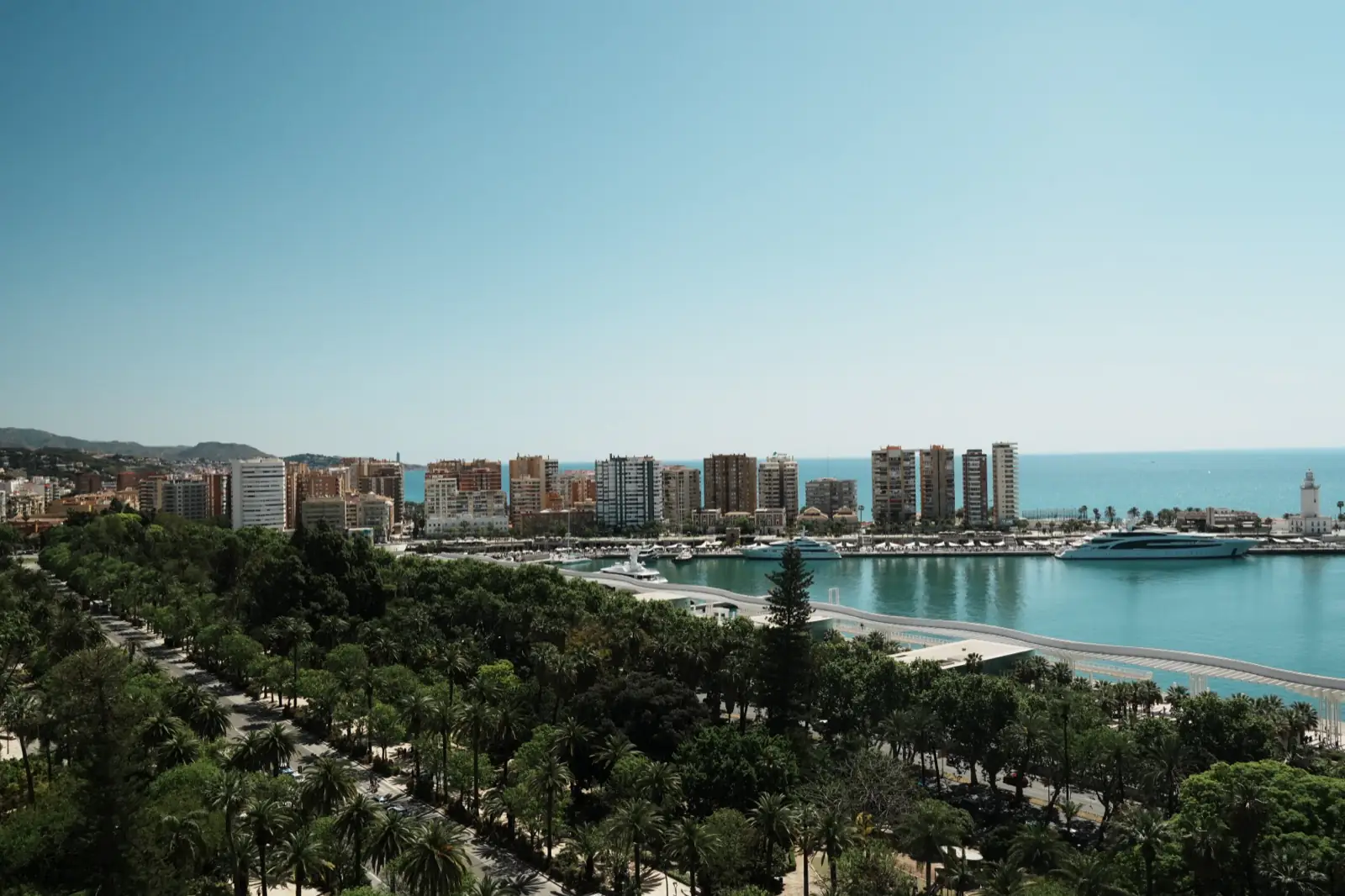
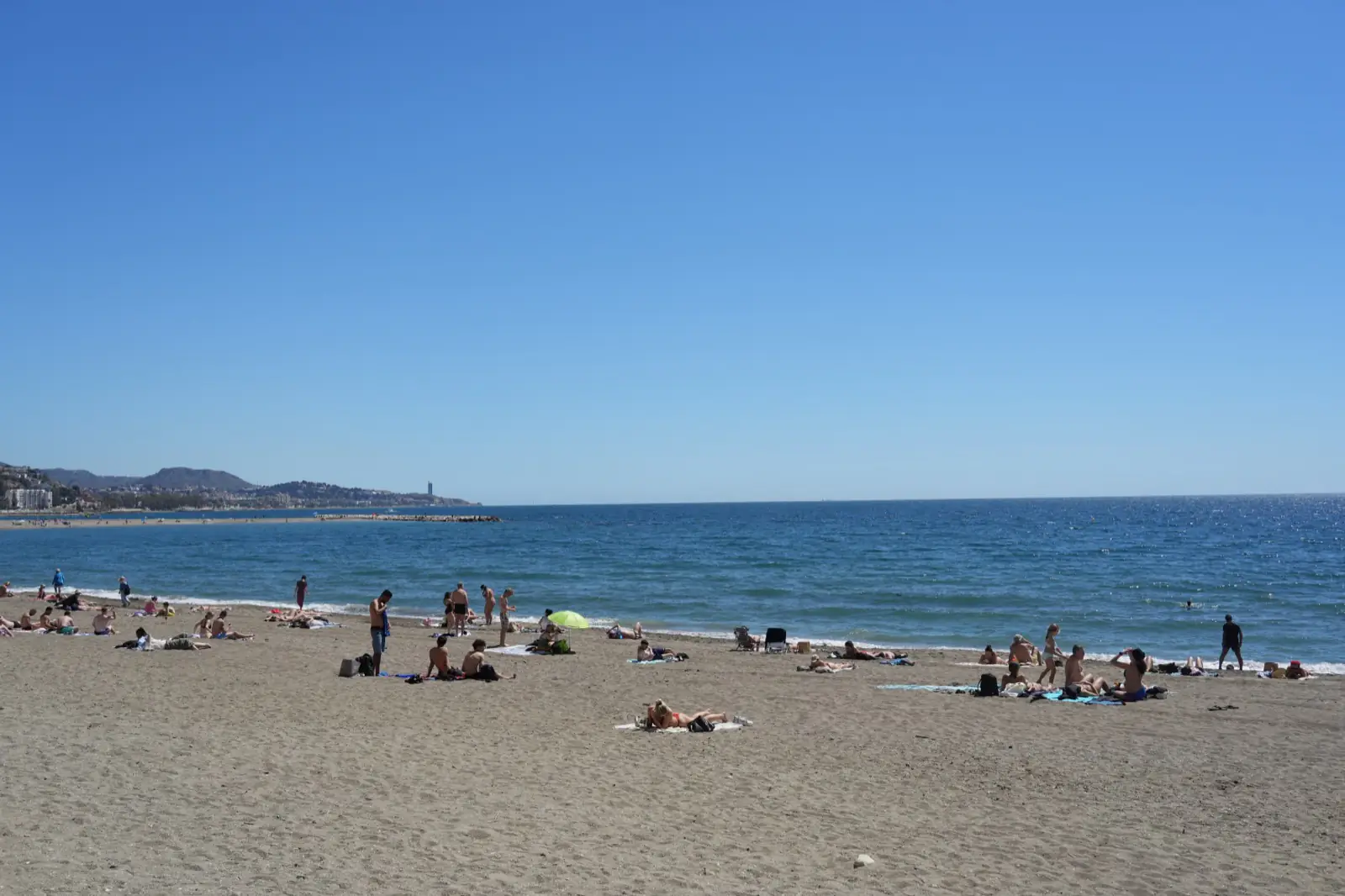
The beaches are worth visiting in March, just not for swimming. Sitting on La Malagueta on a warm afternoon in mid-March with something from one of the chiringuitos is honestly one of my favourite ways to spend a few hours.
The water sits at around 15-16°C, which is cold enough that you won't be tempted in. But the beach is quiet, the sun has real warmth from midday, and sunbeds are easy to come by.
The Alcazaba, Old Town, and the Roman Theatre
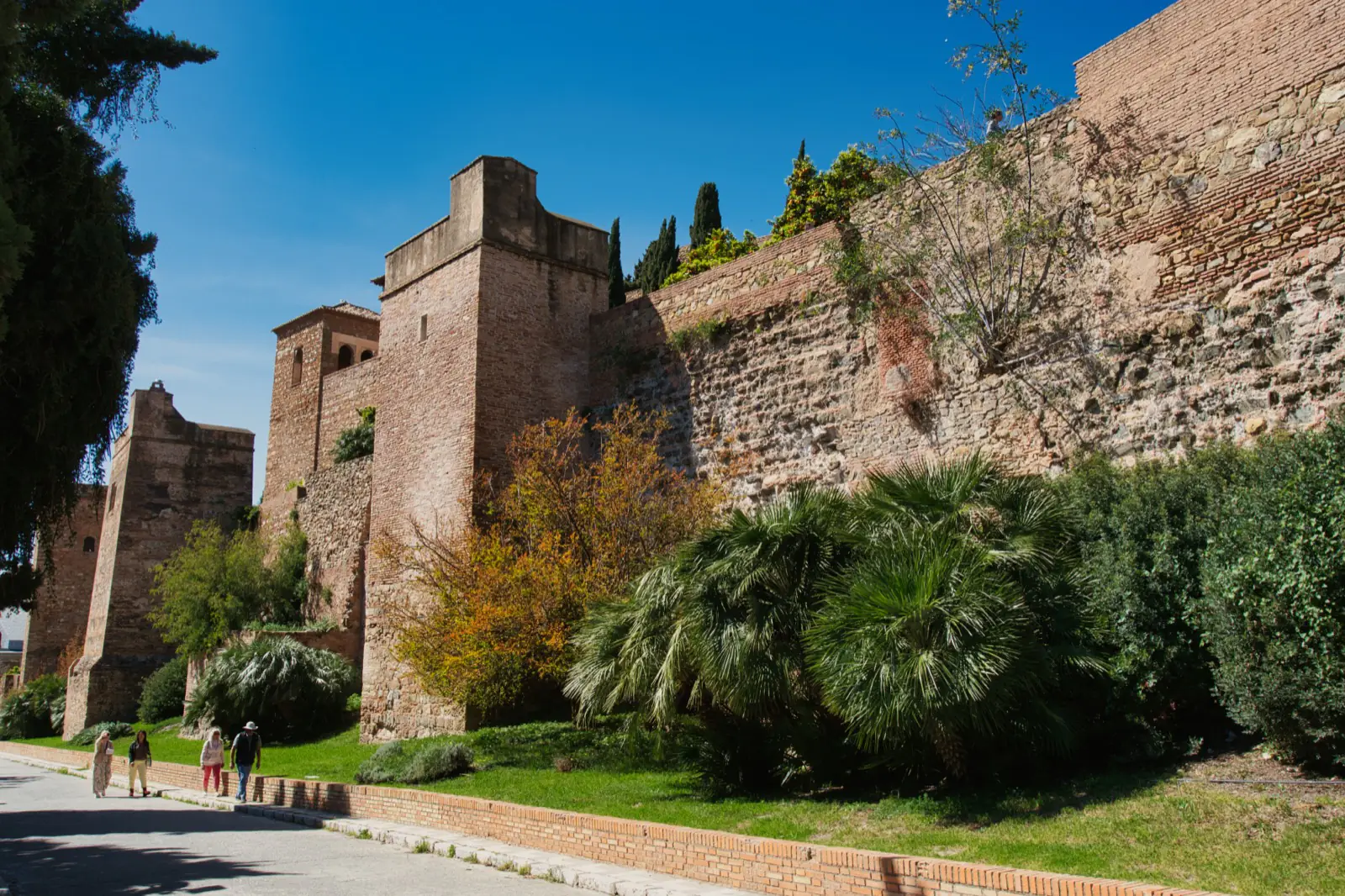
Built by the Hammudid dynasty in the early 11th century, the Alcazaba is one of the best-preserved Moorish fortresses in Spain. In March, the queues outside are short enough that you can walk straight in most mornings, which is not something you can say in July.
The Roman Theatre directly below it dates to the 1st century BC and is always free to enter. Most people walk past it on the way up to the Alcazaba and don't stop.
I always stop. Standing in a working excavation site at the foot of an 11th-century fortress, in the middle of a city centre, is one of those things that still catches me off guard.
Gibralfaro, the hilltop castle above the Alcazaba, is worth the climb for the views alone. On a clear March day you can see across the bay to the mountains in one direction and along the coast in the other. Both the Alcazaba and Gibralfaro are free on Sunday afternoons.
From the hilltop, walk back down through the old town rather than retracing the tourist route. The streets around Calle Granada and the Cathedral are easy to navigate in March without being crushed by tour groups.
Take your time.
Museums: Free Sundays and What's Worth Paying For
Málaga has one of the highest concentrations of museums in Spain, which surprises most visitors. The range goes from ancient archaeology to contemporary art, and you can cover several of them in a single day without feeling rushed.
Most state-run museums offer free entry on Sunday afternoons. The Alcazaba and Gibralfaro fall into this category too, which makes Sunday genuinely the best day to plan a cultural visit.
My full free things to do in Málaga guide has the current schedule.
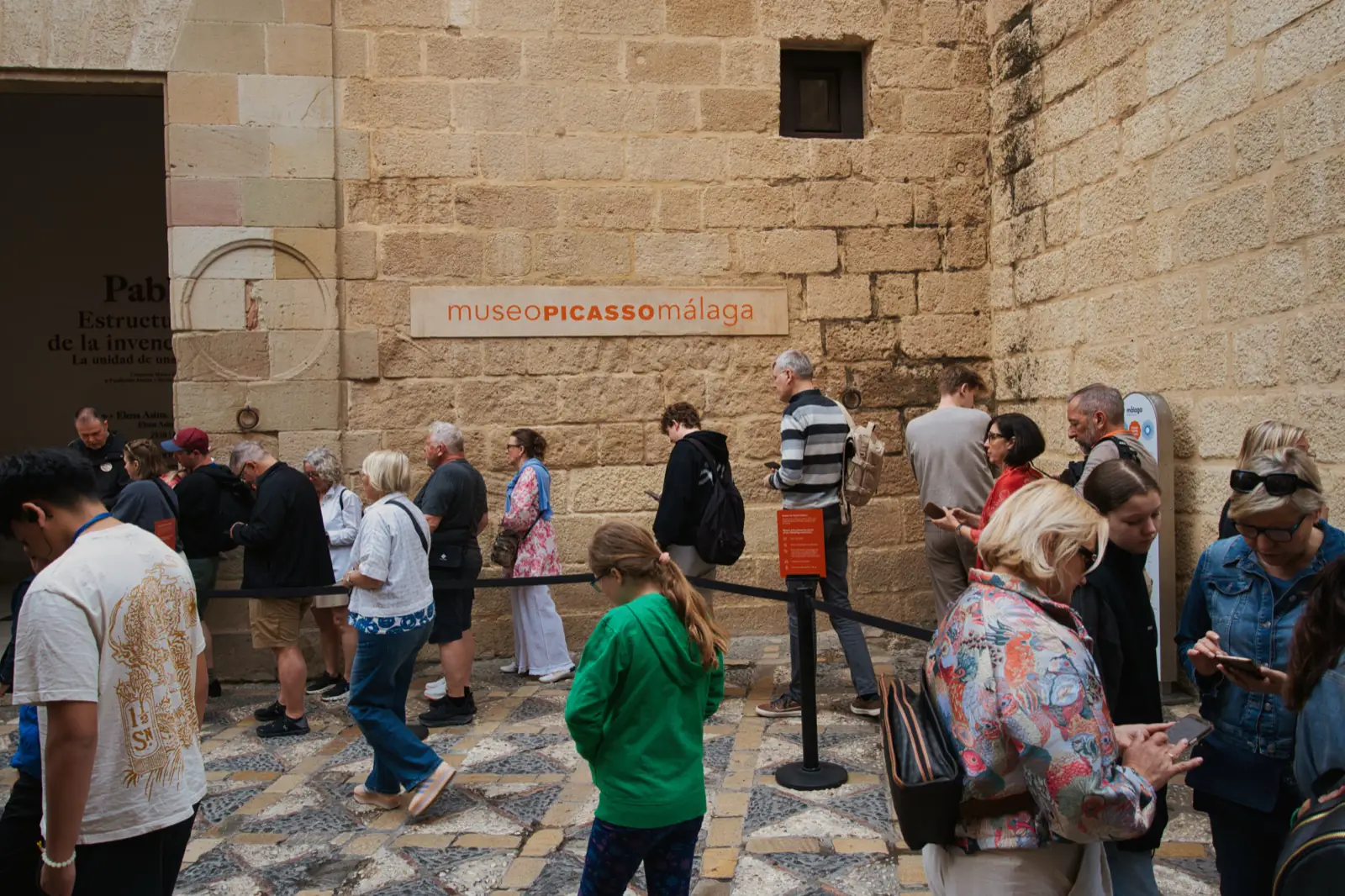
The Picasso Museum is the anchor. The collection holds around 233 works donated by Picasso's own family, spanning his full career from early portraits to Cubist work and ceramics.
It's not the largest Picasso collection in the world, but the context, knowing these came from people who actually knew him, makes it feel different from the ones in Paris or Barcelona.
The Centre Pompidou Málaga in the port area is the one I always recommend to people who think they've seen everything. It's a branch of the Paris Centre Pompidou, opened in 2015 inside what looks like a glass cube covered in coloured panels. The contemporary collection is genuinely strong and the building itself is an event.
For the full museum rundown, including current hours and prices, I've covered it all in my best museums in Málaga guide.
Markets in March
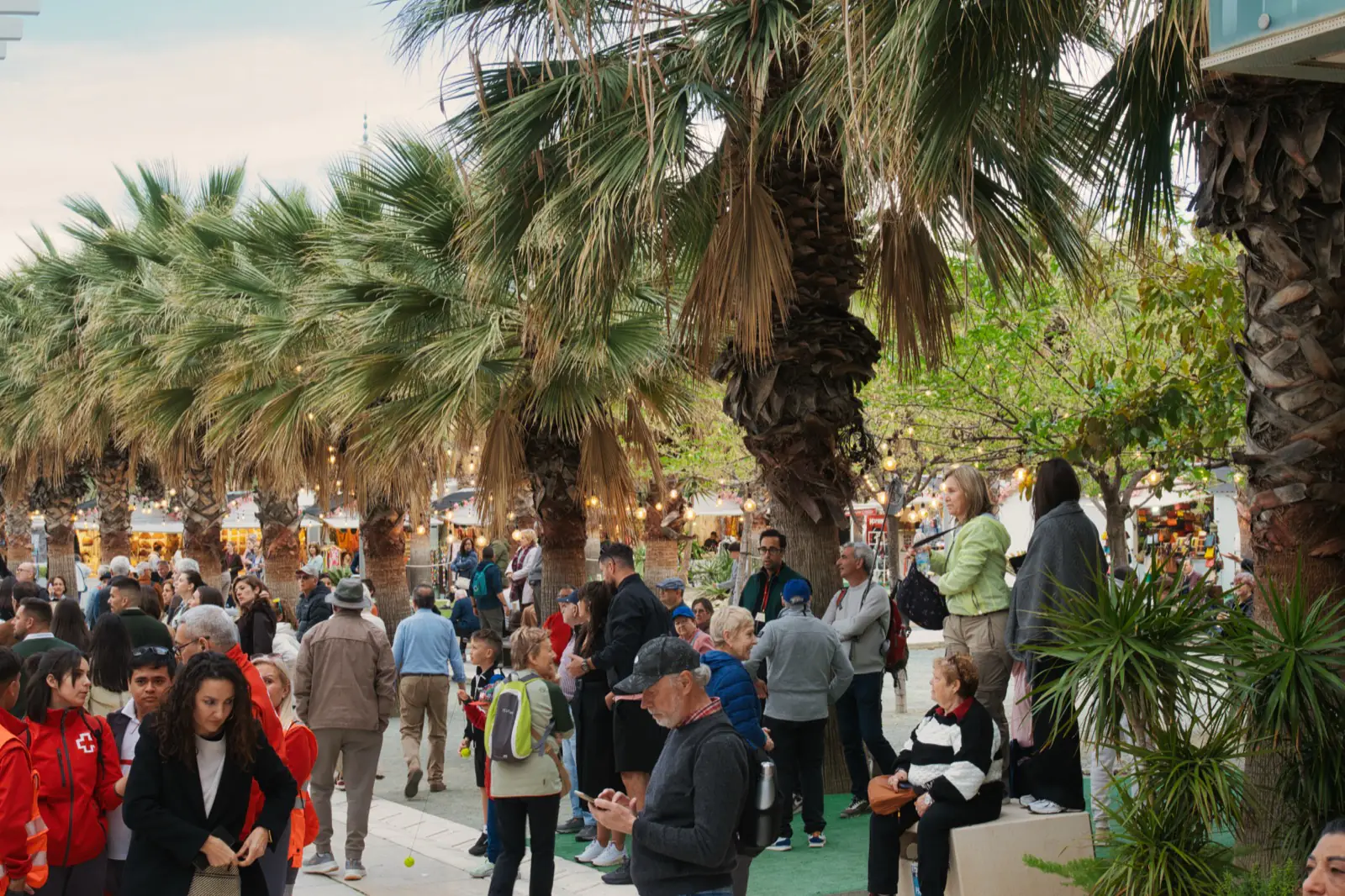
On the first Sunday of every month, the La Merced market sets up in Plaza de la Merced, the square where Picasso was born. The stalls sell crafts, ceramics, jewellery, and food, and the terraces around the square fill up quickly on a sunny March morning.
The Urban Market Soho runs on the fourth Sunday, which means if you time it right you can catch both in the same month. It has a younger, more design-forward mix of stalls than La Merced, and the surrounding street art makes it worth the walk even if you don't buy anything.
For fresh produce, Atarazanas Market is the one I use regularly. March is when the local strawberries start appearing properly.
Málaga strawberries are smaller than the ones from larger growing regions further north, but the flavour is noticeably more intense. Buy from the stalls at the back of the market rather than the ones near the entrance, which tend to be tourist-facing.
Terrace Season and Food in March
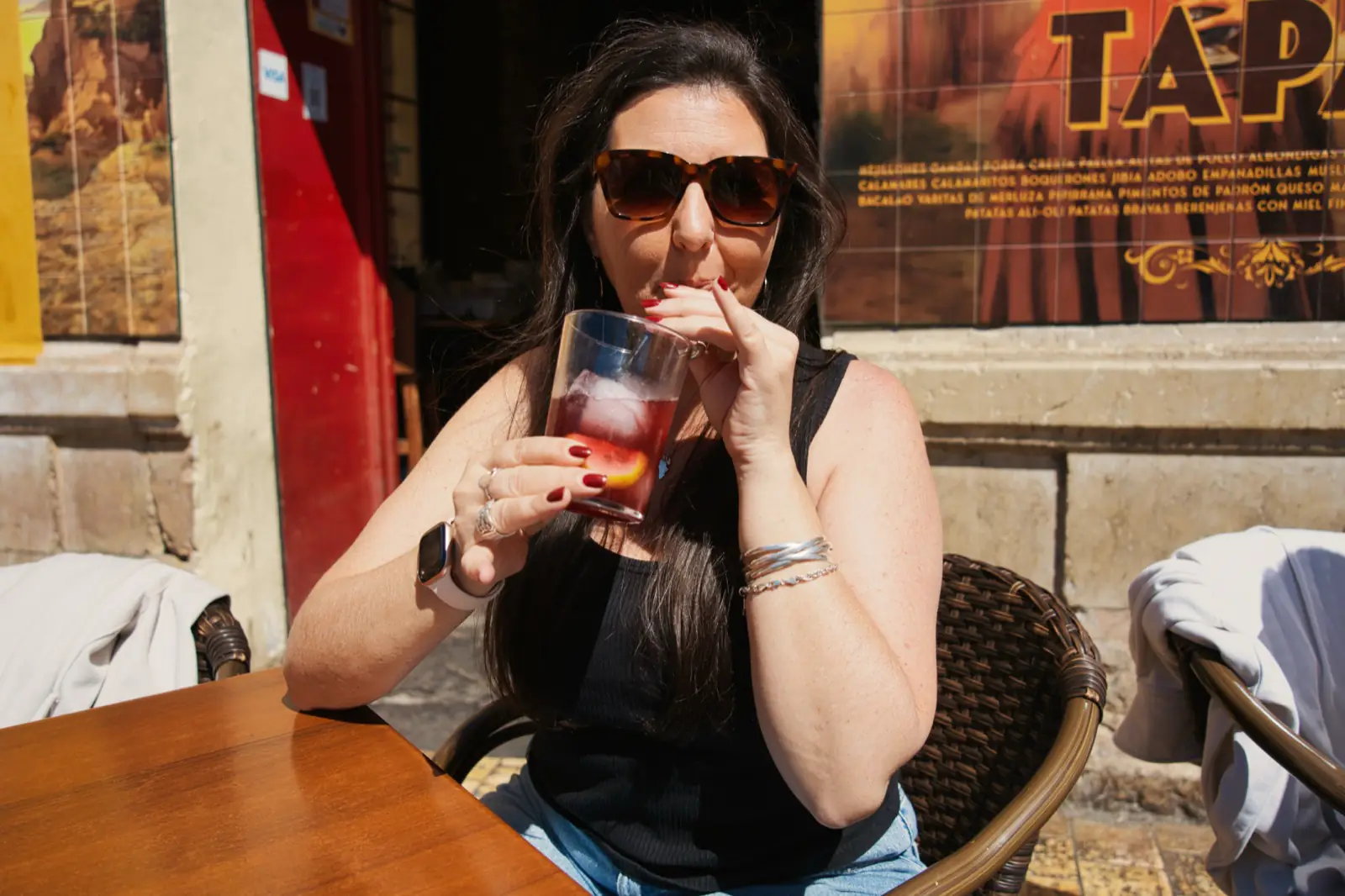
Sometime in late February or early March, the terraces start filling up again. It happens without much announcement. One week you're eating inside, the next the outdoor tables are full by noon.
The evenings are still cool enough that you'll want a light jacket after 8pm, but from midday onwards the outdoor tables are genuinely pleasant. The streets around Calle Granada and the tapas bars in the old town are where I'd head on a March evening: plenty of options close together, outdoor seating that catches the last of the afternoon sun, and a mix of locals and visitors rather than purely one or the other.
The rooftop bars start operating spring hours from March, most of them extending their evening service after a quieter winter. Booking is worth doing for Saturday evenings even in March, because they fill up faster than people expect.
Spring menus don't change dramatically in Málaga, but you'll start seeing more fresh seafood and lighter dishes alongside the heavier winter stews.
Day Trips from Málaga in March
March is one of the best months for day trips from Málaga. The main routes are quieter than they'll be in a few months, temperatures are comfortable for walking, and you don't need to book restaurants weeks in advance.
Ronda is the obvious first choice. The drive takes around 90 minutes from Málaga, and the town sits at 750 metres elevation, which means it's noticeably cooler and often clearer than the coast. In March the viewpoints along the Tajo gorge are accessible without queuing, and the old town feels like it belongs to the people in it rather than the coaches parked outside.
Nerja and Frigiliana work well together as a single day. Nerja is about 55km east of Málaga along the coast, and Frigiliana is another 7km inland into the hills. In March the Balcón de Europa is genuinely pleasant rather than shoulder-to-shoulder, and the drive up to Frigiliana is at its best when the hillsides are green.
For something completely different, the Torcal de Antequera natural park sits at over 1,200 metres, about 50km north of the city. The rock formations there are unlike anything else in the province. The Ammonites Route is 4.5km and takes around 2.5 hours at a comfortable pace, and you'll see actual ammonite fossils preserved in the rock faces along the way.
Take a proper layer. At that elevation, March can be 5-6°C cooler than Málaga even on a warm day.
Weather and What to Pack
The full picture is in my Malaga weather in March guide, but here's what matters for packing.
Daytime temperatures reach 18-21°C, with around seven hours of sunshine. The UV index sits at 5-6, which is higher than most people expect for March. Sunscreen from midday is genuinely worth it, even on overcast days.
Evenings drop to 9-11°C, so layers are essential. A light jacket or cardigan is enough for most March nights in the city. For day trips to higher ground like Ronda, Torcal, or the Caminito, pack something warmer.
March gets occasional rain, usually short and sharp rather than all-day drizzle. A packable rain jacket earns its space without taking much room.
The clocks change to summer time on the last Sunday of March, which adds an extra hour of evening light overnight. If you're arriving early in the month, expect evenings to be noticeably shorter than by the end of it.

Hola! I'm the researcher, walker, and co-founder behind Spain on Foot. I help travellers experience Spain authentically, through in-depth guides, locals-only knowledge, and cultural stories you won't find in guidebooks. You can reach me at heidi@spainonfoot.com
Planning a trip to Málaga?
Explore Málaga Guide→