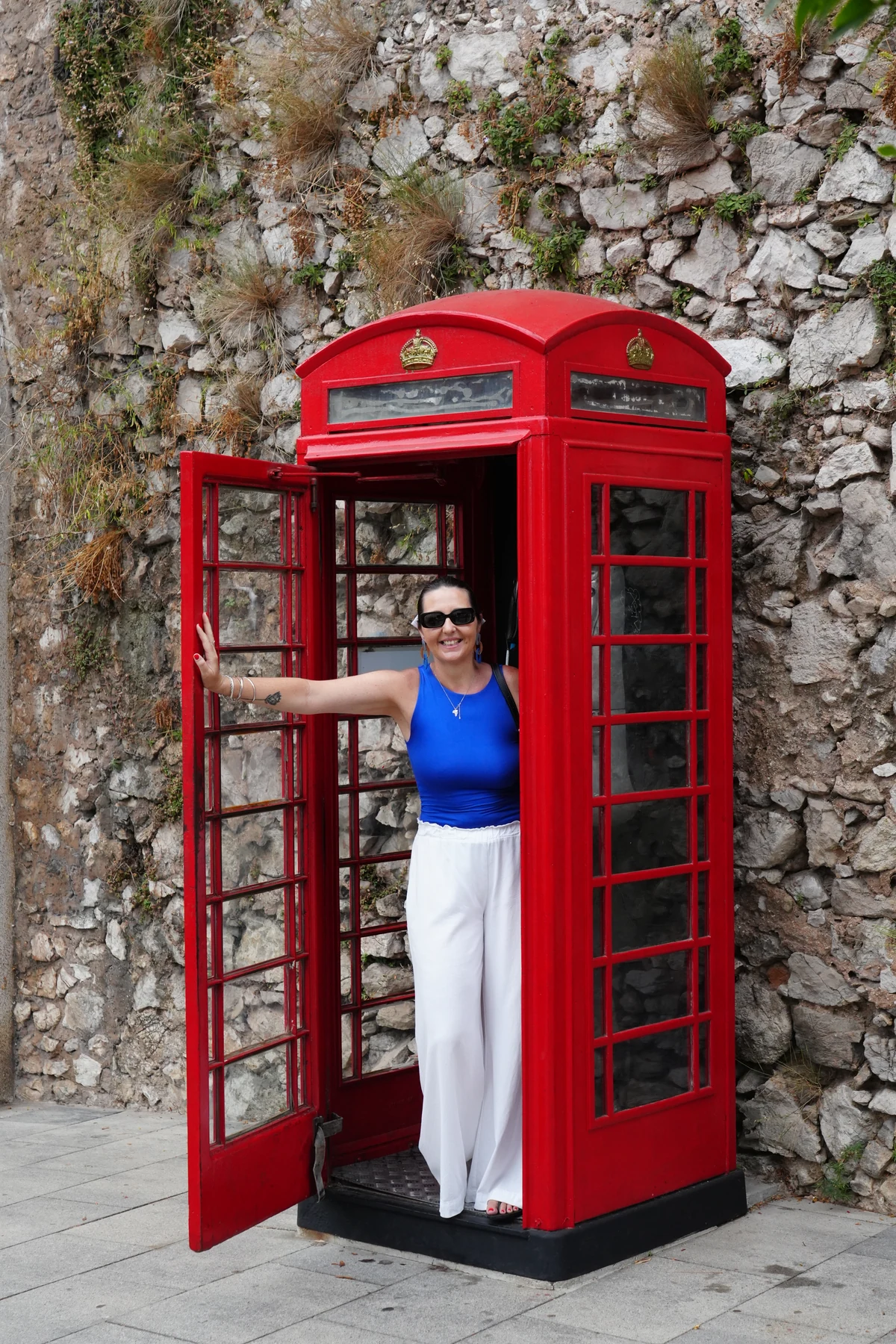
Gibraltar is British in its symbols and Mediterranean in its bones, so the honest answer is both, and neither label really holds once you’re standing in it. Sterling, red pillar boxes, pubs, Union Jacks, a frontier you cross to get in, all of it sitting on a rock in southern Spain with the washing hanging over the balconies.
The British half is real and it’s not subtle, but it’s only half:
- British, the money, the administration, the shop shelves, the pubs and the war history.
- Not British, Main Street, the architecture, and the bus, where half the people around me were speaking Spanish.
- Neither, Llanito, the Gibraltarians’ own mix of Andalusian Spanish and English, which is the best answer there is.
I lived four years on the Costa del Sol, an hour up the coast, before I finally made it to Gibraltar, so I’d had plenty of time to build the place up in my head. I was expecting Britain with better weather, and what I found was messier than that, and honestly a lot more fun.
After two days I still couldn’t draw a clean line through it, and I’ve stopped wanting to. The bit in the middle is where Gibraltar actually lives.
What Reads as British
Everything you’re picturing is genuinely there, and I enjoyed it far more than I thought I would.
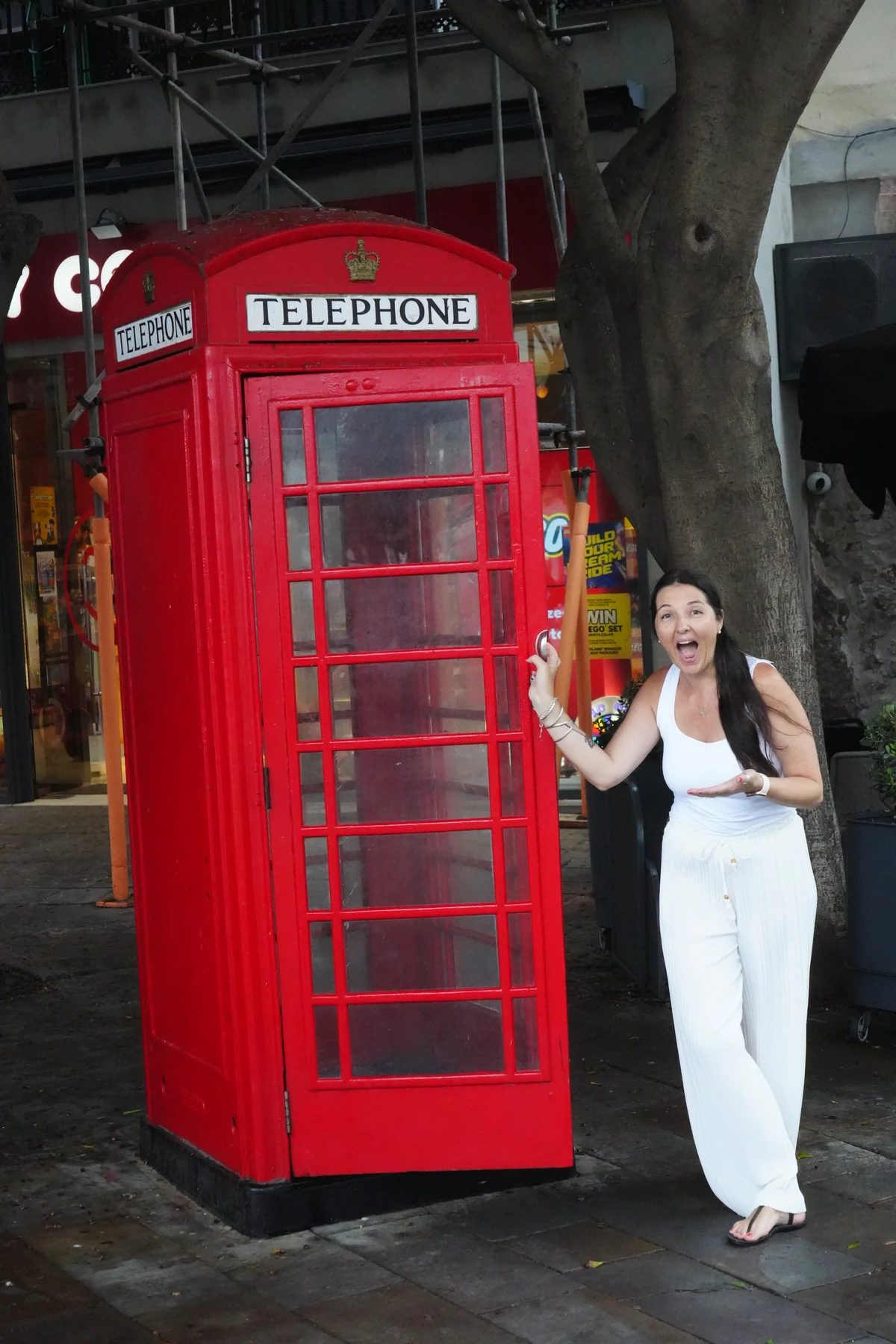
Red pillar boxes just like the ones in films, which I stopped and photographed like the world’s most obvious tourist. Red telephone boxes too, chalkboards outside the pubs, Union Jacks, and lane names I loved. Bomb House Lane and Secretary’s Lane were my favourites.
Britain runs the paperwork here as well. The administration’s British, the money’s British, and so is what’s on the shop shelves, right down to Terry’s Chocolate Orange, which after four years in Spain is a genuine treat rather than a novelty.
Come back into town after dark and the Irish Quarter and the pubs around it are about as English as anywhere gets this far south.
The war history is the layer that goes deepest, though. Gibraltar exists in its current shape because of the military, and you can’t miss it.
Batteries, tunnels, memorials, and cannons dotted along the Rock in numbers that stop being remarkable somewhere around the fourth one.
What Does Not
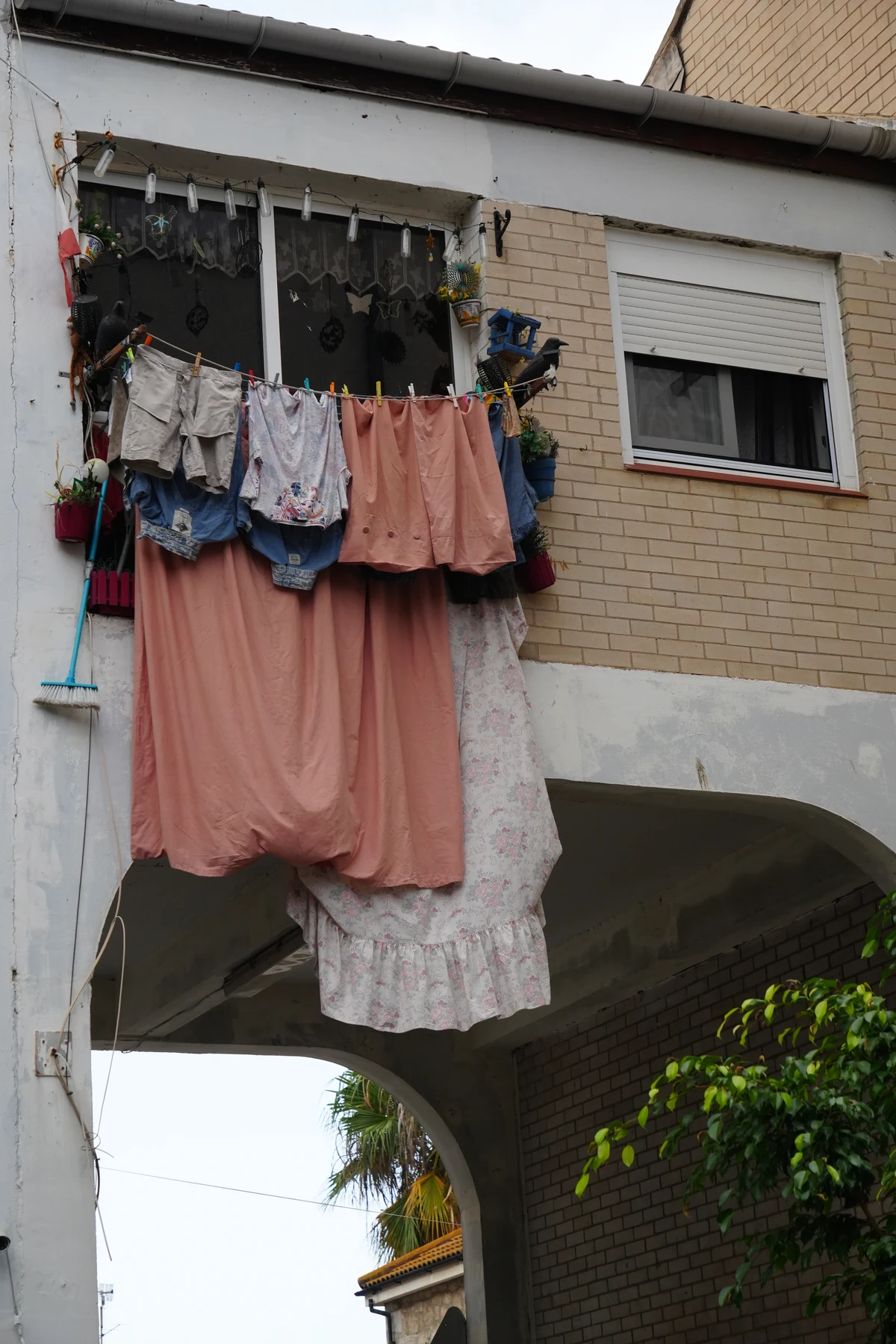
Main Street is where I’d banked on finding the most Britishness, and it gave me the least.
It’s a busy strip of the same chain stores you’d get anywhere, very touristy, and honestly there was very little on it I’d call special.
The one proper letdown of the trip.
The buildings give the game away, and Gibraltar’s architecture is muted because that same military past is behind it. Nothing looks like a Spanish old town.
Nothing looks like an English one either. Dilapidated and boarded up places sit in between the older ones, which is a strange contrast against the construction going on what felt like every second block.
Stop looking and start listening, though, and the answer moves again. On the bus, in the supermarket, in the shops off Main Street, I heard Spanish far more often than I’d braced for. Not visitors asking directions, just people getting through an ordinary day in it.
And Gibraltarians have a language of their own, Llanito, Andalusian Spanish and English poured into each other, switching between the two mid sentence without anyone appearing to think about it. If you want one piece of evidence that the honest answer is both, that’s it.
What sets it apart from Spain is the moment you reply in English. Just about everybody has it, and has it properly.
After four years where a fair bit of my daily life still runs on my Spanish, being understood instantly every single time took a bit of getting used to.
You could spend a whole day here in either language and never get stuck once, and I can’t think of anywhere in Spain I’d say that about.
Then there’s the thing that undercuts all the flags. When Britain voted on leaving the EU, Gibraltar voted to stay by about 96 percent, which is a bigger remain vote than anywhere else that voted. For a place this covered in Union Jacks, I find that genuinely fascinating.
And some of it belongs to neither country at all. A huge stern old stone building that’s now a martial arts club.
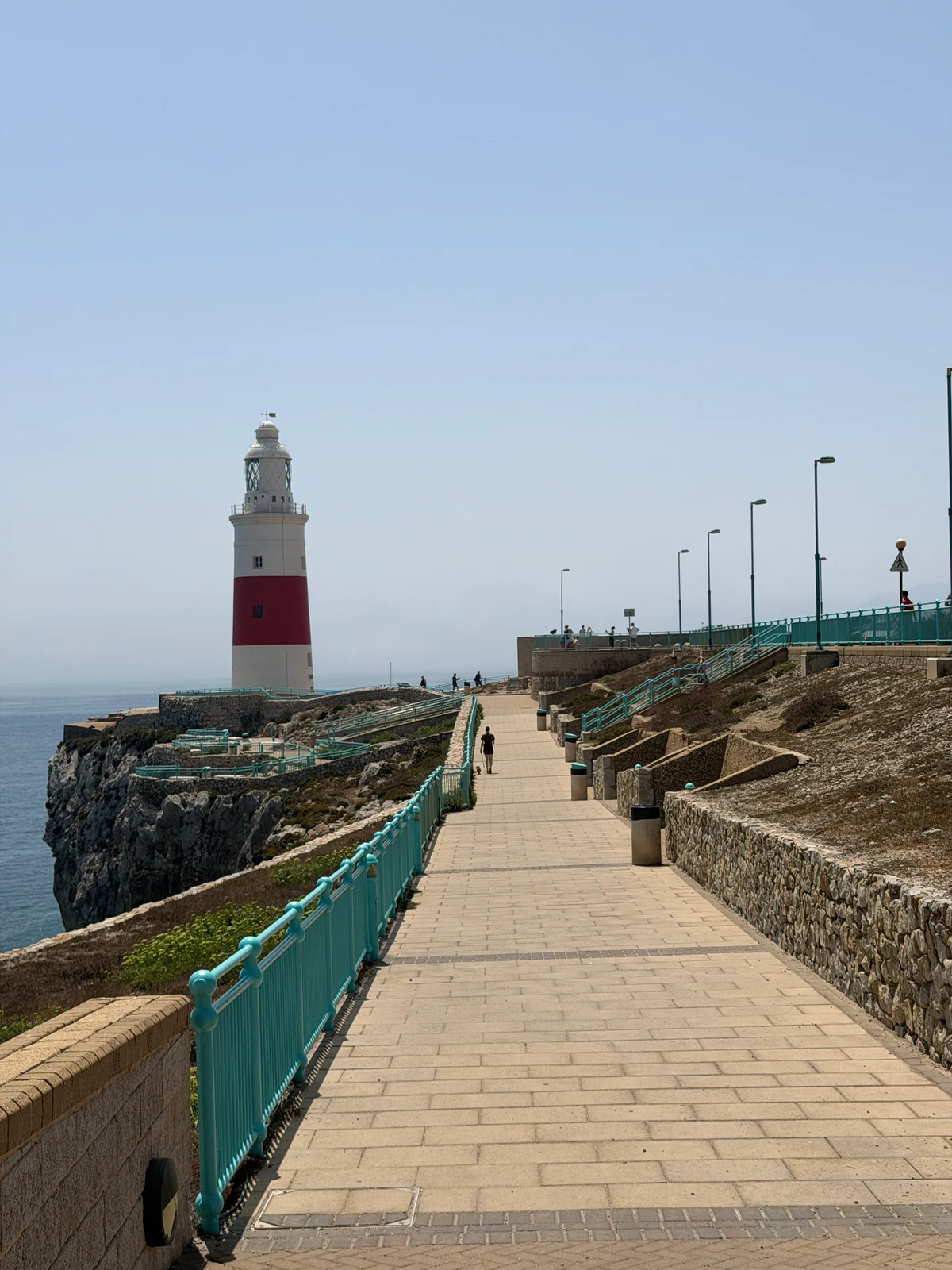
The lovely Ibrahim-al-Ibrahim mosque out at Europa Point with the Rock standing behind it.
And one detail nobody could explain to me, which I’ve thought about more than anything else on this list. Almost every restaurant sign in Gibraltar is blue with gold lettering.
Chains included, even the Burger King. I’ve no idea why and I find it really strange.
So Which Is It?
Turn up expecting a slice of Britain and you’ll get the props without the place. Turn up expecting Spain and you’ll get sterling, a frontier, and English everywhere you go.
What I think it really is, is Gibraltarian. Not a bit of Britain parked in the wrong sea and not a corner of Spain flying the wrong flag, but its own people with their own language, their own vote and three hundred years of quietly being themselves, borrowing from both sides whenever it suited.
I find that far more interesting than either label, and it’s a good part of why I liked the place.
To see the mixture for yourself, the best things to do in Gibraltar covers what’s worth your day, and the food is the fastest way to feel the difference, which is what what food Gibraltar is known for is for.
The other things that surprised me, answered short, are over on facts about Gibraltar.