The most popular day trip from Granada is the Sierra Nevada, rising directly behind the city with skiing in winter and hiking in summer.
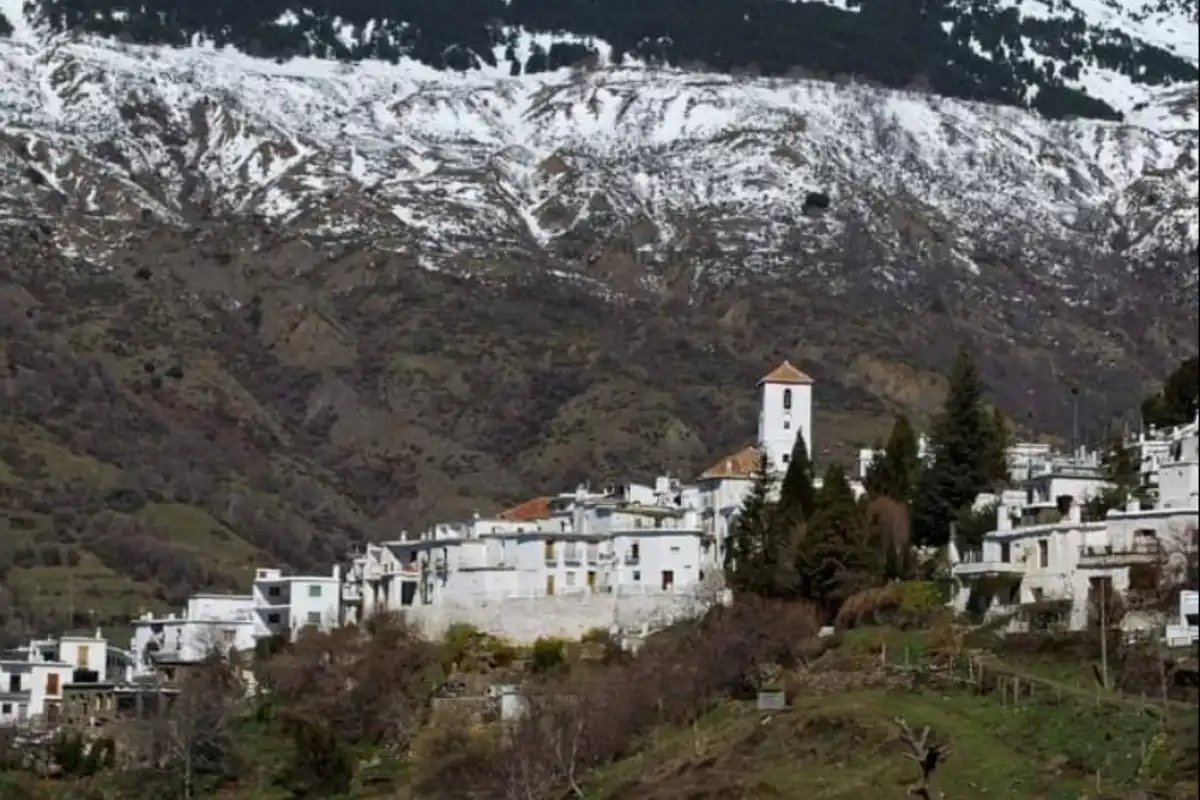
My personal favourite is the Alpujarras, a string of whitewashed villages clinging to impossibly steep hillsides with terraced valleys, ancient irrigation systems, and a pace of life that feels unchanged for centuries.
Córdoba and its Mezquita are about two hours away by train. Nerja offers caves and coastline. And the cave houses of Guadix are genuinely surreal.
Most visitors come for the Alhambra and leave too soon. These day trips show why Granada deserves to be a base for exploring.
⭐ Don’t miss >> Where to stay in Granada, my neighbourhood guide
Sierra Nevada
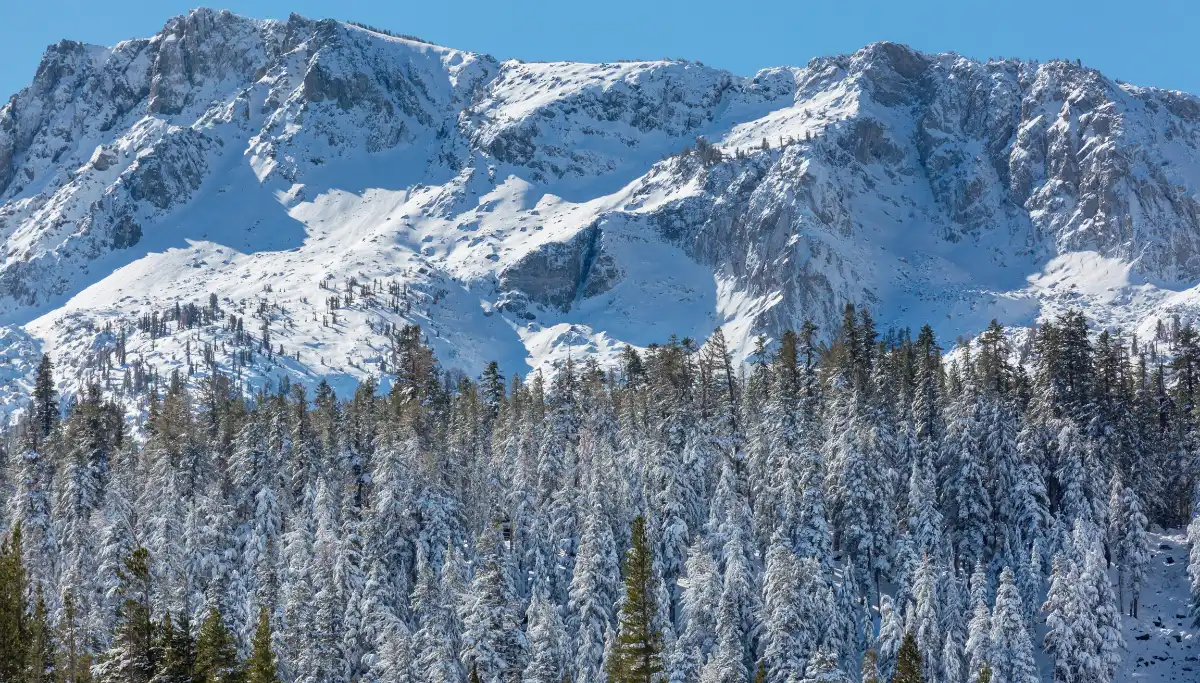
The Sierra Nevada rises directly behind Granada, offering Europe’s southernmost ski resort and mainland Spain’s highest peak, Mulhacén (3,479m). You can be on the slopes in under an hour from the Alhambra.
The ski season runs from late November to early May, with the best snow typically in January through March. The resort has over 100km of pistes, from beginner to challenging off-piste. It’s smaller and less crowded than Alpine resorts, often sunny when the rest of Europe is grey, and on clear days you can see Morocco.
When the snow melts, the Sierra Nevada becomes excellent hiking territory. The Hoya de la Mora area (accessible by car) offers easy walks with spectacular views.
More ambitious hikers can tackle Mulhacén or Veleta. Wildflowers in June and July are stunning.
The drive up includes hairpin bends and can be icy in winter. Check conditions before setting out. Buses run from Granada bus station during ski season, and guided day trips to the Sierra Nevada run from the city if you would rather skip the winding drive yourself.
🚗 A car makes day trips out of Granada so much easier. I always book through Discover Cars, they compare all the big rental companies so you get the best price.
The Alpujarras
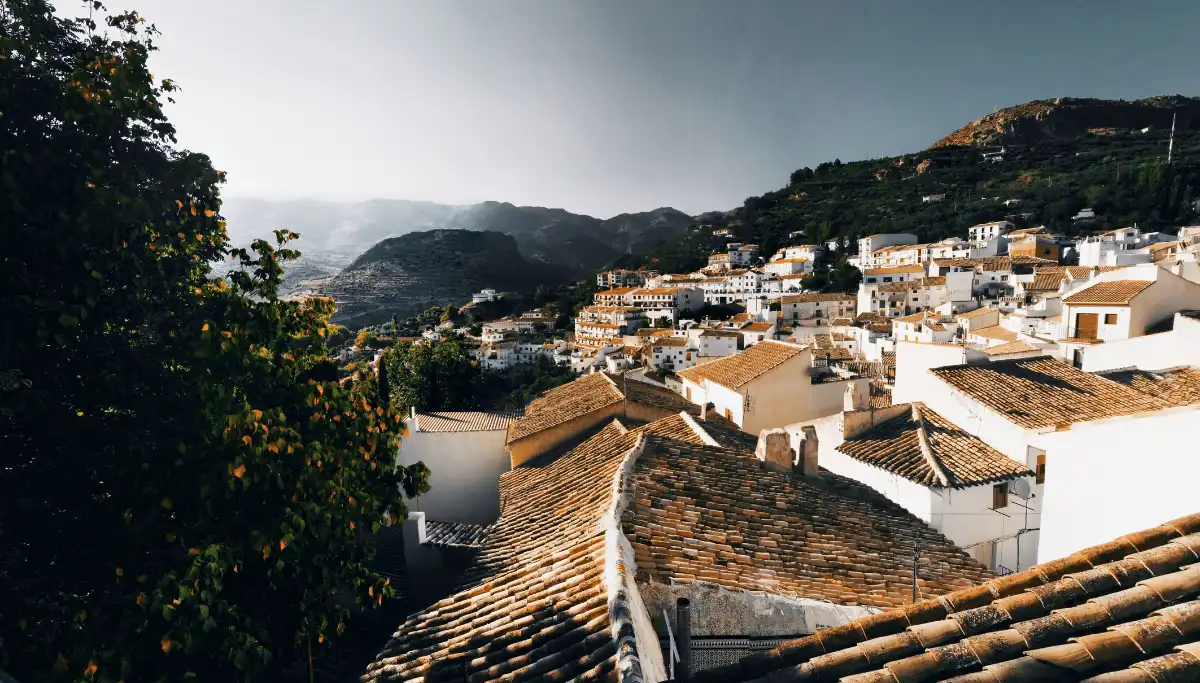
The Alpujarras is one of Spain’s most magical regions, with terraced valleys, whitewashed villages, ancient irrigation systems, and a pace of life that seems unchanged for centuries. The three villages of Pampaneira, Bubión, and Capileira make a perfect guided day trip if you would rather not tackle the mountain roads.
Pampaneira is the lowest and most visited, with craft shops, restaurants, and a lovely main square. Bubión in the middle is quieter and more residential, with beautiful viewpoints. Capileira sits highest at 1,436m, with the most dramatic setting and trailheads for Sierra Nevada hikes.
Drive up through Lanjarón and stop at each village. Park at Capileira and walk down through Bubión to Pampaneira, then taxi back up.
The Alpujarras is famous for its jamón serrano, cured in the mountain air, and local wines. Try both at any village bar.
Beyond the three main villages, Trevélez claims to be Spain’s highest village and is famous for its ham. Lanjarón is a spa town with famous mineral water. Órgiva has a Thursday market and serves as the unofficial capital.
Here are my favourite places to stay in Granada:
⭐ Best all-rounder >> Casa 1800 Granada
⭐ For the Albaicín >> Shine Albayzin
⭐ A once-in-a-lifetime stay >> Parador de Granada
⭐ Best budget >> Oasis Backpackers’ Hostel
Córdoba
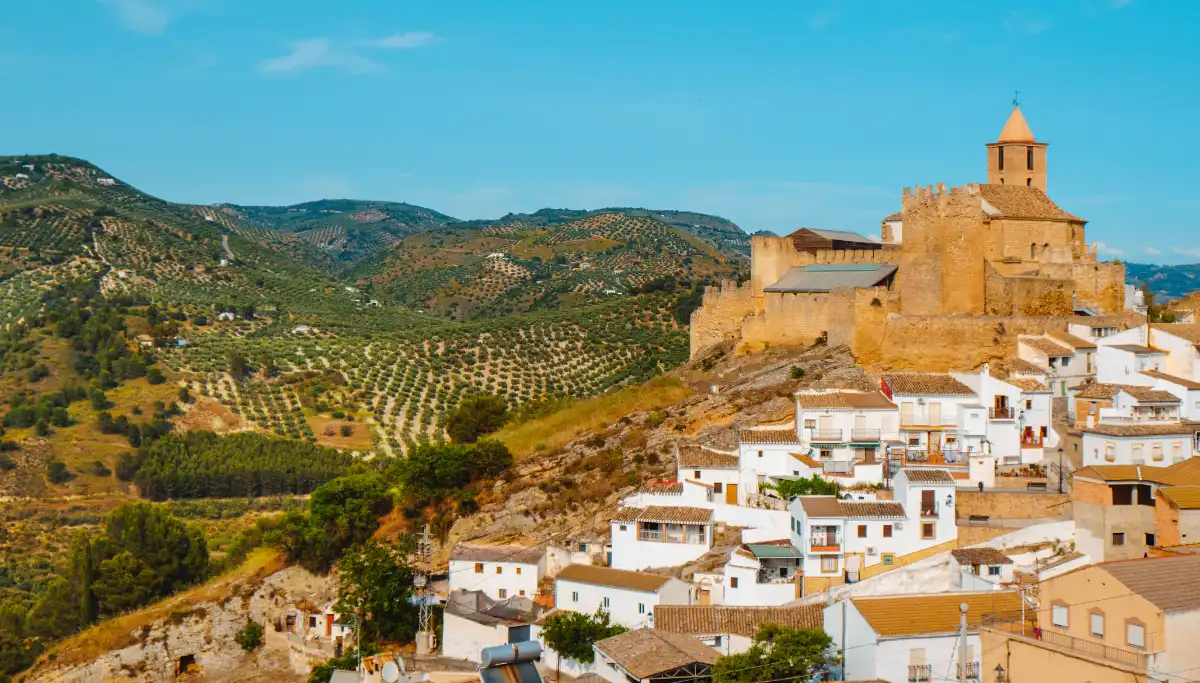
Córdoba is about two hours from Granada and contains one of Spain’s most extraordinary buildings, the Mezquita. A forest of red and white arches surrounds a Renaissance cathedral built inside a medieval mosque. If you’ve seen the Alhambra, the Mezquita is its equal.
Take the train. It’s comfortable, drops you in the centre, and you avoid parking hassles. Arrive early for the Mezquita when the light streams through the arches and the crowds are smaller. Then wander the narrow streets of the Judería (Jewish Quarter) and the Alcázar de los Reyes Cristianos with its gardens.
An overnight stay lets you see the Mezquita lit up at night, but the old town is compact enough to cover the highlights in a day.
If visiting in May, try to coincide with the Festival de los Patios, when residents open their flower-filled courtyards to visitors. It’s a UNESCO-listed tradition and genuinely beautiful.
🎟️ I always book the Granada experiences ahead. Browse tours and tickets on GetYourGuide.
Nerja
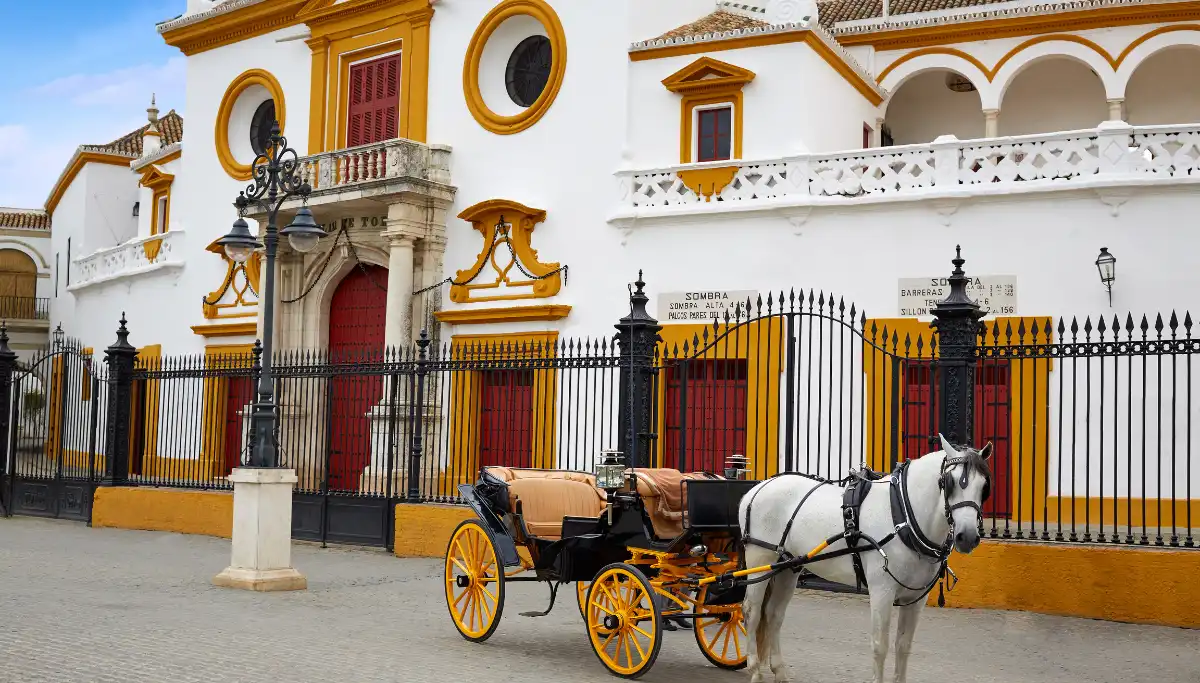
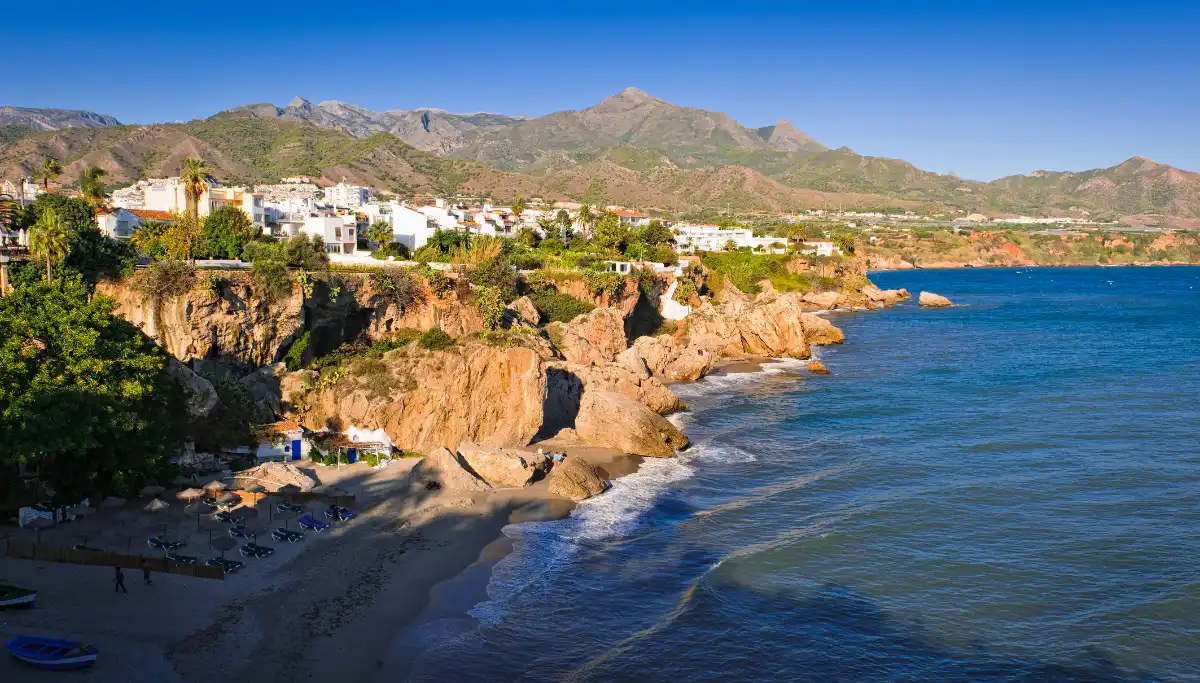
Nerja is Granada’s nearest stretch of proper coastline, about 1.5 hours away. The famous caves and the Balcón de Europa and guided coast day trips make it worth the drive.
The Cueva de Nerja is one of Spain’s most impressive cave systems, with enormous caverns and evidence of human habitation 25,000 years ago. The Balcón de Europa is the main promenade and viewpoint, with views to Africa on clear days.
Combine Nerja with Frigiliana (6km uphill), voted the prettiest village in Andalusia. Nerja also has pleasant beaches without the high-rise development that plagues much of the Costa del Sol.
The drive from Granada crosses the Sierra Nevada foothills and descends dramatically to the coast. Stop at the Puerto del Suspiro del Moro viewpoint on the way down for stunning views.
READY TO BOOK YOUR TRIP TO GRANADA?
🚗 Rent a car: I use Discover Cars
🎟️ Alhambra tickets and tours: I use GetYourGuide
🏨 Accommodation: Find hotels in Granada
🚆 Trains and buses: I book through Omio
🛡️ Travel insurance: I use SafetyWing
Guadix
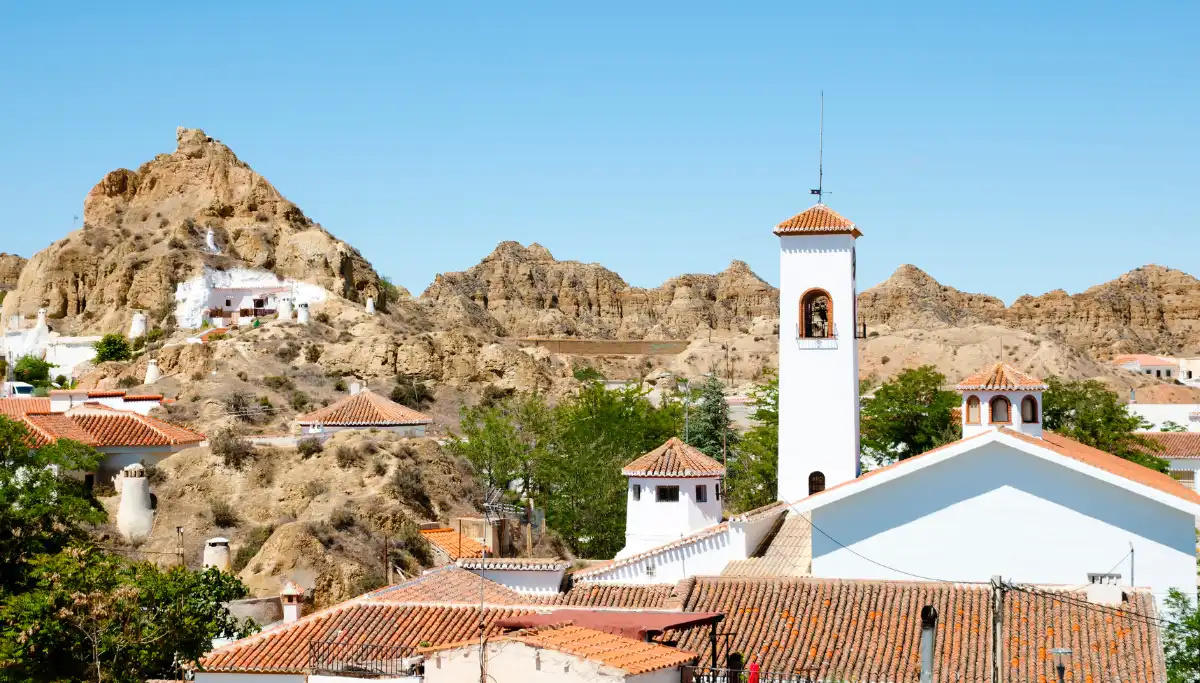
Guadix has one of Europe’s largest communities of cave dwellers. Not a historical curiosity, but actual modern homes carved into the soft rock, complete with electricity, running water, and satellite TV. The landscape is surreal.
The soft rock around Guadix is easy to excavate but hardens when exposed to air. Cave homes maintain a constant temperature (around 18°C) year-round, naturally cool in summer and warm in winter.
The Barrio de Cuevas is the main cave district, with whitewashed chimneys poking through the landscape. The Cave Museum explains the history and construction. The town also has a fine Renaissance cathedral and eroded badlands that look almost lunar.
Some cave houses are available to rent if you want the full experience. Guadix is about an hour from Granada by car, bus, or train, or you can visit on a guided day trip.
Seville
Seville is 2.5 hours from Granada, making it a long day trip. But if you haven’t seen the Alcázar and cathedral, it’s worth the journey.
Honestly, Seville deserves its own trip. But if your schedule only allows a day, take the train and head straight to the Real Alcázar (book tickets in advance).
The cathedral is the world’s largest Gothic church, with Columbus’s tomb. The Barrio Santa Cruz is the atmospheric old Jewish quarter.
The train takes about 2.5 hours each way, giving you roughly 6-7 hours in Seville. It’s doable but tiring.
Seville is even hotter than Granada in summer. A day trip in July or August means significant heat. Go in spring or autumn.
Antequera
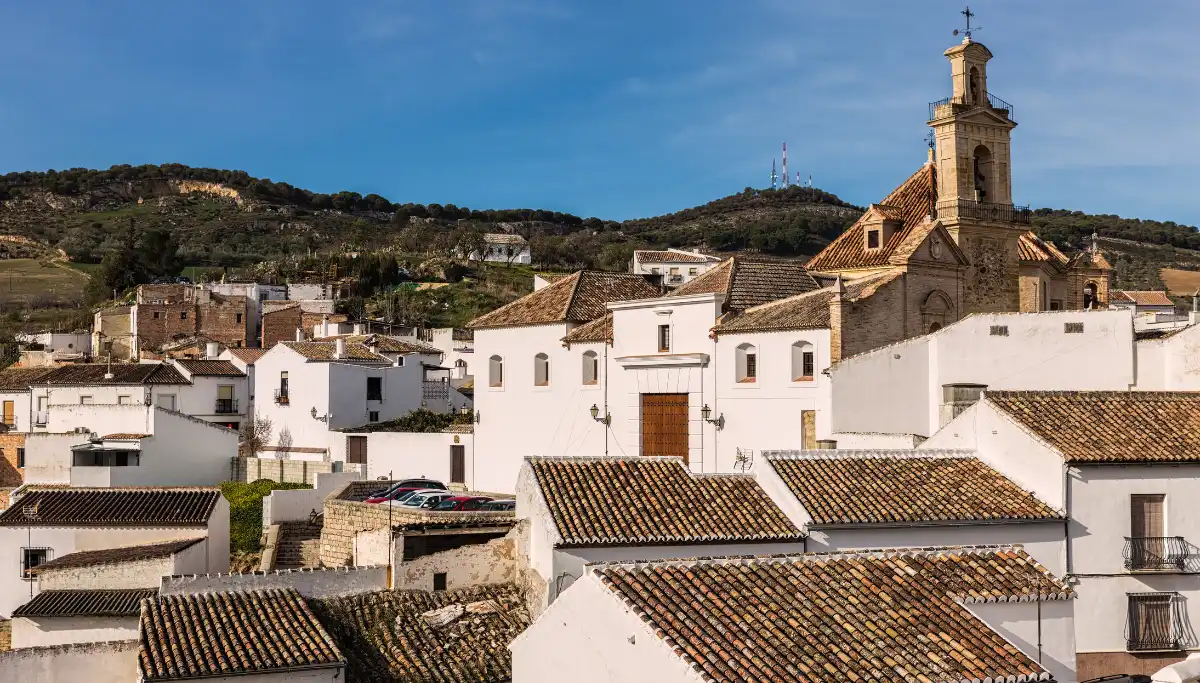
Antequera combines prehistoric dolmens (UNESCO listed), a dramatic rock formation, and a pleasant town with multiple churches. It’s easily combined with the surreal limestone landscape of El Torcal.
El Torcal is a nature reserve of limestone formations eroded into fantastic shapes over millions of years. Walking trails wind through the rocks, and the landscape is genuinely otherworldly. Go early for parking in peak season.
The Dolmens of Antequera are megalithic burial chambers dating from 3700 BCE, older than Stonehenge. The three main dolmens (Menga, Viera, and El Romeral) are remarkably well preserved and free to visit.
Do El Torcal in the morning (cooler, better light), then the dolmens, then lunch in Antequera town.
Málaga

Málaga offers a different pace, with museums, beaches, excellent tapas, and a cosmopolitan atmosphere. It’s about 1.5 hours from Granada.
The Picasso Museum is the headline (he was born here), but there’s also the Alcazaba fortress, the Atarazanas Market with its tapas bars, and city beaches that are surprisingly pleasant.
Park on the edge and walk in. The old town is compact but driving there is frustrating.
Here’s how I’d spend one day in Málaga.
Getting Around
A car gives you the most flexibility, essential for the Alpujarras and Sierra Nevada. Mountain roads are generally good but winding.
The train is excellent for Córdoba and Seville. Book in advance on Renfe for better prices. Buses serve Nerja and Málaga regularly.
The Alpujarras has just one daily bus from Granada, so a car (or a guided tour) is much more practical there. Same for the Sierra Nevada outside ski season.
Final Recommendation
The Alpujarras offers something unique, villages that feel genuinely unchanged, mountain air, and exceptional food. For adventure, Sierra Nevada delivers year-round. For history, Córdoba’s Mezquita is a genuine wonder of the world.
For more on planning your time, check out my guides to things to do in Granada and one day in Granada.