best-time
Best Time to Visit Nerja: Season by Season Guide
This post may contain affiliate links, which means I earn a small commission, at no extra cost to you. It helps keep the blog alive, and we really appreciate your support!

Nerja has something the rest of the Costa del Sol lost decades ago, and timing your visit right lets you experience it fully.
The best time to visit Nerja is May-June or September-October.
The weather is perfect for the beach, the Balcón de Europa isn't overwhelmed, and you can actually enjoy the town without fighting for space.
Nerja is the town that escaped the high-rise development that swallowed most of the Costa del Sol.
Next to Estepona, it's one of the towns that still looks and feels like it might have 20-40 years ago.
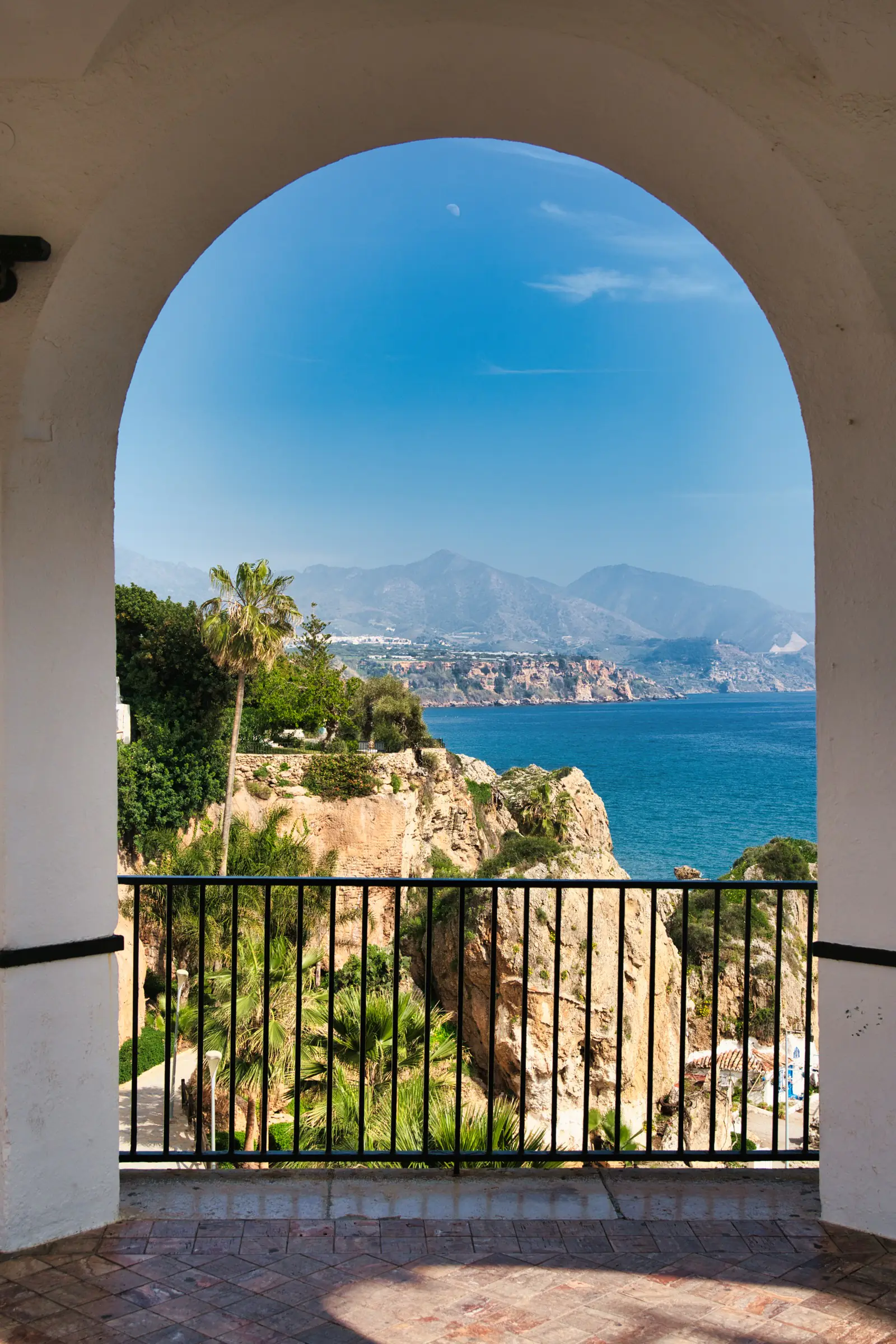
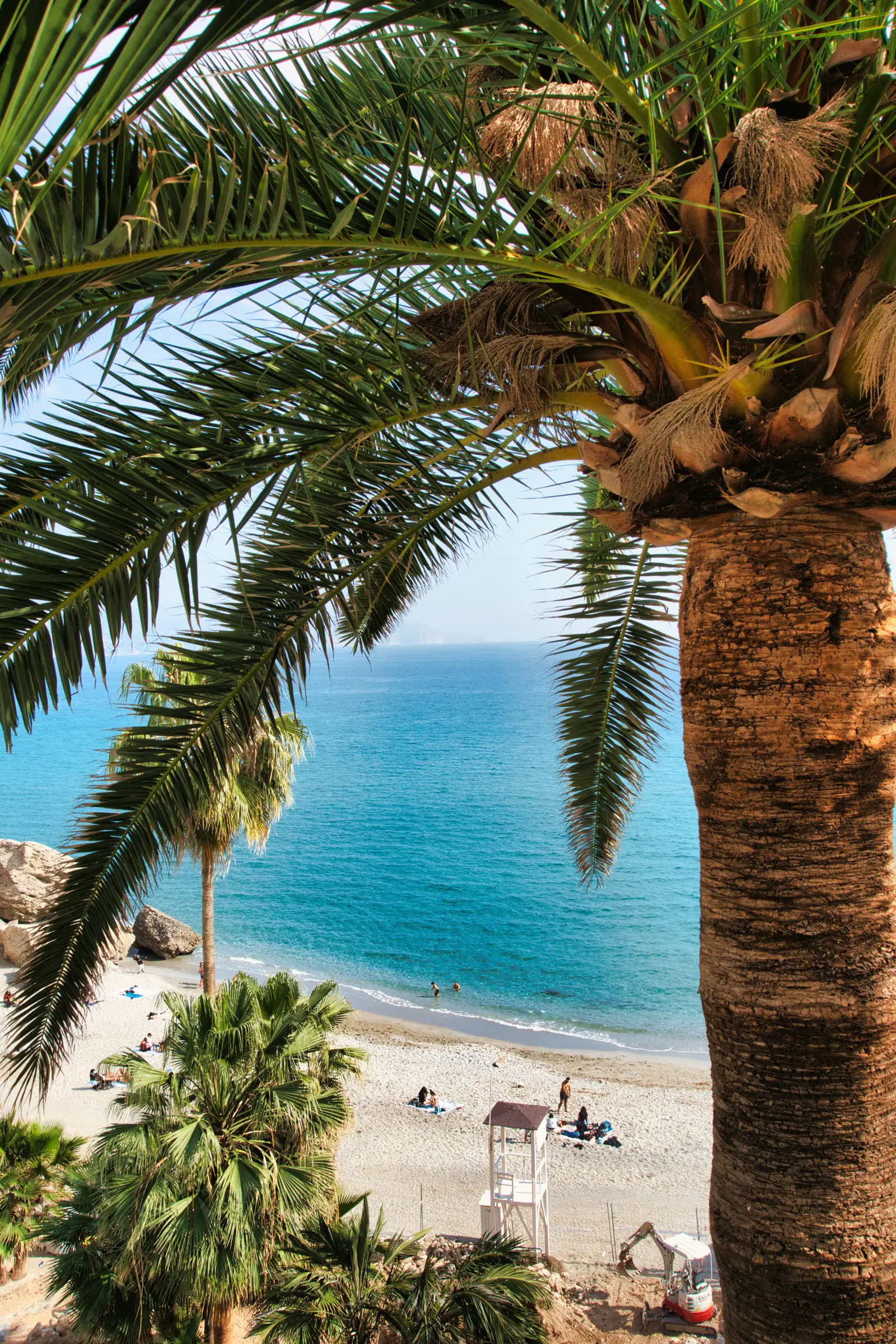
The challenge is that Nerja is small. The coves that make it special fill up fast in summer, and the narrow streets can feel overwhelmed by July.
Get your timing right, and you'll actually be able to enjoy Nerja.
Compare hotel prices in Nerja
Find the best deal across booking sites
The Best Time of Year
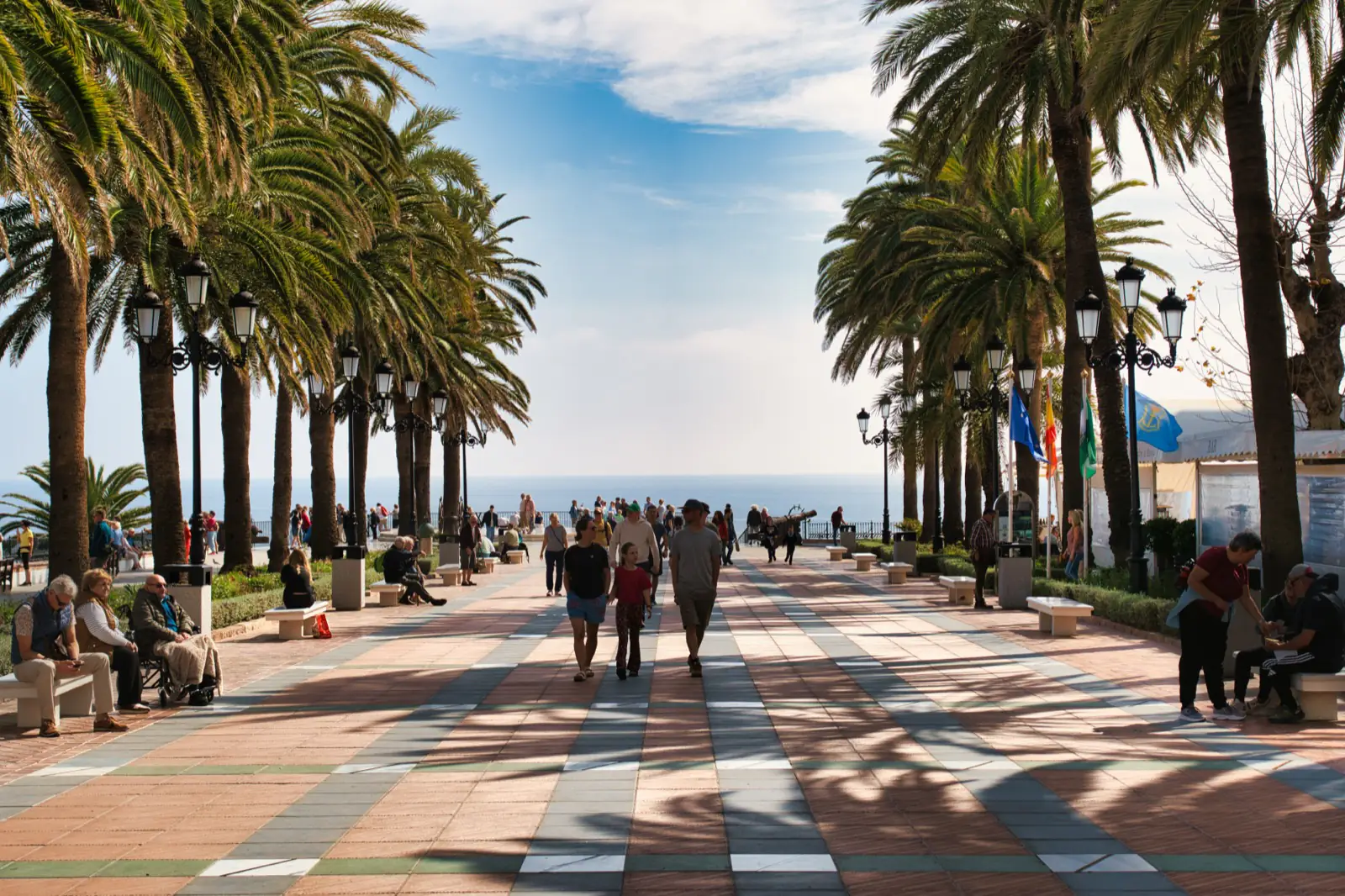
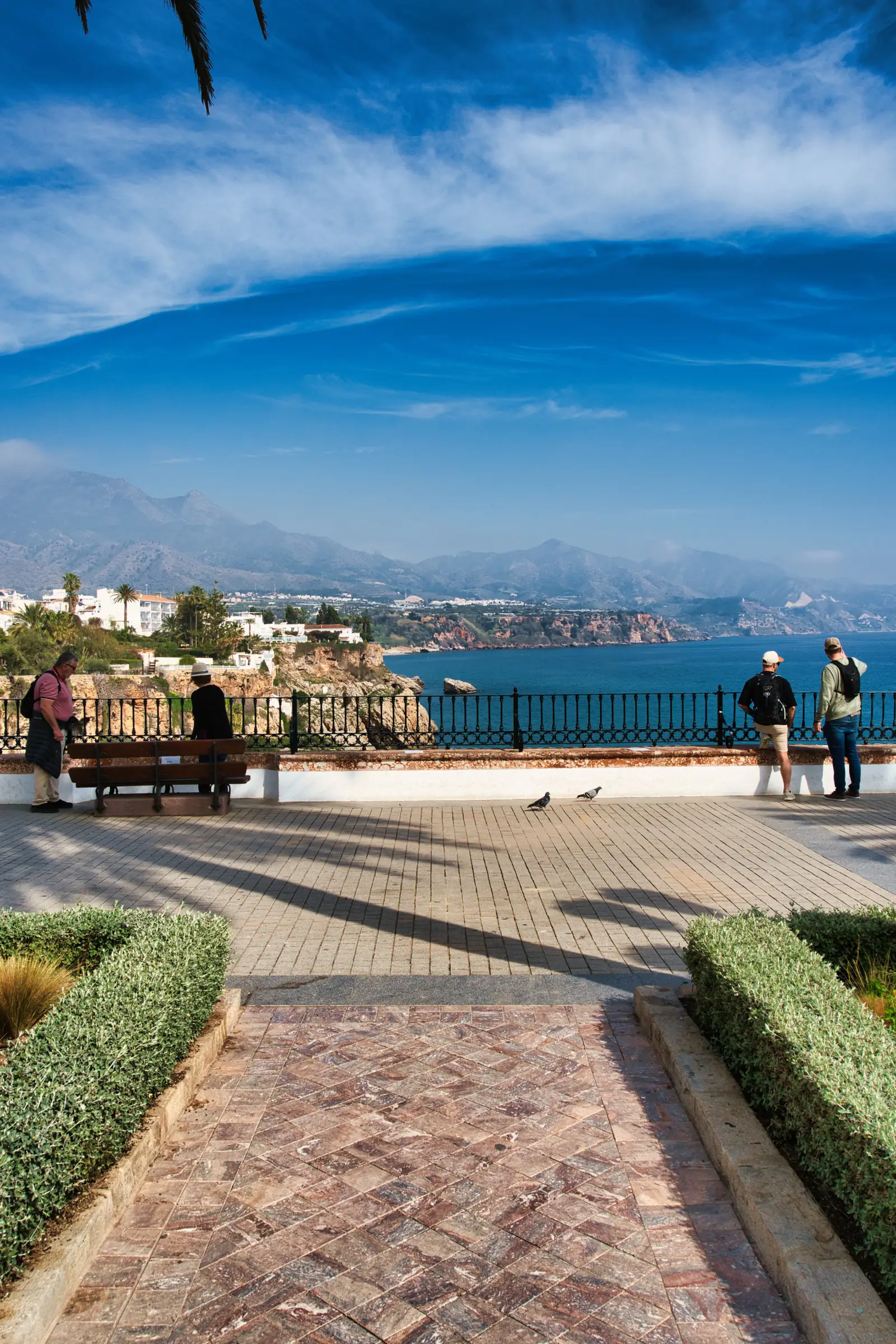
May to June and September to October offer the best overall conditions.
The temperature is warm enough for the beach but not so hot that you're hiding indoors by noon, and the crowds are manageable.
If you want to feel like the town is yours alone, the tourist numbers drop significantly from November through March. You'll also find the best hotel deals during this period.
My personal favourite, though, is September.
The sea is at its warmest (24°C), the summer crowds vanish almost overnight when schools reopen, and the beaches that were packed a week earlier suddenly have space.
The Best Time of Day
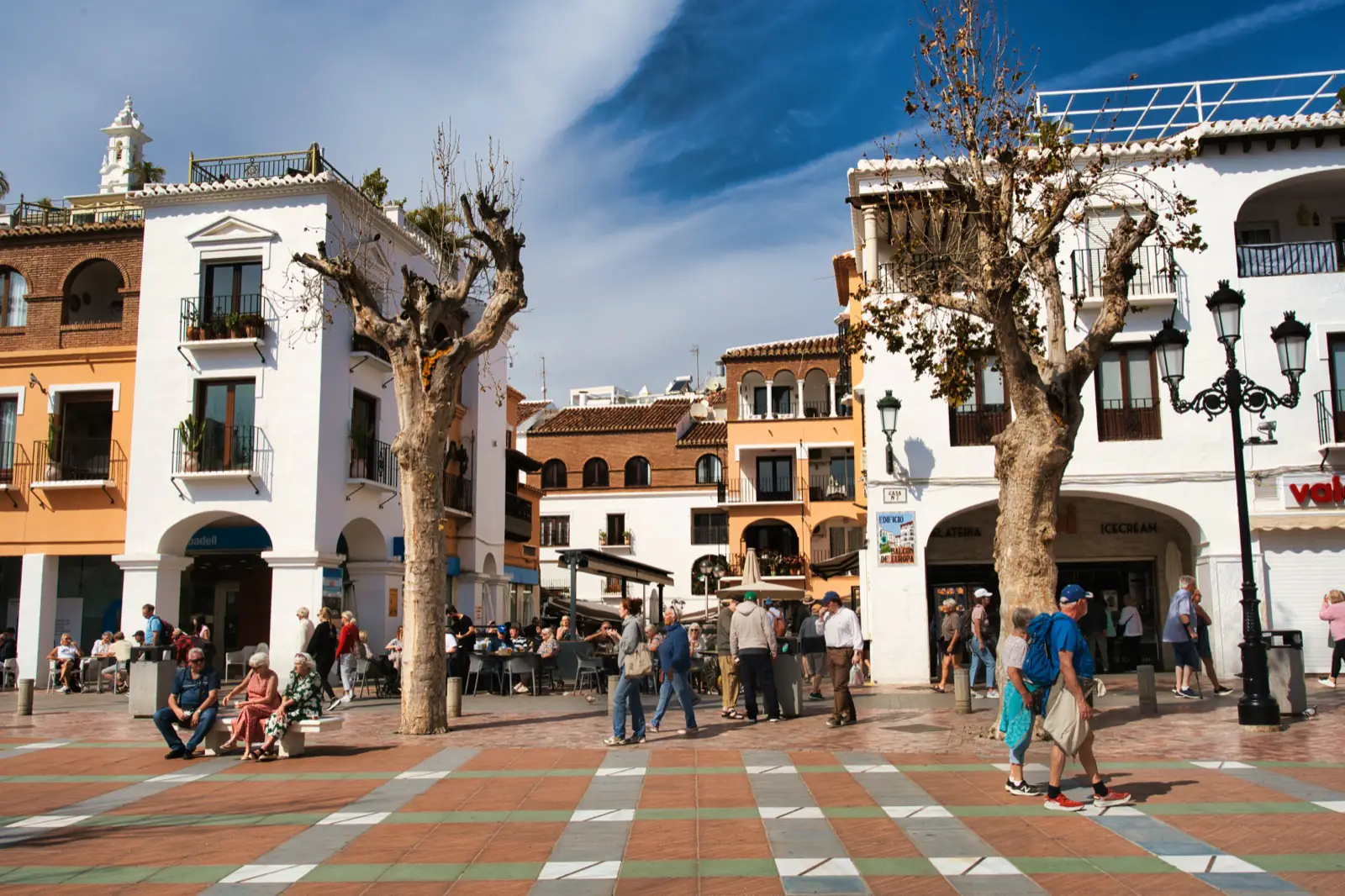
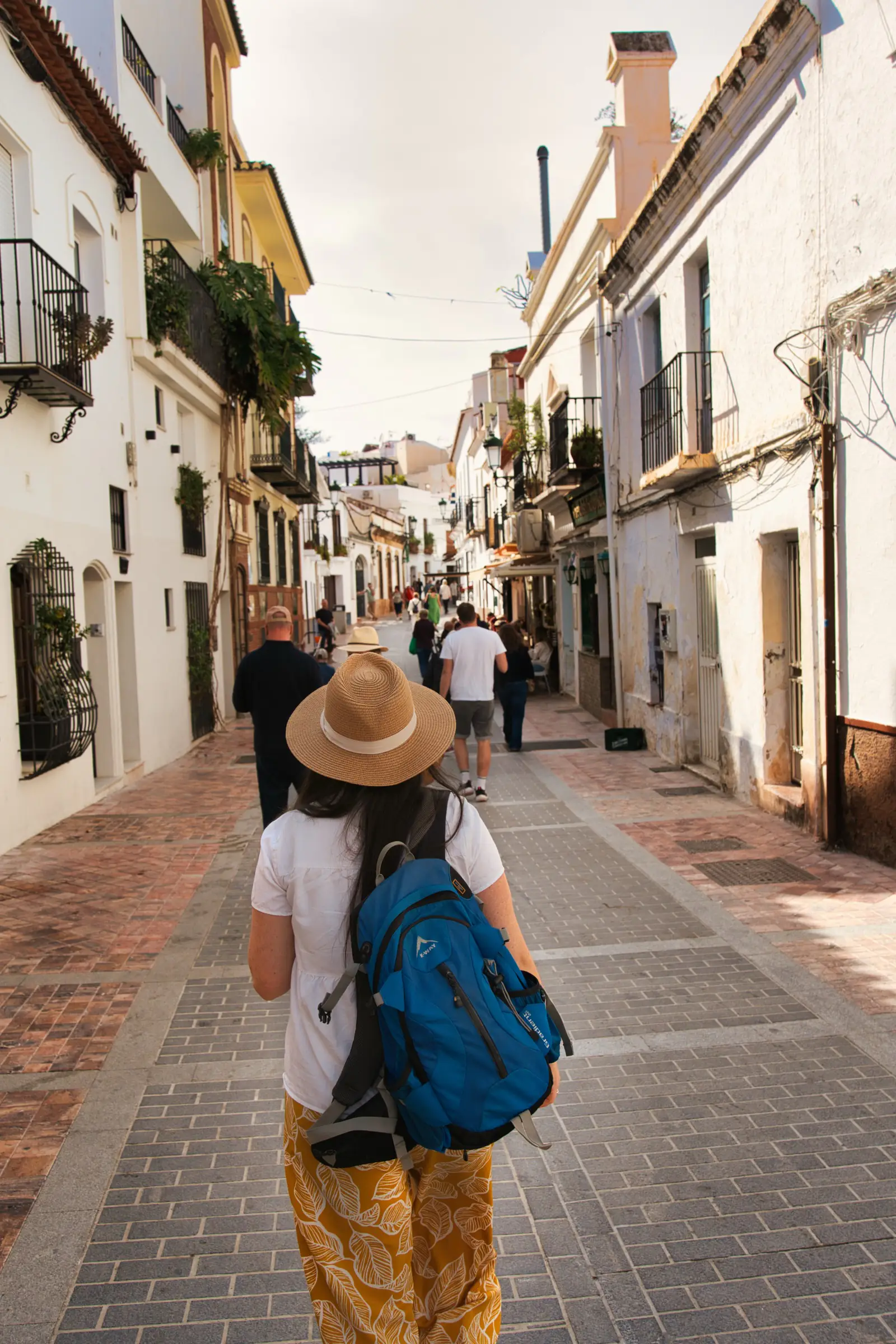
In summer, timing your day matters almost as much as timing your trip.
The beaches fill up by 10:30 am, the Balcón de Europa is standing-room-only by noon, and the Old Town streets are packed with visitors until late afternoon.
My favourite option is to get to the beach early, really early, like 9 am. You'll have space, the light is beautiful, and by the time it gets busy, you've already had the best of it.
Evenings are lovely too. The Balcón at sunset is magical, the restaurants fill up, but there's always somewhere, and the town has a relaxed buzz that feels genuinely Mediterranean.
The most popular stay in Nerja is Hotel Balcón de Europa, right on the famous promenade with panoramic sea views. For something more intimate, Hotel Carabeo is a charming boutique hotel built into the cliffs.
Events and Festivals Worth Planning For
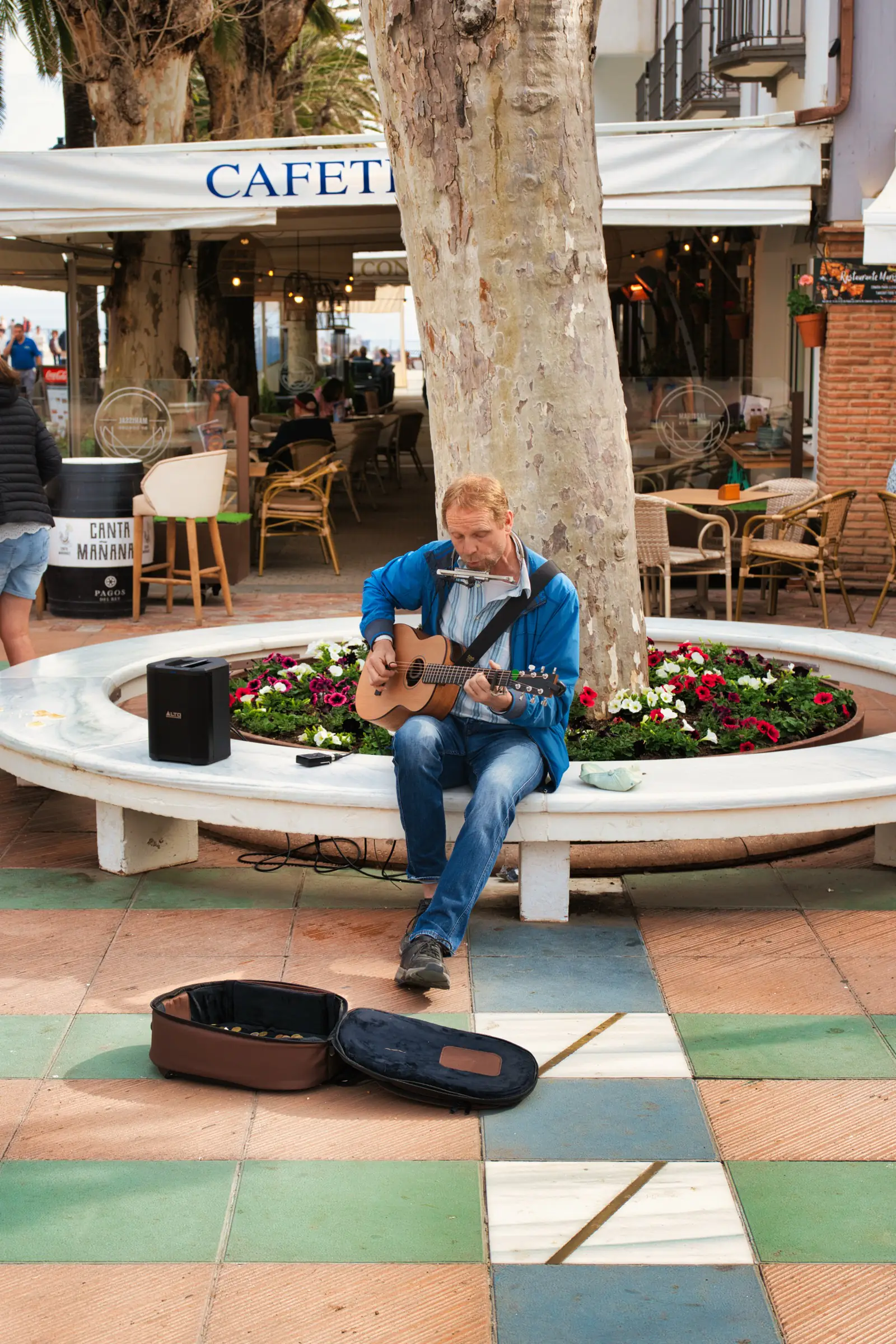
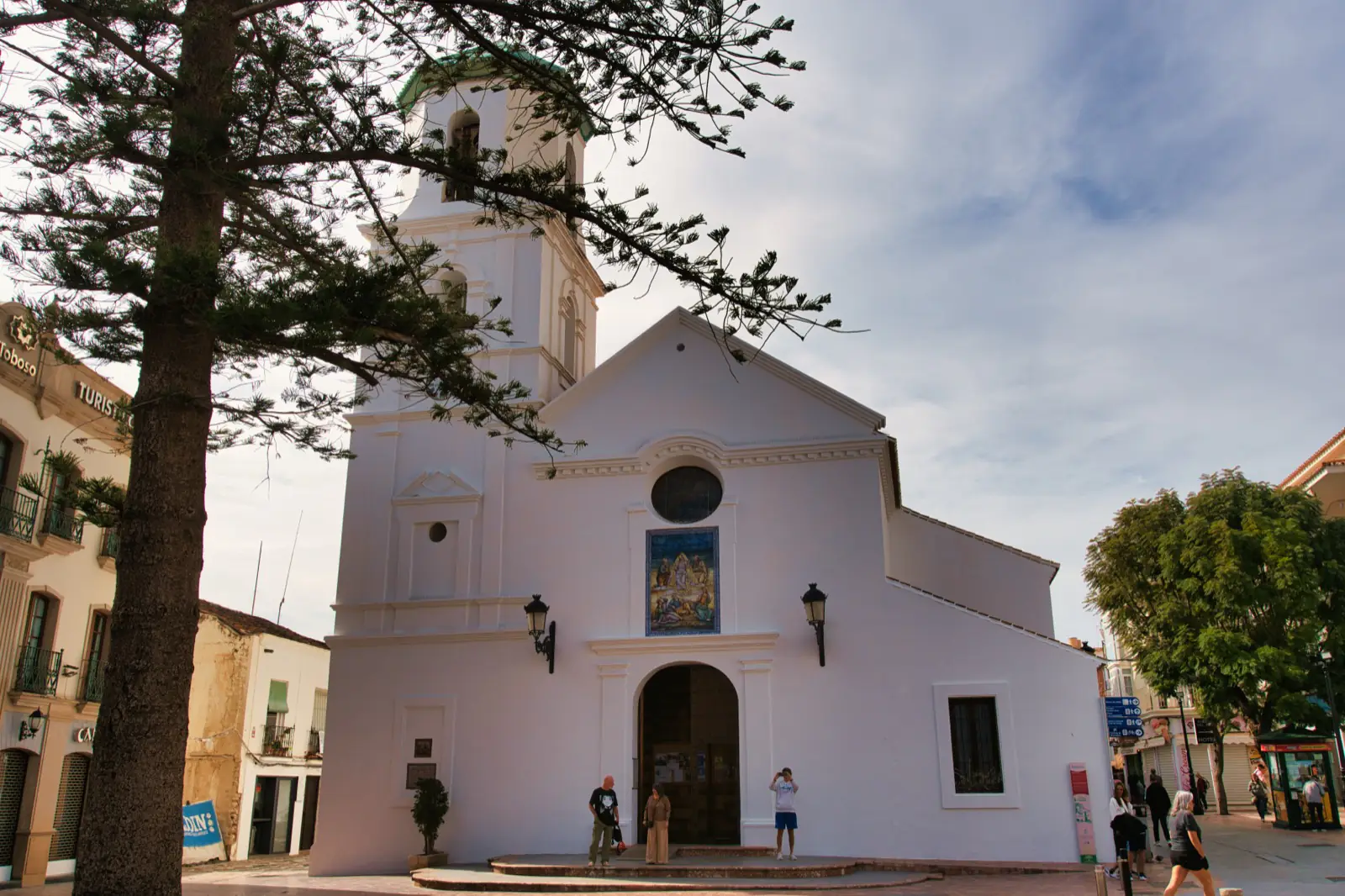
Semana Santa (March or April) brings intimate processions through whitewashed streets barely wide enough for a single float. Hotels fill up, and prices spike, but it's atmospheric and moving.
Festival de San Isidro (May 15th) is a romería with decorated carts, horses, and traditional dress. Very local, very authentic.
Virgen del Carmen (July 16th) honours the patron saint of fishermen with a maritime procession. The Virgin's statue is carried into the sea from Calahonda beach.
Festival Cueva de Nerja (July) features classical music and ballet performances inside the caves. A spectacular setting for world-class performances.
Nerja Month by Month
What to expect each month
| Category | Weather | Why Go | Highlights |
|---|---|---|---|
| January | Mild, quiet | Best prices | Post-Christmas calm |
| February | Mild, quiet | Almond blossoms | Great value |
| March | Warming up | Spring arriving | Hiking perfect |
| April | Warm, pleasant | Easter possible | Beach season starting |
| May | Perfect | Best month | Excellent conditions |
| June | Hot, busy | Summer begins | Beaches filling |
| July | Peak season | Very crowded | Full summer |
| August | Most crowded | Avoid if possible | Maximum chaos |
| September | Still warm | Warmest sea | Sweet spot |
| October | Pleasant | Hiking returns | Great value |
| November | Cooling | Off-season starts | Quiet charm |
| December | Mild | Christmas spirit | Festive atmosphere |
Nerja's microclimate makes it warmer than most Costa del Sol towns, especially in winter.
Spring (March-May)
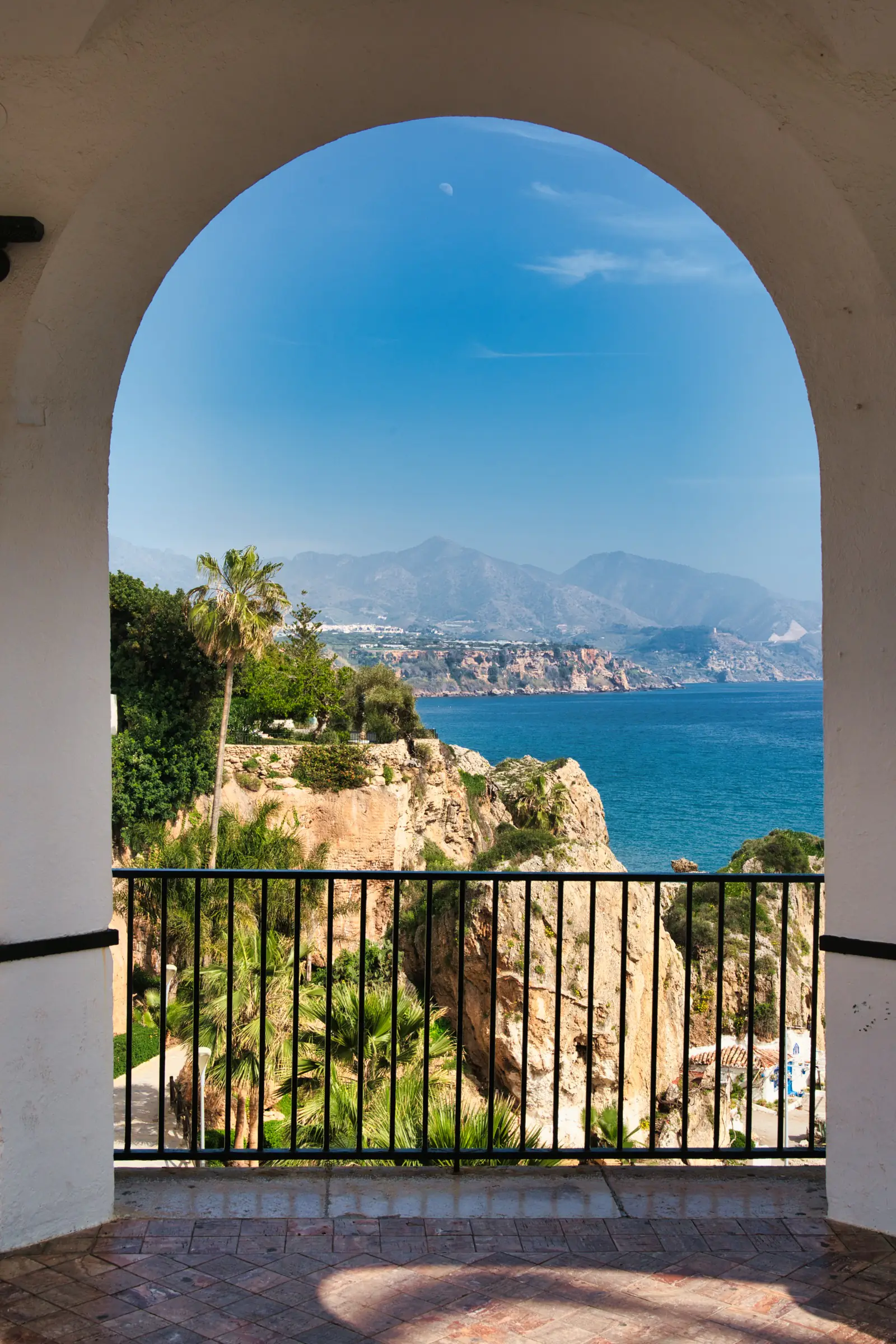
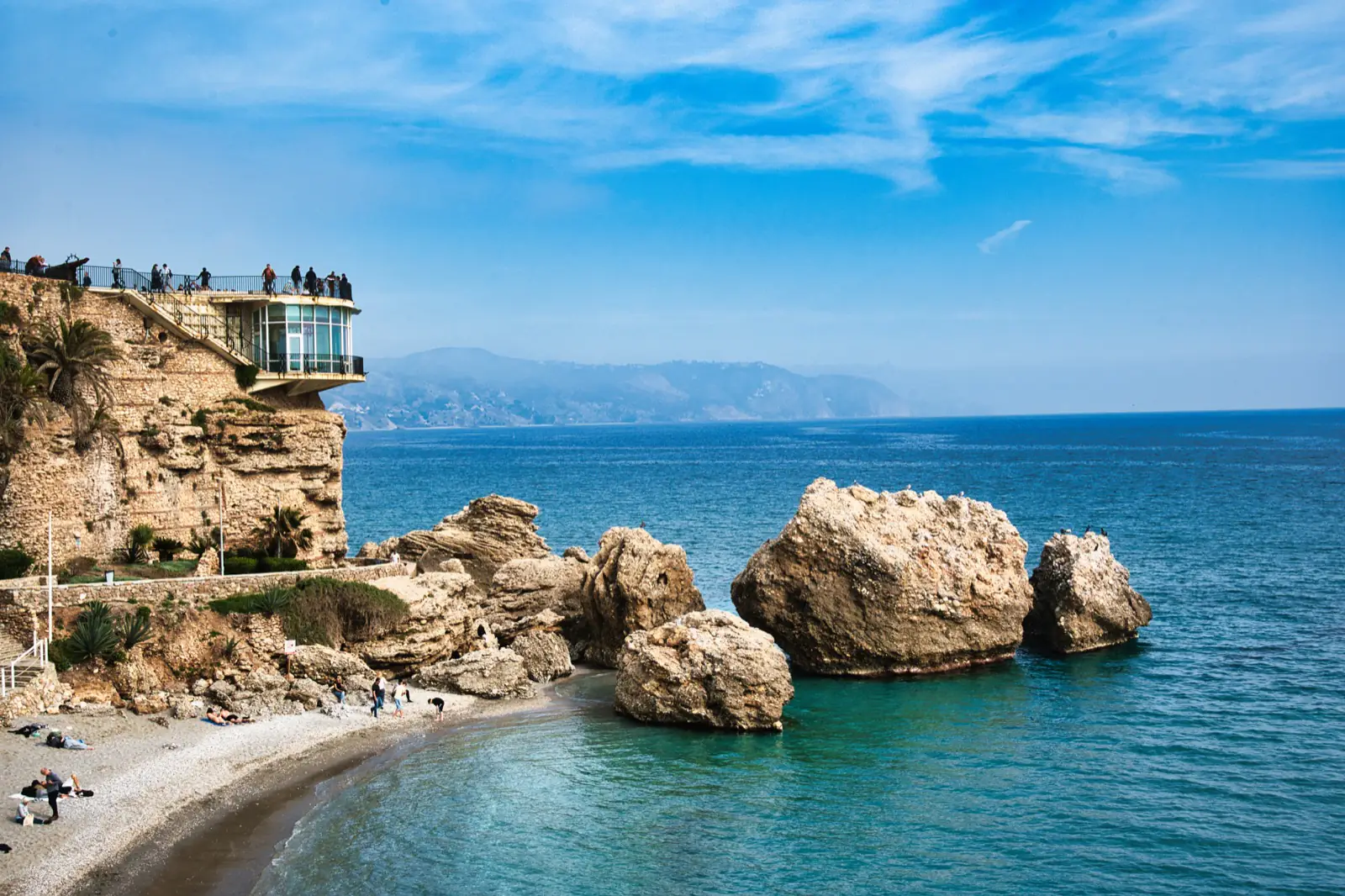
Average highs of 17-24°C, lows around 8-15°C, and roughly 7-10 hours of sunshine a day. The sea is still cool (15-18°C), so it's not quite peak swimming weather, but it's warm enough to enjoy the beaches without the crowds.
Spring is ideal if you want to hike, explore the Old Town, visit the Caves without queuing, or day trip to Frigiliana in comfortable temperatures.
Semana Santa (March or April) brings processions through the whitewashed streets. Hotels fill up, and prices spike during Easter week, but it's atmospheric and worth seeing.
Summer (June-August)
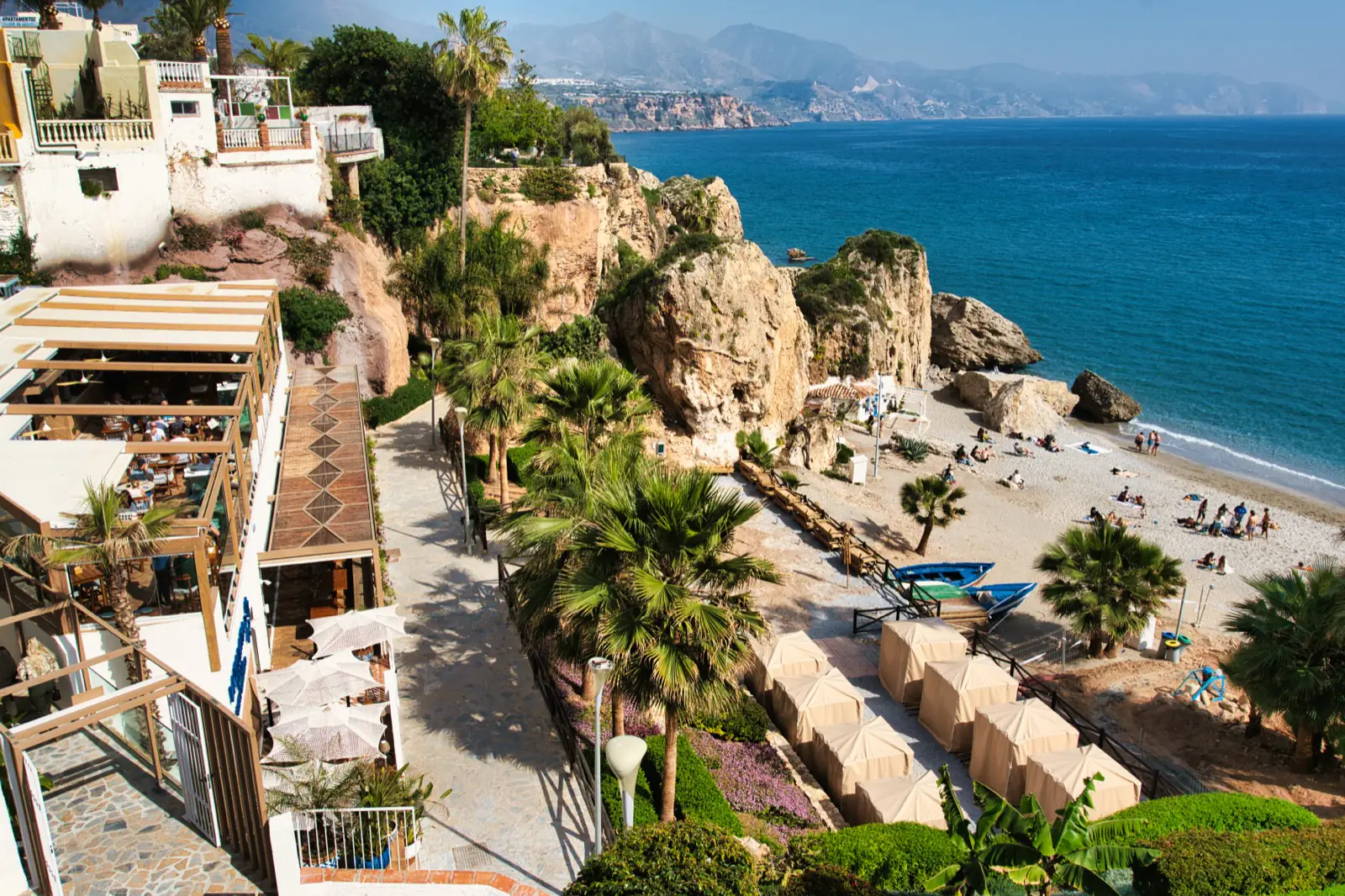
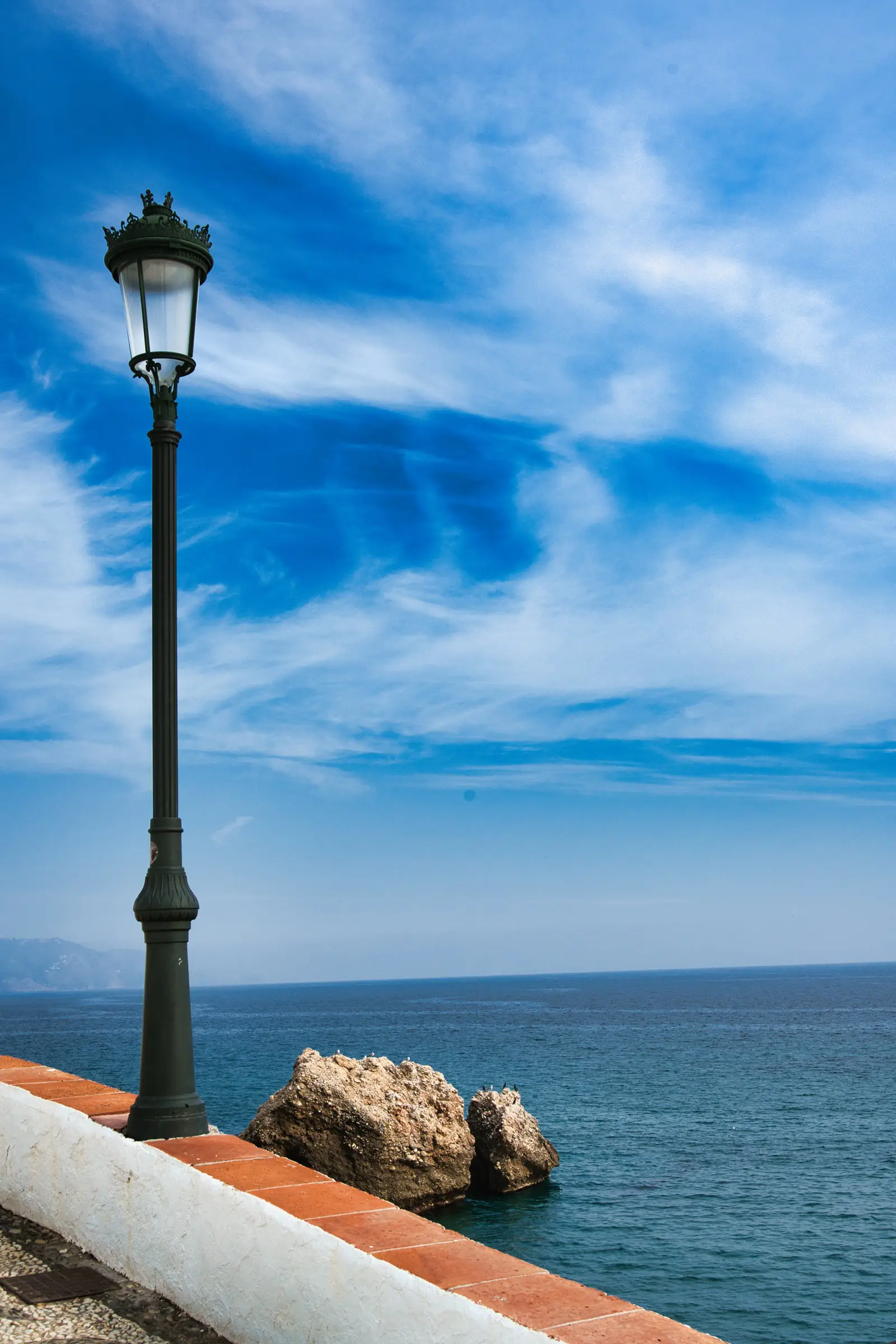
Average highs of 27-31°C, virtually no rain, and 10-11 hours of sunshine. The sea reaches 22-24°C, which is perfect for swimming, kayaking to the Maro Waterfall, and snorkelling.
This is the season for beach lovers, but it comes with crowds. The small coves fill up by mid-morning, parking is difficult, and the Caves queue stretches long. August is the busiest month by far, when Spanish families join the international visitors.
If you have flexibility, late June gives you similar weather with noticeably fewer people.
The Virgen del Carmen (July 16th) and Festival Cueva de Nerja (July) both fall in this season.
Autumn (September-November)
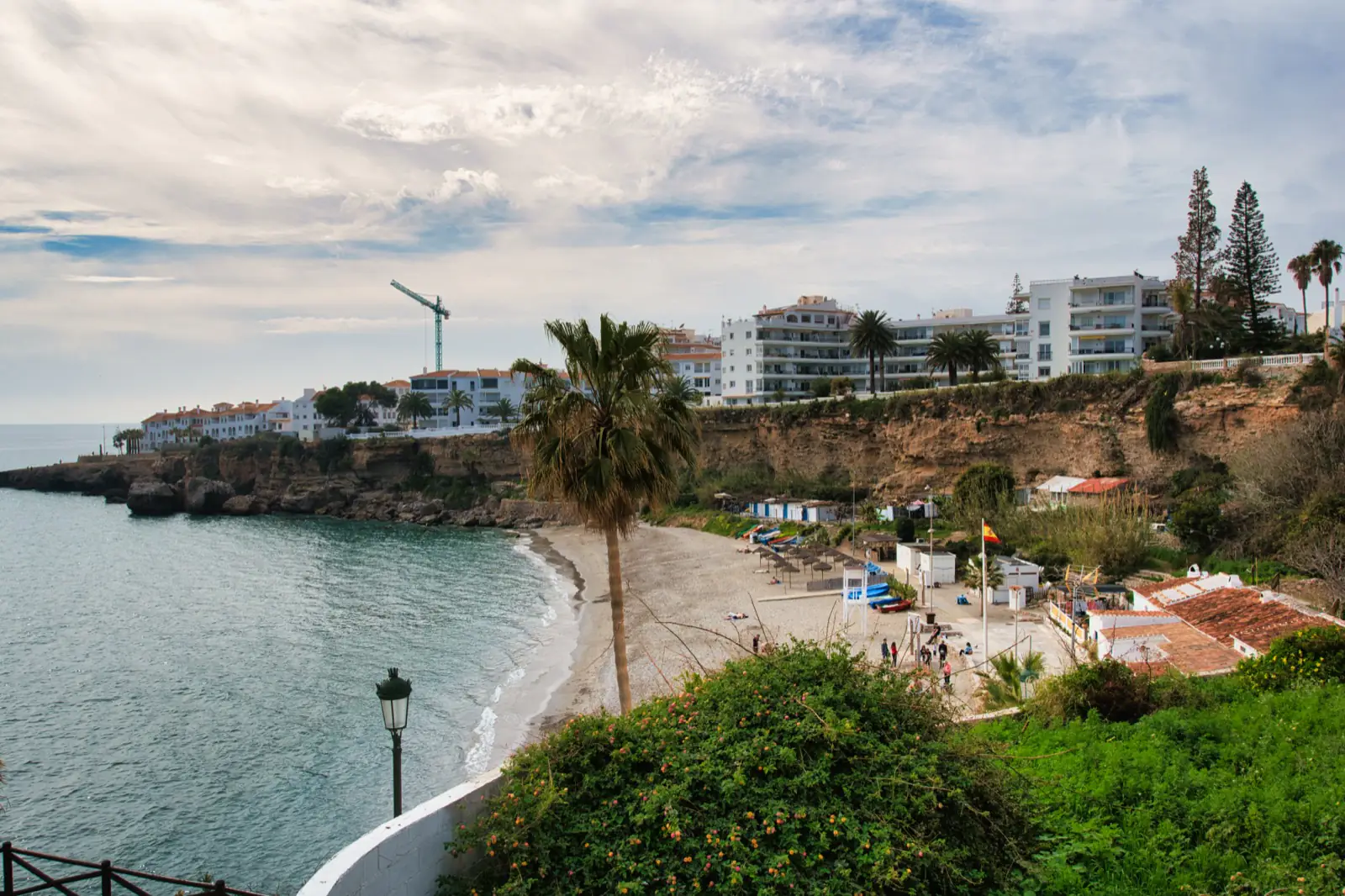
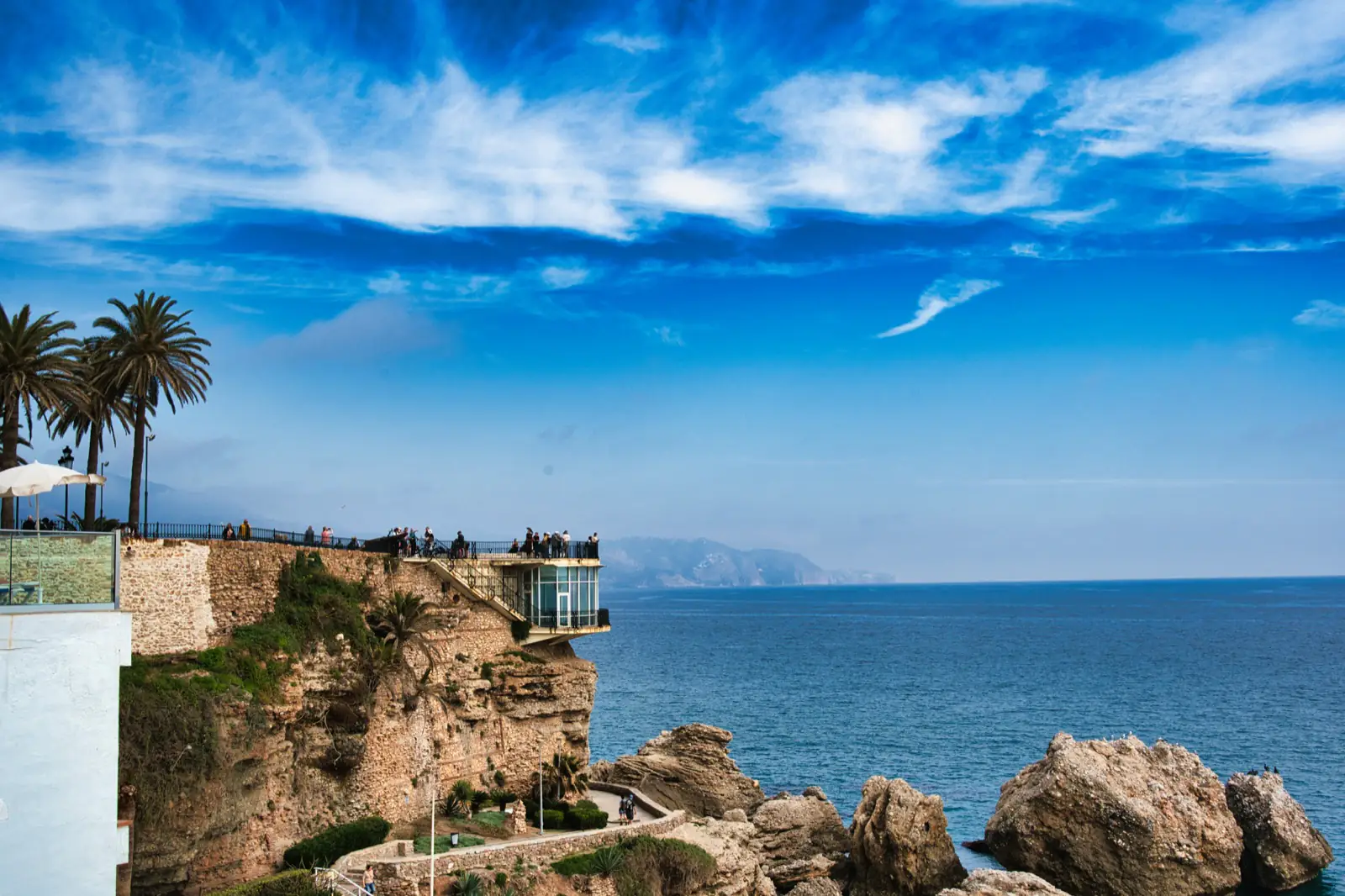
Average highs of 17-27°C, with September still feeling like summer and November cooling towards winter. The sea is at its warmest in September (24°C), dropping to around 17°C by November.
September and October are great for anyone who wants warm beach weather without the summer crowds. The restaurants have space, the Balcón at sunset is enjoyable rather than a scrum, and hiking in the Sierra Almijara becomes comfortable again.
By November, beach weather is mostly over, but it's still mild and pleasant for walking the town and exploring the markets.
Winter (December-February)
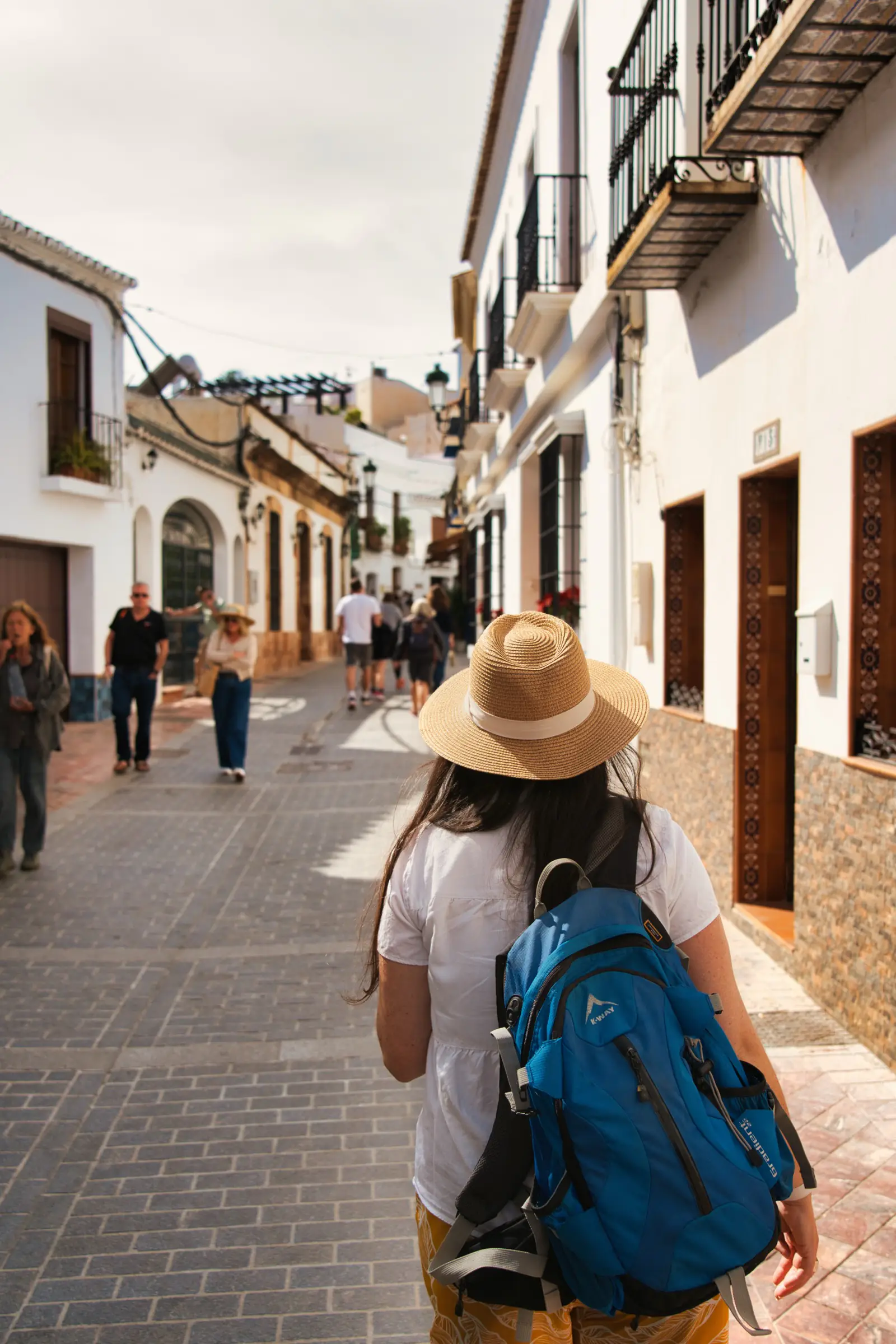
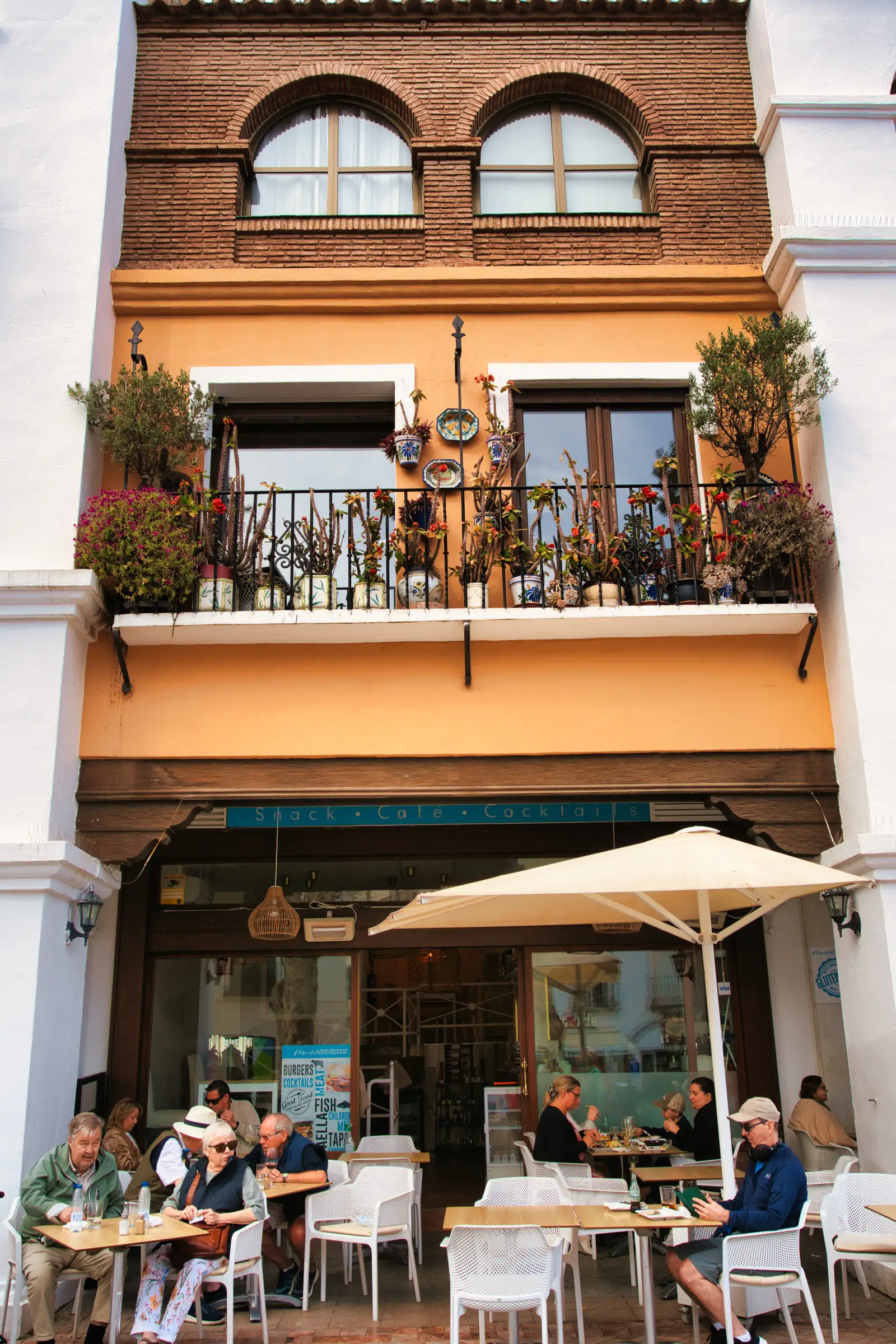
Average highs of 15-17°C, lows around 6-9°C, with about 5-6 hours of sunshine and occasional rain. The Sierra Almijara shelters Nerja from northern winds, so it's noticeably milder than most of Spain.
Not beach weather, but perfectly comfortable for walking, hiking, visiting the Caves (virtually empty), and sitting on terraces in the sun. Hotel prices drop 40-50% compared to summer.
Winter suits anyone escaping colder European weather, long-stay visitors, and hikers. December has a festive atmosphere with a nativity scene near the Balcón de Europa and a lovely New Year's Eve celebration on the promenade.
Day Trip or Overnight Stay?
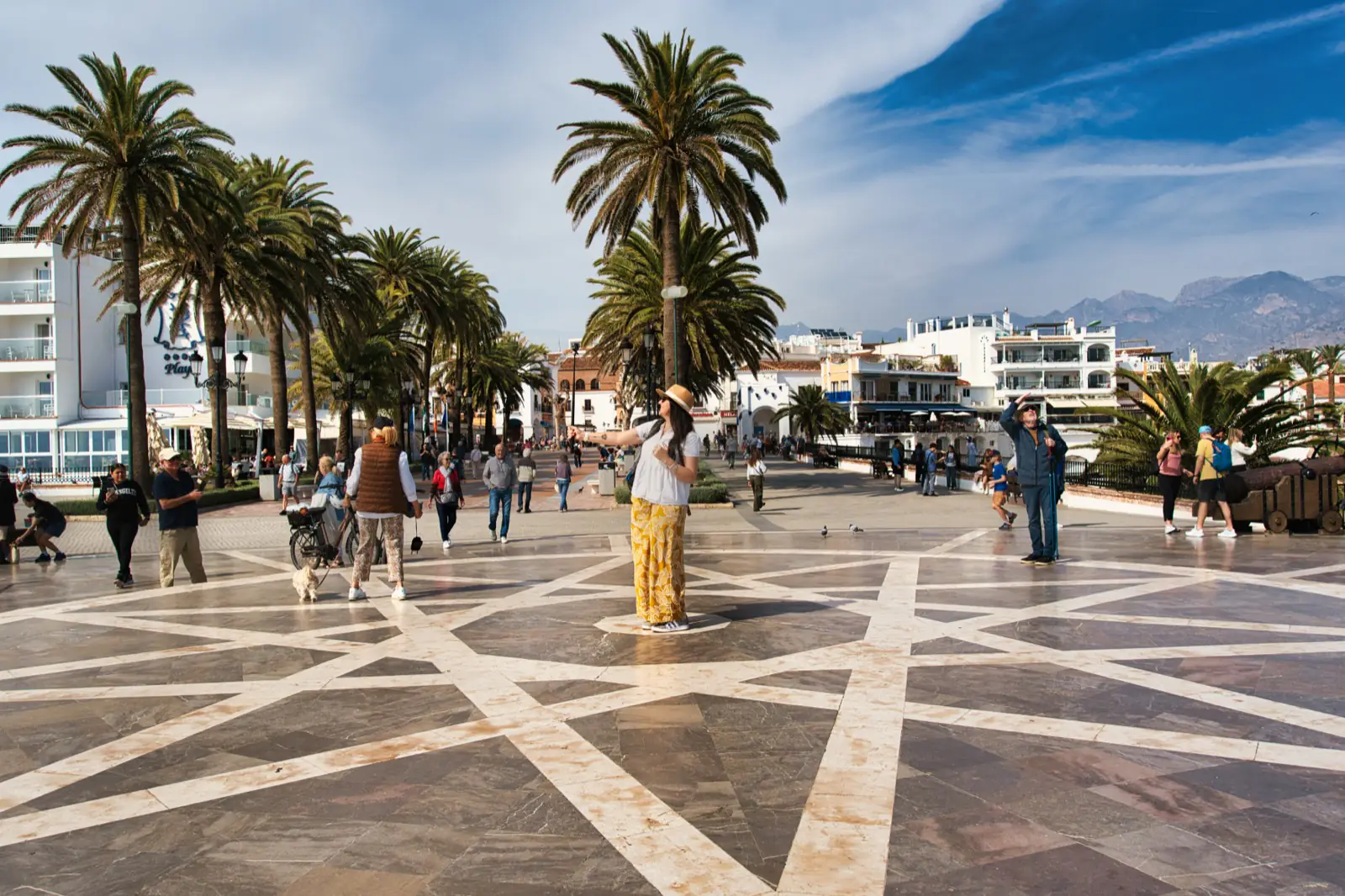
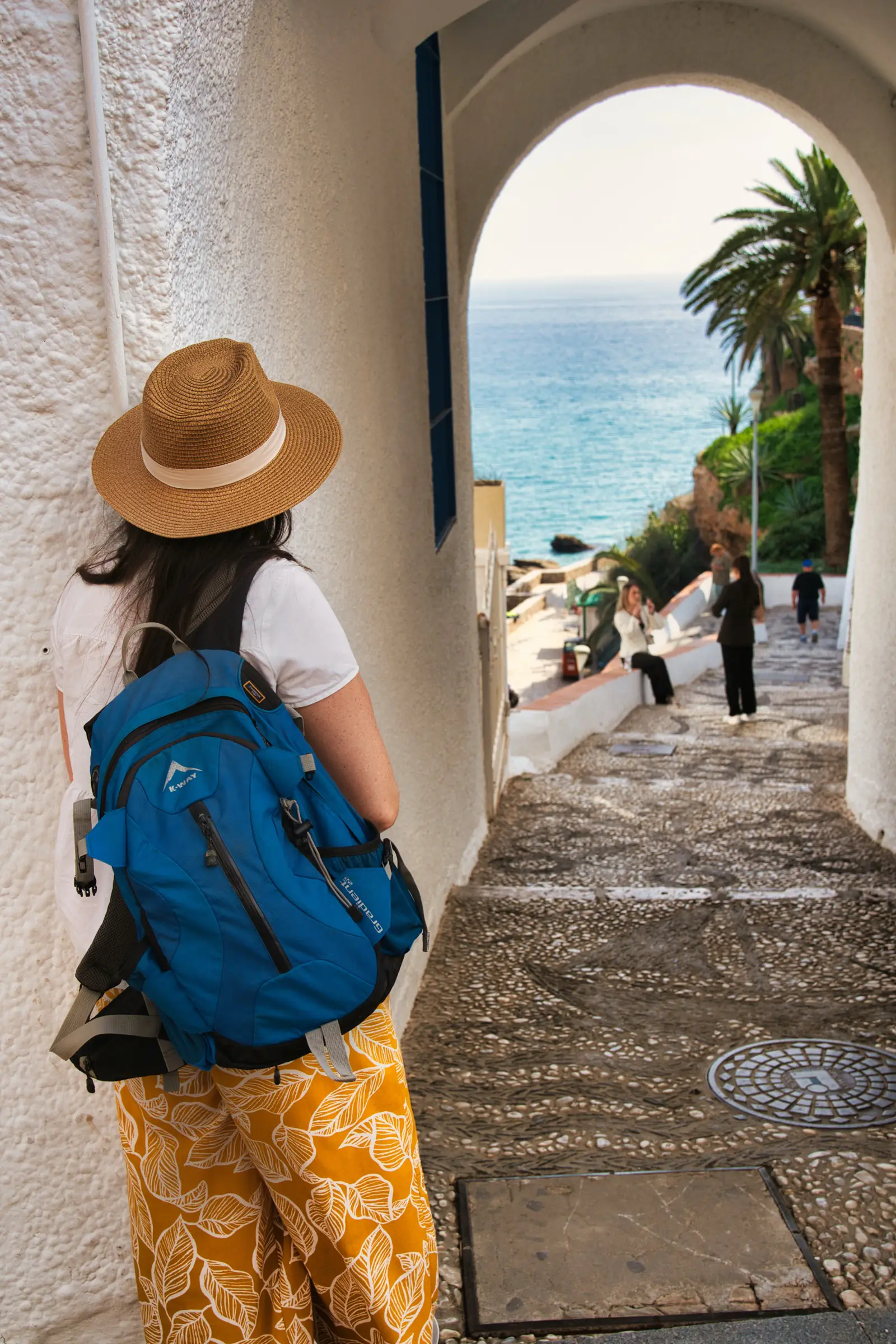
Some people visit Nerja as a day trip from Málaga or the western Costa del Sol, arriving late morning and leaving by late afternoon.
They see a crowded town, take the same photograph at the Balcón, and leave thinking they've experienced Nerja.
They haven't, and staying overnight changes everything.
You get the beaches at sunrise with barely anyone around. You see the Balcón at golden hour without jostling for position. You eat dinner at restaurants that feel relaxed rather than rushed, and you wake to a town that belongs to the people who live there.
Hotel Balcón de Europa is the iconic choice, right on the promenade. For something more tucked away, Hotel Carabeo is built into the cliffs with stunning sea views and a pool.
Final Thoughts
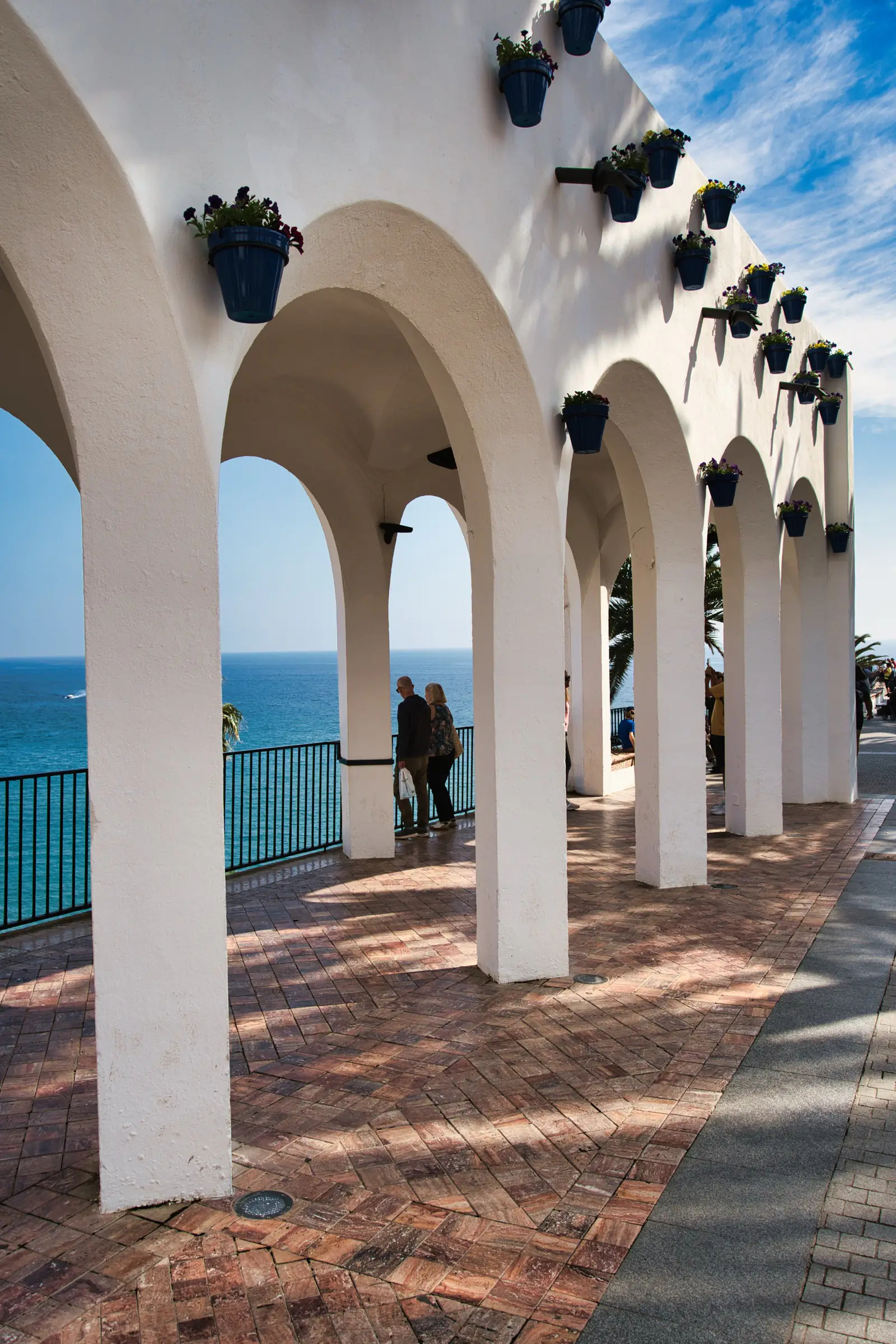
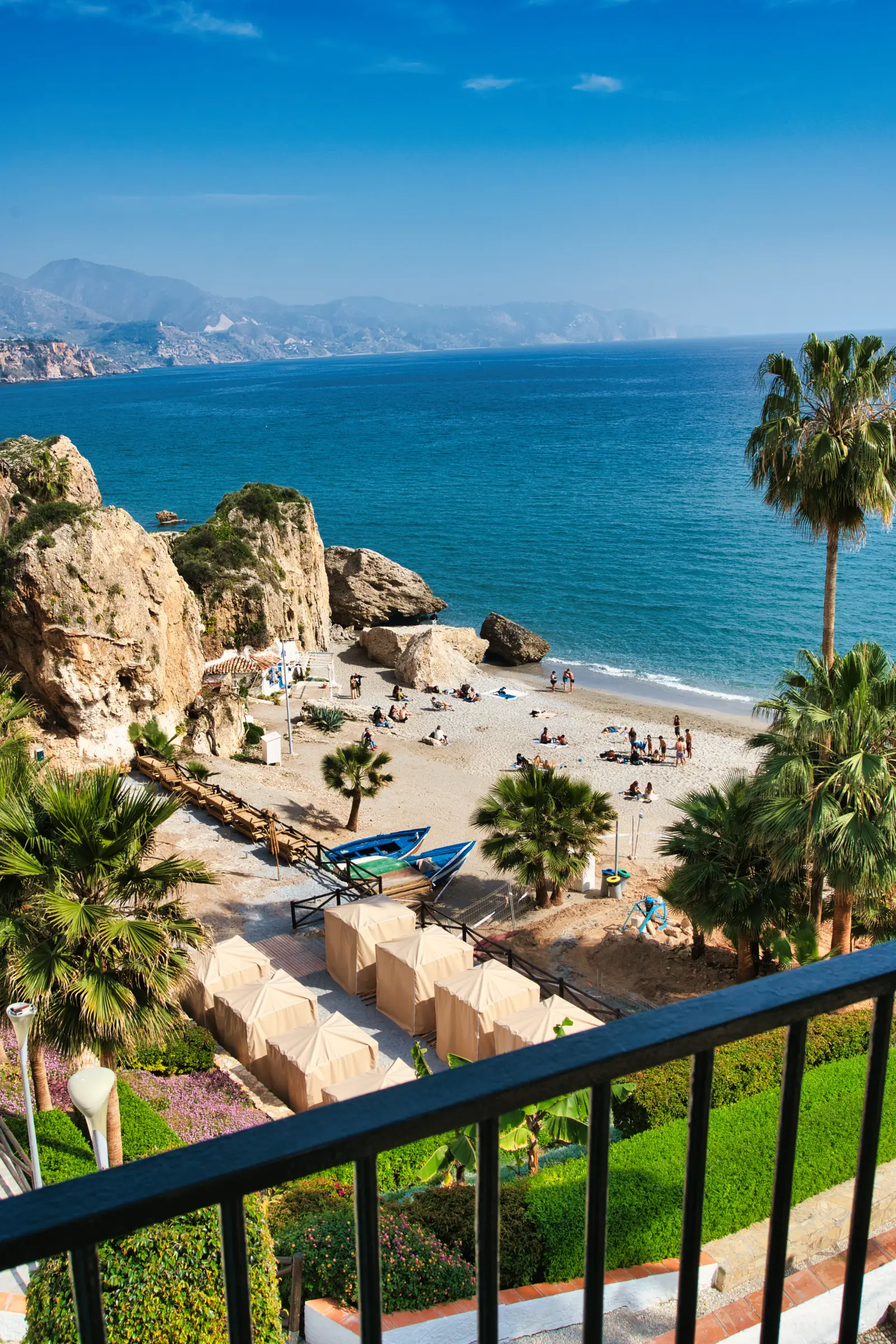
Nerja is stunning any time of year. So if you can't choose the date, you should still go.
Come in spring for perfect weather and quiet beaches.
Visit in September for the warmest sea and suddenly vanished crowds.
Try winter for mild weather, empty Caves, and excellent value.
But whatever season you choose, arrive early, stay late, or ideally, spend the night.
If you're planning your trip, have a look at my guides to things to do in Nerja, where to park, where to eat, and where to stay. And if you're looking to explore beyond the town, check out my guide to day trips from Nerja.

Hola! I'm the researcher, walker, and co-founder behind Spain on Foot. I help travellers experience Spain authentically, through in-depth guides, locals-only knowledge, and cultural stories you won't find in guidebooks. You can reach me at heidi@spainonfoot.com
Planning a trip to Nerja?
Explore Nerja Guide→