best-time
Best Time to Visit Estepona: Season by Season Guide
This post may contain affiliate links, which means I earn a small commission, at no extra cost to you. It helps keep the blog alive, and we really appreciate your support!

Estepona feels like the Costa del Sol used to be: charming, unhurried, and genuinely beautiful. Here's when to visit.
The best time to visit Estepona is May-June or September-October when temperatures are warm but not scorching, the beaches aren't packed, and you can enjoy the famous flower-lined streets without fighting for space.
Unlike its glitzier neighbour Marbella, Estepona has kept its authentic Spanish character. The whitewashed old town, explosion of bougainvillaea, and genuine local life make it one of my favourite spots on the Costa del Sol.
The good news is that Estepona's mild coastal climate means you can visit year-round. But timing your trip right makes the difference between a good holiday and a perfect one.
Compare hotel prices in Estepona
Find the best deal across booking sites
The best time of year
May to June and September to October offer the best overall conditions.
The temperature is warm enough for the beach but not so hot that you're hiding indoors by noon, and the crowds are manageable.
If you want to feel like the town is yours alone, November through March is wide open. You'll find excellent hotel deals during this period, and the old town feels genuinely local.
My personal favourite is September. The sea is at its warmest (24°C), the summer crowds vanish almost overnight when Spanish schools reopen, and the beaches that were packed a week earlier suddenly have space.
The best time of day
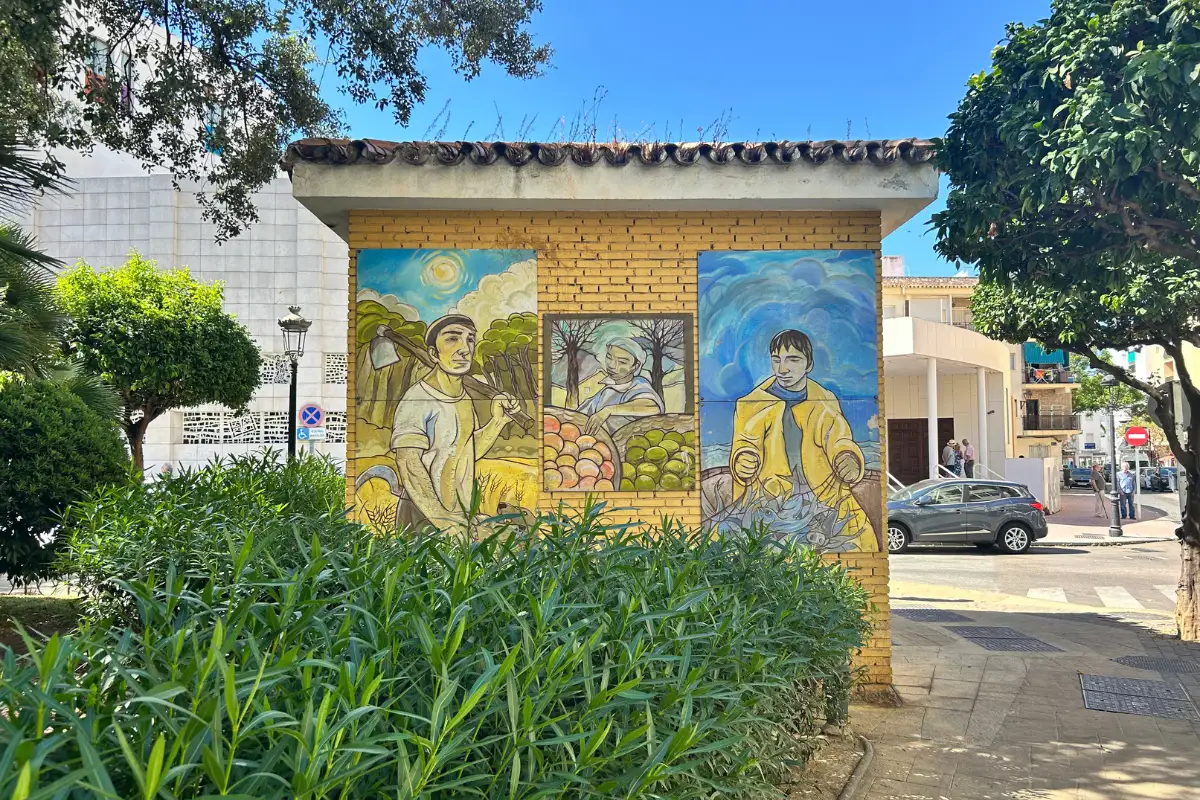

Estepona doesn't have the same day-tripper problem as places like Ronda or Frigiliana. Most visitors stay in town rather than arriving on tour buses.
That said, the best time to walk the old town is early morning. The light is soft, the murals photograph well without harsh shadows, and you'll have the narrow streets to yourself.
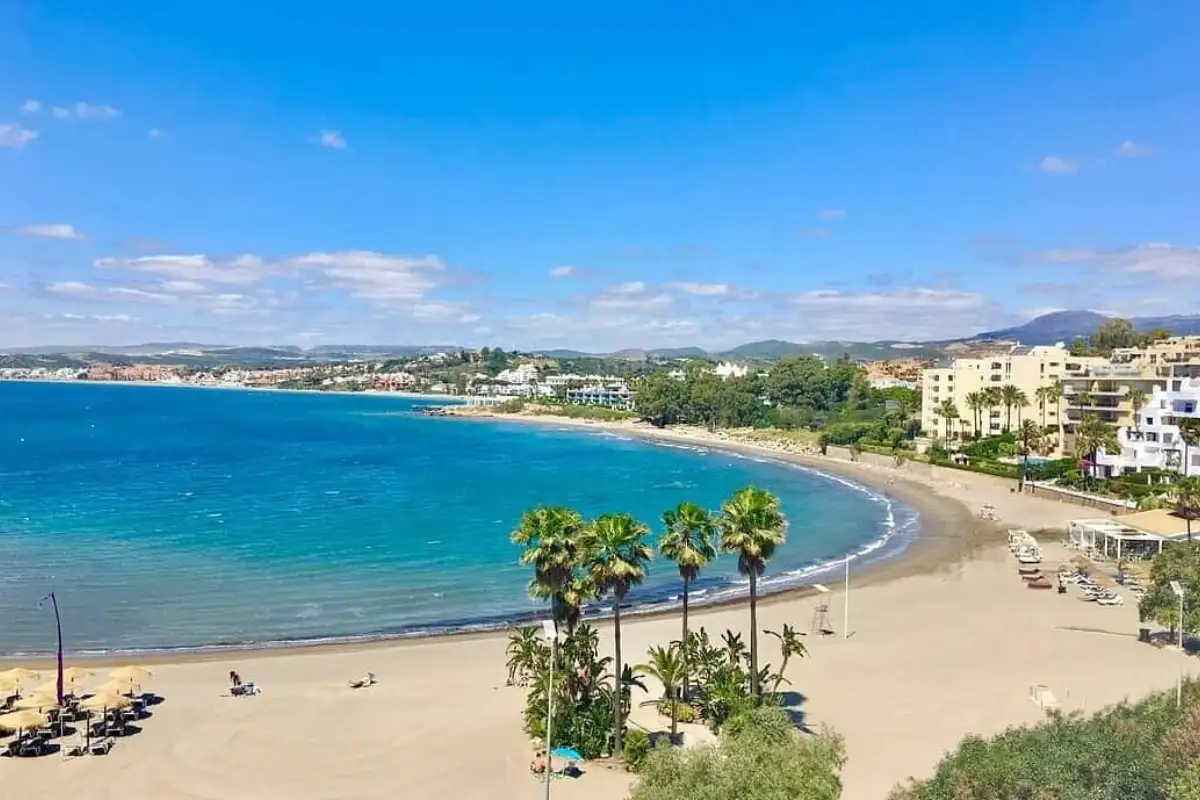
In summer, the beach fills up by 10:30 am. Arrive early for a good spot, or head east toward Guadalmansa or west toward Casares for less crowded sand. Estepona's beaches stretch 21km, so there's always space somewhere.
September evenings are perfect for walking the Senda Litoral, the coastal path that connects Estepona to neighbouring towns. The 3km stretch toward San Pedro offers stunning sunset views toward Gibraltar and Africa.
Events and festivals worth planning for
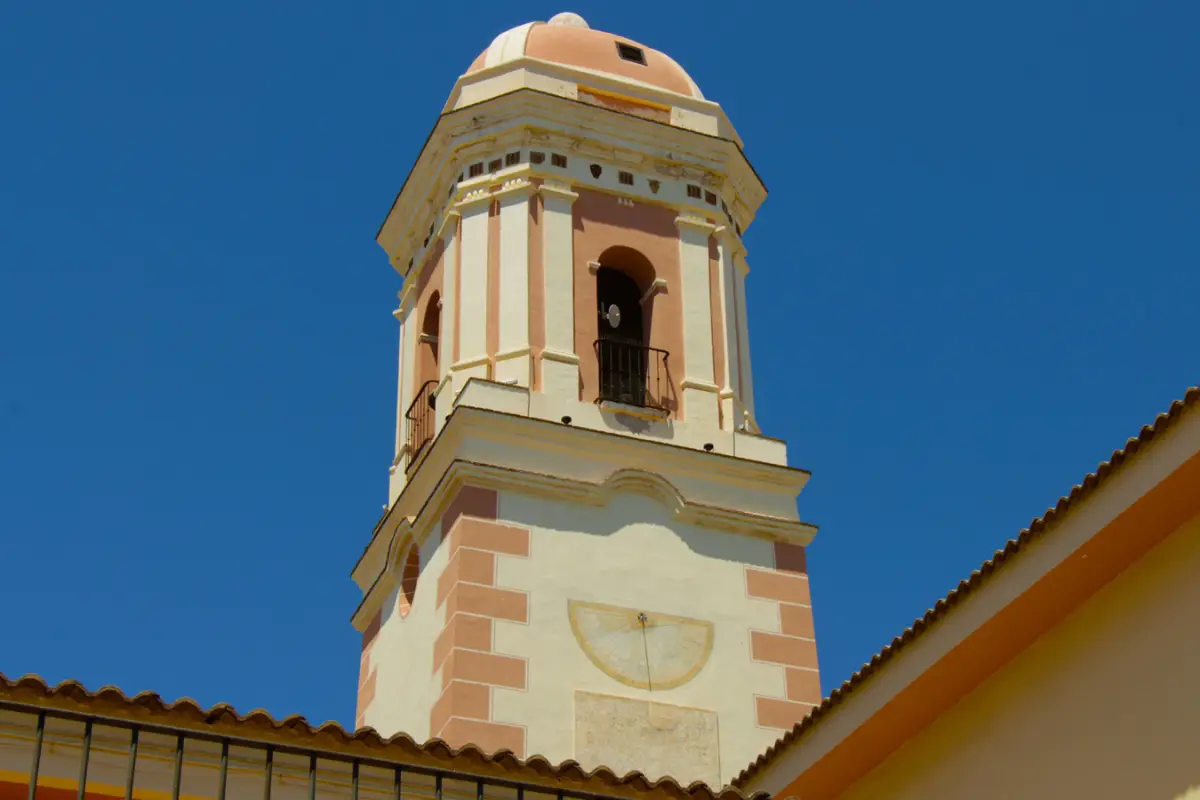
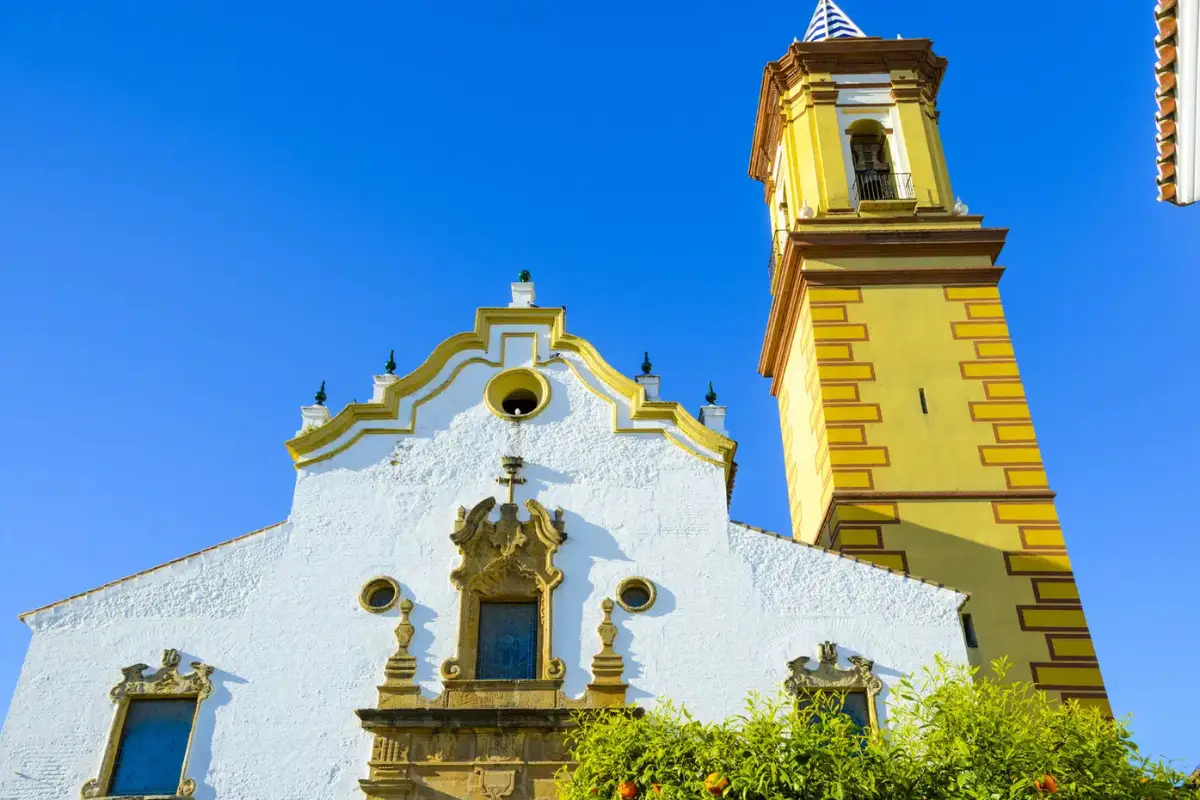
Feria de Estepona (early July) is the town's biggest party. For a week, the fairground comes alive with casetas, flamenco dresses, horses, and music until dawn. It's loud, colourful, and wonderfully Spanish.
Semana Santa (March or April) brings a more intimate experience than in Seville or Málaga. Watch the processions wind through the old town with incense mixing with jasmine.
Virgen del Carmen (July 16th) honours the patron saint of fishermen with a maritime procession. The Virgin's statue is carried into the sea from the fishing port.
San Isidro Labrador (mid-May) is a romería with decorated carts, horses, and traditional dress. Very local, very authentic.
Estepona month by month
What to expect each month
| Category | Weather | Why Go | Highlights |
|---|---|---|---|
| January | Mild, quiet | Best prices | Post-Christmas calm |
| February | Mild, quiet | Almond blossoms nearby | Great value |
| March | Warming up | Spring arriving | Flowers beginning |
| April | Warm, pleasant | Orchidarium peak | Semana Santa |
| May | Perfect weather | Flowers at best | Beach season starts |
| June | Hot, sunny | Summer begins | Long evenings |
| July | Peak season | Feria de Estepona | Beach atmosphere |
| August | Busiest month | Spanish holidays | Full summer |
| September | Still warm | Warmest sea | Crowds thin |
| October | Pleasant | Quiet beaches | Great value |
| November | Cooling | Off-season starts | Hiking perfect |
| December | Mild | Christmas spirit | Festive atmosphere |
Estepona's coastal location means milder temperatures year-round compared to inland Andalusia.
Spring (March-May)
| Month | High | Low | Rain | Rainy Days | Sun |
|---|---|---|---|---|---|
| March | 18°C | 10°C | 40mm | 5 days | 7hrs |
| April | 21°C | 12°C | 30mm | 5 days | 8hrs |
| May | 24°C | 15°C | 15mm | 4 days | 10hrs |
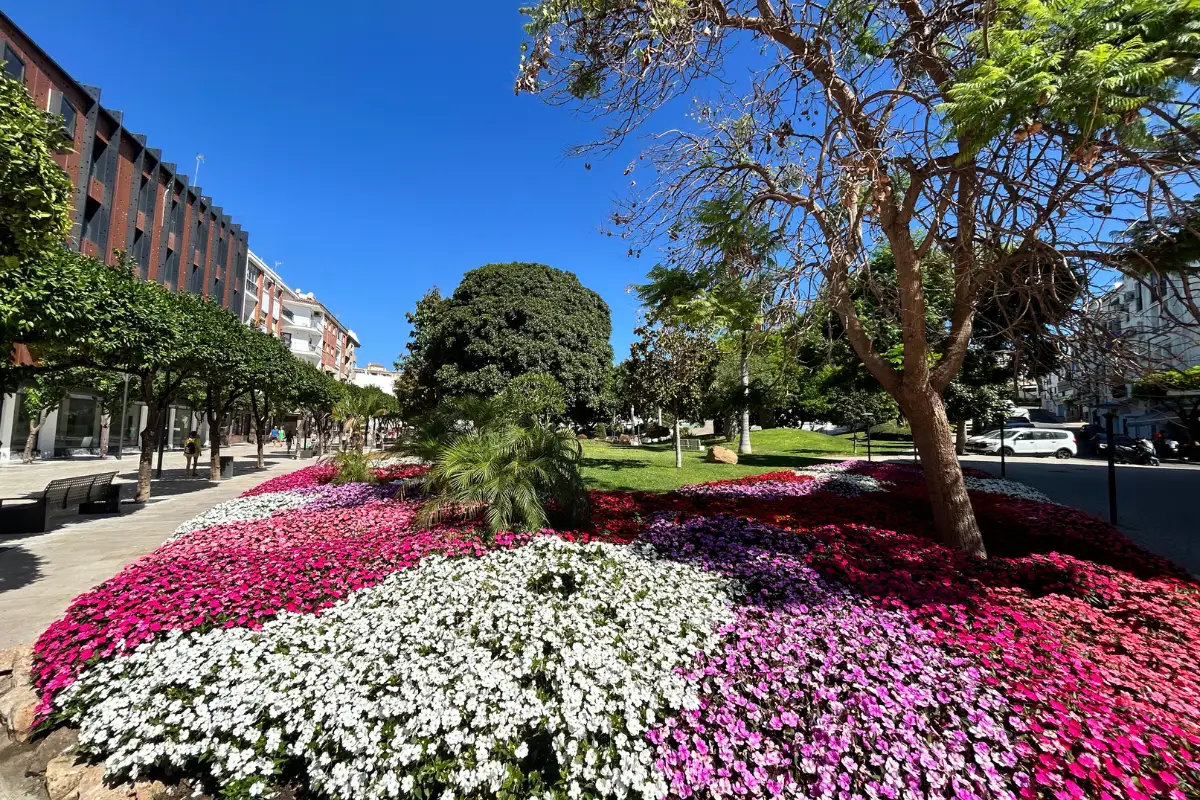
Spring is when Estepona earns its nickname as the Garden of the Costa del Sol. The famous flower murals and hanging pots burst into colour, bougainvillaea cascades down whitewashed walls, and the temperature is perfect for wandering the old town.
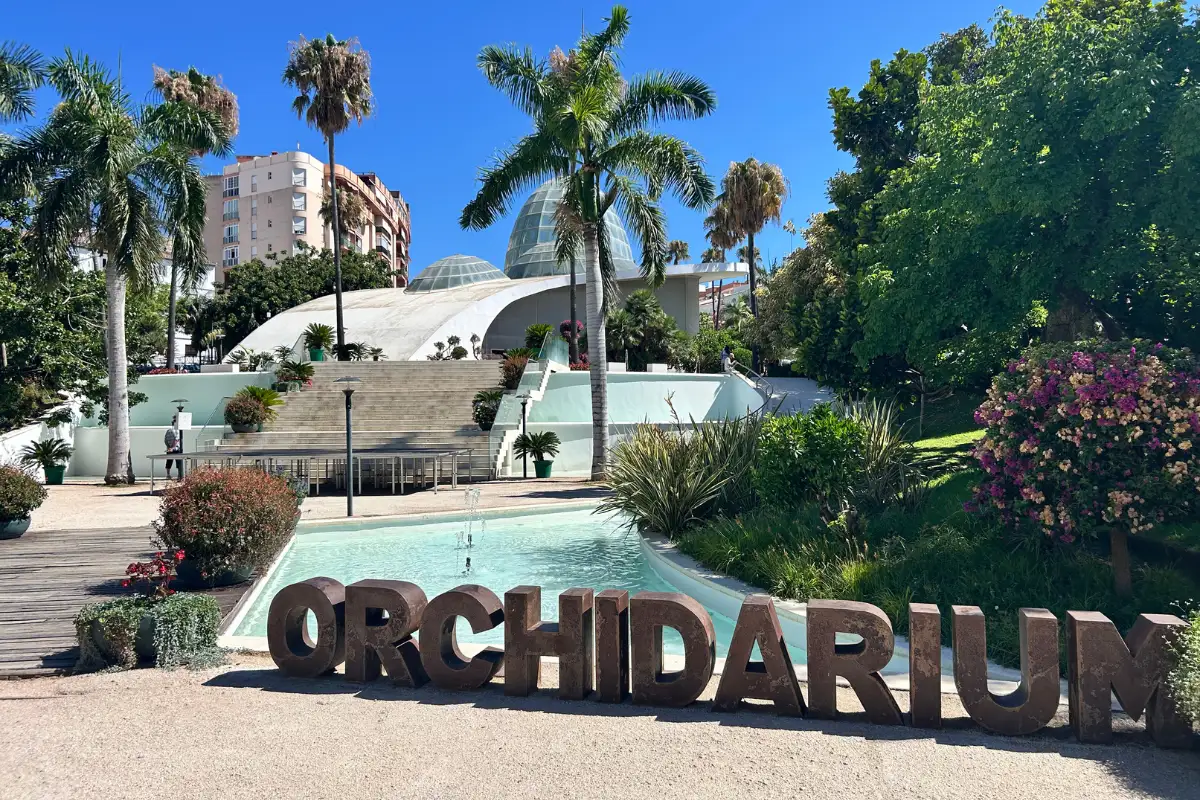
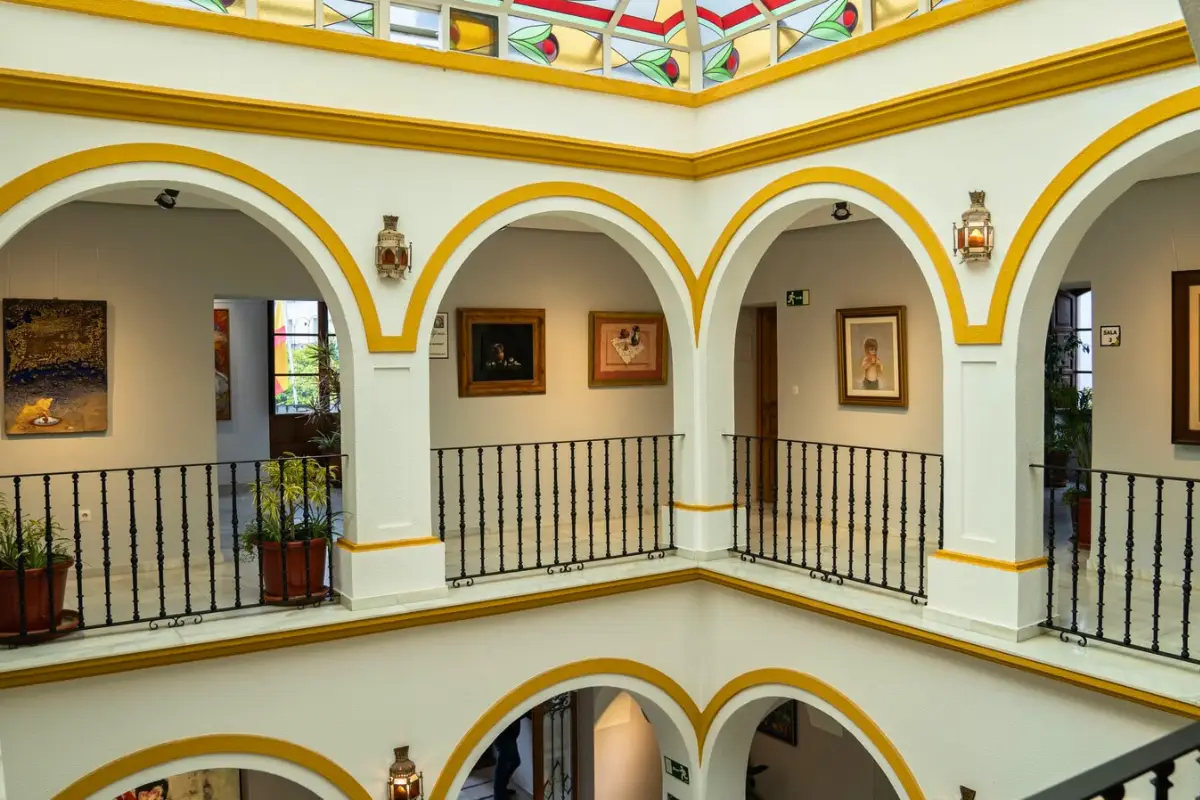
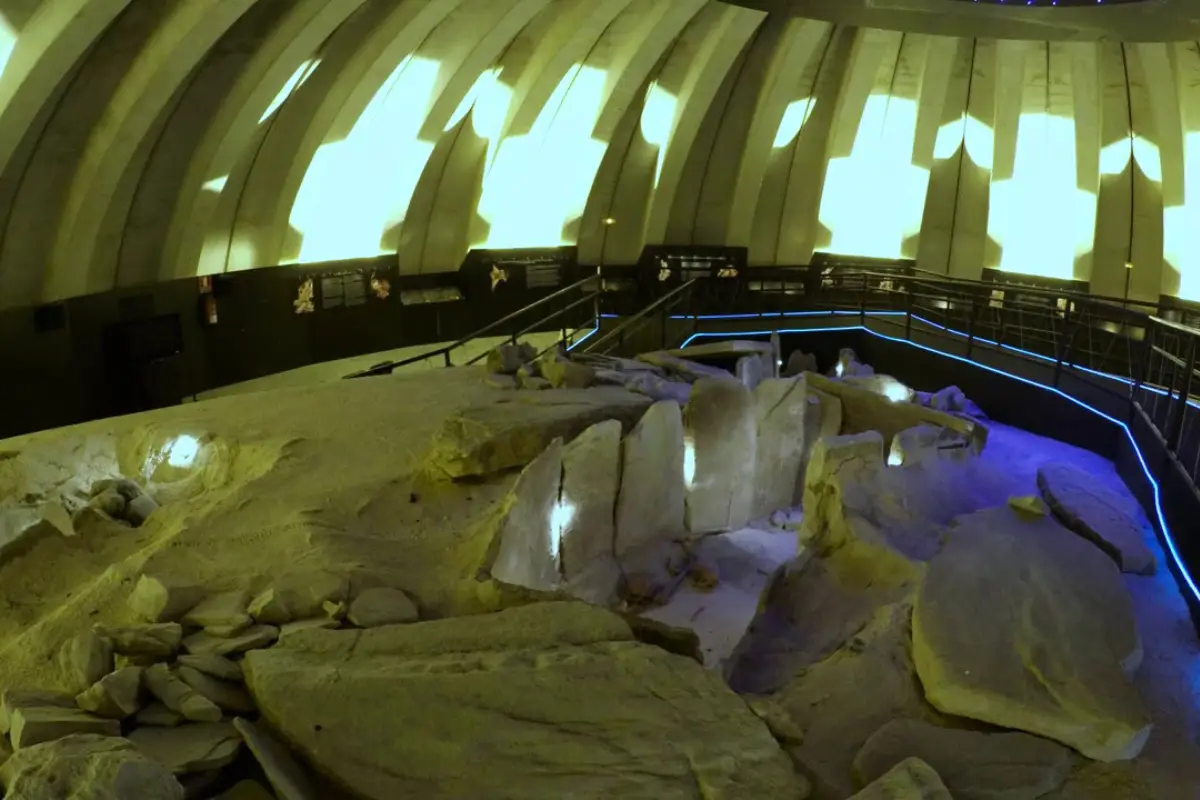
The Orchidarium hits peak bloom in April and May, with over 5,000 orchids flowering inside its glass dome. Entry is free.
Semana Santa brings intimate processions through the old town, and May is arguably the finest month. Temperatures reach a comfortable 24°C, the sea starts warming up, and the summer crowds haven't arrived. You'll find the mural route easy to explore and the beaches uncrowded.
Summer (June-August)

| Month | High | Low | Rain | Rainy Days | Sun |
|---|---|---|---|---|---|
| June | 27°C | 18°C | 5mm | 2 days | 11hrs |
| July | 30°C | 21°C | 0mm | 0 days | 11hrs |
| August | 30°C | 21°C | 2mm | 1 day | 10hrs |
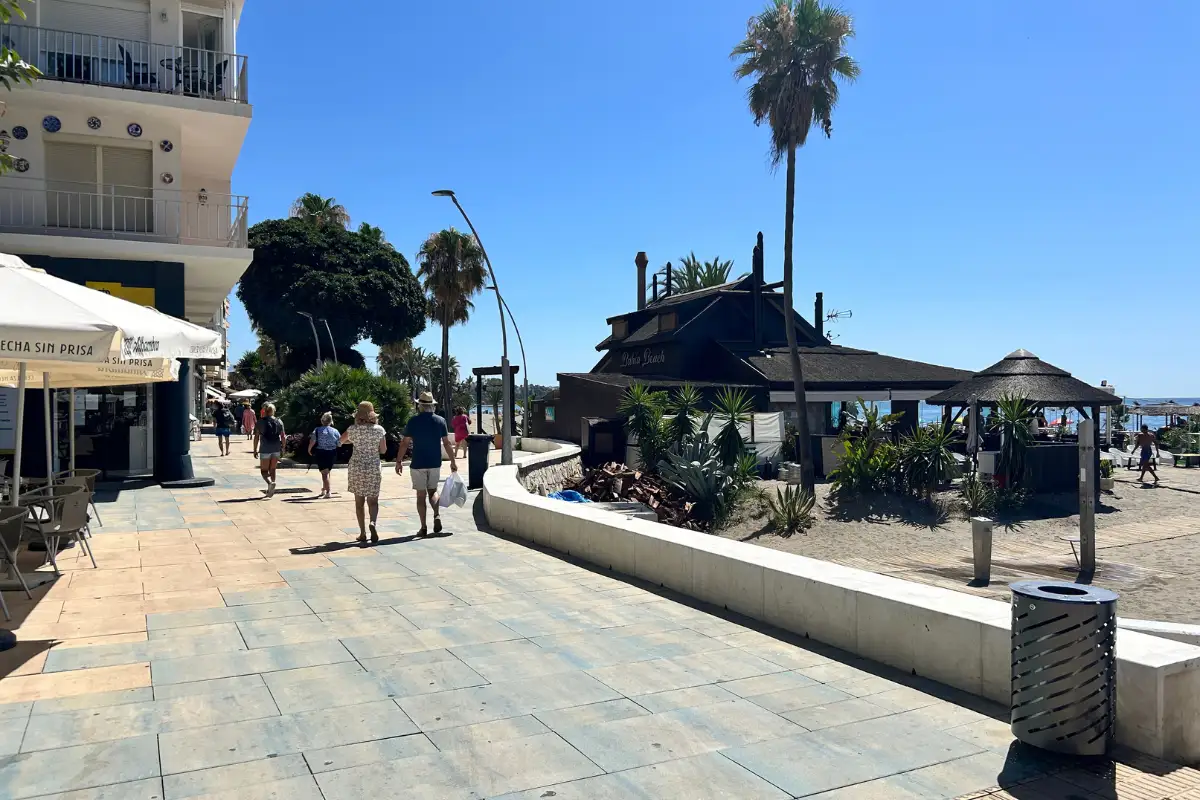
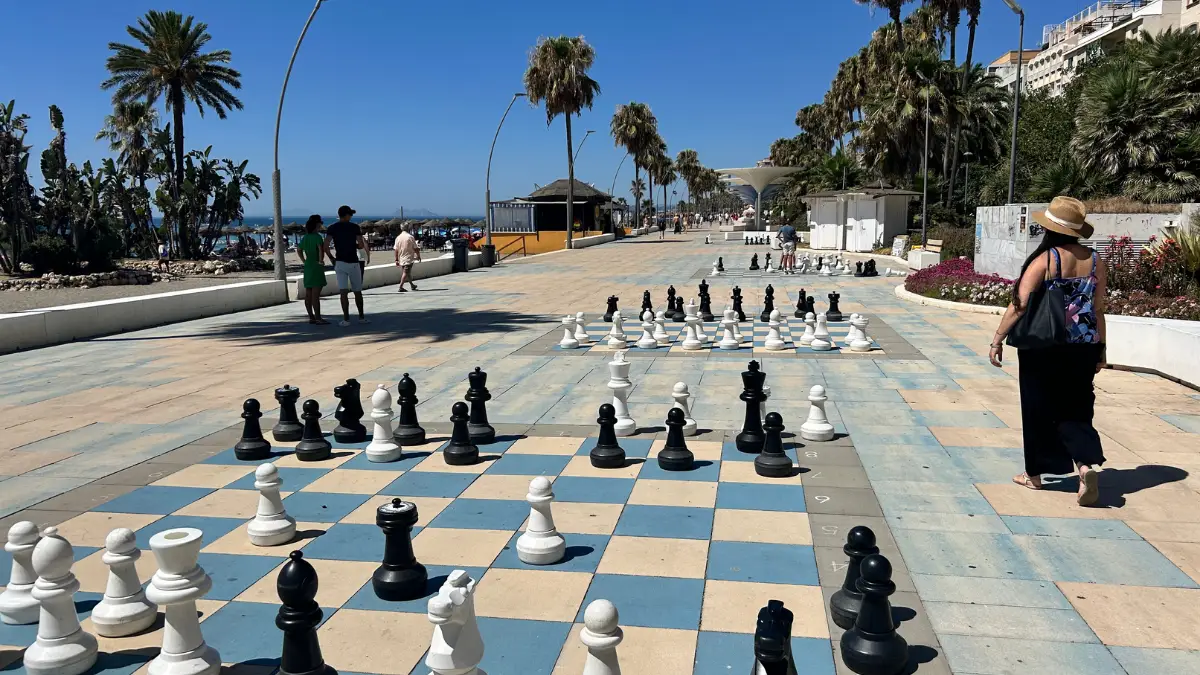
Summer is peak season, and the beaches come alive. The chiringuitos are in full swing, and the town buzzes with a mix of Spanish holidaymakers and international visitors.
Estepona's coastal location gives it an advantage over inland towns. Sea breezes keep temperatures manageable, rarely exceeding 32°C even in August. Compare that to Seville baking at 42°C, and you'll understand why locals from inland cities flock here.
The Feria de Estepona in early July is the town's biggest celebration. Book accommodation well in advance for July and August. Arrive at beaches before 11 am for a good spot, and embrace siesta when most shops close from 2-5 pm.
Autumn (September-November)
| Month | High | Low | Rain | Rainy Days | Sun |
|---|---|---|---|---|---|
| September | 27°C | 19°C | 15mm | 2 days | 8hrs |
| October | 23°C | 16°C | 50mm | 5 days | 7hrs |
| November | 19°C | 12°C | 65mm | 6 days | 6hrs |
Autumn might just be Estepona's best-kept secret. The summer crowds thin out almost overnight once Spanish schools reopen, yet the weather remains gloriously warm.
The sea, heated by months of summer sun, often reaches its warmest temperatures (24°C) in September. Beach bars are still open, but you can get a sunbed without queuing. Restaurant terraces have space. The evening paseo feels authentic rather than tourist-dominated.
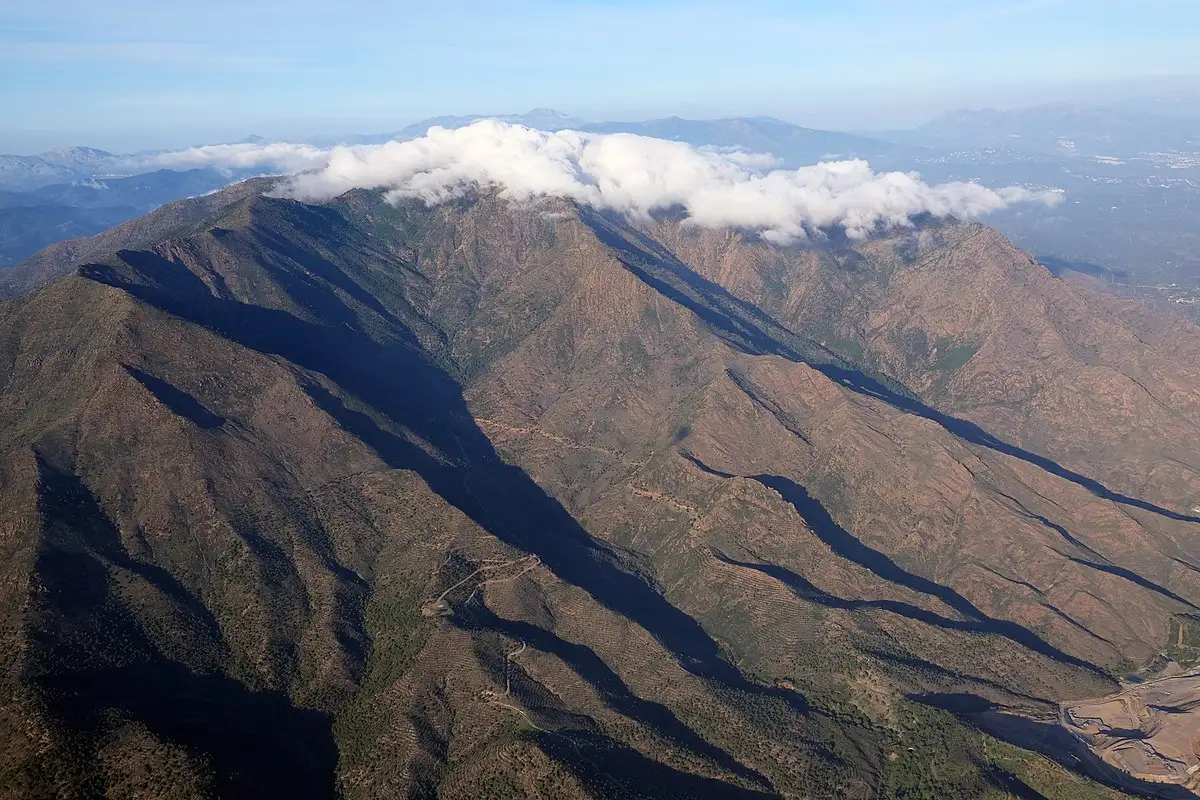
October stays pleasant (23°C) with cooler evenings. The sea is still swimmable, and the hiking weather returns, making the Sierra Bermeja trails behind Estepona comfortable again.
By November, some beach facilities close and the occasional rain appears. But daytime temperatures around 19°C are still pleasant for walking, and hotel prices drop significantly.
Winter (December-February)

| Month | High | Low | Rain | Rainy Days | Sun |
|---|---|---|---|---|---|
| December | 17°C | 9°C | 70mm | 6 days | 5hrs |
| January | 16°C | 9°C | 65mm | 6 days | 6hrs |
| February | 17°C | 9°C | 55mm | 5 days | 6hrs |
Winter in Estepona isn't like winter anywhere else on mainland Spain. While Madrid shivers and even Seville reaches for coats, Estepona basks in some of the mildest temperatures in the country.
You can eat lunch on a sunny terrace in January, hike the hills without overheating, and enjoy the old town's quiet beauty. The town doesn't hibernate. Restaurants stay open, the markets continue, and the local coffee culture thrives.
Hotel prices drop 40-50% from summer rates. Many apartments and villas offer significant monthly discounts for long-term winter stays, which is why northern Europeans increasingly winter here.
December brings festive charm without overwhelming crowds. The town decorates its streets, a nativity scene appears in the old town, and the Three Kings parade on January 5th is a genuine local celebration.
Day trip or overnight stay


Estepona is a place to stay rather than a day trip. The old town, beaches, and surrounding hills deserve at least two or three nights.
Estepona sits between Málaga Airport (80km east) and Gibraltar Airport (50km west). By car from Málaga takes about 50 minutes via the AP-7 toll road. Having a car is recommended for exploring the wider area, though the old town and beaches are walkable.
If you're staying on the Costa del Sol and want to visit for a day, Estepona combines well with a trip to Marbella's old town or a drive along the coast to Casares.
Final thoughts
Estepona is hard to get wrong. It's a town that rewards visitors regardless of timing.
Come in spring for the flowers and perfect weather.
Visit autumn for warm seas and a local atmosphere.
Try summer if you want the full beach experience.
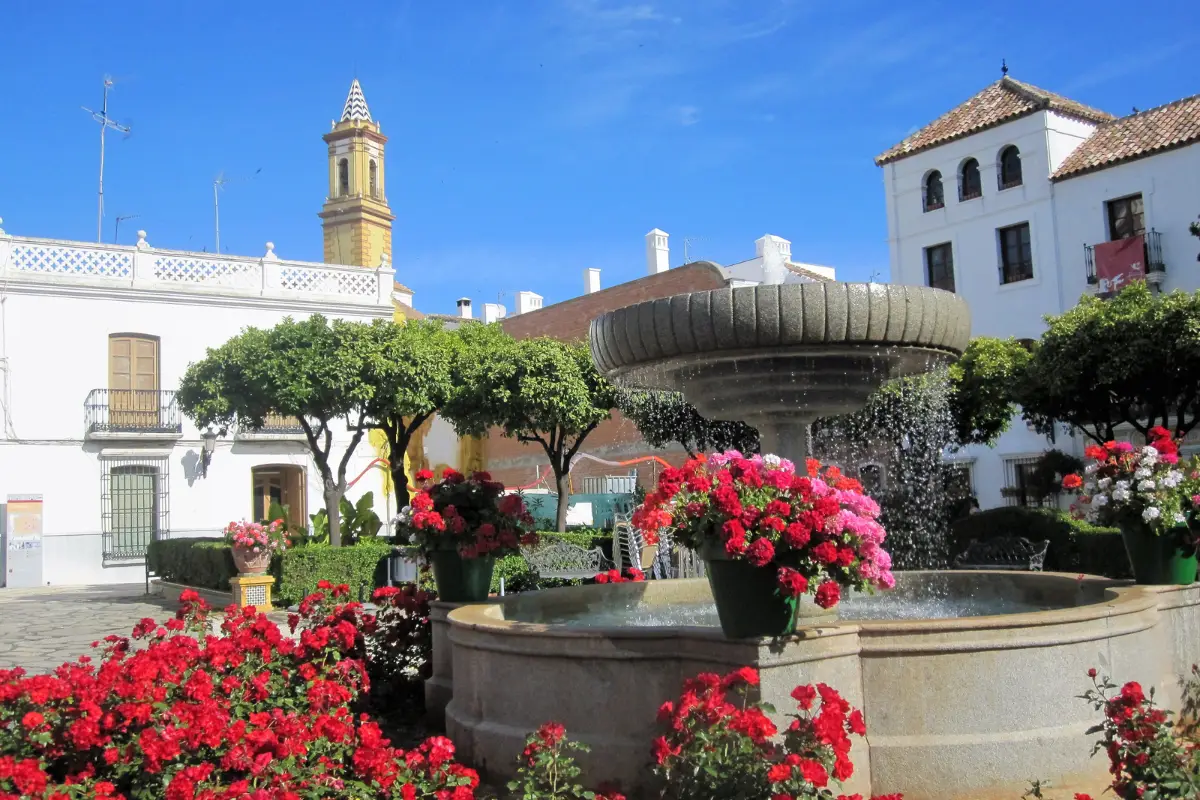
But whatever season you choose, take time to wander the old town, drink coffee with locals in Plaza de las Flores, and let the town's unhurried pace work its magic.
If you're planning your trip, have a look at my guides to things to do in Estepona, the best beaches, where to eat, and where to park. And if you're looking to explore beyond the town, check out my guide to day trips from Estepona.

Hola! I'm the researcher, walker, and co-founder behind Spain on Foot. I help travellers experience Spain authentically, through in-depth guides, locals-only knowledge, and cultural stories you won't find in guidebooks. You can reach me at heidi@spainonfoot.com
Planning a trip to Estepona?
Explore Estepona Guide→