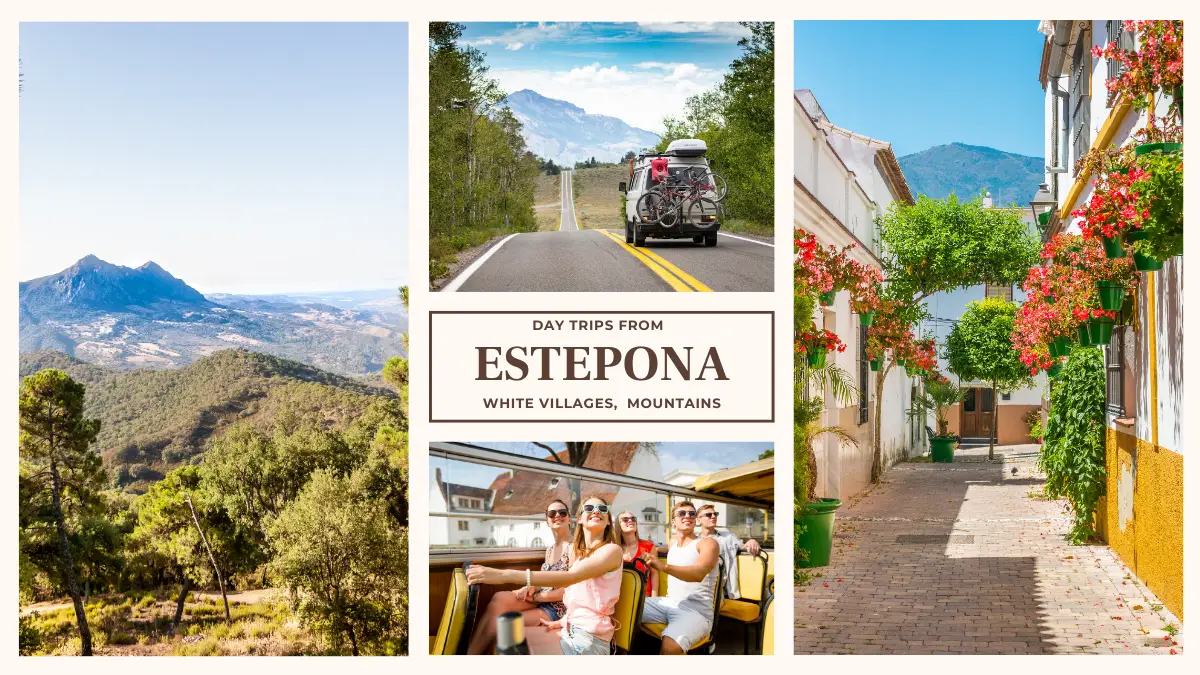
The most popular day trip from Estepona is Ronda, about an hour through the mountains with one of Spain’s most dramatic gorges.
My personal favourite is driving the white village route through Casares and Gaucín. You’re in the mountains within 25 minutes, and the views stretch from Gibraltar to Morocco.
Gibraltar is less than an hour away for something completely different. Marbella is a quick 25-minute ride along the coast. And from Tarifa, you can take a ferry to Tangier for a day trip to Africa.
⭐ Don’t miss >> Where to stay near Estepona, my Marbella area picks
Ronda
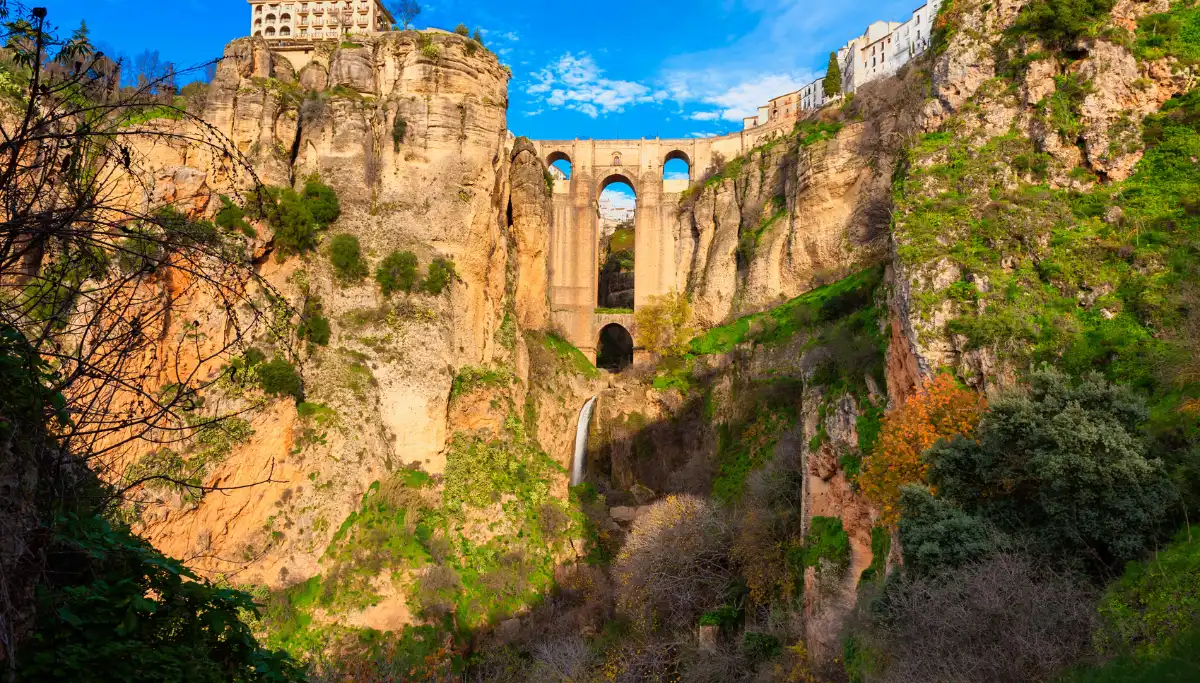
Ronda is the day trip everyone takes from the Costa del Sol, and for good reason. The Puente Nuevo spanning the 100-metre El Tajo gorge is one of Spain’s most dramatic sights.
The drive from Estepona is spectacular, climbing from sea level to 739m through cork oak forests and whitewashed villages. You have two route options: the scenic A-377 via Gaucín (slower but beautiful, with potential stops at white villages), or the faster A-397 via San Pedro through the mountains. If you would rather leave the driving to someone else, you can book a guided day tour to Ronda from the coast.
Walk across the bridge, then find the viewpoints below for the classic photo. The Plaza de Toros is Spain’s oldest bullring (1785), now a museum.
The old Moorish quarter has winding streets and hidden squares. The surrounding Serranía de Ronda also produces excellent wines, with several bodegas offering tastings.
Arrive early (before 10am) or late afternoon to avoid tour bus crowds. Combine Ronda with Setenil de las Bodegas for an epic day, just 20 minutes further on.
🚗 A car makes this stretch of the Costa del Sol so much easier. I always book through Discover Cars, they compare all the big rental companies so you get the best price.
Gibraltar
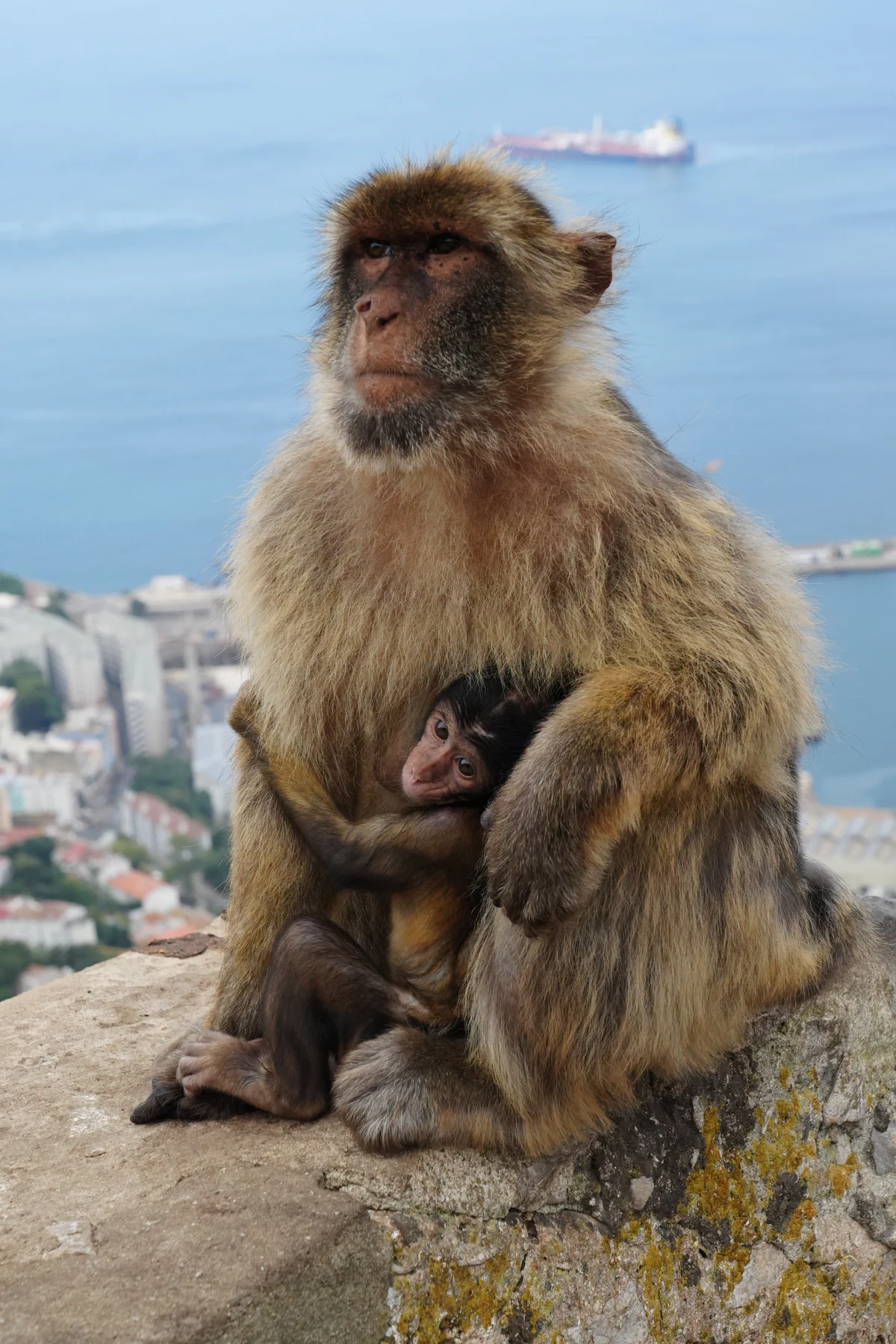
Gibraltar is surreal, a chunk of Britain grafted onto the Spanish coast and less than an hour from Estepona. Love it or hate it, there is nowhere else in Europe that feels quite like it, and I could not tell you which side of the border it belongs to even now.
The Upper Rock Nature Reserve is the main attraction, home to the famous monkeys, St Michael’s Cave and views that stretch to Morocco. The cable car closed in November 2025 for a full rebuild and will not reopen until 2027, so you now get up on foot, by taxi or on a tour minibus.
I walked it in August and it was around 30,000 steps. The monkeys are everywhere, and they go for bags. My full guide to the best things to do in Gibraltar has the routes and what each one costs.
You can drive straight in. I expected a passport check at the frontier and there was nobody there at all. Going out is slower, because the old zigzag lanes are still in place, but leaving on a Friday at 3pm cost us about two extra minutes.
If you would rather not drive at all, regular buses connect the Costa del Sol towns with La Línea. Either way, take your passport.
Parking inside Gibraltar was easier than I had been told. We used the public car park beside Casemates Square for £8.50 for eight hours and extended it from the app without going back to the car. See where to park in Gibraltar for the rest.
Gibraltar uses the pound sterling, and we paid for some things in euros and some in pounds without any trouble. Duty-free prices on alcohol and electronics make shopping worthwhile.
Here are a few of my favourite areas to stay in and around Estepona:
⭐ Estepona Old Town >> Whitewashed streets and flower pots
⭐ Estepona Marina >> By the port and the beach
⭐ New Golden Mile >> Resort hotels between Estepona and Marbella
⭐ Marbella >> The bigger base just up the coast
Marbella
Marbella offers two experiences in one. The Casco Antiguo (old town) is genuinely lovely, with narrow streets, flower-draped balconies, orange trees, and the Plaza de los Naranjos with its cafes. This is Marbella’s soul, far removed from the beach club image.
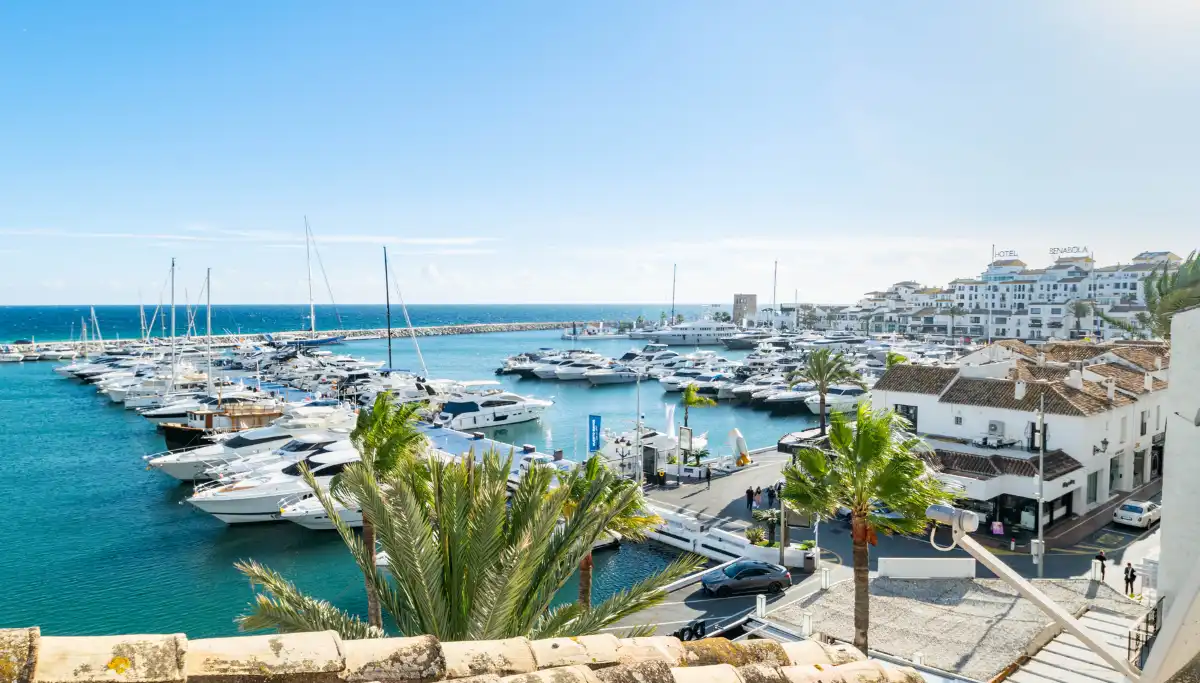
Puerto Banús is the opposite end of the spectrum. Superyachts, sports cars on parade, designer shopping, and people-watching that borders on anthropological study. It’s pure spectacle.
Start in the old town for morning coffee, then head to Puerto Banús for lunch and people-watching. If you want exercise, walk the Paseo Marítimo between the two (about 7km along the seafront).
🎟️ I always book the Estepona and Costa del Sol experiences ahead. Browse tours and tickets on GetYourGuide.
Casares
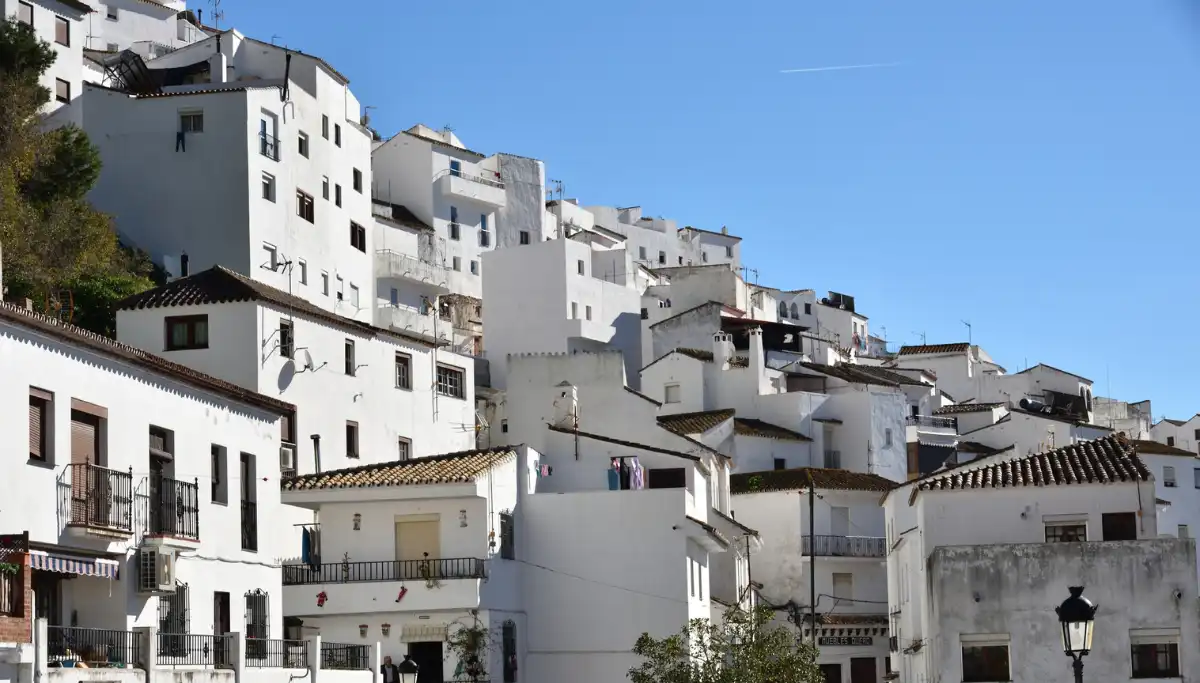
Casares is one of Andalusia’s most photogenic white villages, a tumble of whitewashed houses clinging impossibly to a steep hillside, crowned by a ruined castle. It’s just 25 minutes from Estepona but feels like a different world.
The drive up from the coast climbs through avocado groves and forest, with the village appearing suddenly around a corner, impossibly vertical against the mountain backdrop. Casares is the birthplace of Blas Infante, the father of Andalusian nationalism.
The Moorish castle ruins offer views across to Gibraltar and Morocco. The village streets are steep, narrow, and genuinely lived-in. Visit late afternoon when the white walls glow golden in evening light.
The restaurants serve traditional mountain cuisine. Try migas (fried breadcrumbs with pork), chivo (goat), or anything with wild mushrooms in season.
READY TO BOOK YOUR TRIP TO ESTEPONA?
🚗 Rent a car: I use Discover Cars
🎟️ Best guided tours: I use GetYourGuide
🏨 Accommodation: Find hotels in Estepona
🚆 Trains and buses: I book through Omio
🛡️ Travel insurance: I use SafetyWing
Gaucín
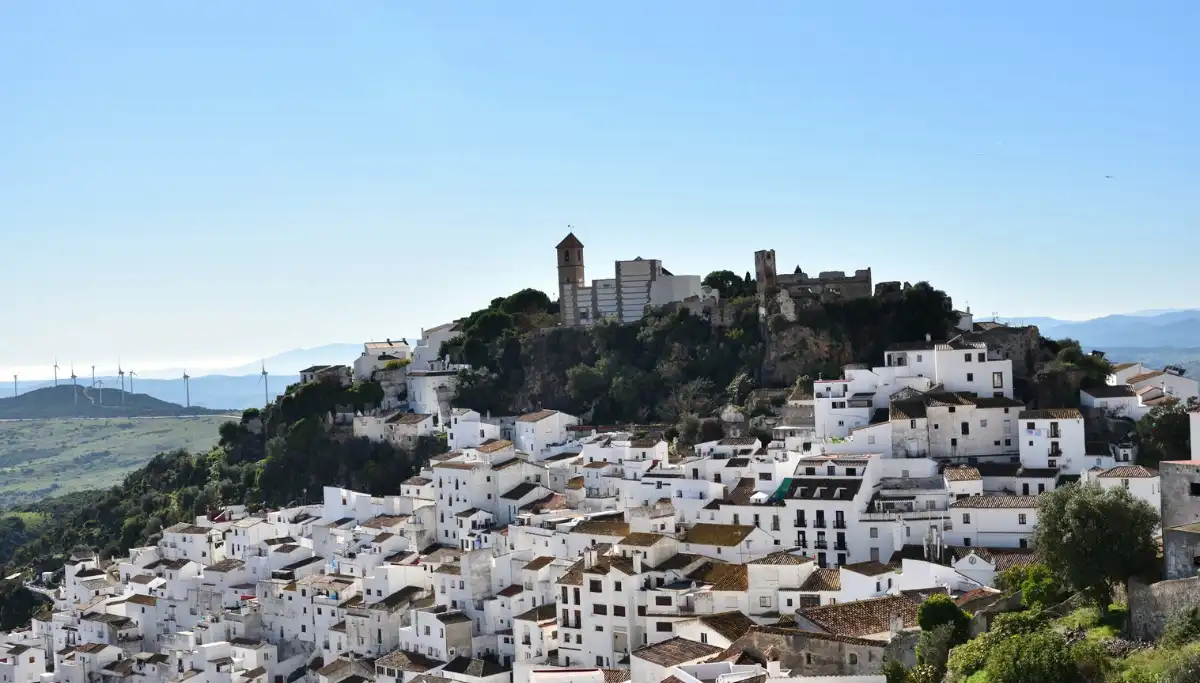
Gaucín sits at 626m on a rocky outcrop with views that, on clear days, stretch from Gibraltar to the Rif Mountains of Morocco. Artists and writers have been drawn here for decades, and it’s easy to see why.
Gaucín is larger than Casares and has attracted a small community of artists, writers, and those escaping the coast. This gives it a slightly more cosmopolitan feel while remaining genuinely Spanish.
The Castillo del Águila (Eagle’s Castle) dominates the village. The climb is short but steep, and the reward is one of Andalusia’s finest viewpoints, with Europe and Africa in a single glance.
Gaucín sits on the scenic route between Estepona and Ronda. An excellent day combines Casares in the morning, lunch in Gaucín, and Ronda in the afternoon, though that makes for a full day.
Tangier
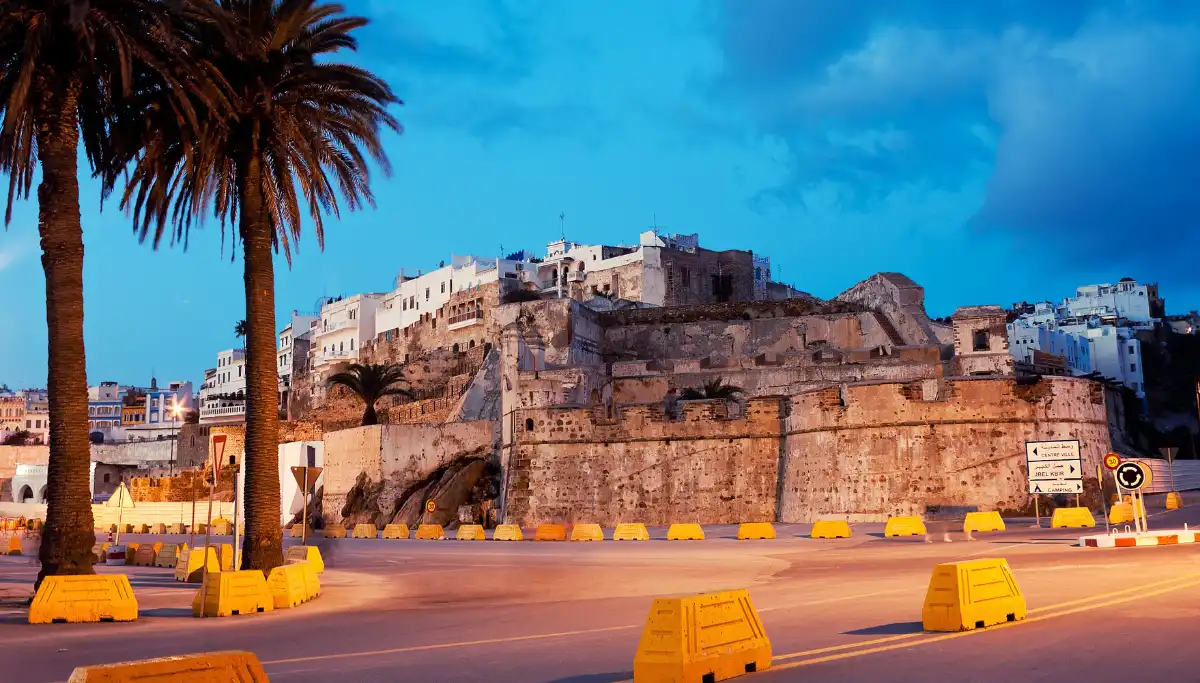
Tangier is just 35 minutes by ferry from Tarifa (about an hour’s drive from Estepona), close enough for a genuine day trip to Africa.
The medina is a maze of narrow streets, souks, and hidden squares. The Kasbah sits at the highest point with views across the Strait.
The Petit Socco was once Tangier’s notorious heart. And the Caves of Hercules, outside the city, have a mouth shaped like Africa.
For a first visit, consider an organised tour. They handle ferries, guides, and transport in Morocco, and often include lunch. Independent travel is cheaper and more flexible, but Tangier can be overwhelming with aggressive touts and confusing streets.
Book ferry tickets in advance during summer and Spanish holidays. FRS and Inter Shipping operate the Tarifa-Tangier route. The Tangier Ville port is closer to the Medina than Tangier Med.
Setenil de las Bodegas
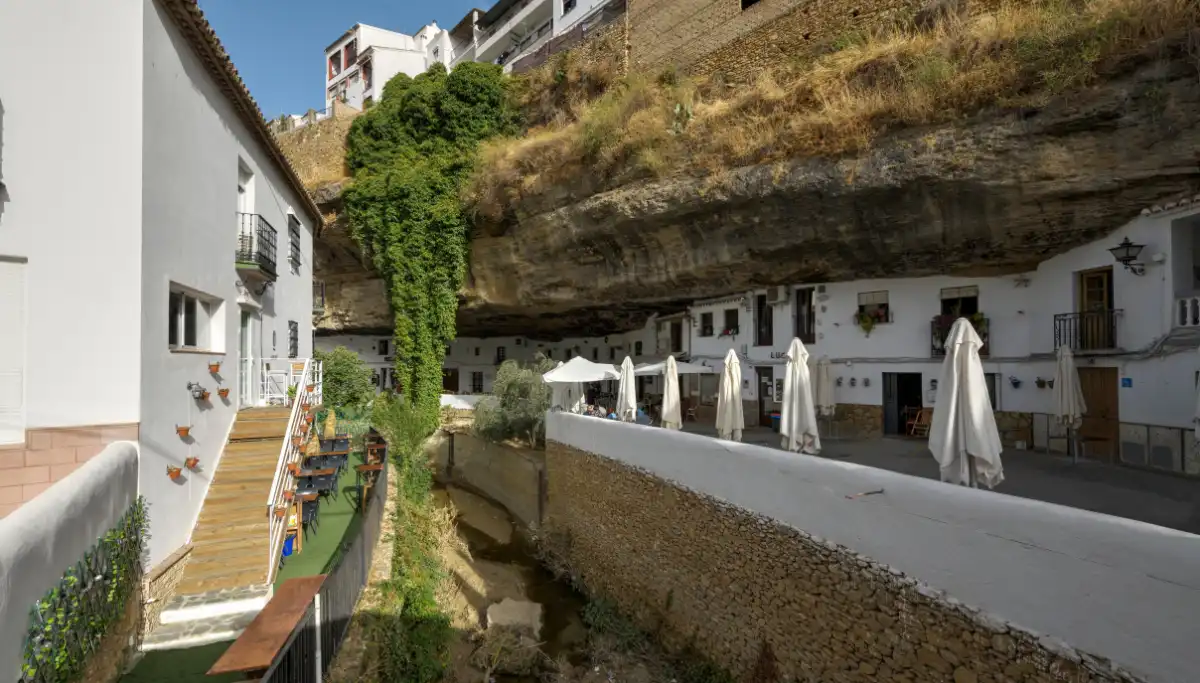
Setenil de las Bodegas is one of Spain’s most unique villages, with houses, bars, and shops built into and under massive rock overhangs. It’s about 1.5 hours from Estepona, but combines perfectly with Ronda (just 20 minutes further).
The village grew up along a river gorge, with residents carving homes into the soft rock and building under massive overhangs. Cuevas del Sol (Caves of the Sun) and Cuevas de la Sombra (Caves of the Shadow) are the two main streets, one sunny, one shaded, both lined with bars and restaurants.
Plan to eat here. The restaurants built under the rock are the experience. Setenil is also famous for its chorizo and cured meats, so pick some up at the local shops.
The Ronda and Setenil combination is one of the Costa del Sol’s best day trips. Do Ronda in the morning, then drive 20 minutes to Setenil for a late lunch under the rocks.
Tarifa
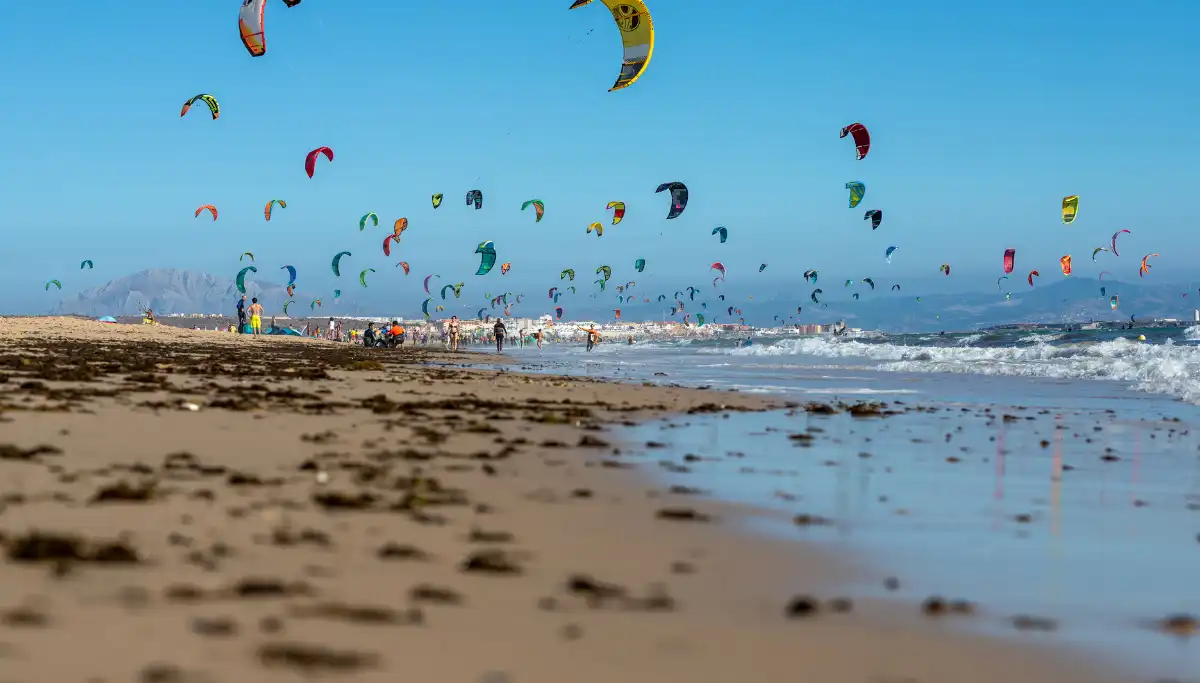
Tarifa is mainland Europe’s southernmost point, where the Atlantic meets the Mediterranean and Africa looms just 14km away. It’s also the continent’s wind and kite surfing capital.
The old walled centre is charming and historic, with narrow streets and Moorish architecture. The Castillo de Guzmán el Bueno is worth a visit. Punta de Tarifa marks the division between the two seas.
The beaches stretch for miles, though the wind that makes Tarifa a surfing paradise can make a regular beach day unpleasant. Check forecasts if you want to swim. Bolonia beach, about 20km north, is slightly more sheltered and has the ruins of a Roman town (Baelo Claudia) at one end.
Whale watching tours operate from Tarifa, as the Strait is prime territory for whales and dolphins.
The White Village Route
For a leisurely day, string together several white villages into a circuit from Estepona. Start with Casares (25 minutes), continue to Gaucín (25 minutes further), and optionally push on to Ronda (45 minutes from Gaucín).
This creates a loop through some of Andalusia’s most beautiful mountain scenery. Fill up with petrol before leaving the coast, bring cash for village bars, and allow flexibility, because these villages reward wandering.
Final Recommendation
Ronda is unmissable for first-timers. The gorge, the bridge, and the drive through the mountains make it a complete experience.
For something more personal, the white village route through Casares and Gaucín offers a taste of Andalusia that most beach-bound tourists never discover. And if you’re feeling adventurous, Tangier is just across the Strait. Few European destinations offer a day trip to another continent.
For more on planning your time, check out my guide to things to do in Estepona.