best-time
Best Time to Visit Málaga According to a Local
This post may contain affiliate links, which means I earn a small commission, at no extra cost to you. It helps keep the blog alive, and we really appreciate your support!

The best time to visit Málaga is May, June, September, or October when temperatures hover between 20-28°C, the beaches are enjoyable, and the crowds are manageable. If you're still deciding whether Malaga is worth visiting at all, here's the honest local answer.
Hi, I'm Heidi, and I've lived in Malaga Centro for more than four years now.
Sometimes Malaga can be absolutely scorching in summer, which is why I always recommend scheduling your trip outside July and August.
But that doesn't mean you can't have an amazing trip year-round. We just spent an amazing three days filming the Malaga carnival in Winter.
P.S. We keep a calendar of free things to do in Malaga throughout the year in case you're looking for inspiration!
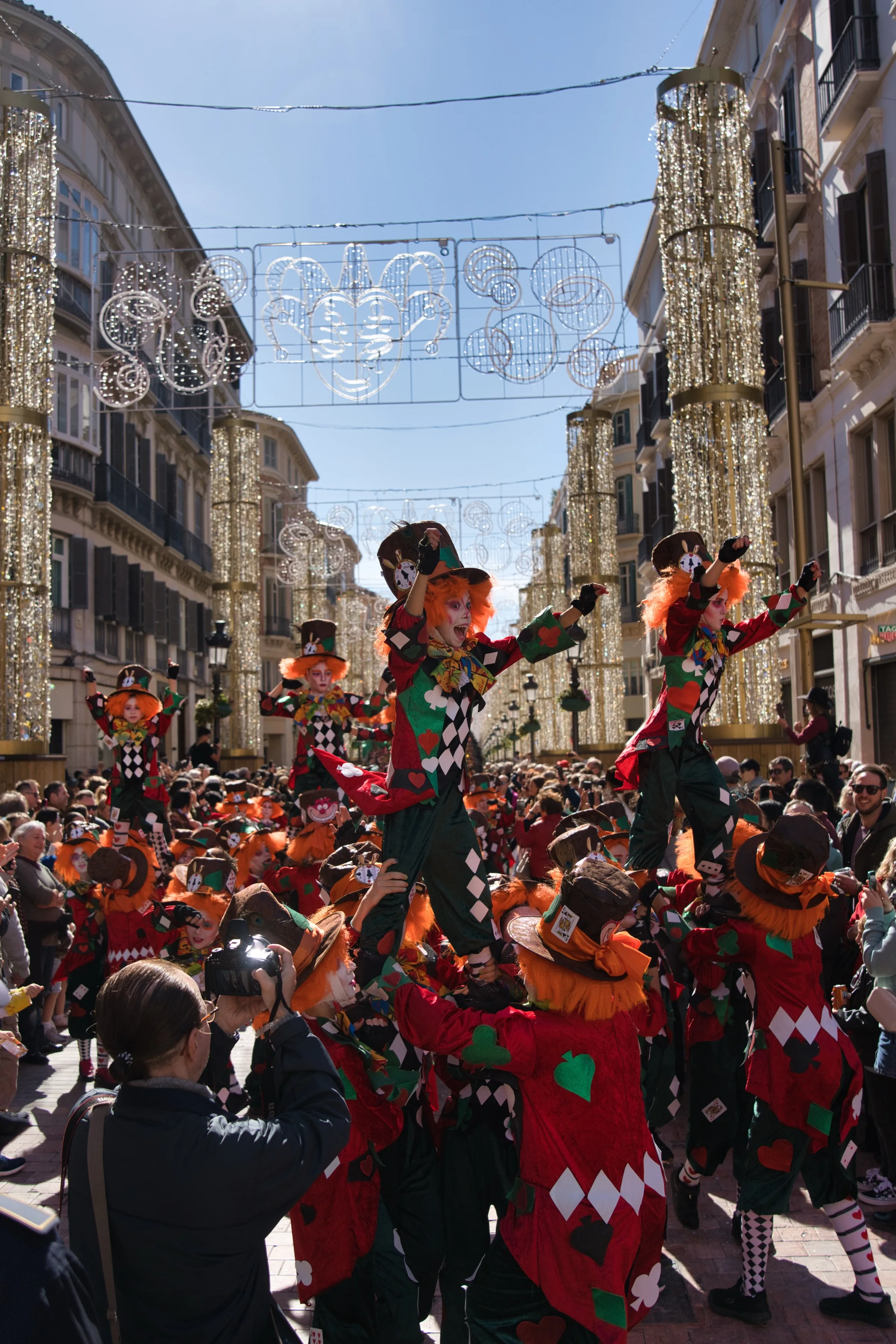
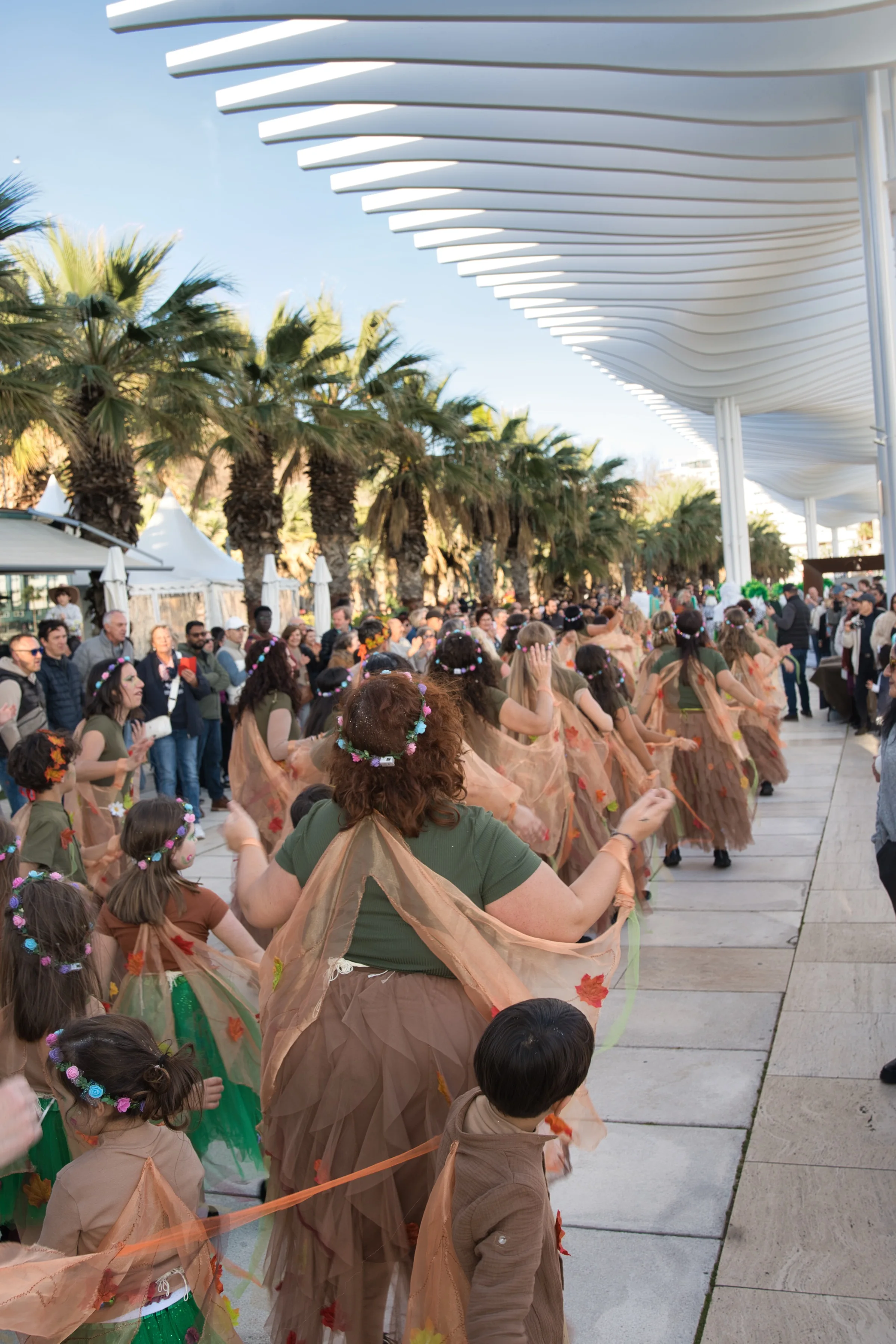
What I always recommend to my friends who want to see any of the carnivals is to stay somewhere central. The AC Malaga Palacio is always on the carnival path, and it has an amazing rooftop to view everything from!
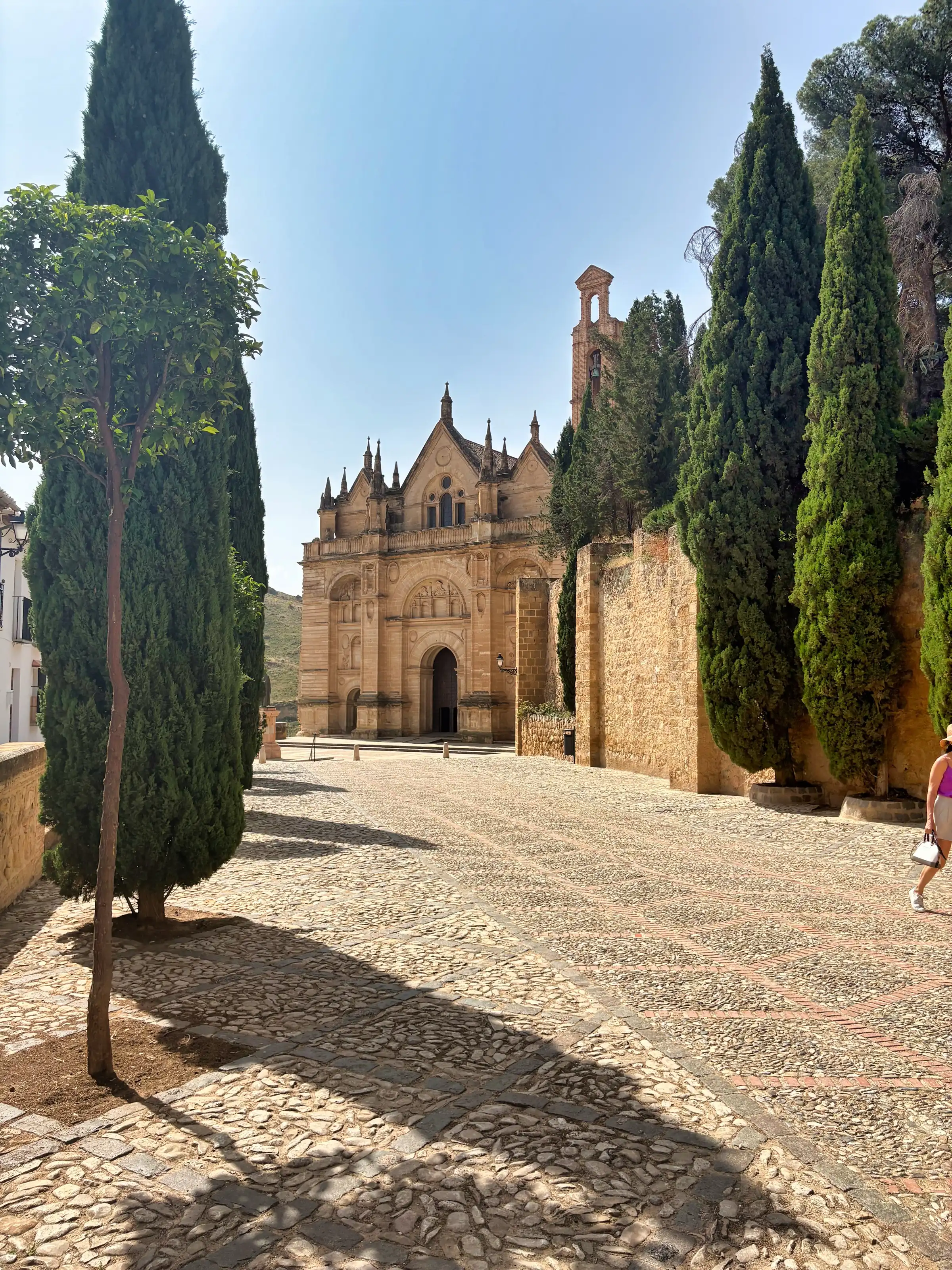
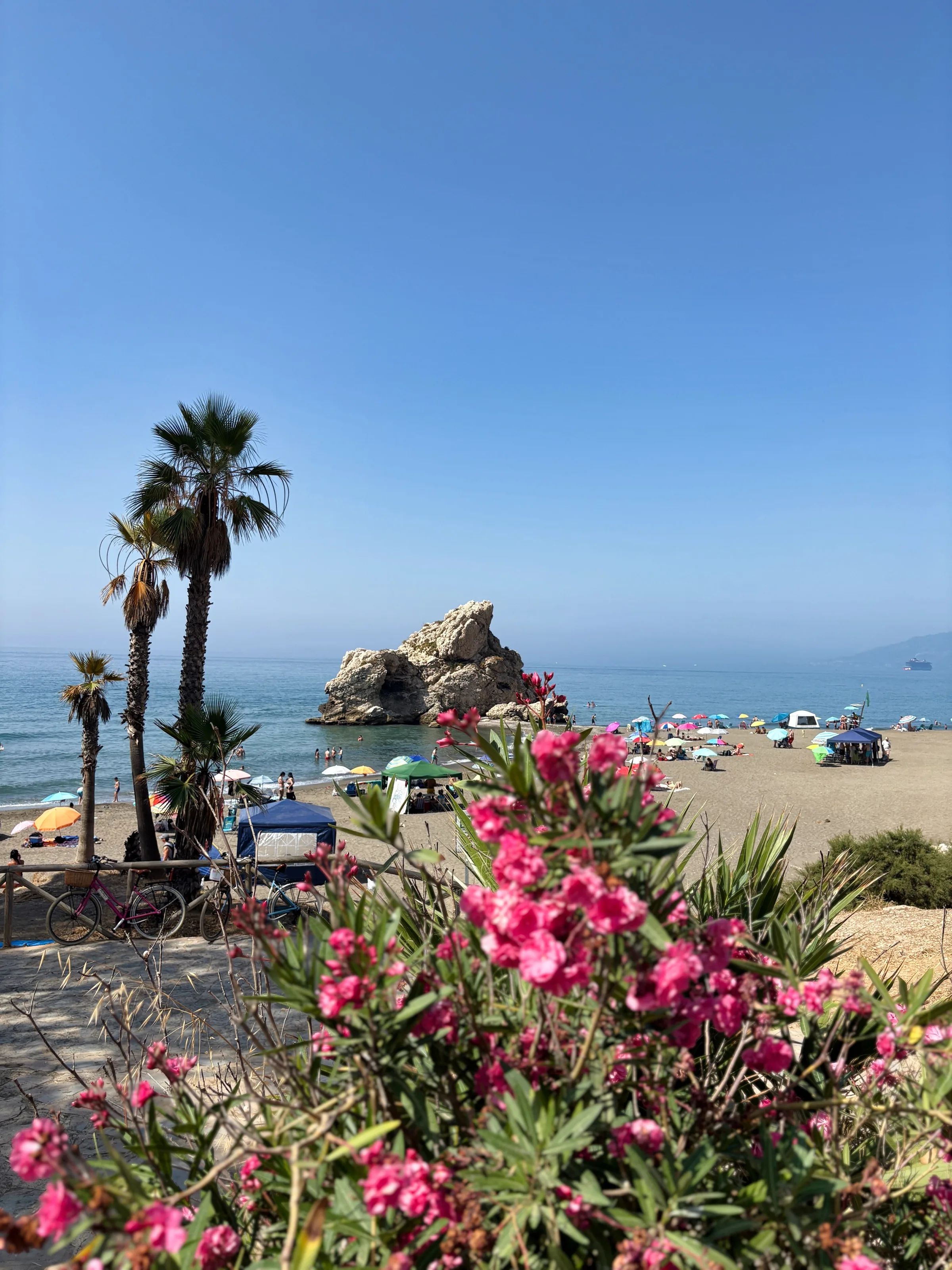
If you want to be near the action but away from the noise, then SOHO is the perfect option. It's trendy, and only 5 minutes from Calle Larios.
What's the Temperature like each month?
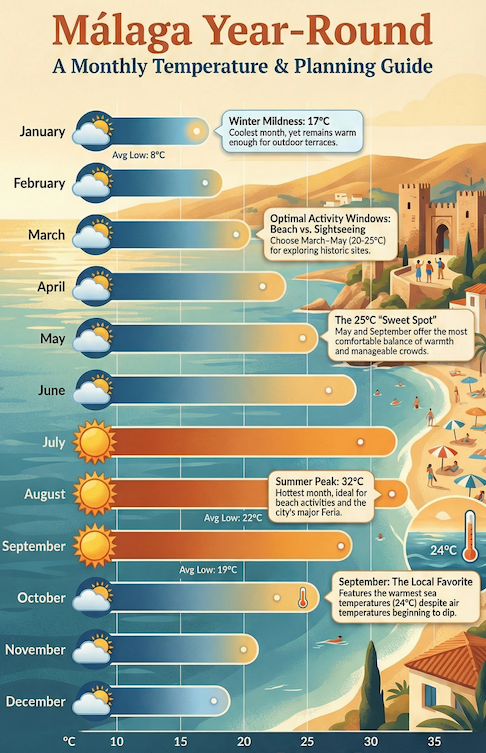
Málaga enjoys a Mediterranean climate with hot, dry summers and mild, wet winters, and it receives more sunshine than almost anywhere else in Europe.
The only time you're really "rolling the dice" with the weather is in January and February. But don't worry, because I've got you covered with all the best things to do when it rains in Malaga.
Which Season is Right for you?
May to June and September to October
Spring
Mar to May- + Perfect temperatures (17 to 25°C)
- + Semana Santa processions
- + Fewer crowds than summer
- + Beach season begins in May
- - Easter week very busy
- - Some spring showers possible
- - Sea still cool for swimming (18 to 20°C)
Summer
Jun to Aug- + Peak beach weather
- + Feria de Málaga (August)
- + Long evenings
- + Buzzing nightlife
- - Hot (28 to 32°C)
- - Peak crowds and prices
- - Accommodation books up fast
Fall
Sep to Nov- + Warm seas for swimming
- + Crowds thin significantly
- + Pleasant temperatures
- + Cultural season begins
- - Some rain possible in November
- - Days shorten noticeably
Winter
Dec to Feb- + Mildest winter in mainland Spain
- + Christmas lights on Calle Larios
- + Fewest tourists
- + Lowest prices
- - Occasional rain (3 to 5 days/month)
- - Evenings cool (10 to 12°C)
- - Some beach facilities closed
January in Málaga
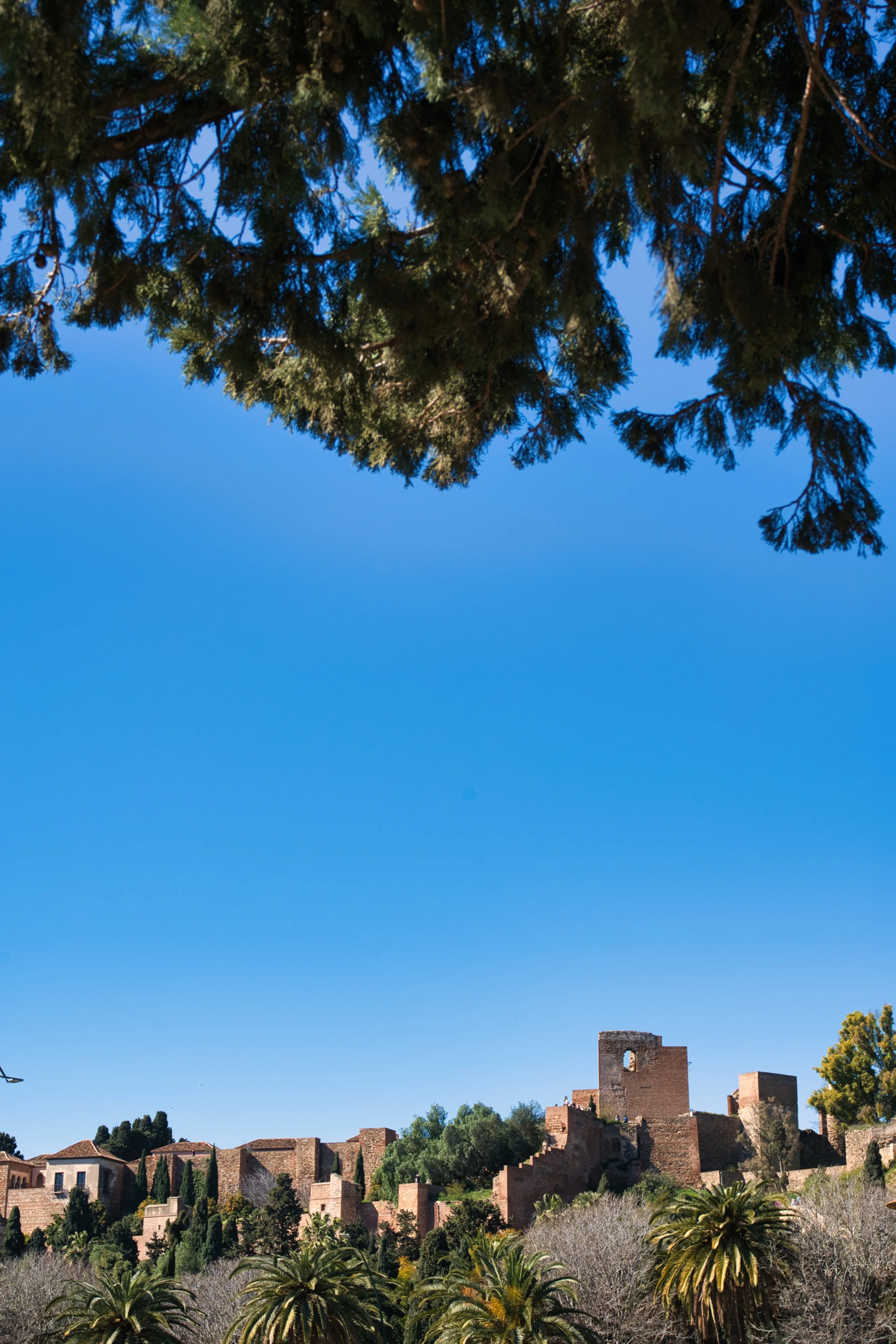
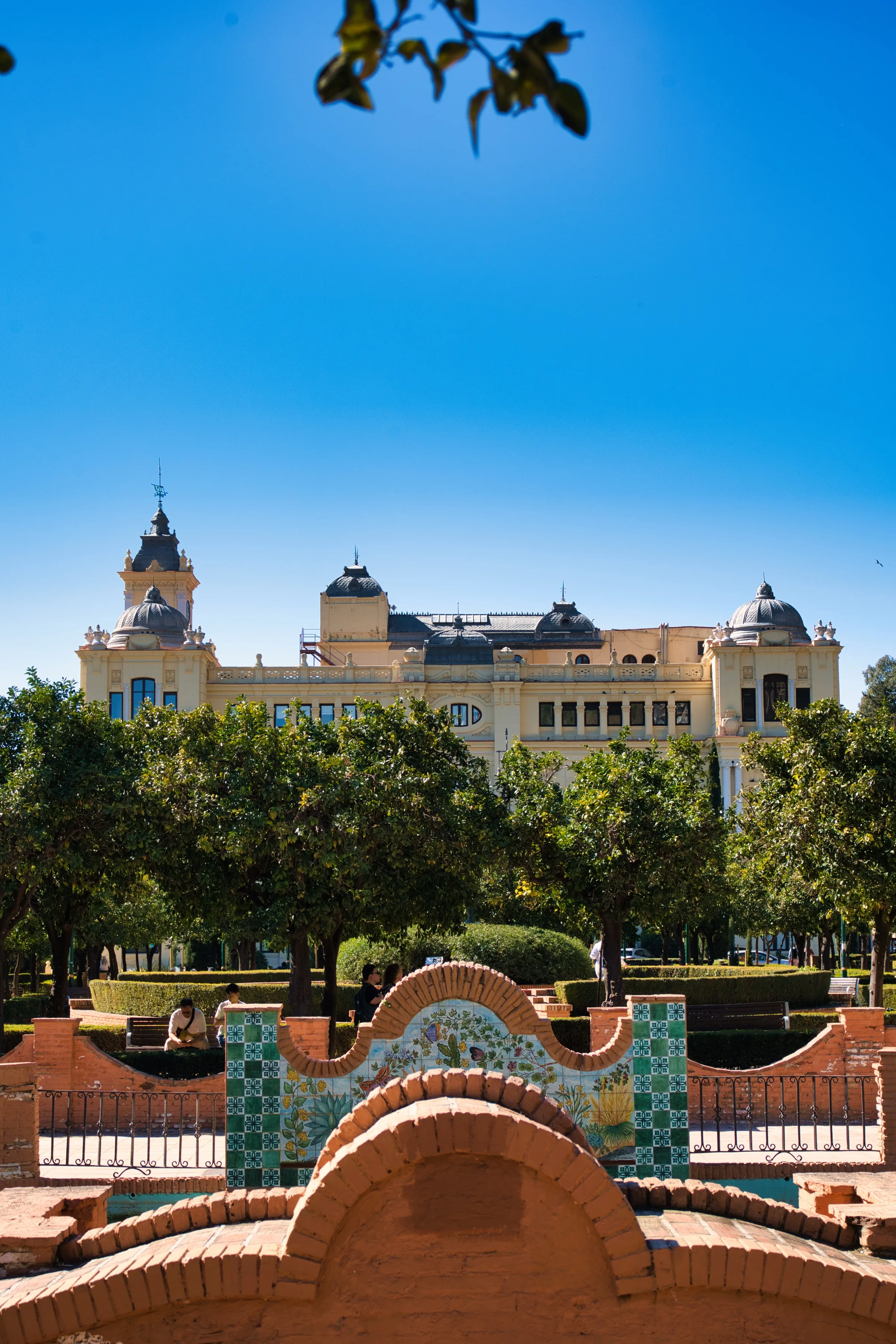
January is Málaga's quietest month.
You won't find yourself standing in line at the Picasso Museum. The Alcazaba is pretty much yours. And you'll have your pick of the restaurants no matter the time of day.
The Three Kings Parade on January 5th closes the holiday season with a spectacular procession through the streets, and the winter sales (rebajas) offer genuine bargains.
You'll want to stay close to all of the attractions during January, just in case you're unlucky with the weather.
Does it rain a lot? No. Málaga is one of Europe's driest cities with annual rainfall averaging just 520mm. Even in the "wetter" winter months, you'll typically see just 3-5 rainy days, and the rain tends to come in short bursts rather than all-day drizzle.
Check our guide to what to do when it rains just in case.
February in Málaga
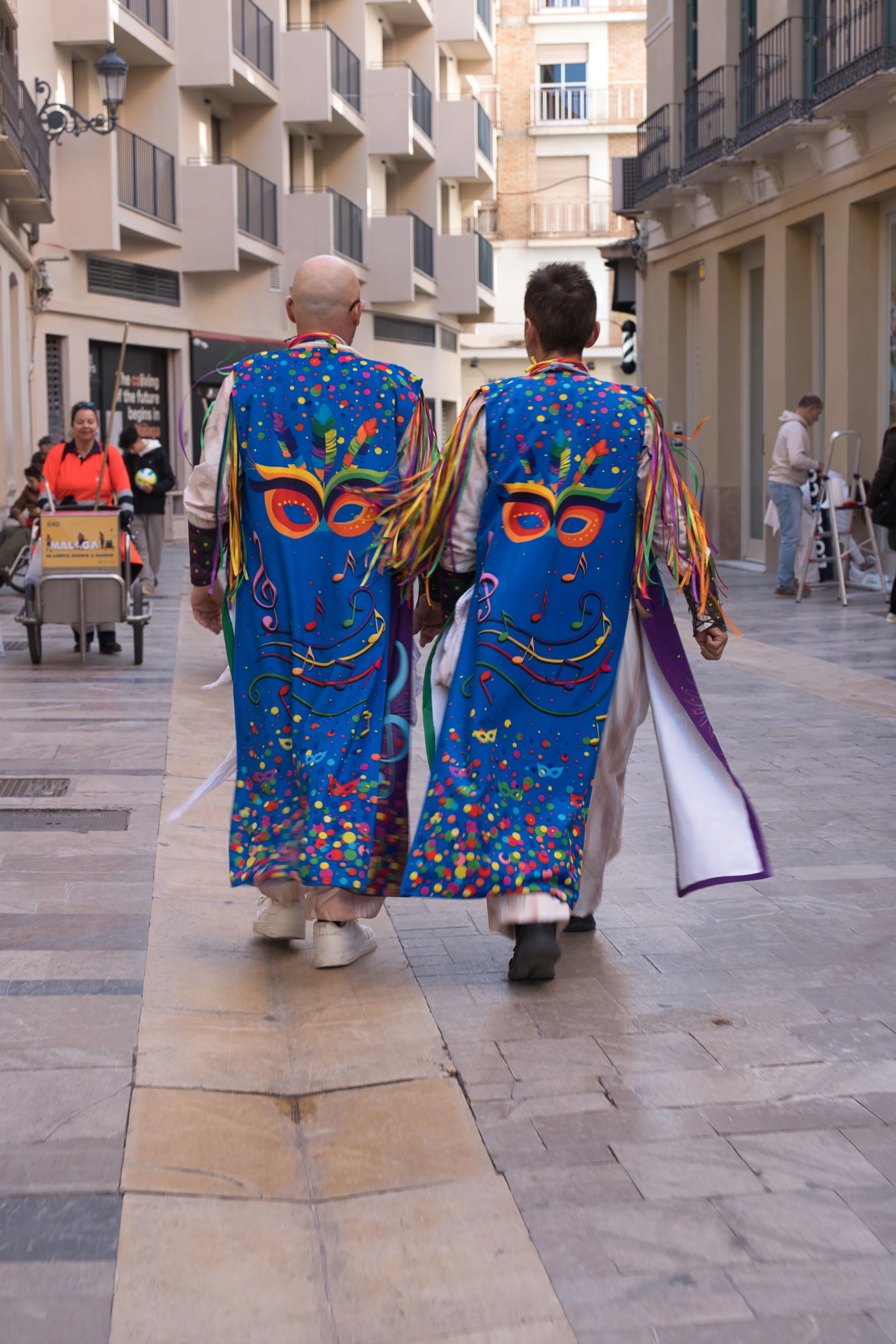
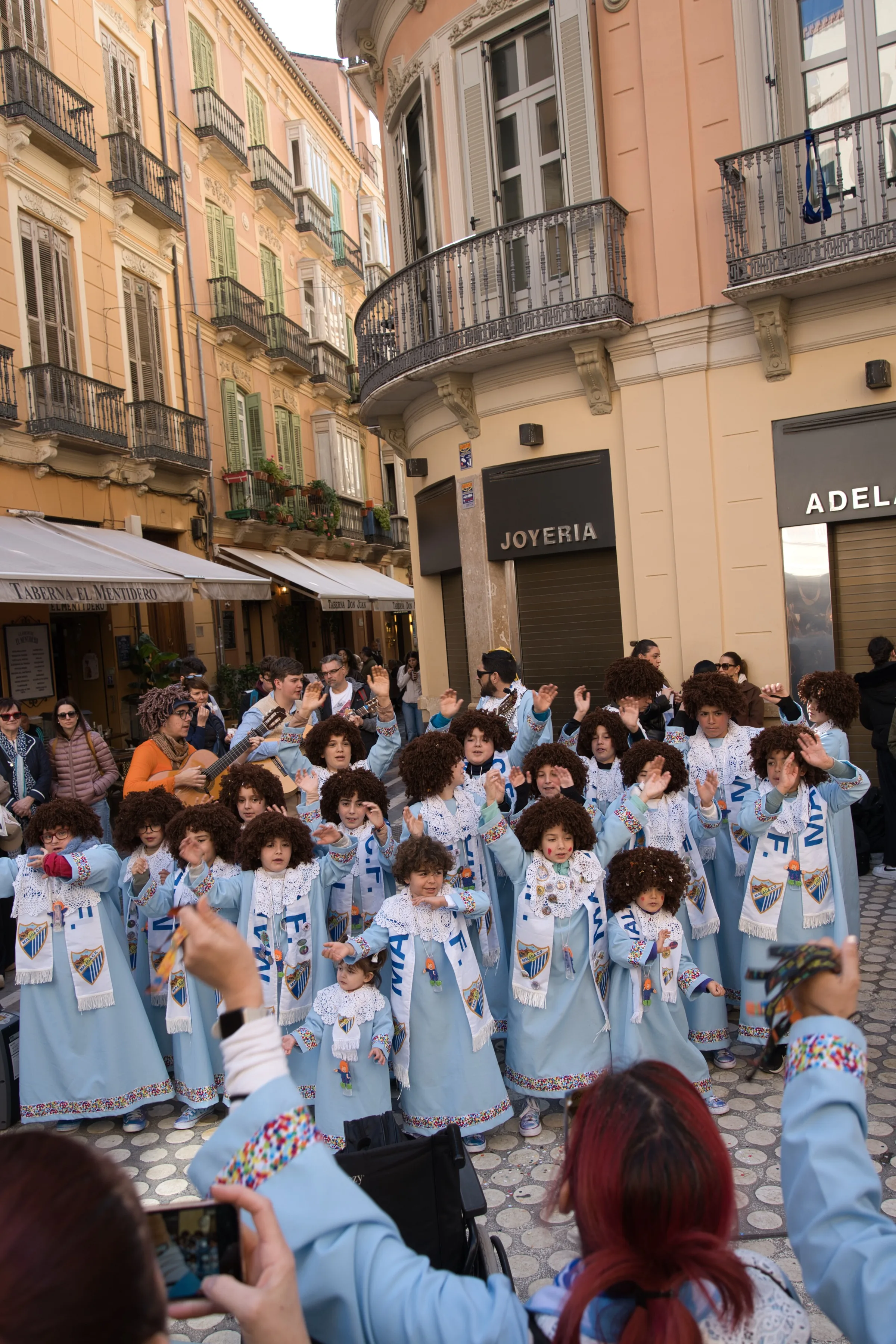
February is surprisingly busy, mostly thanks to Carnival, but also because there are some genuinely beach-worthy days as well.
Carnival celebrations last a whole week, with parades and shows that eventually end in the "Burial of the Sardine". If you're on the fence about February and love theatre, then come for this!
Temperatures climb to 18-19°C, and the sunshine feels stronger. This is a lovely month to visit if you want the peace of winter with the promise of spring. Check what's on in Málaga for carnival dates and other February events.
For everything to do and see, read my full guide to things to do in Malaga in February.
March in Málaga
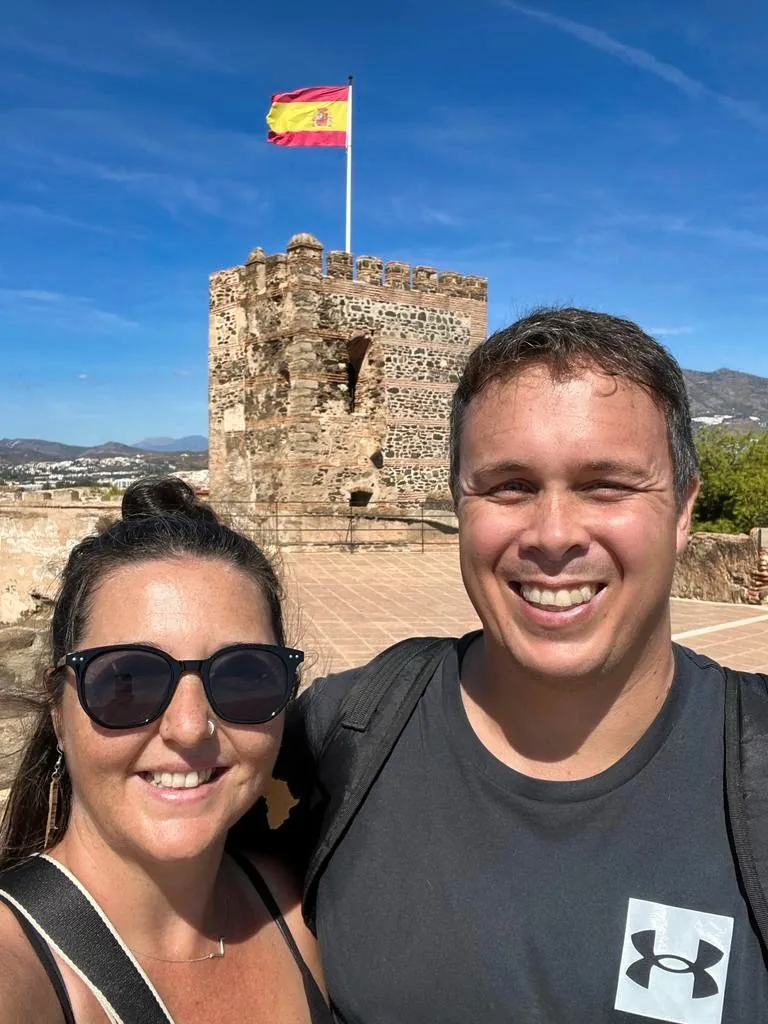
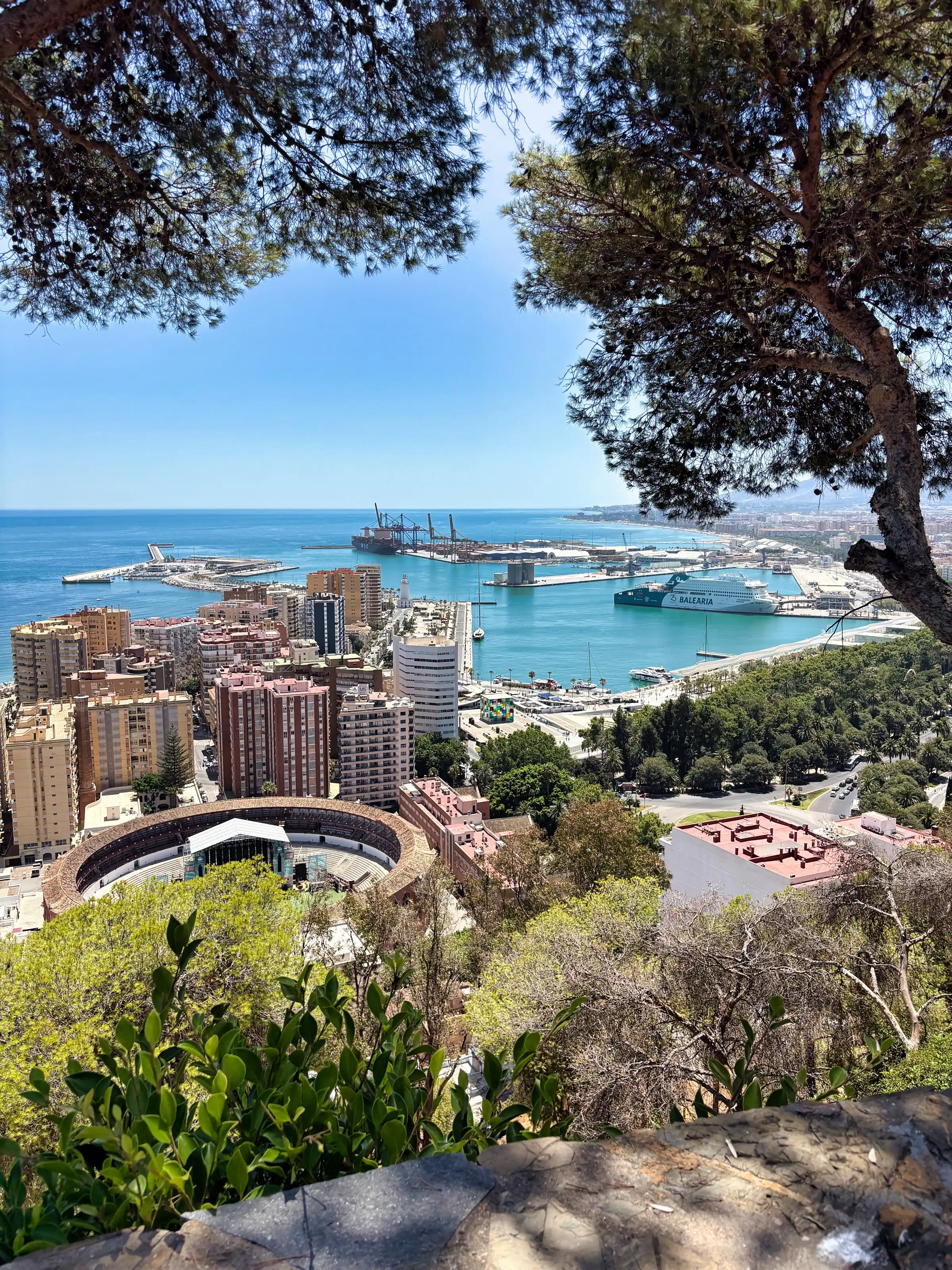
March marks the end of shoes and the start of flip-flops, at least for me.
Daytime temperatures hover around 19-20°C, warm enough to enjoy long walks but cool enough to climb up to the Alcazaba without breaking a sweat.
The Málaga Film Festival brings red carpets and cinema buzz to the city, and you'll notice the outdoor terraces filling up again after the quieter winter months.
If you want to stay near the activities and maybe snap a pic with Antonio, Picasso Deluxe Puerta Verde is perfect. It's also right on the beautiful Plaza de la Merced.
This is perfect weather for exploring the museums and wandering through the streets with an ice-cream, which is mandatory in Spain.
You would be really unlucky to catch rain in March, and if you do, it won't last long.
April in Málaga
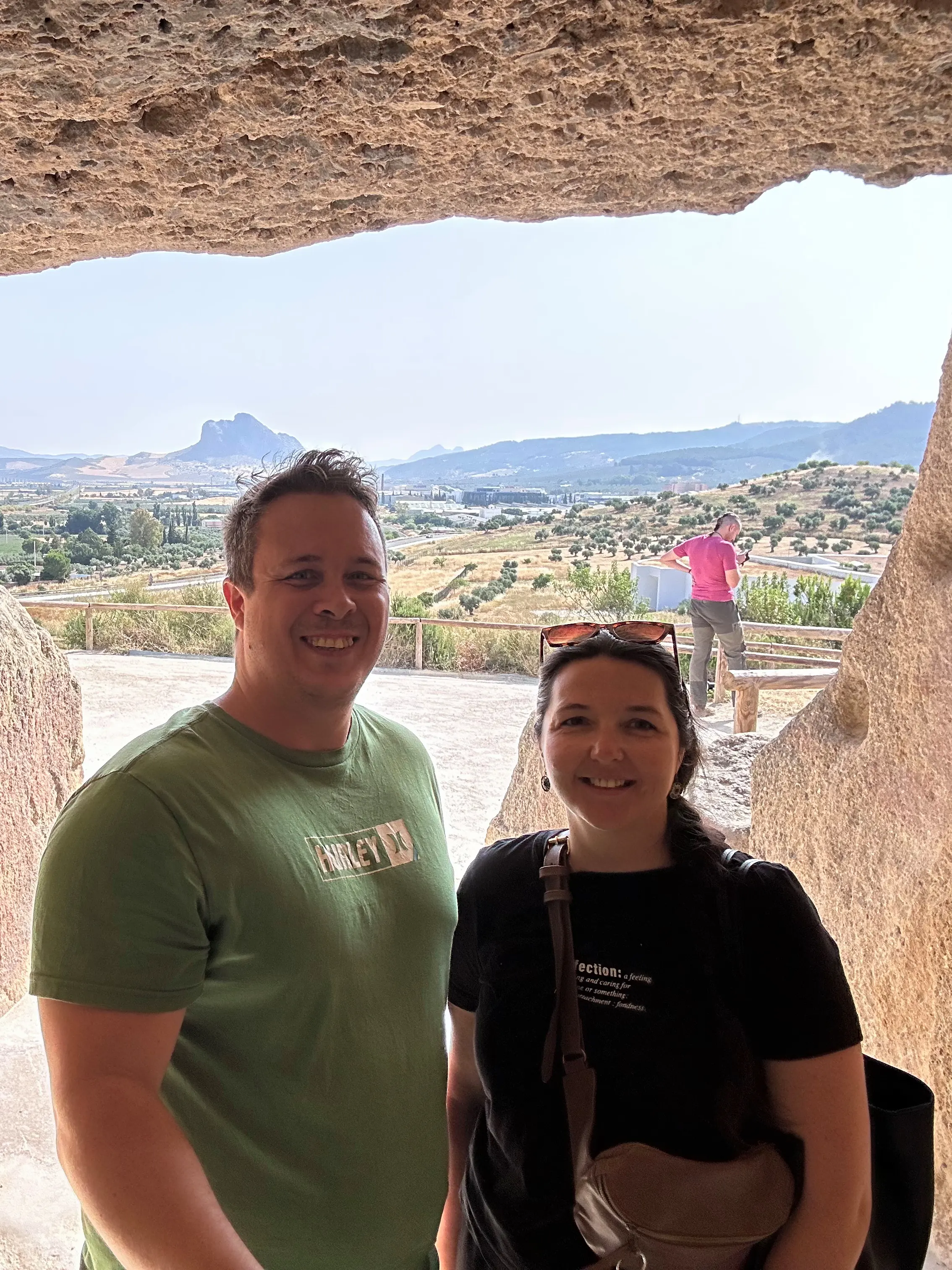
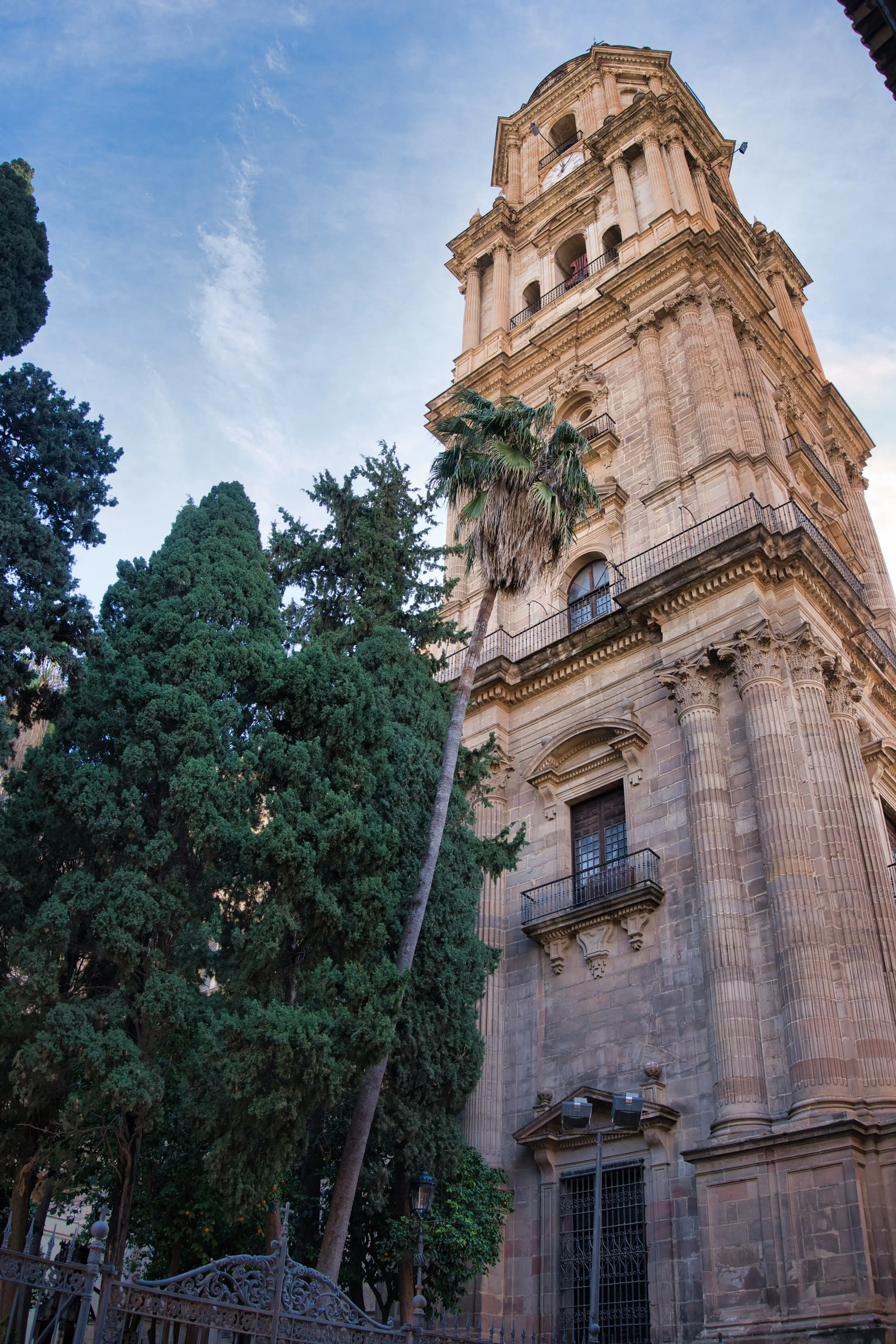
April brings Semana Santa, Málaga's spectacular Easter processions.
I'll be honest, after four years, all I want to do is escape Semana Santa now. It's amazing, but they literally come past my flat every day!
But you're not me, and if you've never experienced Spanish Easter, it's something else entirely.
Enormous floats carried by dozens, sometimes more than a hundred, men snake their way through the entire city.
You won't be able to get around much during Semana Santa, so I recommend staying in the Centro Historico to avoid not being able to get home.
Temperatures reach a comfortable 21-22°C, and the beaches start to look tempting even if the water (around 17°C) still feels fresh.
Check our events calendar to see the full Semana Santa schedule and other April happenings.
May in Málaga
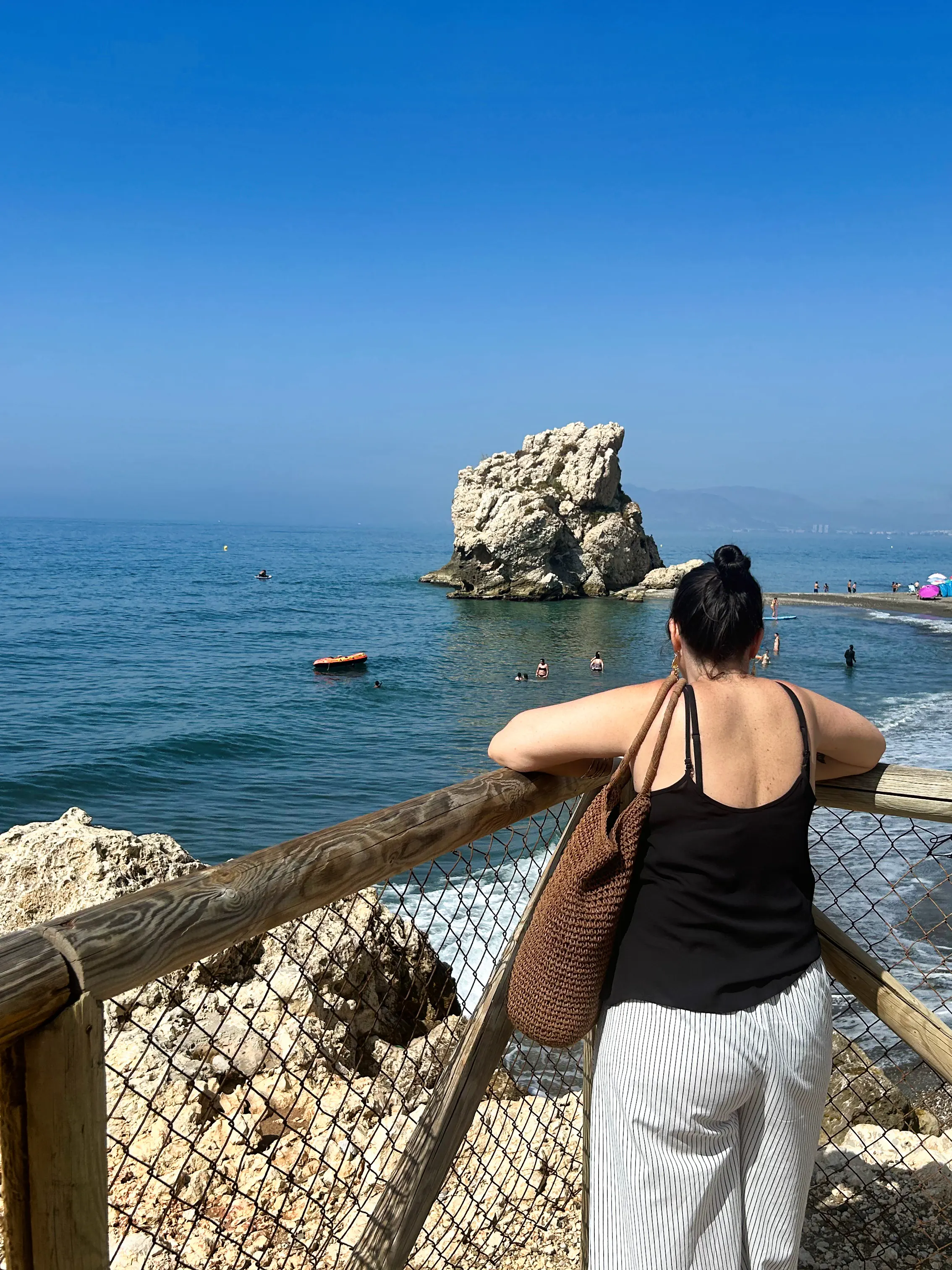
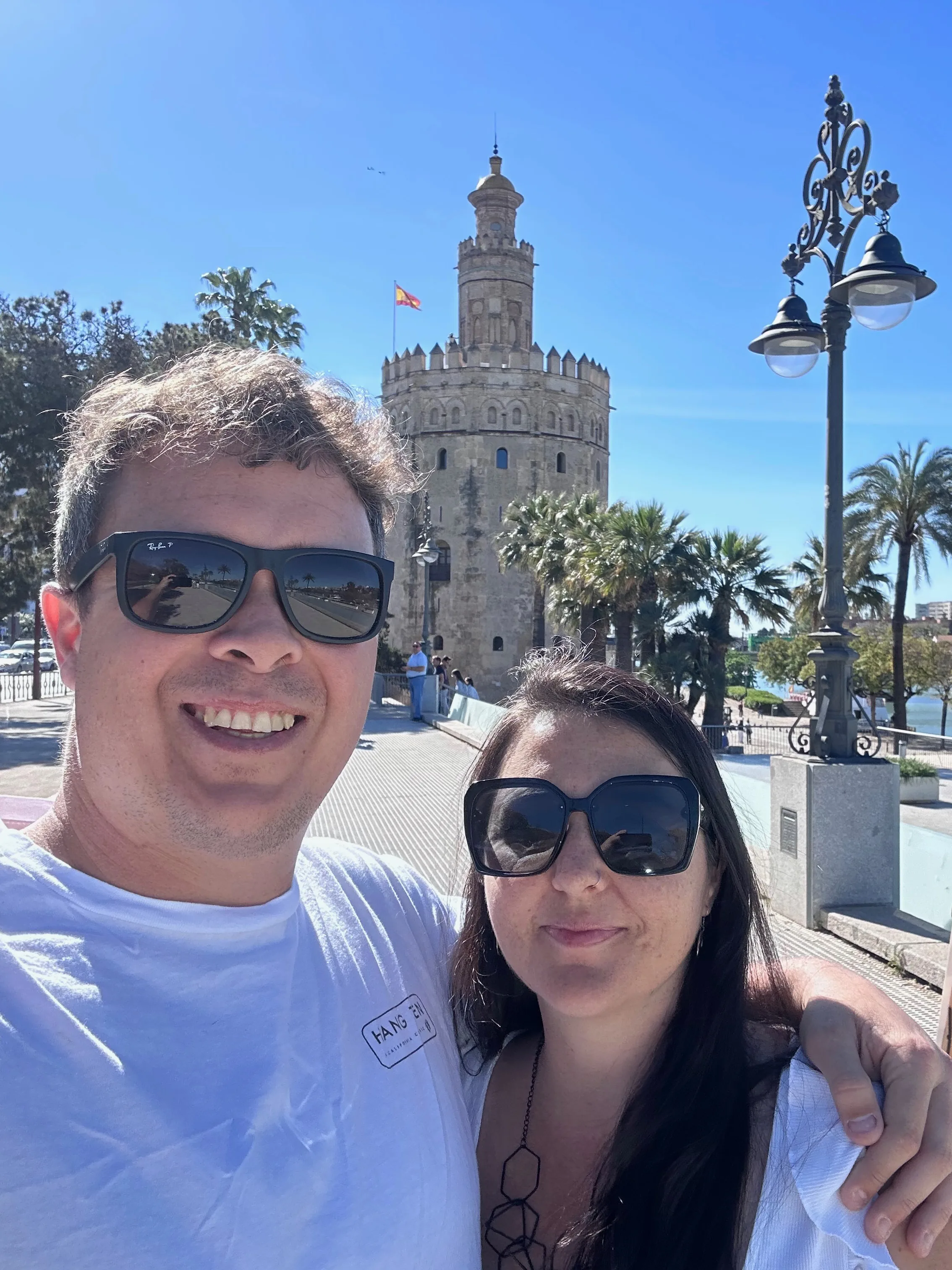
May is perfect. Stop thinking and book your hotel now if you're thinking about coming in May.
Temperatures reach 24-25°C, the evenings are warm enough you can stay out as late as you want, and the city isn't packed with shoulder rubbers.
Beach season officially begins, although at 18-20°C, I spend most of my time on the sand still.
You can swim in May, but June is when the water warms past 21°C to a temperature I would call enjoyable.
Noche en Blanco transforms the city into an all-night party with free concerts, museum openings, and street performances running until dawn.
If you're visiting with kids, this is also a great month. The weather is reliable, and there aren't any crazy queues yet.
If you're on the fence about May, my things to do in Malaga in May guide covers the events, the beaches, and the day trips worth planning around.
June in Málaga
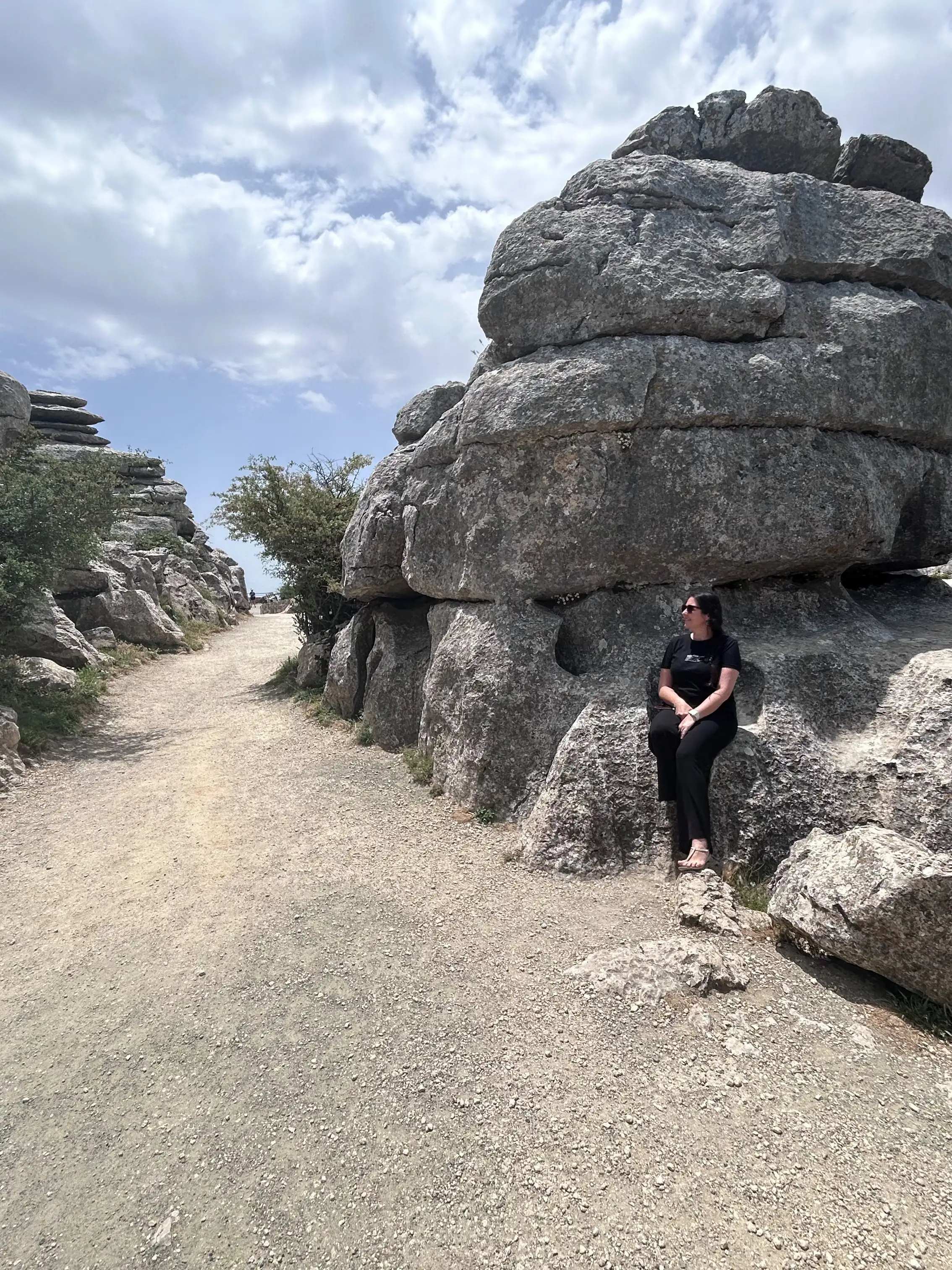
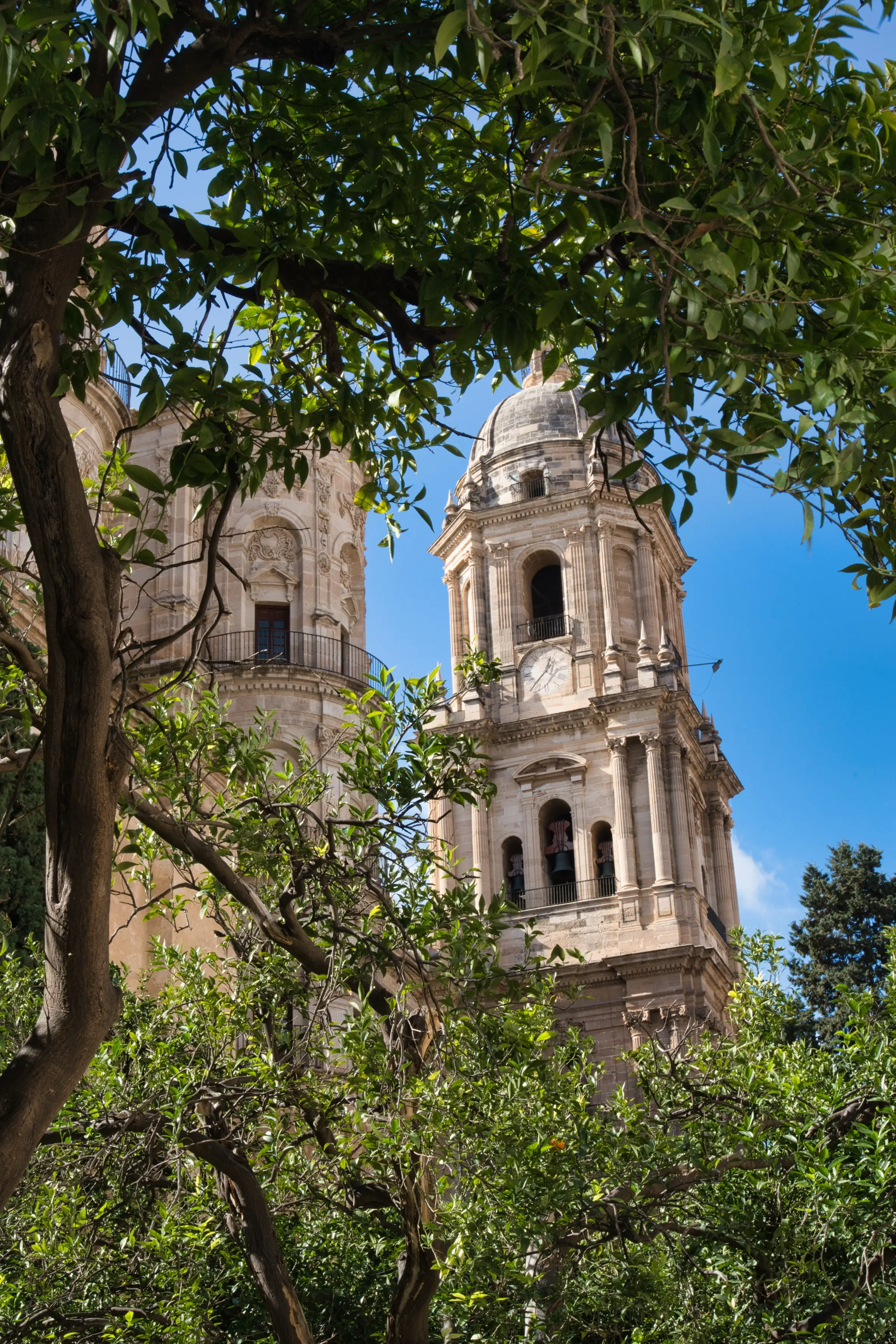
June is a relatively quiet month, but that might be exactly what you want.
Temperatures average 28°C, the sea temperature gets to around 21°C, which means you're not afraid of the water, and hotel prices haven't yet peaked.
The sun sets after 9:30 pm, giving you gloriously long evenings for rooftop drinks and terrace dining.
The highlight is Noche de San Juan on the 23rd, when locals build bonfires along the beaches, set off fireworks, and swim at midnight. Arrive at the beach by early evening to secure a good spot.
If you're coming for the fireworks, then the absolute best hotel to stay at is the AC Hotel Malaga Palacio. Their rooftop has the best views of the fireworks, and a pool to cool off in!
July in Málaga
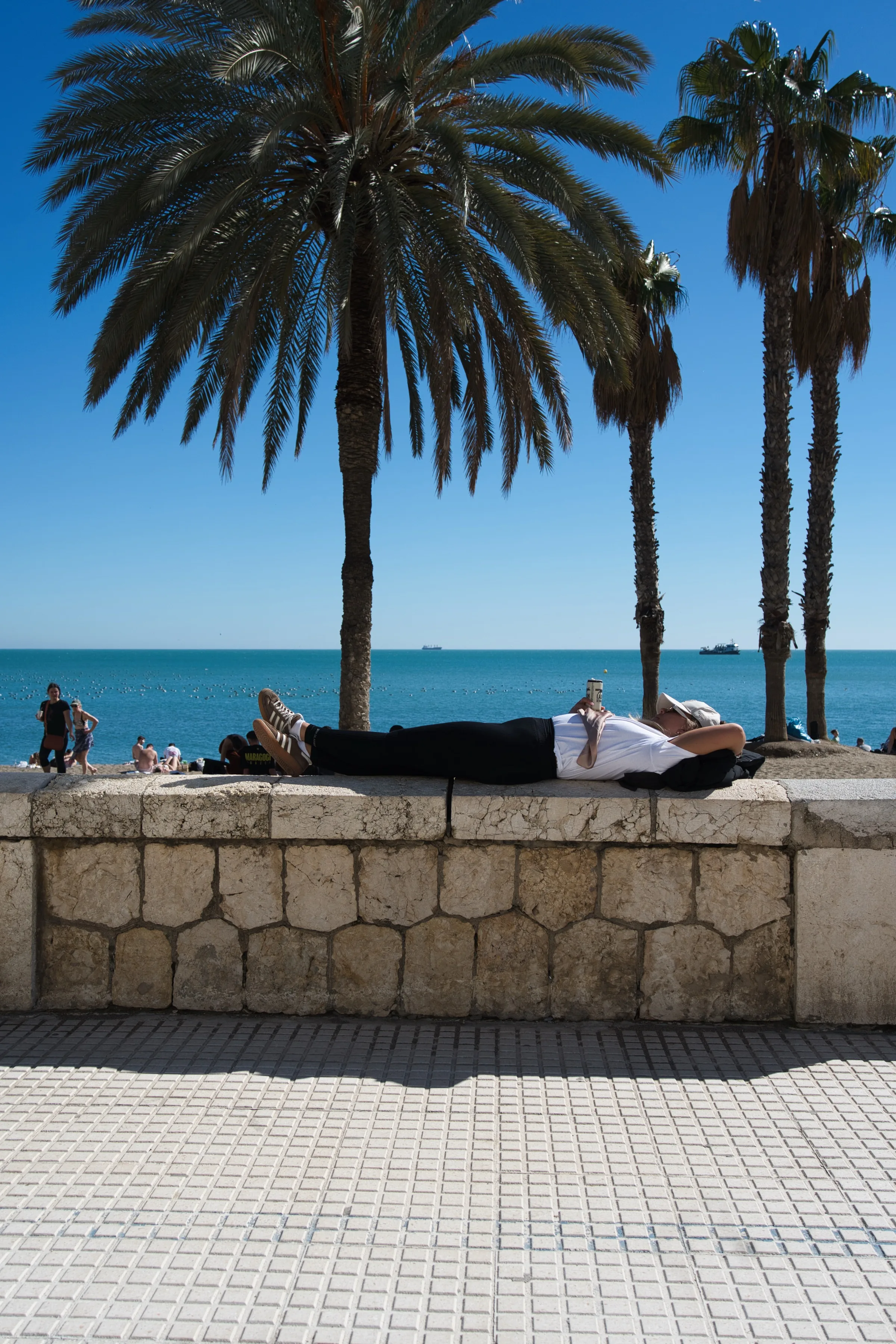
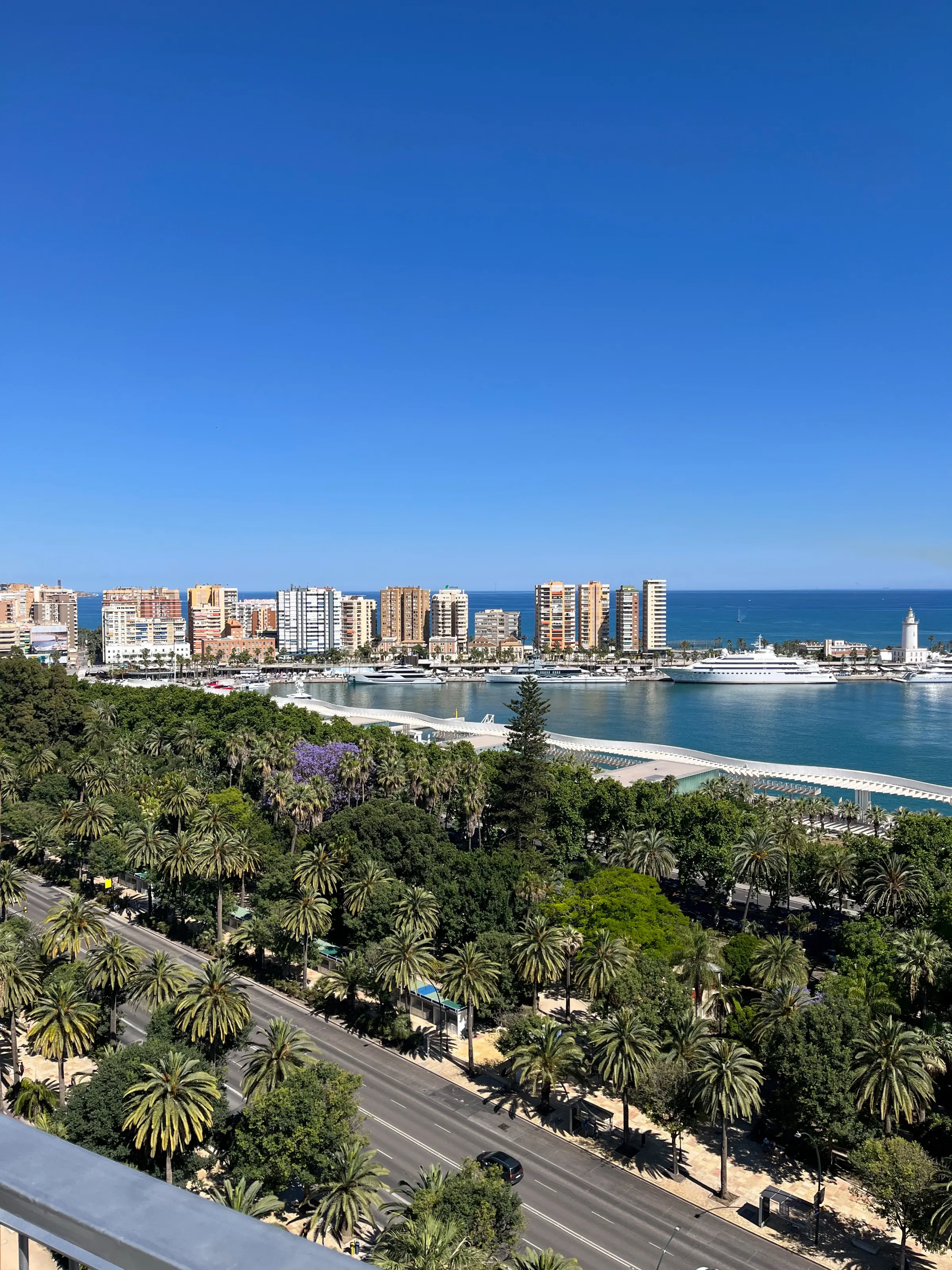
Come in July if heat is what you are after.
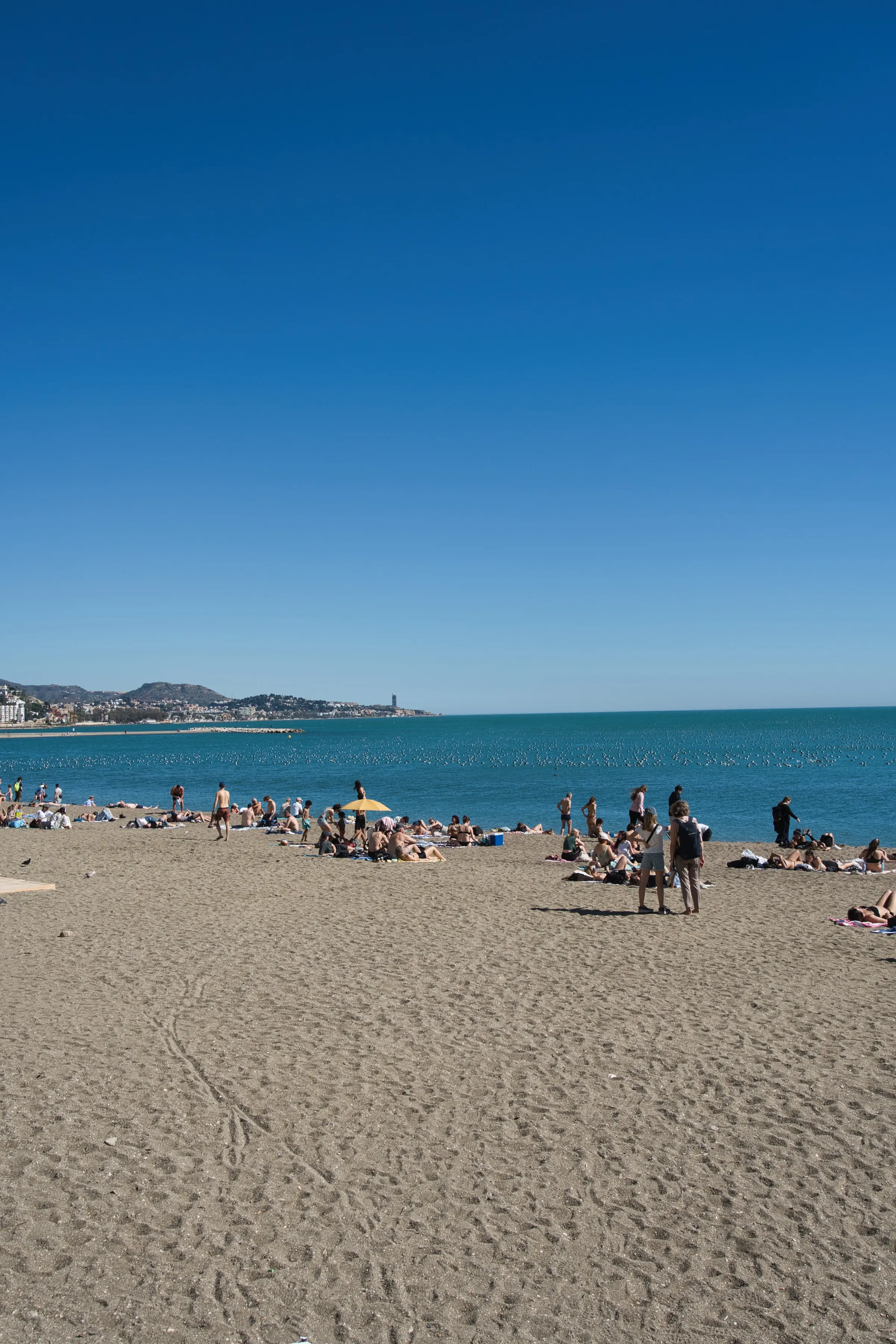
Expect 30°C+ days and beaches packed with Spanish holidaymakers who've started their summer vacations.
You'll find open-air concerts at the Roman Theatre, outdoor cinemas, and the Virgen del Carmen procession, plus loads more if you're willing to brave the heat.
If the heat feels oppressive, you can retreat to the air-conditioned museums during the afternoon, or escape on a day trip to the mountains.
The mornings and late evenings are still beautiful for exploring the old town and catching sunset from the best viewpoints.
August in Málaga
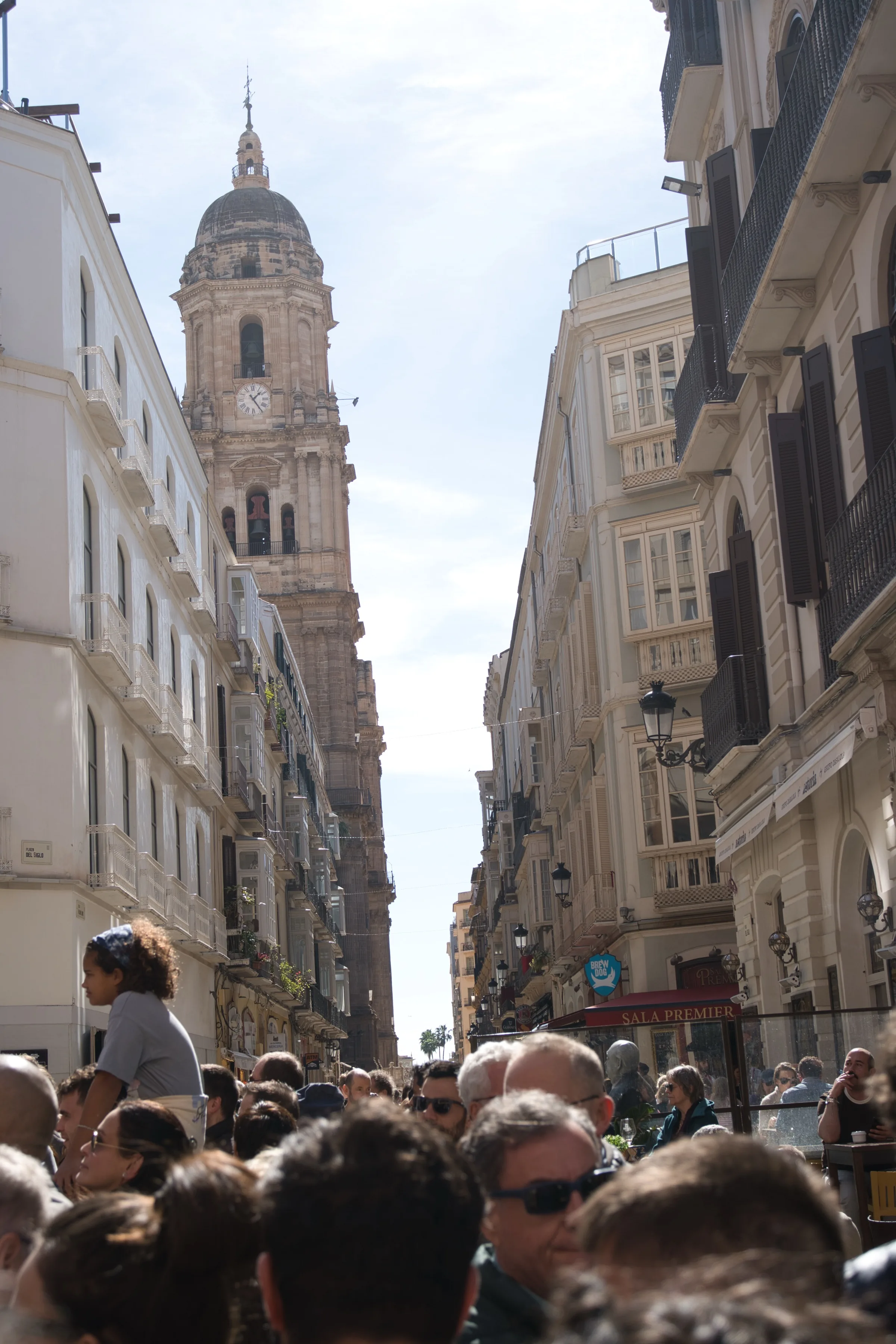
August brings the Feria de Málaga, the city's most important festival and, in our opinion, Spain's best summer feria.
The Feria runs for a whopping 10 days in mid-August, typically starting the weekend closest to August 15th.
During the day, the feria de día fills the centre with flamenco dresses and horse carriages. At night, the feria de noche moves to the recinto fairground with casetas, fairground rides, and dancing until dawn.
We always go 2-3 times each year. Transportation is provided, but it's a bit of a headache.
If you're planning to visit during the feria, book accommodation months in advance. Prices peak and rooms disappear fast. I recommend staying in SOHO to be close to where the buses take off from, but away from the main crowds.
If you feel like splurging, the Only You Hotel Malaga has the most amazing infinity rooftop pool where you can escape the heat after a long day at the Feria!
Check our events calendar for exact dates each year.
For what to do in August, including the Feria and the best beaches, see our things to do in Malaga in August guide.
Try and book a hotel with a rooftop if you can, you'll thank me later! My top pick is the Catalonia Molina lario.
September in Málaga
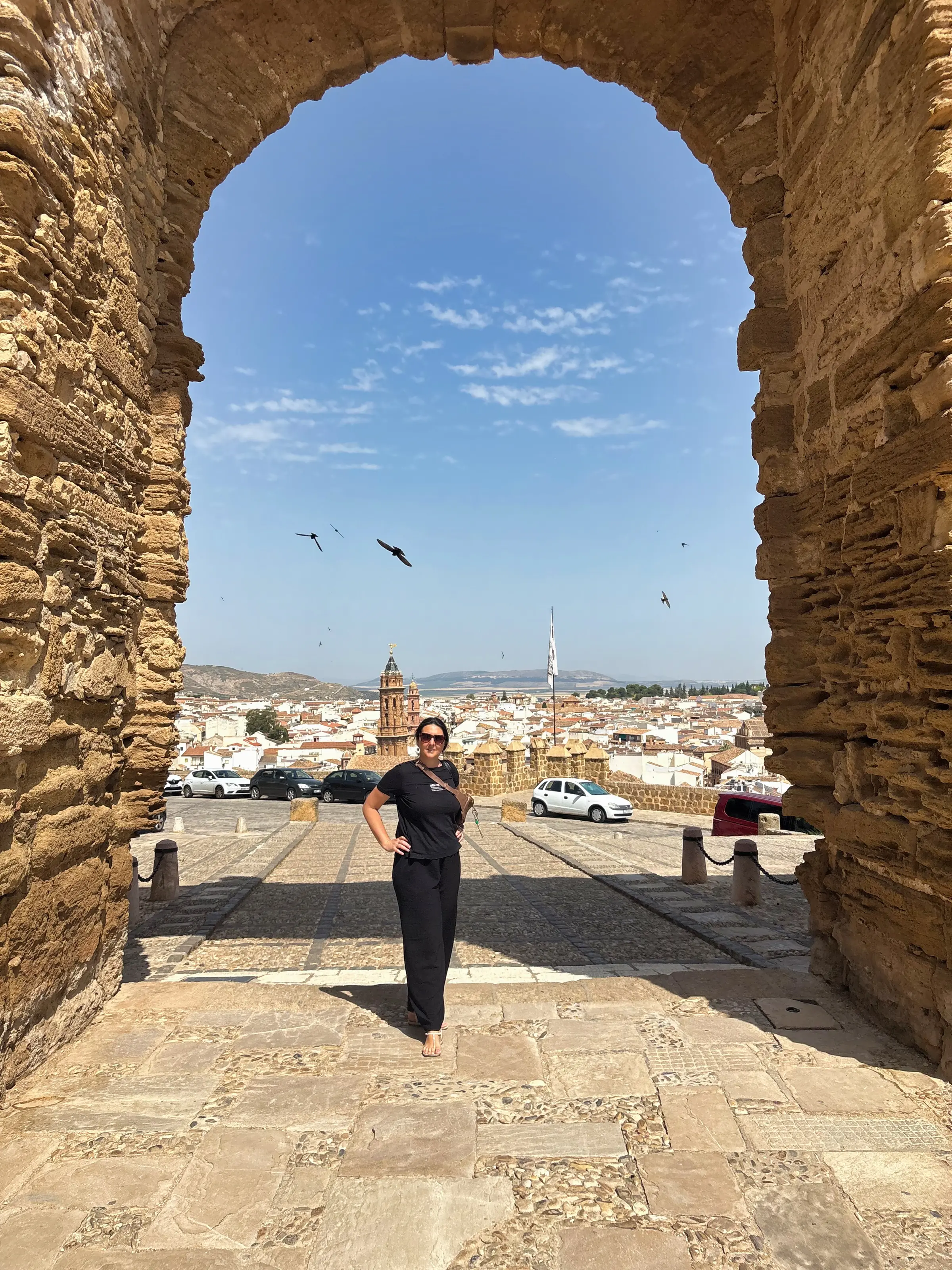
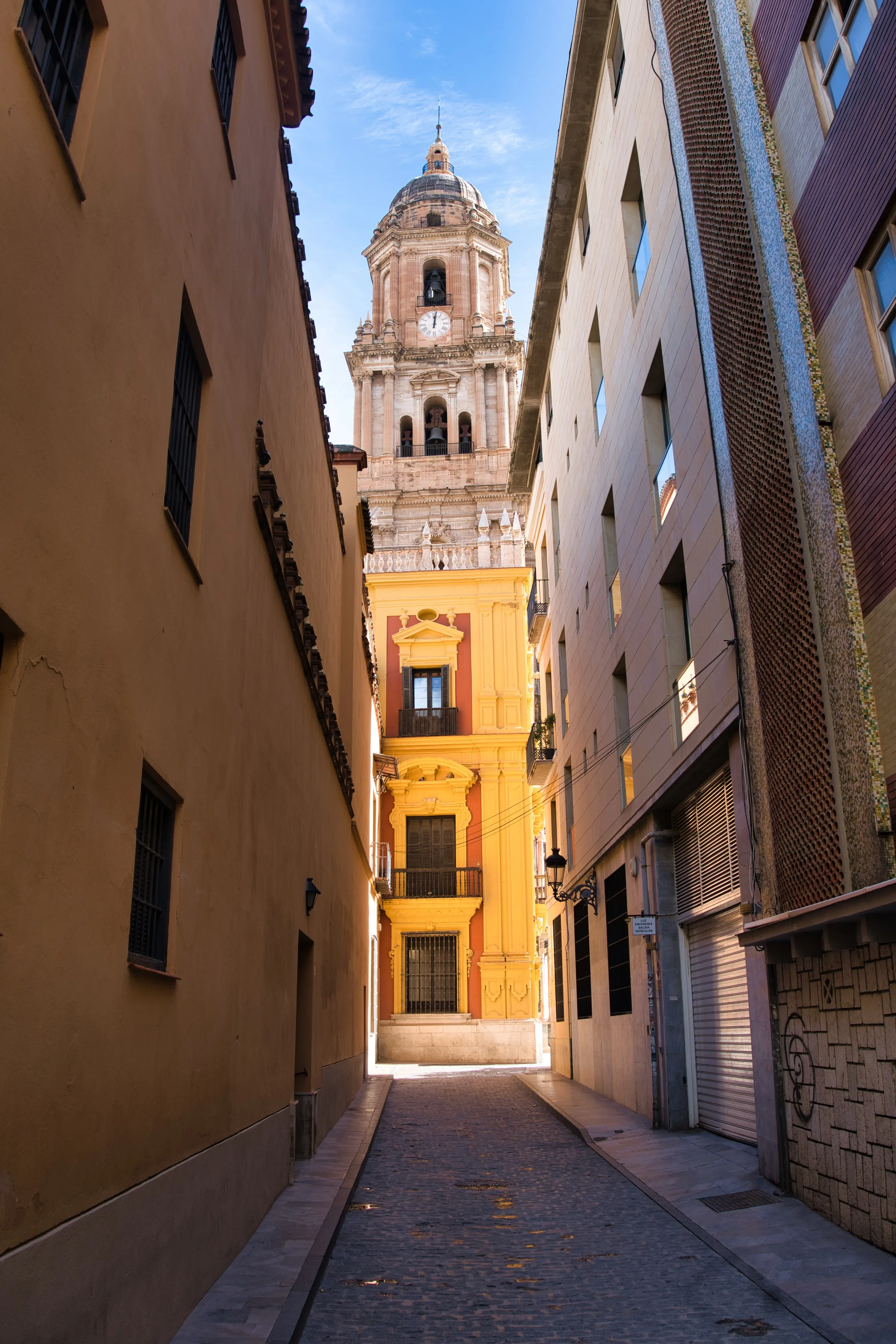
You're not quite escaping the tourist chaos in September, but the difference is still noticeable.
At 24-25°C, you're still hot, but not too hot, and the ocean is still perfect for swimming. The water feels like a bath, and the beaches finally have some space to breathe.
Málaga Fashion Week gets some parts of the city into a buzz, and you'll find hotel prices have dropped significantly from August peaks.
This is the month when the day trips become enjoyable again.
Head to the Caminito del Rey without the summer heat, explore Ronda without fighting for space at the viewpoints, or visit Granada for the Alhambra in ideal conditions.
October in Málaga
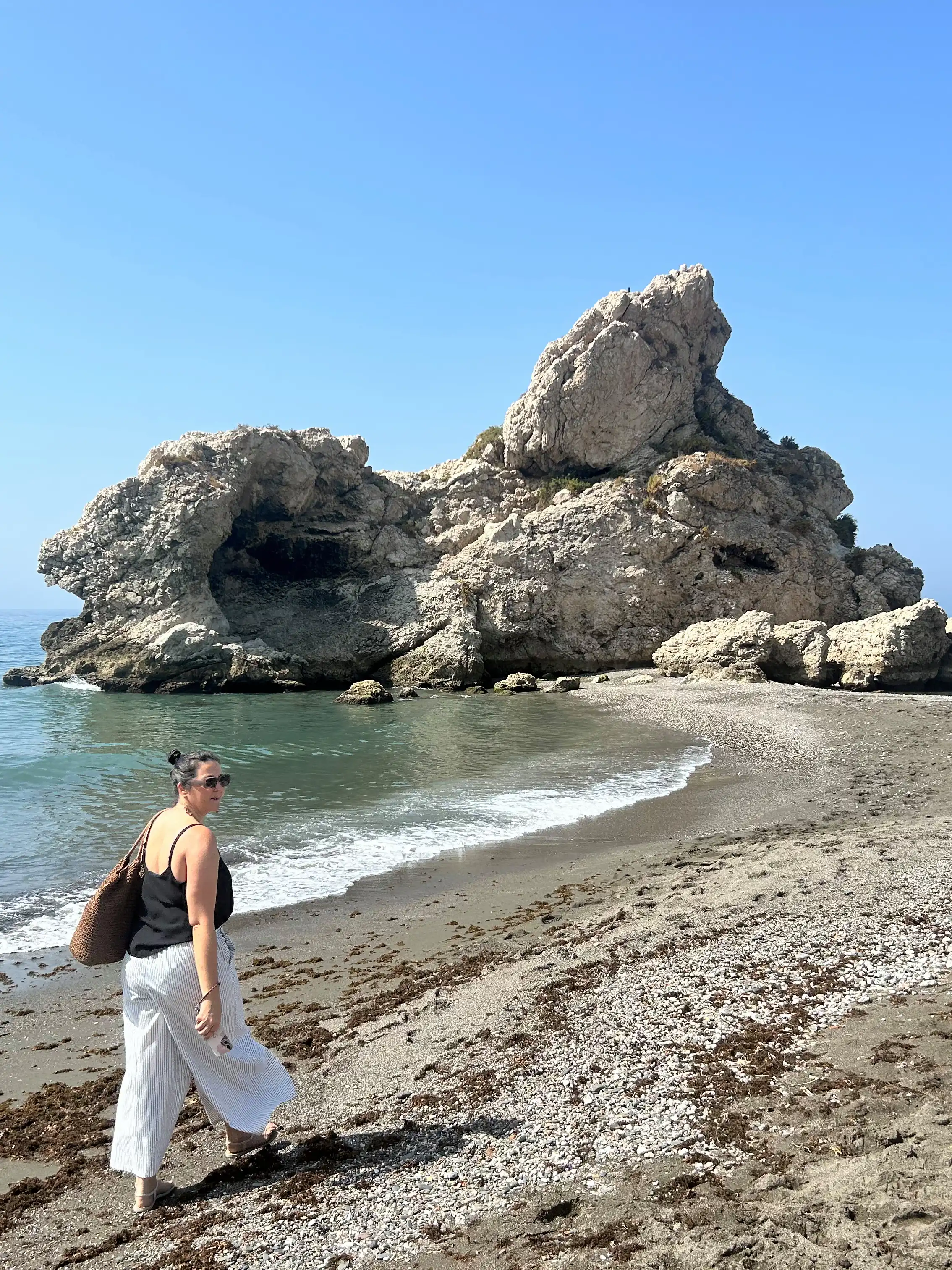
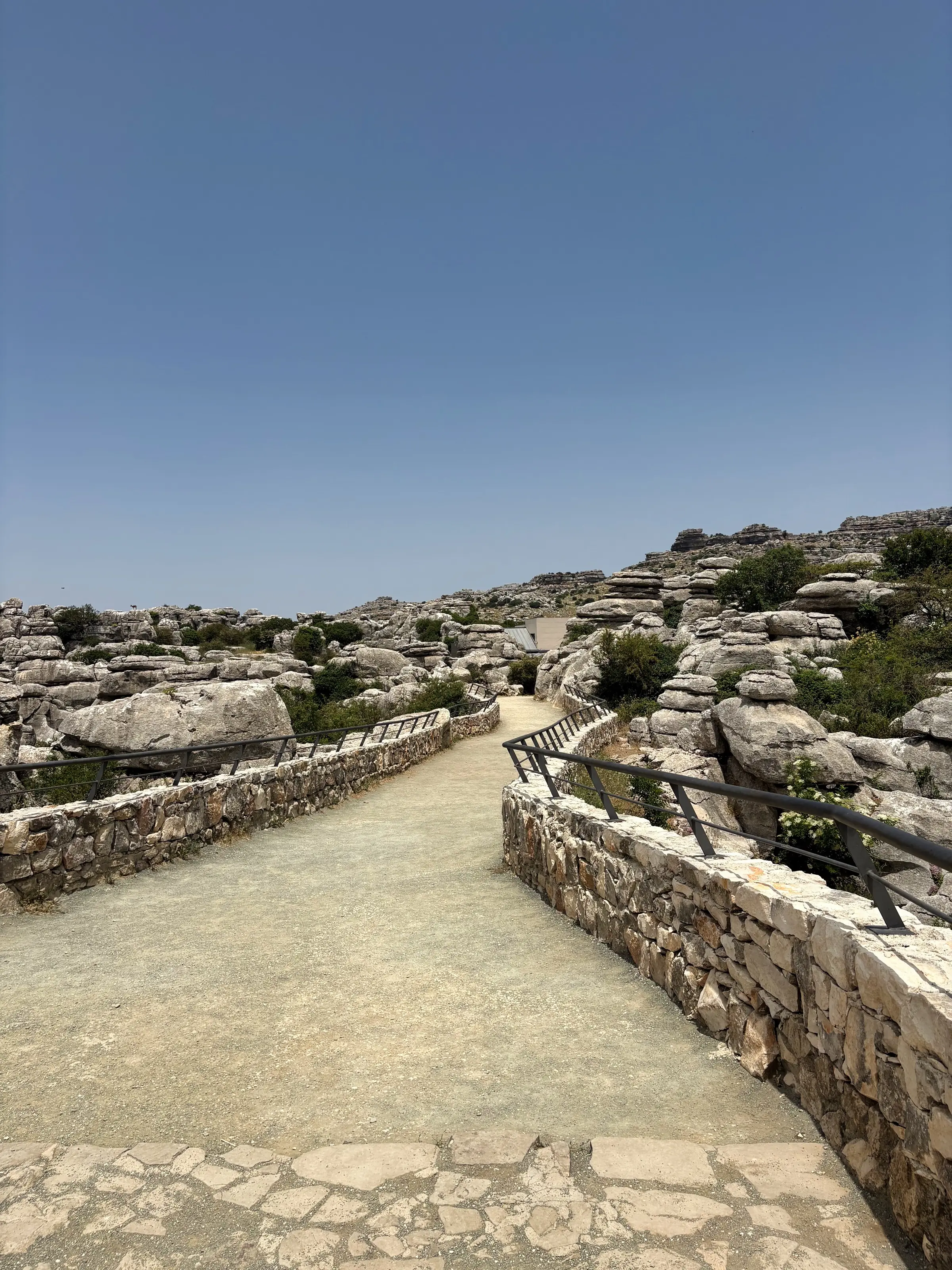
I love October in Malaga.
This month brings comfortable 24°C days and never-ending blue skies.
The sea is still swimmable, but you may need to give yourself a "pep talk" before you dive in.
Picasso celebrations around his birthday on October 25th also bring special exhibitions and events to the city.
This is another perfect month for exploring.
You can comfortably spend hours wandering the old town, climbing up to the best viewpoints, and sampling tapas without the summer crowds or heat.
Check what's on for the full calendar of October events.
November in Málaga
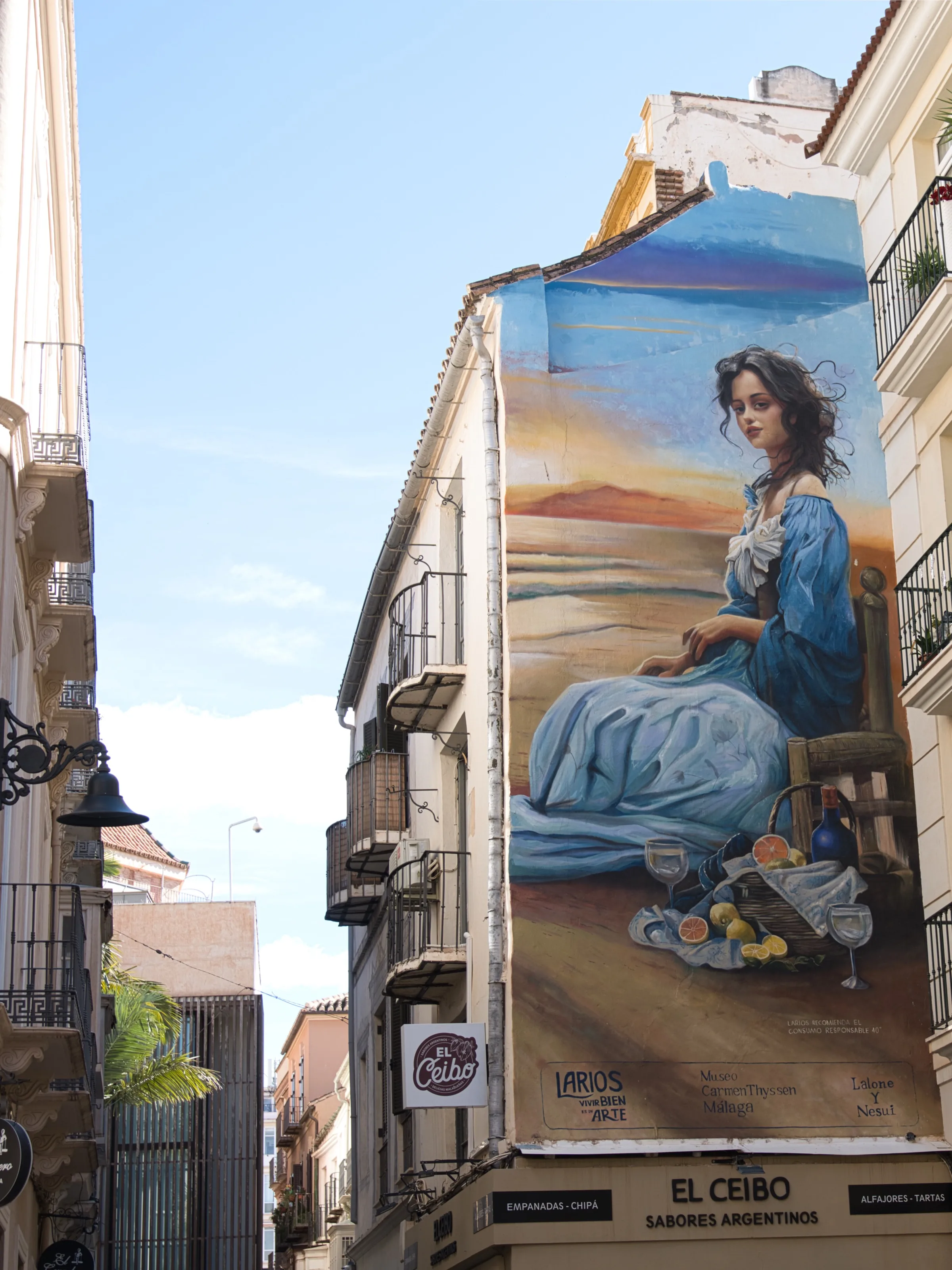
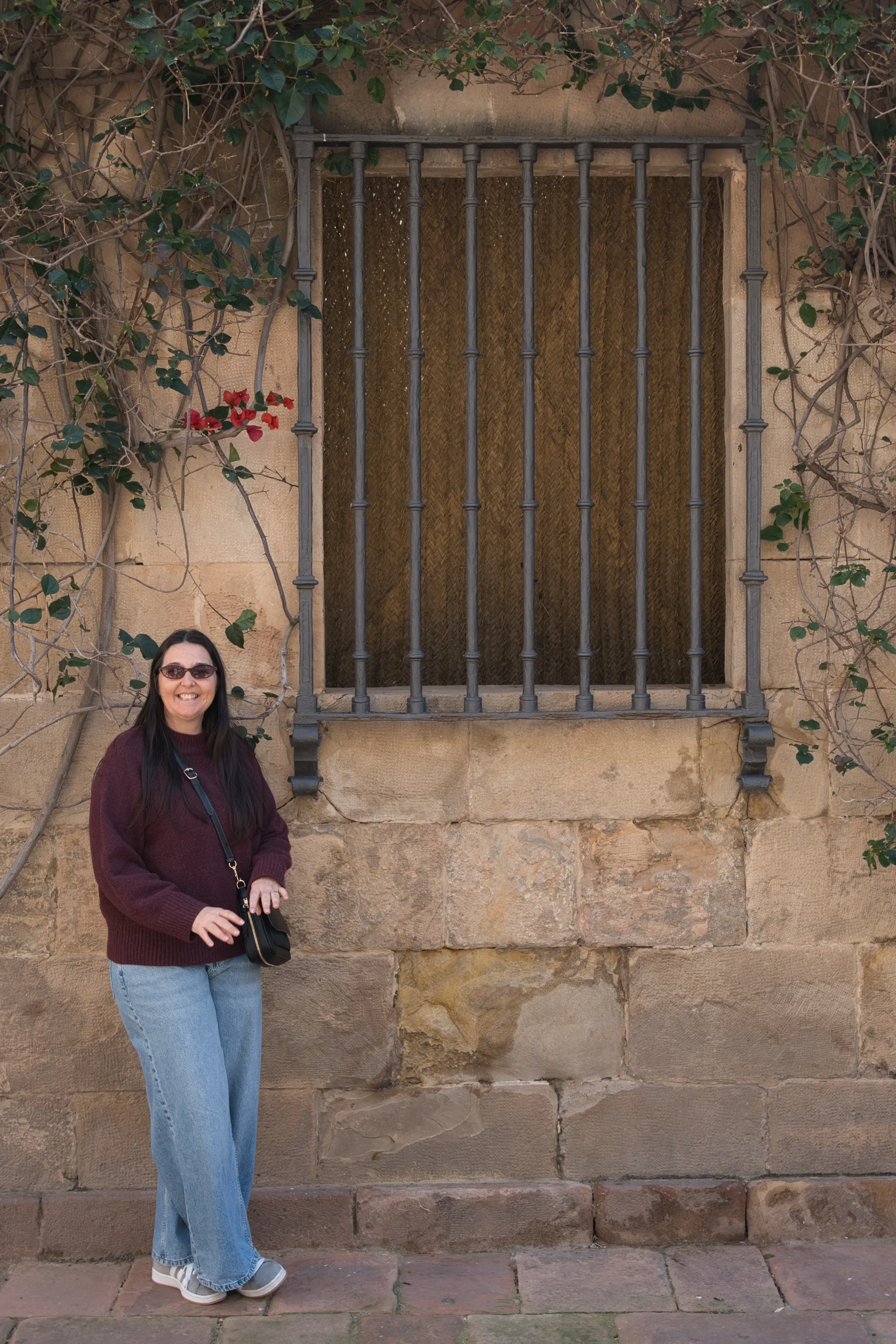
Some might say November is cold, but over the last two years it's felt more like an extended Summer, with the days warmer than usual.
Temperatures do cool to around 20°C and the first autumn rains arrive, though I should be clear: Málaga's rainfall is light compared to northern Spain.
You'll typically see just 4-5 rainy days, and even those are often brief showers followed by some light grey skies.
This is prime time for museum-hopping, tapas crawling, and enjoying the city's cafés without tourist crowds.
The Málaga Jazz Festival, which I admit I still have not seen, brings a ton of amazing performances to the city.
If rain does catch you out, we've got you covered with plenty of things to do when it rains.
I recommend basing yourself in Malaga's Historic Centre to stay close to the attractions, or in SOHO if you want to stay somewhere quiet but only 5 minutes away from Calle Larios.
If you're not sure what November has to offer, read my guide to things to do in Malaga in November.
December in Málaga
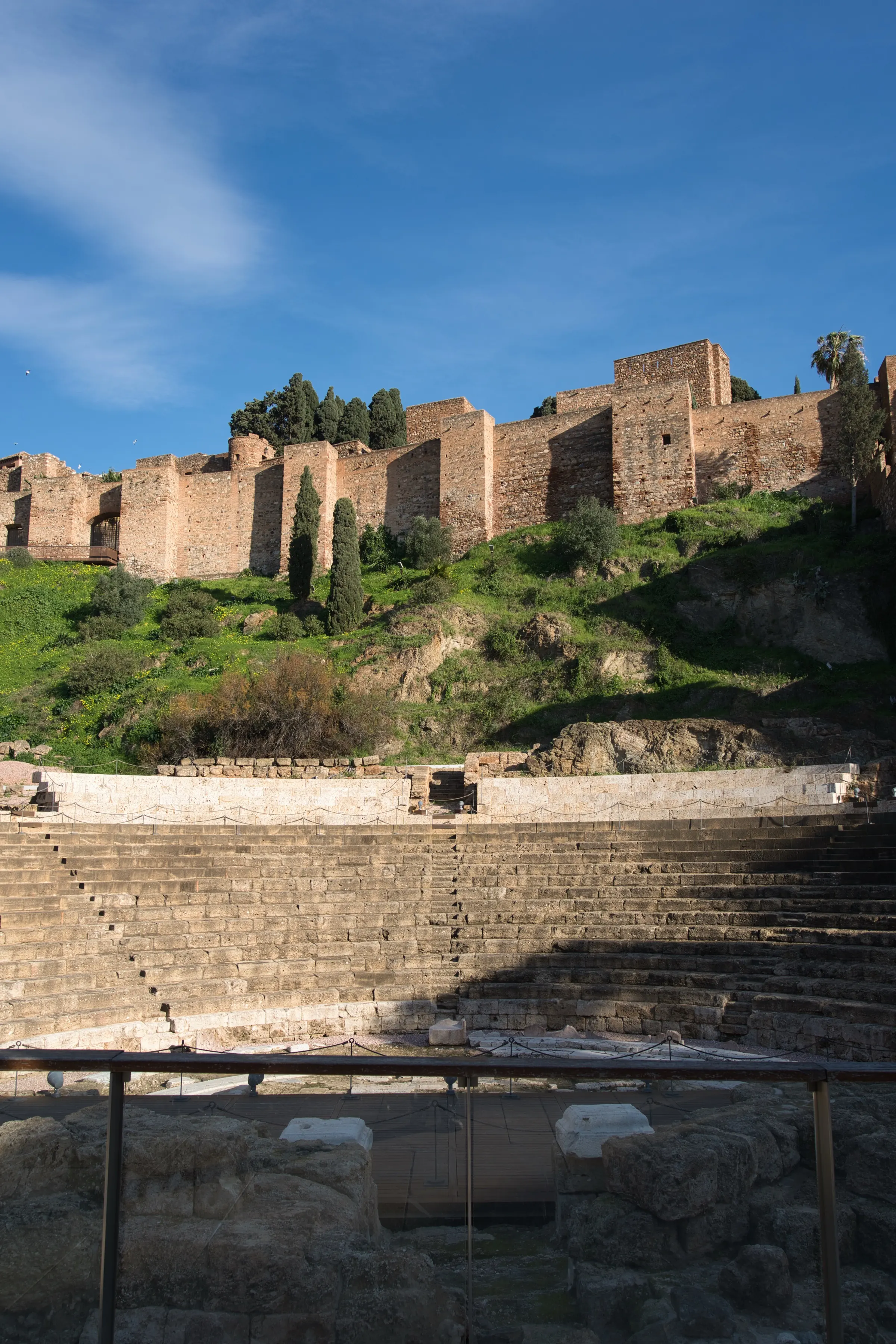
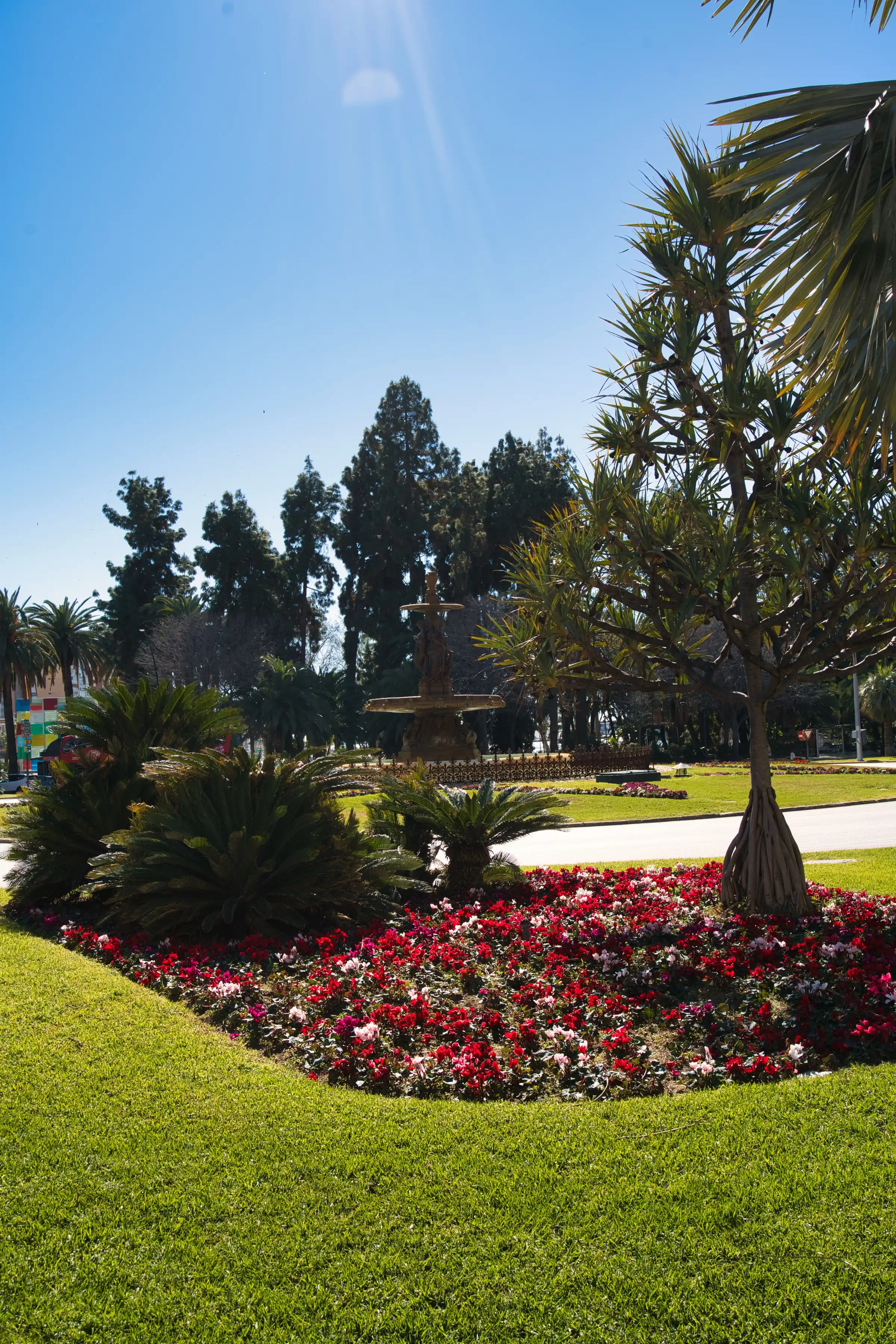
December brings Christmas magic, and despite being peak Winter, the city is alive with things to do.
Calle Larios hosts one of Spain's most spectacular Christmas light displays, a choreographed show set to music that draws thousands nightly.
Traditional nativity scenes called belénes appear throughout the city, and a festive market fills Plaza de la Constitución.
Temperatures hover around 17-18°C during the day, dropping to 10°C in the evenings. You'll want a jacket after sunset, but daytime is comfortable for exploring the old town and climbing up to the Gibralfaro.
Rain is still possible, so keep an umbrella handy.
Weather by Month: Quick Reference
| Month | Avg High | Avg Low | Rain Days | Sea Temp | Verdict |
|---|---|---|---|---|---|
| January | 17°C | 8°C | 5 | 15°C | Quiet, mild, cultural |
| February | 18°C | 9°C | 5 | 15°C | Pre-spring warmth |
| March | 20°C | 10°C | 4 | 16°C | Spring arriving |
| April | 21°C | 12°C | 4 | 17°C | Semana Santa month |
| May | 25°C | 15°C | 2 | 18°C | Perfect conditions |
| June | 28°C | 18°C | 1 | 21°C | Beach season starts |
| July | 31°C | 21°C | 0 | 23°C | Peak summer |
| August | 32°C | 22°C | 0 | 24°C | Feria month |
| September | 28°C | 19°C | 2 | 24°C | Our favourite |
| October | 24°C | 15°C | 4 | 21°C | Golden autumn |
| November | 20°C | 11°C | 5 | 18°C | Shoulder season |
| December | 18°C | 9°C | 5 | 16°C | Festive charm |
Plan Your Málaga Trip
If you're having any doubts, feel free to send us an email or get in touch via our socials, we'd love to help.
And if you do visit, we would love to hear how your trip was, what you loved, maybe didn't love, and pictures if you have any!

Hola! I'm the researcher, walker, and co-founder behind Spain on Foot. I help travellers experience Spain authentically, through in-depth guides, locals-only knowledge, and cultural stories you won't find in guidebooks. You can reach me at heidi@spainonfoot.com
Planning a trip to Málaga?
Explore Málaga Guide→