best-time
Best Time to Visit Ronda: Season by Season Guide
This post may contain affiliate links, which means I earn a small commission, at no extra cost to you. It helps keep the blog alive, and we really appreciate your support!

Ronda is one of Spain's most photographed cities, and timing your visit changes everything about the experience.
The best time to visit Ronda is April-May or September-October when temperatures are comfortable for walking.
But the time of day is just as important as the date.
By 11 am, the Puente Nuevo is packed with tour groups. By noon, the restaurants around Plaza España are overflowing.
If I'm honest, though, I've never really been bothered by the crowds here. No one is in a hurry, and there's plenty of space for everyone.
The only time you might feel squished is during lunchtime in the Old Town.
These are my tips for planning the perfect trip to Ronda.
Compare hotel prices in Ronda
Find the best deal across booking sites
The Best Time of Year
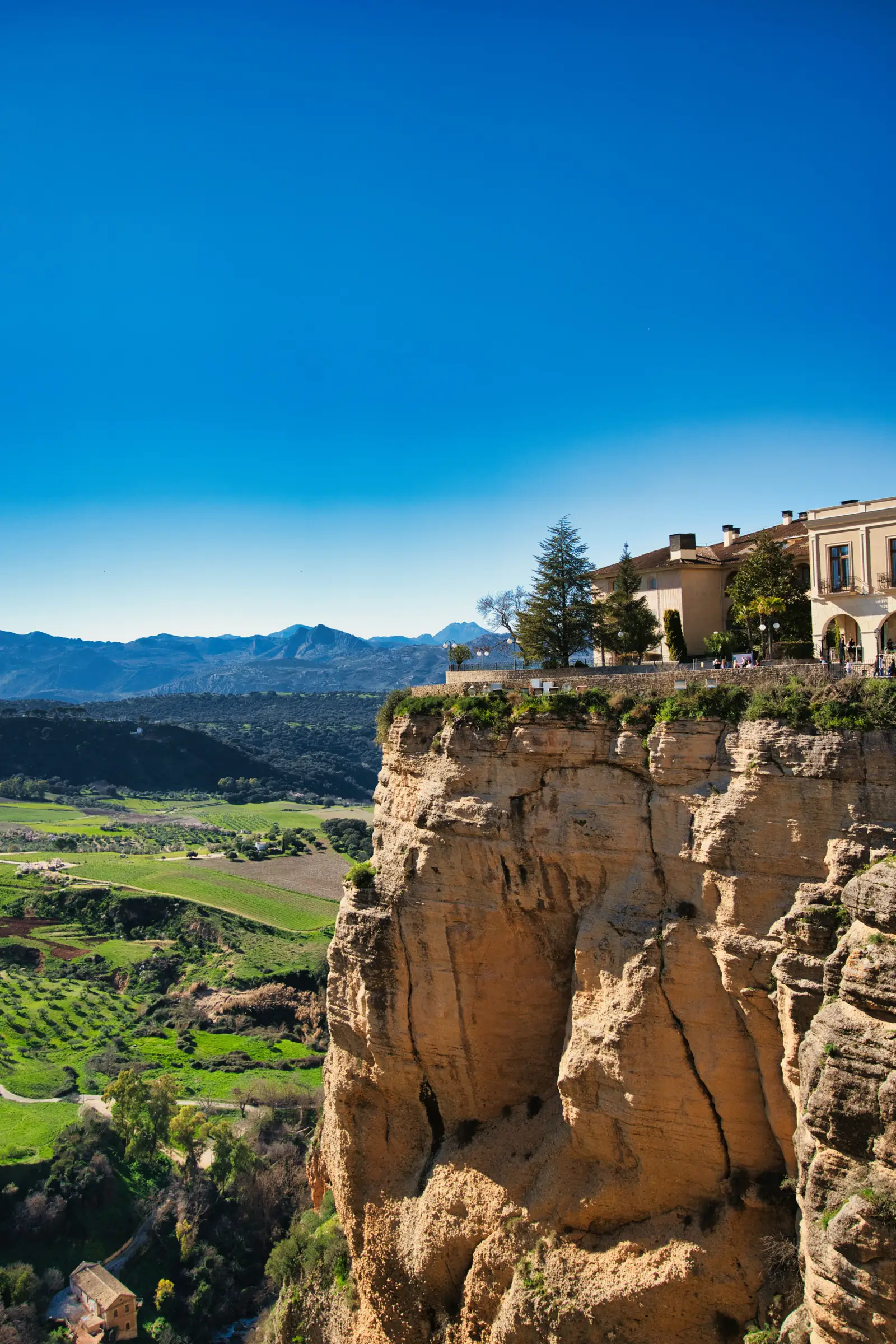
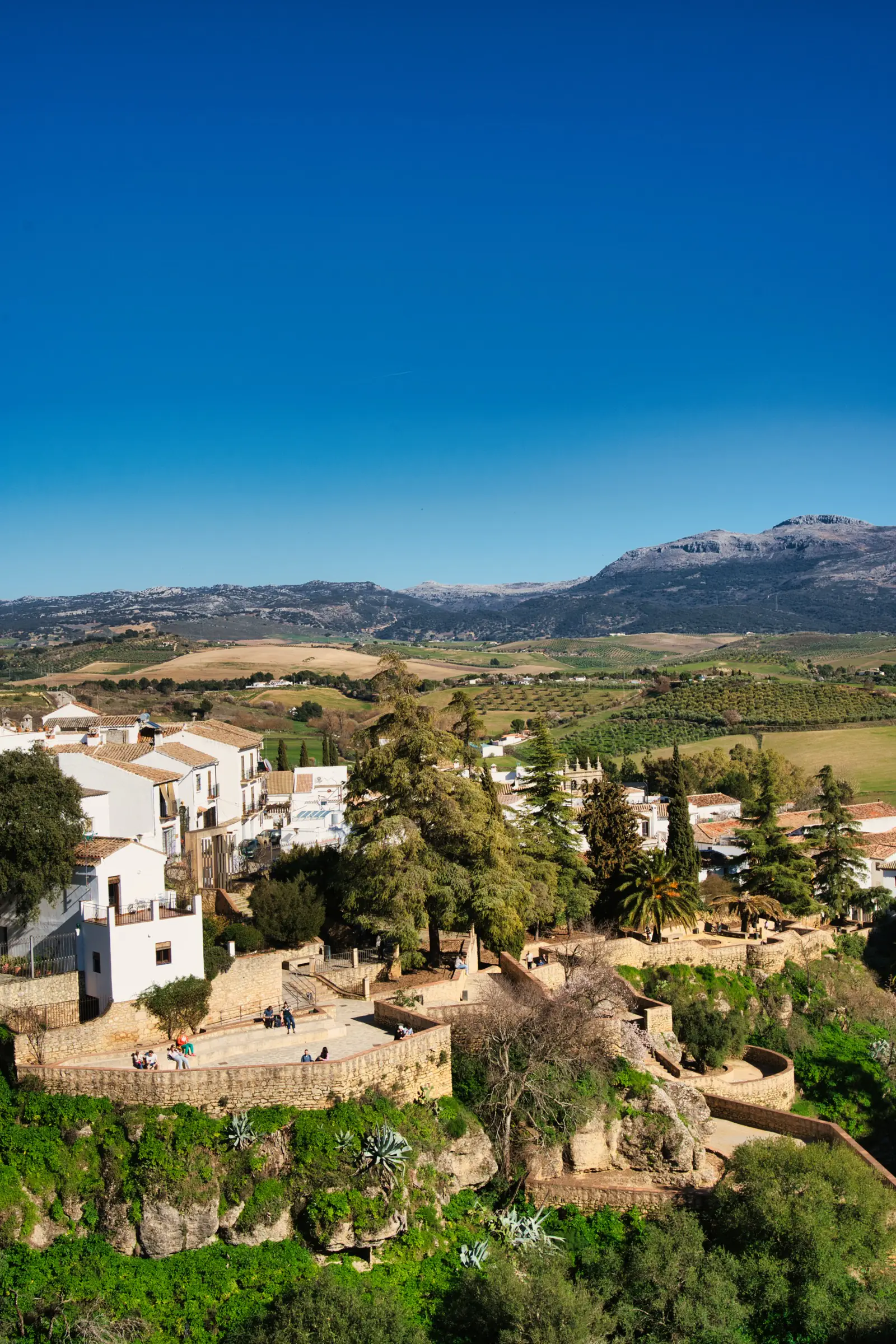
April to May and September to October offer the best overall conditions, though some may find it too hot.
My personal favourite is March. It's cool and pleasant, which means you can wander the Old Town all day, and hiking to the bottom of the gorge still sounds like fun.
If you want to feel like the town is yours alone, then the crowds thin out significantly from November through March.
You'll also find the best hotel deals during this period as well.
The Best Time of Day
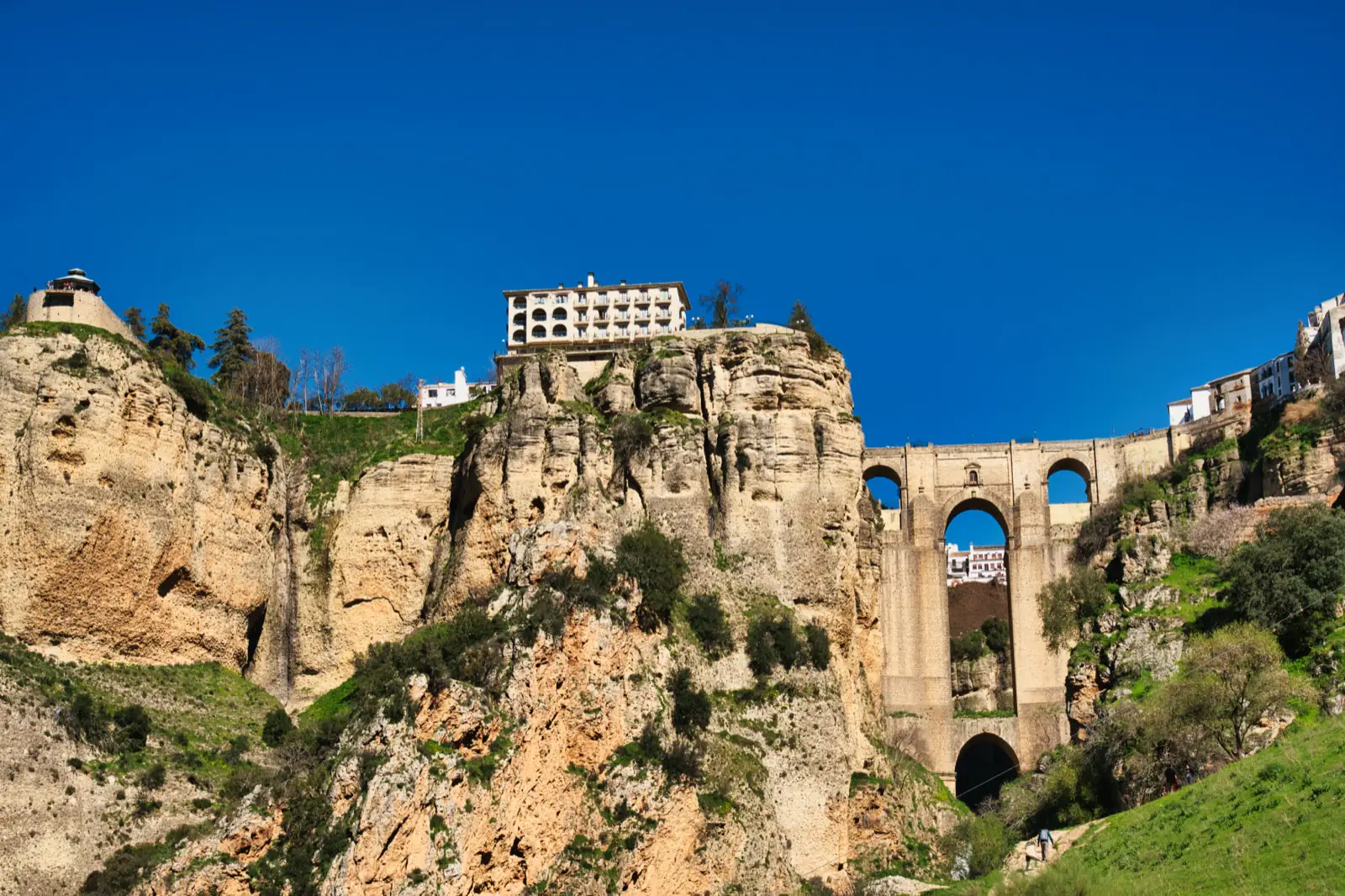
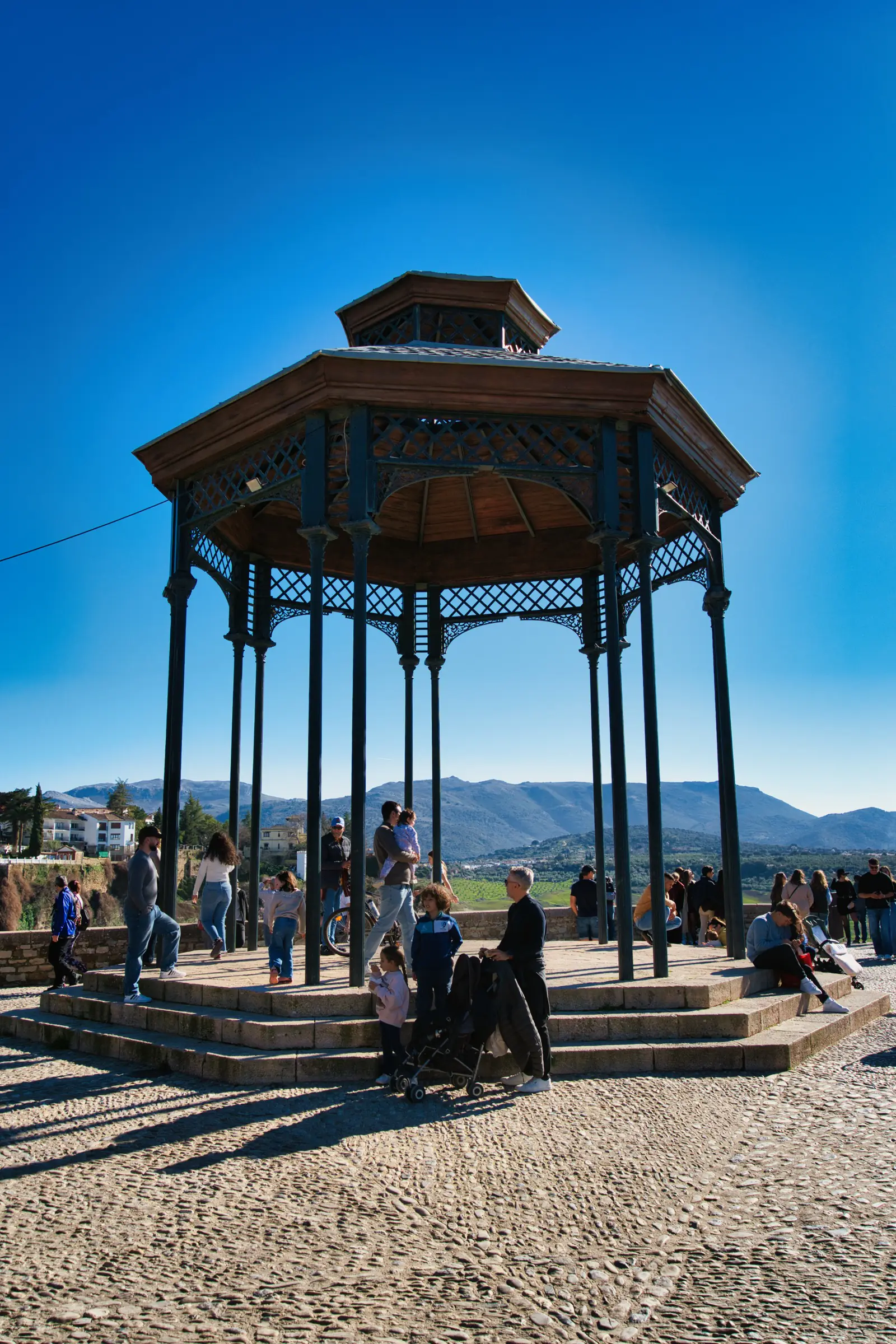
Ronda's biggest challenge is that it's a day-trip destination.
Most visitors arrive from the Costa del Sol or Seville on tour buses that roll in around 10:30 am and leave by 3 pm.
During these hours, Ronda's small historic centre can feel overwhelmed.
My favourite option is to simply stay overnight. You not only feel unrushed, but you get to experience the bridge lit up at night, which is something most people don't get to see.
You can also combine it with a trip to Setenil de las Bodegas (the village under the rocks) or Cuevas del Gato, which is an amazing natural pool just 15 minutes from Ronda.
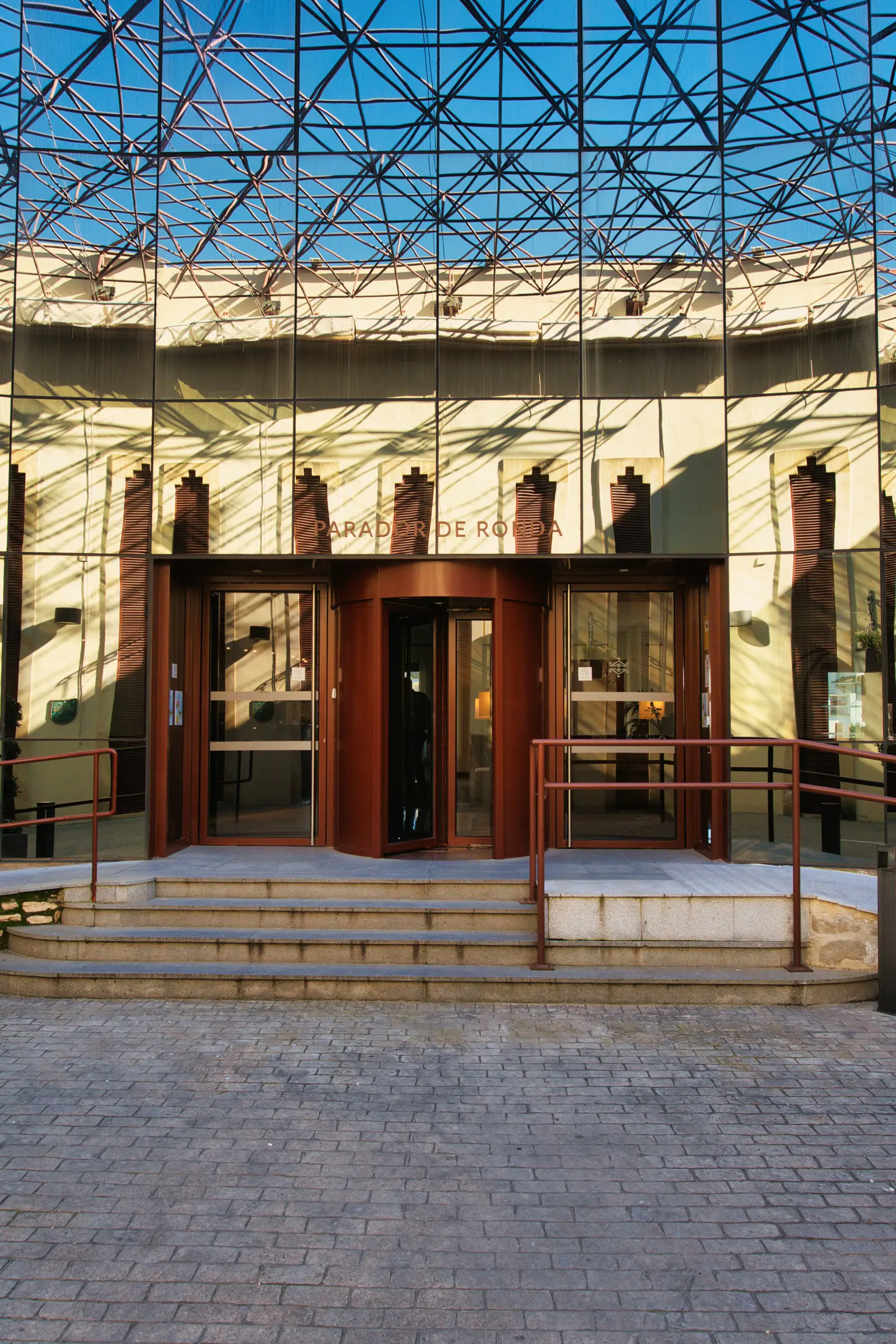
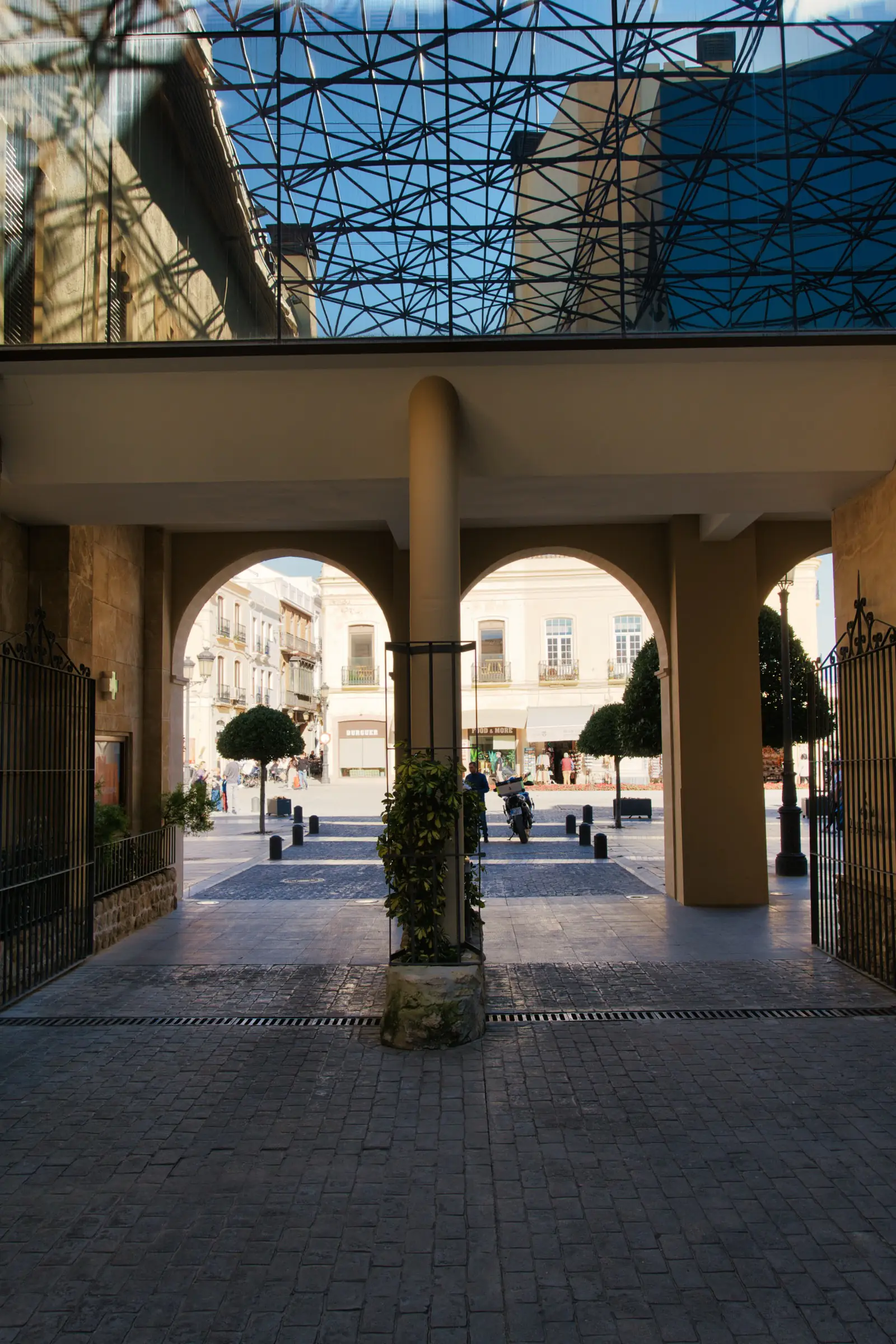
My personal favorite stay in Ronda is Hotel Montelirio, a beautiful boutique hotel on the edge of the cliff, but if you really want to splurge then the Parador should be on your list too.
If you can't stay overnight, arrive as early as possible, ideally by 8:30 am, and instead of staying for lunch, head to Setenil de las Bodegas for a one-of-a-kind experience.
Events and Festivals Worth Planning For
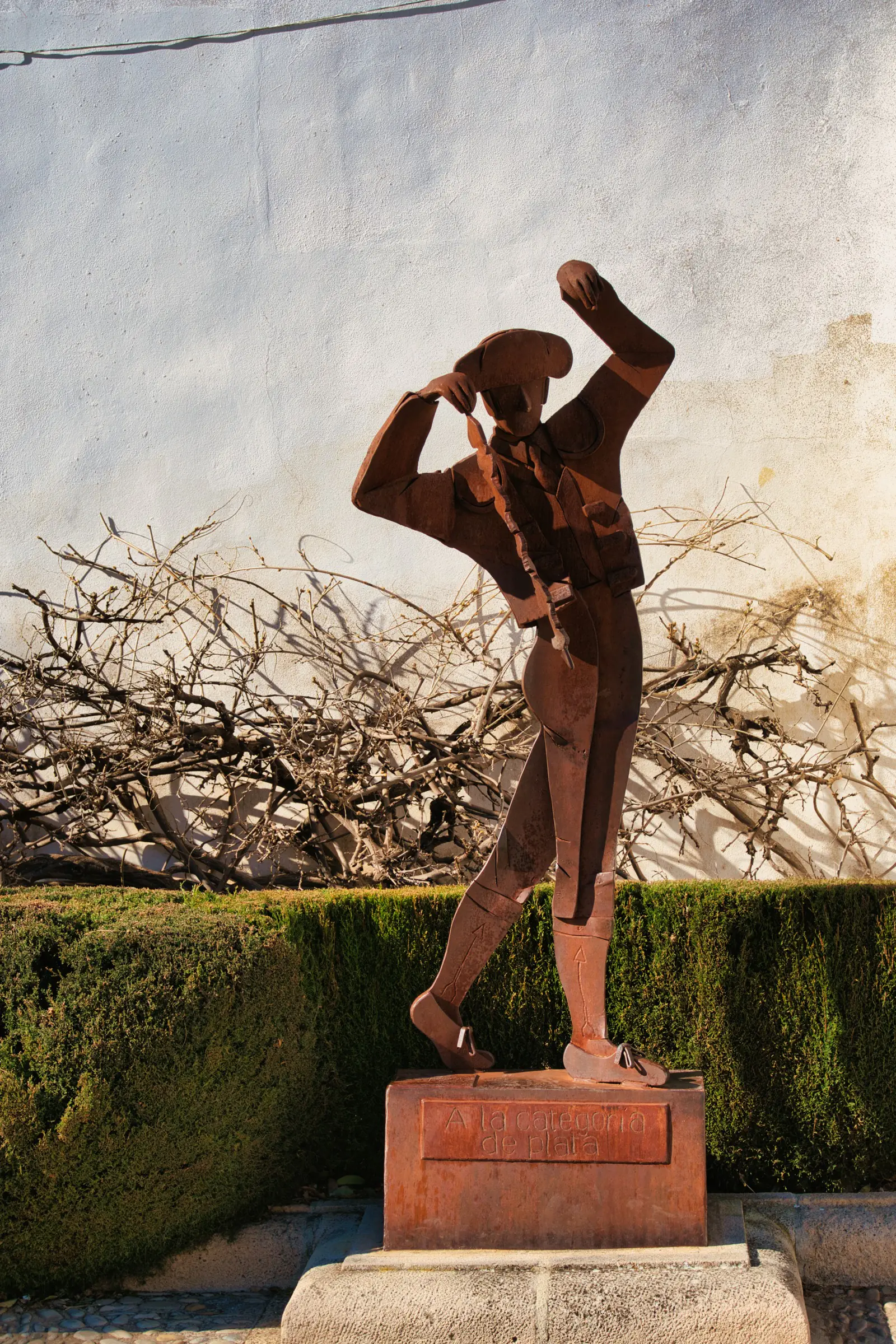
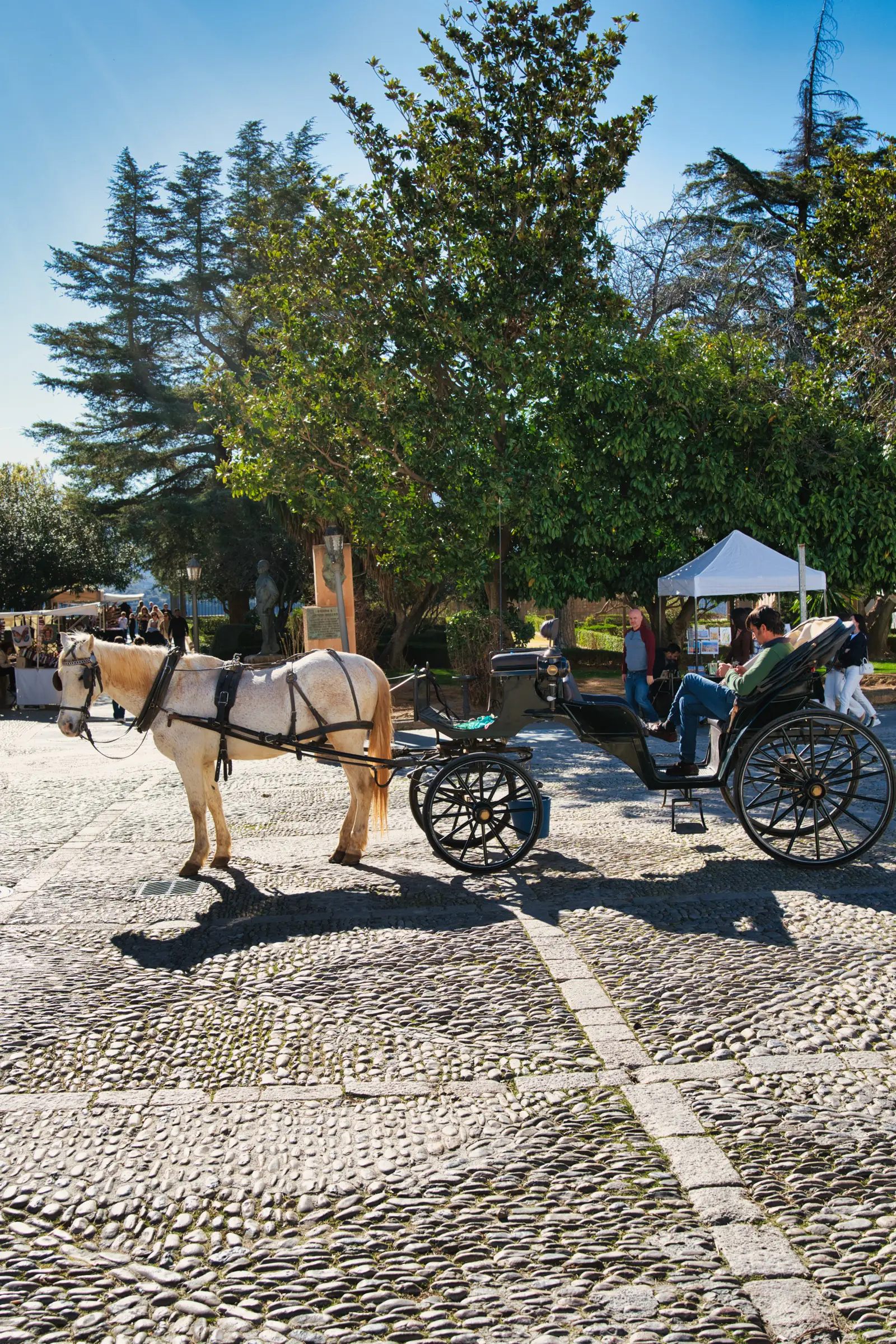
Feria de Pedro Romero (early September) is Ronda's most important festival, a week celebrating the father of modern bullfighting with flamenco, horses, traditional dress, and Goyesque corridas in Spain's oldest bullring.
Semana Santa (March or April) brings powerful processions through narrow streets, with hooded penitents, religious floats, and the sound of drums echoing off ancient walls.
Ronda Romántica (mid-May) celebrates the town's 19th-century heritage when European travellers discovered Ronda, with period costumes, markets, and cultural events.
Fiesta de la Reconquista (May 20th) commemorates the Christian reconquest of Ronda in 1485 with historical reenactments and traditional celebrations.
Ronda Month by Month
What to expect each month
| Category | Weather | Why Go | Highlights |
|---|---|---|---|
| January | Cold, quiet | Almost empty | Best prices |
| February | Cold, quiet | Almond blossoms nearby | Great value |
| March | Warming up | Spring arriving | Wildflowers |
| April | Ideal weather | Semana Santa | Peak spring |
| May | Perfect | Best month | Excellent conditions |
| June | Getting hot | Summer starting | Crowded midday |
| July | Hot, busy | Peak crowds | Visit early only |
| August | Hot, busy | Avoid midday | Evening visits |
| September | Still warm | Feria de Pedro Romero | Crowds thin |
| October | Pleasant | Wine harvest | Sweet spot |
| November | Cooling | Off-season | Quiet beauty |
| December | Cold | Christmas charm | Empty streets |
Ronda's elevation (739m) means cooler temperatures than the coast, so bring layers even in summer.
Spring (March-May)
April Weather in Ronda
Warm days, cool evenings, occasional spring showers
Our take: Ideal conditions. Pack layers, as mornings and evenings are cool, but midday is pleasant. Perfect for exploring on foot.
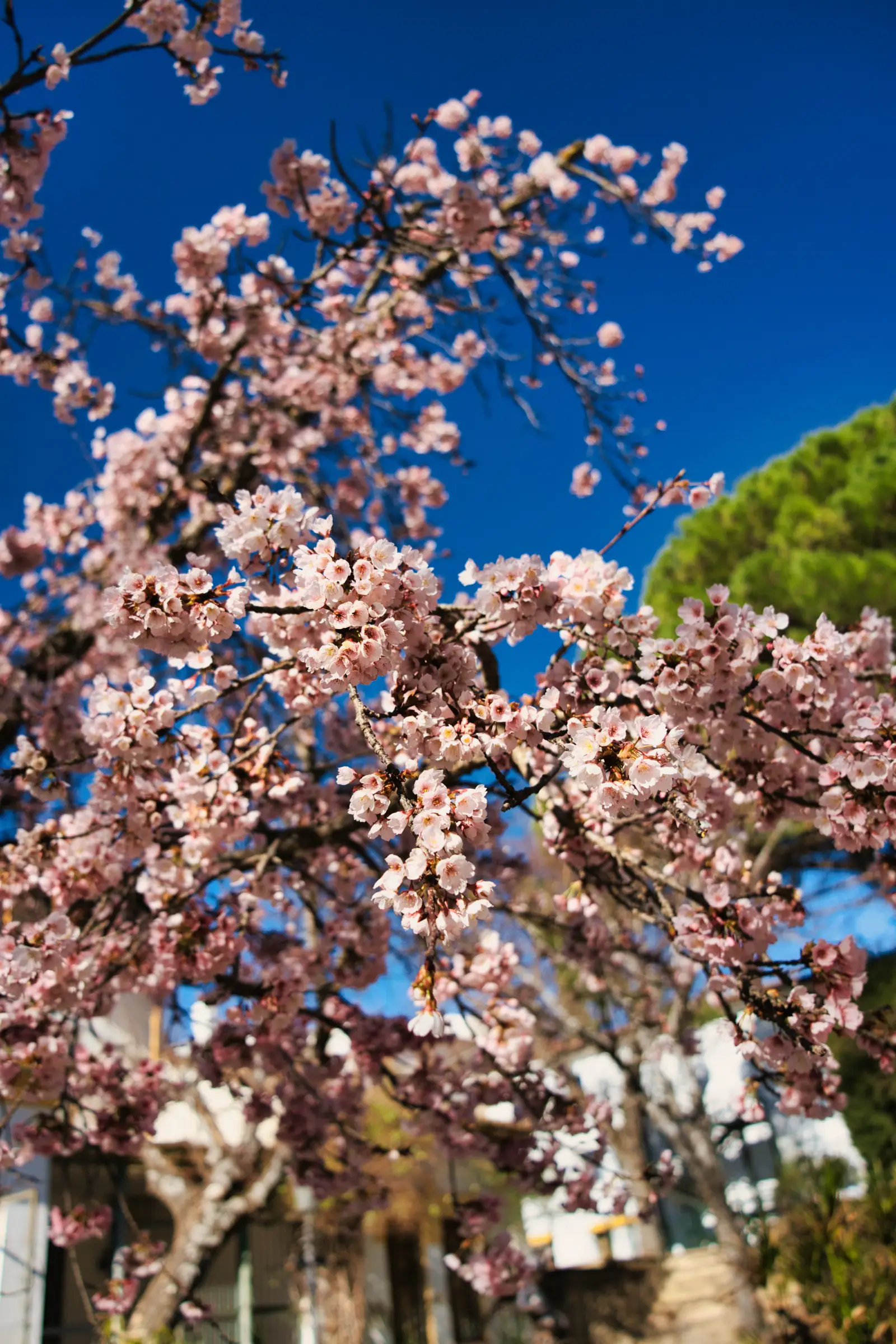
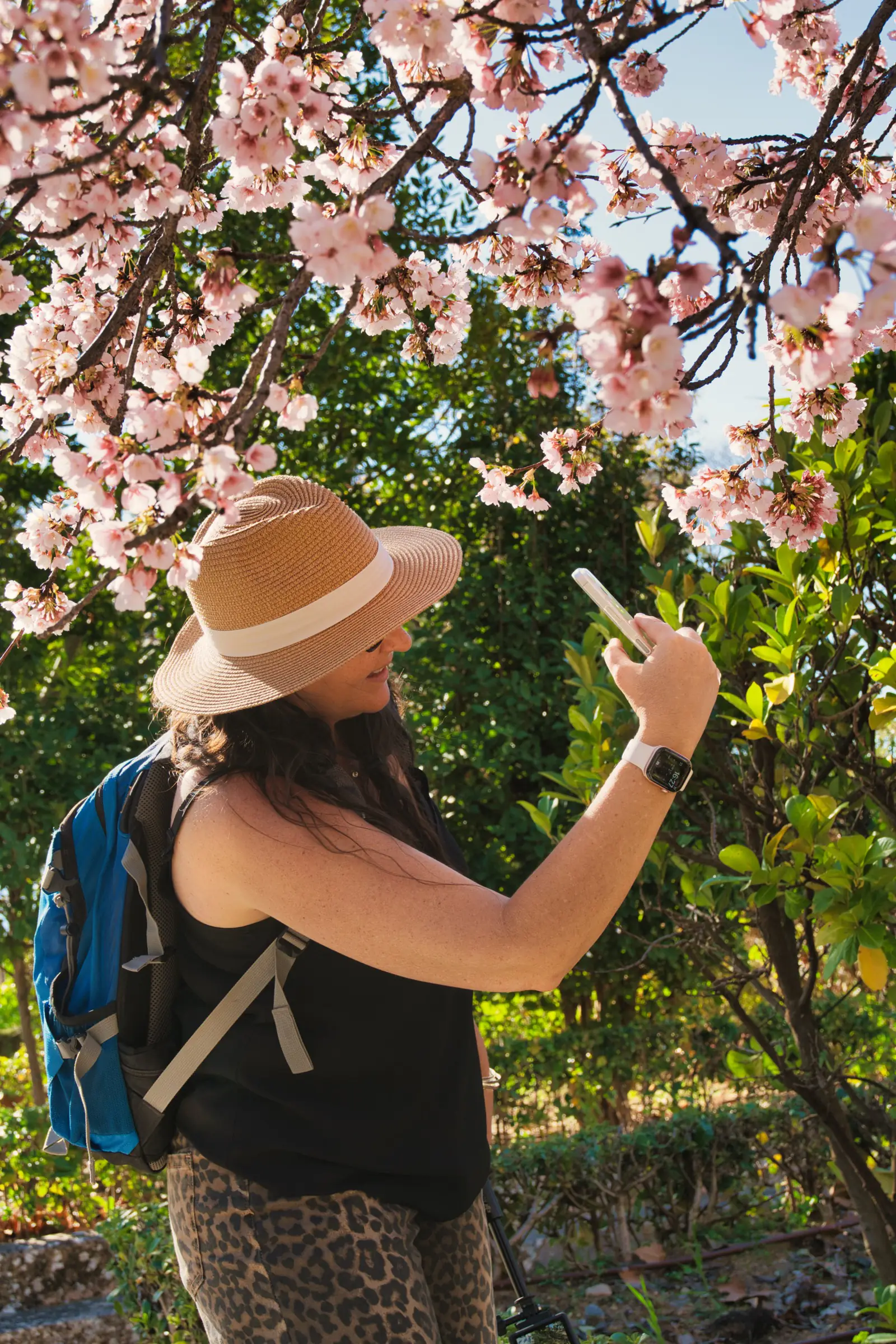
In Spring, the temperatures are perfect for walking the old town, wildflowers carpet the surrounding countryside, and the gorge views have a soft, dramatic quality that photographers love.
Semana Santa (Holy Week, March or April) transforms Ronda into something extraordinary.
Processions winding through the narrow streets are a sight you'll never forget, but the town is packed, and hotels charge premium prices.
If you want the experience, book months ahead and watch from the streets of La Ciudad rather than the main plaza.
Ronda Romántica in May celebrates the town's 19th-century heritage when European travellers first fell for this place, with period costumes, markets, and cultural events throughout town.
Summer (June-August)
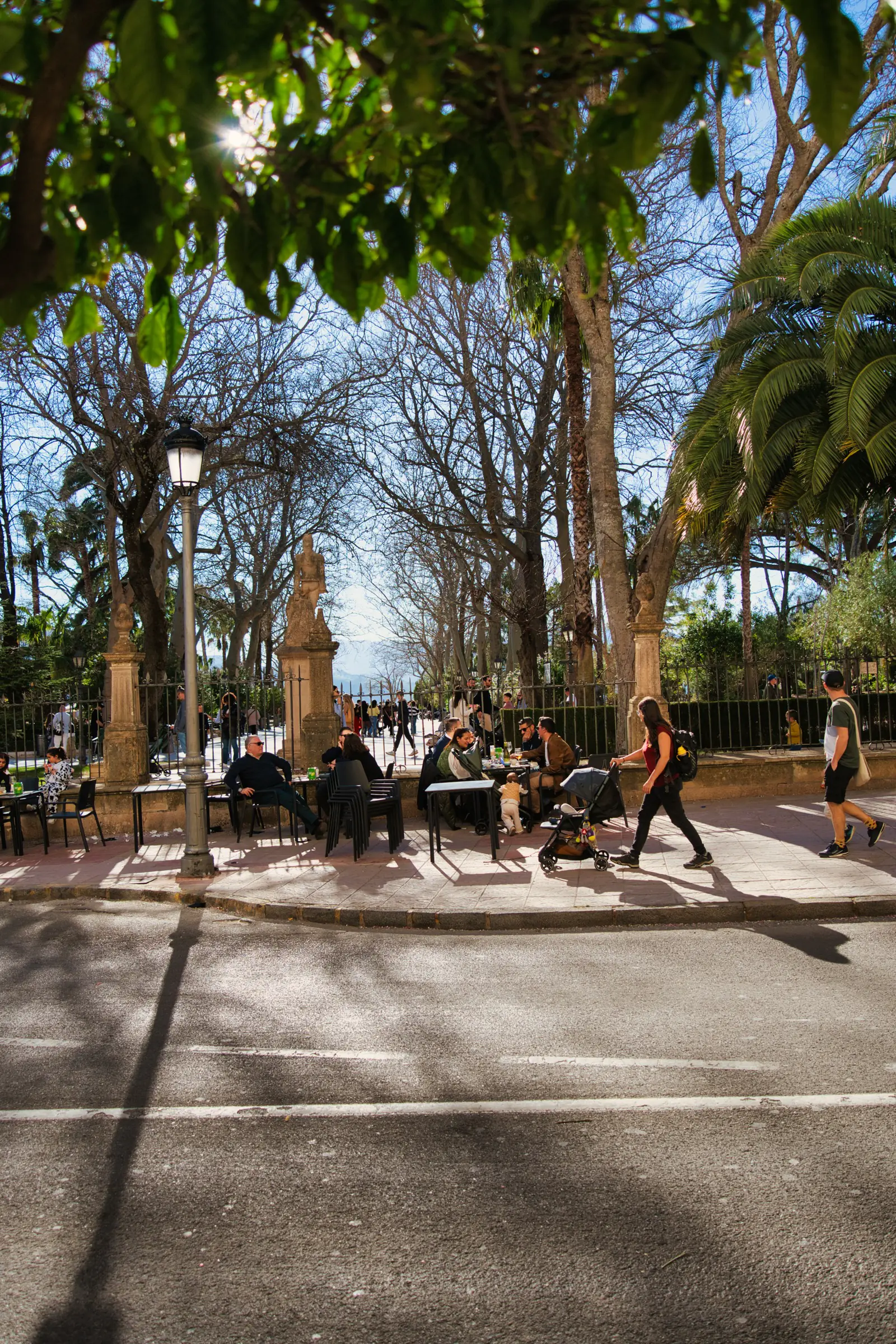
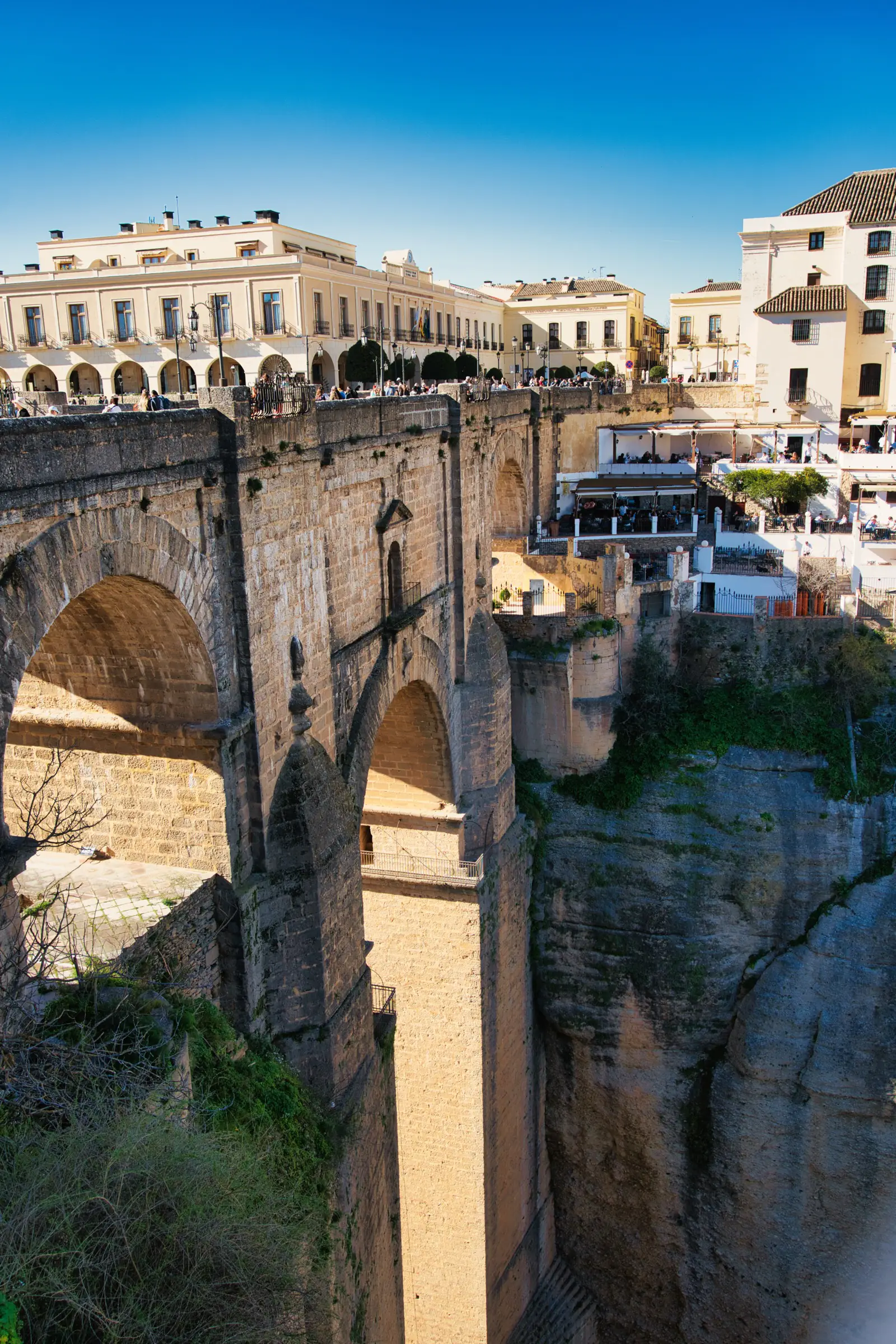
July Weather in Ronda
Hot and dry, intense afternoon sun
Our take: Visit early morning only. The bridge viewpoints are uncomfortable midday, and the tour bus crowds peak. Consider late afternoon/evening instead.
Summer is Ronda's most challenging season, though not necessarily because of the heat.
Yes, temperatures regularly hit 33°C and can push past 35°C in July and August, but the elevation keeps it cooler than the coast, and the heat is dry rather than humid.
The real problem is crowds.
If you must visit in summer, your strategy should be to arrive before 9 am or after 5 pm, or better yet, stay overnight and enjoy peaceful mornings and evenings when the buses have gone.
The Feria de Pedro Romero is also in early September and marks the end of summer, and is Ronda's most important festival.
Autumn (September-November)
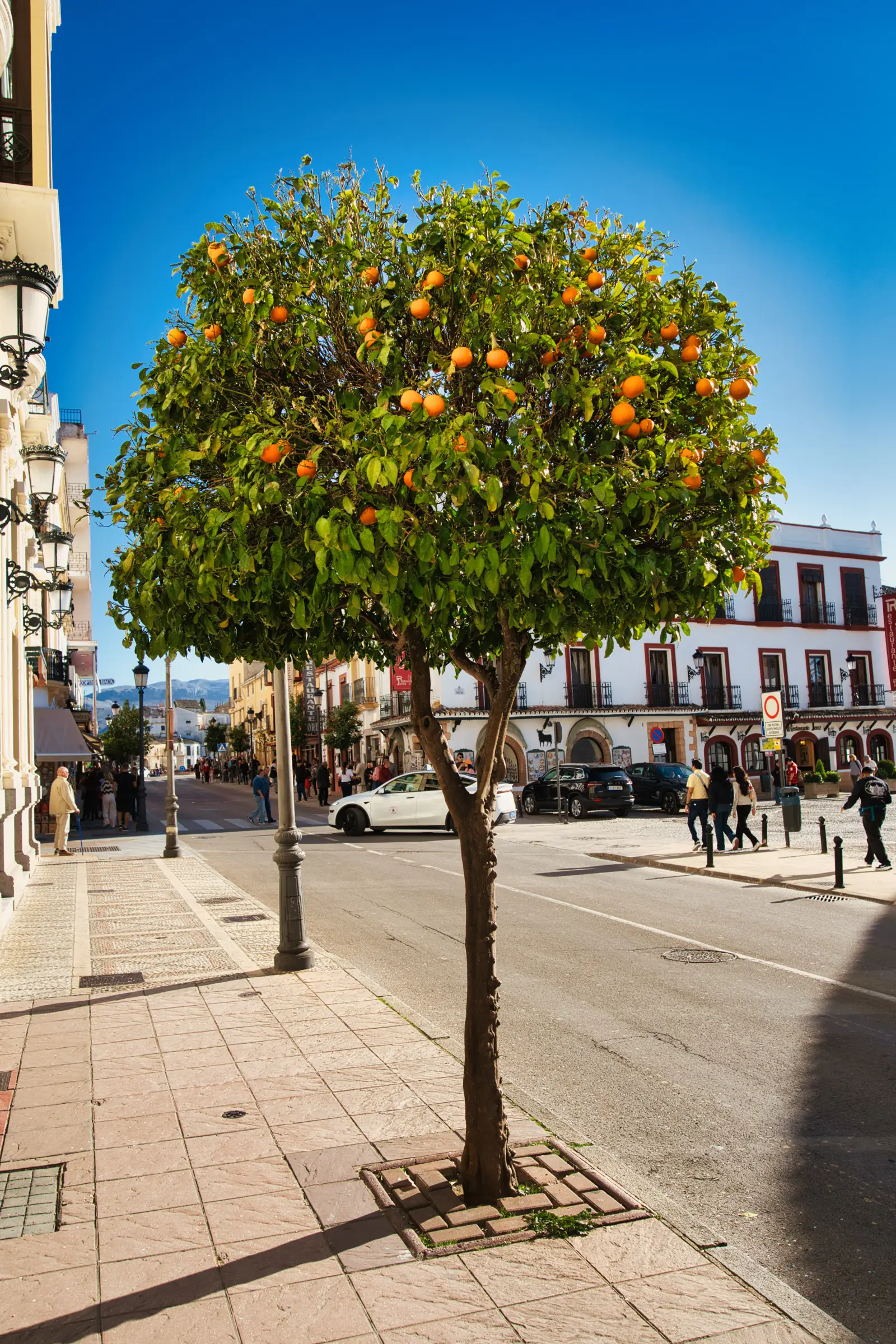
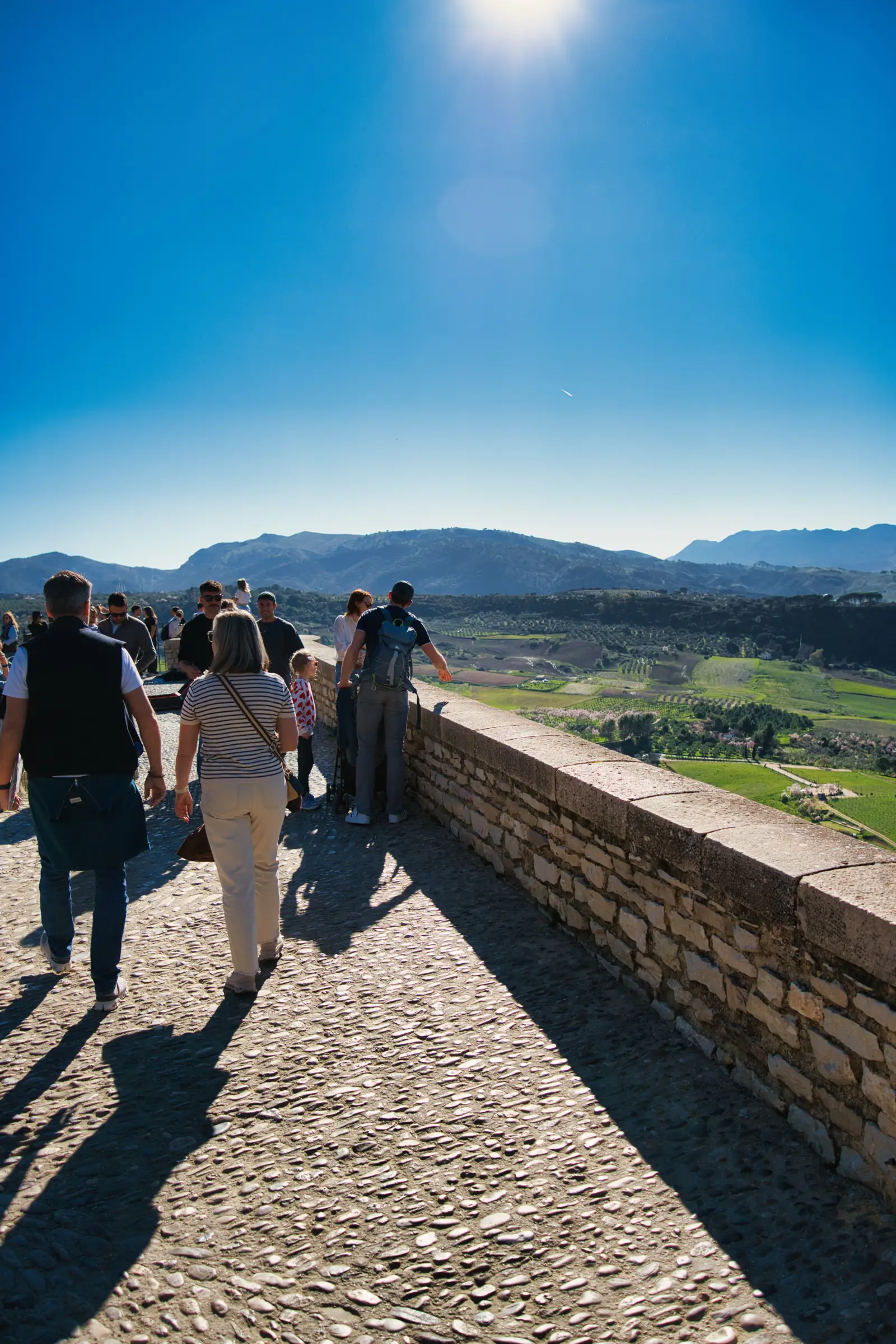
October Weather in Ronda
Warm days, crisp evenings, golden light
Our take: Excellent conditions. Perfect for walking and photography. Bring a jacket for cooler evenings.
The tour buses thin out dramatically while the weather remains beautiful in September.
You can actually photograph the Puente Nuevo without jostling for position or get a table at restaurants without waiting.
October is particularly special as wine harvest season begins in the surrounding Sierras de Málaga region, when bodegas like F. Schatz and Cortijo los Aguilares offer tours and tastings of surprisingly excellent wines that rarely leave the region.
November marks the transition to off-season.
Winter (December-February)
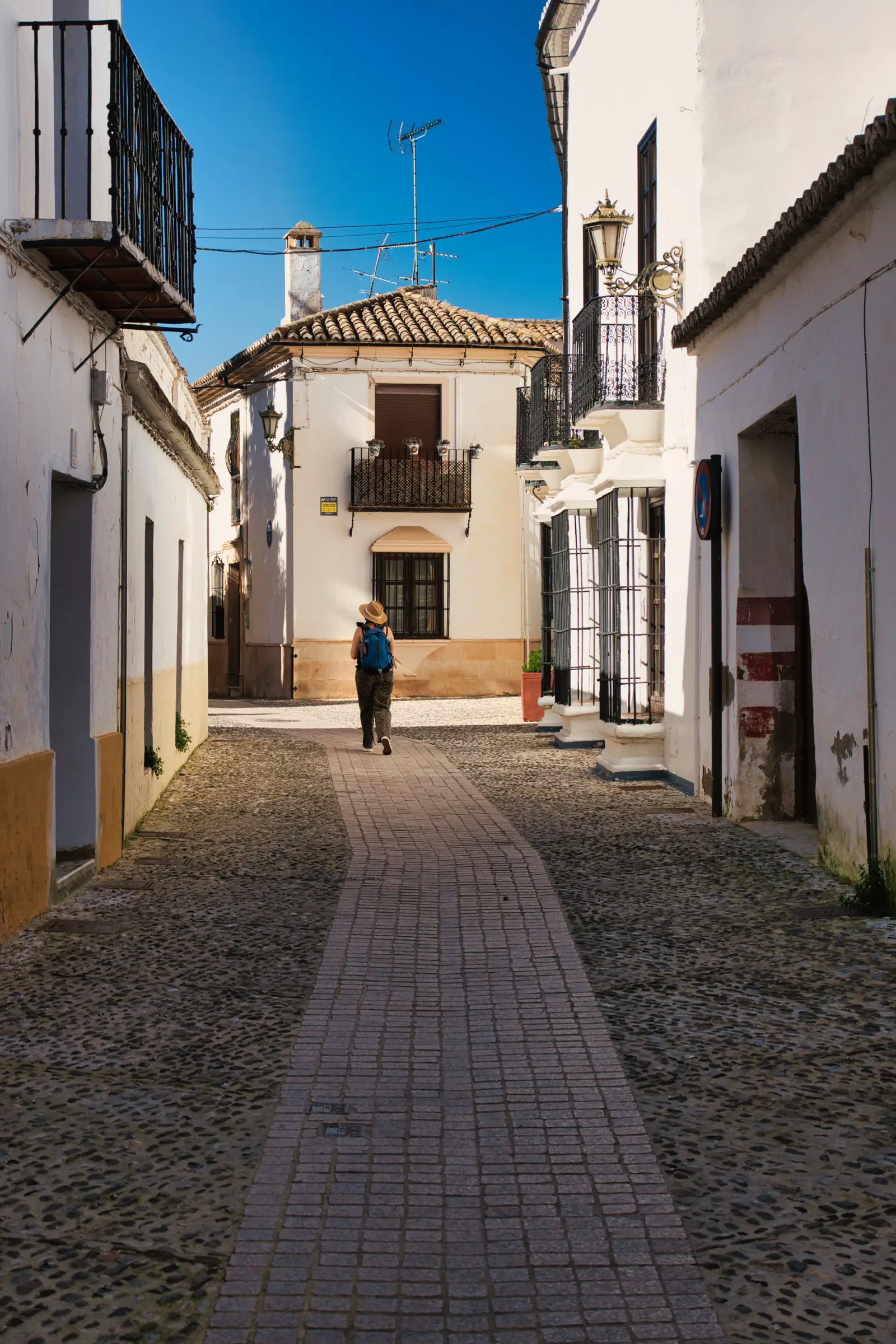
January Weather in Ronda
Cool, crisp days with occasional rain. Frost possible overnight.
Our take: Pack warm layers. Winter light can be spectacular, but fog is possible. Worth the gamble for empty streets.
At 739m elevation, this is genuine winter weather with daytime temperatures around 12-14°C dropping near freezing at night.
But the reward is having one of Spain's most photographed towns almost entirely to yourself.
The trade-off is uncertainty.
Fog can roll in and obscure the gorge entirely, rain is more likely than other seasons, and some smaller museums reduce their hours.
Day Trip vs Overnight Stay
Most visitors treat Ronda as a day trip from the Costa del Sol or Seville, arriving on tour buses around 10:30 am and leaving by 3 pm.
They see a crowded town, take the same photograph everyone else takes, and leave thinking they've experienced Ronda.
They haven't, and staying overnight changes everything.
You get the Puente Nuevo at sunrise with no one else around. You see the bridge lit up at night, something most visitors never experience.
You eat dinner in restaurants that feel relaxed rather than rushed, and you wake to a town that belongs to the people who live there rather than the people passing through.
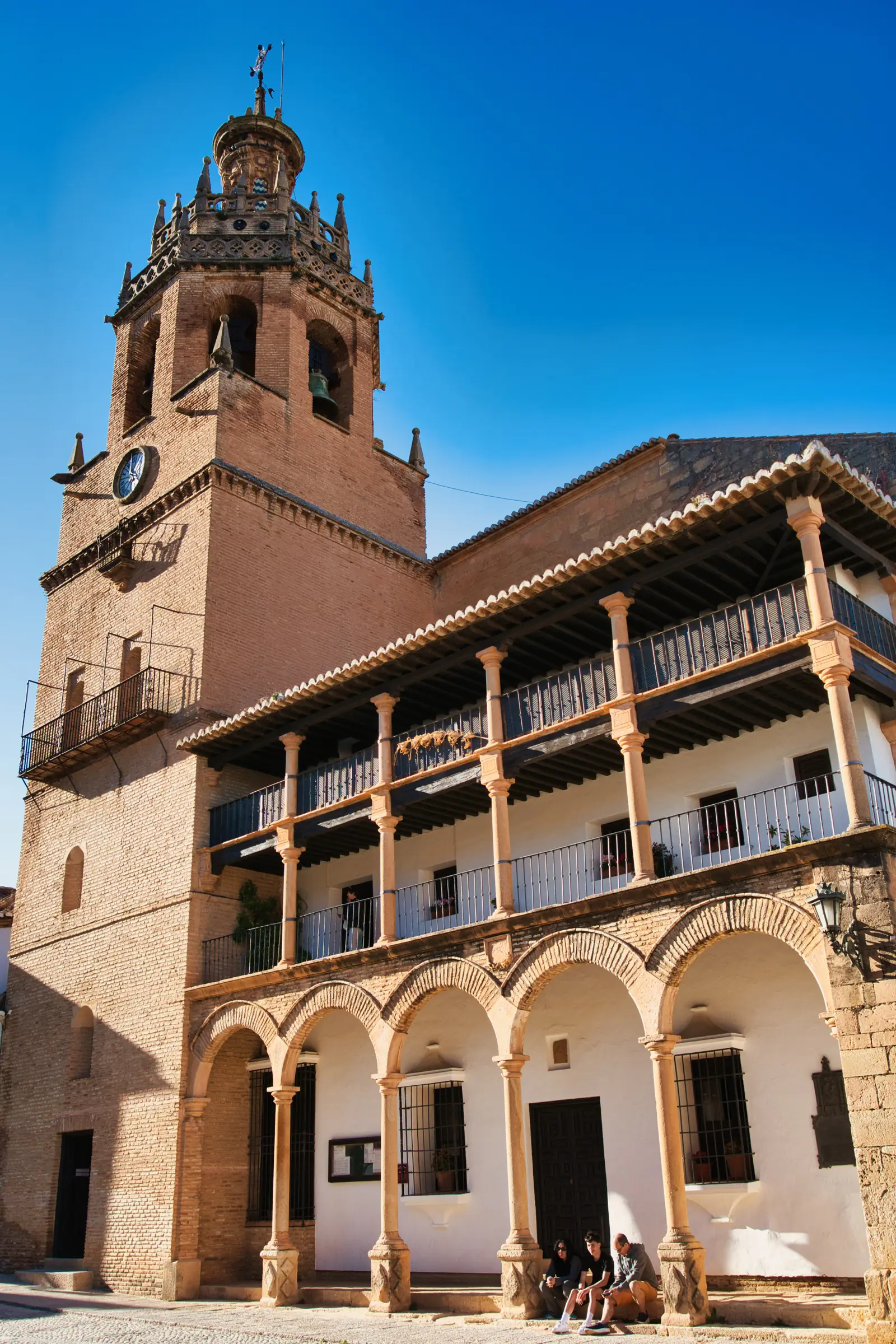
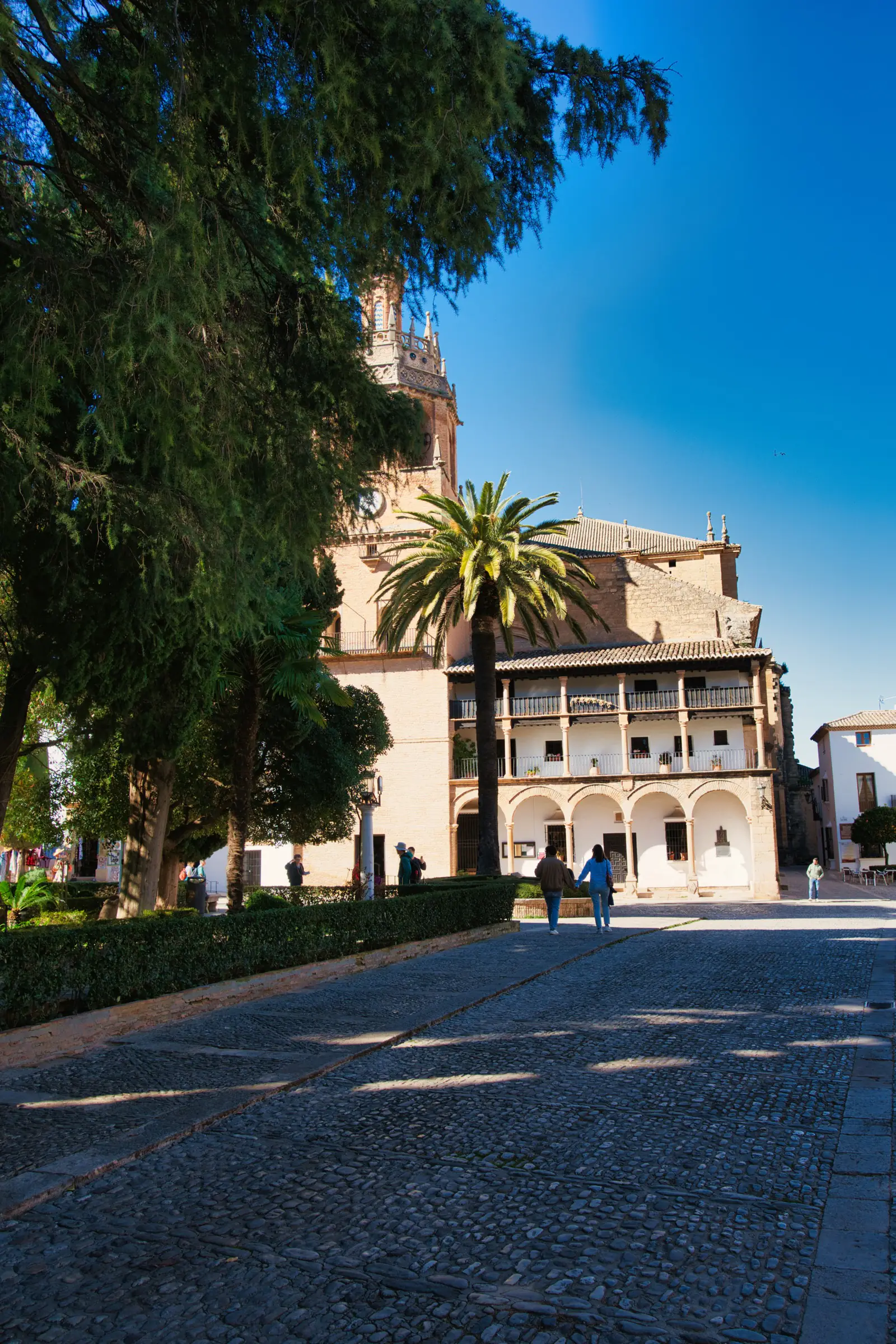
If you can only spare one night, that's enough.
Arrive when your hotel opens, enjoy a peaceful afternoon and evening wandering the old town, wake early for sunrise at the bridge, and explore the morning hours before the next wave arrives.
It's a completely different experience from the midday crush.
Hotel Montelirio is my favourite place to stay, a boutique hotel perched on the cliff edge with direct gorge views from many rooms. For a real splurge, the Parador sits right beside the Puente Nuevo and offers breakfast on a terrace overlooking the Tajo.
If you genuinely can't stay overnight, arrive as early as possible, ideally by 8:30 am.
Skip the crowded lunch hour entirely and head to Setenil de las Bodegas instead, then return to Ronda in the late afternoon once the buses have gone.
Final Thoughts
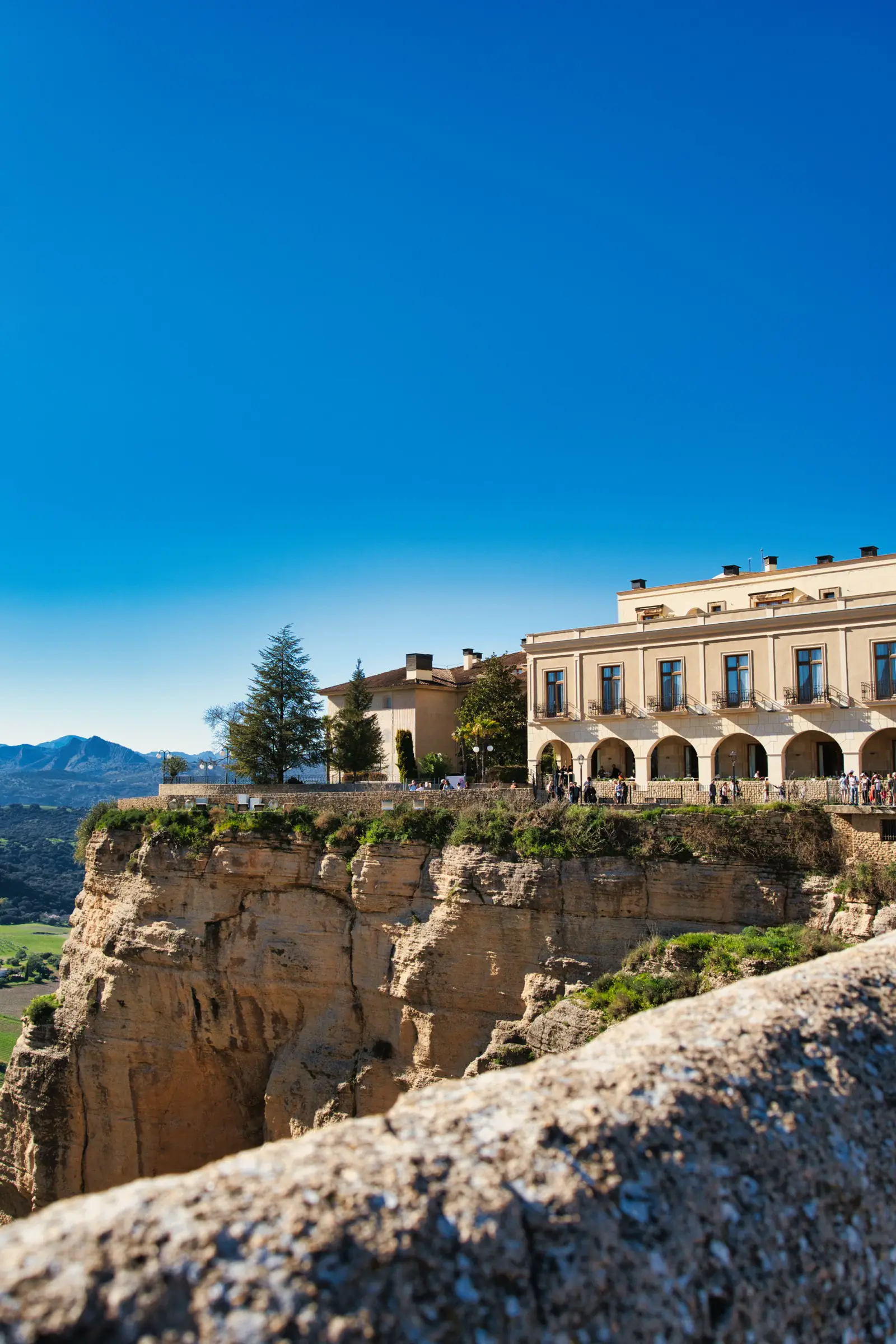
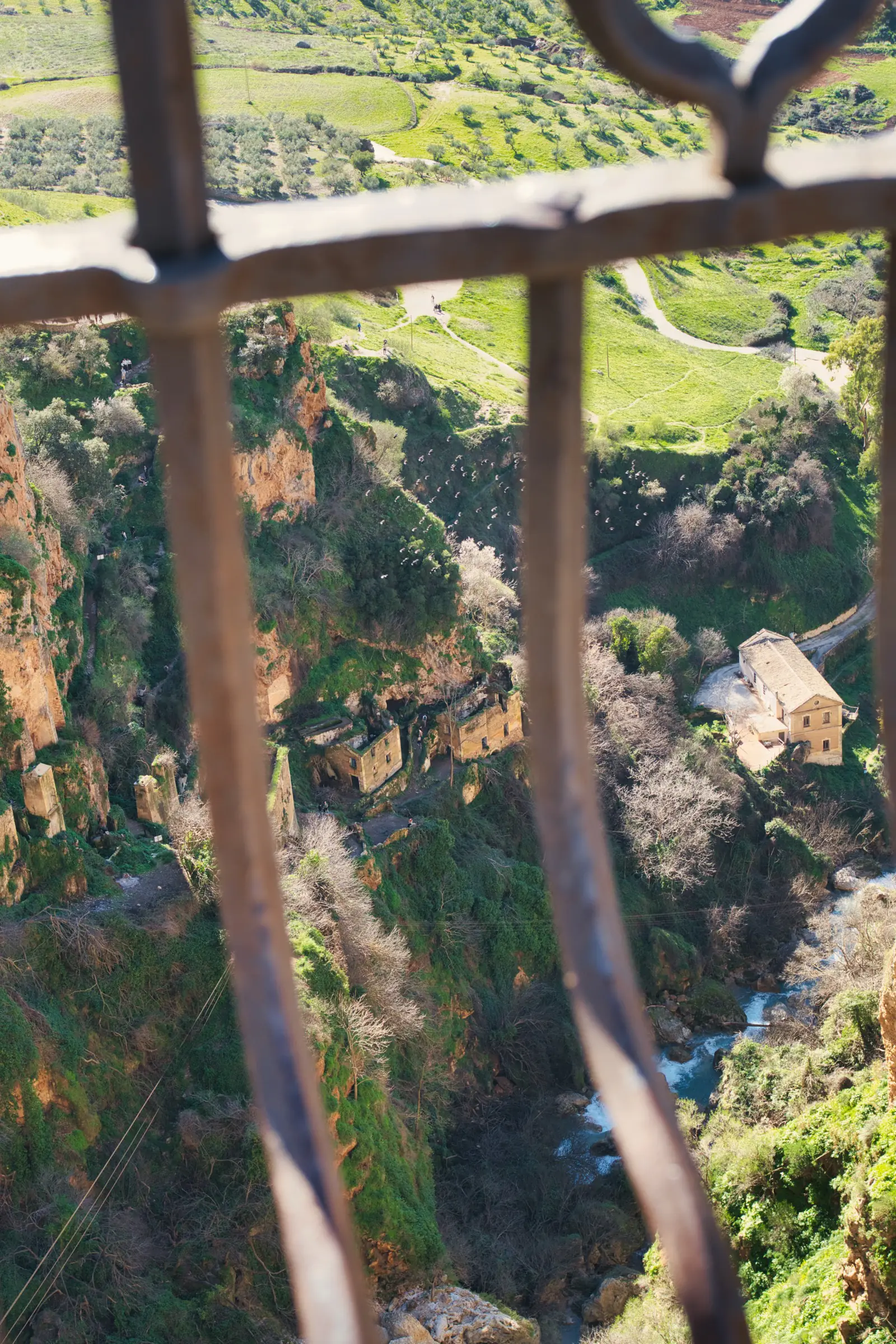
Ronda is amazing any time of year. So if you can't choose the date, you should still go.
Come in spring for wildflowers and Semana Santa.
Visit in autumn for the wine harvest and gentle crowds.
Try winter if you want the bridge to yourself and don't mind the cold.
But whatever season you choose, arrive early, stay late, or ideally, spend the night.
If you're planning your trip, have a look at my guides to things to do in Ronda, where to park, where to eat, and where to stay. And if you're looking to explore beyond the town, check out my guide to day trips from Ronda.

Hola! I'm the researcher, walker, and co-founder behind Spain on Foot. I help travellers experience Spain authentically, through in-depth guides, locals-only knowledge, and cultural stories you won't find in guidebooks. You can reach me at heidi@spainonfoot.com
Planning a trip to Ronda?
Explore Ronda Guide→