best-time
Best Time to Visit Seville: Season by Season Guide
This post may contain affiliate links, which means I earn a small commission, at no extra cost to you. It helps keep the blog alive, and we really appreciate your support!

Seville is Spain at its most intoxicating, but get your timing wrong and you'll melt. Here's how to plan it right.
The best time to visit Seville is March-May or October-November when temperatures are comfortable for exploring the Alcázar and cathedral, the orange trees scent the streets, and you might catch Spain's most spectacular Easter celebrations.
Seville is Andalusia's crown jewel. The flamenco birthplace, the tapas capital, the city of Carmen and Don Juan. The Alcázar alone justifies the trip. The cathedral is the world's largest Gothic church.
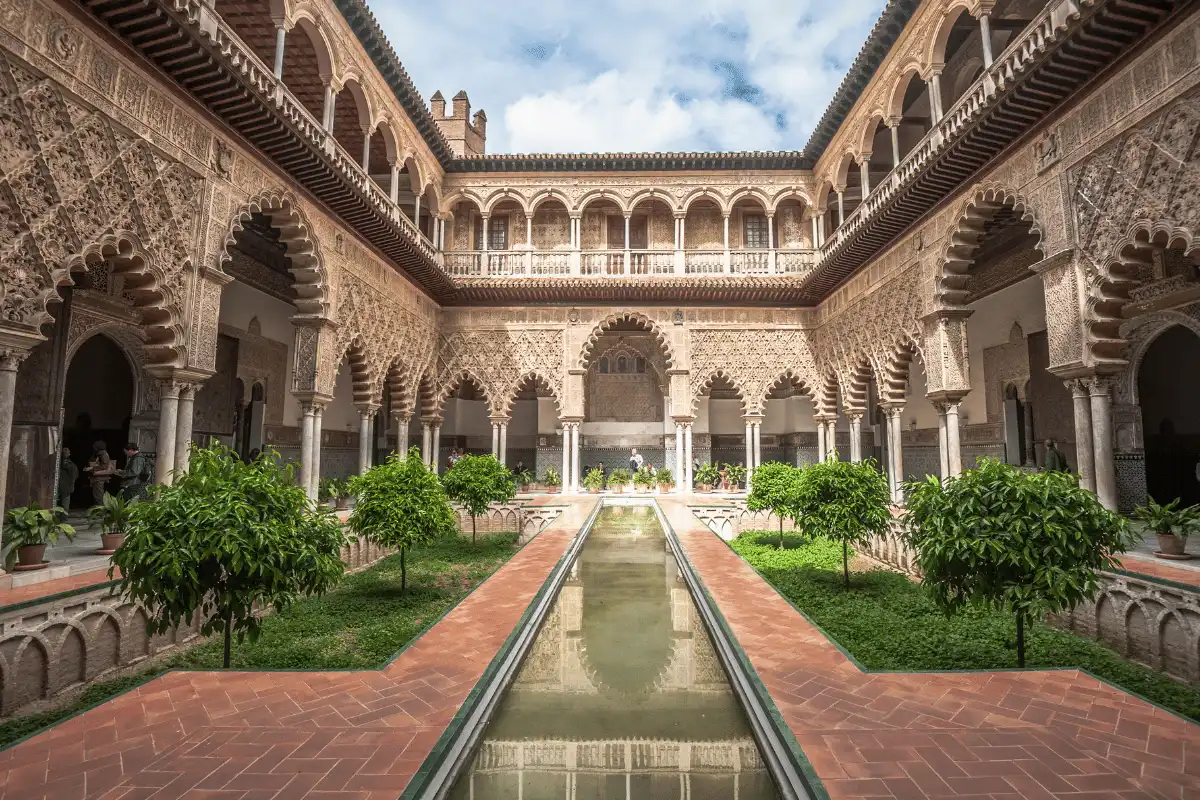
But Seville has a problem: it's one of Europe's hottest cities. Summer temperatures regularly exceed 40°C. Time your visit well, and Seville will enchant you. Time it badly, and you'll spend your trip hiding in air-conditioned refuges.
Compare hotel prices in Seville
Find the best deal across booking sites
The best time of year
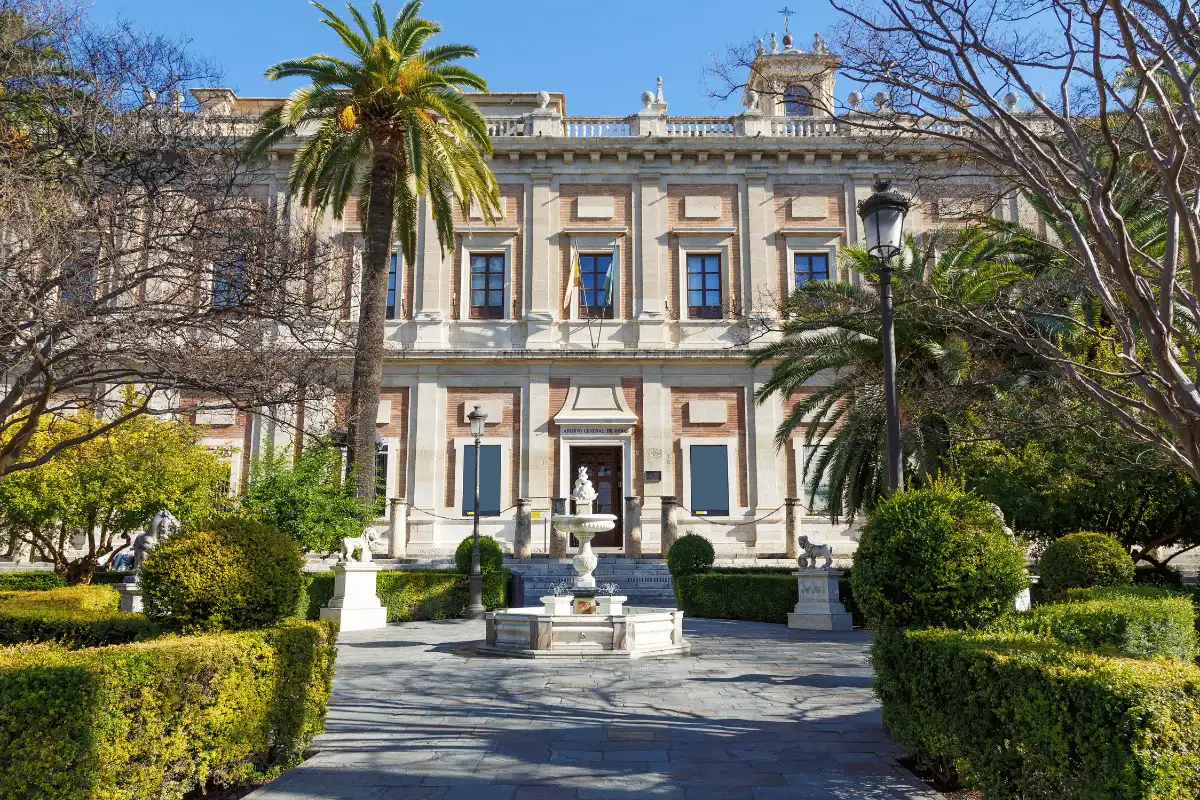
April to May and October to November offer the best overall conditions.
My personal favourite is October. Spring's weather without spring's crowds. The Alcázar has reasonable queues, restaurants welcome you without reservations, and the tapas bars fill with locals rather than tour groups.
If you can time your visit for late April, you might catch both Semana Santa and the Feria de Abril within weeks of each other. The city at its most extraordinary, and most expensive.
The two great festivals
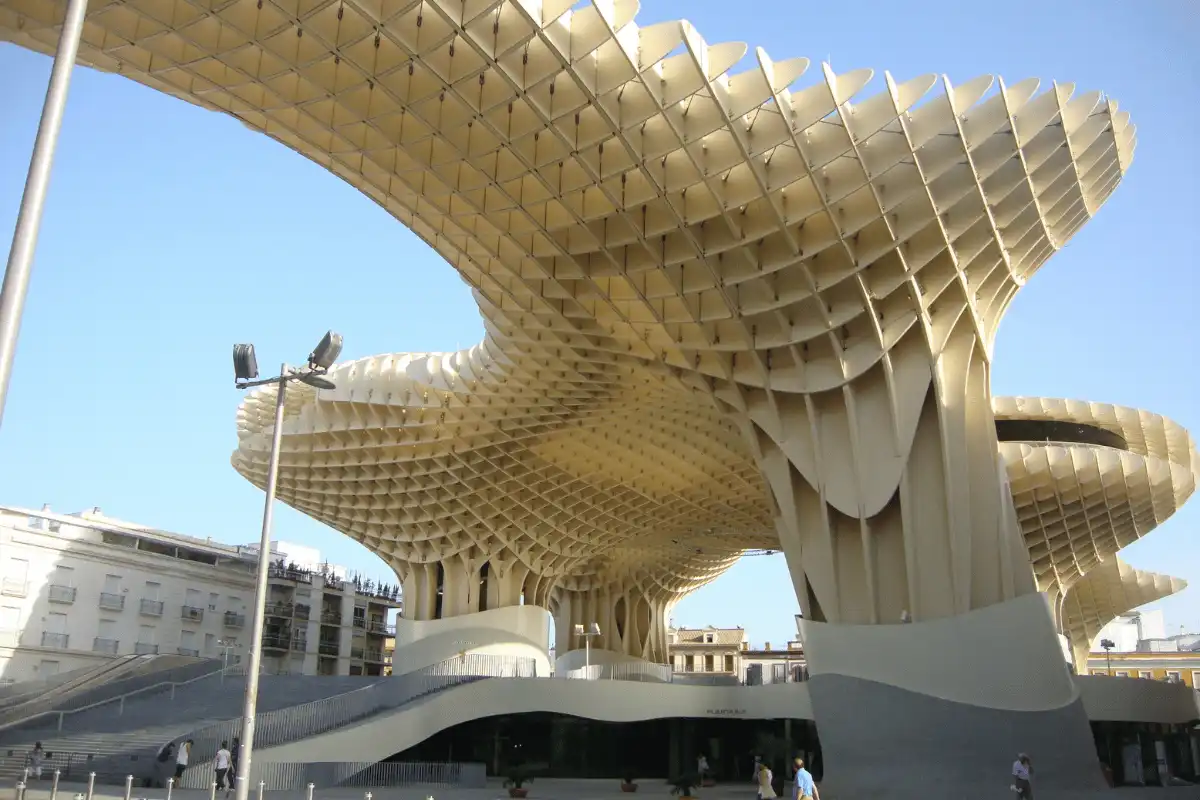
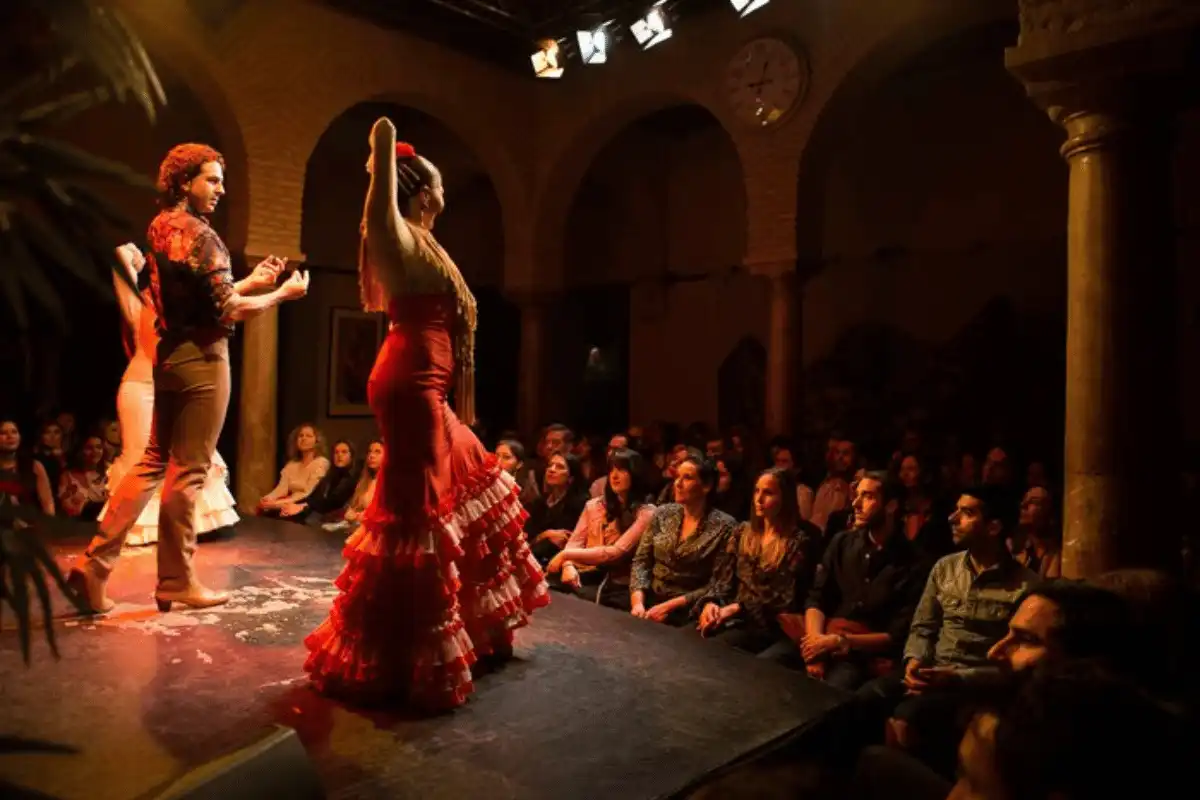
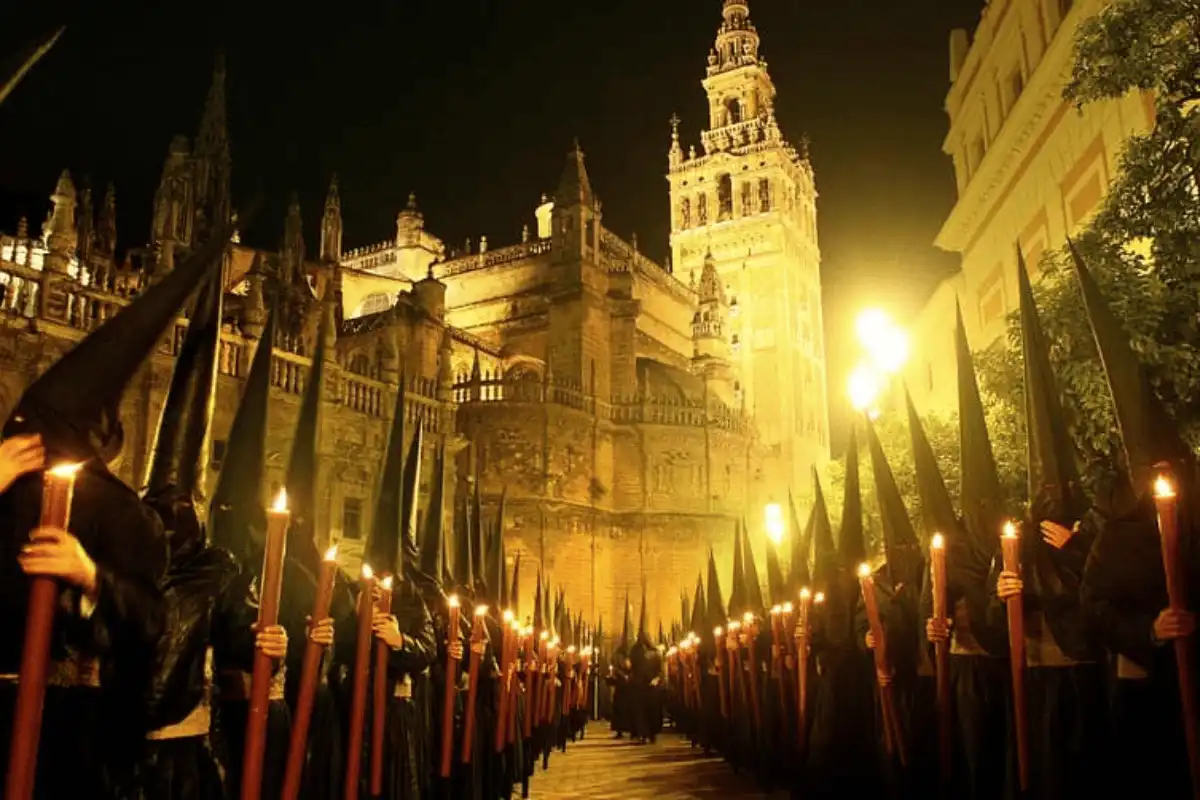
Semana Santa (Holy Week) in Seville isn't just Spain's most important Easter celebration. It's one of the world's great religious spectacles. For a week, ancient brotherhoods carry ornate pasos through the streets, accompanied by hooded penitents, brass bands, and clouds of incense.
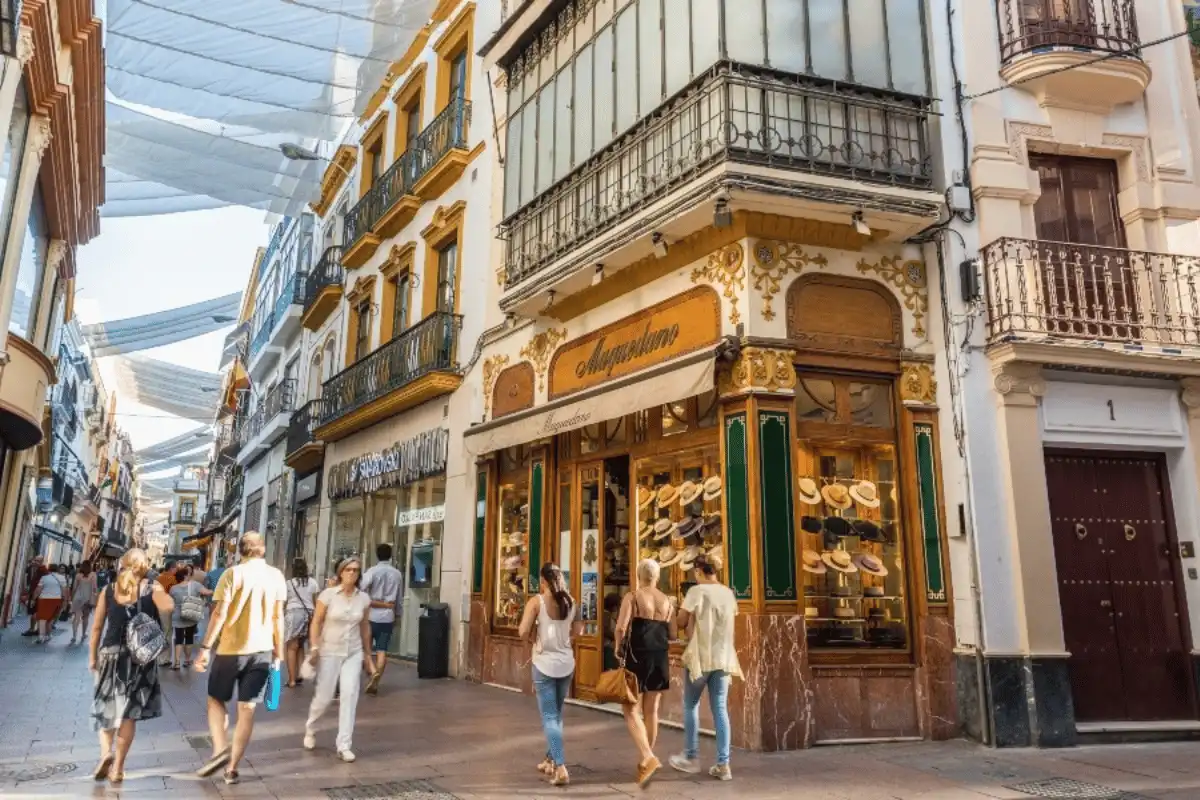
The most significant processions run on Madrugá (early hours of Good Friday). Position yourself along official routes hours in advance. Calle Sierpes and the area around the Cathedral are traditional watching points.
Semana Santa is spectacular but challenging. Hotels charge triple. Restaurants are packed. Book accommodation 6-12 months ahead.
Feria de Abril falls two weeks after Easter. A week-long party of flamenco, sherry, and Andalusian tradition. The fairground fills with striped casetas, women wear spectacular flamenco dresses, and the city stays up until dawn. Most casetas are private, but ask your hotel about accessible ones, or head to the public areas near the main gate.
The best time of day
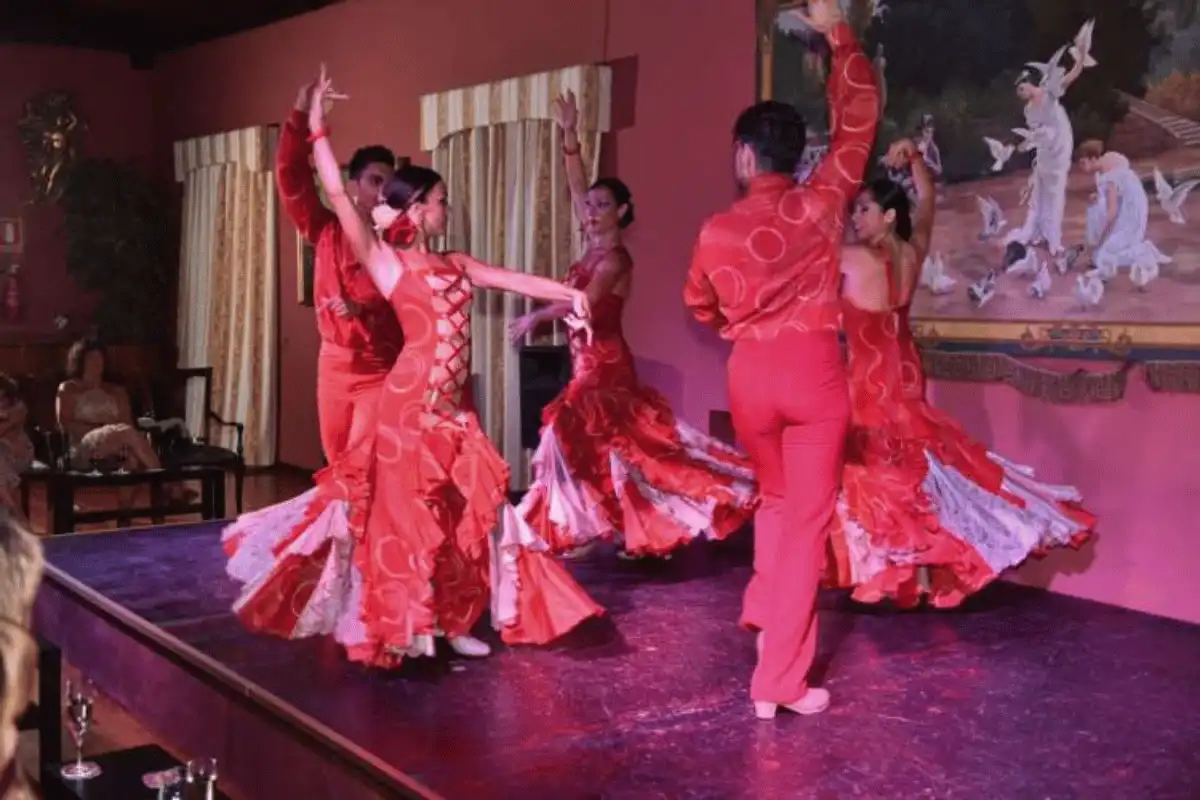
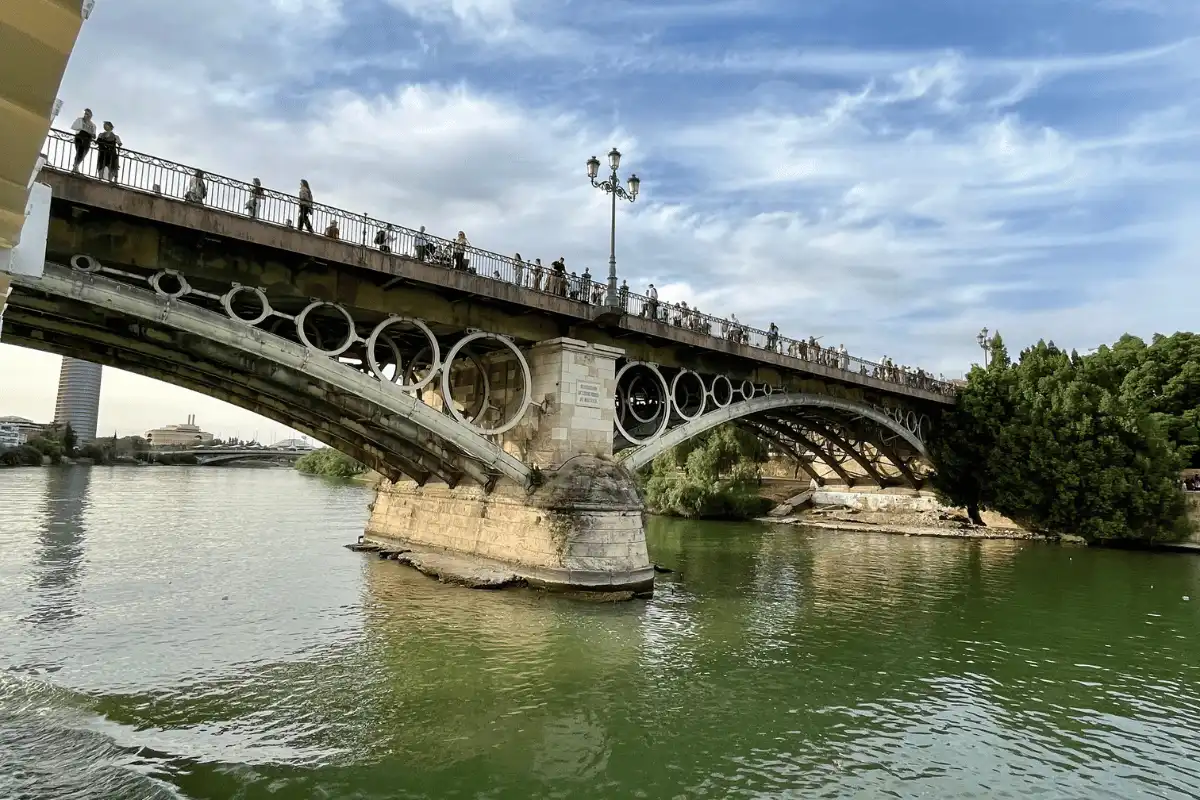
In summer, timing your day is everything. Sightsee only before 11 am and after 8 pm. The Alcázar at noon in August is not a pleasant experience. Even the shaded streets of Santa Cruz offer little relief at midday.
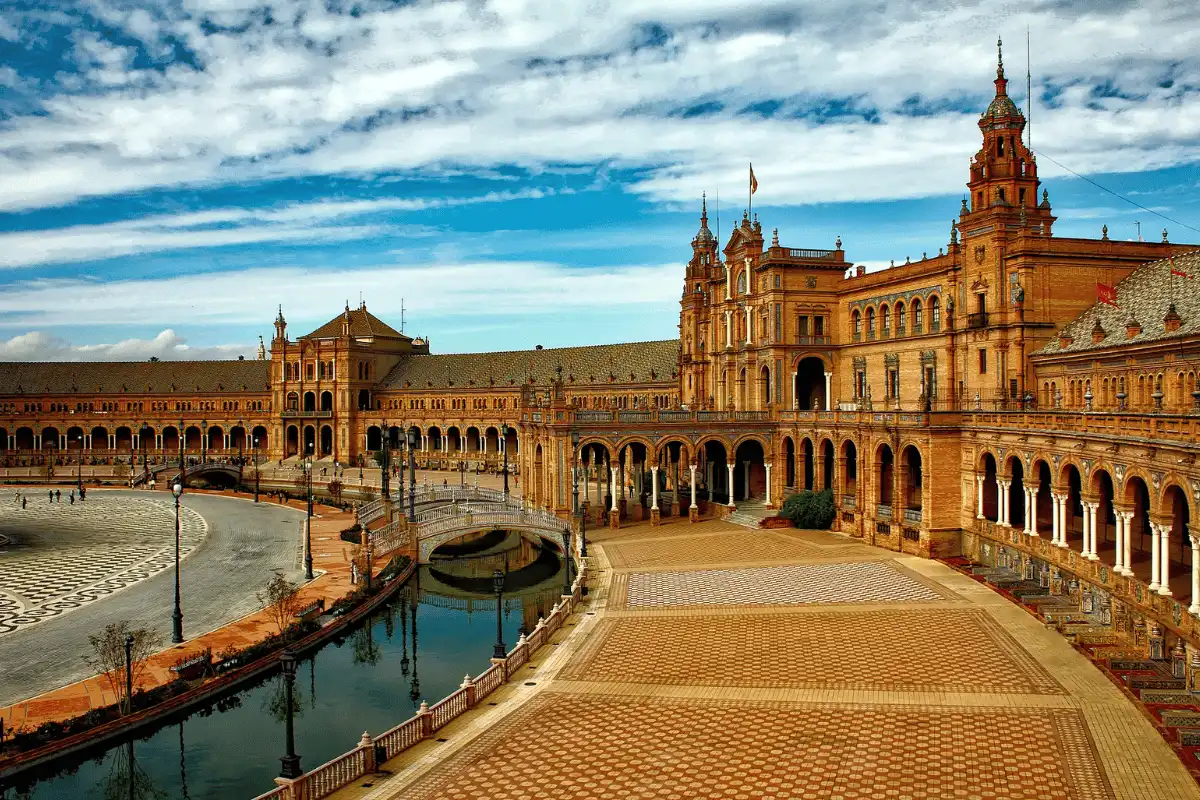
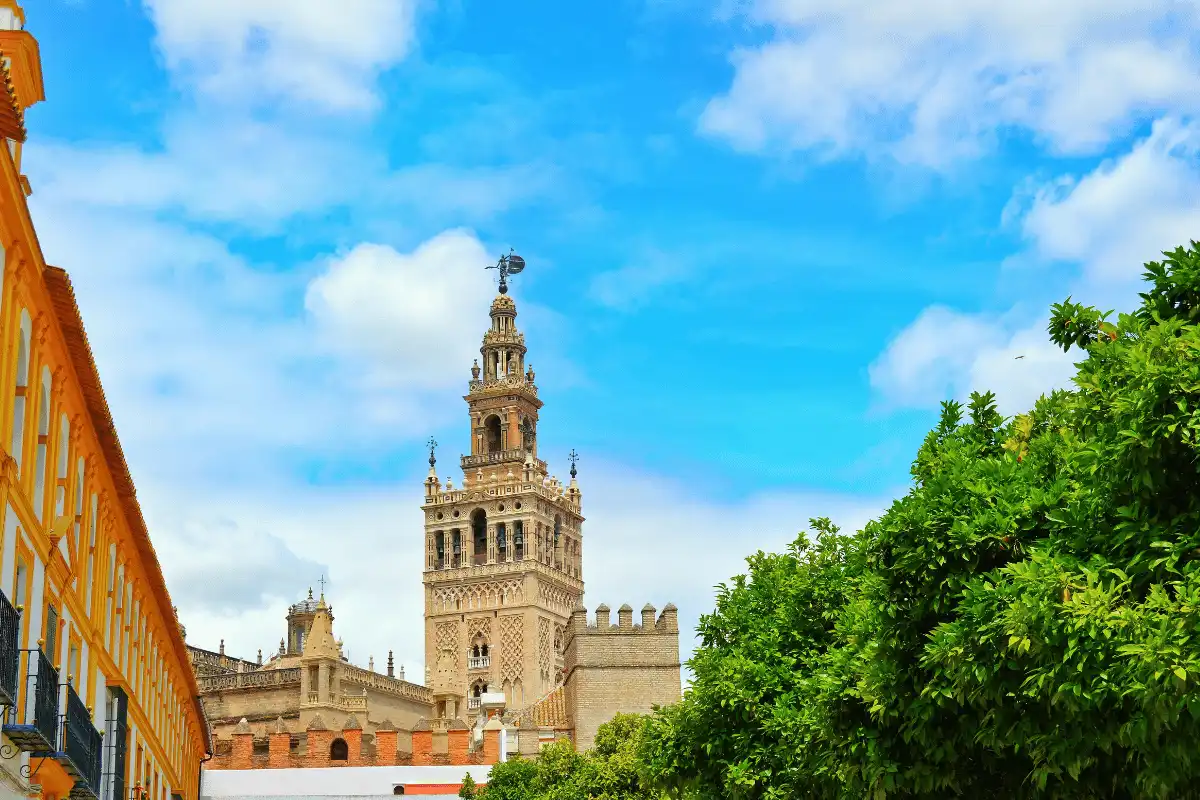
The rest of the year, mornings are best for the big monuments. Plaza de España photographs beautifully in morning light. The cathedral and Giralda are less crowded before 11 am.
Evenings are when Seville comes alive regardless of season. The tapas bars fill, the flamenco tablaos begin their shows, and the city has an energy that builds from dinner onwards. This is a city that doesn't eat before 9 pm and doesn't sleep before midnight.
Events and festivals worth planning for
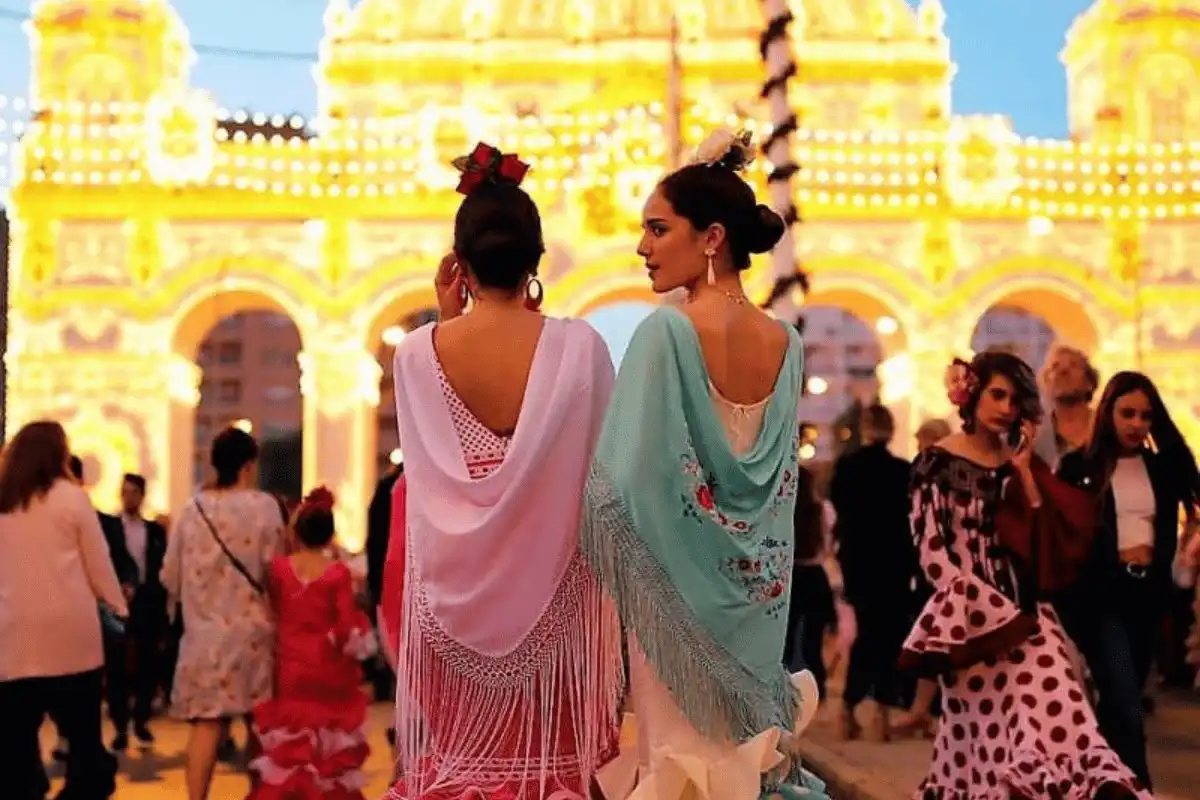
Semana Santa (March or April) is Spain's most spectacular Easter. Processions run from Palm Sunday to Easter Sunday. Book 6-12 months ahead.
Feria de Abril (two weeks after Easter) is a week of flamenco, horses, sherry, and tradition. Expect high prices and full hotels.
Bienal de Flamenco (September, even-numbered years only) is the world's most prestigious flamenco festival, bringing top performers to venues across the city.
Christmas and Three Kings (December to January 6) bring beautiful light displays, nativity scenes, and the Cabalgata de los Reyes Magos parade on January 5th.
Seville month by month
What to expect each month
| Category | Weather | Why Go | Highlights |
|---|---|---|---|
| January | Cool, quiet | Great value | Lowest prices |
| February | Cool, quiet | Pre-spring | Excellent value |
| March | Warming up | Pre-Easter sweet spot | Spring arriving |
| April | Peak season | Semana Santa/Feria | Book 6+ months ahead |
| May | Warm, pleasant | Post-festival calm | Excellent weather |
| June | Getting hot | Summer starting | Last comfortable month |
| July | Extremely hot | Avoid if possible | Cheapest hotels |
| August | Extremely hot | City empties | Many closures |
| September | Still hot | Bienal (even years) | Cooling down |
| October | Perfect | Best autumn month | Sweet spot |
| November | Mild | Olive oil season | Quiet and pleasant |
| December | Cool | Christmas charm | Festive atmosphere |
April (Semana Santa and Feria) sees the highest prices. Book accommodation many months in advance.
Spring (March-May)
| Month | High | Low | Rain | Rainy Days | Sun |
|---|---|---|---|---|---|
| March | 21°C | 10°C | 35mm | 5 days | 7hrs |
| April | 24°C | 12°C | 30mm | 5 days | 9hrs |
| May | 28°C | 15°C | 20mm | 4 days | 10hrs |
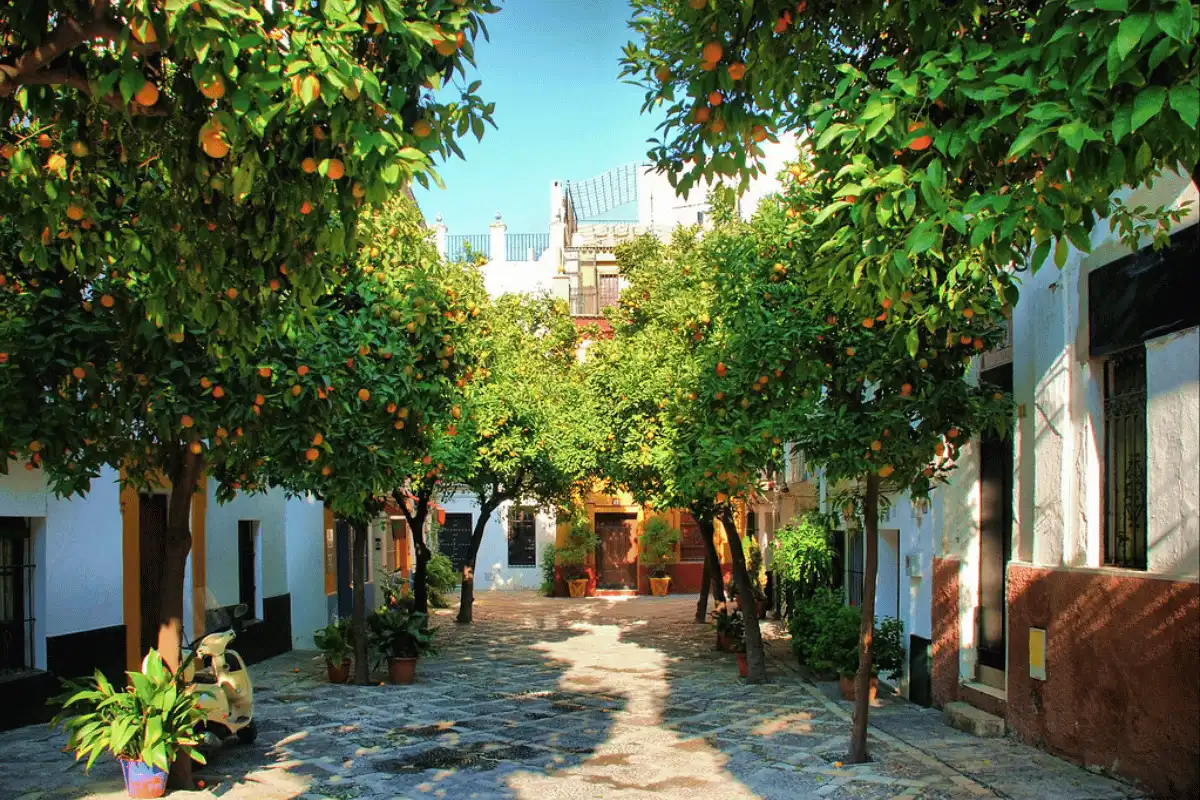
Spring is Seville's finest season. The orange trees that line every street fill the air with blossom scent (the azahar peaks in late March and April). The Alcázar gardens bloom. And the two great festivals bring the city to life.
March offers excellent value before Easter crowds arrive. The weather is already pleasant (21°C), the streets are manageable, and prices remain reasonable.
April is peak season. If you can handle crowds and prices, it's unforgettable. If you prefer quieter travel, early March or late May offers nearly the same weather without the chaos.
May brings warmer days (28°C) and the transition towards summer. Late May starts to feel properly hot, but the festivals have ended and the city settles into a pleasant rhythm.
Summer (June-August)
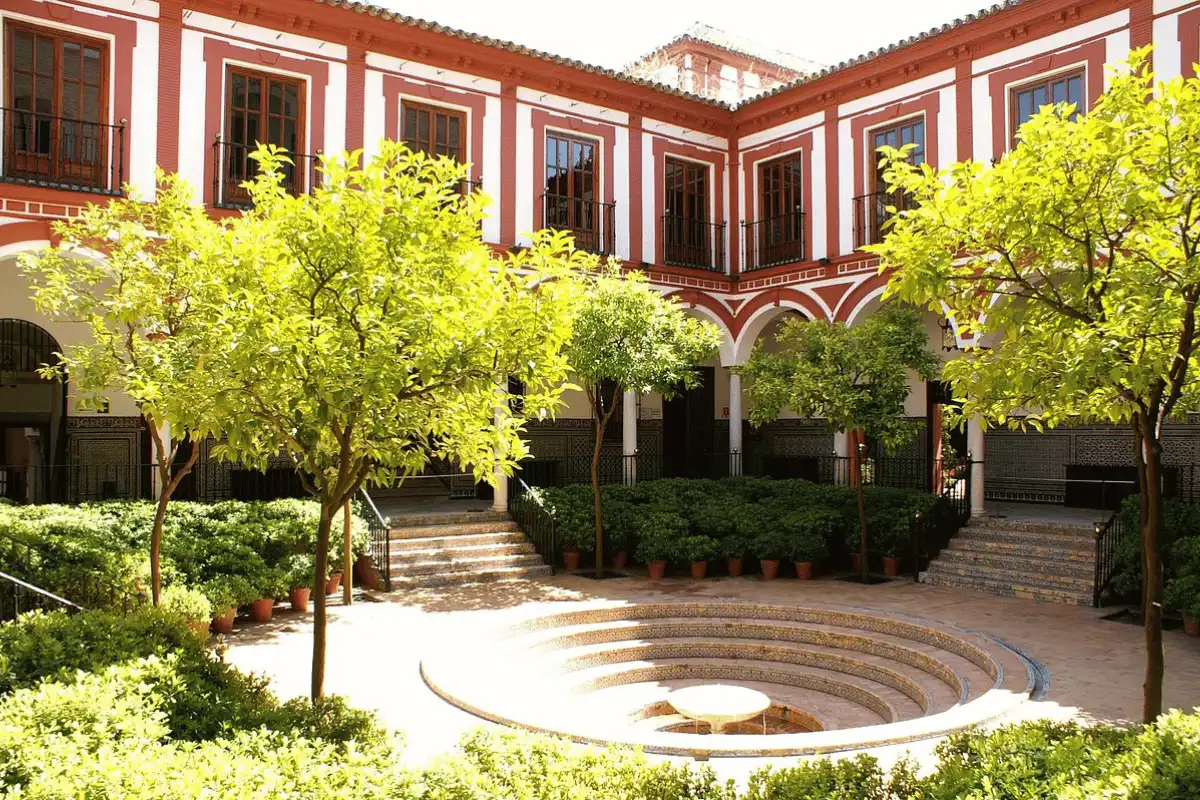
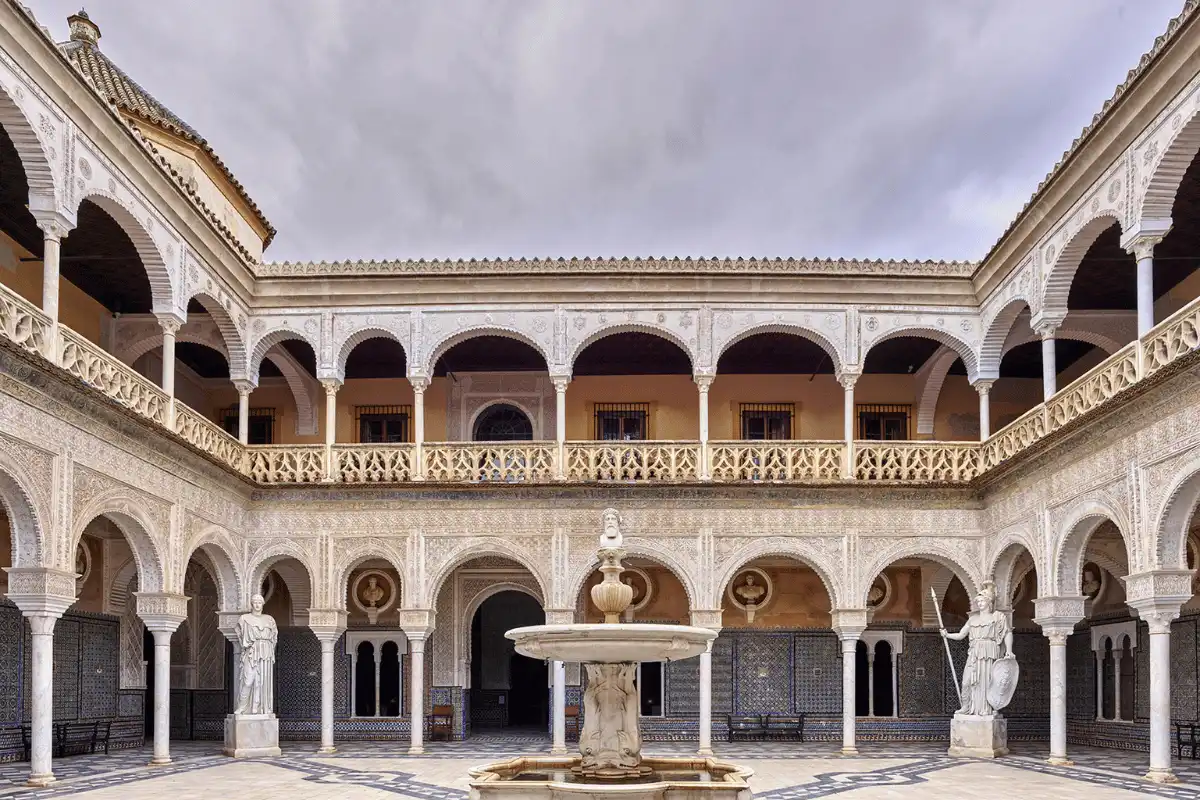
| Month | High | Low | Rain | Rainy Days | Sun |
|---|---|---|---|---|---|
| June | 33°C | 18°C | 8mm | 2 days | 12hrs |
| July | 36°C | 20°C | 1mm | 0 days | 12hrs |
| August | 36°C | 20°C | 3mm | 1 day | 11hrs |
Summer in Seville is brutal. This is one of Europe's hottest cities. Temperatures regularly exceed 36°C and frequently hit 40°C or higher.
The streets empty during afternoon hours. Locals flee to the coast. The city that buzzed with life in April feels like a ghost town in August.
The only sensible approach is to adopt Sevillano summer rhythms: early morning activity, long afternoon siesta, late evening everything. The Alcázar at noon in August is an endurance test. The cathedral feels like a furnace.
Summer does offer Seville's best hotel prices. Hotels that cost €200 in April might be €80 in July. If you're extremely heat-tolerant and budget-conscious, there's an argument. But for most visitors, it's not worth it. The heat is genuinely extreme and can be dangerous. Drink at least 3 litres daily and avoid midday sun entirely.
Autumn (September-November)
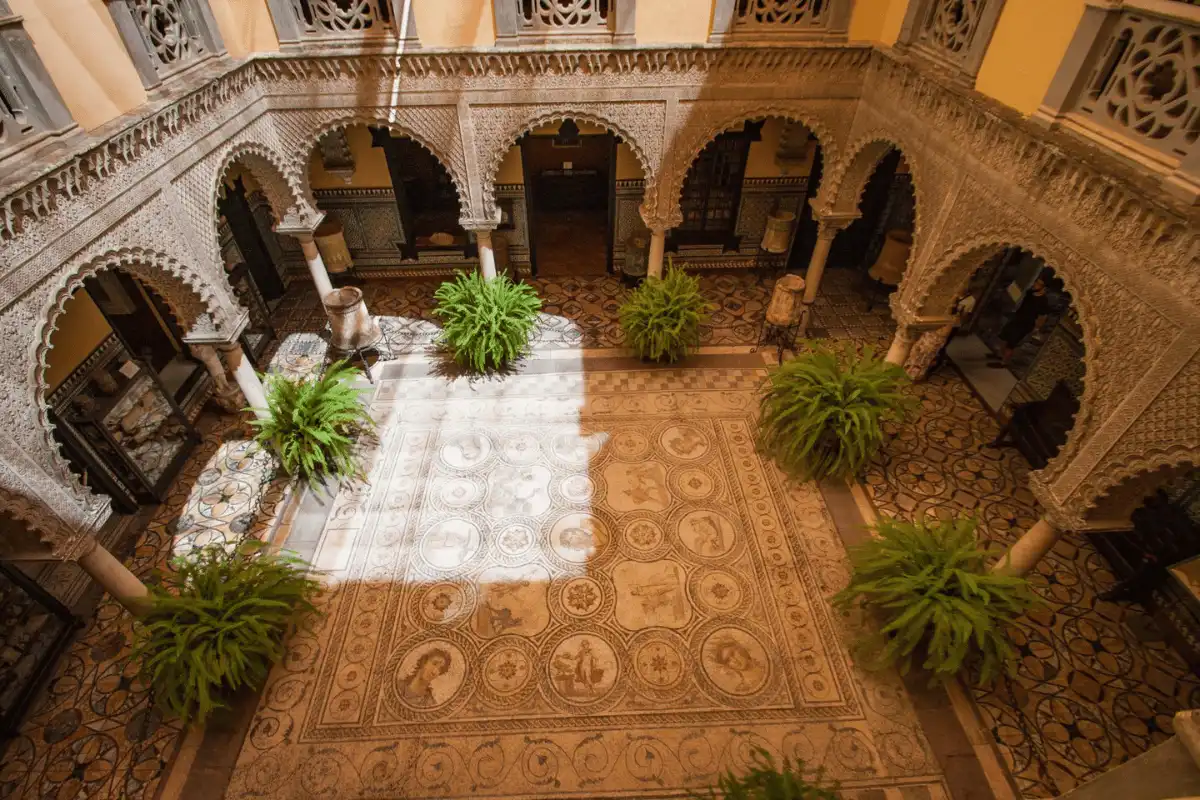
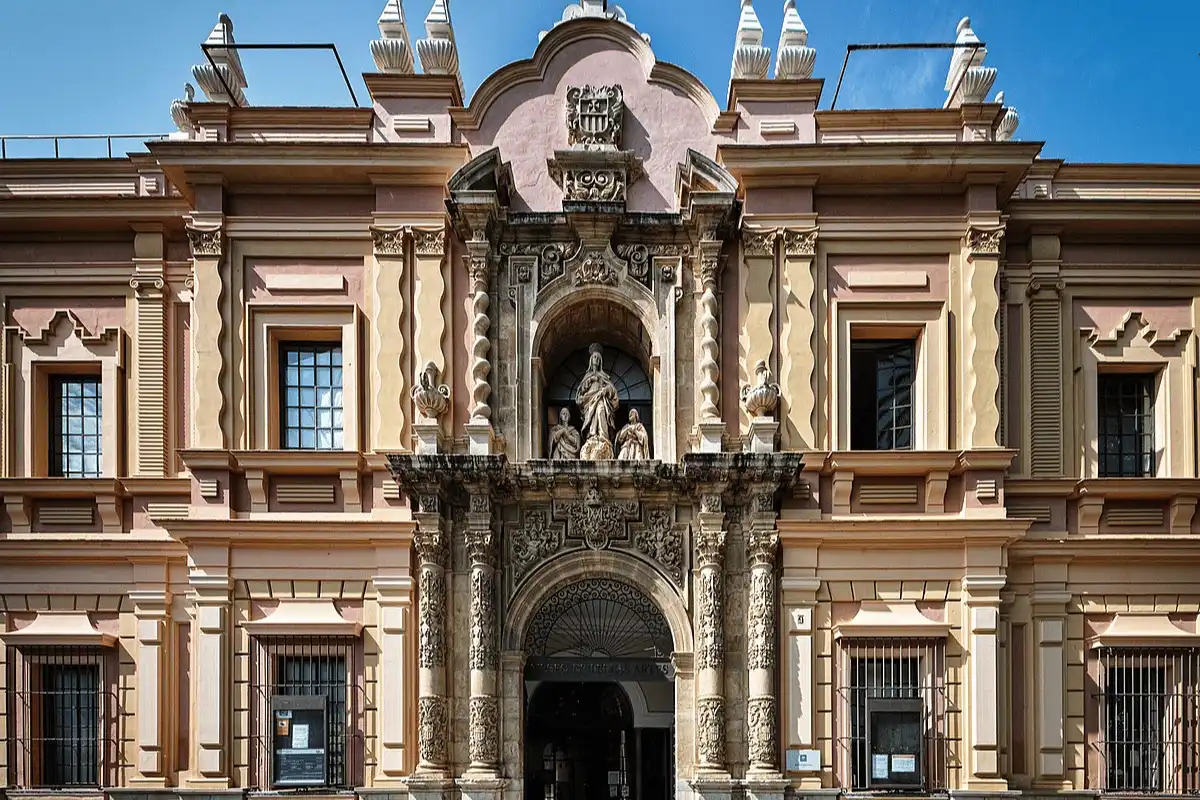
| Month | High | Low | Rain | Rainy Days | Sun |
|---|---|---|---|---|---|
| September | 33°C | 19°C | 15mm | 2 days | 9hrs |
| October | 26°C | 14°C | 45mm | 5 days | 7hrs |
| November | 20°C | 10°C | 55mm | 6 days | 6hrs |
Autumn is Seville's other golden season, and arguably more pleasant than spring if you want to avoid festival crowds.
September can still feel like summer (33°C), but by October the temperature drops to a comfortable 26°C. The tourists thin, the flamenco tablaos reopen for the season, and the city returns to its authentic rhythm.
The Bienal de Flamenco (September, even-numbered years) brings the world's best performers to venues across the city. Even in odd years, September marks the start of the performance season.
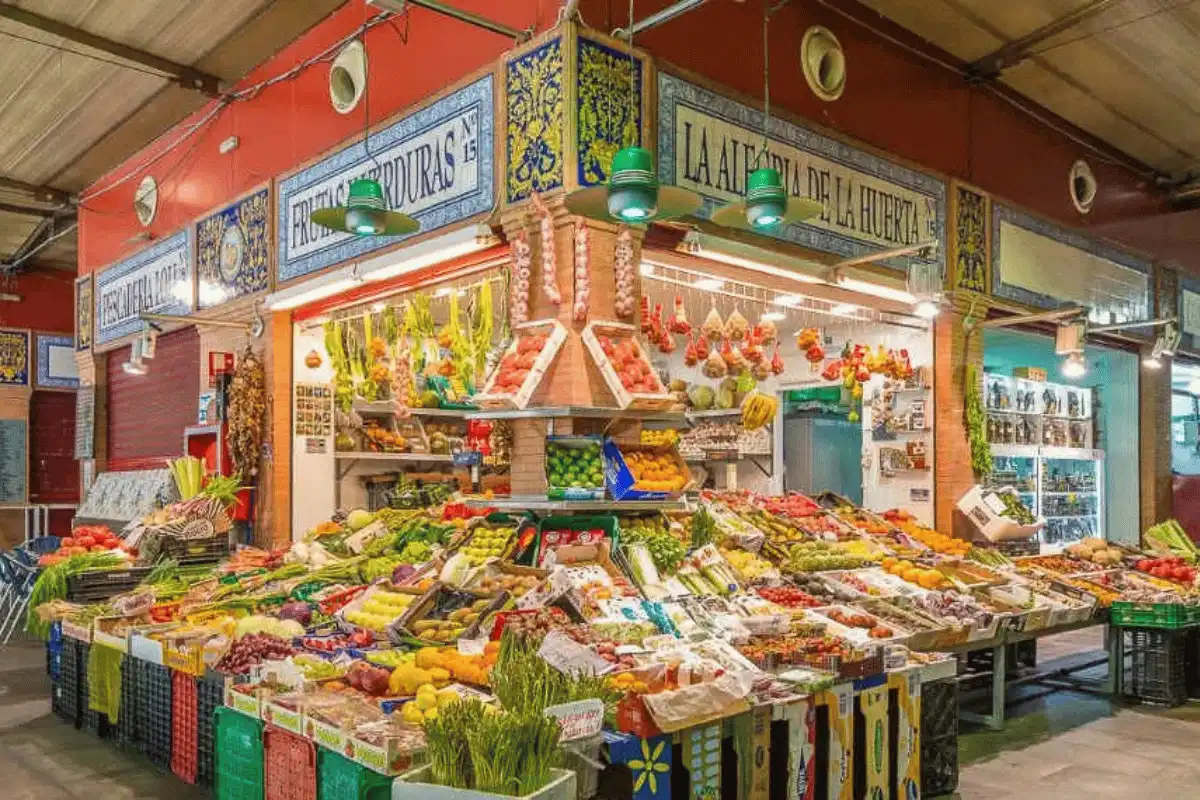
November brings olive oil season. Visit the Mercado de Triana for fresh-pressed aceite nuevo from the surrounding province.
Winter (December-February)
| Month | High | Low | Rain | Rainy Days | Sun |
|---|---|---|---|---|---|
| December | 16°C | 7°C | 60mm | 6 days | 5hrs |
| January | 16°C | 6°C | 50mm | 6 days | 6hrs |
| February | 18°C | 7°C | 45mm | 5 days | 6hrs |
Winter strips Seville to its essence. The tourist crowds vanish almost entirely. The Alcázar feels peaceful. The tapas bars buzz with locals. And prices drop to their lowest. Hotels that cost €200 in April might be €80 in January.
You'll need a jacket, but rarely more. This is sweater weather, not winter coat weather. Daytime temperatures around 16-18°C are comfortable for walking, and sunny days can feel almost spring-like.
Christmas in Seville is authentically Spanish. The streets light up beautifully, nativity scenes appear everywhere, and the city celebrates with family gatherings and traditional sweets.
Day trip or overnight stay
Some people visit Seville as a day trip from Málaga or the Costa del Sol. They see the Alcázar, grab lunch, and leave thinking they've experienced Seville.
They haven't.
Seville deserves three to four days minimum. One day for the Alcázar complex, one for the cathedral and Giralda, one for exploring neighbourhoods like Santa Cruz and Triana. Add a day for flamenco, day trips, or deeper exploration.
You get the tapas bars at midnight when they're at their most alive. You see the streets of Triana when the fishmongers are setting up. You hear flamenco that shakes the walls of a cave in Sacromonte. This is a city that reveals itself slowly.
Seville has an international airport with connections to major European cities. By AVE high-speed train, Madrid is 2.5 hours, Córdoba 45 minutes, and Málaga 2 hours.
Final thoughts
Seville is one of Europe's great cities, and it rewards planning more than most.
Come in spring for the festivals, the orange blossom, and perfect weather.
Visit autumn for the same temperatures without the crowds.
Try winter for extraordinary value and authentic atmosphere.
But think carefully before booking summer. The heat is genuinely extreme.
Whatever season you choose, Seville will seduce you. The Alcázar at golden hour, the cathedral's impossible scale, the sound of flamenco drifting from a Santa Cruz tablao, the taste of jamón and fino at a crowded bar. Just don't come in August expecting a comfortable afternoon walk.
If you're planning your trip, have a look at my guides to things to do in Seville, where to eat, and where to stay. And if you're looking to explore beyond the city, check out my guide to day trips from Seville.

Hola! I'm the researcher, walker, and co-founder behind Spain on Foot. I help travellers experience Spain authentically, through in-depth guides, locals-only knowledge, and cultural stories you won't find in guidebooks. You can reach me at heidi@spainonfoot.com
Planning a trip to Seville?
Explore Seville Guide→