28 things to do in Seville: and what to skip
This post may contain affiliate links, which means I earn a small commission, at no extra cost to you. It helps keep the blog alive, and we really appreciate your support!

The cathedral is the largest Gothic church in the world.
The Alcazar is a palace that rivals the Alhambra.
The heat in summer is legendary, and so is every corner of this city.
This is the capital of Andalusia, a city that gave the world flamenco, tapas culture, and some of the most intense religious celebrations in Christendom.
These are the sights we recommend on your next trip. Don't miss the Real Alcazar and its magical gardens, Seville Cathedral and the Giralda tower climb, an authentic flamenco show in a tablao, a tapas crawl through Triana or the centre, and Plaza de Espana at golden hour.
Map of Seville Attractions
All the key sights in this guide are pinned below. Save it before you go so you can navigate without signal.
The Historic Centre
1. Visit the Real Alcazar
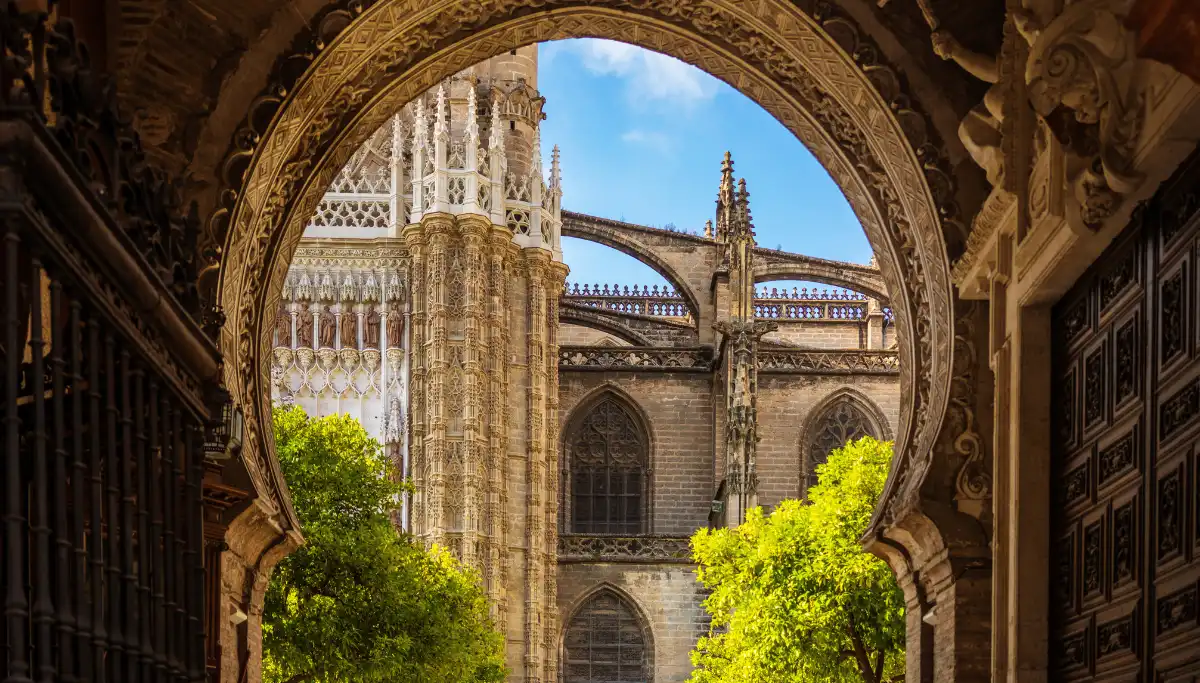
The Real Alcazar is one of the most beautiful palaces in Spain, a complex of Moorish, Gothic, and Renaissance buildings that has been a royal residence for over 700 years. The Spanish royal family still uses it when visiting Seville.
The Mudejar Palace, built by Christian kings using Islamic craftsmen, is the highlight. Intricate tilework, carved stucco, and horseshoe arches that rival anything in the Alhambra. But the Alcazar offers more variety, from the Gothic Palace to the Renaissance additions to the beautiful gardens that stretch behind.
Allow at least two hours, preferably more. The gardens alone deserve an hour of wandering.
Entry costs €15.50, or free on Monday afternoons from 4-5pm (though free slots still need booking). Book online well in advance, especially in spring. Night visits run in summer and sell out fast. The first slot at 9am or late afternoon are the least crowded.
Warning:
Alcazar tickets sell out, especially during Semana Santa, Feria, and summer months. Book online as soon as your dates are confirmed. The free Monday afternoon slots require booking weeks ahead.
2. Climb the Giralda Tower
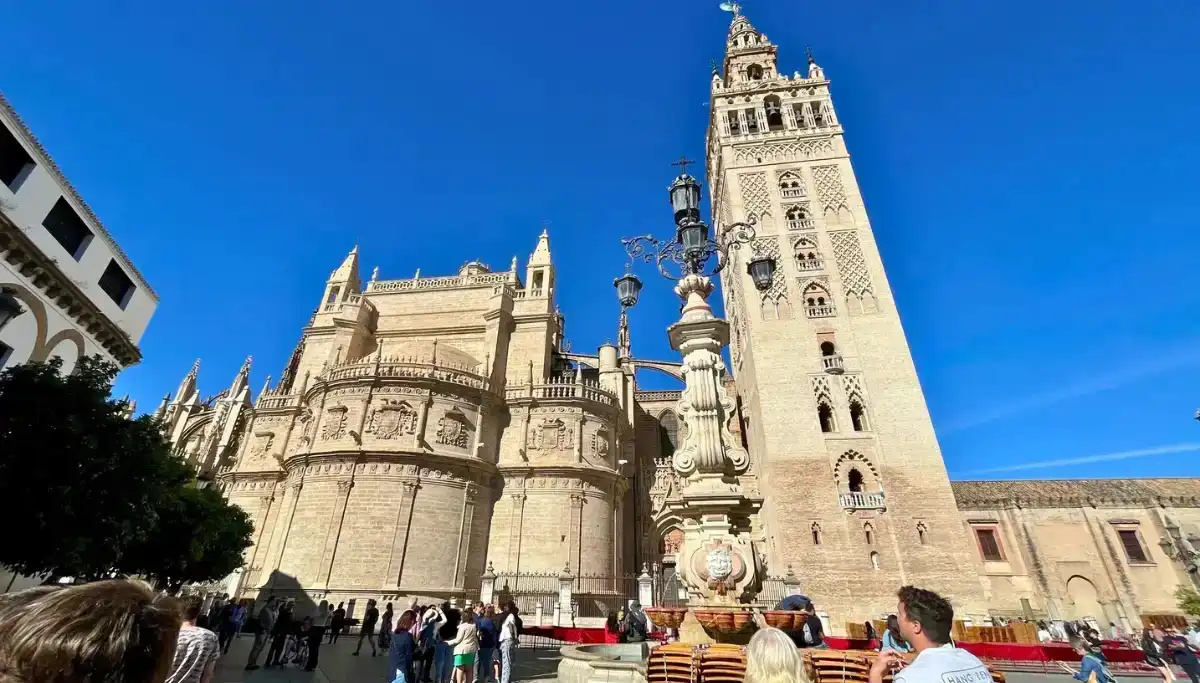
The Giralda is Seville's most iconic landmark, a 104-metre tower that began life as the minaret of the main mosque and was converted into a bell tower when the mosque became a cathedral.
The climb involves 35 ramps (not steps) designed so horses could climb. At the top, the views across Seville's rooftops are spectacular, with the cathedral's Gothic buttresses spreading below and the Alcazar gardens visible beyond.
Entry to the Giralda is included with cathedral tickets.
Entry is included with your cathedral ticket. Late afternoon gives the best light at the top. The climb is easier than it looks — the ramps were designed for horses, and most people with moderate fitness manage it fine.
3. Explore Seville Cathedral
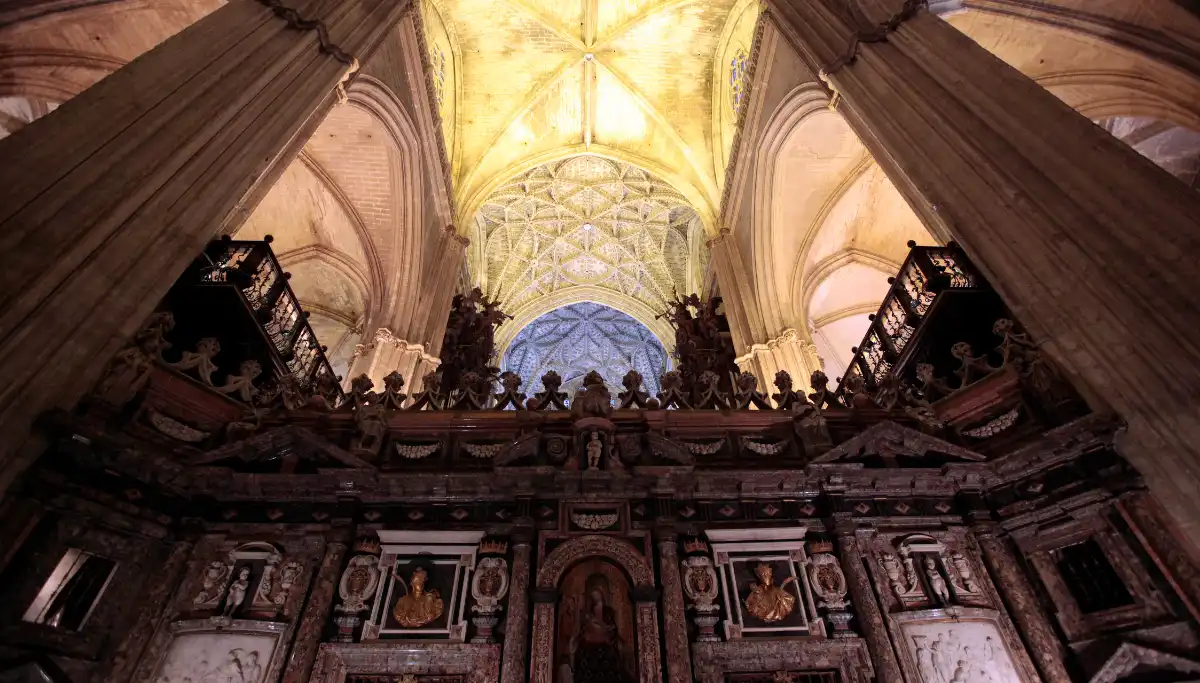
Seville Cathedral is the largest Gothic cathedral in the world and the third-largest church overall. Built on the site of the main mosque (the Giralda is its surviving minaret), it was designed to demonstrate the power and wealth of post-Reconquista Seville.
Inside, the scale is overwhelming.
The main altarpiece is the largest in Christendom. Christopher Columbus's tomb stands in the transept, borne by four kings. Chapels contain masterpieces by Murillo, Zurbaran, and Goya.
Entry costs €12 and includes the Giralda climb. Buy tickets online to skip the queue. An audio guide is worthwhile given the sheer scale and complexity. Early morning is the quietest time to visit.
4. Get Lost in Barrio Santa Cruz
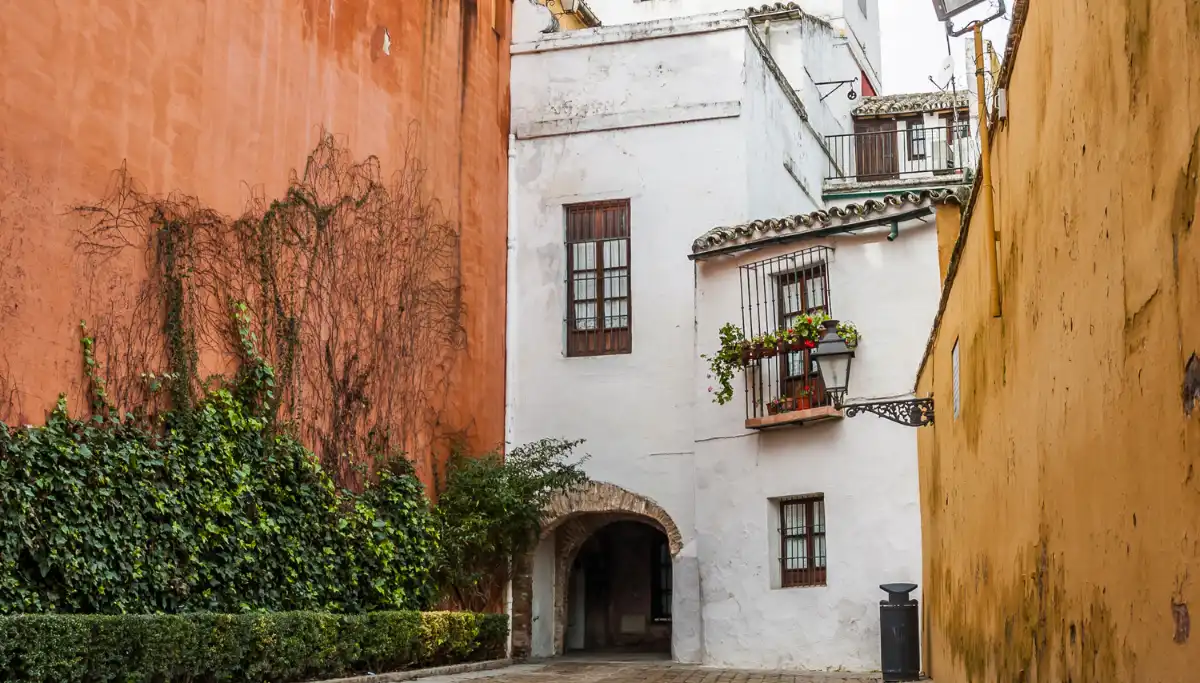
Barrio Santa Cruz is Seville's former Jewish quarter, a labyrinth of narrow streets, hidden plazas, and flower-filled patios. This is the most atmospheric part of the city centre, perfect for wandering without a map.
The streets are deliberately confusing, designed in medieval times to slow invaders and provide shade from the summer sun. Today they're lined with tapas bars, boutiques, and the occasional glimpse of an orange tree courtyard.
Santa Cruz is most atmospheric at night when the streets empty of tour groups and the tapas bars fill with locals. The tiny plazas, lit by lanterns, become genuinely romantic.
Get deliberately lost. The tiny plazas like Plaza de los Venerables and Plaza de Dona Elvira are the reward. Come back at night when the tour groups have gone and the streets become genuinely magical.
5. See the Archivo de Indias
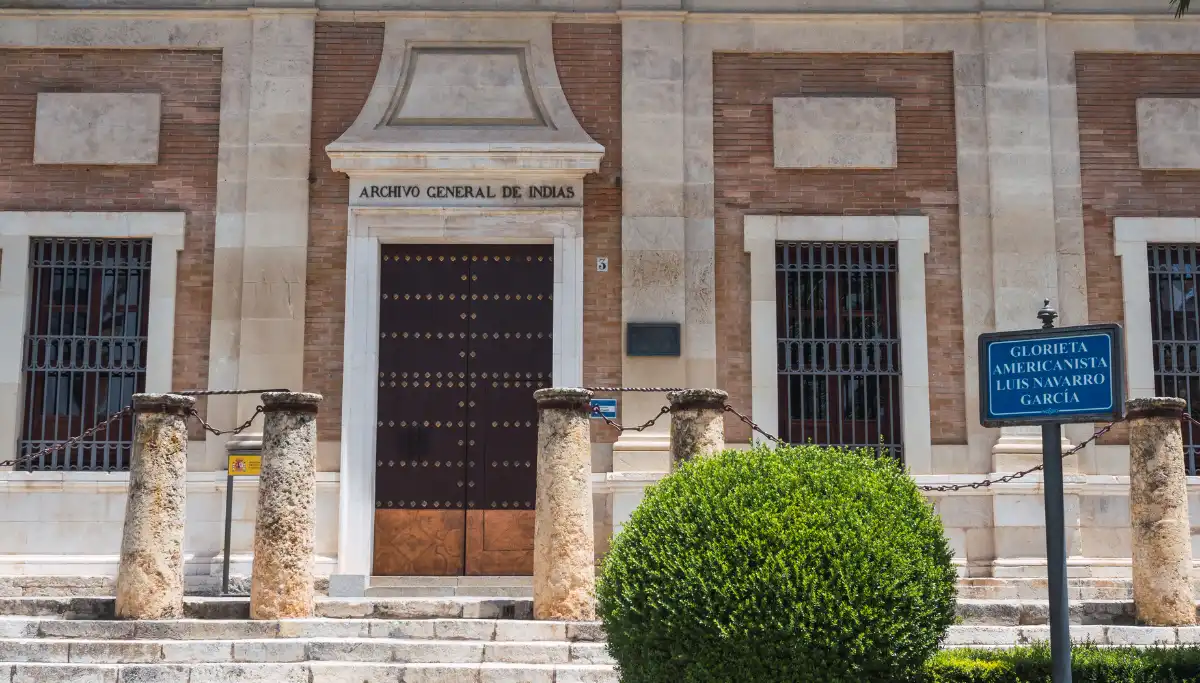
The Archivo de Indias houses the most important documents from Spain's colonial period in the Americas. The building itself, a beautiful Renaissance structure, was originally the merchants' exchange.
Inside, you can see original documents including letters from Columbus, Cortes, and Magellan.
The rotating exhibitions bring this history to life. Entry is free.
The building is beautiful even if the history doesn't interest you. Allow 45 minutes to an hour, and don't miss the courtyard.
Plaza de Espana and Maria Luisa Park
6. Explore Plaza de Espana
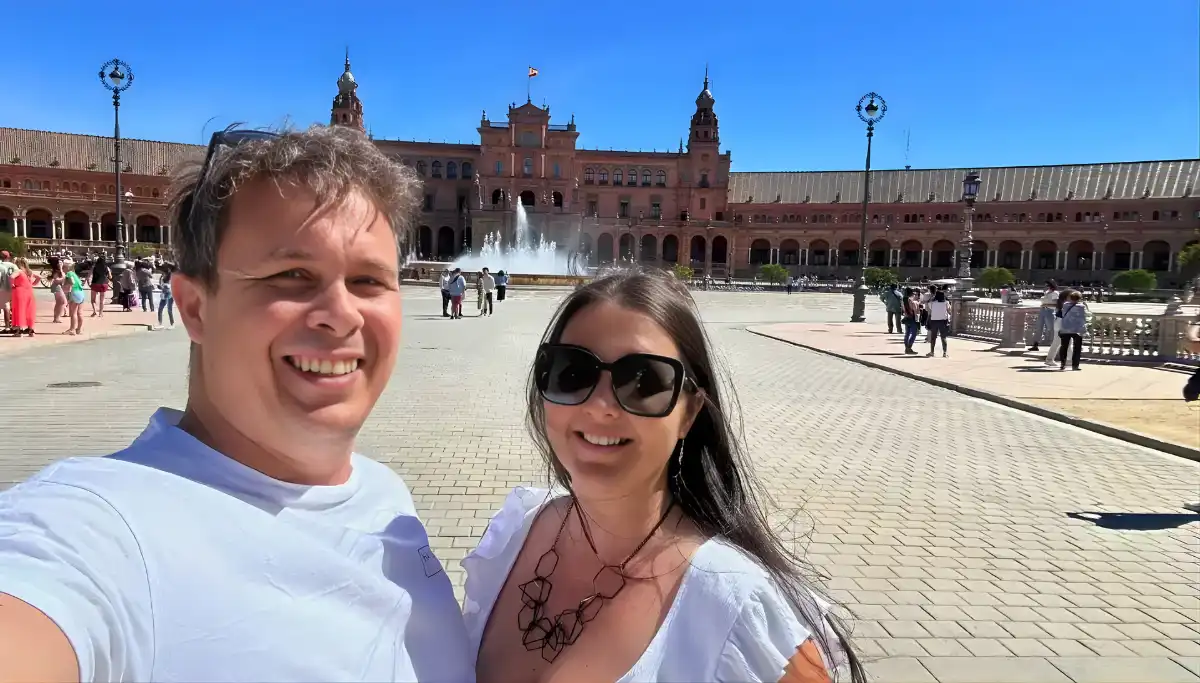
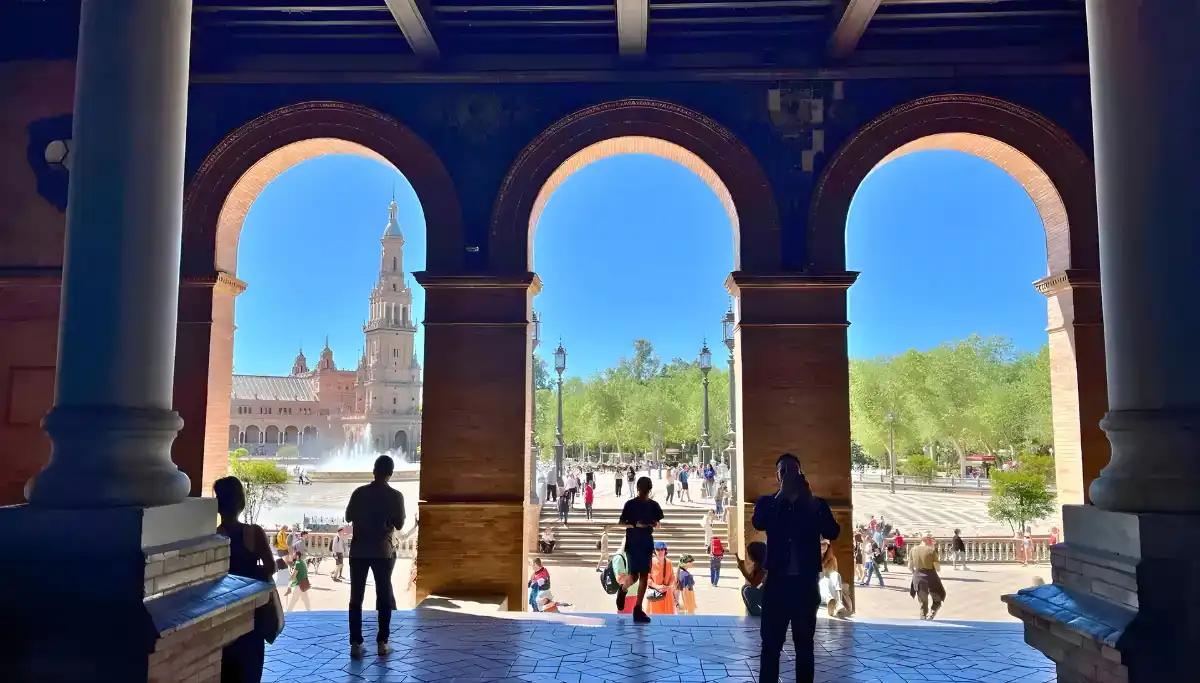
Plaza de Espana is Seville's most photographed location, a grandiose semicircular plaza built for the 1929 Ibero-American Exposition. Its scale is immense, 170 metres in diameter, with a canal, bridges, and a building wrapped in ceramic tiles representing each Spanish province.
The plaza looks artificial on first encounter, almost too perfect.
But the craftsmanship is genuine, and the sheer ambition impresses. Come at sunset when the light turns the tiles golden. The warm light makes the ceramics glow, and the north end looking south gives you the classic shot.
Entry is free. You can rent a rowing boat on the canal for a different perspective. Avoid midday in summer when there's no shade. The tiled alcoves for each Spanish province make an unexpectedly fun photo project.
7. Wander Maria Luisa Park
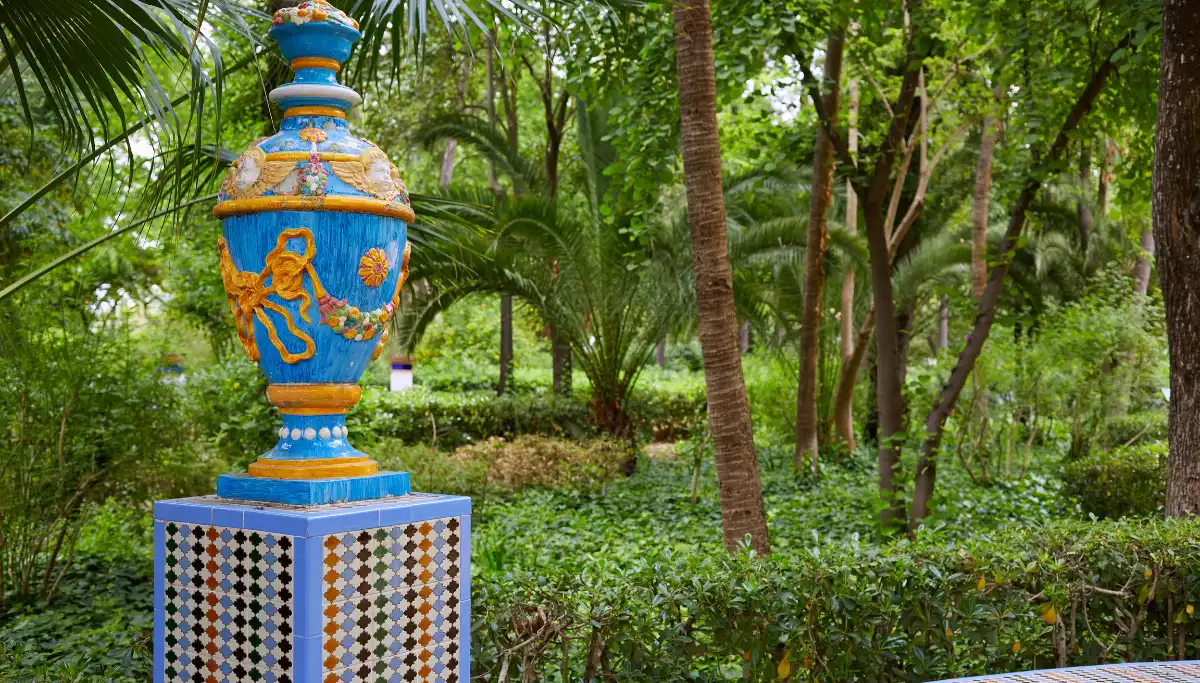
Parque de Maria Luisa is Seville's main green space, a beautiful landscaped park that was also created for the 1929 Exposition. Shaded paths wind past fountains, ponds, pavilions, and surprising monuments.
The park is a relief from Seville's heat, especially in summer.
Locals come to jog, families picnic, and couples rent rowboats for the small lake. It connects directly to Plaza de Espana.
Free to enter. Morning or late afternoon are the best times in summer. Rent a bike or horse carriage if you want to cover more ground. The Plaza de America at the south end has two small museums in beautiful buildings.
Triana
8. Cross the Bridge to Triana
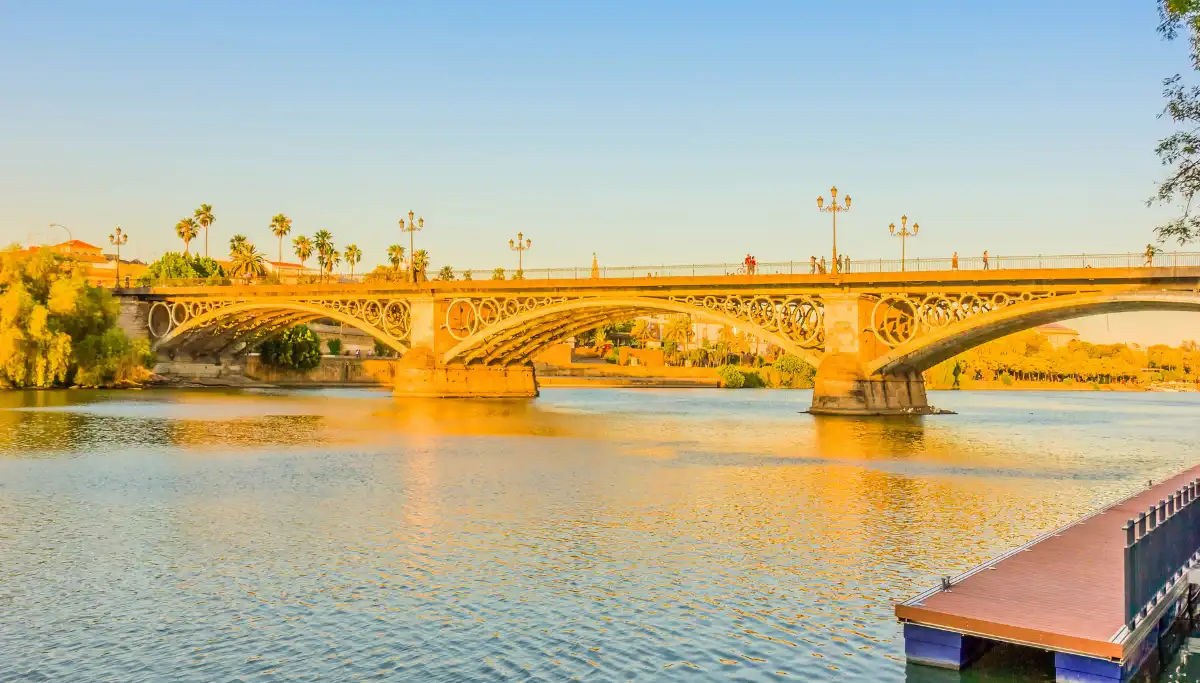
Triana is Seville's most characterful neighbourhood, separated from the centre by the Guadalquivir River but fiercely proud of its identity. This was the traditional home of Seville's Roma community, the birthplace of many famous flamenco artists, and a centre of ceramic production.
The Puente de Isabel II (also called Puente de Triana) connects the centre to Triana. Walking across offers views of the Torre del Oro and the riverfront.
Trianeros consider themselves a separate tribe from other Sevillanos. The neighbourhood has its own festivals, its own tapas culture, and its own flamenco history. Come to experience the most authentic side of Seville.
9. Explore Calle Betis
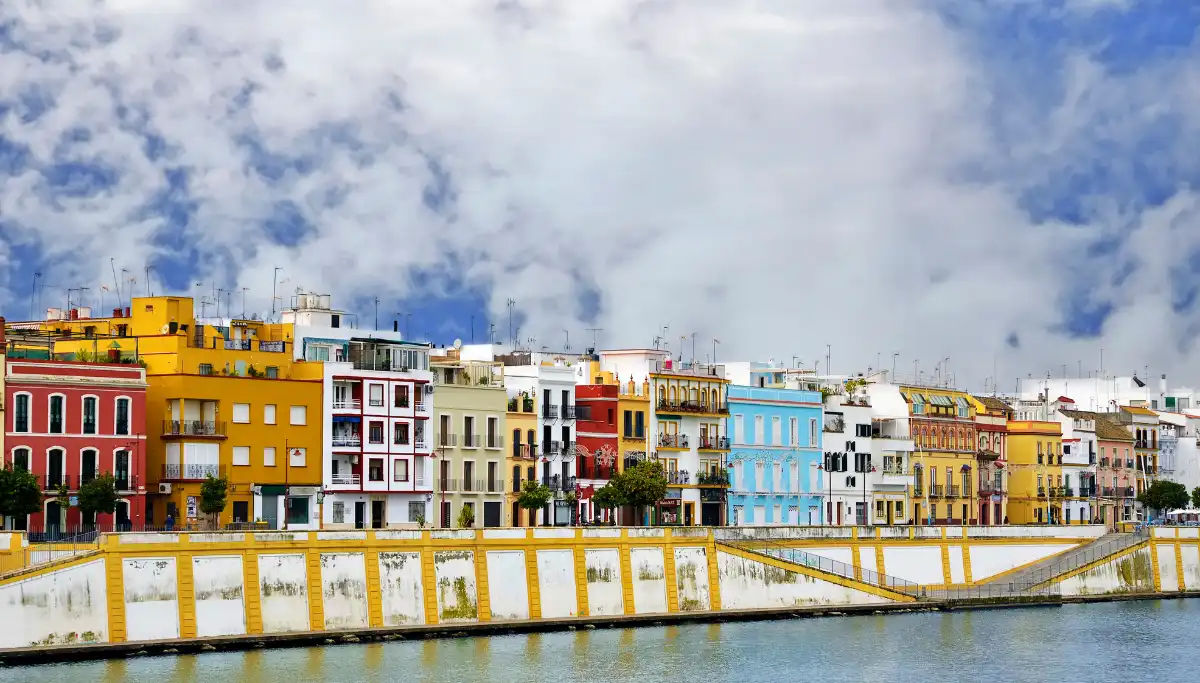
Calle Betis runs along the Triana side of the Guadalquivir, a row of colourful buildings housing tapas bars, restaurants, and nightclubs. The views back across the river to the old city are excellent.
This is where Sevillanos come on summer evenings, when the riverside terraces fill and the atmosphere becomes festive. Later, the bars turn into clubs. Come for sunset drinks. The views across to the Torre del Oro and cathedral are the best in the city as the light fades. You don't need reservations, just pick a terrace with a view and order whatever's fresh.
10. Visit the Triana Market
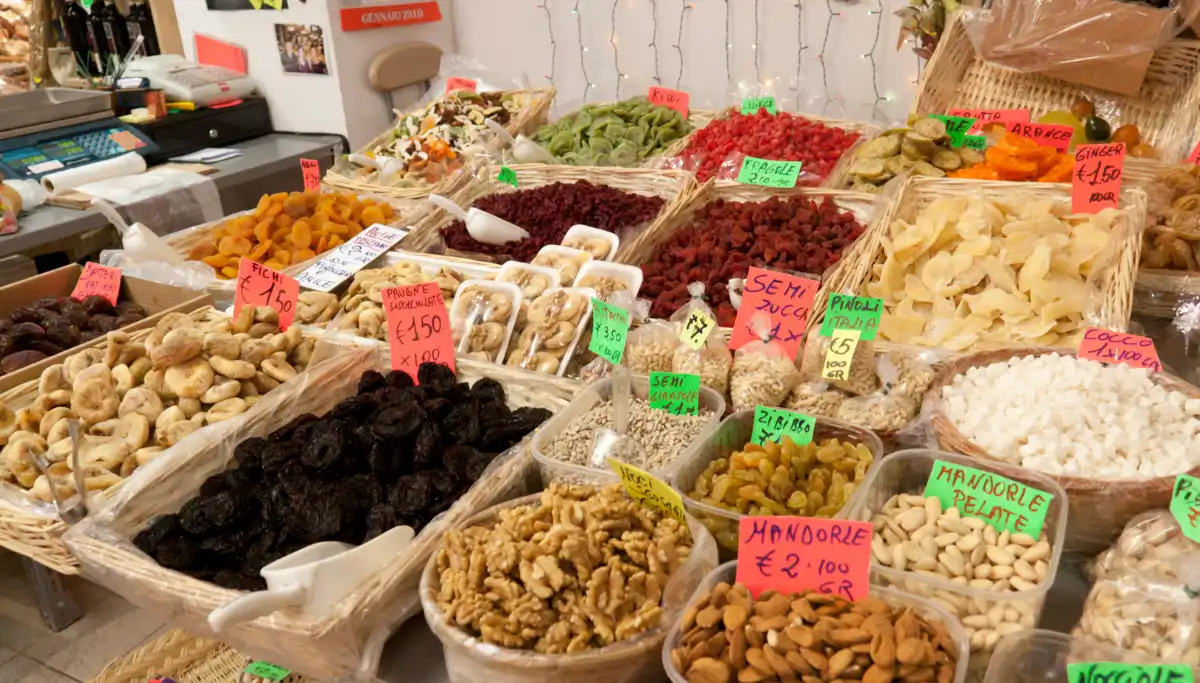
The Mercado de Triana is a traditional food market that has been modernized without losing its soul.
The ground floor sells fresh produce, meat, and fish. The upper level has tapas bars and restaurants where you can eat what you just bought downstairs.
It's a good spot for lunch, combining the authenticity of a traditional market with the convenience of cooked food.
Free to browse. Come late morning for the full market atmosphere, then head upstairs for lunch. Order the fried fish or gambas al ajillo. Quality is high and prices are fair.
11. See the Ceramics of Triana
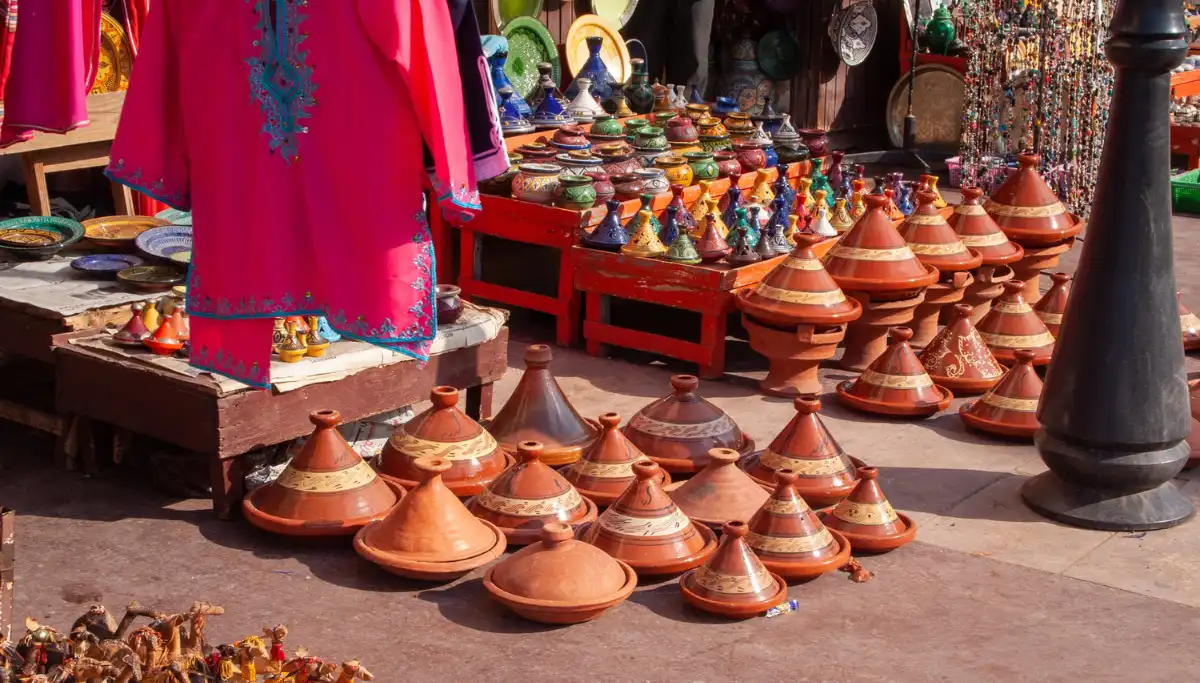
Triana has been producing ceramics for centuries, and the tradition continues. The neighbourhood is dotted with ceramics workshops and shops selling everything from traditional azulejos (tiles) to modern pieces.
The Centro Ceramica Triana museum explains the history and techniques. Even if you don't visit the museum, you'll see ceramic facades throughout the neighbourhood.
Flamenco
12. Watch Flamenco in a Tablao
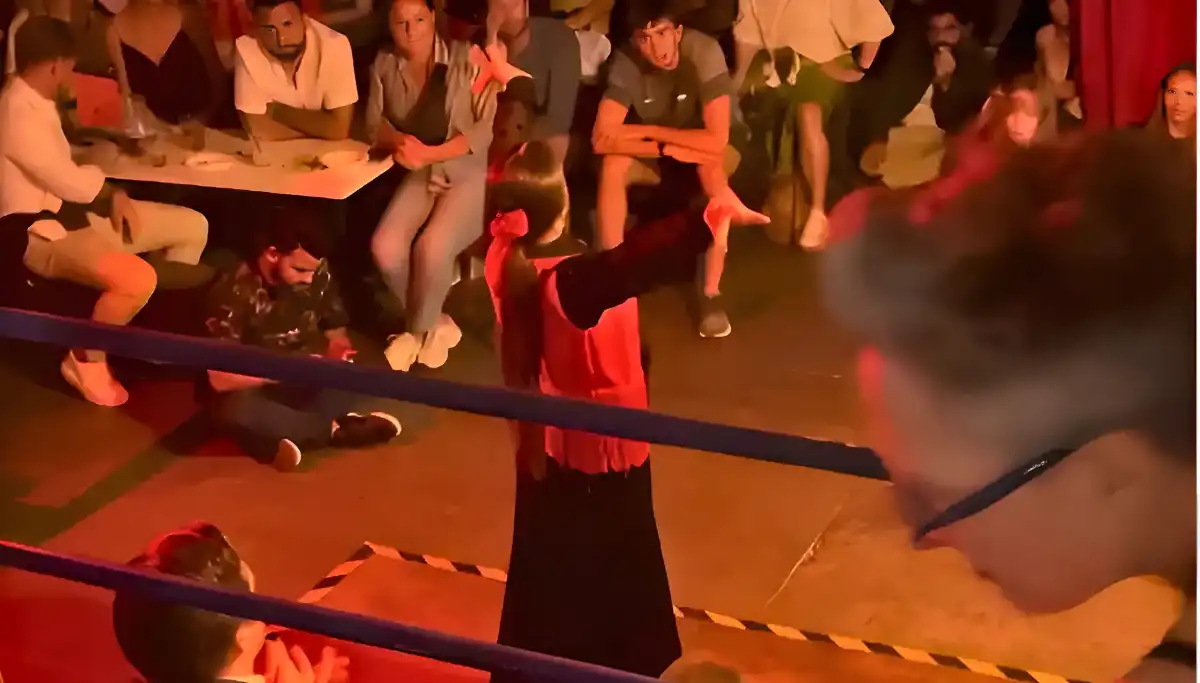
Seville is the birthplace of flamenco, and watching a performance here is essential. The best experiences are in tablaos, small, intimate venues where the performers are close enough to see every expression.
Unlike tourist-oriented shows, tablao performances are serious art.
The emotion is real. The technique is demanding. When it comes together, flamenco becomes genuinely moving.
Shows typically cost €25-50 and run at 8pm or 10pm. Casa de la Memoria, La Casa del Flamenco, and Tablao El Arenal are all well-regarded. Book ahead for weekends.
Local tip
For a more spontaneous experience, look for flamenco at peñas (private clubs) or in bars in Triana. These aren't staged for tourists, which means quality varies, but when it's good, it's extraordinary.
13. Visit the Flamenco Dance Museum
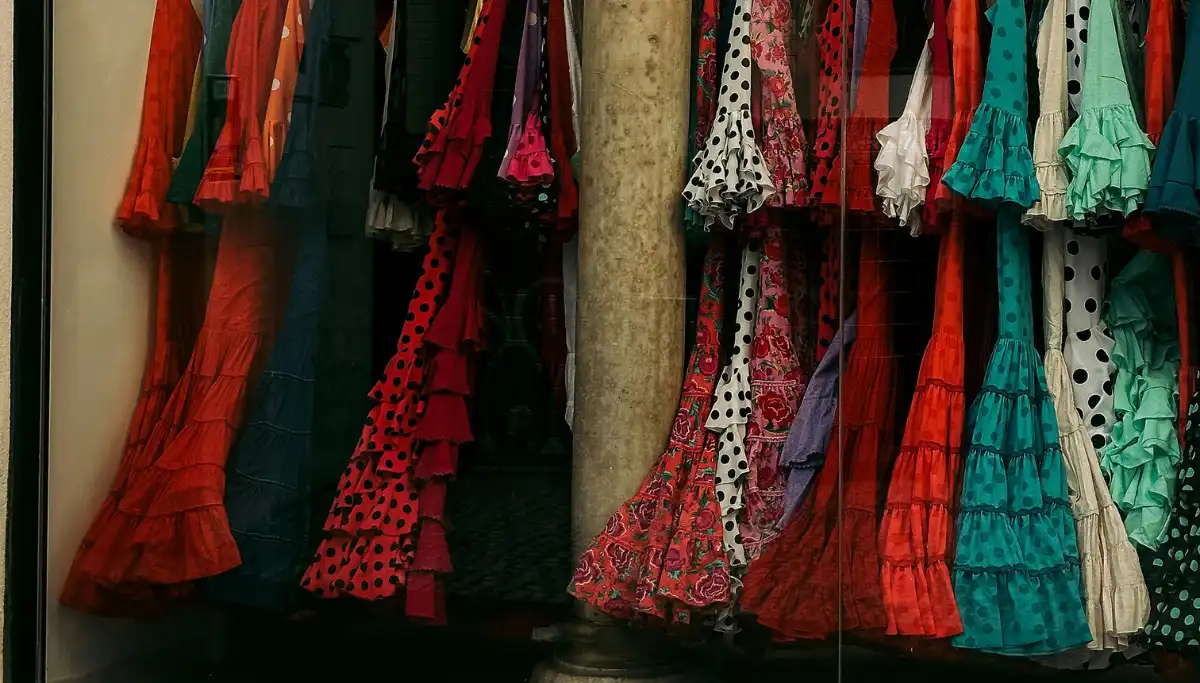
The Museo del Baile Flamenco is dedicated to the art form, with exhibitions on its history, costumes, and cultural significance. Live shows are held in the courtyard, combining education with performance.
It's a good introduction before seeing a tablao, helping you understand what you're watching.
Entry costs €12, or more with a courtyard show included. A combined ticket makes sense if you haven't already booked a tablao separately.
Tapas Culture
14. Go on a Tapas Crawl
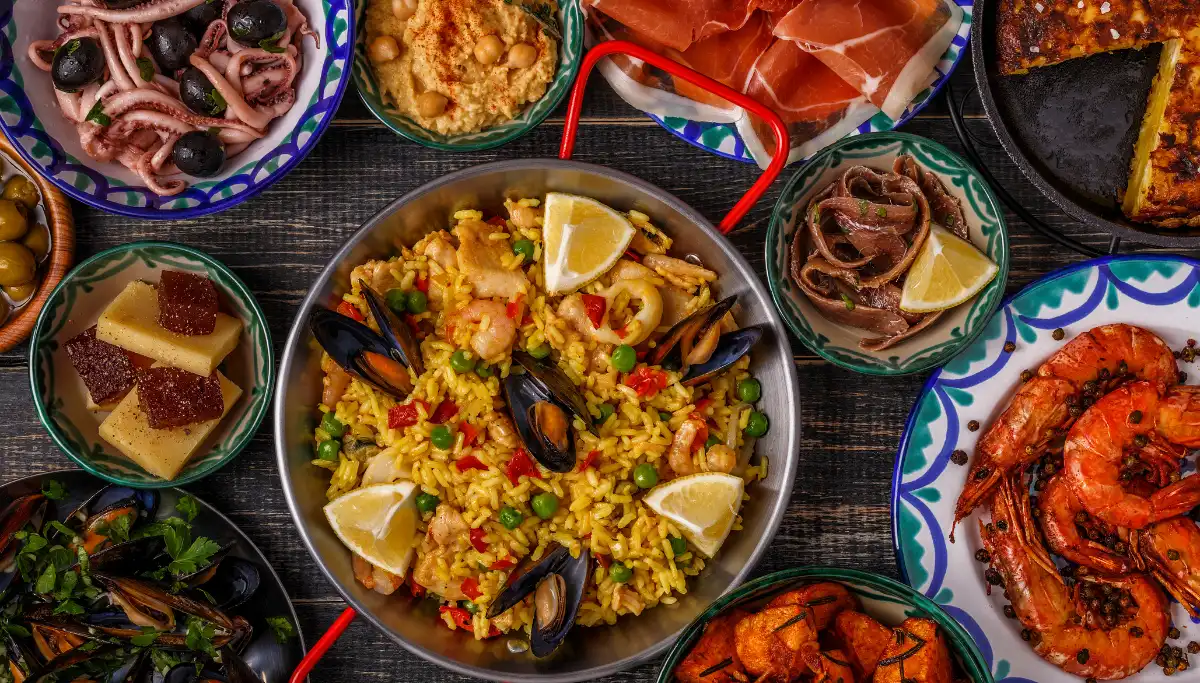
Seville takes tapas seriously.
A proper crawl involves moving from bar to bar, ordering one or two dishes at each, standing at the counter, and moving on. It's social, it's delicious, and it's the Sevillano way of eating.
The centre, Triana, and Alameda de Hercules each offer different tapas experiences. The best bars are often the most crowded, with tiles on the floor and hams hanging from the ceiling.
Budget €3-6 per tapa. Start from around 8pm. Work from the cathedral toward Alameda de Hercules, or do a dedicated Triana crawl. Stand at the counter rather than sitting down.
15. Try the Essential Dishes

Seville has its own tapas specialities that you won't find done as well anywhere else. Solomillo al whisky is the classic, pork in whisky sauce that every proper tapas bar serves. Espinacas con garbanzos is spinach with chickpeas, a dish with Moorish origins that's become a Sevillano staple. Order carrillada (slow-cooked pork cheeks) whenever you see it on the board. Pringa is shredded meat from the cocido stew, usually served on bread. And pavias de bacalao, battered salt cod, is perfect with a cold beer.
The classic bars to try these are El Rinconcillo (the oldest bar in Seville), Casa Morales, Bodega Santa Cruz, and Bar Las Teresas. Arrive before 9pm or expect crowds. None of them take reservations, and that's part of the charm.
Along the Guadalquivir
16. Walk the Riverside
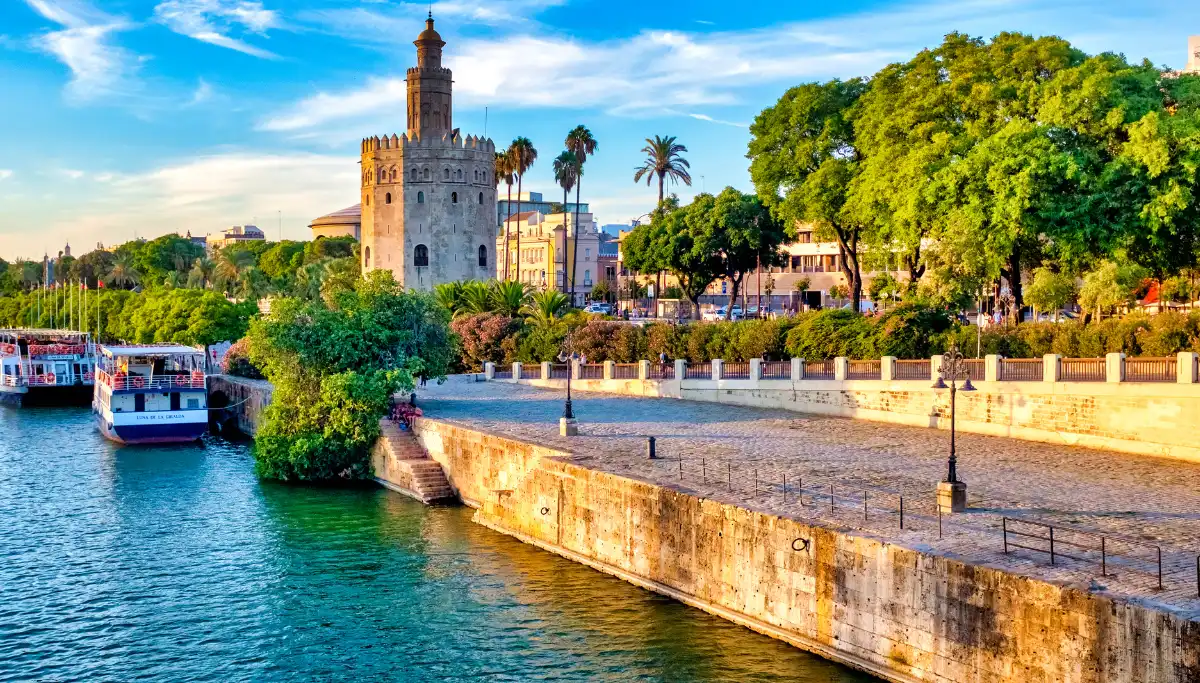
The Guadalquivir River runs through Seville, and the paths along both banks make pleasant walks.
The west bank (Triana side) offers views of the historic centre. The east bank passes the Torre del Oro and continues toward Maria Luisa Park.
Sunset is the best time, when the light turns golden and locals come out to walk.
17. See the Torre del Oro
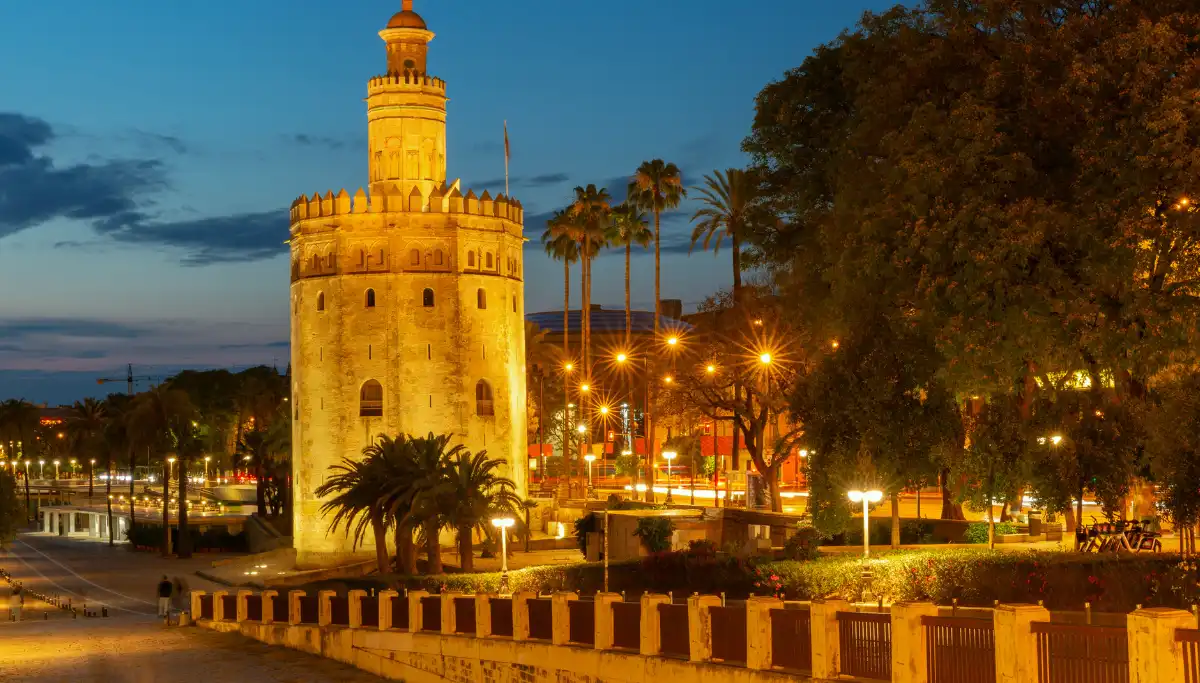
The Torre del Oro (Tower of Gold) is a 13th-century watchtower on the riverbank, one of Seville's most recognizable landmarks. It now houses a small naval museum.
The tower is worth seeing from outside. The museum is optional unless you're interested in maritime history. The name comes from the golden tiles that once covered the exterior.
Entry costs €3, or free on Mondays. The best view of the tower is actually from Calle Betis in Triana, especially at sunset.
18. Take a River Cruise
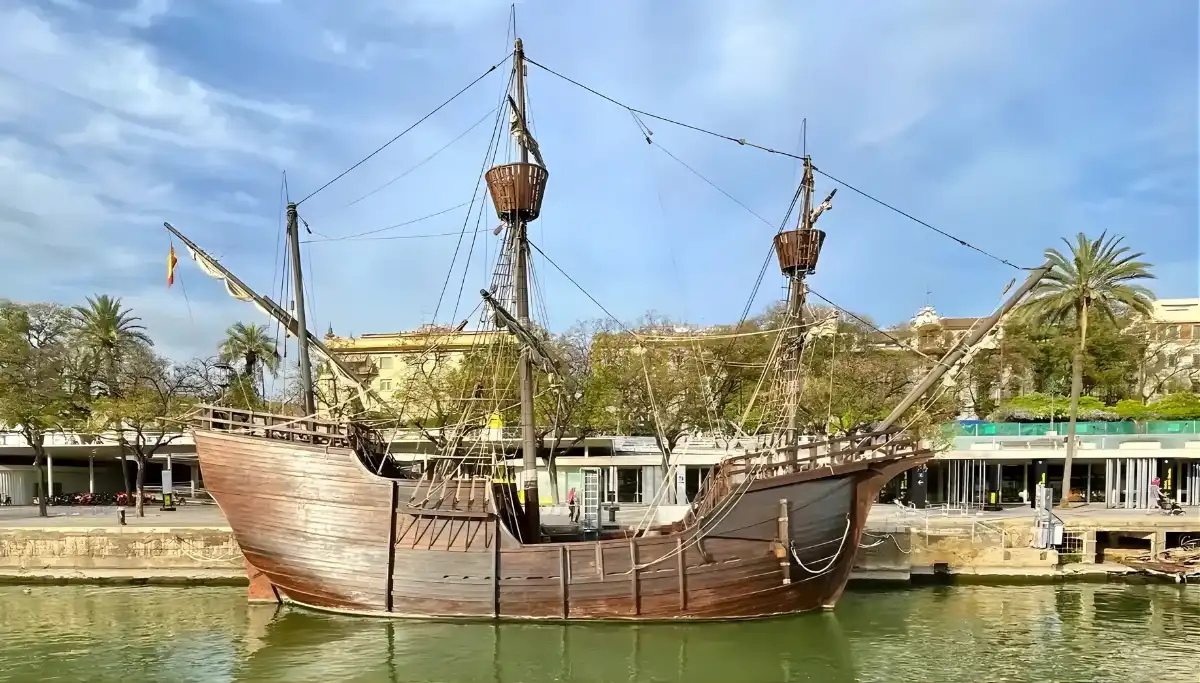
Boat cruises on the Guadalquivir offer different perspectives of the city. Most are an hour long, passing under the historic bridges and giving views of the monuments from the water.
It's not essential, but it's a pleasant way to spend an hour, especially if you're tired of walking.
More Neighbourhoods
19. Discover Alameda de Hercules
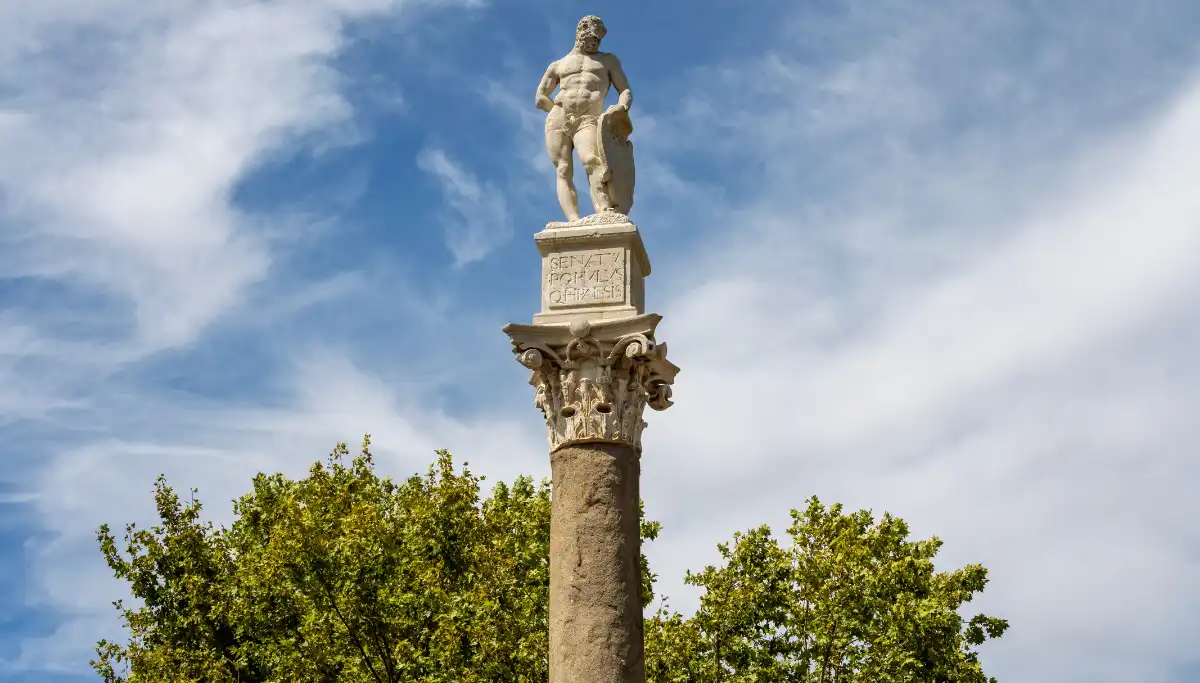
Alameda de Hercules is Seville's bohemian quarter, a long plaza lined with bars, cafes, and restaurants. Once rundown, it's now the city's hippest neighbourhood, popular with students, artists, and locals avoiding the tourist crowds.
The atmosphere here is more alternative than Santa Cruz or Triana. The tapas bars are excellent, and the nightlife goes late. This is where Sevillanos go when they want to avoid tourists. The bars are less polished, the crowd is younger, and the atmosphere is more genuinely local.
20. Explore Macarena
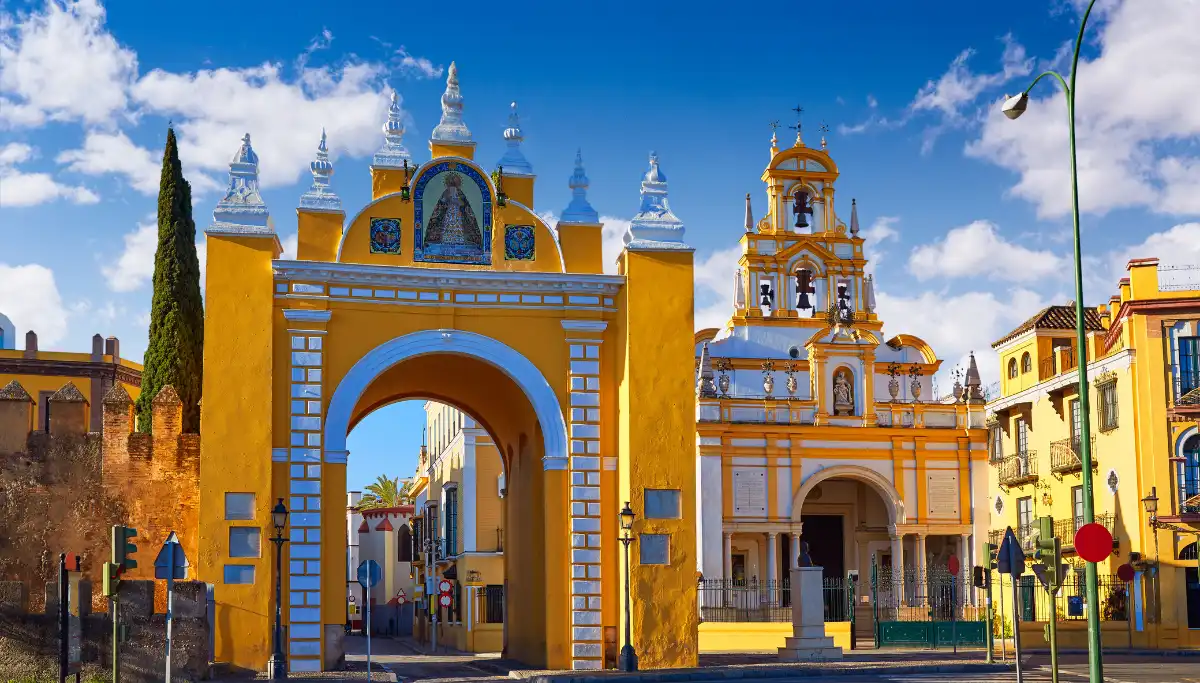
Macarena is a working-class neighbourhood in the north of the city, home to the famous Virgen de la Macarena, Seville's most beloved religious figure. The basilica housing her statue is a pilgrimage site.
The neighbourhood also has stretches of the old city walls, the Hospital de las Cinco Llagas (now the Andalusian Parliament), and a more authentically local atmosphere than the tourist centre.
The basilica is free to enter. The attached museum costs €5. If you're visiting during Semana Santa, this is the place to understand the depth of devotion Sevillanos have for La Macarena.
21. Find the Hidden Palaces
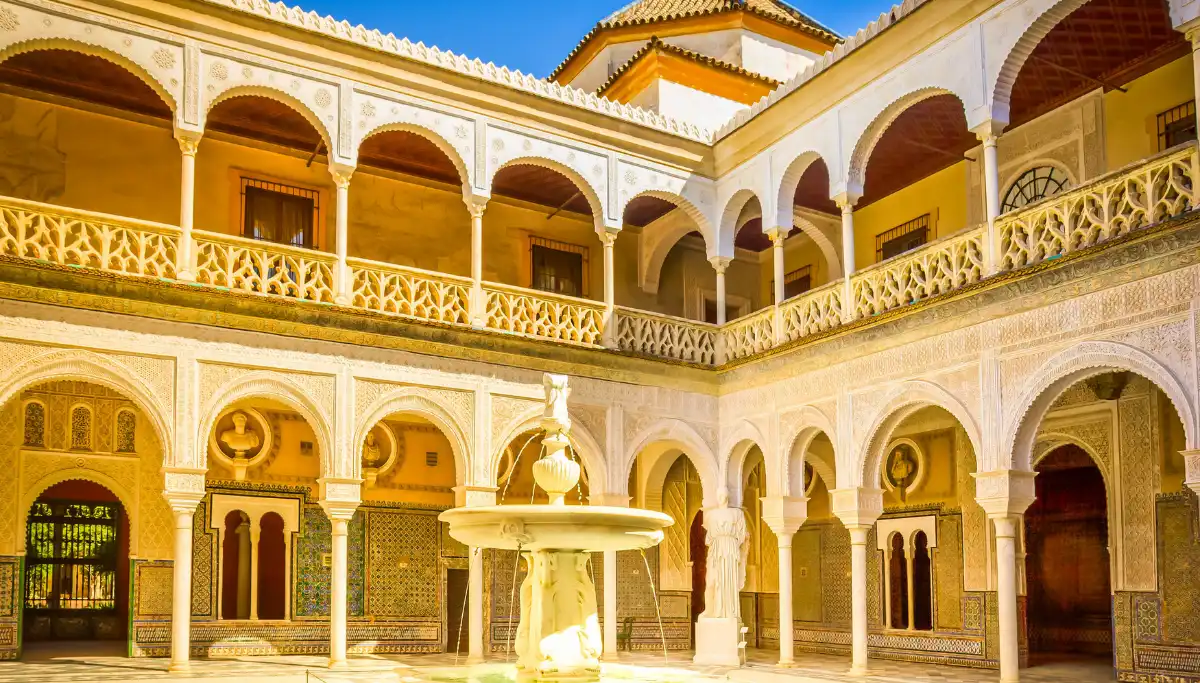
Seville is full of palaces that once belonged to noble families and are now museums, cultural centers, or hotels. Many are overlooked by visitors focused on the big sights.
Casa de Pilatos is perhaps the finest, an extraordinary mix of Mudejar, Gothic, and Renaissance styles.
Palacio de las Duenas was the childhood home of the poet Antonio Machado. Both offer glimpses of aristocratic Seville.
The ground floor costs €12, the full palace €14. The extra €2 is worth it for the upper floor's family portraits and period rooms.
Day Trips
22. Visit Italica
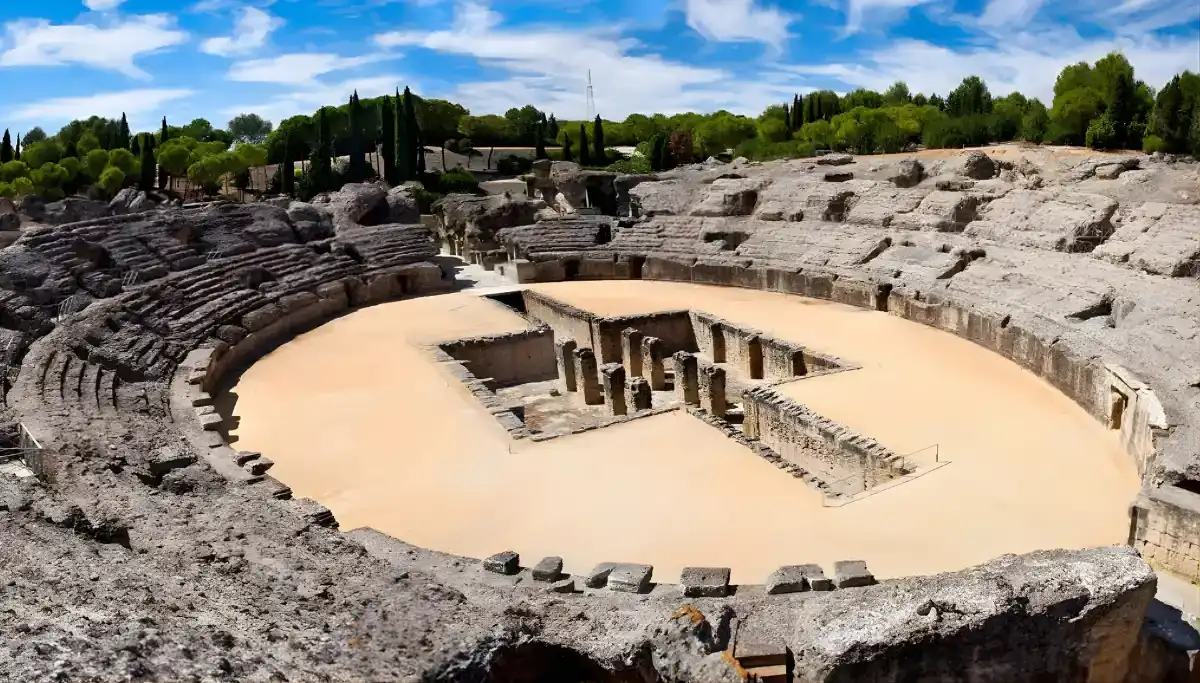
Just 9km from Seville, Italica was one of the first Roman settlements in Spain, birthplace of emperors Trajan and Hadrian. The ruins include a massive amphitheatre (the third largest in the Roman Empire), mosaics, and the outlines of an ancient city.
Entry is €1.50, or free for EU citizens. Take bus M-172 from Plaza de Armas. Go early in summer and bring water — the ruins are largely exposed with little shade.
23. Explore Carmona
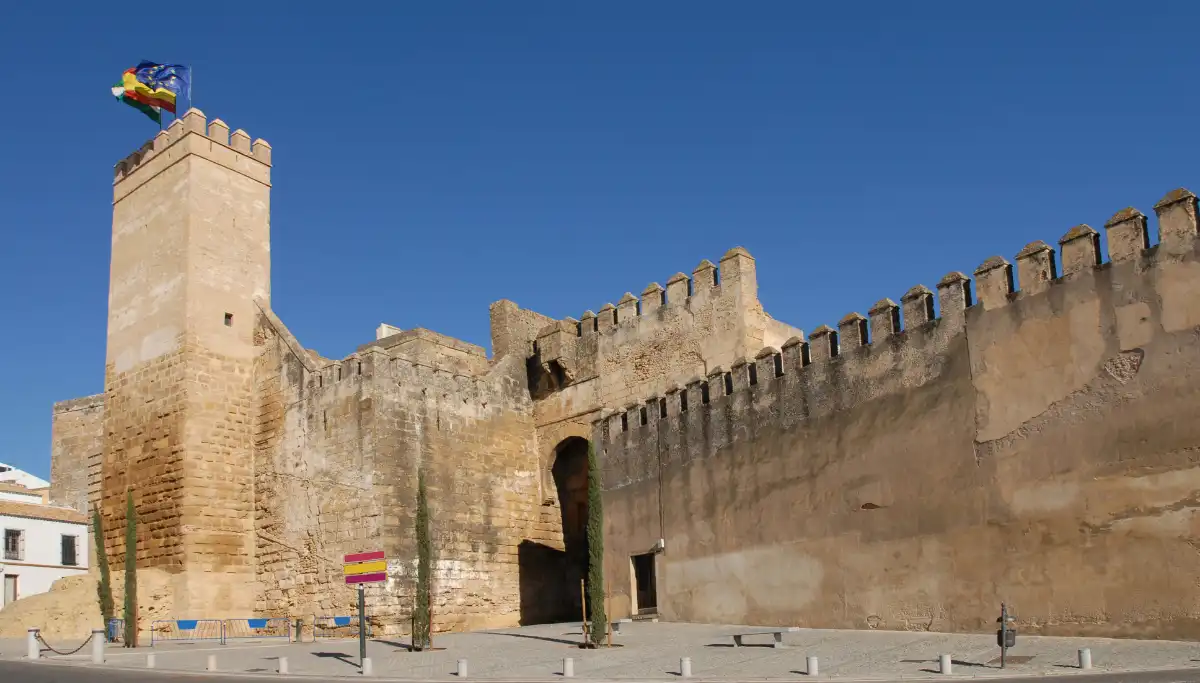
Carmona is a beautiful hilltop town 30 minutes from Seville, with a Moorish fortress, Roman necropolis, and whitewashed old town. It makes an easy half-day trip and offers relief from Seville's intensity.
Festivals and Events
24. Experience Semana Santa

Semana Santa (Holy Week) transforms Seville into the centre of the Catholic world.
For a week before Easter, processions fill the streets day and night. Hooded penitents carry elaborate floats bearing statues of Christ and the Virgin through crowds that line every route.
The atmosphere is intense, emotional, and unlike anything else in Spain.
If your dates align with Semana Santa, you'll witness something extraordinary. Book accommodation months in advance. The processions are free to watch from the streets, but find a spot early. Some processions run through the night, and the atmosphere ranges from solemn to festive depending on the brotherhood.
25. Join the Feria de Abril
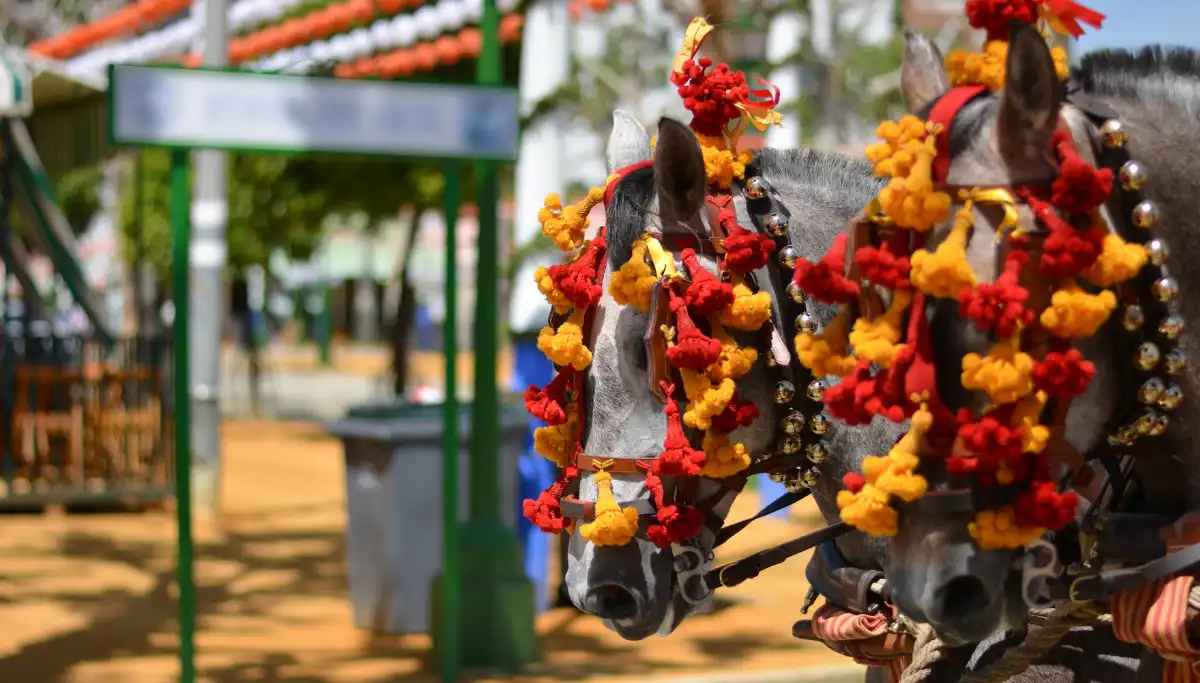
Two weeks after Semana Santa, the mood shifts completely for the Feria de Abril. This week-long fair features flamenco dresses, horses, sherry, and dancing in hundreds of casetas (private tents).
Most casetas are private, but some bars and hotels can get you in.
The public areas are open to all, and simply walking through the fairground at night is an experience. This is Seville at its most festive.
Practical Experiences
26. Visit a Rooftop Bar
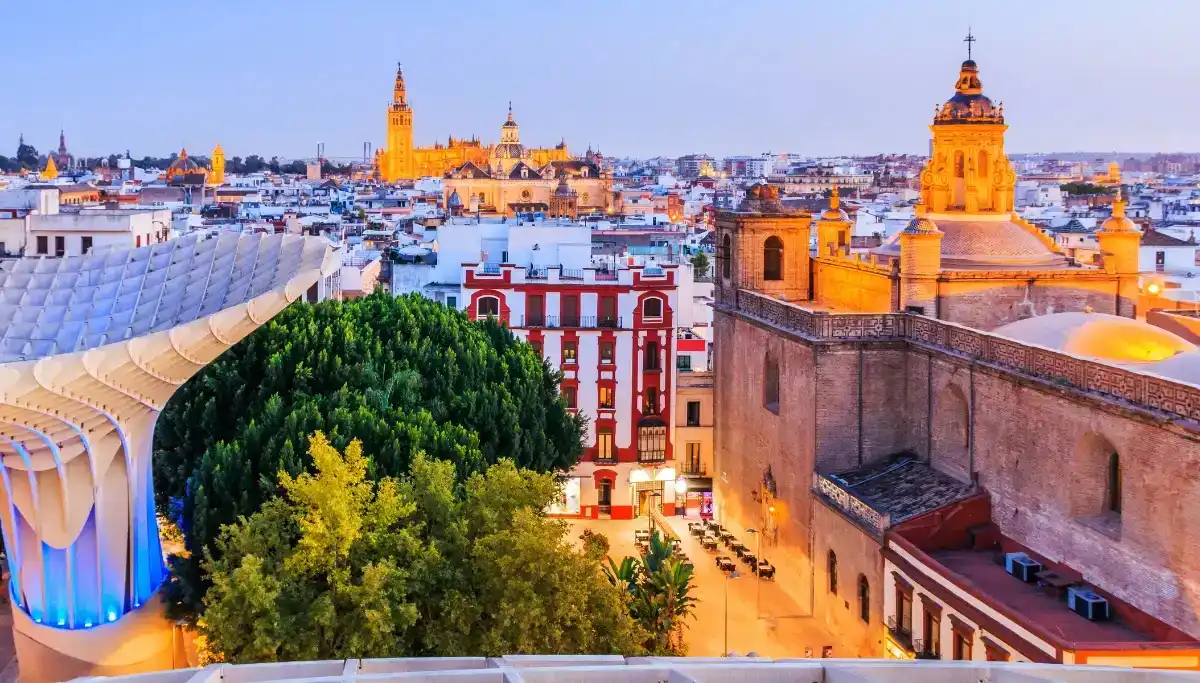
Seville has excellent rooftop bars with views over the historic centre. Watching sunset from above with a cold drink is one of the city's great pleasures.
Hotel EME overlooks the cathedral.
Hotel Doña Maria faces the Giralda. Las Setas (Metropol Parasol) offers the highest viewpoint.
Drinks run €8-15. Arrive 30 minutes before sunset to get a decent spot. Hotel EME has the most direct cathedral view but gets busy at weekends — worth booking ahead.
27. See Las Setas (Metropol Parasol)
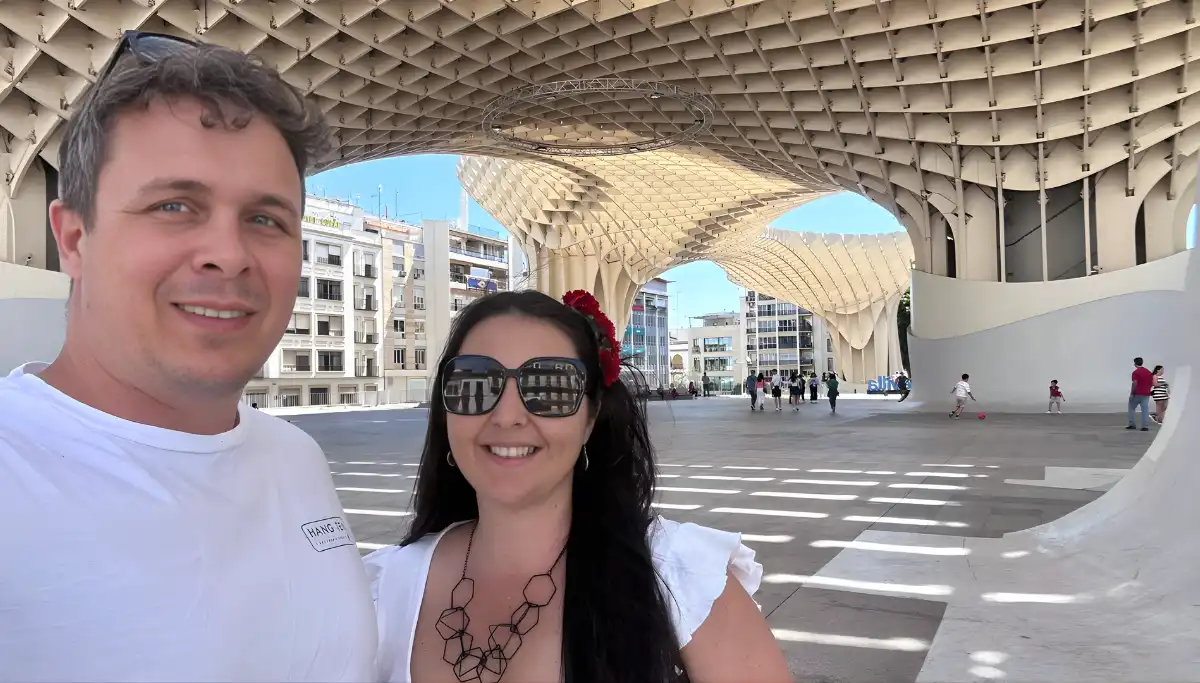
Las Setas (The Mushrooms) is Seville's most controversial modern landmark, a massive wooden parasol structure in Plaza de la Encarnacion. Some love it, some hate it, but the rooftop walkway offers 360-degree views of the city.
The structure also includes Roman ruins in the basement (Antiquarium) and a market at ground level.
Entry costs €5 and includes a drink at the rooftop bar. Go at sunset for the best light and views.
28. Escape the Heat
Seville is one of the hottest cities in Europe, with summer temperatures regularly exceeding 40C. Knowing where to escape the heat is essential.
Air-conditioned museums offer relief. The Alcazar gardens are shaded and relatively cool. Maria Luisa Park has trees. And Triana's riverside bars catch the evening breeze. Or simply embrace the siesta and rest during the hottest hours. Plan outdoor activities for early morning and late evening, and drink lots of water. The city comes alive after dark when temperatures become bearable.
How to Get to Seville
For a complete guide to navigating the city, see getting around Seville.
Seville has excellent transport connections. The high-speed AVE train from Madrid takes 2.5 hours and costs around 30 to 80 euros from Atocha station. From Malaga, the AVE or AVANT services take about 2 hours and cost 25 to 50 euros from Maria Zambrano station. Cordoba is just 45 minutes away with frequent high-speed services at 15 to 30 euros.
If you prefer the bus, ALSA runs services from Malaga in about 2.5 hours for 15 to 20 euros. Seville also has its own airport (SVQ) with domestic and some European routes.
Best Time to Visit Seville
Spring from March to May is the ideal time to visit. Temperatures are warm but manageable, the orange trees are in bloom, and you might catch Semana Santa or Feria if your dates align. It's peak season, so expect higher prices and bigger crowds.
Summer from June to August is extremely hot, regularly above 40C. Prices drop and crowds thin, but the conditions are challenging. You'll need to adapt to the siesta rhythm, doing everything early or late and resting through the afternoon.
Autumn from September to November is warm with fewer crowds and better value. It's an excellent time to visit, with comfortable temperatures and a more relaxed pace.
Winter from December to February is mild with occasional rain and very few tourists. It's a good choice if you want the city largely to yourself, though some outdoor terraces close.
Who is Seville For?
Seville is a city that rewards almost every type of traveller. The architecture alone justifies the trip, with the Alcazar, Cathedral, and Plaza de Espana ranking among Spain's finest. It's the best city in the world for flamenco, and the tapas culture runs deeper here than almost anywhere. Two of Spain's greatest festivals, Semana Santa and Feria de Abril, happen here within weeks of each other.
The trade-offs are real though. Summer heat is brutal, festival weeks bring huge crowds, and Alcazar tickets sell out in peak season. Tourist areas can feel overrun in spring, and the siesta means many things close in the afternoon. If you can handle the heat or time your visit for spring or autumn, the rewards far outweigh the drawbacks.
How Long to Spend in Seville
One day is rushed but possible. You can fit in the Alcazar, Cathedral, Santa Cruz, and a flamenco show, though you'll almost certainly want to return.
Two days lets you see the main sights properly and add Triana and a tapas crawl. This is the minimum for most visitors. See our one day in Seville guide if you're short on time.
Three to four days is ideal. You'll have time to explore neighbourhoods at your own pace, take a day trip, and settle into the Sevillano rhythm of late meals and long evenings.
A week or more lets you truly immerse yourself. See multiple flamenco shows, explore every neighbourhood, day trip to Carmona and Italica. Seville rewards slow travel. The siesta isn't just a nap, it's permission to stop rushing. Eat late, drink slowly, stay up past midnight. The city doesn't reveal itself to those in a hurry.
Where to Stay in Seville
Santa Cruz and the Centro put you within walking distance of everything. The streets are beautiful, the atmosphere is romantic, and all the major sights are on your doorstep. It's tourist-focused, but undeniably charming. This is the best option for first-time visitors. Book well ahead for Semana Santa and Feria.
Triana offers a more local atmosphere with excellent tapas bars and deep flamenco heritage. It's about a 10-minute walk to the centre, which is no hardship when the bridge crossing gives you river views. This is the best neighbourhood for those wanting authenticity over convenience.
Alameda de Hercules is the bohemian option. Younger, more alternative, with great nightlife and local bars. It's further from the main sights, which keeps prices lower. Best for budget travellers and anyone who prefers edgy over pretty.
For more detail, see our full guide on where to stay in Seville.
Is Seville Worth Visiting?
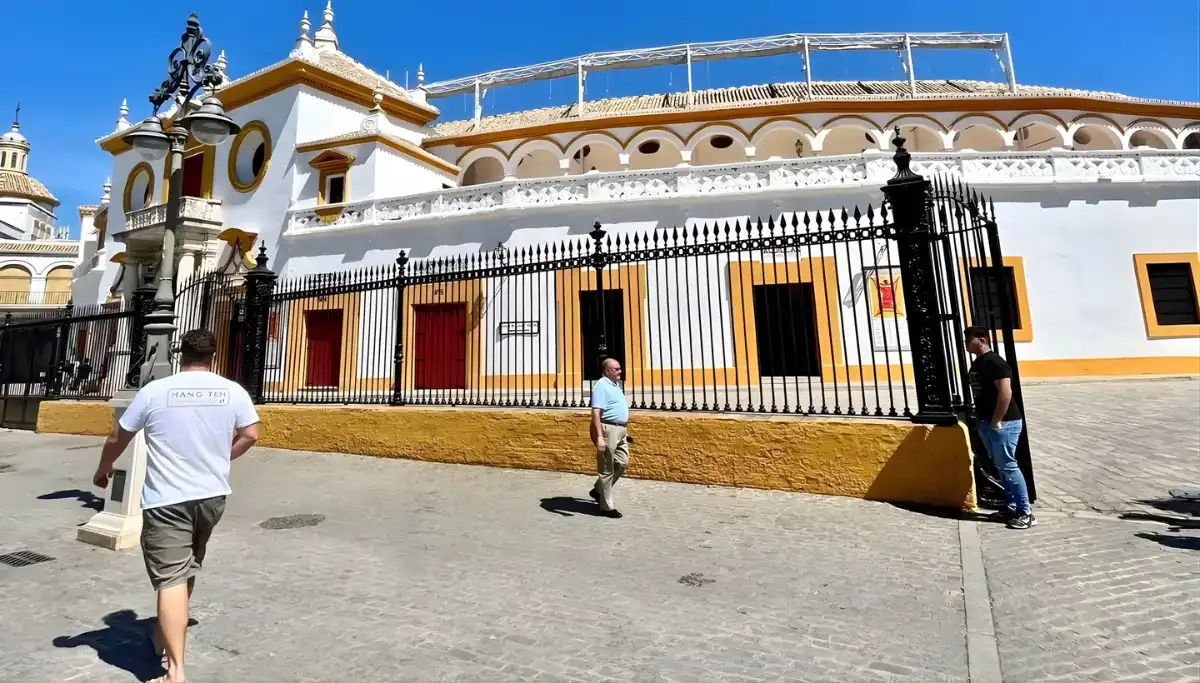
Seville is one of Spain's essential cities.
The architecture is world-class. The flamenco is authentic and moving. The tapas culture is deeply rooted. The festivals are legendary. And the atmosphere, especially at night, is intoxicating.
The summer heat is challenging, and the tourist crowds can be frustrating.
But Seville offers something few cities can match: a way of life built around pleasure, passion, and connection. The siesta, the late dinners, the standing at tapas bars, the spontaneous flamenco. It all adds up to something special.
If you're visiting Andalusia, Seville is essential. If you're visiting Spain, Seville belongs on the list.
Final Thoughts
Seville works best when you stop trying to see everything and start living like a local. Pick a neighbourhood, find a tapas bar, order whatever the person next to you is having, and let the evening unfold.
If you're planning a wider trip through Andalusia, Cordoba is just 45 minutes away by train and pairs perfectly with Seville. Granada and its Alhambra are a natural next stop. And if you want the coast after the city heat, Malaga and the Costa del Sol are within easy reach.

Hola! I'm the researcher, walker, and co-founder behind Spain on Foot. I help travellers experience Spain authentically, through in-depth guides, locals-only knowledge, and cultural stories you won't find in guidebooks. You can reach me at heidi@spainonfoot.com
Planning a trip to Seville?
Explore Seville Guide→