best-time
This is the best time to visit Marbella (honestly)
This post may contain affiliate links, which means I earn a small commission, at no extra cost to you. It helps keep the blog alive, and we really appreciate your support!

The best time to visit Marbella is May-June or September-October when the weather is perfect for beaches, the old town is pleasant to explore, and you'll avoid both peak summer prices and winter's quieter rhythm.
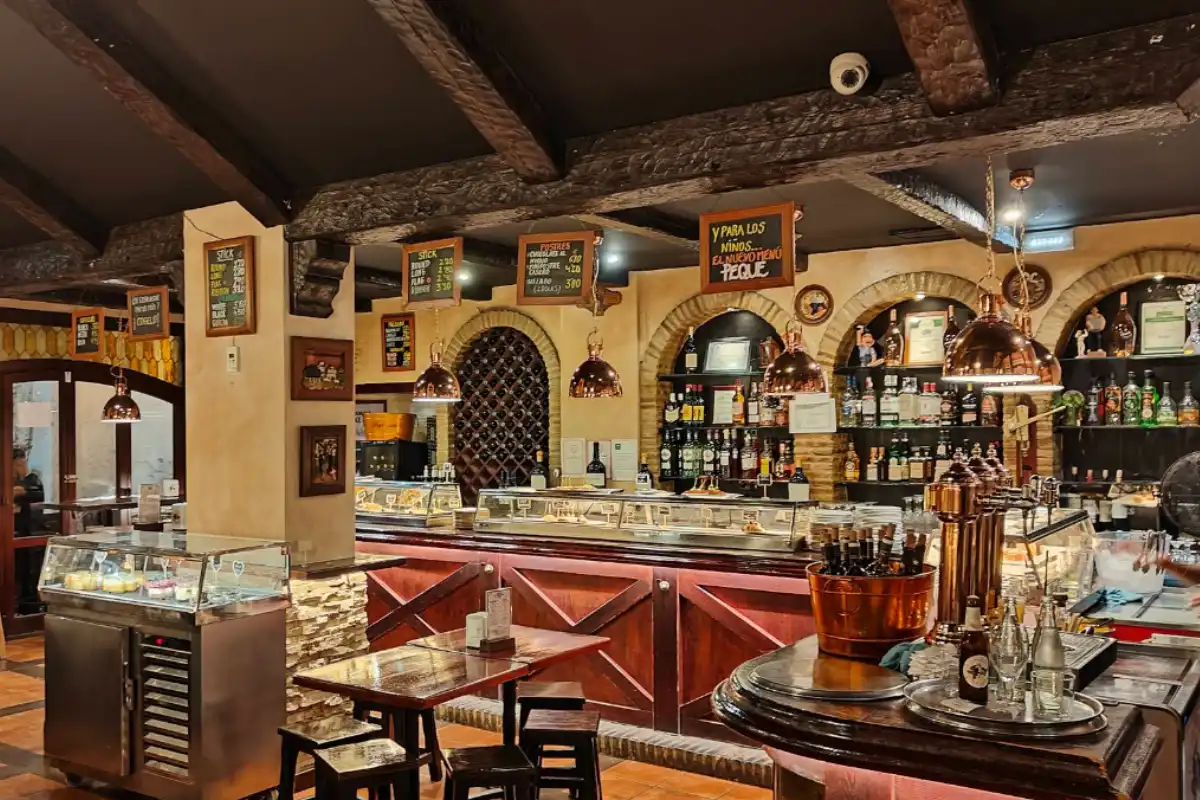
But Marbella is genuinely two destinations in one. There's the glamorous Marbella: Puerto Banús superyachts, designer boutiques, and beach clubs where a sunbed costs €100. And there's the authentic Marbella: the whitewashed old town with Plaza de los Naranjos, family-run tapas bars, and locals who've lived here for generations.
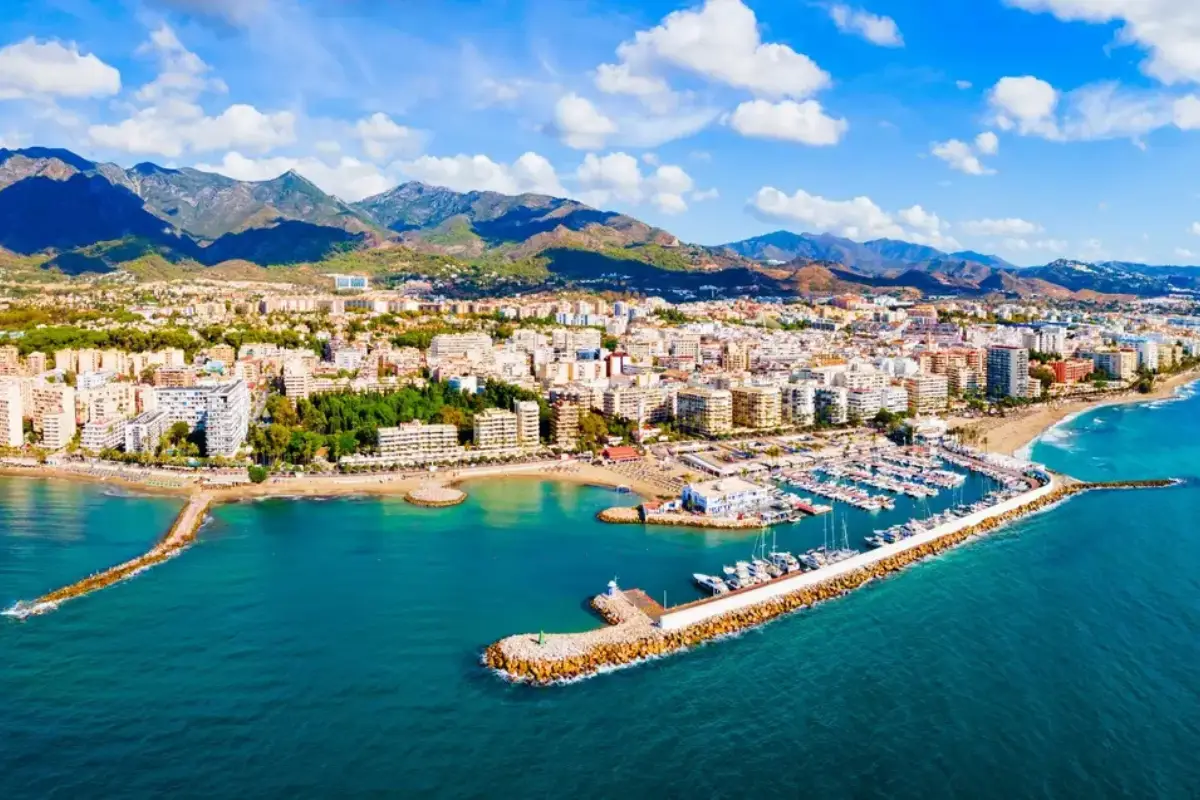
Summer delivers the glamour. Shoulder seasons deliver the charm. Your timing shapes which Marbella you'll discover.
Compare hotel prices in Marbella
Find the best deal across booking sites
The best time of year
May to June and September to October offer the best overall conditions.
My personal favourite is September. The sea is at its warmest (24°C), the summer crowds vanish almost overnight when European holidays end, and the town finally feels relaxed.
If you want the beach club experience without peak-season chaos, visit the last two weeks of June or the first two weeks of September. The clubs are open and lively, but not at maximum intensity.
For winter escapes, Marbella has some of mainland Spain's mildest weather. Golf courses offer their best conditions, and hotel prices drop 40-60%.
The best time of day
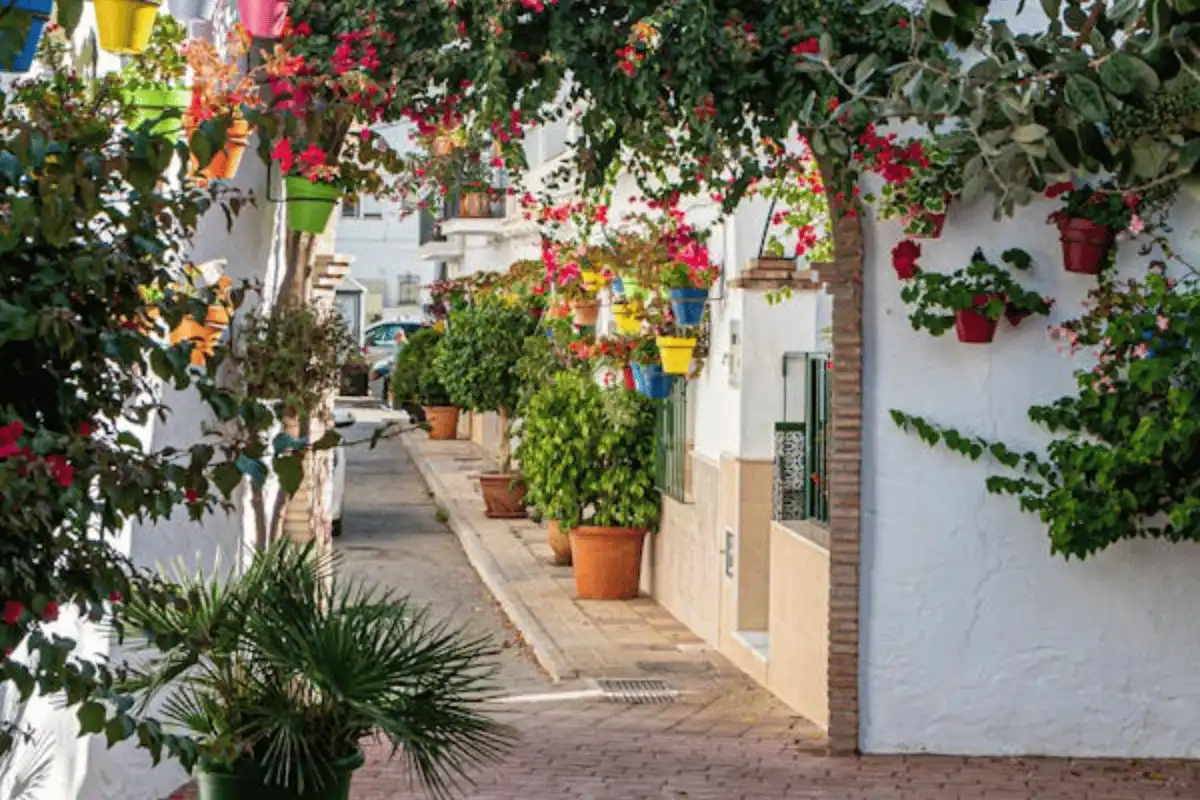
In summer, the old town is best explored early morning or after 7 pm when the heat eases. Midday is for the beach.
September evenings are perfect for wandering the narrow streets, and you'll find tables at restaurants that were impossible to book in summer.
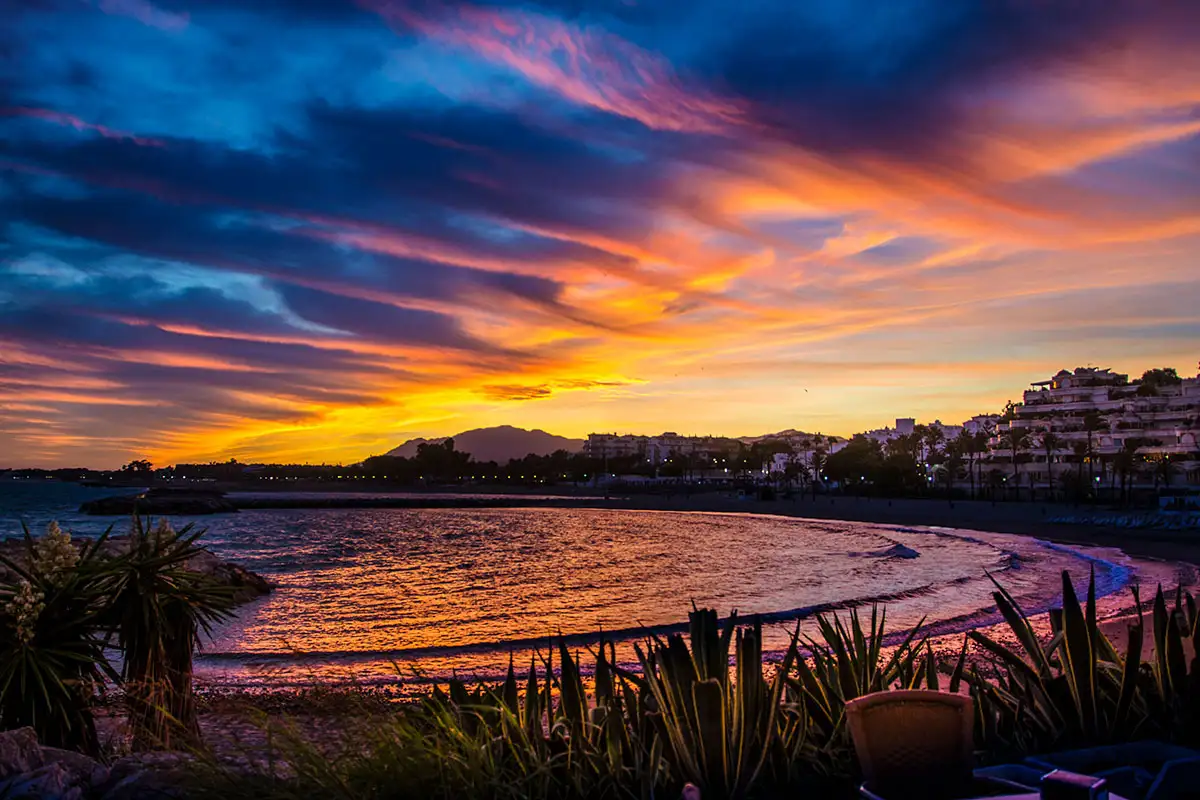
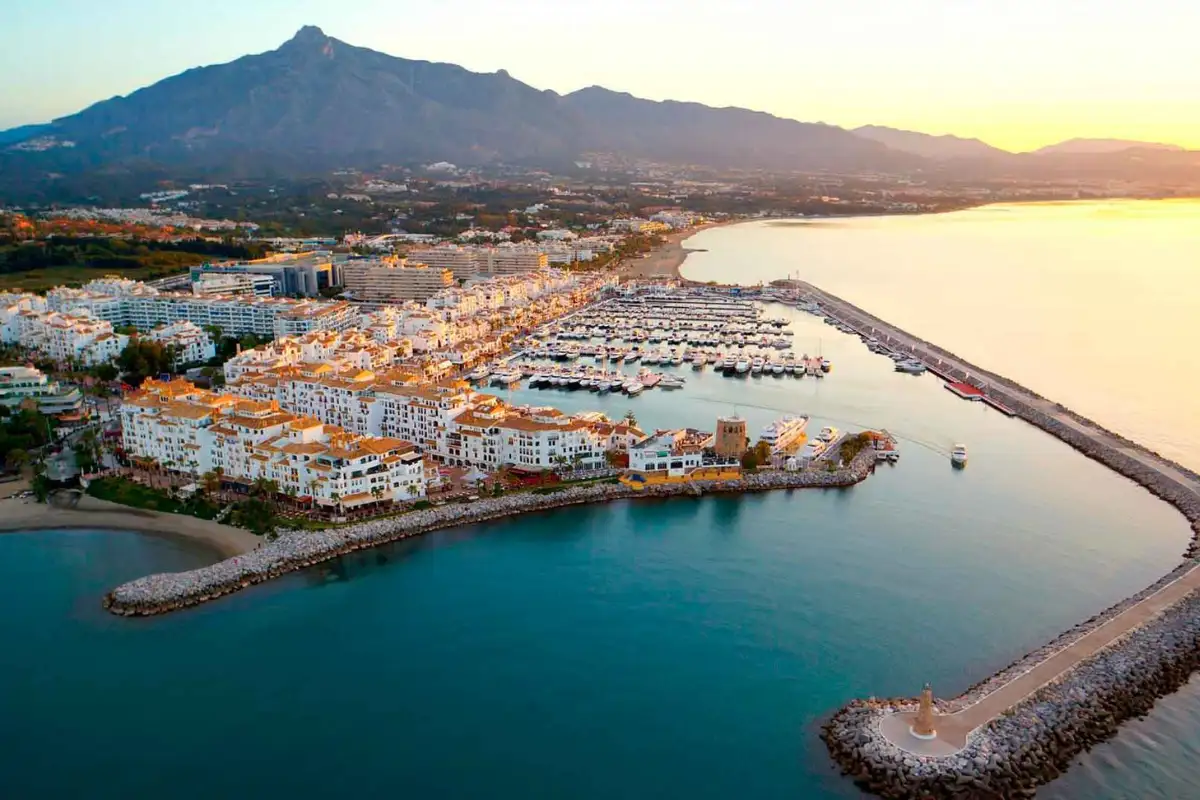
If you're visiting Puerto Banús, evening is when it comes alive. The superyachts are lit up, the restaurants fill, and the promenade buzzing with people.
Year-round, the golden hour light on the old town's white walls and orange trees makes late afternoon the best time for photography.
Events and festivals worth planning for
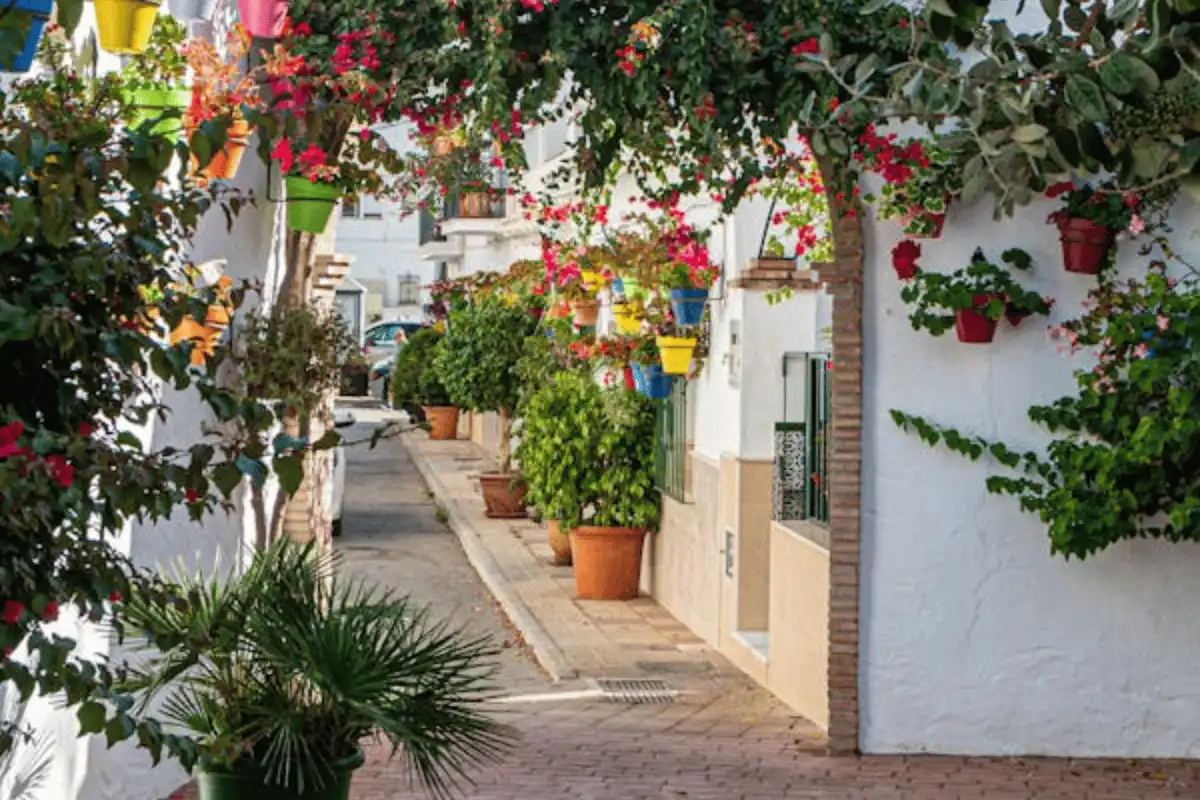

Feria de San Bernabé (mid-June) is Marbella's main festival, celebrating the town's patron saint with casetas, flamenco, horses, and music until dawn. The daytime fair in the old town is family-friendly, while the nighttime fair at the recinto ferial is livelier.
Semana Santa (March or April) brings intimate processions through the old town. More traditional than the summer party scene, a glimpse of local Marbella.
Starlite Festival (July-August) is a summer concert series in a quarry-turned-amphitheatre, attracting international artists. Book tickets well ahead for big names.
Virgen del Carmen (July 16th) sees the Virgin's statue carried into the sea from the fishing port.
Marbella month by month
What to expect each month
| Category | Weather | Why Go | Highlights |
|---|---|---|---|
| January | Mild, quiet | Golf season | Best prices |
| February | Mild, quiet | Golf season | Great value |
| March | Warming up | Spring arriving | Beach season starting |
| April | Warm, pleasant | Easter possible | Semana Santa |
| May | Perfect | Best month | Beach clubs open |
| June | Hot, busy | Feria de San Bernabé | Summer begins |
| July | Peak season | Very crowded | Full glamour |
| August | Peak season | Most expensive | Maximum buzz |
| September | Still warm | Warmest sea | Sweet spot |
| October | Pleasant | Golf returns | Great value |
| November | Cooling | Off-season starts | Quiet charm |
| December | Mild | Christmas spirit | Festive atmosphere |
Marbella's coastal location means milder temperatures than inland Andalusia year-round.
Spring (March-May)

| Month | High | Low | Rain | Rainy Days | Sun |
|---|---|---|---|---|---|
| March | 18°C | 10°C | 40mm | 5 days | 7hrs |
| April | 20°C | 12°C | 30mm | 5 days | 8hrs |
| May | 24°C | 15°C | 15mm | 4 days | 10hrs |
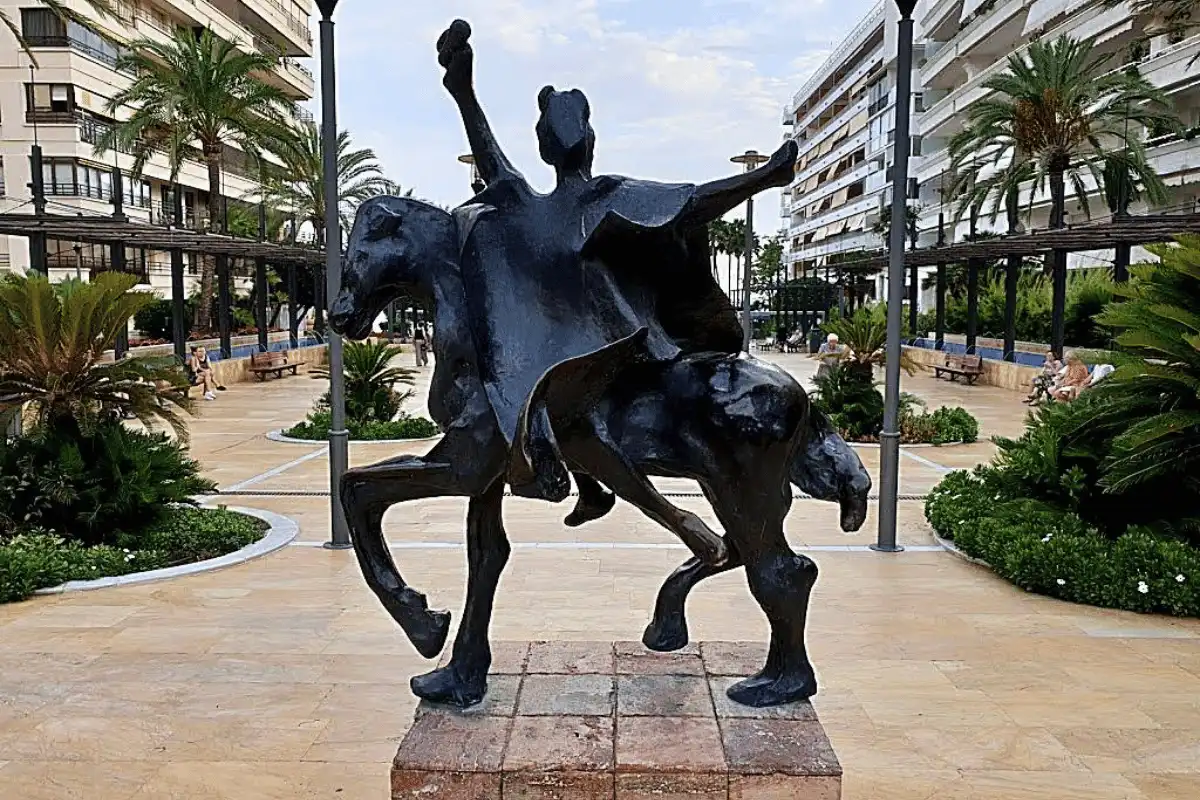
Spring is when Marbella transforms from winter retreat to beach destination. The temperatures climb, the orange trees in Plaza de los Naranjos bloom, and the town shakes off its quieter winter rhythm.
March is pleasant but not beach weather (sea around 15°C). By April, temperatures climb to 20°C with brave swimmers testing the water. Semana Santa brings Marbella's traditional side to the fore with intimate processions through the old town.
May is arguably Marbella's finest month. Beach clubs open, the sea reaches swimmable temperatures, and the summer crowds haven't descended. You'll find tables at restaurants that'll be impossible to book in July. The chiringuitos are in full swing with no reservation needed yet.
Summer (June-August)

| Month | High | Low | Rain | Rainy Days | Sun |
|---|---|---|---|---|---|
| June | 27°C | 18°C | 5mm | 2 days | 11hrs |
| July | 30°C | 21°C | 0mm | 0 days | 11hrs |
| August | 30°C | 21°C | 2mm | 1 day | 10hrs |
Summer is when Marbella earns its reputation. Beach clubs reach full throttle, Puerto Banús fills with superyachts, and the town attracts a glamorous international crowd.
This is Marbella at its most expensive. Beach club sunbeds cost €80-150, restaurant prices surge, and hotels charge peak rates. But if you want the glamorous Costa del Sol experience, this is when to come.
The Feria de San Bernabé in mid-June is more authentically Spanish than the summer party scene. Book accommodation and restaurants well in advance for July and August, and arrive at beaches before 11 am for a good spot.
Sea breezes keep temperatures manageable (rarely exceeding 32°C), which is cooler than inland cities like Seville baking at 42°C.
Autumn (September-November)
| Month | High | Low | Rain | Rainy Days | Sun |
|---|---|---|---|---|---|
| September | 27°C | 19°C | 15mm | 2 days | 8hrs |
| October | 23°C | 16°C | 50mm | 5 days | 7hrs |
| November | 19°C | 12°C | 65mm | 6 days | 6hrs |
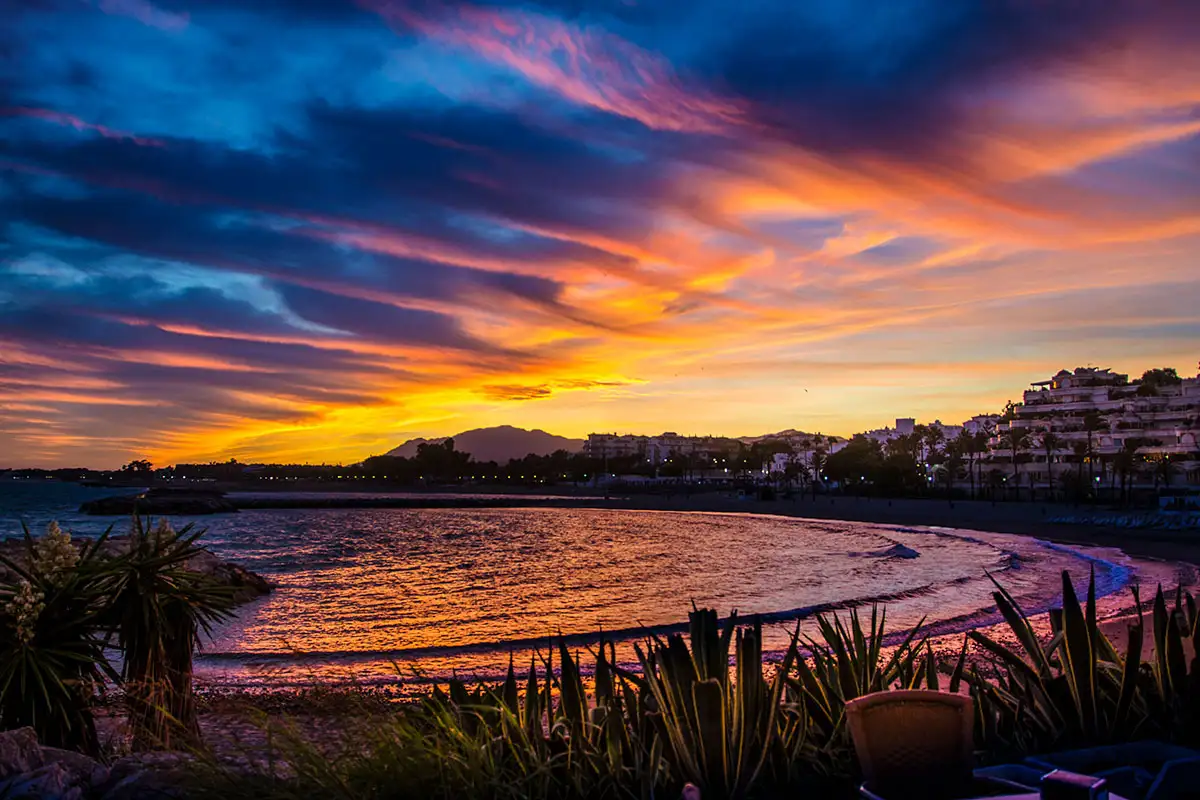
Autumn is Marbella's secret weapon. September feels like summer, with warm days, warm sea, and long evenings, but the crowds evaporate almost overnight.
The sea reaches its warmest temperatures in September (24°C). Beach bars are still open, but you can get a sunbed without queuing. Restaurant terraces have space. The traffic in Puerto Banús calms down.
October brings the first hints of autumn. Temperatures remain pleasant (23°C), though evenings need a light jacket. Some beach clubs close or reduce hours, but the golf courses hit their stride as conditions become ideal.
By November, Marbella shifts into off-season mode. Beach season effectively ends, hotel prices drop significantly, and quality properties become suddenly affordable.
Winter (December-February)
| Month | High | Low | Rain | Rainy Days | Sun |
|---|---|---|---|---|---|
| December | 17°C | 9°C | 70mm | 6 days | 5hrs |
| January | 16°C | 9°C | 65mm | 6 days | 6hrs |
| February | 17°C | 9°C | 55mm | 5 days | 6hrs |
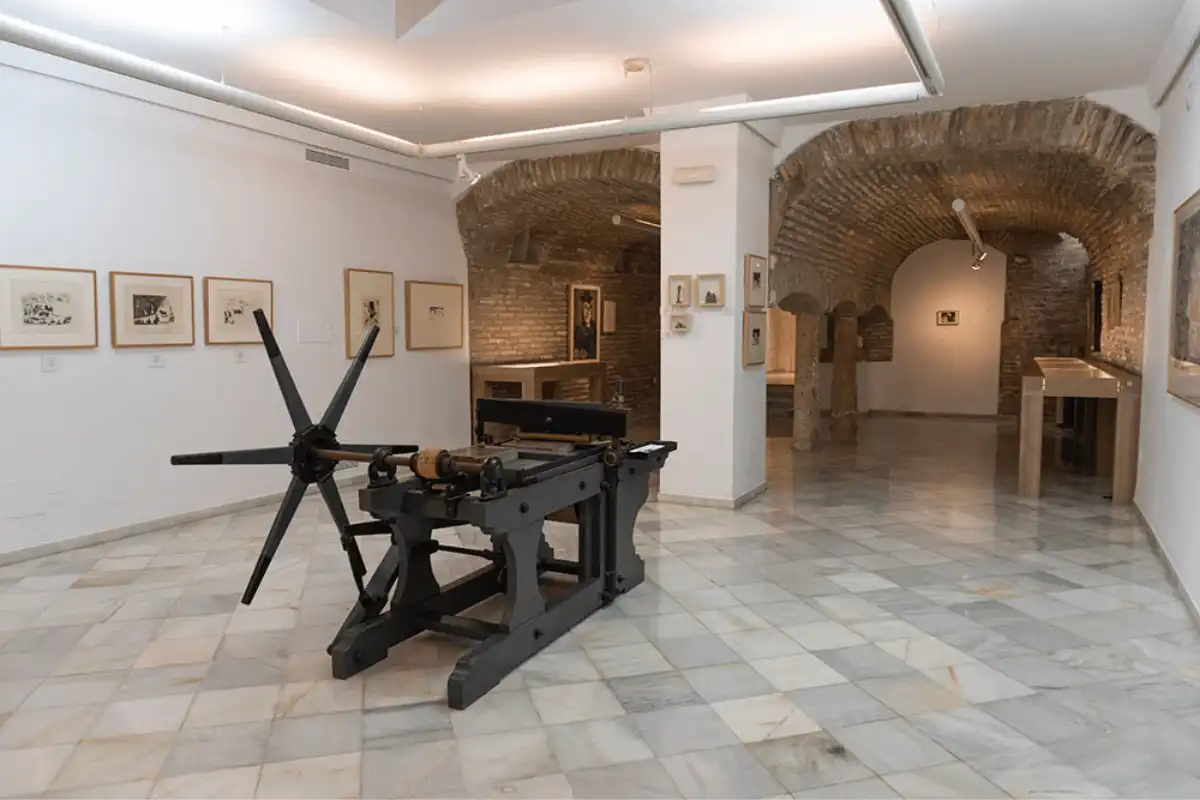
Winter Marbella is a different destination entirely, and surprisingly appealing. While northern Europe shivers, Marbella enjoys some of mainland Spain's mildest winter weather. Daytime temperatures around 16-17°C are common, and many days feel genuinely warm in the sunshine.
Golf is winter Marbella's main draw. The Costa del Sol has over 70 courses, and winter offers ideal playing conditions. Expect to share fairways with Scandinavians, Britons, and Germans escaping their grey winters.
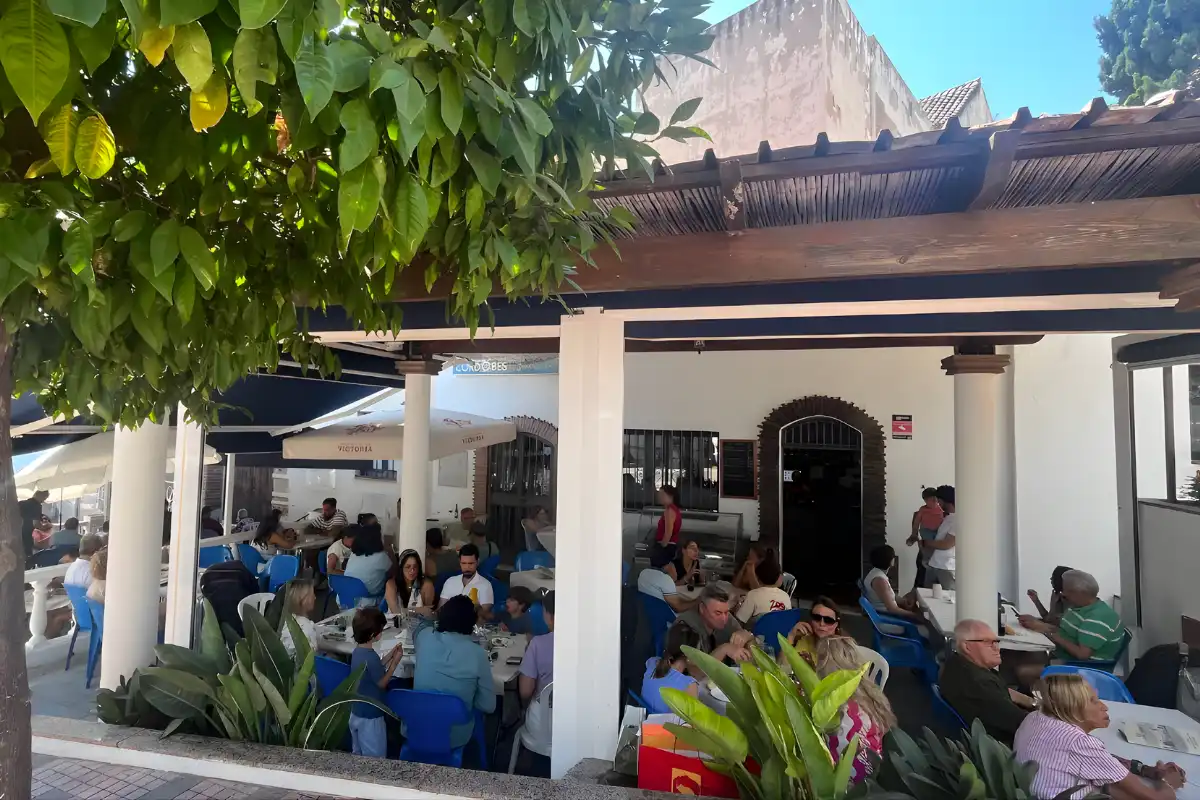
The old town feels genuinely local. Restaurants stay open, though some beach clubs close. Hotel prices drop 40-60% from summer rates, making luxury properties genuinely affordable.
Christmas brings festive charm. The town decorates its plazas, Christmas markets appear, and New Year's Eve in Puerto Banús draws a glamorous crowd.
Day trip or overnight stay


Marbella is a place to stay rather than a quick day trip. The old town, beaches, Puerto Banús, and surrounding hills deserve at least two or three nights.
Marbella is 50km from Málaga Airport. By car takes about 45 minutes via the AP-7 toll road or 1 hour on the free A-7. A car is recommended for exploring the wider area, though the old town is walkable.
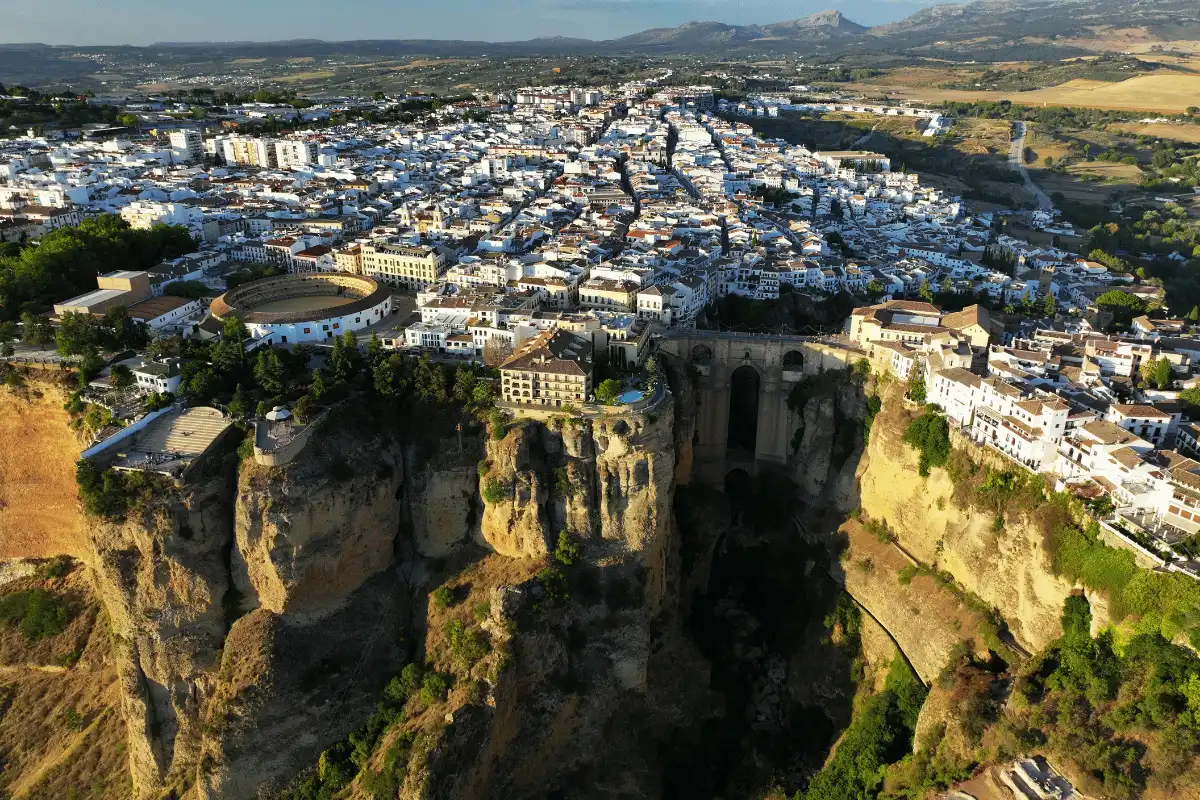
If you're staying elsewhere on the Costa del Sol, Marbella combines well with a visit to Estepona or a day trip inland to Ronda.
Final thoughts
Marbella rewards visitors who know what they want and time their visit accordingly.
Come in summer for the full glamorous experience: beach clubs, superyachts, and a see-and-be-seen atmosphere.
Visit shoulder seasons for the same beautiful weather with more relaxed vibes and better value.
Try winter for golf, mild weather, and a glimpse of authentic local life.
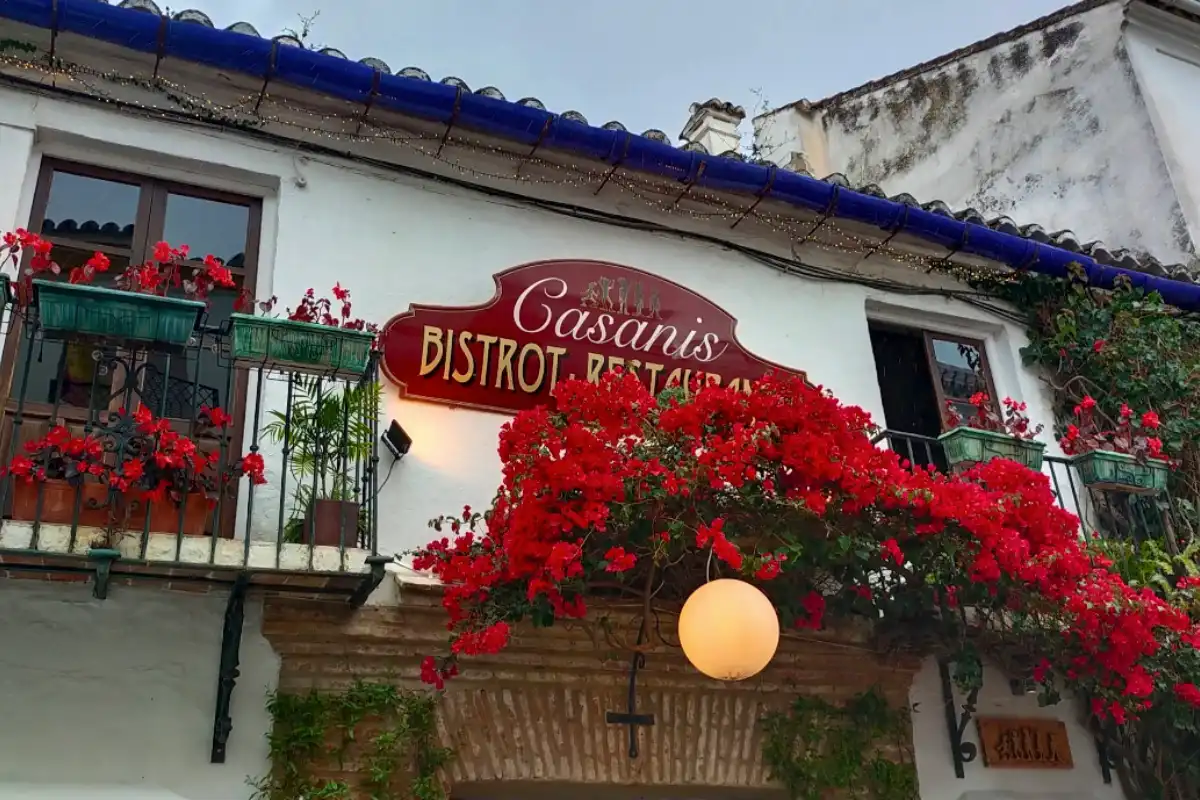
But whatever season you choose, take time to explore beyond Puerto Banús. The old town's narrow streets, Plaza de los Naranjos, and family-run tapas bars reveal a Marbella that existed long before the first superyacht arrived.
If you're planning your trip, have a look at my guides to things to do in Marbella, and where to stay. And if you're looking to explore beyond the town, check out my guide to day trips from Marbella as well.

Hola! I'm the researcher, walker, and co-founder behind Spain on Foot. I help travellers experience Spain authentically, through in-depth guides, locals-only knowledge, and cultural stories you won't find in guidebooks. You can reach me at heidi@spainonfoot.com
Planning a trip to Marbella?
Explore Marbella Guide→