best-time
Best Time to Visit Baeza: Season by Season Guide
This post may contain affiliate links, which means I earn a small commission, at no extra cost to you. It helps keep the blog alive, and we really appreciate your support!

Baeza doesn't get the crowds of Granada or Seville, and that's exactly why the timing of your visit matters even more.
The best time to visit Baeza is April-May or September-October when temperatures hover around 20-25°C and the light is perfect for photographing Renaissance architecture.
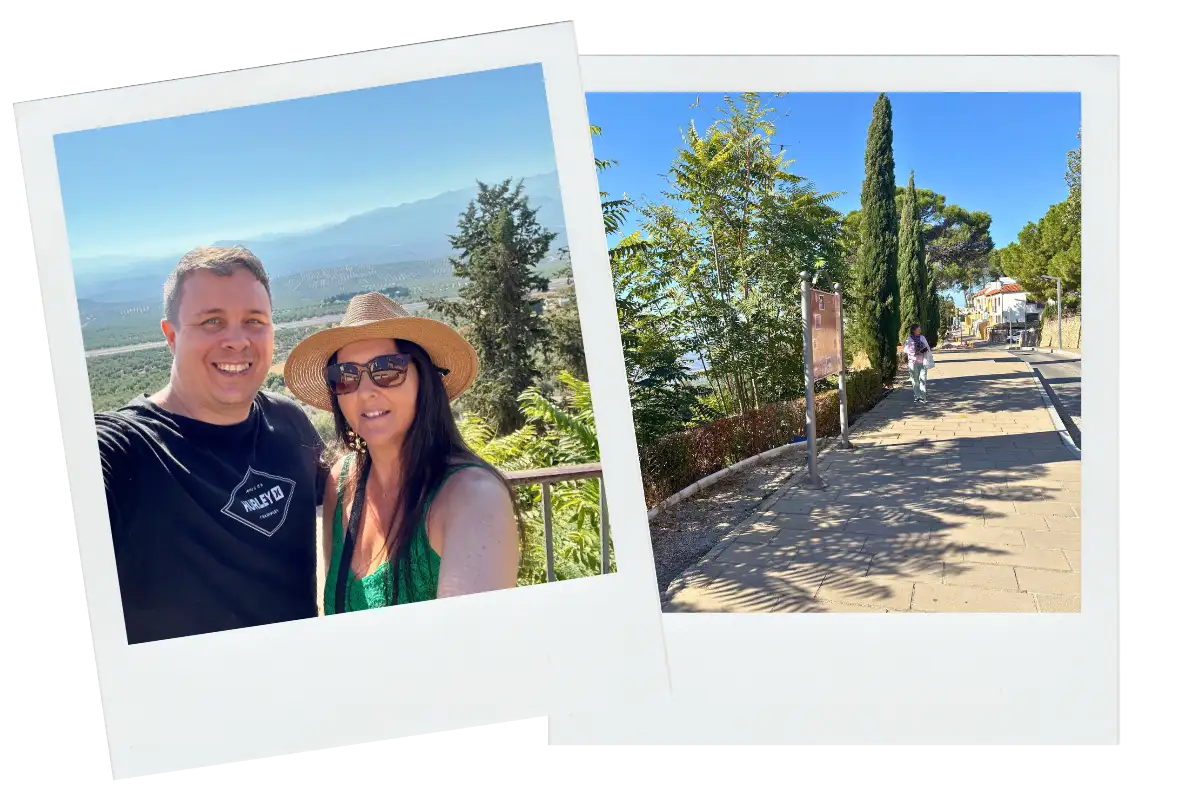
Baeza sits at 790m elevation in Jaén province, surrounded by endless olive groves. This means its climate is quite different from coastal Andalusia. Summers are scorching, winters are genuinely cold, and the shoulder seasons offer the sweet spot.
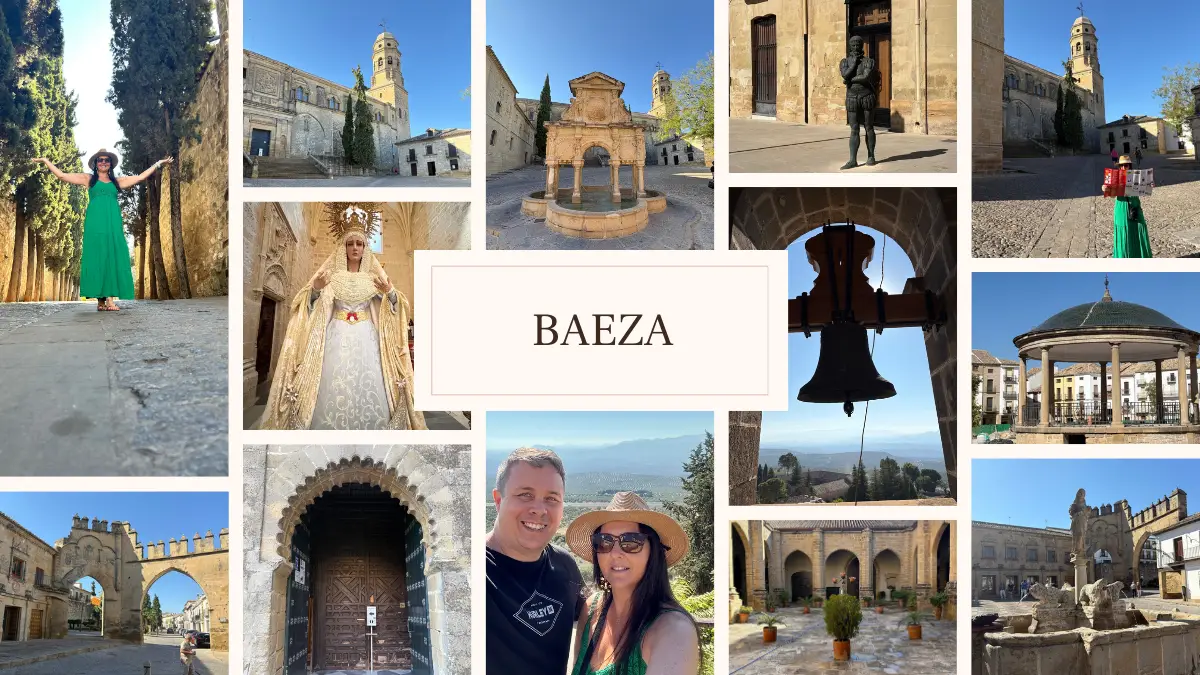
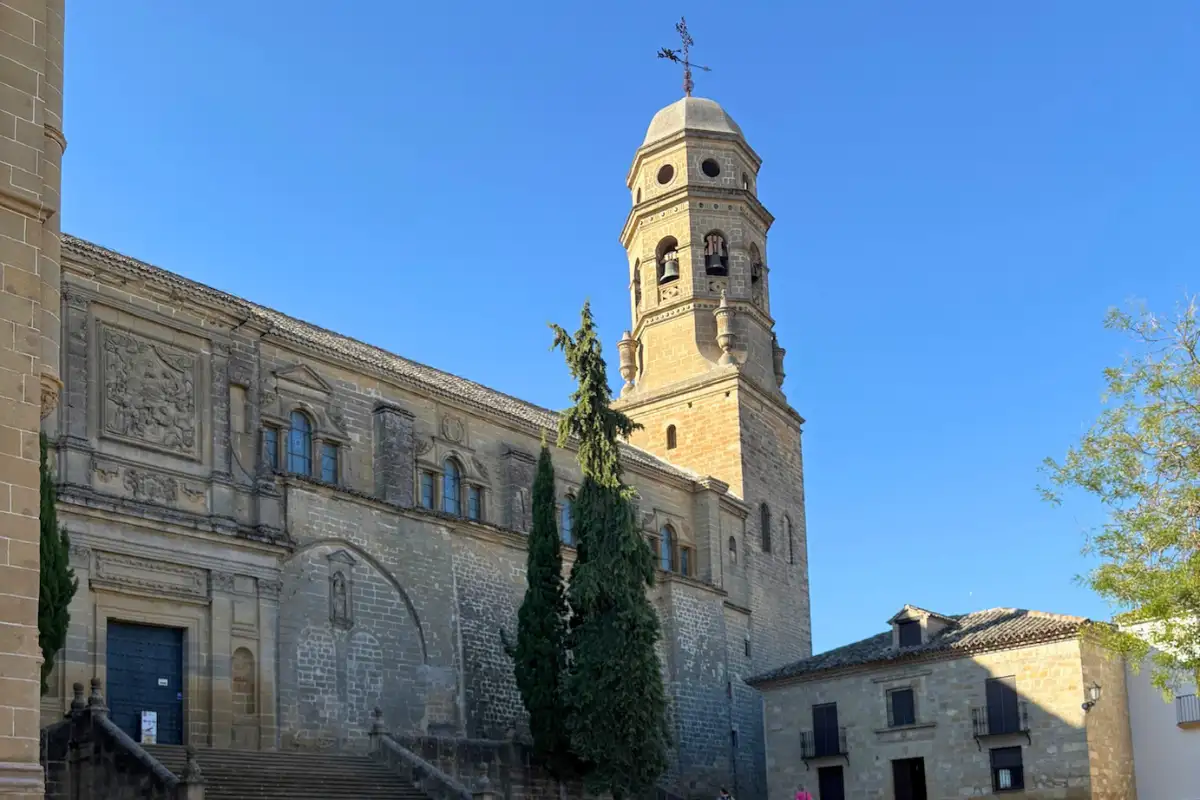
The town rarely feels crowded regardless of season. You'll have the UNESCO-listed streets practically to yourself most of the time, which is part of what makes Baeza so special.
Compare hotel prices in Baeza
Find the best deal across booking sites
The best time of year
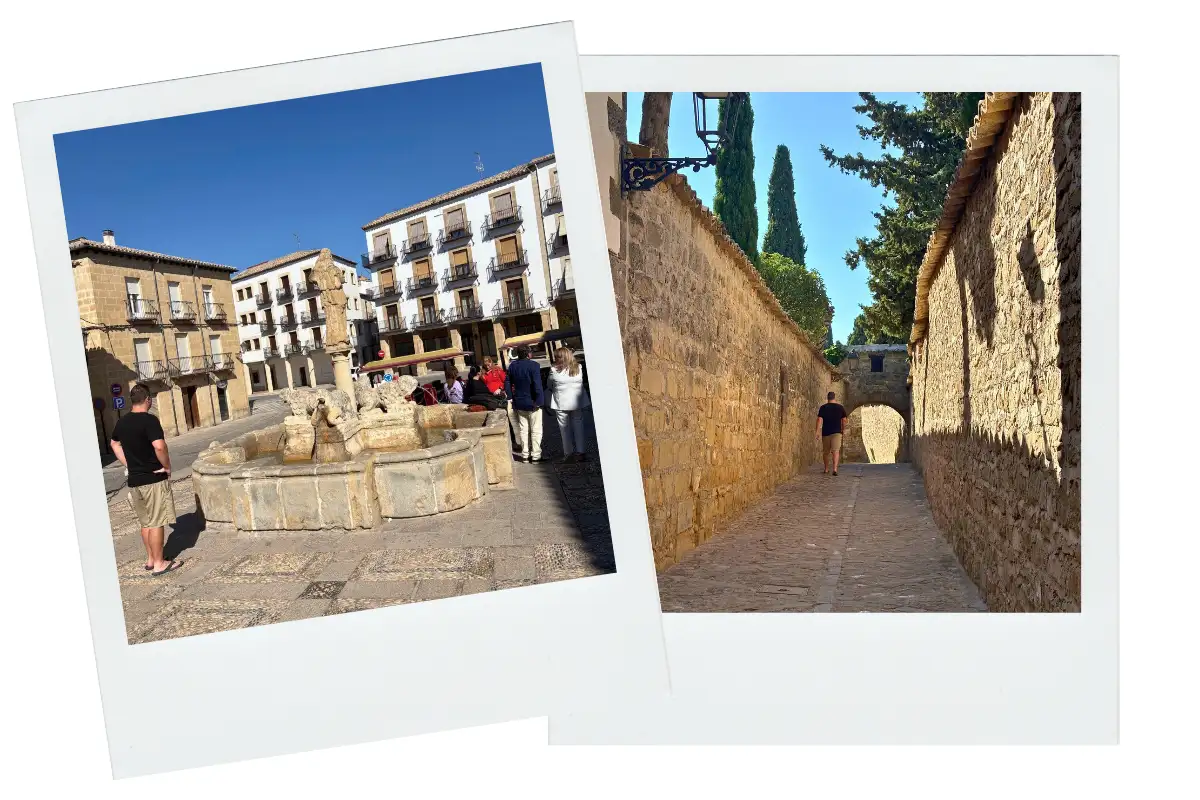
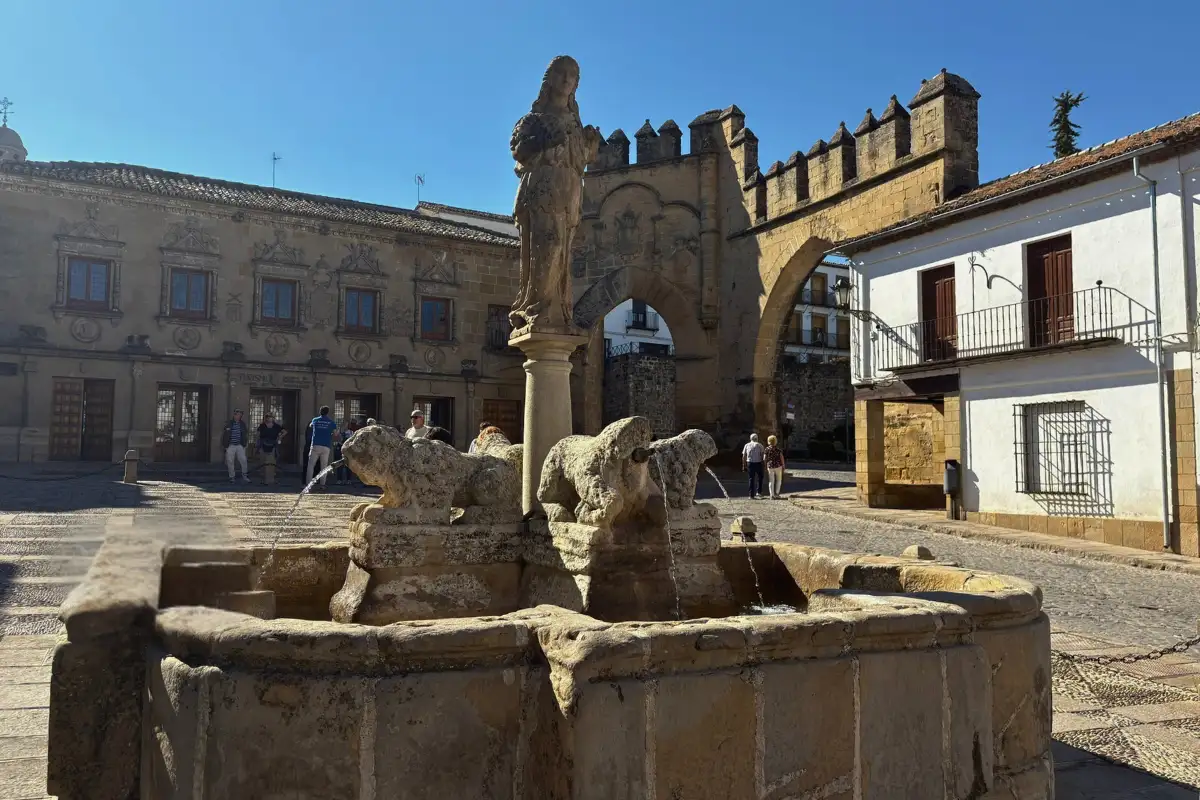
April to May and September to October offer the best overall conditions.
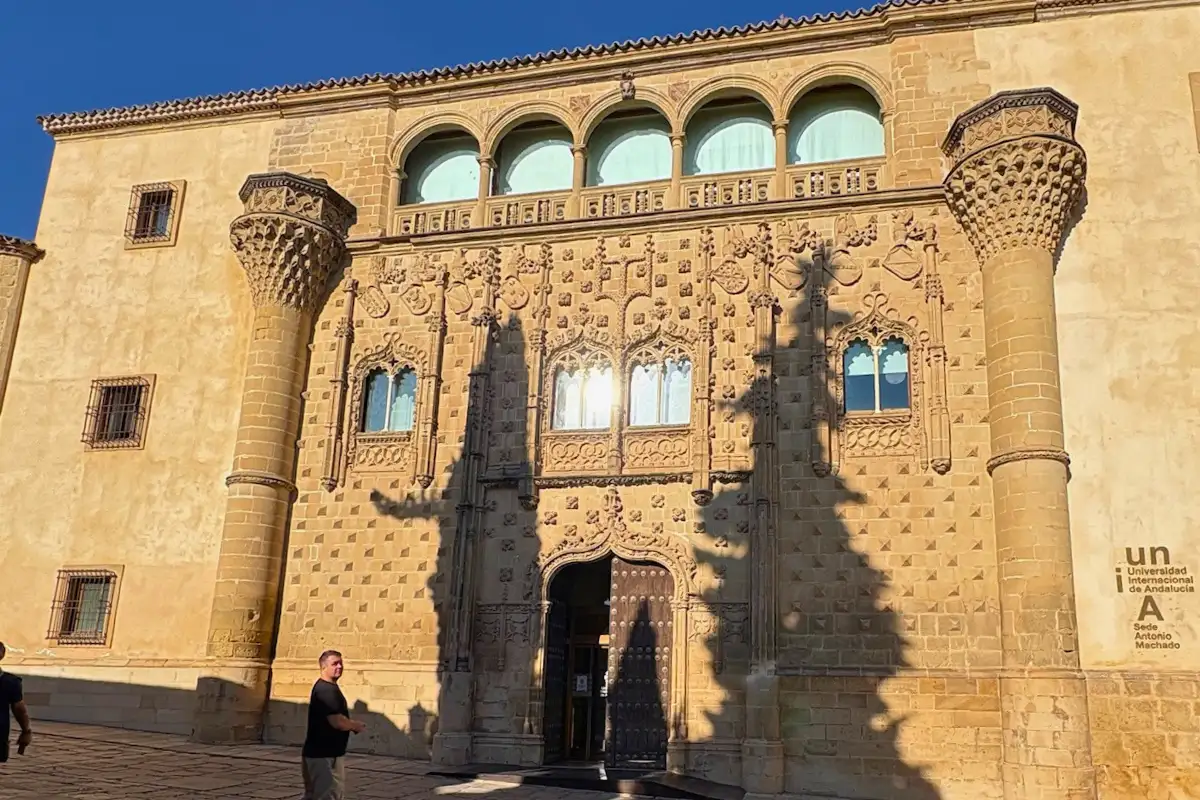
My personal favourite is October. The low autumn sun casts long shadows across Baeza's honey-coloured stone, the olive harvest begins in the surrounding groves, and golden hour seems to last forever.
If you want the town at its quietest, November through March is wide open. You'll find the best hotel deals during this period, especially at properties like the Hotel Campos de Baeza.
The best time of day
Baeza isn't a day-trip destination. Most visitors stay overnight, and the town rewards you for it.
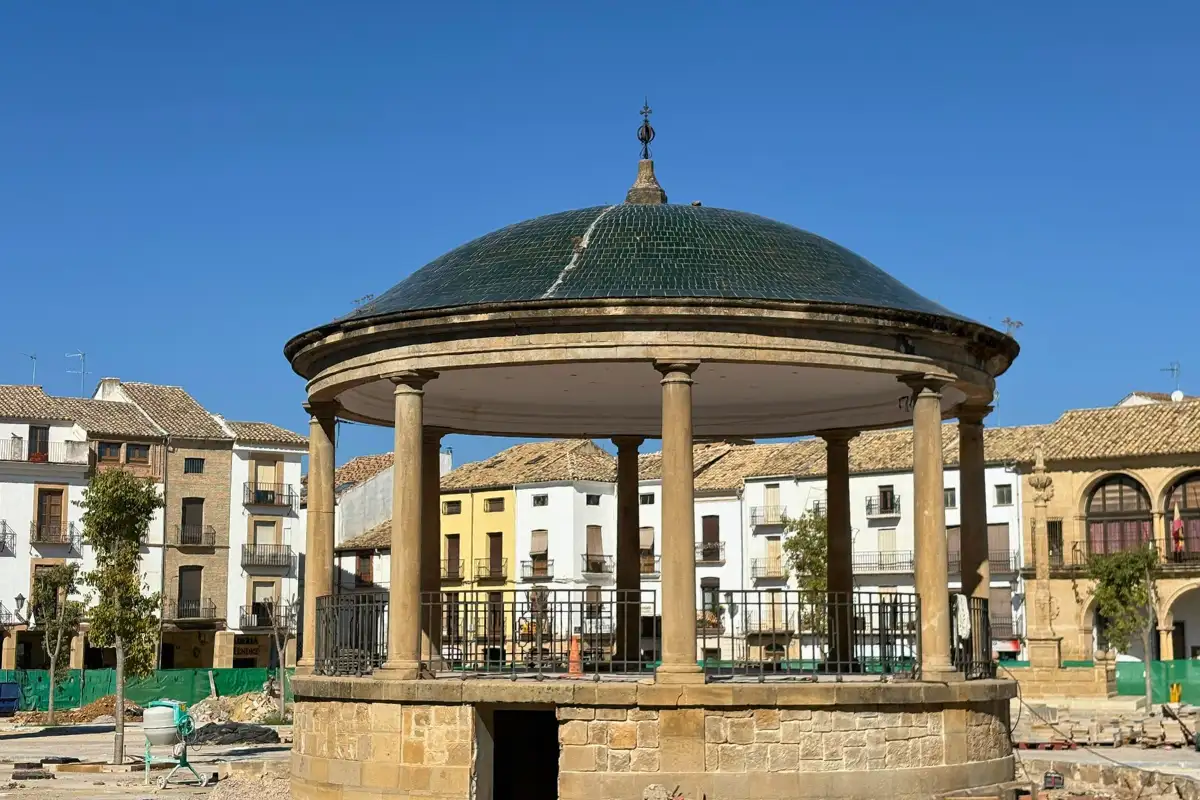
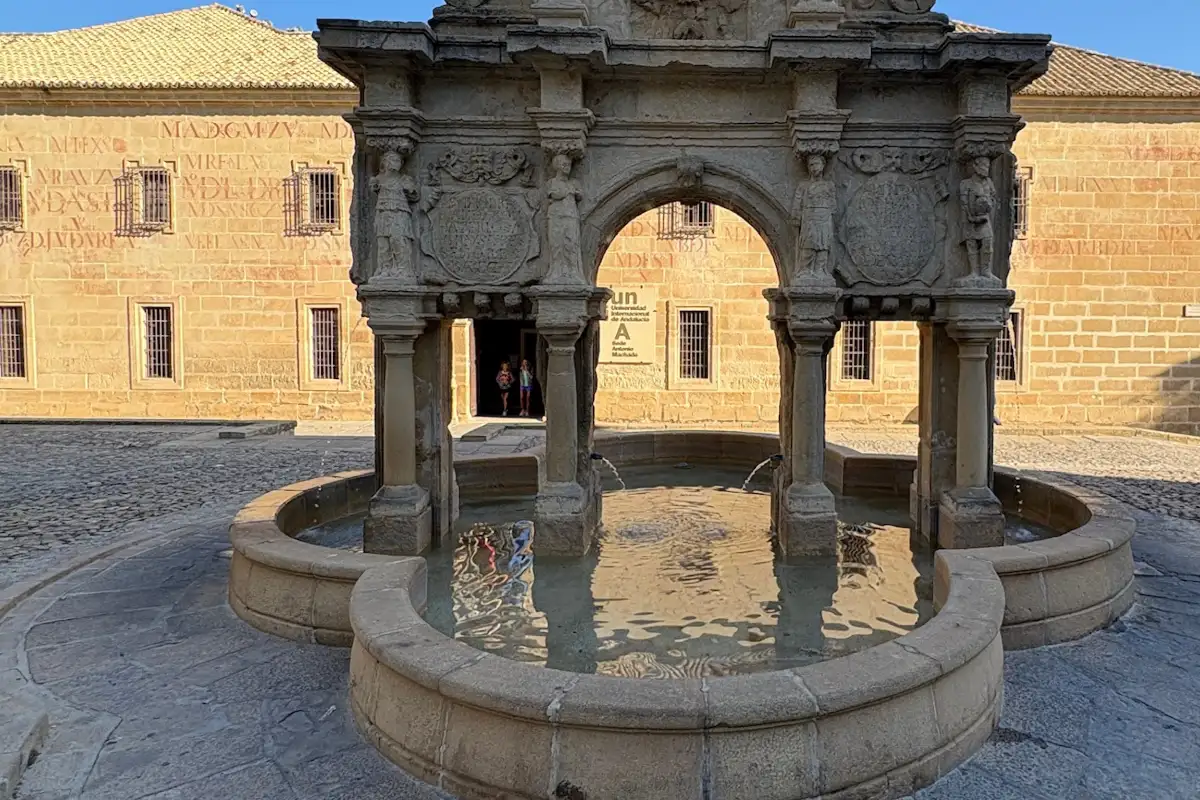
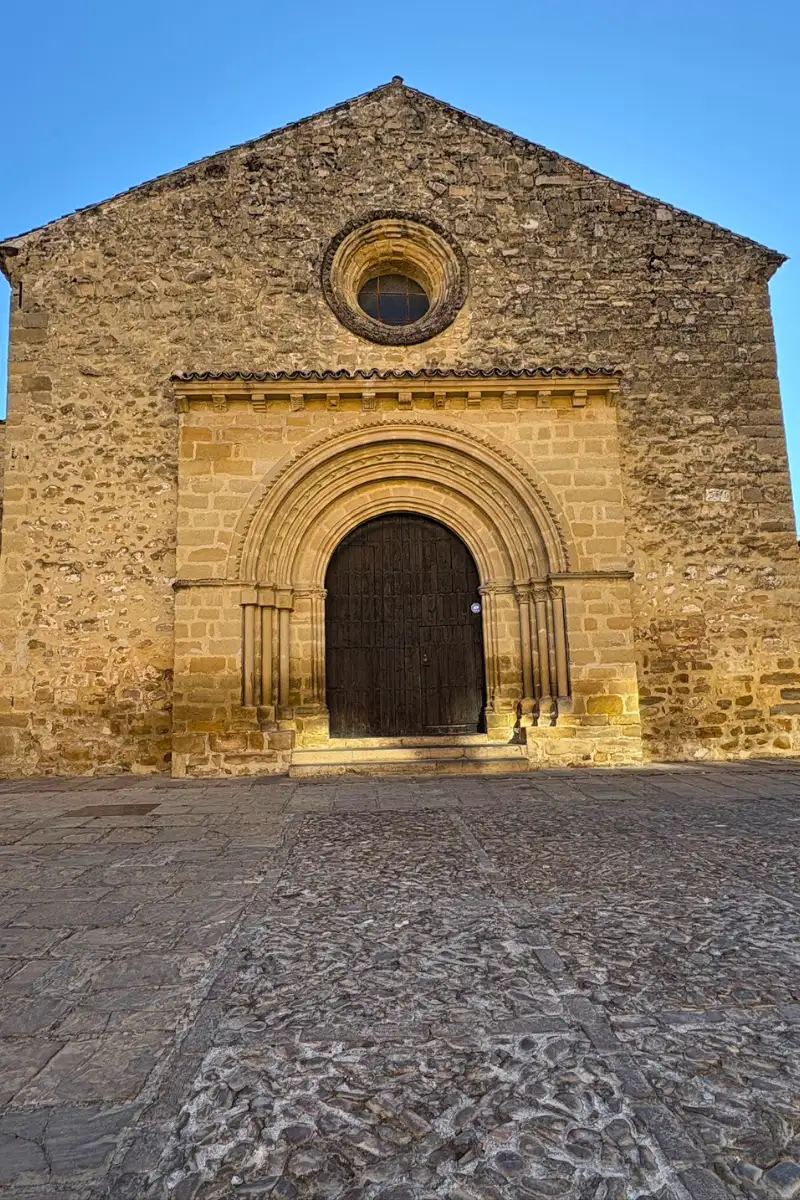
The morning light on the golden limestone is beautiful. Walk the Plaza de Santa María before 10 am and you'll likely be alone with the cathedral. Late afternoon brings the best photography conditions, when the low sun turns every facade into something painterly.
If you're visiting as a day trip from Jaén or Granada, arrive as early as possible. The town is compact enough to cover in half a day, but rushing defeats the purpose. Baeza moves slowly, and so should you.
The university students fill the cafés during term time, adding energy to a town that might otherwise feel sleepy. If that matters to you, avoid August when everyone leaves.
Events and festivals worth planning for
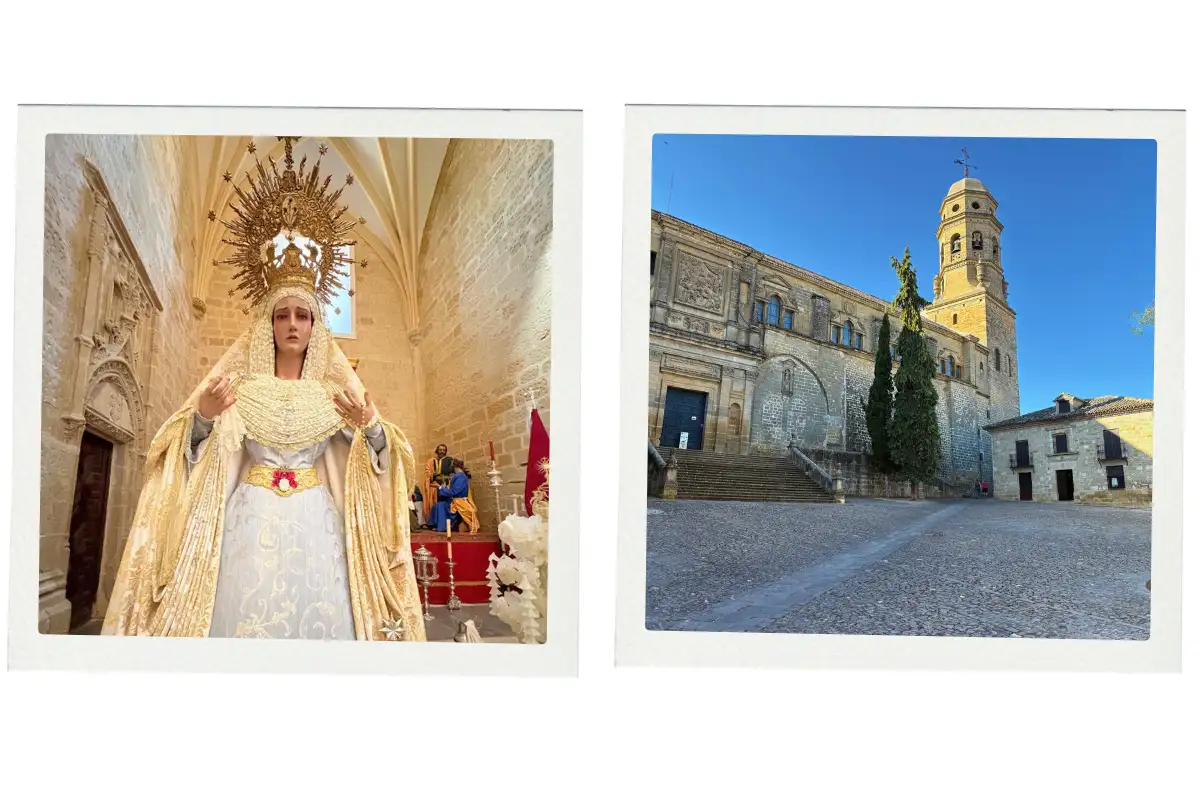
Semana Santa (March or April) in Baeza is intimate compared to Seville's theatrical processions. You'll watch centuries-old brotherhoods carry their pasos through narrow Renaissance streets, with locals leaning from balconies and the smell of incense mixing with orange blossom.
Feria de Baeza (mid-August) brings the town back to life with music, dancing, and late-night celebrations. It's when locals return from their holidays and the town shows its festive side.
Romería de la Yedra (first Sunday of September) is a pilgrimage to the Santuario de la Yedra with traditional costumes, horses, and decorated carts.
Olive harvest (late October through January) isn't a festival, but the harvest transforms the region. Many mills offer tours and tastings of fresh-pressed oil, and the difference from supermarket oil is revelatory.
Baeza month by month
What to expect each month
| Category | Weather | Why Go | Highlights |
|---|---|---|---|
| January | Cold, quiet | Lowest prices | Post-holiday calm |
| February | Cold, quiet | Almond blossoms nearby | Good value |
| March | Warming up | Spring arriving | Wildflowers beginning |
| April | Ideal weather | Semana Santa | Peak spring |
| May | Warm, pleasant | Perfect conditions | Excellent time |
| June | Getting hot | Summer starting | Long evenings |
| July | Very hot | Empty streets | Extreme quiet |
| August | Hottest month | Feria de Baeza | Local celebrations |
| September | Cooling down | Still warm | Excellent conditions |
| October | Ideal weather | Olive harvest | Best photography light |
| November | Cooling | Harvest continues | New olive oil |
| December | Cold | Christmas spirit | Festive atmosphere |
Baeza's elevation (790m) means more extreme temperatures than coastal Andalusia. Pack layers.
Spring (March-May)
| Month | High | Low | Rain | Rainy Days | Sun |
|---|---|---|---|---|---|
| March | 17°C | 6°C | 40mm | 6 days | 7hrs |
| April | 22°C | 9°C | 38mm | 6 days | 8hrs |
| May | 25°C | 12°C | 30mm | 5 days | 9hrs |
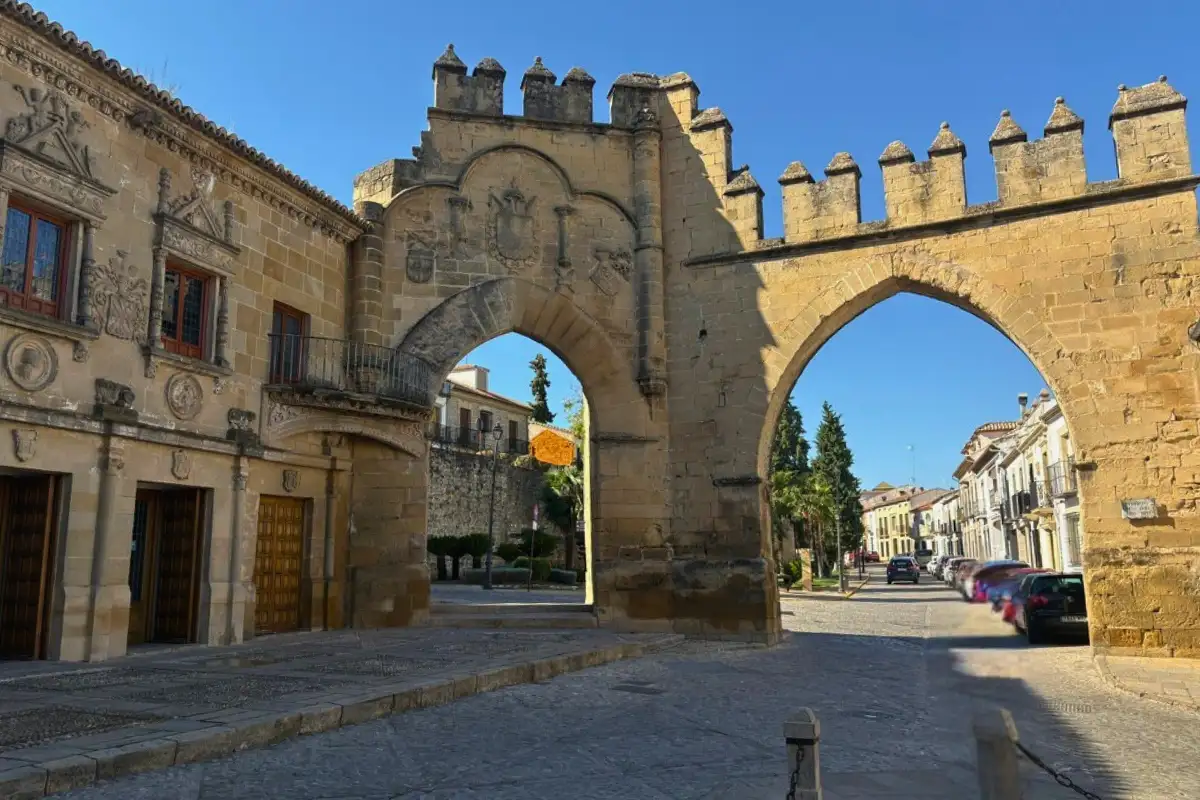
Spring transforms Baeza. The olive groves burst into bloom, wildflowers appear along ancient stone walls, and the golden limestone glows in the soft afternoon light.
March can still feel unpredictable, with cool mornings and the occasional rain. By April, temperatures climb to a comfortable 22°C, the university students fill the cafés, and the town feels alive without being overwhelming.
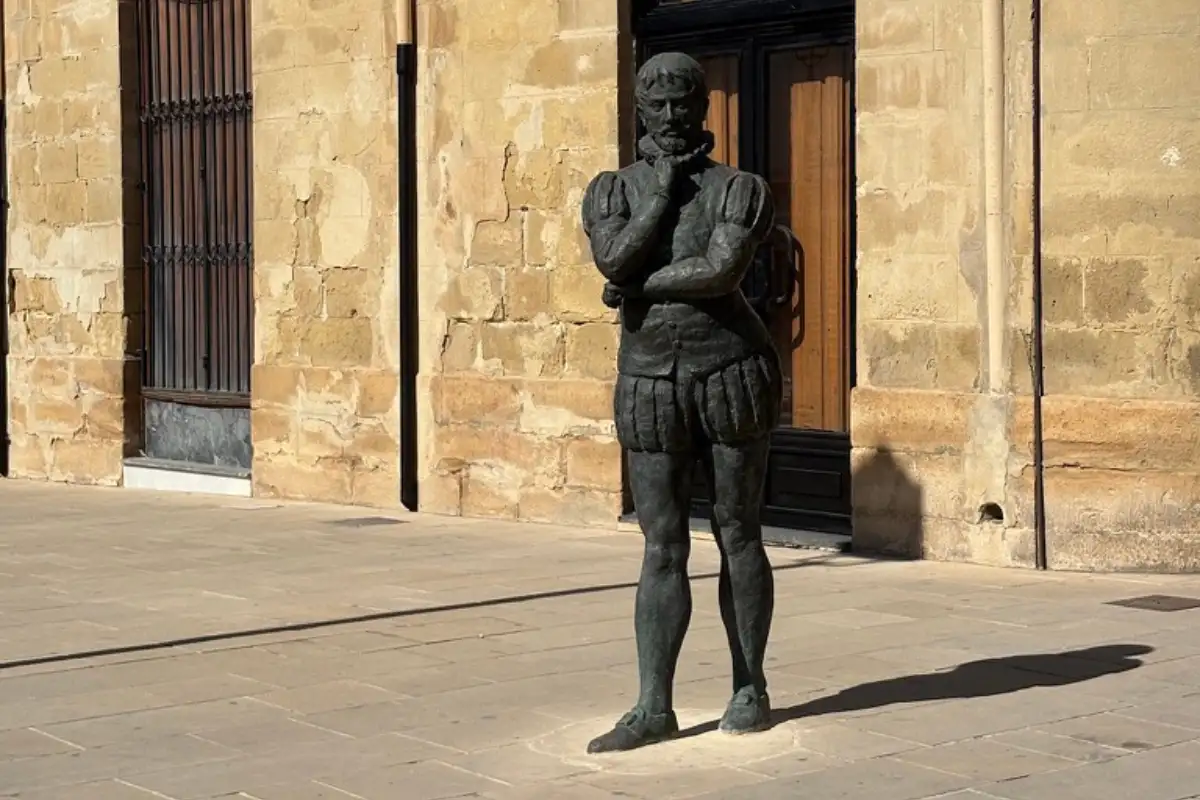
Semana Santa brings processions through Renaissance streets barely wide enough for the floats. Book accommodation at least a month ahead, as Baeza is small and the few hotels fill quickly.
May brings warmer days (25°C) and the town settles into a pleasant rhythm. Restaurant terraces in Plaza del Pópulo are wonderfully uncrowded, and the walking weather is perfect for exploring the historic centre.
Summer (June-August)
| Month | High | Low | Rain | Rainy Days | Sun |
|---|---|---|---|---|---|
| June | 31°C | 16°C | 15mm | 3 days | 11hrs |
| July | 36°C | 19°C | 2mm | 0 days | 12hrs |
| August | 35°C | 19°C | 3mm | 1 day | 11hrs |
Summer in Baeza is brutally hot. Temperatures regularly exceed 35°C and can climb past 40°C. The town sits on a high plateau with little natural shade, and the limestone absorbs and radiates heat throughout the day.
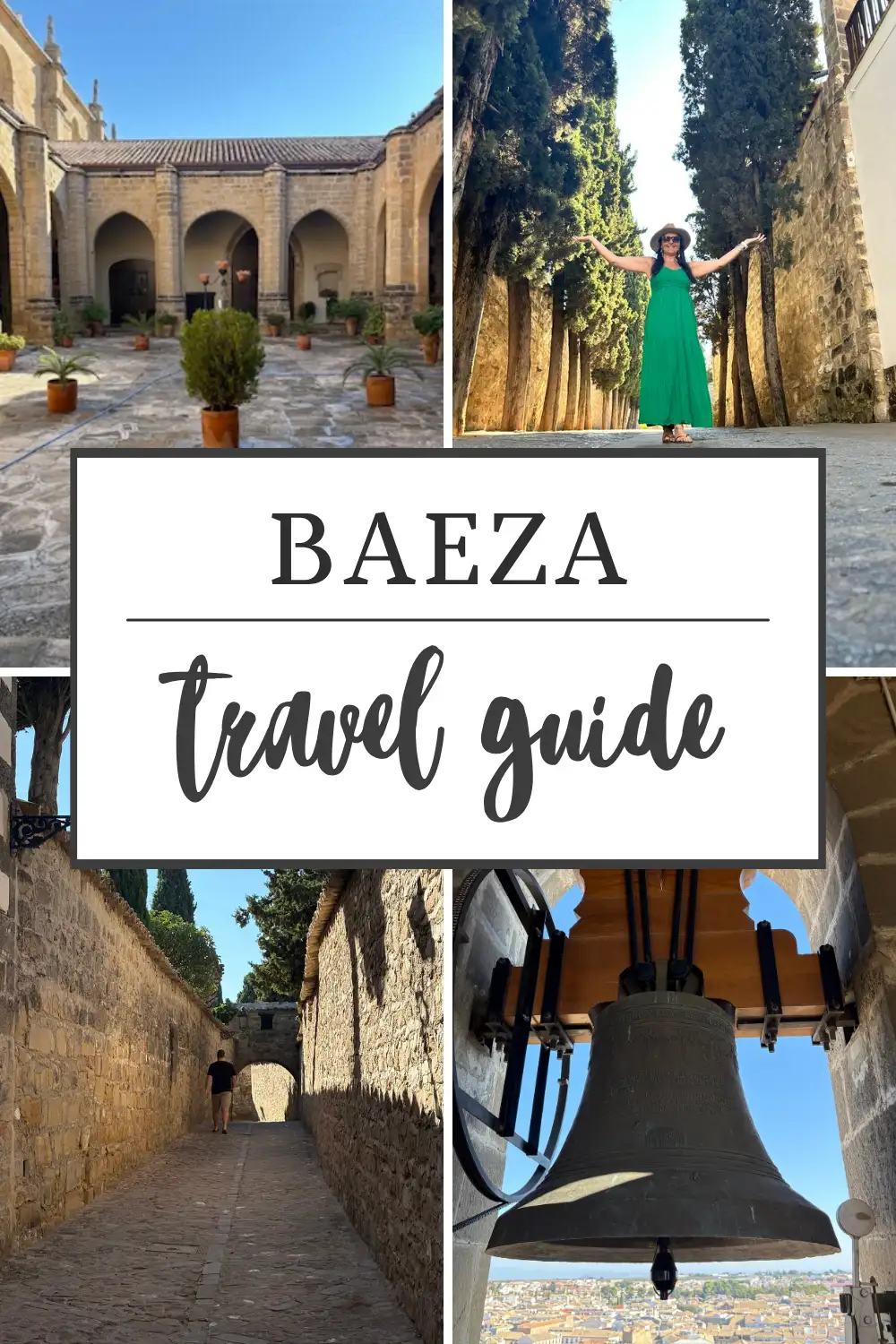
The town empties as locals head to the coast, leaving Baeza with an almost ghostly quiet. If you enjoy solitude and don't mind the heat, you might actually love it.
The Feria de Baeza in mid-August brings everyone back for music, dancing, and late-night celebrations. Air conditioning isn't universal in Baeza's historic buildings, so check for it specifically when booking summer accommodation.
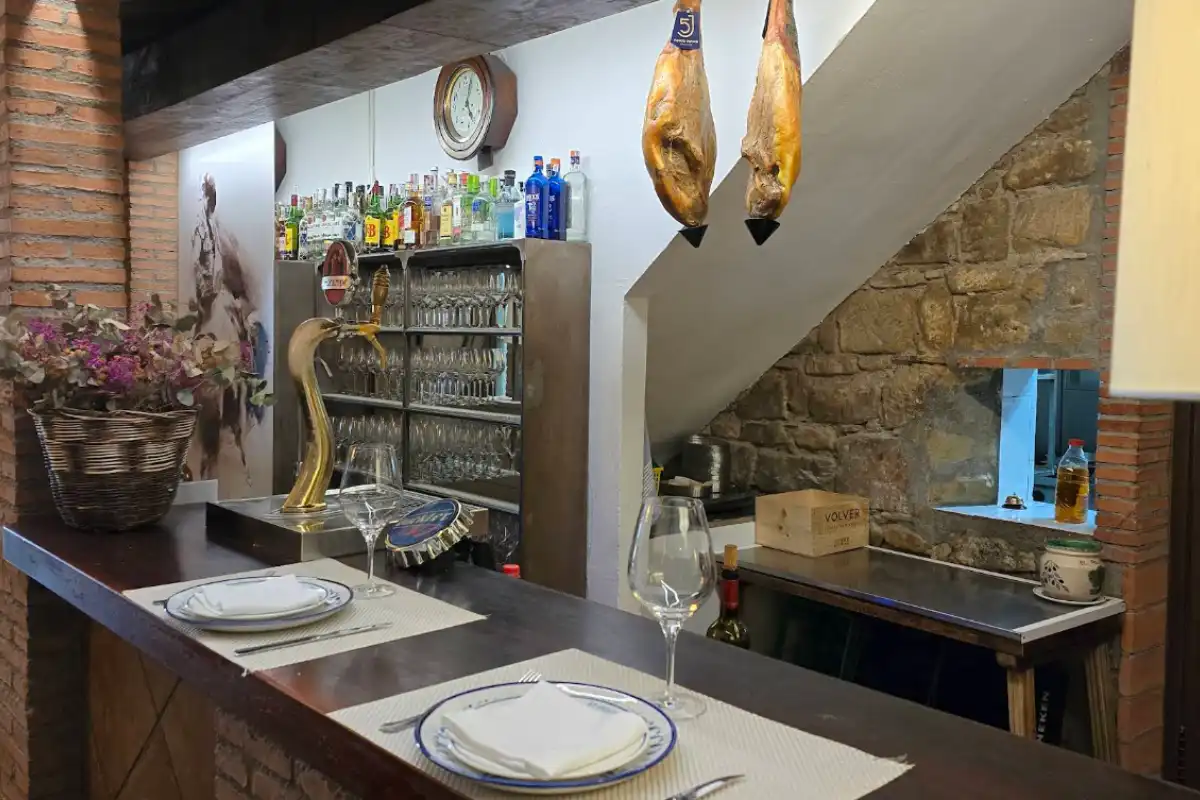
Start sightseeing at 8 am when it's still cool, return to your hotel for siesta from 2-6 pm, and dine late (9-10 pm) when temperatures finally drop.
Autumn (September-November)
| Month | High | Low | Rain | Rainy Days | Sun |
|---|---|---|---|---|---|
| September | 30°C | 17°C | 18mm | 3 days | 9hrs |
| October | 23°C | 11°C | 45mm | 5 days | 7hrs |
| November | 17°C | 7°C | 50mm | 6 days | 6hrs |
Autumn is arguably Baeza's finest season. September still feels like summer (30°C), but by October temperatures settle to a perfect 23°C.
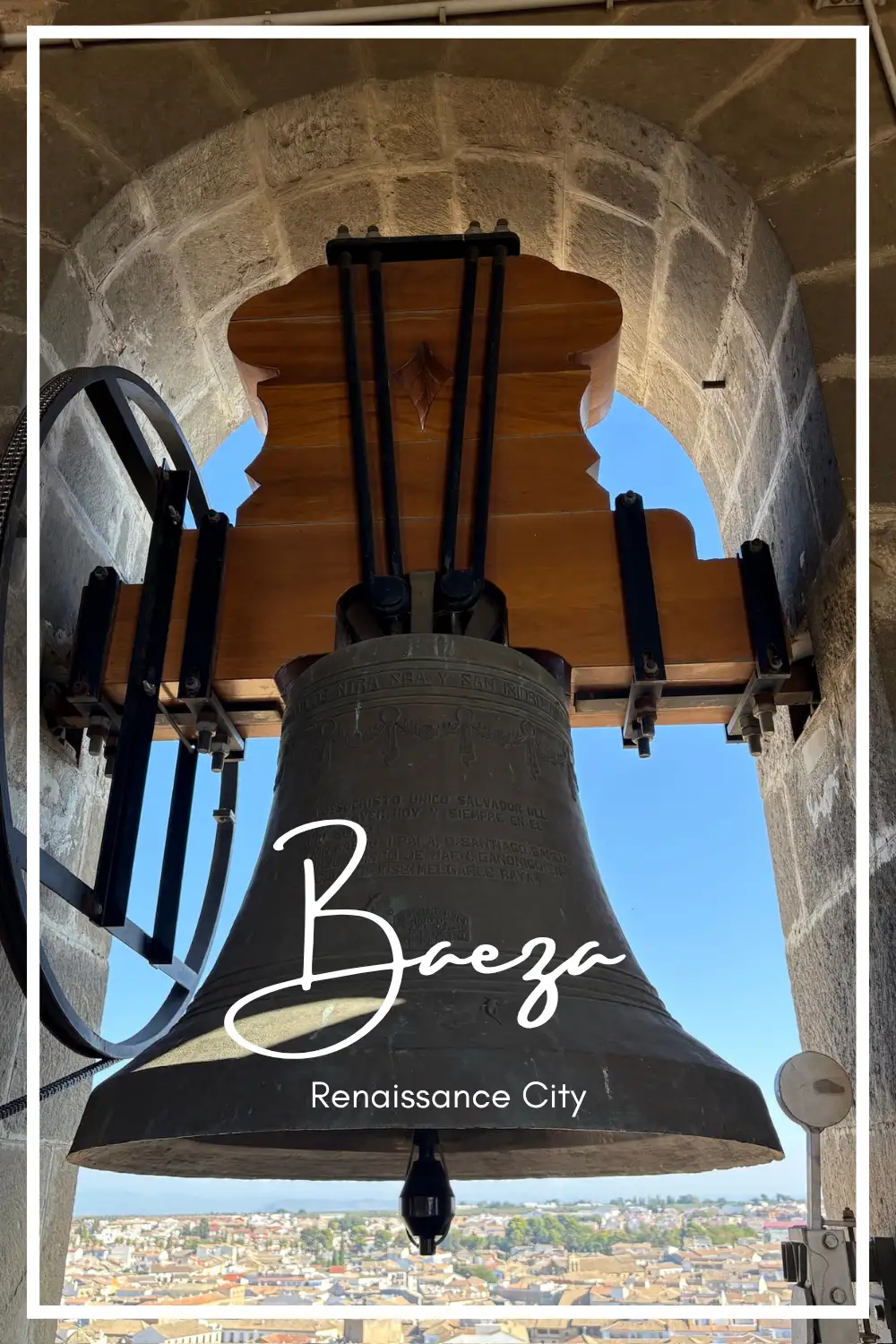
More importantly, the olive harvest begins. Jaén province produces more olive oil than any region in the world, and from late October through January, the groves surrounding Baeza come alive. You'll see nets spread beneath ancient trees, families gathering olives, and fresh-pressed oil appearing in local restaurants.
The quality of light in October and November is exceptional. The low autumn sun casts long shadows across honey-coloured stone, and the silvery-green olive groves provide a stunning backdrop. You can photograph the Plaza de Santa María without a single tourist in frame.
Visit an olive mill to taste aceite nuevo, new oil so fresh and peppery it makes supermarket olive oil taste like nothing.
Winter (December-February)

| Month | High | Low | Rain | Rainy Days | Sun |
|---|---|---|---|---|---|
| December | 13°C | 4°C | 50mm | 6 days | 5hrs |
| January | 12°C | 3°C | 45mm | 6 days | 5hrs |
| February | 14°C | 4°C | 40mm | 5 days | 6hrs |
Winter is genuine winter. Nights frequently approach freezing, and daytime highs hover around 12-14°C. Comfortable for walking if you dress warmly, but the cold can seep into older buildings.
The upside is atmosphere. The tapas bars fill with locals rather than tourists. Winter dishes like migas and gachas dominate menus. And the olive harvest continues through January, so the mills are still active.
Christmas brings modest but charming celebrations. The Belén (nativity scene) in the cathedral is a local tradition, and you'll find seasonal sweets in the bakeries. Hotel prices drop 30-40% from peak season.
The Sierra de Cazorla nearby may have snow, making for a beautiful day trip if you're comfortable driving in winter conditions.
Day trip or overnight stay
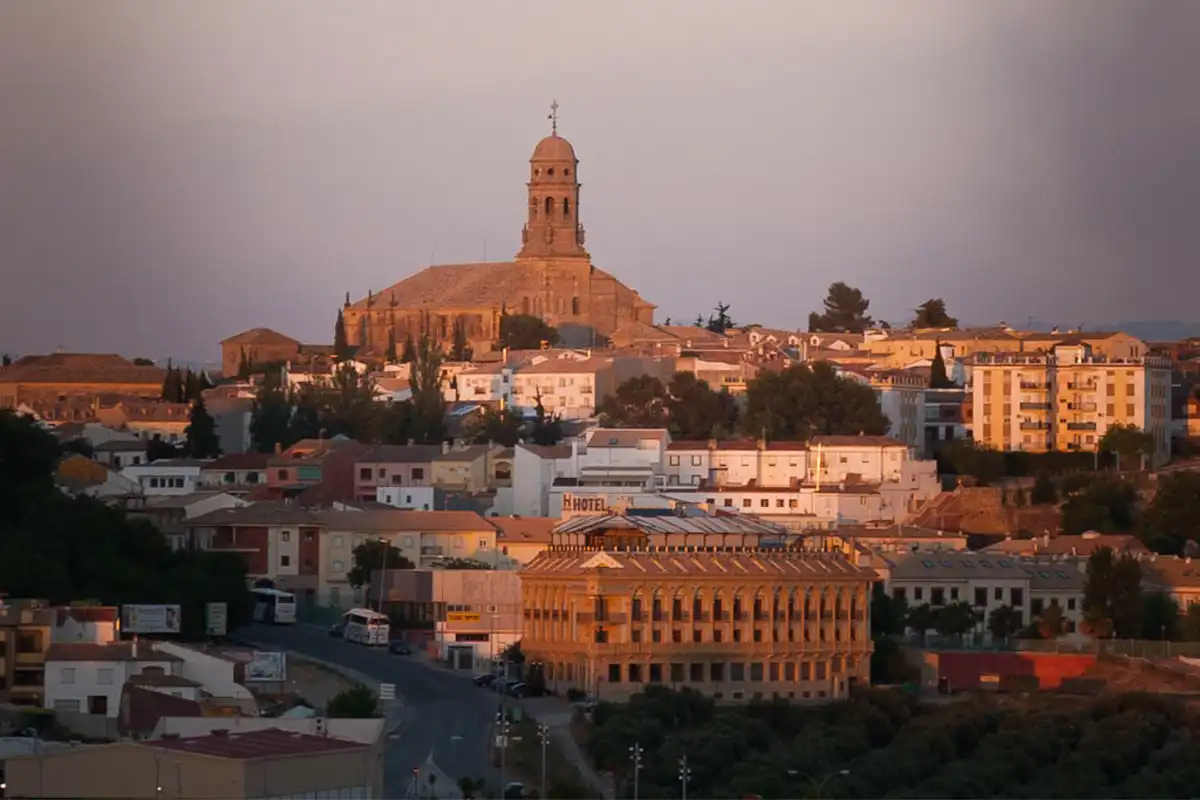
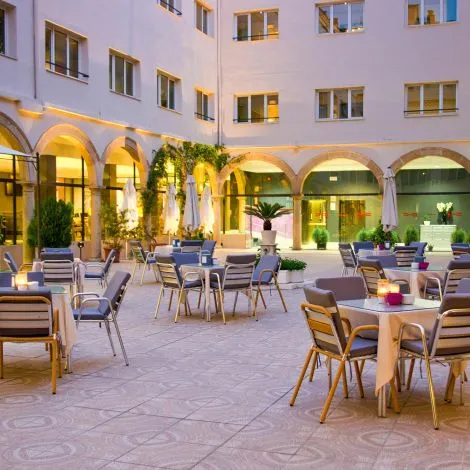
Baeza is compact enough to see in half a day, but staying overnight lets you experience the town at its best.
You get the empty morning streets, the golden hour light on the cathedral, and dinner at restaurants that feel unhurried. The town has a handful of good hotels, and prices are reasonable year-round.
If you're combining Baeza with nearby Úbeda (just 9km away), one night in each town is ideal. Together they form a UNESCO World Heritage pair, and each has its own character worth savouring.
Baeza doesn't have a train station. The nearest is Linares-Baeza, about 15km away. By car is easiest, with Baeza roughly 2 hours from Granada, 1.5 hours from Córdoba, and 2.5 hours from Seville.
Final thoughts
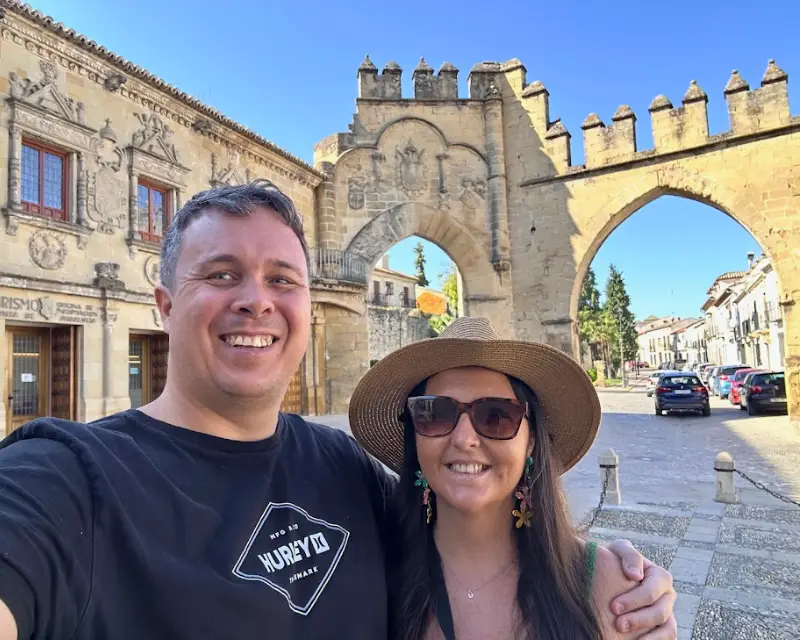
Baeza rewards visitors who time their trip thoughtfully. So if you can't choose the date, you should still go.
Come in spring for wildflowers and Semana Santa.
Visit autumn for the olive harvest and perfect light.
Avoid summer unless you genuinely love extreme heat.
But whatever season you choose, Baeza offers something increasingly rare in Andalusia: a chance to experience Spain's Renaissance heritage without fighting crowds or rushing between sights.
If you're planning your trip, have a look at my guides to things to do in Baeza, where to eat, and where to stay. And if you're looking to explore beyond the town, check out my guide to day trips from Baeza.

Hola! I'm the researcher, walker, and co-founder behind Spain on Foot. I help travellers experience Spain authentically, through in-depth guides, locals-only knowledge, and cultural stories you won't find in guidebooks. You can reach me at heidi@spainonfoot.com
Planning a trip to Baeza?
Explore Baeza Guide→