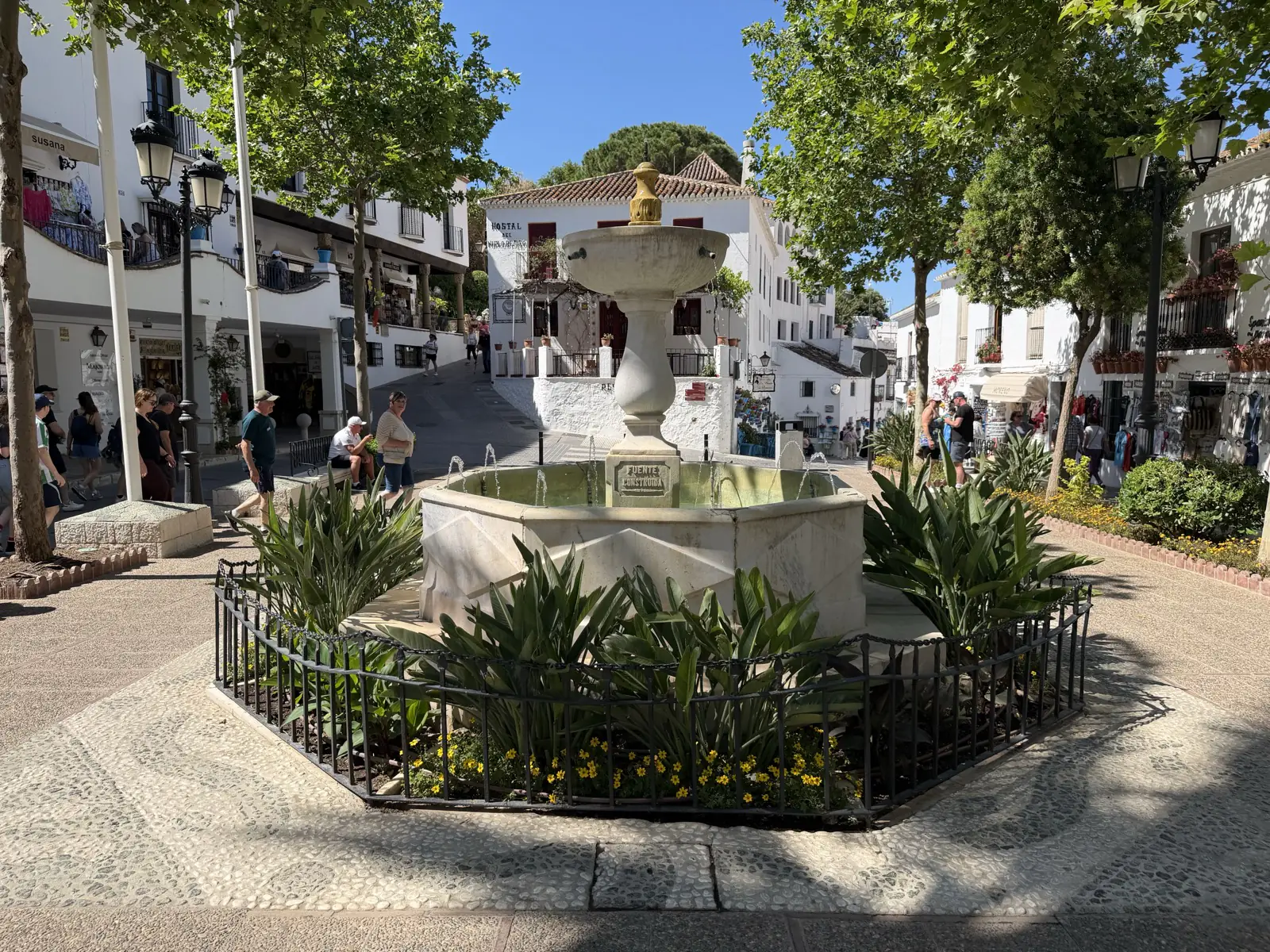
I’d been putting off visiting Mijas Pueblo for years. One of those places you assume you already understand: white walls, donkeys, tour buses.
I went on a Wednesday morning and was still there close to 5pm, with a list of things I hadn’t made it inside.
The oval bullring is one of only a handful in Spain. There’s also a cave shrine cut directly into the rock face, and an art centre holding one of the largest Picasso collections in the country that most visitors never find.
Most people miss all of this. They arrive at 11am with the coaches, walk the main route, and leave thinking they’ve seen it.
In this guide I’ll show you what’s worth your time, what to skip, and when to arrive to actually enjoy it.
⭐ Don’t miss >> Where to stay near Mijas, my Benalmádena hotel picks
Where Is Mijas Pueblo?
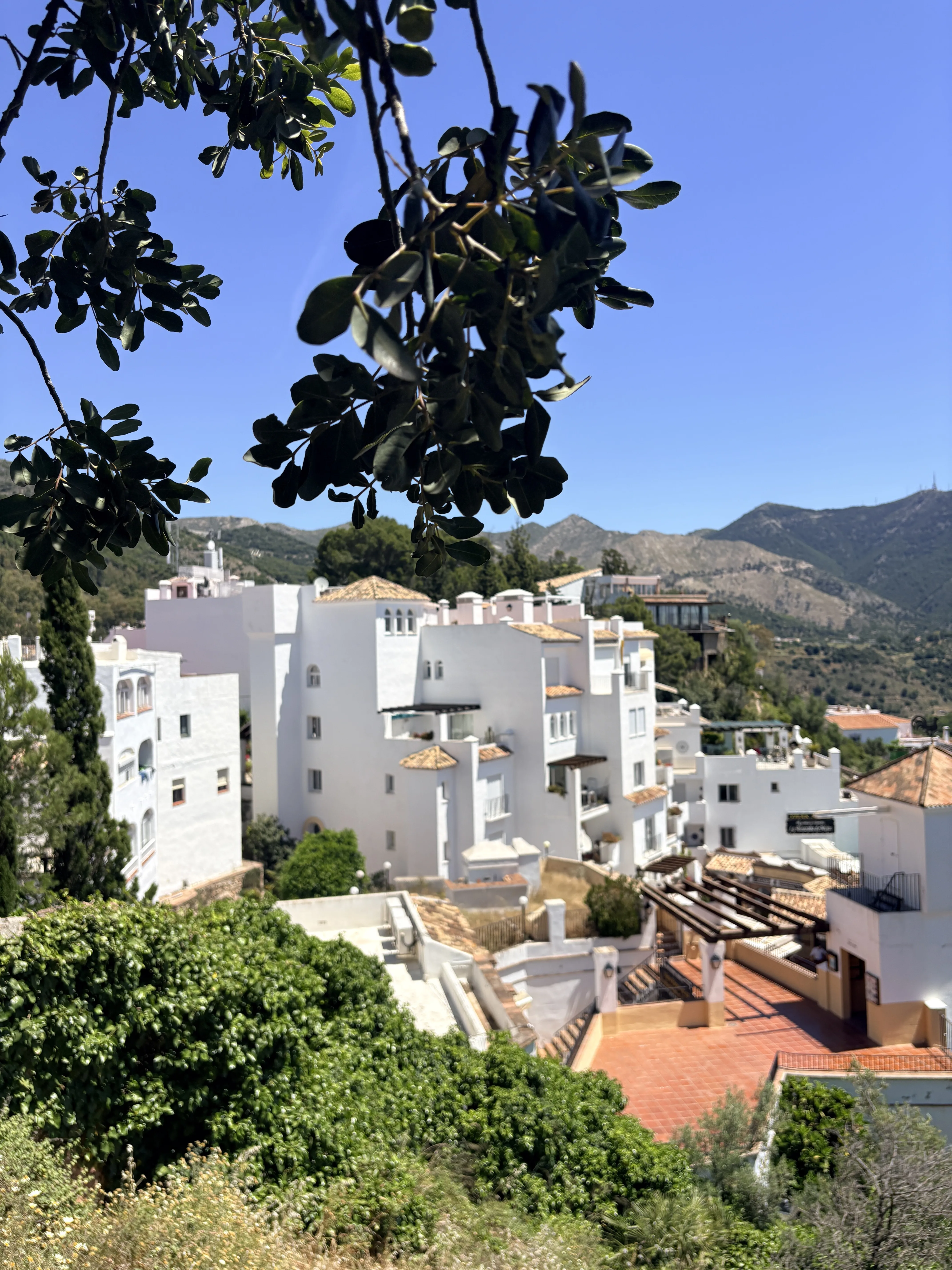
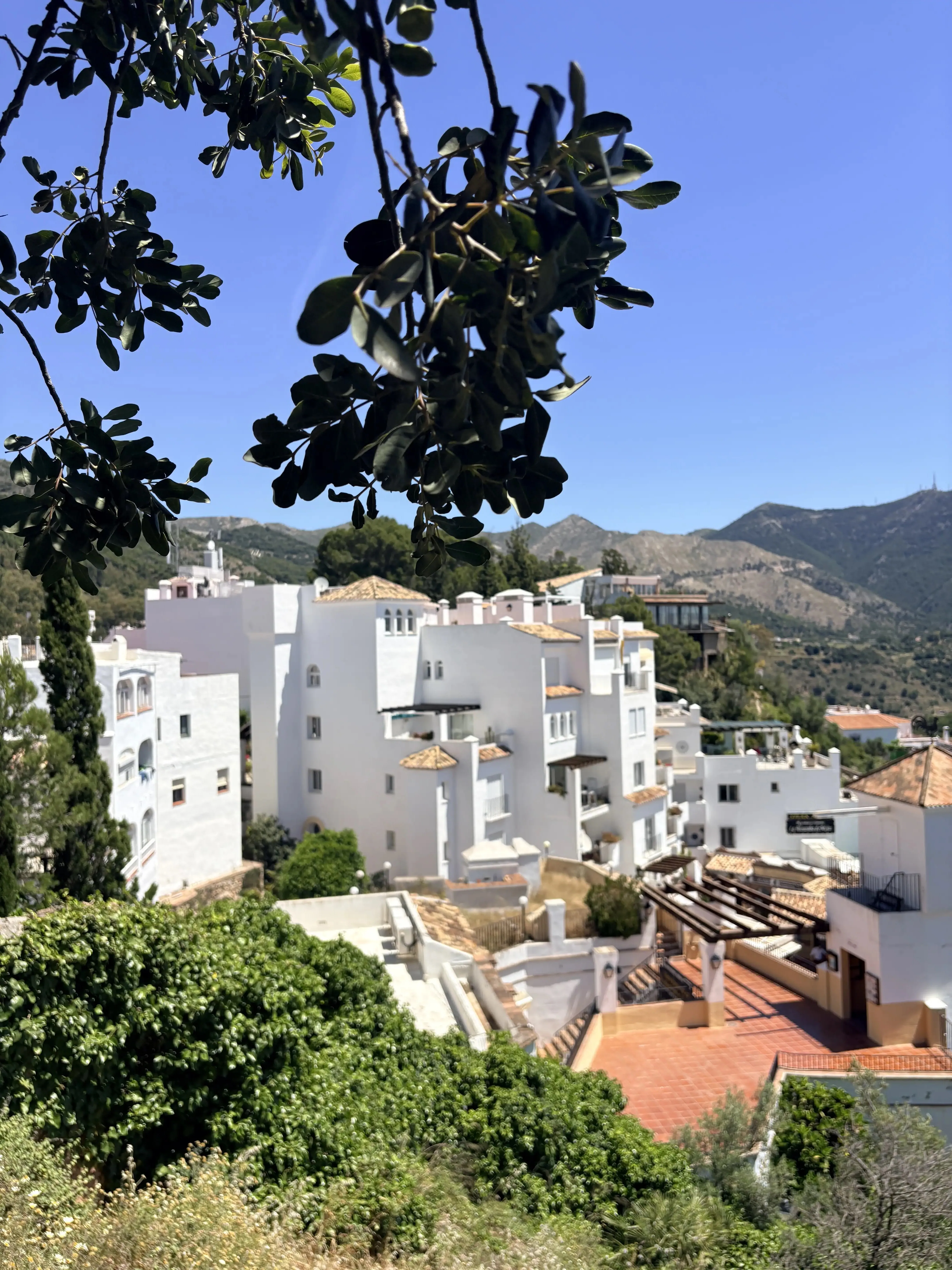
Mijas Pueblo is the white village on the hill above Fuengirola. Mijas is a municipality. The pueblo is the hilltop part, 430 metres up, with the views.
From the coast it’s 15 minutes by car. From Málaga, 40 minutes driving or about an hour on the M-112 bus. For all the options including the train connection, see how to get from Málaga to Mijas Pueblo.
It’s the closest inland white village to the Costa del Sol, which is why the tour buses find it easily. That’s also why timing your arrival matters.
Here are a few of my favourite areas to stay near Mijas:
⭐ Mijas Pueblo >> Stay up in the white village
⭐ La Cala de Mijas >> Beachfront on the Mijas coast
⭐ Fuengirola >> The nearest big resort town
⭐ Benalmádena >> Family-friendly coast nearby
Is Mijas Pueblo Worth Visiting?
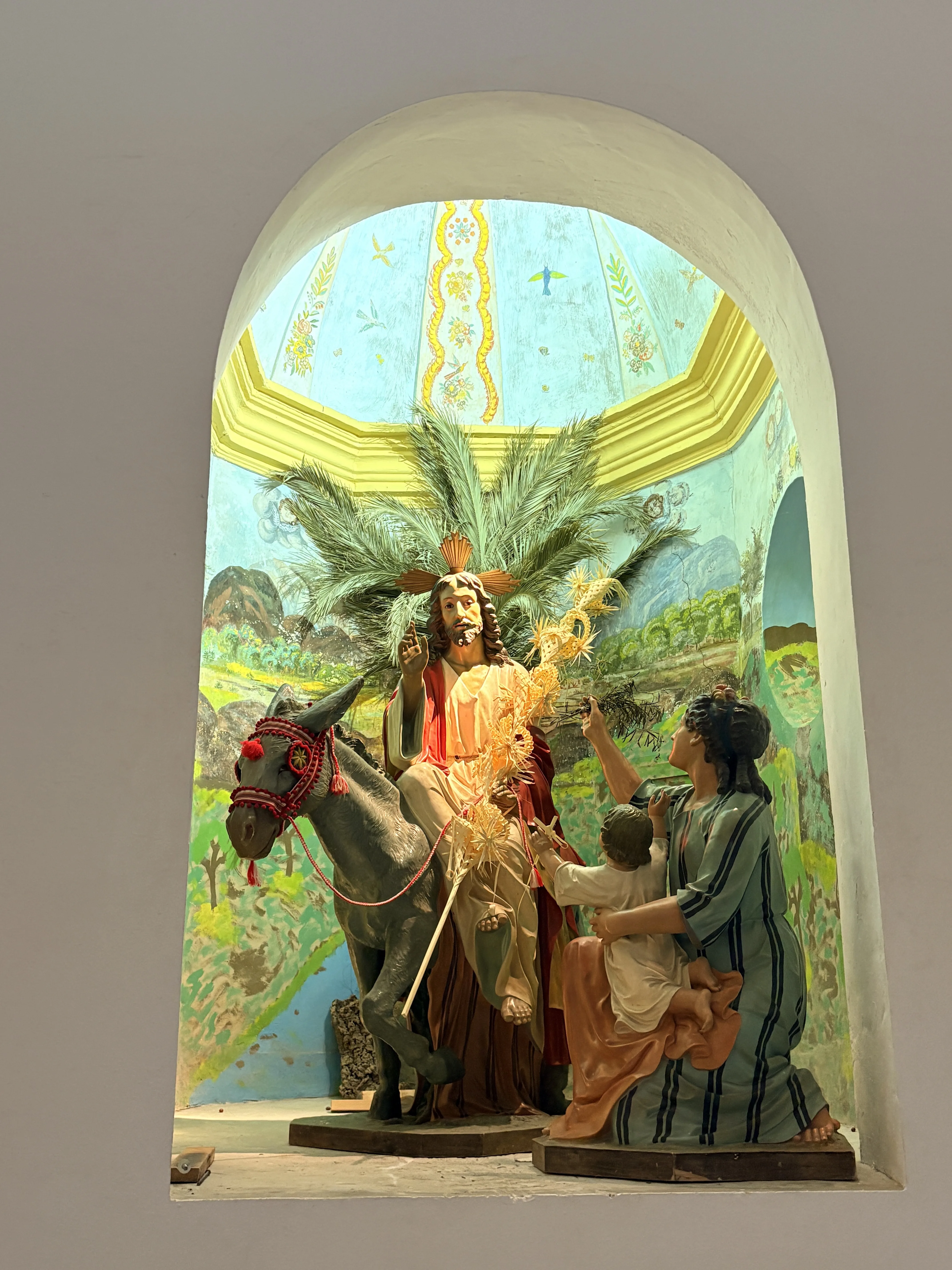
Yes, and it has more to it than most white villages that draw day trippers from the Costa del Sol. The oval bullring, the cave shrine, an art centre holding one of the largest Picasso collections in Spain, and hiking trails into the Sierra de Mijas give it real depth beyond the souvenir circuit.
I spent a full day there and still didn’t get inside everything. It’s one of the easier day trips from Málaga on the coast, and it rewards a proper early start. I’ve written a full breakdown if you’re still deciding whether Mijas Pueblo is worth the trip.
How Much Time Do You Need in Mijas Pueblo?
A full day is enough to see the highlights, wander the streets properly, have breakfast and lunch, and still be back on the coast by 5 or 6pm. I managed all of that and found myself still discovering things late in the afternoon.
The things that don’t fit into a day are the full museum circuits and a proper hike into the Sierra de Mijas. Most people won’t miss those.
📖 Read next >> The most Instagrammable spots in Mijas Pueblo
The Oval Bullring
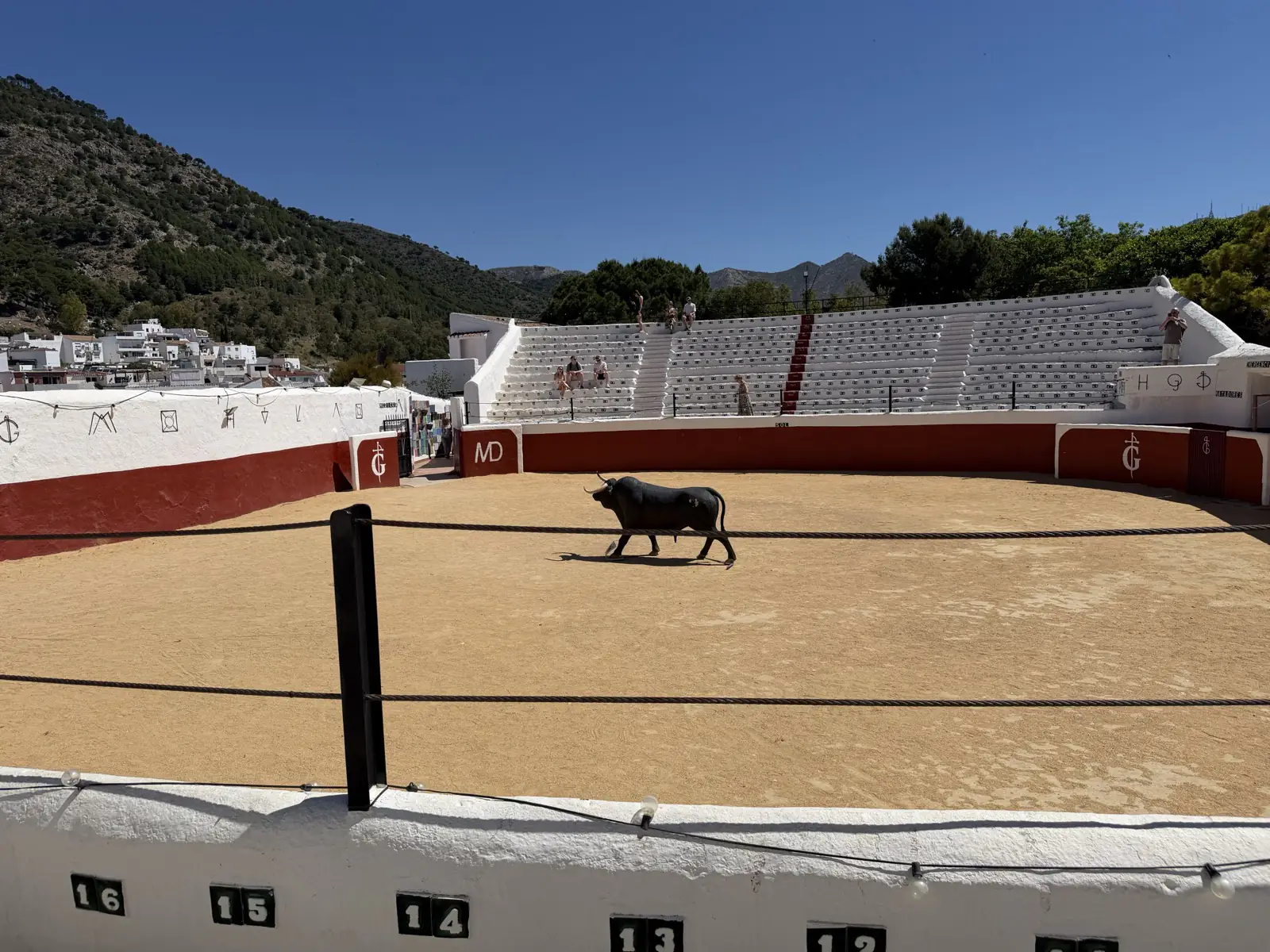
Built in 1900, the Plaza de Toros de Mijas is one of the few oval bullrings in Spain. Most are circular. This one isn’t, and the difference is obvious the moment you walk in.
Entry costs €3. Inside you’ll find the bullring itself, the chapel where the matadors prayed before entering the ring, a small museum of bullfighting history, and rows of old photographs and matador costumes. One of the real capes on display is heavier than you’d expect, closer to 10kg, which puts what the matadors actually did in a different light.
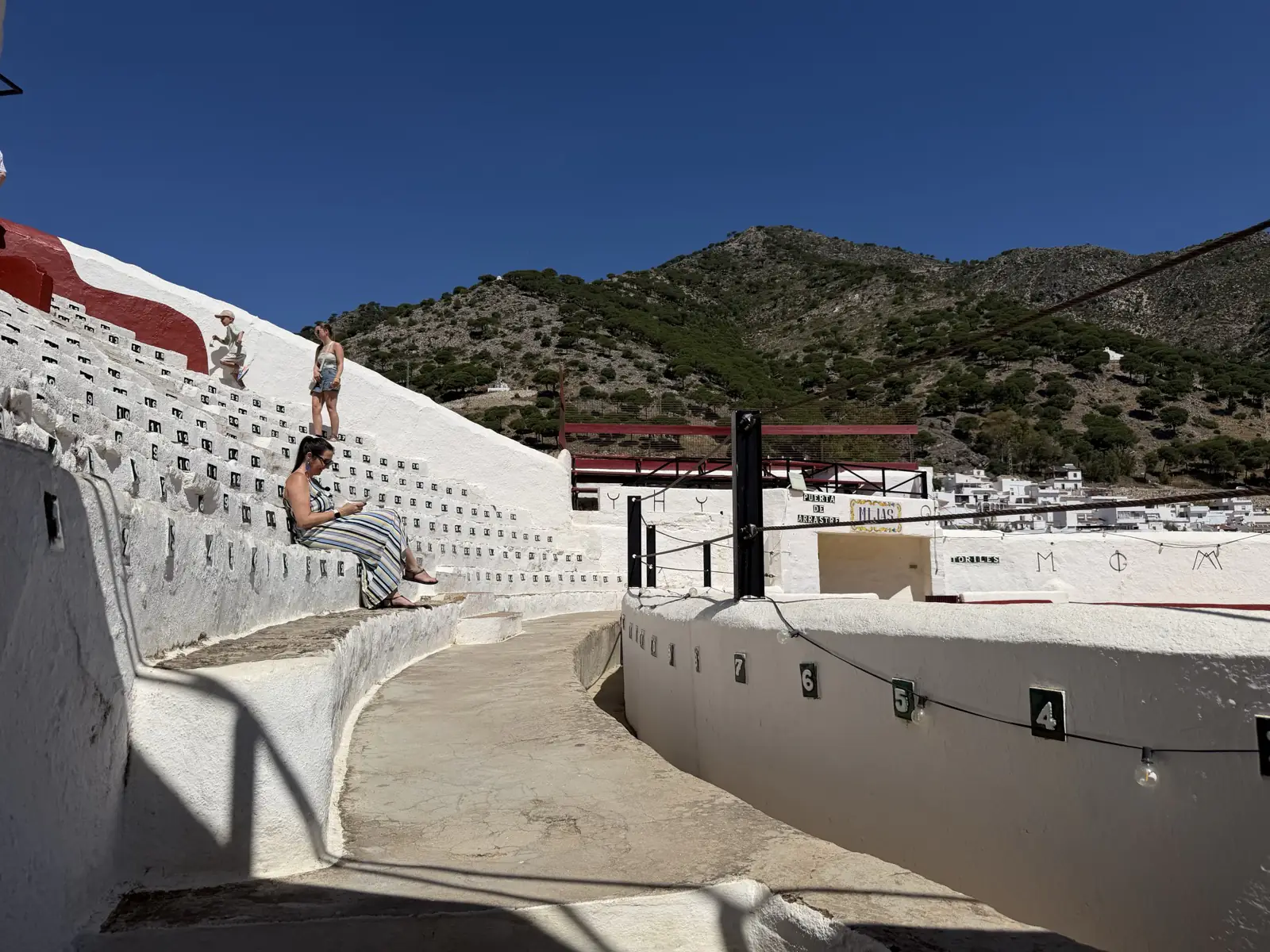
The ring stopped hosting fights in the 1990s and now holds horse shows and occasional flamenco performances. Even if bullfighting isn’t your thing, the building is worth twenty minutes.
🎟️ I always find it easier to book the Mijas and Costa del Sol experiences ahead. Browse tours and tickets on GetYourGuide.
The Paseo de la Muralla Gardens
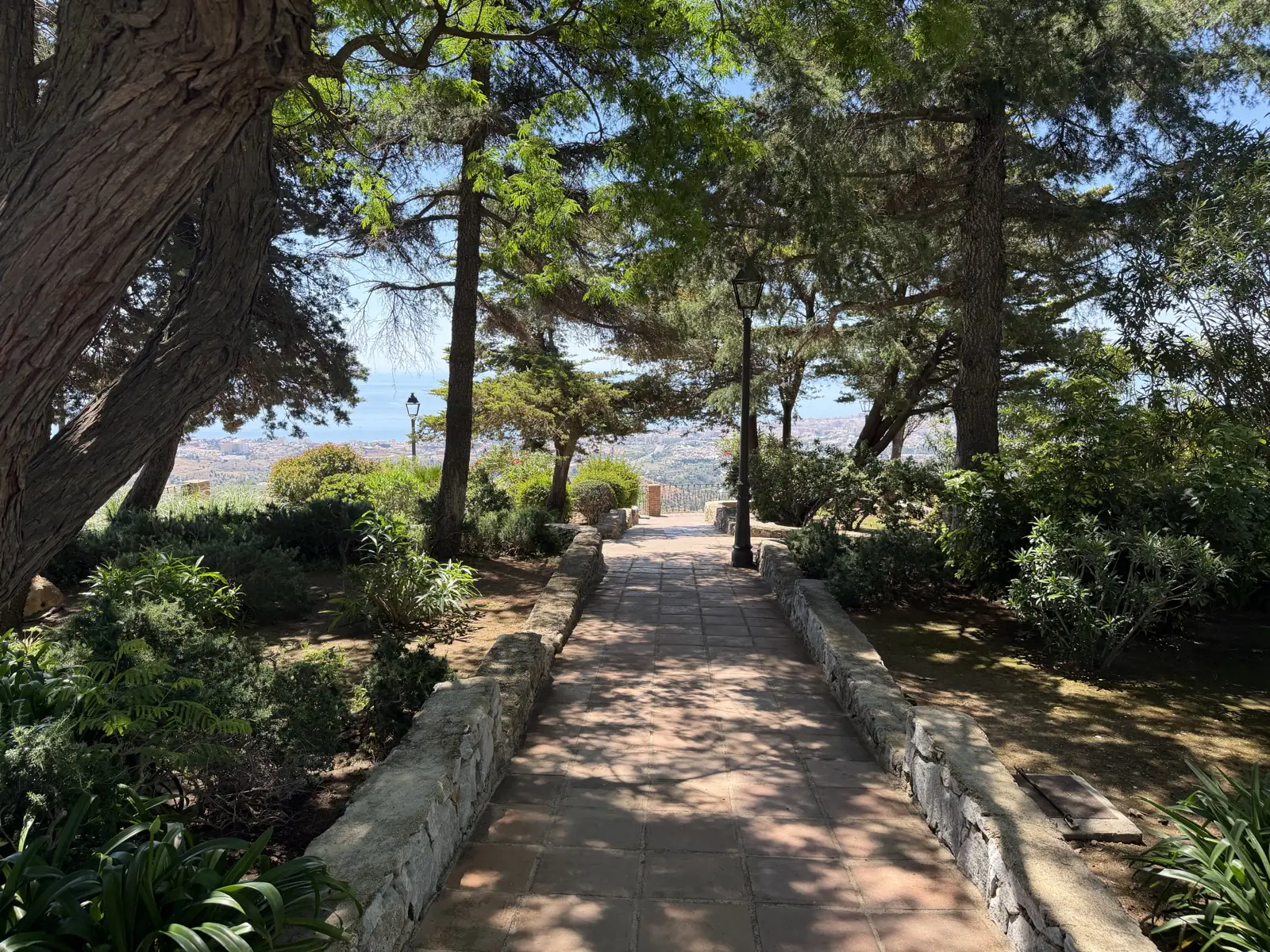
The Paseo de la Muralla surprised me. I’d come for the views, and they’re good, but the botanical detail is what I didn’t expect: every plant along the walk is labelled with its name and origin, so it doubles as an outdoor reference trail as well as a viewpoint. Entry is free.
At one end of the walk, the Torre de la Muralla still stands. It’s a 16th-century watchtower that once formed part of the village’s defensive wall, and you can climb it for €1. The views from the top are sharper than from the gardens below.
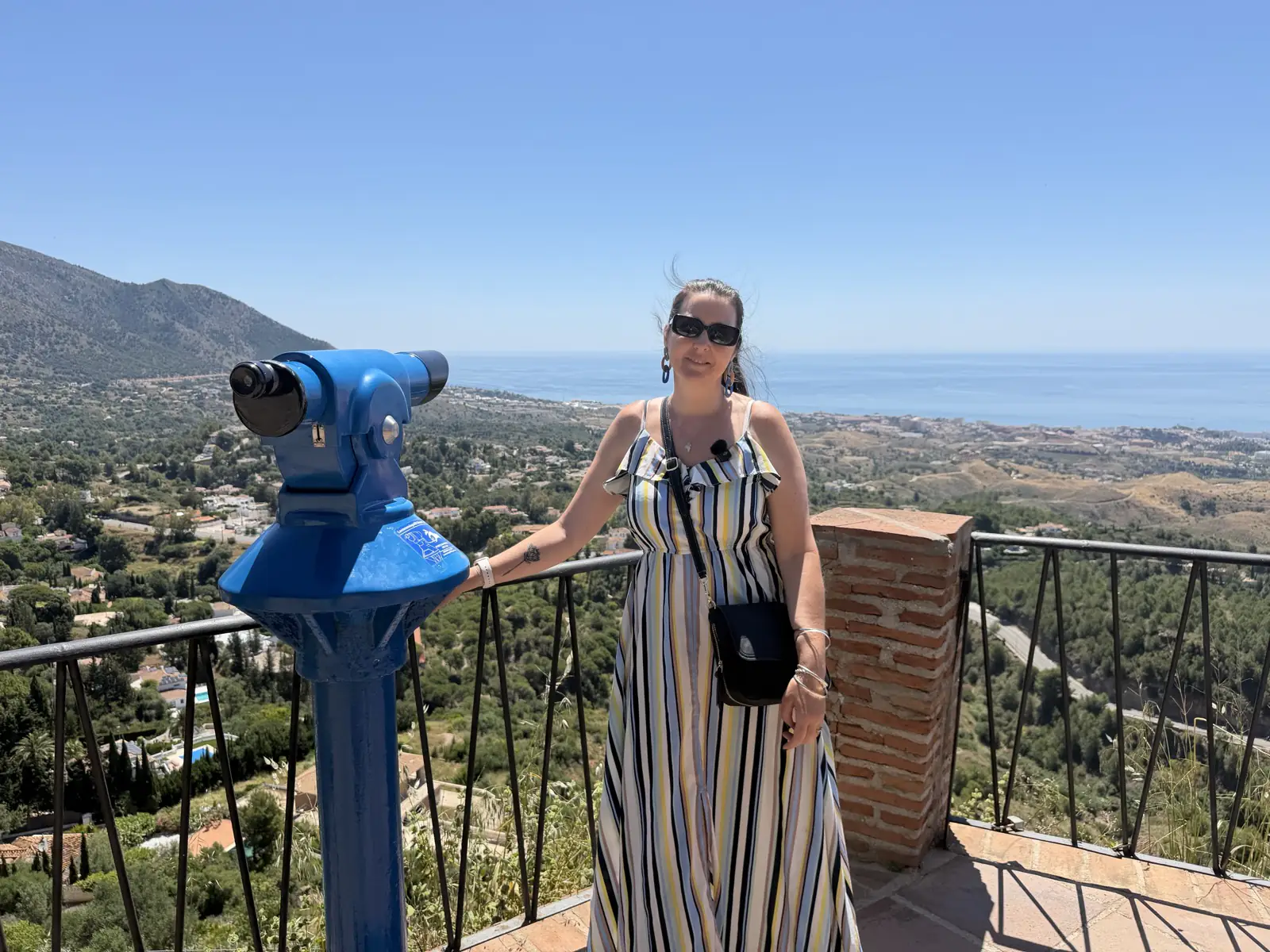
Go early. On a clear day you can see the full coastal stretch from Fuengirola to Marbella. By 10am the gardens have tour groups moving through them.
The Santuario de la Virgen de la Peña
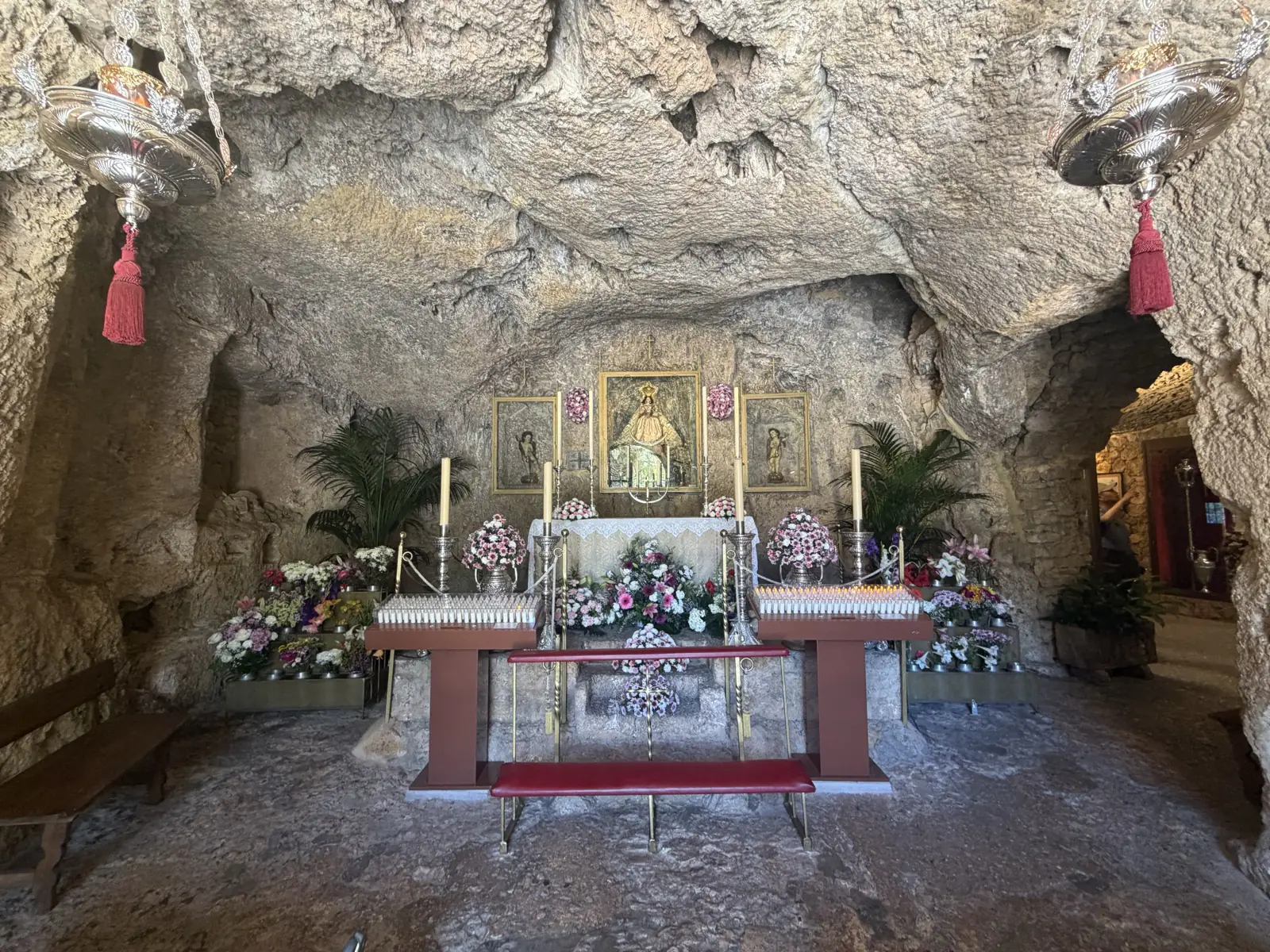
Most people walk straight past it. The Santuario de la Virgen de la Peña is carved directly into the rock face on Paseo El Compás, easy to miss if you’re moving quickly. It’s the spiritual heart of the village and it’s free to visit.
The story behind it goes back to 1586, when a shepherd reportedly found a statue of the Virgin Mary hidden in the rock. The chapel built around that spot was completed in 1682, and the annual feast day on September 8th still draws people from across the region.
It’s easy to walk past without noticing. It sits at a natural vantage point below the main gardens, and the combination of the shrine set into the cliff and the open views from the terrace makes it one of the more memorable stops in the village.
The Caves
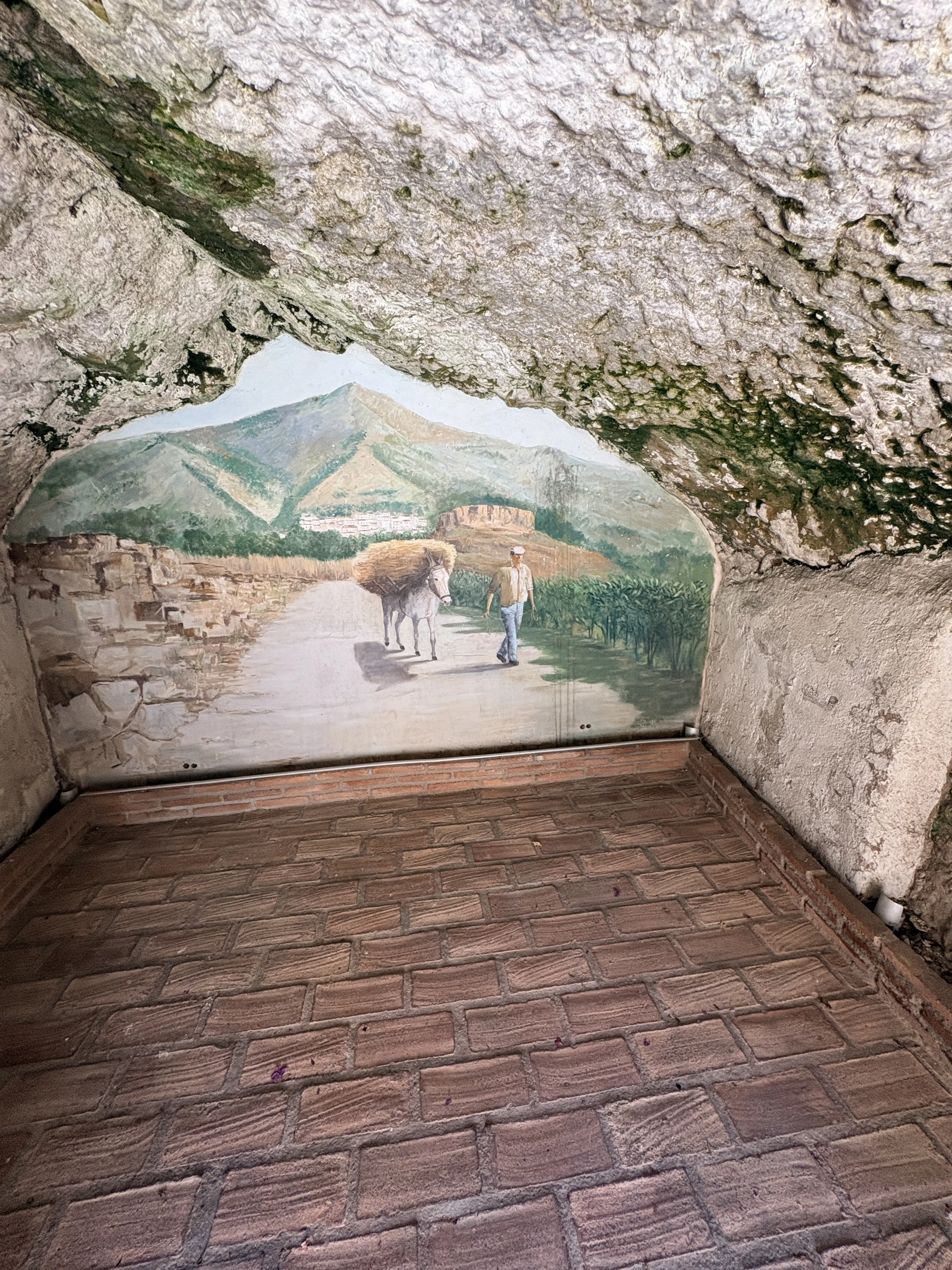
The Cuevas de la Antigua Fragua, a series of small caves carved into the hillside near the Santuario area, get mixed reviews. A lot of visitors find them underwhelming. I didn’t, particularly the last one, which has a painted mural inside and is worth the walk even if the earlier caves feel brief.
They’re a short detour from the main path and free to visit. The walk out to them also takes you through some of the quieter streets of the village, away from the tour group routes.
If you’re looking for the flower stairs, don’t follow Google Maps for “flower stairs.” It leads you to a different set of steps near the caves that look almost identical in photos. The actual flower stairs are closer to the main plaza. Search once you’re near the square and you’ll find them quickly.
The Museum of Miniatures
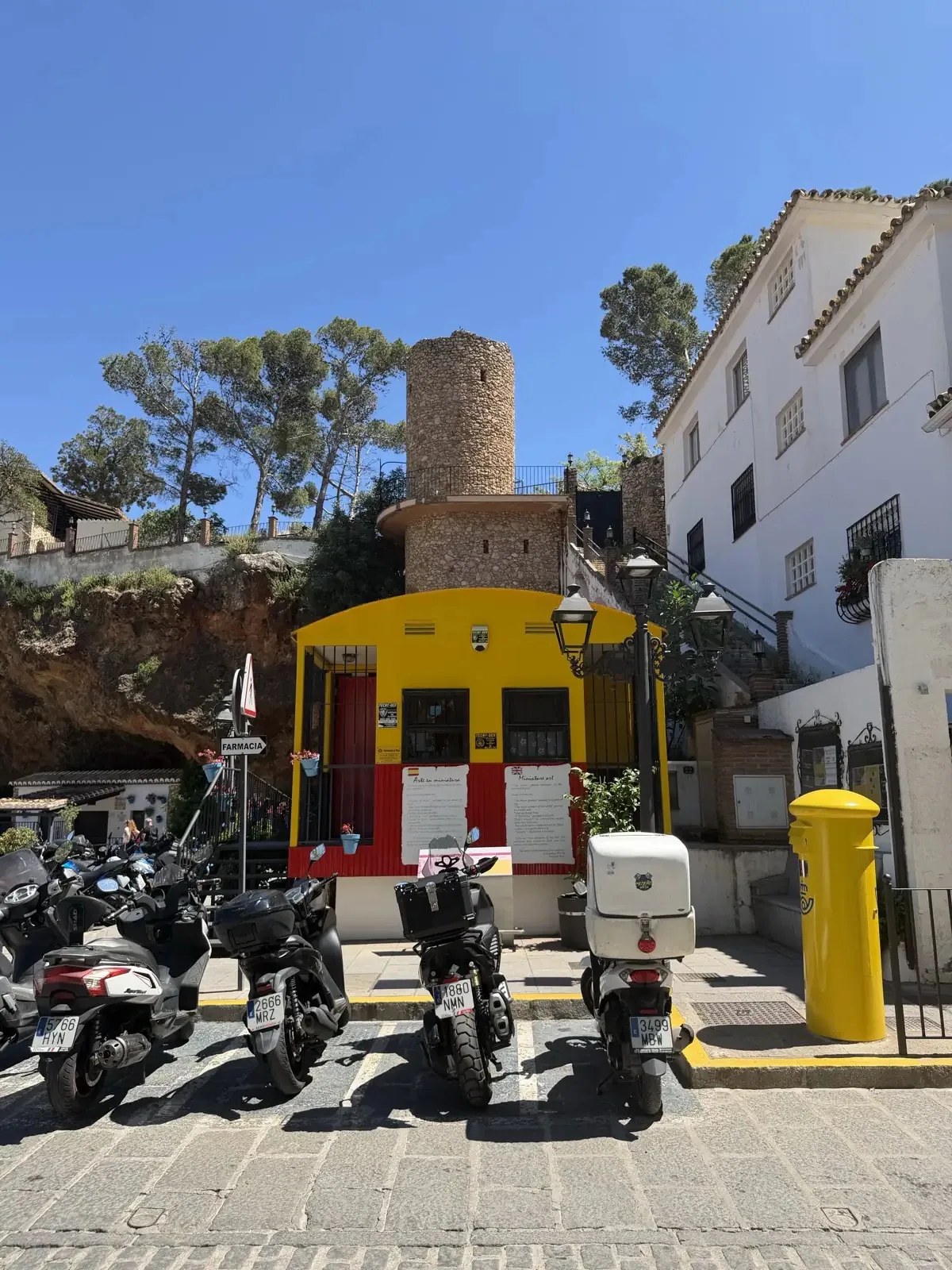
This one sounds like a tourist trap. It isn’t.
The Carromato de Mijas is a wooden wagon housing a collection of around 360 miniature artworks: scenes painted on grains of rice, tiny sculptures inside a matchbox, a matador carved from a flea. The craftsmanship on some of these pieces is astonishing.
Entry is €3 for adults, €2 for pensioners and students, and €1.50 for children under seven. Opening hours stretch to 10pm in summer.
It’s next to the Virgen de la Peña grotto. Give it 30 minutes.
The Donkeys
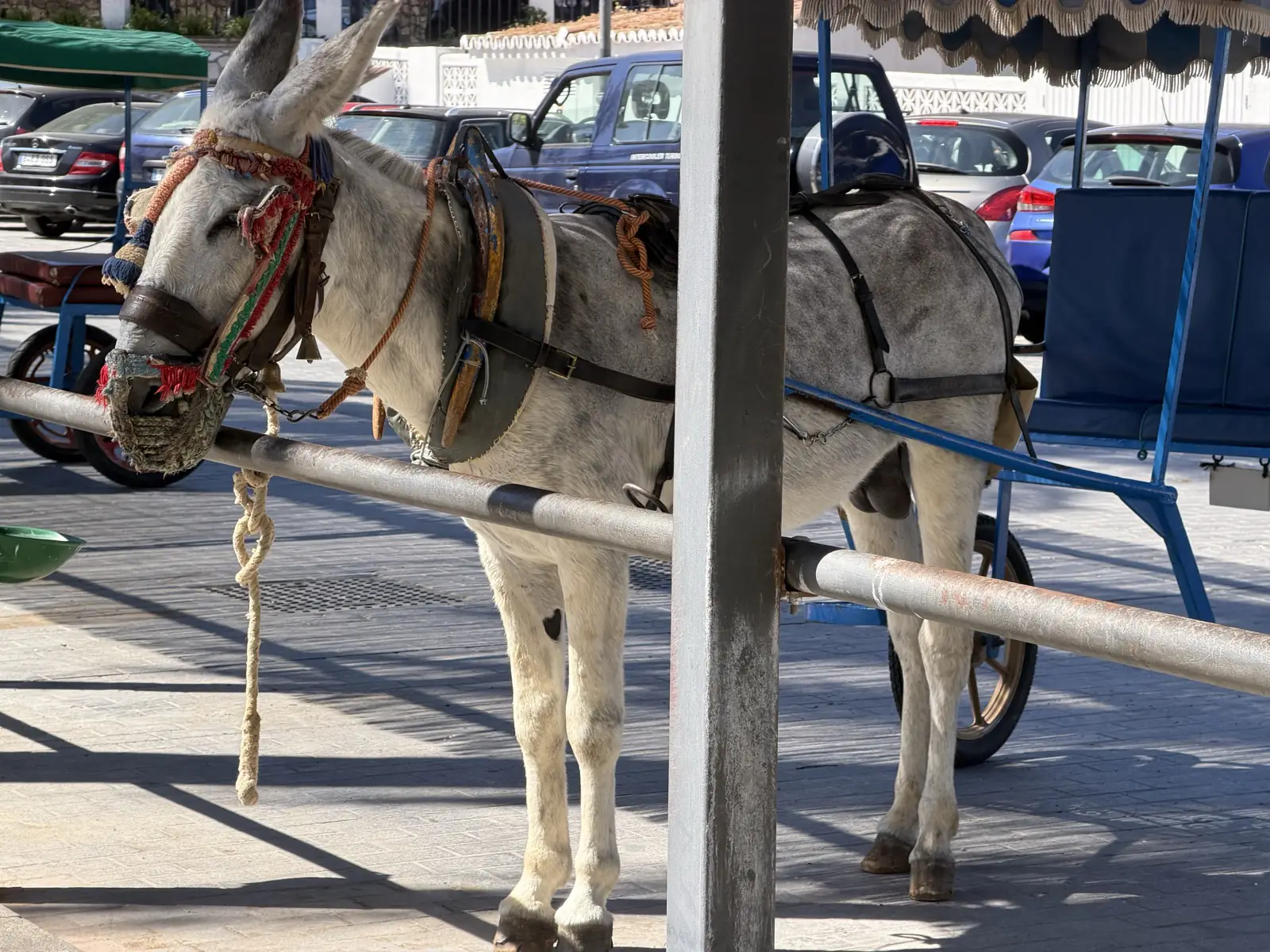
I don’t condone the donkey taxis or riding the donkeys, and I know there are petitions out there to stop them. But they’re the first thing you see, so you should know what you’re looking at.
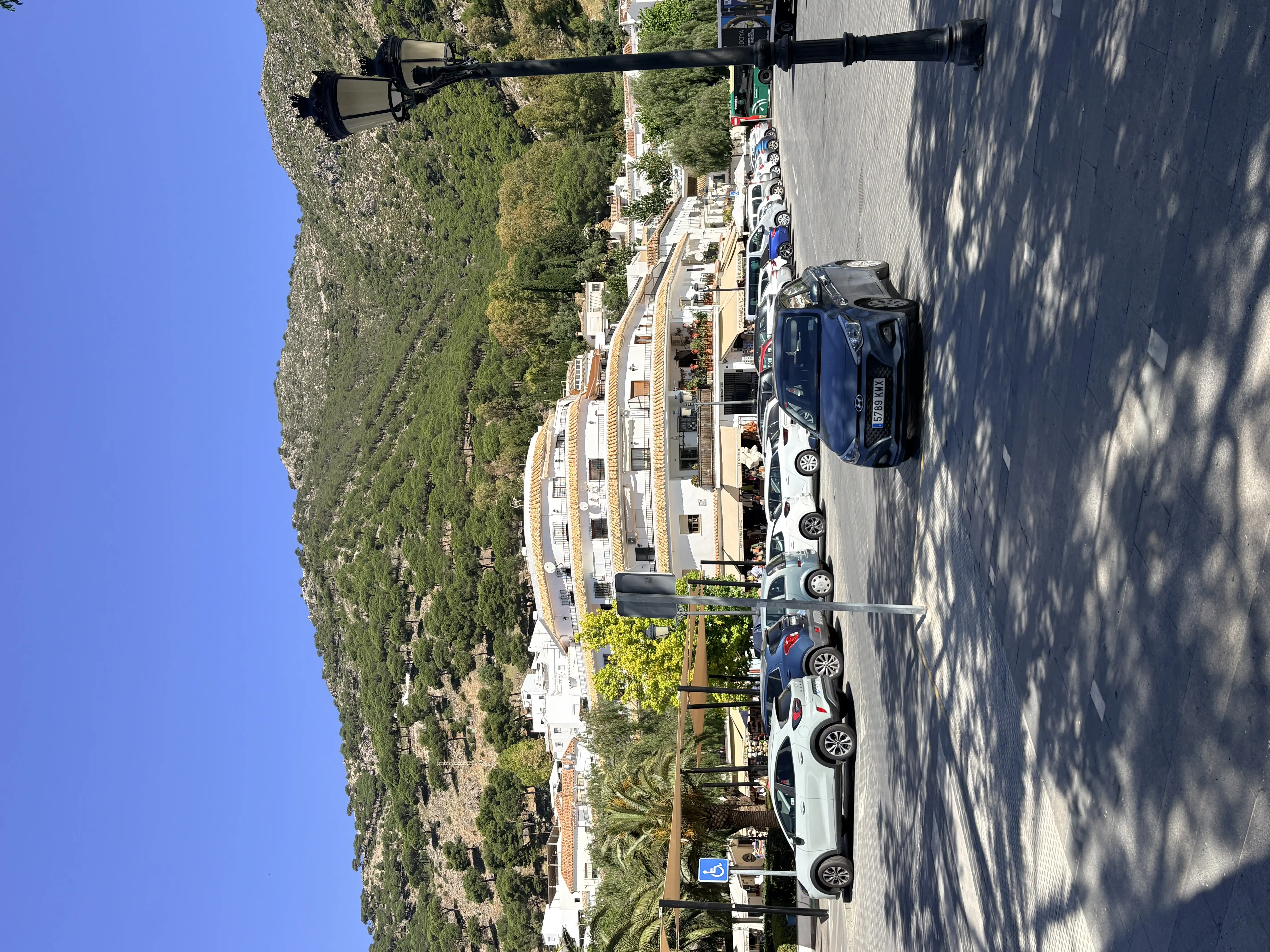
If you park in the underground car park and take the elevator up, you come out at the top of the building right by a bronze statue of a donkey. It stands for the town, which is what Mijas is known for, and you can sit on it for a free photo. The real working donkeys are in a line across the road.
They’ve been here since the 1960s, when locals used them to carry goods up the hill. Now they’re a tourist attraction, and the donkeys give rides to paying tourists. That’s the part I’d skip. The statue gives you the photo without it.
The Wednesday and Saturday Craft Market
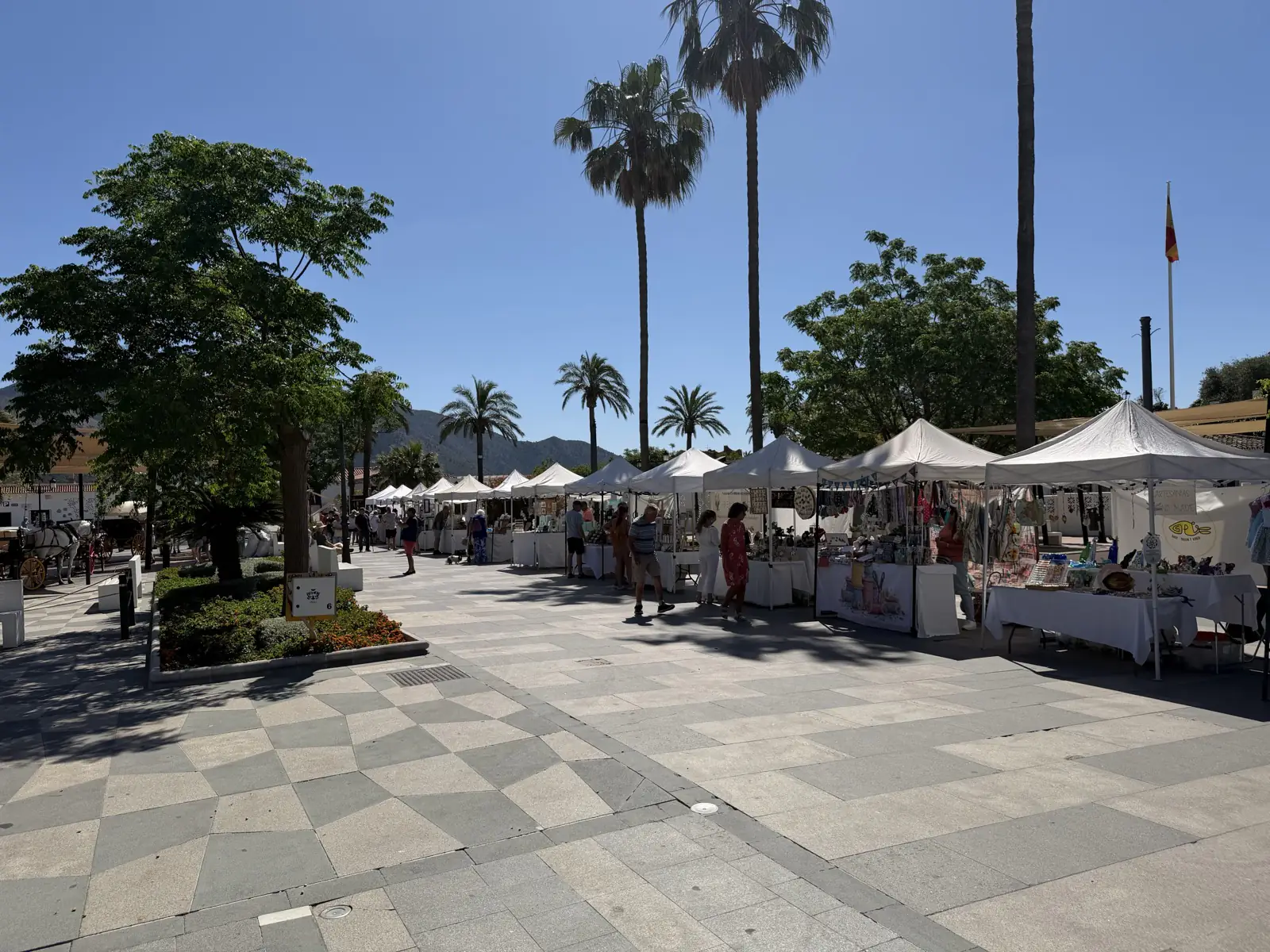
There’s a street market in front of the Tourist Office on Wednesdays and Saturdays, running roughly 9am to 2pm, with local ceramics, jewellery, leatherwork, and handmade goods. I counted around 20 stalls on a Wednesday morning, and most of the goods were genuinely artisanal rather than the mass-produced souvenir shop version of the same things.
Wednesday mornings are quieter than Saturday. If you’re buying ceramics, this is the place to do it.
The prices and quality are better than the shops on the main square. I’ve written a separate guide to the Mijas Pueblo market with more detail on what’s sold and when to go.
A word of caution about the leather goods shops dotted around the village: at least one seller quotes one price and revises it sharply upward at the point of payment. Get the price confirmed before you hand over money.
The Mercado Municipal on Calle del Pilar runs Monday to Saturday from 8am to 2pm, selling fresh produce, fish, meat, and bread. It’s where locals shop, not tourists.
READY TO BOOK YOUR TRIP TO MIJAS?
🎟️ Best guided tours: I use GetYourGuide
🚗 Rent a car: I use Discover Cars
🏨 Accommodation: Find hotels near Mijas
🚆 Trains and buses: I book through Omio
🛡️ Travel insurance: I use SafetyWing
Flamenco in Mijas Pueblo
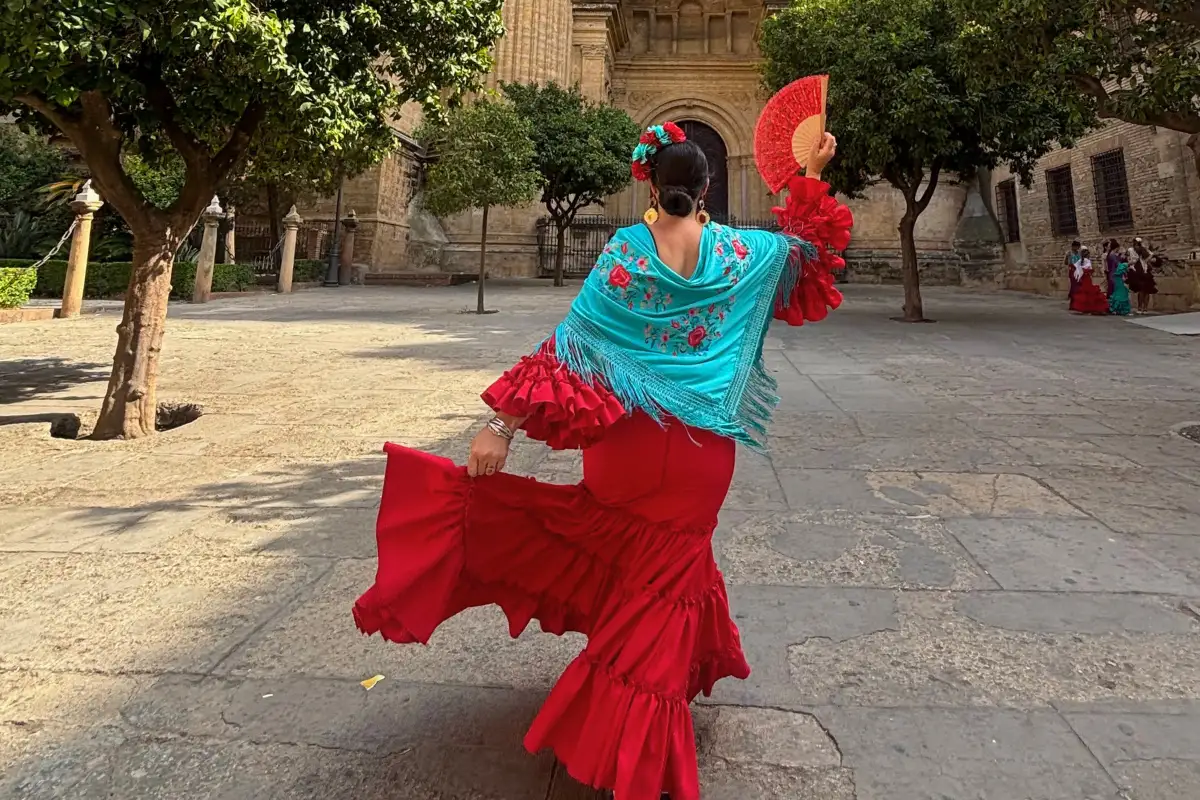
On Wednesday and Saturday at noon, the local flamenco group performs a free show at Plaza Virgen de la Peña. When it’s running, it’s one of the better free things you’ll see in any Andalusian village.
The key word is “when.” The shows can be cancelled at short notice, with nothing beyond a sign on the day pointing you to their Instagram for updates. Check @turismomijas before you go, especially if you’re planning your whole day around it.

There’s also a Flamenco Dance Festival in July, when national and local groups perform in the village.
Views and Miradors
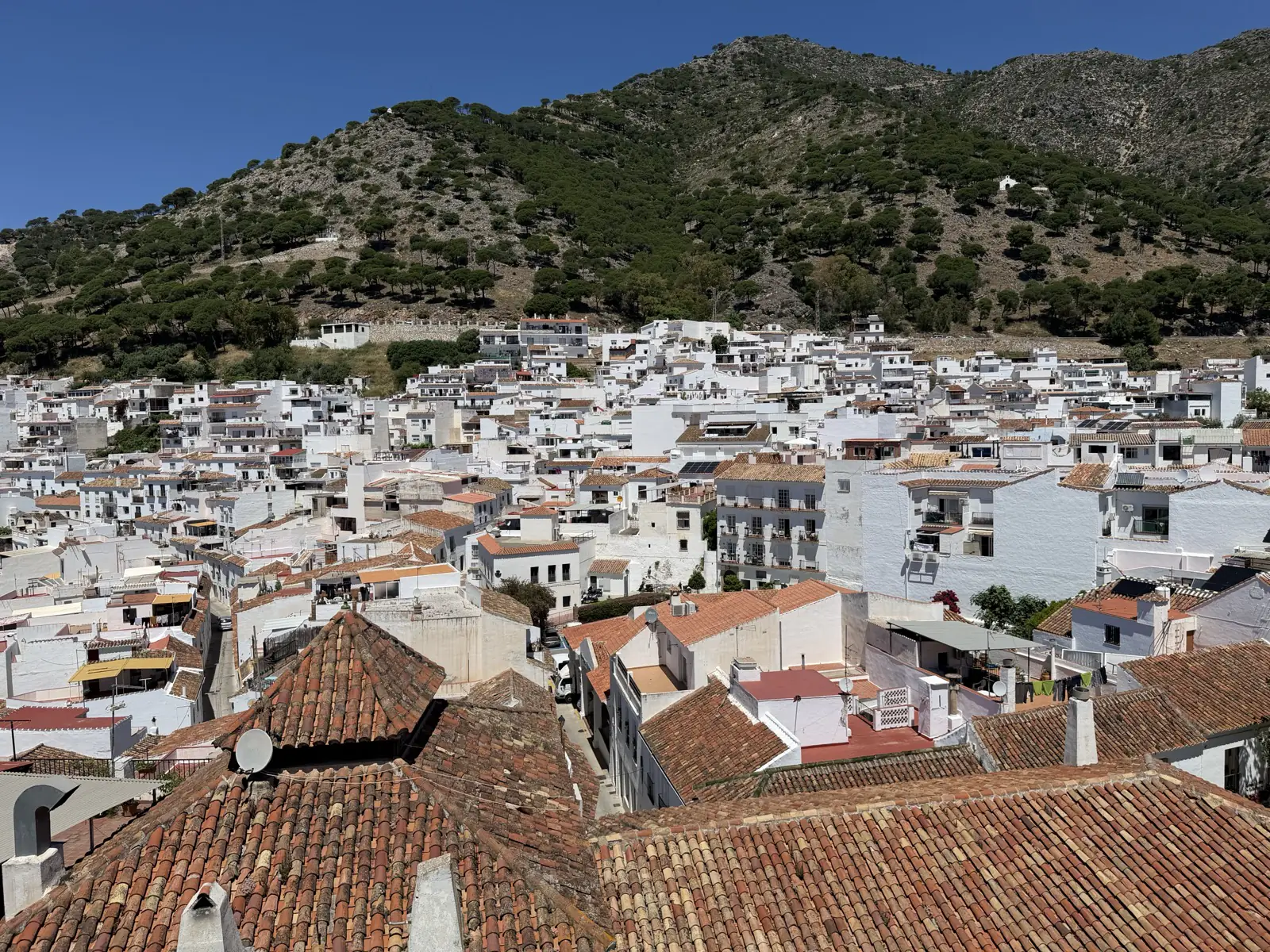
At 430 metres up, you’re looking down over Fuengirola, the sea, and on a clear day the coastline stretches well toward Marbella. Views are the main reason people make the drive up from the coast, and Mijas delivers them from multiple angles throughout the village.
Your first one catches you right at the start, by the elevator exit near the car park. That open terrace near the donkey statue and the tourist office is the first place you really see it, and it sets the tone for the day.
Walking right from the car park exit, there’s a flower heart on the wall that photographs well and most people walk straight past. Worth a few seconds before you head into the village.
Further in, the observation tower near the Paseo de la Muralla gives an elevated perspective for €1. The Mirador del Compás near the Virgen de la Peña grotto is the most photographed viewpoint.
I’ve mapped out the best photo spots in Mijas Pueblo if you want the full list. Restaurants on the edge of the village, particularly along the road below the gardens, are positioned for these views and make good use of them.
The Church and the Streets
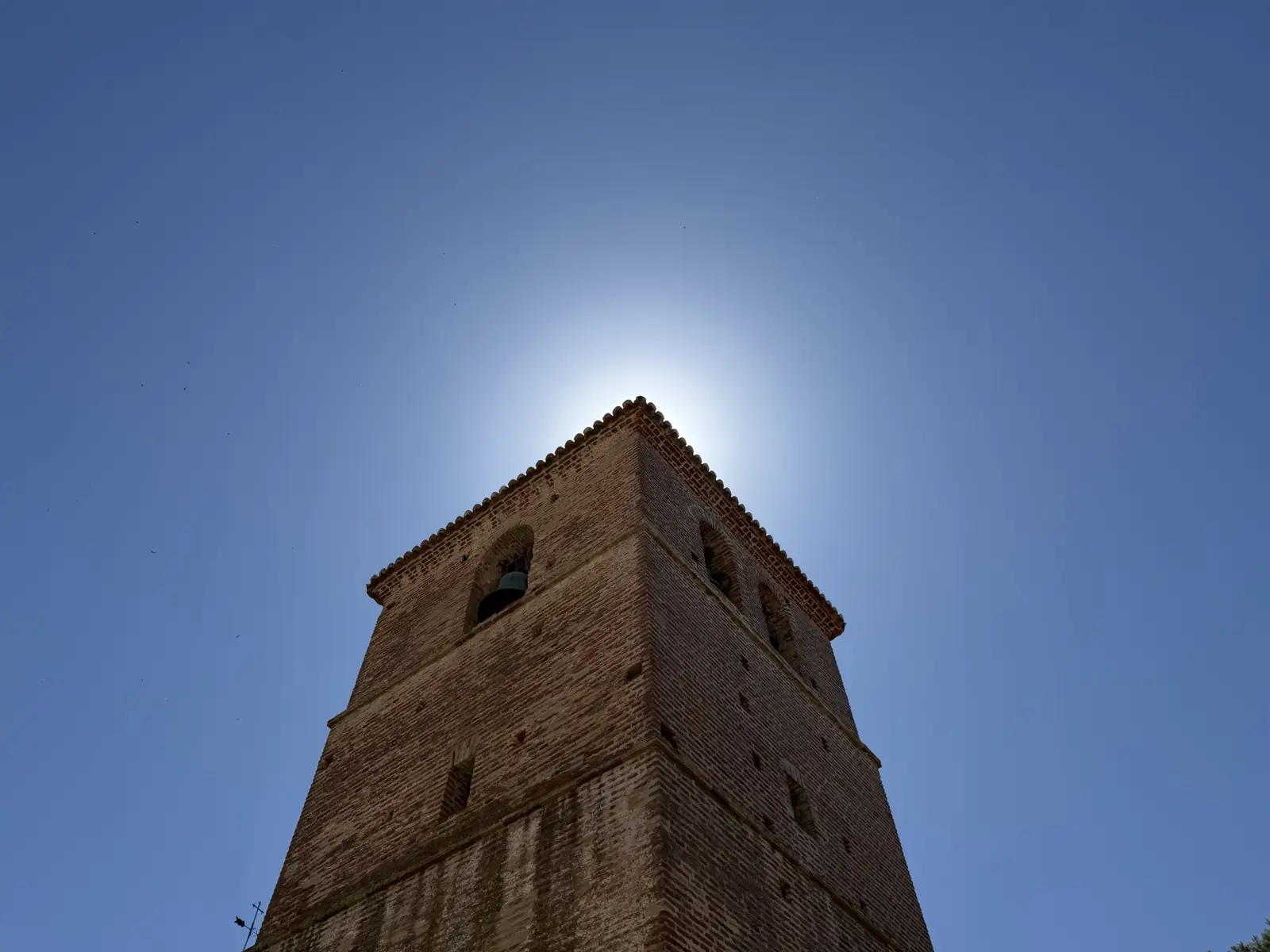
Stop inside the Iglesia de la Inmaculada Concepción and look up. The church was completed in 1631, and the wooden latticework ceiling from that era is almost always overlooked. The Iglesia de San Sebastián on the main street is older and worth a few minutes too.
The main square around the Inmaculada is the centre of village life and the most crowded spot by mid-morning. It’s wide and open, surrounded by restaurants, and genuinely pleasant in the early morning before the coaches arrive.
Two minutes from the square, the Museo Histórico-Etnológico is easily overlooked. Entry is €1, and it opens 10am to 2pm and 3pm to 7pm.
The star exhibit is a preserved mole displayed under magnification, billed as the world’s smallest bullfight. It sounds like a novelty and is, but the museum also gives a clear picture of what rural life in the village looked like before tourism arrived.
The best streets are the ones away from the main square. Walk toward the Calvario steps, down Calle de los Caños, or through the covered lanes near the market.
The Osunillas neighbourhood at the far edge of the village is where the tourist circuit ends completely. The village forms roughly a circle and is easier to navigate than it looks on a map.
The Contemporary Art Centre
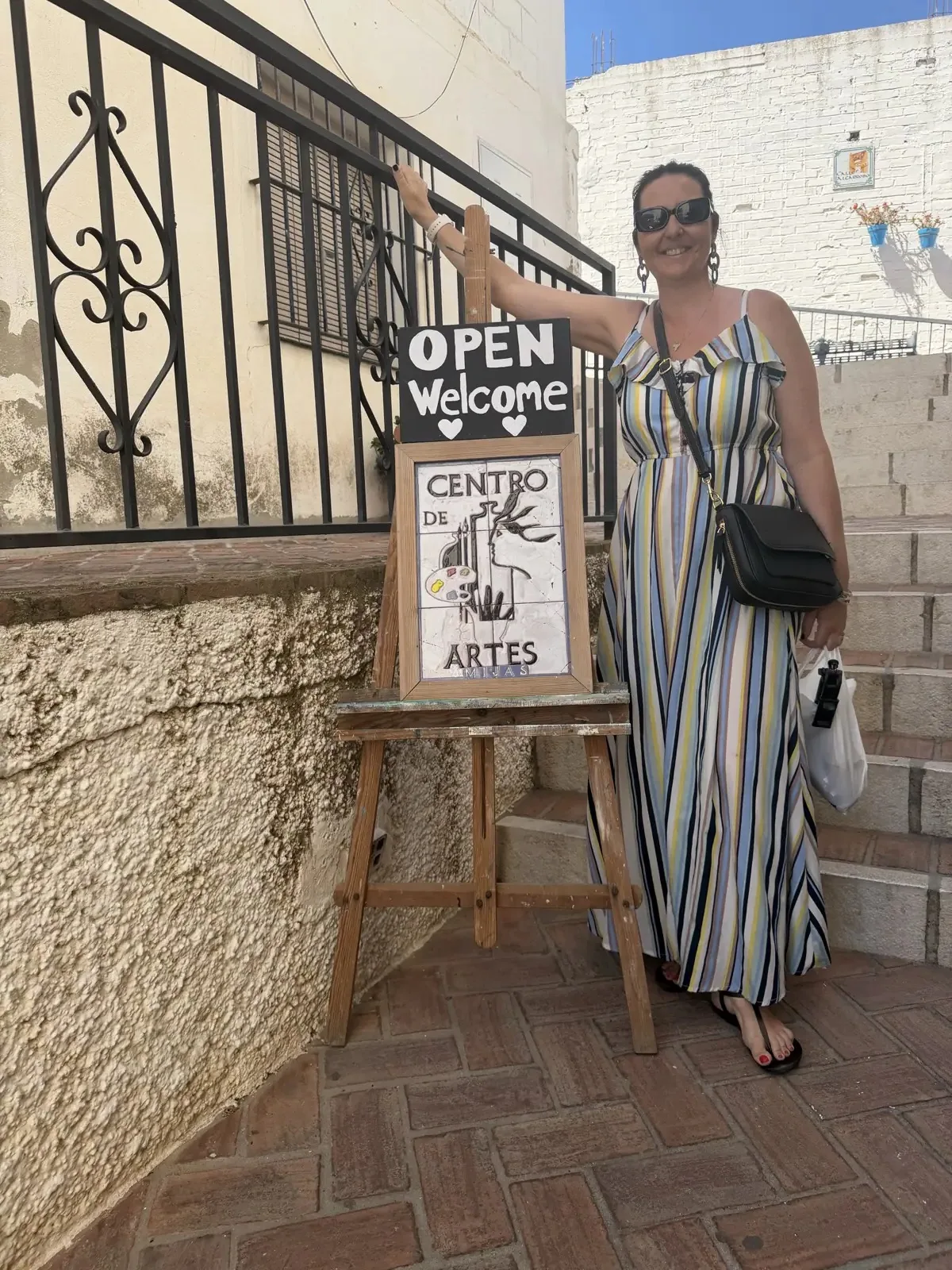
Most visitors to Mijas have no idea it exists. The CAC Mijas (Centro de Arte Contemporáneo), near the town hall, holds one of the largest Picasso collections in Spain, alongside works by Salvador Dalí, George Braque, and other 20th-century artists. Entry is €3, it opens Monday to Saturday from 10:30am to 2pm, and the building is air-conditioned, which makes it a good option during the midday heat in summer.
It’s consistently quieter than the main attractions even in peak season, a useful quality in a village that can feel very busy by noon. I didn’t get inside on my visit, but it’s on the list. If modern art is your thing, allow at least 45 minutes.
Mayan Monkey
I had the maracuya ice cream at Mayan Monkey and I’m still thinking about it. It’s a chocolate shop, café, and small factory on the main street, and the ice cream and artisan chocolates at the front are unlike anything else on the Costa del Sol. The chocolate is made on the premises and the quality shows.
Through a glass window at the back you can watch the production process, including an old industrial chocolate mixer that still runs. On some days they run paid demonstrations where you can take part in the making process. If you’re visiting with kids, or if you just like good chocolate, it’s a worthwhile stop.
The Wine Museum
Málaga has its own sweet wine tradition that most visitors know nothing about. The Museo del Vino de Mijas covers the fortified vino dulce that was exported across Europe from the 16th century onwards. You can taste as well as look, which makes it more engaging than a standard wine display.
I ran out of time and didn’t get inside, which I genuinely regret. It’s on a compact side street near the main square and easy to miss if you’re not looking for it. If you have any interest in the local wine culture, allow 45 minutes, and if you’d rather have something more structured you can book a wine and food experience in the area.
Where to Eat in Mijas Pueblo
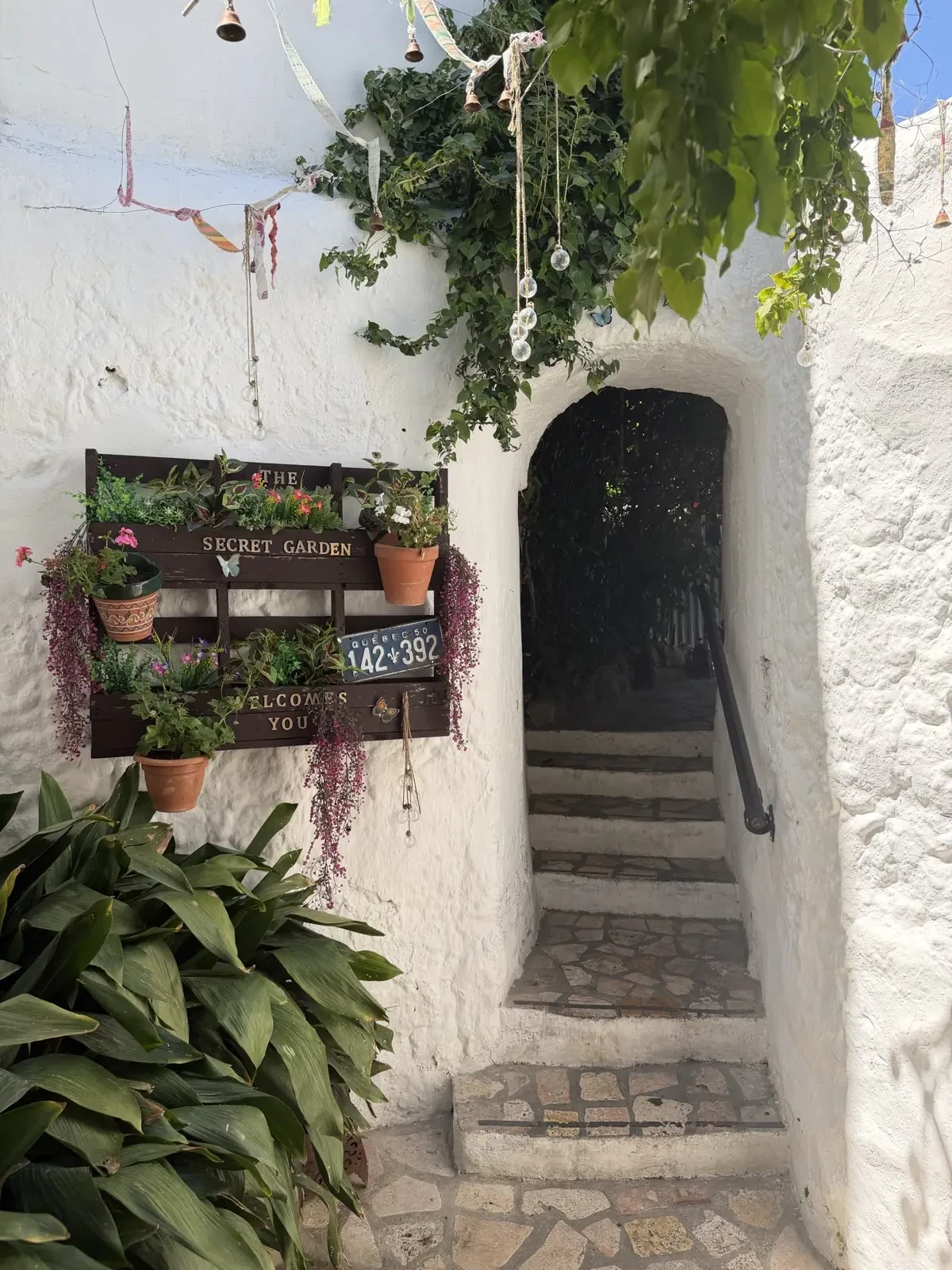
The Secret Garden is the restaurant that stands out. It feels like stepping into a completely different place, a shaded courtyard that has nothing to do with the tourist version of the village.
It’s small, food only with no drinks menu, and it takes reservations. Book ahead or you won’t get a table. It’s the one place I’d go back for specifically.
La Alcazaba has the best views in the village from its terrace. I’ve been for drinks but not food, and the setting alone is worth a stop.
One thing I noticed: for every touristy restaurant on the main paths, there’s a local alternative a short walk away. The restaurants directly on Plaza de la Constitución cater to tour groups.
The food is fine but undistinguished and the prices reflect the footfall. The better places are just off the main routes.
Read the full guide to eating in Mijas Pueblo for specific recommendations.
Hiking in the Sierra de Mijas
Right behind the village, the Sierra de Mijas has trails at every level. Most day visitors don’t know they’re there, which means they’re quiet even when the main streets are packed.
The short hike up to the Ermita del Calvario takes about 30 minutes from the village and gives a different angle on the coast and the white rooftops below. It’s a good option if you want to clear the crowds for an hour without committing to a long walk.
The serious trail is the Pico de Mijas, the highest point in the range at 1,150 metres. The full round trip from the village takes 5-6 hours. It’s a genuine mountain hike and not something to tackle in summer midday heat, but the views from the summit on a clear day cover the full stretch of coast from the Costa del Sol to the Strait of Gibraltar.
When to Visit Mijas Pueblo
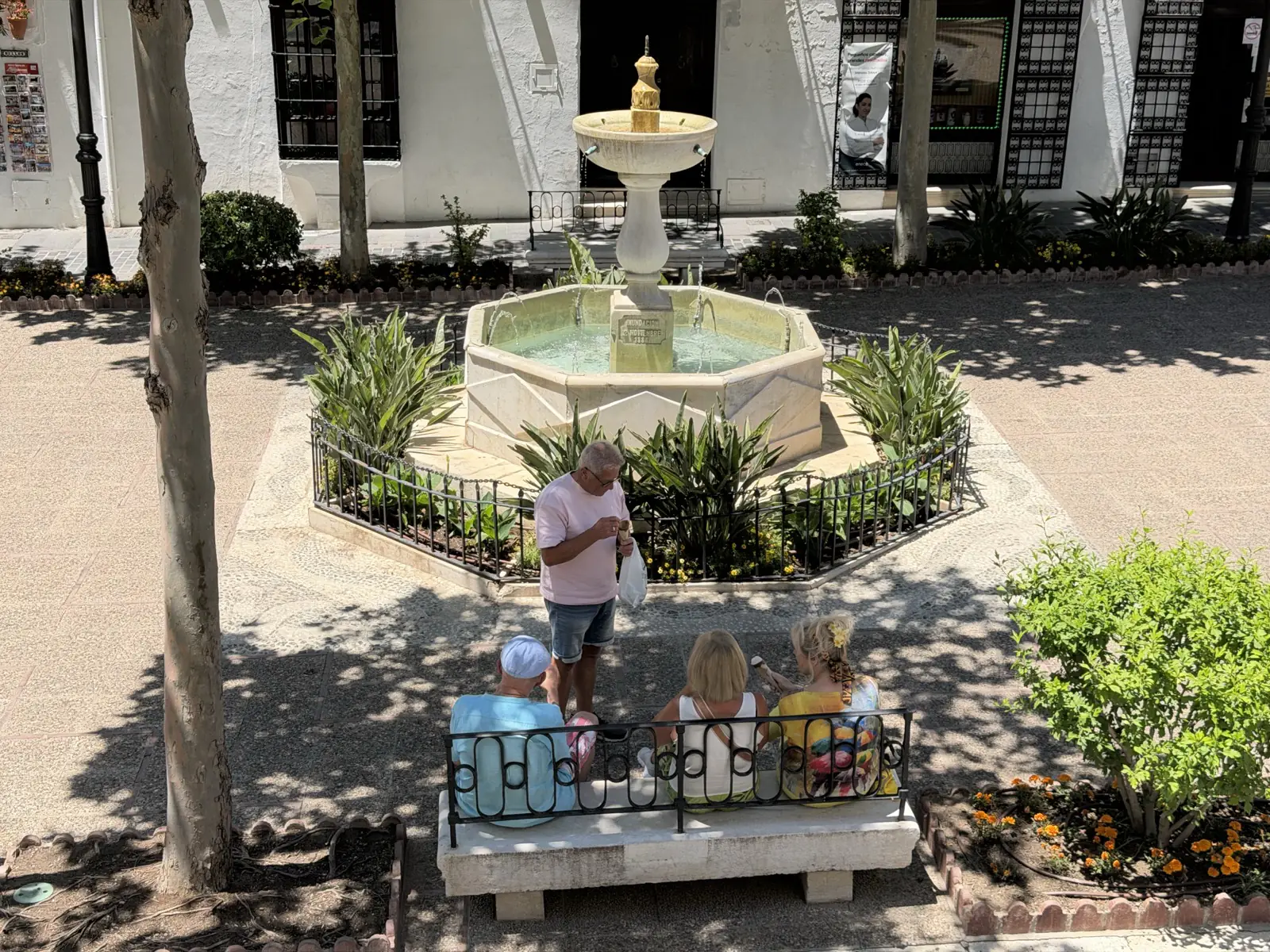
Tour buses arrive from the coast from around 10am. By 11am the main square is busy. By noon it’s at capacity in summer.
The quietest times are before 9:30am and after 4pm. If you’re staying on the Costa del Sol, coming late afternoon and staying for a drink at sunset is one of the better ways to see the village. If you haven’t fixed a base yet, it’s easy to compare places to stay along the coast before you decide.
Spring and autumn are the best seasons. The light is good, the crowds are manageable, and the views are sharp. July and August are busiest.
Weekday mornings in October and November are almost entirely locals. The village exists as a real place outside of tourist season, and it’s worth seeing that version.
All the white villages of Andalusia have this quality, but Mijas holds it better than most because it’s large enough to have real daily life running alongside the tourist circuit. If you’re weighing it against another village nearby, the Frigiliana vs Mijas Pueblo comparison covers the key differences.
Practical Information
By car: The Aparcamiento Municipal underneath Plaza Virgen de la Peña is the obvious choice. It’s a 5-storey car park and it fills up, so arrive before 9:30am if you want a lower floor.
The elevator inside takes you straight up to the tourist office and the donkey statue. I paid under €2 for a full day from 9:30am to 5pm, which is exceptional value. Read the full parking guide for Mijas Pueblo for free options nearby.
By bus: From Fuengirola, the M-122 bus runs roughly every hour and costs around €1.55. The journey takes 15 minutes.
From Málaga, the M-112 runs 7 times daily; the journey takes about an hour and costs around €3.60. The bus drops you near the village entrance, and you can check regional bus and train routes and fares before you set off.
By taxi or Uber: a one-way fare from the coast runs roughly €13-17. It’s the straightforward option if the bus schedule doesn’t work for you.
By car from the coast: The road up is straightforward, with one section of hairpin bends in the final 5 minutes that feels more dramatic than it is. If you haven’t sorted wheels for the trip, I rent a car for the Costa del Sol and drive up from the coast.
If you’d rather not walk, tuk tuk tours run through the village and cover the main sites in around an hour. The Tourist Office by the car park exit can point you in the right direction, and you can also book guided tours of Mijas and the wider Costa del Sol in advance.
The elevator near Plaza Virgen de la Peña is free and useful if steps are difficult. Drinkable water fountains are dotted around the village.
The Tourist Office has maps and can give you the current market schedule. For the flamenco, check @turismomijas on Instagram, as the Tourist Office and the sign at the square both direct you there for cancellation updates.