getting-around
Getting Around Ronda: Walking, Taxis, Buses & Tuk-Tuks
This post may contain affiliate links, which means I earn a small commission, at no extra cost to you. It helps keep the blog alive, and we really appreciate your support!

Ronda is one of those rare places where getting around is actually part of the experience.
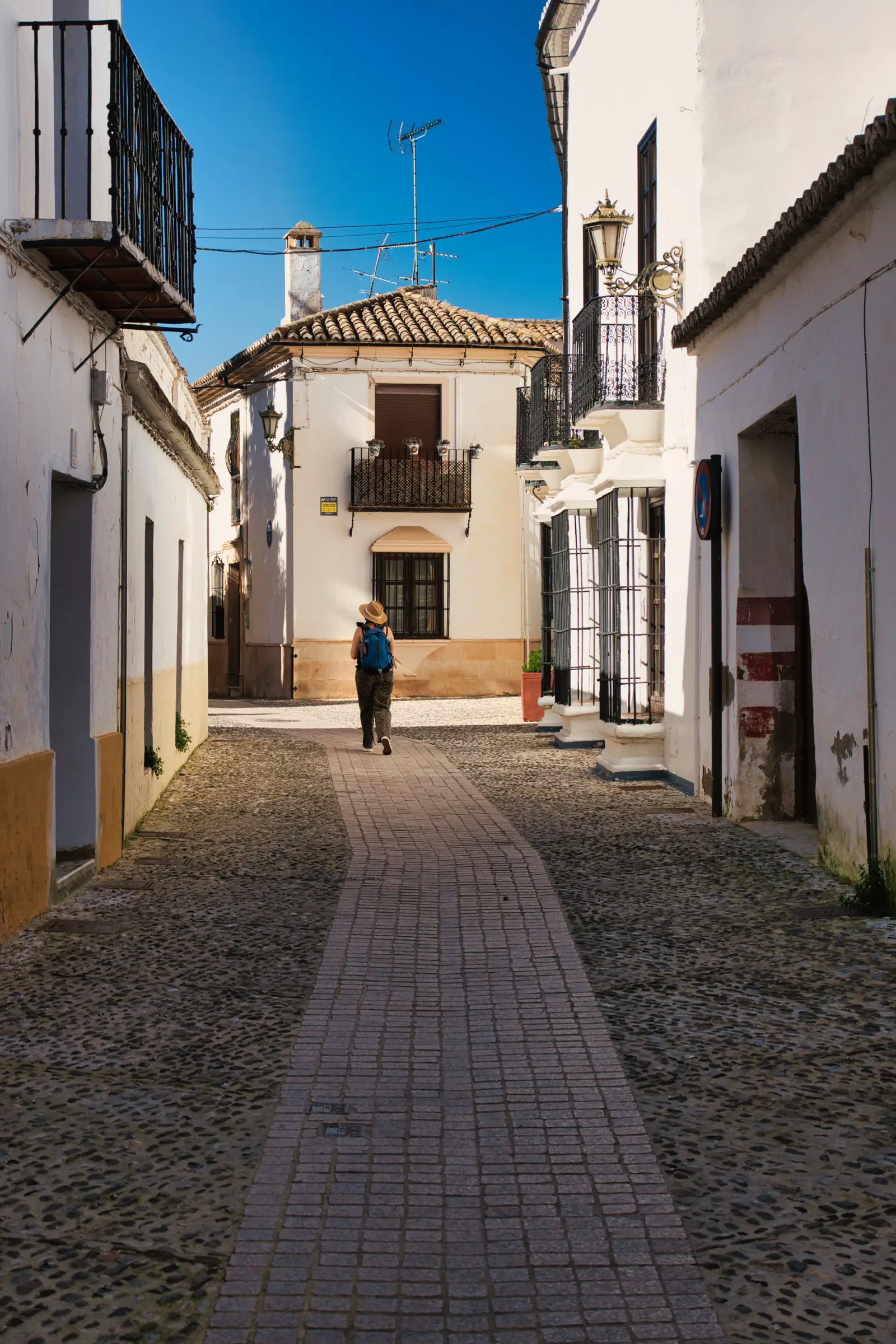
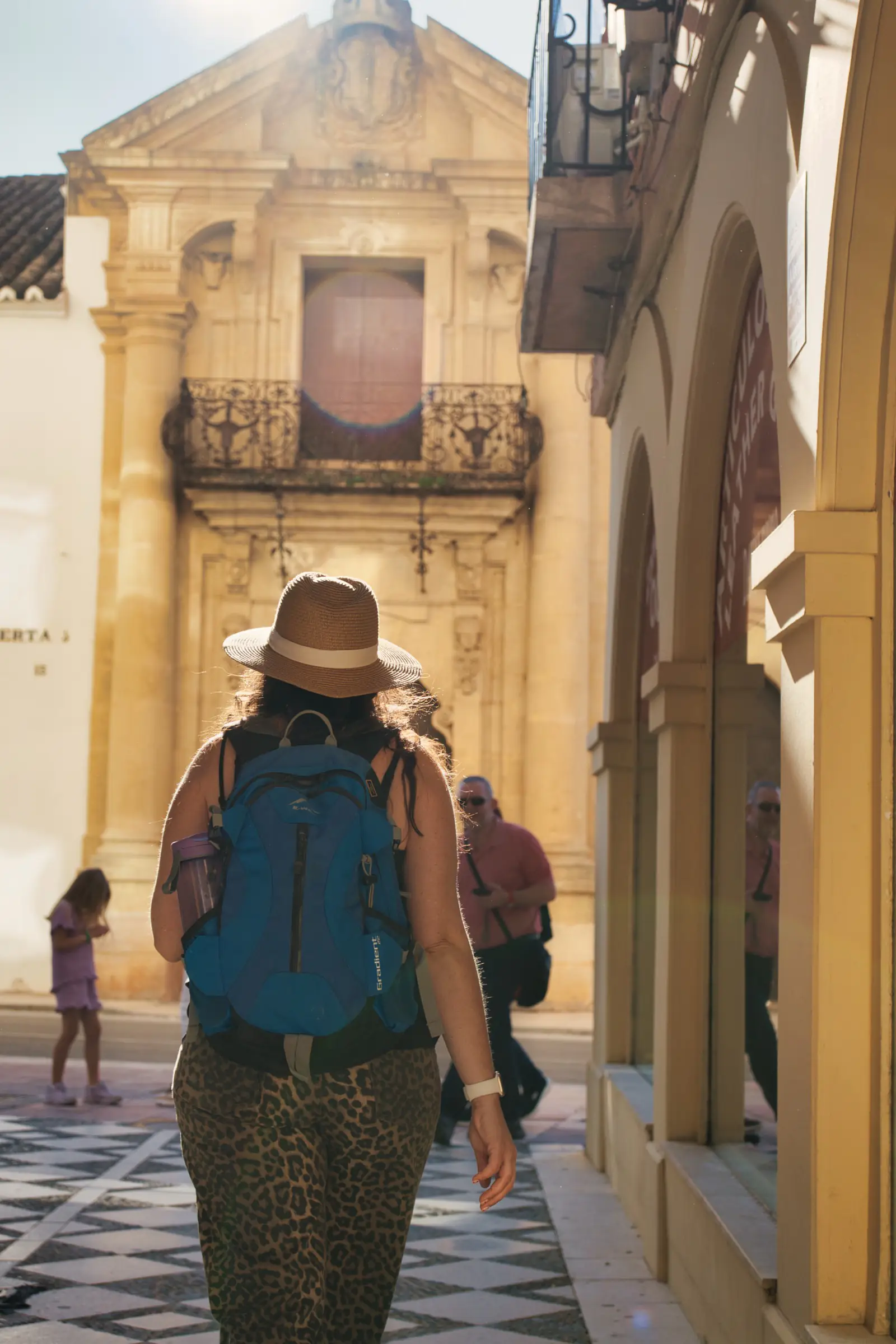
The honest answer is that you'll walk everywhere in Ronda.
The town is small, the streets are beautiful, and almost everything you want to see is within a 15-minute stroll. I've never needed anything other than my feet here.
But there are options if walking isn't possible, so let me explain everything.
Is Ronda a Walkable City?
Completely.
Ronda might be the most walkable city I've visited in Andalusia. The historic centre is compact, the main attractions are clustered together, and there's nowhere you need to rush to.
The town sits on a plateau split by the famous gorge. The Puente Nuevo connects the two halves, and crossing it takes about two minutes. That's the longest "commute" you'll make.
Most people who visit Ronda see everything on foot without even thinking about it. You just start walking and the town reveals itself.
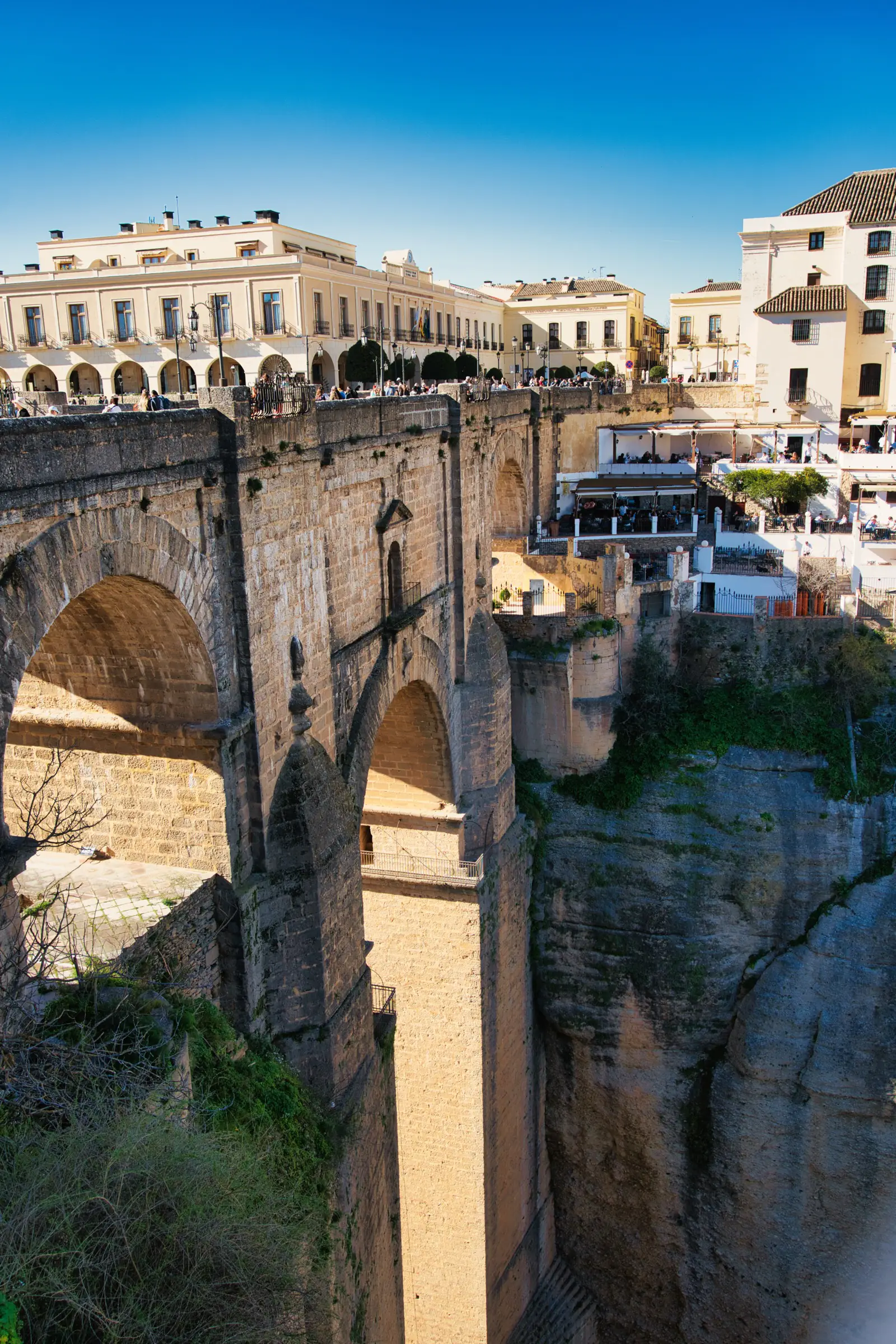
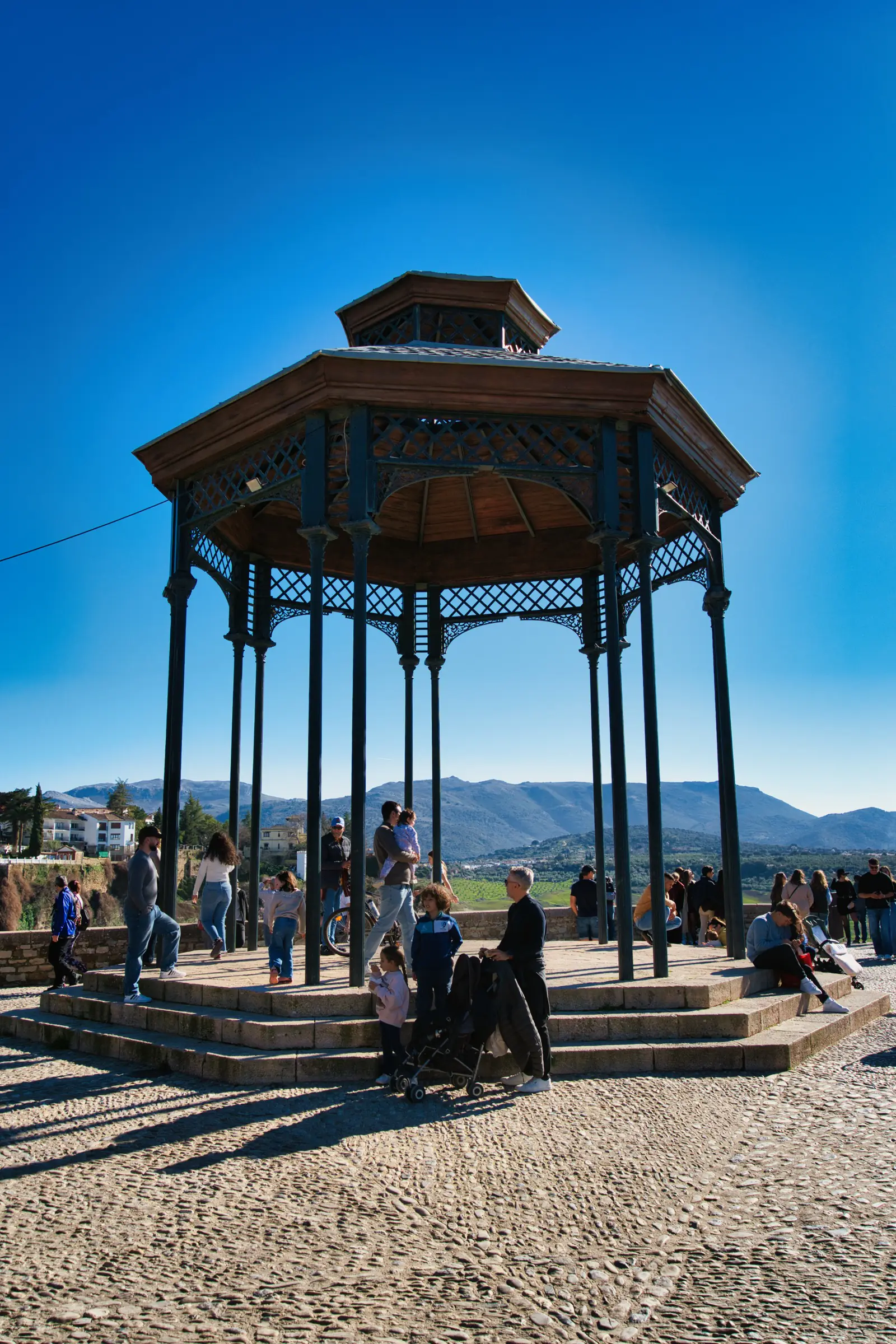
There are some hills. The path down to the viewpoint below the bridge is steep. Some streets in the Old Town have cobblestones that aren't great in heels. But nothing is difficult for anyone who can walk at a normal pace.
The biggest "challenge" is that you'll keep stopping to look at things. Every corner has a view or a doorway or a church that makes you pause.
That's the kind of problem I like to have.
Where is Everything?
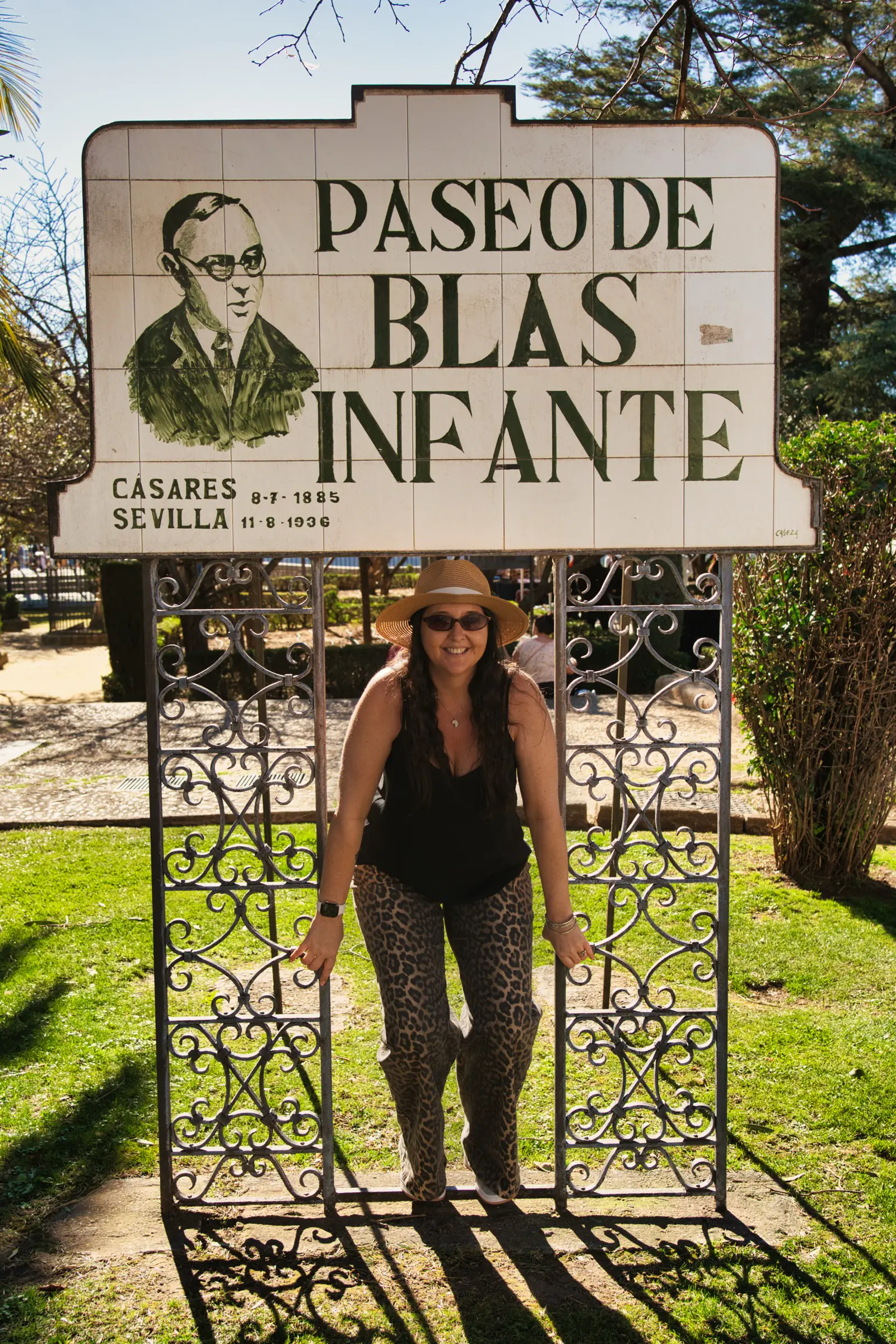
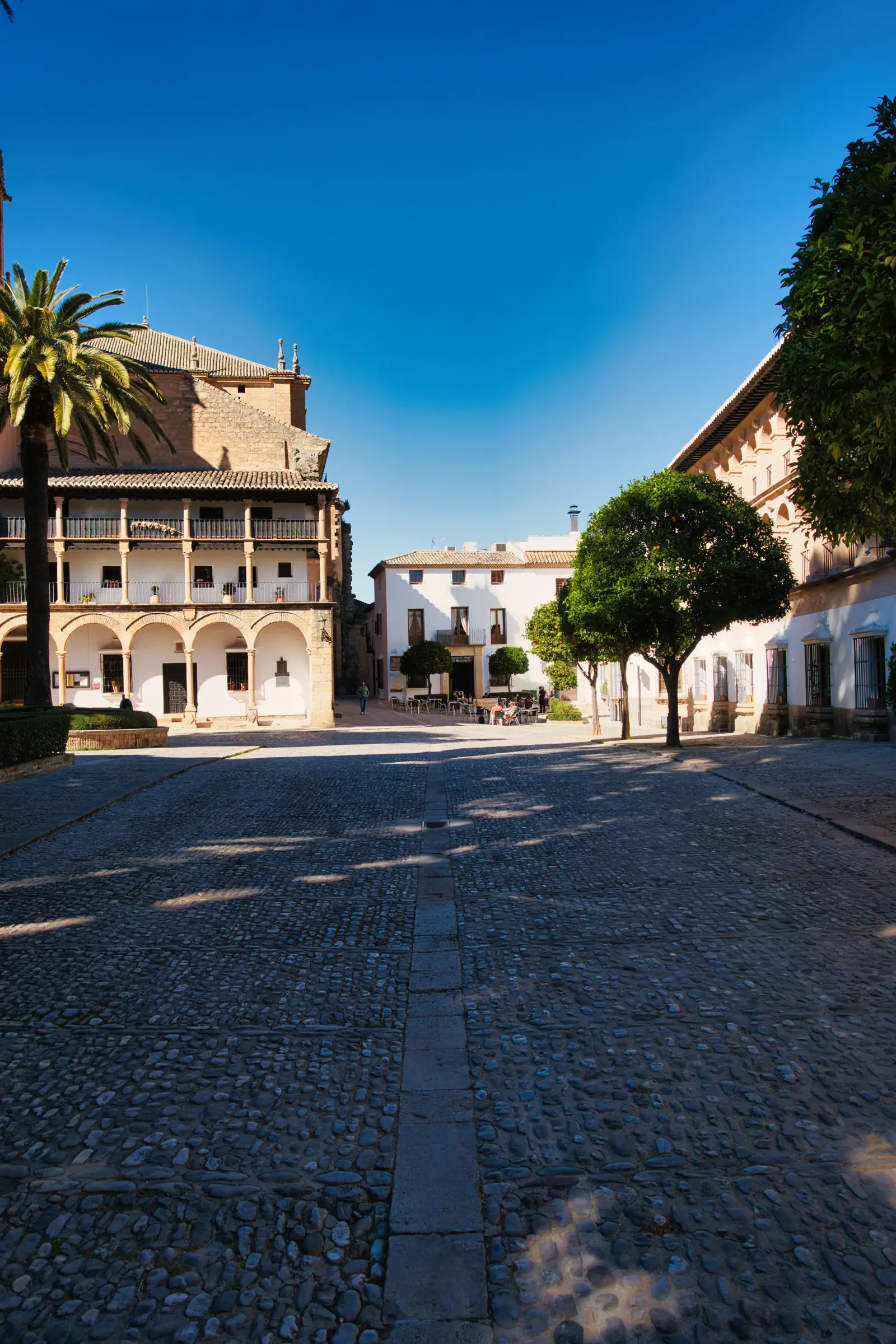
The best part about Ronda is that almost everything runs along one road.
Calle Armiñán stretches from Castillo del Laurel at one end to the Alameda del Tajo park at the other.
The Puente Nuevo sits roughly in the middle.
Walk this road from end to end and you'll pass the bullring, the main plazas, the viewpoints, the restaurants, and the bridge itself.
It takes about 20 minutes if you don't stop. But you will stop, because side-alley detours are mandatory!
The Old Town, called La Ciudad, is on the south side of the bridge. This is where you'll find the Arab Baths, the Palacio de Mondragón, Santa María la Mayor, and the narrow Moorish streets that make Ronda feel ancient.
The "new" town, El Mercadillo, is on the north side. Don't let the name fool you; it dates to the 15th century. This is where the bullring, most hotels, the bus station, and the main shopping streets are.
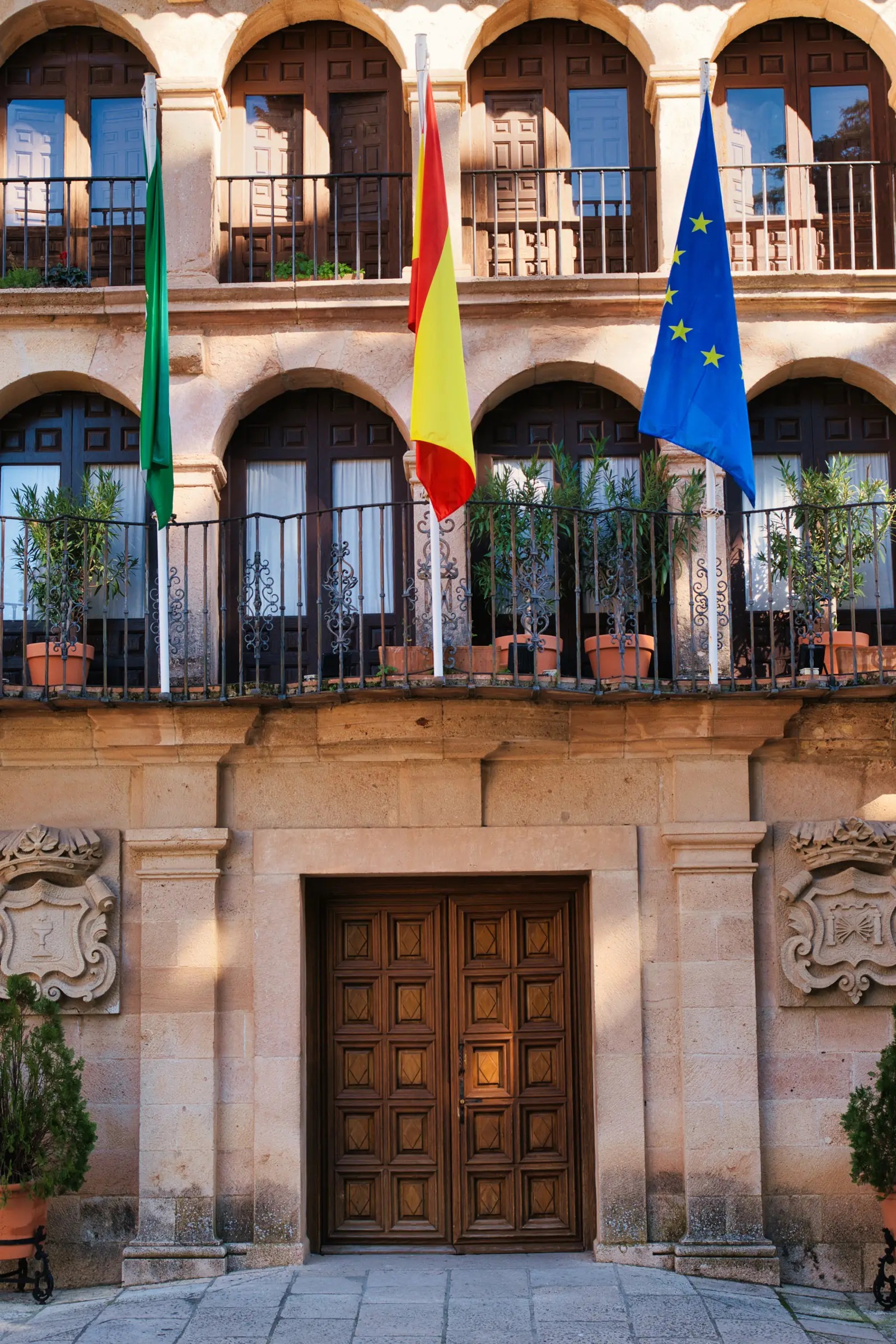
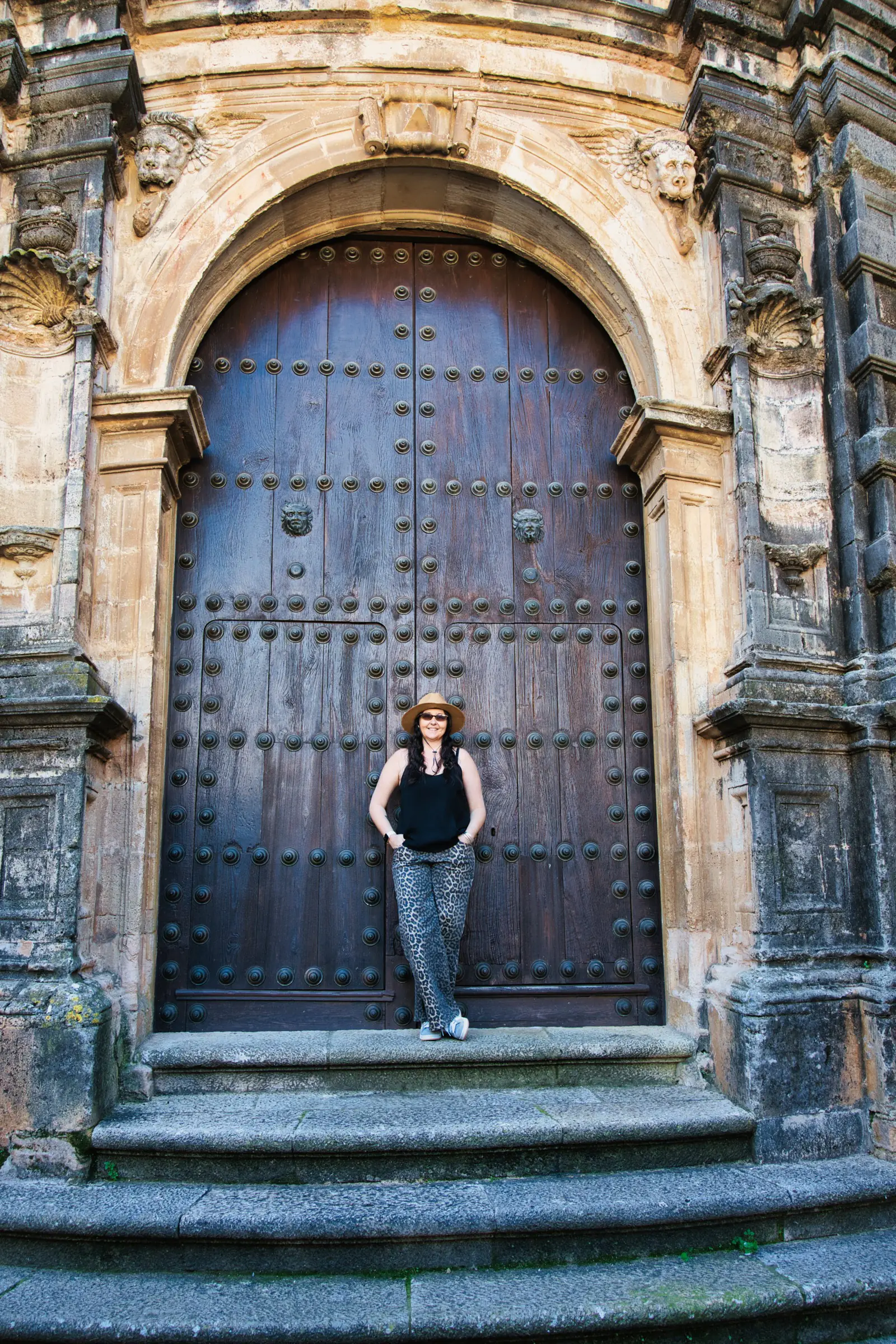
The train station is downhill from the centre, about a 15-20 minute walk. It's an easy walk down but a bit of a climb coming back up.
The bus station is more central, maybe 10 minutes from the Puente Nuevo.
If you park where I recommend near the Santuario de Maria Auxiliadora, you're already in the Old Town and can walk to everything without crossing the bridge first.
On Foot
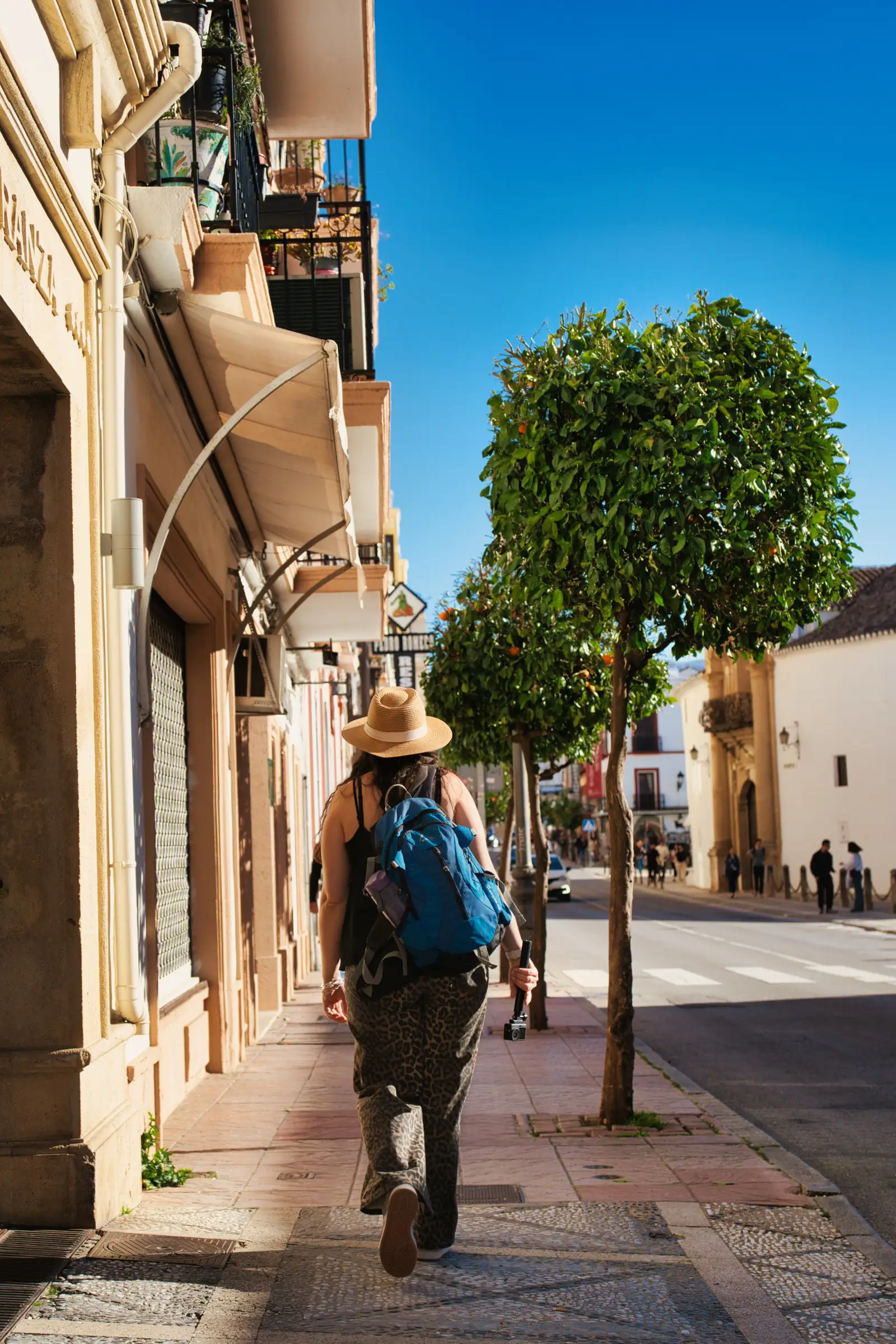
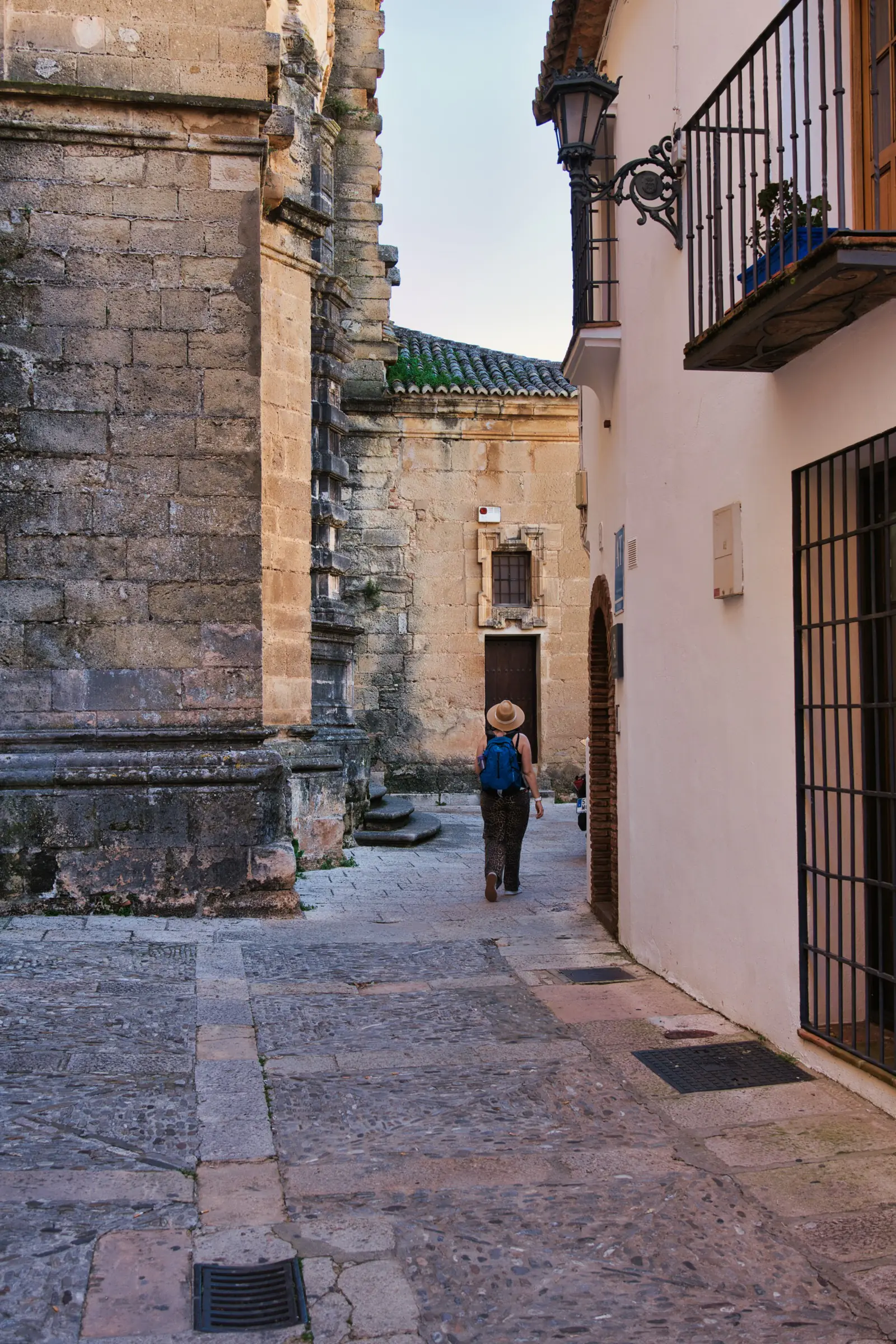
Walking is how you should see Ronda.
Not because there's no alternative, but because the town deserves it.
The streets are too beautiful to rush through in a vehicle. The viewpoints need you to stop and look. The atmosphere only works at walking pace.
I usually start at one end of town and wander to the other, crossing the bridge somewhere in the middle. There's no need for a rigid route. Just head toward anything that looks interesting and you'll end up seeing everything.
The best time to walk is early morning, before the day-trippers arrive, or late afternoon when the light turns golden and the tour buses have left.
Midday in summer is too hot for comfortable walking, so that's when you find a restaurant and wait it out.
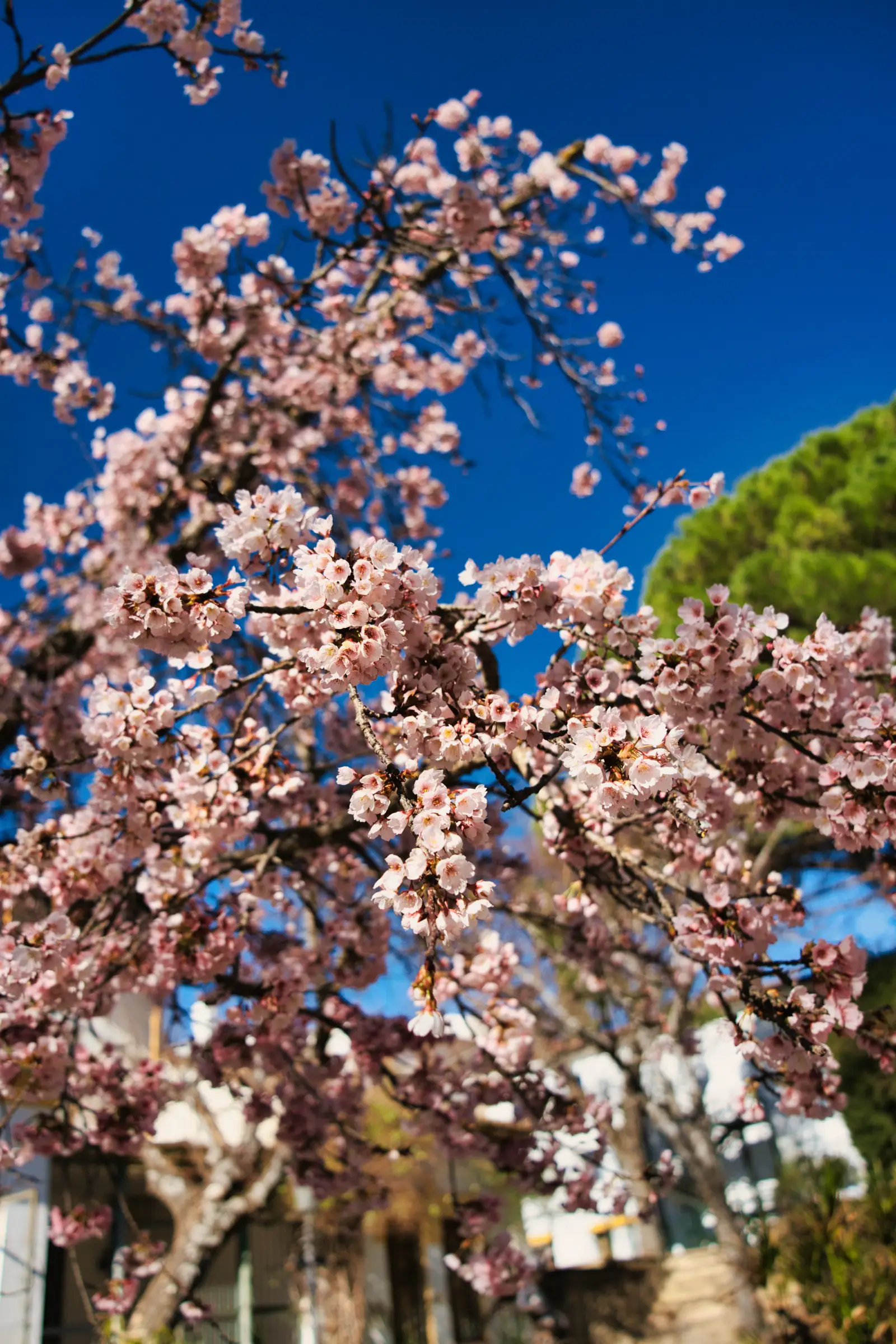
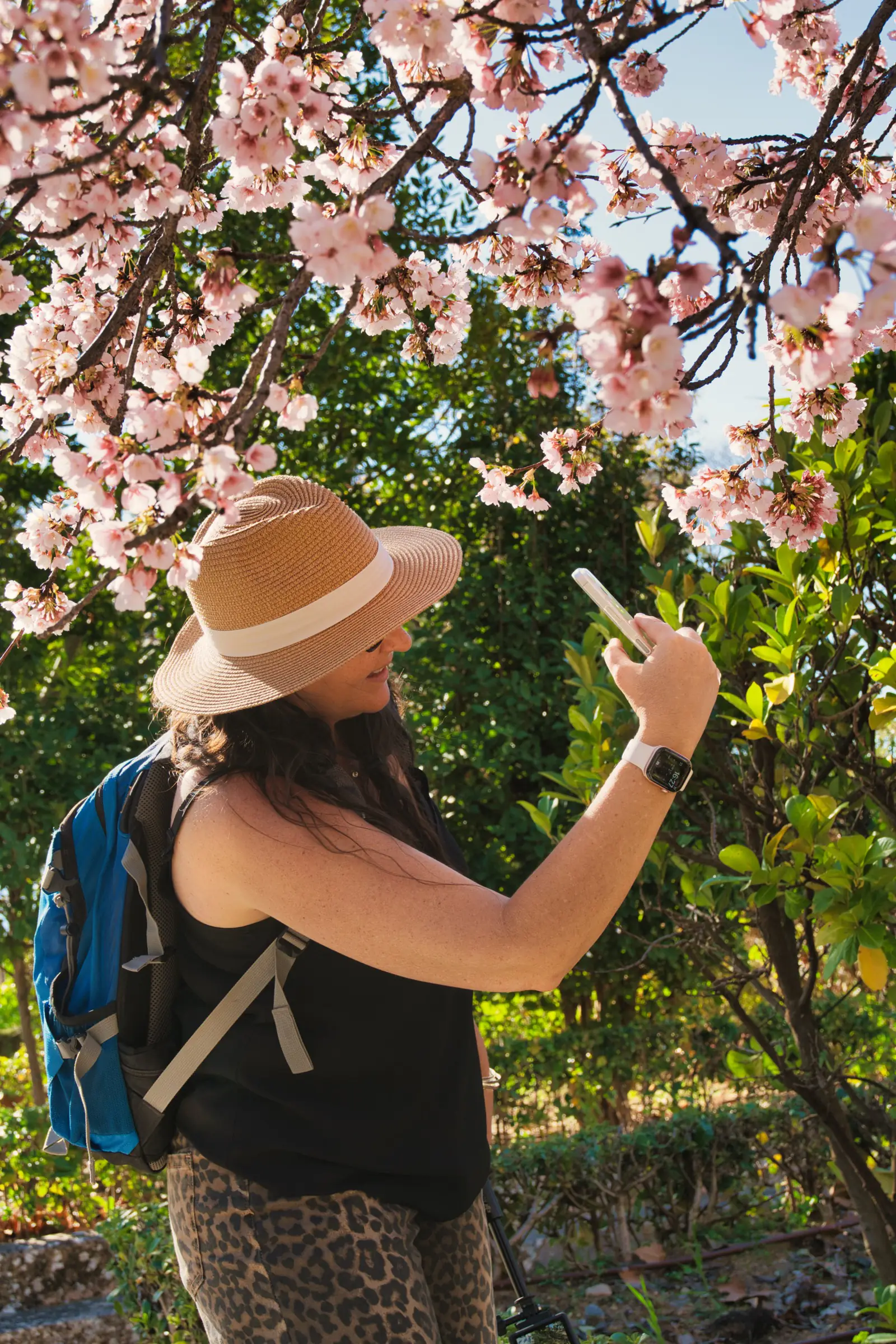
Wear comfortable shoes.
The cobblestones in the Old Town aren't forgiving, and the path down to the gorge viewpoint is steep with some steps. Sandals are fine in summer, but something with grip is better if you want to explore the trails.
Taxis
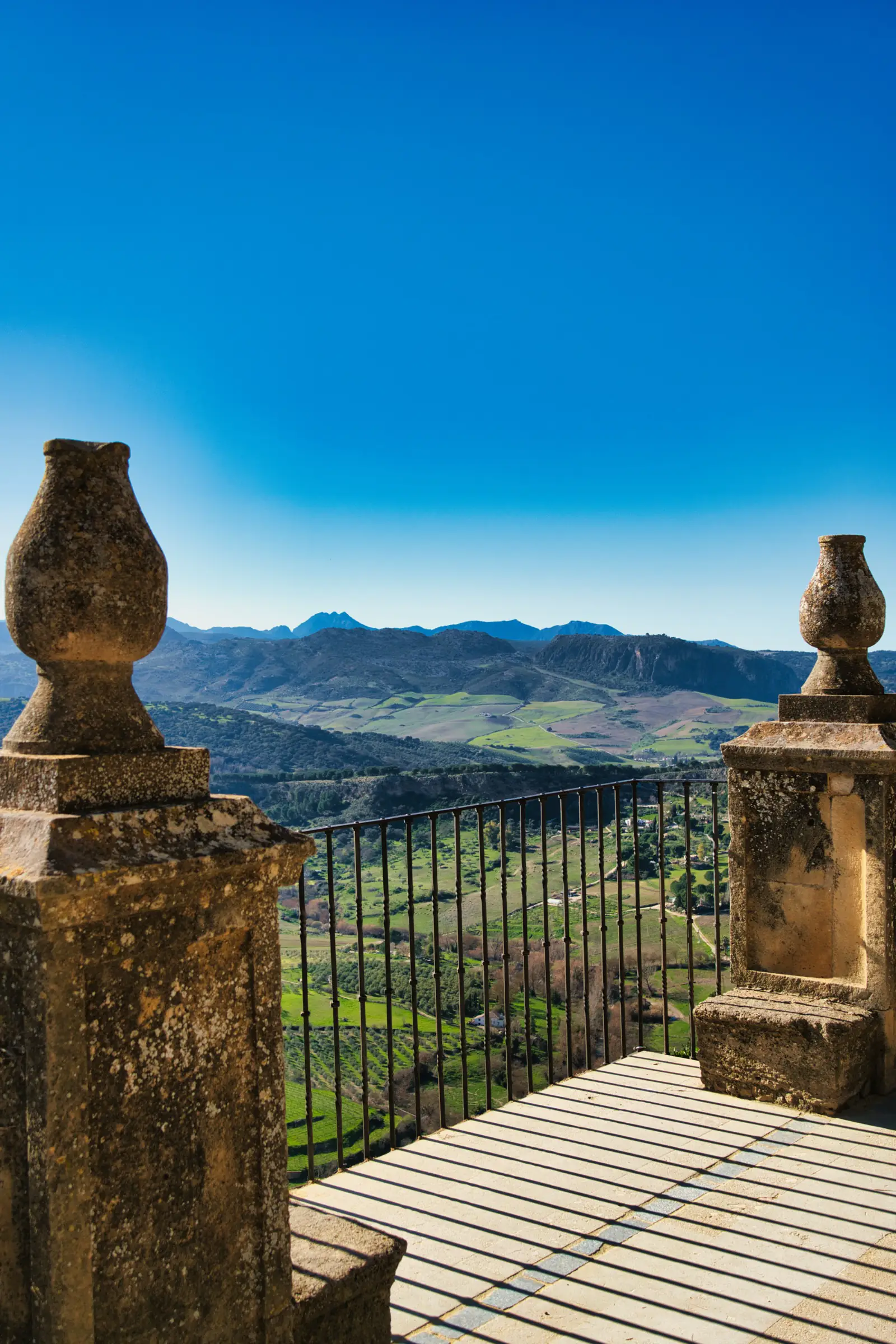
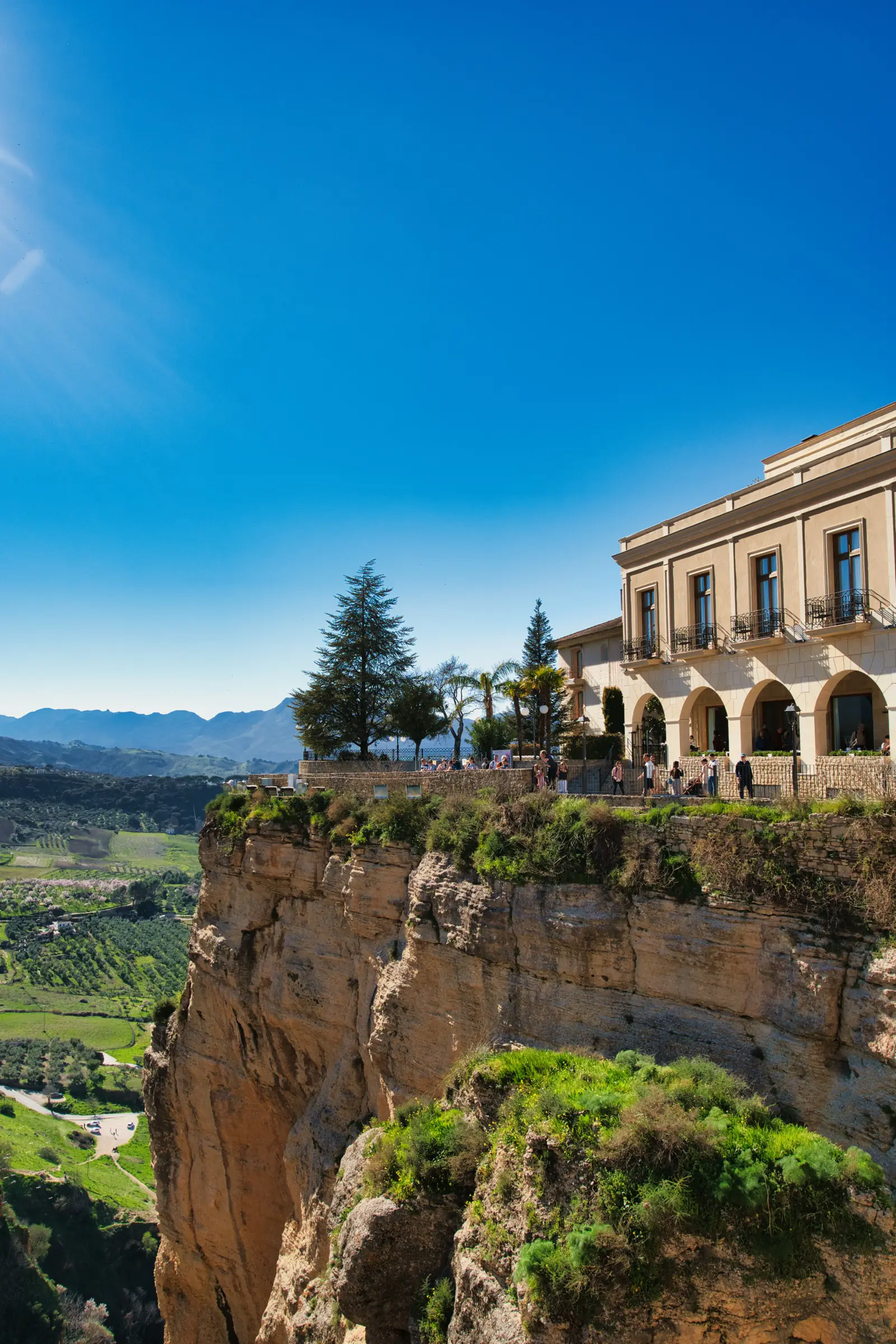
Taxis exist in Ronda, but I've never needed one inside the town itself.
The only times I'd consider taking a taxi are getting to or from the train station if I had heavy luggage, or if I wanted to visit a restaurant or bodega outside the centre.
There's a taxi rank at Plaza del Socorro, which is the main square in El Mercadillo. You can also find taxis waiting at the bus and train stations.
A ride from the centre to the train station costs around six to eight euros. To the bus station is less, maybe five euros. If you wanted a taxi to take you to Setenil de las Bodegas or one of the other white villages, expect to pay around 25-30 euros each way.
There's no Uber or Cabify in Ronda. This is old-school taxi territory.
For airport transfers, you'll want to book in advance. Malaga Airport is about 90-120 euros by taxi, Gibraltar around 80-100 euros. Your hotel can usually arrange this for you.
Buses
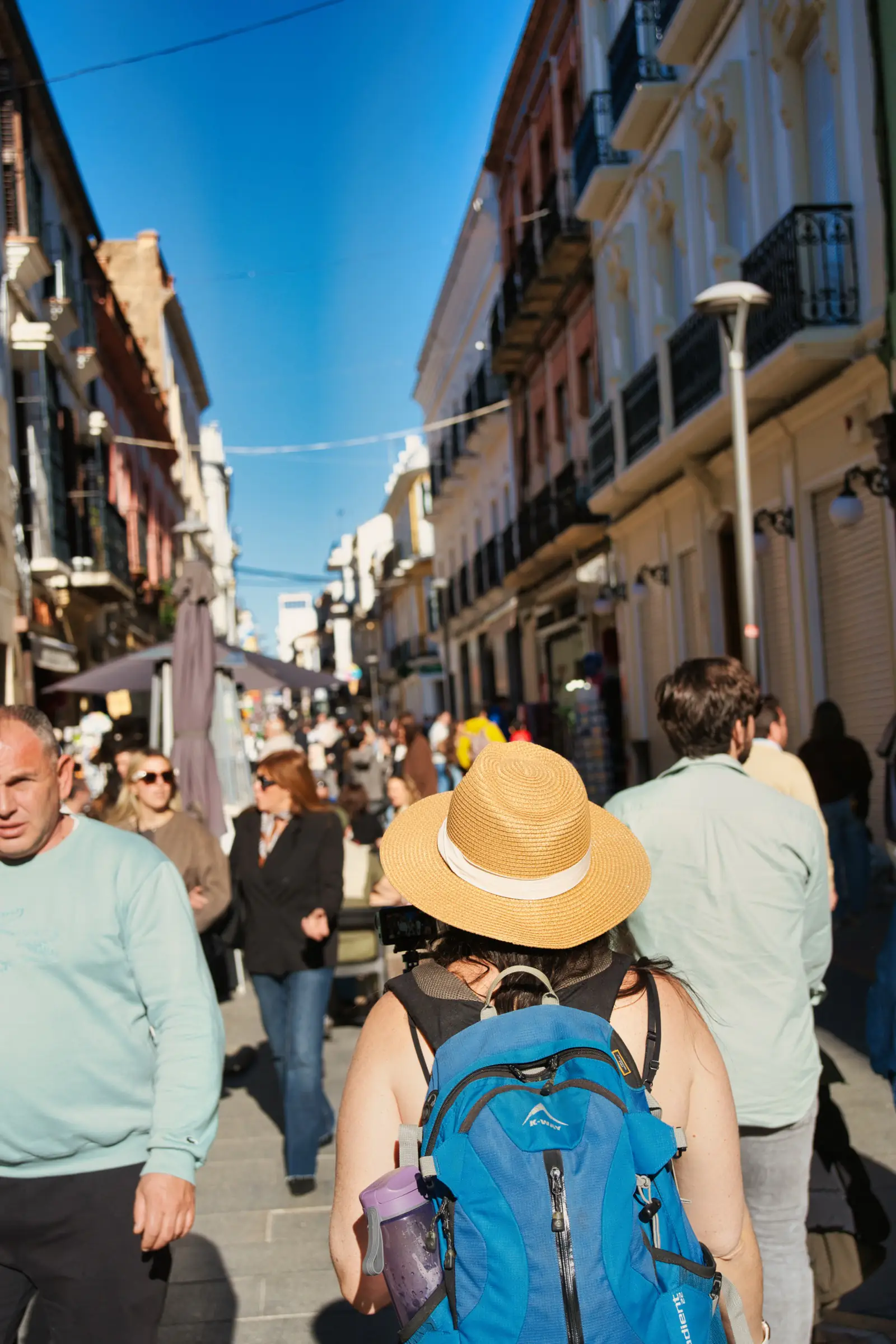
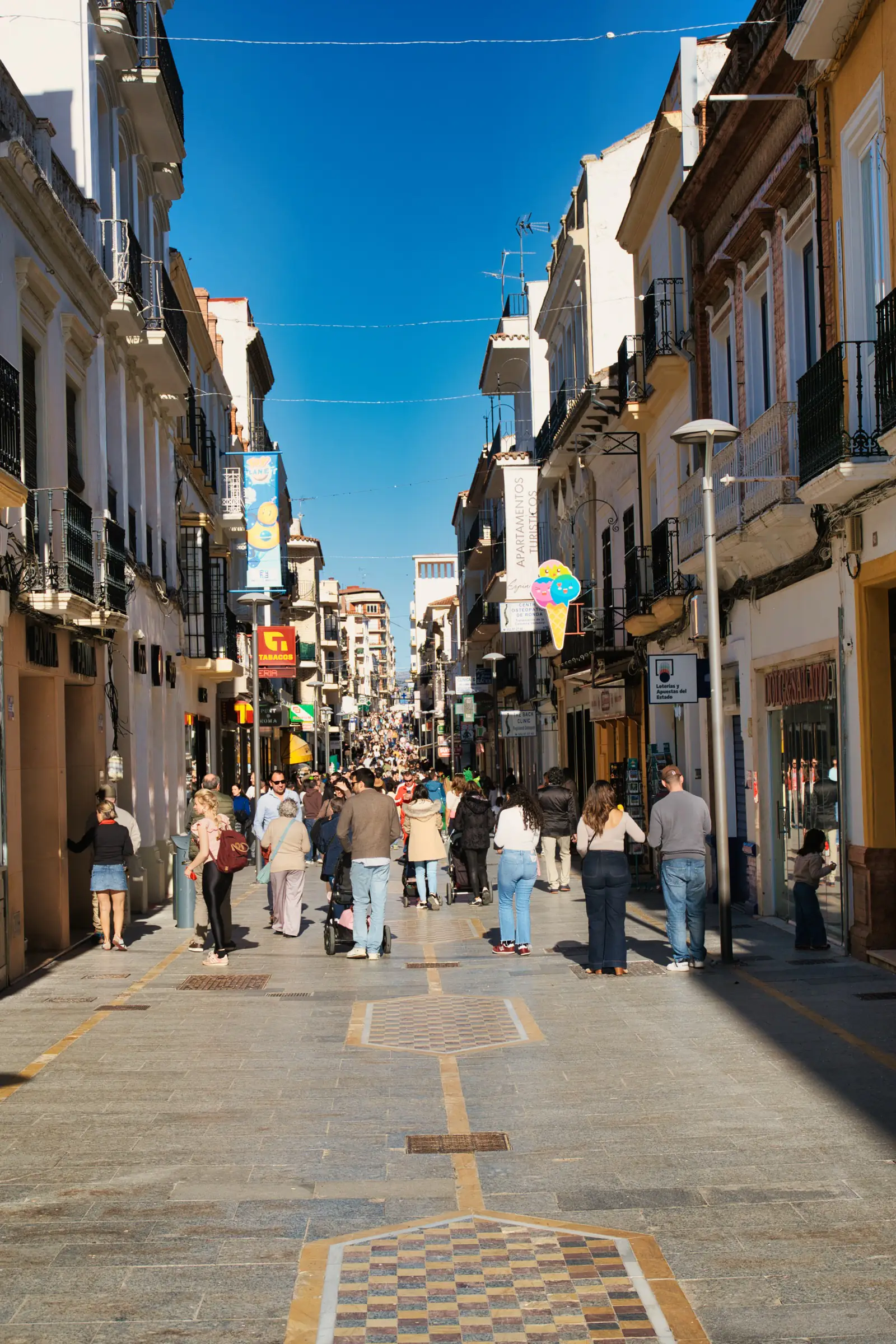
I should be clear about this: there are no useful buses within Ronda itself.
The bus station connects Ronda to other cities like Malaga, Seville, Marbella, and Cadiz. That's great for arriving and leaving. But for getting around the town? Buses aren't part of the equation.
The bus station is on Avenida Martínez Astein, about a 10-15 minute walk from the Puente Nuevo. When you arrive by bus, you walk into town. When you leave, you walk to the station. That's just how Ronda works.
If you're planning day trips to the white villages like Zahara de la Sierra or Grazalema, don't count on buses. Service to these places is extremely limited, sometimes one bus per day if that. You really need a car to explore the surrounding area properly.
Tuk-Tuks and Horse-drawn Carriages
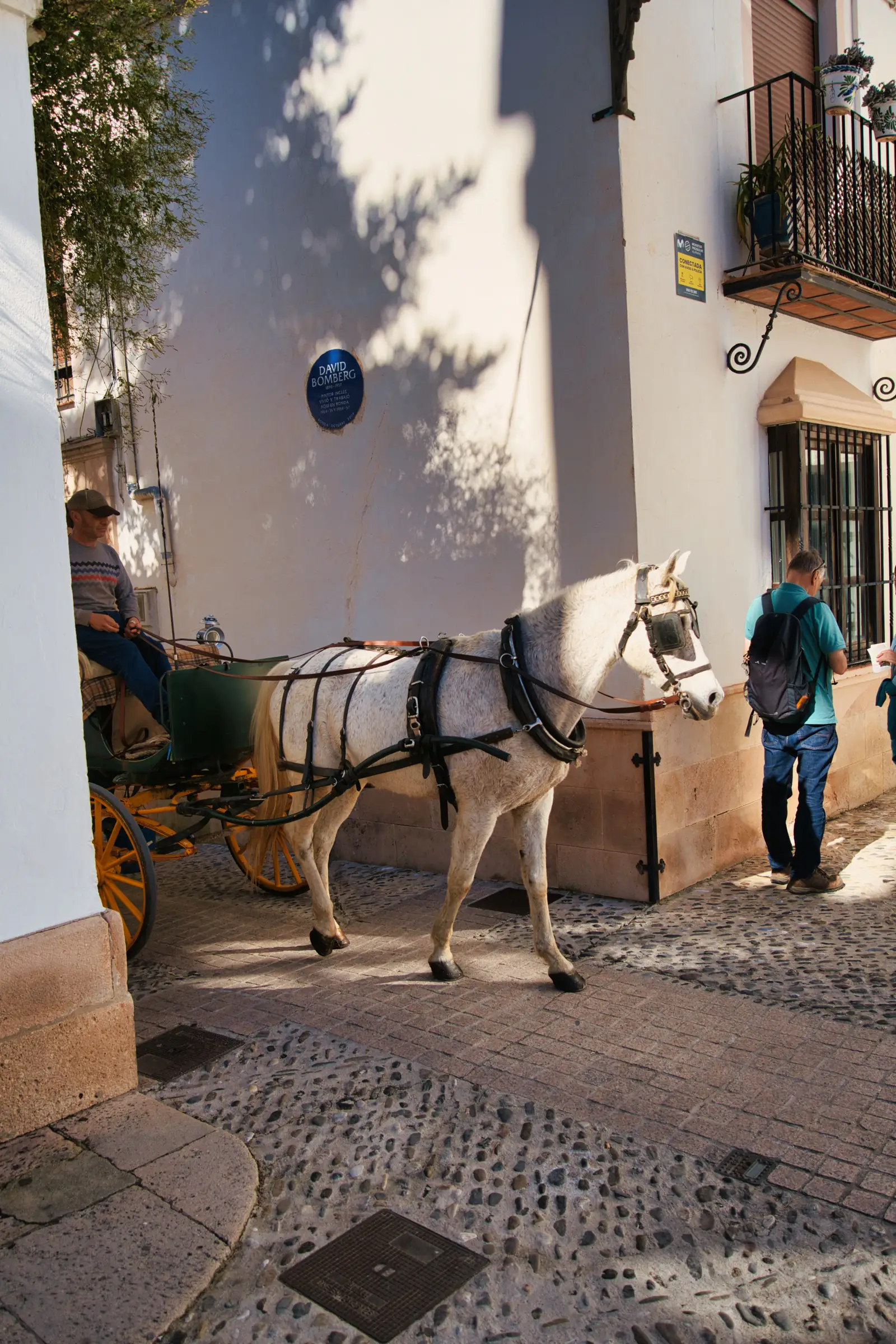
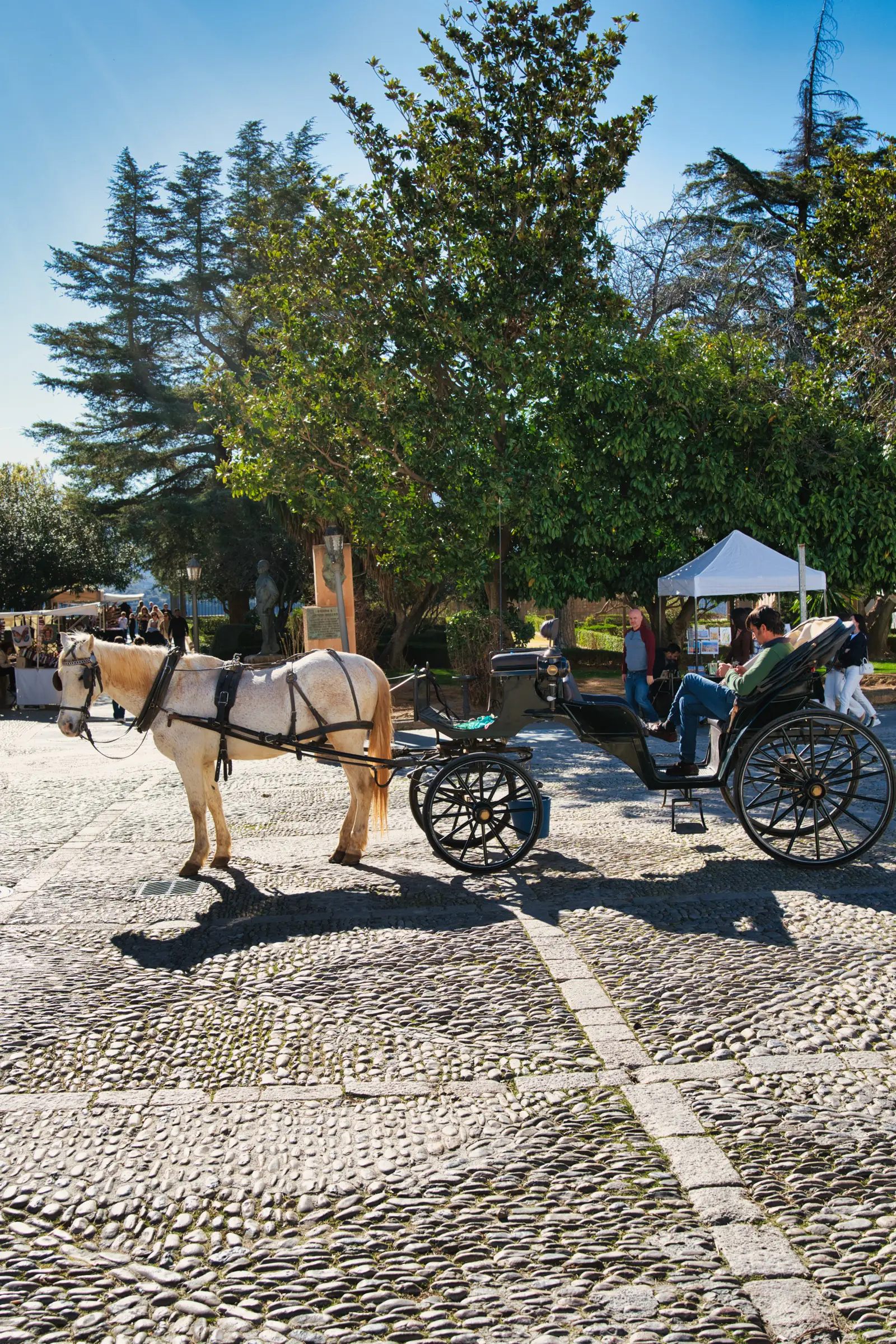
Ronda doesn't have tuk-tuks like you might find in larger tourist cities.
What it does have are horse-drawn carriages, which are the traditional alternative for those who want a ride without walking. You'll see them around Plaza de España near the Puente Nuevo.
A carriage ride takes you through the historic streets at a gentle pace while someone else does the navigating. It's touristy, but then again, so is visiting Ronda.
Prices vary depending on the route and duration. Expect to negotiate a bit. A short tour around the main sights runs around 30-50 euros for the carriage.
If you're hoping for motorised tuk-tuks or golf carts like some Spanish coastal towns have, you won't find them here. The streets are too narrow in places, and honestly, the town is too small to need them.
What if You Can't Walk Too Far?
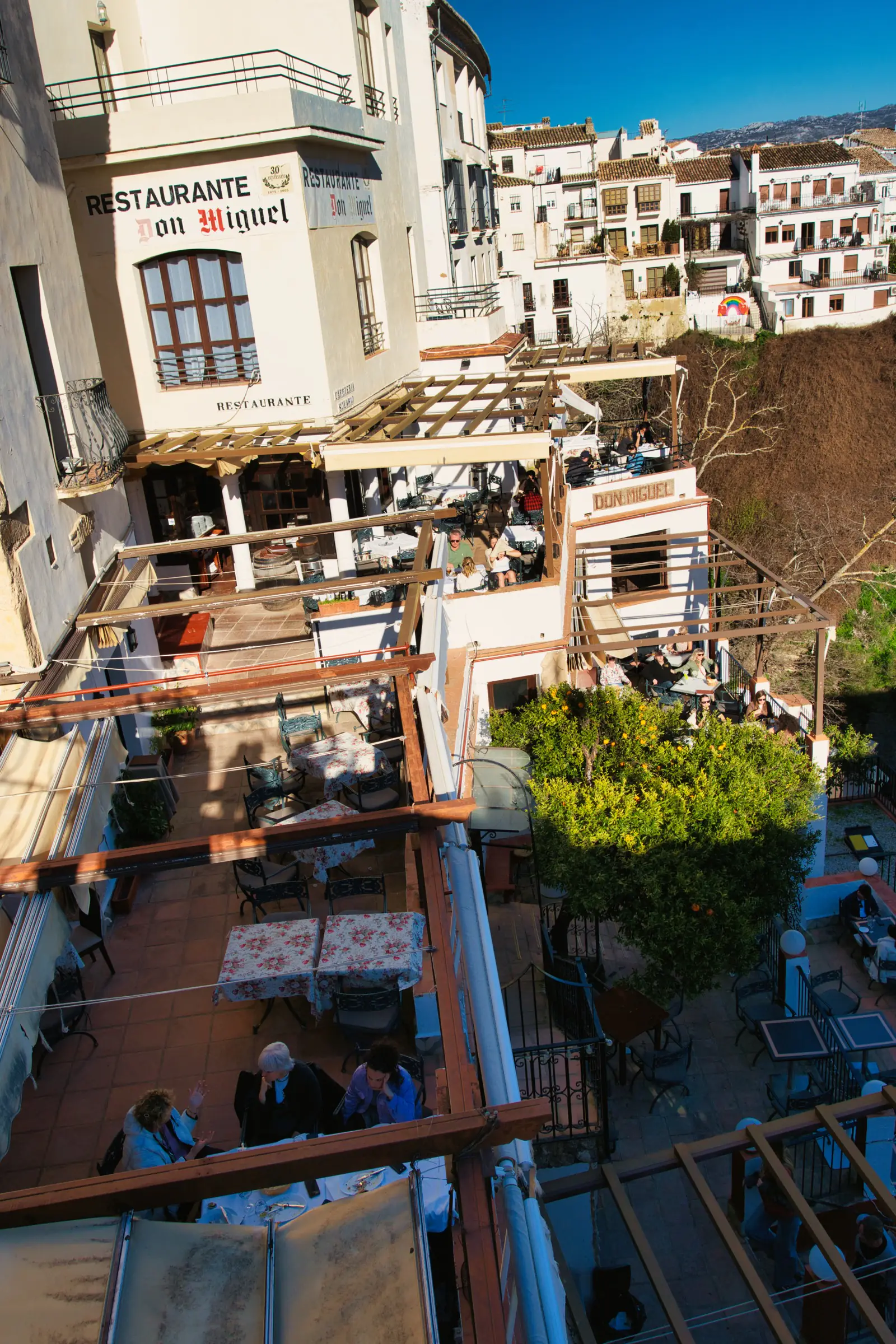
I won't pretend Ronda is easy for everyone.
The town is mostly flat along the main road, but some areas involve steps or steep paths.
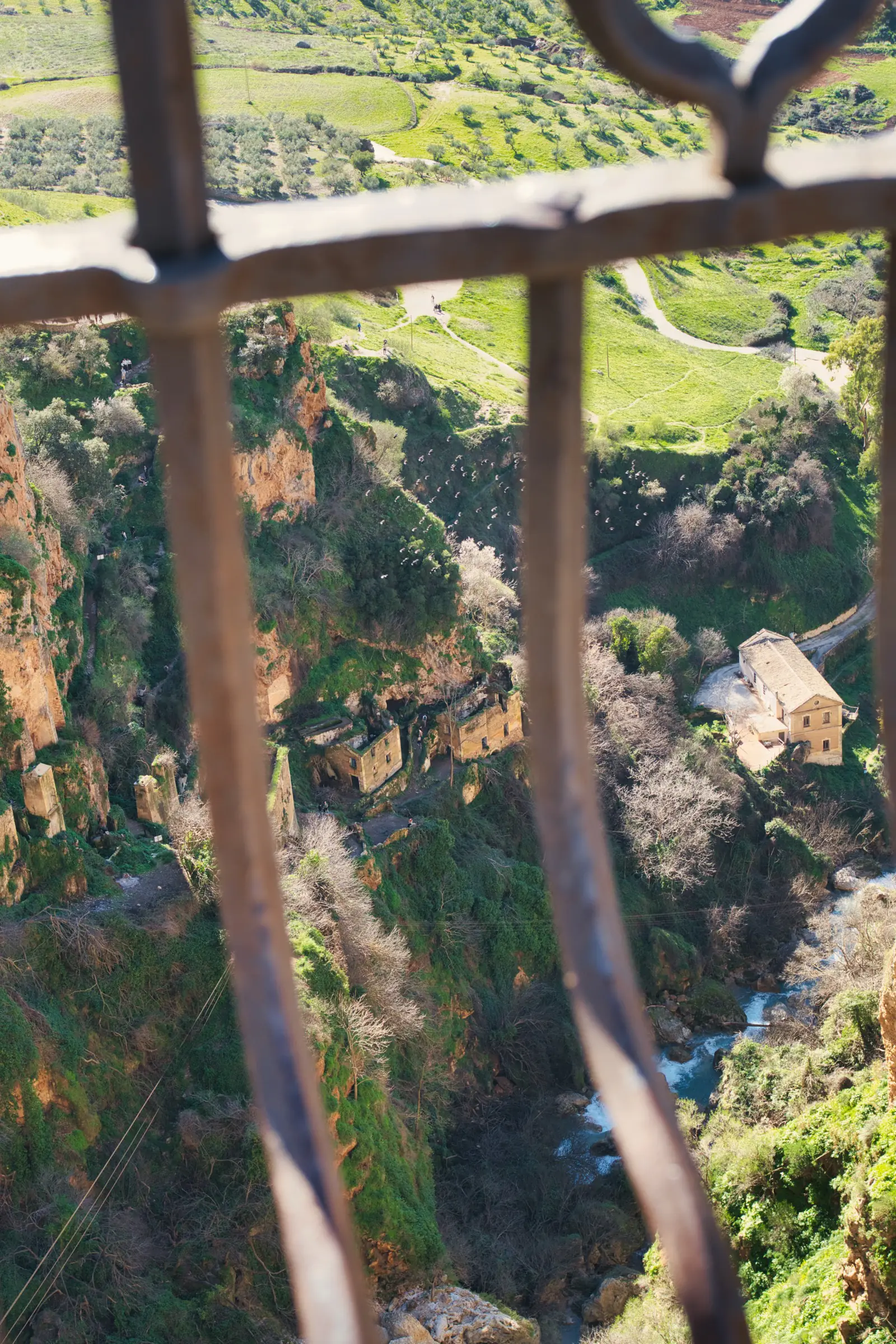
The viewpoint below the bridge requires a proper descent. Parts of the Old Town have uneven surfaces. The path into the gorge is definitely not accessible.
If mobility is a concern, here's what I'd suggest.
Focus on the new town side.
The area around the bullring, the Alameda del Tajo park, and the Puente Nuevo itself is relatively flat and accessible. You can see the bridge, look into the gorge, and experience the drama of Ronda without tackling difficult terrain.
The bridge itself is flat and wide. You can cross it without any problems and enjoy the views from above even if the paths down below aren't an option.
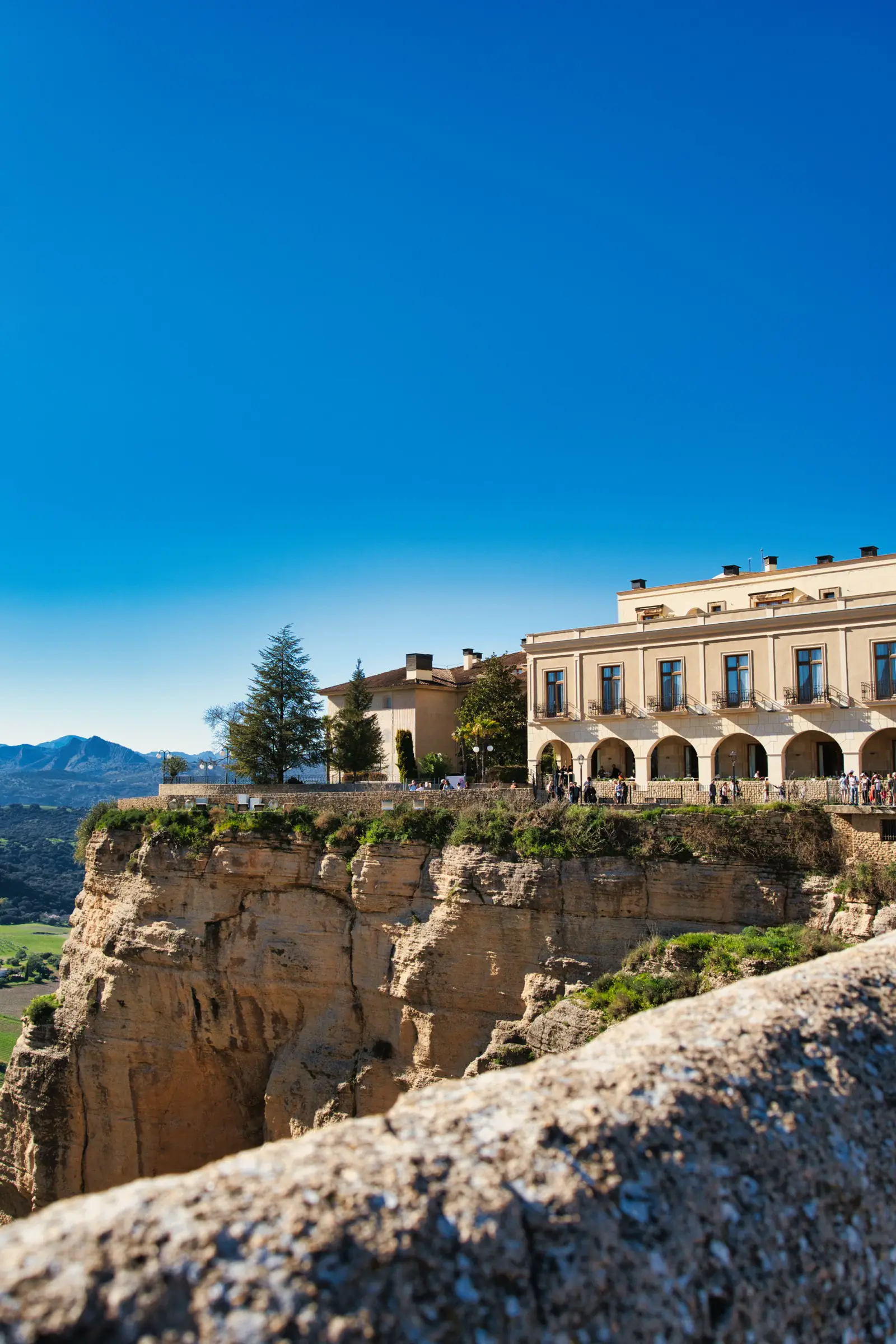
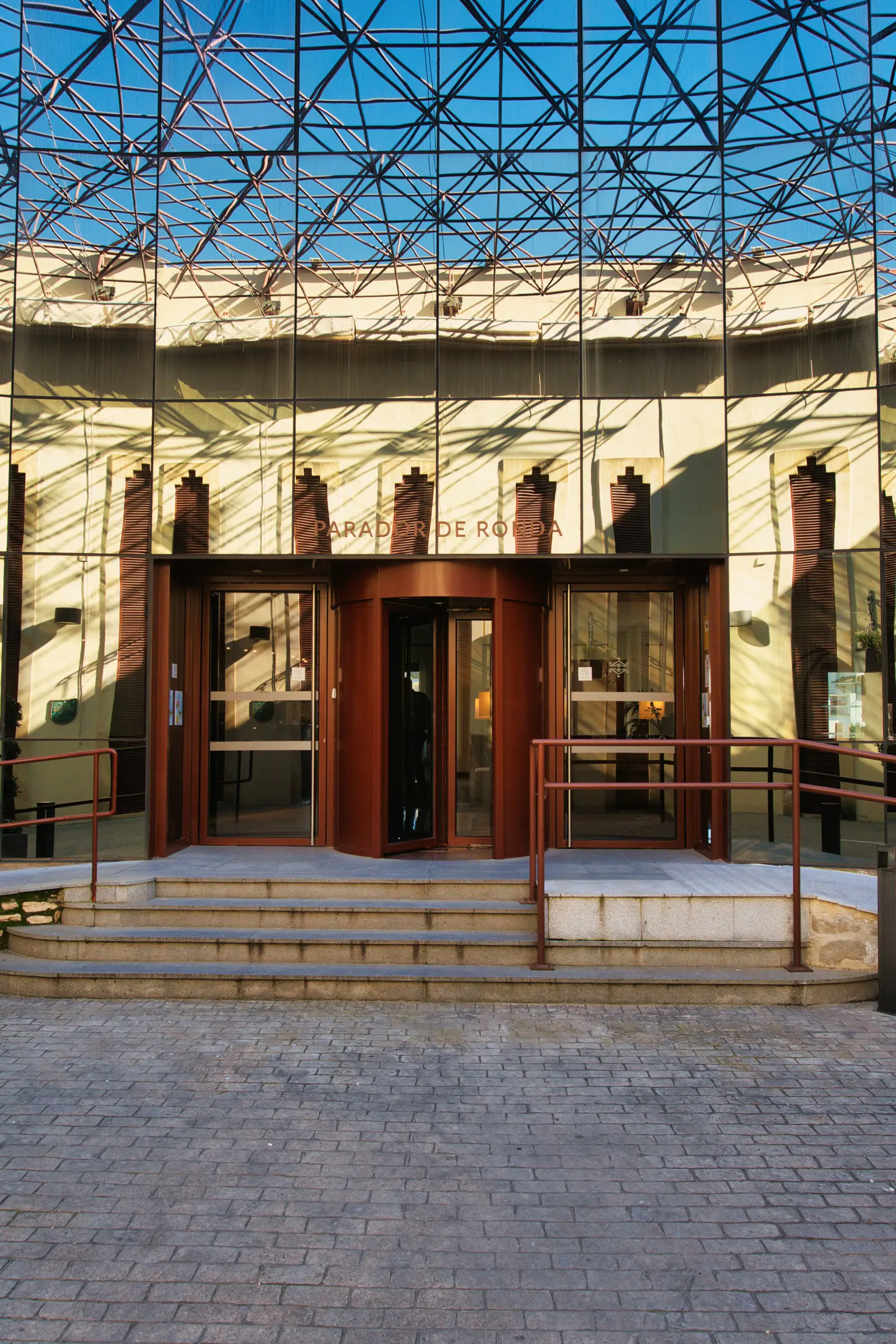
Stay at a hotel that matches your needs. The Parador is modern and has lifts. Some of the boutique hotels in the Old Town are in historic buildings with stairs and no lifts, so ask before booking.
Use taxis for the uphill sections. The walk from the train station back to the centre is a climb that might be too much in the heat. A taxi solves that easily.
The horse carriages are another option if you want to see more of the town without the walking.
And honestly, just seeing the Puente Nuevo and the gorge is worth the trip even if you can't explore every corner. The views from the bridge are the same views everyone comes for, and getting there is straightforward.
Final Thoughts
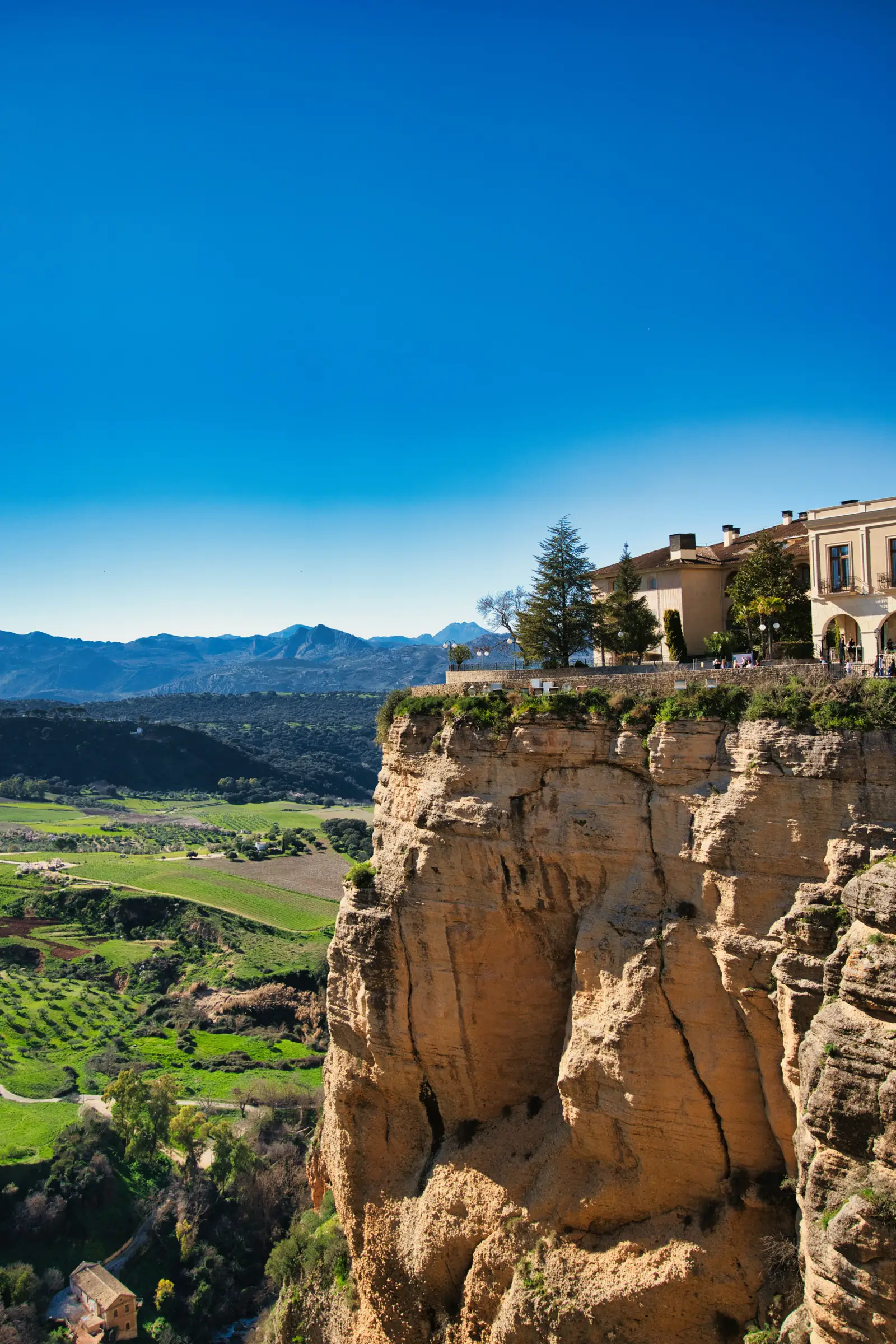
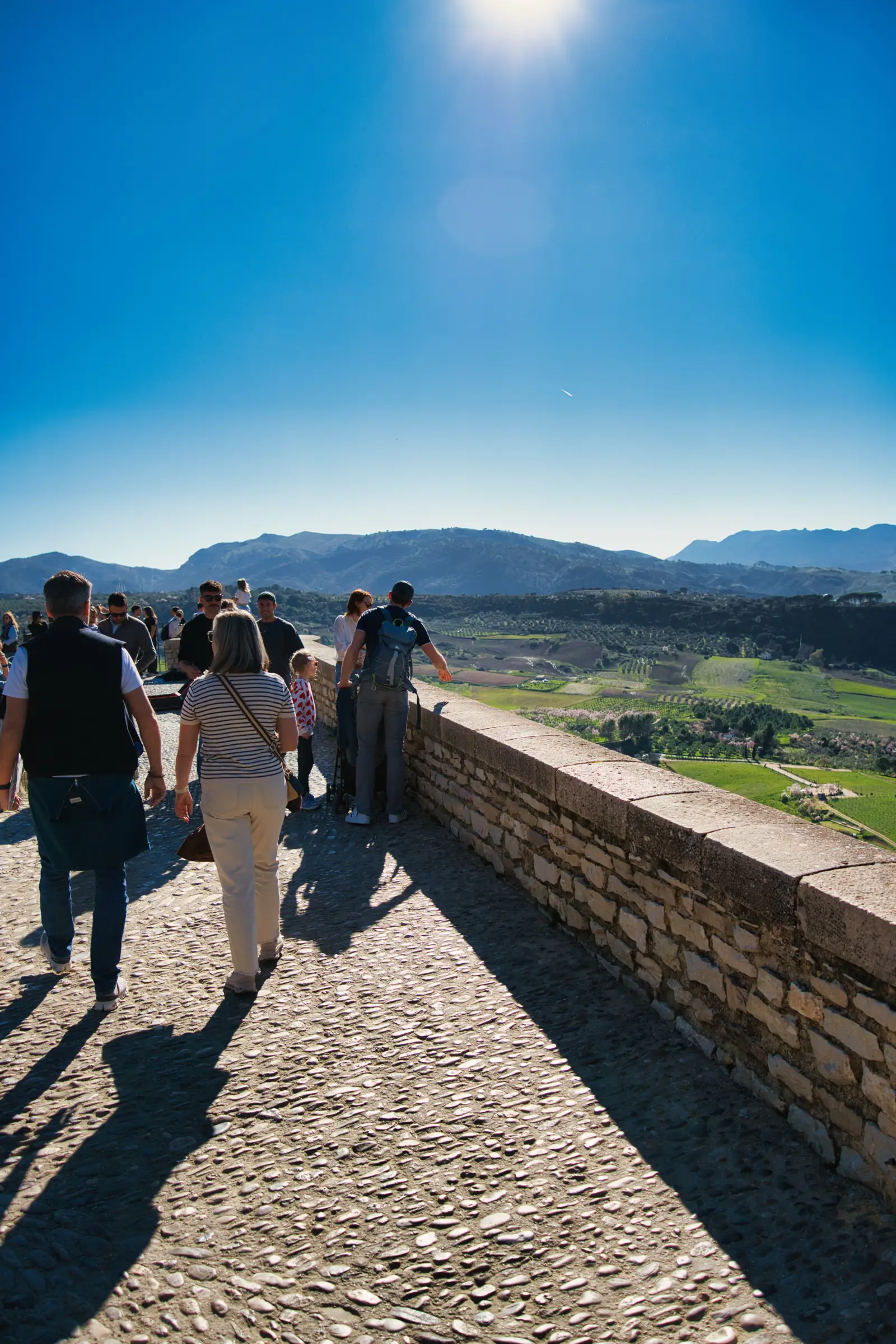
Ronda is a walking town. That's not a limitation; it's a feature.
The distances are short, the streets are gorgeous, and there's nowhere you need to be in a hurry. Put on comfortable shoes, pick a direction, and just go.
You don't need a transport strategy. You just need time to wander.
If you're planning your trip, have a look at my guides to things to do in Ronda, where to park, and where to stay. And if you want to make the most of your visit, consider staying overnight. Ronda after dark, when the bridge is lit and the tour buses are gone, is something special.

Hola! I'm the researcher, walker, and co-founder behind Spain on Foot. I help travellers experience Spain authentically, through in-depth guides, locals-only knowledge, and cultural stories you won't find in guidebooks. You can reach me at heidi@spainonfoot.com
Planning a trip to Ronda?
Explore Ronda Guide→