21 things to do in Marbella (beyond the beach clubs)
This post may contain affiliate links, which means I earn a small commission, at no extra cost to you. It helps keep the blog alive, and we really appreciate your support!

Marbella has a reputation problem.
Mention it to most people and they picture superyachts, flashy cars, and exclusive beach clubs charging €50 for a sunbed. I had the same assumptions when I first drove in, not long after moving to Málaga.
I pulled off the motorway and passed under the big painted entrance arch, and my first thought was: this looks like a regular Spanish city. Apartment blocks, a roundabout, nothing glamorous in sight.
What I hadn't understood is that Marbella is large and spread out. The Old Town is one thing, Puerto Banús is another, the Golden Mile sits between them, and the beaches stretch for kilometres in both directions.
The glitzy version exists, but it's contained mostly around Puerto Banús. The rest of Marbella is something quite different.
I've been back many times since. I've walked the Old Town properly, eaten fried fish on the beach, spent a day at a beach club, and driven up into the mountains above the coast. In this guide, I'll walk you through what's worth your time in each part of Marbella: what to do, what to skip, and how much to budget.
Is Marbella Worth Visiting?
Yes, but go with realistic expectations.
If you're expecting the whole town to be superyachts and celebrities, you'll find that's limited to Puerto Banús. If you're expecting a quaint fishing village, you'll be disappointed by the development.
What Marbella actually offers is a beautiful Old Town, excellent beaches, great weather, and a choice between local tapas bars and international fine dining.
You can spend very little or an enormous amount. The mountains are close, the beaches are golden, and the atmosphere is thoroughly Mediterranean.
Marbella is more sophisticated than Torremolinos, less dramatic than Nerja, and more polished than anywhere else on the Costa del Sol. If you want sunshine, good beaches, and options ranging from simple to spectacular, Marbella delivers.
How Long to Spend in Marbella
Half a day gives you time for the Old Town and one beach. Fine for a taste, but rushed.
One day lets you cover the Old Town, a beach, the promenade walk, and evening drinks. Good for a day trip from Málaga.
Two to three days is enough to explore properly. Add Puerto Banús, a hike, or a beach club day. This is ideal for most visitors.
A week or more means a relaxed beach holiday with time for day trips to Ronda, mountain villages, and the wider Costa del Sol.
If you only have a short time, follow my one day in Marbella itinerary.
Local tip
If you're staying in Málaga and have one day for a beach town, choose between Marbella and Nerja. Marbella offers more glamour and upmarket options. Nerja offers more dramatic coastline and a smaller-town feel. Both have excellent beaches.
Marbella Old Town (Casco Antiguo)
1. Explore Plaza de los Naranjos
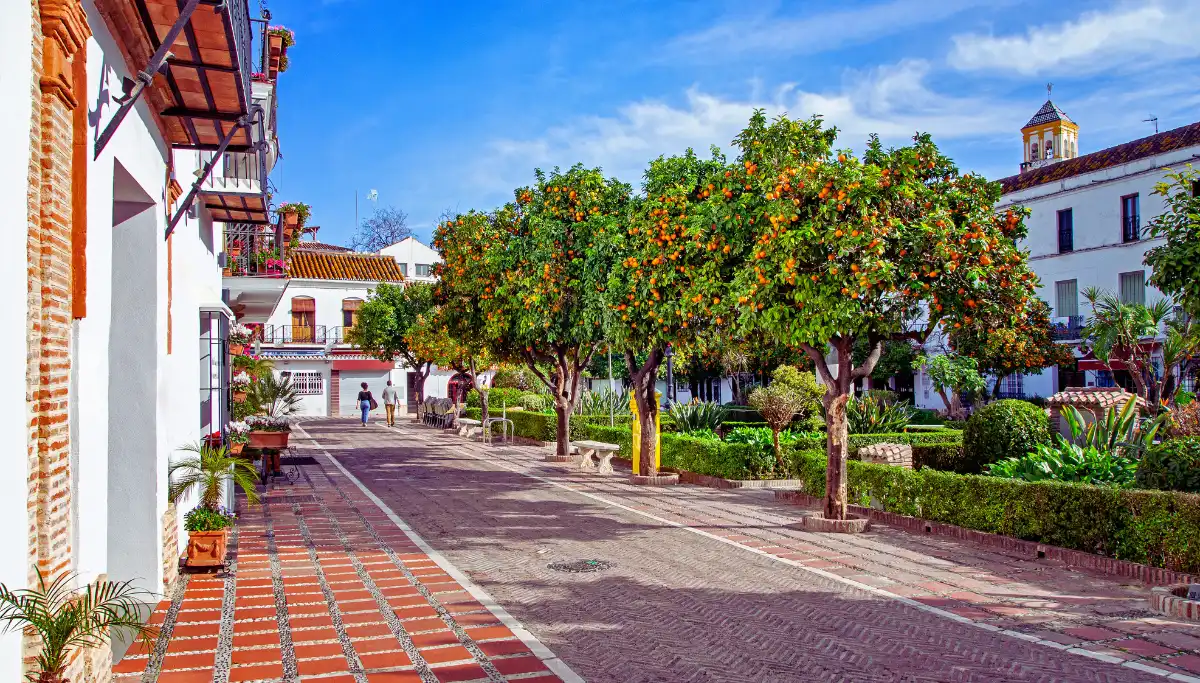
The Plaza de los Naranjos (Orange Square) is the heart of Marbella's Old Town. Orange trees shade the plaza and terrace restaurants line every side. This has been the town's main square since the 15th century, and it's still the perfect place to sit with a coffee and watch the world go by.
The square is surrounded by historic buildings including the 16th-century Town Hall and the Casa del Corregidor. On summer evenings, it fills with diners and the gentle buzz of conversation carries across the cobblestones.
Prices here are higher than the rest of town, but you're paying for the atmosphere. One coffee or drink is worth it for the setting.
Come in the morning for a quiet start, or in the evening when the square fills with diners and candlelight.
2. Wander the Old Town Streets
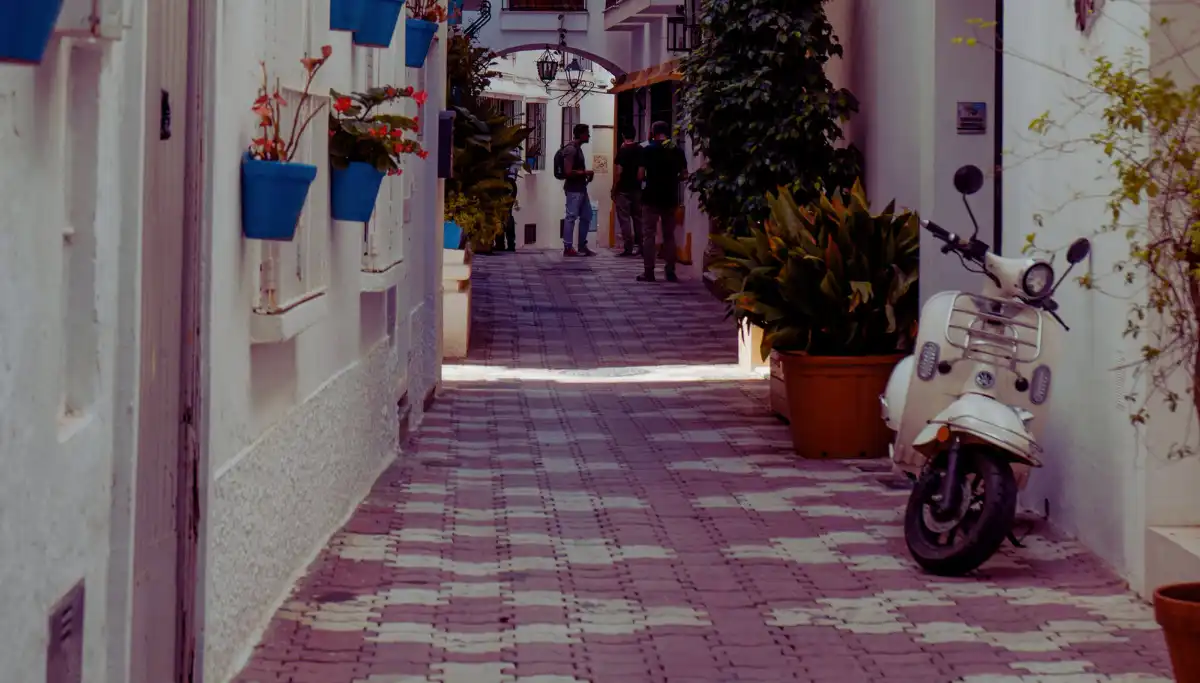
Marbella's Casco Antiguo is a labyrinth of narrow whitewashed streets, flower-filled balconies, and hidden plazas. Unlike some Costa del Sol towns, Marbella has preserved its historic centre beautifully. Walking here feels genuinely Andalusian.
Round any corner and there's something worth stopping for. A bougainvillea-draped wall, a centuries-old church, a tiny tapas bar, or a boutique selling local crafts.
There's no right route. The pleasure is in getting slightly lost and discovering your own favourite corners. The Old Town is pedestrianised and compact, so allow at least an hour to explore properly. Early morning and late afternoon offer the best light for photography.
3. Visit the Church of the Incarnation
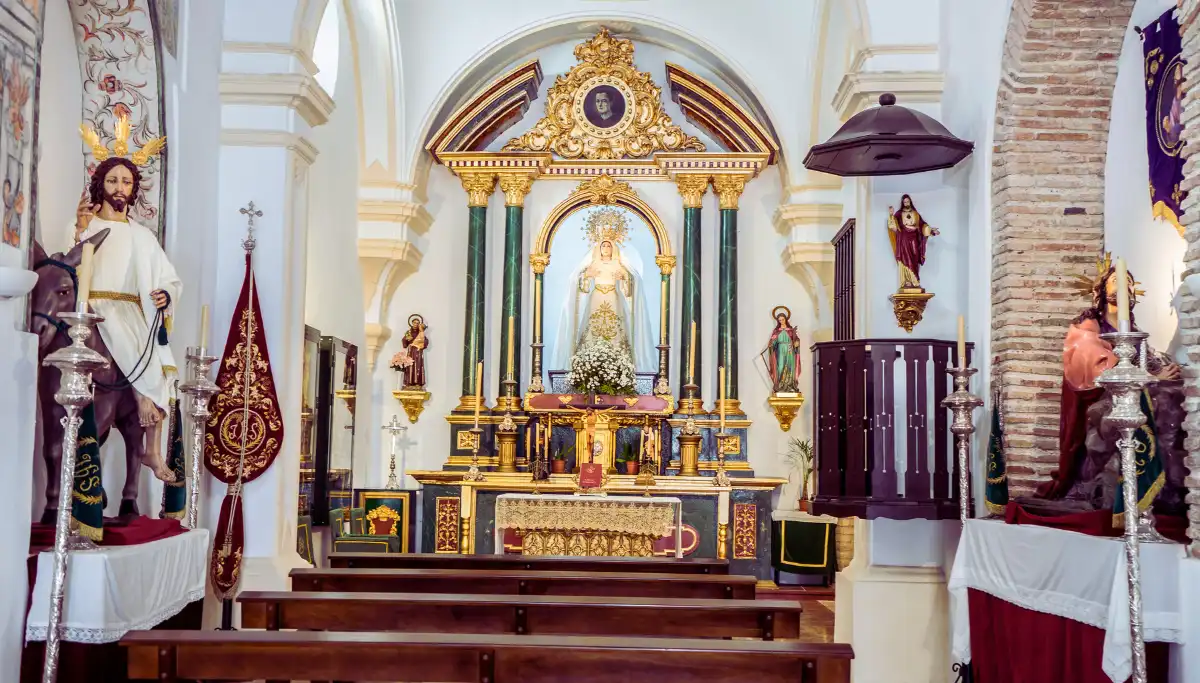
The Iglesia de la Encarnacion is Marbella's main church, built in the 16th century on the site of an earlier mosque. Its baroque facade and bell tower are landmarks of the Old Town skyline.
Inside, the church is surprisingly spacious, with a peaceful atmosphere that offers respite from the summer heat. The rococo altarpiece and organ are worth seeing.
Entry is free. It's usually open during the day, but check ahead if you want to visit during a service.
4. Discover the Murallas del Castillo
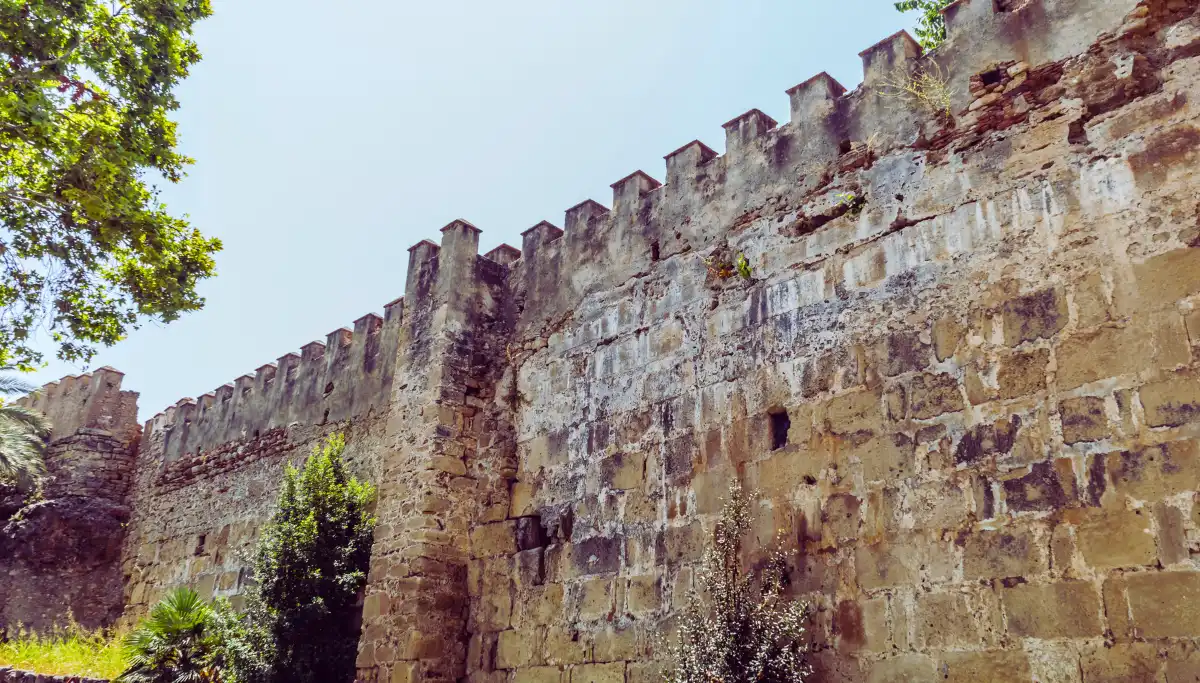
The Murallas del Castillo (Castle Walls) are the remains of Marbella's 9th-century Moorish fortress. While only fragments survive, the walls give you a sense of the town's medieval past and offer views over the rooftops.
The area around the castle walls is one of the quieter parts of the Old Town, with small plazas and fewer tourists than the main streets.
5. Browse the Old Town Shops
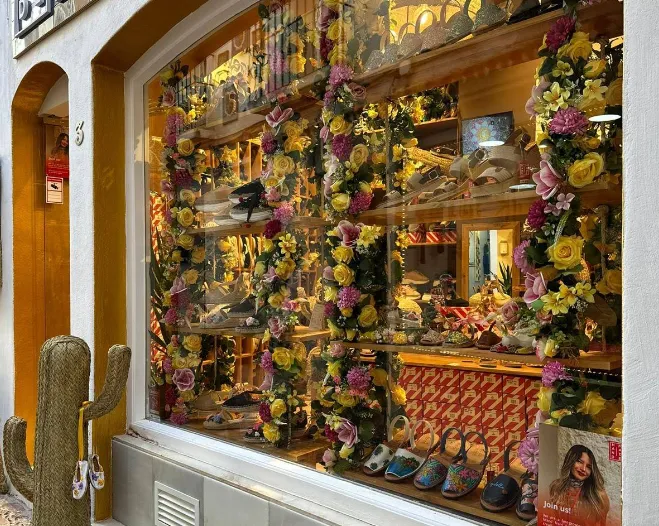
Marbella's Old Town is home to dozens of small boutiques, artisan shops, and galleries. You'll find ceramics, leather goods, jewellery, and fashion alongside more typical souvenirs.
The shopping here is more upmarket than other Costa del Sol towns, reflecting Marbella's clientele. You can still find reasonably priced local crafts and genuine Andalusian products.
Alameda Park
Between the Old Town and the seafront, Alameda Park (Parque de la Alameda) is worth a slow ten minutes even if you're just cutting through. The wide avenue is lined with tall palms and tropical plants, and the Andalusian tiled benches are the kind of thing you stop to look at properly.
A large circular fountain sits at the centre, dating from the 17th century. Bronze Dalí sculptures stand among the trees, slightly unsettling and completely unexpected in a public park. I always walk through here on my way to the beach. It's a much better route than the road.
See Flamenco
I've been to flamenco shows all over Andalusia, and my advice is always the same: never skip the chance. Marbella isn't Seville, and the performances here are more intimate than the big theatrical shows further inland, but that's not necessarily a bad thing.
Tablao Flamenco Marbella on Calle Camilo Jose has shows every Saturday at 8pm and is the most established venue in town. The Farm in the Old Town is the other popular option, with flamenco nights every Tuesday, Thursday, and Sunday from 7:30pm, combined with food if you want to make an evening of it.
Book ahead in summer. The Saturday night shows at Tablao Flamenco fill up quickly.
Beaches
6. Relax at Playa de la Fontanilla
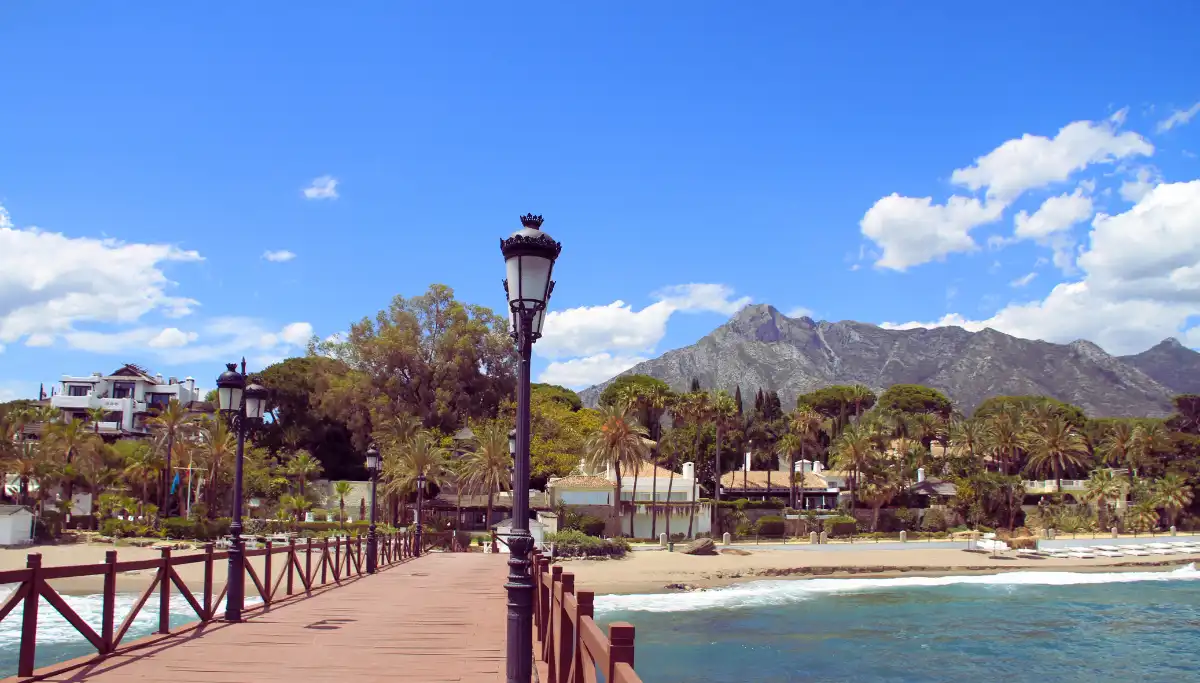
Playa de la Fontanilla is Marbella's main beach. It's a wide stretch of golden sand right in front of the town centre with everything you need for a beach day. Sunbeds and parasols are available for hire, chiringuitos serve drinks and food, and the waters are calm for swimming.
The promenade behind the beach is perfect for an evening stroll, lined with restaurants and bars with sea views.
Sunbed hire costs around €10-15. Arrive early in summer to claim a good spot on the sand. The chiringuitos along the beach serve excellent fried fish.
7. Find Peace at Playa de Nagüeles
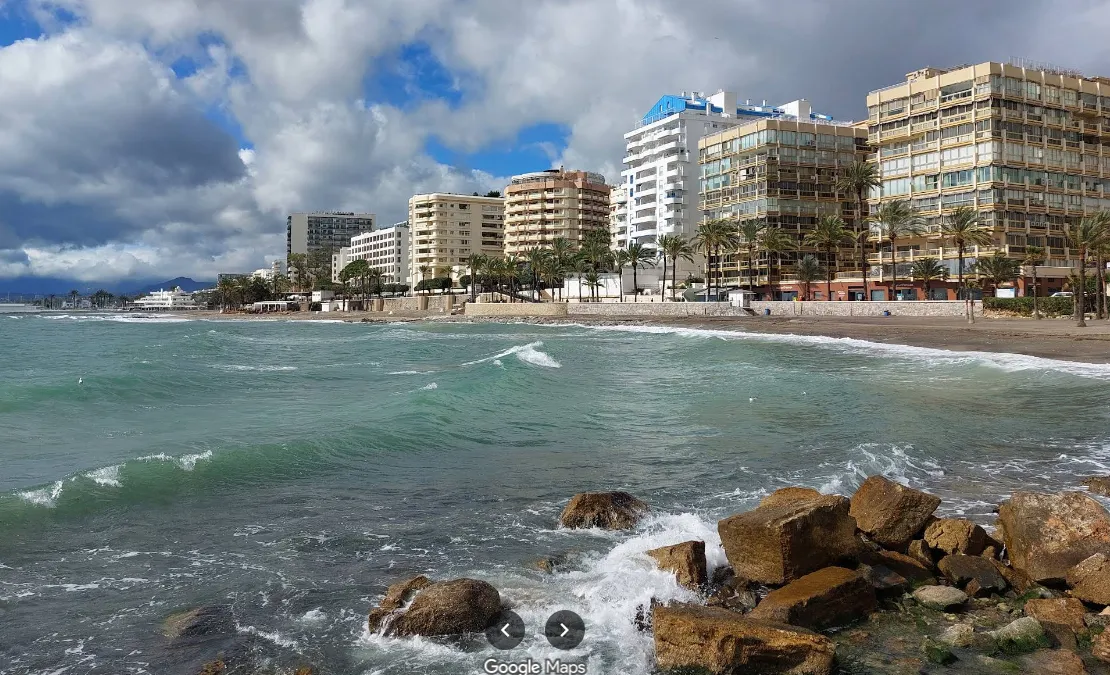
West of the town centre, Playa de Nagüeles is a quieter alternative to the main beaches. The sand is just as golden, the water just as clear, but the atmosphere is more relaxed.
This beach sits at the start of the Golden Mile and has several upmarket beach clubs. There's also plenty of free sand where you can lay your towel without charge. The eastern end of the beach is less developed, so walk past the beach clubs to find more space in high season.
8. Experience a Beach Club
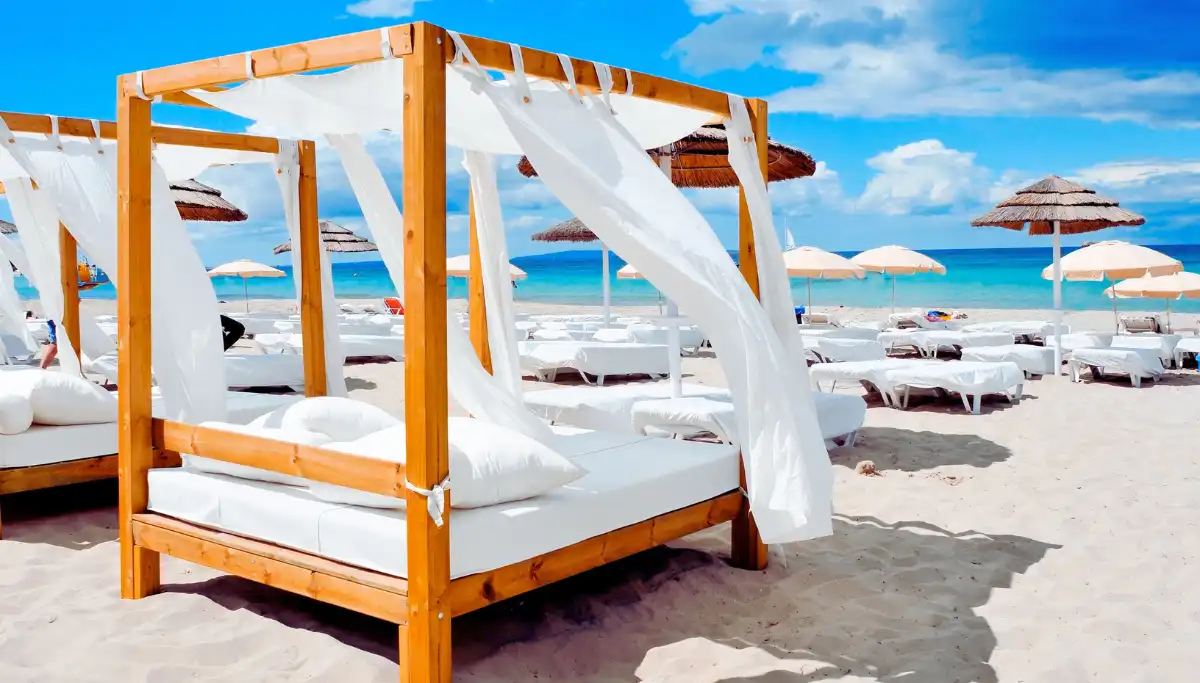
Marbella is famous for its beach clubs, and experiencing one is part of the full Marbella experience. These range from ultra-exclusive establishments to more accessible spots where you can spend a day in comfort without breaking the bank.
Most beach clubs offer sunbeds, pools, restaurants, and DJ sets in the afternoon. Prices vary enormously, from €30 for a basic sunbed to hundreds for VIP areas.
Expect to pay €30-200+ per person depending on the venue. Nikki Beach and Ocean Club are the famous names. For something more relaxed and better value, Cappuccino or La Cabane are worth a look.
9. Discover the Eastern Beaches
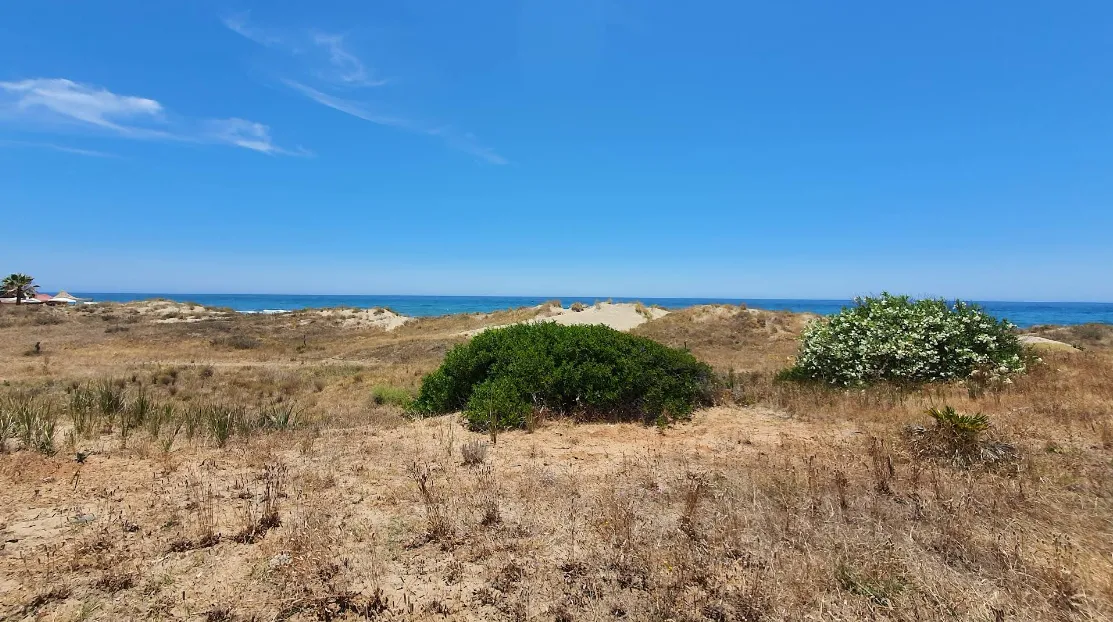
East of Marbella town, a string of beaches stretches toward Cabopino. These include Playa Real de Zaragoza, Playa Alicate, and Playa Cabopino, each with their own character.
Cabopino is particularly worth visiting for its sand dunes, a protected natural area, and its smaller, more intimate atmosphere. The marina here has excellent restaurants.
Boat Trips
Honestly, I haven't done this yet. I've walked past the yachts in Puerto Banús many times and wondered what it would cost to step onto one.
The answer is: more than I'm spending today.
The accessible options are the shared boat trips that leave from Marbella's port. Dolphin watching excursions run year-round and take about two hours out into the strait, at around €25-35 per person. Sunset champagne cruises are the other popular option, leaving from the same port most evenings from spring through to October.
I'll get on one eventually.
Puerto Banús
10. Stroll the Puerto Banús Harbour

Puerto Banús is Marbella's famous marina, home to superyachts, luxury cars, designer boutiques, and people-watching opportunities like nowhere else on the Costa del Sol.
Whether you find it tacky or fascinating, it's worth a visit.
The harbour promenade is free to walk and the parade of wealth is entertainment in itself. Behind the waterfront, designer stores line the streets.
Evenings are the liveliest time to visit. Come for a walk and one drink, not dinner. Restaurants right on the harbour are overpriced. Better options are a short walk away.
11. Shop the Designer Boutiques

If luxury shopping is your thing, Puerto Banús delivers. The streets around the marina are lined with boutiques from every major fashion house. Gucci, Louis Vuitton, Versace, Dolce & Gabbana, and more.
Even if you're not buying, window shopping here is part of the Puerto Banús experience.
12. Experience the Nightlife
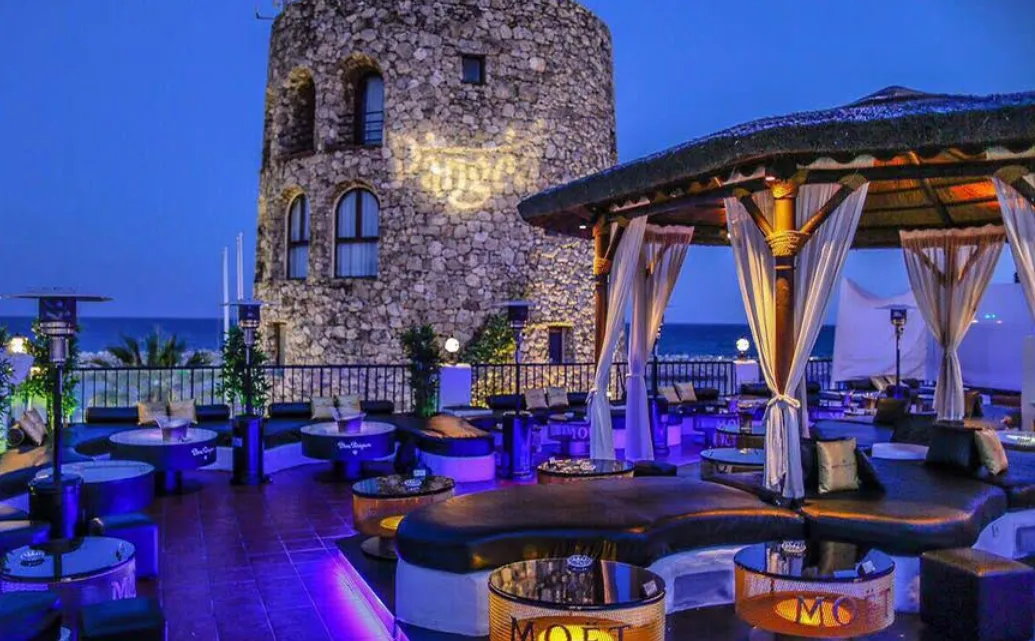
Puerto Banús is the centre of Marbella's nightlife scene, with bars, clubs, and late-night restaurants keeping the party going until dawn in summer.
The harbour itself has numerous bars to choose from, while clubs like Olivia Valere and La Suite have been drawing crowds for decades.
Dress codes apply at the smarter venues. Puerto Banús is expensive for everything, so start with pre-drinks elsewhere and head over later.
Many clubs offer free entry before midnight.
Eat and Drink
Marbella has a reputation for glamour, but most of the best eating happens well away from the harbourfront menus. The tapas bars of the Old Town serve food that would hold their own anywhere in Andalusia.
Start with the local dish: berenjenas con miel de caña, fried aubergine drizzled with sugar cane honey. You'll find it on nearly every tapas menu in Marbella, and it's one of those plates that seems simple until you taste how well it's done.
For something more serious, SKINA on Calle Aduar holds 2 Michelin stars, making it the only restaurant in the Marbella area with that distinction. It's a small, intimate space with a seasonal tasting menu, so book weeks in advance and go prepared to spend properly.
Taberna La Niña del Pisto is a better reference for everyday eating. It's an Old Town tapas bar with serious food at prices that don't require a second mortgage. The atmosphere is exactly what you'd want from a neighbourhood place in Andalusia.
The Farm, which I mentioned above in the flamenco section, also serves food on its show nights. If you're already going for the performance, eat there too.
The Golden Mile and Beyond
13. Walk the Golden Mile Promenade
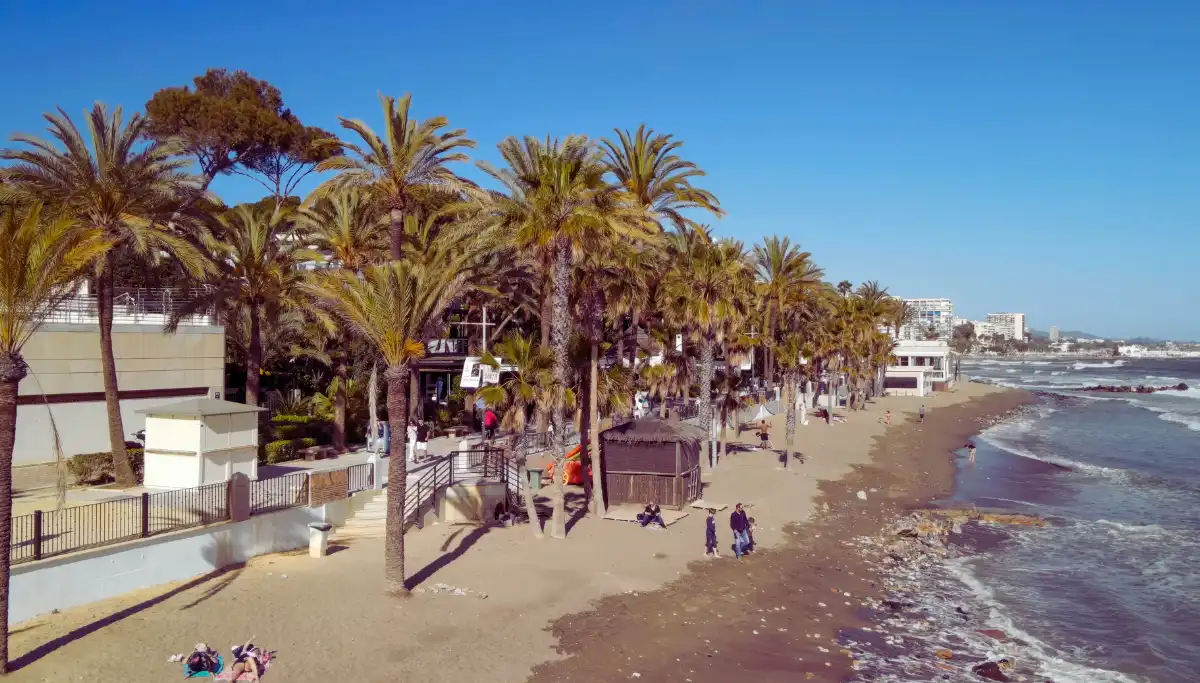
The Paseo Maritimo runs along Marbella's coastline, but the stretch between Puerto Banús and Marbella town is known as the Golden Mile. This beachfront walk takes you past luxury hotels, beach clubs, and upmarket restaurants.
It's around 6km one way, making it perfect for a morning or evening stroll. You can walk the whole thing or just a section, stopping at beaches or chiringuitos along the way.
Walk one way and take a taxi back. The evening is the best time for both the atmosphere and the temperature.
14. Avenida del Mar and the Dalí Sculptures
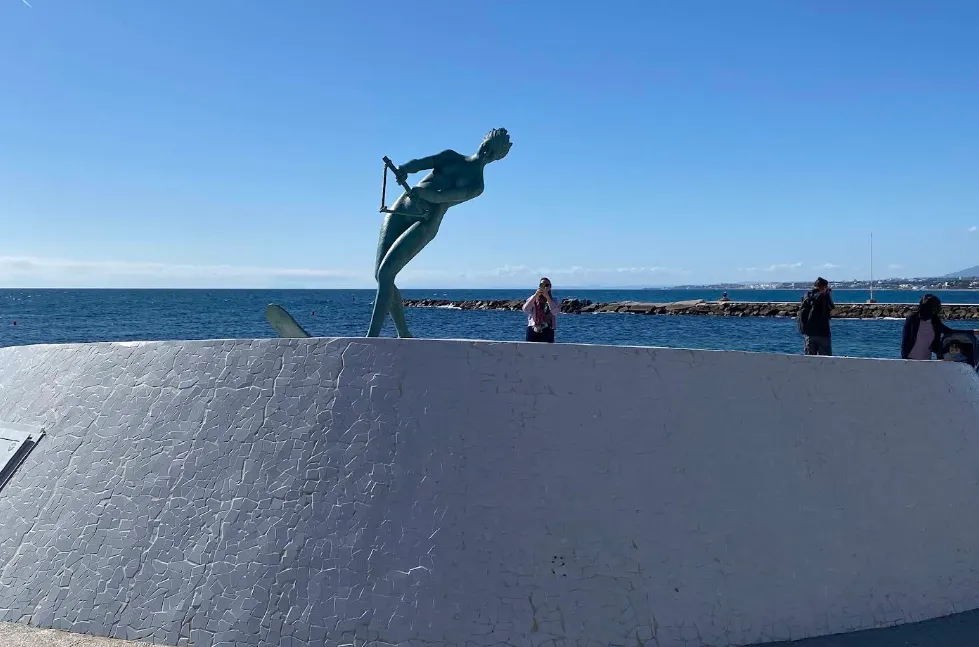
Avenida del Mar is a short, tree-lined pedestrian boulevard that connects Marbella's Old Town to the seafront. It was transformed in the 1990s when a series of bronze Dalí sculptures were installed along its length, and it's been one of the town's most distinctive streets ever since.
The sculptures are odd and dreamlike in the best possible way. Each one repays a close look rather than a passing glance, especially the melting clock, which sits about halfway along the boulevard.
From the far end of Avenida del Mar, the seafront opens in both directions. The sunset views from this stretch of coast are among the best in the area, and this is a solid spot to watch the light change over the water before dinner.
15. Visit the Marbella Museum
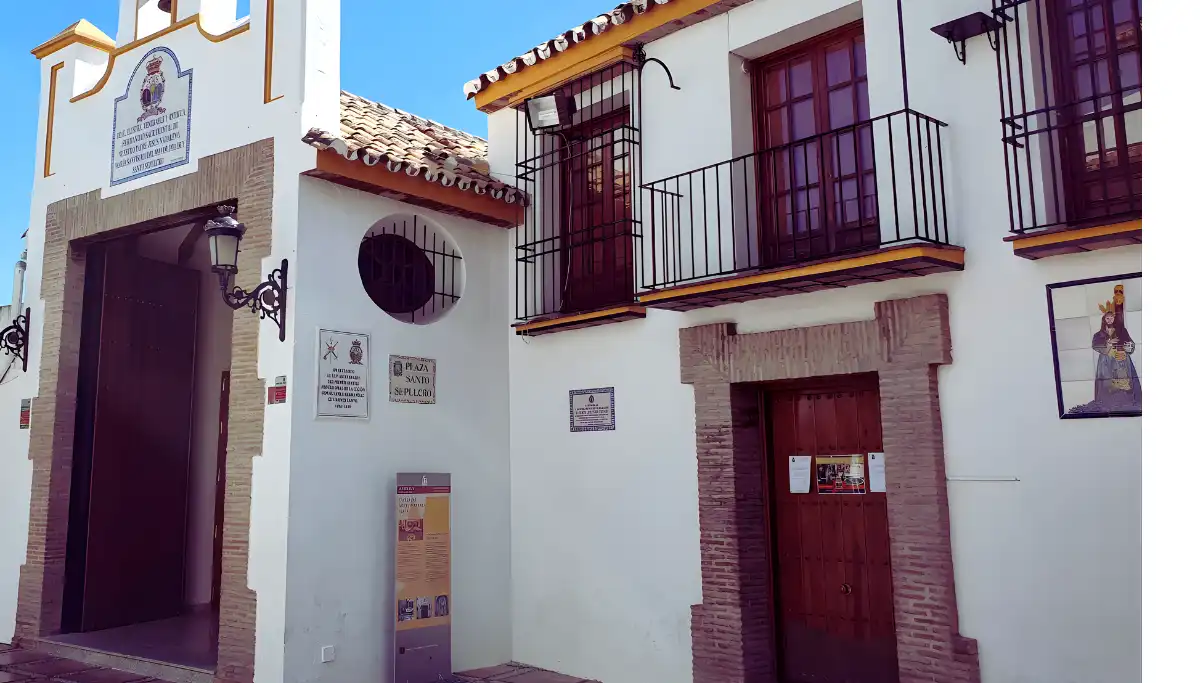
The Museo del Grabado Espanol Contemporaneo (Museum of Spanish Contemporary Engraving) is housed in a beautiful 16th-century building in the Old Town. It holds an impressive collection of prints and engravings by artists including Picasso, Miro, and Dali.
It's a small museum but an excellent one, offering a cultural counterpoint to the beach and shopping.
Entry is €3, or free on Saturdays. Allow around an hour. The Renaissance building itself is worth seeing even before you get inside.
Nature and Outdoors
16. Hike La Concha and the Sierra Blanca
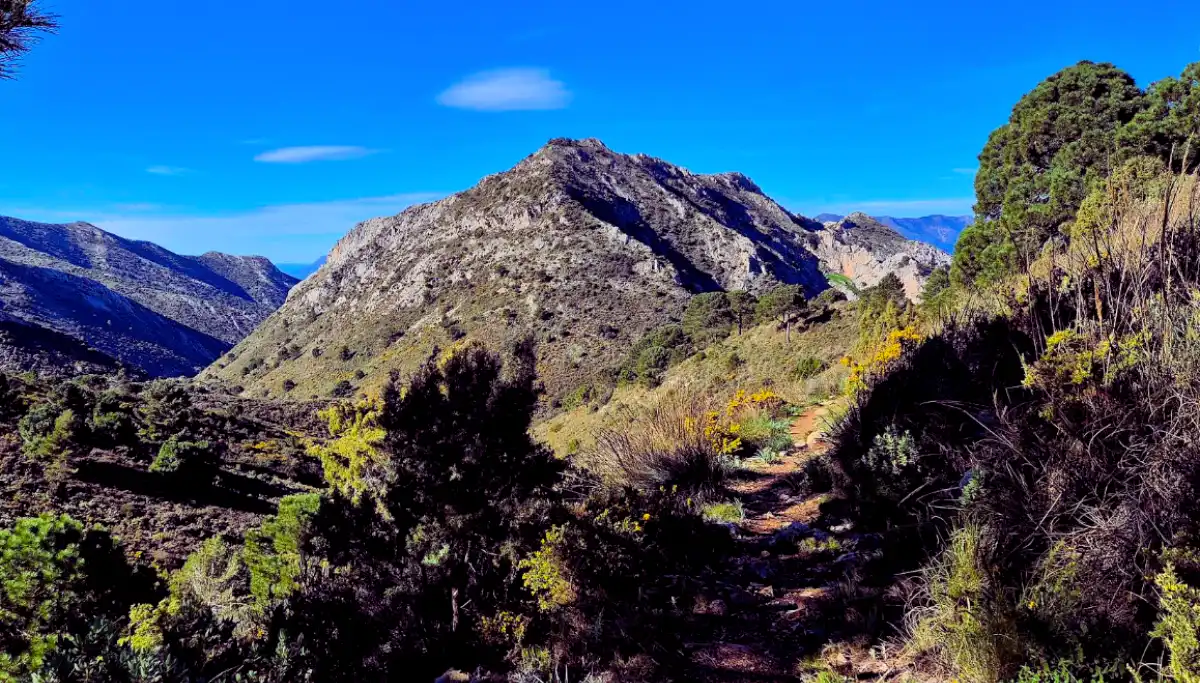
The mountain directly behind Marbella is La Concha, a 1,215m peak in the Sierra Blanca range that dominates the skyline from almost anywhere in the city. Most visitors never look up at it. That's their loss.
The classic route to the summit is around 10-11km return, with around 900m of ascent, taking most walkers 3-4 hours. It's not technically difficult but it's a proper hike, not a stroll. The reward at the top is a 360-degree view that stretches to Gibraltar and, on clear days, across the strait to Africa.
The trailhead at Refugio de Juanar is about 20 minutes from Marbella by car. Start early in summer to avoid the midday heat. Bring more water than you think you need, and proper footwear. The final approach is on loose rock.
17. Visit the Refugio de Juanar
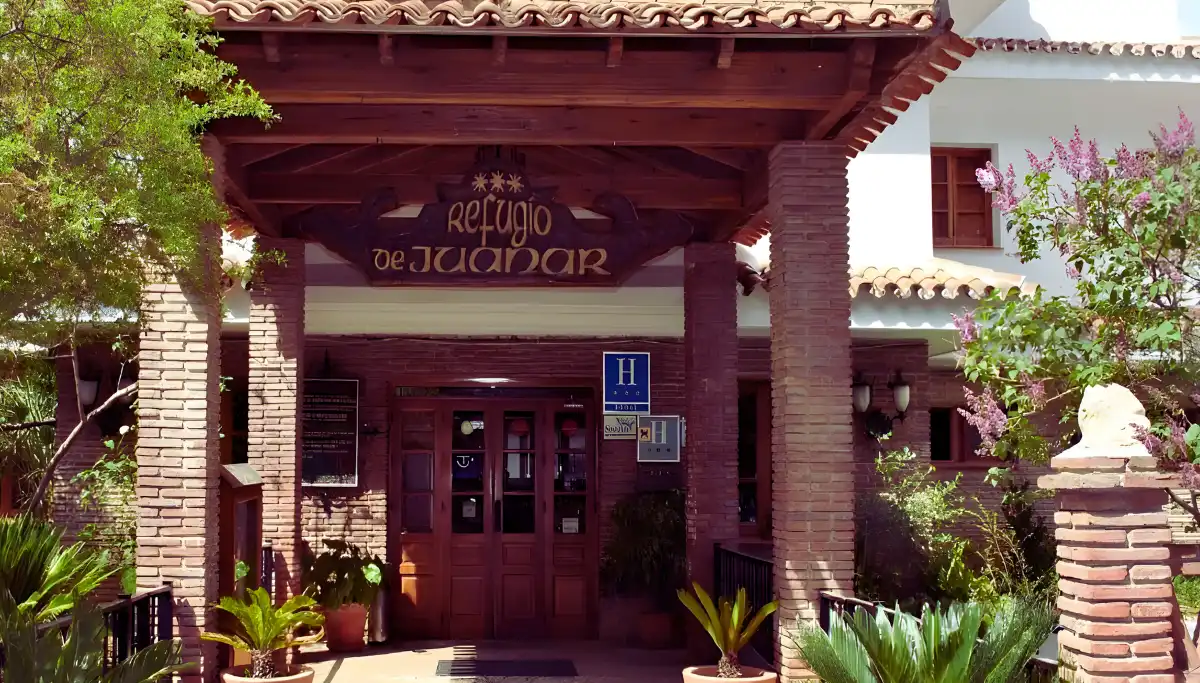
The Refugio de Juanar is a historic hunting lodge in the mountains above Marbella, now a hotel and restaurant. Even if you're not staying, it's worth visiting for lunch or coffee after a hike.
The setting is beautiful, surrounded by pine forests with views down to the coast. It feels a world away from the beaches below. The kitchen focuses on traditional Spanish cooking, with game dishes and grilled meats the standout options. Book for Sunday lunch when Spanish families come up from the coast.
Play Golf
The Marbella area has around 19 golf courses within easy reach of the town, from the famous Club de Golf Valderrama near Sotogrande to courses closer to the coast on the Golden Mile. The concentration is exceptional by any standard in Europe.
Most courses accept green fee visitors. If you're not a golfer, this partly explains why so many visitors are older and why hotel prices stay high year-round. The golf tourism alone carries the area through the shoulder months.
18. Explore the Promenade to San Pedro
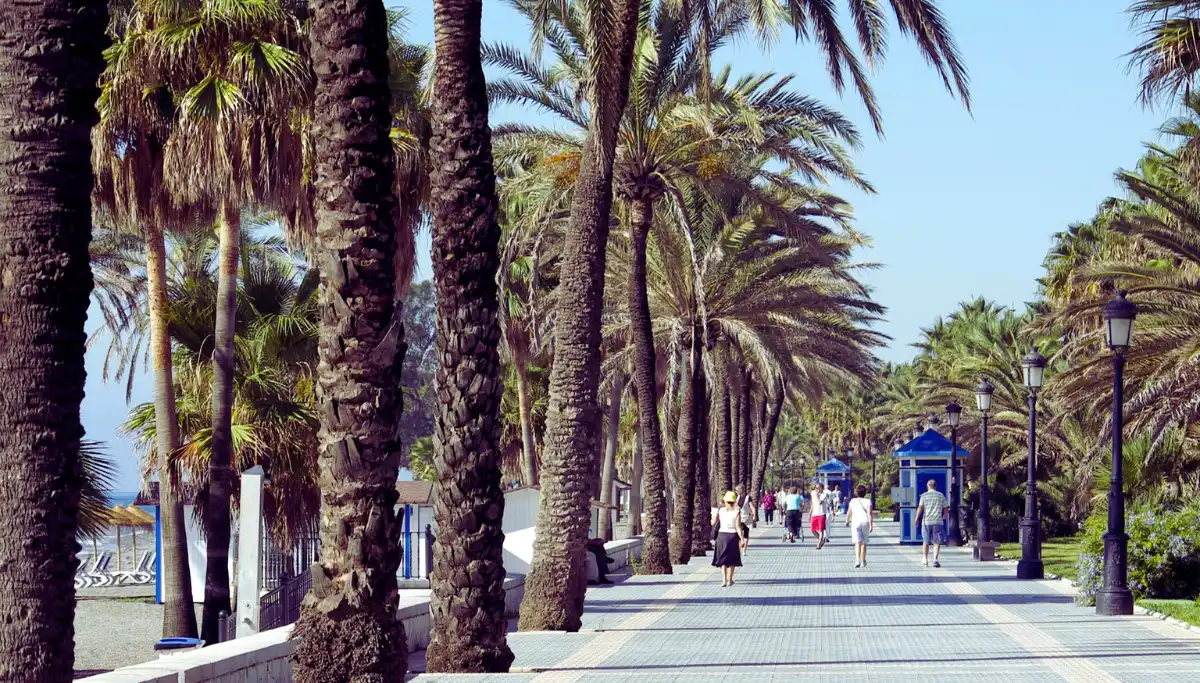
West of Puerto Banús, the promenade continues to San Pedro de Alcantara, another 6km of beachfront walking. San Pedro is less glitzy than Marbella, with a more local atmosphere and a pleasant town centre.
The walk passes more beaches, residential areas, and the occasional chiringuito. It's a good way to escape the Puerto Banús crowds, and if you've got more time, San Pedro is also the jumping-off point for Estepona further west.
19. Visit the Bonsai Museum

Just outside Marbella, the Museo del Bonsai houses one of Europe's finest collections of miniature trees. With over 300 specimens, some centuries old, it's a peaceful and surprising attraction.
Entry is €5. Visit in the morning when it's cooler and the gardens are quieter.
Day Trips
20. Explore Istan
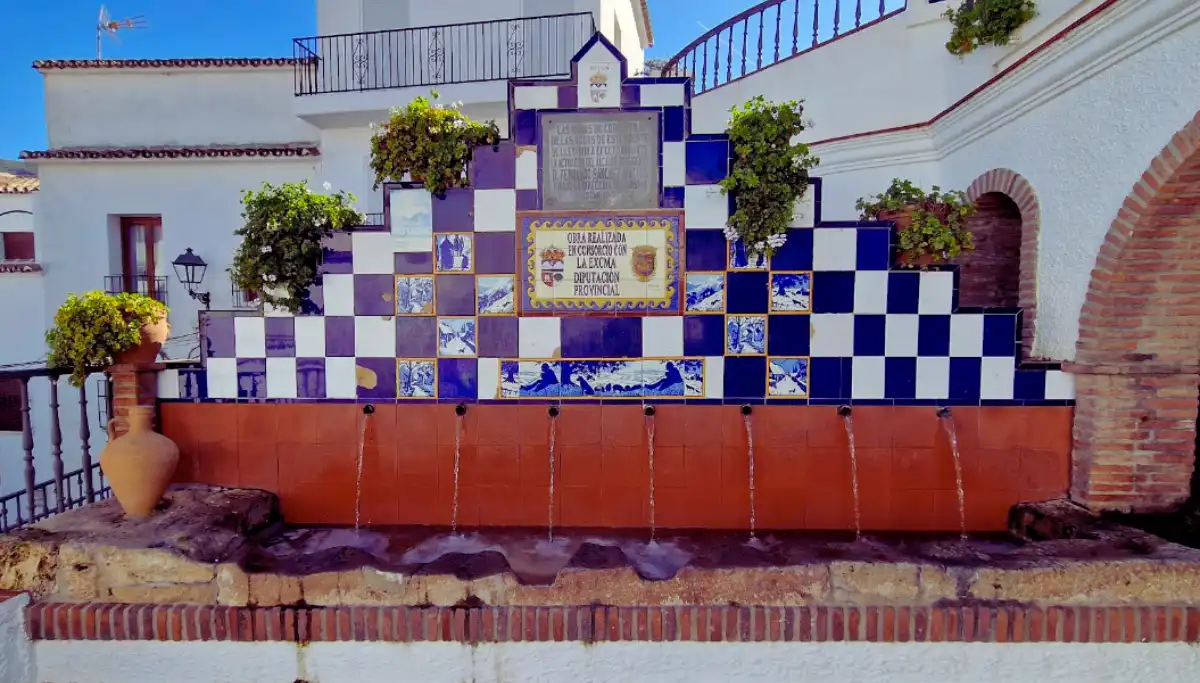
The village of Istan sits in the mountains above Marbella, a traditional whitewashed pueblo with spectacular views down to the coast. It's a glimpse of authentic Andalusian village life, just 15 minutes from the glitz below.
The village has a small plaza, a handful of restaurants, and walking trails into the surrounding hills. The reservoir (Embalse de la Concepcion) is popular for picnics and swimming in summer.
Go for lunch at a traditional restaurant, then take the scenic drive back via the mountain road. The contrast with Puerto Banús could not be greater.
21. Day Trip to Ronda
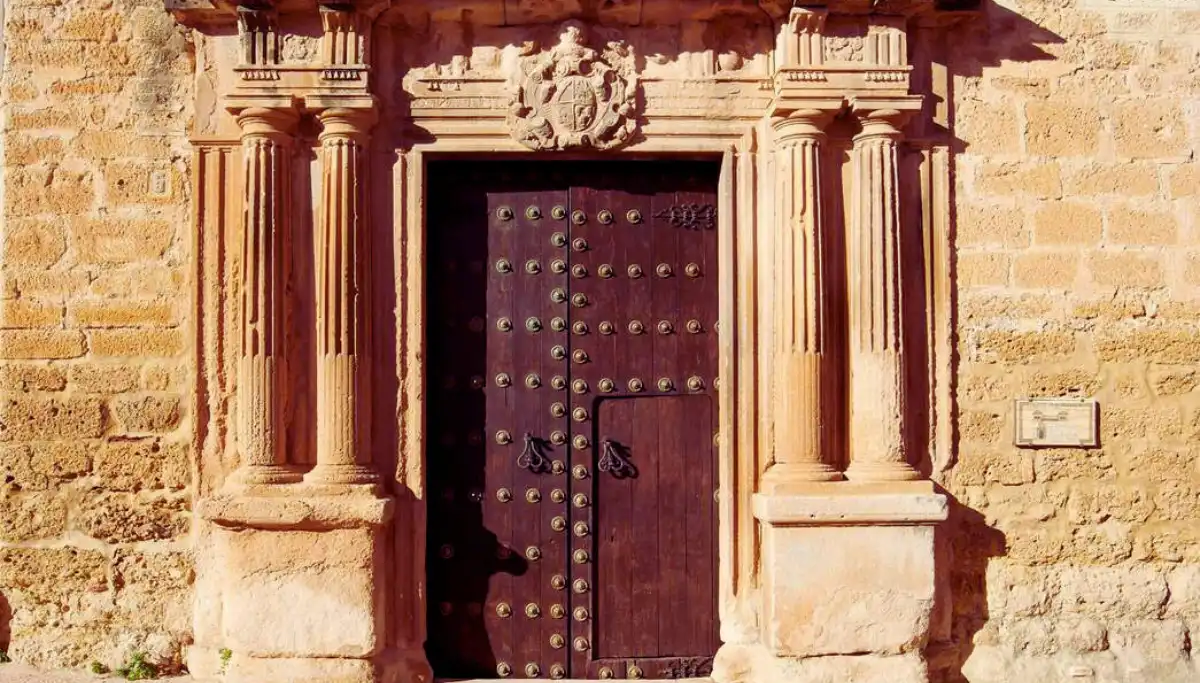
The famous mountain town of Ronda is about 45 minutes from Marbella, making it an easy day trip. Its dramatic gorge, historic bullring, and clifftop views make it one of Andalusia's must-see destinations.
The drive through the mountains is spectacular, winding through cork oak forests and past whitewashed villages. For more ideas, see my full guide to day trips from Marbella.
How to Get to Marbella

Marbella is well connected by road and bus. From Málaga Airport, it's about 45 minutes by car on the AP-7 toll road (the A-7 coast road is free but slower). A taxi from the airport costs around €60-80.
Buses run frequently from Málaga bus station via Portillo/Avanza and take about an hour. A single ticket costs €6-8. From Gibraltar, it's roughly an hour along the A-7 coastal road.
If you're driving, parking in the Old Town is very limited. Use the underground car parks on the edge of the centre (Avenida del Mar or near the bus station) and walk in. Puerto Banús has large car parks but charges €3-5 per hour in summer.
Best Time to Visit Marbella
Spring (April to May) is the best all-round time: warm enough for the beach, uncrowded, and the gardens and hills around Marbella are at their greenest. Summer (June to September) is peak season. Hot, busy, and expensive, but the beach is the main event and the evenings are genuinely lively.
Autumn (October to November) still delivers beach weather in the early weeks, with noticeably fewer crowds and better prices. Winter (December to March) is mild by northern European standards, some beach clubs close, and the focus shifts to golf, hiking, and the Old Town. It's a different kind of trip, but a good one.
For a detailed month-by-month breakdown, read my best time to visit Marbella guide.
Who is Marbella For?
Marbella works for a surprisingly wide range of travellers. The Old Town has genuine Andalusian character, the beaches are excellent, and the mountains are close enough for a morning hike. You can easily visit on a budget or splash out on beach clubs and fine dining.
That said, Puerto Banús can feel trashy and overpriced. Summer gets very busy, traffic and parking are challenging, and some areas feel more international than Spanish. Beach club prices can be outrageous if you're not expecting them.
Where to Stay in Marbella
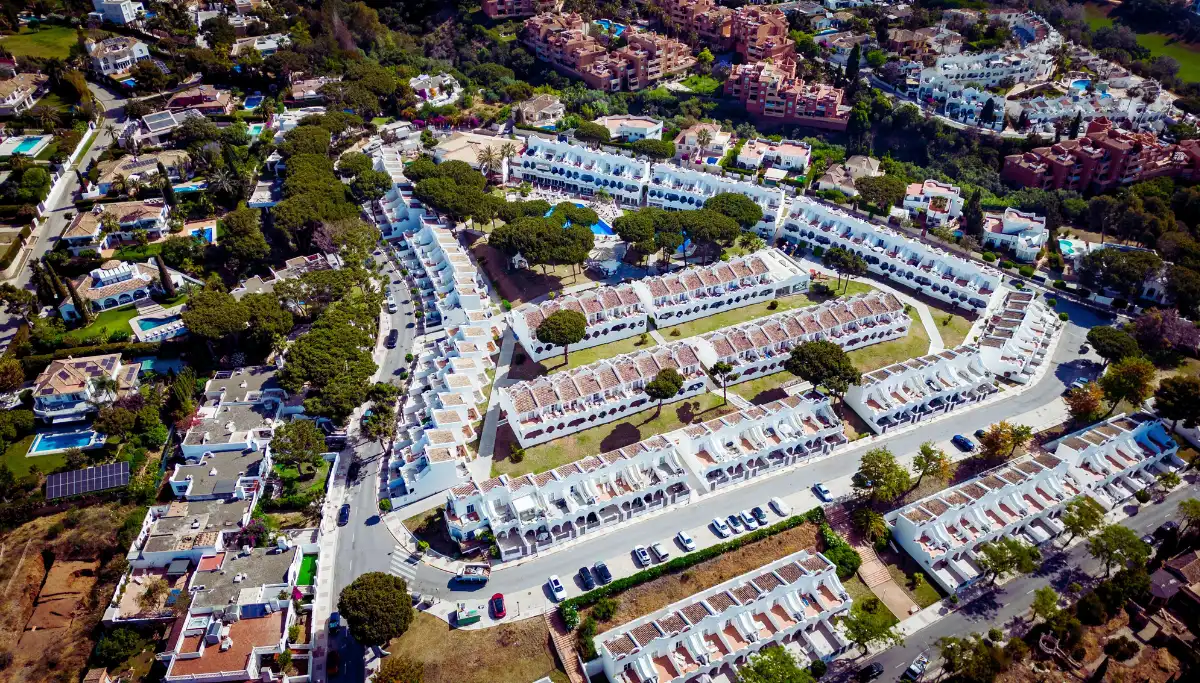
The Old Town is the best base for atmosphere and easy exploration. The boutique hotels here sit in whitewashed buildings within walking distance of restaurants and shops, and the streets are genuinely pleasant to navigate on foot. Parking is limited, so plan accordingly. It's the right choice for couples and anyone who wants character over resort facilities.
The Golden Mile, between town and Puerto Banús, is where the luxury resorts and beachfront hotels sit. Expect pools, spas, and direct beach access. You'll need transport to explore beyond your hotel, but it's ideal for families wanting resort-style facilities.
Puerto Banús puts you close to nightlife, designer shopping, and the marina. Accommodation quality is mixed, and it can be noisy. It's the right choice if you want to be in the thick of the action, but not ideal if you prefer early nights.
For a detailed breakdown with recommendations, read my where to stay in Marbella guide.

Hola! I'm the researcher, walker, and co-founder behind Spain on Foot. I help travellers experience Spain authentically, through in-depth guides, locals-only knowledge, and cultural stories you won't find in guidebooks. You can reach me at heidi@spainonfoot.com
Planning a trip to Marbella?
Explore Marbella Guide→