Granada’s centre is flat enough to walk comfortably. The cathedral, the old silk market, Plaza Nueva, and the Carrera del Darro are all close together and mostly pedestrianised.
The problems start when you look up. The Alhambra sits on a hill above the city, the Albaicín is a steep maze of cobbled streets, and Sacromonte climbs further still. You’ll walk a lot, but you’ll also need buses or taxis for some journeys.
We’ve lived in Andalusia long enough to know which hills are worth climbing and which ones deserve a bus. Here’s the honest version.
⭐ Don’t miss >> Where to stay in Granada, my neighbourhood guide
Is Granada Walkable?

Yes, if you stick to the centre.
The area around the cathedral, Gran Vía, and Plaza Nueva is flat and easy to navigate on foot. Most of the restaurants, shops, and tapas bars are here, and you can cover the whole area in 15 minutes.
The moment you head toward the Albaicín or the Alhambra, things change. Both involve serious climbs. Comfortable shoes aren’t optional here, they’re survival gear for the cobblestones.
In summer, the heat makes midday walking miserable. Locals disappear indoors between 2pm and 6pm, and you should too.
Here are my favourite places to stay in Granada:
⭐ Best all-rounder >> Casa 1800 Granada
⭐ For the Albaicín >> Shine Albayzin
⭐ A once-in-a-lifetime stay >> Parador de Granada
⭐ Best budget >> Oasis Backpackers’ Hostel
Where Is Everything?
The city centre sits in a valley with hills rising on either side.
To the east, the Albaicín climbs steeply from the River Darro. This is the old Moorish quarter with narrow lanes, whitewashed houses, and the famous Mirador San Nicolás viewpoint at the top.
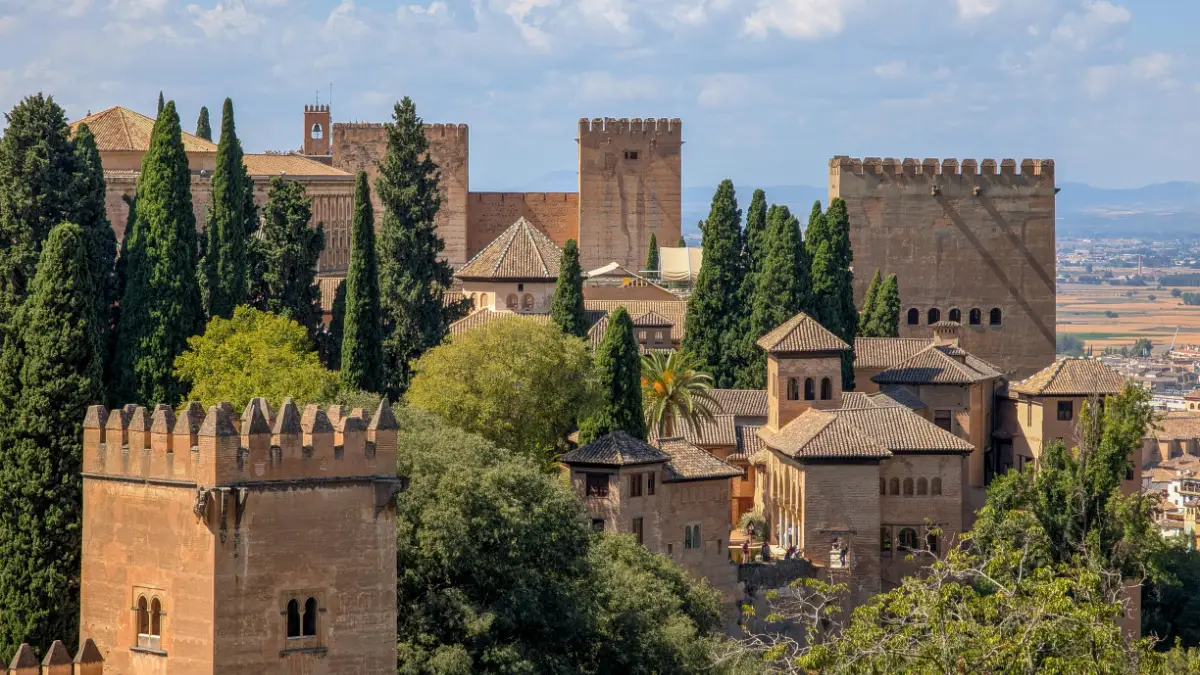
Above and to the southeast, the Alhambra complex sits on its own forested hill. It’s visible from most of the city but reaching it means a proper uphill walk.
To the northeast of the Albaicín, Sacromonte is the traditional cave neighbourhood, home to flamenco shows and a fascinating abbey.
The train station is about 1.5km northwest of the centre along Gran Vía. The bus station is further out, about 3km from the centre.
| From | To | Walking Time | Notes |
|---|---|---|---|
| Cathedral | Plaza Nueva | 5 min | Flat, easy |
| Plaza Nueva | Mirador San Nicolás | 20-25 min | Steep climb through Albaicín |
| Plaza Nueva | Alhambra entrance | 20-30 min | Uphill via Cuesta de Gomérez |
| Cathedral | Train station | 20 min | Flat, along Gran Vía |
| Plaza Nueva | Sacromonte caves | 30-40 min | Steep and winding |
READY TO BOOK YOUR TRIP TO GRANADA?
🚆 Trains and buses: I book through Omio
🚗 Rent a car: I use Discover Cars
🎟️ Alhambra tickets and tours: I use GetYourGuide
🏨 Accommodation: Find hotels in Granada
🛡️ Travel insurance: I use SafetyWing
On Foot
Walking is how you should see the city centre. The streets between Plaza Nueva and the cathedral are mostly pedestrianised, and the Carrera del Darro alongside the river beneath the Alhambra walls is one of the most beautiful walks in Andalusia.
The Albaicín is also best on foot, but it’s hard work. The streets are narrow, cobbled, and often stepped.
There are no shortcuts and no flat alternatives. If you want to reach the Mirador San Nicolás viewpoint, you’re earning it.
You don’t need a car in Granada. The historic centre has a restricted access zone (ZBE), the Albaicín is essentially car-free, and the old town streets will punish you with dead ends and impossibly tight turns.
If you’ve driven in, park and forget the car until you leave.
Underground car parks in the centre (Plaza Puerta Real, San Agustín) cost €15-25 per day. Blue zone street parking runs about €1.50-2 per hour. Free street parking exists in the outer neighbourhoods, but it fills up quickly.
Do not drive into the Albaicín unless your hotel has specifically told you to and given you directions. The streets are narrow enough to scrape both mirrors at once, and getting stuck is a real possibility.
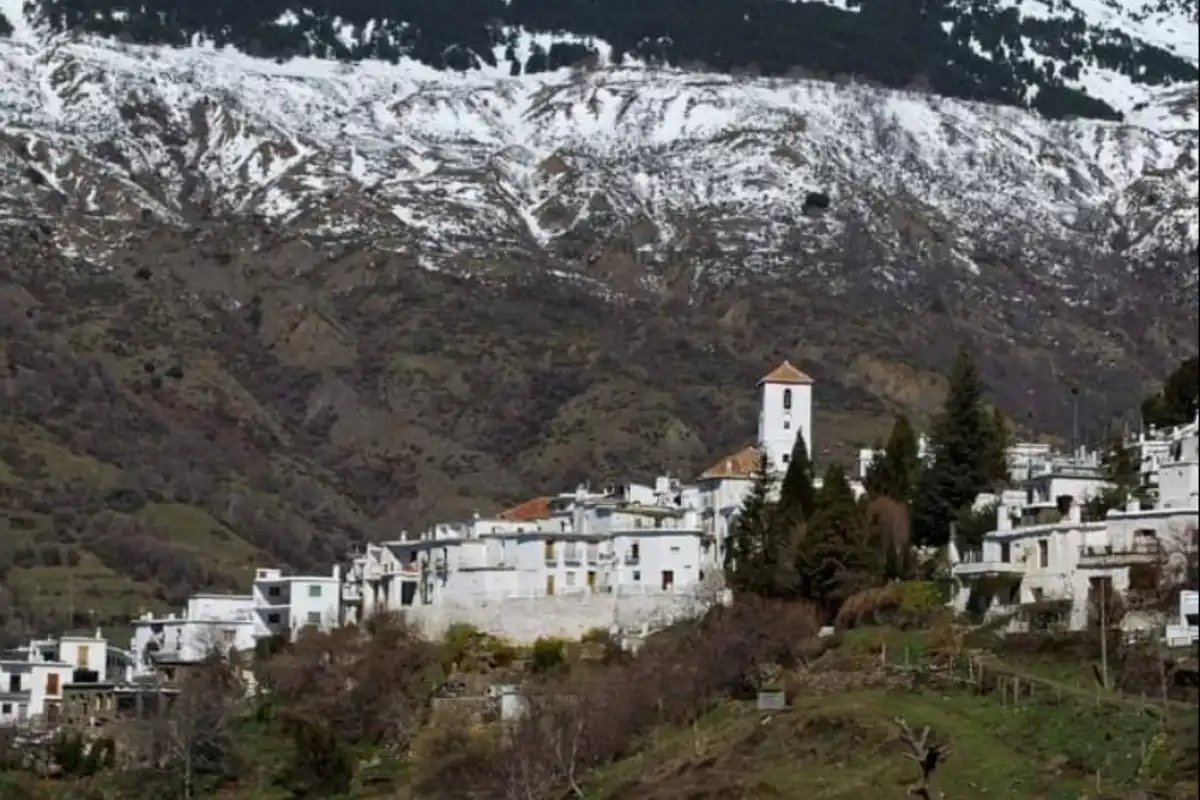
A car is useful for day trips to the Alpujarras, Sierra Nevada, or the coast. If you’re renting, pick it up on the day you leave Granada rather than keeping it parked during your stay.
Getting to Granada
Granada Airport (Federico García Lorca) is 17km west of the city. An airport bus runs to the centre in about 45 minutes for €3, timed to match flights. A taxi costs €25-35 and takes about 25 minutes.
The airport is small with limited connections. Many visitors fly into Malaga instead, which has far more international routes.
From Malaga Airport, ALSA buses run direct to Granada’s bus station in 1.5-2 hours for €12-15. Driving takes about 1.5 hours on the A-92 motorway.
By train, Granada connects to Madrid in about 4 hours on the AVE high-speed line, Seville in 2.5 hours, Cordoba in 2 hours, and Malaga in 1.5-2 hours. The train station is 1.5km from the centre. Walk along Gran Vía in 20 minutes, take the LAC bus, or grab a taxi for €6-8.
The bus station is further out at 3km. Take bus 33 or a taxi (€7-9) into the centre.
What If You Can’t Walk Too Far?
The city centre around the cathedral is relatively flat and manageable. If mobility is a concern, this is where you’ll be most comfortable. The main plazas, the tapas bars, and the shopping streets are all accessible here.
The Albaicín is a different story. Steep cobbled streets, steps everywhere, and no alternative routes.
Wheelchair access is essentially impossible. If you want the famous viewpoint at Mirador San Nicolás without the climb, take a taxi directly there.
The Alhambra involves significant walking even once you’re inside, but it does have some accessible areas. A taxi to the entrance avoids the uphill approach.
Modern city buses are low-floor and accessible. The C1/C2 minibuses serving the Albaicín are smaller and harder to board, so taxis are the better option for that neighbourhood.
Final Thoughts
Granada is a city you explore on foot, but the hills mean you’ll lean on buses and taxis more than in most Spanish cities. The centre is easy.
The Albaicín and Alhambra take effort. Plan around the heat in summer, grab a Credibus card if you’re staying a few days, and don’t be too proud to take the bus uphill.
If you’re planning your trip, have a look at my guide to things to do in Granada for the full picture. And if you have time, the day trips from Granada are some of the best in Andalusia, from the Alpujarras white villages to Sierra Nevada and the coast.