getting-around
Getting Around Estepona: Walking, Buses, Taxis & Driving
This post may contain affiliate links, which means I earn a small commission, at no extra cost to you. It helps keep the blog alive, and we really appreciate your support!

Estepona is the kind of town where your feet do most of the work.
The old town is compact, mostly pedestrianised, and flat. You can cross it in about 15 minutes. If you're staying anywhere near the centre, you won't need anything other than comfortable shoes.
For the rest of the Costa del Sol, buses run along the coast to Marbella and Malaga. A rental car opens up the mountain villages. But for Estepona itself, walking is the obvious choice.
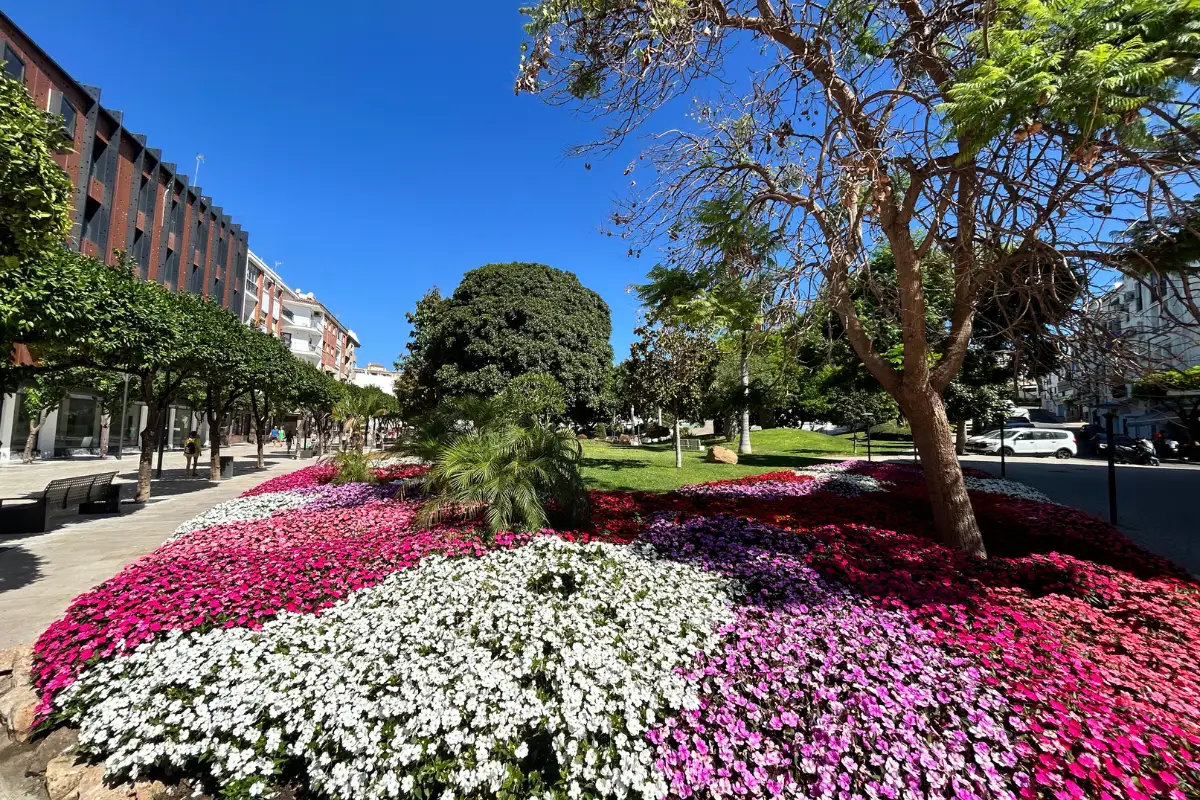
Is Estepona Walkable?
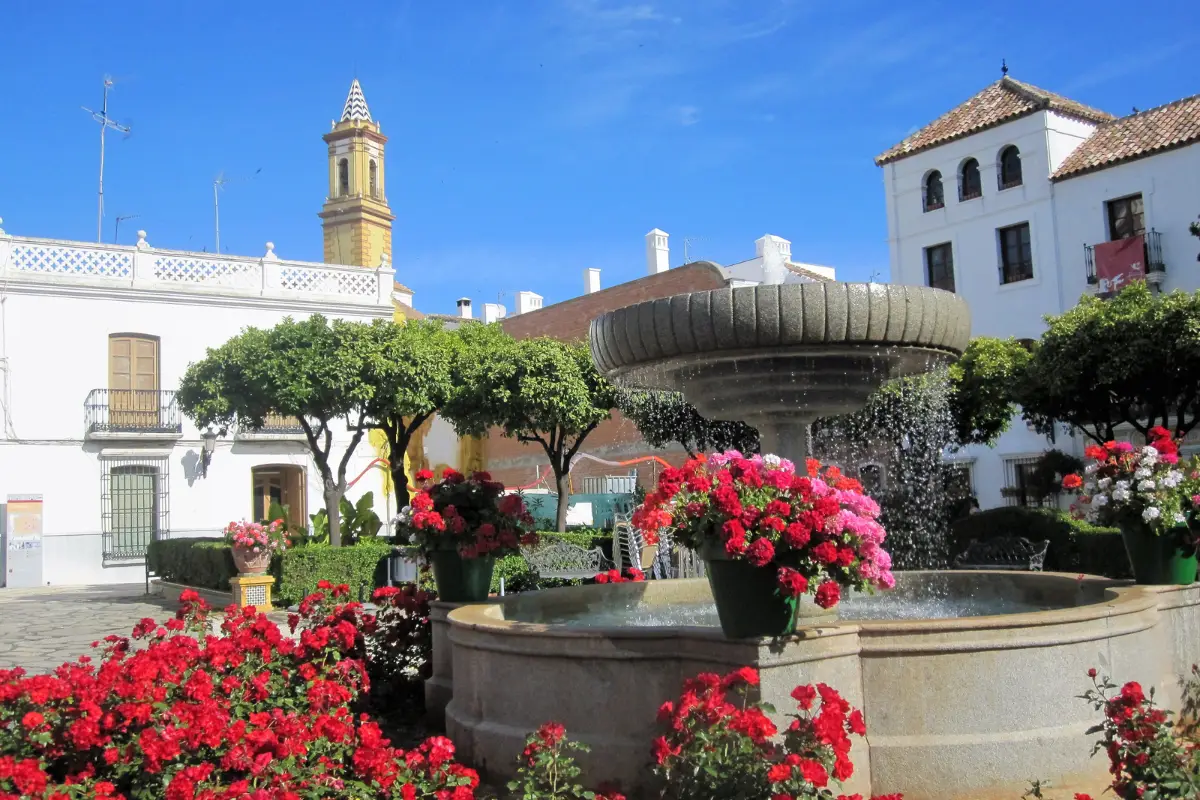
Very much so. The old town is small, flat, and largely car-free. The whitewashed streets fan out from the Plaza de las Flores, and everything you'd want to see is within a short stroll.
Some streets are cobbled, so decent shoes help. But there are no serious hills and no sections where you'd wish you had transport.
The seafront promenade, the Paseo Maritimo, stretches over 20km along the coast. You don't need to walk all of it, but the section between the port and the old town is a good evening route.
In summer, shade is limited along the promenade. Carry water and stick to mornings or late afternoon.
Where is Everything?
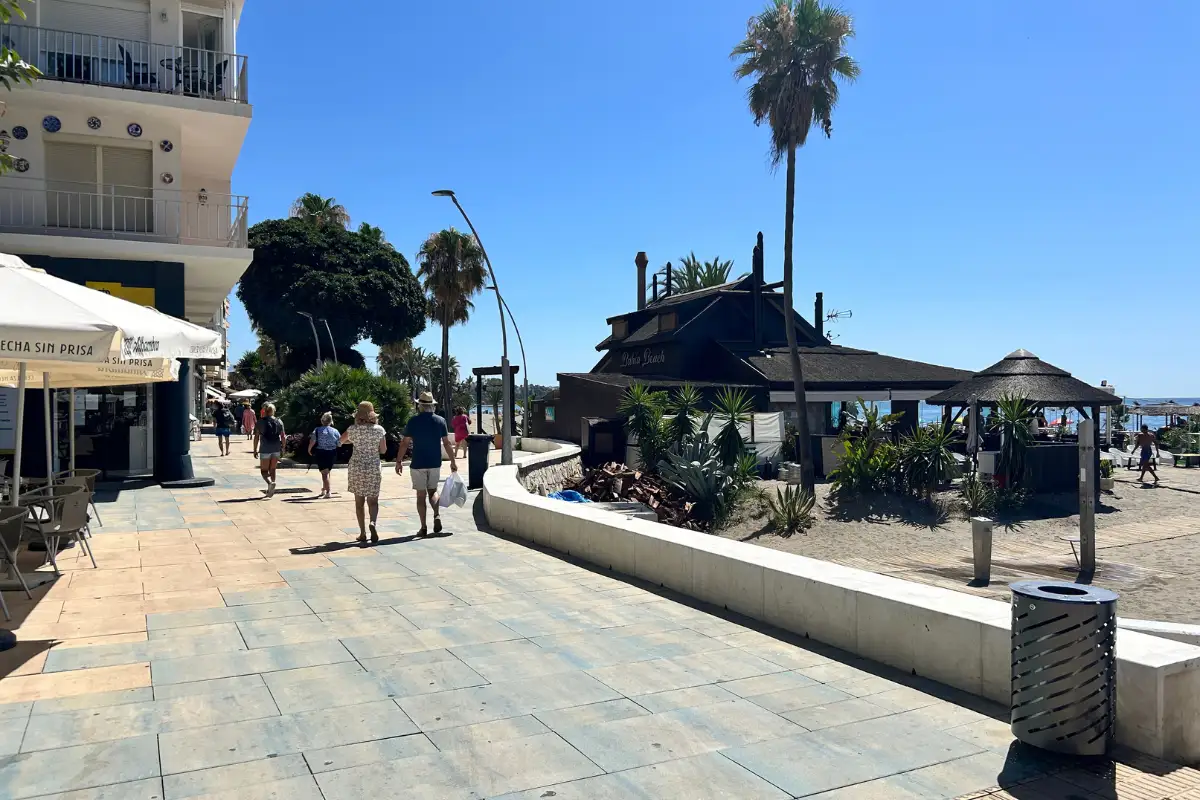
Plaza de las Flores is the centre of town. Most restaurants, shops, and cafes are within five minutes of here.
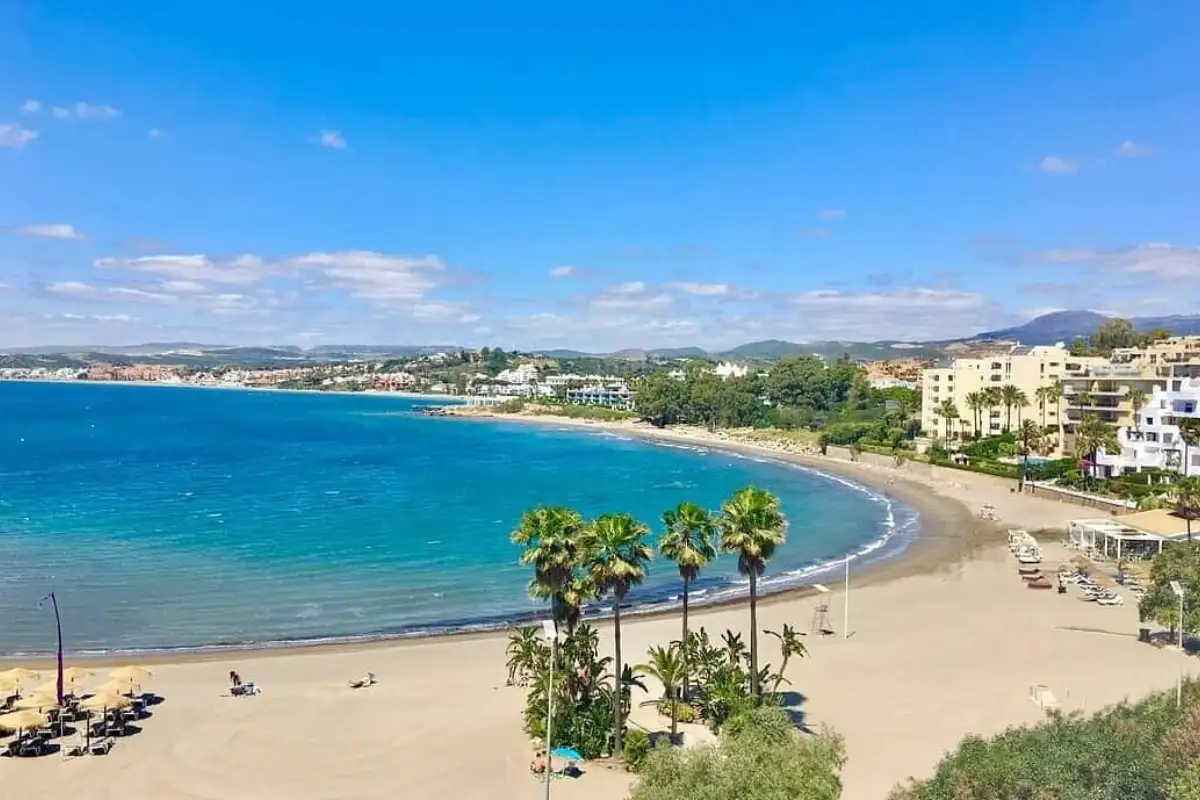
The beach is a five-minute walk south. The port is about 10 minutes east. The Orchidarium is eight minutes north. The bus station is the furthest point you're likely to need, about 15 minutes from the old town.
The residential and hotel areas spread along the coast in both directions, but the old town core is where you'll spend most of your time.
On Foot

Walking is how you should see Estepona.
The old town rewards wandering. There are murals on the walls, poetry tiles embedded in the streets, and quiet plazas that open up when you least expect them. You'll miss all of it from a car window.
| From | To | Time |
|---|---|---|
| Plaza de las Flores | Beach | 5 min |
| Old town | Port | 10 min |
| Port | Bus station | 15 min |
| Old town | Orchidarium | 8 min |
Local tip
The best walking route follows the Paseo Maritimo from the port towards San Pedro. Early morning or sunset is ideal, when the light on the water is at its best and the heat is manageable.
Wear comfortable shoes for the cobbled streets. Sandals are fine if they're secure. Flip-flops are asking for trouble on the uneven surfaces.
Buses
Estepona has a small local bus network connecting the town centre to the port, residential areas, and outlying neighbourhoods. Buses run roughly every 20 to 30 minutes during the day, with reduced service on Sundays. A single ticket costs around 1.30 euros. Most visitors staying near the old town won't need them.
For getting up and down the coast, Portillo (now part of Avanza) runs intercity buses from Estepona's bus station.
| Destination | Journey Time | Frequency | Approx. Cost |
|---|---|---|---|
| San Pedro | 15-20 min | Every 30 min | 2 euros |
| Marbella | 30-40 min | Every 30 min | 3-4 euros |
| Malaga | 1.5-2 hours | Every 30-60 min | 8-10 euros |
| Malaga Airport | 1.5-2 hours | Every 30-60 min | 10-12 euros |
The bus station is about 15 minutes' walk from the old town. You can buy tickets at the station or on the bus, though exact change helps. Buses can fill up in summer, especially for airport routes, so arrive early if you can.
Check the Avanza website for current schedules before you travel.
Taxis
Taxis are easy to find. There are ranks at the bus station, Plaza de las Flores, and the port. You can also call Radio Taxi Estepona.
Fares are metered. A ride within Estepona typically costs 5 to 10 euros. To Marbella, expect 30 to 40 euros. To Malaga Airport, it's 90 to 120 euros. Night and weekend rates are higher.
Uber and Cabify don't reliably operate here. Most taxis accept cards, but carry cash just in case.
For airport transfers, pre-booking a private transfer is often worth it. The cost is similar to a taxi and someone will be waiting for you. Your hotel can usually arrange this.
Driving and Parking
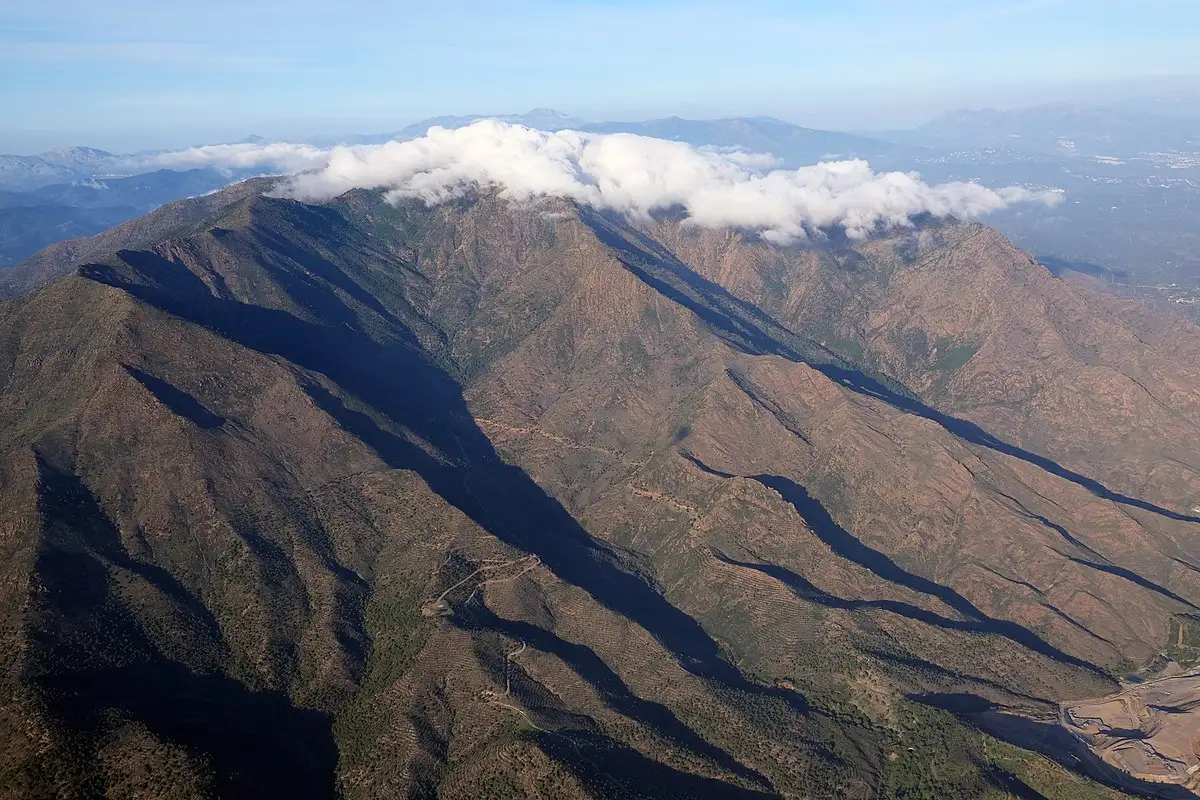
You don't need a car for Estepona itself. But if you want to explore the white villages in the mountains, places like Casares and Gaucin, or head further along the coast, a rental car makes life much easier.
The A-7 coastal road and AP-7 toll motorway run along the coast. Traffic through Estepona is generally manageable, though the stretch towards Marbella can slow down at rush hour.
The old town is pedestrianised, so you'll need to park on the outskirts.
| Parking Type | Location | Cost |
|---|---|---|
| Blue zone street parking | Around old town | 0.50-1.50 euros/hour |
| Free street parking | Residential areas (white lines) | Free |
| Underground car park | Near Plaza de las Flores | 1-2 euros/hour |
| Port car park | Marina area | 1-2 euros/hour |
Blue zone parking requires payment Monday to Friday, usually 9am to 2pm and 5pm to 8pm, and Saturday mornings. Check the signs for exact hours and buy tickets from the nearby machines.
For a complete guide to all car parks and free parking areas, see Where to Park in Estepona.
Car rental agencies exist in Estepona, though you'll find more choice and better rates at Malaga Airport. Book in advance during summer. The coastal roads are easy to drive, but mountain roads to the white villages are narrow and winding.
Getting to Estepona
Malaga Airport is the main gateway, about 80km away.
The Portillo bus runs a direct service several times a day, taking 1.5 to 2 hours and costing 10 to 12 euros. It's the cheapest option, but if you have an early flight, the first buses may not get you there in time.
A private transfer takes about an hour and costs 80 to 120 euros. A taxi from the airport rank costs roughly the same. If you're renting a car, take the AP-7 toll motorway rather than the free A-7 coastal road, especially in summer when traffic is heavy. The toll is around 8 to 10 euros.
What if You Can't Walk Too Far?
Estepona is one of the more accessible towns on the Costa del Sol.
The main squares and newer streets are flat and paved. The Paseo Maritimo is completely flat and stretches for kilometres along the coast, making it the best area for anyone with mobility concerns.
Some older streets in the old town have uneven surfaces, but the main routes through are smooth. Several beaches have accessible ramps. Local buses have low-floor access, and most taxis can accommodate wheelchairs with advance notice.
If walking long distances is difficult, focus on the old town core around Plaza de las Flores. Everything worth seeing is concentrated in a small area, and you can reach the beach in five minutes from the square.
Final Thoughts
Estepona is a town that works best on foot. The old town is small enough to cover in an afternoon, the seafront promenade is there when you want a longer walk, and buses handle everything else along the coast.
For a short visit focused on Estepona, you don't need a car. For a longer stay where you want to explore the white villages or quieter stretches of coast, rent one for a few days.
If you're planning your trip, have a look at my guides to things to do in Estepona and day trips from Estepona. And for parking details, the where to park guide covers every option in town.

Hola! I'm the researcher, walker, and co-founder behind Spain on Foot. I help travellers experience Spain authentically, through in-depth guides, locals-only knowledge, and cultural stories you won't find in guidebooks. You can reach me at heidi@spainonfoot.com
Planning a trip to Estepona?
Explore Estepona Guide→