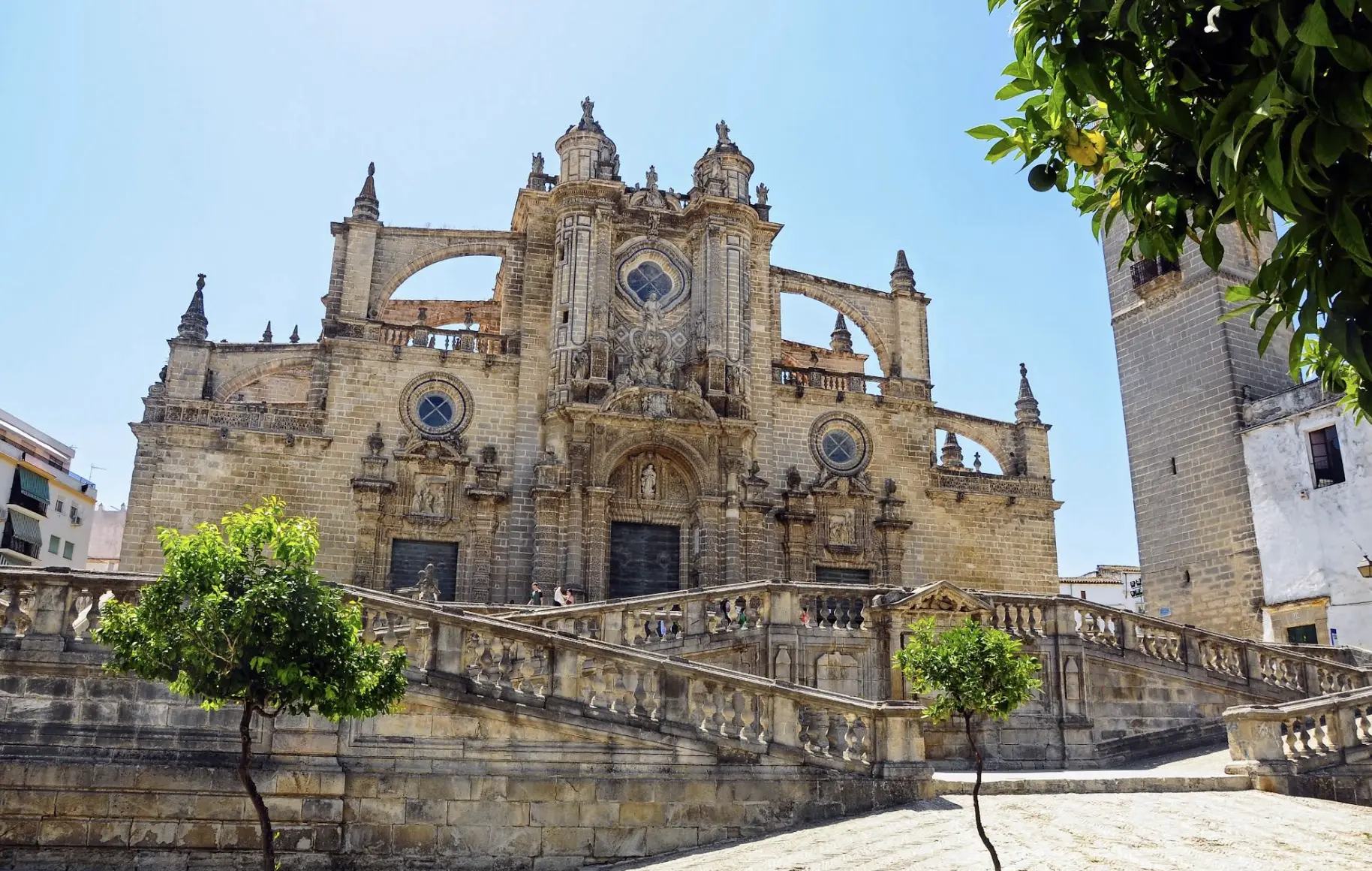
day-trips

Day Trips from Ronda: White Villages, Wine Country & Hidden Andalusia

By HeidiPublished
Day Trips from Ronda: White Villages, Wine Country & Hidden Andalusia

Ronda sits at the heart of the Serranía, surrounded by white villages, cork forests, and mountain landscapes that most visitors to Andalusia never see.

The best day trips from Ronda take you deeper into the Serranía de Ronda: white villages perched on impossible hilltops, cave houses built into cliffs, wine country that rivals Jerez, and landscapes of cork oaks and mountain passes that feel like discoveries.

Ronda's position in the mountains makes it an ideal base for exploring.

The famous pueblos blancos scatter across the hills in every direction. Seville and Málaga are both accessible for city days. And some of Andalusia's most unusual villages lie within an hour's drive.

Most visitors see Ronda and leave. These day trips show why staying longer rewards you with a different Andalusia entirely.

Compare hotel prices in Ronda

Find the best deal across booking sites

Quick Guide: Day Trips at a Glance

Day Trips from Ronda

Quick reference guide

DestinationDistanceMust-See
Setenil de las Bodegas18km / 20 minHouses under rock overhangs
Zahara de la Sierra35km / 40 minLake views & hilltop castle
Grazalema30km / 35 minSpain's wettest village
Olvera35km / 35 minCastle & church on the hill
Seville130km / 1.5hAlcázar & cathedral
Málaga100km / 1.5hPicasso Museum & Alcazaba
Jerez de la Frontera90km / 1hSherry bodegas
Acinipo (Roman ruins)20km / 25 minRoman theatre

A car is essential for the white villages. Seville and Málaga have bus and train connections.

Setenil de las Bodegas: Houses in the Rock

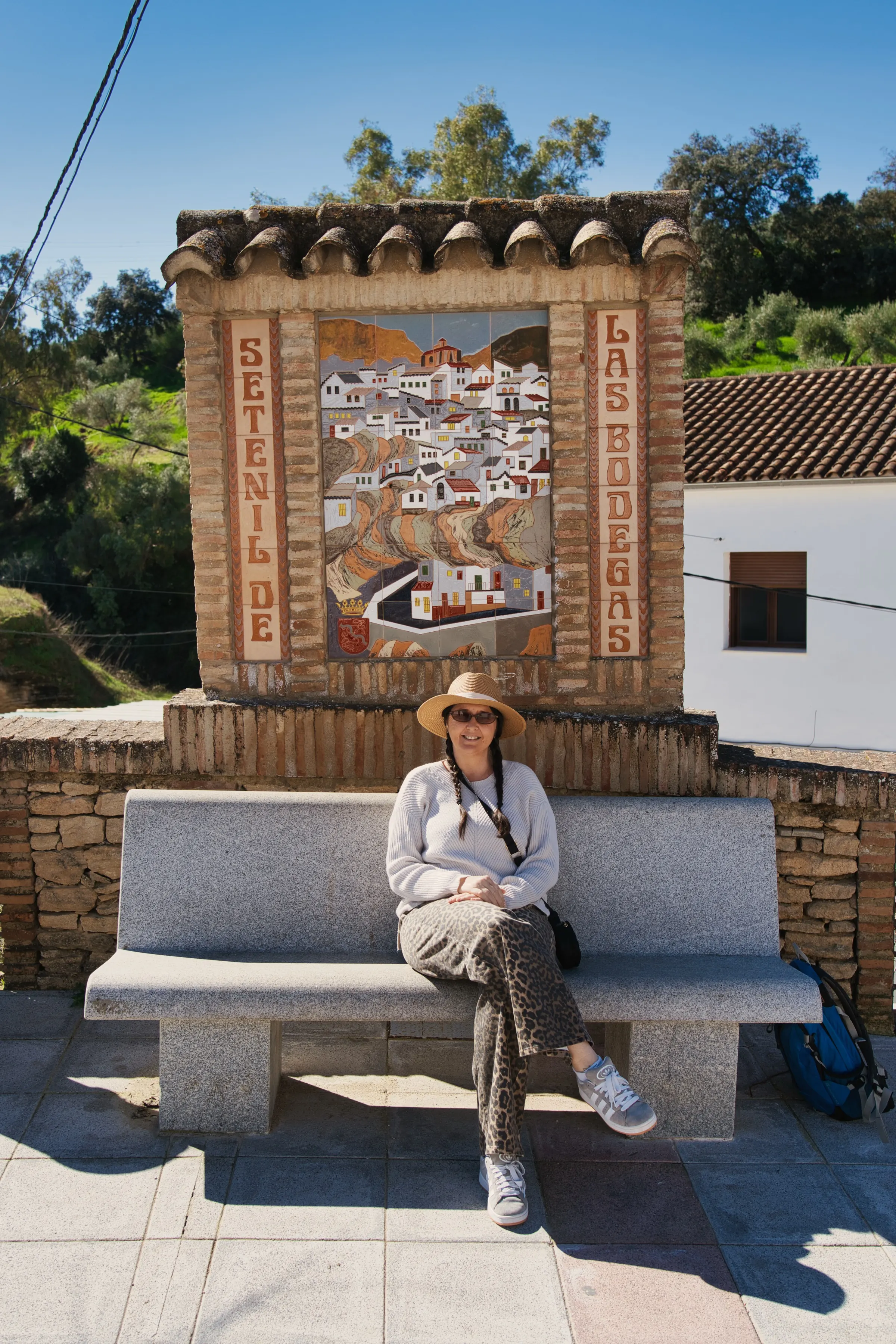
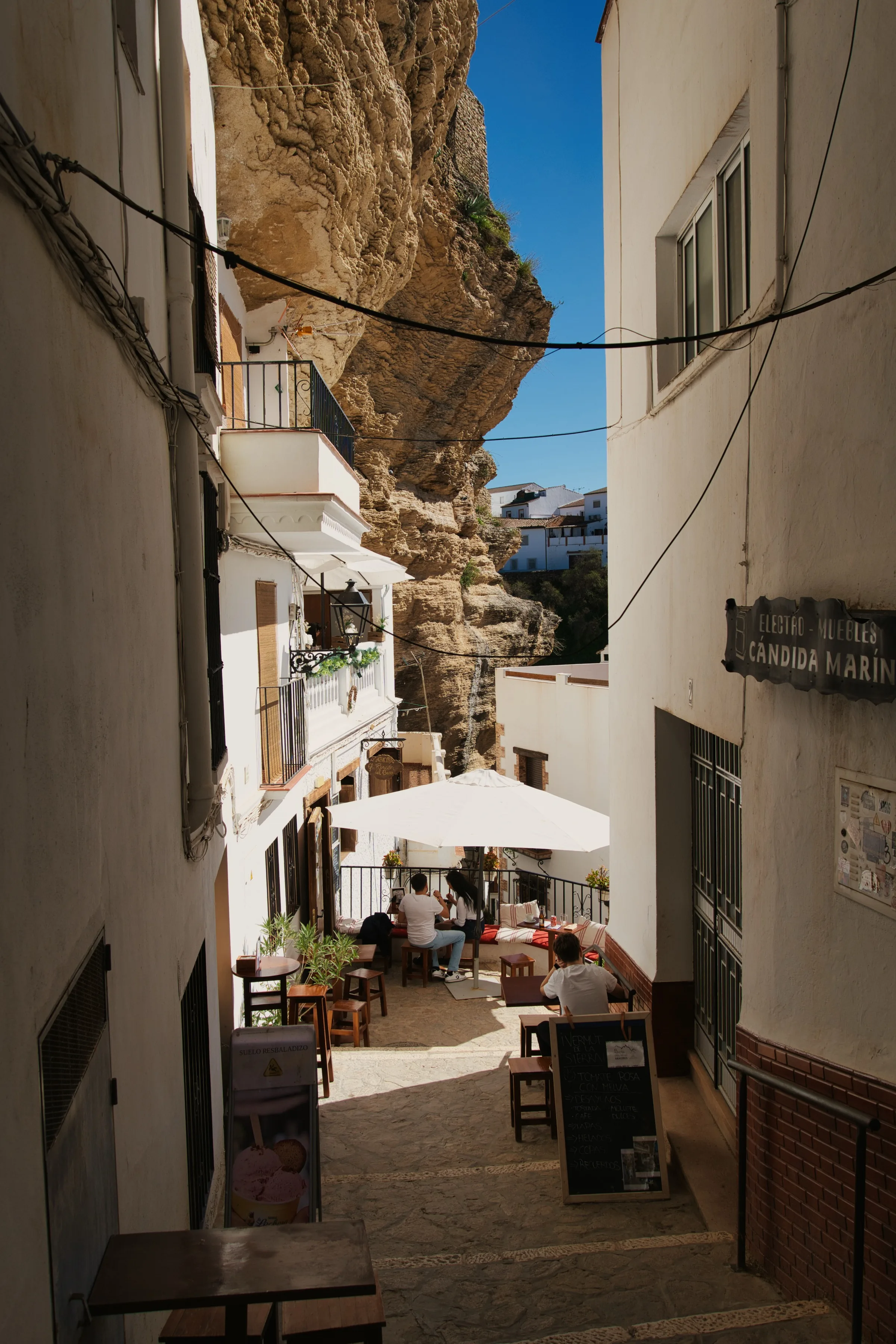
Setenil de las Bodegas is one of Andalusia's most extraordinary villages, built into and under massive rock overhangs.

Streets run beneath cliffs, with houses using the natural rock as roofs and walls. It's just 20 minutes from Ronda.

Setenil de las Bodegas

from Ronda

easy
18km20 min driveCarBest: Year-round
Cave housesRock overhang streetsCalle Cuevas del SolUnique architecture

Walk the two main cave streets: Calle Cuevas del Sol (sunny side) and Calle Cuevas de la Sombra (shady side). The bars built into the rock serve excellent tapas.

What Makes Setenil Special

Setenil isn't about caves dug into hillsides.

The village sits in a gorge carved by the Río Trejo, and the buildings simply use the massive rock overhangs as natural shelter. Walking the streets, you pass beneath enormous boulders that form the ceilings of bars and homes.

What to see:

  • Calle Cuevas del Sol: The sunny cave street, lined with bars and restaurants
  • Calle Cuevas de la Sombra: The shady cave street, more residential
  • Castle ruins: Climb to the top for views across the gorge
  • The rock bars: Stop for tapas in a bar with a boulder for a ceiling

Local tip

Setenil gets busy with day trippers from the Costa del Sol at lunchtime. Arrive early or late afternoon for quieter exploration. The morning light on Calle Cuevas del Sol is particularly photogenic.

Zahara de la Sierra: The Postcard Village

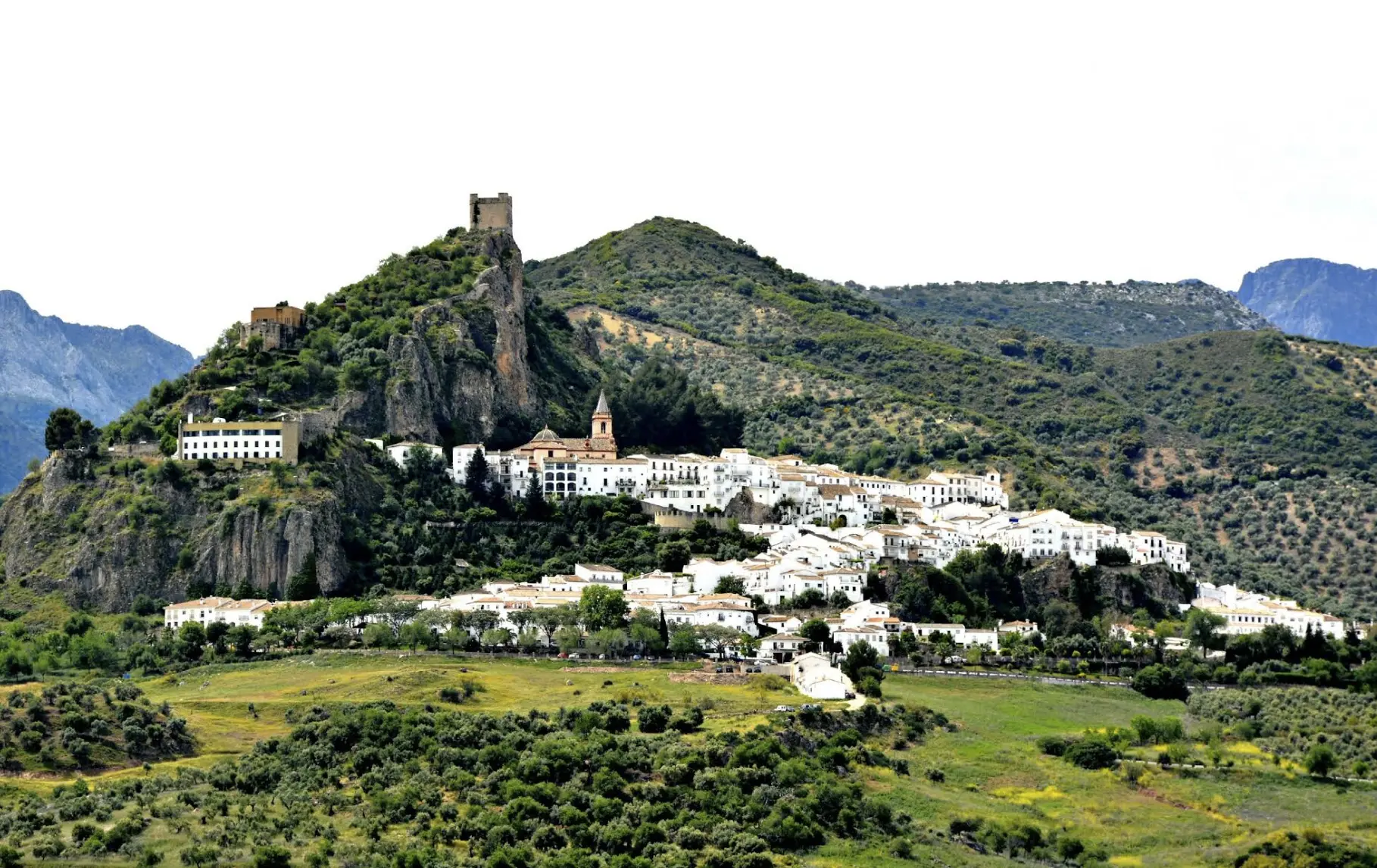
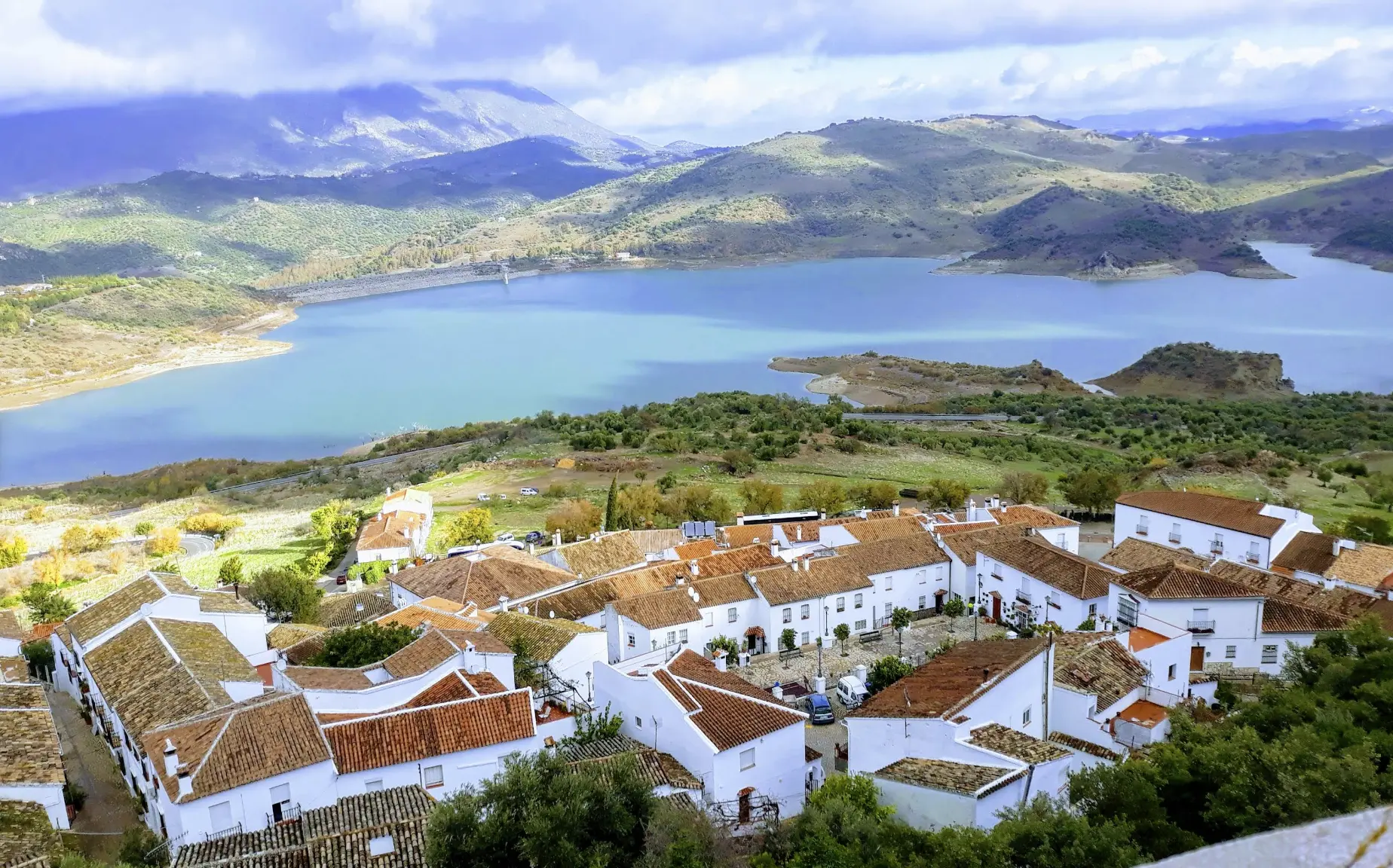
Zahara de la Sierra is possibly the most photogenic of all the pueblos blancos, rising from the shores of a turquoise reservoir with a Moorish castle crowning its peak. The views alone are worth the drive.

Zahara de la Sierra

from Ronda

easy to moderate
35km40 min driveCarBest: Spring & Autumn (summer for swimming)
Reservoir viewsCastle climbWhitewashed perfectionSwimming in summer

Drive the scenic route via Grazalema for spectacular mountain views. The reservoir beach is open in summer for swimming.

The Zahara Experience

Zahara's location is extraordinary: a white pyramid of houses climbing a rocky outcrop, reflected in the blue-green waters of the reservoir below. The castle at the summit rewards the climb with 360-degree views.

What to do:

  • Castle climb: Steep but short. The views encompass the reservoir and surrounding peaks
  • Village streets: Wander the narrow whitewashed lanes
  • Reservoir: Swimming beach open in summer, kayaking available
  • Viewpoints: The approach road offers classic postcard views

Tip:

Zahara's reservoir (Embalse de Zahara-El Gastor) has an official swimming area open in summer. The water is mountain-cold but beautifully clear. Bring a picnic.

Grazalema: Spain's Wettest Village

Grazalema sits in a bowl of mountains that trap Atlantic weather, making it officially Spain's wettest village. The result is surprisingly green landscapes, excellent hiking, and a village of real charm.

Grazalema

from Ronda

easy
30km35 min driveCarBest: Spring & Autumn
Mountain scenerySpanish pinsapo firsWool blanketsHiking trails

The drive from Ronda via Puerto de las Palomas is one of Andalusia's most scenic. Stop at the viewpoints for photos across the Sierra de Grazalema.

Grazalema Highlights

Grazalema's rainfall creates a microclimate that supports the Spanish pinsapo fir, a rare tree that survives here from the Ice Age. The village is also famous for its wool blankets, still made traditionally.

What to do:

  • Village walk: Pretty plazas, flower-filled streets, excellent restaurants
  • Wool shops: Traditional blankets and textiles, made locally
  • Hiking: The Sierra de Grazalema natural park has marked trails (permits required for some)
  • Pinsapar: The ancient fir forest, accessible on guided hikes

Local tip

Grazalema's restaurants serve excellent mountain cuisine: game, wild mushrooms, and local cheeses. Try the payoyo cheese, made from local goat's milk. It's won international awards.

Olvera: The White Sentinel

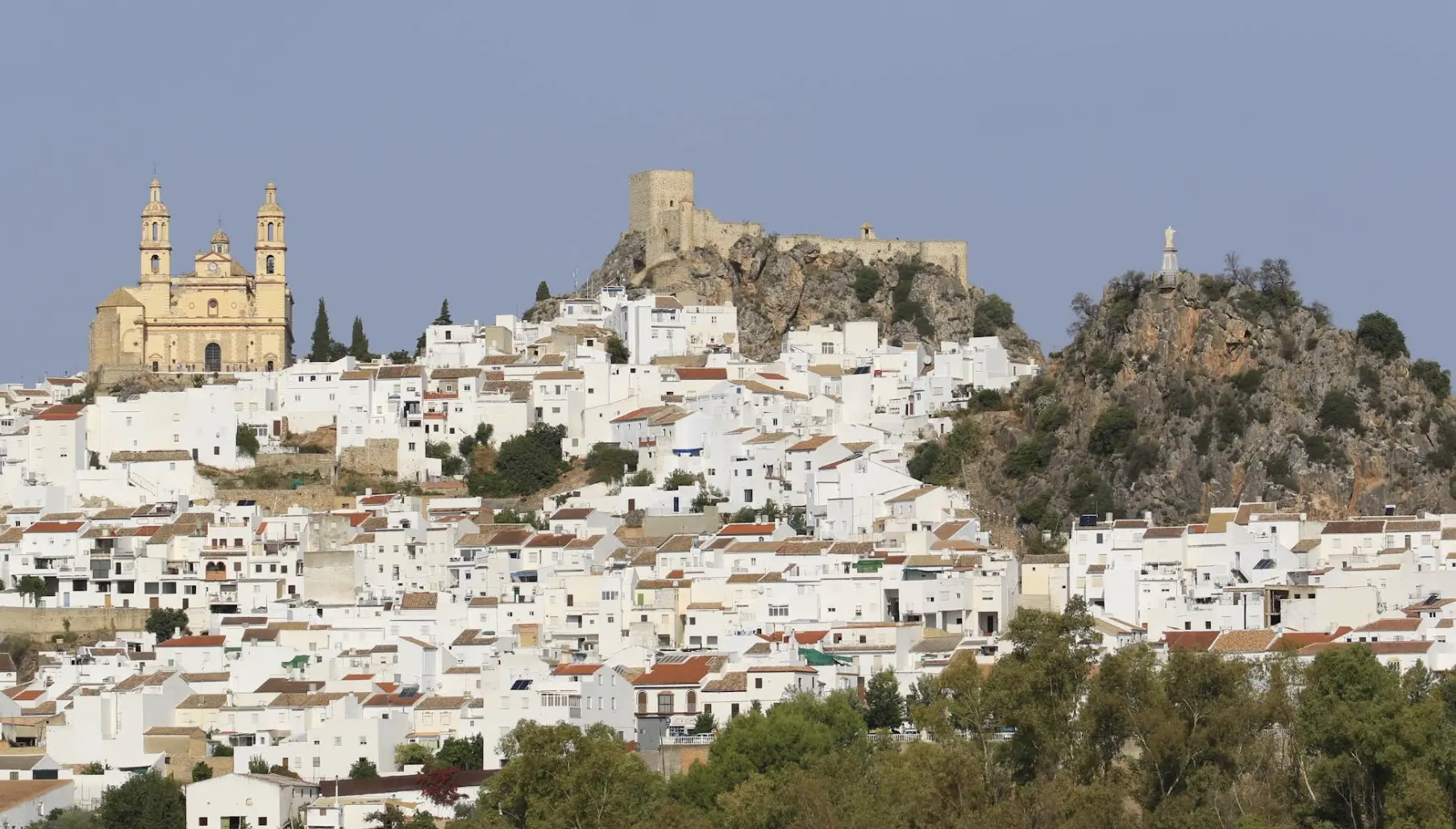
Olvera rises dramatically from the plains, its white houses climbing toward a church and castle that dominate the skyline. It's the gateway to the Via Verde, a cycling and walking route along an old railway line.

Olvera

from Ronda

easy
35km35 min driveCarBest: Year-round
Castle & churchVia Verde cyclingDramatic silhouetteOlive oil

Combine Olvera with the start of the Via Verde de la Sierra for a half-day cycling adventure. Bike rental is available at the old station.

Why Olvera Works

Olvera's silhouette is one of the most striking in Andalusia: a perfect pyramid of white houses topped by the twin landmarks of castle and church. The old town rewards exploration, and the surrounding olive groves produce excellent oil.

What to see:

  • Castle: 12th-century fortress with views across olive country
  • Iglesia de la Encarnación: The neoclassical church at the summit
  • Via Verde: The greenway starts here, following the old railway through tunnels and viaducts
  • Olive oil: Local cooperatives offer tastings and sales

Via Verde Cycling Tips

  • Bikes available at the Olvera station
  • The route follows the old railway (flat or gentle grades)
  • Several tunnels (bring a light or use your phone)
  • Station bars at intervals for refreshments
  • Full route to Puerto Serrano is 36km each way

Seville: The Big City

Seville is about 1.5 hours from Ronda by car or train, offering world-class monuments, flamenco, and tapas. It's a long day trip but entirely worthwhile if you haven't seen the city.

Seville

from Ronda

moderate (long day)
130km1.5 hours by car or trainCar / TrainBest: Spring & Autumn (avoid summer heat)
Real AlcázarCathedral & GiraldaSanta Cruz quarterTapas bars

Take the train for a relaxed journey. Book Alcázar tickets in advance online. Start with the Alcázar, then cathedral, then wander Santa Cruz.

Read guide

Making Seville Work

Seville deserves more than a day, but you can see the essential highlights on a focused trip.

A typical day:

  • Train from Ronda (1.5 hours, scenic route)
  • Real Alcázar first thing (book ahead)
  • Cathedral and Giralda
  • Lunch in Santa Cruz or Triana
  • Afternoon wandering
  • Evening train back

Warning:

Seville is extremely hot in summer. A day trip in July or August means temperatures above 40°C. Go in spring or autumn, or accept that you'll be retreating to air-conditioned spaces frequently.

Málaga: Coast & Culture

Málaga is about 1.5 hours from Ronda by the spectacular mountain road, offering museums, beaches, and a food scene that rewards exploration.

Málaga

from Ronda

easy
100km1.5 hours driveCar / BusBest: Year-round
Picasso MuseumAlcazaba fortressTapas sceneCity beaches

The drive from Ronda to Málaga is spectacular, dropping through the mountains to the coast. Stop at viewpoints for photos.

Read guide

Málaga Highlights

Málaga has transformed from overlooked port city to cultural destination. The Picasso Museum is excellent, the Alcazaba offers history and views, and the tapas bars rival anywhere in Andalusia.

What to do:

  • Picasso Museum: The artist was born here; the collection is excellent
  • Alcazaba: Moorish fortress with gardens and city views
  • Atarazanas Market: Fresh produce and tapas bars
  • El Palo: The local beach neighbourhood with authentic chiringuitos

Local tip

The Ronda-Málaga road (A-397) is one of Andalusia's great drives: hairpin bends, mountain views, and a dramatic descent to the coast. Allow extra time to enjoy it rather than rushing.

Jerez de la Frontera: Sherry Country

Jerez is the home of sherry, with historic bodegas offering tours and tastings. Combine with the Royal Andalusian School of Equestrian Art for a full day of Andalusian culture.

Jerez de la Frontera

from Ronda

easy
90km1 hour driveCarBest: Year-round
Sherry bodegasEquestrian schoolFlamenco heritageAlcázar

Book bodega tours in advance, especially at the famous houses like Tio Pepe or Lustau. The equestrian show runs on Tuesdays and Thursdays.

The Jerez Experience

Jerez is where sherry comes from, and the bodega tours reveal centuries of winemaking tradition. The stacked barrels, the solera system, and the generous tastings make for an educational and enjoyable day.

What to do:

  • Bodega tours: Tio Pepe, Lustau, and González Byass are the big names
  • Royal Andalusian School: Horse shows on Tuesdays and Thursdays
  • Alcázar: 11th-century fortress with gardens and mosque
  • Old town: Pleasant streets and plazas for wandering

Tip:

Jerez is also a flamenco heartland. The Centro Andaluz de Flamenco has a museum and occasional performances. Check schedules if you're interested in seeing authentic flamenco.

Acinipo: Roman Ruins Above Ronda

Acinipo (also called Ronda la Vieja) is an ancient Roman city just 20 minutes from Ronda, with a remarkably well-preserved theatre and commanding views across the mountains.

Acinipo

from Ronda

easy
20km25 min driveCarBest: Year-round (mornings in summer)
Roman theatreAncient city ruinsMountain viewsFree entry

The site is free and often deserted. Combine with Setenil for a morning of history before lunch in the cave bars.

The Roman City

Acinipo was an important Roman town, and its theatre is one of the best preserved in Andalusia. The cavea (seating area) is carved into the hillside, and you can explore freely without crowds.

What to see:

  • Theatre: The main attraction, with its intact stage structure
  • City remains: Streets, baths, and house foundations
  • Views: The hilltop location offers panoramas across the Serranía
  • Solitude: Few tourists make it here

Local tip

Acinipo is exposed and hot in summer. Visit early morning and bring water. The site has no facilities, but the views and solitude make it worth the effort.

The White Village Circuit

For a full day exploring the pueblos blancos, combine several villages into a circuit through the mountains.

Suggested route from Ronda:

  1. Setenil de las Bodegas (20 min): Start with the cave houses
  2. Olvera (25 min from Setenil): Castle and church silhouette
  3. Zahara de la Sierra (30 min from Olvera): Reservoir and castle views
  4. Grazalema (25 min from Zahara): Lunch in the wettest village
  5. Return to Ronda via Puerto de las Palomas (35 min)

This creates a loop through some of Andalusia's finest villages, with mountain passes, viewpoints, and opportunities for photos at every turn.

White Village Circuit Tips

  • Full tank (petrol stations are scarce)
  • Start early to beat the heat and crowds
  • Cash for smaller village bars
  • Camera (the views are exceptional)
  • Allow a full day with stops

Practical Tips for Day Trips

By Car

A car is essential for exploring the white villages. Roads are generally good but winding, with spectacular views rewarding careful driving.

Parking:

  • Ronda: Several car parks outside the old town
  • White villages: Free parking usually available, though limited
  • Seville/Málaga: Consider train to avoid city parking

By Train

Ronda has train connections to:

  • Málaga: Several daily, scenic mountain route
  • Algeciras: Connecting to Gibraltar or ferries to Morocco
  • Cordoba: Via Antequera (change required)

Best Combinations

Several destinations pair well:

  • Setenil + Acinipo: Cave houses and Roman ruins in a morning
  • Zahara + Grazalema: The two prettiest villages together
  • Olvera + Via Verde: Castle and cycling
  • Jerez + Arcos de la Frontera: Sherry and another white village

Final Thoughts

Ronda's position in the Serranía makes it the perfect base for exploring a side of Andalusia that most visitors miss. The white villages scattered across the surrounding hills offer character, views, and authentic Spanish life that the coastal resorts lost decades ago.

The best day trip? Setenil de las Bodegas is unique and just 20 minutes away. Those cave streets, with bars built under massive boulders, offer something you won't find anywhere else.

For scenery, the circuit through Zahara and Grazalema delivers spectacular mountain views and two of the prettiest villages in Spain. And for something off the beaten path, the Roman ruins at Acinipo offer history and solitude in equal measure.

Frequently Asked Questions

Setenil de las Bodegas for something unique (20 minutes away), or the Zahara-Grazalema circuit for classic white village scenery.

Heidi

Hola! I'm the researcher, walker, and co-founder behind Spain on Foot. I help travellers experience Spain authentically, through in-depth guides, locals-only knowledge, and cultural stories you won't find in guidebooks. You can reach me at heidi@spainonfoot.com

Planning a trip to Ronda?

Explore Ronda Guide