best-time
When to visit Granada: crowds, weather, and what to skip
This post may contain affiliate links, which means I earn a small commission, at no extra cost to you. It helps keep the blog alive, and we really appreciate your support!

The best time to visit Granada is March-May or September-November when temperatures are comfortable for exploring the Alhambra and Albaicín, and you'll have a better chance of securing those coveted Alhambra tickets.
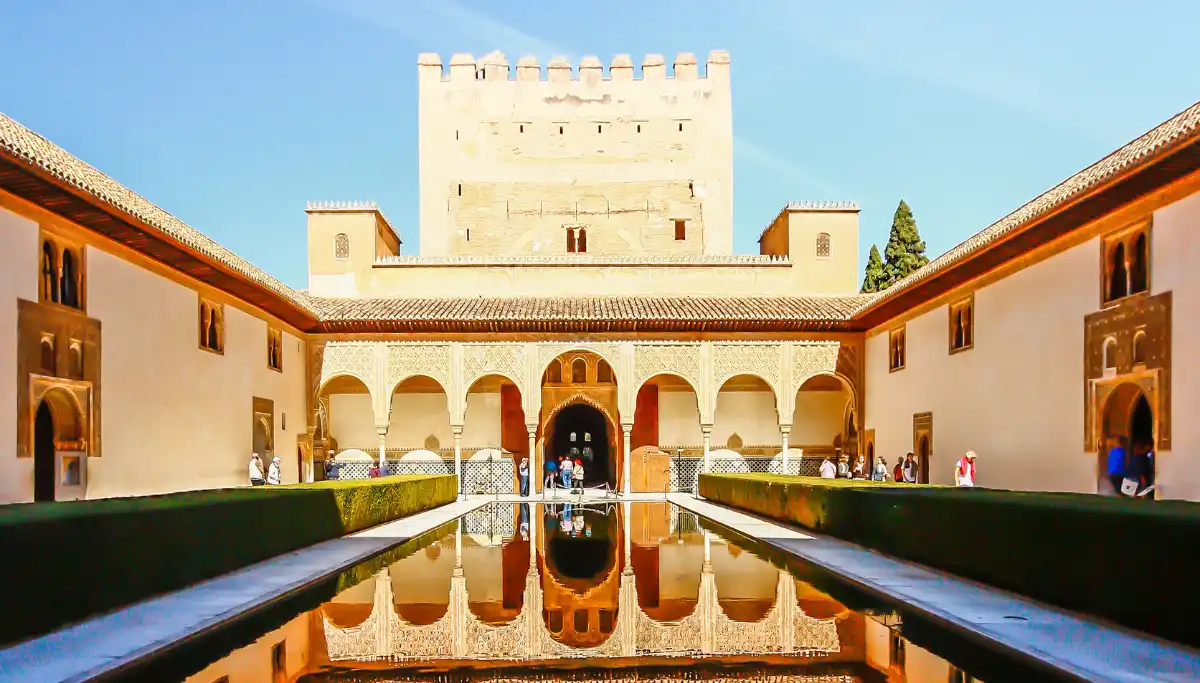
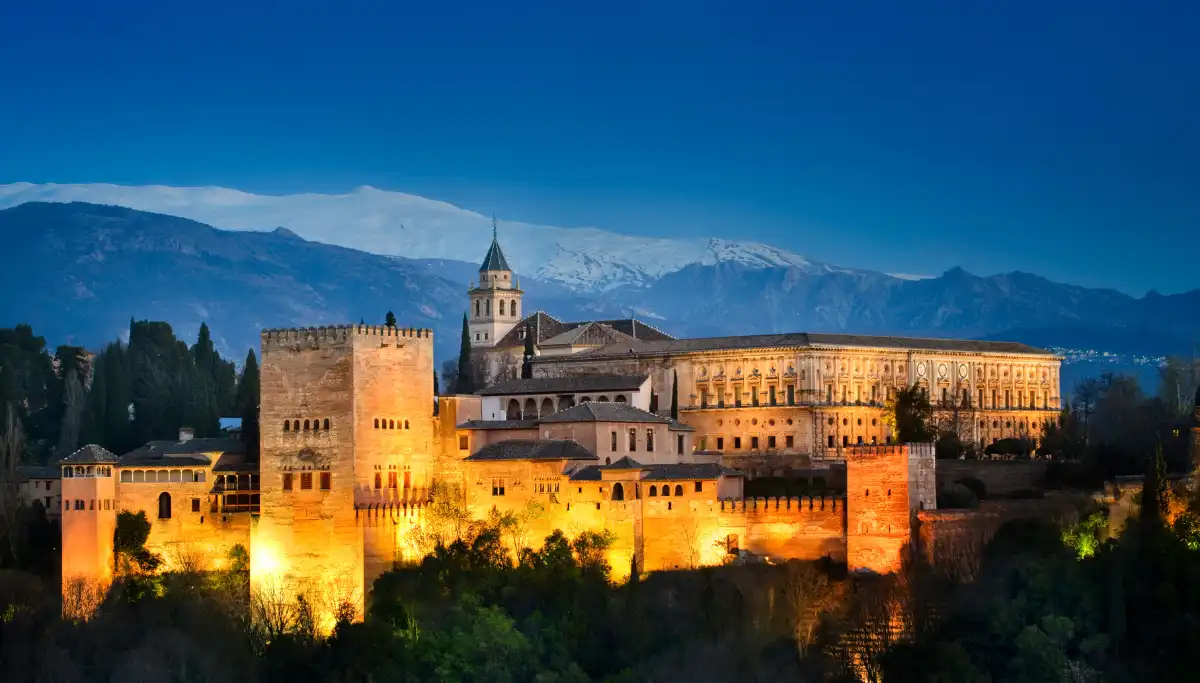
But Granada is genuinely a year-round destination. Unlike coastal Andalusia, it sits at 738m elevation at the foot of the Sierra Nevada. This means cooler temperatures, four distinct seasons, and a unique advantage: you can explore the Alhambra in winter without overheating, then hit the ski slopes in the afternoon.
Try doing that anywhere else in Spain.
Compare hotel prices in Granada
Find the best deal across booking sites
The best time of year
April to May and September to October offer the best overall conditions.
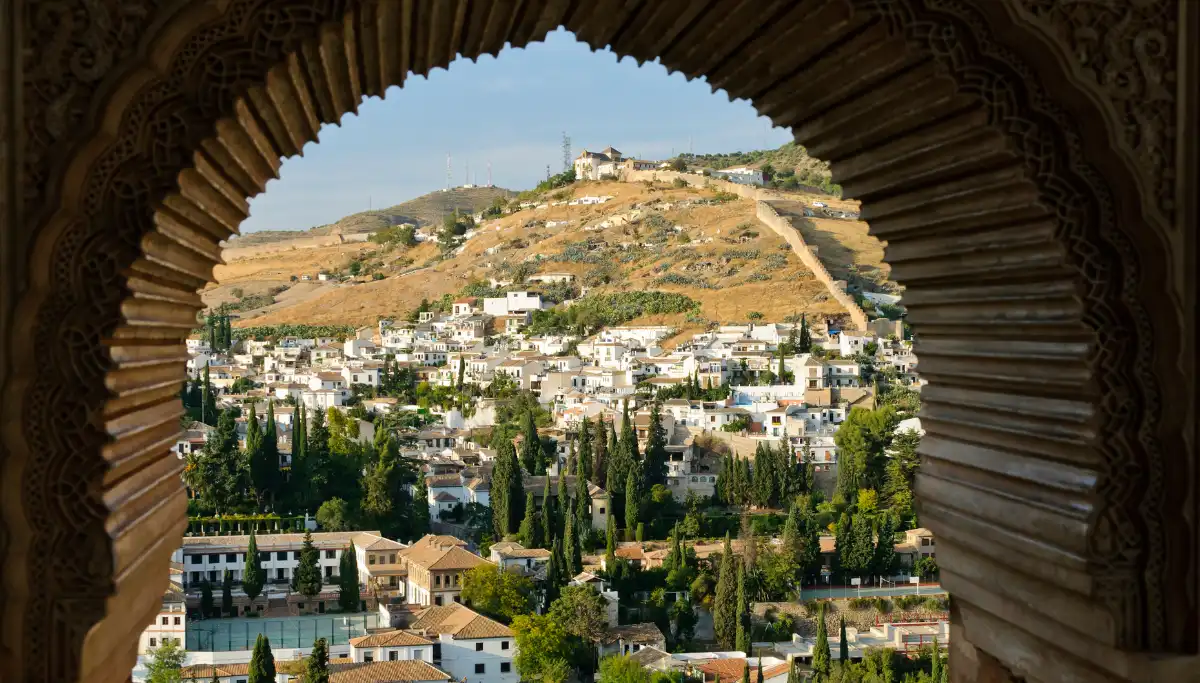
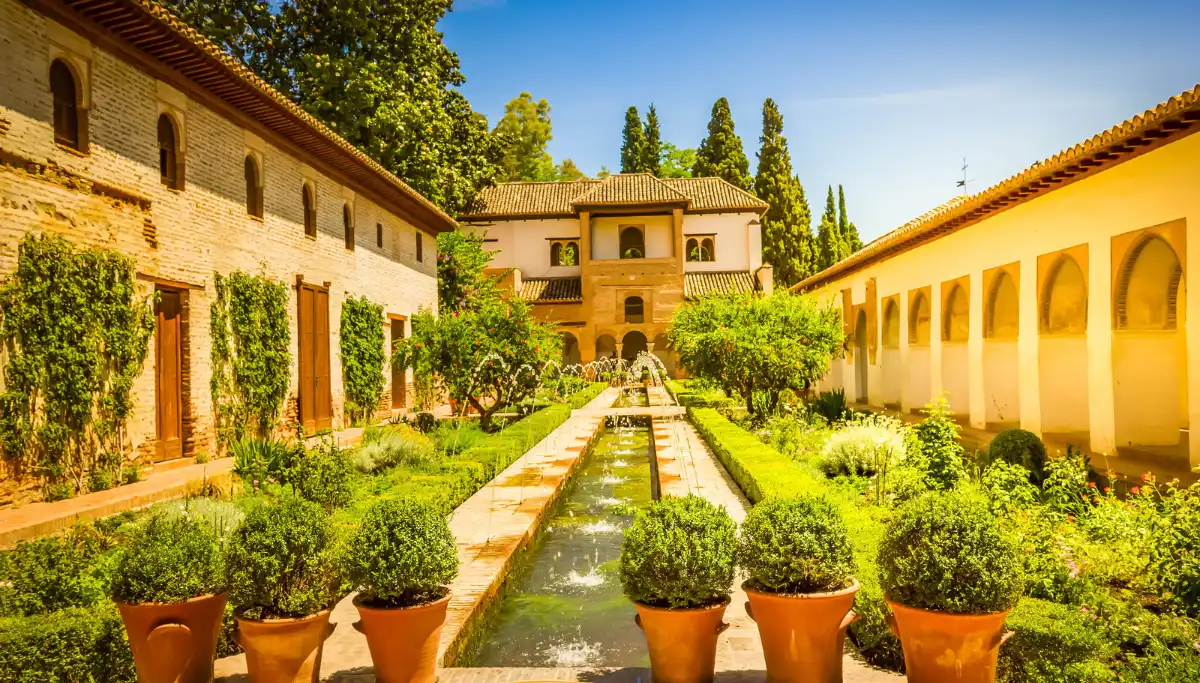
The temperature is perfect for exploring the city, the Sierra Nevada provides a stunning backdrop (still snow-capped in spring), and the tapas bars fill with life rather than sweat.
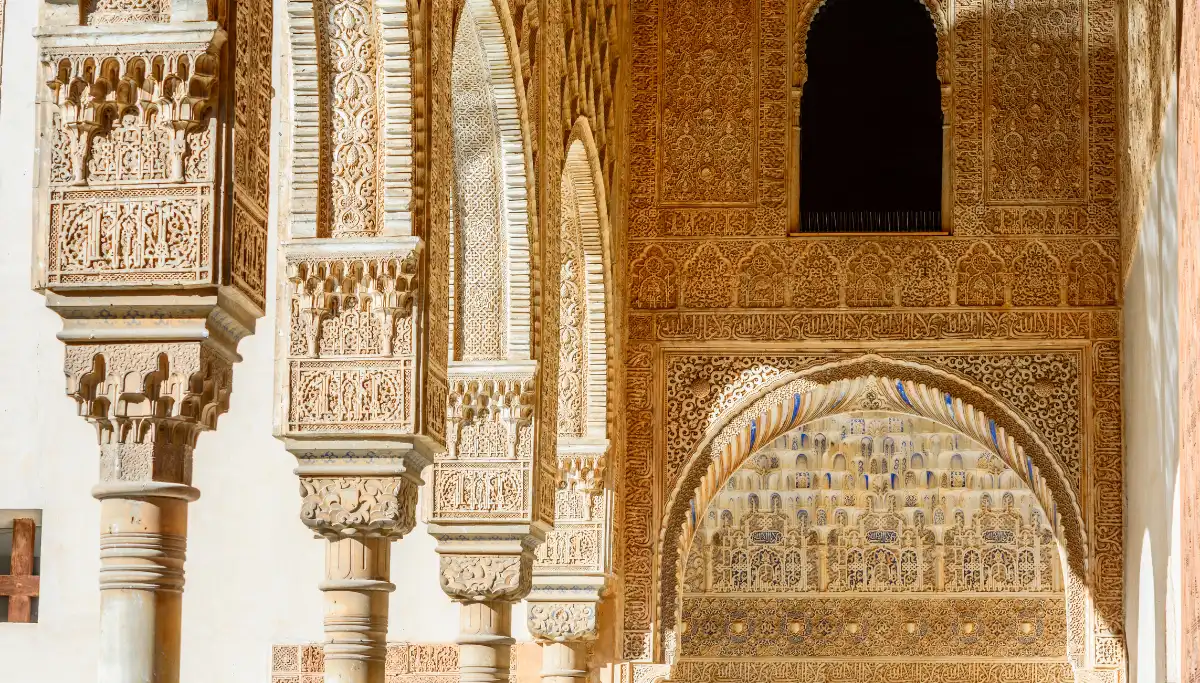
My personal favourite is October. The low sun creates golden tones on the Alhambra's walls, the views from Mirador de San Nicolás take on a softer quality, and the first snow often dusts the Sierra Nevada peaks.
If you want the city with fewer tourists, November through February is your window. This is also when Alhambra tickets are easiest to get.
The Alhambra factor
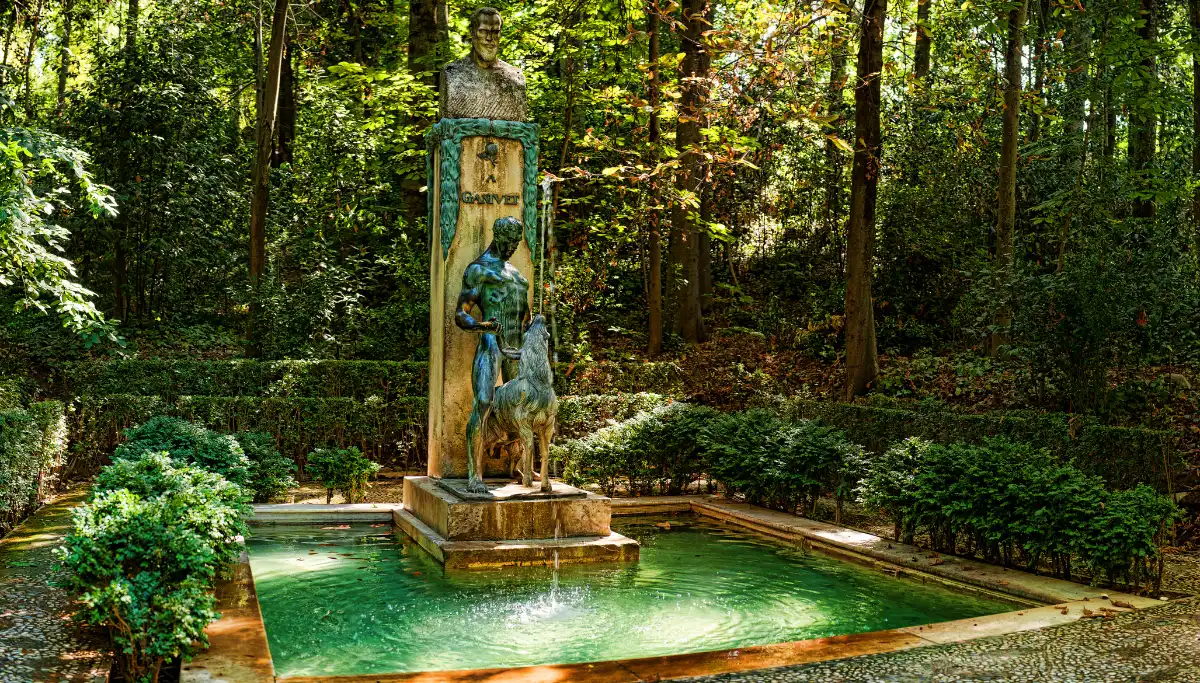
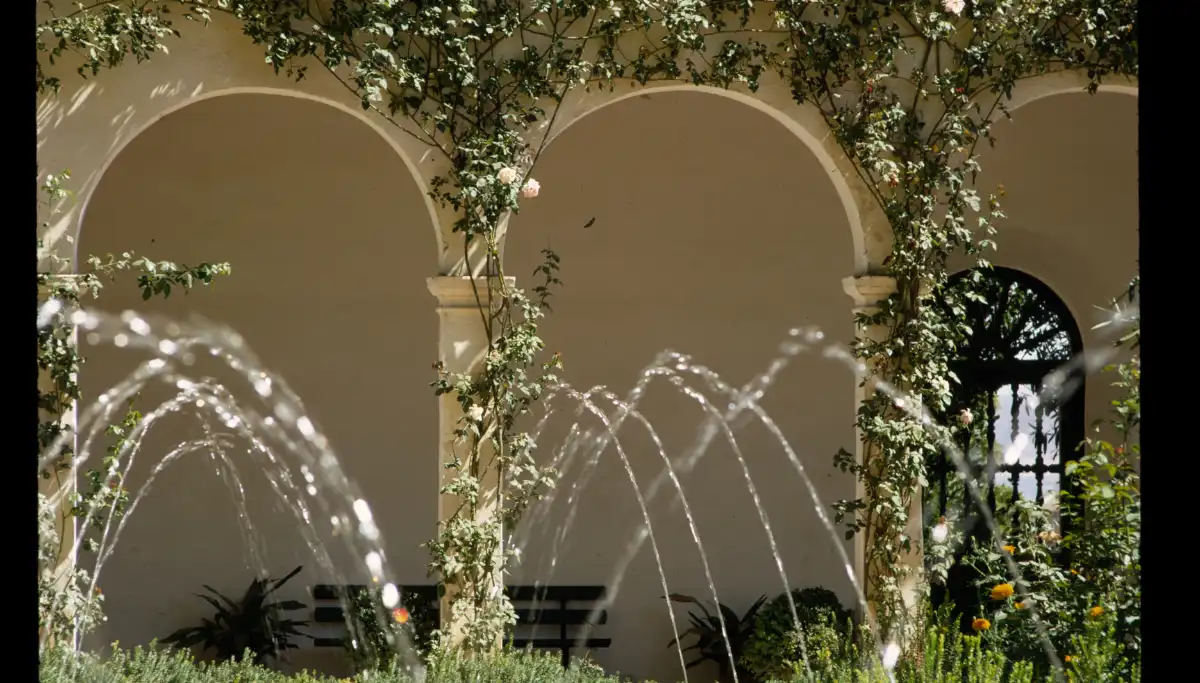
Alhambra tickets sell out weeks, sometimes months, in advance during peak periods. Your timing directly affects whether you'll see Spain's most visited monument.
The best months for availability are November, December, January, and February (excluding Christmas week). The hardest months to get tickets are April (Semana Santa), July, August, and late September.
Book the moment tickets become available, typically 3 months ahead. For April, May, September, and October visits, set a calendar reminder.
If you can't get Nasrid Palaces tickets, the Generalife gardens and Alcazaba fortress are often still available. And Granada has far more than just the Alhambra. The Albaicín, flamenco, and tapas culture are equally worth your time.
The best time of day

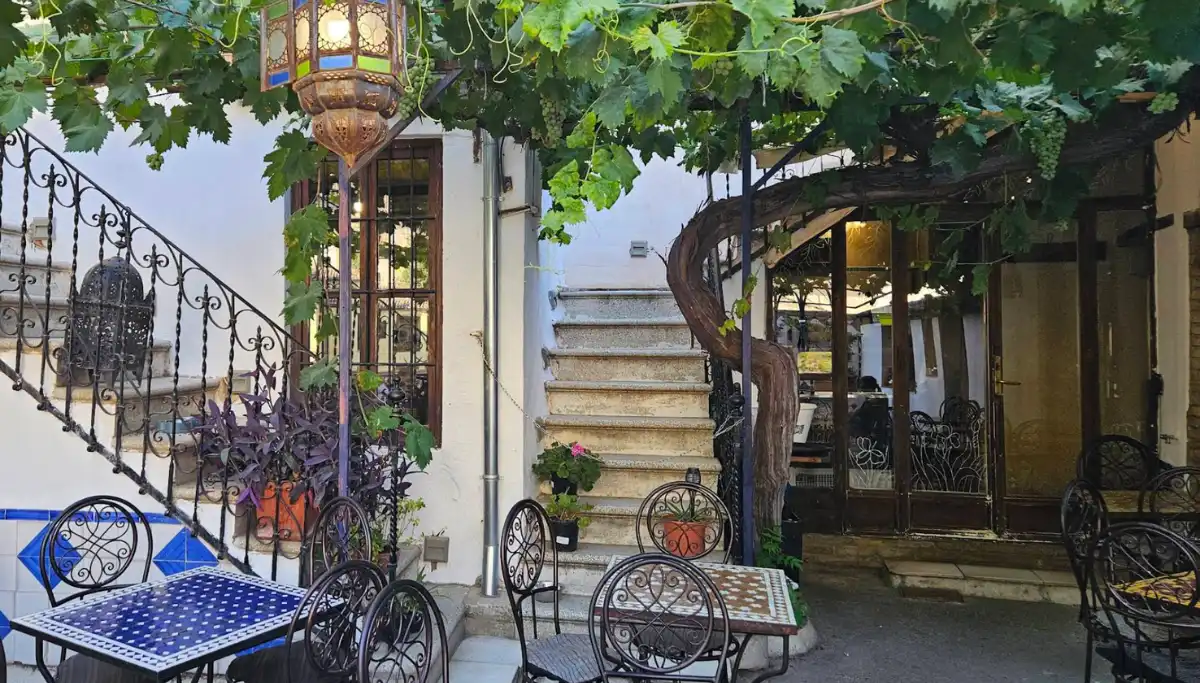
In summer, timing your day matters almost as much as timing your trip.
Book the earliest Alhambra slot (8:30 am) before it heats up. Explore the Albaicín in the late afternoon when the steep cobbled streets are cooler and the light is golden. Save the Mirador de San Nicolás for sunset.
Evenings are when Granada comes alive. The tapas bars fill up (Granada is one of the last cities where you still get a free tapa with every drink), the flamenco tablaos begin their shows, and the city has a student energy that feels genuinely exciting.
Events and festivals worth planning for

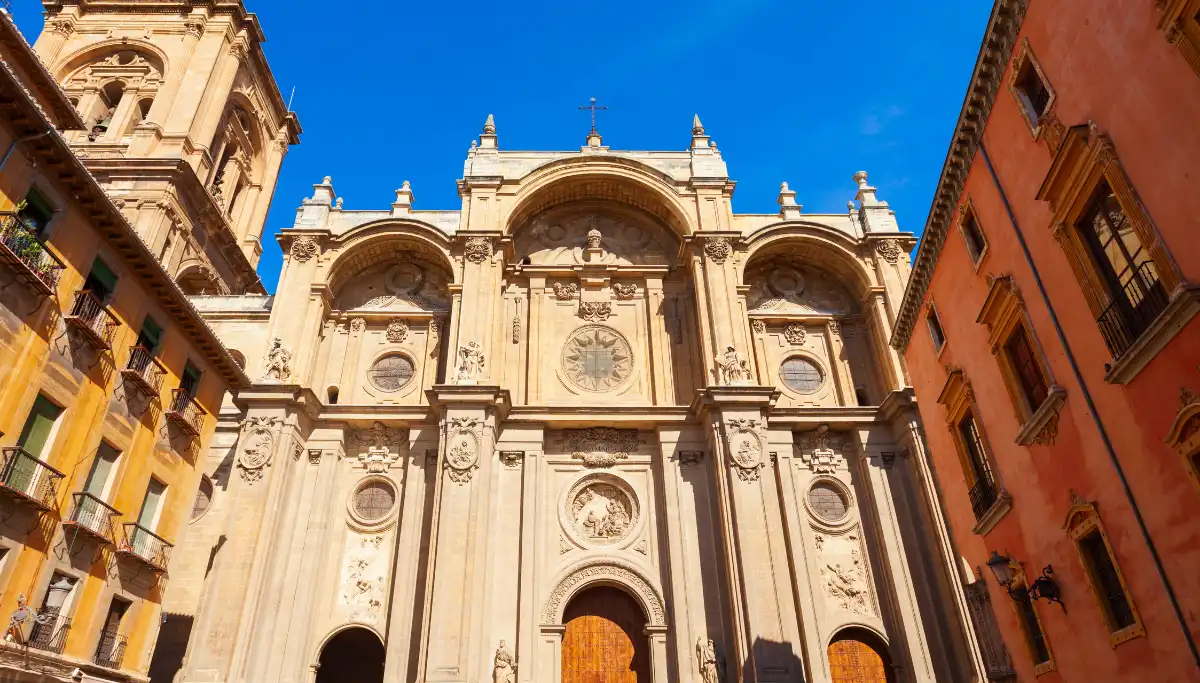
Semana Santa (March or April) in Granada is extraordinary. Processions winding through the Albaicín's narrow streets, pasos carried by costaleros, incense and orange blossom. It's one of Spain's most powerful Easter celebrations, but the city is packed and Alhambra tickets vanish.
Día de la Cruz (May 3rd) is uniquely Granada. Plazas, patios, and balconies are decorated with elaborate flower-adorned crosses, with competitions for the best displays.
Festival Internacional de Música y Danza (late June to early July) features world-class performances in the Alhambra's Palacio de Carlos V and other historic venues.
Corpus Christi (May or June) brings a week of celebrations including the Feria de Granada, processions, and bullfights.
Granada month by month
What to expect each month
| Category | Weather | Why Go | Highlights |
|---|---|---|---|
| January | Cold, quiet | Peak ski season | Best value |
| February | Cold, quiet | Ski season | Excellent value |
| March | Warming up | Spring arriving | Late ski season |
| April | Ideal weather | Semana Santa | Very busy at Easter |
| May | Perfect | Best month | Día de la Cruz |
| June | Getting hot | Festival season | Summer begins |
| July | Very hot | Peak prices | Festival Internacional |
| August | Hottest | City empties | Avoid if possible |
| September | Still warm | Crowds thin | Sweet spot |
| October | Pleasant | Excellent | Beautiful light |
| November | Cooling | Quiet | Good value |
| December | Cold | Christmas charm | Ski season opens |
Granada's elevation (738m) means cooler temperatures than coastal Andalusia year-round. Pack layers.
Spring (March-May)
| Month | High | Low | Rain | Rainy Days | Sun |
|---|---|---|---|---|---|
| March | 17°C | 5°C | 35mm | 6 days | 7hrs |
| April | 21°C | 8°C | 30mm | 6 days | 8hrs |
| May | 24°C | 11°C | 25mm | 5 days | 9hrs |
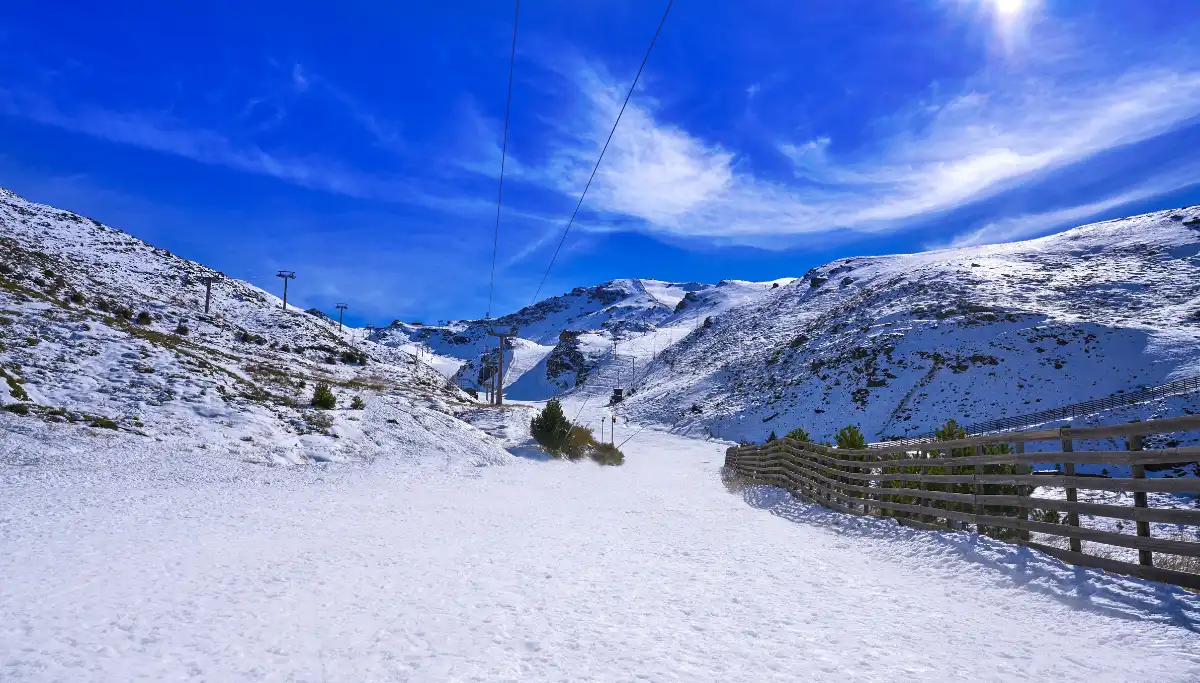
Spring is Granada's finest season, and everyone knows it. The Sierra Nevada still wears its snow cap (you can ski until late April most years), the temperatures are perfect for walking the Albaicín's steep streets, and the city buzzes with life.
March still feels transitional, with crisp mornings and the odd shower. By April, the gardens of the Generalife burst with colour, and the terrace bars in Plaza Nueva fill with life.
Semana Santa is extraordinary but challenging. The city is packed, accommodation triples in price, and Alhambra tickets vanish. Book 6-12 months ahead if you want to be here for Easter.
May offers the best balance: warm weather (24°C), longer days, manageable crowds, and the Sierra Nevada still visible. The university students fill the tapas bars, and the city feels authentically Spanish.
Summer (June-August)

| Month | High | Low | Rain | Rainy Days | Sun |
|---|---|---|---|---|---|
| June | 31°C | 15°C | 10mm | 2 days | 11hrs |
| July | 36°C | 19°C | 2mm | 0 days | 12hrs |
| August | 35°C | 19°C | 3mm | 1 day | 11hrs |
Summer in Granada is not for the faint-hearted. Temperatures regularly exceed 35°C and can hit 40°C. The city empties of locals (many head to the coast), and the Alhambra becomes an endurance test rather than a pleasure.
If you have flexibility, avoid July and August. The Alhambra visit becomes a sweaty march through courtyards, the Albaicín's steep streets are punishing in the heat, and even sitting in Plaza Nueva feels oppressive by midday.
If you must visit in summer, book the earliest Alhambra slot, return to your hotel for siesta from 2-6 pm, and explore the Albaicín after sunset. The long evenings (sunset after 9:30 pm) and the Festival Internacional de Música y Danza are summer's saving graces.
Consider a day trip to the Sierra Nevada for cooler temperatures.
Autumn (September-November)
| Month | High | Low | Rain | Rainy Days | Sun |
|---|---|---|---|---|---|
| September | 30°C | 17°C | 15mm | 3 days | 9hrs |
| October | 22°C | 11°C | 35mm | 4 days | 7hrs |
| November | 17°C | 6°C | 40mm | 5 days | 6hrs |
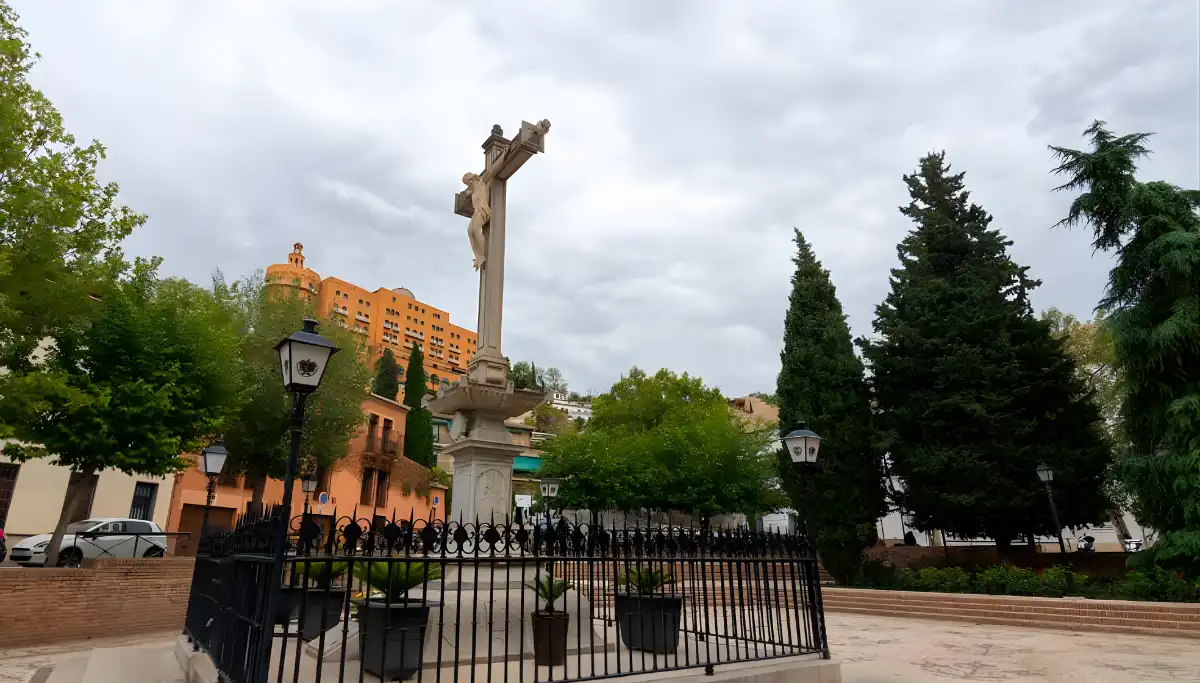
Autumn is Granada's secret season. The summer heat breaks, the crowds thin dramatically, and the city returns to its locals.
September is the sweet spot: summer weather without summer crowds. The university students return, filling the tapas bars with energy. The Alhambra finally becomes enjoyable again.
October brings beautiful autumn light that photographers love. The first snow often dusts the Sierra Nevada peaks, returning that classic Granada backdrop. October and November are also excellent for securing last-minute Alhambra tickets.
November marks the transition to winter. Temperatures drop (17°C highs), rain becomes more likely, and tourist numbers thin to a trickle. Quiet, atmospheric, and surprisingly appealing if you pack a jacket.
Winter (December-February)
| Month | High | Low | Rain | Rainy Days | Sun |
|---|---|---|---|---|---|
| December | 13°C | 3°C | 40mm | 5 days | 5hrs |
| January | 12°C | 2°C | 35mm | 5 days | 5hrs |
| February | 14°C | 3°C | 30mm | 5 days | 6hrs |
Winter reveals Granada's unique dual personality: historic city and ski resort. The Sierra Nevada, Europe's southernmost ski resort, is just 45 minutes from the city centre. You can genuinely explore the Alhambra in the morning and hit the slopes in the afternoon.
Expect daytime highs around 12-14°C, nights near freezing, and occasional snow (the Albaicín dusted in white is magical). The tapas bars feel cosier, the Alhambra is blissfully uncrowded, and prices drop significantly.
The ski season typically runs December through April, with peak conditions in January to March. Hotel prices drop 40-50% from peak season (excluding Christmas week), making quality properties suddenly affordable.
Christmas brings festive charm. A Christmas market appears in Plaza Bib-Rambla, and the Belén tradition runs strong.
Day trip or overnight stay
Some people visit Granada as a day trip from Málaga or the Costa del Sol. They see the Alhambra, grab lunch, and leave thinking they've experienced Granada.
They haven't, and staying overnight changes everything.
You get the Albaicín at sunrise with barely anyone around. You see the Alhambra lit up at night from the Mirador. You eat dinner in tapas bars that feel relaxed rather than rushed. And you wake to a city that belongs to the people who live there.
Three to four days is ideal. One day for the Alhambra complex, one for the Albaicín and Sacromonte, one for the cathedral and neighbourhoods. Add a day for day trips or deeper exploration.
If you genuinely can't stay overnight, arrive as early as possible and book the first Alhambra slot. But you'll be back. Granada has that effect on people.
Final thoughts
Granada rewards visitors in every season. So if you can't choose the date, you should still go.
Come in spring for perfect weather and Semana Santa.
Visit autumn for warmth without the masses.
Try winter if you want the Alhambra to yourself and skiing on the side.
But whatever season you choose, book your Alhambra tickets early, pack layers for Granada's mountain climate, and leave time to get lost in the Albaicín.
If you're planning your trip, have a look at my guides to things to do in Granada, and where to stay. And if you're looking to explore beyond the city, check out my guide to day trips from Granada.

Hola! I'm the researcher, walker, and co-founder behind Spain on Foot. I help travellers experience Spain authentically, through in-depth guides, locals-only knowledge, and cultural stories you won't find in guidebooks. You can reach me at heidi@spainonfoot.com
Planning a trip to Granada?
Explore Granada Guide→