food-drink
Traditional Food in Malaga: 15 Local Dishes You Must Try (2026)
This post may contain affiliate links, which means I earn a small commission, at no extra cost to you. It helps keep the blog alive, and we really appreciate your support!

After countless meals across Malaga, these are the dishes and spots that keep drawing me back.
Looking for traditional food in Malaga?
Sometimes, it is hard to pin down a specific dish to one region or even one city.
They all seem to blend over time. But it is always exciting to discover something new and local.
Let's explore the typical foods and drinks Malaga considers most traditional and authentic to the city.
Traditional Food in Malaga
Compare hotel prices in Málaga
Find the best deal across booking sites
What Food is Famous in Malaga
Malaga, the capital of the Costa del Sol, is a foodie destination offering a wide range of traditional dishes that highlight the region's flavours and ingredients.
Malaga's food scene is a unique blend of Mediterranean, Moorish, and Spanish flavours, creating a one-of-a-kind culinary experience for visitors.
The Mediterranean diet plays a big role, with an emphasis on olive oil, fruits, vegetables, and whole grains. Olive oil, in particular, is a staple ingredient in many traditional dishes, adding flavour and moisture to a variety of recipes.
Here are the most local and traditional foods of Malaga you need to try.
1. Espetos de Sardinas
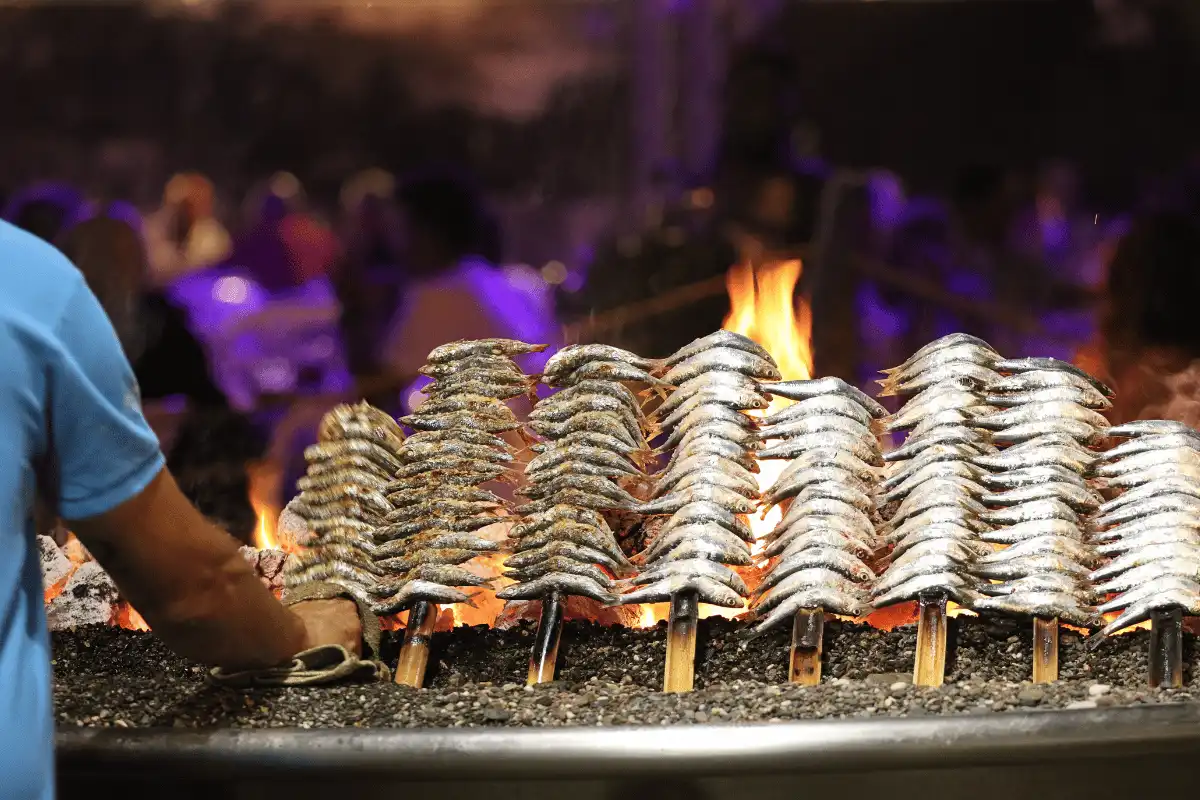
You cannot walk along the beach without catching the smoky scent of barbecue, and then the unmistakable aroma of sardines.
What you are smelling is Espetos, the most iconic traditional food of Malaga and a favourite along the coastline. Fresh sardines are skewered onto bamboo sticks and placed near hot coals, giving them that distinctive smoky flavour.
Along the beach, you will easily spot the barbecues shaped like little boats sitting above the sand. These are called "espeteros" and they are unique to Malaga.
Both locals and seagulls enjoy espetos. Those pesky birds always seem to steal one or two while I am watching.
Local tip
The best espetos are found at chiringuitos (beach bars) in Pedregalejo and El Palo, east of the city centre. Coming to Malaga and not trying espetos is almost the same as not having come at all.
2. Ajoblanco
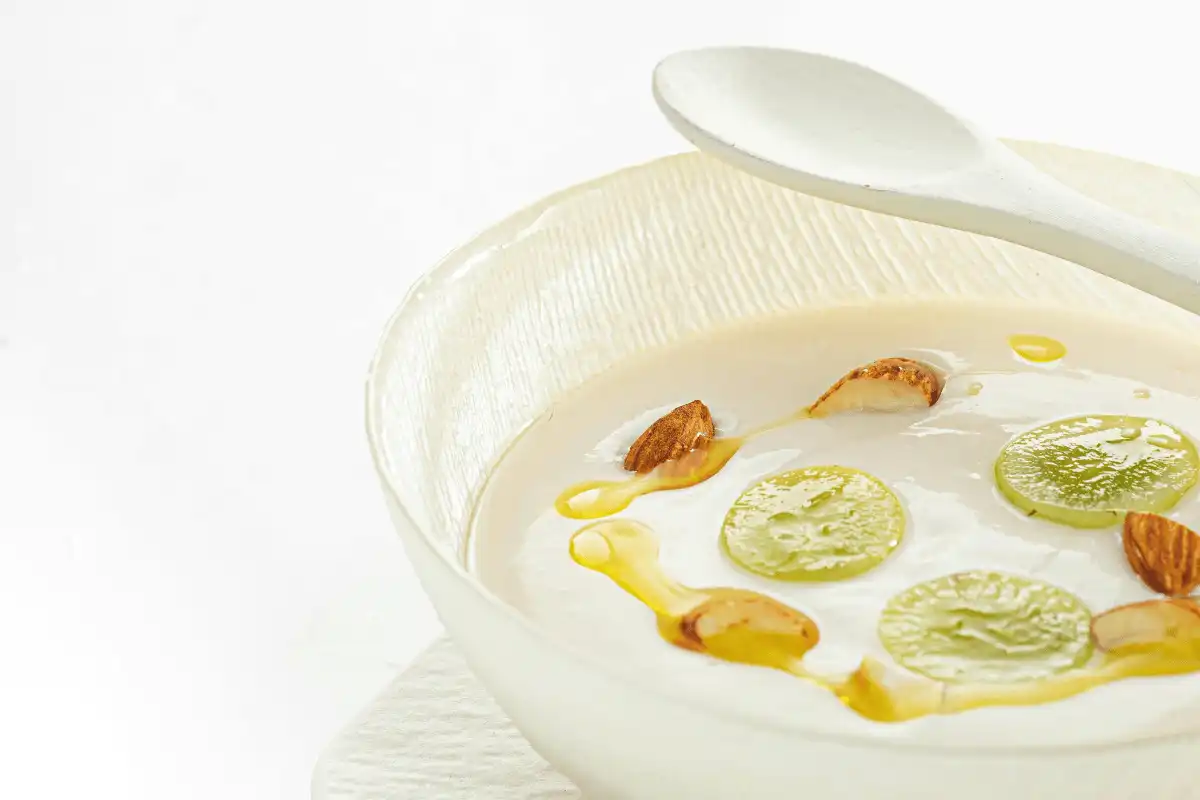
Ajoblanco is one of the most typical cold soups in Malaga, a creamy white blend of almonds and garlic, best enjoyed on a hot summer day.
Its origins date back to Roman times when the region was known as Hispania, and some believe it derives from the Al-Andalus period.
What makes Ajoblanco unique is the simplicity of its ingredients.
Ground almonds, garlic, and bread form a smooth base, enriched with olive oil and vinegar. Often garnished with grapes or melon, it perfectly balances savoury and sweet flavours.
3. Porra Antequerana
Porra Antequerana is Malaga's answer to gazpacho, but thicker and creamier. This cold tomato soup originates from the town of Antequera, just north of Malaga city.
Made with ripe tomatoes, bread, red pepper, olive oil, garlic, salt, and vinegar, it is blended into a smooth, thick consistency. Traditionally served with pieces of Serrano ham and hard-boiled egg on top.
It is the perfect dish for hot summer days and is served in nearly every traditional restaurant in Malaga.
4. Fritura Malaguena
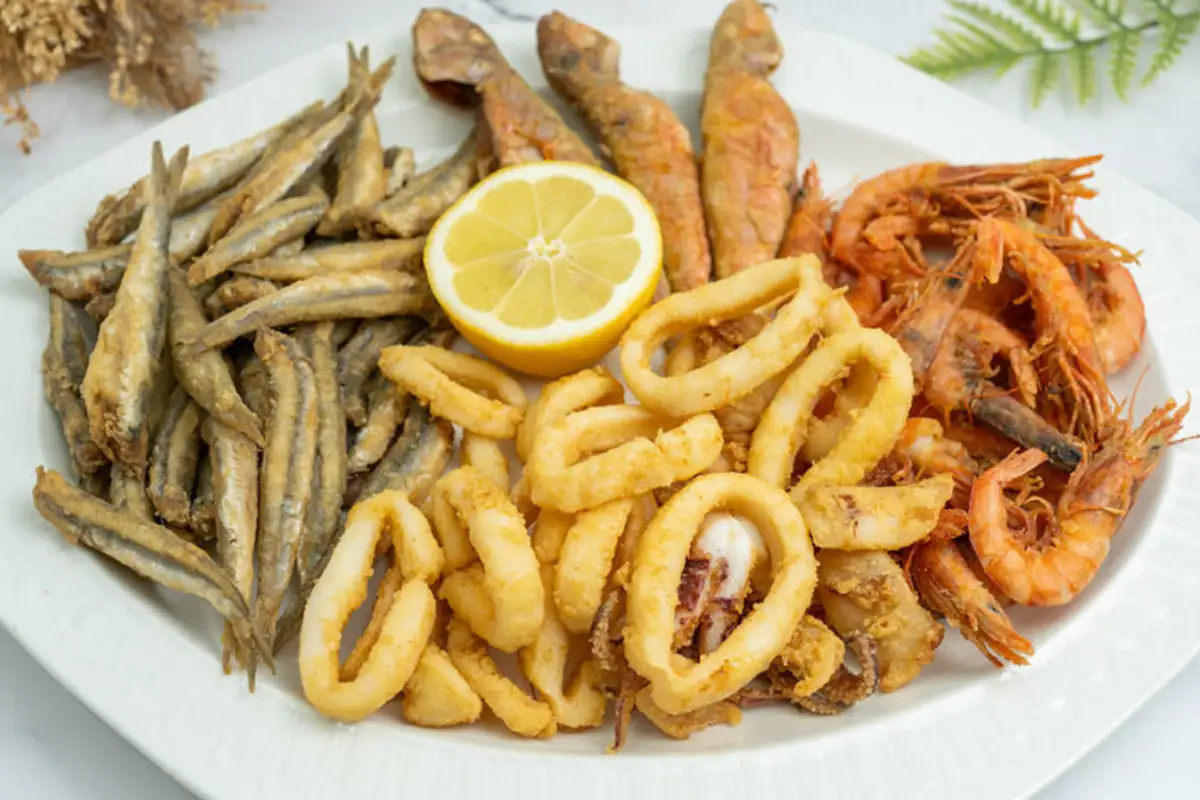
Fritura malaguena is one of Malaga's most iconic seafood dishes.
A generous platter of freshly caught fish and shellfish, lightly coated in flour and fried to a delicate crisp. Typical assortments include anchovies, red mullet, squid, baby squid (puntillitas), and sometimes prawns, all cooked in olive oil to preserve their natural flavour.
Served with lemon wedges and often enjoyed by the beach, fritura malaguena is a social dish meant for sharing.
5. Gazpachuelo
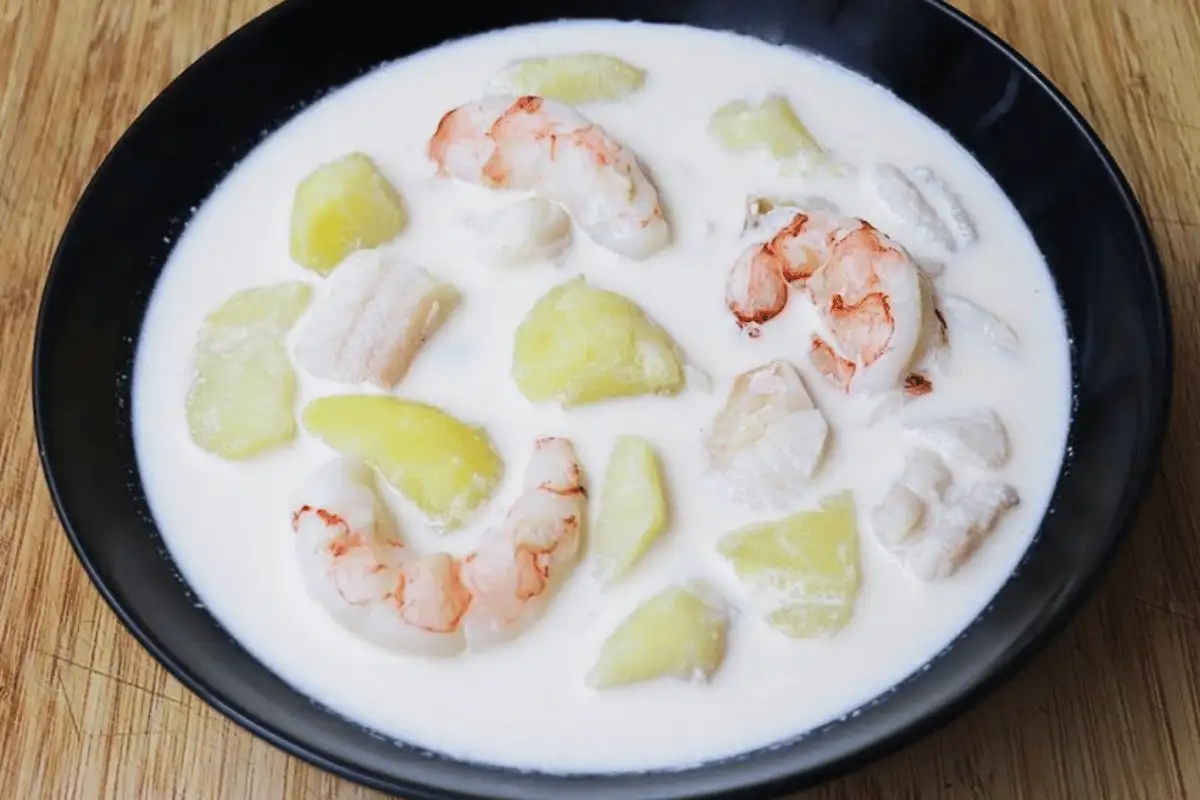
This creamy fish soup is Malaga's answer to cosy, heartwarming meals.
Made with seafood, potatoes, prawns, and a dash of mayonnaise, it has a smooth, velvety texture. Served warm, it is the perfect dish to enjoy by the sea or after a long day of exploring.
While hearty, it is surprisingly light, and the mix of fresh fish and tangy flavours will leave you craving more. Do not forget the bread for dipping; it is the perfect way to soak up all the goodness.
6. Ensalada Malaguena
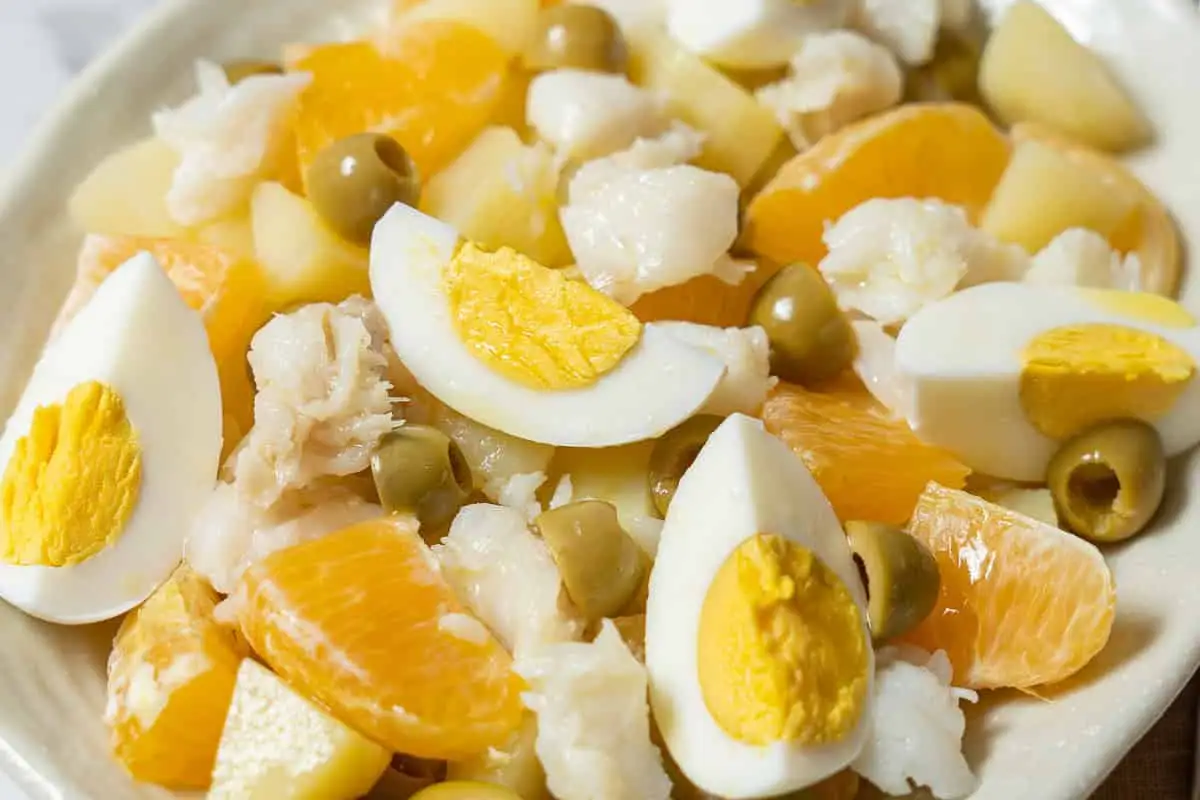
The Malaga salad (ensalada malaguena) is a refreshing, traditional dish that perfectly reflects the city's coastal-meets-inland character. Its base is flaked salt cod, usually desalted and lightly cooked, combined with boiled potatoes, juicy orange segments, Alorean olives, and thinly sliced onions.
It is dressed simply with extra virgin olive oil and a touch of vinegar. Light, refreshing, and perfect for summer.
7. Eggplants with Honey
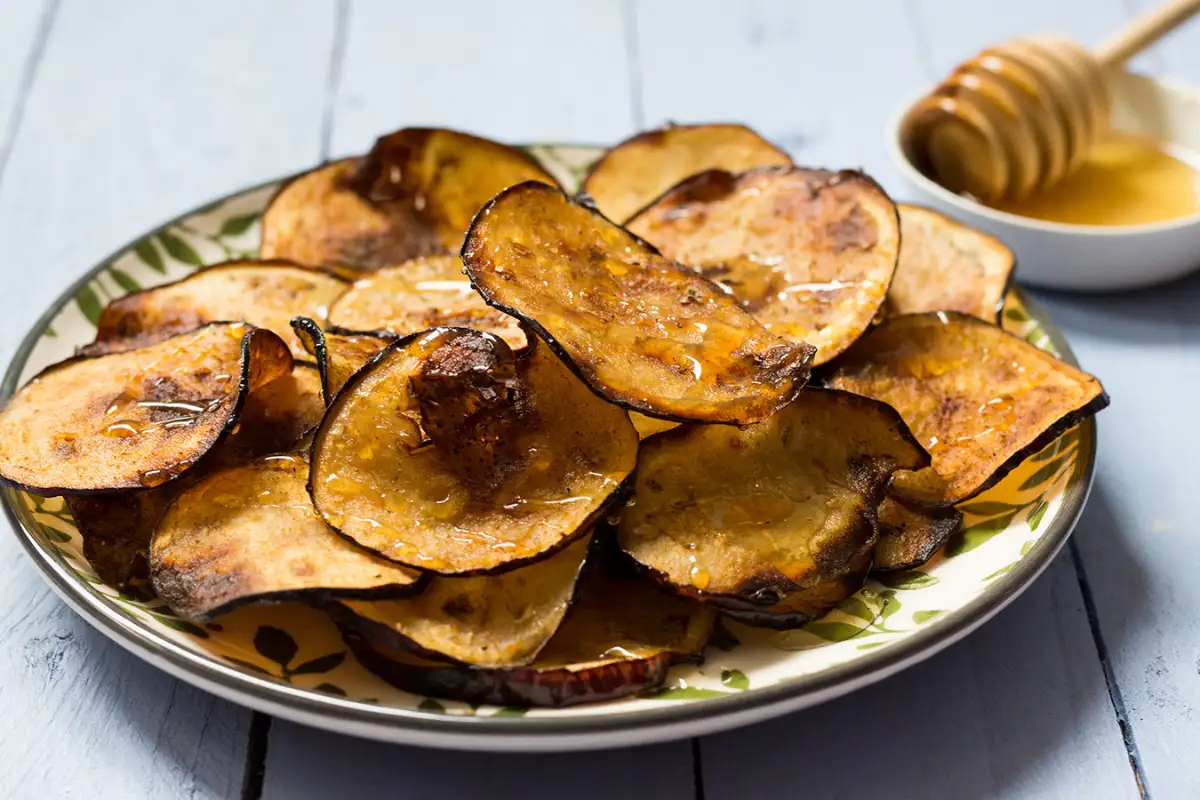
Eggplants with honey (berenjenas con miel) are a classic Malaga dish with deep Moorish roots. Thin slices of eggplant are lightly salted, coated in flour, and fried until golden and crisp outside, soft inside.
Traditionally, they are drizzled with miel de cana, a dark, molasses-like sugarcane syrup from nearby Frigiliana. The sweet, tangy syrup perfectly balances the eggplant's earthy flavour.
8. Plato de los Montes
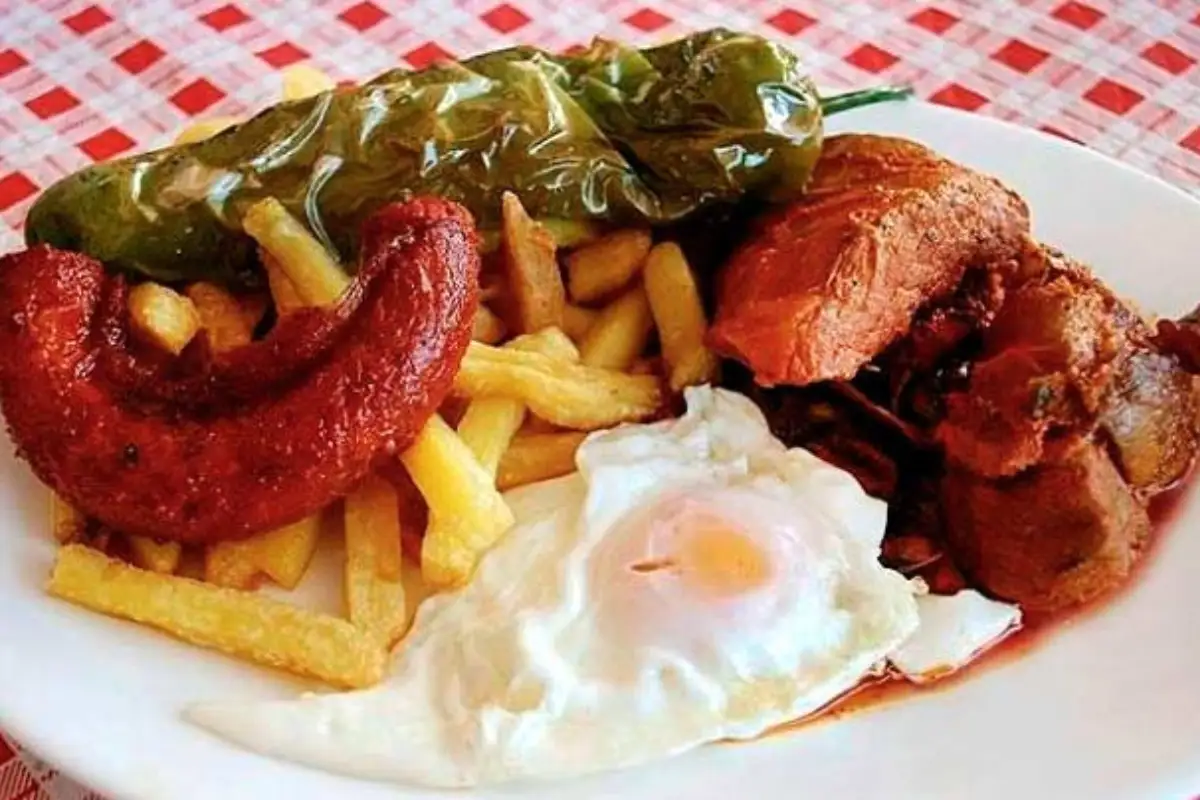
The plato de los montes is a hearty mountain dish born in the rural areas north of the city, traditionally eaten by hunters, farmers, and travellers needing serious sustenance. It is a generous plate piled high with fried eggs, potatoes, chorizo, morcilla (blood sausage), and a cut of pork loin, often accompanied by roasted peppers or migas (fried breadcrumbs).
This is not a light meal. It is designed to give you strength for a day of work in the mountains.
9. The Campero
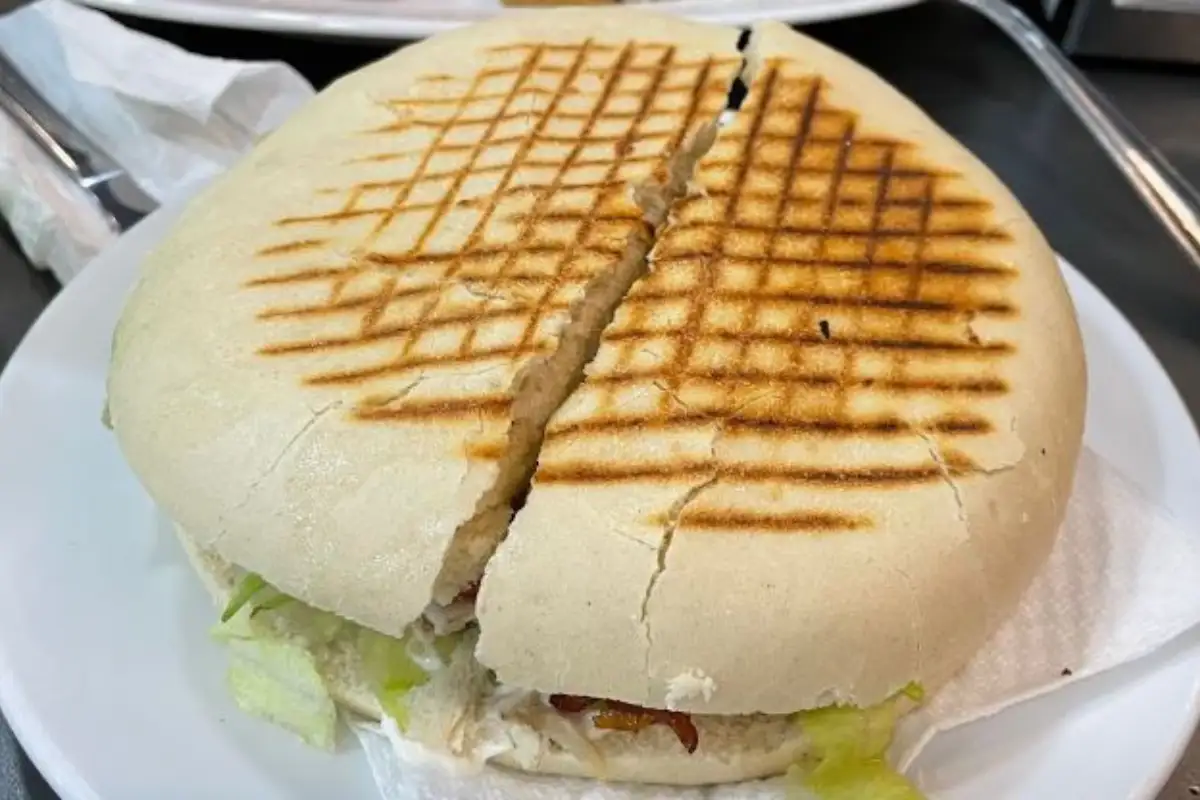
The campero is Malaga's signature sandwich, invented around 40 years ago and now found throughout the city. Built on a round, crusty mollete bread roll, it is traditionally filled with ingredients like lettuce, tomato, ham, cheese, and mayonnaise, though variations can include chicken, tuna, or bacon.
Once assembled, the whole sandwich is pressed and toasted until the bread is warm and crisp, the cheese melted, and the flavours melded together.
Served in cafes, tapas bars, and even late-night takeaway spots, the campero is a staple for quick, satisfying meals.
10. Conchas Finas
Conchas finas are a type of clam found only along the Malaga coast. They have a distinctive orange colour and a delicate, sweet flavour that sets them apart from other shellfish.
They are typically served grilled with just salt, pepper, and a squeeze of lemon. Simple but delicious.
11. Coquinas
Coquinas are small wedge-shaped clams that are a specialty along the Andalusian coast. In Malaga, they are typically prepared marinara style (with garlic, white wine, and parsley) or simply grilled.
They are a popular tapa, best enjoyed with a cold beer while watching the sunset.
12. Rabo de Toro
Oxtail stew (rabo de toro) is a traditional dish with roots in the bullfighting culture of Ronda, just an hour from Malaga city. The oxtail is slow-cooked in a rich sauce of red wine, leeks, carrots, onions, and spices until the meat falls off the bone.
It is typically served with potatoes and sometimes includes peas or celery. A hearty, warming dish perfect for cooler evenings.
13. Churros
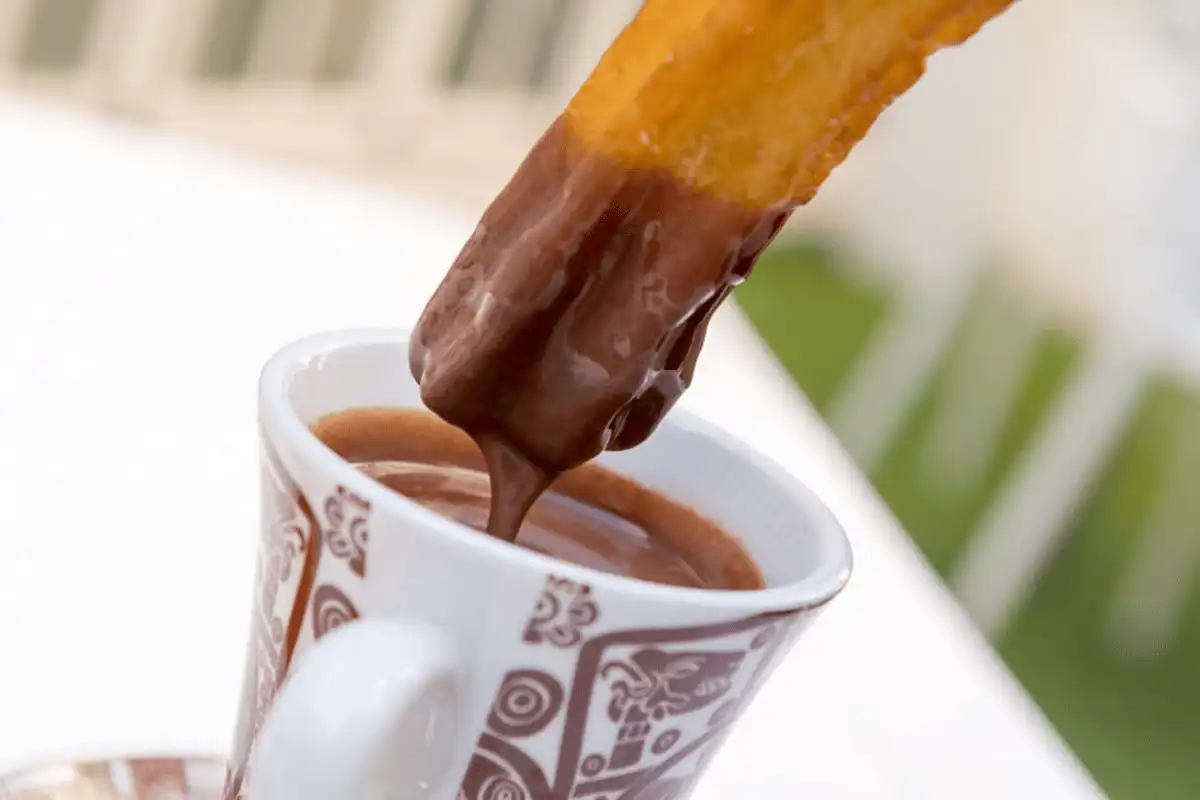
Unless you are on a diet, churros should definitely be on the menu.
They are a beloved breakfast or snack, featuring crispy, fried dough served with a cup of thick, rich chocolate for dipping. This treat perfectly balances sweetness and texture.
You can buy them as singles or as one long roll, and surprisingly, they are pretty light.
If you are with a friend, go for the whole roll. It is not as filling as it sounds.
Do not skip the complimentary chocolate dipping sauce. That is where the real decadence is.
14. Tarta Malaguena
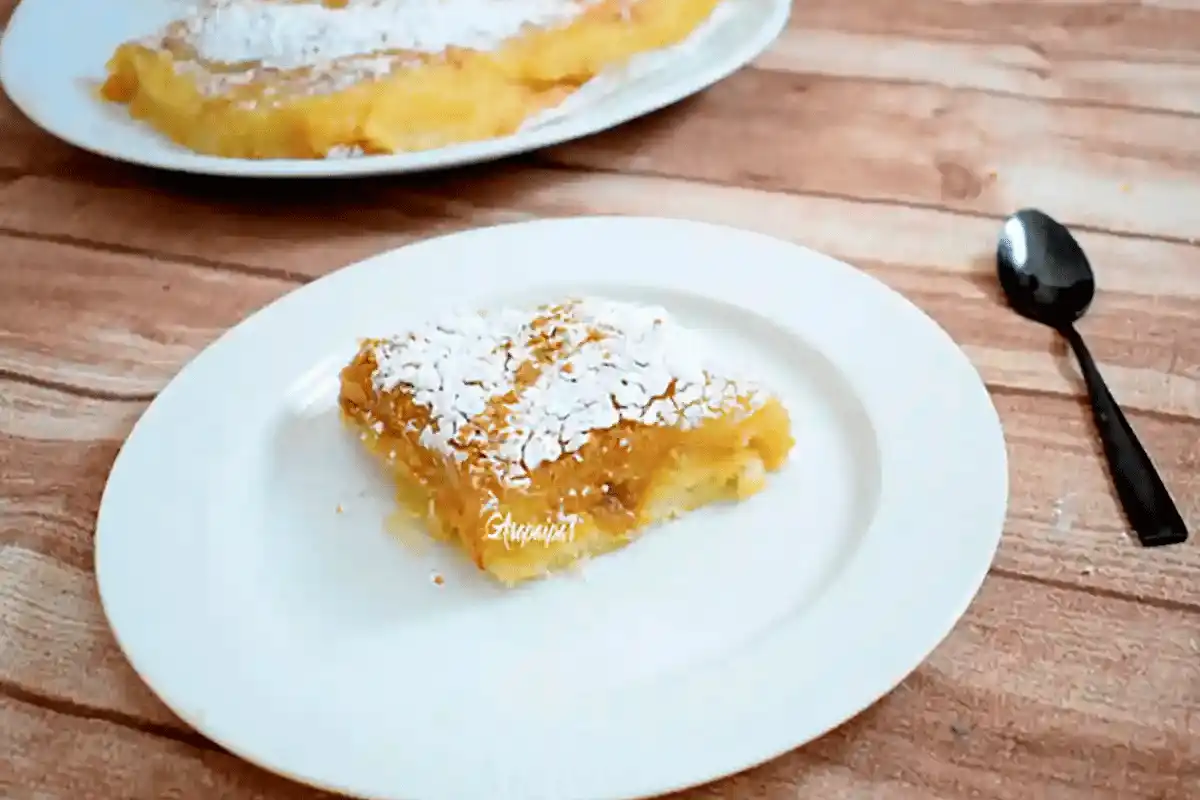
This traditional Malaga cake is a slice of heaven, made with almonds, honey, and a hint of citrus for the perfect balance of sweet and refreshing. It is light yet rich, with a nutty texture that melts in your mouth.
Often enjoyed as a dessert or paired with a cup of coffee, it is the perfect way to end a meal.
15. Torta de Algarrobo
The Torta de Algarrobo is a traditional cake from the town of Algarrobo in the Axarquia region. Its recipe dates back to the Arab era of Al-Andalus and remains a closely guarded secret.
Best enjoyed with tea or coffee, this sweet treat is worth seeking out if you venture into the villages east of Malaga.
What Drink is Malaga Famous For
Malaga Wine
Crafted from sun-kissed muscat grapes, Malaga's sweet wines pair beautifully with local treats and savoury bites.
I wholeheartedly recommend:
- Moscatel: Offers fragrant floral notes and a bright, citrussy zest.
- Pedro Ximenez: Known for its intense sweetness and rich flavours.
- Pajarete: A characteristic sweet wine often paired with Malaga olives.
Coffee, Malaga Style
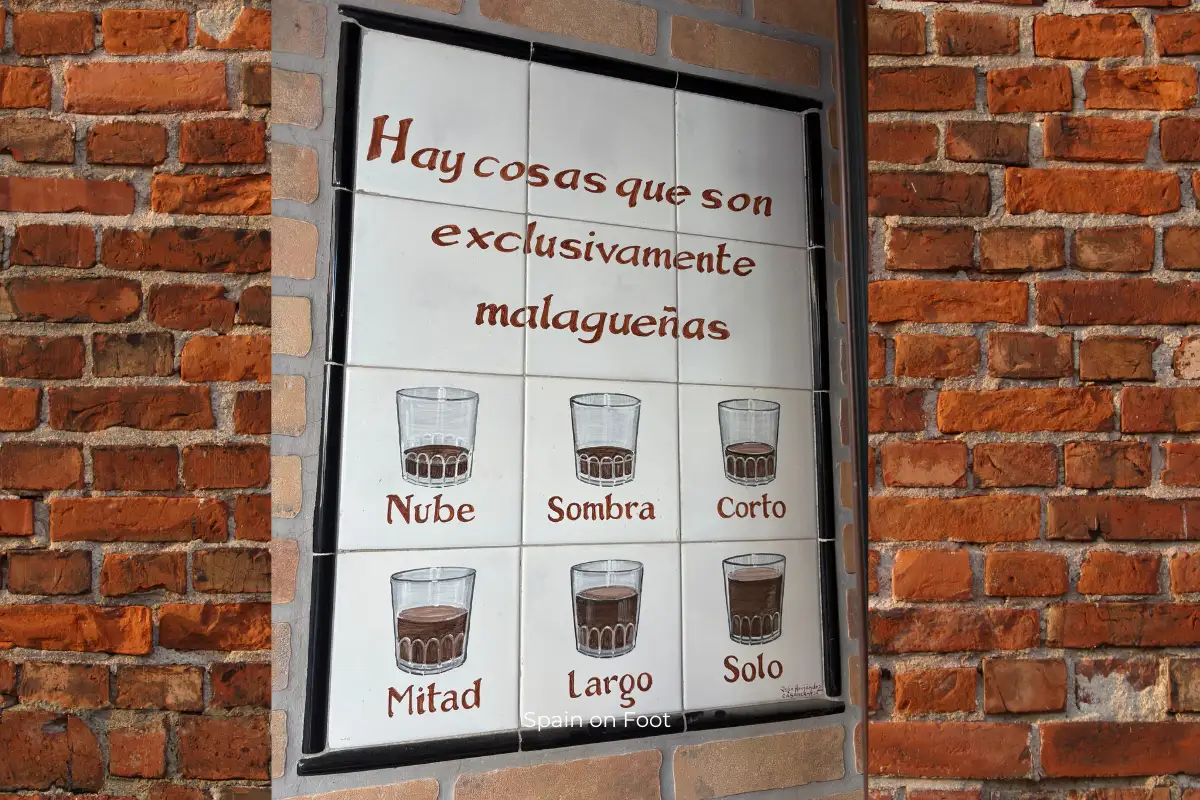
Malaga has a unique coffee culture with its own naming system, especially popular in local cafes.
Instead of ordering by size, you order by the ratio of coffee to milk, ranging from a strong solo (black espresso) to a milk-heavy nube ("cloud"). In between are options like sombra (a little coffee, mostly milk) or mitad (half coffee, half milk).
This system lets locals fine-tune their perfect cup.
Cartojal
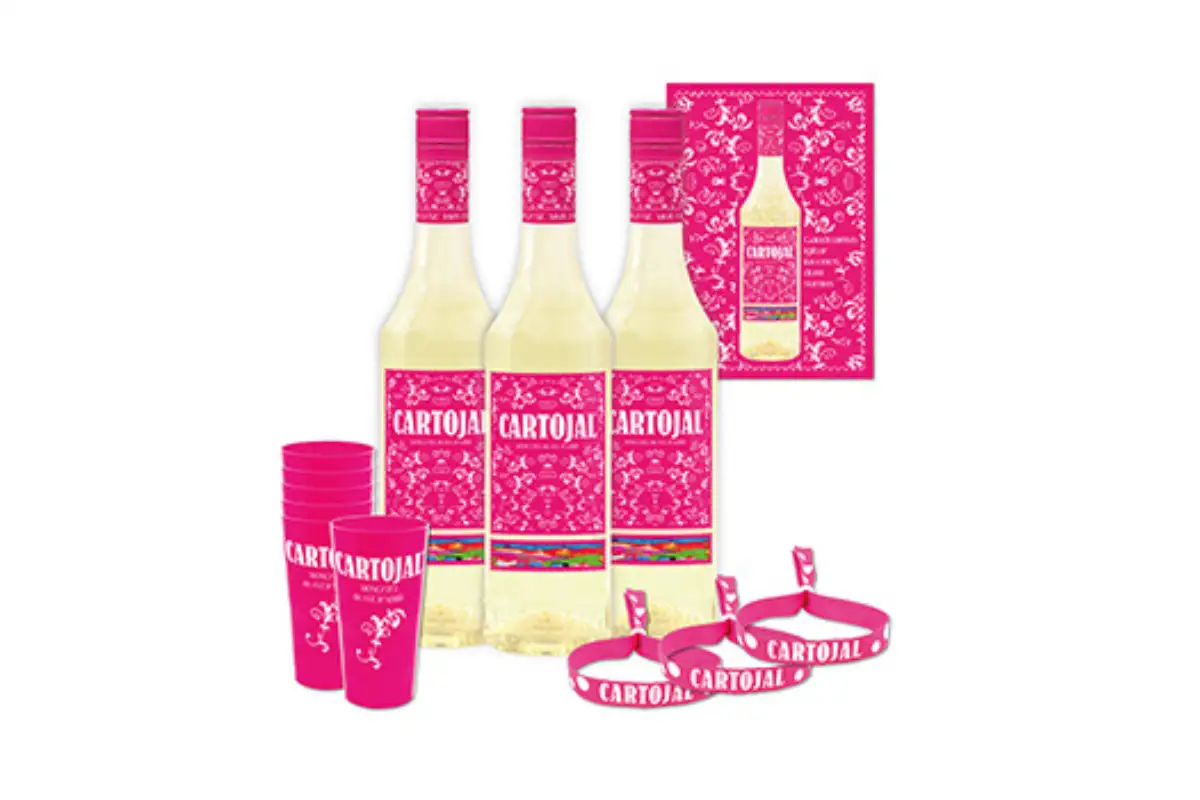
Cartojal is a sweet white Muscat wine from Malaga, best enjoyed ice-cold during the city's August Fair (Feria de Malaga).
Light, fruity, and refreshing, it is the drink of choice in streets and festival tents, symbolising the start of the celebrations for many locals.
Tapas Tips for Malaga Foodies
My favourite way to explore cities like Malaga is to embrace the traditional food and tapas culture.
Here is the recipe:
- Have one drink
- Order one tapa
- Go to the next restaurant and do it all again
It is the best way to find new restaurants, change scenery, and discover new favourite foods and drinks.
Where Do Locals Eat in Malaga
Locals stay away from the high streets, and you should too. I cannot tell you exactly where to go, because there is not one brand or chain of stores that is typically Malaguenan.
I can, however, give you some advice:
- If breakfast (toast, olive oil, coffee) costs more than 3 euros, it is probably not super local
- If you see "English breakfast" on the menu, stop and keep looking
- If you only see one type of coffee, it is probably not super local
- If the menu is in English, run
I think you get the picture.
This is not to say that you cannot find authentic food in the city, but the typical Malaga food you will see will probably be overpriced.
Head away from the city into the local neighbourhoods. Here is where you will find the most authentic traditional food of Malaga. Made by Malaguenans.
If you need some examples, I can recommend a few places.
For famous local spots, try La Tranca, Uvedoble, El Tapeo de Cervantes, Casa Lola, and Meson Iberico. You will find great meals here, but they are on the pricier side.
For a cheap meal, you cannot go wrong with the Spanish institution, 100 Montaditos. It is a chain, and there is not anything uniquely special about it, but locals visit it often thanks to the specials and low prices.
Where to Shop for Local Ingredients
This is my favourite part, and the answer is easy. Head to the local markets.
You will not believe how much excellent, cheap food and ingredients you can find in the local Spanish markets. Saffron, which would be exorbitantly expensive in my home country, is only a few euros in the Atarazanas market.
Not to mention all the fresh seafood.
Why spend a fortune when you can buy everything you need and make it fresh at home? It is a great way to learn more about the food. Plus, if you make a local friend, they can help you.
Take a trip to Atarazanas or Mercado el Carmen for the best variety of fresh produce in Malaga.
What is Spain's Most Iconic Food
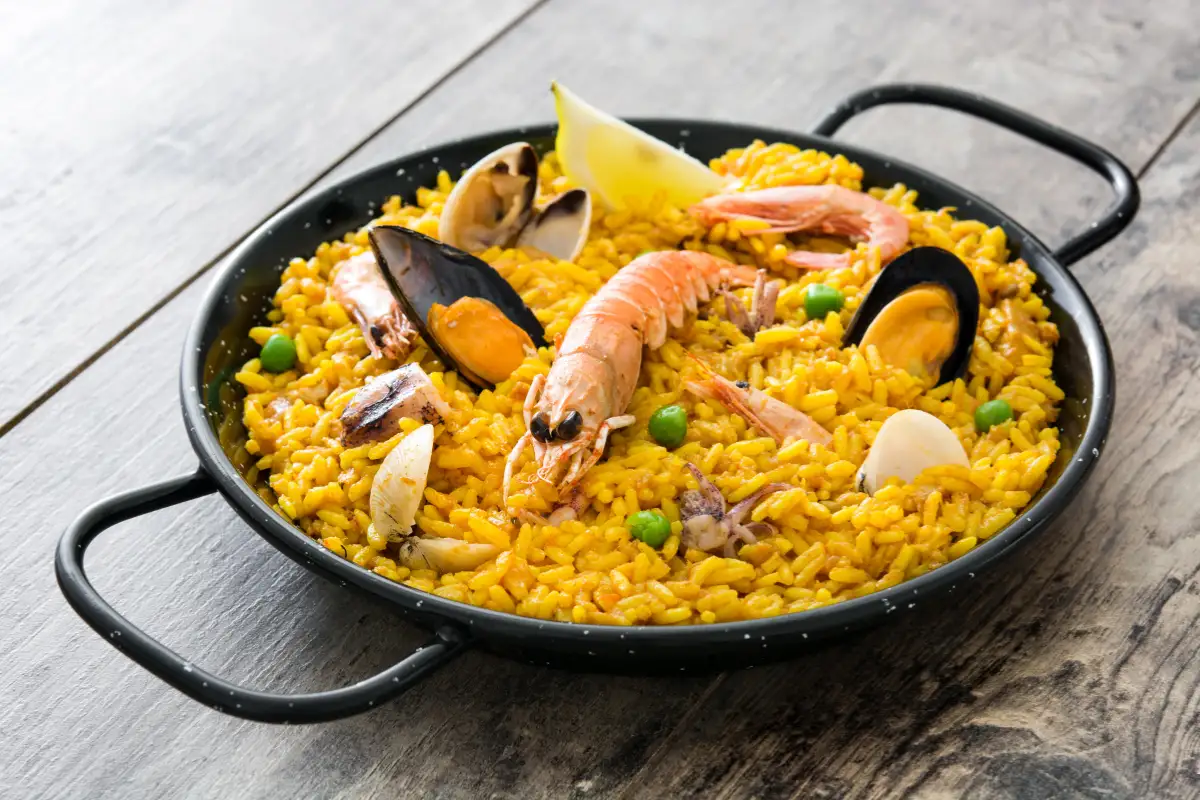
Paella is easily Spain's most iconic food.
I remember attempting it with my family many times back in South Africa. Attempting is the operative word. Without the right rice, it was always soggy.
In Malaga, however, I rarely see my local friends eat it.
The truth is, good Paella takes a long time to make, and while you can have amazing ingredients like seafood, meat and vegetables, it is still a carbohydrate-rich dish. Hardly suitable for your figure if you were to eat it regularly.
This puts Paella mostly into the "special occasion" category, more than being an everyday dish.
For drink recommendations, don't miss our guide to Malaga wine, which pairs perfectly with many local dishes.
Final Bite
Do not be the person who always orders the same old dish. Be a little adventurous and try a typical Malaga dish.
Embrace tapas culture, try new things, and if it is not so tasty, someone else at the table will probably love it anyway.
The best way to go local is to start your journey at one of Malaga's farmers' markets.
Frequently Asked Questions

Hola! I'm the researcher, walker, and co-founder behind Spain on Foot. I help travellers experience Spain authentically, through in-depth guides, locals-only knowledge, and cultural stories you won't find in guidebooks. You can reach me at heidi@spainonfoot.com
Planning a trip to Málaga?
Explore Málaga Guide→