things-to-do
25 Things to Do in Granada: The Complete Guide
This post may contain affiliate links, which means I earn a small commission, at no extra cost to you. It helps keep the blog alive, and we really appreciate your support!

The Alhambra alone would make it worth visiting, but there's so much more to discover in this extraordinary city.
Granada is unlike anywhere else in Spain.
At the foot of the Sierra Nevada mountains, this is a city where Moorish palaces overlook whitewashed neighbourhoods, where you get free tapas with every drink, and where flamenco is performed in ancient caves carved into hillsides.
The Alhambra rightly draws millions of visitors each year, but Granada rewards those who venture beyond its famous palace.
Granada at a Glance
The winding streets of the Albaicin, the sunset views from Sacromonte, the student energy of the city centre, the snow-capped mountains visible from rooftop bars.
Whether you're here for a day trip or a longer stay, Granada has enough to fill weeks. Here's everything worth seeing and doing.
Compare hotel prices in Granada
Find the best deal across booking sites
Don't Miss in Granada
- The Alhambra and Generalife gardens (book tickets well in advance)
- Sunset at Mirador San Nicolas with Alhambra views
- Free tapas crawl through the city centre
- Wander the Albaicin's winding Moorish streets
- Flamenco in a Sacromonte cave
The Alhambra and Surrounds
1. Visit the Alhambra
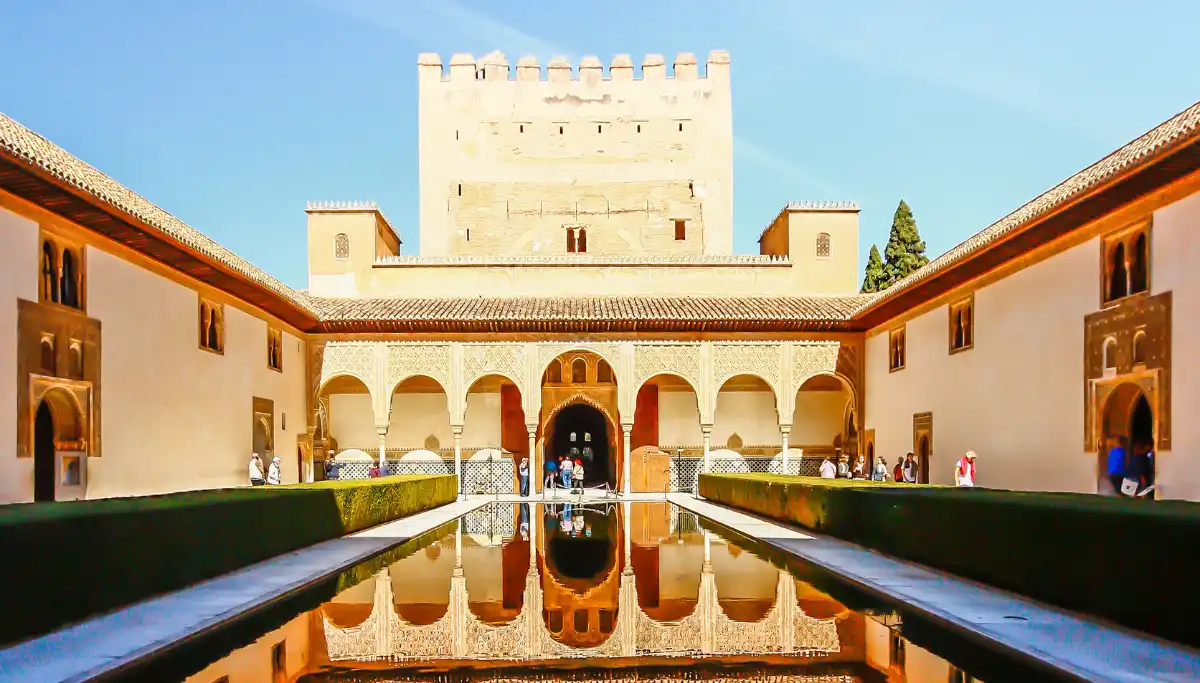
The Alhambra is Spain's most visited monument, and once you step inside, you'll understand why.
This 13th-century palace complex is the finest example of Moorish architecture in the world, a place where every surface is covered in intricate geometric patterns, Arabic calligraphy, and delicate stucco work.
The palace was built as a fortress and later became the residence of the Nasrid sultans. When the Catholic Monarchs conquered Granada in 1492, they were so awed by its beauty that they preserved it rather than destroying it.
A visit includes the Nasrid Palaces (the most spectacular part, with timed entry), the Alcazaba (the original fortress), the Generalife (the summer palace and gardens), and the palace of Charles V (a later Renaissance addition).
The Alhambra
Spain's most visited monument. A stunning 13th-century Moorish palace complex with intricate architecture, peaceful gardens, and commanding views over Granada.
Warning:
Alhambra tickets sell out weeks or even months in advance, especially for the Nasrid Palaces. Book as early as possible at the official website. If tickets are sold out, check for cancellations early morning, or book a guided tour which often has reserved allocation.
2. Explore the Generalife Gardens
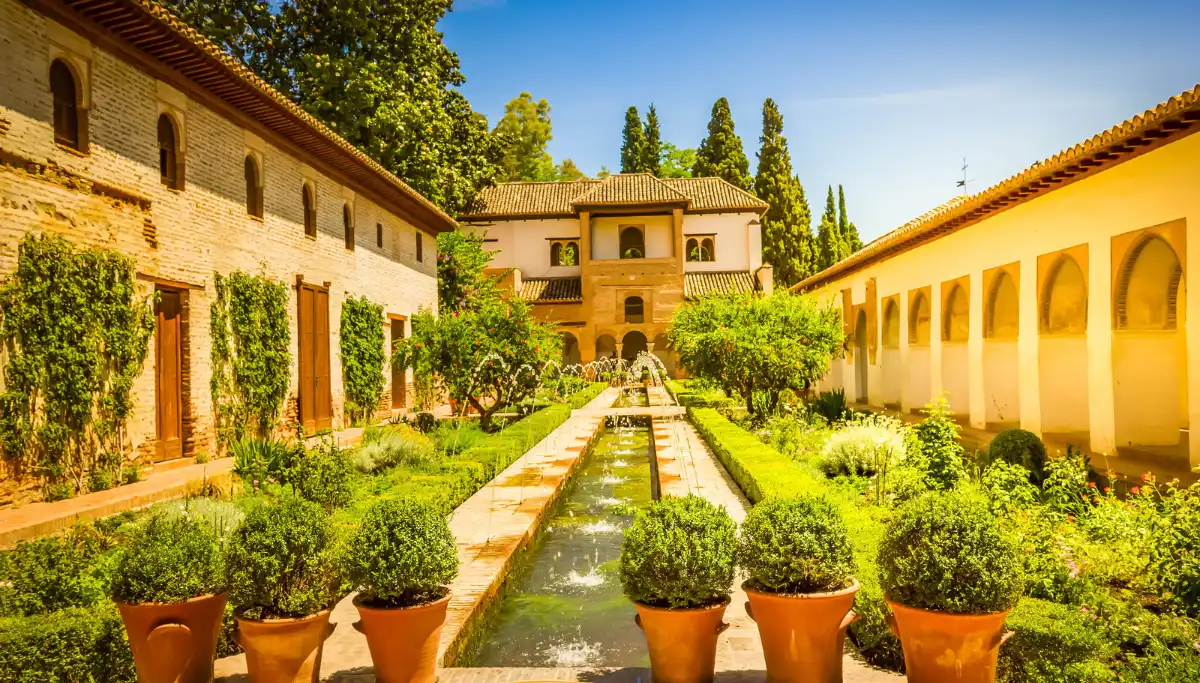
The Generalife was the summer palace of the Nasrid sultans, an escape from the formality of the Alhambra. The gardens here are among the most beautiful in Spain, a series of patios, fountains, and terraces designed for relaxation and contemplation.
The Patio de la Acequia, with its long reflecting pool lined with fountains and roses, is the highlight.
But the entire complex rewards slow exploration. The views back toward the Alhambra and across Granada are exceptional.
The Generalife is included in your Alhambra ticket and can be visited before or after the main palace, depending on your slot.
Local tip
Visit the Generalife first thing in the morning when the gardens are quiet and the light is soft. By midday, tour groups fill the pathways. Early morning gives you a more contemplative experience.
3. Walk the Alhambra Woods
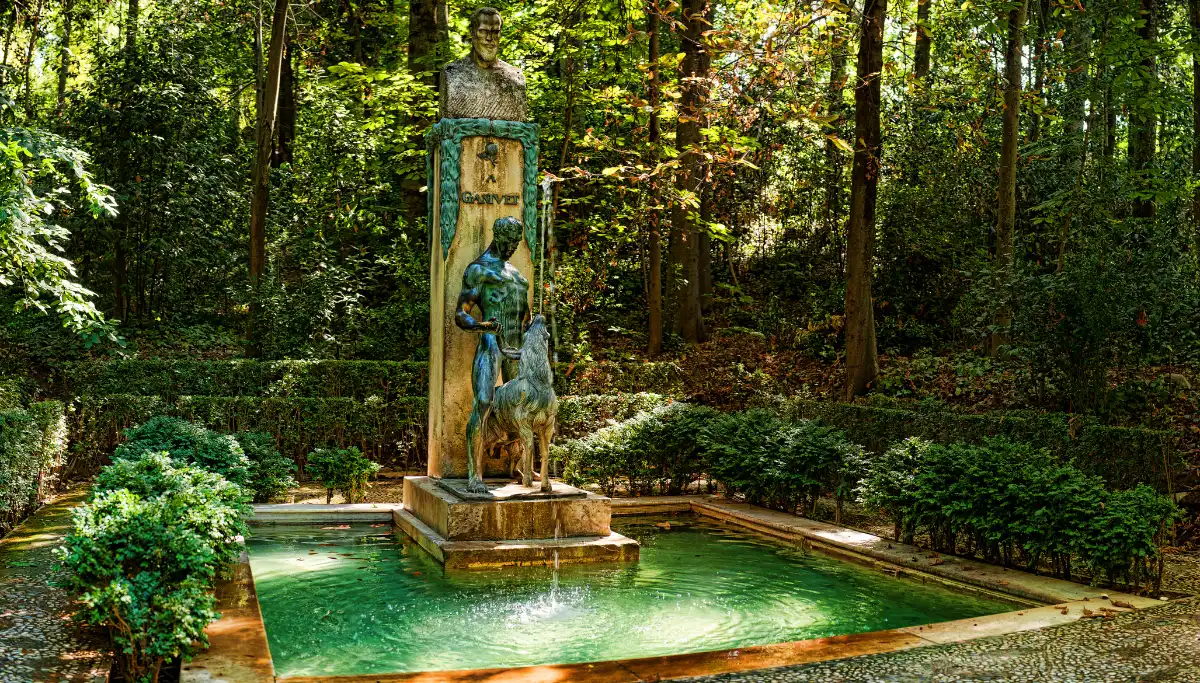
Between the Alhambra and the city centre lies a forest of ancient elms, cypresses, and roses. The Bosque de la Alhambra offers shaded walks with views of the palace walls above and the Albaicin across the valley.
Most visitors rush through on their way to the palace, but taking time to explore these woods is one of Granada's quieter pleasures. Several fountains and benches invite you to linger.
The woods are free to enter and open to the public, separate from the ticketed Alhambra complex.
The Albaicin
4. Wander the Albaicin
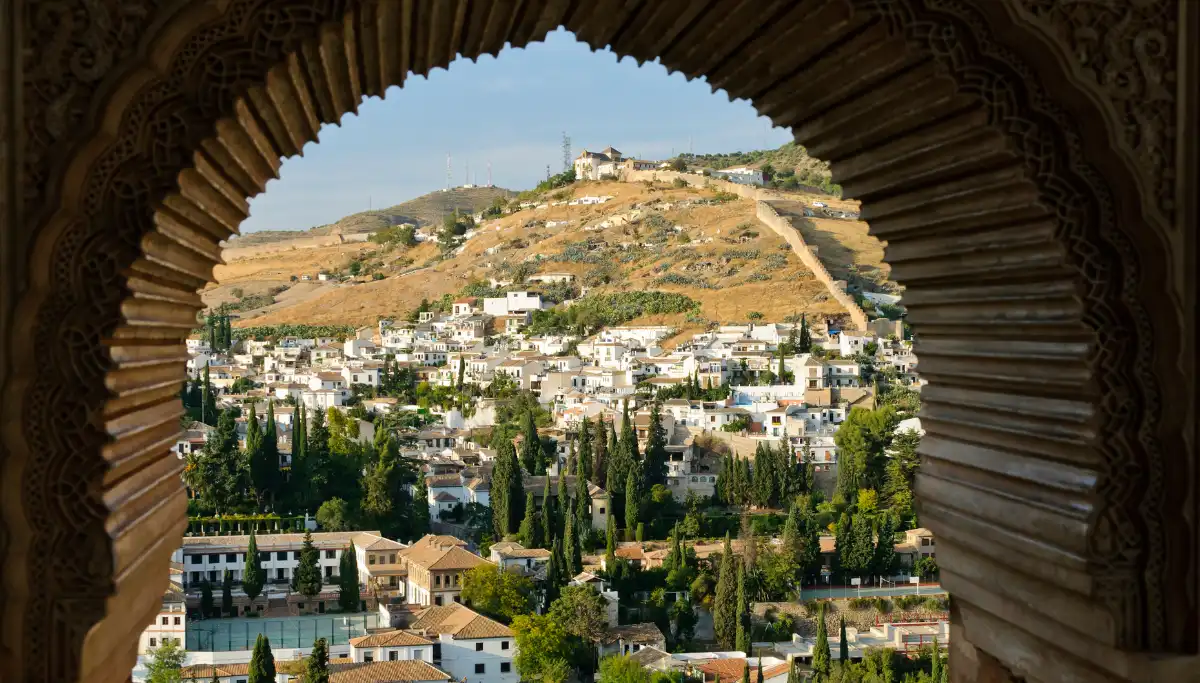
The Albaicin is Granada's ancient Moorish quarter, a UNESCO World Heritage Site of whitewashed houses, narrow cobbled streets, and hidden gardens. Walking here feels like stepping back in time.
There's no right way to explore the Albaicin. The joy is in getting lost, discovering unexpected plazas, stumbling upon views of the Alhambra through gaps between buildings, finding the tiny teteria (tea houses) hidden down alleyways.
The streets are steep and confusing by design.
Medieval residents wanted invaders to lose their way. You will too, and that's part of the experience.
Explore the Albaicin
moderateWander the atmospheric streets of Granada's ancient Moorish quarter. Whitewashed houses, hidden gardens, tea houses, and views of the Alhambra at every turn.
5. Watch Sunset from Mirador San Nicolas
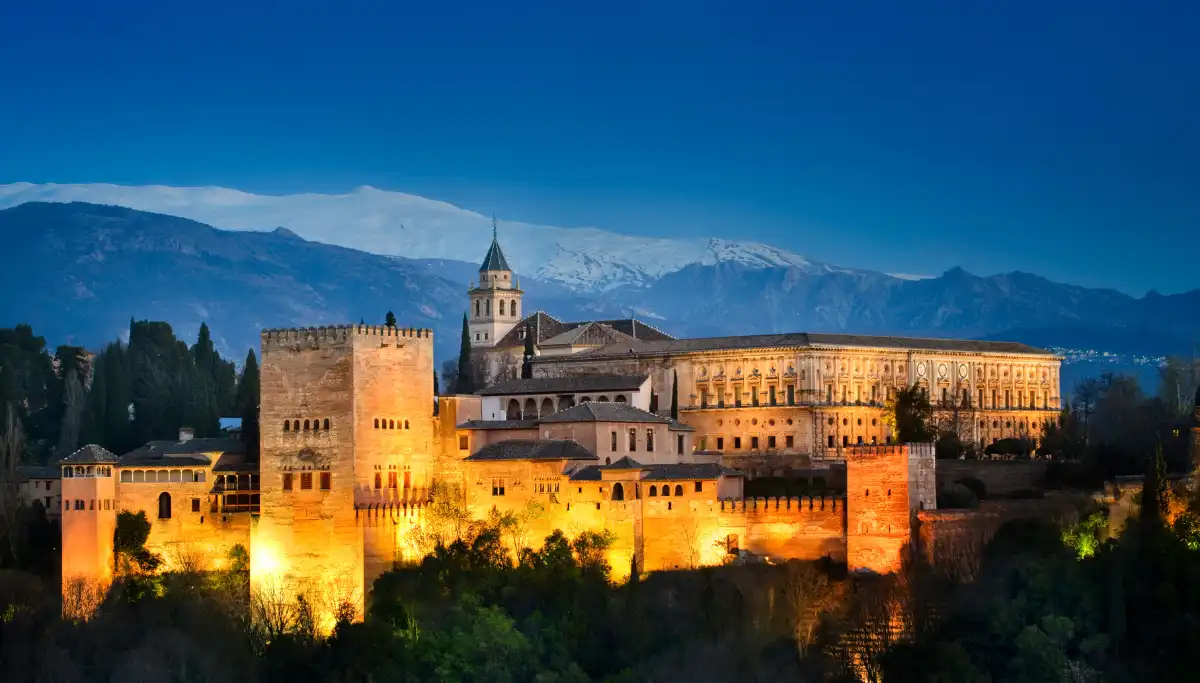
The Mirador de San Nicolas offers what is possibly the most famous view in Spain: the Alhambra glowing in sunset light, with the snow-capped Sierra Nevada rising behind it.
This viewpoint gets crowded at sunset, and for good reason. Street musicians play, vendors sell drinks, and the whole plaza takes on a festive atmosphere as the palace turns from gold to pink to purple.
Arrive at least 30 minutes before sunset to secure a good spot. Better yet, come an hour early and watch the light change slowly.
Sunset at Mirador San Nicolas
Granada's most famous viewpoint. Watch the Alhambra glow in sunset light with the Sierra Nevada mountains as a backdrop.
6. Have Tea in a Teteria
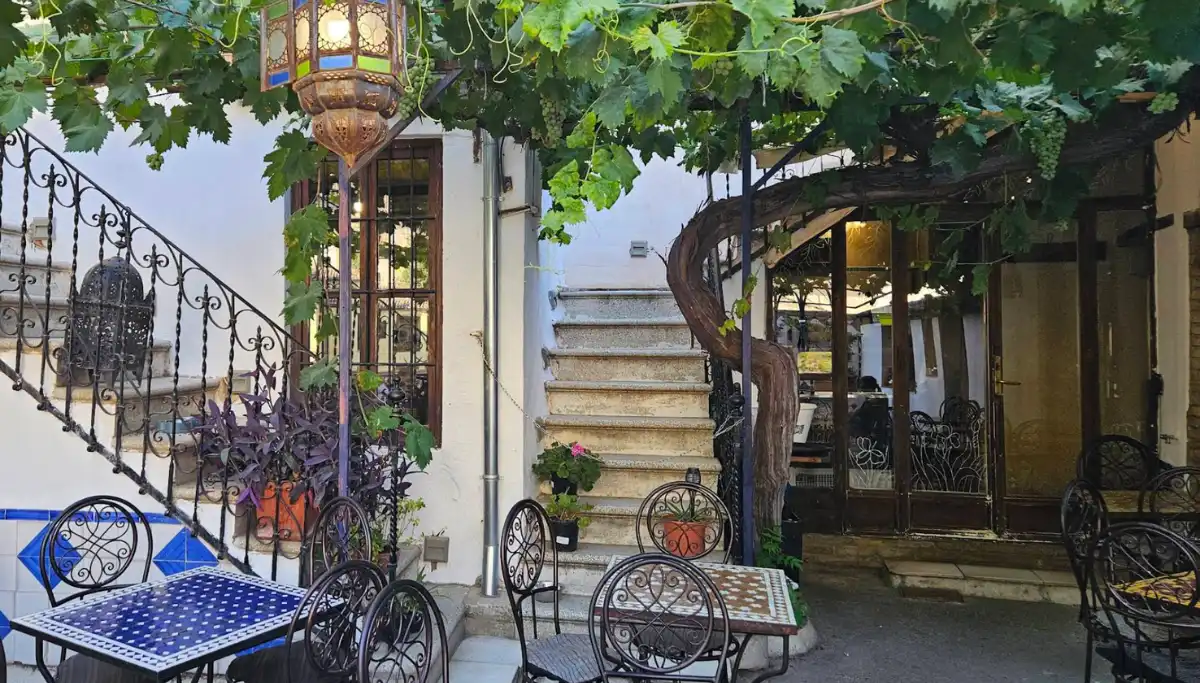
The Albaicin is home to dozens of teterias (Moorish tea houses), holdovers from Granada's Islamic past and a tradition that continues today.
Duck into one of these atmospheric spaces for sweet mint tea, Arabic pastries, and a moment of calm. The best teterias are decorated with cushions, lanterns, and low tables, transporting you to Morocco.
Calle Caldereria Nueva (also called Tea Street) has the highest concentration, but smaller teterias hidden throughout the Albaicin often have more authentic atmosphere.
Teteria Nazari
€Tea HouseAlbaicin · Atmospheric Moorish decor, cushions, lanterns
Must try: Mint tea, baklava, Arabic pastries
7. Find the Hidden Carmenes
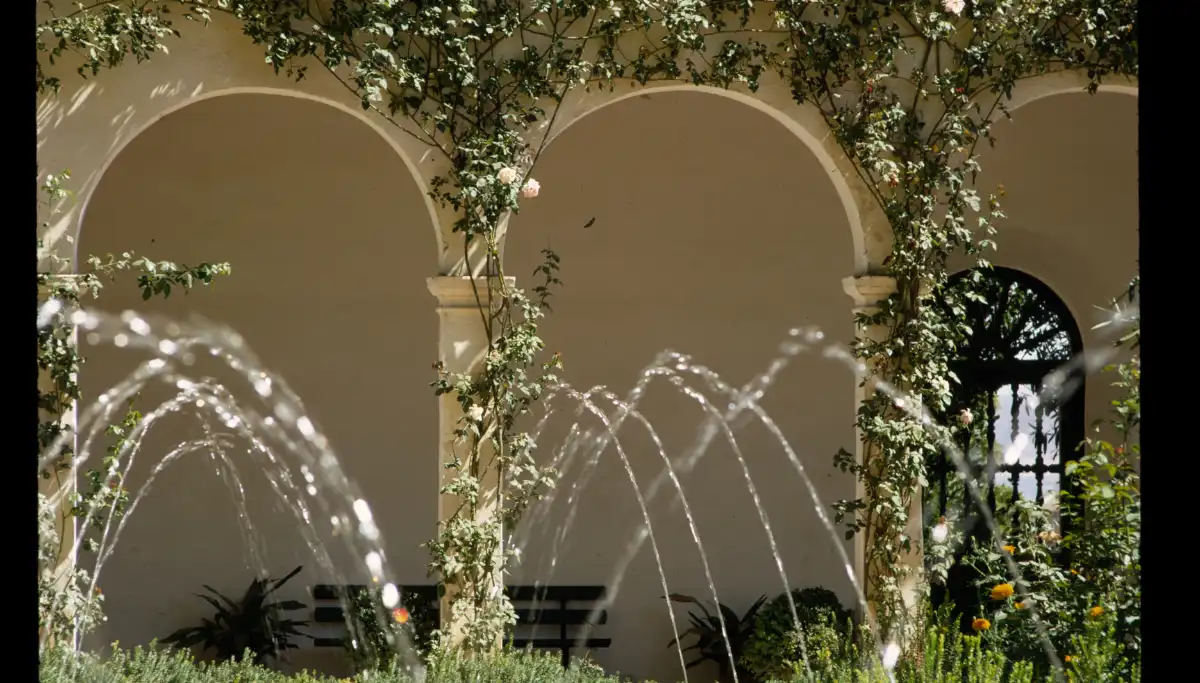
A carmen is a traditional Granada house with a walled garden, hidden from the street. The Albaicin is full of them, their gardens invisible behind whitewashed walls, only revealed through occasional open doorways.
A few carmenes have been converted to restaurants and hotels, giving you a chance to experience these private paradises. Dining in a carmen garden with views of the Alhambra is one of Granada's most special experiences.
Local tip
Carmen de Aben Humeya and Carmen Mirador de Aixa are two restaurants set in traditional carmenes with Alhambra views from their gardens. Perfect for a special dinner.
Sacromonte
8. See Flamenco in a Cave

Sacromonte is Granada's traditional Roma (gypsy) quarter, built into caves carved from the hillside. For centuries, these caves have been home to flamenco, and watching a performance here is completely different from seeing it in a theatre.
The caves are intimate, holding perhaps 30 people at most.
The dancers perform just feet away, the guitar reverberates off the whitewashed walls, and the emotion is raw and immediate. This is flamenco at its most authentic.
Flamenco in a Sacromonte Cave
Experience authentic flamenco in the intimate setting of a traditional cave venue. Raw, emotional performances just feet from your seat.
9. Visit the Cave Museum
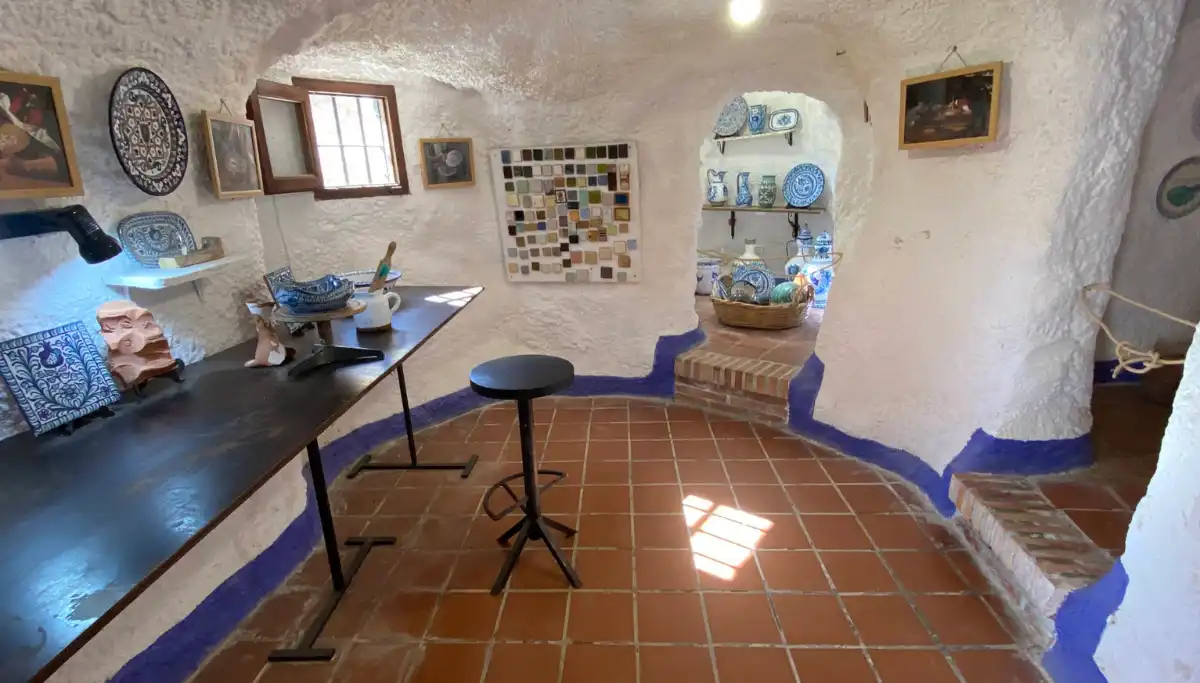
The Museo Cuevas del Sacromonte explains the history and culture of the cave-dwelling community. Set in a series of restored caves, it shows how people lived, worked, and maintained traditions in these unique homes.
You'll see traditional furnishings, learn about local crafts, and understand how the caves stay cool in summer and warm in winter. The outdoor areas offer excellent views over the Darro valley.
Museo Cuevas del Sacromonte
Ethnographic museum in restored caves showing traditional life in Sacromonte. Includes reconstructed living spaces, craft demonstrations, and valley views.
10. Walk the Camino del Sacromonte
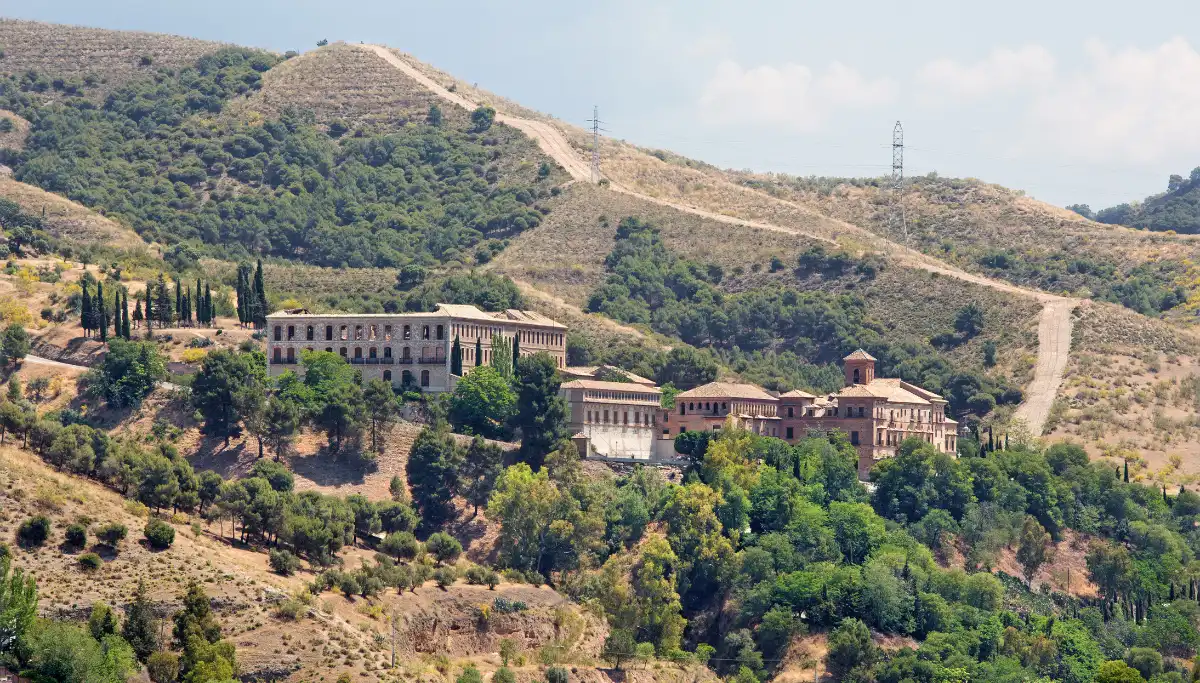
The path through Sacromonte follows the hillside above the Darro valley, passing cave houses, cactus gardens, and viewpoints. It's one of Granada's most atmospheric walks, especially at dusk when the caves light up.
The full walk from the Albaicin to the Abbey takes about an hour. You can continue to the Sacromonte Abbey (Abadia del Sacromonte) for pilgrimage history and panoramic views.
City Centre
11. Go on a Free Tapas Crawl

Granada is one of the last cities in Spain where you still get a free tapa with every drink.
Order a beer or wine, and the kitchen sends out a small plate. Order another drink, get another tapa. This isn't a token olive. These are proper portions.
The tradition turns drinking into eating, and eating into exploring. The fun is hopping from bar to bar, seeing what each kitchen serves, and filling up without ever ordering a meal.
Free Tapas Crawl
Granada's famous tradition. Order a drink, receive a free tapa. Bar hop through the city centre sampling different specialties.
Local tip
The best tapas are often found away from Plaza Nueva. Head to Calle Navas and its side streets, or venture into Realejo neighbourhood for more local bars. Ask locals for their recommendations.
12. Visit Granada Cathedral
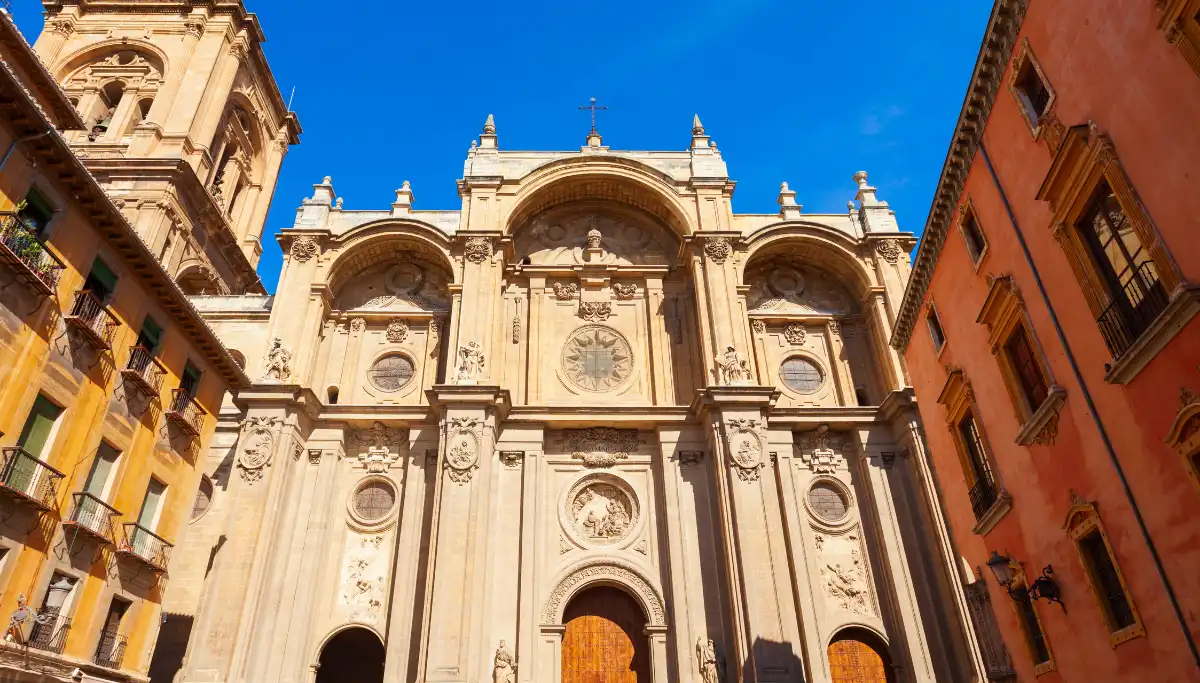
Granada Cathedral is one of the most impressive Renaissance churches in Spain. Its bright, airy interior feels surprisingly modern, a deliberate choice to distinguish it from the Moorish architecture elsewhere in the city.
The cathedral was built on the site of the main mosque after the Christian conquest, a statement of the new religious order. Its massive columns and soaring ceilings inspire awe.
Granada Cathedral
Magnificent Renaissance cathedral built on the site of Granada's main mosque. Impressive interior with soaring ceilings and important religious art.
13. Pay Respects at the Royal Chapel
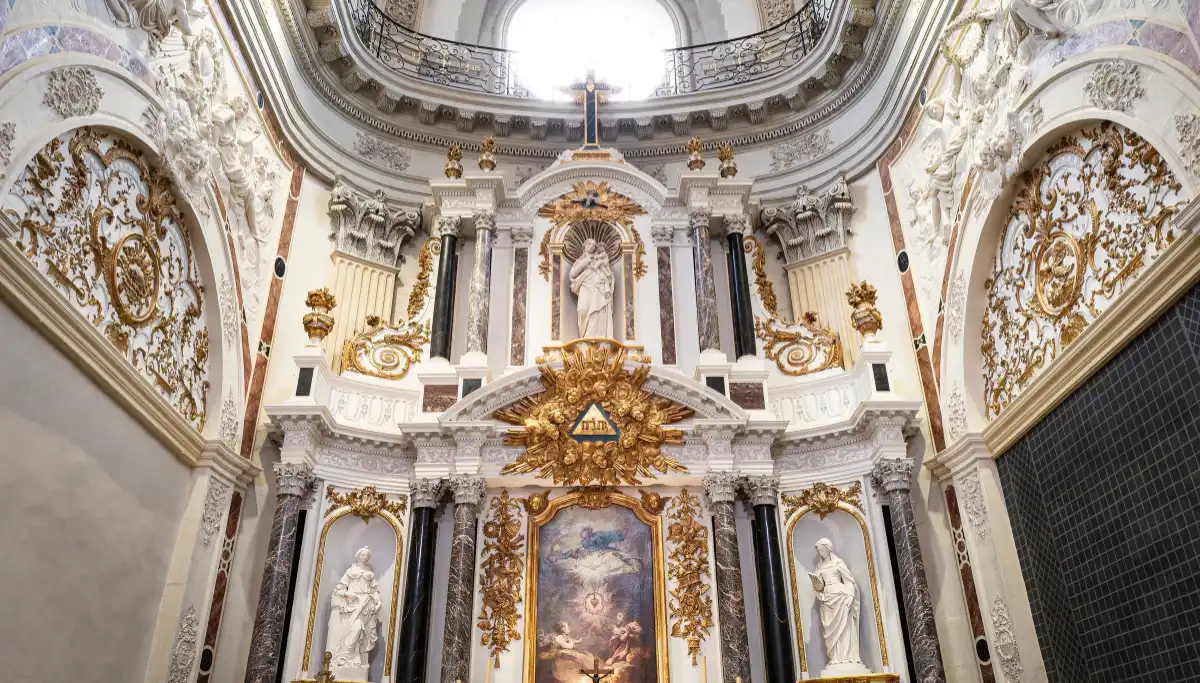
Adjacent to the cathedral, the Capilla Real (Royal Chapel) contains the tombs of the Catholic Monarchs, Ferdinand and Isabella, who conquered Granada and funded Columbus's voyage to the Americas.
The chapel is more intimate than the cathedral, with an ornate Isabeline Gothic style and a remarkable collection of Flemish paintings. You'll also see the monarchs' personal effects, including Isabella's crown and Ferdinand's sword.
Royal Chapel (Capilla Real)
Final resting place of Ferdinand and Isabella, the Catholic Monarchs who completed the Reconquista. Beautiful Gothic chapel with royal tombs and treasures.
14. Explore the Alcaiceria
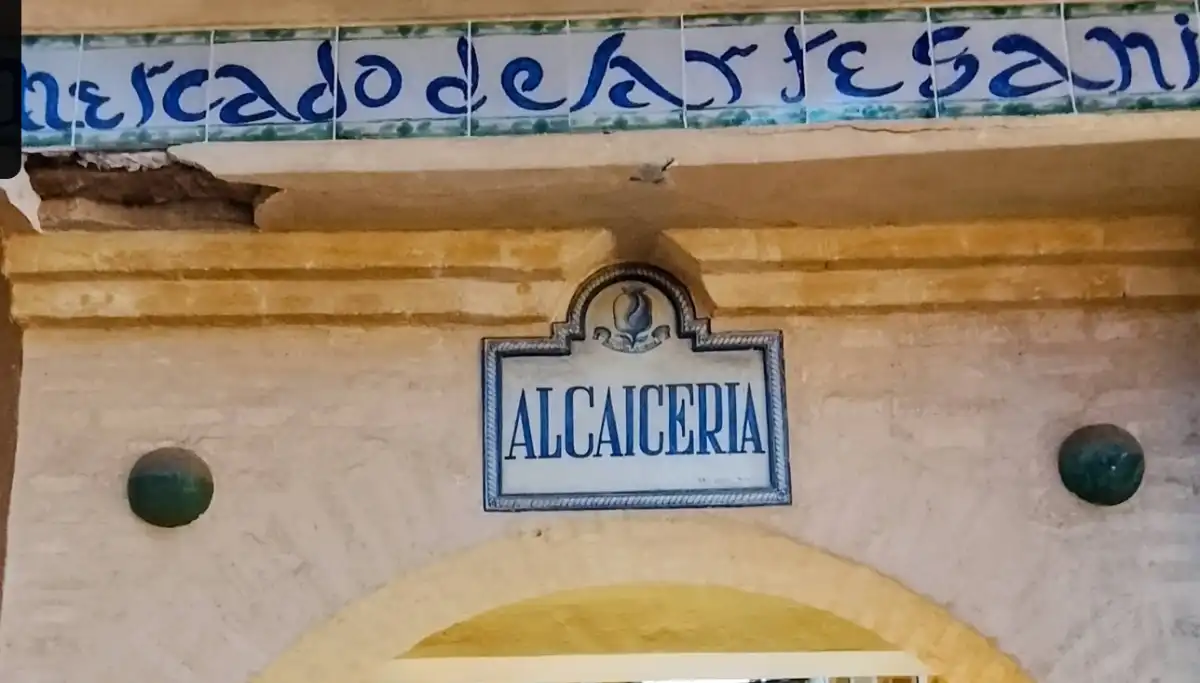
The Alcaiceria was Granada's original Arab silk market, destroyed by fire in the 19th century and rebuilt as a smaller version. Today it's a maze of narrow streets filled with shops selling ceramics, leather goods, jewellery, and souvenirs.
It's touristy, yes, but the atmosphere echoes the old bazaar.
Bargaining is expected at some stalls. Even if you don't buy, it's worth wandering through.
15. Visit the Madraza
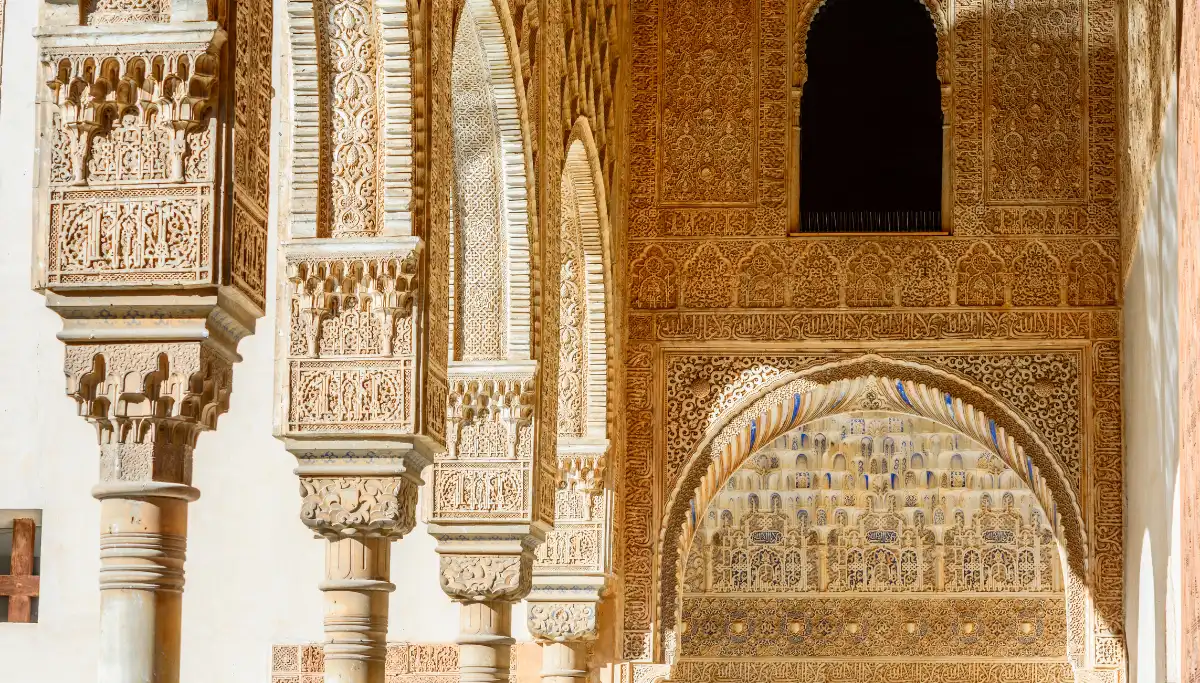
The Madraza was the first university in Granada, founded by the Nasrid sultan Yusuf I in 1349. After the Christian conquest, it was converted to a city hall, but the original prayer room survives.
This intimate space, with its intricate Moorish decoration and mihrab (prayer niche), is one of Granada's hidden gems. Most visitors walk past without knowing it's there.
The Madraza
Granada's original Islamic university, now containing a beautifully preserved prayer room with Nasrid decoration.
16. Stroll Through the Corral del Carbon
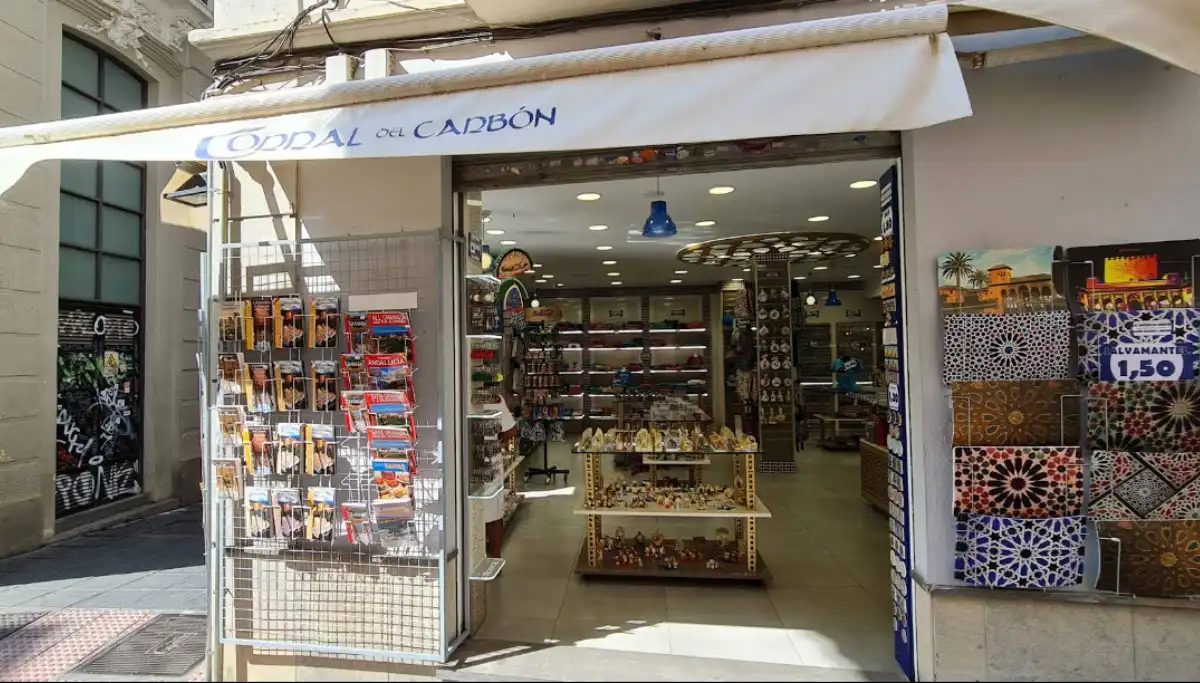
The Corral del Carbon is the oldest surviving Moorish monument in Granada, older even than the Alhambra. This 14th-century caravanserai (merchant's inn) once housed traders and their goods.
Today you can walk through its horseshoe arch, admire the courtyard, and imagine the medieval market that once filled this space. It's free to enter and often hosts cultural events.
Realejo
17. Discover Realejo's Street Art
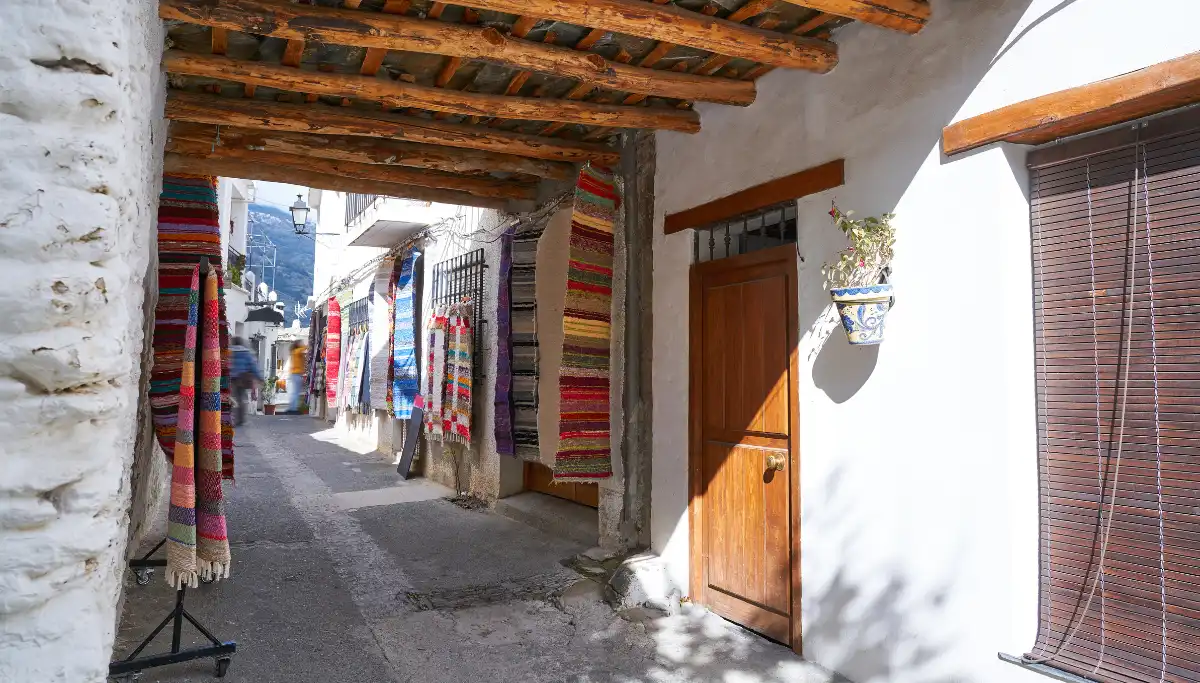
Realejo was Granada's historic Jewish quarter, now a creative neighbourhood known for its street art. Local and international artists have covered walls with murals, making the area an open-air gallery.
El Nino de las Pinturas is the most famous local artist, and his colourful works appear throughout the district. Wandering Realejo combines art discovery with authentic neighbourhood atmosphere.
Local tip
Combine Realejo exploration with tapas. The neighbourhood has excellent local bars away from the tourist crowds, including Los Diamantes (famous for fried fish) and Bar Poë.
18. Visit Campo del Principe
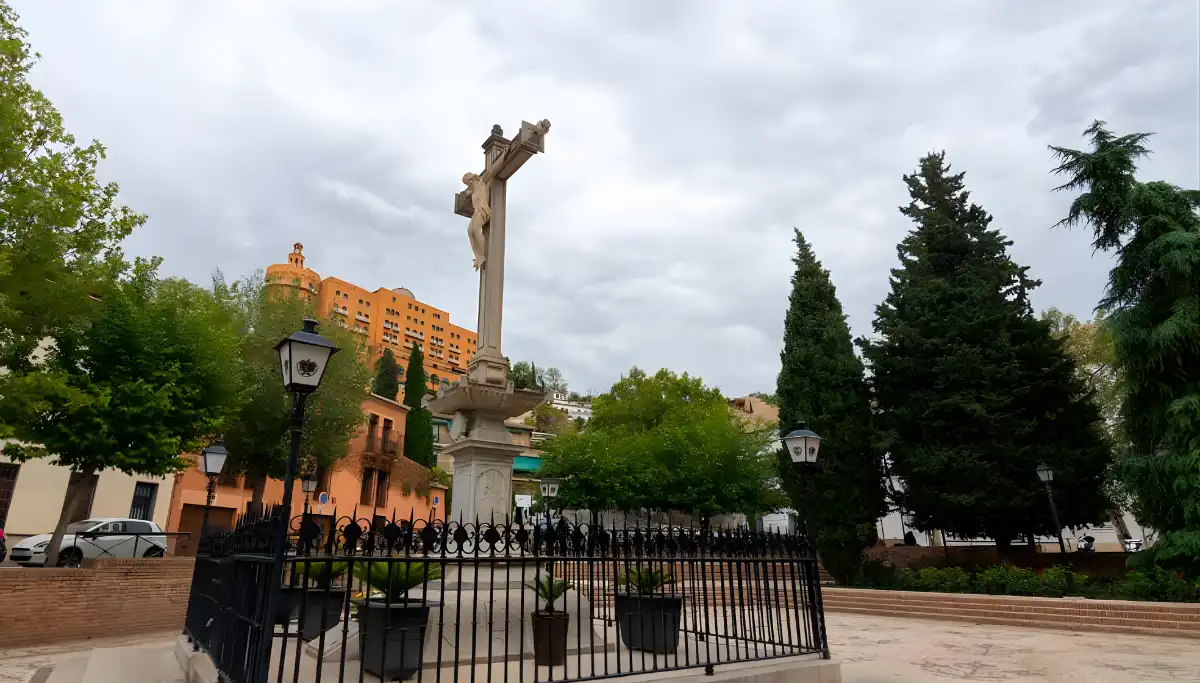
Campo del Principe is Realejo's main square, a spacious plaza lined with terrace cafes and restaurants. It's a favourite spot for locals, with a relaxed atmosphere and excellent people-watching.
The square is named for a jousting tournament held here in 1497 to celebrate Prince John's wedding. Today it's a perfect spot for a long lunch or evening drinks.
Beyond the Centre
19. Take the Sierra Nevada Day Trip
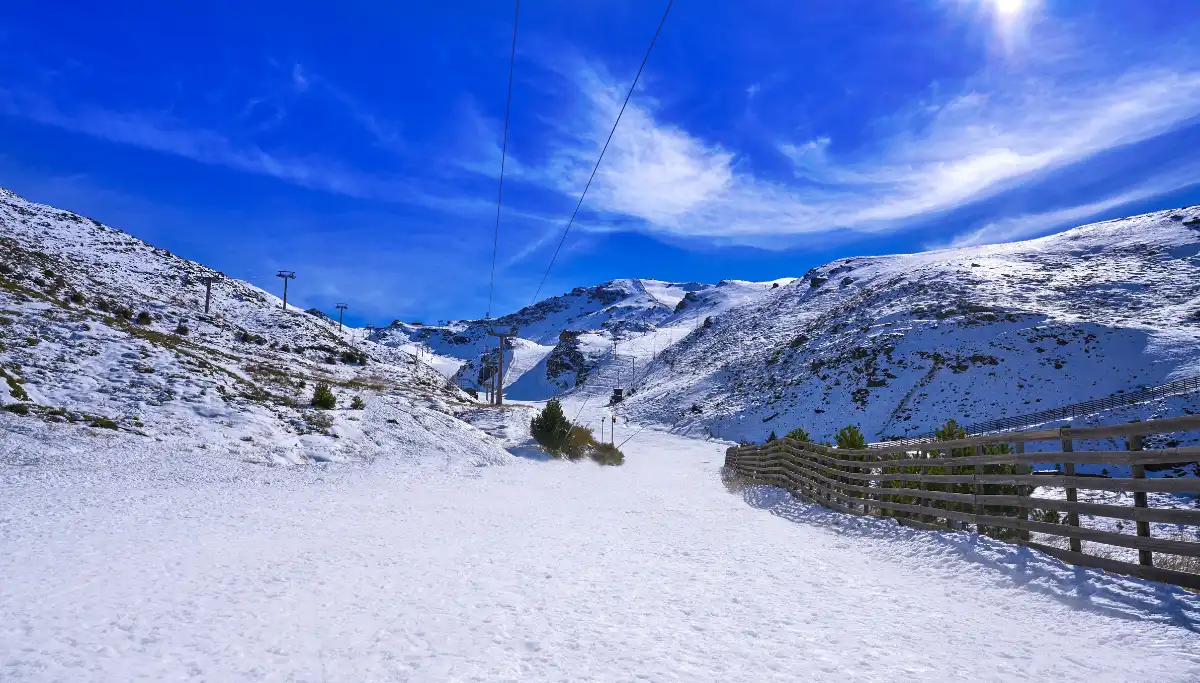
Granada sits at the foot of the Sierra Nevada, home to mainland Spain's highest peak (Mulhacen, 3,479m) and Europe's most southerly ski resort. In winter, you can ski in the morning and swim at the beach in the afternoon.
Even if you're not skiing, the mountains are spectacular for hiking, scenic drives, or simply escaping the summer heat. The road to the ski station offers incredible views.
Sierra Nevada Day Trip
easy to challenging depending on activityEscape to mainland Spain's highest mountains. Skiing in winter, hiking in summer, spectacular views year-round.
20. Explore the Alpujarras
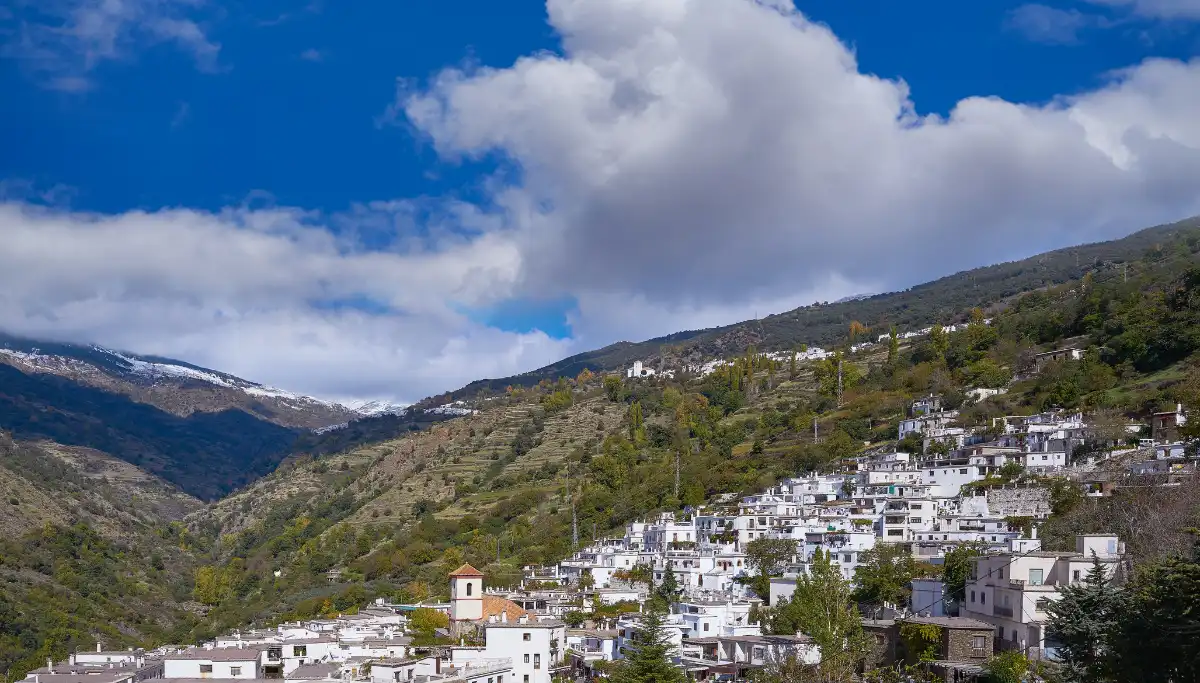
South of the Sierra Nevada, the Alpujarras is a region of whitewashed villages clinging to dramatic hillsides. These towns were the last refuge of the Moors after Granada fell, and their distinctive flat-roofed architecture reflects North African influences.
Villages like Pampaneira, Bubion, and Capileira make excellent day trips, offering mountain walks, local crafts, and traditional cuisine. The cured ham from Trevelez is famous throughout Spain.
Local tip
The Alpujarras are best explored by car, though buses do run from Granada. The drive itself is spectacular, winding through chestnut forests and along mountain ridges.
21. Visit the Cartuja Monastery
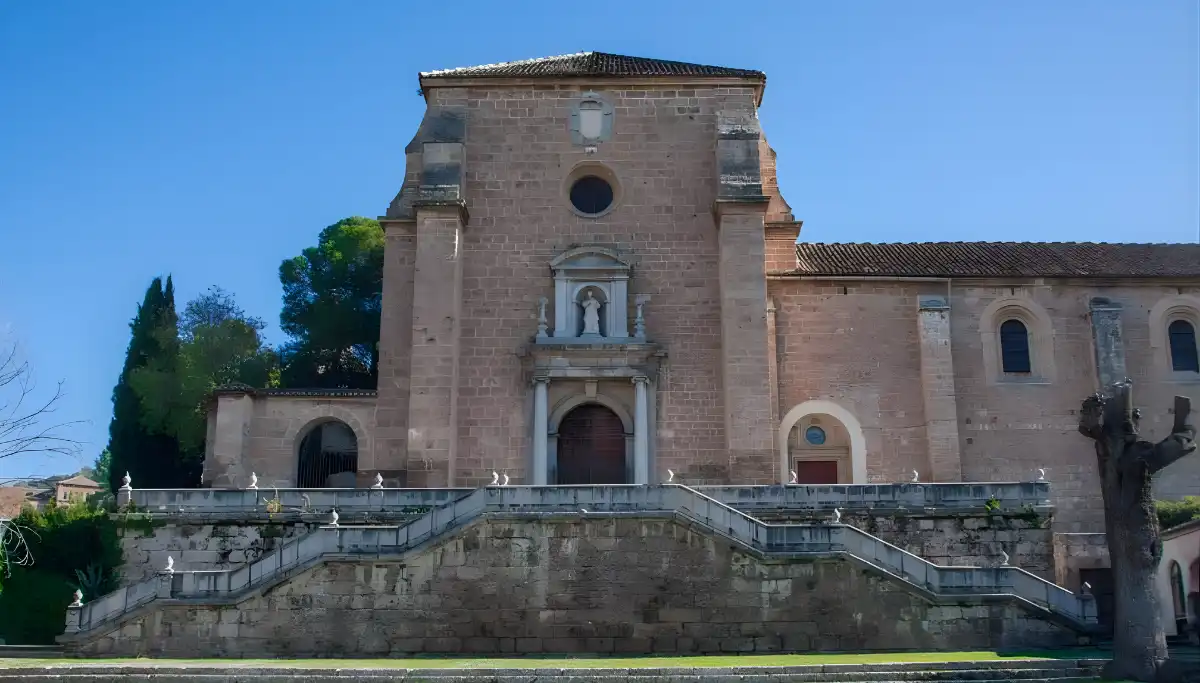
The Monasterio de la Cartuja sits on a hill north of the city centre. This Carthusian monastery is one of the finest examples of Spanish Baroque, with an extraordinarily ornate sacristy that rivals anything in Granada.
The monastery takes longer to reach than central sights but rewards visitors with its peaceful atmosphere and over-the-top decoration.
Cartuja Monastery
Stunning Baroque monastery with one of Spain's most ornate sacristies. Peaceful location away from the tourist crowds.
Cultural Experiences
22. Catch a Flamenco Performance
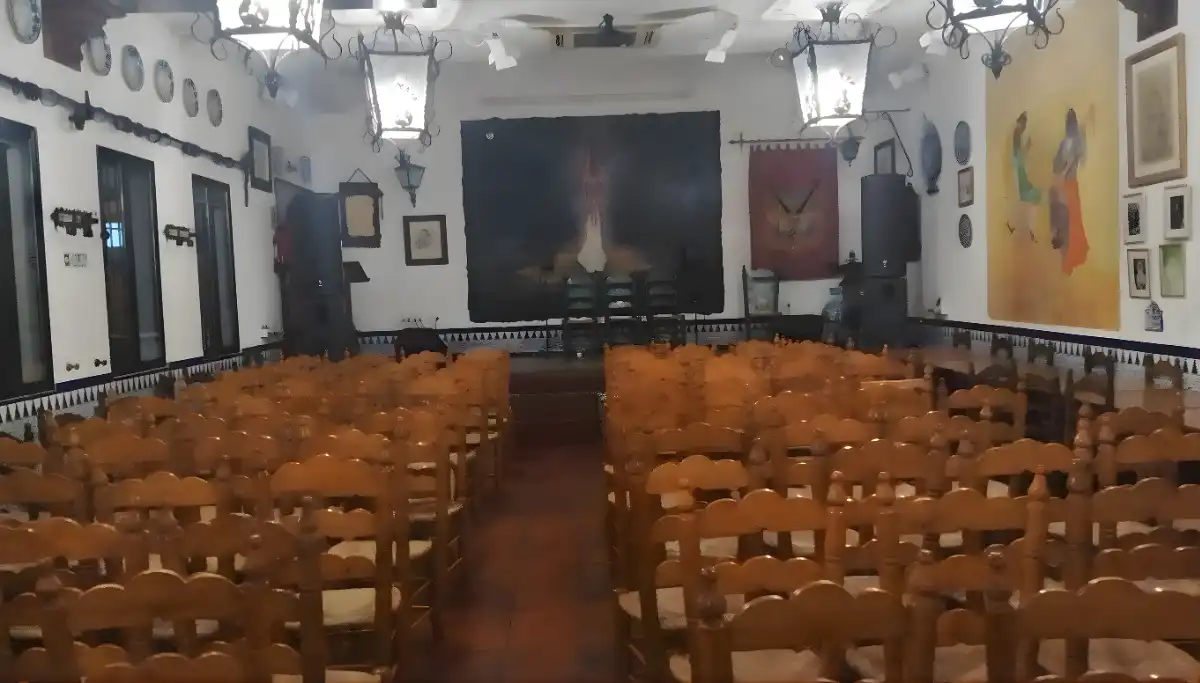
Beyond Sacromonte's caves, Granada has excellent flamenco venues throughout the city. The Pena la Plateria is one of the oldest flamenco clubs in Spain, with authentic performances in an intimate setting.
Flamenco at Pena la Plateria
Historic flamenco club in the Albaicin. Intimate venue for authentic performances in traditional peña style.
23. Learn About Federico Garcia Lorca
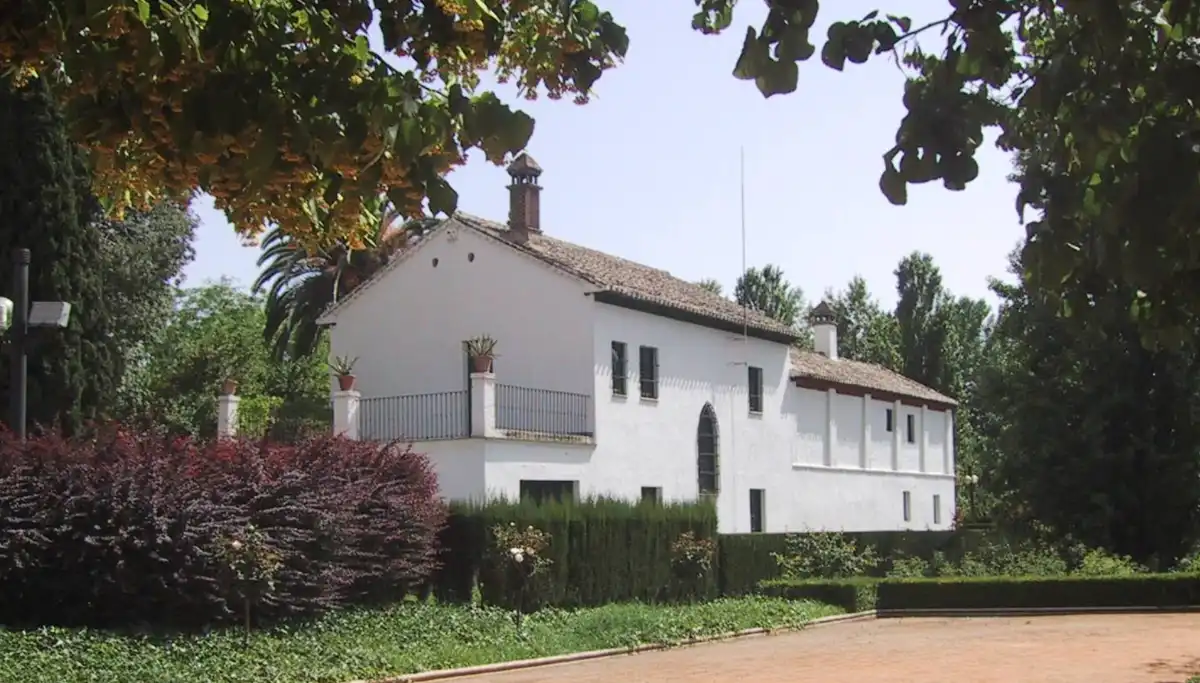
Granada's most famous son, the poet and playwright Federico Garcia Lorca, was born nearby and lived much of his life here. His family's summer home, the Huerta de San Vicente, is now a museum preserving his memory.
Lorca was murdered by Nationalist forces in 1936, at the start of the Spanish Civil War.
His exact burial place remains unknown. The museum offers insight into his life and work.
24. Browse the Sunday Flea Market

Every Sunday morning, the area around the Estadio de la Juventud hosts Granada's rastro (flea market). Vendors sell everything from antiques and vintage clothing to books, records, and curiosities.
It's a local experience away from the tourist areas, worth combining with a walk through the nearby Zaidin neighbourhood.
25. Enjoy the Student Atmosphere

Granada is a major university city, and students give the city much of its energy. The area around Calle Pedro Antonio de Alarcon is packed with student bars, while the university buildings themselves are worth exploring.
The student presence keeps prices reasonable and ensures the city stays lively year-round, not just during tourist season.
How to Get to Granada
Getting to Granada
Regular AVE/AVANT services from Maria Zambrano station.
High-speed AVE service from Atocha station.
ALSA buses from Malaga bus station. Very frequent service.
A-92 motorway. Easy drive with good signage.
Granada airport (GRX) has limited routes. Malaga airport offers more options.
Best Time to Visit Granada
- Spring (March-May): Ideal temperatures, Semana Santa celebrations (if dates align), fewer crowds than summer. Excellent.
- Summer (June-August): Hot, especially July-August when temperatures regularly exceed 35°C. Mornings and evenings are best. The Alhambra's gardens provide shade.
- Autumn (September-November): Pleasant weather, good light for photography, grape harvest season. The Sierra Nevada begins to show snow.
- Winter (December-February): Cool but often sunny. Perfect for combining city visits with skiing in the Sierra Nevada. Fewer tourists.
Granada: Who It's For
- + The Alhambra is genuinely unmissable
- + Free tapas with every drink
- + Authentic flamenco in cave venues
- + Two UNESCO World Heritage Sites
- + Excellent value compared to other Spanish cities
- + Sierra Nevada day trips for hiking or skiing
- - Alhambra tickets sell out months ahead
- - Very hot in summer
- - Hilly terrain can be tiring
- - Some tourist areas feel overrun
- - Airport has limited connections
How Long to Spend in Granada
- 1 day: Only if absolutely necessary. You can see the Alhambra and catch a sunset from Mirador San Nicolas, but you'll barely scratch the surface.
- 2 days: Enough for the Alhambra, Albaicin exploration, tapas crawl, and one flamenco show. This is the minimum for most visitors.
- 3-4 days: Time to explore properly. Add Sacromonte, the cathedral, Realejo, and a day trip to the Sierra Nevada or Alpujarras. This is ideal.
- 1 week+: For those who want to immerse themselves. Take Spanish classes, discover local neighbourhoods, hike in the mountains, and truly get to know the city.
Local tip
If you're visiting Granada as a day trip from Malaga or Seville, you'll only have time for the Alhambra. That's fine, but know you're missing most of what makes Granada special. If possible, stay at least one night to experience the city after dark.
For help navigating the city, see our guide to getting around Granada.
Where to Stay in Granada
Albaicin
Historic Moorish quarter€€-€€€Stay in a traditional carmen or boutique hotel with Alhambra views. Atmospheric and romantic, but steep streets and further from city centre bars and restaurants.
Best for atmosphere and views. Perfect for couples and those who prioritize charm over convenience.
City Centre (Plaza Nueva area)
Central Granada€-€€€Walking distance to everything. Best for tapas bars, shopping, and nightlife. Hotels range from budget to luxury.
Most practical location. Easy access to Alhambra shuttle bus, tapas streets, and public transport.
Realejo
Former Jewish quarter€-€€Local neighbourhood feel with excellent bars and street art. Central but less touristy. Good value apartments and small hotels.
Best for independent travelers who want to live like a local while staying central.
Is Granada Worth Visiting?
Granada is one of Spain's essential destinations. The Alhambra alone would justify the visit, but the city offers so much more: the free tapas tradition, the atmospheric Albaicin, flamenco in caves, views of snow-capped mountains from city rooftops.
Unlike some Spanish cities that feel similar, Granada is unique.
Its Moorish heritage gives it a character you won't find elsewhere. The prices are reasonable, the food is excellent, and the atmosphere is magical.
If you're visiting Andalusia, Granada is not optional. It's essential.
Common Questions About Granada
The Bottom Line
Granada is one of those cities that changes how you think about Spain.
The Alhambra is a wonder of the world. The Albaicin is a step back in time. The free tapas tradition makes every evening an adventure. The Sierra Nevada rises impossibly close. And flamenco in a Sacromonte cave is an experience you'll never forget.
This isn't just another Spanish city. This is Granada, and it's extraordinary.
Come for the Alhambra.
Stay for everything else. Leave already planning your return.

Hola! I'm the researcher, walker, and co-founder behind Spain on Foot. I help travellers experience Spain authentically, through in-depth guides, locals-only knowledge, and cultural stories you won't find in guidebooks. You can reach me at heidi@spainonfoot.com
Planning a trip to Granada?
Explore Granada Guide→