tips
Spain Safety Tips: 15 Essential Tips for Travellers (2026)
This post may contain affiliate links, which means I earn a small commission, at no extra cost to you. It helps keep the blog alive, and we really appreciate your support!

After living in Spain for years, this is the advice I always give to visiting friends.
After living in Spain for a few years, we have seen and experienced our fair share of travel mishaps. Most of them were completely avoidable.
These days, I would say I am pretty good at spotting scams and avoiding pickpockets.
But those are not the only risks when you are travelling.
Health issues, misunderstandings with local laws, or unexpected emergencies can catch you off guard. And when you are in a new country, that can feel overwhelming.
Spain Safety Essentials
This is my best safety advice for anyone visiting Spain.
Compare hotel prices in Spain
Find the best deal across booking sites
1. Research Your Destinations Before You Go
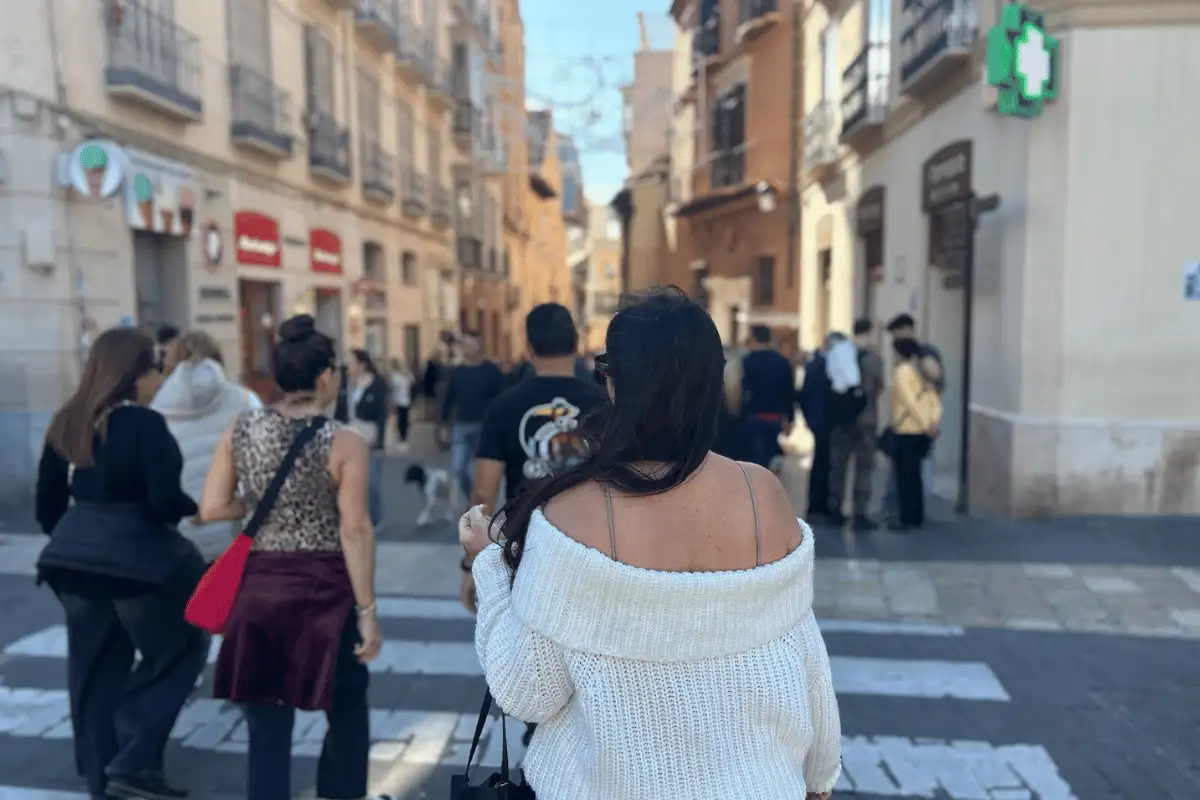
Before you set foot in Spain, a little preparation goes a long way in keeping you safe and worry-free. While Spain is generally a safe destination, like anywhere in the world, it is always smart to be prepared.
This is not just about where to stay. It is also about where you walk, especially at night.
When you are choosing accommodation, think about where you will be spending time and how you will get there.
It is easy to wander down side streets or take long walks after dark while exploring. Most of the time, it is fine. But, like anywhere, things can go wrong.
Do some research.
Look up the areas you are visiting and get familiar with them on a map. Check safety info before you go.
If you are unsure, head to Reddit and ask in one of the Spain travel groups. Locals and seasoned travellers are usually happy to help.
2. Get Travel Insurance
If there is one thing you should not travel without, it is solid travel insurance. Medical emergencies, theft, or trip disruptions can happen, and the last thing you want is a hefty bill or a logistical nightmare.
-
Medical Coverage: Spain has excellent healthcare, but if you are not an EU citizen, you will need coverage for hospital visits, accidents, or doctor appointments.
-
Theft Protection: Pickpocketing and petty theft are the most common tourist issues in Spain. A good insurance plan will help you recover lost items and reimburse stolen valuables.
-
Trip Cancellation and Delays: Whether it is a missed flight, a sudden illness, or unexpected travel disruptions, trip insurance can save you from financial headaches.
Before purchasing a plan, read the fine print and make sure it covers hospitalisation, lost belongings, and emergency evacuation. Some providers also offer 24/7 assistance, which can be a lifesaver in a pinch.
3. Understand Local Laws and Customs
Spanish laws might be different from what you are used to, and knowing the basics can help you avoid trouble.
There is a law in some areas in Andalucia that says you can be fined if caught peeing in the ocean. Yes, that is a real thing.
The point I am making is that there are going to be laws that you have never heard of that can cause headaches. Everything from driving to public behaviour.
Local tip
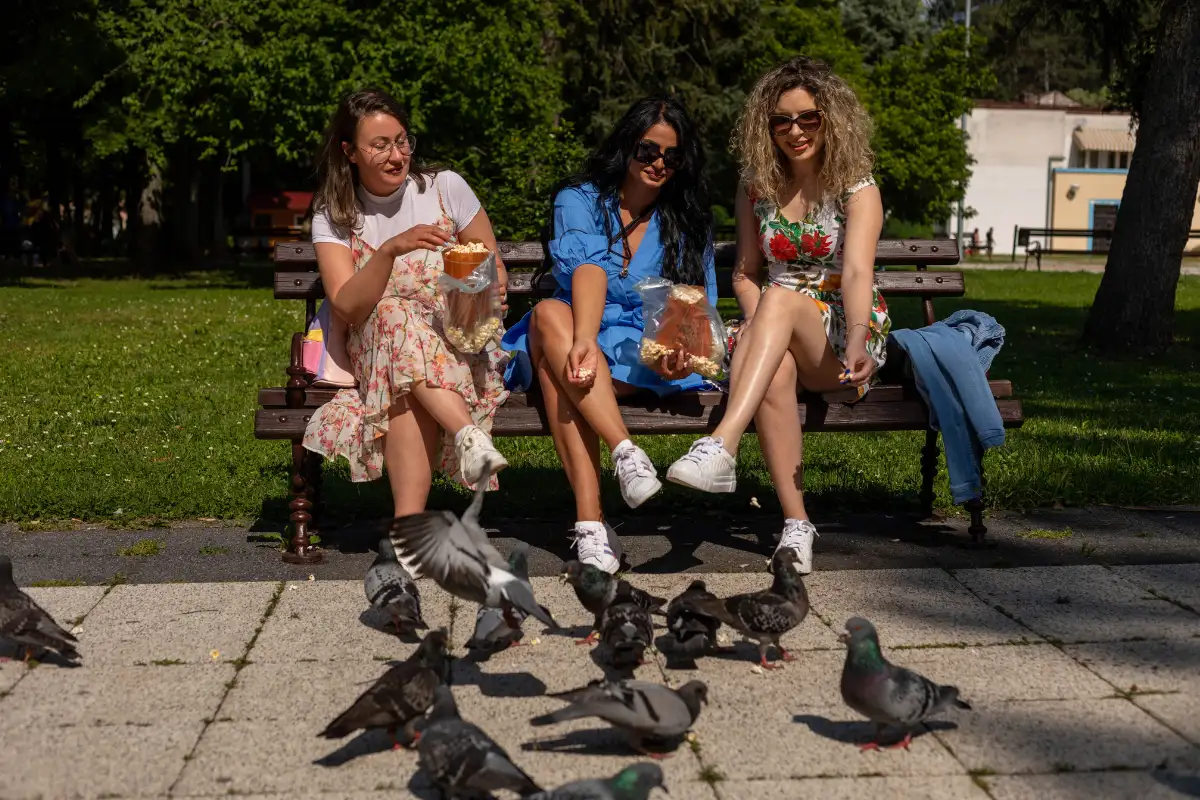
Do not feed the pigeons in Spain. You can get fined up to 1500 euros. Other common fines include drinking alcohol in public spaces and jaywalking in certain cities.
4. Save Emergency Contacts
You do not want to be scrambling for help in an emergency. Before you leave, save these important numbers on your phone and write them down somewhere accessible.
- 112 – Spain's general emergency number (police, medical, and fire)
- 091 – National Police (for serious crimes or emergencies)
- 092 – Local Police (for non-urgent issues like minor theft)
- 061 – Medical emergencies
- Your Country's Embassy or Consulate – If you lose your passport or need assistance
- Hospital Contacts – Look up the closest hospital to where you are staying
Having these numbers ready can save time and prevent panic if something goes wrong. If you can save a written copy on your person, in case your phone gets stolen, even better.

5. Learn Basic Spanish Phrases for Emergencies
Not everyone in Spain speaks English, especially in smaller towns and especially when dealing with authorities. Knowing a few key phrases can make a huge difference in an emergency.
Here are some useful ones:
- "¡Ayuda!" – Help!
- "Llama a la policía." – Call the police.
- "Necesito un médico." – I need a doctor.
- "¿Dónde está el hospital más cercano?" – Where is the nearest hospital?
- "Me han robado." – I have been robbed.
- "No me siento bien." – I do not feel well.
- "¿Habla inglés?" – Do you speak English?
6. Protect Yourself from Pickpockets
Spain's cities, especially tourist hotspots like Madrid, Barcelona, and Seville, are prime hunting grounds for pickpockets.
These are not your average clumsy thieves. They are quick, slick, and often work in teams.
Always remember to:
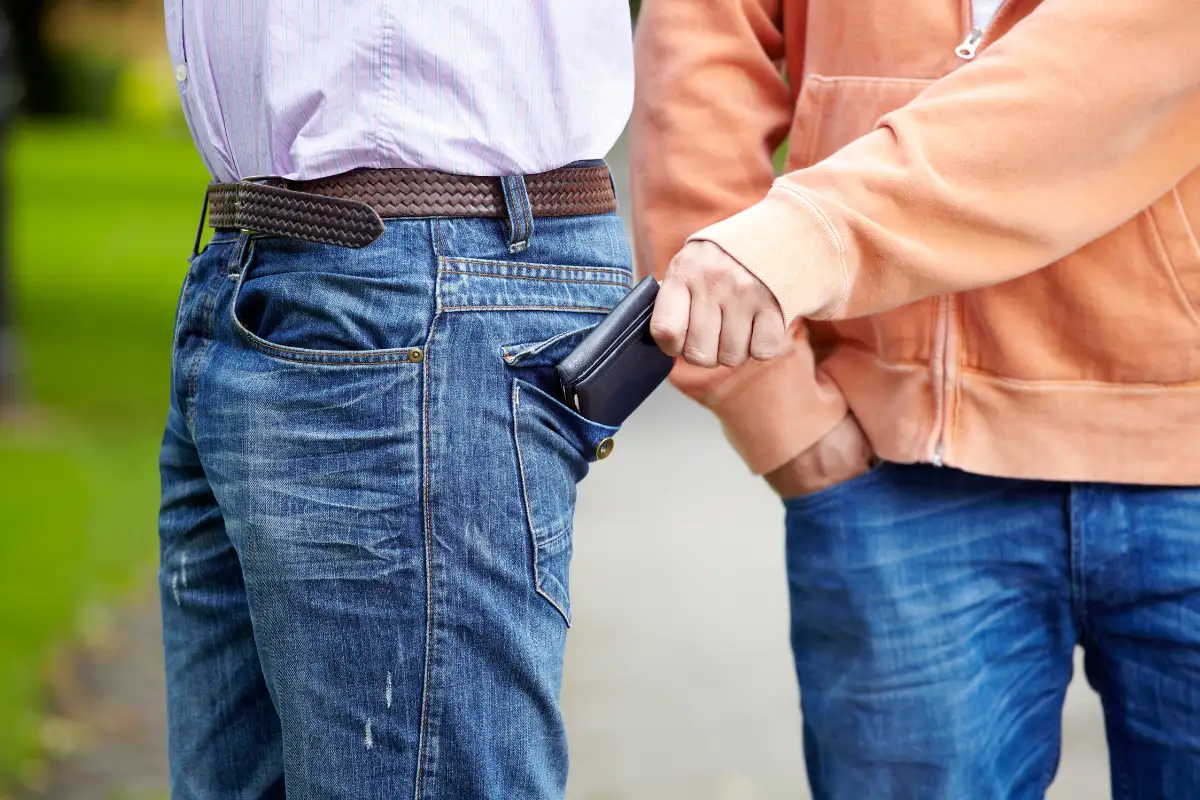
- Keep your bag zipped and in front of you, not hanging off your back
- Avoid keeping your phone or wallet in your back pocket
- Be extra cautious in crowded places like metro stations, markets, and bus stops
7. Stay Safe at Night
The risks increase when the lights go out:
- Stick to well-lit areas and main streets
- If you are out late, opt for a licensed taxi or rideshare rather than wandering unfamiliar streets alone
- Watch your drink. It is rare, but drink spiking does happen, just like in any major city
Locals tend to stay out late, so a lively street at 2 AM is not necessarily unsafe, but always trust your gut.
8. Use ATMs Safely
Spain is largely a card-friendly country, but cash is still useful for smaller purchases. If you need to withdraw money:
- Use ATMs inside banks rather than random machines on the street
- Be wary of anyone standing too close while you enter your PIN
- Keep an eye on your bank statements for any unexpected charges
Also, let your bank know you are travelling so they do not block your card at the worst possible moment.
9. Stay Safe on Public Transport
Spain's metro and bus systems are efficient and generally safe, but rush hour can be a prime time for pickpockets.
- Keep an eye on your bags when getting on and off trains
- If someone is making a scene or causing a distraction, be extra cautious. It could be a setup for a theft
- Do not flash expensive gadgets in crowded spaces
Only use ride services that you can trust. Uber and Cabify are fine, just make sure you verify your driver and enable ride location sharing with family or friends so someone knows you arrive okay.
Always take officially marked taxis.
10. Choose Safe Neighbourhoods for Accommodation
Where you stay can have a huge impact on your safety while travelling in Spain.
Not all neighbourhoods offer the same level of safety. Spain is generally a safe country, but some areas are more prone to pickpocketing, scams, or petty crime, especially in big cities.
If you are booking an Airbnb or hotel, check recent reviews for any mentions of safety concerns. Google Street View can also help you get a feel for the area before you book.
We once stayed at a place in Mexico and only saw afterwards, in the reviews, that someone had witnessed a kidnapping right outside the door. It was not exactly the welcome we were hoping for.
When doing your research:
- Ask on the Spain forums for advice
- Look at the reviews and comments on listings
- Look for blogs in the area for local advice
11. Secure Your Accommodation
Different types of accommodation come with different safety considerations.
Hotels:
- Stick to reputable hotels with 24/7 reception
- Request a room above the ground floor for added security
- Lock your door even when inside, and use the peephole before opening
Hostels:
- Choose hostels that offer secure lockers for valuables. Bring your own padlock just in case
- Stay in hostels with key card access or coded entrances instead of places where anyone can walk in
Airbnbs:
- Only book Superhosts or well-reviewed listings with strong security measures
- If possible, confirm how you will access the property. Keyless entry or a secure lockbox is better than being handed keys in a random location
Regardless of where you stay, always lock your door and windows when leaving and at night.
12. Use Hotel Safes for Valuables
A hotel or Airbnb safe is your best friend when it comes to protecting important belongings.
- Store your passport, extra cash, and credit cards inside whenever you leave
- Avoid keeping all your money in one place. Leave some in the safe and carry only what you need for the day
- If there is no safe, hide items like your passport somewhere in the room that even a cleaner would not go
Always keep copies of your important documents like passports and tickets in your email or somewhere else easily accessible in case your digital devices go missing.
13. Be Careful Who You Let Into Your Space
This sounds obvious, but many travellers let their guard down, especially when meeting new people.
- Hotels and Hostels: Never share your room number with strangers. If someone claims to be hotel staff, verify with reception before letting them in.
- Airbnbs: If staying in a shared space, lock your bedroom door at night and be mindful of your surroundings.
- Nightlife Precautions: Meeting locals or other travellers is part of the fun, but do not invite people back to your accommodation unless you truly trust them.
14. Look After Your Health
Looking after yourself can take a backseat on holiday sometimes. I know I have made some questionable food choices on holiday after a few drinks.
This is mostly about using common sense on holidays. Balance trust with your gut when it comes to making decisions far from home.
- Only eat at locations that are safe
- Stick to bottled water in certain areas
- Stay hydrated in hot places like Seville
- Use sun protection
- Be wary of the waves. Spain's ocean may look flat, but rips still exist
Plan ahead by making a mental note of where the nearest hospital is and how to use your medical insurance.
In Malaga, for example, it is really hard to get an on-the-spot appointment with a normal doctor. Your best bet is to go straight to the hospital, which is totally normal in Spain and covered by most travel insurance.
15. Respect Local Customs
Spain is pretty relaxed, and the people are amazingly helpful, so you will not have any issues.
But always bear the following in mind:
- You are the tourist. Be respectful.
- When communicating with anyone, go slow and do not escalate, no matter how frustrating things like the language barrier might be.
- Respect local customs. It is normal for Spanish people to get close to you and speak loudly. It is not them trying to be confrontational.
What to Do If Something Goes Wrong
Even with the best precautions, unexpected situations can happen. Whether it is dealing with theft, losing your passport, or needing medical help, knowing what to do can make all the difference.
If You Are a Victim of Theft
Pickpocketing is the most common crime tourists face in Spain, especially in crowded areas like metro stations, popular landmarks, and busy nightlife spots.
If your belongings are stolen:
- Stay calm and take stock. Check if anything was dropped nearby or if you simply misplaced it.
- Report the theft to the local police by going to the nearest station or calling 091 (National Police). You will need a denuncia (police report) for insurance claims or replacement documents.
- Cancel stolen credit and debit cards immediately. Call your bank or use your banking app to block access.
- Track your phone if it was stolen. Use Find My iPhone or Google's Find My Device to locate or remotely erase it.
- If your bag was snatched, do not chase the thief. Instead, look for nearby police officers or a safe place to ask for help.
Spain takes theft reports seriously, and in some cases, the police recover stolen items, so reporting is always worth it.
Contacting the Police
Spain has a central emergency number: 112, which connects you to police, medical services, and fire departments. There are operators who speak English, so do not hesitate to call in an emergency.
For theft or minor incidents, you can also reach:
- 091 – National Police (for crimes like theft, assault, or fraud)
- 092 – Local Police (for non-urgent local issues, like disturbances or lost items)
If you are in a major city, police stations in tourist-heavy areas often have English-speaking officers.
Lost Passport
Losing your passport can be a nightmare, but it is fixable. If yours is stolen or misplaced:
- Report the loss to the police and get a copy of the police report (denuncia). Your embassy will likely require this for a replacement.
- Find your nearest embassy or consulate. Each country has different procedures, but you will likely need a passport-sized photo, a copy of your lost passport if available, the police report, some form of alternative ID, and payment for the replacement fee.
- Ask about an emergency travel document. If you have a flight soon, many embassies issue temporary passports that let you travel home or to another country.
To avoid headaches, keep digital copies of your passport and travel documents stored in your email or cloud storage.
Medical Emergencies
Spain has excellent healthcare, and public hospitals provide emergency treatment to foreigners. If you need medical help:
- Call 112 for urgent emergencies. Operators can connect you to an ambulance or direct you to the nearest hospital.
- For non-life-threatening issues, visit a local clinic (centro de salud) or a private hospital if your insurance covers it.
- If you have travel insurance, contact your provider immediately for guidance on where to seek treatment. Many policies offer direct billing, so you do not have to pay upfront.
- If you need medication, Spanish pharmacies (farmacias) are well-stocked, and pharmacists can offer advice on minor issues. You will also find that it is really cheap.
If you take prescription medication, carry a copy of your prescription in case you need a refill while abroad.
Final Thoughts
Do your research, trust your gut, and plan for the unexpected.
Spain is a fantastic country, and with a little common sense, your trip will be nothing but amazing memories (and maybe a little too much tapas).
Stay aware, trust your instincts, and enjoy every moment of your adventure.
Frequently Asked Questions

Hola! I'm the researcher, walker, and co-founder behind Spain on Foot. I help travellers experience Spain authentically, through in-depth guides, locals-only knowledge, and cultural stories you won't find in guidebooks. You can reach me at heidi@spainonfoot.com